
| PathWhiz ID | Pathway | Meta Data |
|---|---|---|
PW762388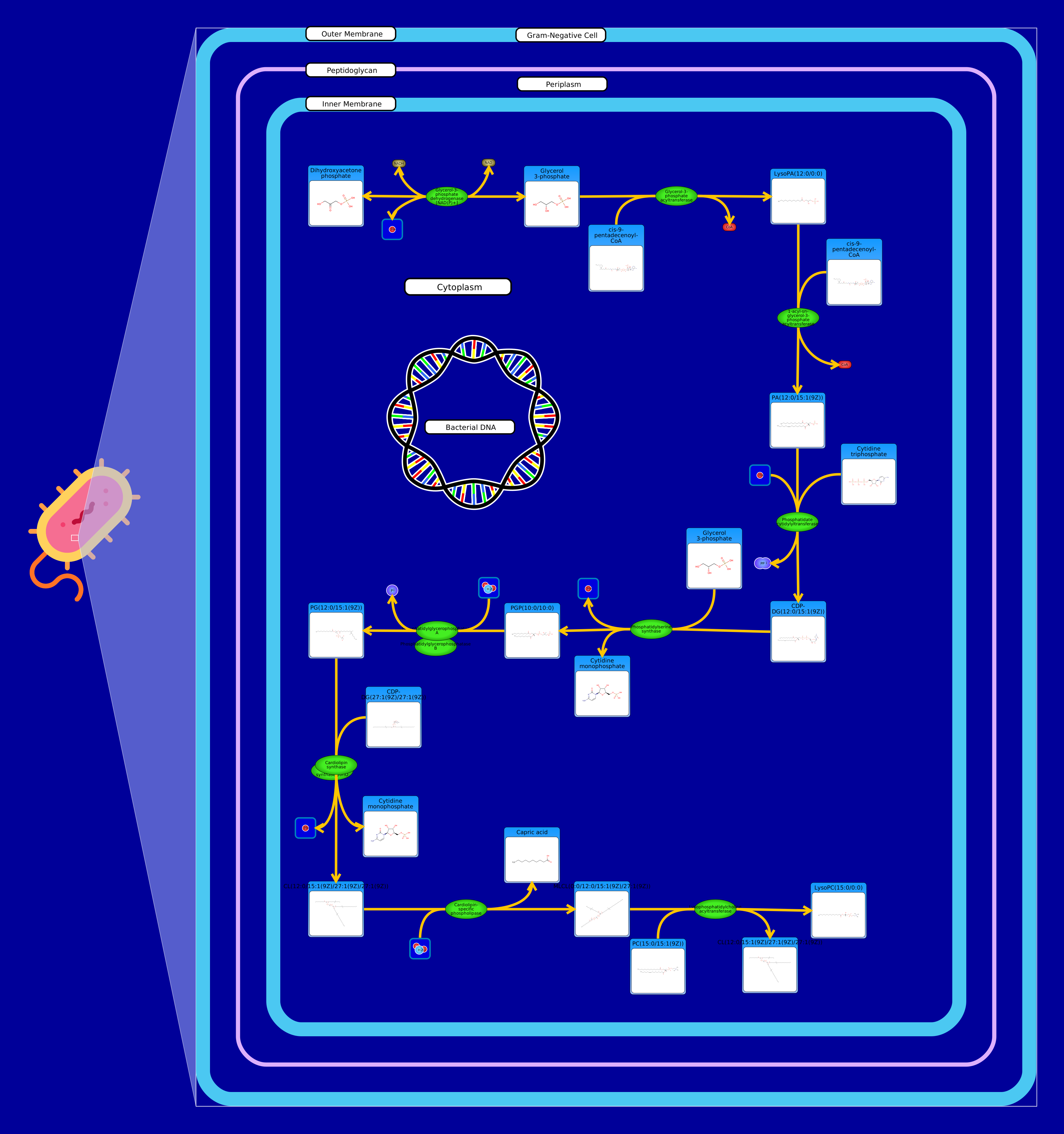 View Pathway
|
Cardiolipin Biosynthesis via MLCL(0:0/12:0/15:1(9Z)/27:1(9Z))Escherichia coli
The biosynthesis of cardiolipin (CL) in bacteria begins in the cytoplasm. Dihydroxyacetone phosphate is reduced by glycerol-3-phosphate dehydrogenase to form glycerol 3-phosphate, using NADH as a cofactor. Glycerol 3-phosphate then reacts with an acyl-CoA via glycerol-3-phosphate acyltransferase, producing 1-acyl-sn-glycerol-3-phosphate (lysophosphatidic acid, LysoPA). The resulting LysoPA undergoes acylation by 1-acylglycerol-3-phosphate O-acyltransferase, forming phosphatidic acid (PA). PA reacts with cytidine triphosphate (CTP) in a reaction catalyzed by phosphatidate cytidylyltransferase, yielding CDP-diacylglycerol (CDP-DG). CDP-DG is converted to phosphatidylglycerophosphate (PGP) by CDP-diacylglycerol–glycerol-3-phosphate 3-phosphatidyltransferase, and PGP is then dephosphorylated by phosphatidylglycerophosphatase to produce phosphatidylglycerol (PG). CL is formed when PG reacts with another CDP-DG molecule under the action of cardiolipin synthase, producing CL and releasing cytidine monophosphate. Bacterial cardiolipin remodeling begins with the removal of an acyl chain from CL by a cardiolipin-specific phospholipase, producing 1-monolysocardiolipin (MLCL). The acyl chain is then reintroduced by a lysophosphatidylcholine acyltransferase (or similar bacterial acyltransferase), transferring an acyl group from a phospholipid donor (e.g., phosphatidylcholine) to MLCL, regenerating mature cardiolipin.
|
Creator: Julia Wakoli Created On: August 29, 2025 at 21:02 Last Updated: August 29, 2025 at 21:02 |
PW762389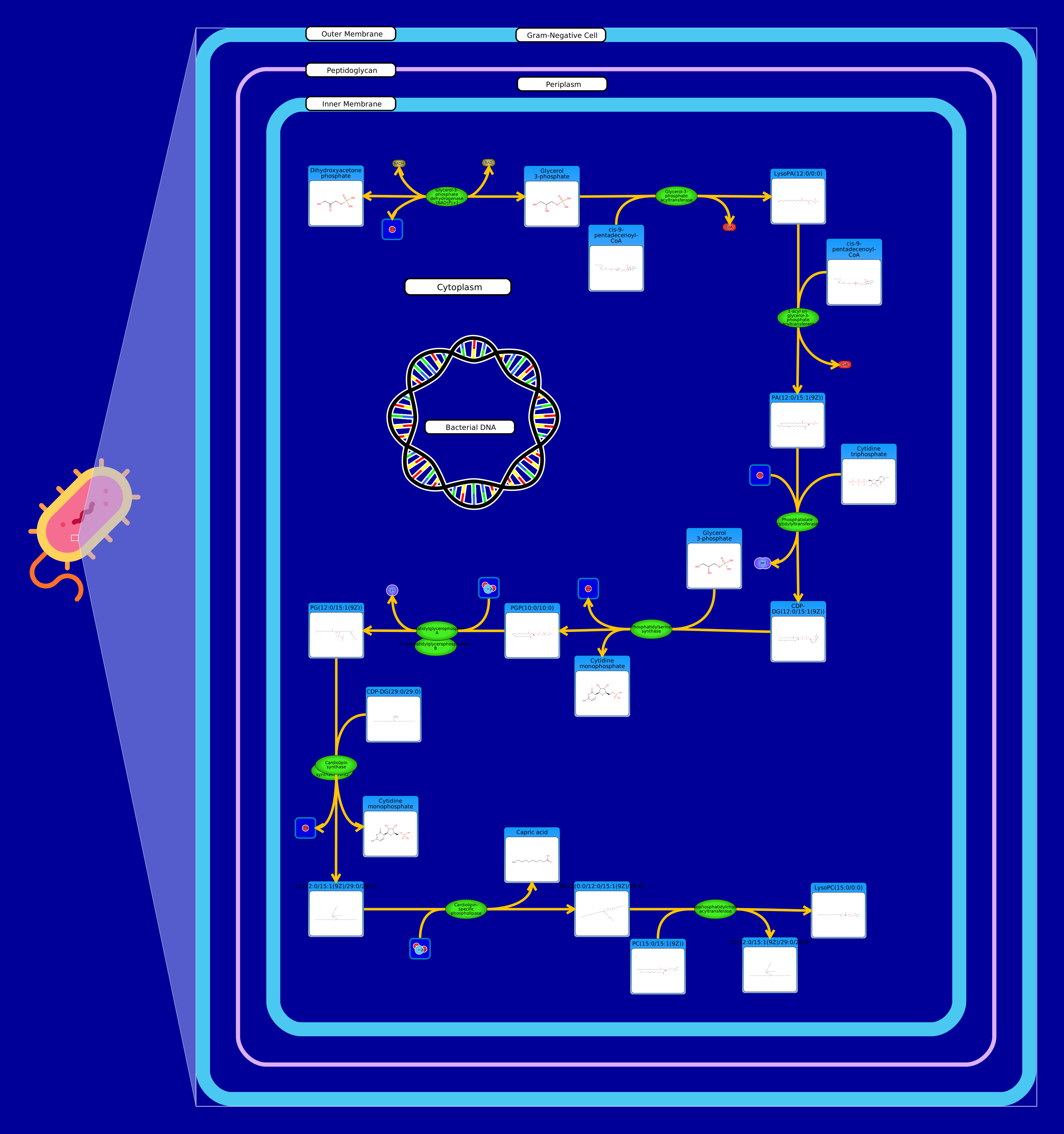 View Pathway
|
Cardiolipin Biosynthesis via MLCL(0:0/12:0/15:1(9Z)/29:0)Escherichia coli
The biosynthesis of cardiolipin (CL) in bacteria begins in the cytoplasm. Dihydroxyacetone phosphate is reduced by glycerol-3-phosphate dehydrogenase to form glycerol 3-phosphate, using NADH as a cofactor. Glycerol 3-phosphate then reacts with an acyl-CoA via glycerol-3-phosphate acyltransferase, producing 1-acyl-sn-glycerol-3-phosphate (lysophosphatidic acid, LysoPA). The resulting LysoPA undergoes acylation by 1-acylglycerol-3-phosphate O-acyltransferase, forming phosphatidic acid (PA). PA reacts with cytidine triphosphate (CTP) in a reaction catalyzed by phosphatidate cytidylyltransferase, yielding CDP-diacylglycerol (CDP-DG). CDP-DG is converted to phosphatidylglycerophosphate (PGP) by CDP-diacylglycerol–glycerol-3-phosphate 3-phosphatidyltransferase, and PGP is then dephosphorylated by phosphatidylglycerophosphatase to produce phosphatidylglycerol (PG). CL is formed when PG reacts with another CDP-DG molecule under the action of cardiolipin synthase, producing CL and releasing cytidine monophosphate. Bacterial cardiolipin remodeling begins with the removal of an acyl chain from CL by a cardiolipin-specific phospholipase, producing 1-monolysocardiolipin (MLCL). The acyl chain is then reintroduced by a lysophosphatidylcholine acyltransferase (or similar bacterial acyltransferase), transferring an acyl group from a phospholipid donor (e.g., phosphatidylcholine) to MLCL, regenerating mature cardiolipin.
|
Creator: Julia Wakoli Created On: August 29, 2025 at 21:04 Last Updated: August 29, 2025 at 21:04 |
PW762390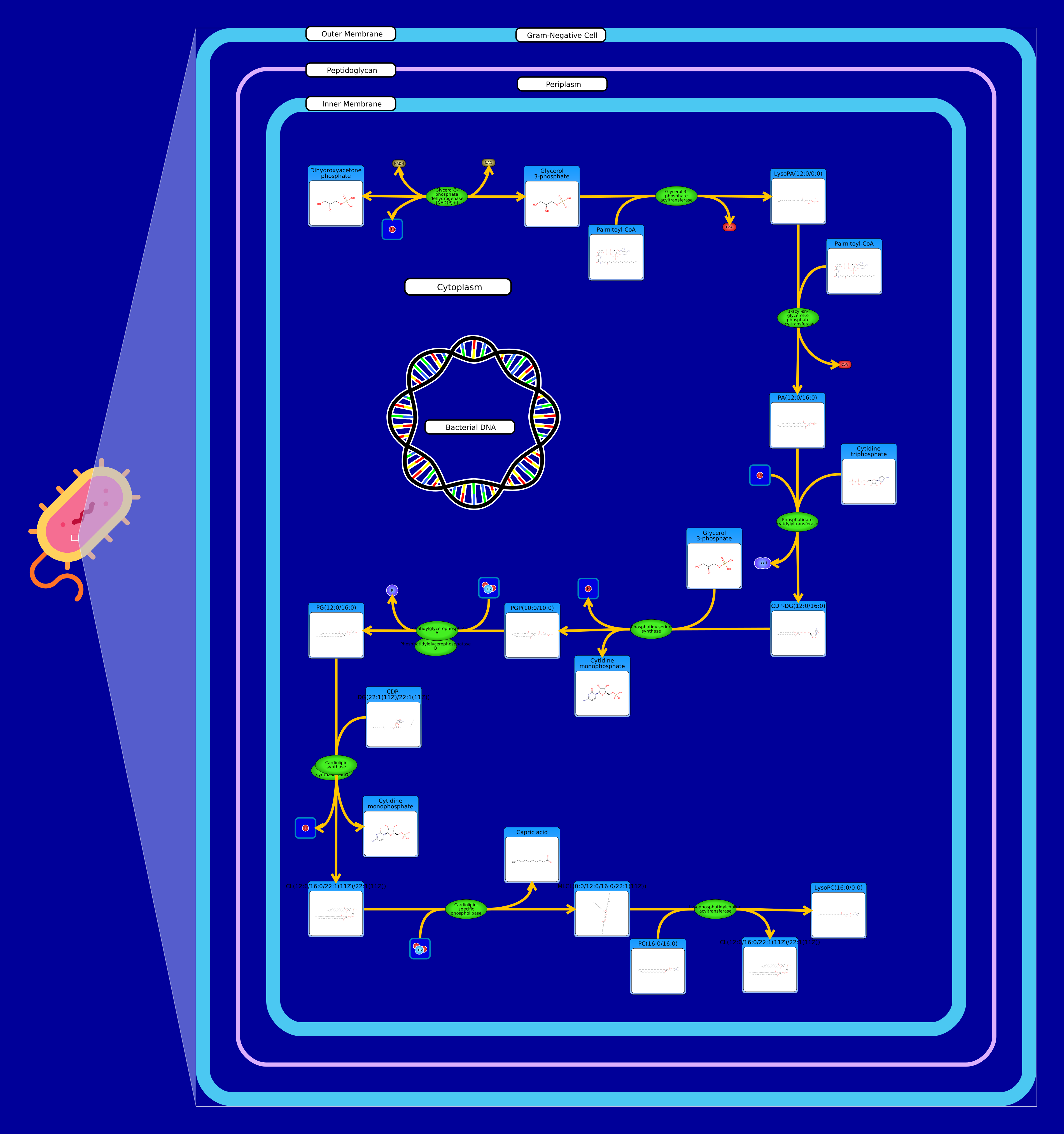 View Pathway
|
Cardiolipin Biosynthesis via MLCL(0:0/12:0/16:0/22:1(11Z))Escherichia coli
The biosynthesis of cardiolipin (CL) in bacteria begins in the cytoplasm. Dihydroxyacetone phosphate is reduced by glycerol-3-phosphate dehydrogenase to form glycerol 3-phosphate, using NADH as a cofactor. Glycerol 3-phosphate then reacts with an acyl-CoA via glycerol-3-phosphate acyltransferase, producing 1-acyl-sn-glycerol-3-phosphate (lysophosphatidic acid, LysoPA). The resulting LysoPA undergoes acylation by 1-acylglycerol-3-phosphate O-acyltransferase, forming phosphatidic acid (PA). PA reacts with cytidine triphosphate (CTP) in a reaction catalyzed by phosphatidate cytidylyltransferase, yielding CDP-diacylglycerol (CDP-DG). CDP-DG is converted to phosphatidylglycerophosphate (PGP) by CDP-diacylglycerol–glycerol-3-phosphate 3-phosphatidyltransferase, and PGP is then dephosphorylated by phosphatidylglycerophosphatase to produce phosphatidylglycerol (PG). CL is formed when PG reacts with another CDP-DG molecule under the action of cardiolipin synthase, producing CL and releasing cytidine monophosphate. Bacterial cardiolipin remodeling begins with the removal of an acyl chain from CL by a cardiolipin-specific phospholipase, producing 1-monolysocardiolipin (MLCL). The acyl chain is then reintroduced by a lysophosphatidylcholine acyltransferase (or similar bacterial acyltransferase), transferring an acyl group from a phospholipid donor (e.g., phosphatidylcholine) to MLCL, regenerating mature cardiolipin.
|
Creator: Julia Wakoli Created On: August 29, 2025 at 21:06 Last Updated: August 29, 2025 at 21:06 |
PW762391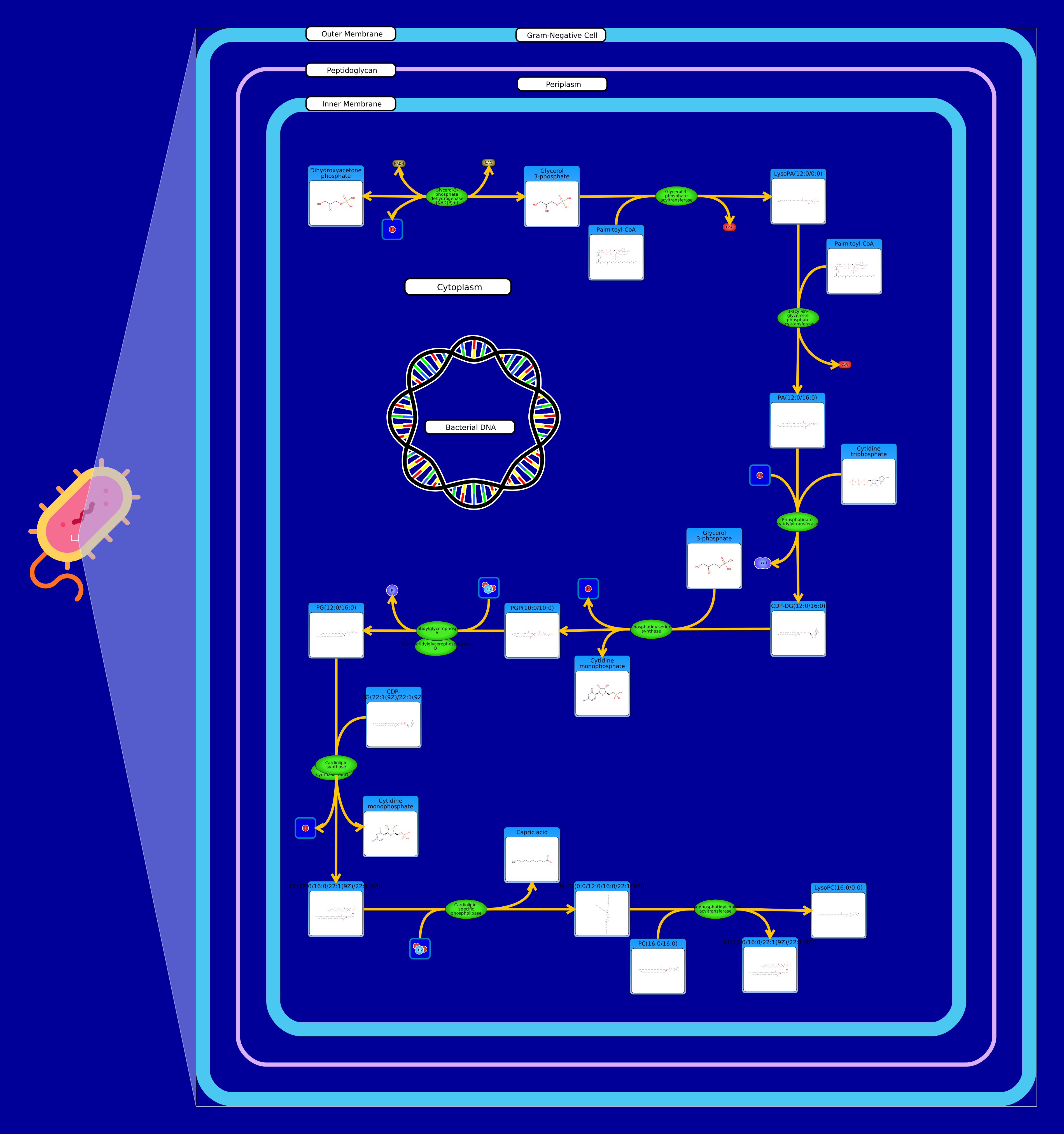 View Pathway
|
Cardiolipin Biosynthesis via MLCL(0:0/12:0/16:0/22:1(9Z))Escherichia coli
The biosynthesis of cardiolipin (CL) in bacteria begins in the cytoplasm. Dihydroxyacetone phosphate is reduced by glycerol-3-phosphate dehydrogenase to form glycerol 3-phosphate, using NADH as a cofactor. Glycerol 3-phosphate then reacts with an acyl-CoA via glycerol-3-phosphate acyltransferase, producing 1-acyl-sn-glycerol-3-phosphate (lysophosphatidic acid, LysoPA). The resulting LysoPA undergoes acylation by 1-acylglycerol-3-phosphate O-acyltransferase, forming phosphatidic acid (PA). PA reacts with cytidine triphosphate (CTP) in a reaction catalyzed by phosphatidate cytidylyltransferase, yielding CDP-diacylglycerol (CDP-DG). CDP-DG is converted to phosphatidylglycerophosphate (PGP) by CDP-diacylglycerol–glycerol-3-phosphate 3-phosphatidyltransferase, and PGP is then dephosphorylated by phosphatidylglycerophosphatase to produce phosphatidylglycerol (PG). CL is formed when PG reacts with another CDP-DG molecule under the action of cardiolipin synthase, producing CL and releasing cytidine monophosphate. Bacterial cardiolipin remodeling begins with the removal of an acyl chain from CL by a cardiolipin-specific phospholipase, producing 1-monolysocardiolipin (MLCL). The acyl chain is then reintroduced by a lysophosphatidylcholine acyltransferase (or similar bacterial acyltransferase), transferring an acyl group from a phospholipid donor (e.g., phosphatidylcholine) to MLCL, regenerating mature cardiolipin.
|
Creator: Julia Wakoli Created On: August 29, 2025 at 21:07 Last Updated: August 29, 2025 at 21:07 |
PW762392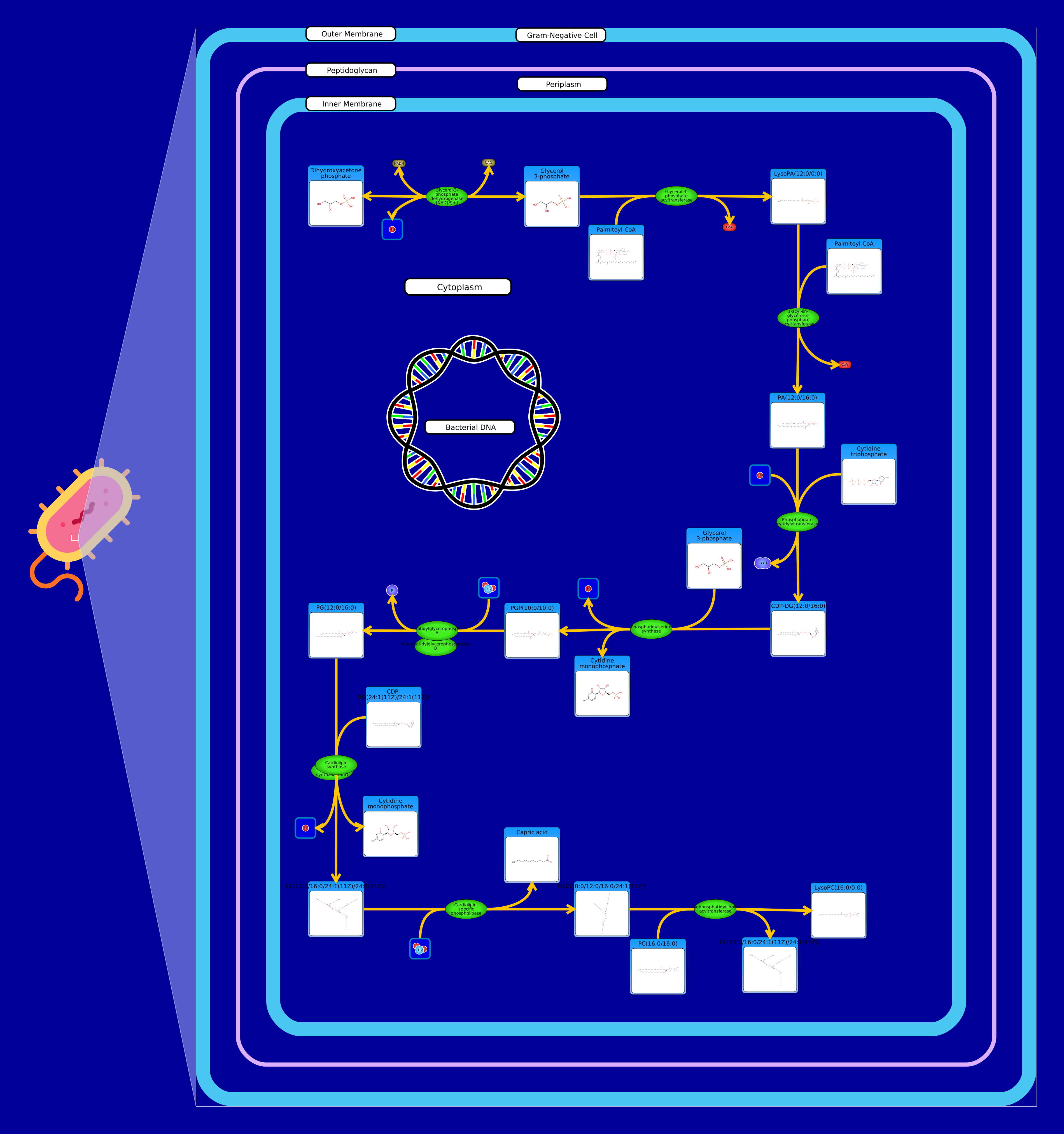 View Pathway
|
Cardiolipin Biosynthesis via MLCL(0:0/12:0/16:0/24:1(11Z))Escherichia coli
The biosynthesis of cardiolipin (CL) in bacteria begins in the cytoplasm. Dihydroxyacetone phosphate is reduced by glycerol-3-phosphate dehydrogenase to form glycerol 3-phosphate, using NADH as a cofactor. Glycerol 3-phosphate then reacts with an acyl-CoA via glycerol-3-phosphate acyltransferase, producing 1-acyl-sn-glycerol-3-phosphate (lysophosphatidic acid, LysoPA). The resulting LysoPA undergoes acylation by 1-acylglycerol-3-phosphate O-acyltransferase, forming phosphatidic acid (PA). PA reacts with cytidine triphosphate (CTP) in a reaction catalyzed by phosphatidate cytidylyltransferase, yielding CDP-diacylglycerol (CDP-DG). CDP-DG is converted to phosphatidylglycerophosphate (PGP) by CDP-diacylglycerol–glycerol-3-phosphate 3-phosphatidyltransferase, and PGP is then dephosphorylated by phosphatidylglycerophosphatase to produce phosphatidylglycerol (PG). CL is formed when PG reacts with another CDP-DG molecule under the action of cardiolipin synthase, producing CL and releasing cytidine monophosphate. Bacterial cardiolipin remodeling begins with the removal of an acyl chain from CL by a cardiolipin-specific phospholipase, producing 1-monolysocardiolipin (MLCL). The acyl chain is then reintroduced by a lysophosphatidylcholine acyltransferase (or similar bacterial acyltransferase), transferring an acyl group from a phospholipid donor (e.g., phosphatidylcholine) to MLCL, regenerating mature cardiolipin.
|
Creator: Julia Wakoli Created On: August 29, 2025 at 21:09 Last Updated: August 29, 2025 at 21:09 |
PW762393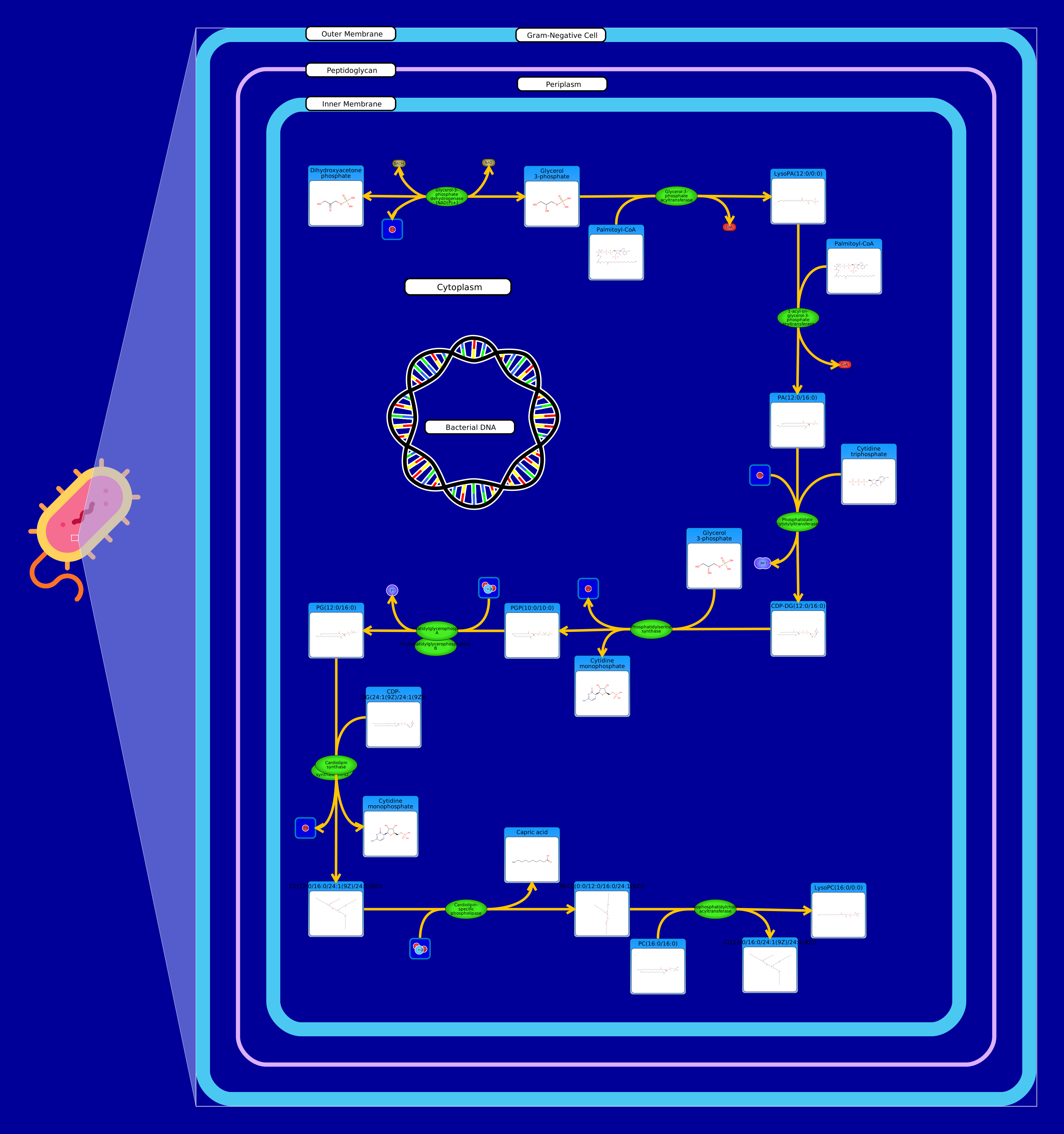 View Pathway
|
Cardiolipin Biosynthesis via MLCL(0:0/12:0/16:0/24:1(9Z))Escherichia coli
The biosynthesis of cardiolipin (CL) in bacteria begins in the cytoplasm. Dihydroxyacetone phosphate is reduced by glycerol-3-phosphate dehydrogenase to form glycerol 3-phosphate, using NADH as a cofactor. Glycerol 3-phosphate then reacts with an acyl-CoA via glycerol-3-phosphate acyltransferase, producing 1-acyl-sn-glycerol-3-phosphate (lysophosphatidic acid, LysoPA). The resulting LysoPA undergoes acylation by 1-acylglycerol-3-phosphate O-acyltransferase, forming phosphatidic acid (PA). PA reacts with cytidine triphosphate (CTP) in a reaction catalyzed by phosphatidate cytidylyltransferase, yielding CDP-diacylglycerol (CDP-DG). CDP-DG is converted to phosphatidylglycerophosphate (PGP) by CDP-diacylglycerol–glycerol-3-phosphate 3-phosphatidyltransferase, and PGP is then dephosphorylated by phosphatidylglycerophosphatase to produce phosphatidylglycerol (PG). CL is formed when PG reacts with another CDP-DG molecule under the action of cardiolipin synthase, producing CL and releasing cytidine monophosphate. Bacterial cardiolipin remodeling begins with the removal of an acyl chain from CL by a cardiolipin-specific phospholipase, producing 1-monolysocardiolipin (MLCL). The acyl chain is then reintroduced by a lysophosphatidylcholine acyltransferase (or similar bacterial acyltransferase), transferring an acyl group from a phospholipid donor (e.g., phosphatidylcholine) to MLCL, regenerating mature cardiolipin.
|
Creator: Julia Wakoli Created On: August 29, 2025 at 21:11 Last Updated: August 29, 2025 at 21:11 |
PW762394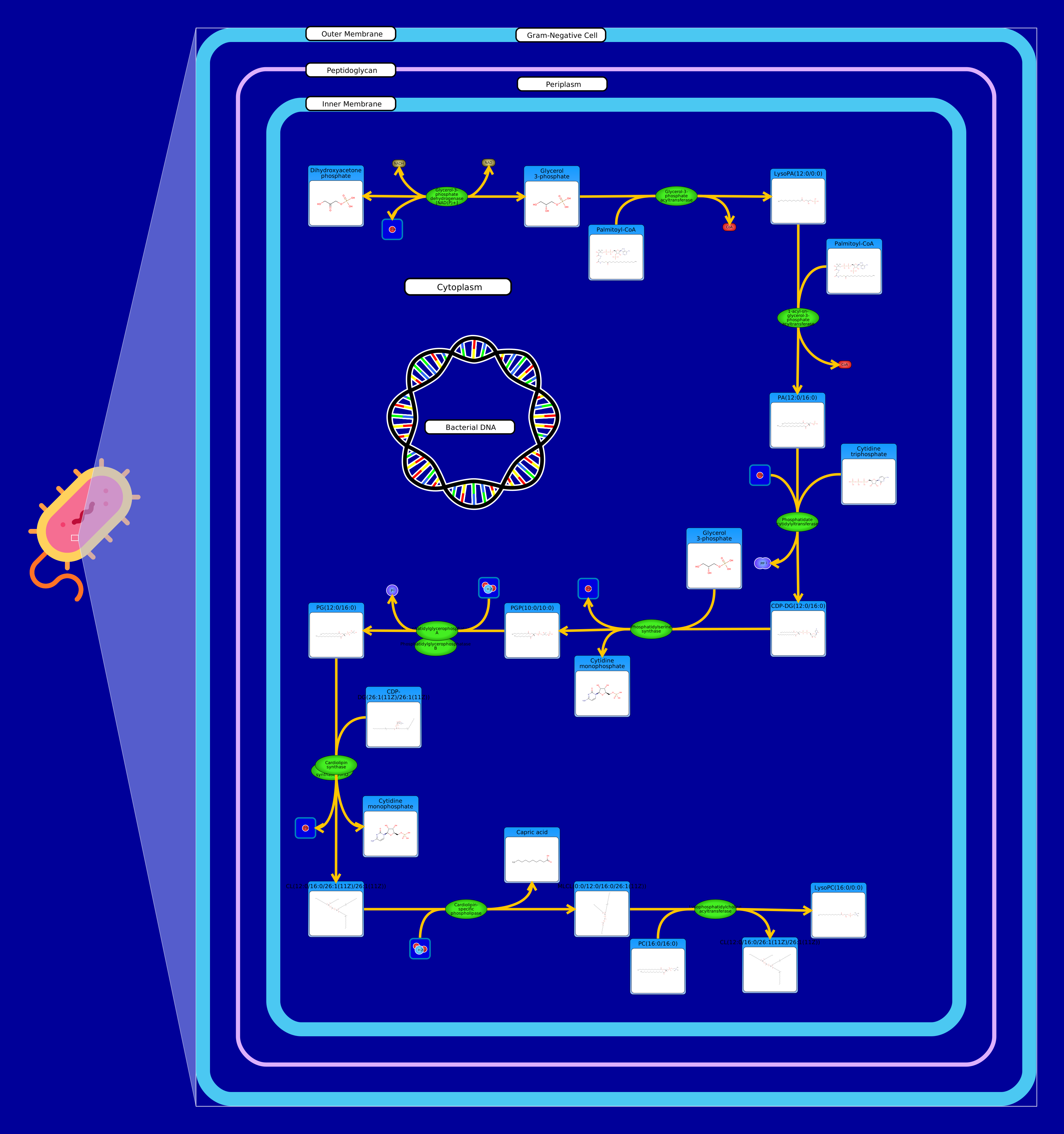 View Pathway
|
Cardiolipin Biosynthesis via MLCL(0:0/12:0/16:0/26:1(11Z))Escherichia coli
The biosynthesis of cardiolipin (CL) in bacteria begins in the cytoplasm. Dihydroxyacetone phosphate is reduced by glycerol-3-phosphate dehydrogenase to form glycerol 3-phosphate, using NADH as a cofactor. Glycerol 3-phosphate then reacts with an acyl-CoA via glycerol-3-phosphate acyltransferase, producing 1-acyl-sn-glycerol-3-phosphate (lysophosphatidic acid, LysoPA). The resulting LysoPA undergoes acylation by 1-acylglycerol-3-phosphate O-acyltransferase, forming phosphatidic acid (PA). PA reacts with cytidine triphosphate (CTP) in a reaction catalyzed by phosphatidate cytidylyltransferase, yielding CDP-diacylglycerol (CDP-DG). CDP-DG is converted to phosphatidylglycerophosphate (PGP) by CDP-diacylglycerol–glycerol-3-phosphate 3-phosphatidyltransferase, and PGP is then dephosphorylated by phosphatidylglycerophosphatase to produce phosphatidylglycerol (PG). CL is formed when PG reacts with another CDP-DG molecule under the action of cardiolipin synthase, producing CL and releasing cytidine monophosphate. Bacterial cardiolipin remodeling begins with the removal of an acyl chain from CL by a cardiolipin-specific phospholipase, producing 1-monolysocardiolipin (MLCL). The acyl chain is then reintroduced by a lysophosphatidylcholine acyltransferase (or similar bacterial acyltransferase), transferring an acyl group from a phospholipid donor (e.g., phosphatidylcholine) to MLCL, regenerating mature cardiolipin.
|
Creator: Julia Wakoli Created On: August 29, 2025 at 21:12 Last Updated: August 29, 2025 at 21:12 |
PW762395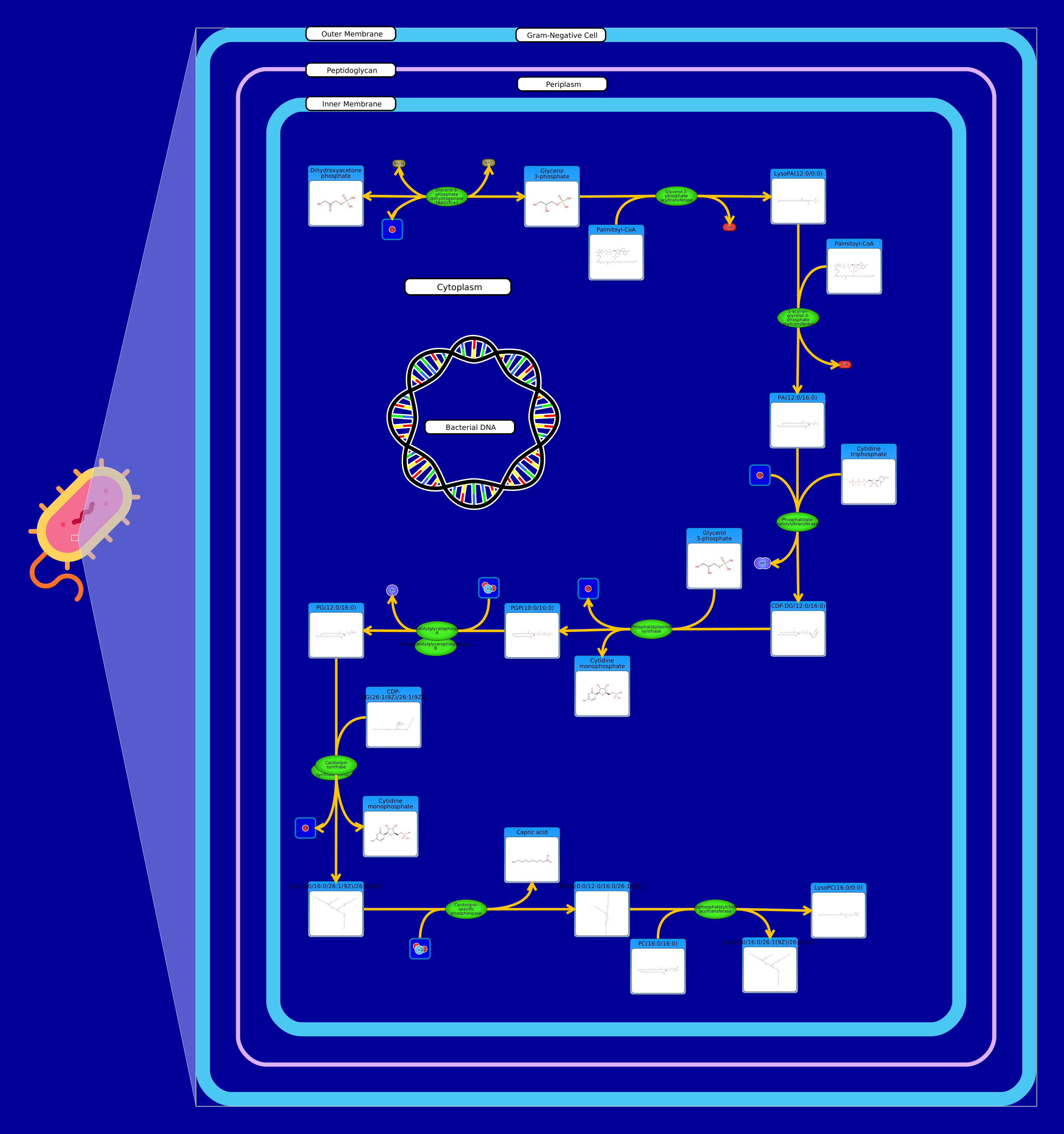 View Pathway
|
Cardiolipin Biosynthesis via MLCL(0:0/12:0/16:0/26:1(9Z))Escherichia coli
The biosynthesis of cardiolipin (CL) in bacteria begins in the cytoplasm. Dihydroxyacetone phosphate is reduced by glycerol-3-phosphate dehydrogenase to form glycerol 3-phosphate, using NADH as a cofactor. Glycerol 3-phosphate then reacts with an acyl-CoA via glycerol-3-phosphate acyltransferase, producing 1-acyl-sn-glycerol-3-phosphate (lysophosphatidic acid, LysoPA). The resulting LysoPA undergoes acylation by 1-acylglycerol-3-phosphate O-acyltransferase, forming phosphatidic acid (PA). PA reacts with cytidine triphosphate (CTP) in a reaction catalyzed by phosphatidate cytidylyltransferase, yielding CDP-diacylglycerol (CDP-DG). CDP-DG is converted to phosphatidylglycerophosphate (PGP) by CDP-diacylglycerol–glycerol-3-phosphate 3-phosphatidyltransferase, and PGP is then dephosphorylated by phosphatidylglycerophosphatase to produce phosphatidylglycerol (PG). CL is formed when PG reacts with another CDP-DG molecule under the action of cardiolipin synthase, producing CL and releasing cytidine monophosphate. Bacterial cardiolipin remodeling begins with the removal of an acyl chain from CL by a cardiolipin-specific phospholipase, producing 1-monolysocardiolipin (MLCL). The acyl chain is then reintroduced by a lysophosphatidylcholine acyltransferase (or similar bacterial acyltransferase), transferring an acyl group from a phospholipid donor (e.g., phosphatidylcholine) to MLCL, regenerating mature cardiolipin.
|
Creator: Julia Wakoli Created On: August 29, 2025 at 21:14 Last Updated: August 29, 2025 at 21:14 |
PW762396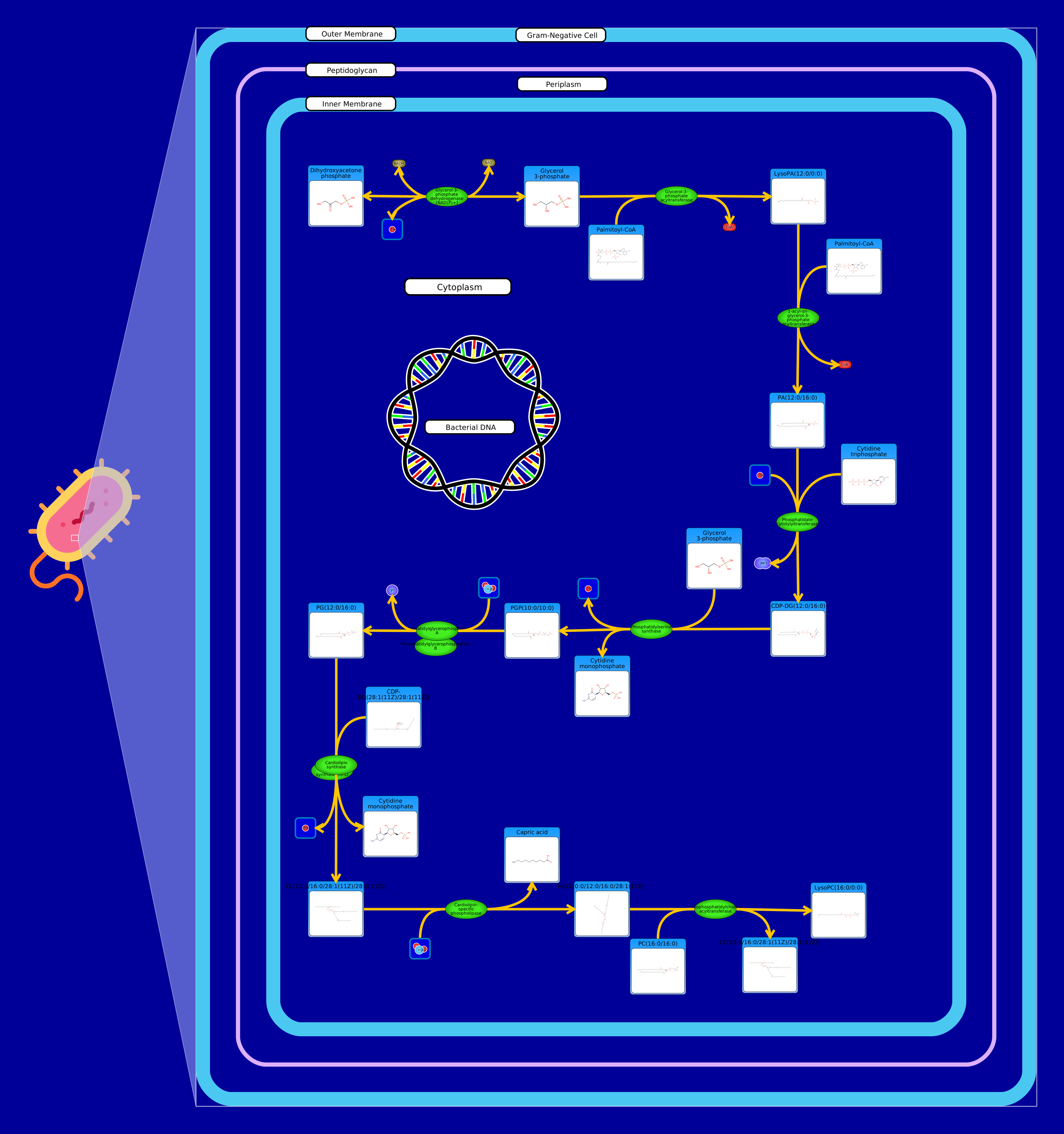 View Pathway
|
Cardiolipin Biosynthesis via MLCL(0:0/12:0/16:0/28:1(11Z))Escherichia coli
The biosynthesis of cardiolipin (CL) in bacteria begins in the cytoplasm. Dihydroxyacetone phosphate is reduced by glycerol-3-phosphate dehydrogenase to form glycerol 3-phosphate, using NADH as a cofactor. Glycerol 3-phosphate then reacts with an acyl-CoA via glycerol-3-phosphate acyltransferase, producing 1-acyl-sn-glycerol-3-phosphate (lysophosphatidic acid, LysoPA). The resulting LysoPA undergoes acylation by 1-acylglycerol-3-phosphate O-acyltransferase, forming phosphatidic acid (PA). PA reacts with cytidine triphosphate (CTP) in a reaction catalyzed by phosphatidate cytidylyltransferase, yielding CDP-diacylglycerol (CDP-DG). CDP-DG is converted to phosphatidylglycerophosphate (PGP) by CDP-diacylglycerol–glycerol-3-phosphate 3-phosphatidyltransferase, and PGP is then dephosphorylated by phosphatidylglycerophosphatase to produce phosphatidylglycerol (PG). CL is formed when PG reacts with another CDP-DG molecule under the action of cardiolipin synthase, producing CL and releasing cytidine monophosphate. Bacterial cardiolipin remodeling begins with the removal of an acyl chain from CL by a cardiolipin-specific phospholipase, producing 1-monolysocardiolipin (MLCL). The acyl chain is then reintroduced by a lysophosphatidylcholine acyltransferase (or similar bacterial acyltransferase), transferring an acyl group from a phospholipid donor (e.g., phosphatidylcholine) to MLCL, regenerating mature cardiolipin.
|
Creator: Julia Wakoli Created On: August 29, 2025 at 21:16 Last Updated: August 29, 2025 at 21:16 |
PW762397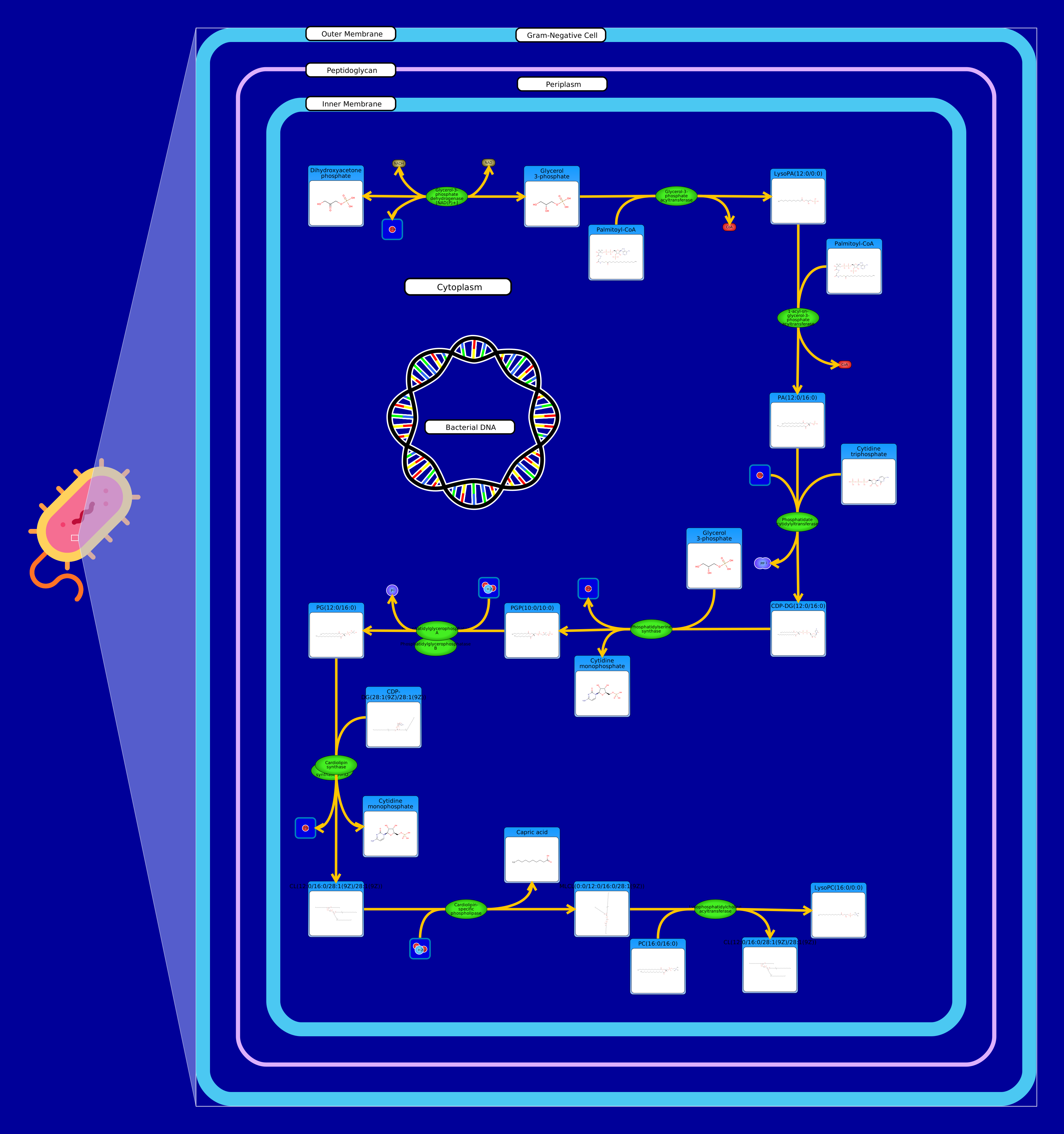 View Pathway
|
Cardiolipin Biosynthesis via MLCL(0:0/12:0/16:0/28:1(9Z))Escherichia coli
The biosynthesis of cardiolipin (CL) in bacteria begins in the cytoplasm. Dihydroxyacetone phosphate is reduced by glycerol-3-phosphate dehydrogenase to form glycerol 3-phosphate, using NADH as a cofactor. Glycerol 3-phosphate then reacts with an acyl-CoA via glycerol-3-phosphate acyltransferase, producing 1-acyl-sn-glycerol-3-phosphate (lysophosphatidic acid, LysoPA). The resulting LysoPA undergoes acylation by 1-acylglycerol-3-phosphate O-acyltransferase, forming phosphatidic acid (PA). PA reacts with cytidine triphosphate (CTP) in a reaction catalyzed by phosphatidate cytidylyltransferase, yielding CDP-diacylglycerol (CDP-DG). CDP-DG is converted to phosphatidylglycerophosphate (PGP) by CDP-diacylglycerol–glycerol-3-phosphate 3-phosphatidyltransferase, and PGP is then dephosphorylated by phosphatidylglycerophosphatase to produce phosphatidylglycerol (PG). CL is formed when PG reacts with another CDP-DG molecule under the action of cardiolipin synthase, producing CL and releasing cytidine monophosphate. Bacterial cardiolipin remodeling begins with the removal of an acyl chain from CL by a cardiolipin-specific phospholipase, producing 1-monolysocardiolipin (MLCL). The acyl chain is then reintroduced by a lysophosphatidylcholine acyltransferase (or similar bacterial acyltransferase), transferring an acyl group from a phospholipid donor (e.g., phosphatidylcholine) to MLCL, regenerating mature cardiolipin.
|
Creator: Julia Wakoli Created On: August 29, 2025 at 21:18 Last Updated: August 29, 2025 at 21:18 |