
| PathWhiz ID | Pathway | Meta Data |
|---|---|---|
PW000825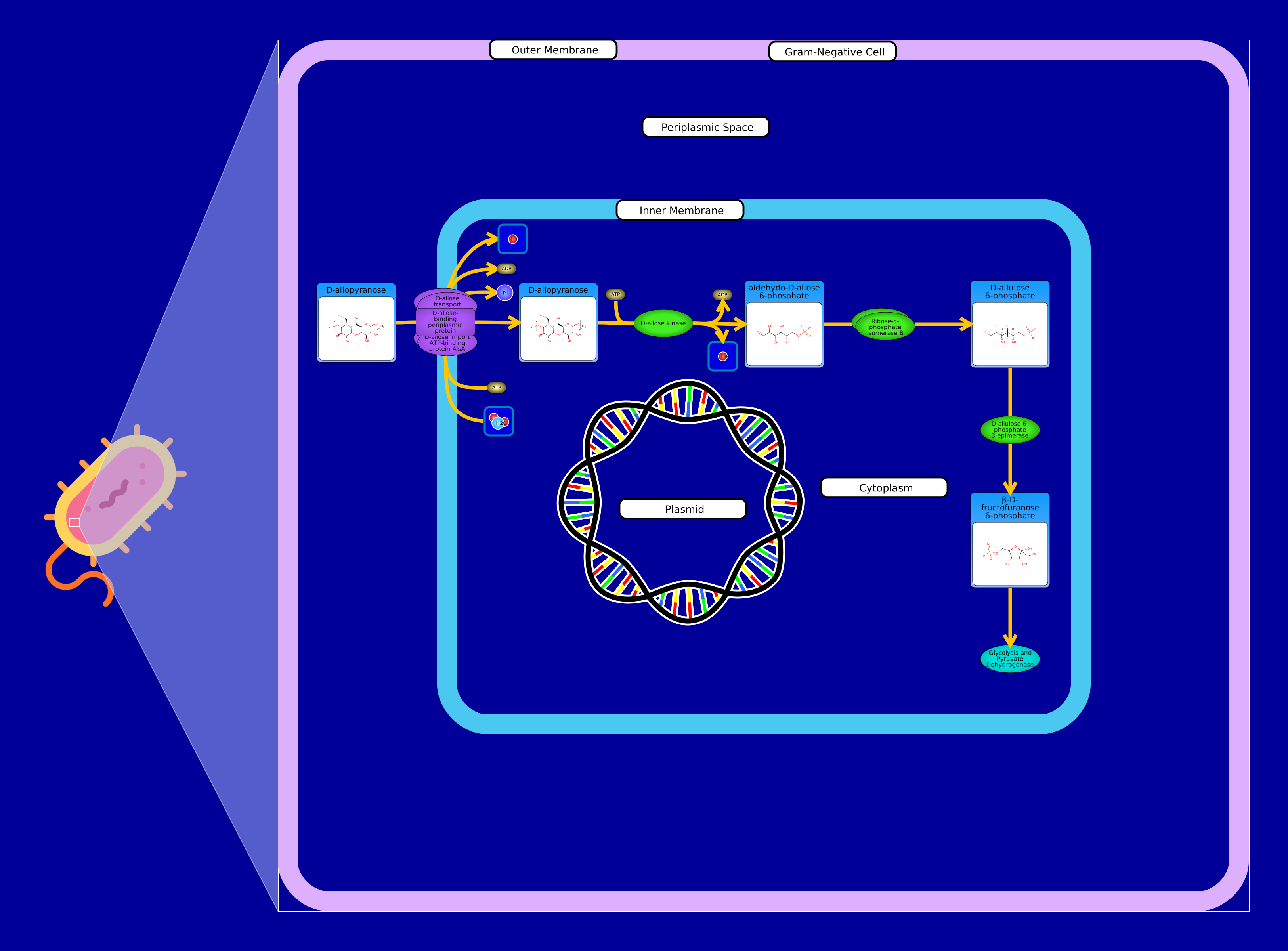 View Pathway
|
D-Allulose DegradationEscherichia coli
D-allose can be used as source of carbon for E.coli. D-allose is imported into E.coli by D-allose ABC transporter without phosphorylation. Allose-6-phosphate isomerase and allulose-6-phosphate 3-epimerase catalyze the remaining reactions resulting in D-allulose 6 phosphate and Beta-D-fructofuranose 6-phosphate respectively. Once Beta D fructofuranose 6-phosphate is synthesized, it can be used in the glycolysis and pyruvatedehydrogenase pathway.
|
Creator: miguel ramirez Created On: March 27, 2015 at 18:24 Last Updated: March 27, 2015 at 18:24 |
PW146732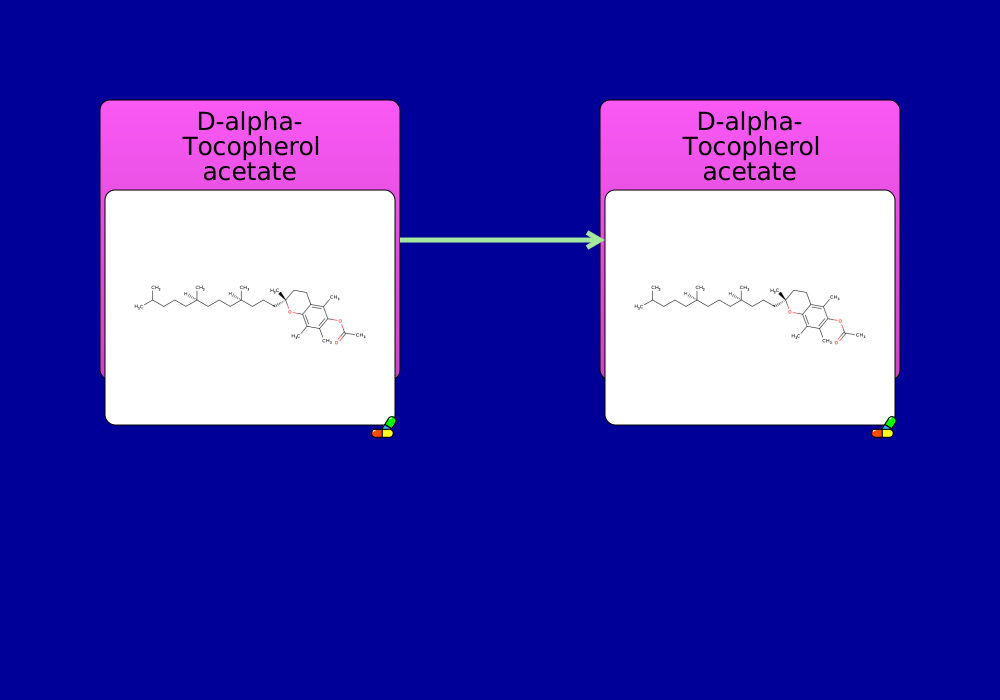 View Pathway
|
drug action
D-alpha-Tocopherol acetate Drug Metabolism Action PathwayHomo sapiens
|
Creator: Ray Kruger Created On: October 07, 2023 at 18:54 Last Updated: October 07, 2023 at 18:54 |
PW348725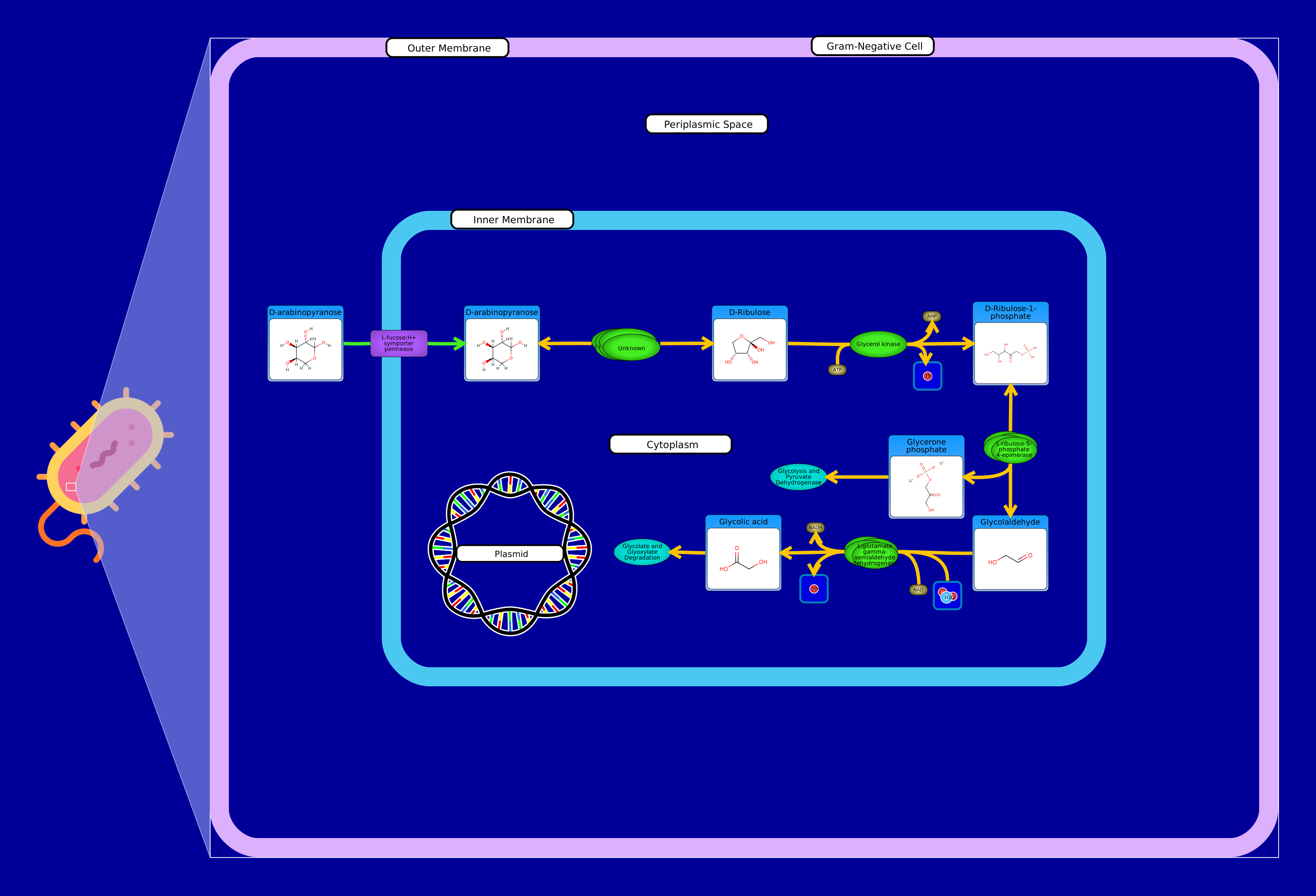 View Pathway
|
D-Arabinose Degradation IParabacteroides johnsonii DSM 18315
Wild-Type E.coli K-12 can not directly use D-arabinose as a sole source of carbon and energy; hence, E.coli uses the enzymes of the fucose degradation pathway to degrade D-arabinose for further utilization. D-arabinose can be metabolized to form dihydroxy-acetone phosphate for entering the central metabolism. Glycolaldehyde can be further catalyzed to form glycolic acid by lactaldehyde dehydrogenase.
|
Creator: Julia Wakoli Created On: November 05, 2024 at 21:14 Last Updated: November 05, 2024 at 21:14 |
PW348718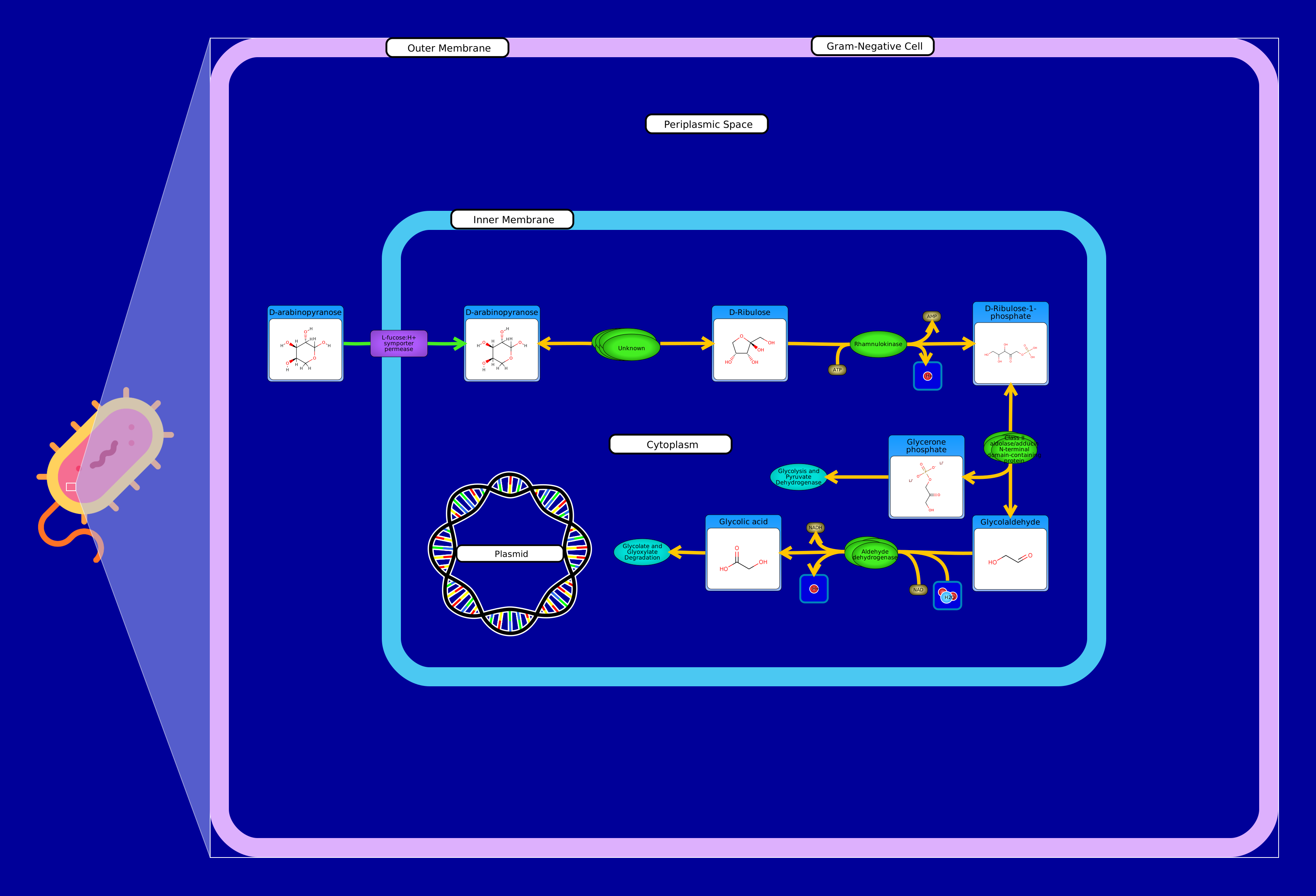 View Pathway
|
D-Arabinose Degradation IAlistipes indistinctus YIT 12060
Wild-Type E.coli K-12 can not directly use D-arabinose as a sole source of carbon and energy; hence, E.coli uses the enzymes of the fucose degradation pathway to degrade D-arabinose for further utilization. D-arabinose can be metabolized to form dihydroxy-acetone phosphate for entering the central metabolism. Glycolaldehyde can be further catalyzed to form glycolic acid by lactaldehyde dehydrogenase.
|
Creator: Julia Wakoli Created On: November 05, 2024 at 21:08 Last Updated: November 05, 2024 at 21:08 |
PW349076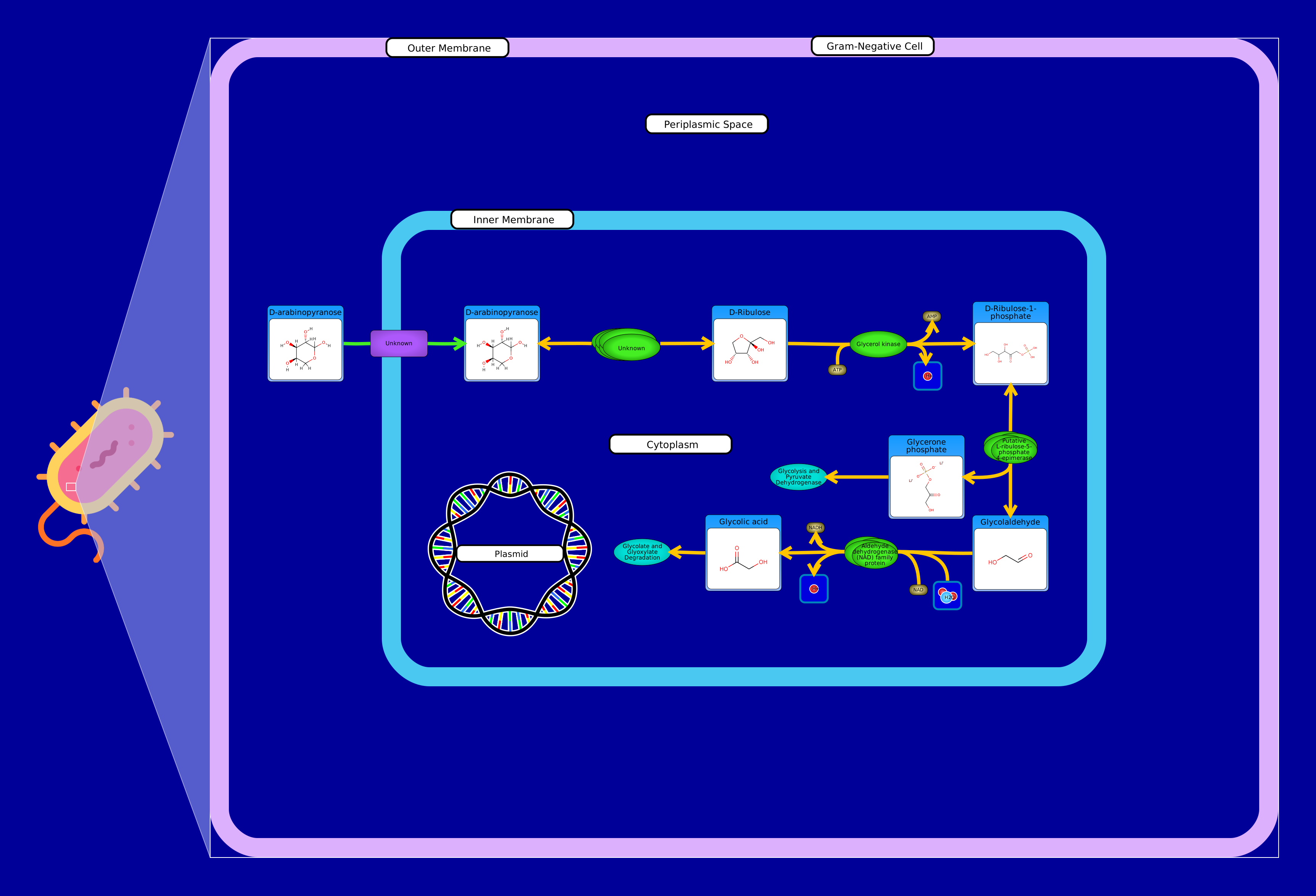 View Pathway
|
D-Arabinose Degradation IPhascolarctobacterium succinatutens YIT 12067
Wild-Type E.coli K-12 can not directly use D-arabinose as a sole source of carbon and energy; hence, E.coli uses the enzymes of the fucose degradation pathway to degrade D-arabinose for further utilization. D-arabinose can be metabolized to form dihydroxy-acetone phosphate for entering the central metabolism. Glycolaldehyde can be further catalyzed to form glycolic acid by lactaldehyde dehydrogenase.
|
Creator: Julia Wakoli Created On: November 06, 2024 at 03:05 Last Updated: November 06, 2024 at 03:05 |
PW348946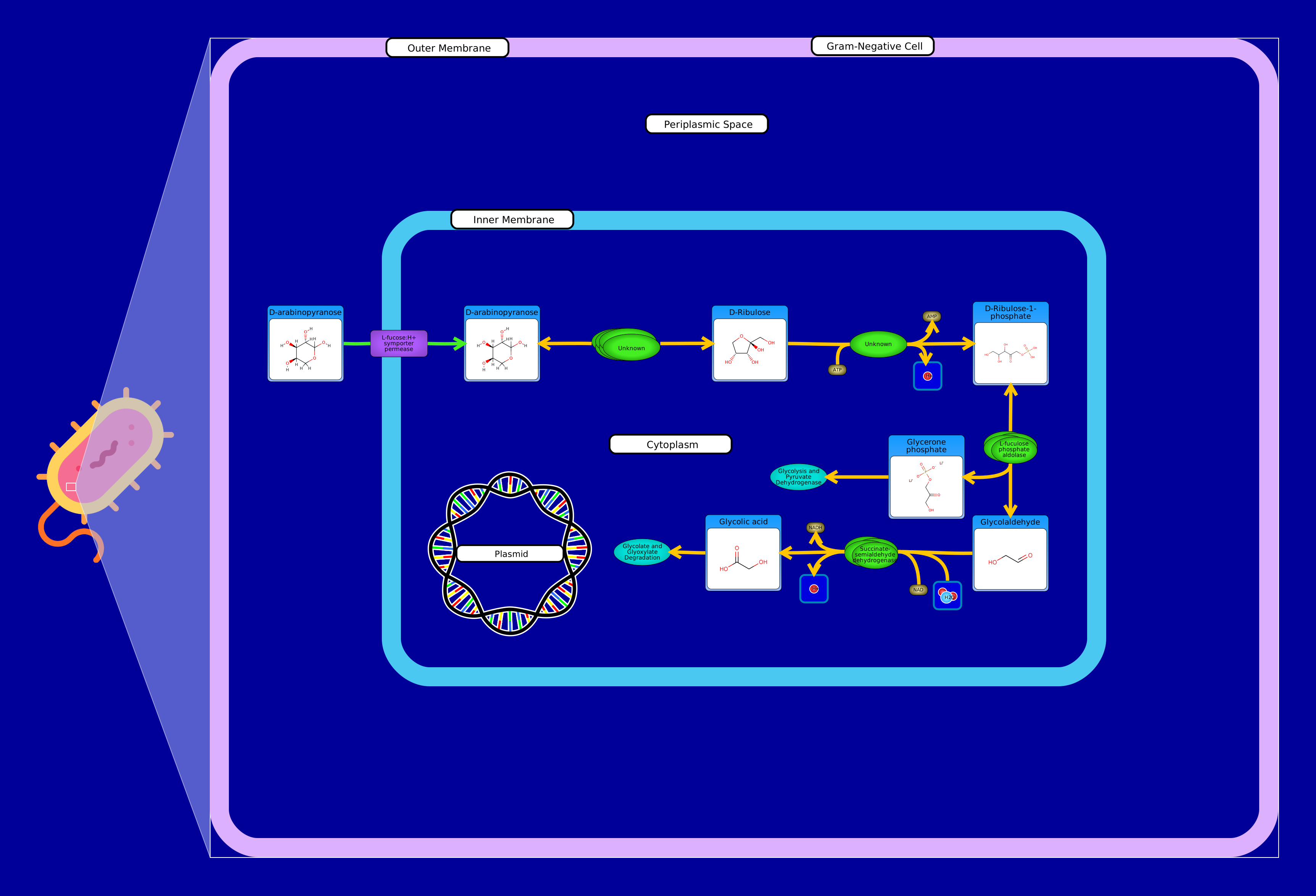 View Pathway
|
D-Arabinose Degradation IEdwardsiella tarda ATCC 23685
Wild-Type E.coli K-12 can not directly use D-arabinose as a sole source of carbon and energy; hence, E.coli uses the enzymes of the fucose degradation pathway to degrade D-arabinose for further utilization. D-arabinose can be metabolized to form dihydroxy-acetone phosphate for entering the central metabolism. Glycolaldehyde can be further catalyzed to form glycolic acid by lactaldehyde dehydrogenase.
|
Creator: Julia Wakoli Created On: November 06, 2024 at 00:51 Last Updated: November 06, 2024 at 00:51 |
PW359652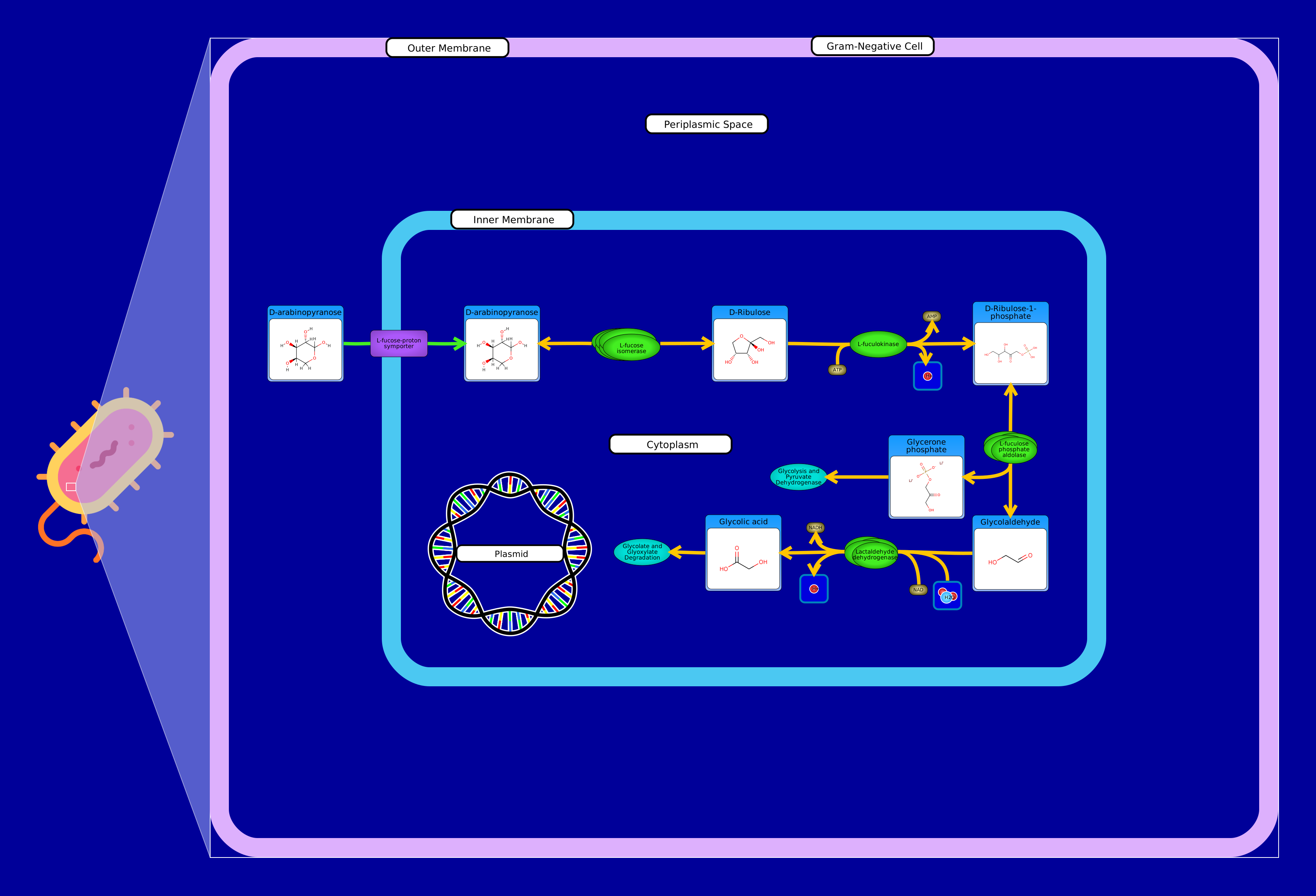 View Pathway
|
D-Arabinose Degradation IEscherichia coli IAI39
Wild-Type E.coli K-12 can not directly use D-arabinose as a sole source of carbon and energy; hence, E.coli uses the enzymes of the fucose degradation pathway to degrade D-arabinose for further utilization. D-arabinose can be metabolized to form dihydroxy-acetone phosphate for entering the central metabolism. Glycolaldehyde can be further catalyzed to form glycolic acid by lactaldehyde dehydrogenase.
|
Creator: Julia Wakoli Created On: November 14, 2024 at 08:32 Last Updated: November 14, 2024 at 08:32 |
PW359645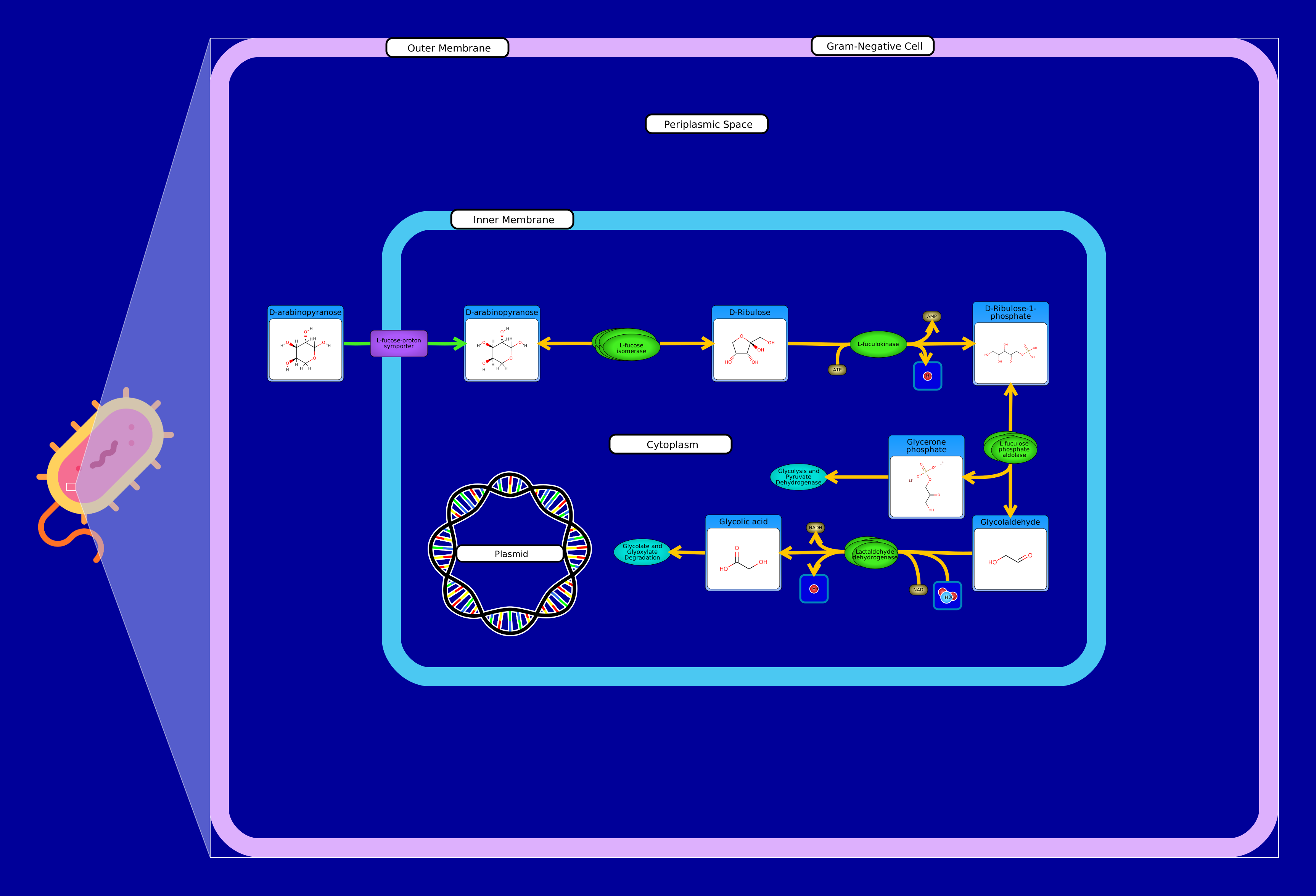 View Pathway
|
D-Arabinose Degradation IEscherichia coli UMN026
Wild-Type E.coli K-12 can not directly use D-arabinose as a sole source of carbon and energy; hence, E.coli uses the enzymes of the fucose degradation pathway to degrade D-arabinose for further utilization. D-arabinose can be metabolized to form dihydroxy-acetone phosphate for entering the central metabolism. Glycolaldehyde can be further catalyzed to form glycolic acid by lactaldehyde dehydrogenase.
|
Creator: Julia Wakoli Created On: November 14, 2024 at 08:29 Last Updated: November 14, 2024 at 08:29 |
PW359640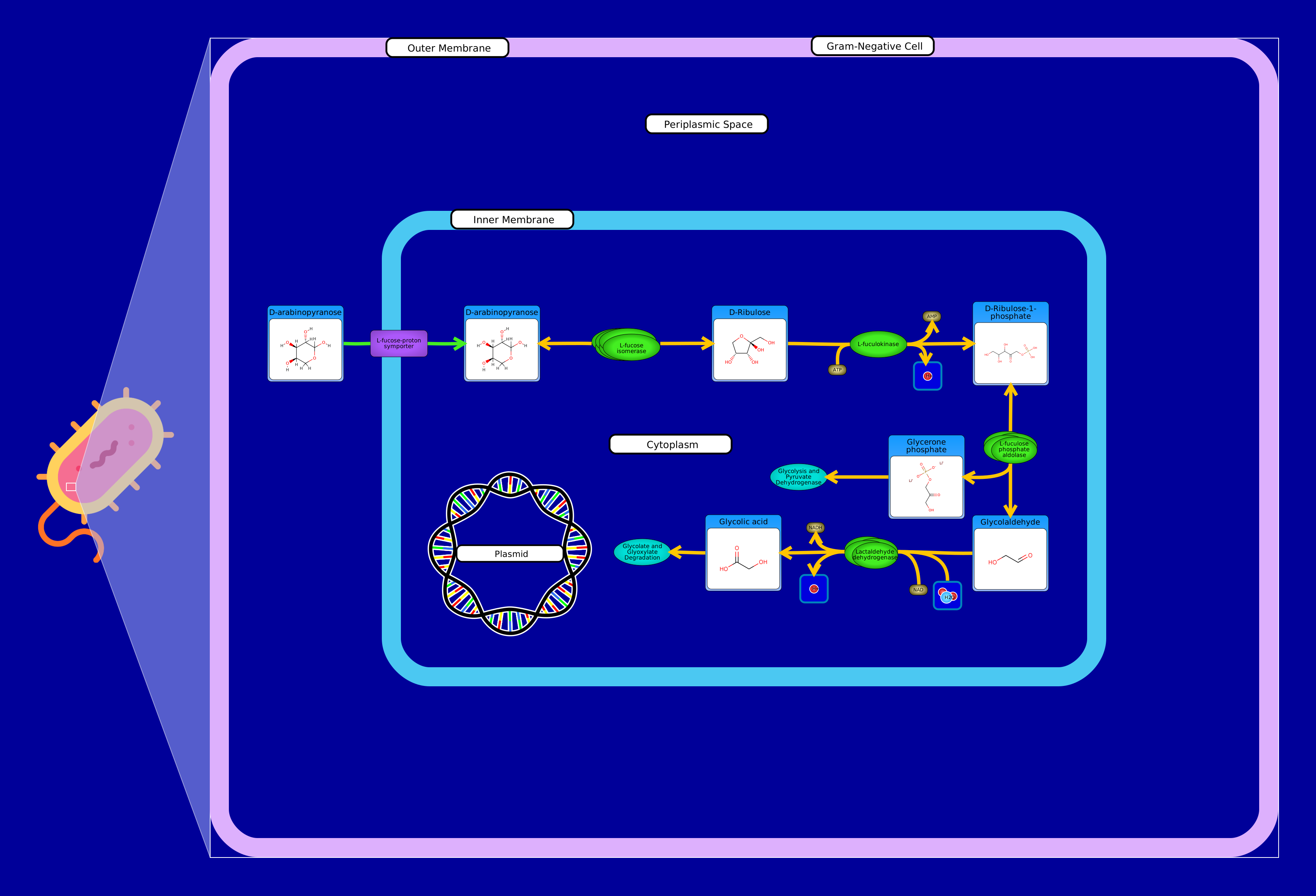 View Pathway
|
D-Arabinose Degradation IEscherichia coli str. K-12 substr. DH10B
Wild-Type E.coli K-12 can not directly use D-arabinose as a sole source of carbon and energy; hence, E.coli uses the enzymes of the fucose degradation pathway to degrade D-arabinose for further utilization. D-arabinose can be metabolized to form dihydroxy-acetone phosphate for entering the central metabolism. Glycolaldehyde can be further catalyzed to form glycolic acid by lactaldehyde dehydrogenase.
|
Creator: Julia Wakoli Created On: November 14, 2024 at 08:27 Last Updated: November 14, 2024 at 08:27 |
PW359657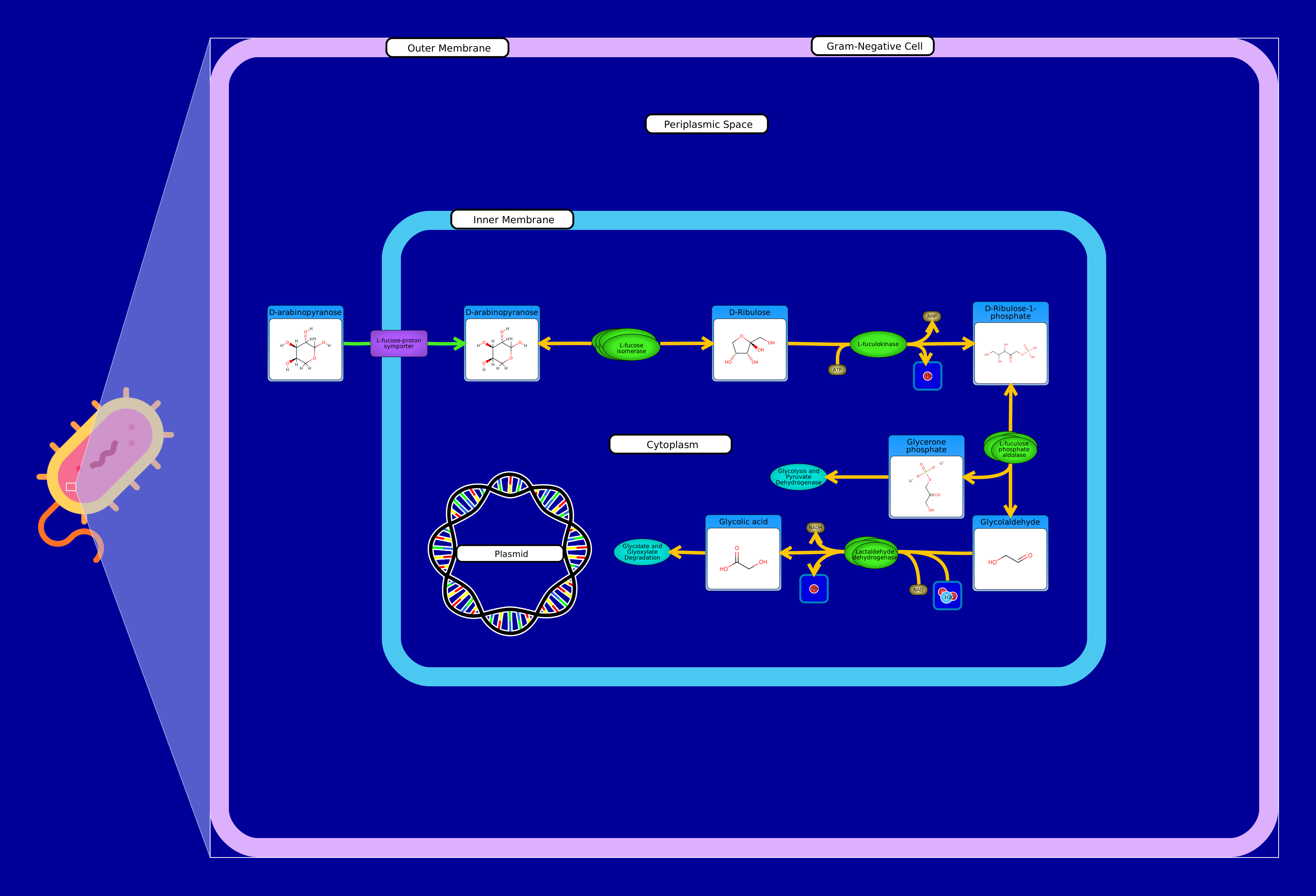 View Pathway
|
D-Arabinose Degradation IEscherichia coli O55:H7 str. CB9615
Wild-Type E.coli K-12 can not directly use D-arabinose as a sole source of carbon and energy; hence, E.coli uses the enzymes of the fucose degradation pathway to degrade D-arabinose for further utilization. D-arabinose can be metabolized to form dihydroxy-acetone phosphate for entering the central metabolism. Glycolaldehyde can be further catalyzed to form glycolic acid by lactaldehyde dehydrogenase.
|
Creator: Julia Wakoli Created On: November 14, 2024 at 08:35 Last Updated: November 14, 2024 at 08:35 |