
| PathWhiz ID | Pathway | Meta Data |
|---|---|---|
PW348178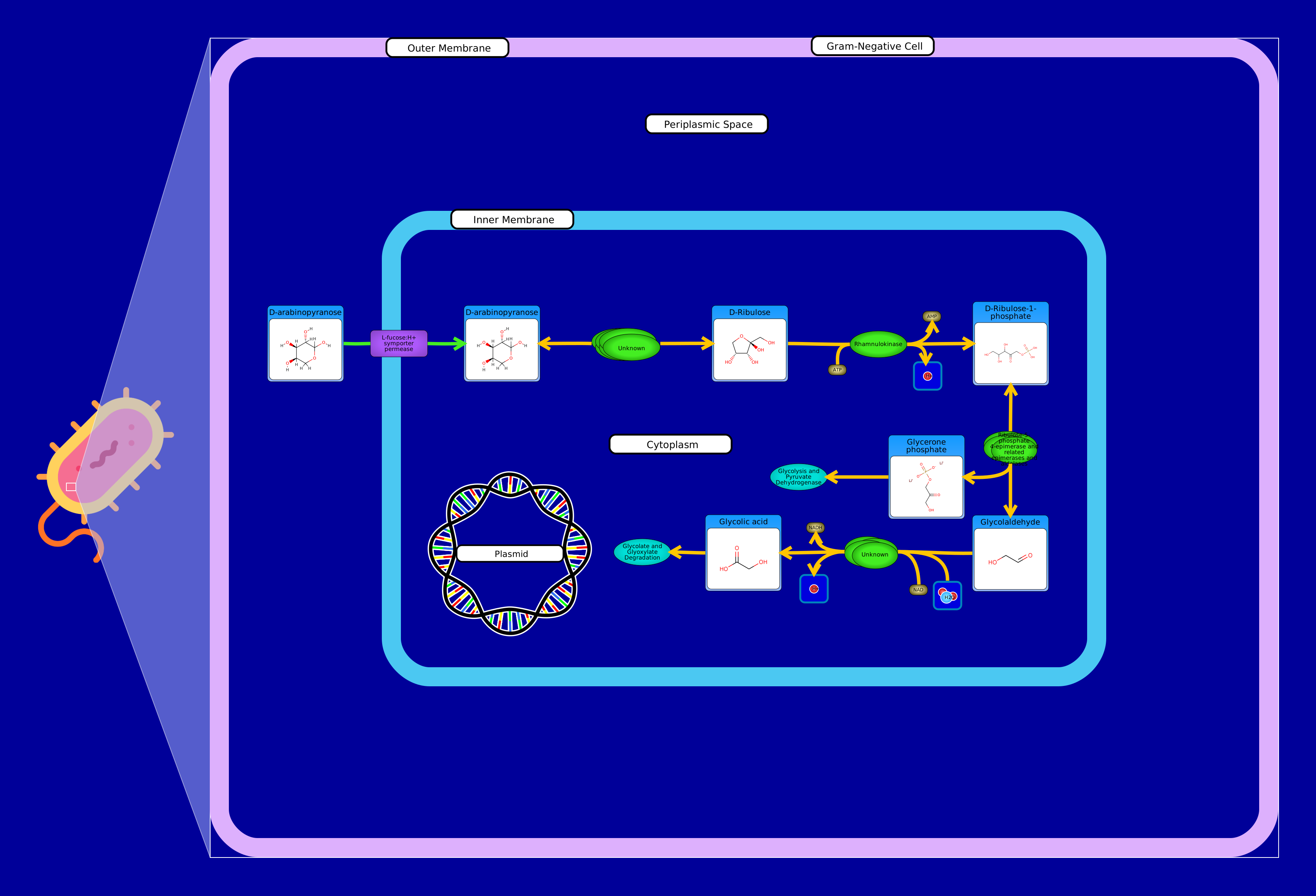 View Pathway
|
D-Arabinose Degradation IBacteroides xylanisolvens XB1A
Wild-Type E.coli K-12 can not directly use D-arabinose as a sole source of carbon and energy; hence, E.coli uses the enzymes of the fucose degradation pathway to degrade D-arabinose for further utilization. D-arabinose can be metabolized to form dihydroxy-acetone phosphate for entering the central metabolism. Glycolaldehyde can be further catalyzed to form glycolic acid by lactaldehyde dehydrogenase.
|
Creator: Julia Wakoli Created On: November 05, 2024 at 12:30 Last Updated: November 05, 2024 at 12:30 |
PW348604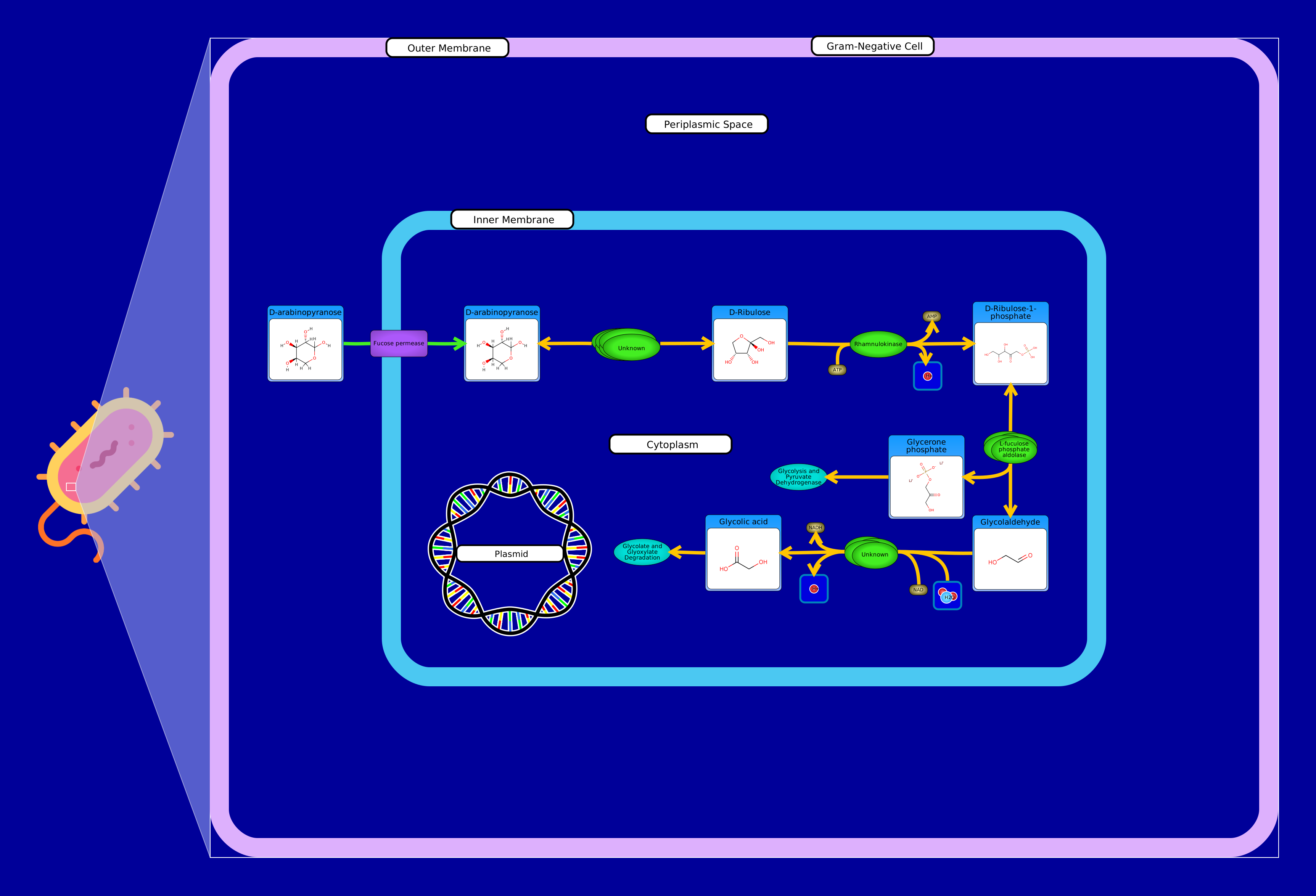 View Pathway
|
D-Arabinose Degradation IBacteroides xylanisolvens SD CC 1b
Wild-Type E.coli K-12 can not directly use D-arabinose as a sole source of carbon and energy; hence, E.coli uses the enzymes of the fucose degradation pathway to degrade D-arabinose for further utilization. D-arabinose can be metabolized to form dihydroxy-acetone phosphate for entering the central metabolism. Glycolaldehyde can be further catalyzed to form glycolic acid by lactaldehyde dehydrogenase.
|
Creator: Julia Wakoli Created On: November 05, 2024 at 19:24 Last Updated: November 05, 2024 at 19:24 |
PW348250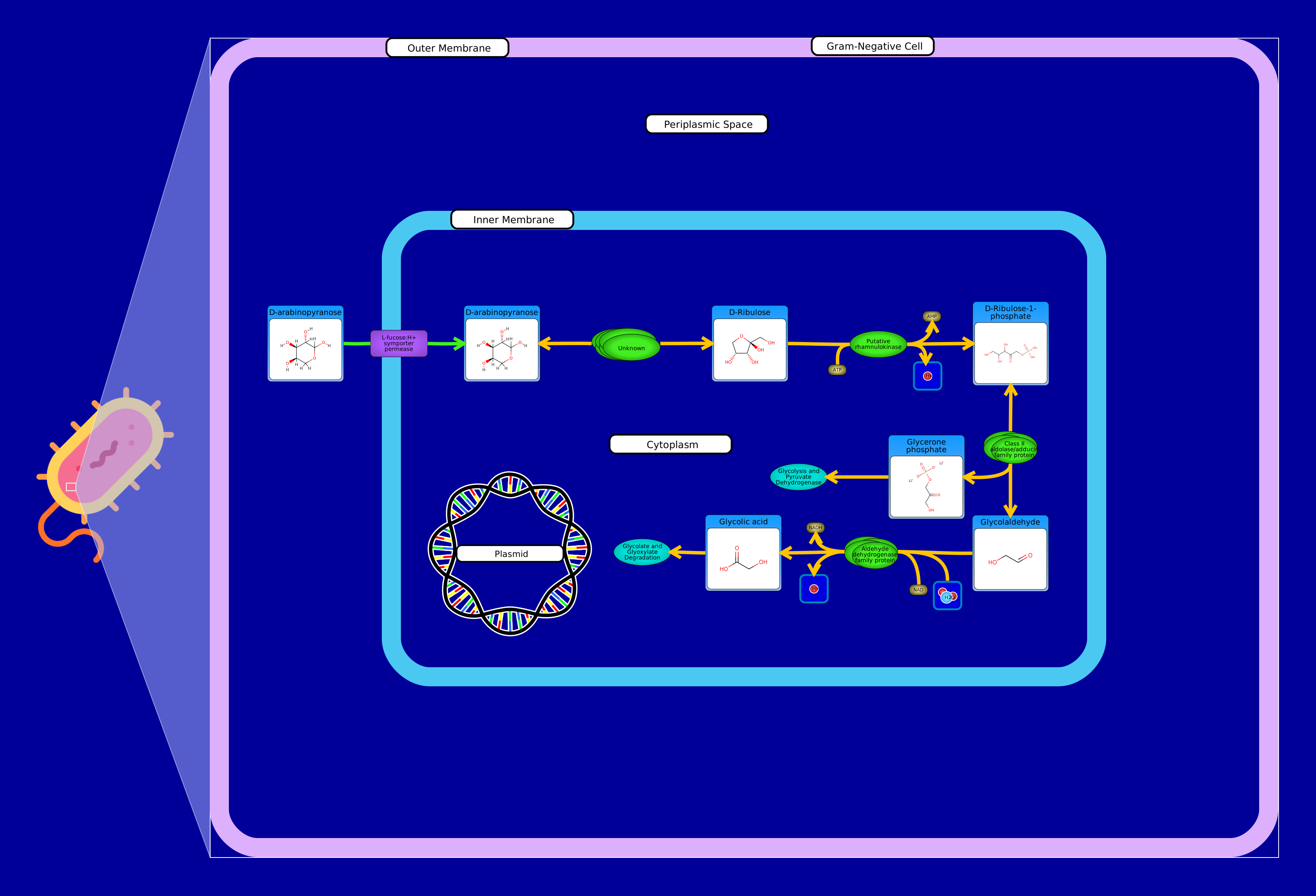 View Pathway
|
D-Arabinose Degradation IBacteroides intestinalis
Wild-Type E.coli K-12 can not directly use D-arabinose as a sole source of carbon and energy; hence, E.coli uses the enzymes of the fucose degradation pathway to degrade D-arabinose for further utilization. D-arabinose can be metabolized to form dihydroxy-acetone phosphate for entering the central metabolism. Glycolaldehyde can be further catalyzed to form glycolic acid by lactaldehyde dehydrogenase.
|
Creator: Julia Wakoli Created On: November 05, 2024 at 13:39 Last Updated: November 05, 2024 at 13:39 |
PW348572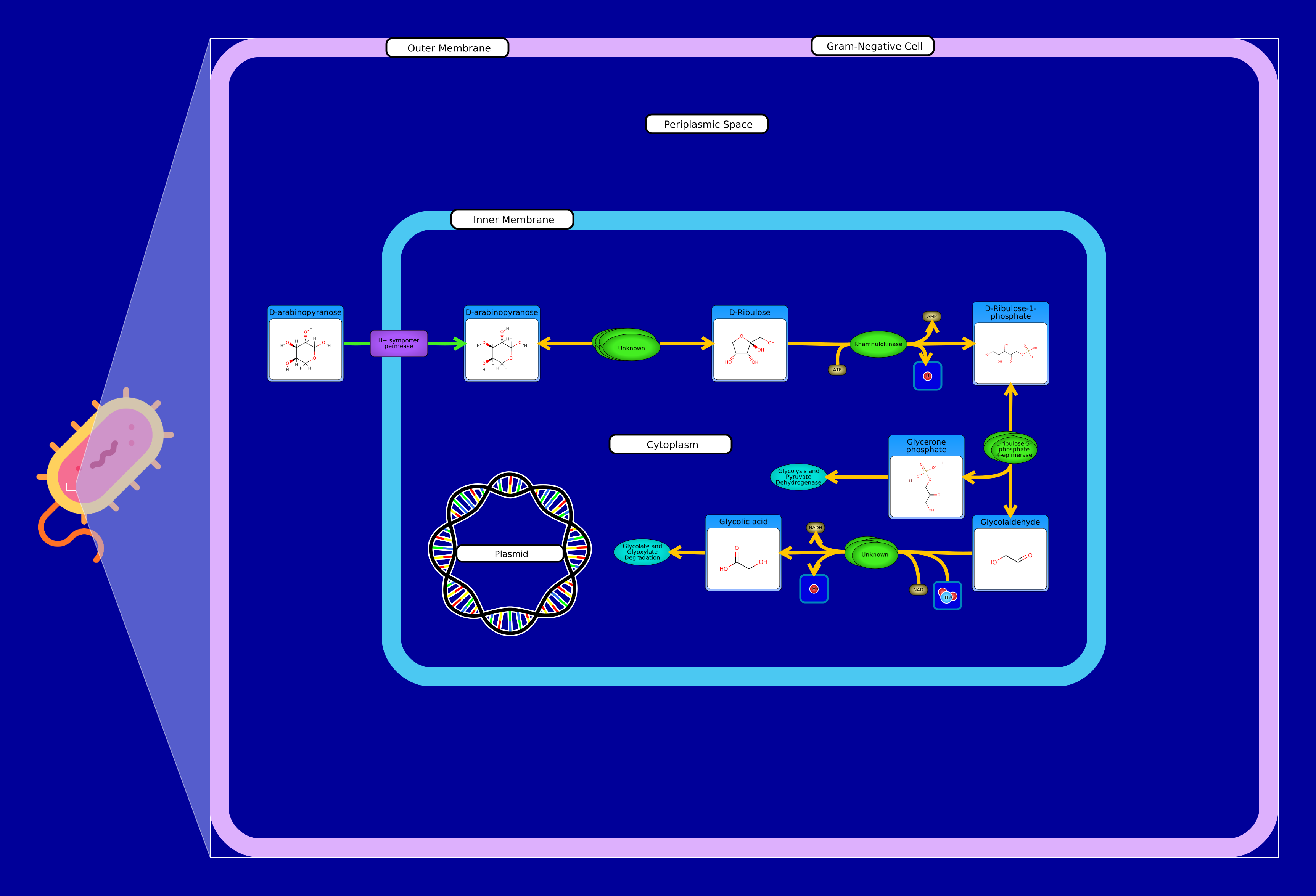 View Pathway
|
D-Arabinose Degradation IBacteroides eggerthii 1_2_48FAA
Wild-Type E.coli K-12 can not directly use D-arabinose as a sole source of carbon and energy; hence, E.coli uses the enzymes of the fucose degradation pathway to degrade D-arabinose for further utilization. D-arabinose can be metabolized to form dihydroxy-acetone phosphate for entering the central metabolism. Glycolaldehyde can be further catalyzed to form glycolic acid by lactaldehyde dehydrogenase.
|
Creator: Julia Wakoli Created On: November 05, 2024 at 18:53 Last Updated: November 05, 2024 at 18:53 |
PW002038 View Pathway
|
D-Arabinose Degradation IEscherichia coli
Wild-Type E.coli K-12 can not directly use D-arabinose as a sole source of carbon and energy; hence, E.coli uses the enzymes of the fucose degradation pathway to degrade D-arabinose for further utilization. D-arabinose can be metabolized to form dihydroxy-acetone phosphate for entering the central metabolism. Glycolaldehyde can be further catalyzed to form glycolic acid by lactaldehyde dehydrogenase.
|
Creator: Ana Marcu Created On: October 07, 2015 at 12:28 Last Updated: October 07, 2015 at 12:28 |
PW348901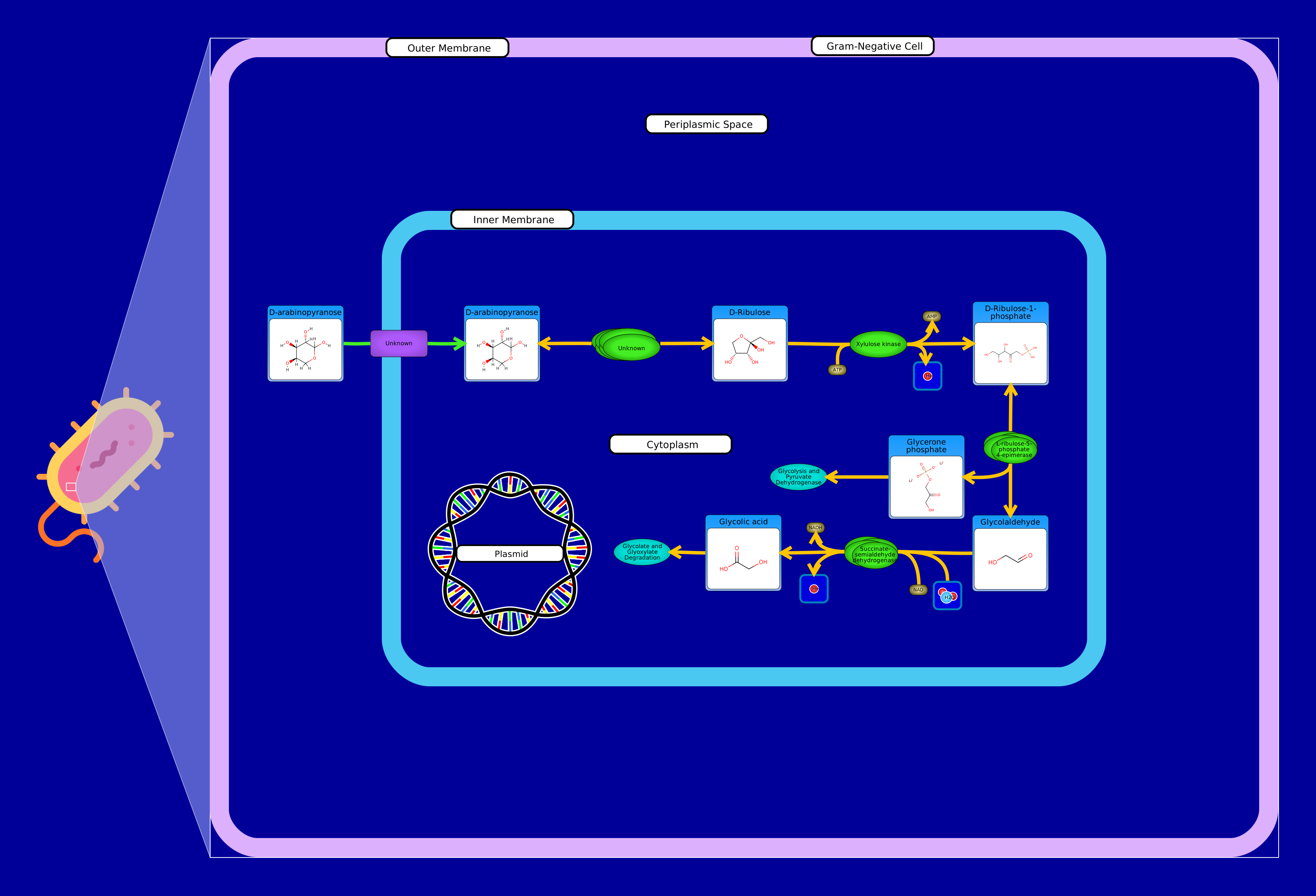 View Pathway
|
D-Arabinose Degradation ICedecea davisae DSM 4568
Wild-Type E.coli K-12 can not directly use D-arabinose as a sole source of carbon and energy; hence, E.coli uses the enzymes of the fucose degradation pathway to degrade D-arabinose for further utilization. D-arabinose can be metabolized to form dihydroxy-acetone phosphate for entering the central metabolism. Glycolaldehyde can be further catalyzed to form glycolic acid by lactaldehyde dehydrogenase.
|
Creator: Julia Wakoli Created On: November 06, 2024 at 00:06 Last Updated: November 06, 2024 at 00:06 |
PW348824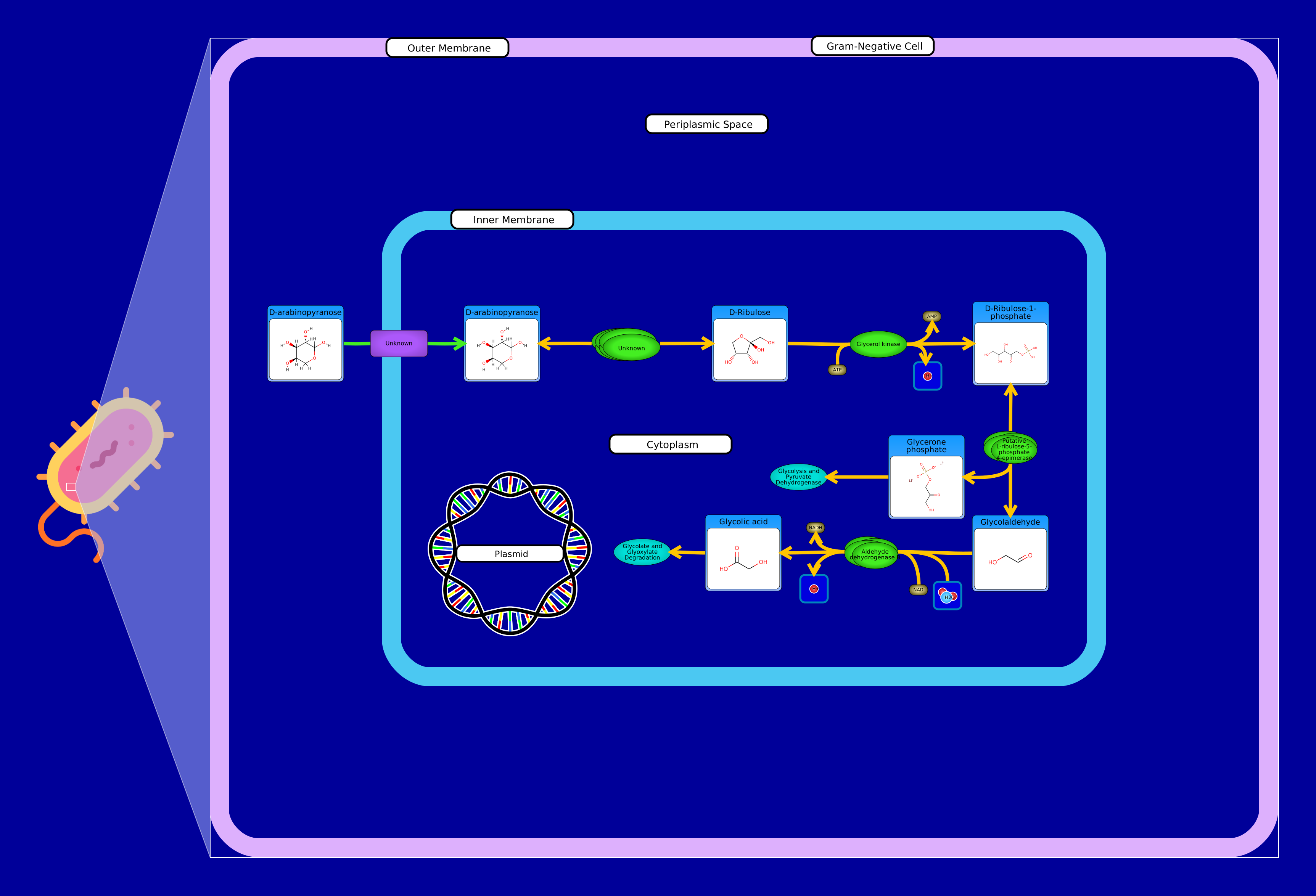 View Pathway
|
D-Arabinose Degradation ISutterella parvirubra YIT 11816
Wild-Type E.coli K-12 can not directly use D-arabinose as a sole source of carbon and energy; hence, E.coli uses the enzymes of the fucose degradation pathway to degrade D-arabinose for further utilization. D-arabinose can be metabolized to form dihydroxy-acetone phosphate for entering the central metabolism. Glycolaldehyde can be further catalyzed to form glycolic acid by lactaldehyde dehydrogenase.
|
Creator: Julia Wakoli Created On: November 05, 2024 at 22:49 Last Updated: November 05, 2024 at 22:49 |
PW348963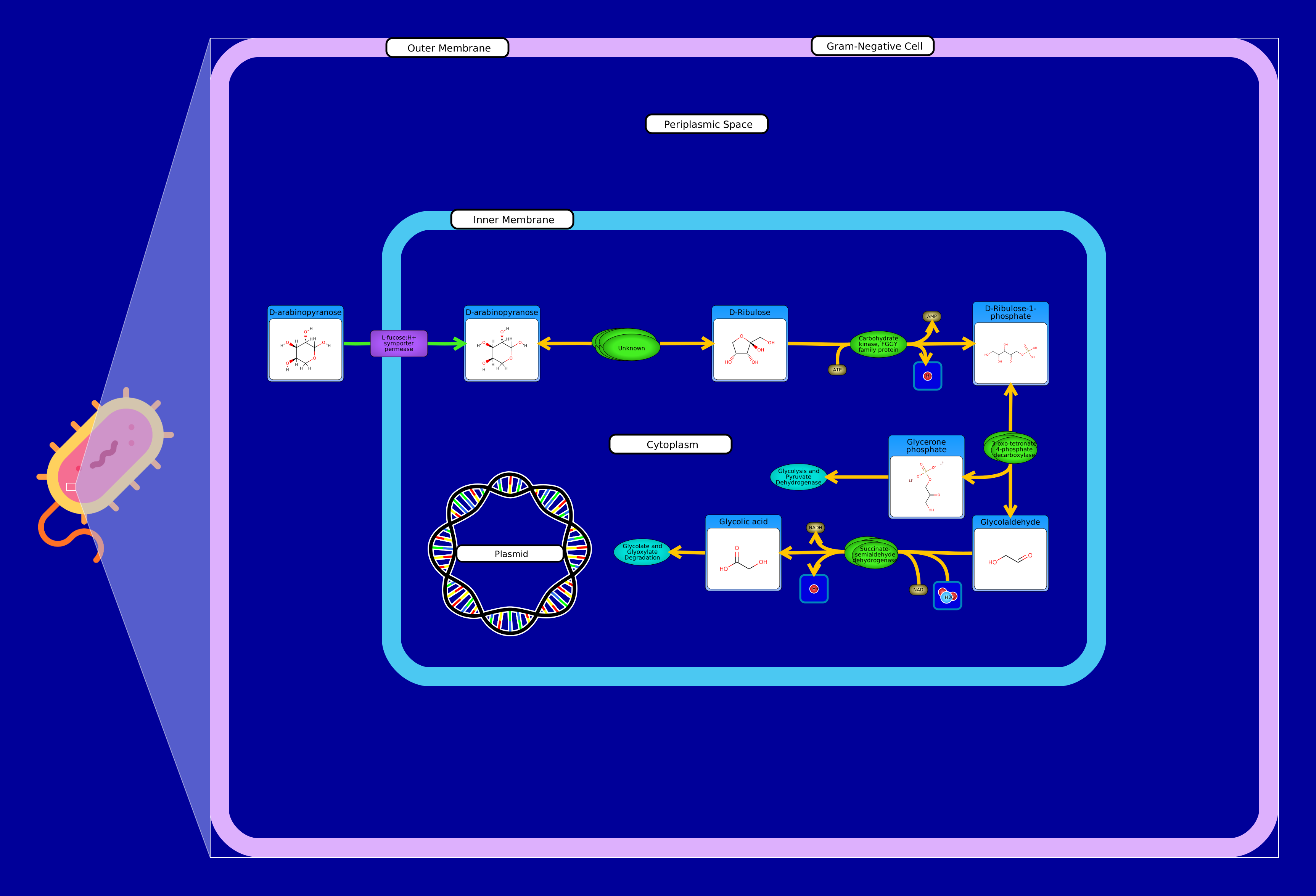 View Pathway
|
D-Arabinose Degradation IProvidencia alcalifaciens DSM 30120
Wild-Type E.coli K-12 can not directly use D-arabinose as a sole source of carbon and energy; hence, E.coli uses the enzymes of the fucose degradation pathway to degrade D-arabinose for further utilization. D-arabinose can be metabolized to form dihydroxy-acetone phosphate for entering the central metabolism. Glycolaldehyde can be further catalyzed to form glycolic acid by lactaldehyde dehydrogenase.
|
Creator: Julia Wakoli Created On: November 06, 2024 at 01:11 Last Updated: November 06, 2024 at 01:11 |
PW348970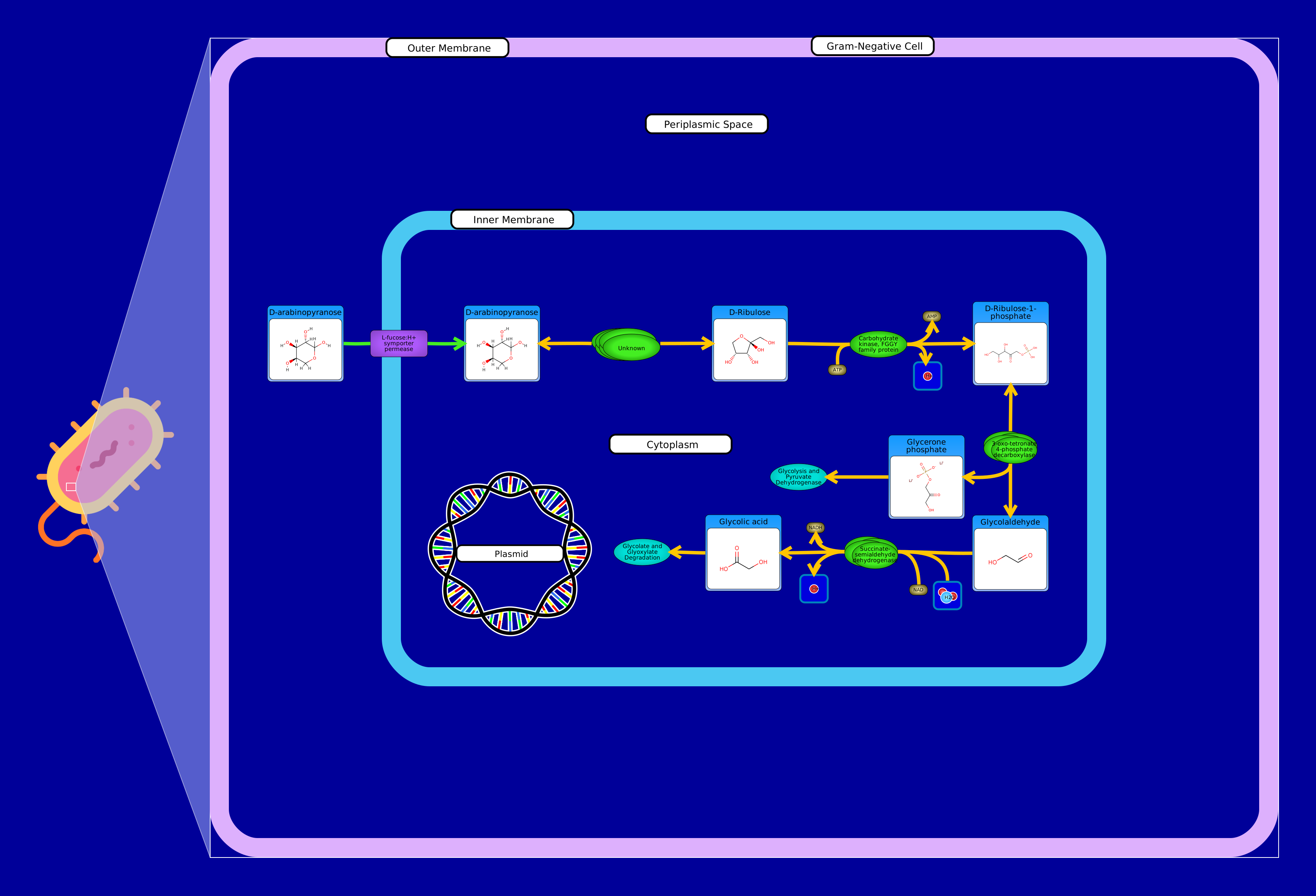 View Pathway
|
D-Arabinose Degradation IProvidencia rustigianii DSM 4541
Wild-Type E.coli K-12 can not directly use D-arabinose as a sole source of carbon and energy; hence, E.coli uses the enzymes of the fucose degradation pathway to degrade D-arabinose for further utilization. D-arabinose can be metabolized to form dihydroxy-acetone phosphate for entering the central metabolism. Glycolaldehyde can be further catalyzed to form glycolic acid by lactaldehyde dehydrogenase.
|
Creator: Julia Wakoli Created On: November 06, 2024 at 01:20 Last Updated: November 06, 2024 at 01:20 |
PW349079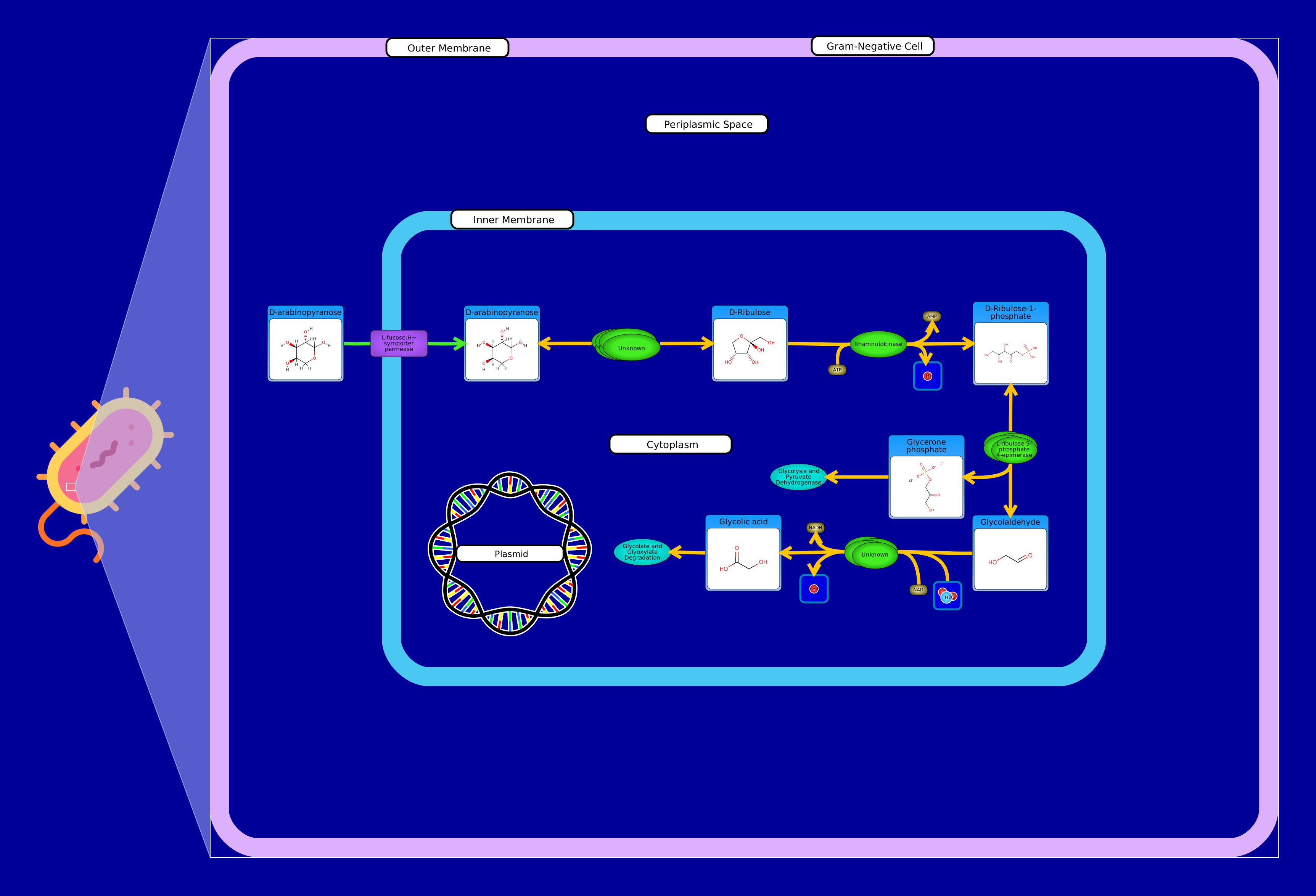 View Pathway
|
D-Arabinose Degradation IMegamonas funiformis YIT 11815
Wild-Type E.coli K-12 can not directly use D-arabinose as a sole source of carbon and energy; hence, E.coli uses the enzymes of the fucose degradation pathway to degrade D-arabinose for further utilization. D-arabinose can be metabolized to form dihydroxy-acetone phosphate for entering the central metabolism. Glycolaldehyde can be further catalyzed to form glycolic acid by lactaldehyde dehydrogenase.
|
Creator: Julia Wakoli Created On: November 06, 2024 at 03:08 Last Updated: November 06, 2024 at 03:08 |