
| PathWhiz ID | Pathway | Meta Data |
|---|---|---|
PW402443 View Pathway
|
D-Glucarate and D-Galactarate DegradationEscherichia coli (strain MS 21-1)
Galactarate is a naturally occurring dicarboxylic acid analog of D-galactose. E. coli can use both diacid sugars galactarate and D-glucarate as the sole source of carbon for growth. The initial step in the degradation of galactarate is its dehydration to 5-dehydro-4-deoxy-D-glucarate(2--) by galactarate dehydratase. Glucaric acid can also be dehydrated by a glucarate dehydratase resulting in water and 5-dehydro-4-deoxy-D-glucarate(2--). The 5-dehydro-4-deoxy-D-glucarate(2--) is then metabolized by a alpha-dehydro-beta-deoxy-D-glucarate aldolase resulting in pyruvic acid and a tartonate semialdehyde. Pyruvic acid interacts with coenzyme A through a NAD driven Pyruvate dehydrogenase complex resulting in a carbon dioxide, an NADH and an acetyl-CoA. The tartronate semialdehyde interacts with a hydrogen ion through a NADPH driven tartronate semialdehyde reductase resulting in a NADP and a glyceric acid. The glyceric acid is phosphorylated by an ATP-driven glycerate kinase 2 resulting in an ADP, a hydrogen ion and a 2-phosphoglyceric acid. The latter compound is dehydrated by an enolase resulting in the release of water and a phosphoenolpyruvic acid. The phosphoenolpyruvic acid interacts with a hydrogen ion through an ADP driven pyruvate kinase resulting in an ATP and a pyruvic acid. The pyruvic acid then interacts with water and an ATP through a phosphoenolpyruvate synthetase resulting in the release of a hydrogen ion, a phosphate, an AMP and a Phosphoenolpyruvic acid.
|
Creator: Julia Wakoli Created On: December 20, 2024 at 12:01 Last Updated: December 20, 2024 at 12:01 |
PW402428 View Pathway
|
D-Glucarate and D-Galactarate DegradationEscherichia coli (strain B / BL21-DE3)
Galactarate is a naturally occurring dicarboxylic acid analog of D-galactose. E. coli can use both diacid sugars galactarate and D-glucarate as the sole source of carbon for growth. The initial step in the degradation of galactarate is its dehydration to 5-dehydro-4-deoxy-D-glucarate(2--) by galactarate dehydratase. Glucaric acid can also be dehydrated by a glucarate dehydratase resulting in water and 5-dehydro-4-deoxy-D-glucarate(2--). The 5-dehydro-4-deoxy-D-glucarate(2--) is then metabolized by a alpha-dehydro-beta-deoxy-D-glucarate aldolase resulting in pyruvic acid and a tartonate semialdehyde. Pyruvic acid interacts with coenzyme A through a NAD driven Pyruvate dehydrogenase complex resulting in a carbon dioxide, an NADH and an acetyl-CoA. The tartronate semialdehyde interacts with a hydrogen ion through a NADPH driven tartronate semialdehyde reductase resulting in a NADP and a glyceric acid. The glyceric acid is phosphorylated by an ATP-driven glycerate kinase 2 resulting in an ADP, a hydrogen ion and a 2-phosphoglyceric acid. The latter compound is dehydrated by an enolase resulting in the release of water and a phosphoenolpyruvic acid. The phosphoenolpyruvic acid interacts with a hydrogen ion through an ADP driven pyruvate kinase resulting in an ATP and a pyruvic acid. The pyruvic acid then interacts with water and an ATP through a phosphoenolpyruvate synthetase resulting in the release of a hydrogen ion, a phosphate, an AMP and a Phosphoenolpyruvic acid.
|
Creator: Julia Wakoli Created On: December 20, 2024 at 11:52 Last Updated: December 20, 2024 at 11:52 |
PW394765 View Pathway
|
D-Glucarate and D-Galactarate DegradationAeromonas media WS
Galactarate is a naturally occurring dicarboxylic acid analog of D-galactose. E. coli can use both diacid sugars galactarate and D-glucarate as the sole source of carbon for growth. The initial step in the degradation of galactarate is its dehydration to 5-dehydro-4-deoxy-D-glucarate(2--) by galactarate dehydratase. Glucaric acid can also be dehydrated by a glucarate dehydratase resulting in water and 5-dehydro-4-deoxy-D-glucarate(2--). The 5-dehydro-4-deoxy-D-glucarate(2--) is then metabolized by a alpha-dehydro-beta-deoxy-D-glucarate aldolase resulting in pyruvic acid and a tartonate semialdehyde. Pyruvic acid interacts with coenzyme A through a NAD driven Pyruvate dehydrogenase complex resulting in a carbon dioxide, an NADH and an acetyl-CoA. The tartronate semialdehyde interacts with a hydrogen ion through a NADPH driven tartronate semialdehyde reductase resulting in a NADP and a glyceric acid. The glyceric acid is phosphorylated by an ATP-driven glycerate kinase 2 resulting in an ADP, a hydrogen ion and a 2-phosphoglyceric acid. The latter compound is dehydrated by an enolase resulting in the release of water and a phosphoenolpyruvic acid. The phosphoenolpyruvic acid interacts with a hydrogen ion through an ADP driven pyruvate kinase resulting in an ATP and a pyruvic acid. The pyruvic acid then interacts with water and an ATP through a phosphoenolpyruvate synthetase resulting in the release of a hydrogen ion, a phosphate, an AMP and a Phosphoenolpyruvic acid.
|
Creator: Julia Wakoli Created On: December 15, 2024 at 21:13 Last Updated: December 15, 2024 at 21:13 |
PW684529 View Pathway
|
D-Glucarate and D-Galactarate DegradationBacteroides xylanisolvens XB1A
Galactarate is a naturally occurring dicarboxylic acid analog of D-galactose. E. coli can use both diacid sugars galactarate and D-glucarate as the sole source of carbon for growth. The initial step in the degradation of galactarate is its dehydration to 5-dehydro-4-deoxy-D-glucarate(2--) by galactarate dehydratase. Glucaric acid can also be dehydrated by a glucarate dehydratase resulting in water and 5-dehydro-4-deoxy-D-glucarate(2--). The 5-dehydro-4-deoxy-D-glucarate(2--) is then metabolized by a alpha-dehydro-beta-deoxy-D-glucarate aldolase resulting in pyruvic acid and a tartonate semialdehyde. Pyruvic acid interacts with coenzyme A through a NAD driven Pyruvate dehydrogenase complex resulting in a carbon dioxide, an NADH and an acetyl-CoA. The tartronate semialdehyde interacts with a hydrogen ion through a NADPH driven tartronate semialdehyde reductase resulting in a NADP and a glyceric acid. The glyceric acid is phosphorylated by an ATP-driven glycerate kinase 2 resulting in an ADP, a hydrogen ion and a 2-phosphoglyceric acid. The latter compound is dehydrated by an enolase resulting in the release of water and a phosphoenolpyruvic acid. The phosphoenolpyruvic acid interacts with a hydrogen ion through an ADP driven pyruvate kinase resulting in an ATP and a pyruvic acid. The pyruvic acid then interacts with water and an ATP through a phosphoenolpyruvate synthetase resulting in the release of a hydrogen ion, a phosphate, an AMP and a Phosphoenolpyruvic acid.
|
Creator: Julia Wakoli Created On: December 16, 2024 at 00:41 Last Updated: December 16, 2024 at 00:41 |
PW409300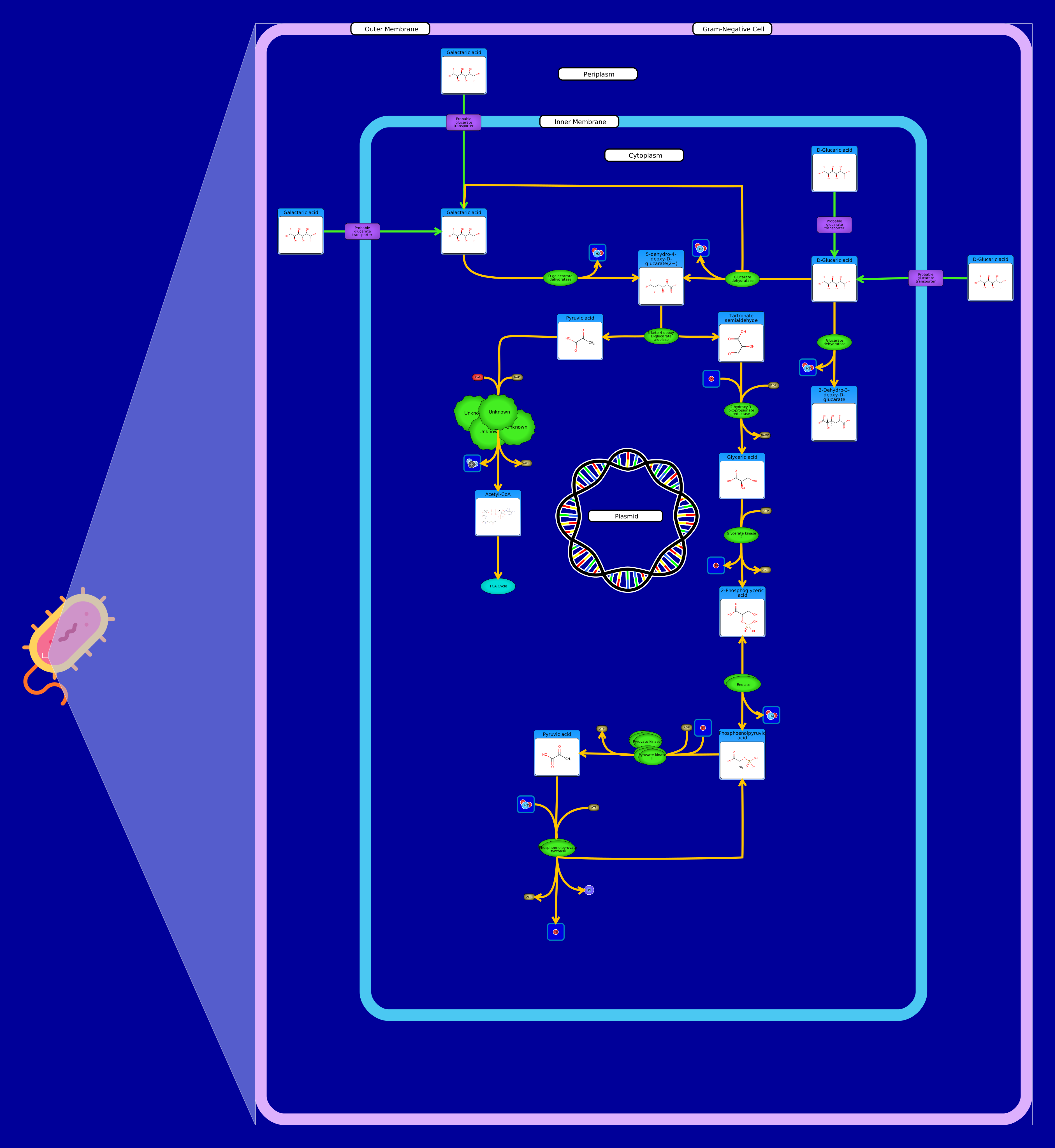 View Pathway
|
D-Glucarate and D-Galactarate DegradationEscherichia coli IHE3034
Galactarate is a naturally occurring dicarboxylic acid analog of D-galactose. E. coli can use both diacid sugars galactarate and D-glucarate as the sole source of carbon for growth. The initial step in the degradation of galactarate is its dehydration to 5-dehydro-4-deoxy-D-glucarate(2--) by galactarate dehydratase. Glucaric acid can also be dehydrated by a glucarate dehydratase resulting in water and 5-dehydro-4-deoxy-D-glucarate(2--). The 5-dehydro-4-deoxy-D-glucarate(2--) is then metabolized by a alpha-dehydro-beta-deoxy-D-glucarate aldolase resulting in pyruvic acid and a tartonate semialdehyde. Pyruvic acid interacts with coenzyme A through a NAD driven Pyruvate dehydrogenase complex resulting in a carbon dioxide, an NADH and an acetyl-CoA. The tartronate semialdehyde interacts with a hydrogen ion through a NADPH driven tartronate semialdehyde reductase resulting in a NADP and a glyceric acid. The glyceric acid is phosphorylated by an ATP-driven glycerate kinase 2 resulting in an ADP, a hydrogen ion and a 2-phosphoglyceric acid. The latter compound is dehydrated by an enolase resulting in the release of water and a phosphoenolpyruvic acid. The phosphoenolpyruvic acid interacts with a hydrogen ion through an ADP driven pyruvate kinase resulting in an ATP and a pyruvic acid. The pyruvic acid then interacts with water and an ATP through a phosphoenolpyruvate synthetase resulting in the release of a hydrogen ion, a phosphate, an AMP and a Phosphoenolpyruvic acid.
|
Creator: Julia Wakoli Created On: December 23, 2024 at 11:32 Last Updated: December 23, 2024 at 11:32 |
PW000795 View Pathway
|
D-Glucarate and D-Galactarate DegradationEscherichia coli
Galactarate is a naturally occurring dicarboxylic acid analog of D-galactose. E. coli can use both diacid sugars galactarate and D-glucarate as the sole source of carbon for growth. The initial step in the degradation of galactarate is its dehydration to 5-dehydro-4-deoxy-D-glucarate(2--) by galactarate dehydratase. Glucaric acid can also be dehydrated by a glucarate dehydratase resulting in water and 5-dehydro-4-deoxy-D-glucarate(2--). The 5-dehydro-4-deoxy-D-glucarate(2--) is then metabolized by a alpha-dehydro-beta-deoxy-D-glucarate aldolase resulting in pyruvic acid and a tartonate semialdehyde. Pyruvic acid interacts with coenzyme A through a NAD driven Pyruvate dehydrogenase complex resulting in a carbon dioxide, an NADH and an acetyl-CoA. The tartronate semialdehyde interacts with a hydrogen ion through a NADPH driven tartronate semialdehyde reductase resulting in a NADP and a glyceric acid. The glyceric acid is phosphorylated by an ATP-driven glycerate kinase 2 resulting in an ADP, a hydrogen ion and a 2-phosphoglyceric acid. The latter compound is dehydrated by an enolase resulting in the release of water and a phosphoenolpyruvic acid. The phosphoenolpyruvic acid interacts with a hydrogen ion through an ADP driven pyruvate kinase resulting in an ATP and a pyruvic acid. The pyruvic acid then interacts with water and an ATP through a phosphoenolpyruvate synthetase resulting in the release of a hydrogen ion, a phosphate, an AMP and a Phosphoenolpyruvic acid.
|
Creator: miguel ramirez Created On: March 03, 2015 at 18:45 Last Updated: March 03, 2015 at 18:45 |
PW408770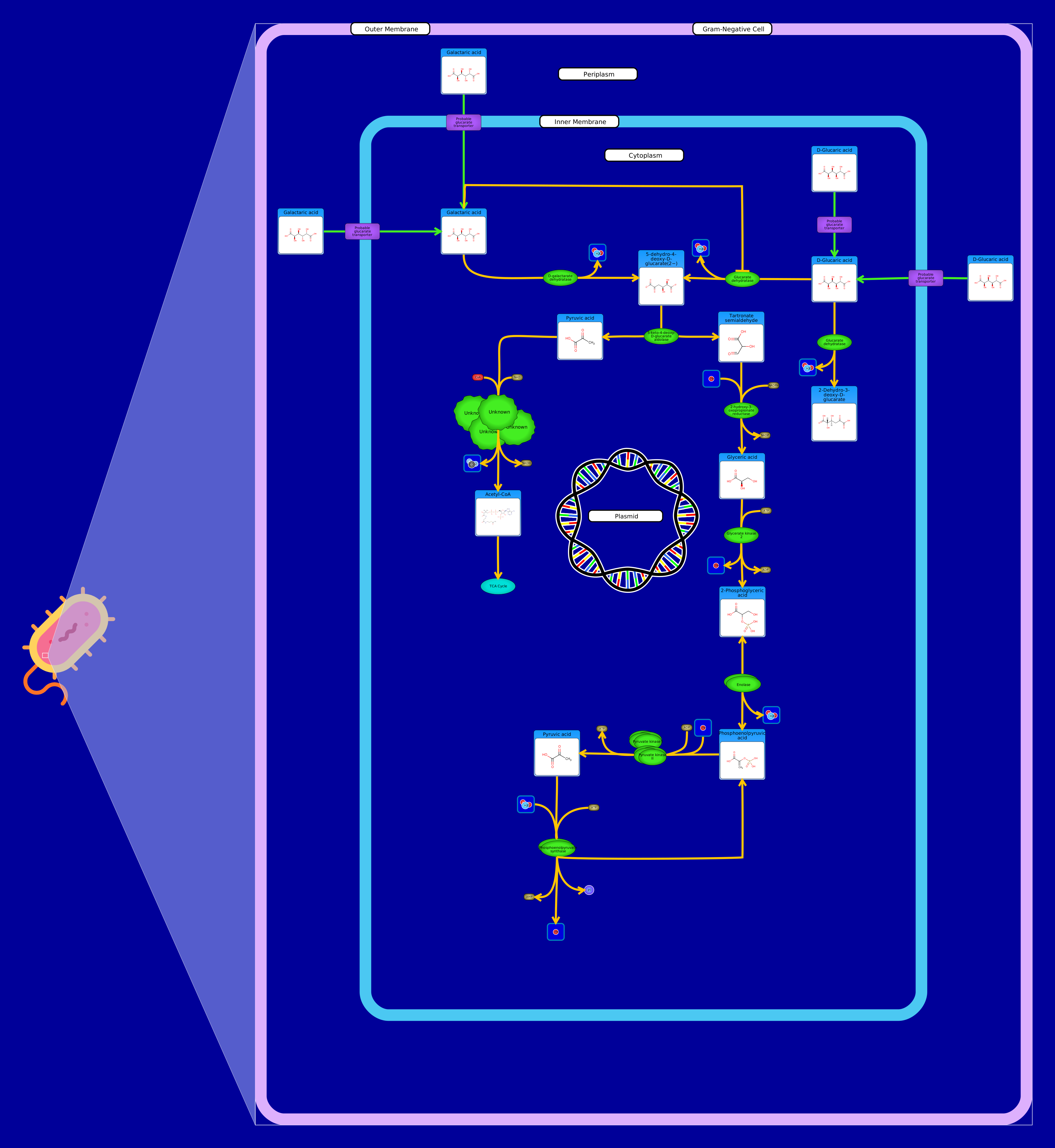 View Pathway
|
D-Glucarate and D-Galactarate DegradationEscherichia coli UMN026
Galactarate is a naturally occurring dicarboxylic acid analog of D-galactose. E. coli can use both diacid sugars galactarate and D-glucarate as the sole source of carbon for growth. The initial step in the degradation of galactarate is its dehydration to 5-dehydro-4-deoxy-D-glucarate(2--) by galactarate dehydratase. Glucaric acid can also be dehydrated by a glucarate dehydratase resulting in water and 5-dehydro-4-deoxy-D-glucarate(2--). The 5-dehydro-4-deoxy-D-glucarate(2--) is then metabolized by a alpha-dehydro-beta-deoxy-D-glucarate aldolase resulting in pyruvic acid and a tartonate semialdehyde. Pyruvic acid interacts with coenzyme A through a NAD driven Pyruvate dehydrogenase complex resulting in a carbon dioxide, an NADH and an acetyl-CoA. The tartronate semialdehyde interacts with a hydrogen ion through a NADPH driven tartronate semialdehyde reductase resulting in a NADP and a glyceric acid. The glyceric acid is phosphorylated by an ATP-driven glycerate kinase 2 resulting in an ADP, a hydrogen ion and a 2-phosphoglyceric acid. The latter compound is dehydrated by an enolase resulting in the release of water and a phosphoenolpyruvic acid. The phosphoenolpyruvic acid interacts with a hydrogen ion through an ADP driven pyruvate kinase resulting in an ATP and a pyruvic acid. The pyruvic acid then interacts with water and an ATP through a phosphoenolpyruvate synthetase resulting in the release of a hydrogen ion, a phosphate, an AMP and a Phosphoenolpyruvic acid.
|
Creator: Julia Wakoli Created On: December 23, 2024 at 07:28 Last Updated: December 23, 2024 at 07:28 |
PW394891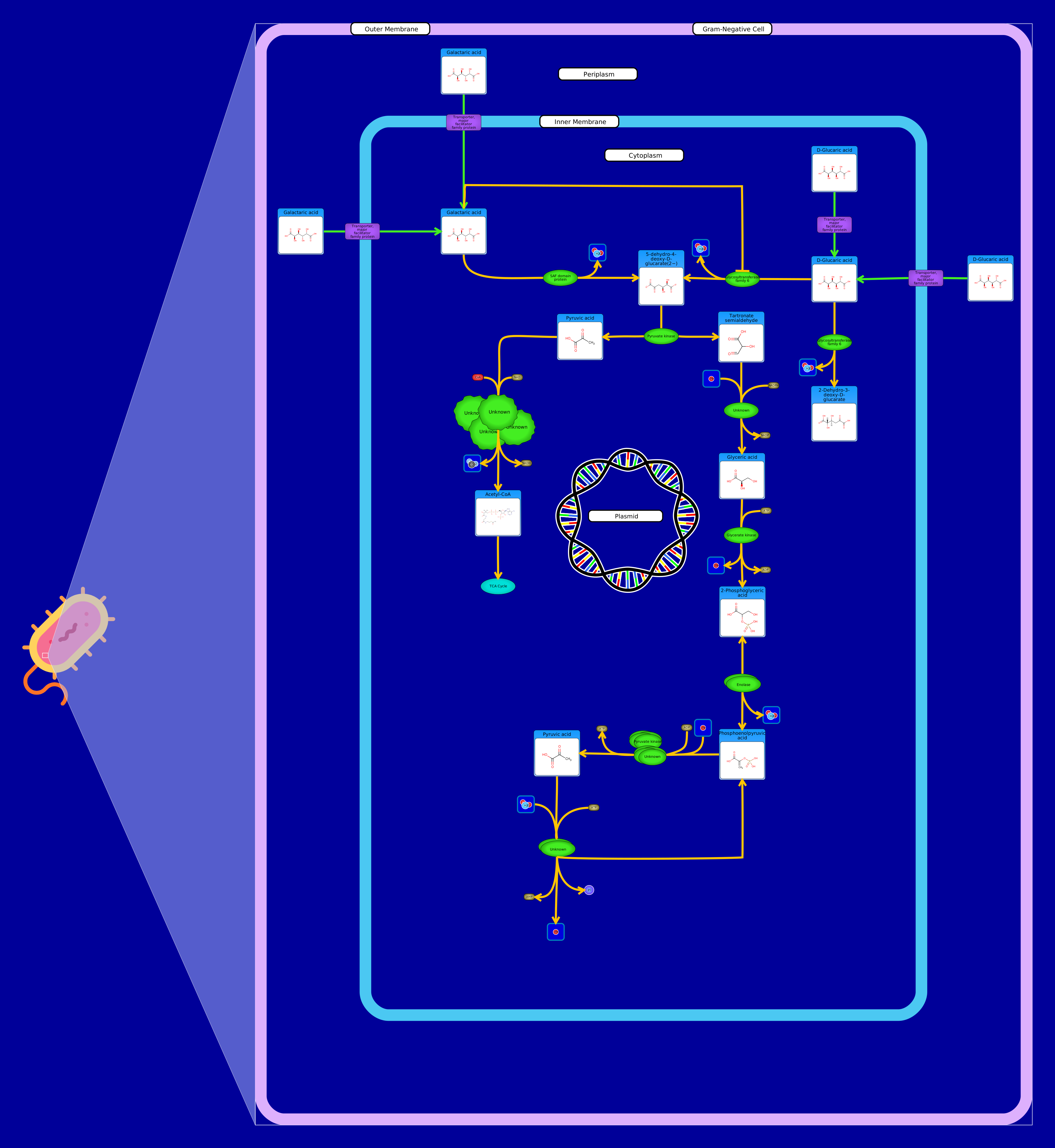 View Pathway
|
D-Glucarate and D-Galactarate DegradationBacteroides stercoris ATCC 43183
Galactarate is a naturally occurring dicarboxylic acid analog of D-galactose. E. coli can use both diacid sugars galactarate and D-glucarate as the sole source of carbon for growth. The initial step in the degradation of galactarate is its dehydration to 5-dehydro-4-deoxy-D-glucarate(2--) by galactarate dehydratase. Glucaric acid can also be dehydrated by a glucarate dehydratase resulting in water and 5-dehydro-4-deoxy-D-glucarate(2--). The 5-dehydro-4-deoxy-D-glucarate(2--) is then metabolized by a alpha-dehydro-beta-deoxy-D-glucarate aldolase resulting in pyruvic acid and a tartonate semialdehyde. Pyruvic acid interacts with coenzyme A through a NAD driven Pyruvate dehydrogenase complex resulting in a carbon dioxide, an NADH and an acetyl-CoA. The tartronate semialdehyde interacts with a hydrogen ion through a NADPH driven tartronate semialdehyde reductase resulting in a NADP and a glyceric acid. The glyceric acid is phosphorylated by an ATP-driven glycerate kinase 2 resulting in an ADP, a hydrogen ion and a 2-phosphoglyceric acid. The latter compound is dehydrated by an enolase resulting in the release of water and a phosphoenolpyruvic acid. The phosphoenolpyruvic acid interacts with a hydrogen ion through an ADP driven pyruvate kinase resulting in an ATP and a pyruvic acid. The pyruvic acid then interacts with water and an ATP through a phosphoenolpyruvate synthetase resulting in the release of a hydrogen ion, a phosphate, an AMP and a Phosphoenolpyruvic acid.
|
Creator: Julia Wakoli Created On: December 16, 2024 at 00:41 Last Updated: December 16, 2024 at 00:41 |
PW395161 View Pathway
|
D-Glucarate and D-Galactarate DegradationBacteroides intestinalis
Galactarate is a naturally occurring dicarboxylic acid analog of D-galactose. E. coli can use both diacid sugars galactarate and D-glucarate as the sole source of carbon for growth. The initial step in the degradation of galactarate is its dehydration to 5-dehydro-4-deoxy-D-glucarate(2--) by galactarate dehydratase. Glucaric acid can also be dehydrated by a glucarate dehydratase resulting in water and 5-dehydro-4-deoxy-D-glucarate(2--). The 5-dehydro-4-deoxy-D-glucarate(2--) is then metabolized by a alpha-dehydro-beta-deoxy-D-glucarate aldolase resulting in pyruvic acid and a tartonate semialdehyde. Pyruvic acid interacts with coenzyme A through a NAD driven Pyruvate dehydrogenase complex resulting in a carbon dioxide, an NADH and an acetyl-CoA. The tartronate semialdehyde interacts with a hydrogen ion through a NADPH driven tartronate semialdehyde reductase resulting in a NADP and a glyceric acid. The glyceric acid is phosphorylated by an ATP-driven glycerate kinase 2 resulting in an ADP, a hydrogen ion and a 2-phosphoglyceric acid. The latter compound is dehydrated by an enolase resulting in the release of water and a phosphoenolpyruvic acid. The phosphoenolpyruvic acid interacts with a hydrogen ion through an ADP driven pyruvate kinase resulting in an ATP and a pyruvic acid. The pyruvic acid then interacts with water and an ATP through a phosphoenolpyruvate synthetase resulting in the release of a hydrogen ion, a phosphate, an AMP and a Phosphoenolpyruvic acid.
|
Creator: Julia Wakoli Created On: December 16, 2024 at 05:16 Last Updated: December 16, 2024 at 05:16 |
PW398418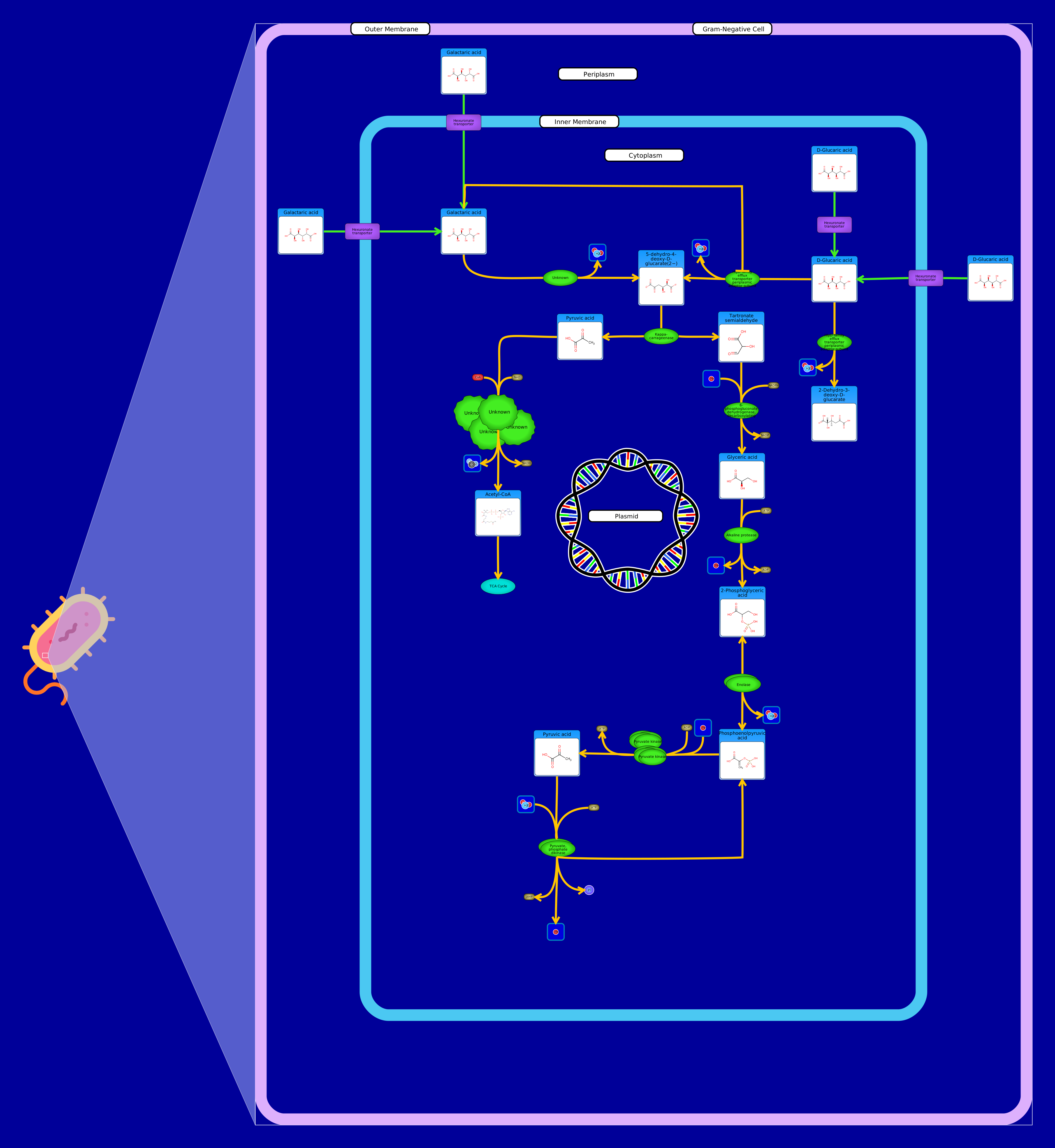 View Pathway
|
D-Glucarate and D-Galactarate DegradationTannerella forsythia
Galactarate is a naturally occurring dicarboxylic acid analog of D-galactose. E. coli can use both diacid sugars galactarate and D-glucarate as the sole source of carbon for growth. The initial step in the degradation of galactarate is its dehydration to 5-dehydro-4-deoxy-D-glucarate(2--) by galactarate dehydratase. Glucaric acid can also be dehydrated by a glucarate dehydratase resulting in water and 5-dehydro-4-deoxy-D-glucarate(2--). The 5-dehydro-4-deoxy-D-glucarate(2--) is then metabolized by a alpha-dehydro-beta-deoxy-D-glucarate aldolase resulting in pyruvic acid and a tartonate semialdehyde. Pyruvic acid interacts with coenzyme A through a NAD driven Pyruvate dehydrogenase complex resulting in a carbon dioxide, an NADH and an acetyl-CoA. The tartronate semialdehyde interacts with a hydrogen ion through a NADPH driven tartronate semialdehyde reductase resulting in a NADP and a glyceric acid. The glyceric acid is phosphorylated by an ATP-driven glycerate kinase 2 resulting in an ADP, a hydrogen ion and a 2-phosphoglyceric acid. The latter compound is dehydrated by an enolase resulting in the release of water and a phosphoenolpyruvic acid. The phosphoenolpyruvic acid interacts with a hydrogen ion through an ADP driven pyruvate kinase resulting in an ATP and a pyruvic acid. The pyruvic acid then interacts with water and an ATP through a phosphoenolpyruvate synthetase resulting in the release of a hydrogen ion, a phosphate, an AMP and a Phosphoenolpyruvic acid.
|
Creator: Julia Wakoli Created On: December 17, 2024 at 13:33 Last Updated: December 17, 2024 at 13:33 |