
| PathWhiz ID | Pathway | Meta Data |
|---|---|---|
PW684441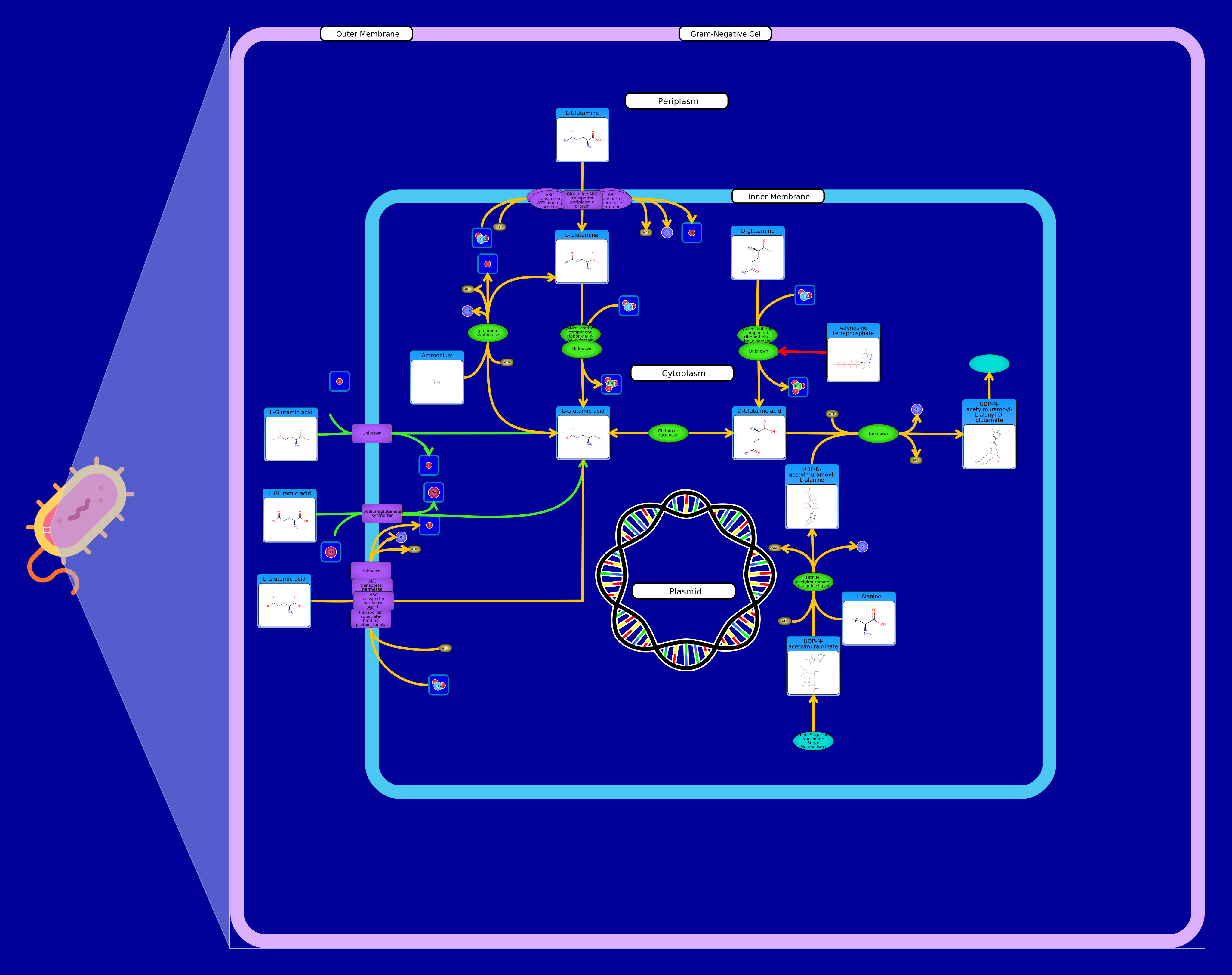 View Pathway
|
D-Glutamine and D-Glutamate MetabolismVeillonella atypica ACS-049-V-Sch6
L-Glutamine is transported into the cytoplasm through a glutamine ABC transporter. Once inside, L-glutamine is metabolized with glutaminase to produce an L-glutamic acid. This process can be reversed through a glutamine synthetase resulting in L-glutamine. L-glutamic acid can also be transported into the cytoplasm through various methods: a glutamate/aspartate:H+ symporter GltP, a glutamate:sodium symporter, or a glutamate/aspartate ABC transporter. L-Glutamic acid can proceed to L-glutamate metabolism or it can undergo a reversible reaction through a glutamate racemase resulting in D-glutamic acid. This compound can also be obtained from D-glutamine interacting with a glutaminase. D-Glutamic acid reacts with UDP-N-acetylmuramoyl-L-alanine through an ATP-driven UDP-N-acetylmuramoylalanine-D-glutamate ligase resulting in a UDP-N-acetylmuramoyl-L-alanyl-D-glutamate which is then integrated into peptidoglycan biosynthesis. UDP-N-acetylmuramoyl-L-alanine comes from the amino sugar and nucleotide sugar metabolism product, UDP-N-acetylmuraminate which reacts with L-alanine through an ATP-driven UDP-N-acetylmuramate-L-alanine ligase.
|
Creator: Julia Wakoli Created On: December 12, 2024 at 14:02 Last Updated: December 12, 2024 at 14:02 |
PW684443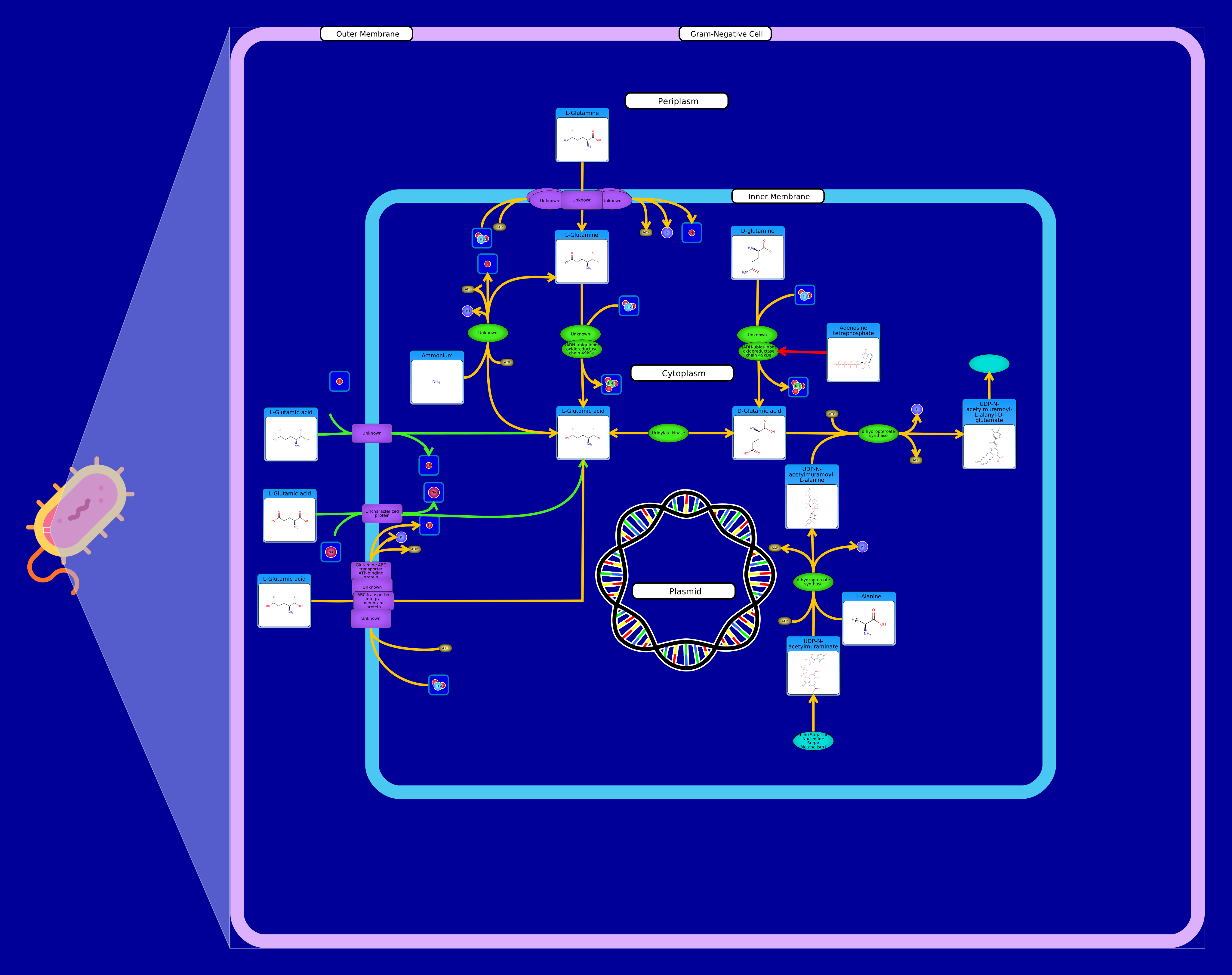 View Pathway
|
D-Glutamine and D-Glutamate MetabolismHalococcus morrhuae DSM 1307
L-Glutamine is transported into the cytoplasm through a glutamine ABC transporter. Once inside, L-glutamine is metabolized with glutaminase to produce an L-glutamic acid. This process can be reversed through a glutamine synthetase resulting in L-glutamine. L-glutamic acid can also be transported into the cytoplasm through various methods: a glutamate/aspartate:H+ symporter GltP, a glutamate:sodium symporter, or a glutamate/aspartate ABC transporter. L-Glutamic acid can proceed to L-glutamate metabolism or it can undergo a reversible reaction through a glutamate racemase resulting in D-glutamic acid. This compound can also be obtained from D-glutamine interacting with a glutaminase. D-Glutamic acid reacts with UDP-N-acetylmuramoyl-L-alanine through an ATP-driven UDP-N-acetylmuramoylalanine-D-glutamate ligase resulting in a UDP-N-acetylmuramoyl-L-alanyl-D-glutamate which is then integrated into peptidoglycan biosynthesis. UDP-N-acetylmuramoyl-L-alanine comes from the amino sugar and nucleotide sugar metabolism product, UDP-N-acetylmuraminate which reacts with L-alanine through an ATP-driven UDP-N-acetylmuramate-L-alanine ligase.
|
Creator: Julia Wakoli Created On: December 12, 2024 at 14:02 Last Updated: December 12, 2024 at 14:02 |
PW393664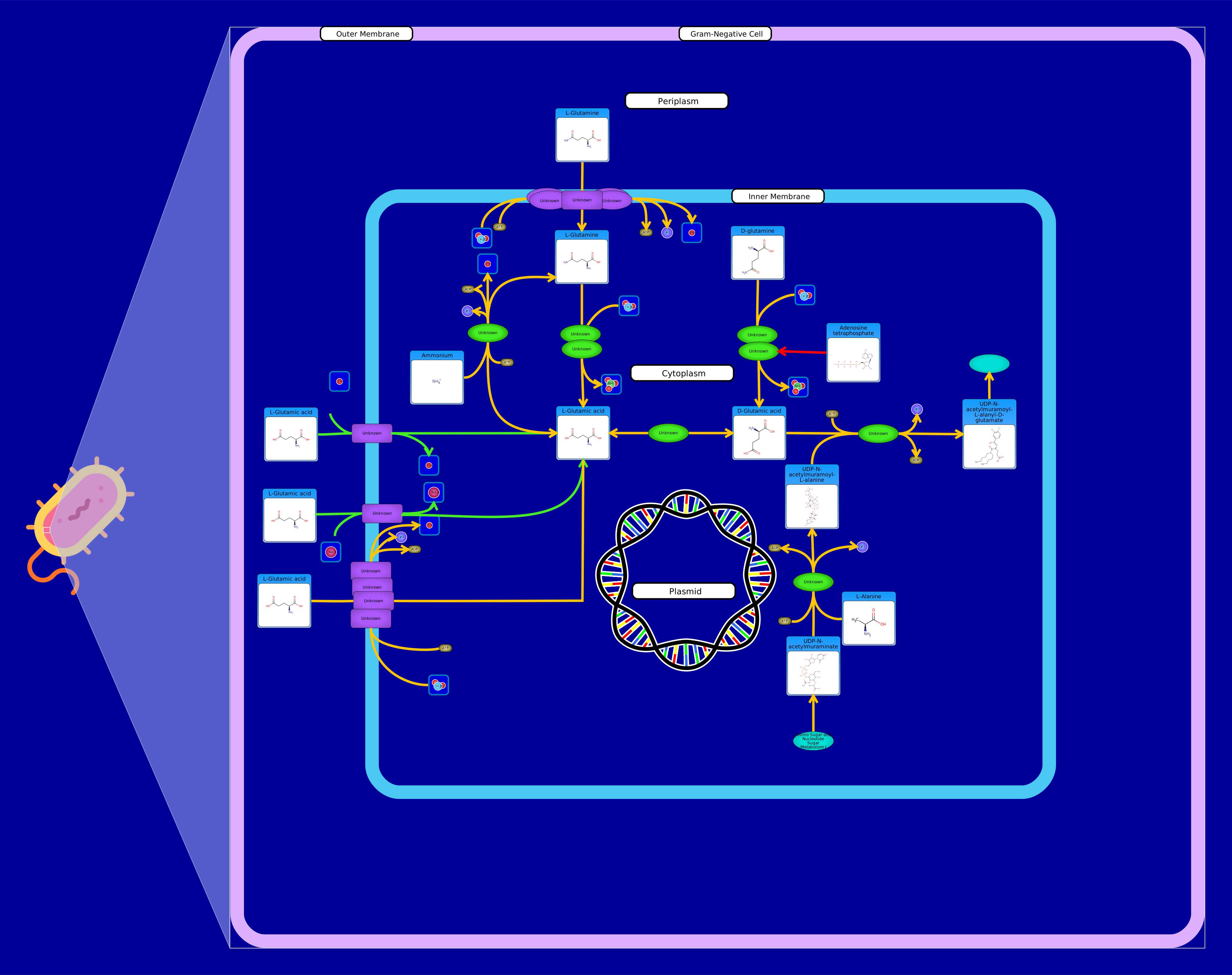 View Pathway
|
D-Glutamine and D-Glutamate MetabolismProteus mirabilis ATCC 29906
L-Glutamine is transported into the cytoplasm through a glutamine ABC transporter. Once inside, L-glutamine is metabolized with glutaminase to produce an L-glutamic acid. This process can be reversed through a glutamine synthetase resulting in L-glutamine. L-glutamic acid can also be transported into the cytoplasm through various methods: a glutamate/aspartate:H+ symporter GltP, a glutamate:sodium symporter, or a glutamate/aspartate ABC transporter. L-Glutamic acid can proceed to L-glutamate metabolism or it can undergo a reversible reaction through a glutamate racemase resulting in D-glutamic acid. This compound can also be obtained from D-glutamine interacting with a glutaminase. D-Glutamic acid reacts with UDP-N-acetylmuramoyl-L-alanine through an ATP-driven UDP-N-acetylmuramoylalanine-D-glutamate ligase resulting in a UDP-N-acetylmuramoyl-L-alanyl-D-glutamate which is then integrated into peptidoglycan biosynthesis. UDP-N-acetylmuramoyl-L-alanine comes from the amino sugar and nucleotide sugar metabolism product, UDP-N-acetylmuraminate which reacts with L-alanine through an ATP-driven UDP-N-acetylmuramate-L-alanine ligase.
|
Creator: Julia Wakoli Created On: December 14, 2024 at 06:25 Last Updated: December 14, 2024 at 06:25 |
PW684398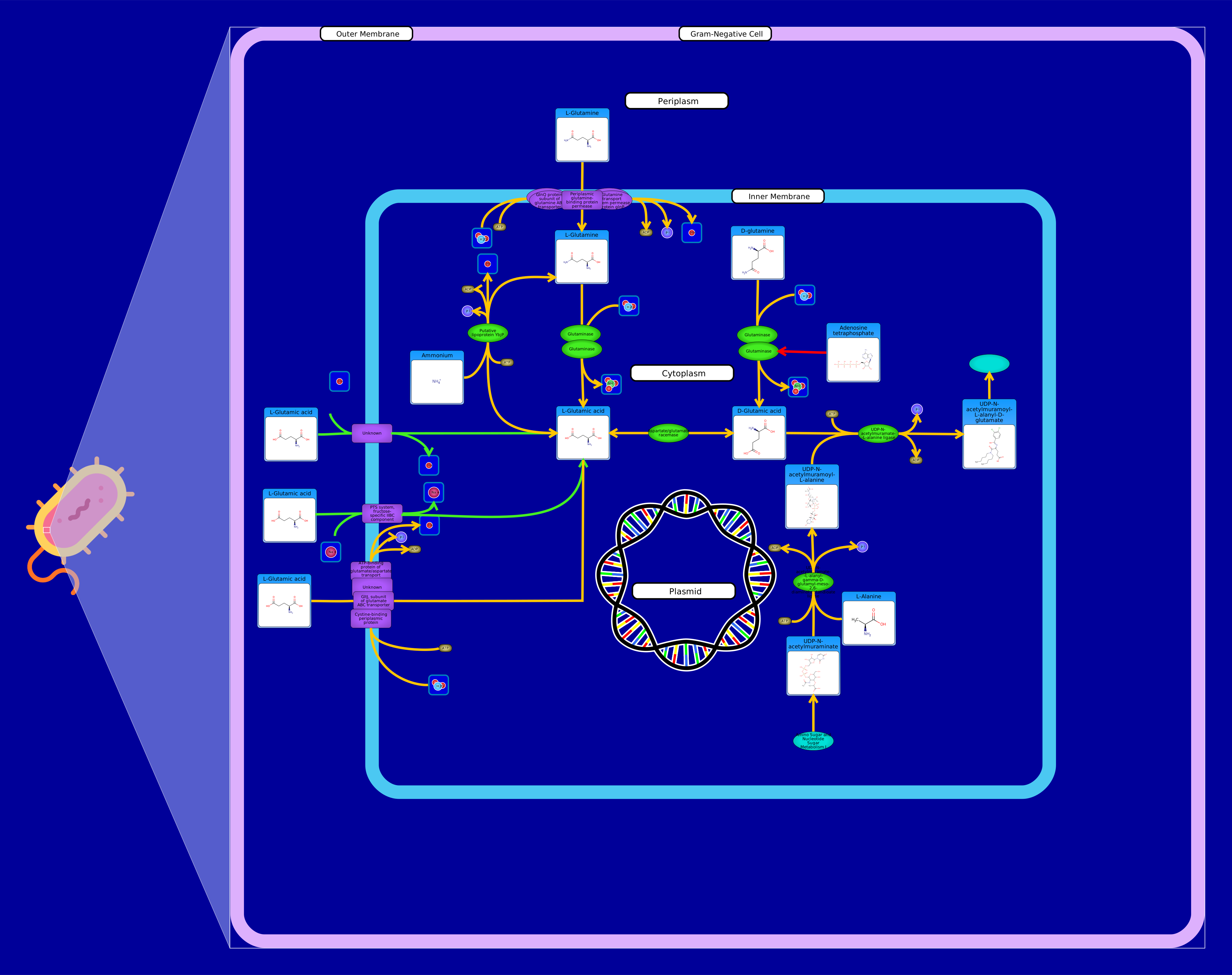 View Pathway
|
D-Glutamine and D-Glutamate MetabolismEscherichia coli (strain UTI89 / UPEC)
L-Glutamine is transported into the cytoplasm through a glutamine ABC transporter. Once inside, L-glutamine is metabolized with glutaminase to produce an L-glutamic acid. This process can be reversed through a glutamine synthetase resulting in L-glutamine. L-glutamic acid can also be transported into the cytoplasm through various methods: a glutamate/aspartate:H+ symporter GltP, a glutamate:sodium symporter, or a glutamate/aspartate ABC transporter. L-Glutamic acid can proceed to L-glutamate metabolism or it can undergo a reversible reaction through a glutamate racemase resulting in D-glutamic acid. This compound can also be obtained from D-glutamine interacting with a glutaminase. D-Glutamic acid reacts with UDP-N-acetylmuramoyl-L-alanine through an ATP-driven UDP-N-acetylmuramoylalanine-D-glutamate ligase resulting in a UDP-N-acetylmuramoyl-L-alanyl-D-glutamate which is then integrated into peptidoglycan biosynthesis. UDP-N-acetylmuramoyl-L-alanine comes from the amino sugar and nucleotide sugar metabolism product, UDP-N-acetylmuraminate which reacts with L-alanine through an ATP-driven UDP-N-acetylmuramate-L-alanine ligase.
|
Creator: Julia Wakoli Created On: December 11, 2024 at 12:58 Last Updated: December 11, 2024 at 12:58 |
PW389623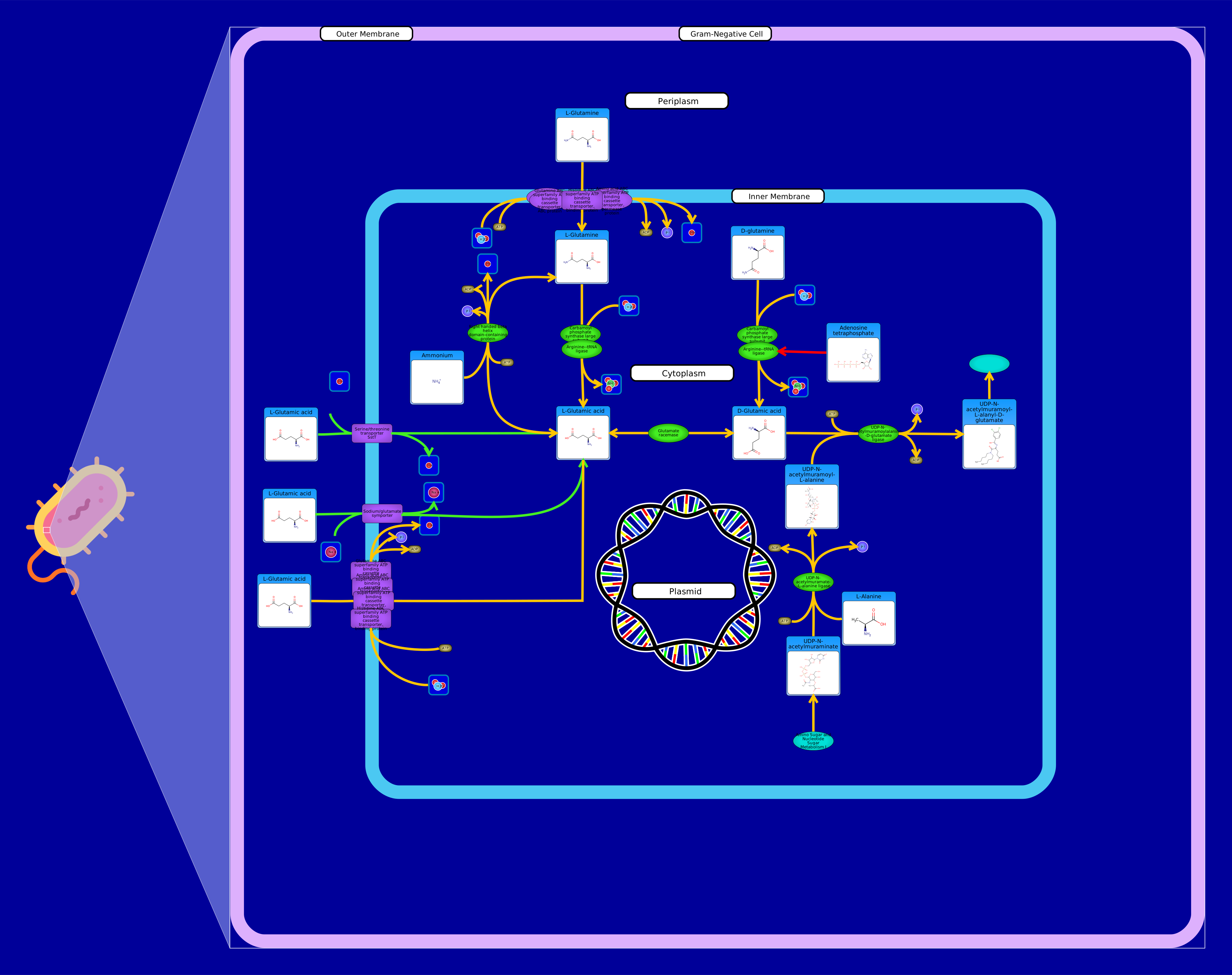 View Pathway
|
D-Glutamine and D-Glutamate MetabolismNeisseria macacae ATCC 33926
L-Glutamine is transported into the cytoplasm through a glutamine ABC transporter. Once inside, L-glutamine is metabolized with glutaminase to produce an L-glutamic acid. This process can be reversed through a glutamine synthetase resulting in L-glutamine. L-glutamic acid can also be transported into the cytoplasm through various methods: a glutamate/aspartate:H+ symporter GltP, a glutamate:sodium symporter, or a glutamate/aspartate ABC transporter. L-Glutamic acid can proceed to L-glutamate metabolism or it can undergo a reversible reaction through a glutamate racemase resulting in D-glutamic acid. This compound can also be obtained from D-glutamine interacting with a glutaminase. D-Glutamic acid reacts with UDP-N-acetylmuramoyl-L-alanine through an ATP-driven UDP-N-acetylmuramoylalanine-D-glutamate ligase resulting in a UDP-N-acetylmuramoyl-L-alanyl-D-glutamate which is then integrated into peptidoglycan biosynthesis. UDP-N-acetylmuramoyl-L-alanine comes from the amino sugar and nucleotide sugar metabolism product, UDP-N-acetylmuraminate which reacts with L-alanine through an ATP-driven UDP-N-acetylmuramate-L-alanine ligase.
|
Creator: Julia Wakoli Created On: December 12, 2024 at 07:22 Last Updated: December 12, 2024 at 07:22 |
PW389663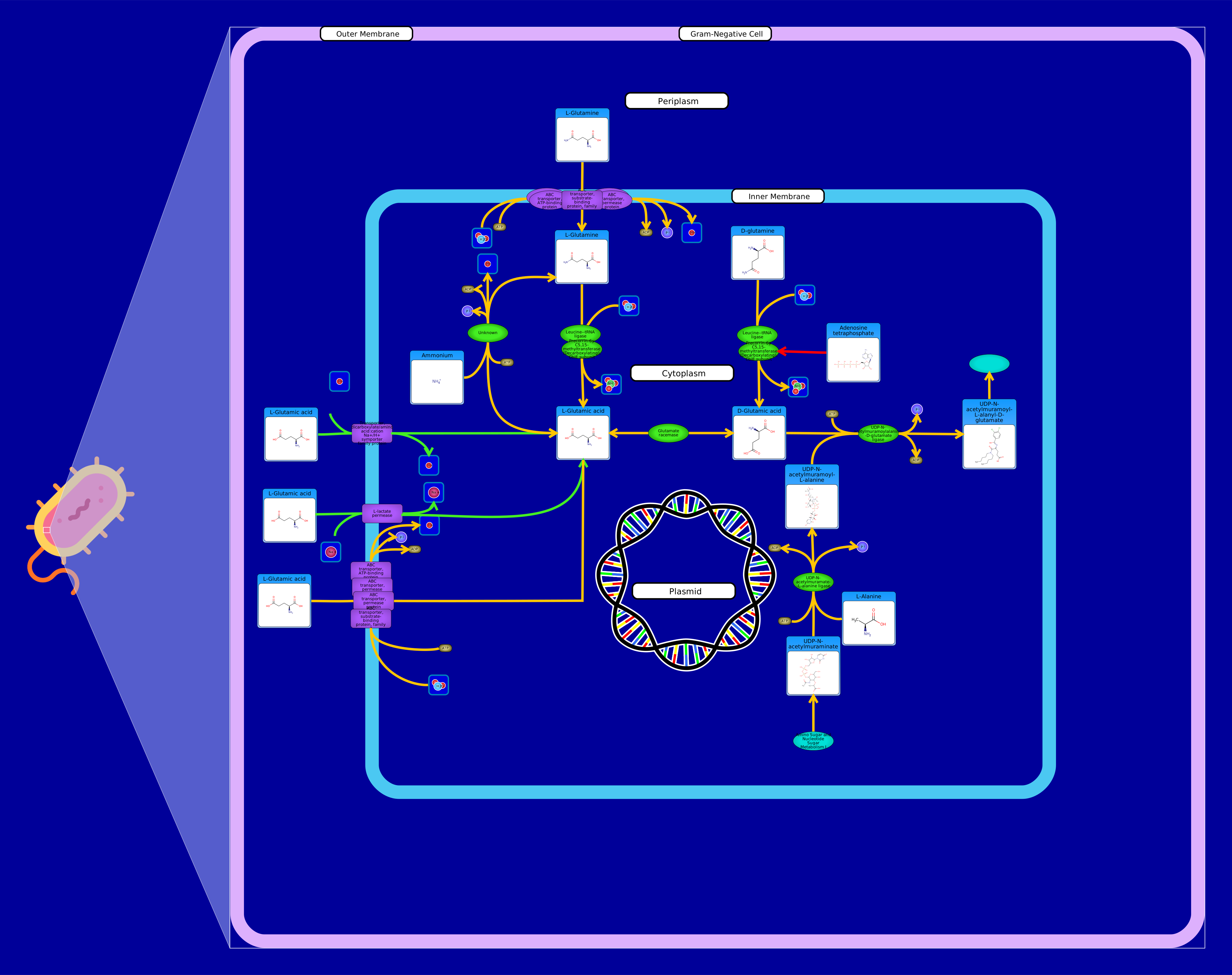 View Pathway
|
D-Glutamine and D-Glutamate MetabolismDesulfovibrio piger ATCC 29098
L-Glutamine is transported into the cytoplasm through a glutamine ABC transporter. Once inside, L-glutamine is metabolized with glutaminase to produce an L-glutamic acid. This process can be reversed through a glutamine synthetase resulting in L-glutamine. L-glutamic acid can also be transported into the cytoplasm through various methods: a glutamate/aspartate:H+ symporter GltP, a glutamate:sodium symporter, or a glutamate/aspartate ABC transporter. L-Glutamic acid can proceed to L-glutamate metabolism or it can undergo a reversible reaction through a glutamate racemase resulting in D-glutamic acid. This compound can also be obtained from D-glutamine interacting with a glutaminase. D-Glutamic acid reacts with UDP-N-acetylmuramoyl-L-alanine through an ATP-driven UDP-N-acetylmuramoylalanine-D-glutamate ligase resulting in a UDP-N-acetylmuramoyl-L-alanyl-D-glutamate which is then integrated into peptidoglycan biosynthesis. UDP-N-acetylmuramoyl-L-alanine comes from the amino sugar and nucleotide sugar metabolism product, UDP-N-acetylmuraminate which reacts with L-alanine through an ATP-driven UDP-N-acetylmuramate-L-alanine ligase.
|
Creator: Julia Wakoli Created On: December 12, 2024 at 07:50 Last Updated: December 12, 2024 at 07:50 |
PW393513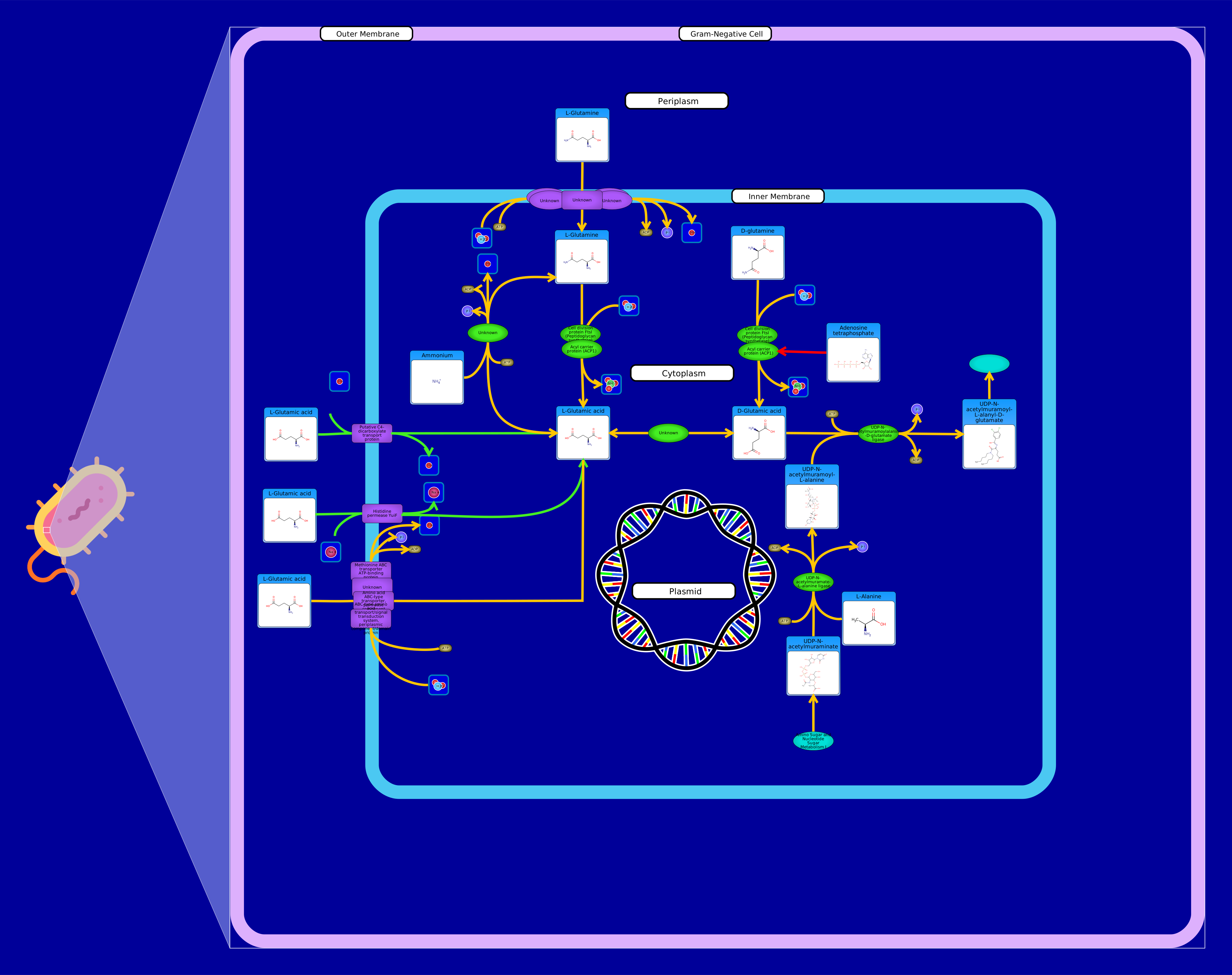 View Pathway
|
D-Glutamine and D-Glutamate MetabolismCampylobacter showae CSUNSWCD
L-Glutamine is transported into the cytoplasm through a glutamine ABC transporter. Once inside, L-glutamine is metabolized with glutaminase to produce an L-glutamic acid. This process can be reversed through a glutamine synthetase resulting in L-glutamine. L-glutamic acid can also be transported into the cytoplasm through various methods: a glutamate/aspartate:H+ symporter GltP, a glutamate:sodium symporter, or a glutamate/aspartate ABC transporter. L-Glutamic acid can proceed to L-glutamate metabolism or it can undergo a reversible reaction through a glutamate racemase resulting in D-glutamic acid. This compound can also be obtained from D-glutamine interacting with a glutaminase. D-Glutamic acid reacts with UDP-N-acetylmuramoyl-L-alanine through an ATP-driven UDP-N-acetylmuramoylalanine-D-glutamate ligase resulting in a UDP-N-acetylmuramoyl-L-alanyl-D-glutamate which is then integrated into peptidoglycan biosynthesis. UDP-N-acetylmuramoyl-L-alanine comes from the amino sugar and nucleotide sugar metabolism product, UDP-N-acetylmuraminate which reacts with L-alanine through an ATP-driven UDP-N-acetylmuramate-L-alanine ligase.
|
Creator: Julia Wakoli Created On: December 14, 2024 at 05:29 Last Updated: December 14, 2024 at 05:29 |
PW392274 View Pathway
|
D-Glutamine and D-Glutamate MetabolismEscherichia coli O127:H6 str. E2348/69
L-Glutamine is transported into the cytoplasm through a glutamine ABC transporter. Once inside, L-glutamine is metabolized with glutaminase to produce an L-glutamic acid. This process can be reversed through a glutamine synthetase resulting in L-glutamine. L-glutamic acid can also be transported into the cytoplasm through various methods: a glutamate/aspartate:H+ symporter GltP, a glutamate:sodium symporter, or a glutamate/aspartate ABC transporter. L-Glutamic acid can proceed to L-glutamate metabolism or it can undergo a reversible reaction through a glutamate racemase resulting in D-glutamic acid. This compound can also be obtained from D-glutamine interacting with a glutaminase. D-Glutamic acid reacts with UDP-N-acetylmuramoyl-L-alanine through an ATP-driven UDP-N-acetylmuramoylalanine-D-glutamate ligase resulting in a UDP-N-acetylmuramoyl-L-alanyl-D-glutamate which is then integrated into peptidoglycan biosynthesis. UDP-N-acetylmuramoyl-L-alanine comes from the amino sugar and nucleotide sugar metabolism product, UDP-N-acetylmuraminate which reacts with L-alanine through an ATP-driven UDP-N-acetylmuramate-L-alanine ligase.
|
Creator: Julia Wakoli Created On: December 13, 2024 at 22:32 Last Updated: December 13, 2024 at 22:32 |
PW392224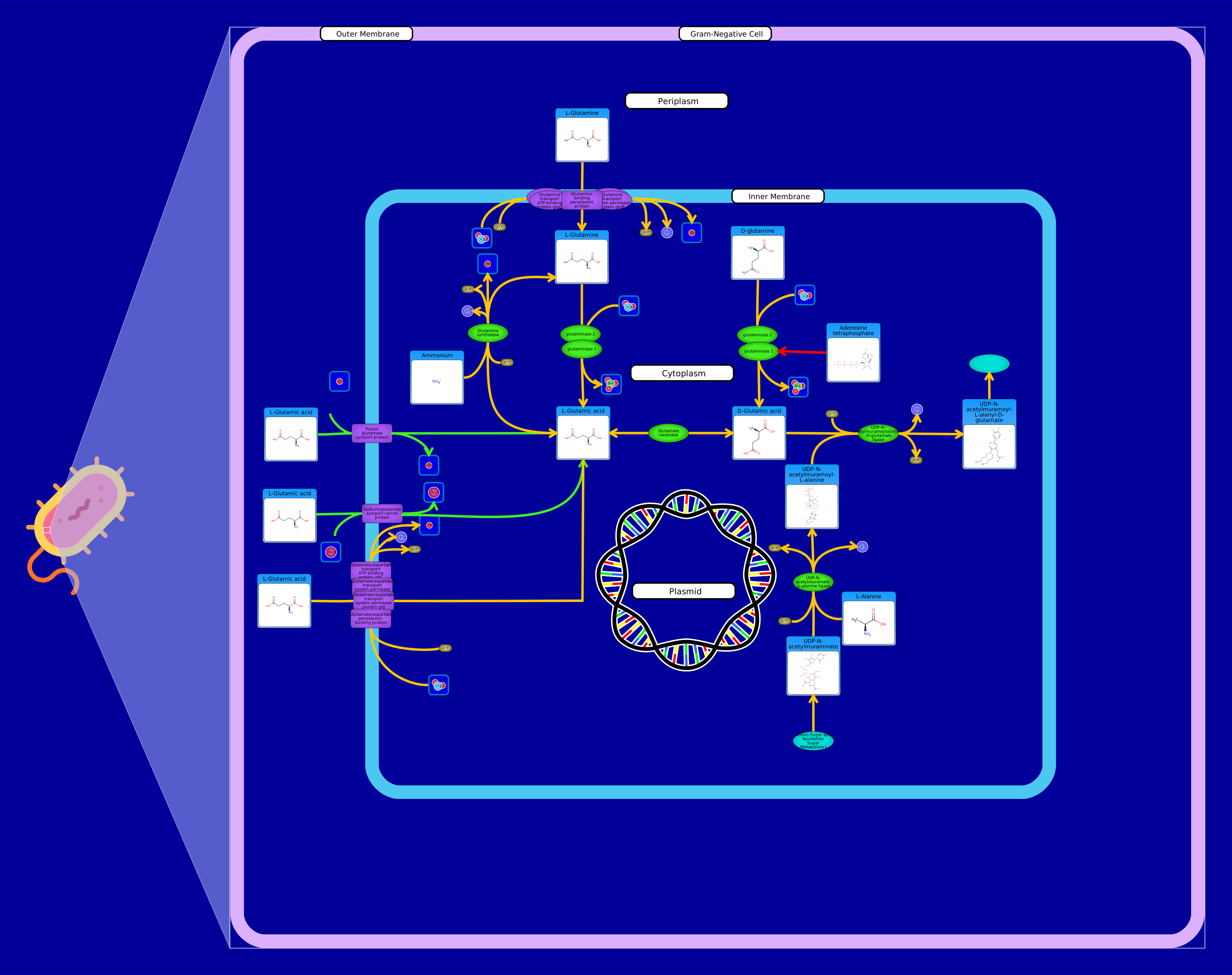 View Pathway
|
D-Glutamine and D-Glutamate MetabolismEscherichia coli 536
L-Glutamine is transported into the cytoplasm through a glutamine ABC transporter. Once inside, L-glutamine is metabolized with glutaminase to produce an L-glutamic acid. This process can be reversed through a glutamine synthetase resulting in L-glutamine. L-glutamic acid can also be transported into the cytoplasm through various methods: a glutamate/aspartate:H+ symporter GltP, a glutamate:sodium symporter, or a glutamate/aspartate ABC transporter. L-Glutamic acid can proceed to L-glutamate metabolism or it can undergo a reversible reaction through a glutamate racemase resulting in D-glutamic acid. This compound can also be obtained from D-glutamine interacting with a glutaminase. D-Glutamic acid reacts with UDP-N-acetylmuramoyl-L-alanine through an ATP-driven UDP-N-acetylmuramoylalanine-D-glutamate ligase resulting in a UDP-N-acetylmuramoyl-L-alanyl-D-glutamate which is then integrated into peptidoglycan biosynthesis. UDP-N-acetylmuramoyl-L-alanine comes from the amino sugar and nucleotide sugar metabolism product, UDP-N-acetylmuraminate which reacts with L-alanine through an ATP-driven UDP-N-acetylmuramate-L-alanine ligase.
|
Creator: Julia Wakoli Created On: December 13, 2024 at 22:13 Last Updated: December 13, 2024 at 22:13 |
PW392250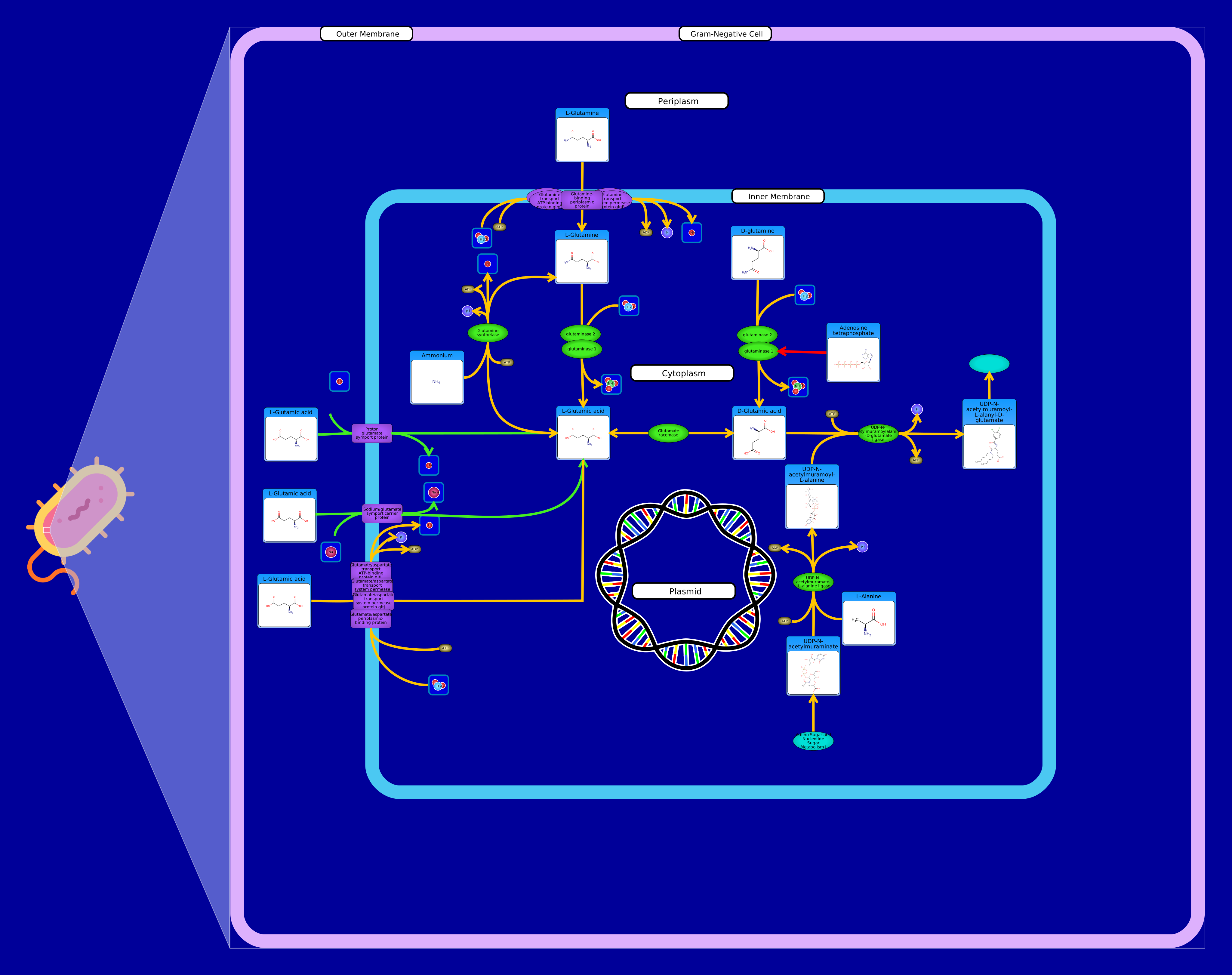 View Pathway
|
D-Glutamine and D-Glutamate MetabolismEscherichia coli HS
L-Glutamine is transported into the cytoplasm through a glutamine ABC transporter. Once inside, L-glutamine is metabolized with glutaminase to produce an L-glutamic acid. This process can be reversed through a glutamine synthetase resulting in L-glutamine. L-glutamic acid can also be transported into the cytoplasm through various methods: a glutamate/aspartate:H+ symporter GltP, a glutamate:sodium symporter, or a glutamate/aspartate ABC transporter. L-Glutamic acid can proceed to L-glutamate metabolism or it can undergo a reversible reaction through a glutamate racemase resulting in D-glutamic acid. This compound can also be obtained from D-glutamine interacting with a glutaminase. D-Glutamic acid reacts with UDP-N-acetylmuramoyl-L-alanine through an ATP-driven UDP-N-acetylmuramoylalanine-D-glutamate ligase resulting in a UDP-N-acetylmuramoyl-L-alanyl-D-glutamate which is then integrated into peptidoglycan biosynthesis. UDP-N-acetylmuramoyl-L-alanine comes from the amino sugar and nucleotide sugar metabolism product, UDP-N-acetylmuraminate which reacts with L-alanine through an ATP-driven UDP-N-acetylmuramate-L-alanine ligase.
|
Creator: Julia Wakoli Created On: December 13, 2024 at 22:23 Last Updated: December 13, 2024 at 22:23 |