
| PathWhiz ID | Pathway | Meta Data |
|---|---|---|
PW393621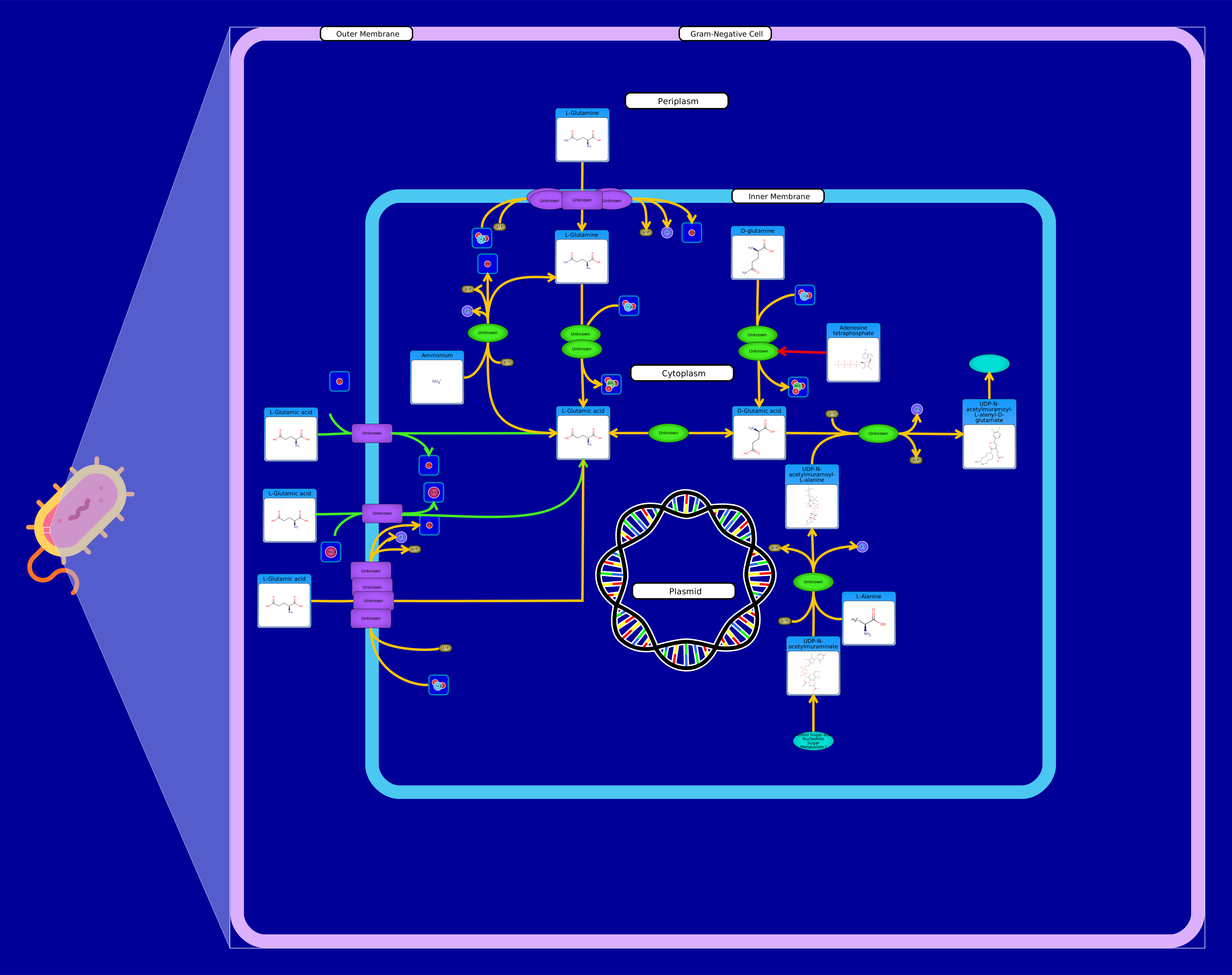 View Pathway
|
D-Glutamine and D-Glutamate MetabolismKlebsiella pneumoniae BIDMC 31
L-Glutamine is transported into the cytoplasm through a glutamine ABC transporter. Once inside, L-glutamine is metabolized with glutaminase to produce an L-glutamic acid. This process can be reversed through a glutamine synthetase resulting in L-glutamine. L-glutamic acid can also be transported into the cytoplasm through various methods: a glutamate/aspartate:H+ symporter GltP, a glutamate:sodium symporter, or a glutamate/aspartate ABC transporter. L-Glutamic acid can proceed to L-glutamate metabolism or it can undergo a reversible reaction through a glutamate racemase resulting in D-glutamic acid. This compound can also be obtained from D-glutamine interacting with a glutaminase. D-Glutamic acid reacts with UDP-N-acetylmuramoyl-L-alanine through an ATP-driven UDP-N-acetylmuramoylalanine-D-glutamate ligase resulting in a UDP-N-acetylmuramoyl-L-alanyl-D-glutamate which is then integrated into peptidoglycan biosynthesis. UDP-N-acetylmuramoyl-L-alanine comes from the amino sugar and nucleotide sugar metabolism product, UDP-N-acetylmuraminate which reacts with L-alanine through an ATP-driven UDP-N-acetylmuramate-L-alanine ligase.
|
Creator: Julia Wakoli Created On: December 14, 2024 at 06:10 Last Updated: December 14, 2024 at 06:10 |
PW389973 View Pathway
|
D-Glutamine and D-Glutamate MetabolismHaemophilus haemolyticus M19501
L-Glutamine is transported into the cytoplasm through a glutamine ABC transporter. Once inside, L-glutamine is metabolized with glutaminase to produce an L-glutamic acid. This process can be reversed through a glutamine synthetase resulting in L-glutamine. L-glutamic acid can also be transported into the cytoplasm through various methods: a glutamate/aspartate:H+ symporter GltP, a glutamate:sodium symporter, or a glutamate/aspartate ABC transporter. L-Glutamic acid can proceed to L-glutamate metabolism or it can undergo a reversible reaction through a glutamate racemase resulting in D-glutamic acid. This compound can also be obtained from D-glutamine interacting with a glutaminase. D-Glutamic acid reacts with UDP-N-acetylmuramoyl-L-alanine through an ATP-driven UDP-N-acetylmuramoylalanine-D-glutamate ligase resulting in a UDP-N-acetylmuramoyl-L-alanyl-D-glutamate which is then integrated into peptidoglycan biosynthesis. UDP-N-acetylmuramoyl-L-alanine comes from the amino sugar and nucleotide sugar metabolism product, UDP-N-acetylmuraminate which reacts with L-alanine through an ATP-driven UDP-N-acetylmuramate-L-alanine ligase.
|
Creator: Julia Wakoli Created On: December 12, 2024 at 11:12 Last Updated: December 12, 2024 at 11:12 |
PW389947 View Pathway
|
D-Glutamine and D-Glutamate MetabolismYersinia frederiksenii ATCC 33641
L-Glutamine is transported into the cytoplasm through a glutamine ABC transporter. Once inside, L-glutamine is metabolized with glutaminase to produce an L-glutamic acid. This process can be reversed through a glutamine synthetase resulting in L-glutamine. L-glutamic acid can also be transported into the cytoplasm through various methods: a glutamate/aspartate:H+ symporter GltP, a glutamate:sodium symporter, or a glutamate/aspartate ABC transporter. L-Glutamic acid can proceed to L-glutamate metabolism or it can undergo a reversible reaction through a glutamate racemase resulting in D-glutamic acid. This compound can also be obtained from D-glutamine interacting with a glutaminase. D-Glutamic acid reacts with UDP-N-acetylmuramoyl-L-alanine through an ATP-driven UDP-N-acetylmuramoylalanine-D-glutamate ligase resulting in a UDP-N-acetylmuramoyl-L-alanyl-D-glutamate which is then integrated into peptidoglycan biosynthesis. UDP-N-acetylmuramoyl-L-alanine comes from the amino sugar and nucleotide sugar metabolism product, UDP-N-acetylmuraminate which reacts with L-alanine through an ATP-driven UDP-N-acetylmuramate-L-alanine ligase.
|
Creator: Julia Wakoli Created On: December 12, 2024 at 10:56 Last Updated: December 12, 2024 at 10:56 |
PW387381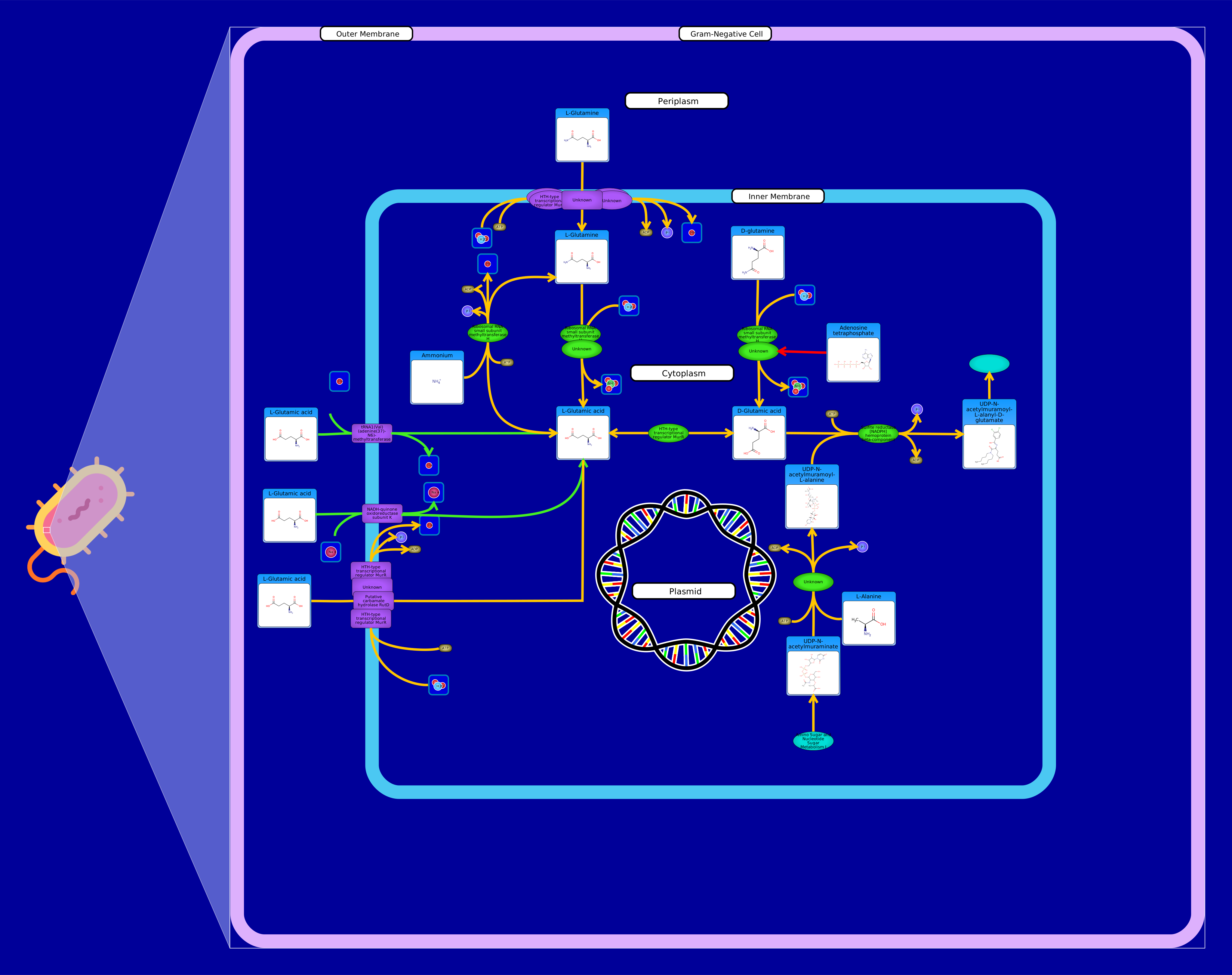 View Pathway
|
D-Glutamine and D-Glutamate MetabolismEscherichia coli (strain B / REL606)
L-Glutamine is transported into the cytoplasm through a glutamine ABC transporter. Once inside, L-glutamine is metabolized with glutaminase to produce an L-glutamic acid. This process can be reversed through a glutamine synthetase resulting in L-glutamine. L-glutamic acid can also be transported into the cytoplasm through various methods: a glutamate/aspartate:H+ symporter GltP, a glutamate:sodium symporter, or a glutamate/aspartate ABC transporter. L-Glutamic acid can proceed to L-glutamate metabolism or it can undergo a reversible reaction through a glutamate racemase resulting in D-glutamic acid. This compound can also be obtained from D-glutamine interacting with a glutaminase. D-Glutamic acid reacts with UDP-N-acetylmuramoyl-L-alanine through an ATP-driven UDP-N-acetylmuramoylalanine-D-glutamate ligase resulting in a UDP-N-acetylmuramoyl-L-alanyl-D-glutamate which is then integrated into peptidoglycan biosynthesis. UDP-N-acetylmuramoyl-L-alanine comes from the amino sugar and nucleotide sugar metabolism product, UDP-N-acetylmuraminate which reacts with L-alanine through an ATP-driven UDP-N-acetylmuramate-L-alanine ligase.
|
Creator: Julia Wakoli Created On: December 11, 2024 at 13:15 Last Updated: December 11, 2024 at 13:15 |
PW391682 View Pathway
|
D-Glutamine and D-Glutamate MetabolismEscherichia coli SE15
L-Glutamine is transported into the cytoplasm through a glutamine ABC transporter. Once inside, L-glutamine is metabolized with glutaminase to produce an L-glutamic acid. This process can be reversed through a glutamine synthetase resulting in L-glutamine. L-glutamic acid can also be transported into the cytoplasm through various methods: a glutamate/aspartate:H+ symporter GltP, a glutamate:sodium symporter, or a glutamate/aspartate ABC transporter. L-Glutamic acid can proceed to L-glutamate metabolism or it can undergo a reversible reaction through a glutamate racemase resulting in D-glutamic acid. This compound can also be obtained from D-glutamine interacting with a glutaminase. D-Glutamic acid reacts with UDP-N-acetylmuramoyl-L-alanine through an ATP-driven UDP-N-acetylmuramoylalanine-D-glutamate ligase resulting in a UDP-N-acetylmuramoyl-L-alanyl-D-glutamate which is then integrated into peptidoglycan biosynthesis. UDP-N-acetylmuramoyl-L-alanine comes from the amino sugar and nucleotide sugar metabolism product, UDP-N-acetylmuraminate which reacts with L-alanine through an ATP-driven UDP-N-acetylmuramate-L-alanine ligase.
|
Creator: Julia Wakoli Created On: December 13, 2024 at 19:34 Last Updated: December 13, 2024 at 19:34 |
PW393861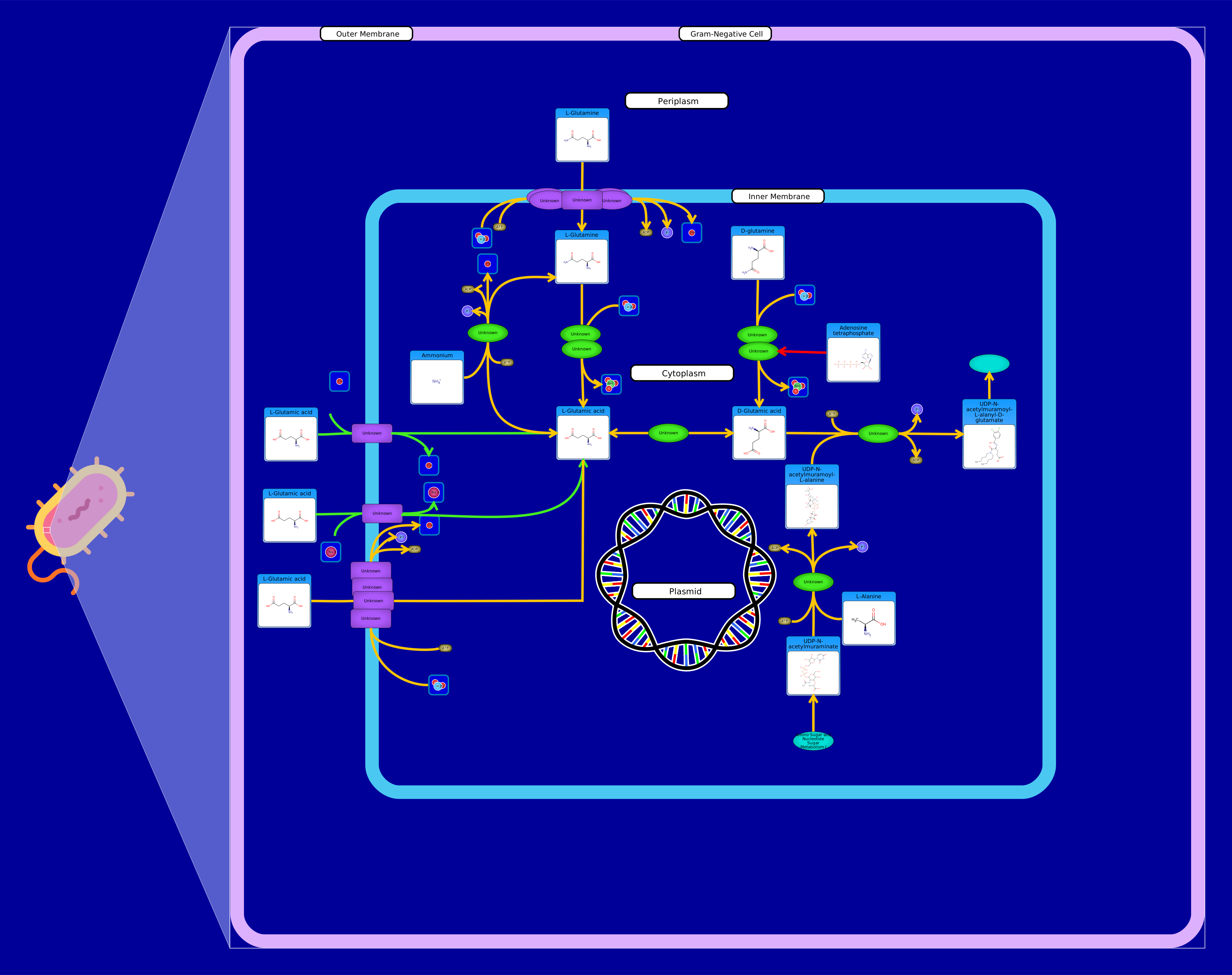 View Pathway
|
D-Glutamine and D-Glutamate Metabolism[Clostridium] symbiosum WAL-14673
L-Glutamine is transported into the cytoplasm through a glutamine ABC transporter. Once inside, L-glutamine is metabolized with glutaminase to produce an L-glutamic acid. This process can be reversed through a glutamine synthetase resulting in L-glutamine. L-glutamic acid can also be transported into the cytoplasm through various methods: a glutamate/aspartate:H+ symporter GltP, a glutamate:sodium symporter, or a glutamate/aspartate ABC transporter. L-Glutamic acid can proceed to L-glutamate metabolism or it can undergo a reversible reaction through a glutamate racemase resulting in D-glutamic acid. This compound can also be obtained from D-glutamine interacting with a glutaminase. D-Glutamic acid reacts with UDP-N-acetylmuramoyl-L-alanine through an ATP-driven UDP-N-acetylmuramoylalanine-D-glutamate ligase resulting in a UDP-N-acetylmuramoyl-L-alanyl-D-glutamate which is then integrated into peptidoglycan biosynthesis. UDP-N-acetylmuramoyl-L-alanine comes from the amino sugar and nucleotide sugar metabolism product, UDP-N-acetylmuraminate which reacts with L-alanine through an ATP-driven UDP-N-acetylmuramate-L-alanine ligase.
|
Creator: Julia Wakoli Created On: December 14, 2024 at 07:37 Last Updated: December 14, 2024 at 07:37 |
PW684411 View Pathway
|
D-Glutamine and D-Glutamate MetabolismAlloprevotella tannerae ATCC 51259
L-Glutamine is transported into the cytoplasm through a glutamine ABC transporter. Once inside, L-glutamine is metabolized with glutaminase to produce an L-glutamic acid. This process can be reversed through a glutamine synthetase resulting in L-glutamine. L-glutamic acid can also be transported into the cytoplasm through various methods: a glutamate/aspartate:H+ symporter GltP, a glutamate:sodium symporter, or a glutamate/aspartate ABC transporter. L-Glutamic acid can proceed to L-glutamate metabolism or it can undergo a reversible reaction through a glutamate racemase resulting in D-glutamic acid. This compound can also be obtained from D-glutamine interacting with a glutaminase. D-Glutamic acid reacts with UDP-N-acetylmuramoyl-L-alanine through an ATP-driven UDP-N-acetylmuramoylalanine-D-glutamate ligase resulting in a UDP-N-acetylmuramoyl-L-alanyl-D-glutamate which is then integrated into peptidoglycan biosynthesis. UDP-N-acetylmuramoyl-L-alanine comes from the amino sugar and nucleotide sugar metabolism product, UDP-N-acetylmuraminate which reacts with L-alanine through an ATP-driven UDP-N-acetylmuramate-L-alanine ligase.
|
Creator: Julia Wakoli Created On: December 12, 2024 at 02:27 Last Updated: December 12, 2024 at 02:27 |
PW389764 View Pathway
|
D-Glutamine and D-Glutamate MetabolismCitrobacter amalonaticus Y19
L-Glutamine is transported into the cytoplasm through a glutamine ABC transporter. Once inside, L-glutamine is metabolized with glutaminase to produce an L-glutamic acid. This process can be reversed through a glutamine synthetase resulting in L-glutamine. L-glutamic acid can also be transported into the cytoplasm through various methods: a glutamate/aspartate:H+ symporter GltP, a glutamate:sodium symporter, or a glutamate/aspartate ABC transporter. L-Glutamic acid can proceed to L-glutamate metabolism or it can undergo a reversible reaction through a glutamate racemase resulting in D-glutamic acid. This compound can also be obtained from D-glutamine interacting with a glutaminase. D-Glutamic acid reacts with UDP-N-acetylmuramoyl-L-alanine through an ATP-driven UDP-N-acetylmuramoylalanine-D-glutamate ligase resulting in a UDP-N-acetylmuramoyl-L-alanyl-D-glutamate which is then integrated into peptidoglycan biosynthesis. UDP-N-acetylmuramoyl-L-alanine comes from the amino sugar and nucleotide sugar metabolism product, UDP-N-acetylmuraminate which reacts with L-alanine through an ATP-driven UDP-N-acetylmuramate-L-alanine ligase.
|
Creator: Julia Wakoli Created On: December 12, 2024 at 09:13 Last Updated: December 12, 2024 at 09:13 |
PW389723 View Pathway
|
D-Glutamine and D-Glutamate MetabolismHelicobacter pullorum MIT 98-5489
L-Glutamine is transported into the cytoplasm through a glutamine ABC transporter. Once inside, L-glutamine is metabolized with glutaminase to produce an L-glutamic acid. This process can be reversed through a glutamine synthetase resulting in L-glutamine. L-glutamic acid can also be transported into the cytoplasm through various methods: a glutamate/aspartate:H+ symporter GltP, a glutamate:sodium symporter, or a glutamate/aspartate ABC transporter. L-Glutamic acid can proceed to L-glutamate metabolism or it can undergo a reversible reaction through a glutamate racemase resulting in D-glutamic acid. This compound can also be obtained from D-glutamine interacting with a glutaminase. D-Glutamic acid reacts with UDP-N-acetylmuramoyl-L-alanine through an ATP-driven UDP-N-acetylmuramoylalanine-D-glutamate ligase resulting in a UDP-N-acetylmuramoyl-L-alanyl-D-glutamate which is then integrated into peptidoglycan biosynthesis. UDP-N-acetylmuramoyl-L-alanine comes from the amino sugar and nucleotide sugar metabolism product, UDP-N-acetylmuraminate which reacts with L-alanine through an ATP-driven UDP-N-acetylmuramate-L-alanine ligase.
|
Creator: Julia Wakoli Created On: December 12, 2024 at 08:39 Last Updated: December 12, 2024 at 08:39 |
PW392313 View Pathway
|
D-Glutamine and D-Glutamate MetabolismEscherichia coli ED1a
L-Glutamine is transported into the cytoplasm through a glutamine ABC transporter. Once inside, L-glutamine is metabolized with glutaminase to produce an L-glutamic acid. This process can be reversed through a glutamine synthetase resulting in L-glutamine. L-glutamic acid can also be transported into the cytoplasm through various methods: a glutamate/aspartate:H+ symporter GltP, a glutamate:sodium symporter, or a glutamate/aspartate ABC transporter. L-Glutamic acid can proceed to L-glutamate metabolism or it can undergo a reversible reaction through a glutamate racemase resulting in D-glutamic acid. This compound can also be obtained from D-glutamine interacting with a glutaminase. D-Glutamic acid reacts with UDP-N-acetylmuramoyl-L-alanine through an ATP-driven UDP-N-acetylmuramoylalanine-D-glutamate ligase resulting in a UDP-N-acetylmuramoyl-L-alanyl-D-glutamate which is then integrated into peptidoglycan biosynthesis. UDP-N-acetylmuramoyl-L-alanine comes from the amino sugar and nucleotide sugar metabolism product, UDP-N-acetylmuraminate which reacts with L-alanine through an ATP-driven UDP-N-acetylmuramate-L-alanine ligase.
|
Creator: Julia Wakoli Created On: December 13, 2024 at 22:46 Last Updated: December 13, 2024 at 22:46 |