
| PathWhiz ID | Pathway | Meta Data |
|---|---|---|
PW465815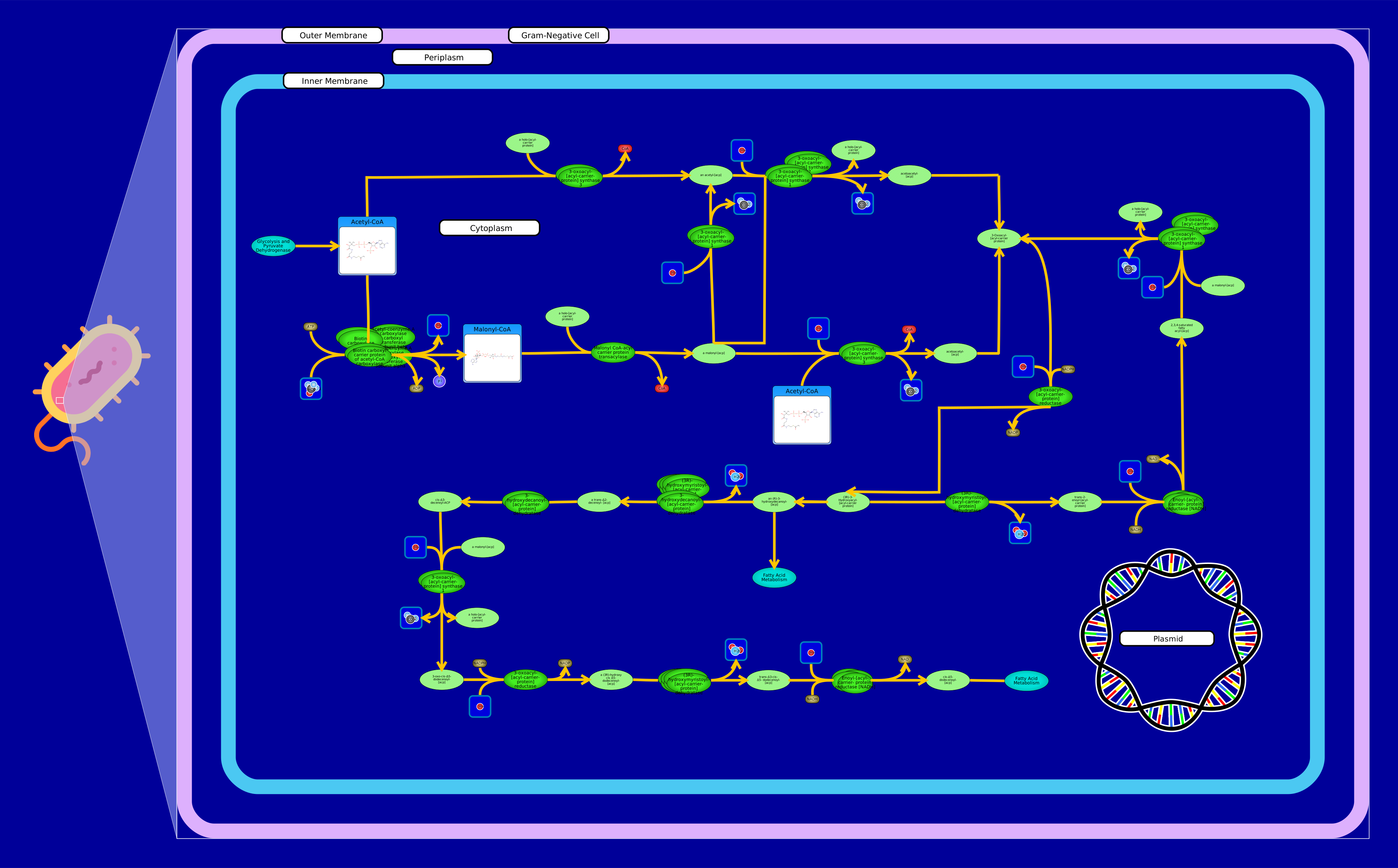 View Pathway
|
Fatty Acid BiosynthesisEscherichia coli HS
The fatty acid biosynthesis starts from acetyl-CoA reacting either with a holo-[acp] through a 3-oxoacyl-[acp] synthase 3 resulting in an acetyl-[acp] or react with hydrogen carbonate through an ATP driven acetyl-CoA carboxylase resulting in a malonyl-CoA.
Malonyl-CoA reacts with a holo-acp] through a malonyl-CoA-ACP transacylase resulting in a malonyl-[acp]. This compound can react with a KASI protein resulting in an acetyl-[acp]. A malonyl-[acp] can also react with an acetyl-[acp] through KASI and KASII or with acetyl-CoA through a beta-ketoacyl-ACP synthase to produce an acetoacetyl-[acp]. An acetoacetyl-[acp] is also known as a 3-oxoacyl-[acp].
A 3-oxoacyl-[acp] is reduced through a NDPH mediated 3-oxoacyl-[acp] reductase resulting in a (3R)-3-hydroxyacyl-[acp] (R3 hydroxydecanoyl-[acp]) which can either join the fatty acid metabolism, be dehydrated by an 3R-hydroxymyristoyl-[acp] dehydratase to produce a trans-2-enoyl-[acp] or be dehydrated by a hydroxydecanoyl-[acp] to produce a trans-delta2 decenoyl-[acp].
Trans-2-enoyl-[acp] is reduced by a NADH driven enoyl-[acp] reductase resulting in a 2,3,4-saturated fatty acyl-[acp]. This product then reacts with malonyl-[acp] through KASI and KASII resulting in a holo-acyl carrier protein and a 3- oxoacyl-[acp].
Trans-delta2 decenoyl-[acp] reacts with a 3-hydroxydecanoyl-[acp] dehydrase producing a cis-delta 3-decenoyl-ACP. This product then reacts with KASI to produce a 3-oxo-cis-delta5-dodecenoyl-[acp], which in turn is reduced by a NADPH driven 3-oxoacyl-[acp] resulting in a 3R-hydroxy cis delta5-dodecenoyl-acp. This product is dehydrated by a (3R)-hydroxymyristoyl-[acp] dehydratase resulting in a trans-delta 3- cis-delta 5-dodecenoyl-[acp] which in turn is reduced by a NADH driven enoyl-[acp] reductase resulting in a cis-delta5-dodecenoyl-acp which becomes a metabolite of fatty acid metabolism
|
Creator: Julia Wakoli Created On: January 21, 2025 at 08:24 Last Updated: January 21, 2025 at 08:24 |
PW466185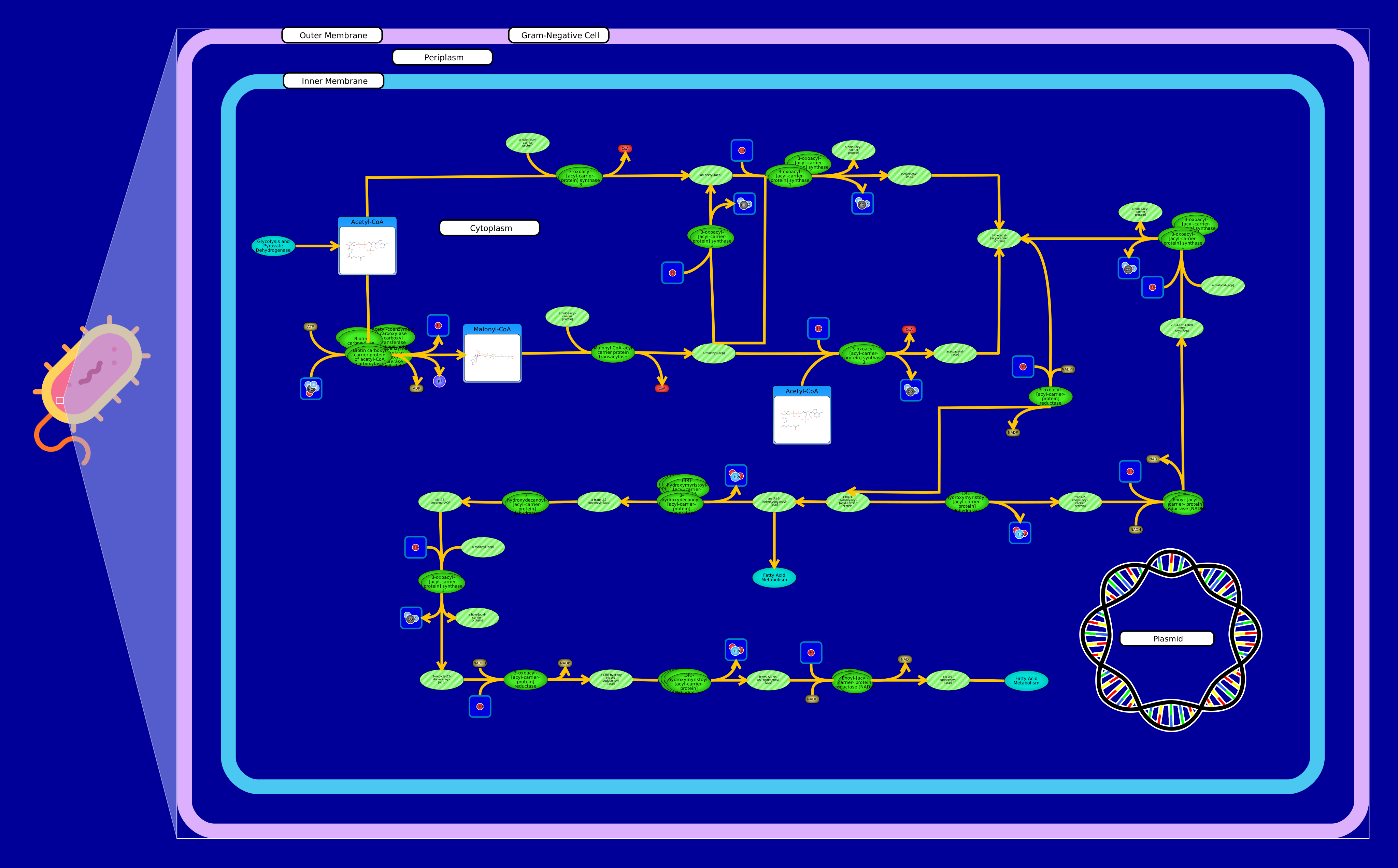 View Pathway
|
Fatty Acid BiosynthesisEscherichia coli O55:H7 str. CB9615
The fatty acid biosynthesis starts from acetyl-CoA reacting either with a holo-[acp] through a 3-oxoacyl-[acp] synthase 3 resulting in an acetyl-[acp] or react with hydrogen carbonate through an ATP driven acetyl-CoA carboxylase resulting in a malonyl-CoA.
Malonyl-CoA reacts with a holo-acp] through a malonyl-CoA-ACP transacylase resulting in a malonyl-[acp]. This compound can react with a KASI protein resulting in an acetyl-[acp]. A malonyl-[acp] can also react with an acetyl-[acp] through KASI and KASII or with acetyl-CoA through a beta-ketoacyl-ACP synthase to produce an acetoacetyl-[acp]. An acetoacetyl-[acp] is also known as a 3-oxoacyl-[acp].
A 3-oxoacyl-[acp] is reduced through a NDPH mediated 3-oxoacyl-[acp] reductase resulting in a (3R)-3-hydroxyacyl-[acp] (R3 hydroxydecanoyl-[acp]) which can either join the fatty acid metabolism, be dehydrated by an 3R-hydroxymyristoyl-[acp] dehydratase to produce a trans-2-enoyl-[acp] or be dehydrated by a hydroxydecanoyl-[acp] to produce a trans-delta2 decenoyl-[acp].
Trans-2-enoyl-[acp] is reduced by a NADH driven enoyl-[acp] reductase resulting in a 2,3,4-saturated fatty acyl-[acp]. This product then reacts with malonyl-[acp] through KASI and KASII resulting in a holo-acyl carrier protein and a 3- oxoacyl-[acp].
Trans-delta2 decenoyl-[acp] reacts with a 3-hydroxydecanoyl-[acp] dehydrase producing a cis-delta 3-decenoyl-ACP. This product then reacts with KASI to produce a 3-oxo-cis-delta5-dodecenoyl-[acp], which in turn is reduced by a NADPH driven 3-oxoacyl-[acp] resulting in a 3R-hydroxy cis delta5-dodecenoyl-acp. This product is dehydrated by a (3R)-hydroxymyristoyl-[acp] dehydratase resulting in a trans-delta 3- cis-delta 5-dodecenoyl-[acp] which in turn is reduced by a NADH driven enoyl-[acp] reductase resulting in a cis-delta5-dodecenoyl-acp which becomes a metabolite of fatty acid metabolism
|
Creator: Julia Wakoli Created On: January 21, 2025 at 12:03 Last Updated: January 21, 2025 at 12:03 |
PW466065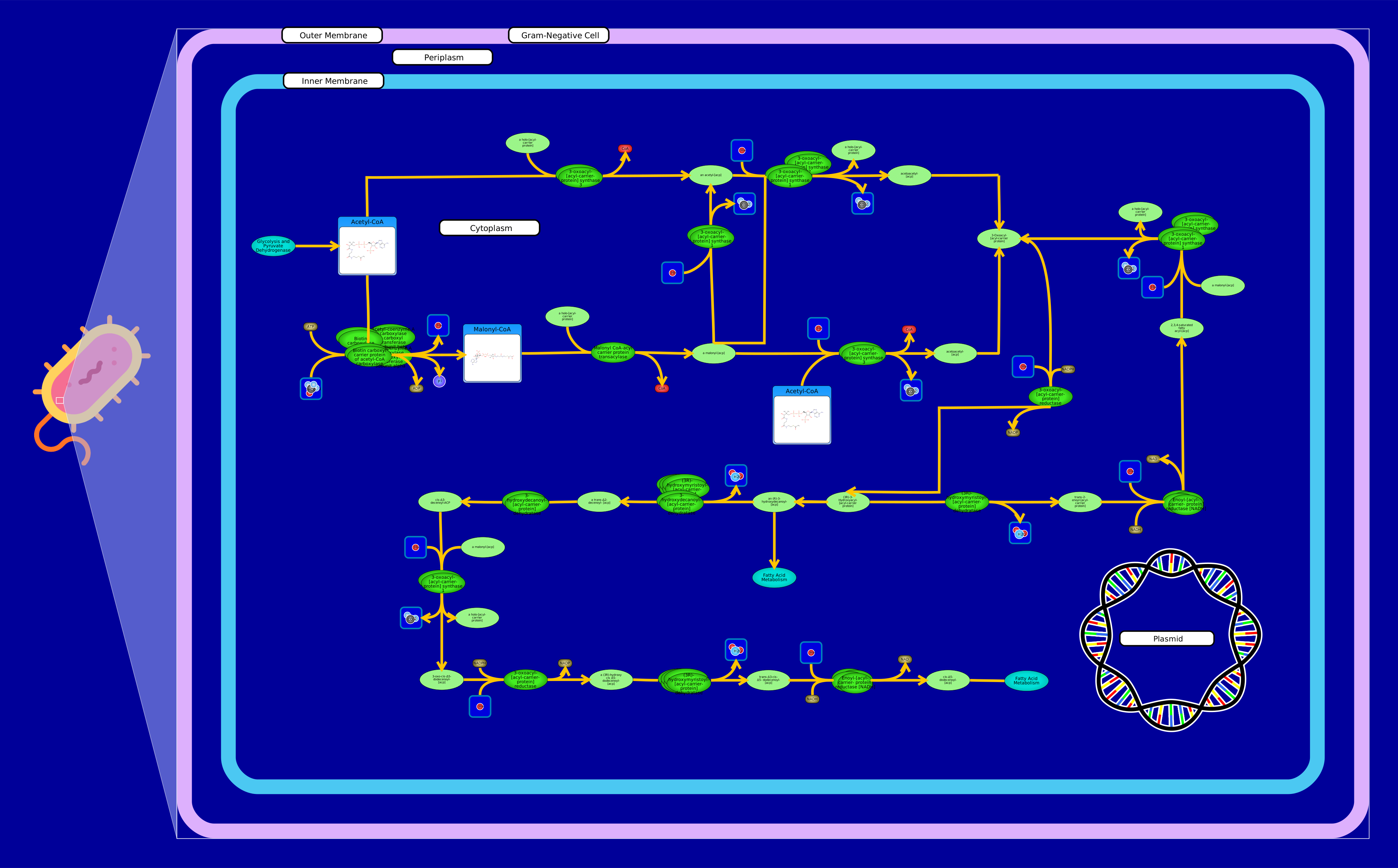 View Pathway
|
Fatty Acid BiosynthesisEscherichia coli IAI39
The fatty acid biosynthesis starts from acetyl-CoA reacting either with a holo-[acp] through a 3-oxoacyl-[acp] synthase 3 resulting in an acetyl-[acp] or react with hydrogen carbonate through an ATP driven acetyl-CoA carboxylase resulting in a malonyl-CoA.
Malonyl-CoA reacts with a holo-acp] through a malonyl-CoA-ACP transacylase resulting in a malonyl-[acp]. This compound can react with a KASI protein resulting in an acetyl-[acp]. A malonyl-[acp] can also react with an acetyl-[acp] through KASI and KASII or with acetyl-CoA through a beta-ketoacyl-ACP synthase to produce an acetoacetyl-[acp]. An acetoacetyl-[acp] is also known as a 3-oxoacyl-[acp].
A 3-oxoacyl-[acp] is reduced through a NDPH mediated 3-oxoacyl-[acp] reductase resulting in a (3R)-3-hydroxyacyl-[acp] (R3 hydroxydecanoyl-[acp]) which can either join the fatty acid metabolism, be dehydrated by an 3R-hydroxymyristoyl-[acp] dehydratase to produce a trans-2-enoyl-[acp] or be dehydrated by a hydroxydecanoyl-[acp] to produce a trans-delta2 decenoyl-[acp].
Trans-2-enoyl-[acp] is reduced by a NADH driven enoyl-[acp] reductase resulting in a 2,3,4-saturated fatty acyl-[acp]. This product then reacts with malonyl-[acp] through KASI and KASII resulting in a holo-acyl carrier protein and a 3- oxoacyl-[acp].
Trans-delta2 decenoyl-[acp] reacts with a 3-hydroxydecanoyl-[acp] dehydrase producing a cis-delta 3-decenoyl-ACP. This product then reacts with KASI to produce a 3-oxo-cis-delta5-dodecenoyl-[acp], which in turn is reduced by a NADPH driven 3-oxoacyl-[acp] resulting in a 3R-hydroxy cis delta5-dodecenoyl-acp. This product is dehydrated by a (3R)-hydroxymyristoyl-[acp] dehydratase resulting in a trans-delta 3- cis-delta 5-dodecenoyl-[acp] which in turn is reduced by a NADH driven enoyl-[acp] reductase resulting in a cis-delta5-dodecenoyl-acp which becomes a metabolite of fatty acid metabolism
|
Creator: Julia Wakoli Created On: January 21, 2025 at 10:53 Last Updated: January 21, 2025 at 10:53 |
PW088428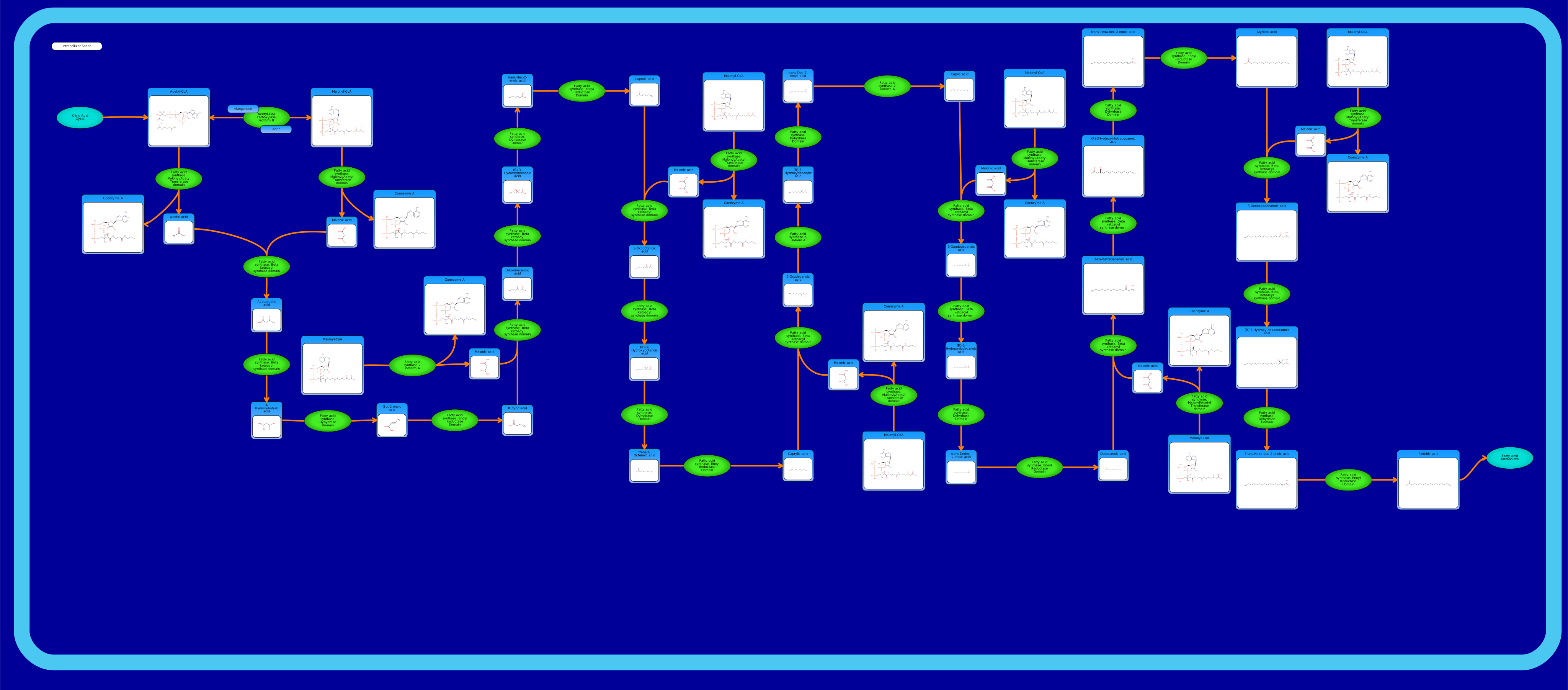 View Pathway
|
Fatty Acid BiosynthesisDrosophila melanogaster
The biosynthesis of fatty acids primarily occurs in liver and lactating mammary glands. The entire synthesis process which produces palmitic acid occurs on a multifunctional dimeric protein Fatty Acid Synthase (FA) in the cytosol. The production of palmitic acid can be summarized as the successive addition of two carbons to an initial acetyl moiety primer. After 7 cycles palimitic acid is released. The synthesis starts with the sequential transfer of a primer substrate, acetyl-CoA, to the nucleophilic serine residue of the acyltransferase domain of FA. The acetyl moiety is then transferred to the Acyl Carrier Protein (ACP) domain of FA, then finally to the active site of the beta-ketoacyl synthase domain. A chain extender substrate, molonyl-CoA, is transferred to the nucleophilic serine residue of the acyltransferase domain and subsequently to the ACP domain. The acetyl moiety is extend by a condensation reaction, catalysed by the beta-ketoacyl synthase domain, that produces a new Carbon-Carbon bound, this reaction is coupled to a decarboxylation resulting in the production of carbon dioxide. Subsequently beta-ketoacyl condensation product is reduced to a saturated acyl moiety through the step wise action on the beta-ketoacyl reductase, beta-hydroxyacyl dehydrase and enoyl reductase domains respectively. This saturated acyl moiety is then transfer back to the active site of the beta-ketoacyl synthase domain, another molonyl-CoA is loaded and the process repeats. The addition of molonyl moieties occurs 7 times after which the final product is released by that action of thioesterase domain. The final product is 16 carbon long palmitic acid.
|
Creator: Ana Marcu Created On: August 10, 2018 at 16:25 Last Updated: August 10, 2018 at 16:25 |
PW088276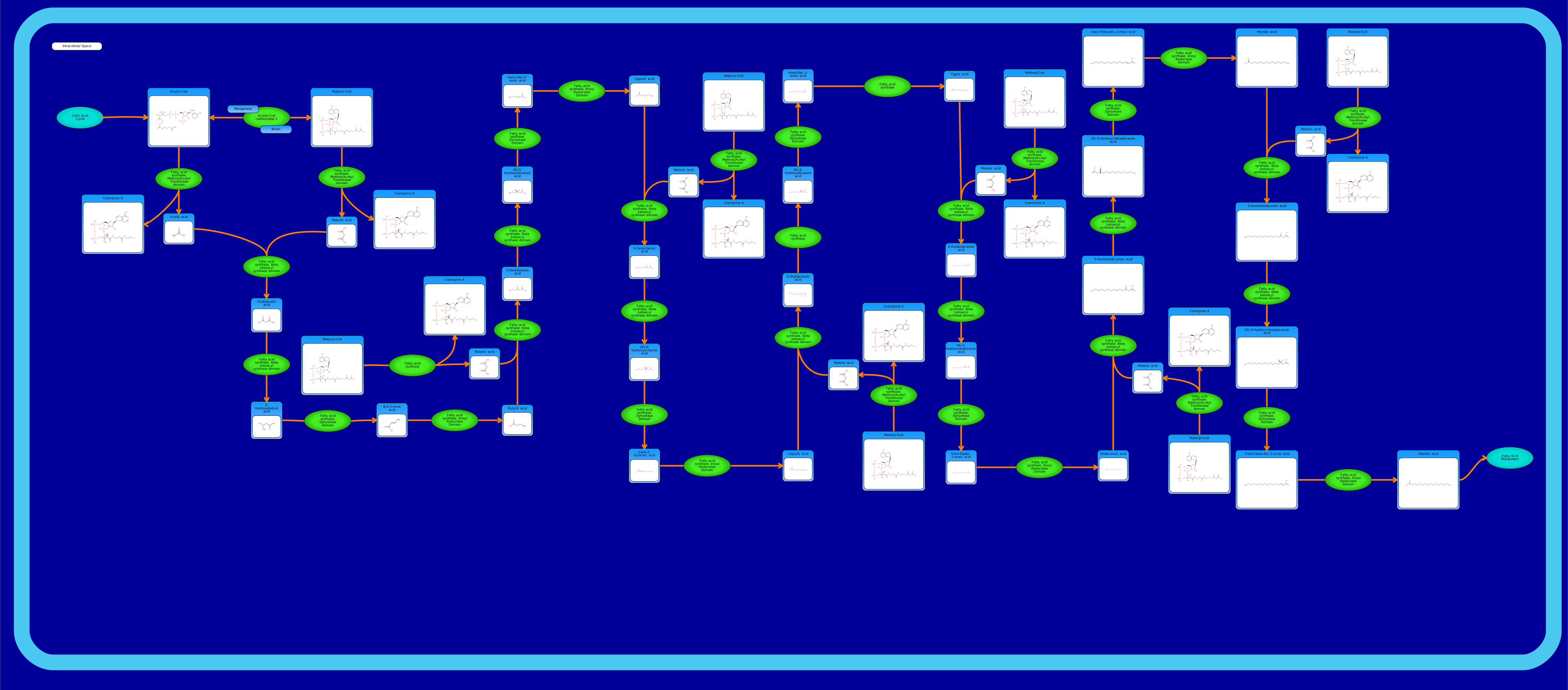 View Pathway
|
Fatty Acid BiosynthesisBos taurus
The biosynthesis of fatty acids primarily occurs in liver and lactating mammary glands. The entire synthesis process which produces palmitic acid occurs on a multifunctional dimeric protein Fatty Acid Synthase (FA) in the cytosol. The production of palmitic acid can be summarized as the successive addition of two carbons to an initial acetyl moiety primer. After 7 cycles palimitic acid is released. The synthesis starts with the sequential transfer of a primer substrate, acetyl-CoA, to the nucleophilic serine residue of the acyltransferase domain of FA. The acetyl moiety is then transferred to the Acyl Carrier Protein (ACP) domain of FA, then finally to the active site of the beta-ketoacyl synthase domain. A chain extender substrate, molonyl-CoA, is transferred to the nucleophilic serine residue of the acyltransferase domain and subsequently to the ACP domain. The acetyl moiety is extend by a condensation reaction, catalysed by the beta-ketoacyl synthase domain, that produces a new Carbon-Carbon bound, this reaction is coupled to a decarboxylation resulting in the production of carbon dioxide. Subsequently beta-ketoacyl condensation product is reduced to a saturated acyl moiety through the step wise action on the beta-ketoacyl reductase, beta-hydroxyacyl dehydrase and enoyl reductase domains respectively. This saturated acyl moiety is then transfer back to the active site of the beta-ketoacyl synthase domain, another molonyl-CoA is loaded and the process repeats. The addition of molonyl moieties occurs 7 times after which the final product is released by that action of thioesterase domain. The final product is 16 carbon long palmitic acid.
|
Creator: Ana Marcu Created On: August 10, 2018 at 12:55 Last Updated: August 10, 2018 at 12:55 |
PW464683 View Pathway
|
Fatty Acid BiosynthesisPrevotella copri
The fatty acid biosynthesis starts from acetyl-CoA reacting either with a holo-[acp] through a 3-oxoacyl-[acp] synthase 3 resulting in an acetyl-[acp] or react with hydrogen carbonate through an ATP driven acetyl-CoA carboxylase resulting in a malonyl-CoA.
Malonyl-CoA reacts with a holo-acp] through a malonyl-CoA-ACP transacylase resulting in a malonyl-[acp]. This compound can react with a KASI protein resulting in an acetyl-[acp]. A malonyl-[acp] can also react with an acetyl-[acp] through KASI and KASII or with acetyl-CoA through a beta-ketoacyl-ACP synthase to produce an acetoacetyl-[acp]. An acetoacetyl-[acp] is also known as a 3-oxoacyl-[acp].
A 3-oxoacyl-[acp] is reduced through a NDPH mediated 3-oxoacyl-[acp] reductase resulting in a (3R)-3-hydroxyacyl-[acp] (R3 hydroxydecanoyl-[acp]) which can either join the fatty acid metabolism, be dehydrated by an 3R-hydroxymyristoyl-[acp] dehydratase to produce a trans-2-enoyl-[acp] or be dehydrated by a hydroxydecanoyl-[acp] to produce a trans-delta2 decenoyl-[acp].
Trans-2-enoyl-[acp] is reduced by a NADH driven enoyl-[acp] reductase resulting in a 2,3,4-saturated fatty acyl-[acp]. This product then reacts with malonyl-[acp] through KASI and KASII resulting in a holo-acyl carrier protein and a 3- oxoacyl-[acp].
Trans-delta2 decenoyl-[acp] reacts with a 3-hydroxydecanoyl-[acp] dehydrase producing a cis-delta 3-decenoyl-ACP. This product then reacts with KASI to produce a 3-oxo-cis-delta5-dodecenoyl-[acp], which in turn is reduced by a NADPH driven 3-oxoacyl-[acp] resulting in a 3R-hydroxy cis delta5-dodecenoyl-acp. This product is dehydrated by a (3R)-hydroxymyristoyl-[acp] dehydratase resulting in a trans-delta 3- cis-delta 5-dodecenoyl-[acp] which in turn is reduced by a NADH driven enoyl-[acp] reductase resulting in a cis-delta5-dodecenoyl-acp which becomes a metabolite of fatty acid metabolism
|
Creator: Julia Wakoli Created On: January 20, 2025 at 21:38 Last Updated: January 20, 2025 at 21:38 |
PW466742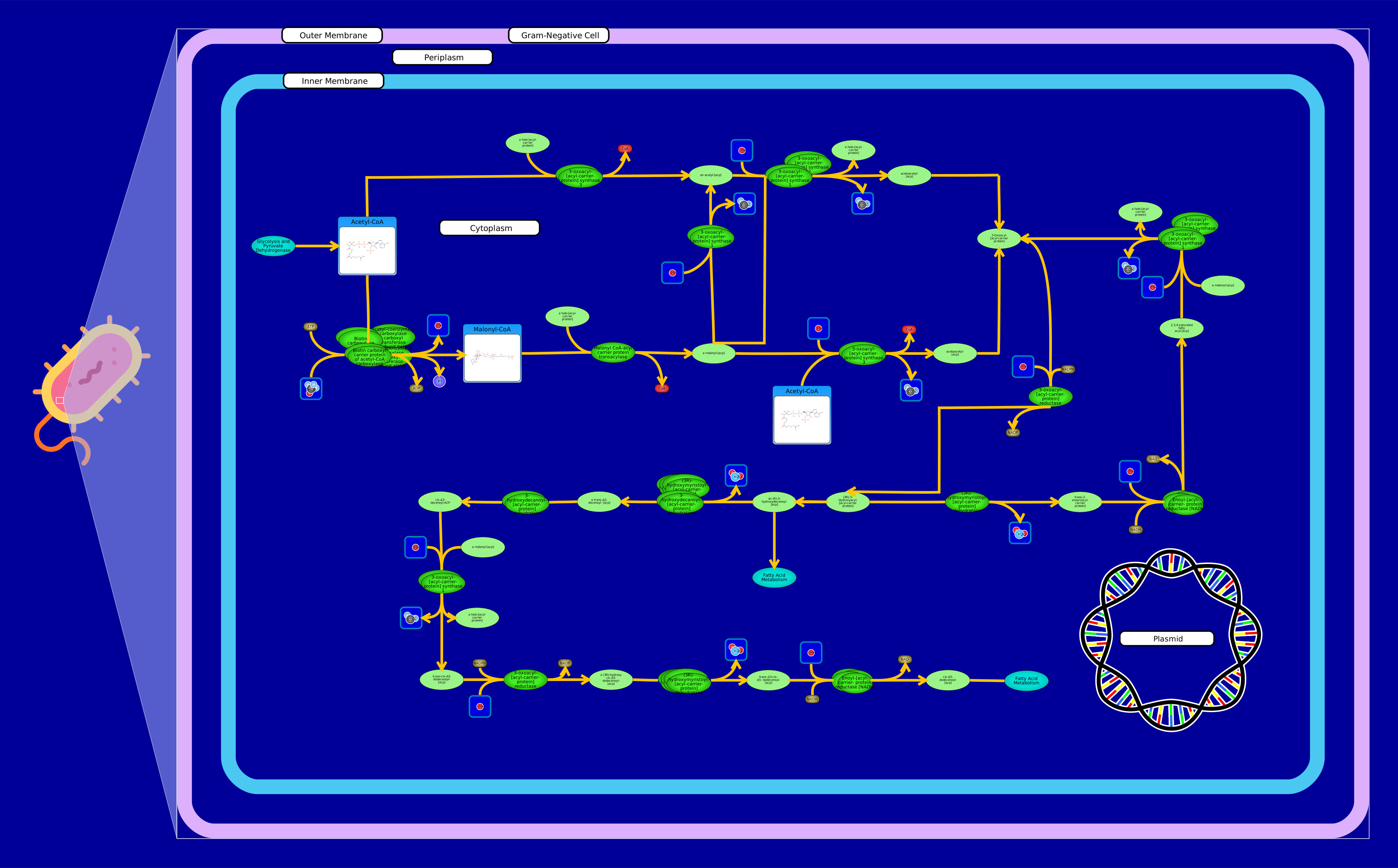 View Pathway
|
Fatty Acid BiosynthesisEscherichia coli 042
The fatty acid biosynthesis starts from acetyl-CoA reacting either with a holo-[acp] through a 3-oxoacyl-[acp] synthase 3 resulting in an acetyl-[acp] or react with hydrogen carbonate through an ATP driven acetyl-CoA carboxylase resulting in a malonyl-CoA.
Malonyl-CoA reacts with a holo-acp] through a malonyl-CoA-ACP transacylase resulting in a malonyl-[acp]. This compound can react with a KASI protein resulting in an acetyl-[acp]. A malonyl-[acp] can also react with an acetyl-[acp] through KASI and KASII or with acetyl-CoA through a beta-ketoacyl-ACP synthase to produce an acetoacetyl-[acp]. An acetoacetyl-[acp] is also known as a 3-oxoacyl-[acp].
A 3-oxoacyl-[acp] is reduced through a NDPH mediated 3-oxoacyl-[acp] reductase resulting in a (3R)-3-hydroxyacyl-[acp] (R3 hydroxydecanoyl-[acp]) which can either join the fatty acid metabolism, be dehydrated by an 3R-hydroxymyristoyl-[acp] dehydratase to produce a trans-2-enoyl-[acp] or be dehydrated by a hydroxydecanoyl-[acp] to produce a trans-delta2 decenoyl-[acp].
Trans-2-enoyl-[acp] is reduced by a NADH driven enoyl-[acp] reductase resulting in a 2,3,4-saturated fatty acyl-[acp]. This product then reacts with malonyl-[acp] through KASI and KASII resulting in a holo-acyl carrier protein and a 3- oxoacyl-[acp].
Trans-delta2 decenoyl-[acp] reacts with a 3-hydroxydecanoyl-[acp] dehydrase producing a cis-delta 3-decenoyl-ACP. This product then reacts with KASI to produce a 3-oxo-cis-delta5-dodecenoyl-[acp], which in turn is reduced by a NADPH driven 3-oxoacyl-[acp] resulting in a 3R-hydroxy cis delta5-dodecenoyl-acp. This product is dehydrated by a (3R)-hydroxymyristoyl-[acp] dehydratase resulting in a trans-delta 3- cis-delta 5-dodecenoyl-[acp] which in turn is reduced by a NADH driven enoyl-[acp] reductase resulting in a cis-delta5-dodecenoyl-acp which becomes a metabolite of fatty acid metabolism
|
Creator: Julia Wakoli Created On: January 21, 2025 at 16:19 Last Updated: January 21, 2025 at 16:19 |
PW465732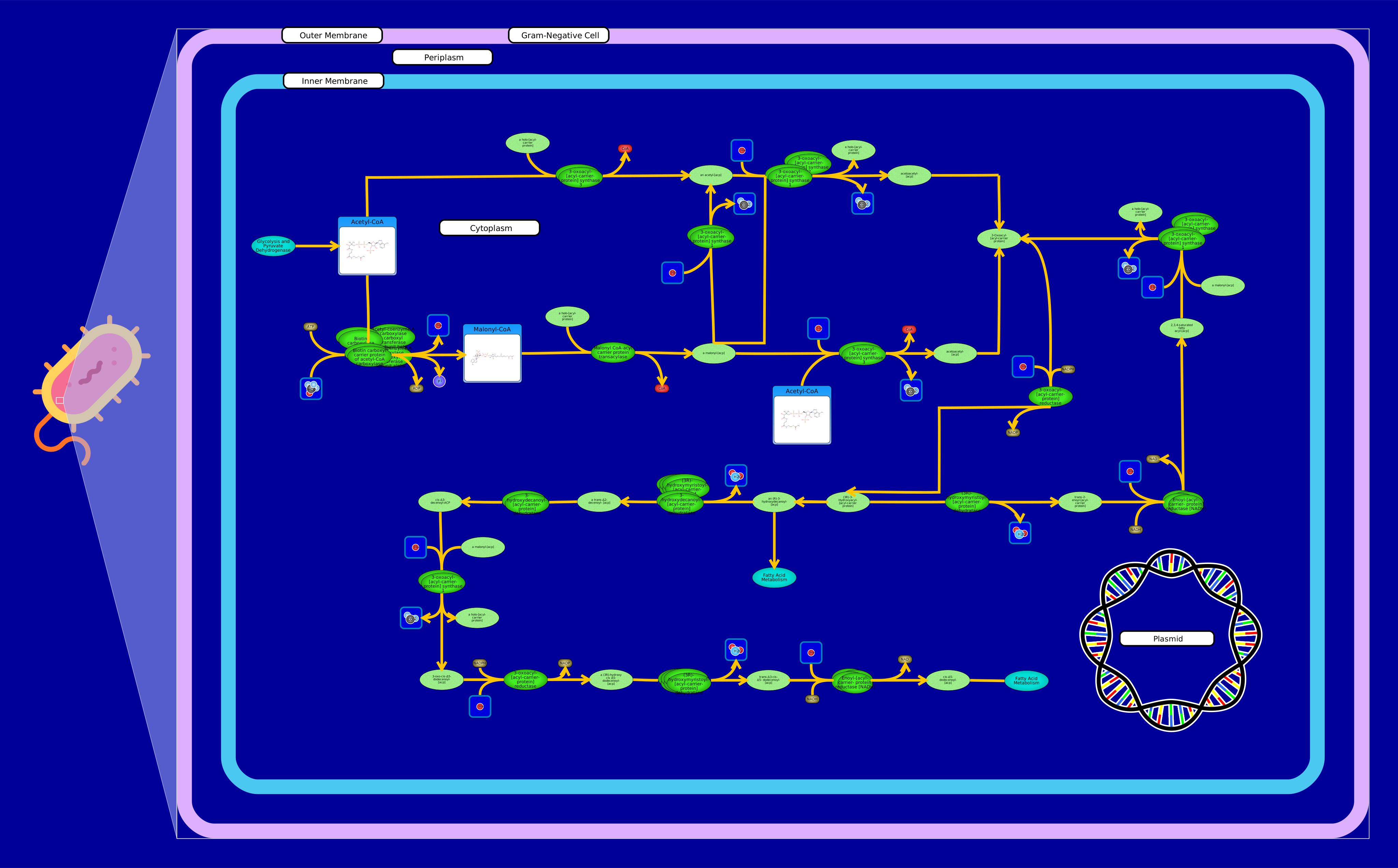 View Pathway
|
Fatty Acid BiosynthesisEscherichia coli 536
The fatty acid biosynthesis starts from acetyl-CoA reacting either with a holo-[acp] through a 3-oxoacyl-[acp] synthase 3 resulting in an acetyl-[acp] or react with hydrogen carbonate through an ATP driven acetyl-CoA carboxylase resulting in a malonyl-CoA.
Malonyl-CoA reacts with a holo-acp] through a malonyl-CoA-ACP transacylase resulting in a malonyl-[acp]. This compound can react with a KASI protein resulting in an acetyl-[acp]. A malonyl-[acp] can also react with an acetyl-[acp] through KASI and KASII or with acetyl-CoA through a beta-ketoacyl-ACP synthase to produce an acetoacetyl-[acp]. An acetoacetyl-[acp] is also known as a 3-oxoacyl-[acp].
A 3-oxoacyl-[acp] is reduced through a NDPH mediated 3-oxoacyl-[acp] reductase resulting in a (3R)-3-hydroxyacyl-[acp] (R3 hydroxydecanoyl-[acp]) which can either join the fatty acid metabolism, be dehydrated by an 3R-hydroxymyristoyl-[acp] dehydratase to produce a trans-2-enoyl-[acp] or be dehydrated by a hydroxydecanoyl-[acp] to produce a trans-delta2 decenoyl-[acp].
Trans-2-enoyl-[acp] is reduced by a NADH driven enoyl-[acp] reductase resulting in a 2,3,4-saturated fatty acyl-[acp]. This product then reacts with malonyl-[acp] through KASI and KASII resulting in a holo-acyl carrier protein and a 3- oxoacyl-[acp].
Trans-delta2 decenoyl-[acp] reacts with a 3-hydroxydecanoyl-[acp] dehydrase producing a cis-delta 3-decenoyl-ACP. This product then reacts with KASI to produce a 3-oxo-cis-delta5-dodecenoyl-[acp], which in turn is reduced by a NADPH driven 3-oxoacyl-[acp] resulting in a 3R-hydroxy cis delta5-dodecenoyl-acp. This product is dehydrated by a (3R)-hydroxymyristoyl-[acp] dehydratase resulting in a trans-delta 3- cis-delta 5-dodecenoyl-[acp] which in turn is reduced by a NADH driven enoyl-[acp] reductase resulting in a cis-delta5-dodecenoyl-acp which becomes a metabolite of fatty acid metabolism
|
Creator: Julia Wakoli Created On: January 21, 2025 at 07:31 Last Updated: January 21, 2025 at 07:31 |
PW465845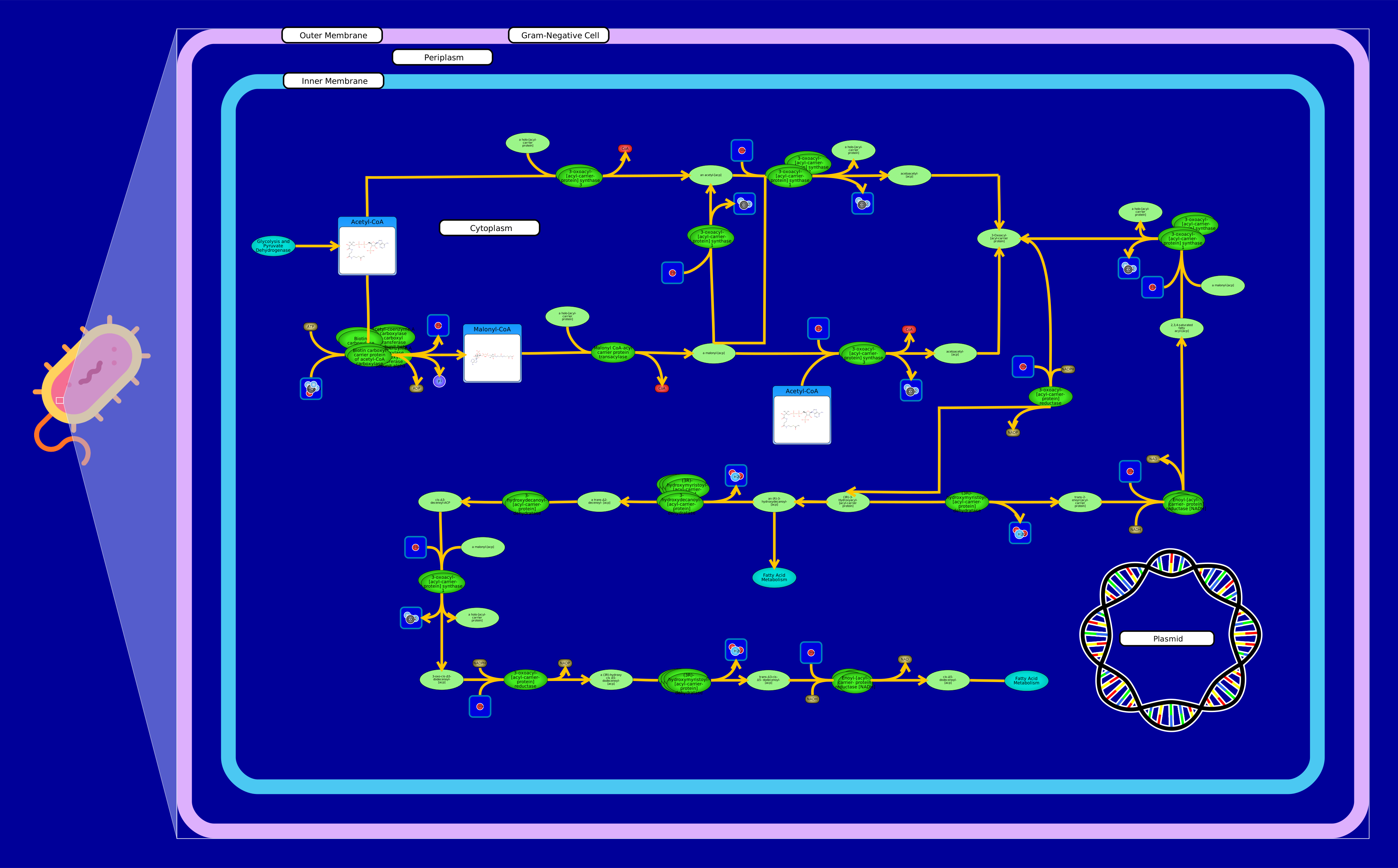 View Pathway
|
Fatty Acid BiosynthesisEscherichia coli str. K-12 substr. DH10B
The fatty acid biosynthesis starts from acetyl-CoA reacting either with a holo-[acp] through a 3-oxoacyl-[acp] synthase 3 resulting in an acetyl-[acp] or react with hydrogen carbonate through an ATP driven acetyl-CoA carboxylase resulting in a malonyl-CoA.
Malonyl-CoA reacts with a holo-acp] through a malonyl-CoA-ACP transacylase resulting in a malonyl-[acp]. This compound can react with a KASI protein resulting in an acetyl-[acp]. A malonyl-[acp] can also react with an acetyl-[acp] through KASI and KASII or with acetyl-CoA through a beta-ketoacyl-ACP synthase to produce an acetoacetyl-[acp]. An acetoacetyl-[acp] is also known as a 3-oxoacyl-[acp].
A 3-oxoacyl-[acp] is reduced through a NDPH mediated 3-oxoacyl-[acp] reductase resulting in a (3R)-3-hydroxyacyl-[acp] (R3 hydroxydecanoyl-[acp]) which can either join the fatty acid metabolism, be dehydrated by an 3R-hydroxymyristoyl-[acp] dehydratase to produce a trans-2-enoyl-[acp] or be dehydrated by a hydroxydecanoyl-[acp] to produce a trans-delta2 decenoyl-[acp].
Trans-2-enoyl-[acp] is reduced by a NADH driven enoyl-[acp] reductase resulting in a 2,3,4-saturated fatty acyl-[acp]. This product then reacts with malonyl-[acp] through KASI and KASII resulting in a holo-acyl carrier protein and a 3- oxoacyl-[acp].
Trans-delta2 decenoyl-[acp] reacts with a 3-hydroxydecanoyl-[acp] dehydrase producing a cis-delta 3-decenoyl-ACP. This product then reacts with KASI to produce a 3-oxo-cis-delta5-dodecenoyl-[acp], which in turn is reduced by a NADPH driven 3-oxoacyl-[acp] resulting in a 3R-hydroxy cis delta5-dodecenoyl-acp. This product is dehydrated by a (3R)-hydroxymyristoyl-[acp] dehydratase resulting in a trans-delta 3- cis-delta 5-dodecenoyl-[acp] which in turn is reduced by a NADH driven enoyl-[acp] reductase resulting in a cis-delta5-dodecenoyl-acp which becomes a metabolite of fatty acid metabolism
|
Creator: Julia Wakoli Created On: January 21, 2025 at 08:44 Last Updated: January 21, 2025 at 08:44 |
PW465876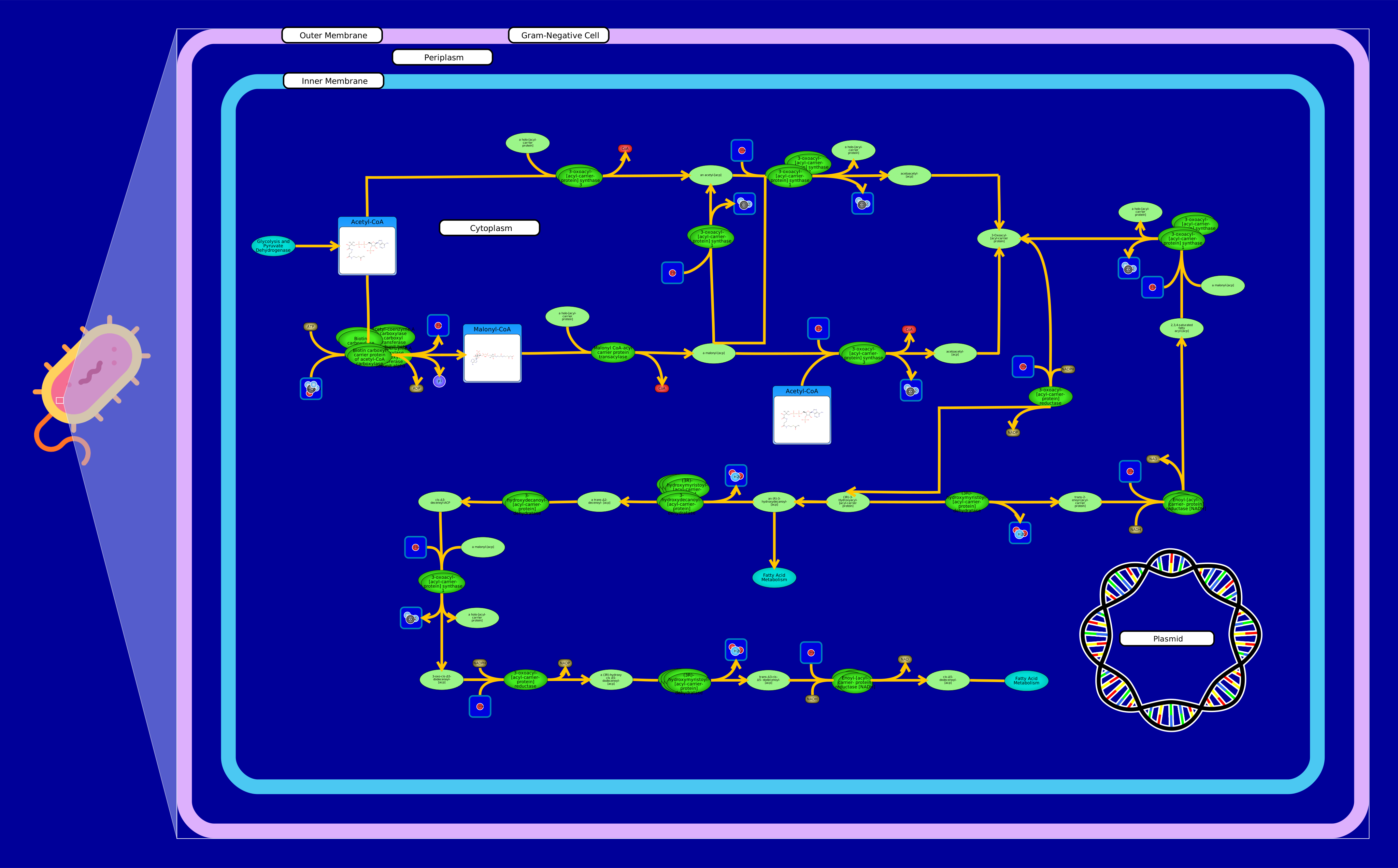 View Pathway
|
Fatty Acid BiosynthesisEscherichia coli O157:H7 str. EC4115
The fatty acid biosynthesis starts from acetyl-CoA reacting either with a holo-[acp] through a 3-oxoacyl-[acp] synthase 3 resulting in an acetyl-[acp] or react with hydrogen carbonate through an ATP driven acetyl-CoA carboxylase resulting in a malonyl-CoA.
Malonyl-CoA reacts with a holo-acp] through a malonyl-CoA-ACP transacylase resulting in a malonyl-[acp]. This compound can react with a KASI protein resulting in an acetyl-[acp]. A malonyl-[acp] can also react with an acetyl-[acp] through KASI and KASII or with acetyl-CoA through a beta-ketoacyl-ACP synthase to produce an acetoacetyl-[acp]. An acetoacetyl-[acp] is also known as a 3-oxoacyl-[acp].
A 3-oxoacyl-[acp] is reduced through a NDPH mediated 3-oxoacyl-[acp] reductase resulting in a (3R)-3-hydroxyacyl-[acp] (R3 hydroxydecanoyl-[acp]) which can either join the fatty acid metabolism, be dehydrated by an 3R-hydroxymyristoyl-[acp] dehydratase to produce a trans-2-enoyl-[acp] or be dehydrated by a hydroxydecanoyl-[acp] to produce a trans-delta2 decenoyl-[acp].
Trans-2-enoyl-[acp] is reduced by a NADH driven enoyl-[acp] reductase resulting in a 2,3,4-saturated fatty acyl-[acp]. This product then reacts with malonyl-[acp] through KASI and KASII resulting in a holo-acyl carrier protein and a 3- oxoacyl-[acp].
Trans-delta2 decenoyl-[acp] reacts with a 3-hydroxydecanoyl-[acp] dehydrase producing a cis-delta 3-decenoyl-ACP. This product then reacts with KASI to produce a 3-oxo-cis-delta5-dodecenoyl-[acp], which in turn is reduced by a NADPH driven 3-oxoacyl-[acp] resulting in a 3R-hydroxy cis delta5-dodecenoyl-acp. This product is dehydrated by a (3R)-hydroxymyristoyl-[acp] dehydratase resulting in a trans-delta 3- cis-delta 5-dodecenoyl-[acp] which in turn is reduced by a NADH driven enoyl-[acp] reductase resulting in a cis-delta5-dodecenoyl-acp which becomes a metabolite of fatty acid metabolism
|
Creator: Julia Wakoli Created On: January 21, 2025 at 09:03 Last Updated: January 21, 2025 at 09:03 |