
| PathWhiz ID | Pathway | Meta Data |
|---|---|---|
PW453040 View Pathway
|
Fatty Acid BiosynthesisPrevotella conceptionensis 9403948
The fatty acid biosynthesis starts from acetyl-CoA reacting either with a holo-[acp] through a 3-oxoacyl-[acp] synthase 3 resulting in an acetyl-[acp] or react with hydrogen carbonate through an ATP driven acetyl-CoA carboxylase resulting in a malonyl-CoA.
Malonyl-CoA reacts with a holo-acp] through a malonyl-CoA-ACP transacylase resulting in a malonyl-[acp]. This compound can react with a KASI protein resulting in an acetyl-[acp]. A malonyl-[acp] can also react with an acetyl-[acp] through KASI and KASII or with acetyl-CoA through a beta-ketoacyl-ACP synthase to produce an acetoacetyl-[acp]. An acetoacetyl-[acp] is also known as a 3-oxoacyl-[acp].
A 3-oxoacyl-[acp] is reduced through a NDPH mediated 3-oxoacyl-[acp] reductase resulting in a (3R)-3-hydroxyacyl-[acp] (R3 hydroxydecanoyl-[acp]) which can either join the fatty acid metabolism, be dehydrated by an 3R-hydroxymyristoyl-[acp] dehydratase to produce a trans-2-enoyl-[acp] or be dehydrated by a hydroxydecanoyl-[acp] to produce a trans-delta2 decenoyl-[acp].
Trans-2-enoyl-[acp] is reduced by a NADH driven enoyl-[acp] reductase resulting in a 2,3,4-saturated fatty acyl-[acp]. This product then reacts with malonyl-[acp] through KASI and KASII resulting in a holo-acyl carrier protein and a 3- oxoacyl-[acp].
Trans-delta2 decenoyl-[acp] reacts with a 3-hydroxydecanoyl-[acp] dehydrase producing a cis-delta 3-decenoyl-ACP. This product then reacts with KASI to produce a 3-oxo-cis-delta5-dodecenoyl-[acp], which in turn is reduced by a NADPH driven 3-oxoacyl-[acp] resulting in a 3R-hydroxy cis delta5-dodecenoyl-acp. This product is dehydrated by a (3R)-hydroxymyristoyl-[acp] dehydratase resulting in a trans-delta 3- cis-delta 5-dodecenoyl-[acp] which in turn is reduced by a NADH driven enoyl-[acp] reductase resulting in a cis-delta5-dodecenoyl-acp which becomes a metabolite of fatty acid metabolism
|
Creator: Julia Wakoli Created On: January 15, 2025 at 09:26 Last Updated: January 15, 2025 at 09:26 |
PW452869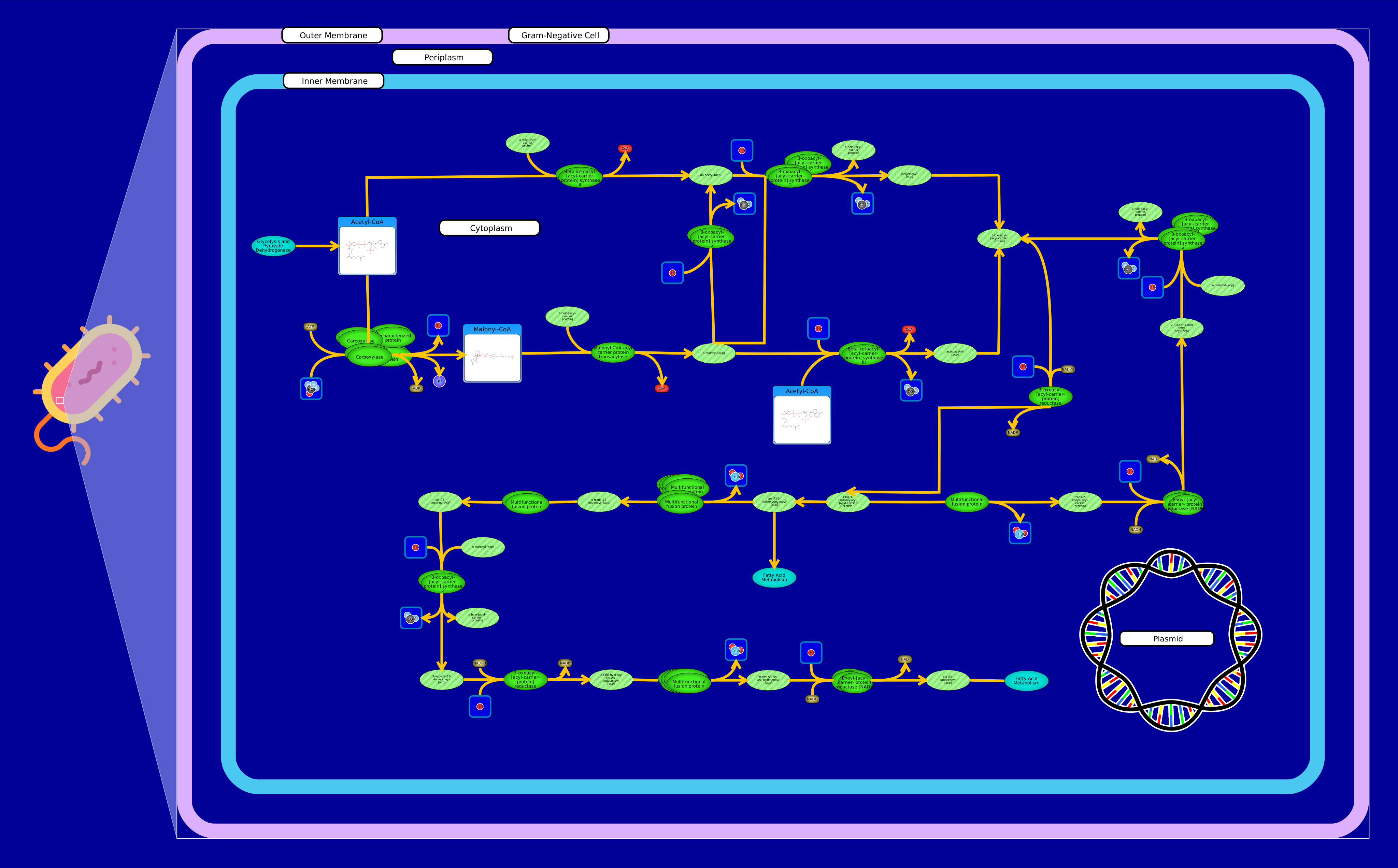 View Pathway
|
Fatty Acid BiosynthesisOdoribacter laneus YIT 12061
The fatty acid biosynthesis starts from acetyl-CoA reacting either with a holo-[acp] through a 3-oxoacyl-[acp] synthase 3 resulting in an acetyl-[acp] or react with hydrogen carbonate through an ATP driven acetyl-CoA carboxylase resulting in a malonyl-CoA.
Malonyl-CoA reacts with a holo-acp] through a malonyl-CoA-ACP transacylase resulting in a malonyl-[acp]. This compound can react with a KASI protein resulting in an acetyl-[acp]. A malonyl-[acp] can also react with an acetyl-[acp] through KASI and KASII or with acetyl-CoA through a beta-ketoacyl-ACP synthase to produce an acetoacetyl-[acp]. An acetoacetyl-[acp] is also known as a 3-oxoacyl-[acp].
A 3-oxoacyl-[acp] is reduced through a NDPH mediated 3-oxoacyl-[acp] reductase resulting in a (3R)-3-hydroxyacyl-[acp] (R3 hydroxydecanoyl-[acp]) which can either join the fatty acid metabolism, be dehydrated by an 3R-hydroxymyristoyl-[acp] dehydratase to produce a trans-2-enoyl-[acp] or be dehydrated by a hydroxydecanoyl-[acp] to produce a trans-delta2 decenoyl-[acp].
Trans-2-enoyl-[acp] is reduced by a NADH driven enoyl-[acp] reductase resulting in a 2,3,4-saturated fatty acyl-[acp]. This product then reacts with malonyl-[acp] through KASI and KASII resulting in a holo-acyl carrier protein and a 3- oxoacyl-[acp].
Trans-delta2 decenoyl-[acp] reacts with a 3-hydroxydecanoyl-[acp] dehydrase producing a cis-delta 3-decenoyl-ACP. This product then reacts with KASI to produce a 3-oxo-cis-delta5-dodecenoyl-[acp], which in turn is reduced by a NADPH driven 3-oxoacyl-[acp] resulting in a 3R-hydroxy cis delta5-dodecenoyl-acp. This product is dehydrated by a (3R)-hydroxymyristoyl-[acp] dehydratase resulting in a trans-delta 3- cis-delta 5-dodecenoyl-[acp] which in turn is reduced by a NADH driven enoyl-[acp] reductase resulting in a cis-delta5-dodecenoyl-acp which becomes a metabolite of fatty acid metabolism
|
Creator: Julia Wakoli Created On: January 15, 2025 at 07:08 Last Updated: January 15, 2025 at 07:08 |
PW449892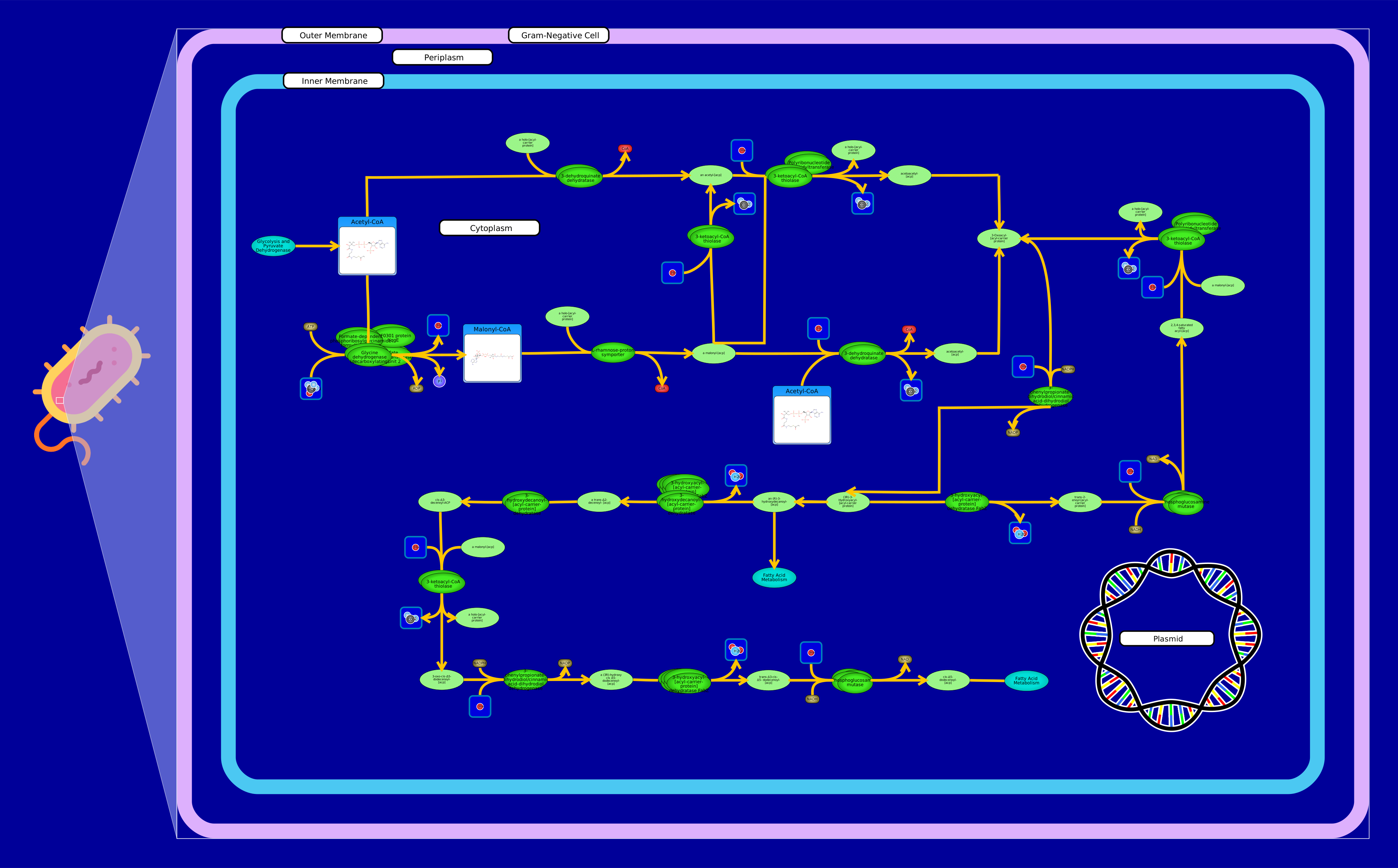 View Pathway
|
Fatty Acid BiosynthesisEscherichia coli (strain K12 / MC4100 / BW2952)
The fatty acid biosynthesis starts from acetyl-CoA reacting either with a holo-[acp] through a 3-oxoacyl-[acp] synthase 3 resulting in an acetyl-[acp] or react with hydrogen carbonate through an ATP driven acetyl-CoA carboxylase resulting in a malonyl-CoA.
Malonyl-CoA reacts with a holo-acp] through a malonyl-CoA-ACP transacylase resulting in a malonyl-[acp]. This compound can react with a KASI protein resulting in an acetyl-[acp]. A malonyl-[acp] can also react with an acetyl-[acp] through KASI and KASII or with acetyl-CoA through a beta-ketoacyl-ACP synthase to produce an acetoacetyl-[acp]. An acetoacetyl-[acp] is also known as a 3-oxoacyl-[acp].
A 3-oxoacyl-[acp] is reduced through a NDPH mediated 3-oxoacyl-[acp] reductase resulting in a (3R)-3-hydroxyacyl-[acp] (R3 hydroxydecanoyl-[acp]) which can either join the fatty acid metabolism, be dehydrated by an 3R-hydroxymyristoyl-[acp] dehydratase to produce a trans-2-enoyl-[acp] or be dehydrated by a hydroxydecanoyl-[acp] to produce a trans-delta2 decenoyl-[acp].
Trans-2-enoyl-[acp] is reduced by a NADH driven enoyl-[acp] reductase resulting in a 2,3,4-saturated fatty acyl-[acp]. This product then reacts with malonyl-[acp] through KASI and KASII resulting in a holo-acyl carrier protein and a 3- oxoacyl-[acp].
Trans-delta2 decenoyl-[acp] reacts with a 3-hydroxydecanoyl-[acp] dehydrase producing a cis-delta 3-decenoyl-ACP. This product then reacts with KASI to produce a 3-oxo-cis-delta5-dodecenoyl-[acp], which in turn is reduced by a NADPH driven 3-oxoacyl-[acp] resulting in a 3R-hydroxy cis delta5-dodecenoyl-acp. This product is dehydrated by a (3R)-hydroxymyristoyl-[acp] dehydratase resulting in a trans-delta 3- cis-delta 5-dodecenoyl-[acp] which in turn is reduced by a NADH driven enoyl-[acp] reductase resulting in a cis-delta5-dodecenoyl-acp which becomes a metabolite of fatty acid metabolism
|
Creator: Julia Wakoli Created On: January 13, 2025 at 21:54 Last Updated: January 13, 2025 at 21:54 |
PW457249 View Pathway
|
Fatty Acid BiosynthesisHalococcus morrhuae DSM 1307
The fatty acid biosynthesis starts from acetyl-CoA reacting either with a holo-[acp] through a 3-oxoacyl-[acp] synthase 3 resulting in an acetyl-[acp] or react with hydrogen carbonate through an ATP driven acetyl-CoA carboxylase resulting in a malonyl-CoA.
Malonyl-CoA reacts with a holo-acp] through a malonyl-CoA-ACP transacylase resulting in a malonyl-[acp]. This compound can react with a KASI protein resulting in an acetyl-[acp]. A malonyl-[acp] can also react with an acetyl-[acp] through KASI and KASII or with acetyl-CoA through a beta-ketoacyl-ACP synthase to produce an acetoacetyl-[acp]. An acetoacetyl-[acp] is also known as a 3-oxoacyl-[acp].
A 3-oxoacyl-[acp] is reduced through a NDPH mediated 3-oxoacyl-[acp] reductase resulting in a (3R)-3-hydroxyacyl-[acp] (R3 hydroxydecanoyl-[acp]) which can either join the fatty acid metabolism, be dehydrated by an 3R-hydroxymyristoyl-[acp] dehydratase to produce a trans-2-enoyl-[acp] or be dehydrated by a hydroxydecanoyl-[acp] to produce a trans-delta2 decenoyl-[acp].
Trans-2-enoyl-[acp] is reduced by a NADH driven enoyl-[acp] reductase resulting in a 2,3,4-saturated fatty acyl-[acp]. This product then reacts with malonyl-[acp] through KASI and KASII resulting in a holo-acyl carrier protein and a 3- oxoacyl-[acp].
Trans-delta2 decenoyl-[acp] reacts with a 3-hydroxydecanoyl-[acp] dehydrase producing a cis-delta 3-decenoyl-ACP. This product then reacts with KASI to produce a 3-oxo-cis-delta5-dodecenoyl-[acp], which in turn is reduced by a NADPH driven 3-oxoacyl-[acp] resulting in a 3R-hydroxy cis delta5-dodecenoyl-acp. This product is dehydrated by a (3R)-hydroxymyristoyl-[acp] dehydratase resulting in a trans-delta 3- cis-delta 5-dodecenoyl-[acp] which in turn is reduced by a NADH driven enoyl-[acp] reductase resulting in a cis-delta5-dodecenoyl-acp which becomes a metabolite of fatty acid metabolism
|
Creator: Julia Wakoli Created On: January 17, 2025 at 10:35 Last Updated: January 17, 2025 at 10:35 |
PW452686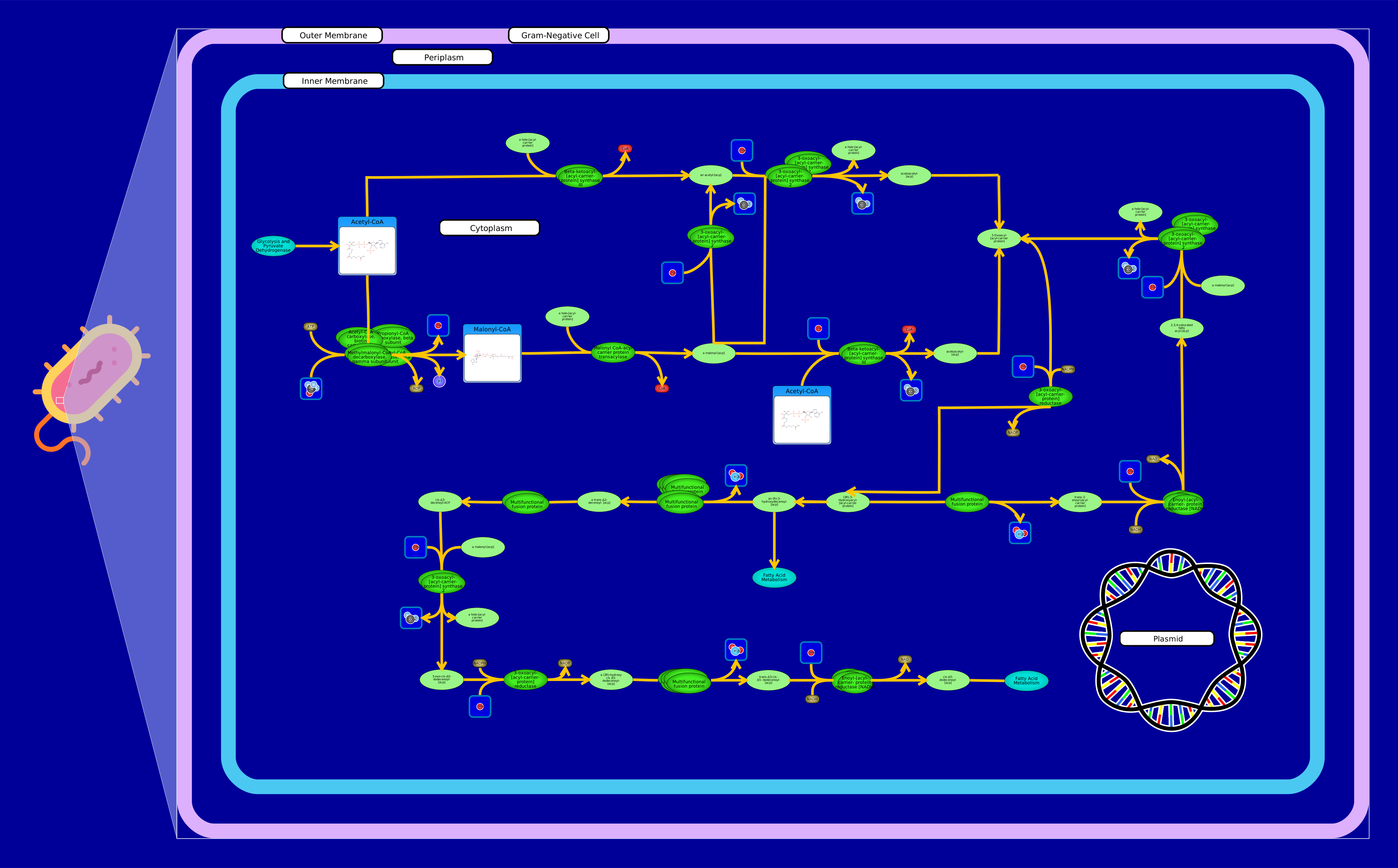 View Pathway
|
Fatty Acid BiosynthesisBacteroides sp. 1_1_14
The fatty acid biosynthesis starts from acetyl-CoA reacting either with a holo-[acp] through a 3-oxoacyl-[acp] synthase 3 resulting in an acetyl-[acp] or react with hydrogen carbonate through an ATP driven acetyl-CoA carboxylase resulting in a malonyl-CoA.
Malonyl-CoA reacts with a holo-acp] through a malonyl-CoA-ACP transacylase resulting in a malonyl-[acp]. This compound can react with a KASI protein resulting in an acetyl-[acp]. A malonyl-[acp] can also react with an acetyl-[acp] through KASI and KASII or with acetyl-CoA through a beta-ketoacyl-ACP synthase to produce an acetoacetyl-[acp]. An acetoacetyl-[acp] is also known as a 3-oxoacyl-[acp].
A 3-oxoacyl-[acp] is reduced through a NDPH mediated 3-oxoacyl-[acp] reductase resulting in a (3R)-3-hydroxyacyl-[acp] (R3 hydroxydecanoyl-[acp]) which can either join the fatty acid metabolism, be dehydrated by an 3R-hydroxymyristoyl-[acp] dehydratase to produce a trans-2-enoyl-[acp] or be dehydrated by a hydroxydecanoyl-[acp] to produce a trans-delta2 decenoyl-[acp].
Trans-2-enoyl-[acp] is reduced by a NADH driven enoyl-[acp] reductase resulting in a 2,3,4-saturated fatty acyl-[acp]. This product then reacts with malonyl-[acp] through KASI and KASII resulting in a holo-acyl carrier protein and a 3- oxoacyl-[acp].
Trans-delta2 decenoyl-[acp] reacts with a 3-hydroxydecanoyl-[acp] dehydrase producing a cis-delta 3-decenoyl-ACP. This product then reacts with KASI to produce a 3-oxo-cis-delta5-dodecenoyl-[acp], which in turn is reduced by a NADPH driven 3-oxoacyl-[acp] resulting in a 3R-hydroxy cis delta5-dodecenoyl-acp. This product is dehydrated by a (3R)-hydroxymyristoyl-[acp] dehydratase resulting in a trans-delta 3- cis-delta 5-dodecenoyl-[acp] which in turn is reduced by a NADH driven enoyl-[acp] reductase resulting in a cis-delta5-dodecenoyl-acp which becomes a metabolite of fatty acid metabolism
|
Creator: Julia Wakoli Created On: January 15, 2025 at 04:20 Last Updated: January 15, 2025 at 04:20 |
PW452693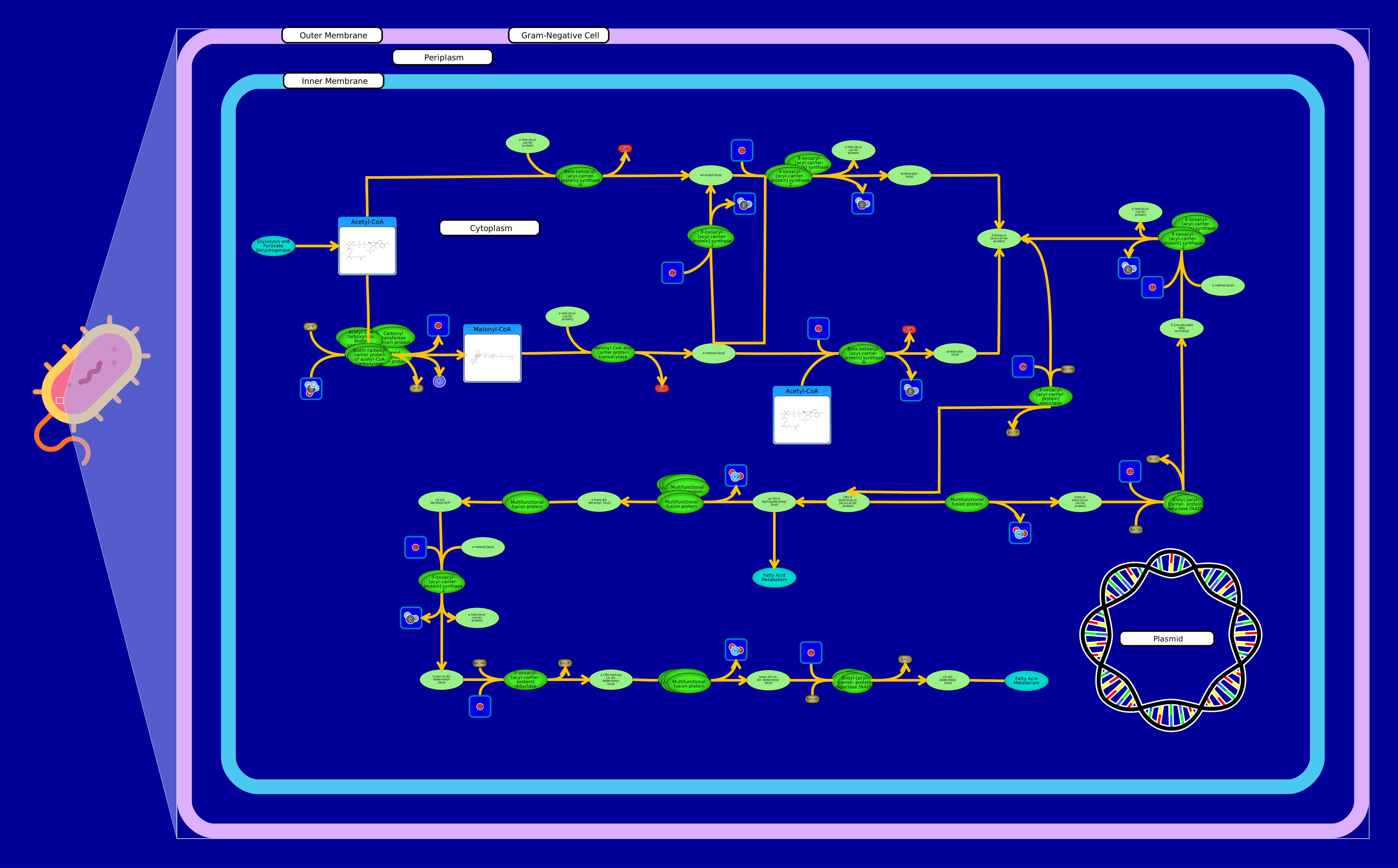 View Pathway
|
Fatty Acid BiosynthesisBacteroides sp. 2_1_22
The fatty acid biosynthesis starts from acetyl-CoA reacting either with a holo-[acp] through a 3-oxoacyl-[acp] synthase 3 resulting in an acetyl-[acp] or react with hydrogen carbonate through an ATP driven acetyl-CoA carboxylase resulting in a malonyl-CoA.
Malonyl-CoA reacts with a holo-acp] through a malonyl-CoA-ACP transacylase resulting in a malonyl-[acp]. This compound can react with a KASI protein resulting in an acetyl-[acp]. A malonyl-[acp] can also react with an acetyl-[acp] through KASI and KASII or with acetyl-CoA through a beta-ketoacyl-ACP synthase to produce an acetoacetyl-[acp]. An acetoacetyl-[acp] is also known as a 3-oxoacyl-[acp].
A 3-oxoacyl-[acp] is reduced through a NDPH mediated 3-oxoacyl-[acp] reductase resulting in a (3R)-3-hydroxyacyl-[acp] (R3 hydroxydecanoyl-[acp]) which can either join the fatty acid metabolism, be dehydrated by an 3R-hydroxymyristoyl-[acp] dehydratase to produce a trans-2-enoyl-[acp] or be dehydrated by a hydroxydecanoyl-[acp] to produce a trans-delta2 decenoyl-[acp].
Trans-2-enoyl-[acp] is reduced by a NADH driven enoyl-[acp] reductase resulting in a 2,3,4-saturated fatty acyl-[acp]. This product then reacts with malonyl-[acp] through KASI and KASII resulting in a holo-acyl carrier protein and a 3- oxoacyl-[acp].
Trans-delta2 decenoyl-[acp] reacts with a 3-hydroxydecanoyl-[acp] dehydrase producing a cis-delta 3-decenoyl-ACP. This product then reacts with KASI to produce a 3-oxo-cis-delta5-dodecenoyl-[acp], which in turn is reduced by a NADPH driven 3-oxoacyl-[acp] resulting in a 3R-hydroxy cis delta5-dodecenoyl-acp. This product is dehydrated by a (3R)-hydroxymyristoyl-[acp] dehydratase resulting in a trans-delta 3- cis-delta 5-dodecenoyl-[acp] which in turn is reduced by a NADH driven enoyl-[acp] reductase resulting in a cis-delta5-dodecenoyl-acp which becomes a metabolite of fatty acid metabolism
|
Creator: Julia Wakoli Created On: January 15, 2025 at 04:27 Last Updated: January 15, 2025 at 04:27 |
PW452782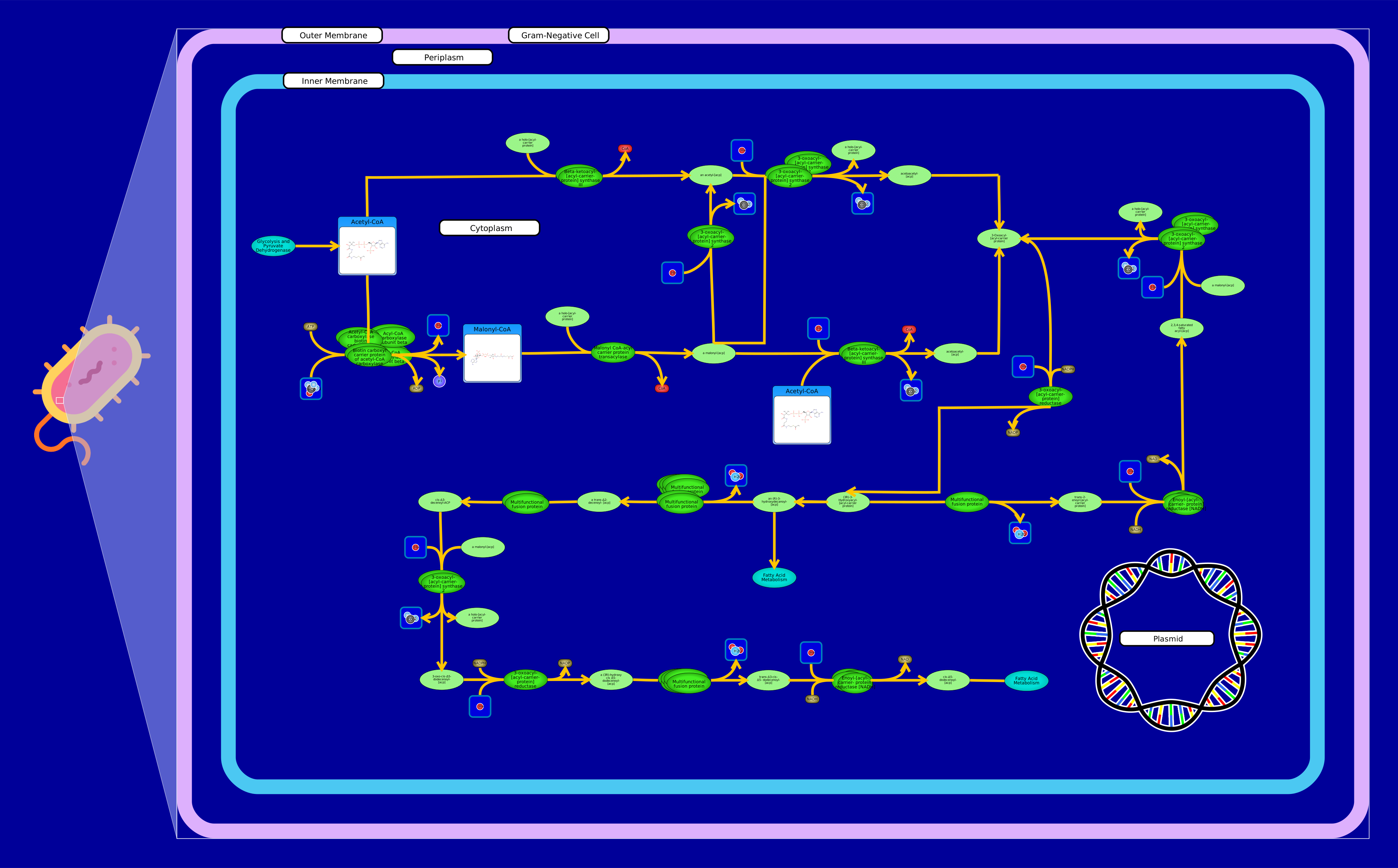 View Pathway
|
Fatty Acid BiosynthesisBacteroides sp. 4_1_36
The fatty acid biosynthesis starts from acetyl-CoA reacting either with a holo-[acp] through a 3-oxoacyl-[acp] synthase 3 resulting in an acetyl-[acp] or react with hydrogen carbonate through an ATP driven acetyl-CoA carboxylase resulting in a malonyl-CoA.
Malonyl-CoA reacts with a holo-acp] through a malonyl-CoA-ACP transacylase resulting in a malonyl-[acp]. This compound can react with a KASI protein resulting in an acetyl-[acp]. A malonyl-[acp] can also react with an acetyl-[acp] through KASI and KASII or with acetyl-CoA through a beta-ketoacyl-ACP synthase to produce an acetoacetyl-[acp]. An acetoacetyl-[acp] is also known as a 3-oxoacyl-[acp].
A 3-oxoacyl-[acp] is reduced through a NDPH mediated 3-oxoacyl-[acp] reductase resulting in a (3R)-3-hydroxyacyl-[acp] (R3 hydroxydecanoyl-[acp]) which can either join the fatty acid metabolism, be dehydrated by an 3R-hydroxymyristoyl-[acp] dehydratase to produce a trans-2-enoyl-[acp] or be dehydrated by a hydroxydecanoyl-[acp] to produce a trans-delta2 decenoyl-[acp].
Trans-2-enoyl-[acp] is reduced by a NADH driven enoyl-[acp] reductase resulting in a 2,3,4-saturated fatty acyl-[acp]. This product then reacts with malonyl-[acp] through KASI and KASII resulting in a holo-acyl carrier protein and a 3- oxoacyl-[acp].
Trans-delta2 decenoyl-[acp] reacts with a 3-hydroxydecanoyl-[acp] dehydrase producing a cis-delta 3-decenoyl-ACP. This product then reacts with KASI to produce a 3-oxo-cis-delta5-dodecenoyl-[acp], which in turn is reduced by a NADPH driven 3-oxoacyl-[acp] resulting in a 3R-hydroxy cis delta5-dodecenoyl-acp. This product is dehydrated by a (3R)-hydroxymyristoyl-[acp] dehydratase resulting in a trans-delta 3- cis-delta 5-dodecenoyl-[acp] which in turn is reduced by a NADH driven enoyl-[acp] reductase resulting in a cis-delta5-dodecenoyl-acp which becomes a metabolite of fatty acid metabolism
|
Creator: Julia Wakoli Created On: January 15, 2025 at 05:42 Last Updated: January 15, 2025 at 05:42 |
PW685355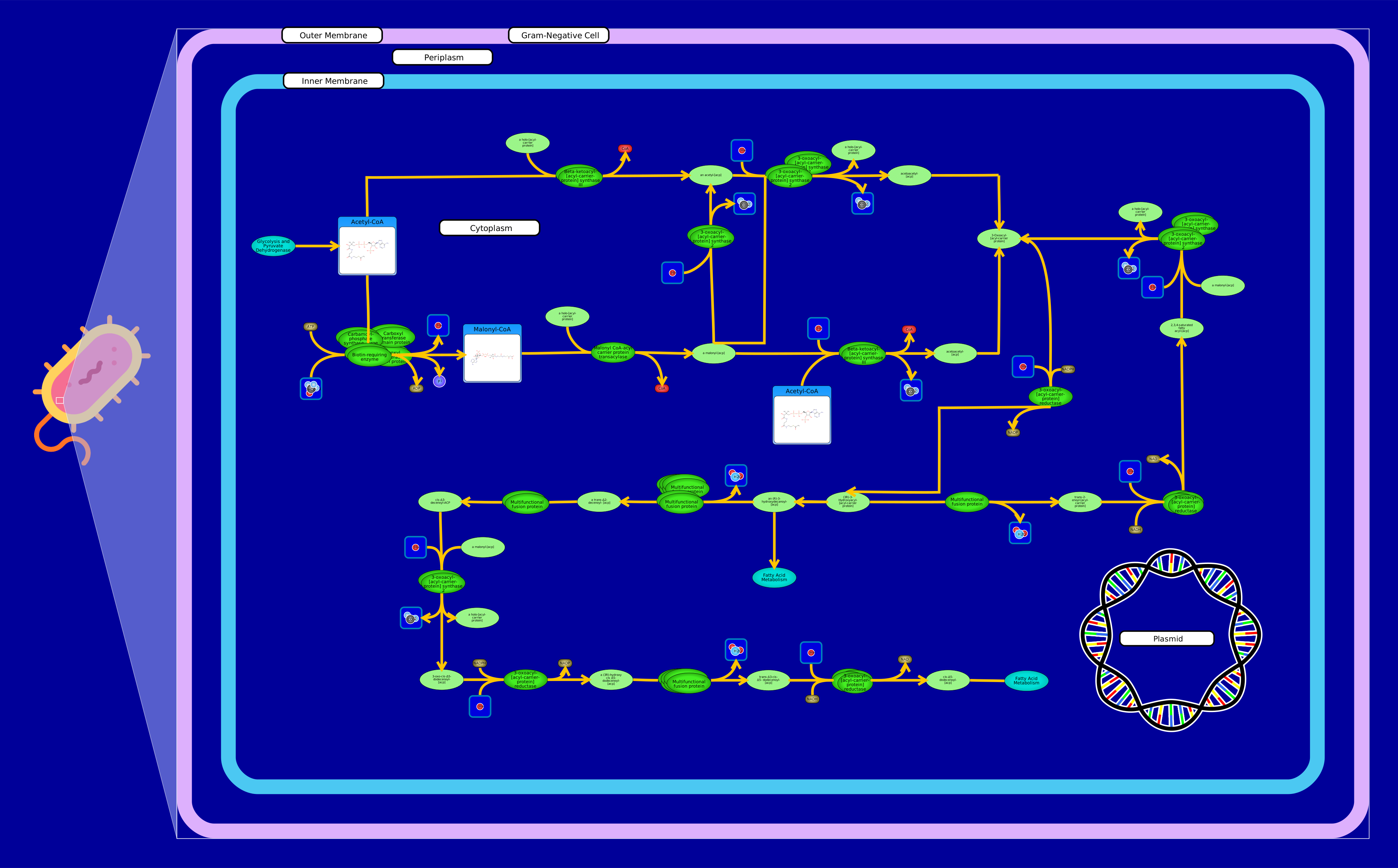 View Pathway
|
Fatty Acid BiosynthesisPorphyromonas uenonis 60-3
The fatty acid biosynthesis starts from acetyl-CoA reacting either with a holo-[acp] through a 3-oxoacyl-[acp] synthase 3 resulting in an acetyl-[acp] or react with hydrogen carbonate through an ATP driven acetyl-CoA carboxylase resulting in a malonyl-CoA.
Malonyl-CoA reacts with a holo-acp] through a malonyl-CoA-ACP transacylase resulting in a malonyl-[acp]. This compound can react with a KASI protein resulting in an acetyl-[acp]. A malonyl-[acp] can also react with an acetyl-[acp] through KASI and KASII or with acetyl-CoA through a beta-ketoacyl-ACP synthase to produce an acetoacetyl-[acp]. An acetoacetyl-[acp] is also known as a 3-oxoacyl-[acp].
A 3-oxoacyl-[acp] is reduced through a NDPH mediated 3-oxoacyl-[acp] reductase resulting in a (3R)-3-hydroxyacyl-[acp] (R3 hydroxydecanoyl-[acp]) which can either join the fatty acid metabolism, be dehydrated by an 3R-hydroxymyristoyl-[acp] dehydratase to produce a trans-2-enoyl-[acp] or be dehydrated by a hydroxydecanoyl-[acp] to produce a trans-delta2 decenoyl-[acp].
Trans-2-enoyl-[acp] is reduced by a NADH driven enoyl-[acp] reductase resulting in a 2,3,4-saturated fatty acyl-[acp]. This product then reacts with malonyl-[acp] through KASI and KASII resulting in a holo-acyl carrier protein and a 3- oxoacyl-[acp].
Trans-delta2 decenoyl-[acp] reacts with a 3-hydroxydecanoyl-[acp] dehydrase producing a cis-delta 3-decenoyl-ACP. This product then reacts with KASI to produce a 3-oxo-cis-delta5-dodecenoyl-[acp], which in turn is reduced by a NADPH driven 3-oxoacyl-[acp] resulting in a 3R-hydroxy cis delta5-dodecenoyl-acp. This product is dehydrated by a (3R)-hydroxymyristoyl-[acp] dehydratase resulting in a trans-delta 3- cis-delta 5-dodecenoyl-[acp] which in turn is reduced by a NADH driven enoyl-[acp] reductase resulting in a cis-delta5-dodecenoyl-acp which becomes a metabolite of fatty acid metabolism
|
Creator: Julia Wakoli Created On: January 15, 2025 at 07:48 Last Updated: January 15, 2025 at 07:48 |
PW450248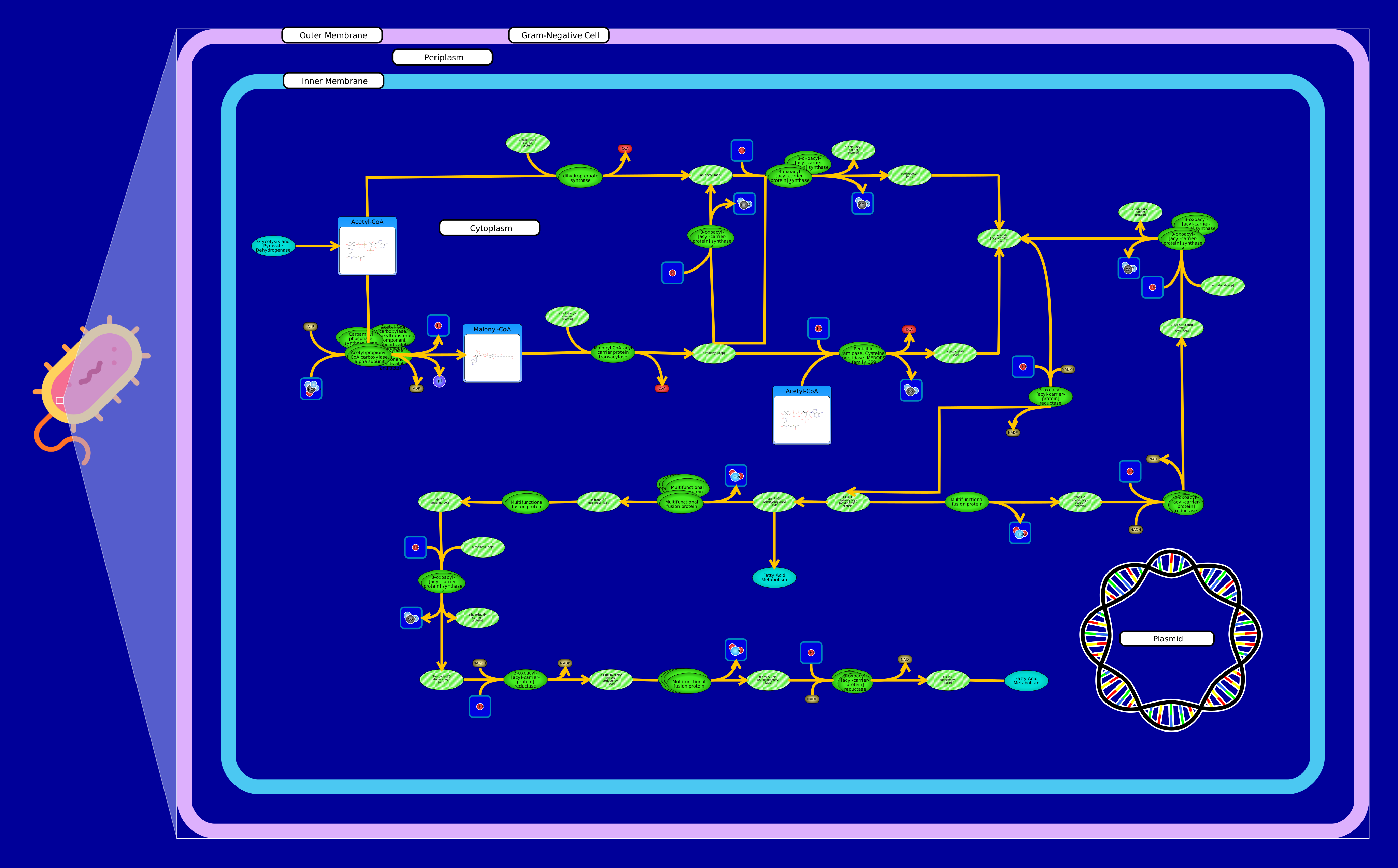 View Pathway
|
Fatty Acid BiosynthesisAlistipes shahii WAL 8301
The fatty acid biosynthesis starts from acetyl-CoA reacting either with a holo-[acp] through a 3-oxoacyl-[acp] synthase 3 resulting in an acetyl-[acp] or react with hydrogen carbonate through an ATP driven acetyl-CoA carboxylase resulting in a malonyl-CoA.
Malonyl-CoA reacts with a holo-acp] through a malonyl-CoA-ACP transacylase resulting in a malonyl-[acp]. This compound can react with a KASI protein resulting in an acetyl-[acp]. A malonyl-[acp] can also react with an acetyl-[acp] through KASI and KASII or with acetyl-CoA through a beta-ketoacyl-ACP synthase to produce an acetoacetyl-[acp]. An acetoacetyl-[acp] is also known as a 3-oxoacyl-[acp].
A 3-oxoacyl-[acp] is reduced through a NDPH mediated 3-oxoacyl-[acp] reductase resulting in a (3R)-3-hydroxyacyl-[acp] (R3 hydroxydecanoyl-[acp]) which can either join the fatty acid metabolism, be dehydrated by an 3R-hydroxymyristoyl-[acp] dehydratase to produce a trans-2-enoyl-[acp] or be dehydrated by a hydroxydecanoyl-[acp] to produce a trans-delta2 decenoyl-[acp].
Trans-2-enoyl-[acp] is reduced by a NADH driven enoyl-[acp] reductase resulting in a 2,3,4-saturated fatty acyl-[acp]. This product then reacts with malonyl-[acp] through KASI and KASII resulting in a holo-acyl carrier protein and a 3- oxoacyl-[acp].
Trans-delta2 decenoyl-[acp] reacts with a 3-hydroxydecanoyl-[acp] dehydrase producing a cis-delta 3-decenoyl-ACP. This product then reacts with KASI to produce a 3-oxo-cis-delta5-dodecenoyl-[acp], which in turn is reduced by a NADPH driven 3-oxoacyl-[acp] resulting in a 3R-hydroxy cis delta5-dodecenoyl-acp. This product is dehydrated by a (3R)-hydroxymyristoyl-[acp] dehydratase resulting in a trans-delta 3- cis-delta 5-dodecenoyl-[acp] which in turn is reduced by a NADH driven enoyl-[acp] reductase resulting in a cis-delta5-dodecenoyl-acp which becomes a metabolite of fatty acid metabolism
|
Creator: Julia Wakoli Created On: January 14, 2025 at 02:13 Last Updated: January 14, 2025 at 02:13 |
PW453711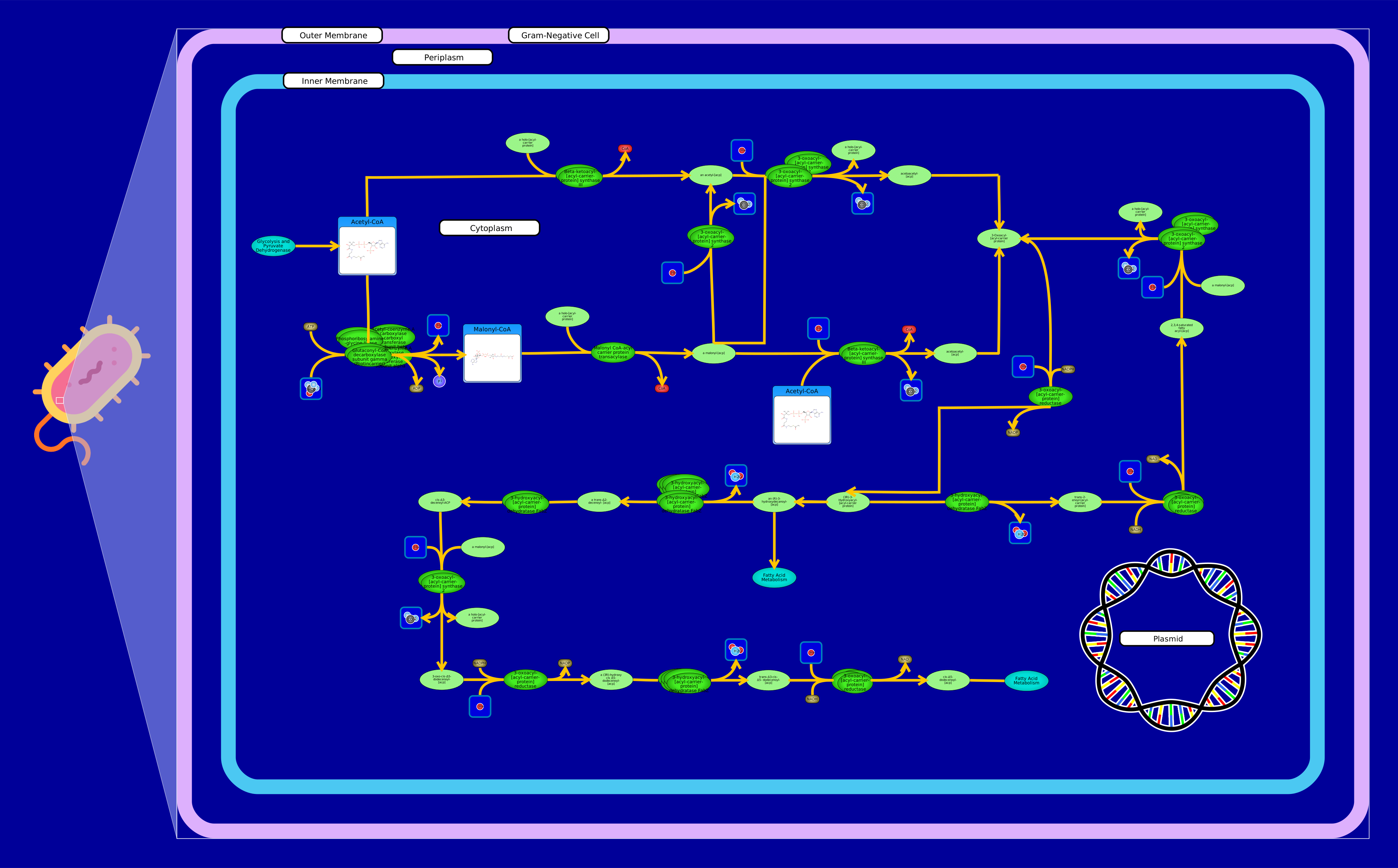 View Pathway
|
Fatty Acid BiosynthesisFusobacterium periodonticum 1_1_41FAA
The fatty acid biosynthesis starts from acetyl-CoA reacting either with a holo-[acp] through a 3-oxoacyl-[acp] synthase 3 resulting in an acetyl-[acp] or react with hydrogen carbonate through an ATP driven acetyl-CoA carboxylase resulting in a malonyl-CoA.
Malonyl-CoA reacts with a holo-acp] through a malonyl-CoA-ACP transacylase resulting in a malonyl-[acp]. This compound can react with a KASI protein resulting in an acetyl-[acp]. A malonyl-[acp] can also react with an acetyl-[acp] through KASI and KASII or with acetyl-CoA through a beta-ketoacyl-ACP synthase to produce an acetoacetyl-[acp]. An acetoacetyl-[acp] is also known as a 3-oxoacyl-[acp].
A 3-oxoacyl-[acp] is reduced through a NDPH mediated 3-oxoacyl-[acp] reductase resulting in a (3R)-3-hydroxyacyl-[acp] (R3 hydroxydecanoyl-[acp]) which can either join the fatty acid metabolism, be dehydrated by an 3R-hydroxymyristoyl-[acp] dehydratase to produce a trans-2-enoyl-[acp] or be dehydrated by a hydroxydecanoyl-[acp] to produce a trans-delta2 decenoyl-[acp].
Trans-2-enoyl-[acp] is reduced by a NADH driven enoyl-[acp] reductase resulting in a 2,3,4-saturated fatty acyl-[acp]. This product then reacts with malonyl-[acp] through KASI and KASII resulting in a holo-acyl carrier protein and a 3- oxoacyl-[acp].
Trans-delta2 decenoyl-[acp] reacts with a 3-hydroxydecanoyl-[acp] dehydrase producing a cis-delta 3-decenoyl-ACP. This product then reacts with KASI to produce a 3-oxo-cis-delta5-dodecenoyl-[acp], which in turn is reduced by a NADPH driven 3-oxoacyl-[acp] resulting in a 3R-hydroxy cis delta5-dodecenoyl-acp. This product is dehydrated by a (3R)-hydroxymyristoyl-[acp] dehydratase resulting in a trans-delta 3- cis-delta 5-dodecenoyl-[acp] which in turn is reduced by a NADH driven enoyl-[acp] reductase resulting in a cis-delta5-dodecenoyl-acp which becomes a metabolite of fatty acid metabolism
|
Creator: Julia Wakoli Created On: January 15, 2025 at 17:21 Last Updated: January 15, 2025 at 17:21 |