
| PathWhiz ID | Pathway | Meta Data |
|---|---|---|
PW402521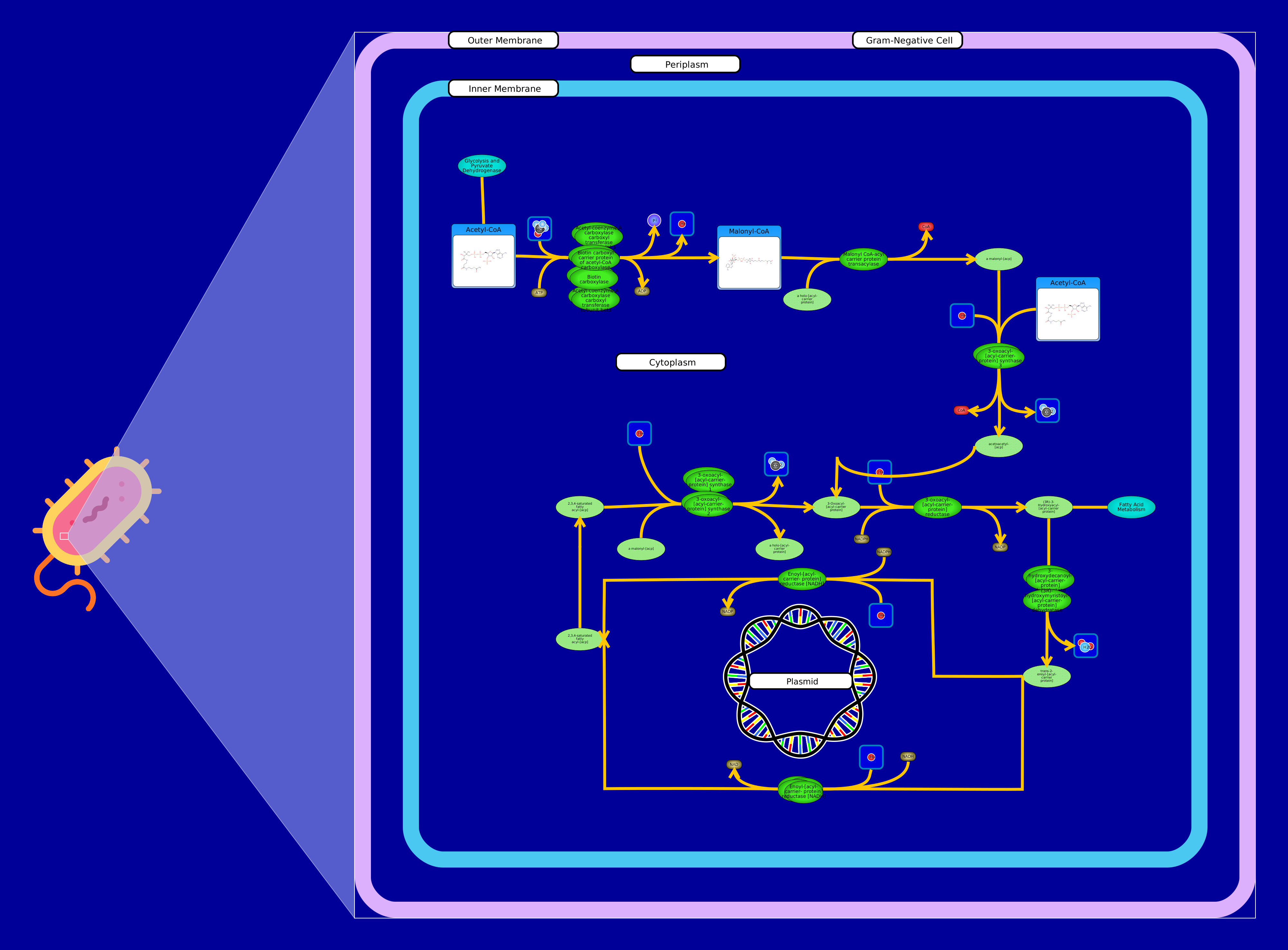 View Pathway
|
Fatty Acid Elongation (Saturated)Escherichia coli O6:H1 (strain CFT073 / ATCC 700928 / UPEC)
The fatty acid elongation pathway shows an elongation cycle of an acyl-ACP chain by adding two carbons. Acetoacetyl-acp is produced from interaction of 3-oxoacyl-acp synthase 3 with malonyl-acp and Acetyl-CoA, and then Acetoacetyl-acp produce a 3-oxoacyl acp spontaneously. 3-oxoacyl acp will undergo the cycles of the elongation. The first step is converting the oxoacyl acp into a (3R) 3-hydroxyacyl(acp) through a 3-oxoacyl[acp] reductase.This second step converts the hydroxyacyl into a trans 2 enoyl acp through a protein complex conformed of a hydroxomyristoyl dehydratase and a hydroxydecanoyl dehydratase. The third step can be reached through two different reactions with a enoyl-acp reductase, involving NADPH or NADH. This leads to the production of a 2,3,4-saturated fatty acyl acp. For the final step the 2,3,4 fatty acyl acp is turned into a oxoacyl acp through a 3-oxoacyl acp synthase protein complex. The products of multiple of the elongation cycle are phospholipids, lipoproteins (saturated fatty acids), lauric and other fatty acid-containing compounds.
|
Creator: Julia Wakoli Created On: December 20, 2024 at 12:34 Last Updated: December 20, 2024 at 12:34 |
PW403358 View Pathway
|
Fatty Acid Elongation (Saturated)Bacteroides plebeius
The fatty acid elongation pathway shows an elongation cycle of an acyl-ACP chain by adding two carbons. Acetoacetyl-acp is produced from interaction of 3-oxoacyl-acp synthase 3 with malonyl-acp and Acetyl-CoA, and then Acetoacetyl-acp produce a 3-oxoacyl acp spontaneously. 3-oxoacyl acp will undergo the cycles of the elongation. The first step is converting the oxoacyl acp into a (3R) 3-hydroxyacyl(acp) through a 3-oxoacyl[acp] reductase.This second step converts the hydroxyacyl into a trans 2 enoyl acp through a protein complex conformed of a hydroxomyristoyl dehydratase and a hydroxydecanoyl dehydratase. The third step can be reached through two different reactions with a enoyl-acp reductase, involving NADPH or NADH. This leads to the production of a 2,3,4-saturated fatty acyl acp. For the final step the 2,3,4 fatty acyl acp is turned into a oxoacyl acp through a 3-oxoacyl acp synthase protein complex. The products of multiple of the elongation cycle are phospholipids, lipoproteins (saturated fatty acids), lauric and other fatty acid-containing compounds.
|
Creator: Julia Wakoli Created On: December 20, 2024 at 18:15 Last Updated: December 20, 2024 at 18:15 |
PW404084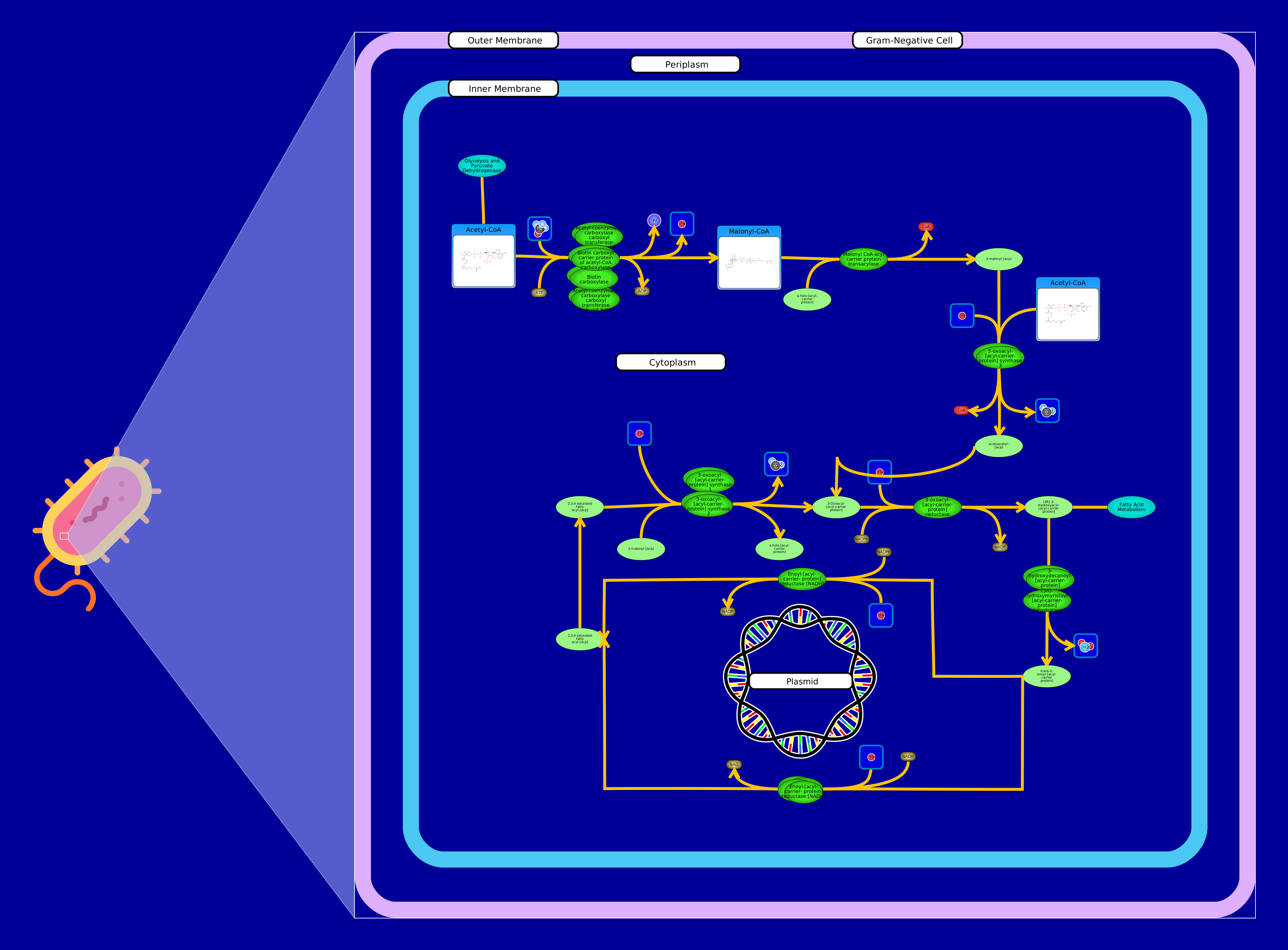 View Pathway
|
Fatty Acid Elongation (Saturated)Escherichia coli UMN026
The fatty acid elongation pathway shows an elongation cycle of an acyl-ACP chain by adding two carbons. Acetoacetyl-acp is produced from interaction of 3-oxoacyl-acp synthase 3 with malonyl-acp and Acetyl-CoA, and then Acetoacetyl-acp produce a 3-oxoacyl acp spontaneously. 3-oxoacyl acp will undergo the cycles of the elongation. The first step is converting the oxoacyl acp into a (3R) 3-hydroxyacyl(acp) through a 3-oxoacyl[acp] reductase.This second step converts the hydroxyacyl into a trans 2 enoyl acp through a protein complex conformed of a hydroxomyristoyl dehydratase and a hydroxydecanoyl dehydratase. The third step can be reached through two different reactions with a enoyl-acp reductase, involving NADPH or NADH. This leads to the production of a 2,3,4-saturated fatty acyl acp. For the final step the 2,3,4 fatty acyl acp is turned into a oxoacyl acp through a 3-oxoacyl acp synthase protein complex. The products of multiple of the elongation cycle are phospholipids, lipoproteins (saturated fatty acids), lauric and other fatty acid-containing compounds.
|
Creator: Julia Wakoli Created On: December 20, 2024 at 22:51 Last Updated: December 20, 2024 at 22:51 |
PW404205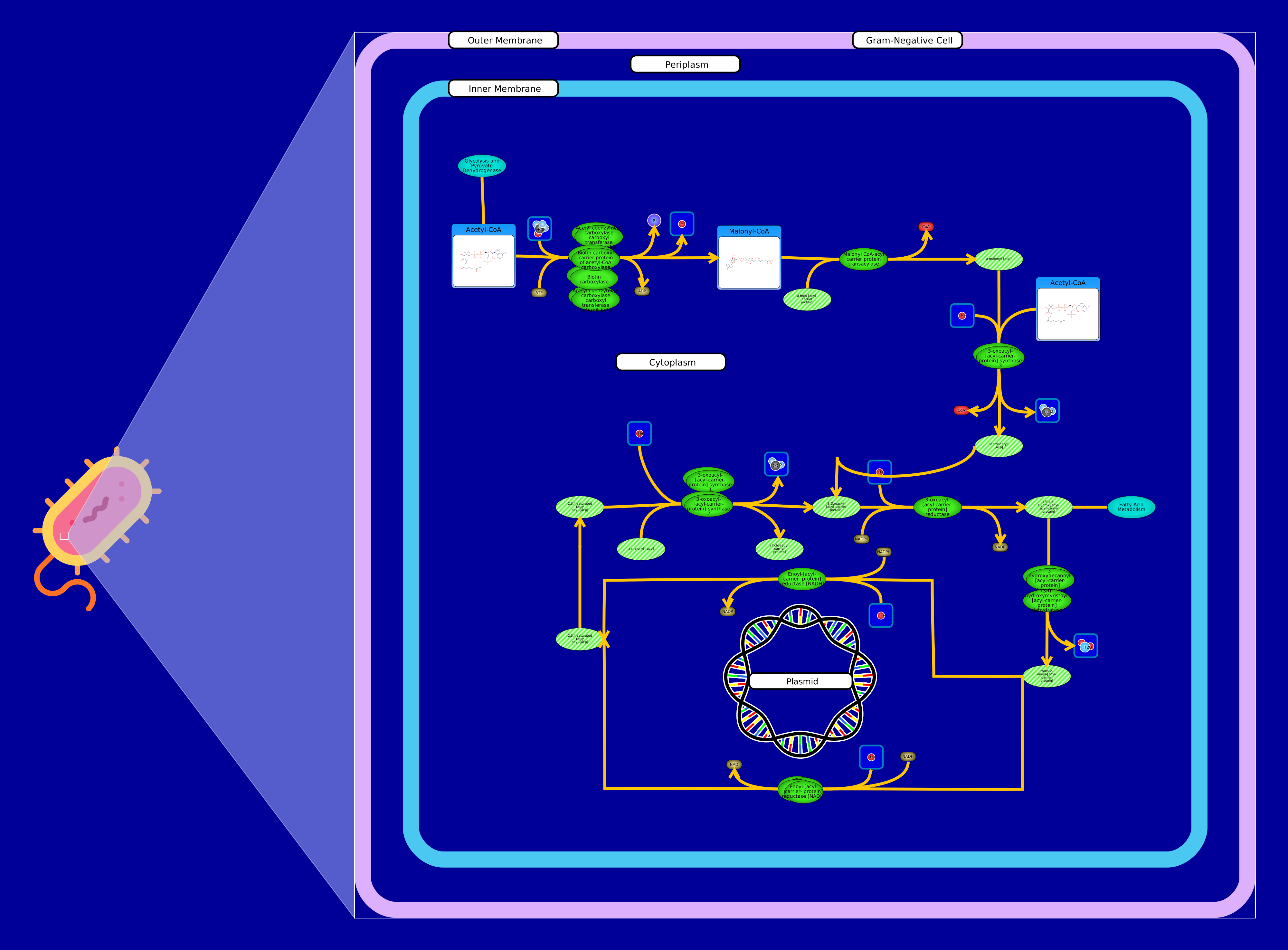 View Pathway
|
Fatty Acid Elongation (Saturated)Escherichia coli O103:H2 str. 12009
The fatty acid elongation pathway shows an elongation cycle of an acyl-ACP chain by adding two carbons. Acetoacetyl-acp is produced from interaction of 3-oxoacyl-acp synthase 3 with malonyl-acp and Acetyl-CoA, and then Acetoacetyl-acp produce a 3-oxoacyl acp spontaneously. 3-oxoacyl acp will undergo the cycles of the elongation. The first step is converting the oxoacyl acp into a (3R) 3-hydroxyacyl(acp) through a 3-oxoacyl[acp] reductase.This second step converts the hydroxyacyl into a trans 2 enoyl acp through a protein complex conformed of a hydroxomyristoyl dehydratase and a hydroxydecanoyl dehydratase. The third step can be reached through two different reactions with a enoyl-acp reductase, involving NADPH or NADH. This leads to the production of a 2,3,4-saturated fatty acyl acp. For the final step the 2,3,4 fatty acyl acp is turned into a oxoacyl acp through a 3-oxoacyl acp synthase protein complex. The products of multiple of the elongation cycle are phospholipids, lipoproteins (saturated fatty acids), lauric and other fatty acid-containing compounds.
|
Creator: Julia Wakoli Created On: December 20, 2024 at 23:44 Last Updated: December 20, 2024 at 23:44 |
PW399209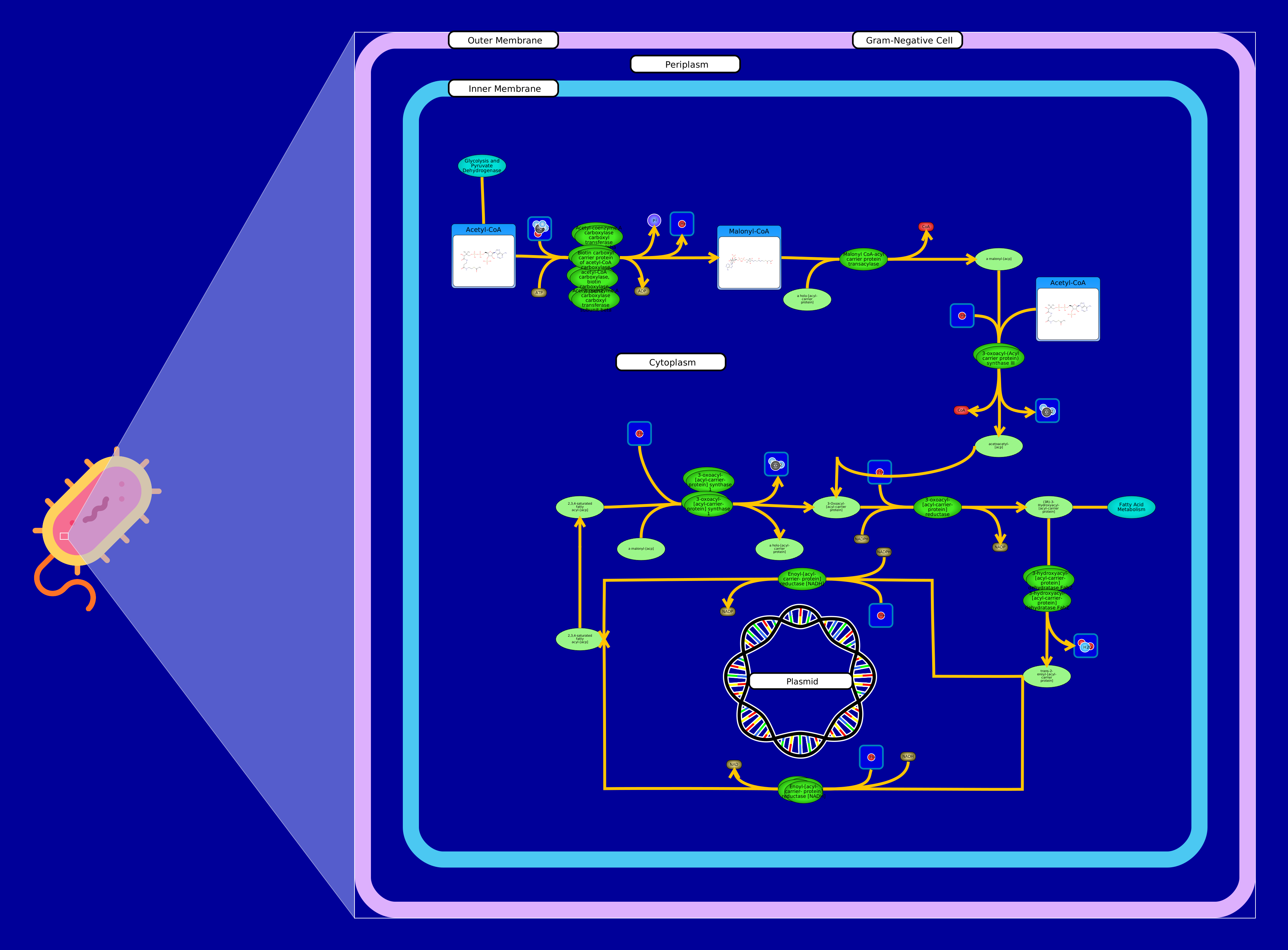 View Pathway
|
Fatty Acid Elongation (Saturated)Acinetobacter johnsonii SH046
The fatty acid elongation pathway shows an elongation cycle of an acyl-ACP chain by adding two carbons. Acetoacetyl-acp is produced from interaction of 3-oxoacyl-acp synthase 3 with malonyl-acp and Acetyl-CoA, and then Acetoacetyl-acp produce a 3-oxoacyl acp spontaneously. 3-oxoacyl acp will undergo the cycles of the elongation. The first step is converting the oxoacyl acp into a (3R) 3-hydroxyacyl(acp) through a 3-oxoacyl[acp] reductase.This second step converts the hydroxyacyl into a trans 2 enoyl acp through a protein complex conformed of a hydroxomyristoyl dehydratase and a hydroxydecanoyl dehydratase. The third step can be reached through two different reactions with a enoyl-acp reductase, involving NADPH or NADH. This leads to the production of a 2,3,4-saturated fatty acyl acp. For the final step the 2,3,4 fatty acyl acp is turned into a oxoacyl acp through a 3-oxoacyl acp synthase protein complex. The products of multiple of the elongation cycle are phospholipids, lipoproteins (saturated fatty acids), lauric and other fatty acid-containing compounds.
|
Creator: Julia Wakoli Created On: December 18, 2024 at 04:07 Last Updated: December 18, 2024 at 04:07 |
PW399437 View Pathway
|
Fatty Acid Elongation (Saturated)Halococcus morrhuae DSM 1307
The fatty acid elongation pathway shows an elongation cycle of an acyl-ACP chain by adding two carbons. Acetoacetyl-acp is produced from interaction of 3-oxoacyl-acp synthase 3 with malonyl-acp and Acetyl-CoA, and then Acetoacetyl-acp produce a 3-oxoacyl acp spontaneously. 3-oxoacyl acp will undergo the cycles of the elongation. The first step is converting the oxoacyl acp into a (3R) 3-hydroxyacyl(acp) through a 3-oxoacyl[acp] reductase.This second step converts the hydroxyacyl into a trans 2 enoyl acp through a protein complex conformed of a hydroxomyristoyl dehydratase and a hydroxydecanoyl dehydratase. The third step can be reached through two different reactions with a enoyl-acp reductase, involving NADPH or NADH. This leads to the production of a 2,3,4-saturated fatty acyl acp. For the final step the 2,3,4 fatty acyl acp is turned into a oxoacyl acp through a 3-oxoacyl acp synthase protein complex. The products of multiple of the elongation cycle are phospholipids, lipoproteins (saturated fatty acids), lauric and other fatty acid-containing compounds.
|
Creator: Julia Wakoli Created On: December 18, 2024 at 07:26 Last Updated: December 18, 2024 at 07:26 |
PW399386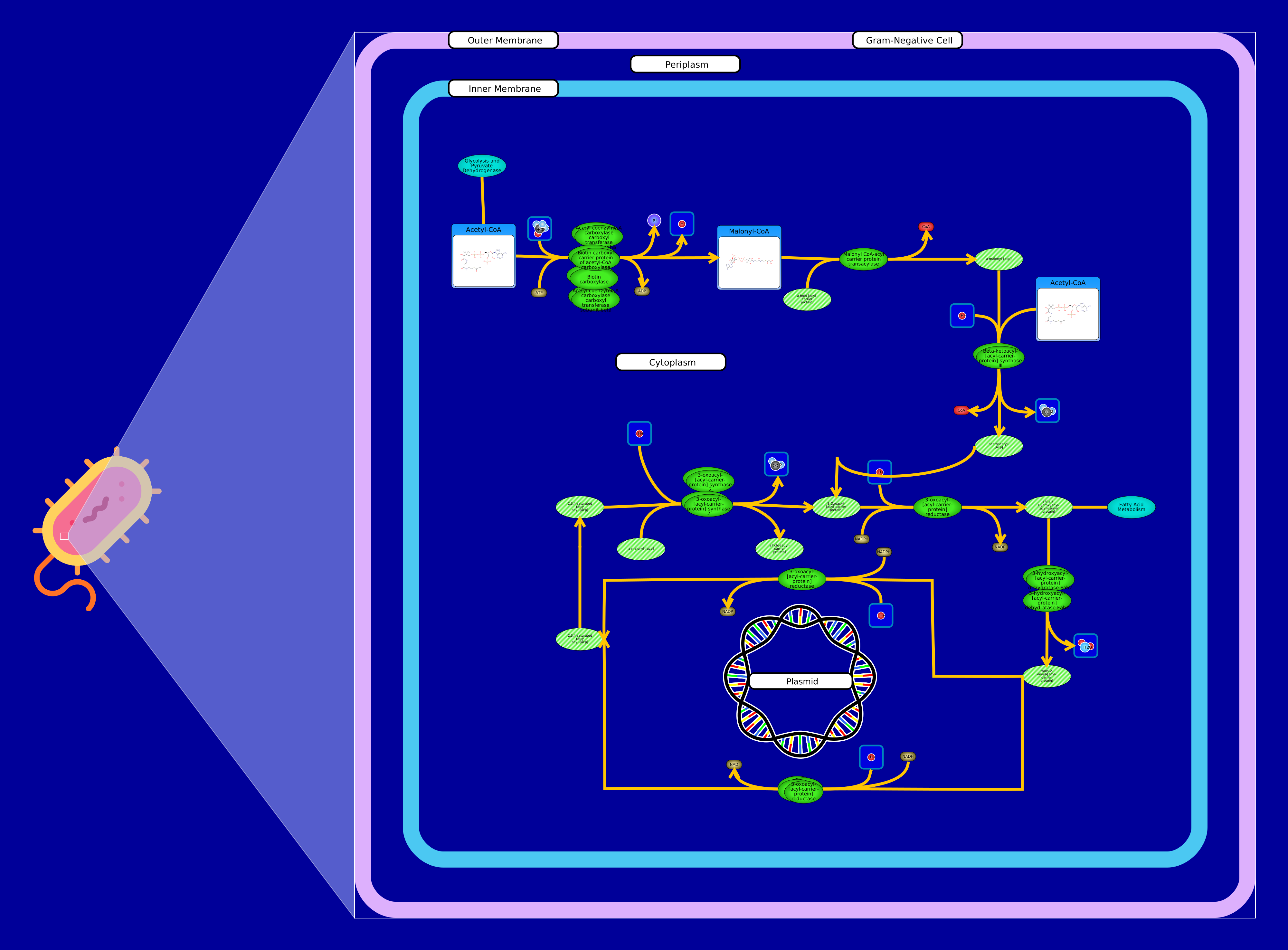 View Pathway
|
Fatty Acid Elongation (Saturated)[Clostridium] innocuum 2959
The fatty acid elongation pathway shows an elongation cycle of an acyl-ACP chain by adding two carbons. Acetoacetyl-acp is produced from interaction of 3-oxoacyl-acp synthase 3 with malonyl-acp and Acetyl-CoA, and then Acetoacetyl-acp produce a 3-oxoacyl acp spontaneously. 3-oxoacyl acp will undergo the cycles of the elongation. The first step is converting the oxoacyl acp into a (3R) 3-hydroxyacyl(acp) through a 3-oxoacyl[acp] reductase.This second step converts the hydroxyacyl into a trans 2 enoyl acp through a protein complex conformed of a hydroxomyristoyl dehydratase and a hydroxydecanoyl dehydratase. The third step can be reached through two different reactions with a enoyl-acp reductase, involving NADPH or NADH. This leads to the production of a 2,3,4-saturated fatty acyl acp. For the final step the 2,3,4 fatty acyl acp is turned into a oxoacyl acp through a 3-oxoacyl acp synthase protein complex. The products of multiple of the elongation cycle are phospholipids, lipoproteins (saturated fatty acids), lauric and other fatty acid-containing compounds.
|
Creator: Julia Wakoli Created On: December 18, 2024 at 06:30 Last Updated: December 18, 2024 at 06:30 |
PW403081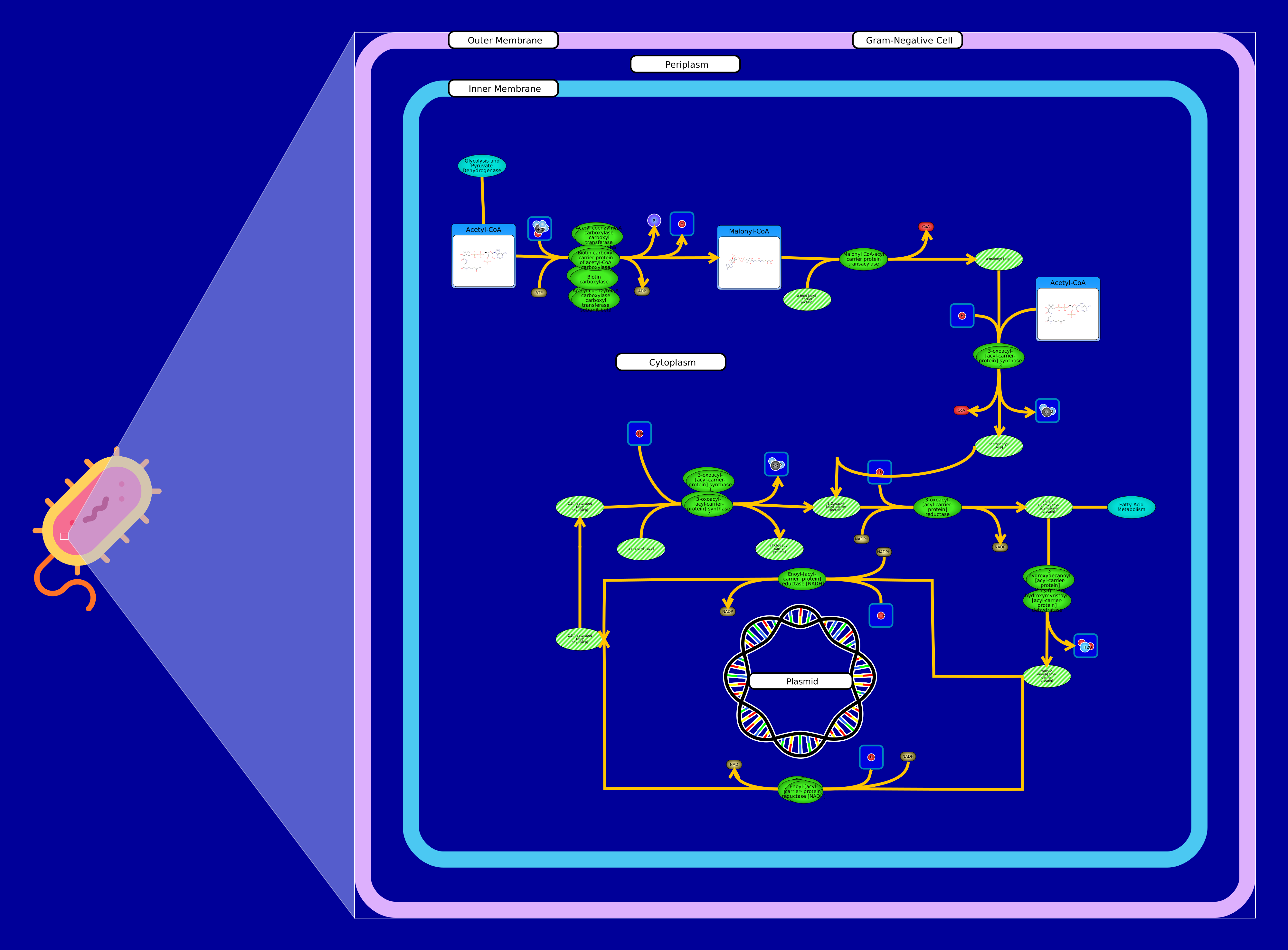 View Pathway
|
Fatty Acid Elongation (Saturated)Escherichia coli SE15
The fatty acid elongation pathway shows an elongation cycle of an acyl-ACP chain by adding two carbons. Acetoacetyl-acp is produced from interaction of 3-oxoacyl-acp synthase 3 with malonyl-acp and Acetyl-CoA, and then Acetoacetyl-acp produce a 3-oxoacyl acp spontaneously. 3-oxoacyl acp will undergo the cycles of the elongation. The first step is converting the oxoacyl acp into a (3R) 3-hydroxyacyl(acp) through a 3-oxoacyl[acp] reductase.This second step converts the hydroxyacyl into a trans 2 enoyl acp through a protein complex conformed of a hydroxomyristoyl dehydratase and a hydroxydecanoyl dehydratase. The third step can be reached through two different reactions with a enoyl-acp reductase, involving NADPH or NADH. This leads to the production of a 2,3,4-saturated fatty acyl acp. For the final step the 2,3,4 fatty acyl acp is turned into a oxoacyl acp through a 3-oxoacyl acp synthase protein complex. The products of multiple of the elongation cycle are phospholipids, lipoproteins (saturated fatty acids), lauric and other fatty acid-containing compounds.
|
Creator: Julia Wakoli Created On: December 20, 2024 at 16:35 Last Updated: December 20, 2024 at 16:35 |
PW396440 View Pathway
|
Fatty Acid Elongation (Saturated)Escherichia coli W
The fatty acid elongation pathway shows an elongation cycle of an acyl-ACP chain by adding two carbons. Acetoacetyl-acp is produced from interaction of 3-oxoacyl-acp synthase 3 with malonyl-acp and Acetyl-CoA, and then Acetoacetyl-acp produce a 3-oxoacyl acp spontaneously. 3-oxoacyl acp will undergo the cycles of the elongation. The first step is converting the oxoacyl acp into a (3R) 3-hydroxyacyl(acp) through a 3-oxoacyl[acp] reductase.This second step converts the hydroxyacyl into a trans 2 enoyl acp through a protein complex conformed of a hydroxomyristoyl dehydratase and a hydroxydecanoyl dehydratase. The third step can be reached through two different reactions with a enoyl-acp reductase, involving NADPH or NADH. This leads to the production of a 2,3,4-saturated fatty acyl acp. For the final step the 2,3,4 fatty acyl acp is turned into a oxoacyl acp through a 3-oxoacyl acp synthase protein complex. The products of multiple of the elongation cycle are phospholipids, lipoproteins (saturated fatty acids), lauric and other fatty acid-containing compounds.
|
Creator: Julia Wakoli Created On: December 16, 2024 at 16:54 Last Updated: December 16, 2024 at 16:54 |
PW409301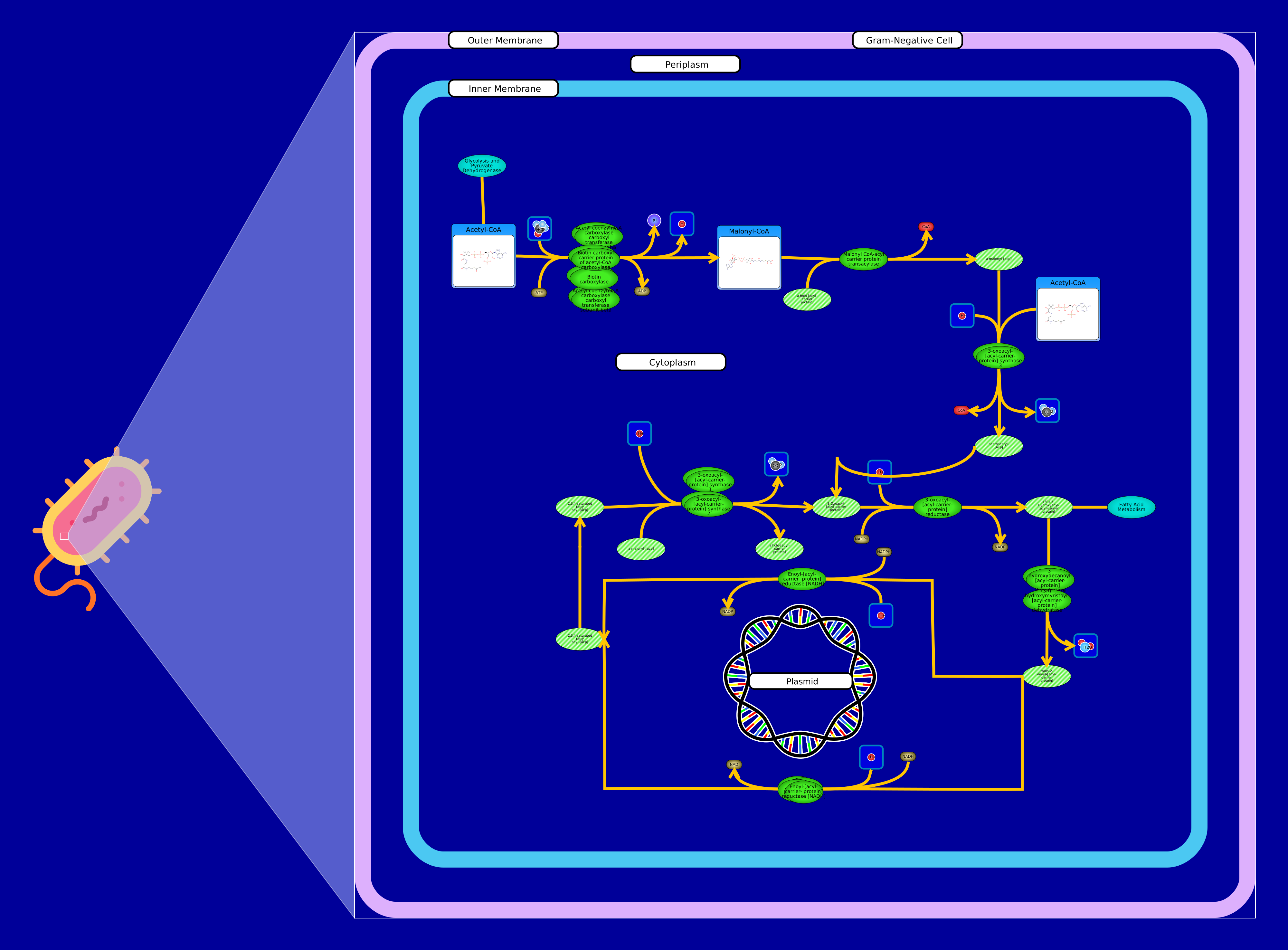 View Pathway
|
Fatty Acid Elongation (Saturated)Escherichia coli IHE3034
The fatty acid elongation pathway shows an elongation cycle of an acyl-ACP chain by adding two carbons. Acetoacetyl-acp is produced from interaction of 3-oxoacyl-acp synthase 3 with malonyl-acp and Acetyl-CoA, and then Acetoacetyl-acp produce a 3-oxoacyl acp spontaneously. 3-oxoacyl acp will undergo the cycles of the elongation. The first step is converting the oxoacyl acp into a (3R) 3-hydroxyacyl(acp) through a 3-oxoacyl[acp] reductase.This second step converts the hydroxyacyl into a trans 2 enoyl acp through a protein complex conformed of a hydroxomyristoyl dehydratase and a hydroxydecanoyl dehydratase. The third step can be reached through two different reactions with a enoyl-acp reductase, involving NADPH or NADH. This leads to the production of a 2,3,4-saturated fatty acyl acp. For the final step the 2,3,4 fatty acyl acp is turned into a oxoacyl acp through a 3-oxoacyl acp synthase protein complex. The products of multiple of the elongation cycle are phospholipids, lipoproteins (saturated fatty acids), lauric and other fatty acid-containing compounds.
|
Creator: Julia Wakoli Created On: December 23, 2024 at 11:34 Last Updated: December 23, 2024 at 11:34 |