
| PathWhiz ID | Pathway | Meta Data |
|---|---|---|
PW384290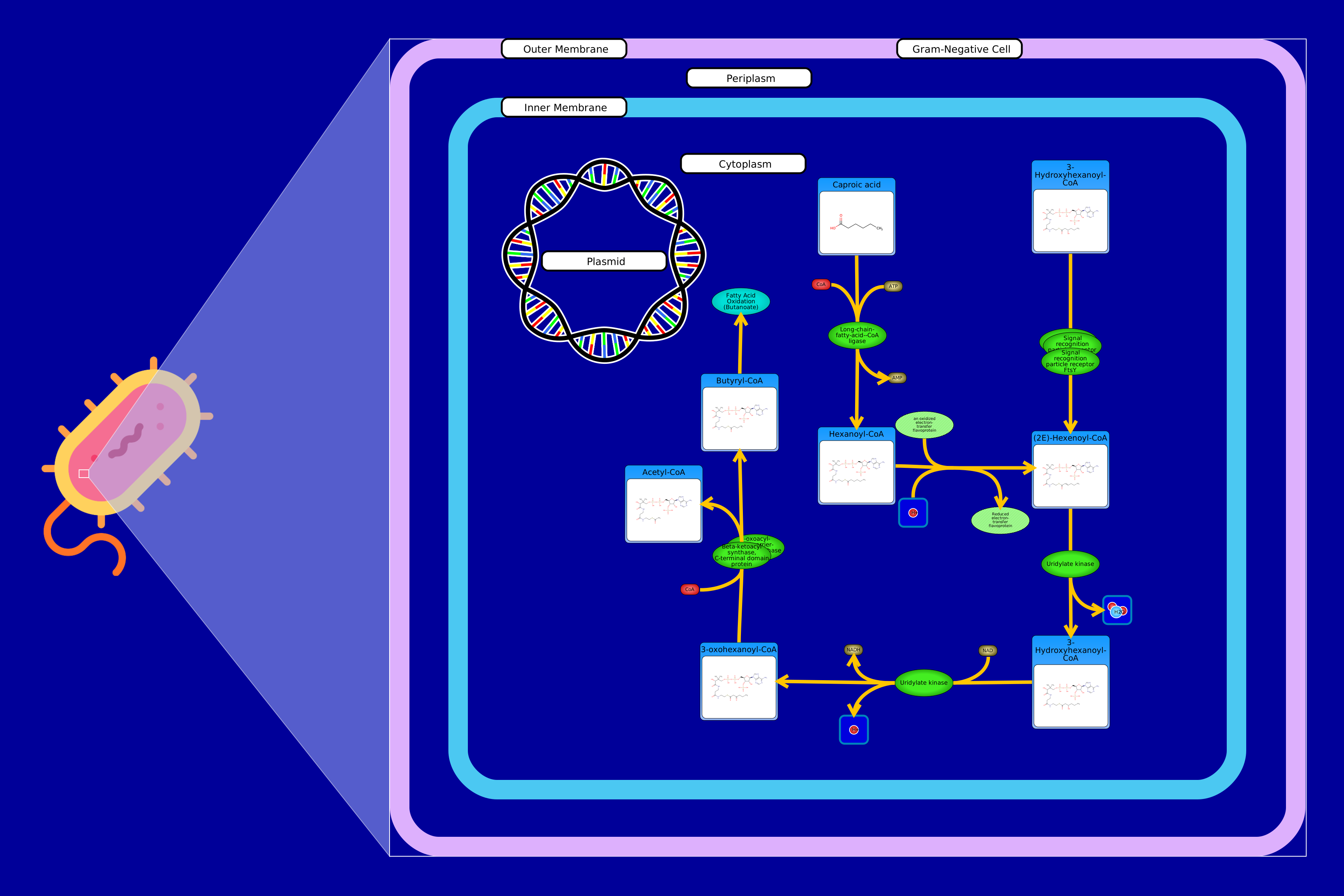 View Pathway
|
Fatty Acid Oxidation (Hexanoate)Neisseria subflava NJ9703
Fatty acid oxidation is also known as beta-oxidation. Fatty acids are an important energy source because they are anhydrous and can be reduced. Fatty acids are good sources of energy as they yield more energy than carbohydrates. The fatty acid oxidation pathway degrades fatty acids into acetyl-CoA under anaerobic and aerobic conditions. Enzymes of this pathway can process short and long chain fatty acids. The first step in the pathway is the conversion of acyl-CoA to enoyl-CoA. The pathway continues in a cycle, each turn removing two carbon atoms from the input acyl-CoA to produce acetyl-CoA. Each turn also produces NADH.
|
Creator: Julia Wakoli Created On: December 09, 2024 at 19:10 Last Updated: December 09, 2024 at 19:10 |
PW384186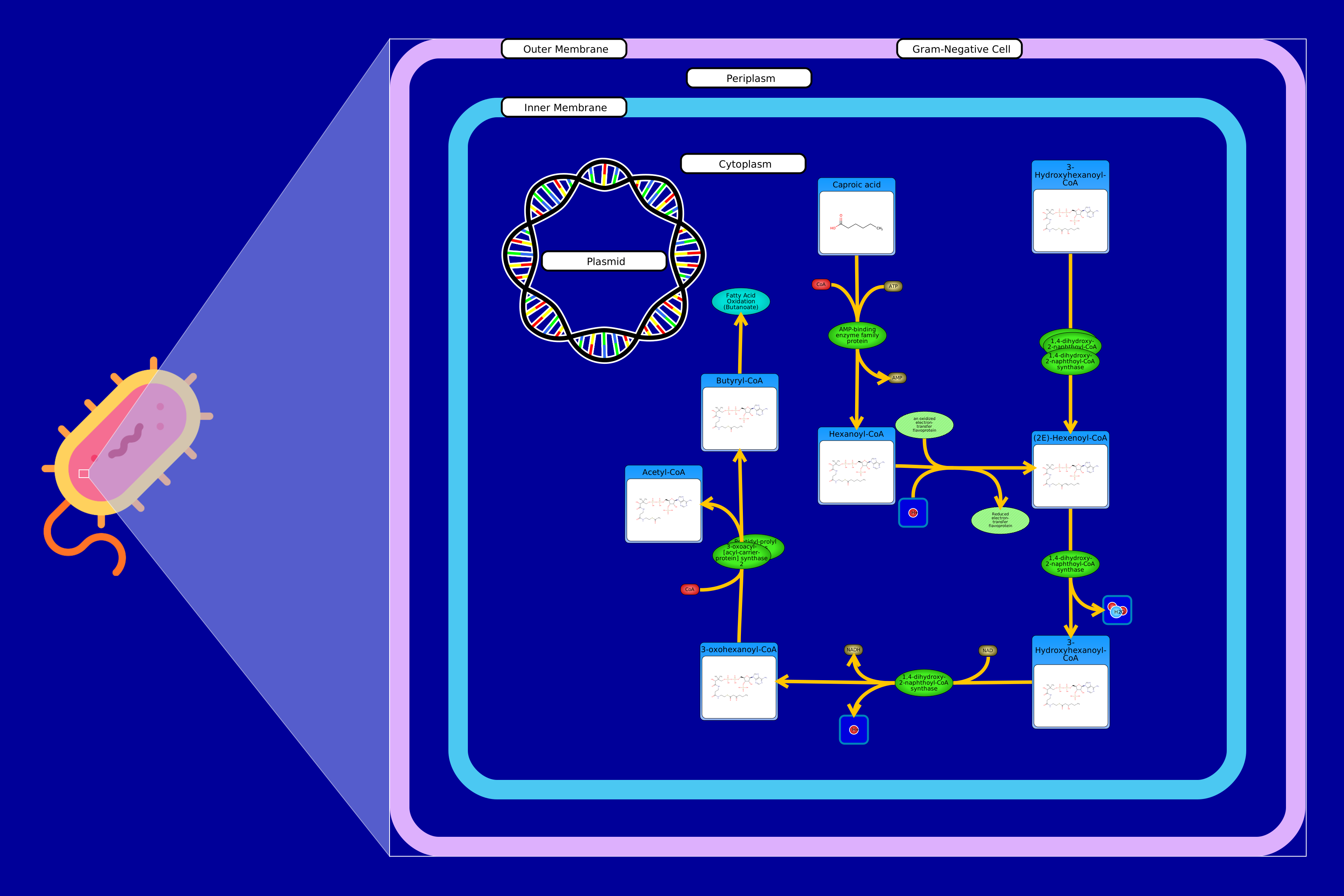 View Pathway
|
Fatty Acid Oxidation (Hexanoate)Prevotella pallens ATCC 700821
Fatty acid oxidation is also known as beta-oxidation. Fatty acids are an important energy source because they are anhydrous and can be reduced. Fatty acids are good sources of energy as they yield more energy than carbohydrates. The fatty acid oxidation pathway degrades fatty acids into acetyl-CoA under anaerobic and aerobic conditions. Enzymes of this pathway can process short and long chain fatty acids. The first step in the pathway is the conversion of acyl-CoA to enoyl-CoA. The pathway continues in a cycle, each turn removing two carbon atoms from the input acyl-CoA to produce acetyl-CoA. Each turn also produces NADH.
|
Creator: Julia Wakoli Created On: December 09, 2024 at 18:27 Last Updated: December 09, 2024 at 18:27 |
PW384295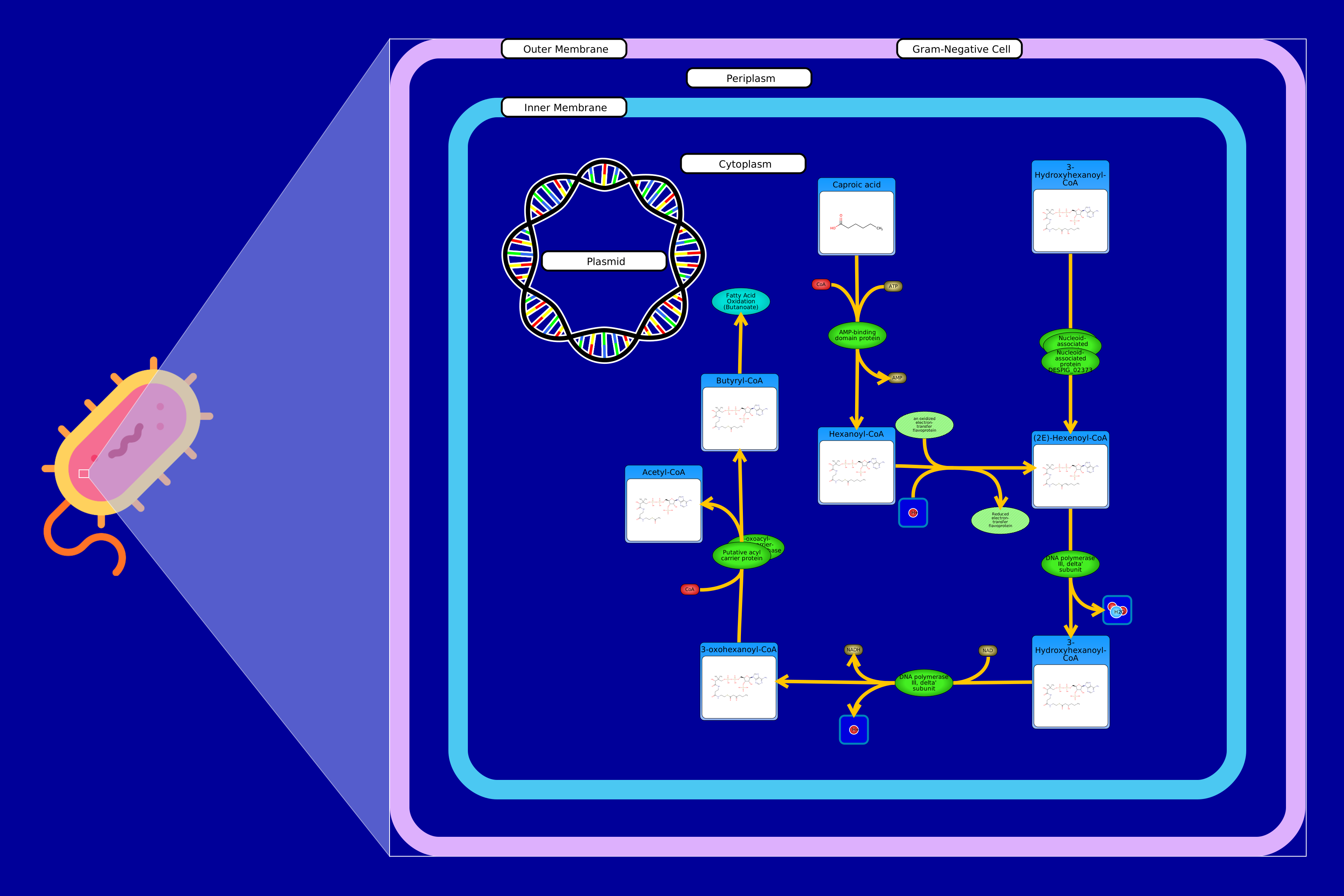 View Pathway
|
Fatty Acid Oxidation (Hexanoate)Desulfovibrio piger ATCC 29098
Fatty acid oxidation is also known as beta-oxidation. Fatty acids are an important energy source because they are anhydrous and can be reduced. Fatty acids are good sources of energy as they yield more energy than carbohydrates. The fatty acid oxidation pathway degrades fatty acids into acetyl-CoA under anaerobic and aerobic conditions. Enzymes of this pathway can process short and long chain fatty acids. The first step in the pathway is the conversion of acyl-CoA to enoyl-CoA. The pathway continues in a cycle, each turn removing two carbon atoms from the input acyl-CoA to produce acetyl-CoA. Each turn also produces NADH.
|
Creator: Julia Wakoli Created On: December 09, 2024 at 19:13 Last Updated: December 09, 2024 at 19:13 |
PW384284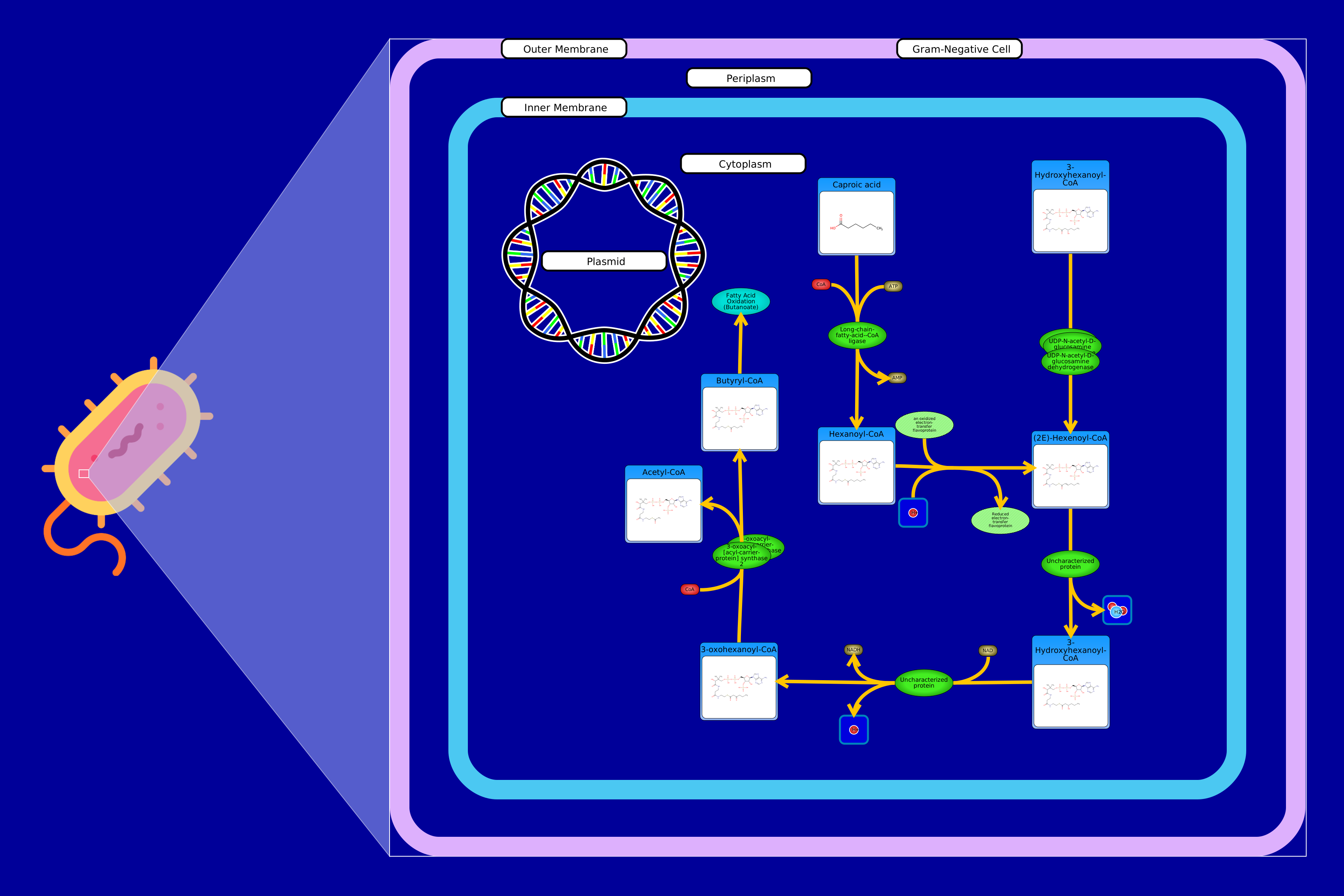 View Pathway
|
Fatty Acid Oxidation (Hexanoate)Neisseria elongata subsp. glycolytica ATCC 29315
Fatty acid oxidation is also known as beta-oxidation. Fatty acids are an important energy source because they are anhydrous and can be reduced. Fatty acids are good sources of energy as they yield more energy than carbohydrates. The fatty acid oxidation pathway degrades fatty acids into acetyl-CoA under anaerobic and aerobic conditions. Enzymes of this pathway can process short and long chain fatty acids. The first step in the pathway is the conversion of acyl-CoA to enoyl-CoA. The pathway continues in a cycle, each turn removing two carbon atoms from the input acyl-CoA to produce acetyl-CoA. Each turn also produces NADH.
|
Creator: Julia Wakoli Created On: December 09, 2024 at 19:07 Last Updated: December 09, 2024 at 19:07 |
PW384305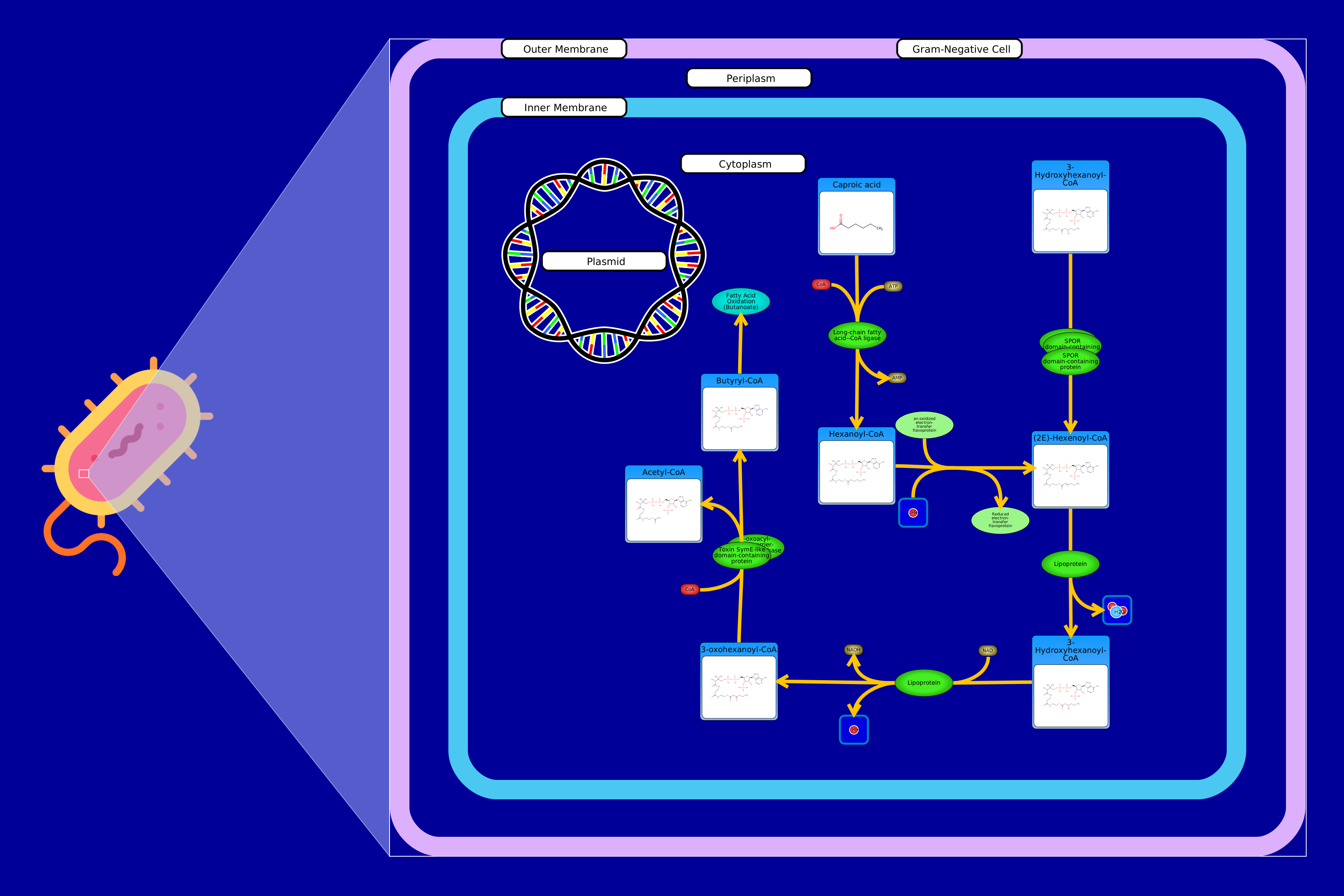 View Pathway
|
Fatty Acid Oxidation (Hexanoate)Helicobacter canadensis MIT 98-5491
Fatty acid oxidation is also known as beta-oxidation. Fatty acids are an important energy source because they are anhydrous and can be reduced. Fatty acids are good sources of energy as they yield more energy than carbohydrates. The fatty acid oxidation pathway degrades fatty acids into acetyl-CoA under anaerobic and aerobic conditions. Enzymes of this pathway can process short and long chain fatty acids. The first step in the pathway is the conversion of acyl-CoA to enoyl-CoA. The pathway continues in a cycle, each turn removing two carbon atoms from the input acyl-CoA to produce acetyl-CoA. Each turn also produces NADH.
|
Creator: Julia Wakoli Created On: December 09, 2024 at 19:18 Last Updated: December 09, 2024 at 19:18 |
PW384259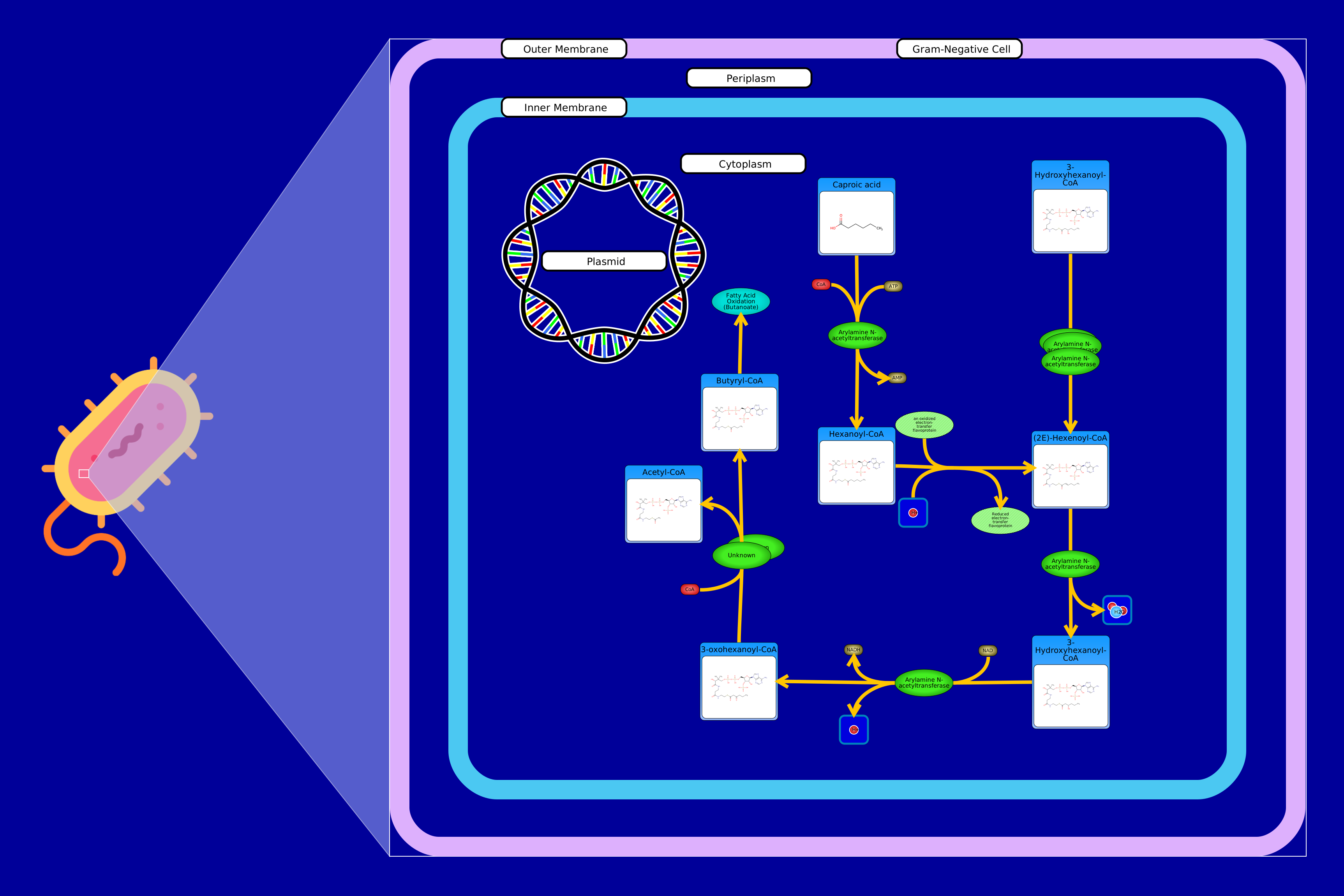 View Pathway
|
Fatty Acid Oxidation (Hexanoate)Afipia birgiae 34632
Fatty acid oxidation is also known as beta-oxidation. Fatty acids are an important energy source because they are anhydrous and can be reduced. Fatty acids are good sources of energy as they yield more energy than carbohydrates. The fatty acid oxidation pathway degrades fatty acids into acetyl-CoA under anaerobic and aerobic conditions. Enzymes of this pathway can process short and long chain fatty acids. The first step in the pathway is the conversion of acyl-CoA to enoyl-CoA. The pathway continues in a cycle, each turn removing two carbon atoms from the input acyl-CoA to produce acetyl-CoA. Each turn also produces NADH.
|
Creator: Julia Wakoli Created On: December 09, 2024 at 18:53 Last Updated: December 09, 2024 at 18:53 |
PW384227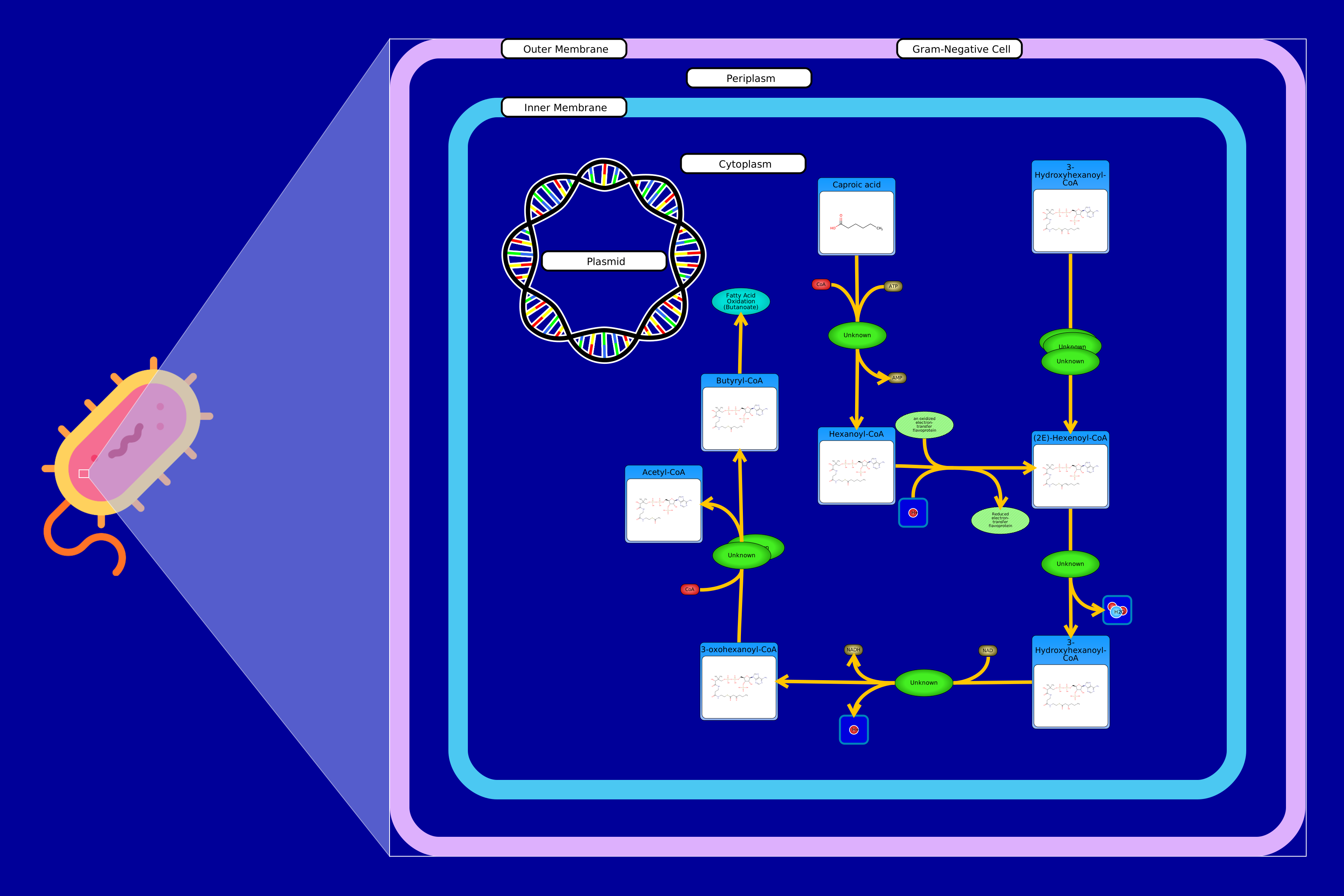 View Pathway
|
Fatty Acid Oxidation (Hexanoate)Bacteroides coprophilus DSM 18228 = JCM 13818
Fatty acid oxidation is also known as beta-oxidation. Fatty acids are an important energy source because they are anhydrous and can be reduced. Fatty acids are good sources of energy as they yield more energy than carbohydrates. The fatty acid oxidation pathway degrades fatty acids into acetyl-CoA under anaerobic and aerobic conditions. Enzymes of this pathway can process short and long chain fatty acids. The first step in the pathway is the conversion of acyl-CoA to enoyl-CoA. The pathway continues in a cycle, each turn removing two carbon atoms from the input acyl-CoA to produce acetyl-CoA. Each turn also produces NADH.
|
Creator: Julia Wakoli Created On: December 09, 2024 at 18:38 Last Updated: December 09, 2024 at 18:38 |
PW385707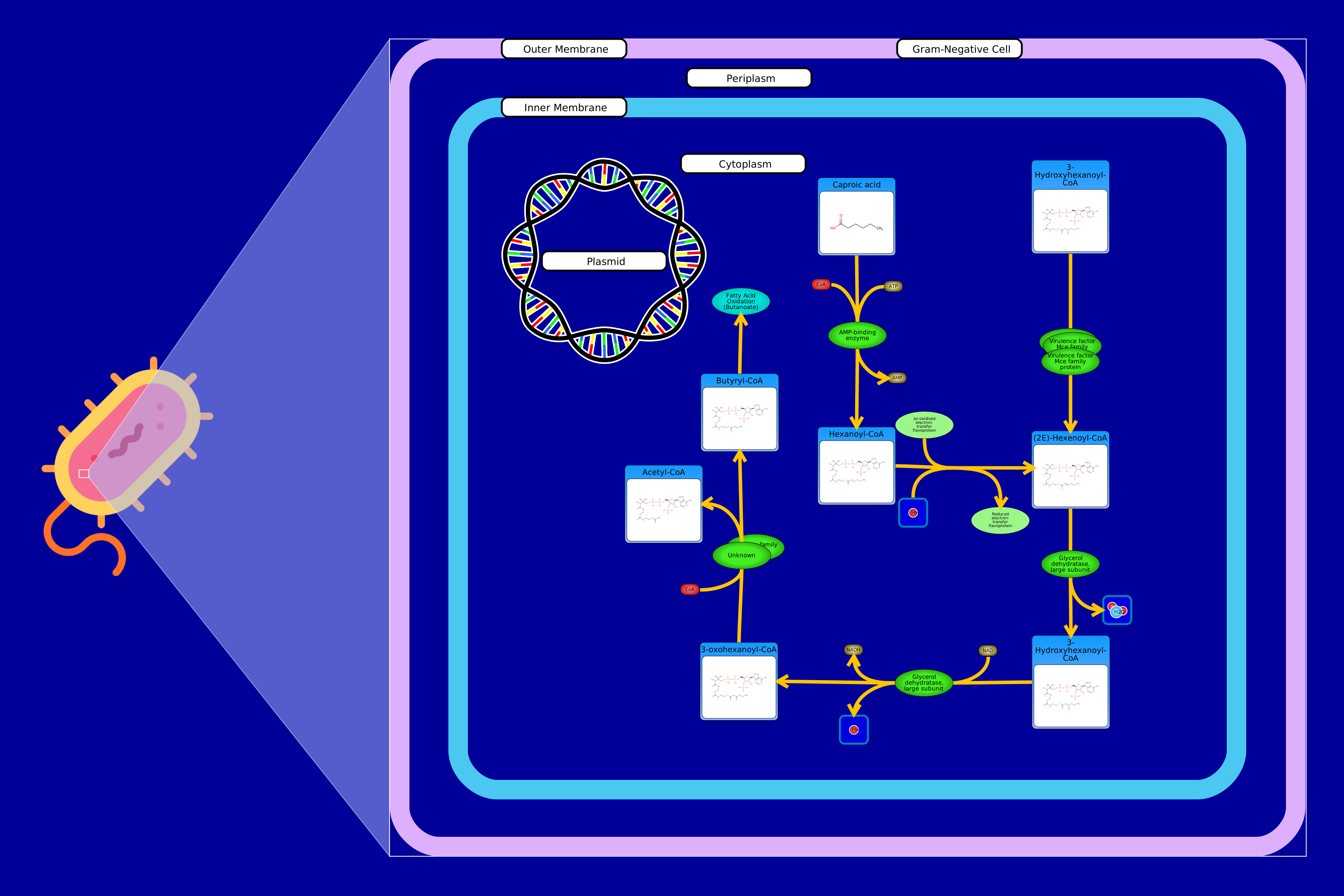 View Pathway
|
Fatty Acid Oxidation (Hexanoate)Acetomicrobium hydrogeniformans
Fatty acid oxidation is also known as beta-oxidation. Fatty acids are an important energy source because they are anhydrous and can be reduced. Fatty acids are good sources of energy as they yield more energy than carbohydrates. The fatty acid oxidation pathway degrades fatty acids into acetyl-CoA under anaerobic and aerobic conditions. Enzymes of this pathway can process short and long chain fatty acids. The first step in the pathway is the conversion of acyl-CoA to enoyl-CoA. The pathway continues in a cycle, each turn removing two carbon atoms from the input acyl-CoA to produce acetyl-CoA. Each turn also produces NADH.
|
Creator: Julia Wakoli Created On: December 10, 2024 at 12:56 Last Updated: December 10, 2024 at 12:56 |
PW684229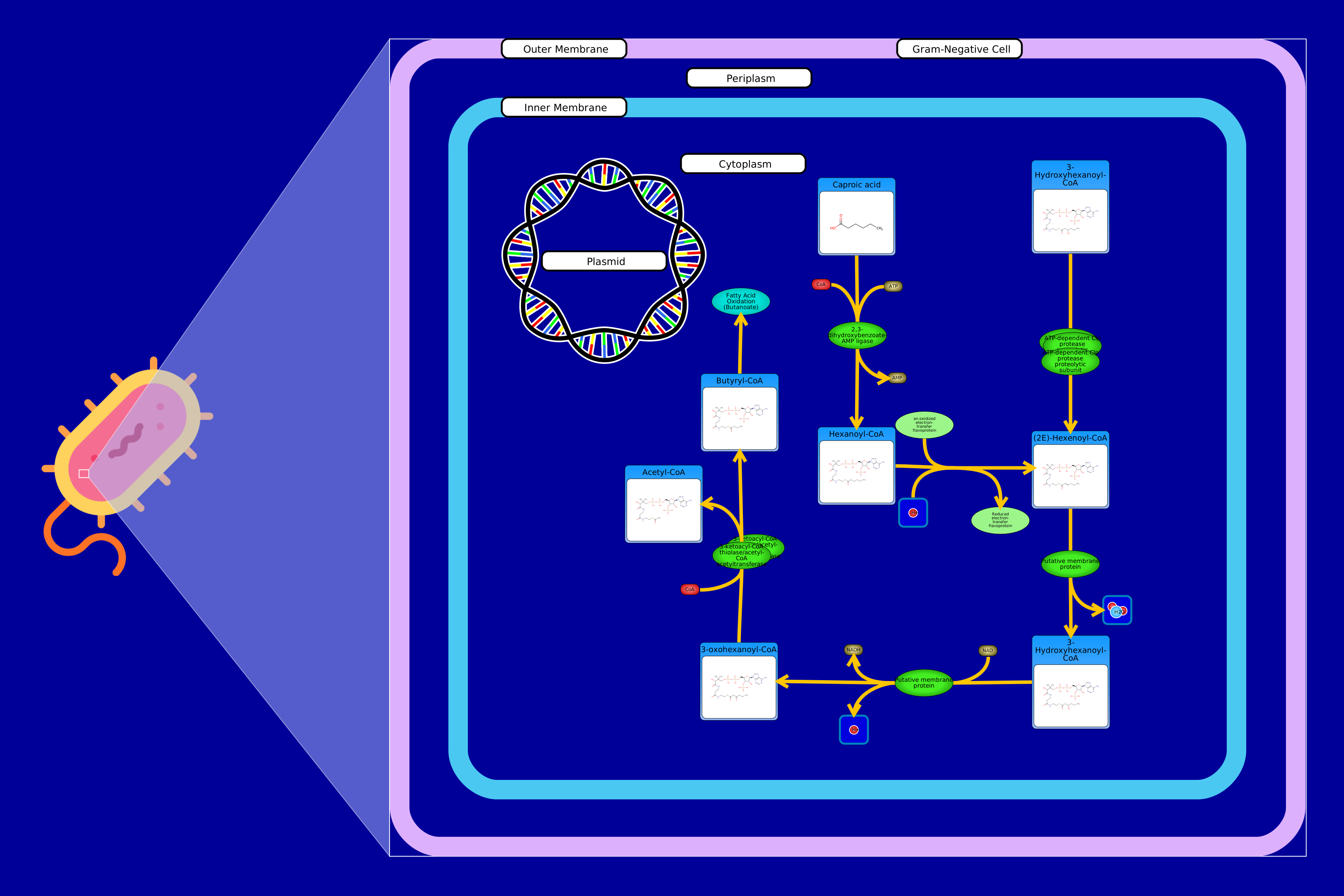 View Pathway
|
Fatty Acid Oxidation (Hexanoate)Tatumella ptyseos ATCC 33301
Fatty acid oxidation is also known as beta-oxidation. Fatty acids are an important energy source because they are anhydrous and can be reduced. Fatty acids are good sources of energy as they yield more energy than carbohydrates. The fatty acid oxidation pathway degrades fatty acids into acetyl-CoA under anaerobic and aerobic conditions. Enzymes of this pathway can process short and long chain fatty acids. The first step in the pathway is the conversion of acyl-CoA to enoyl-CoA. The pathway continues in a cycle, each turn removing two carbon atoms from the input acyl-CoA to produce acetyl-CoA. Each turn also produces NADH.
|
Creator: Julia Wakoli Created On: December 09, 2024 at 19:35 Last Updated: December 09, 2024 at 19:35 |
PW384366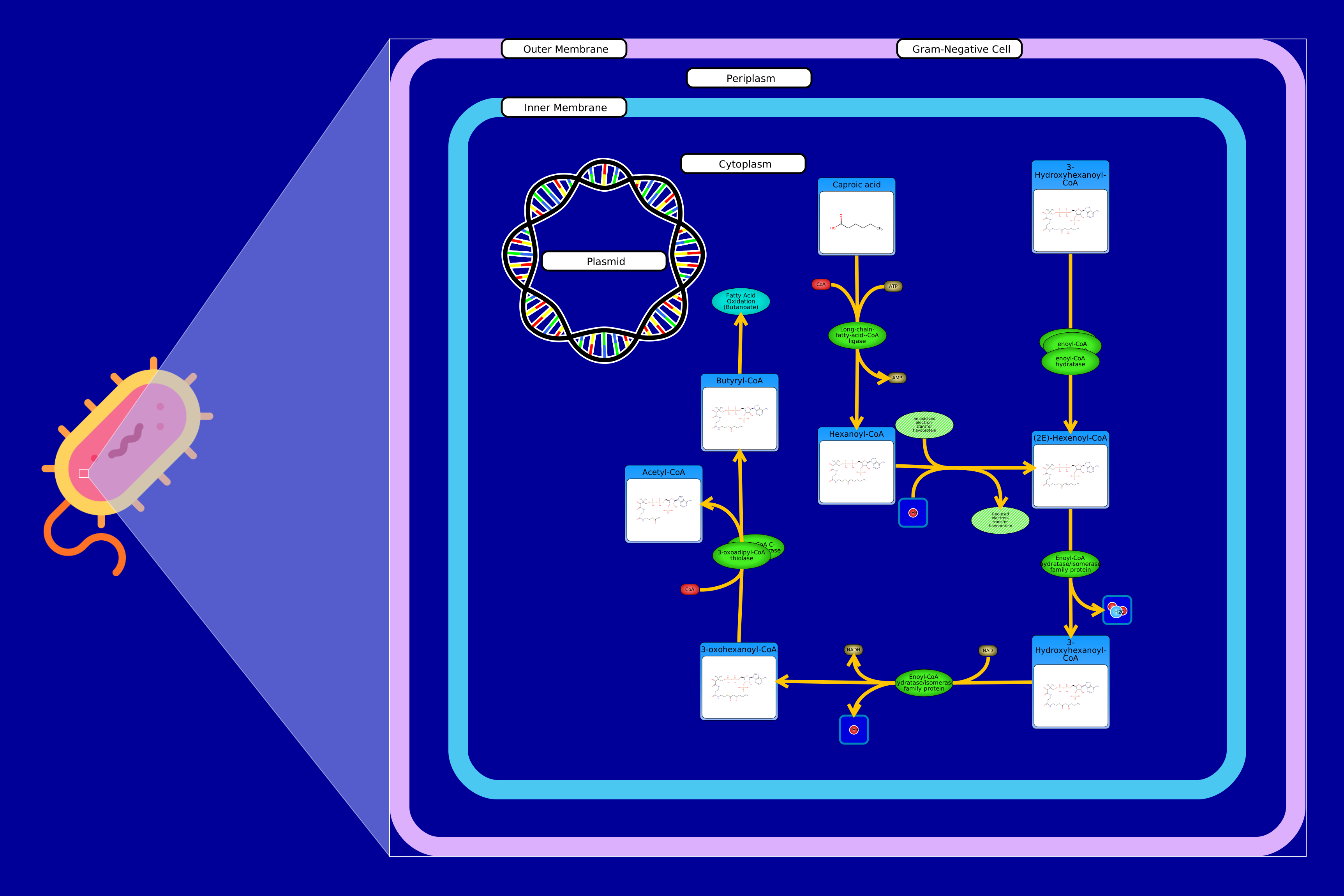 View Pathway
|
Fatty Acid Oxidation (Hexanoate)Acinetobacter junii SH205
Fatty acid oxidation is also known as beta-oxidation. Fatty acids are an important energy source because they are anhydrous and can be reduced. Fatty acids are good sources of energy as they yield more energy than carbohydrates. The fatty acid oxidation pathway degrades fatty acids into acetyl-CoA under anaerobic and aerobic conditions. Enzymes of this pathway can process short and long chain fatty acids. The first step in the pathway is the conversion of acyl-CoA to enoyl-CoA. The pathway continues in a cycle, each turn removing two carbon atoms from the input acyl-CoA to produce acetyl-CoA. Each turn also produces NADH.
|
Creator: Julia Wakoli Created On: December 09, 2024 at 19:50 Last Updated: December 09, 2024 at 19:50 |