
| PathWhiz ID | Pathway | Meta Data |
|---|---|---|
PW385321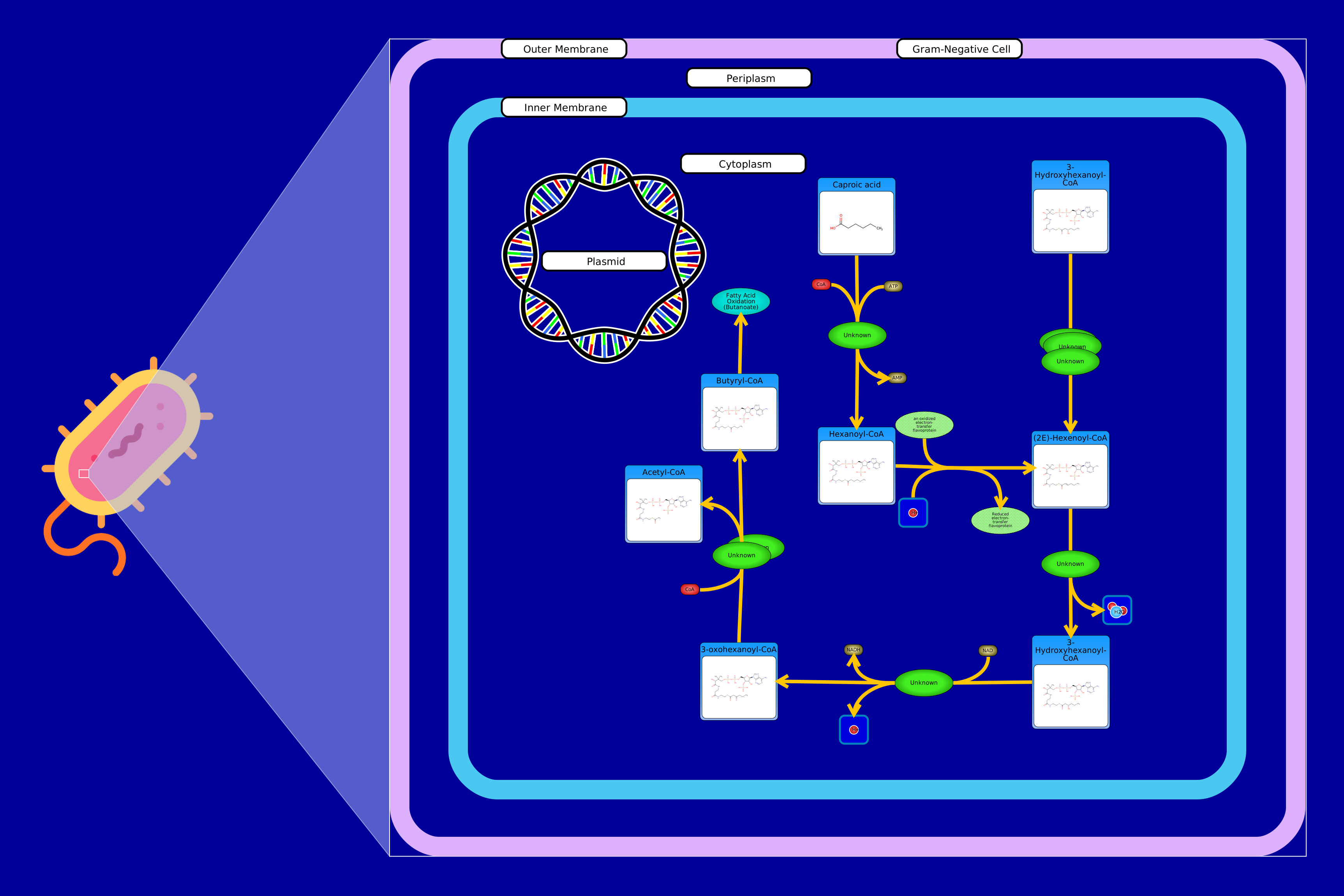 View Pathway
|
Fatty Acid Oxidation (Hexanoate)Escherichia coli UMN026
Fatty acid oxidation is also known as beta-oxidation. Fatty acids are an important energy source because they are anhydrous and can be reduced. Fatty acids are good sources of energy as they yield more energy than carbohydrates. The fatty acid oxidation pathway degrades fatty acids into acetyl-CoA under anaerobic and aerobic conditions. Enzymes of this pathway can process short and long chain fatty acids. The first step in the pathway is the conversion of acyl-CoA to enoyl-CoA. The pathway continues in a cycle, each turn removing two carbon atoms from the input acyl-CoA to produce acetyl-CoA. Each turn also produces NADH.
|
Creator: Julia Wakoli Created On: December 10, 2024 at 11:01 Last Updated: December 10, 2024 at 11:01 |
PW385383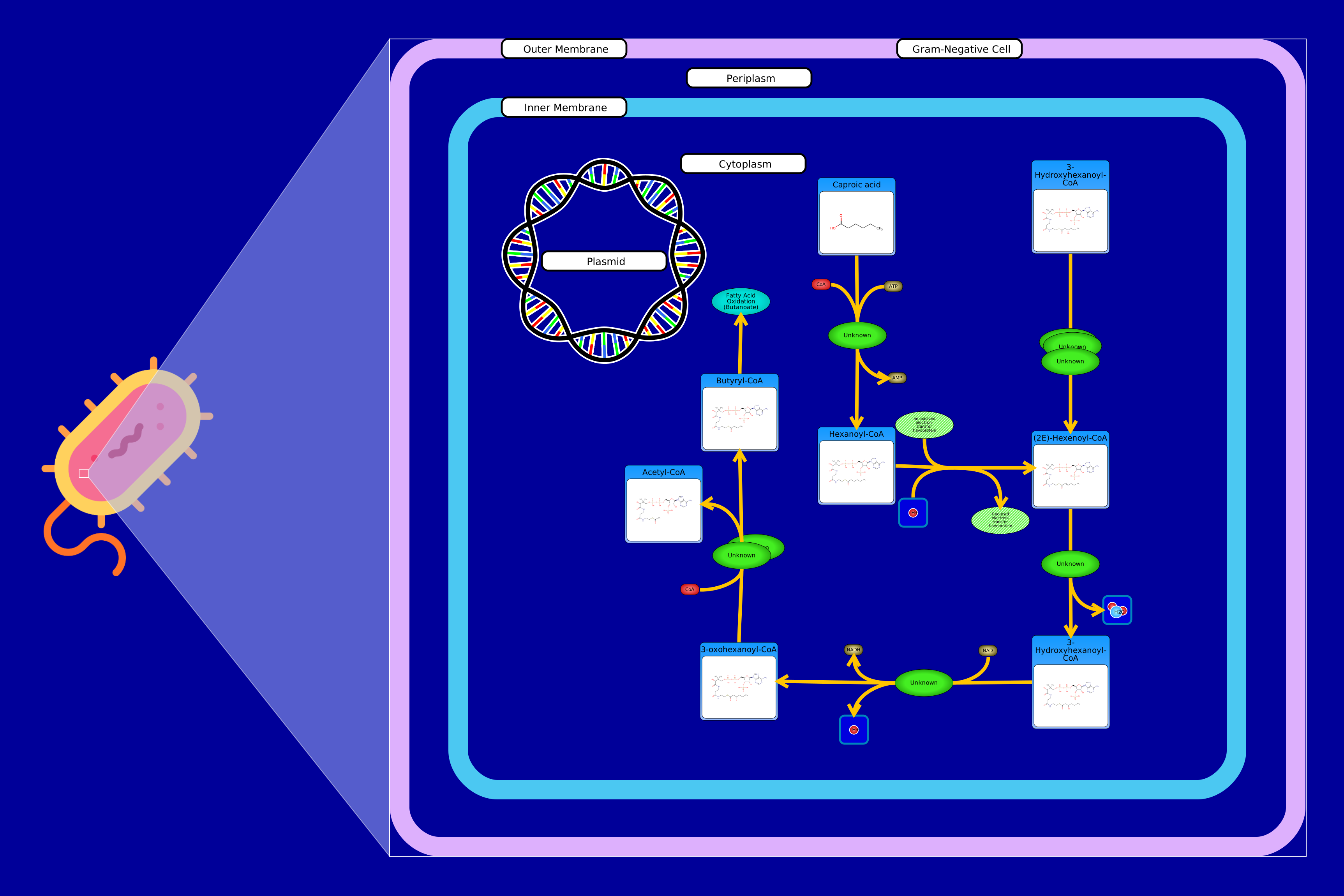 View Pathway
|
Fatty Acid Oxidation (Hexanoate)Escherichia coli 042
Fatty acid oxidation is also known as beta-oxidation. Fatty acids are an important energy source because they are anhydrous and can be reduced. Fatty acids are good sources of energy as they yield more energy than carbohydrates. The fatty acid oxidation pathway degrades fatty acids into acetyl-CoA under anaerobic and aerobic conditions. Enzymes of this pathway can process short and long chain fatty acids. The first step in the pathway is the conversion of acyl-CoA to enoyl-CoA. The pathway continues in a cycle, each turn removing two carbon atoms from the input acyl-CoA to produce acetyl-CoA. Each turn also produces NADH.
|
Creator: Julia Wakoli Created On: December 10, 2024 at 11:19 Last Updated: December 10, 2024 at 11:19 |
PW385319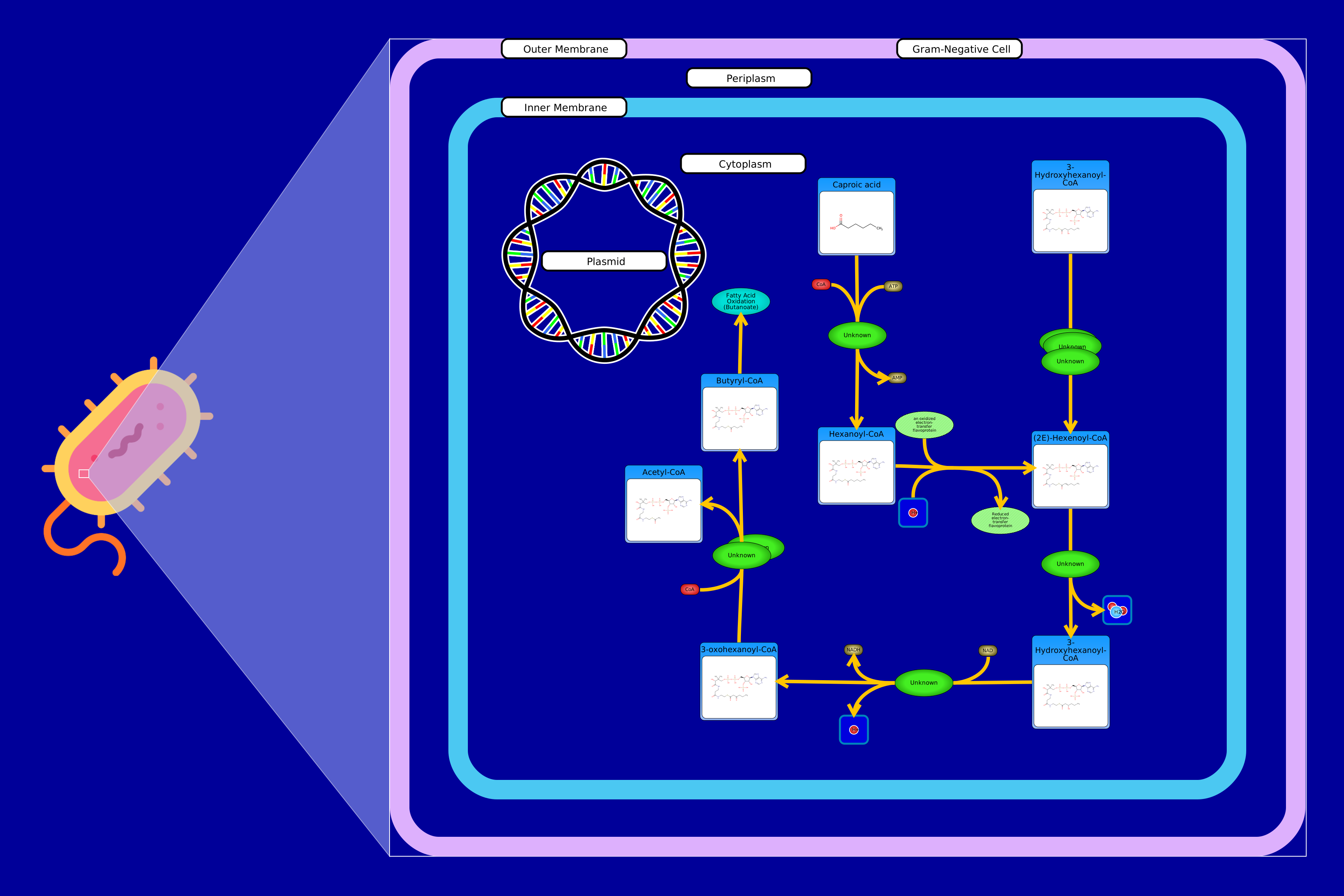 View Pathway
|
Fatty Acid Oxidation (Hexanoate)Escherichia coli O157:H7 str. EC4115
Fatty acid oxidation is also known as beta-oxidation. Fatty acids are an important energy source because they are anhydrous and can be reduced. Fatty acids are good sources of energy as they yield more energy than carbohydrates. The fatty acid oxidation pathway degrades fatty acids into acetyl-CoA under anaerobic and aerobic conditions. Enzymes of this pathway can process short and long chain fatty acids. The first step in the pathway is the conversion of acyl-CoA to enoyl-CoA. The pathway continues in a cycle, each turn removing two carbon atoms from the input acyl-CoA to produce acetyl-CoA. Each turn also produces NADH.
|
Creator: Julia Wakoli Created On: December 10, 2024 at 11:00 Last Updated: December 10, 2024 at 11:00 |
PW385333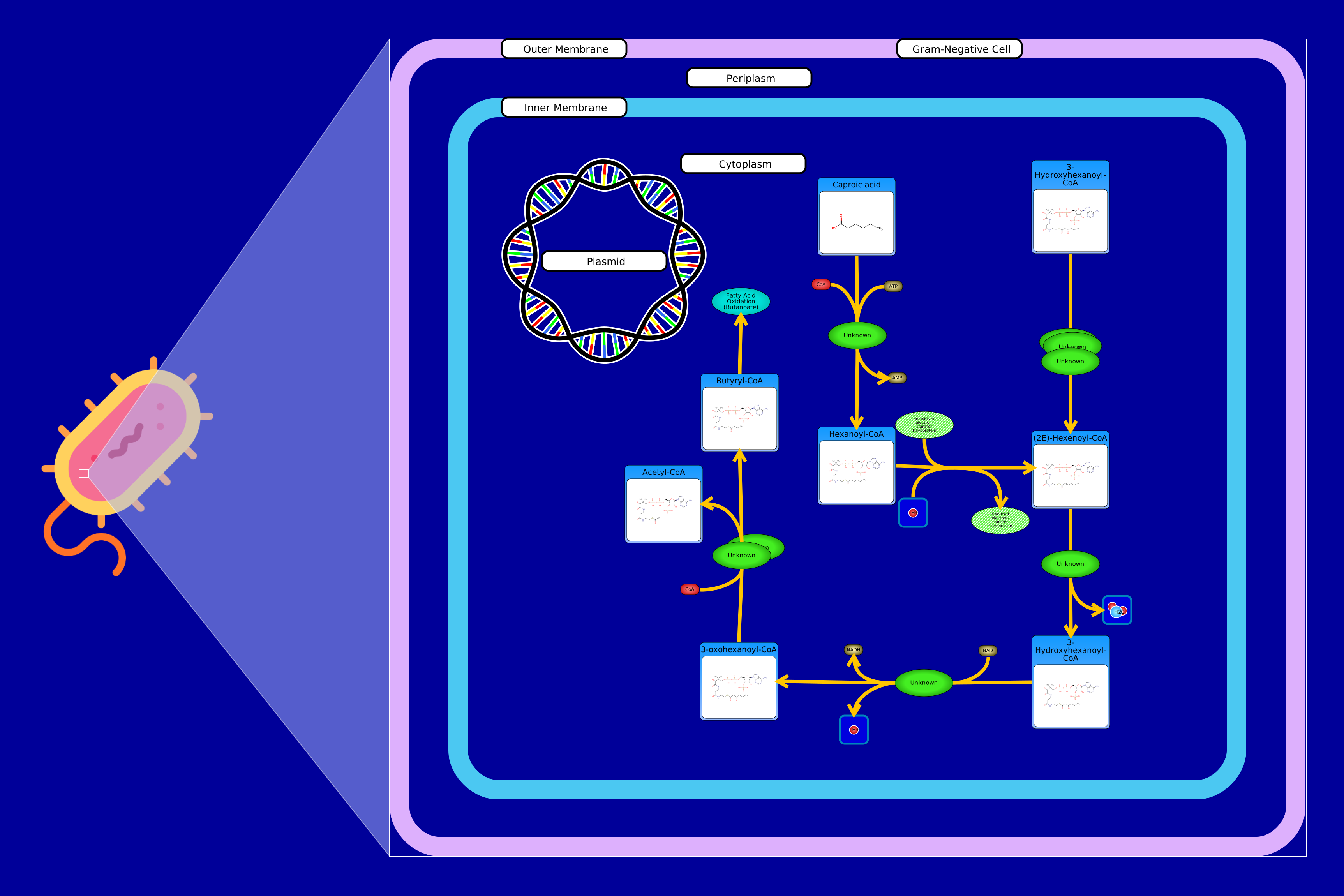 View Pathway
|
Fatty Acid Oxidation (Hexanoate)Escherichia coli O157:H7 str. TW14359
Fatty acid oxidation is also known as beta-oxidation. Fatty acids are an important energy source because they are anhydrous and can be reduced. Fatty acids are good sources of energy as they yield more energy than carbohydrates. The fatty acid oxidation pathway degrades fatty acids into acetyl-CoA under anaerobic and aerobic conditions. Enzymes of this pathway can process short and long chain fatty acids. The first step in the pathway is the conversion of acyl-CoA to enoyl-CoA. The pathway continues in a cycle, each turn removing two carbon atoms from the input acyl-CoA to produce acetyl-CoA. Each turn also produces NADH.
|
Creator: Julia Wakoli Created On: December 10, 2024 at 11:04 Last Updated: December 10, 2024 at 11:04 |
PW385340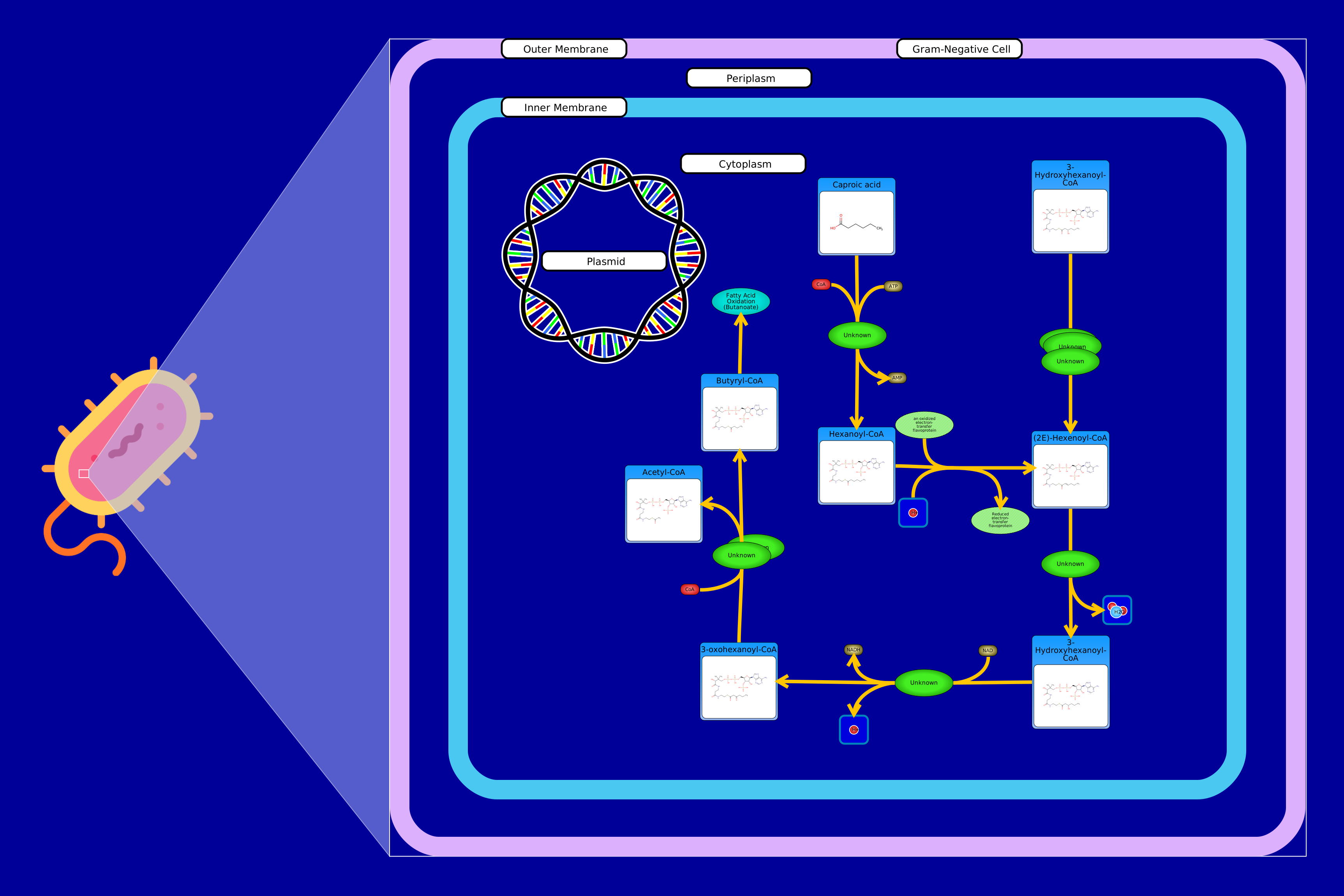 View Pathway
|
Fatty Acid Oxidation (Hexanoate)Escherichia coli O111:H- str. 11128
Fatty acid oxidation is also known as beta-oxidation. Fatty acids are an important energy source because they are anhydrous and can be reduced. Fatty acids are good sources of energy as they yield more energy than carbohydrates. The fatty acid oxidation pathway degrades fatty acids into acetyl-CoA under anaerobic and aerobic conditions. Enzymes of this pathway can process short and long chain fatty acids. The first step in the pathway is the conversion of acyl-CoA to enoyl-CoA. The pathway continues in a cycle, each turn removing two carbon atoms from the input acyl-CoA to produce acetyl-CoA. Each turn also produces NADH.
|
Creator: Julia Wakoli Created On: December 10, 2024 at 11:06 Last Updated: December 10, 2024 at 11:06 |
PW122656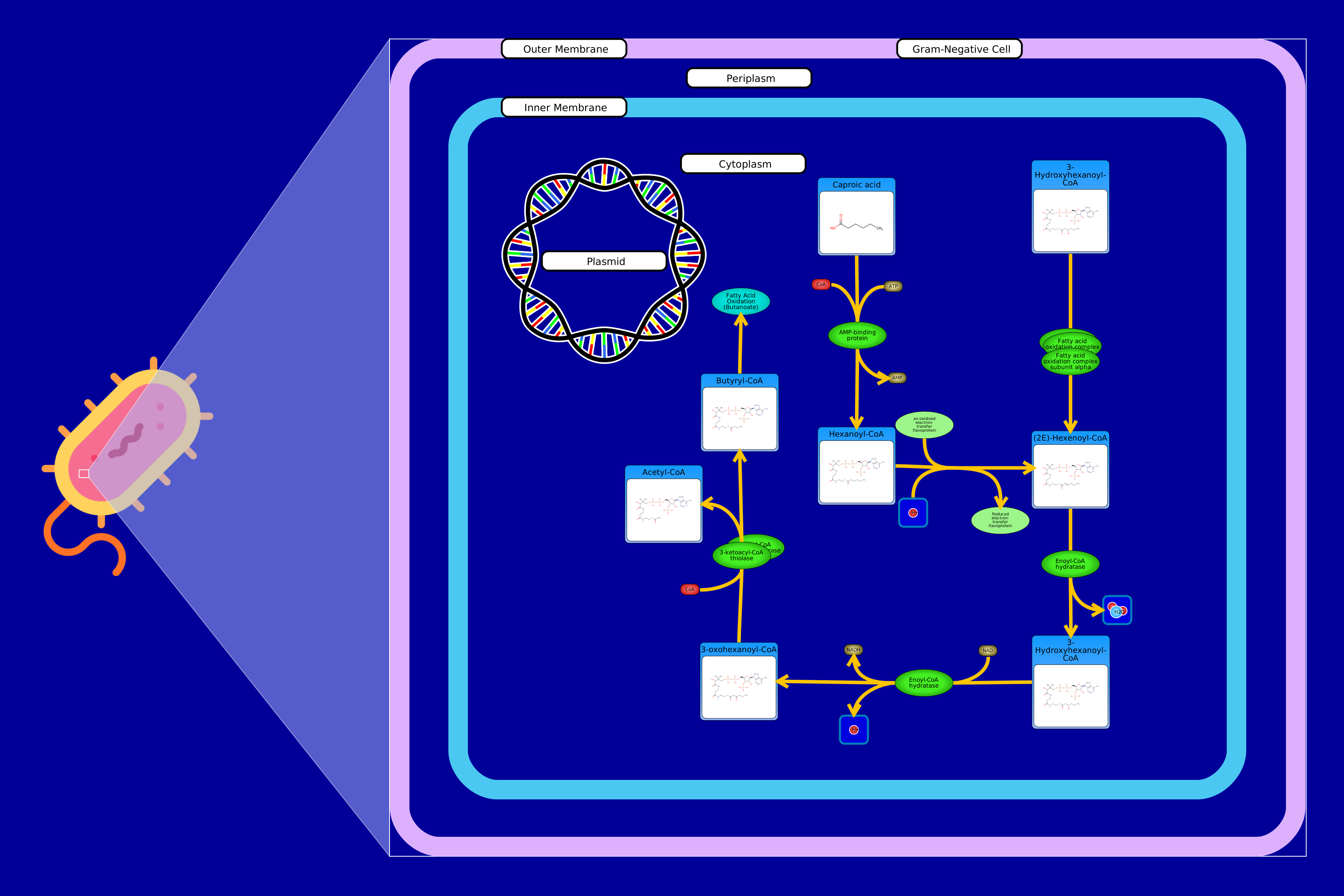 View Pathway
|
Fatty Acid Oxidation (Hexanoate)Pseudomonas aeruginosa
Fatty acid oxidation is also known as beta-oxidation. Fatty acids are an important energy source because they are anhydrous and can be reduced. Fatty acids are good sources of energy as they yield more energy than carbohydrates. The fatty acid oxidation pathway degrades fatty acids into acetyl-CoA under anaerobic and aerobic conditions. Enzymes of this pathway can process short and long chain fatty acids. The first step in the pathway is the conversion of acyl-CoA to enoyl-CoA. The pathway continues in a cycle, each turn removing two carbon atoms from the input acyl-CoA to produce acetyl-CoA. Each turn also produces NADH.
|
Creator: Ana Marcu Created On: August 12, 2019 at 18:38 Last Updated: August 12, 2019 at 18:38 |
PW384126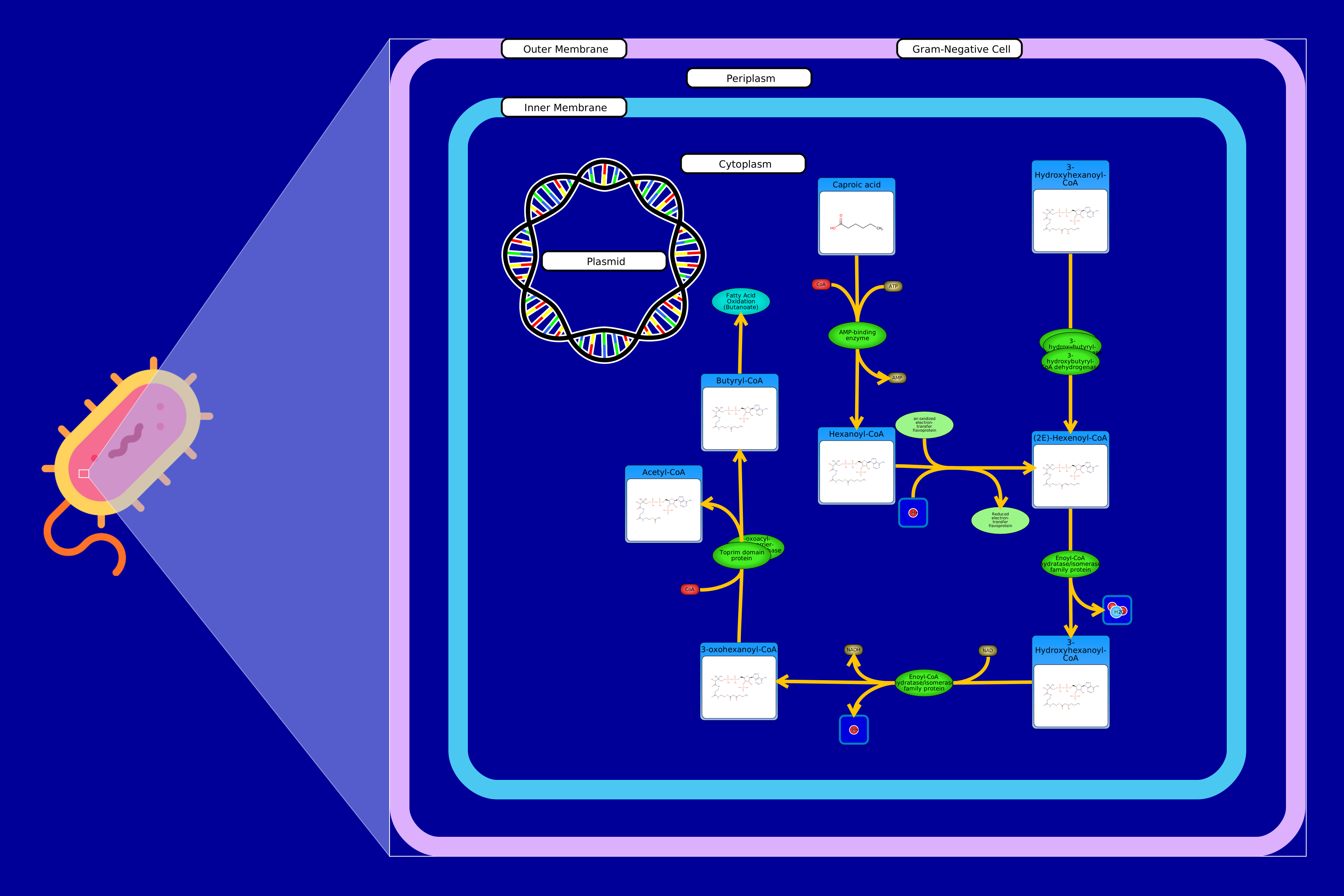 View Pathway
|
Fatty Acid Oxidation (Hexanoate)Porphyromonas uenonis 60-3
Fatty acid oxidation is also known as beta-oxidation. Fatty acids are an important energy source because they are anhydrous and can be reduced. Fatty acids are good sources of energy as they yield more energy than carbohydrates. The fatty acid oxidation pathway degrades fatty acids into acetyl-CoA under anaerobic and aerobic conditions. Enzymes of this pathway can process short and long chain fatty acids. The first step in the pathway is the conversion of acyl-CoA to enoyl-CoA. The pathway continues in a cycle, each turn removing two carbon atoms from the input acyl-CoA to produce acetyl-CoA. Each turn also produces NADH.
|
Creator: Julia Wakoli Created On: December 09, 2024 at 18:12 Last Updated: December 09, 2024 at 18:12 |
PW384169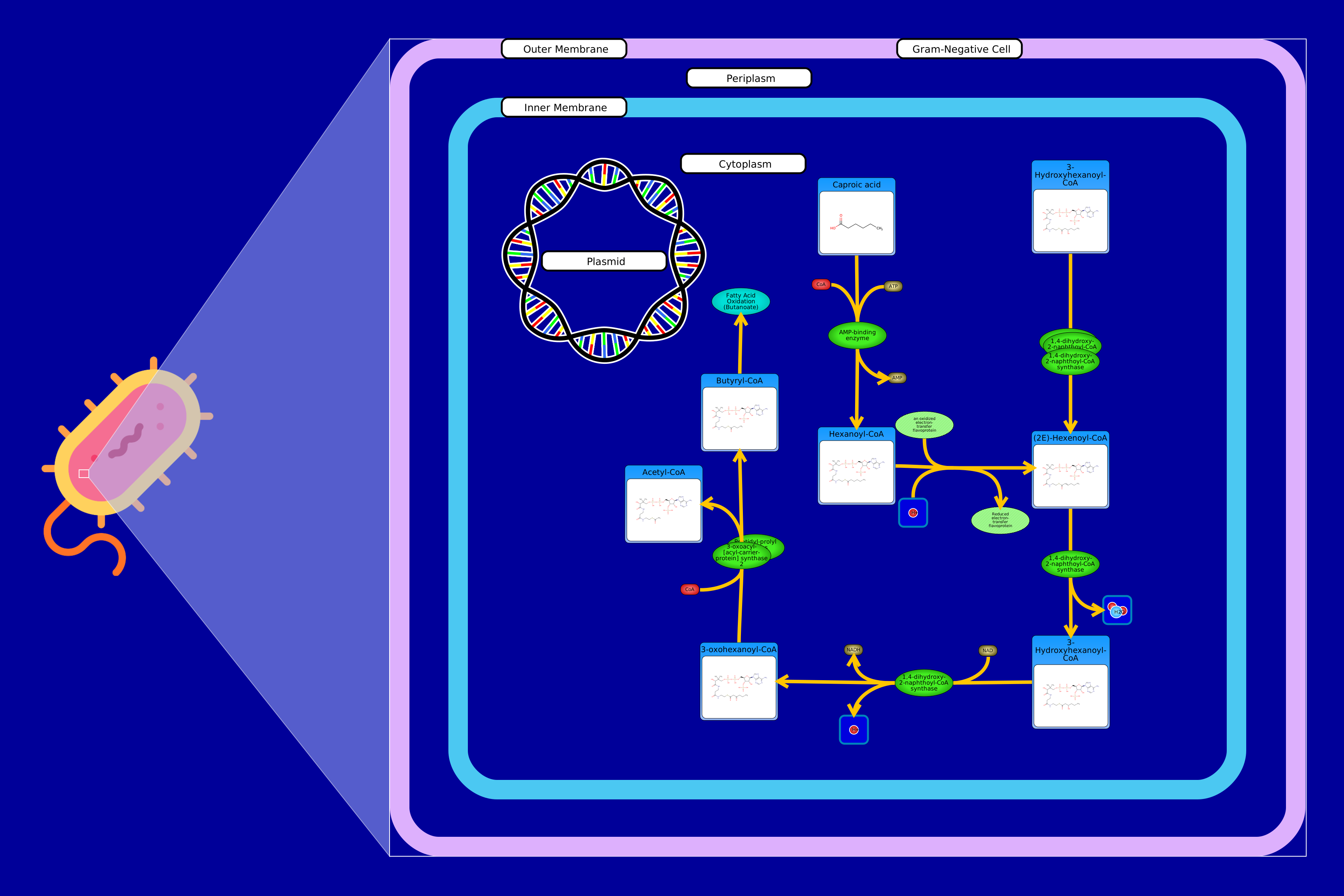 View Pathway
|
Fatty Acid Oxidation (Hexanoate)Prevotella disiens FB035-09AN
Fatty acid oxidation is also known as beta-oxidation. Fatty acids are an important energy source because they are anhydrous and can be reduced. Fatty acids are good sources of energy as they yield more energy than carbohydrates. The fatty acid oxidation pathway degrades fatty acids into acetyl-CoA under anaerobic and aerobic conditions. Enzymes of this pathway can process short and long chain fatty acids. The first step in the pathway is the conversion of acyl-CoA to enoyl-CoA. The pathway continues in a cycle, each turn removing two carbon atoms from the input acyl-CoA to produce acetyl-CoA. Each turn also produces NADH.
|
Creator: Julia Wakoli Created On: December 09, 2024 at 18:23 Last Updated: December 09, 2024 at 18:23 |
PW684209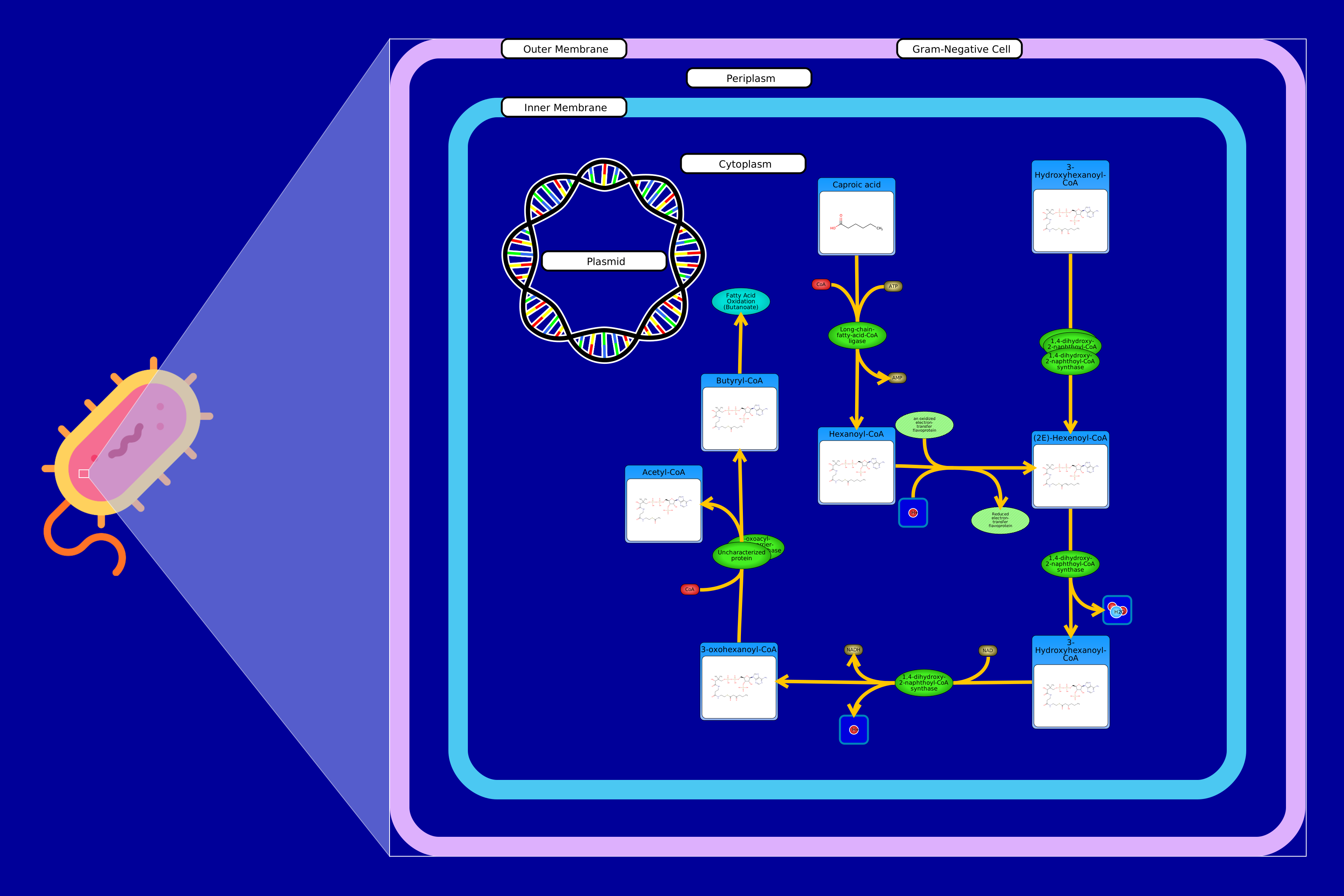 View Pathway
|
Fatty Acid Oxidation (Hexanoate)Bacteroides graminisolvens DSM 19988 = JCM 15093
Fatty acid oxidation is also known as beta-oxidation. Fatty acids are an important energy source because they are anhydrous and can be reduced. Fatty acids are good sources of energy as they yield more energy than carbohydrates. The fatty acid oxidation pathway degrades fatty acids into acetyl-CoA under anaerobic and aerobic conditions. Enzymes of this pathway can process short and long chain fatty acids. The first step in the pathway is the conversion of acyl-CoA to enoyl-CoA. The pathway continues in a cycle, each turn removing two carbon atoms from the input acyl-CoA to produce acetyl-CoA. Each turn also produces NADH.
|
Creator: Julia Wakoli Created On: December 09, 2024 at 17:50 Last Updated: December 09, 2024 at 17:50 |
PW383577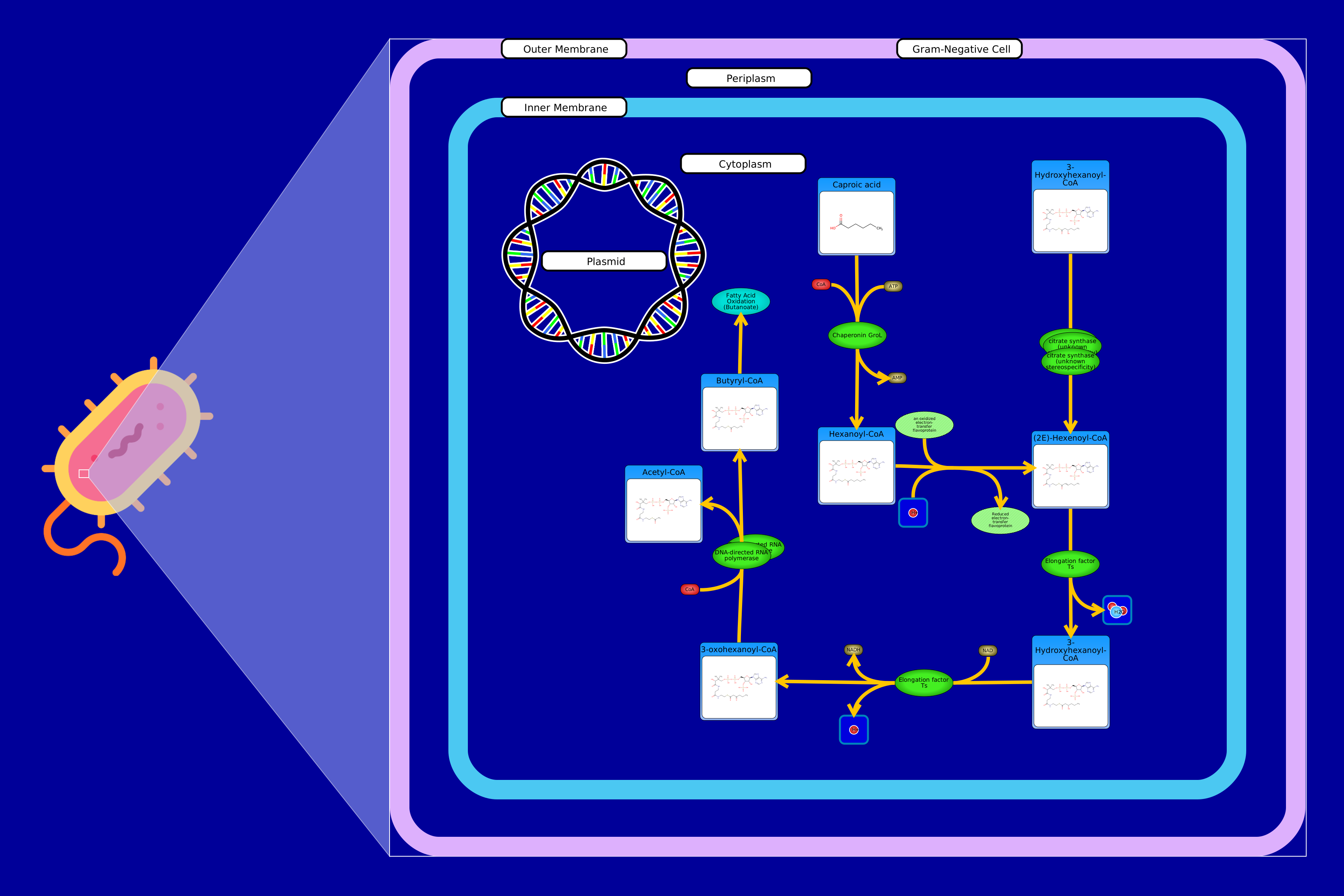 View Pathway
|
Fatty Acid Oxidation (Hexanoate)Aeromonas media WS
Fatty acid oxidation is also known as beta-oxidation. Fatty acids are an important energy source because they are anhydrous and can be reduced. Fatty acids are good sources of energy as they yield more energy than carbohydrates. The fatty acid oxidation pathway degrades fatty acids into acetyl-CoA under anaerobic and aerobic conditions. Enzymes of this pathway can process short and long chain fatty acids. The first step in the pathway is the conversion of acyl-CoA to enoyl-CoA. The pathway continues in a cycle, each turn removing two carbon atoms from the input acyl-CoA to produce acetyl-CoA. Each turn also produces NADH.
|
Creator: Julia Wakoli Created On: December 09, 2024 at 15:47 Last Updated: December 09, 2024 at 15:47 |