
| PathWhiz ID | Pathway | Meta Data |
|---|---|---|
PW380765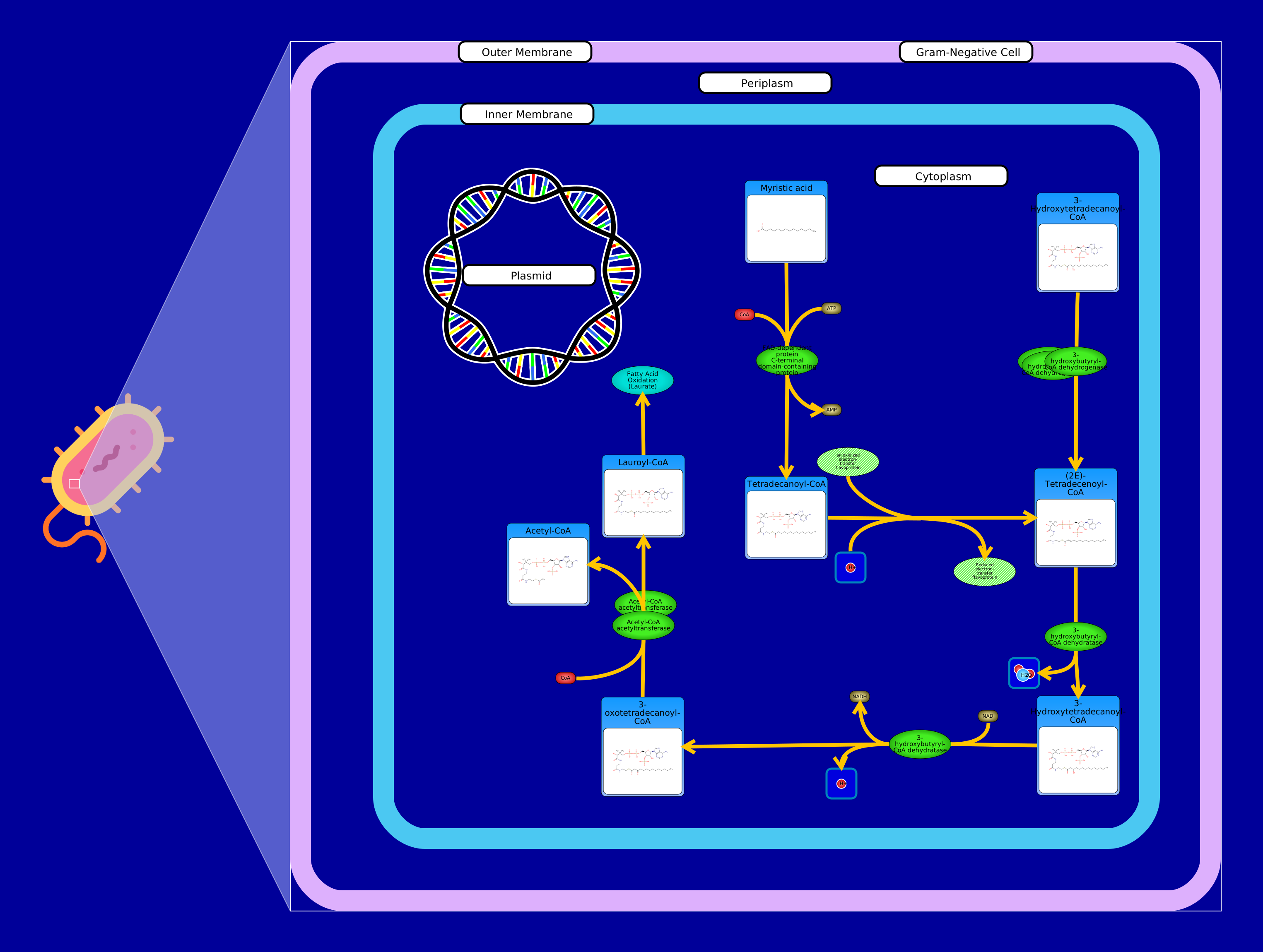 View Pathway
|
Fatty Acid Oxidation (Myristate)[Clostridium] innocuum 2959
Fatty acid oxidation is also known as beta-oxidation. Fatty acids are an important energy source because they are anhydrous and can be reduced. Fatty acids are good sources of energy as they yield more energy than carbohydrates. The fatty acid oxidation pathway degrades fatty acids into acetyl-CoA under anaerobic and aerobic conditions. Enzymes of this pathway can process short and long chain fatty acids. The first step in the pathway is the conversion of acyl-CoA to enoyl-CoA. The pathway continues in a cycle, each turn removing two carbon atoms from the input acyl-CoA to produce acetyl-CoA. Each turn also produces NADH.
|
Creator: Julia Wakoli Created On: December 06, 2024 at 19:22 Last Updated: December 06, 2024 at 19:22 |
PW380758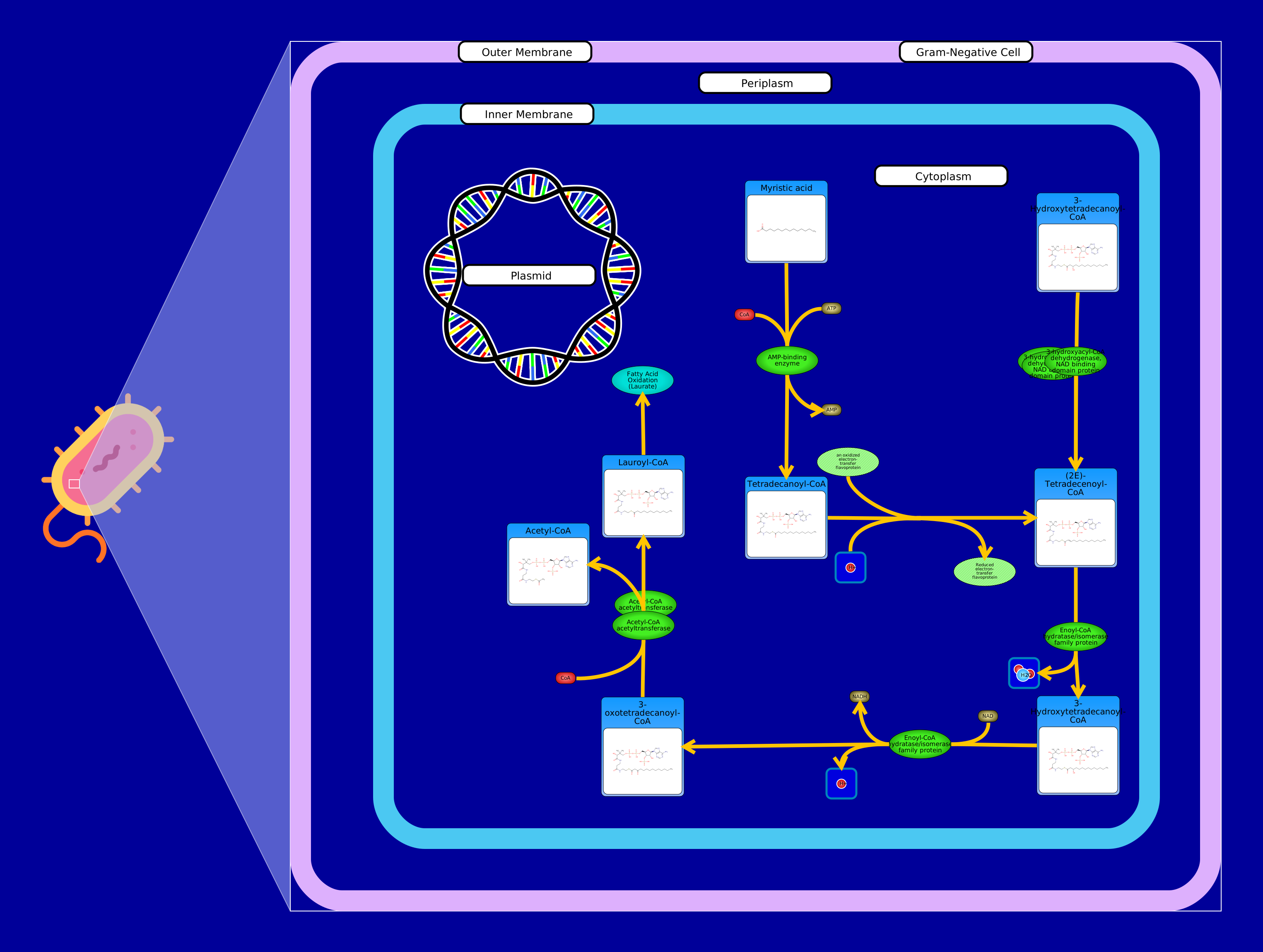 View Pathway
|
Fatty Acid Oxidation (Myristate)Roseburia inulinivorans DSM 16841
Fatty acid oxidation is also known as beta-oxidation. Fatty acids are an important energy source because they are anhydrous and can be reduced. Fatty acids are good sources of energy as they yield more energy than carbohydrates. The fatty acid oxidation pathway degrades fatty acids into acetyl-CoA under anaerobic and aerobic conditions. Enzymes of this pathway can process short and long chain fatty acids. The first step in the pathway is the conversion of acyl-CoA to enoyl-CoA. The pathway continues in a cycle, each turn removing two carbon atoms from the input acyl-CoA to produce acetyl-CoA. Each turn also produces NADH.
|
Creator: Julia Wakoli Created On: December 06, 2024 at 19:15 Last Updated: December 06, 2024 at 19:15 |
PW380619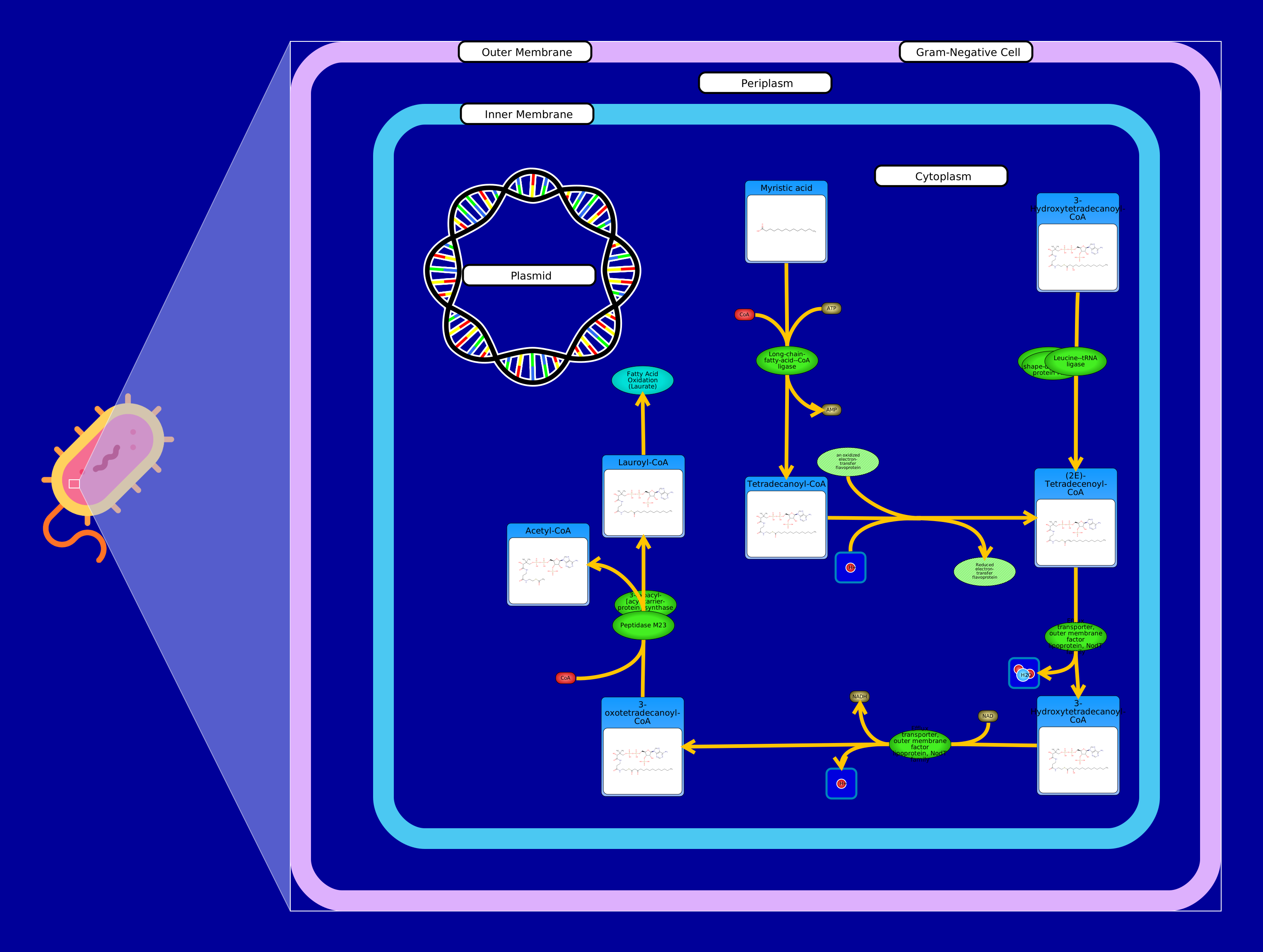 View Pathway
|
Fatty Acid Oxidation (Myristate)Neisseria elongata subsp. glycolytica ATCC 29315
Fatty acid oxidation is also known as beta-oxidation. Fatty acids are an important energy source because they are anhydrous and can be reduced. Fatty acids are good sources of energy as they yield more energy than carbohydrates. The fatty acid oxidation pathway degrades fatty acids into acetyl-CoA under anaerobic and aerobic conditions. Enzymes of this pathway can process short and long chain fatty acids. The first step in the pathway is the conversion of acyl-CoA to enoyl-CoA. The pathway continues in a cycle, each turn removing two carbon atoms from the input acyl-CoA to produce acetyl-CoA. Each turn also produces NADH.
|
Creator: Julia Wakoli Created On: December 06, 2024 at 17:19 Last Updated: December 06, 2024 at 17:19 |
PW380664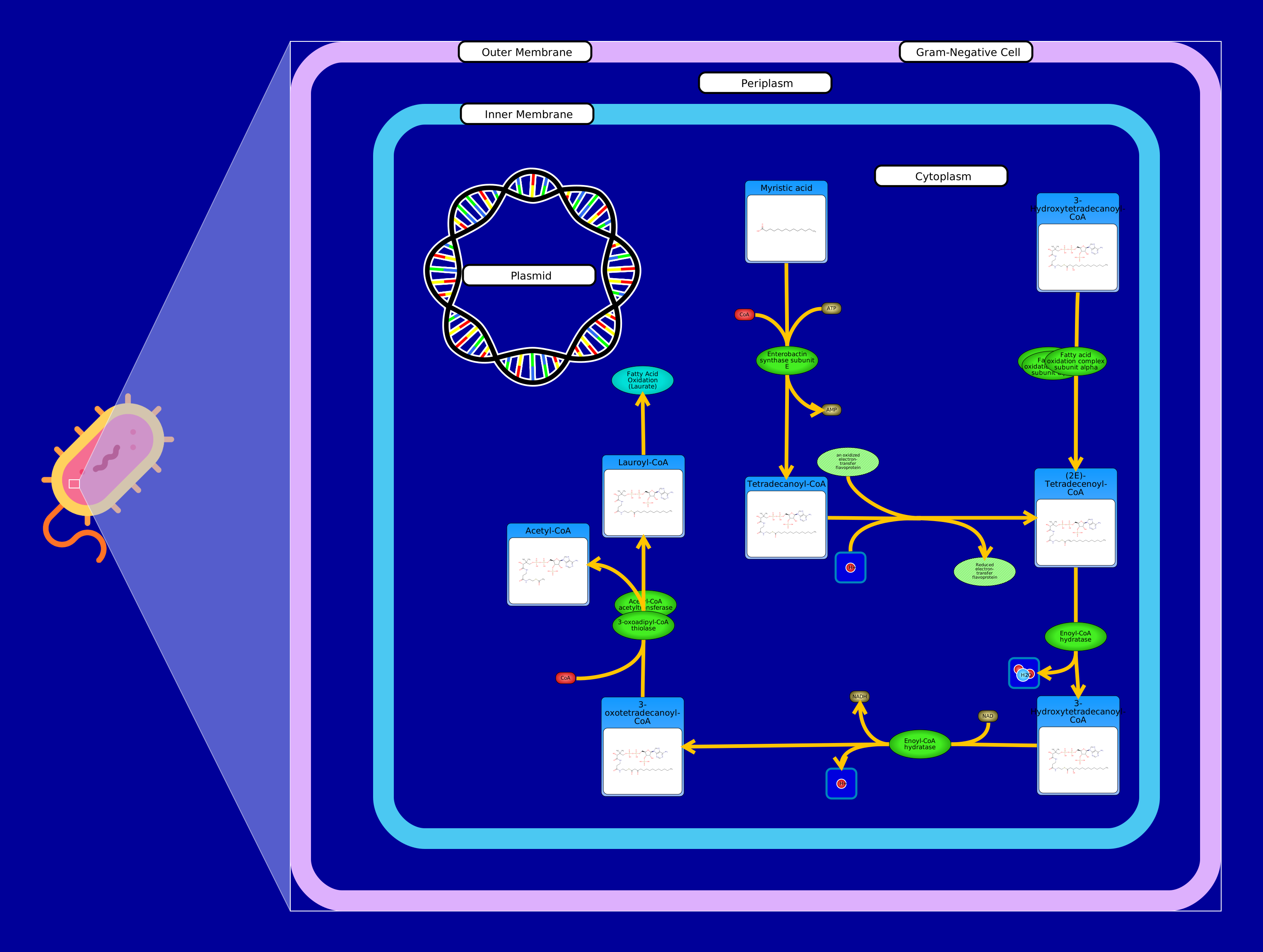 View Pathway
|
Fatty Acid Oxidation (Myristate)Citrobacter amalonaticus Y19
Fatty acid oxidation is also known as beta-oxidation. Fatty acids are an important energy source because they are anhydrous and can be reduced. Fatty acids are good sources of energy as they yield more energy than carbohydrates. The fatty acid oxidation pathway degrades fatty acids into acetyl-CoA under anaerobic and aerobic conditions. Enzymes of this pathway can process short and long chain fatty acids. The first step in the pathway is the conversion of acyl-CoA to enoyl-CoA. The pathway continues in a cycle, each turn removing two carbon atoms from the input acyl-CoA to produce acetyl-CoA. Each turn also produces NADH.
|
Creator: Julia Wakoli Created On: December 06, 2024 at 17:59 Last Updated: December 06, 2024 at 17:59 |
PW380602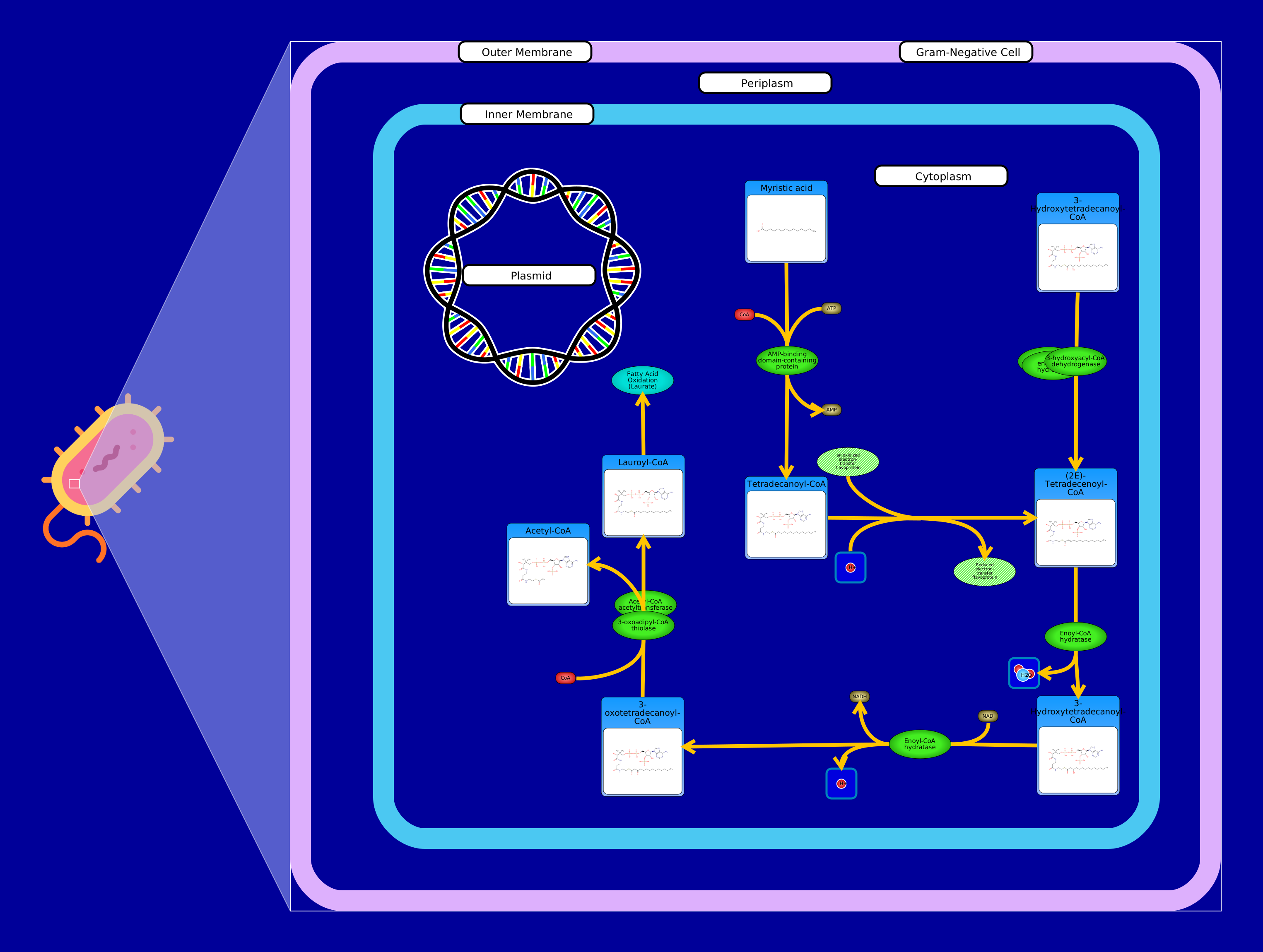 View Pathway
|
Fatty Acid Oxidation (Myristate)Burkholderia cepacia GG4
Fatty acid oxidation is also known as beta-oxidation. Fatty acids are an important energy source because they are anhydrous and can be reduced. Fatty acids are good sources of energy as they yield more energy than carbohydrates. The fatty acid oxidation pathway degrades fatty acids into acetyl-CoA under anaerobic and aerobic conditions. Enzymes of this pathway can process short and long chain fatty acids. The first step in the pathway is the conversion of acyl-CoA to enoyl-CoA. The pathway continues in a cycle, each turn removing two carbon atoms from the input acyl-CoA to produce acetyl-CoA. Each turn also produces NADH.
|
Creator: Julia Wakoli Created On: December 06, 2024 at 17:01 Last Updated: December 06, 2024 at 17:01 |
PW380645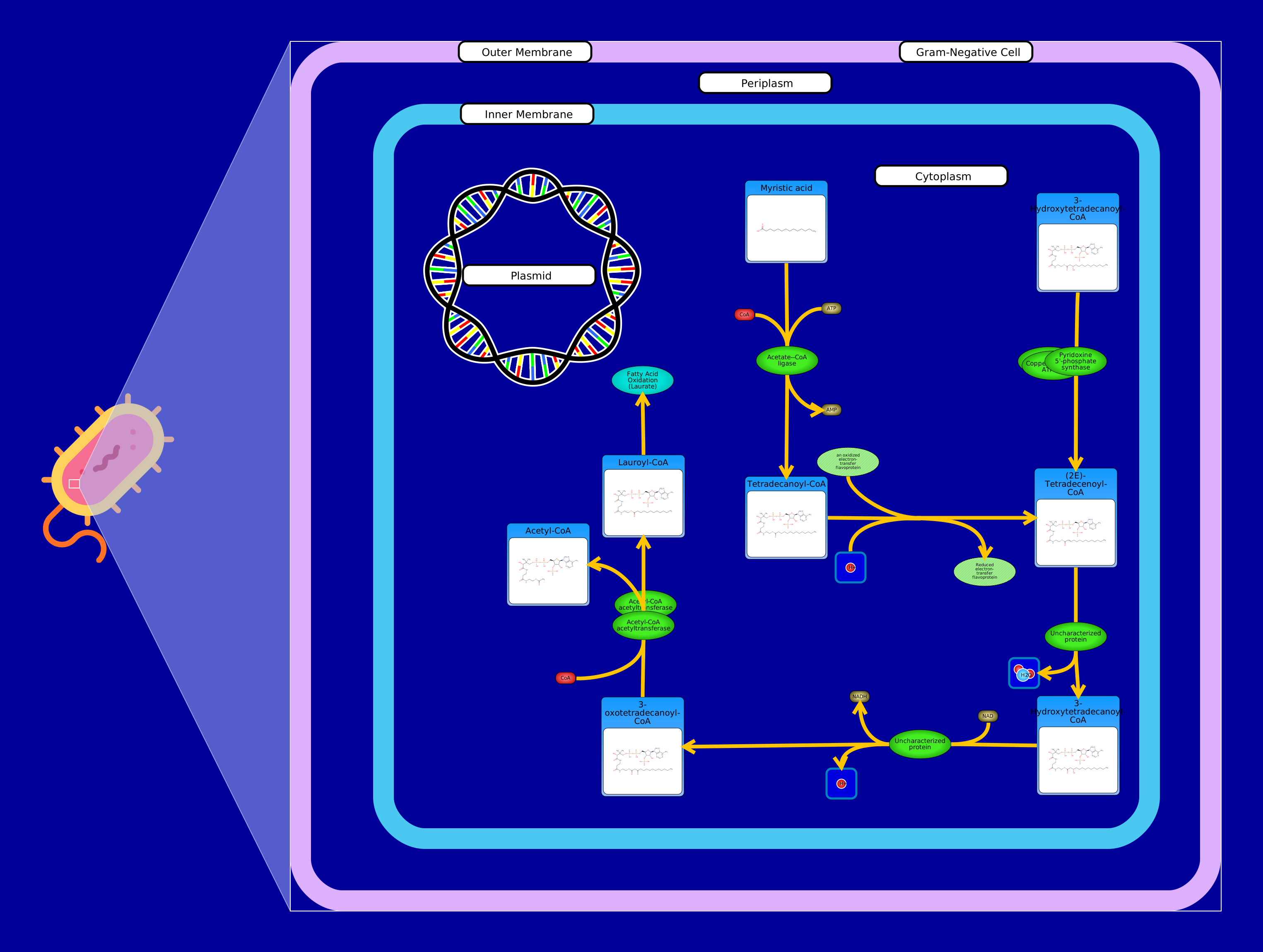 View Pathway
|
Fatty Acid Oxidation (Myristate)Campylobacter upsaliensis JV21
Fatty acid oxidation is also known as beta-oxidation. Fatty acids are an important energy source because they are anhydrous and can be reduced. Fatty acids are good sources of energy as they yield more energy than carbohydrates. The fatty acid oxidation pathway degrades fatty acids into acetyl-CoA under anaerobic and aerobic conditions. Enzymes of this pathway can process short and long chain fatty acids. The first step in the pathway is the conversion of acyl-CoA to enoyl-CoA. The pathway continues in a cycle, each turn removing two carbon atoms from the input acyl-CoA to produce acetyl-CoA. Each turn also produces NADH.
|
Creator: Julia Wakoli Created On: December 06, 2024 at 17:42 Last Updated: December 06, 2024 at 17:42 |
PW380607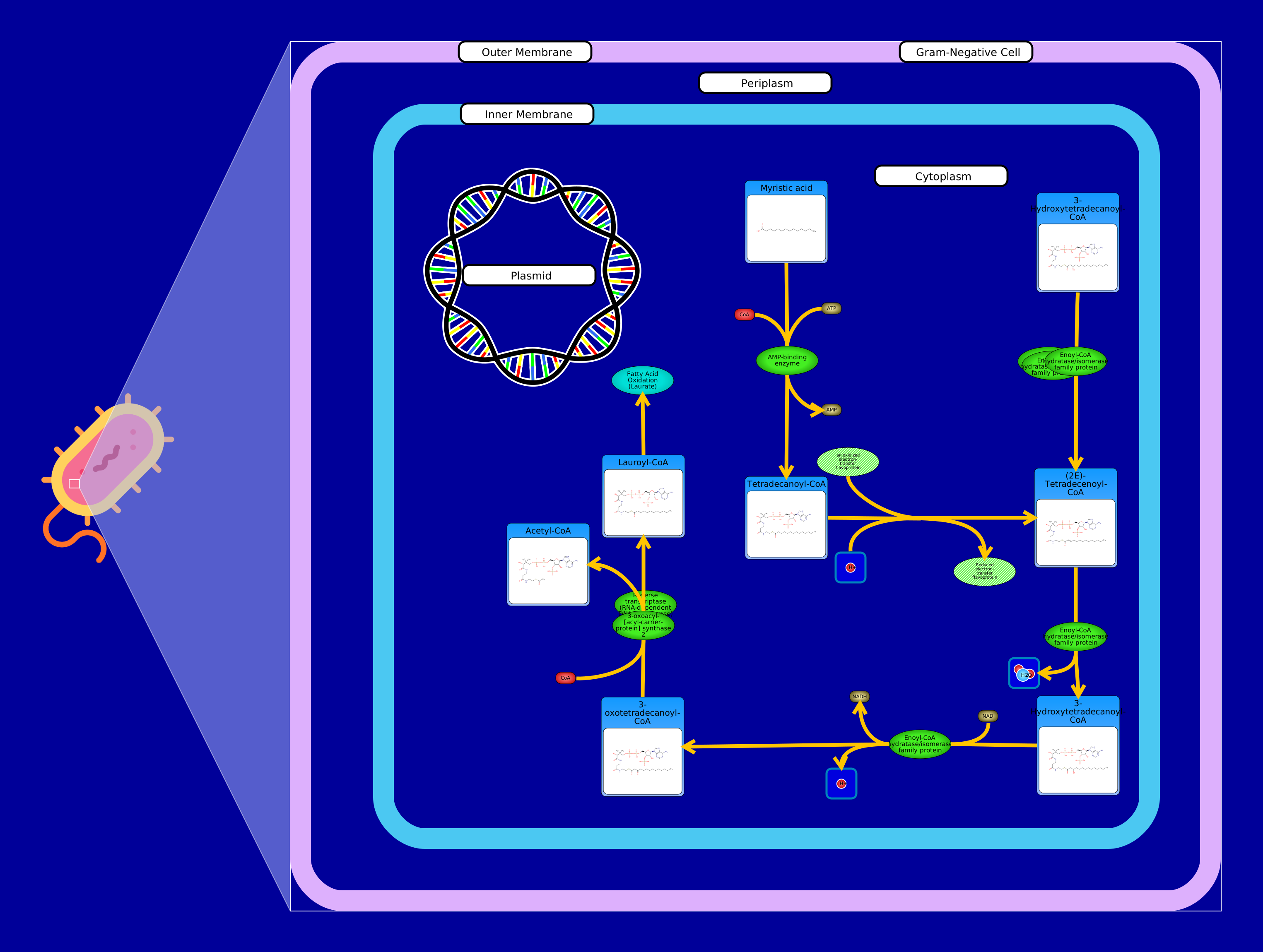 View Pathway
|
Fatty Acid Oxidation (Myristate)Oxalobacter formigenes OXCC13
Fatty acid oxidation is also known as beta-oxidation. Fatty acids are an important energy source because they are anhydrous and can be reduced. Fatty acids are good sources of energy as they yield more energy than carbohydrates. The fatty acid oxidation pathway degrades fatty acids into acetyl-CoA under anaerobic and aerobic conditions. Enzymes of this pathway can process short and long chain fatty acids. The first step in the pathway is the conversion of acyl-CoA to enoyl-CoA. The pathway continues in a cycle, each turn removing two carbon atoms from the input acyl-CoA to produce acetyl-CoA. Each turn also produces NADH.
|
Creator: Julia Wakoli Created On: December 06, 2024 at 17:07 Last Updated: December 06, 2024 at 17:07 |
PW380652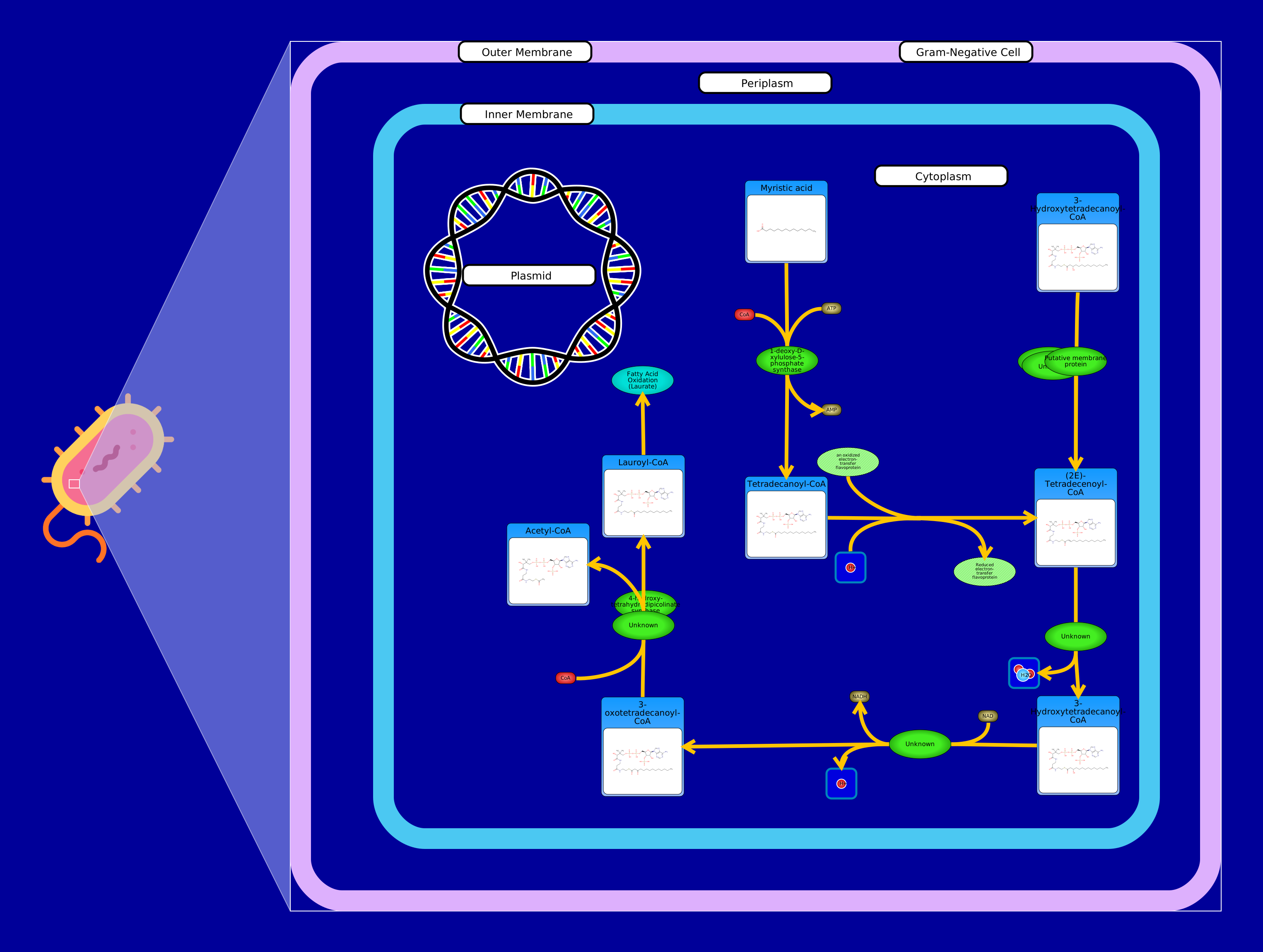 View Pathway
|
Fatty Acid Oxidation (Myristate)Helicobacter pullorum MIT 98-5489
Fatty acid oxidation is also known as beta-oxidation. Fatty acids are an important energy source because they are anhydrous and can be reduced. Fatty acids are good sources of energy as they yield more energy than carbohydrates. The fatty acid oxidation pathway degrades fatty acids into acetyl-CoA under anaerobic and aerobic conditions. Enzymes of this pathway can process short and long chain fatty acids. The first step in the pathway is the conversion of acyl-CoA to enoyl-CoA. The pathway continues in a cycle, each turn removing two carbon atoms from the input acyl-CoA to produce acetyl-CoA. Each turn also produces NADH.
|
Creator: Julia Wakoli Created On: December 06, 2024 at 17:49 Last Updated: December 06, 2024 at 17:49 |
PW380563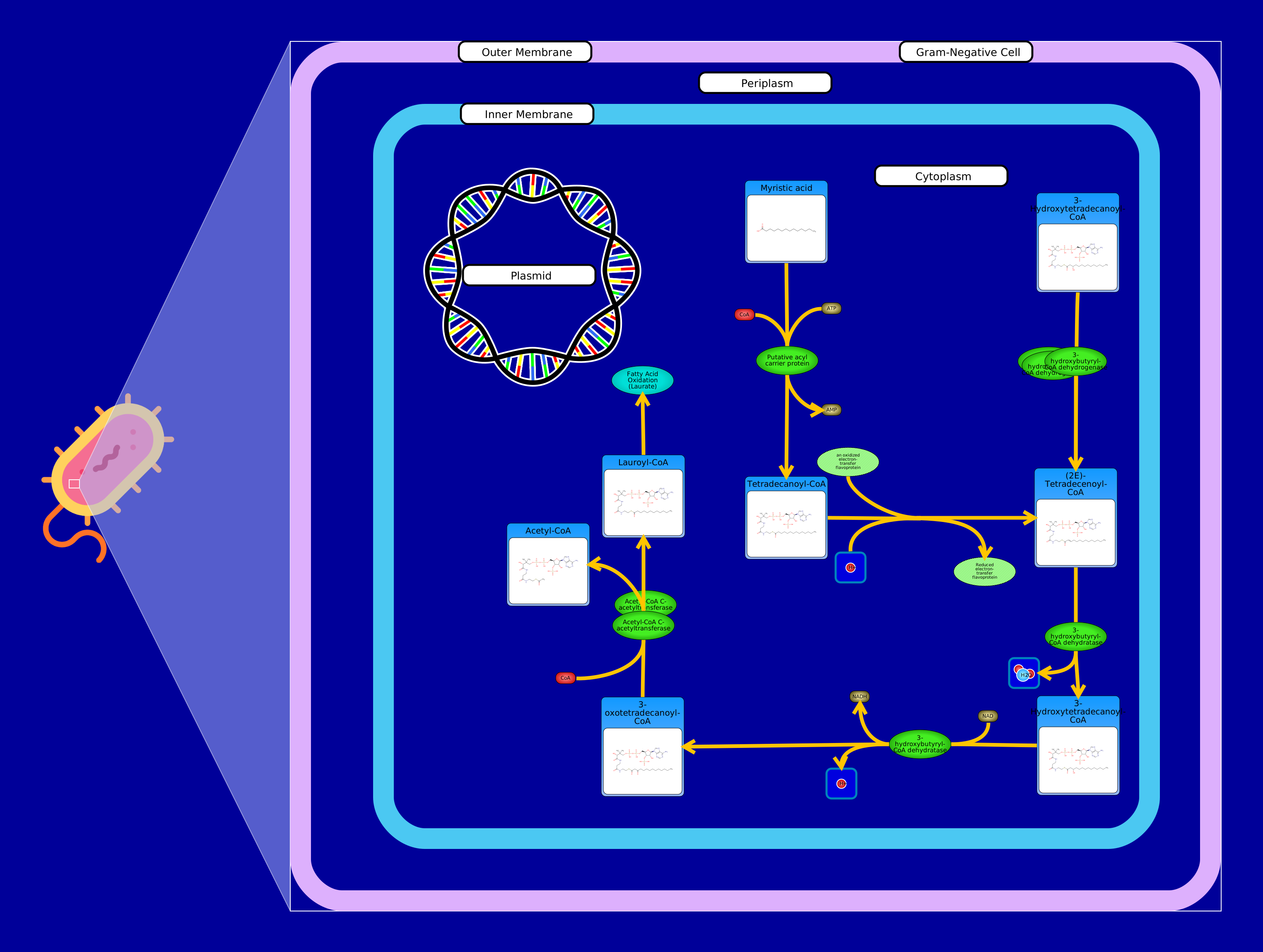 View Pathway
|
Fatty Acid Oxidation (Myristate)Cetobacterium somerae ATCC BAA-474
Fatty acid oxidation is also known as beta-oxidation. Fatty acids are an important energy source because they are anhydrous and can be reduced. Fatty acids are good sources of energy as they yield more energy than carbohydrates. The fatty acid oxidation pathway degrades fatty acids into acetyl-CoA under anaerobic and aerobic conditions. Enzymes of this pathway can process short and long chain fatty acids. The first step in the pathway is the conversion of acyl-CoA to enoyl-CoA. The pathway continues in a cycle, each turn removing two carbon atoms from the input acyl-CoA to produce acetyl-CoA. Each turn also produces NADH.
|
Creator: Julia Wakoli Created On: December 06, 2024 at 16:33 Last Updated: December 06, 2024 at 16:33 |
PW381218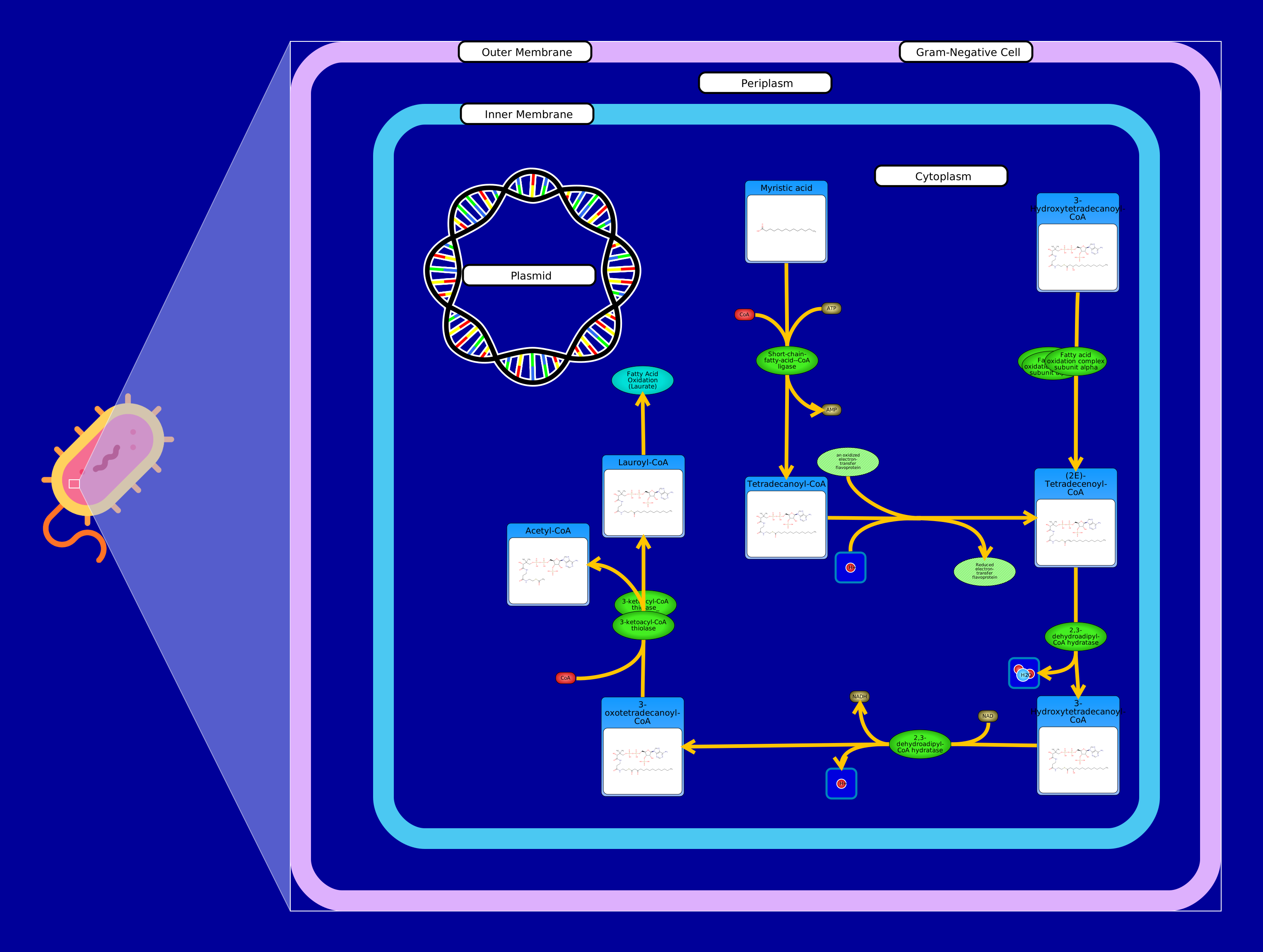 View Pathway
|
Fatty Acid Oxidation (Myristate)Escherichia coli E24377A
Fatty acid oxidation is also known as beta-oxidation. Fatty acids are an important energy source because they are anhydrous and can be reduced. Fatty acids are good sources of energy as they yield more energy than carbohydrates. The fatty acid oxidation pathway degrades fatty acids into acetyl-CoA under anaerobic and aerobic conditions. Enzymes of this pathway can process short and long chain fatty acids. The first step in the pathway is the conversion of acyl-CoA to enoyl-CoA. The pathway continues in a cycle, each turn removing two carbon atoms from the input acyl-CoA to produce acetyl-CoA. Each turn also produces NADH.
|
Creator: Julia Wakoli Created On: December 07, 2024 at 18:48 Last Updated: December 07, 2024 at 18:48 |