
| PathWhiz ID | Pathway | Meta Data |
|---|---|---|
PW380643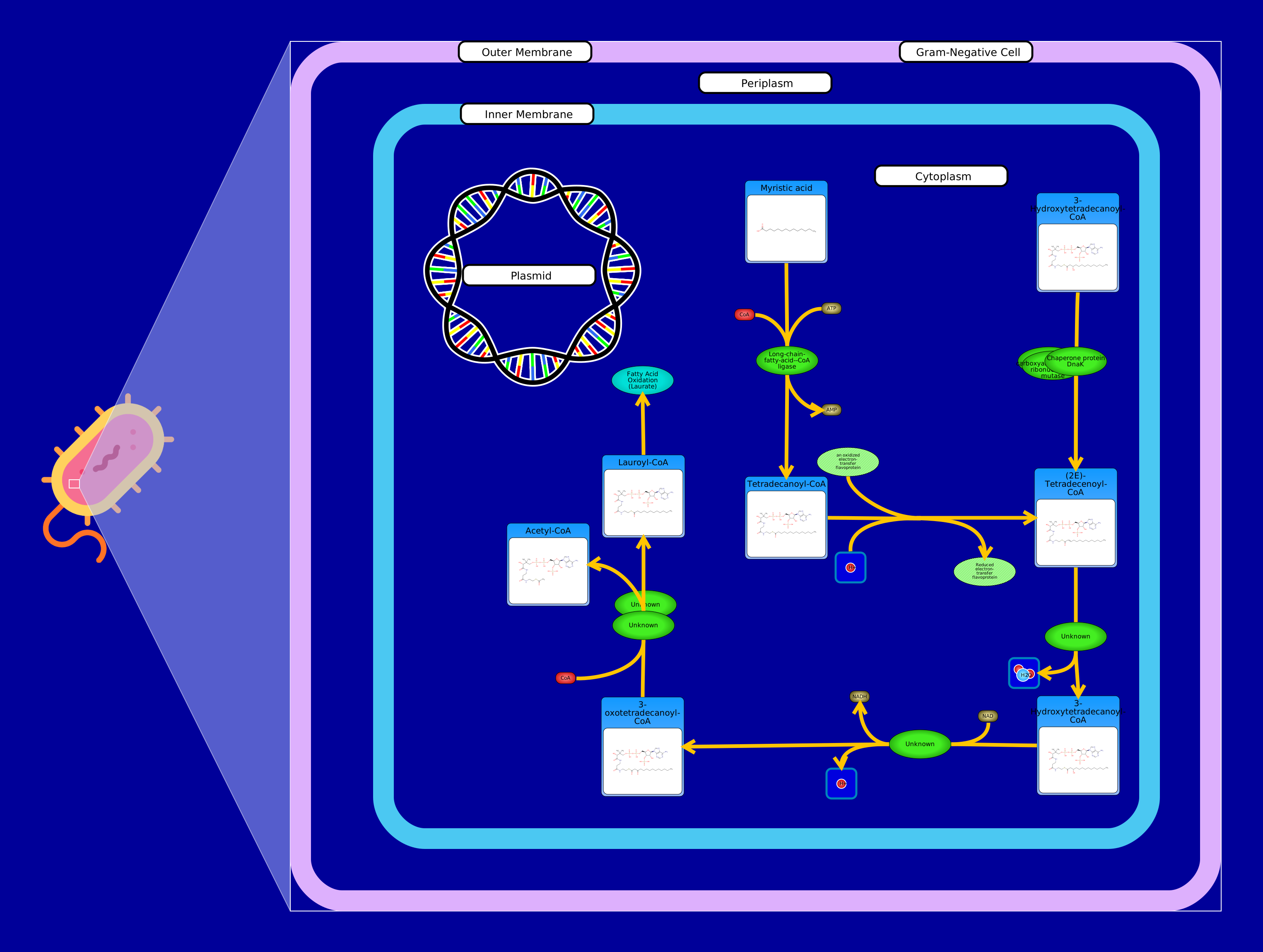 View Pathway
|
Fatty Acid Oxidation (Myristate)Campylobacter showae CSUNSWCD
Fatty acid oxidation is also known as beta-oxidation. Fatty acids are an important energy source because they are anhydrous and can be reduced. Fatty acids are good sources of energy as they yield more energy than carbohydrates. The fatty acid oxidation pathway degrades fatty acids into acetyl-CoA under anaerobic and aerobic conditions. Enzymes of this pathway can process short and long chain fatty acids. The first step in the pathway is the conversion of acyl-CoA to enoyl-CoA. The pathway continues in a cycle, each turn removing two carbon atoms from the input acyl-CoA to produce acetyl-CoA. Each turn also produces NADH.
|
Creator: Julia Wakoli Created On: December 06, 2024 at 17:40 Last Updated: December 06, 2024 at 17:40 |
PW380592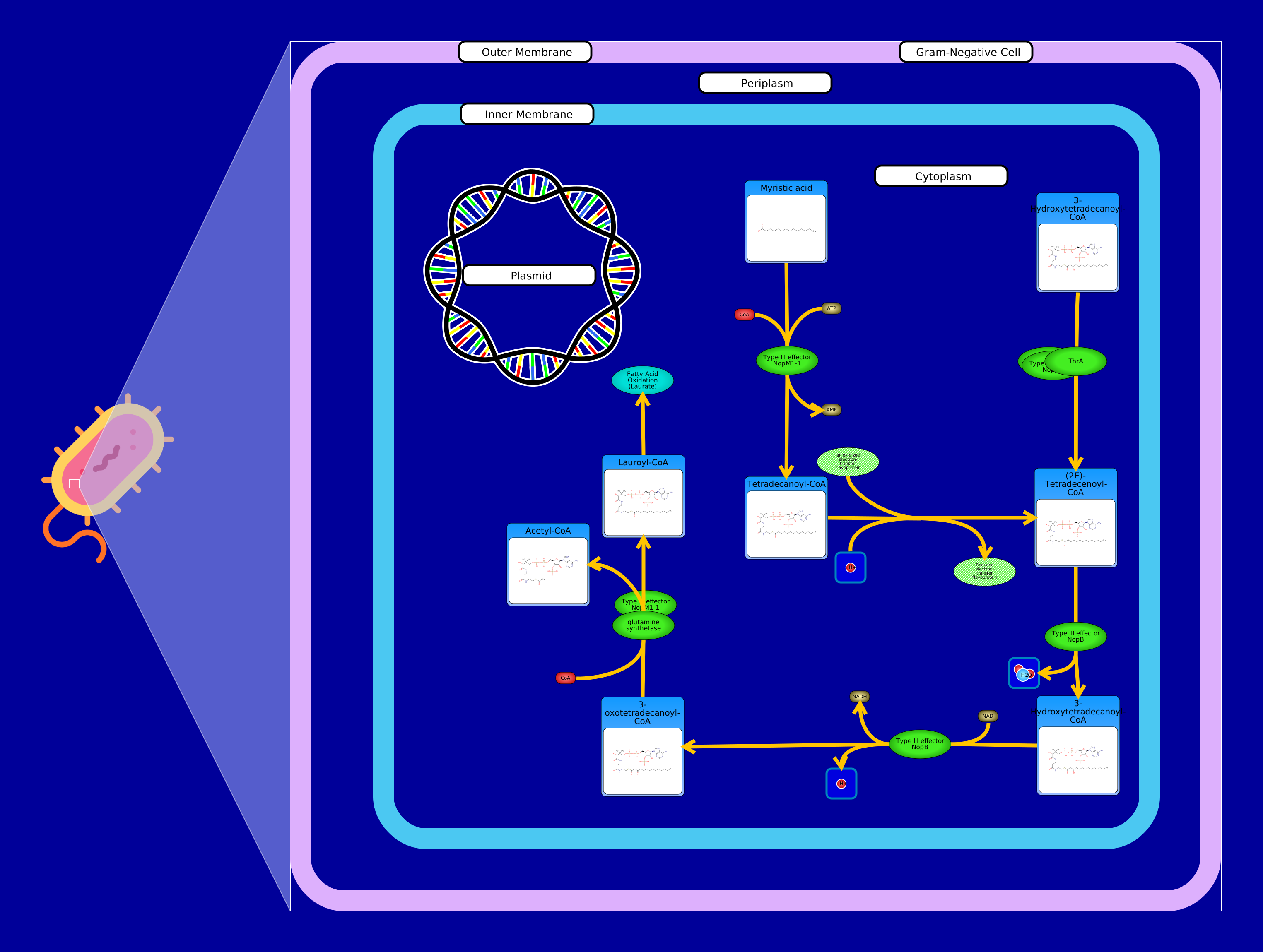 View Pathway
|
Fatty Acid Oxidation (Myristate)Bradyrhizobium japonicum USDA 6
Fatty acid oxidation is also known as beta-oxidation. Fatty acids are an important energy source because they are anhydrous and can be reduced. Fatty acids are good sources of energy as they yield more energy than carbohydrates. The fatty acid oxidation pathway degrades fatty acids into acetyl-CoA under anaerobic and aerobic conditions. Enzymes of this pathway can process short and long chain fatty acids. The first step in the pathway is the conversion of acyl-CoA to enoyl-CoA. The pathway continues in a cycle, each turn removing two carbon atoms from the input acyl-CoA to produce acetyl-CoA. Each turn also produces NADH.
|
Creator: Julia Wakoli Created On: December 06, 2024 at 16:54 Last Updated: December 06, 2024 at 16:54 |
PW380732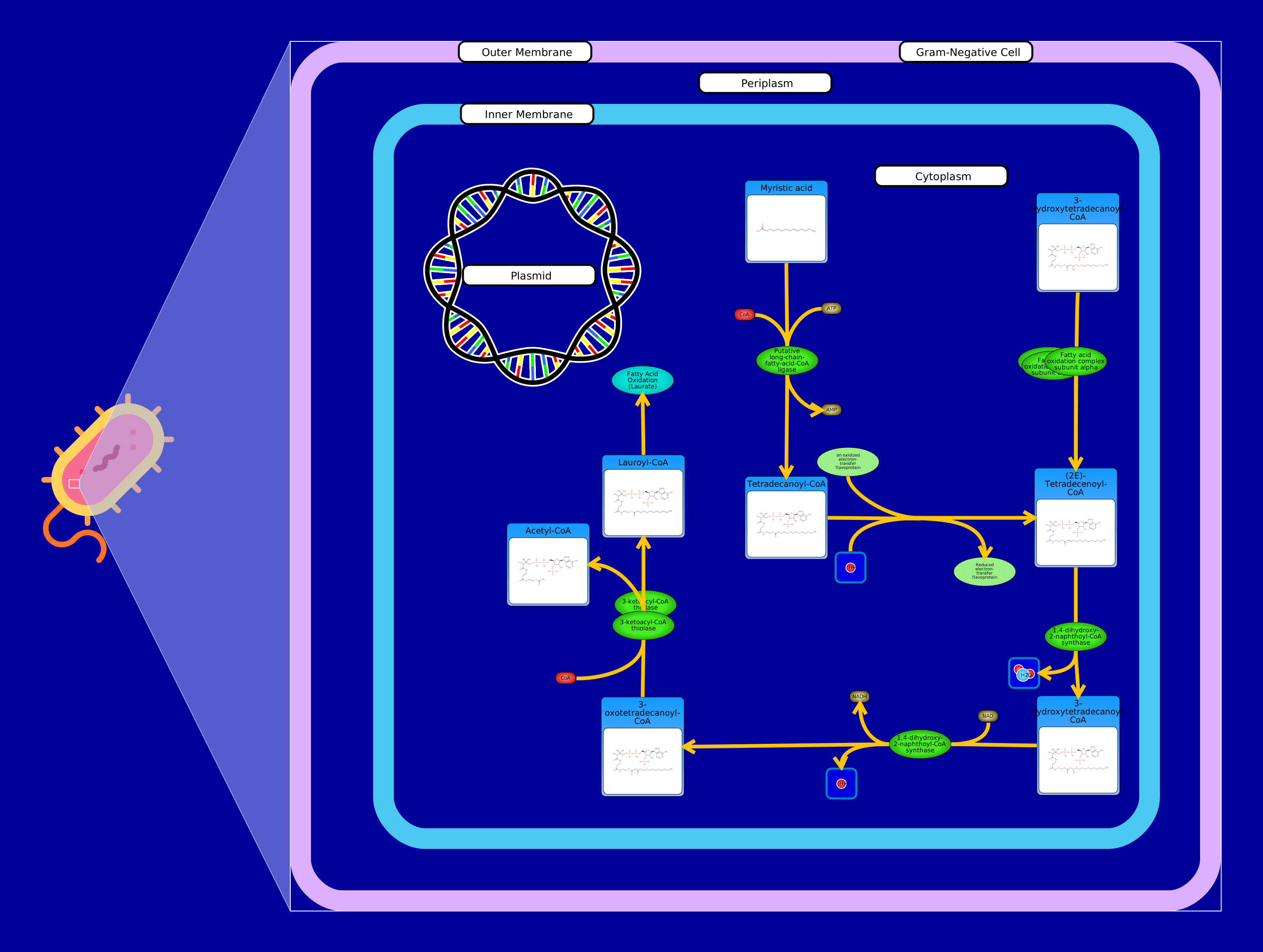 View Pathway
|
Fatty Acid Oxidation (Myristate)Grimontia hollisae CIP 101886
Fatty acid oxidation is also known as beta-oxidation. Fatty acids are an important energy source because they are anhydrous and can be reduced. Fatty acids are good sources of energy as they yield more energy than carbohydrates. The fatty acid oxidation pathway degrades fatty acids into acetyl-CoA under anaerobic and aerobic conditions. Enzymes of this pathway can process short and long chain fatty acids. The first step in the pathway is the conversion of acyl-CoA to enoyl-CoA. The pathway continues in a cycle, each turn removing two carbon atoms from the input acyl-CoA to produce acetyl-CoA. Each turn also produces NADH.
|
Creator: Julia Wakoli Created On: December 06, 2024 at 18:56 Last Updated: December 06, 2024 at 18:56 |
PW380693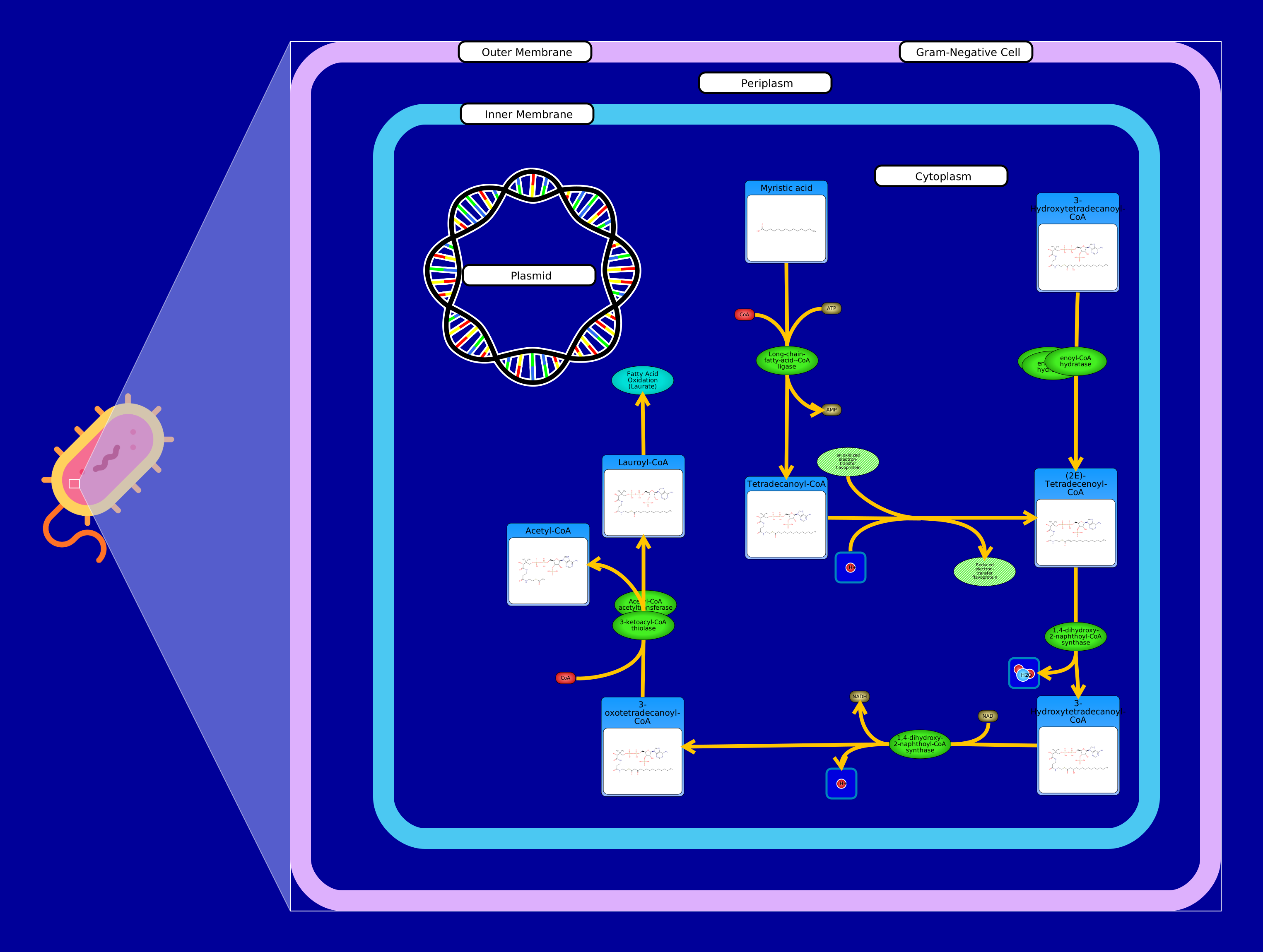 View Pathway
|
Fatty Acid Oxidation (Myristate)Morganella morganii subsp. morganii KT
Fatty acid oxidation is also known as beta-oxidation. Fatty acids are an important energy source because they are anhydrous and can be reduced. Fatty acids are good sources of energy as they yield more energy than carbohydrates. The fatty acid oxidation pathway degrades fatty acids into acetyl-CoA under anaerobic and aerobic conditions. Enzymes of this pathway can process short and long chain fatty acids. The first step in the pathway is the conversion of acyl-CoA to enoyl-CoA. The pathway continues in a cycle, each turn removing two carbon atoms from the input acyl-CoA to produce acetyl-CoA. Each turn also produces NADH.
|
Creator: Julia Wakoli Created On: December 06, 2024 at 18:24 Last Updated: December 06, 2024 at 18:24 |
PW380650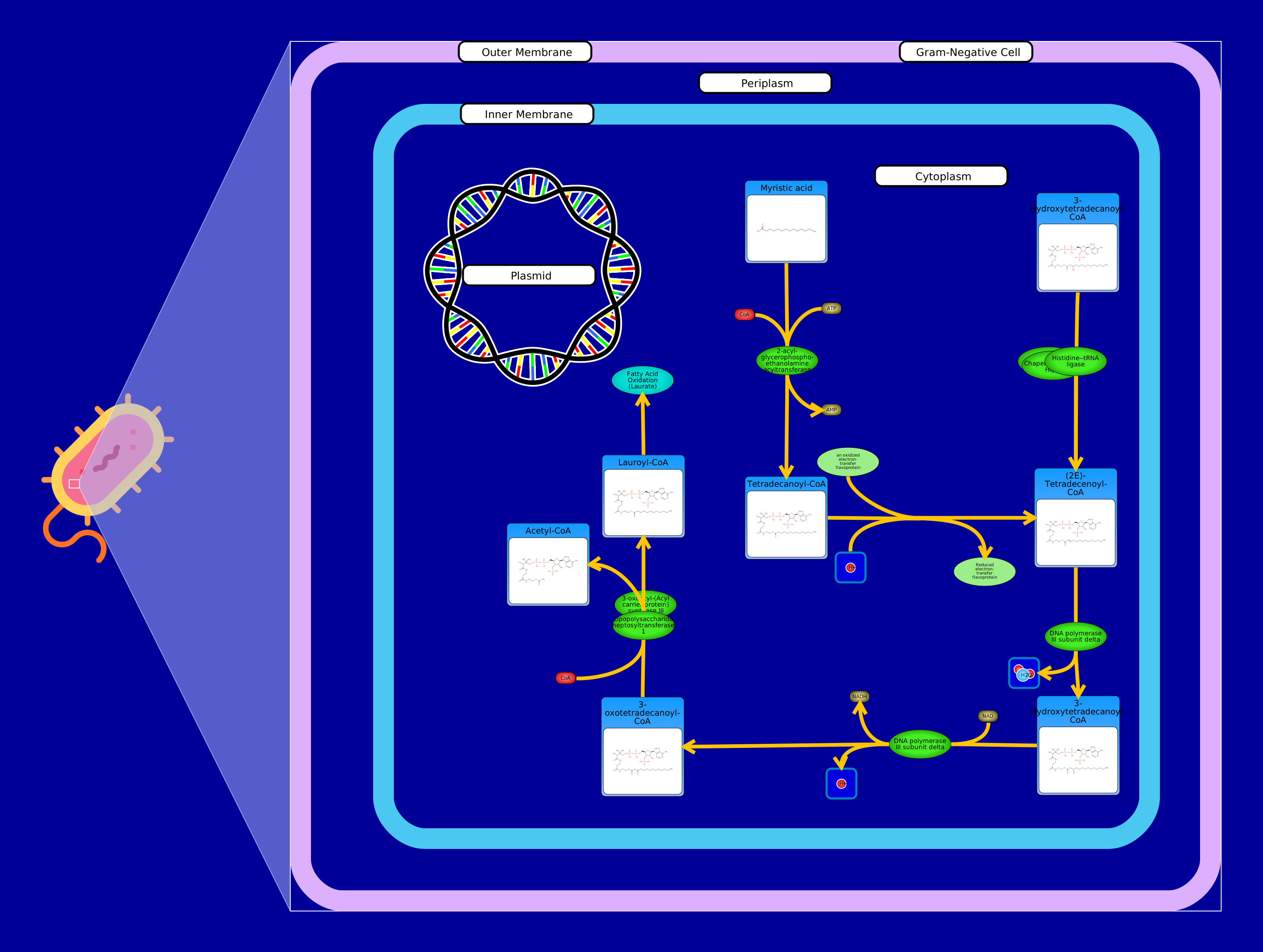 View Pathway
|
Fatty Acid Oxidation (Myristate)Helicobacter cinaedi CCUG 18818 = ATCC BAA-847
Fatty acid oxidation is also known as beta-oxidation. Fatty acids are an important energy source because they are anhydrous and can be reduced. Fatty acids are good sources of energy as they yield more energy than carbohydrates. The fatty acid oxidation pathway degrades fatty acids into acetyl-CoA under anaerobic and aerobic conditions. Enzymes of this pathway can process short and long chain fatty acids. The first step in the pathway is the conversion of acyl-CoA to enoyl-CoA. The pathway continues in a cycle, each turn removing two carbon atoms from the input acyl-CoA to produce acetyl-CoA. Each turn also produces NADH.
|
Creator: Julia Wakoli Created On: December 06, 2024 at 17:47 Last Updated: December 06, 2024 at 17:47 |
PW380662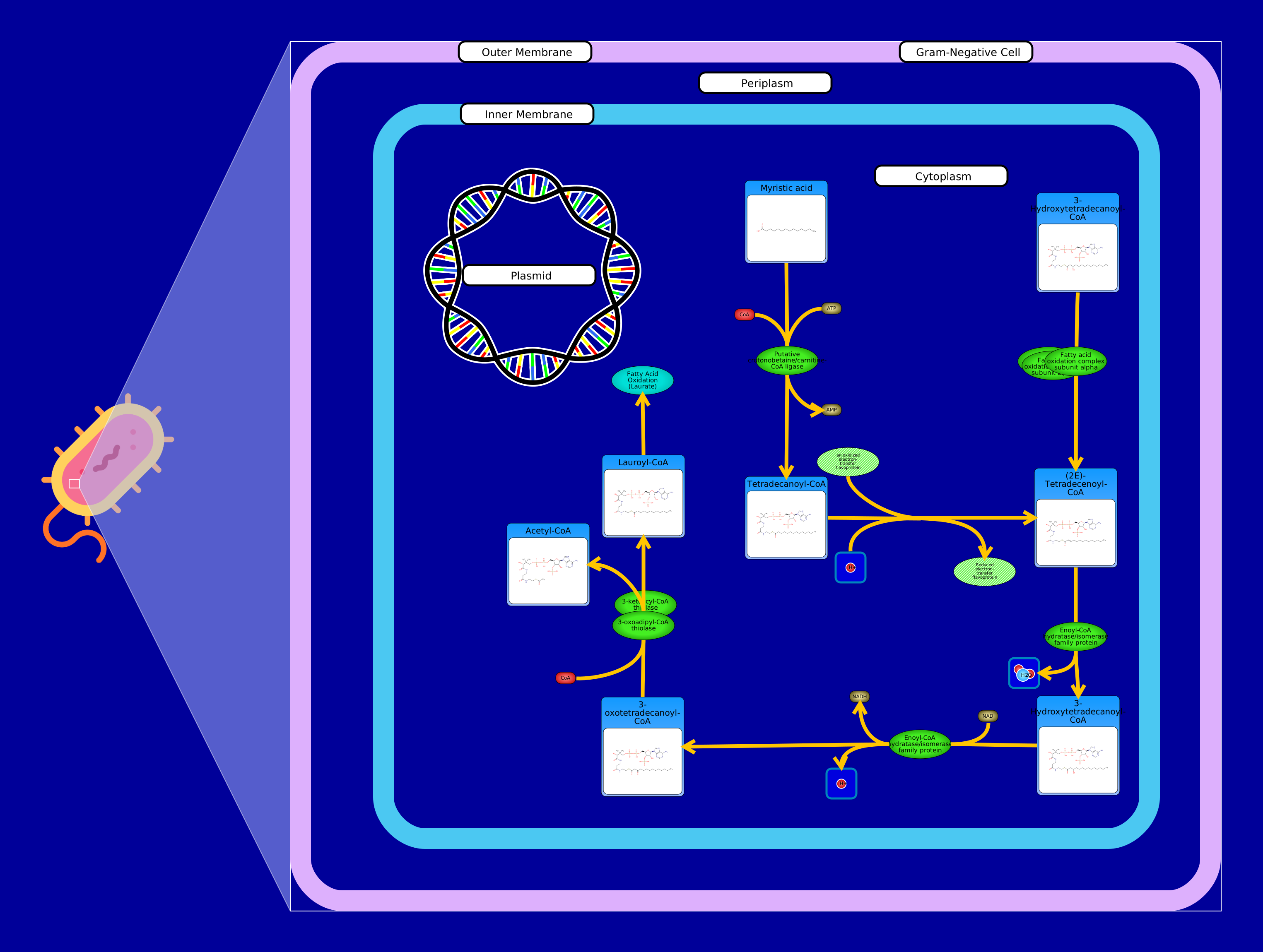 View Pathway
|
Fatty Acid Oxidation (Myristate)Cedecea davisae DSM 4568
Fatty acid oxidation is also known as beta-oxidation. Fatty acids are an important energy source because they are anhydrous and can be reduced. Fatty acids are good sources of energy as they yield more energy than carbohydrates. The fatty acid oxidation pathway degrades fatty acids into acetyl-CoA under anaerobic and aerobic conditions. Enzymes of this pathway can process short and long chain fatty acids. The first step in the pathway is the conversion of acyl-CoA to enoyl-CoA. The pathway continues in a cycle, each turn removing two carbon atoms from the input acyl-CoA to produce acetyl-CoA. Each turn also produces NADH.
|
Creator: Julia Wakoli Created On: December 06, 2024 at 17:57 Last Updated: December 06, 2024 at 17:57 |
PW380667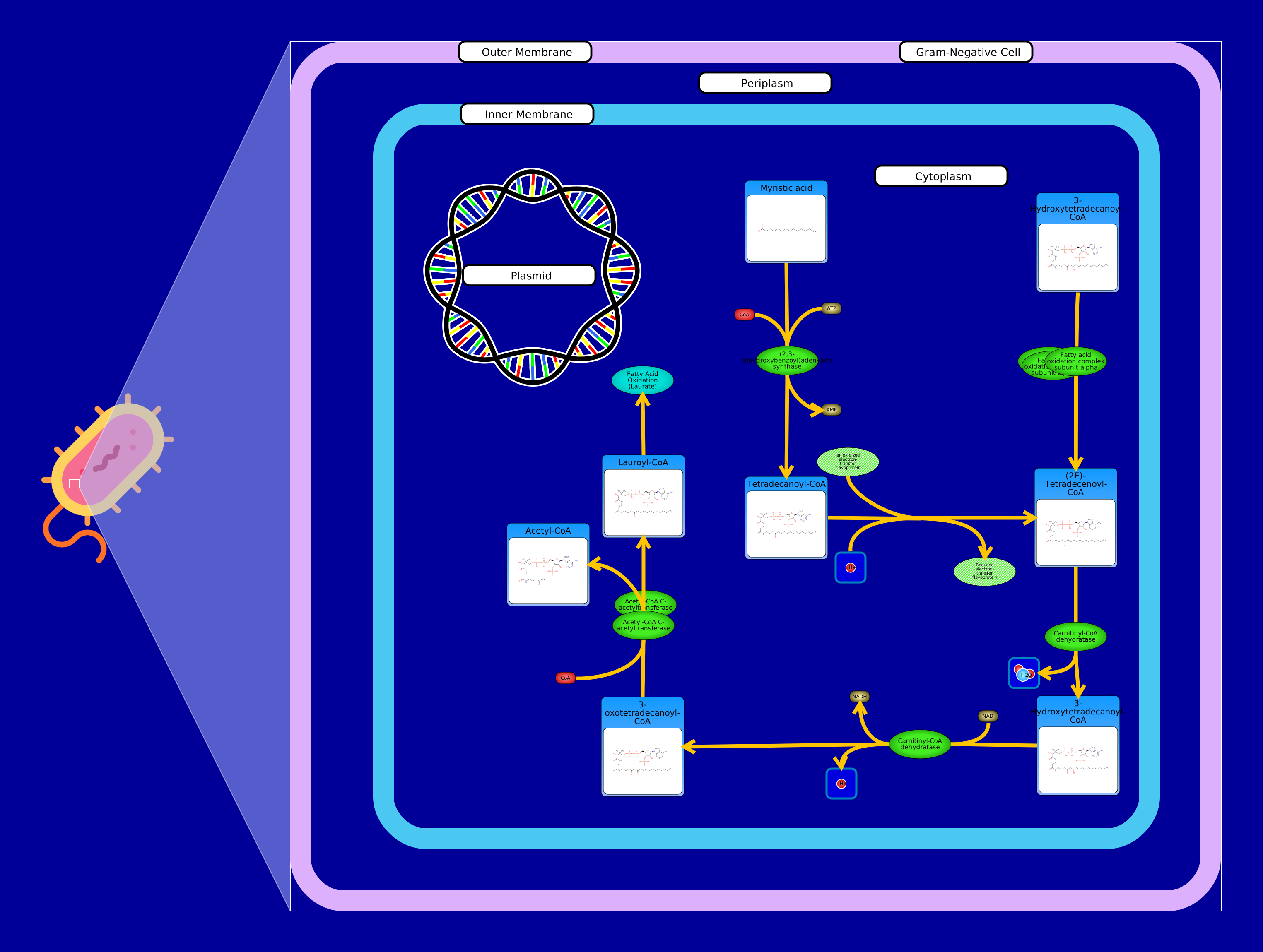 View Pathway
|
Fatty Acid Oxidation (Myristate)Citrobacter youngae ATCC 29220
Fatty acid oxidation is also known as beta-oxidation. Fatty acids are an important energy source because they are anhydrous and can be reduced. Fatty acids are good sources of energy as they yield more energy than carbohydrates. The fatty acid oxidation pathway degrades fatty acids into acetyl-CoA under anaerobic and aerobic conditions. Enzymes of this pathway can process short and long chain fatty acids. The first step in the pathway is the conversion of acyl-CoA to enoyl-CoA. The pathway continues in a cycle, each turn removing two carbon atoms from the input acyl-CoA to produce acetyl-CoA. Each turn also produces NADH.
|
Creator: Julia Wakoli Created On: December 06, 2024 at 18:02 Last Updated: December 06, 2024 at 18:02 |
PW380681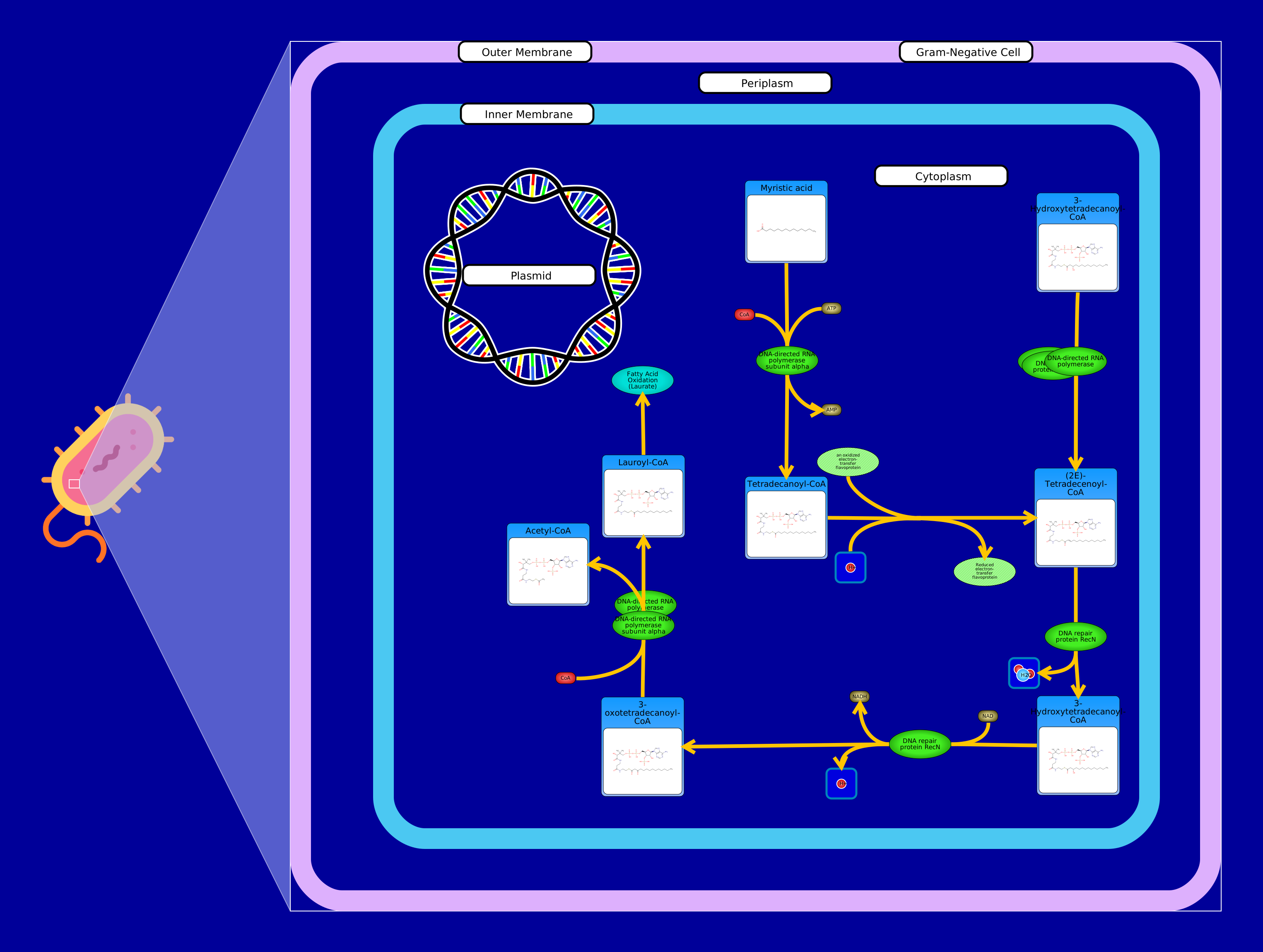 View Pathway
|
Fatty Acid Oxidation (Myristate)Kluyvera ascorbata ATCC 33433
Fatty acid oxidation is also known as beta-oxidation. Fatty acids are an important energy source because they are anhydrous and can be reduced. Fatty acids are good sources of energy as they yield more energy than carbohydrates. The fatty acid oxidation pathway degrades fatty acids into acetyl-CoA under anaerobic and aerobic conditions. Enzymes of this pathway can process short and long chain fatty acids. The first step in the pathway is the conversion of acyl-CoA to enoyl-CoA. The pathway continues in a cycle, each turn removing two carbon atoms from the input acyl-CoA to produce acetyl-CoA. Each turn also produces NADH.
|
Creator: Julia Wakoli Created On: December 06, 2024 at 18:12 Last Updated: December 06, 2024 at 18:12 |
PW380706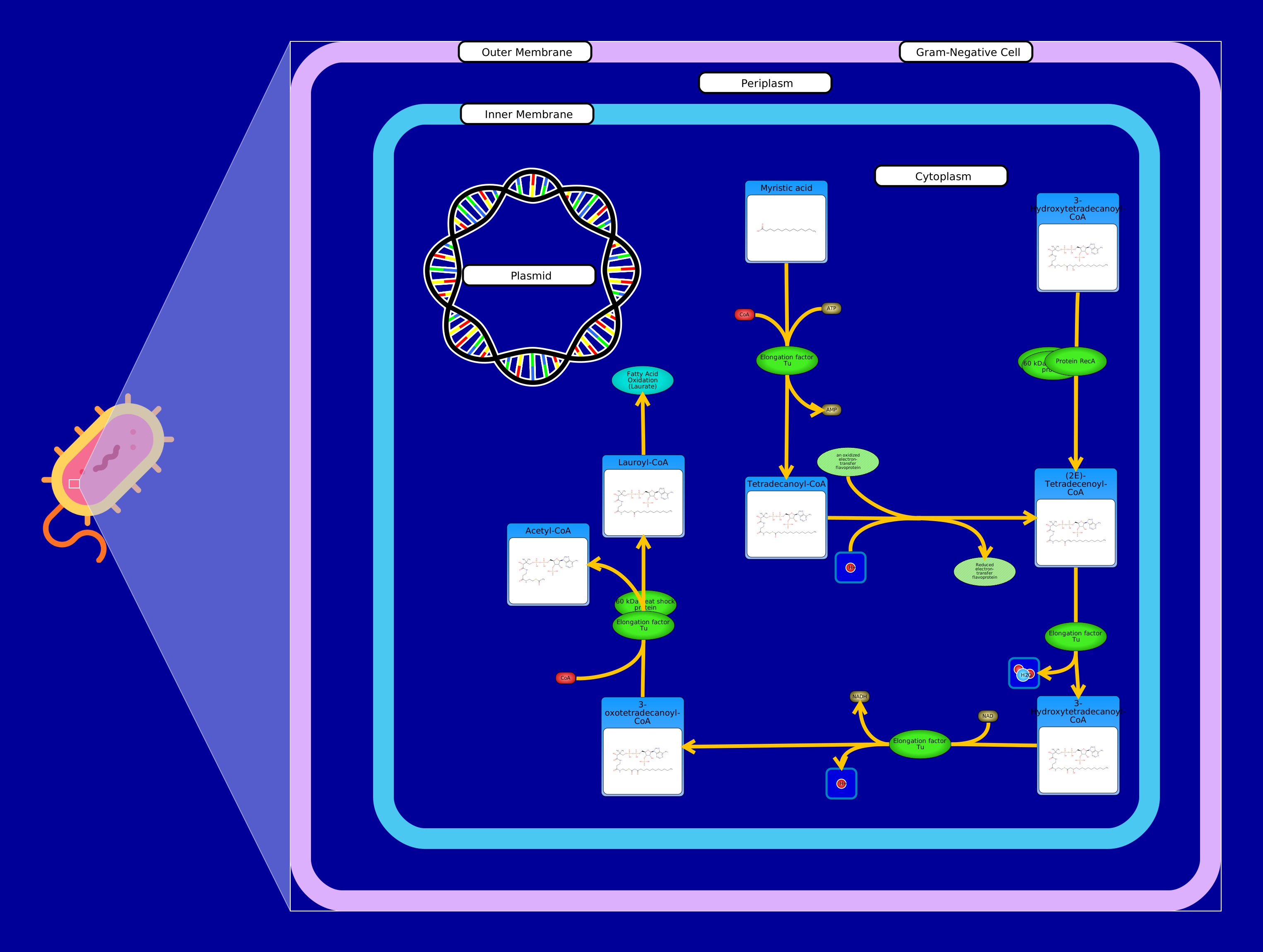 View Pathway
|
Fatty Acid Oxidation (Myristate)Yersinia bercovieri ATCC 43970
Fatty acid oxidation is also known as beta-oxidation. Fatty acids are an important energy source because they are anhydrous and can be reduced. Fatty acids are good sources of energy as they yield more energy than carbohydrates. The fatty acid oxidation pathway degrades fatty acids into acetyl-CoA under anaerobic and aerobic conditions. Enzymes of this pathway can process short and long chain fatty acids. The first step in the pathway is the conversion of acyl-CoA to enoyl-CoA. The pathway continues in a cycle, each turn removing two carbon atoms from the input acyl-CoA to produce acetyl-CoA. Each turn also produces NADH.
|
Creator: Julia Wakoli Created On: December 06, 2024 at 18:35 Last Updated: December 06, 2024 at 18:35 |
PW379696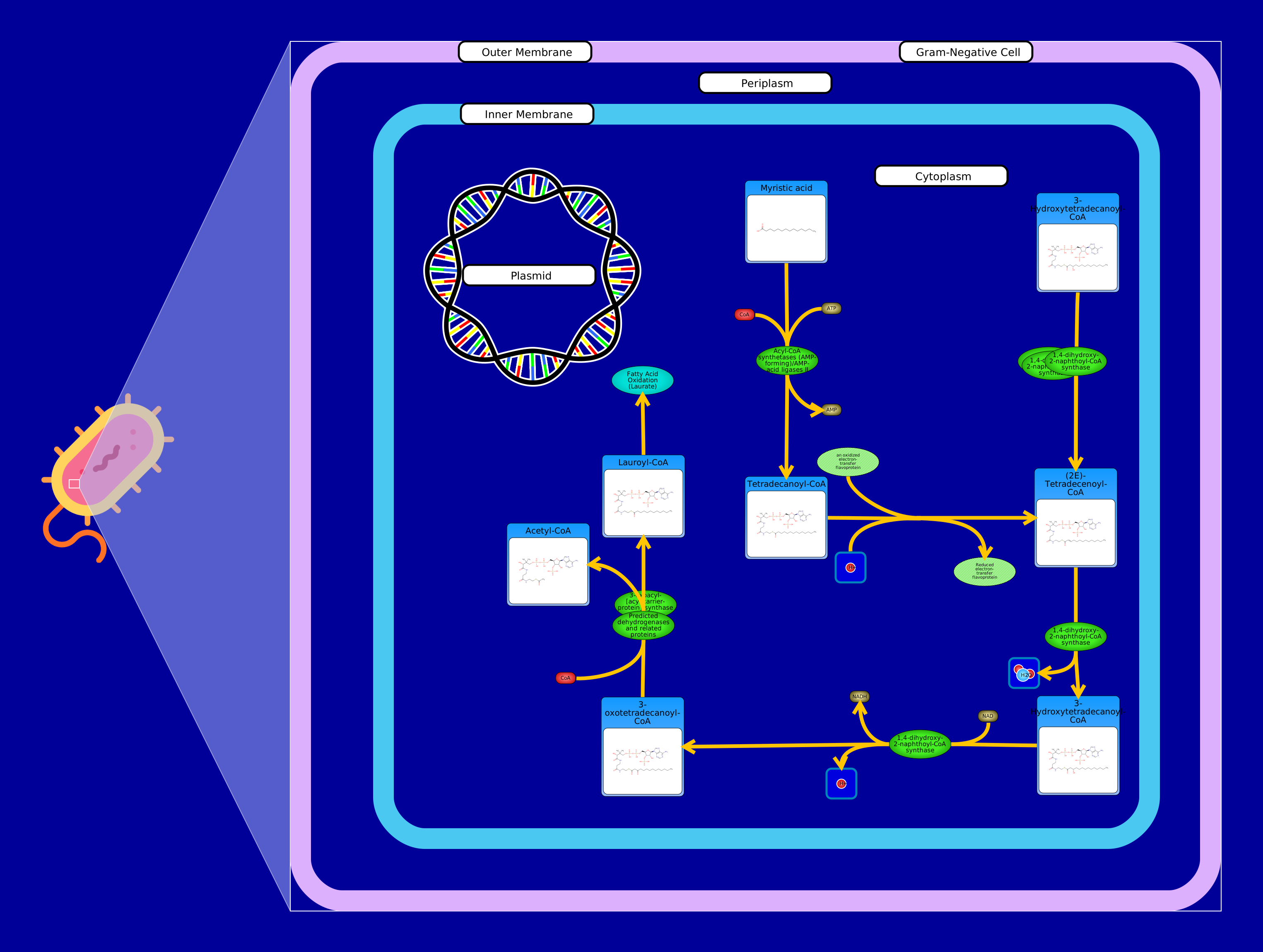 View Pathway
|
Fatty Acid Oxidation (Myristate)Bacteroides xylanisolvens XB1A
Fatty acid oxidation is also known as beta-oxidation. Fatty acids are an important energy source because they are anhydrous and can be reduced. Fatty acids are good sources of energy as they yield more energy than carbohydrates. The fatty acid oxidation pathway degrades fatty acids into acetyl-CoA under anaerobic and aerobic conditions. Enzymes of this pathway can process short and long chain fatty acids. The first step in the pathway is the conversion of acyl-CoA to enoyl-CoA. The pathway continues in a cycle, each turn removing two carbon atoms from the input acyl-CoA to produce acetyl-CoA. Each turn also produces NADH.
|
Creator: Julia Wakoli Created On: December 06, 2024 at 10:28 Last Updated: December 06, 2024 at 10:28 |