
| PathWhiz ID | Pathway | Meta Data |
|---|---|---|
PW453178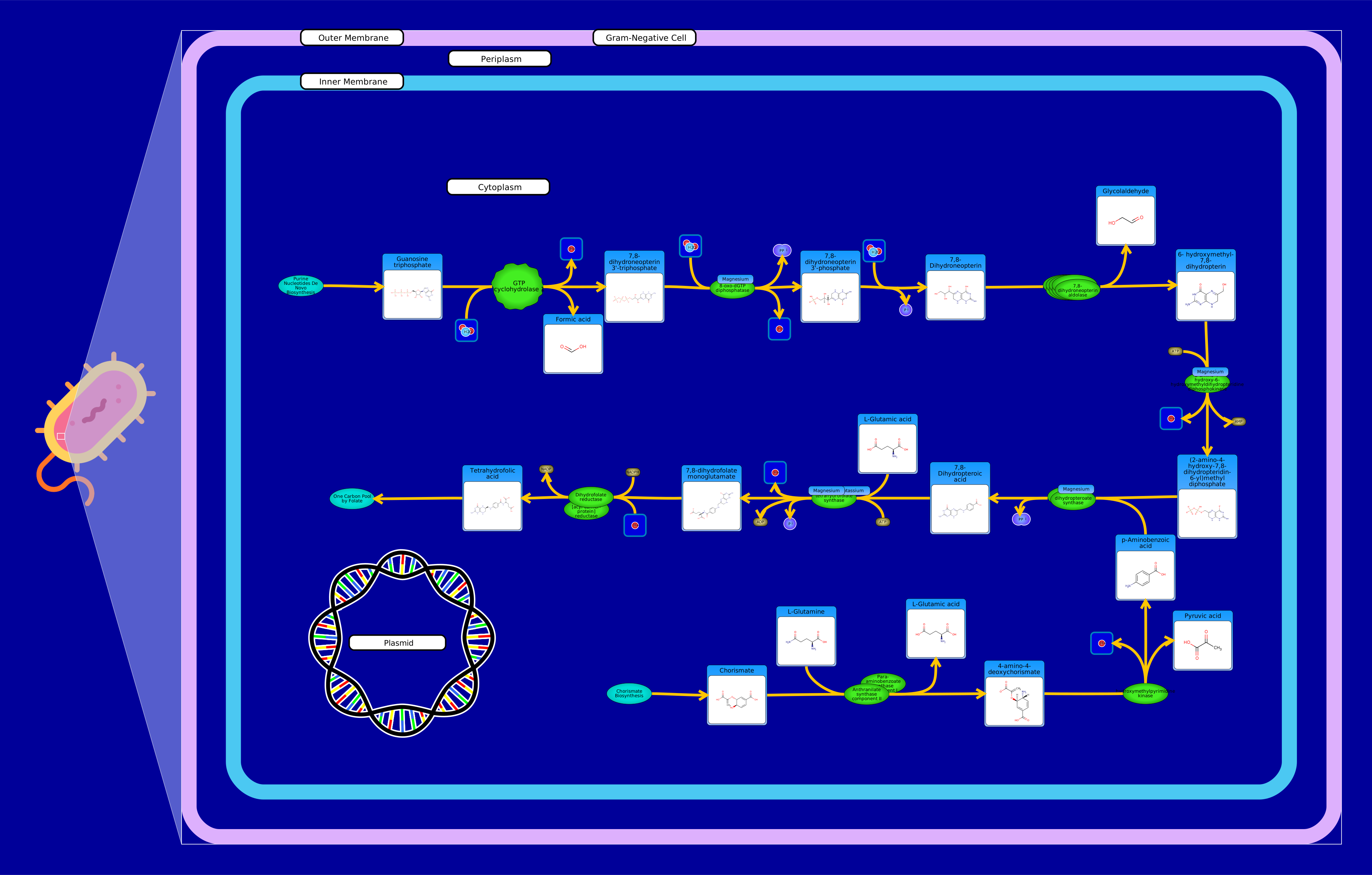 View Pathway
|
Folate BiosynthesisPrevotella pallens ATCC 700821
The biosynthesis of folic acid begins as a product of purine nucleotides de novo biosynthesis pathway. Purine nucleotides are involved in a reaction with water through a GTP cyclohydrolase 1 protein complex, resulting in a hydrogen ion, formic acid and 7,8-dihydroneopterin 3-triphosphate. The latter compound is dephosphorylated through a dihydroneopterin triphosphate pyrophosphohydrolase resulting in the release of a pyrophosphate, hydrogen ion and 7,8-dihydroneopterin 3-phosphate. The latter product reacts with water spontaneously resulting in the release of a phosphate and a 7,8 -dihydroneopterin. 7,8 -dihydroneopterin reacts with a dihydroneopterin aldolase, releasing a glycoaldehyde and 6-hydroxymethyl-7,9-dihydropterin. Continuing, 6-hydroxymethyl-7,9-dihydropterin is phosphorylated with a ATP-driven 6-hydroxymethyl-7,8-dihydropterin pyrophosphokinase resulting in a (2-amino-4-hydroxy-7,8-dihydropteridin-6-yl)methyl diphosphate.
Chorismate is metabolized by reacting with L-glutamine through a 4-amino-4-deoxychorismate synthase resulting in L-glutamic acid and 4-amino-4-deoxychorismate. The latter product is then catalyzed via an aminodeoxychorismate lyase resulting in pyruvic acid, hydrogen ion and p-aminobenzoic acid.
(2-amino-4-hydroxy-7,8-dihydropteridin-6-yl)methyl diphosphate and p-aminobenzoic acid react with the help of a dihydropteroate synthase resulting in pyrophosphate and 7,8-dihydropteroic acid. This compound then reacts with L-glutamic acid through an ATP driven bifunctional folylpolyglutamate synthease / dihydrofolate synthease resulting in a 7,8-dihydrofolate monoglutamate. 7,8-dihydrofolate monoglutamate is then reduced via a NADPH mediated dihydrofolate reductase resulting in a tetrahydrofate which will continue and become a metabolite of the folate pathway
|
Creator: Julia Wakoli Created On: January 15, 2025 at 11:04 Last Updated: January 15, 2025 at 11:04 |
PW452559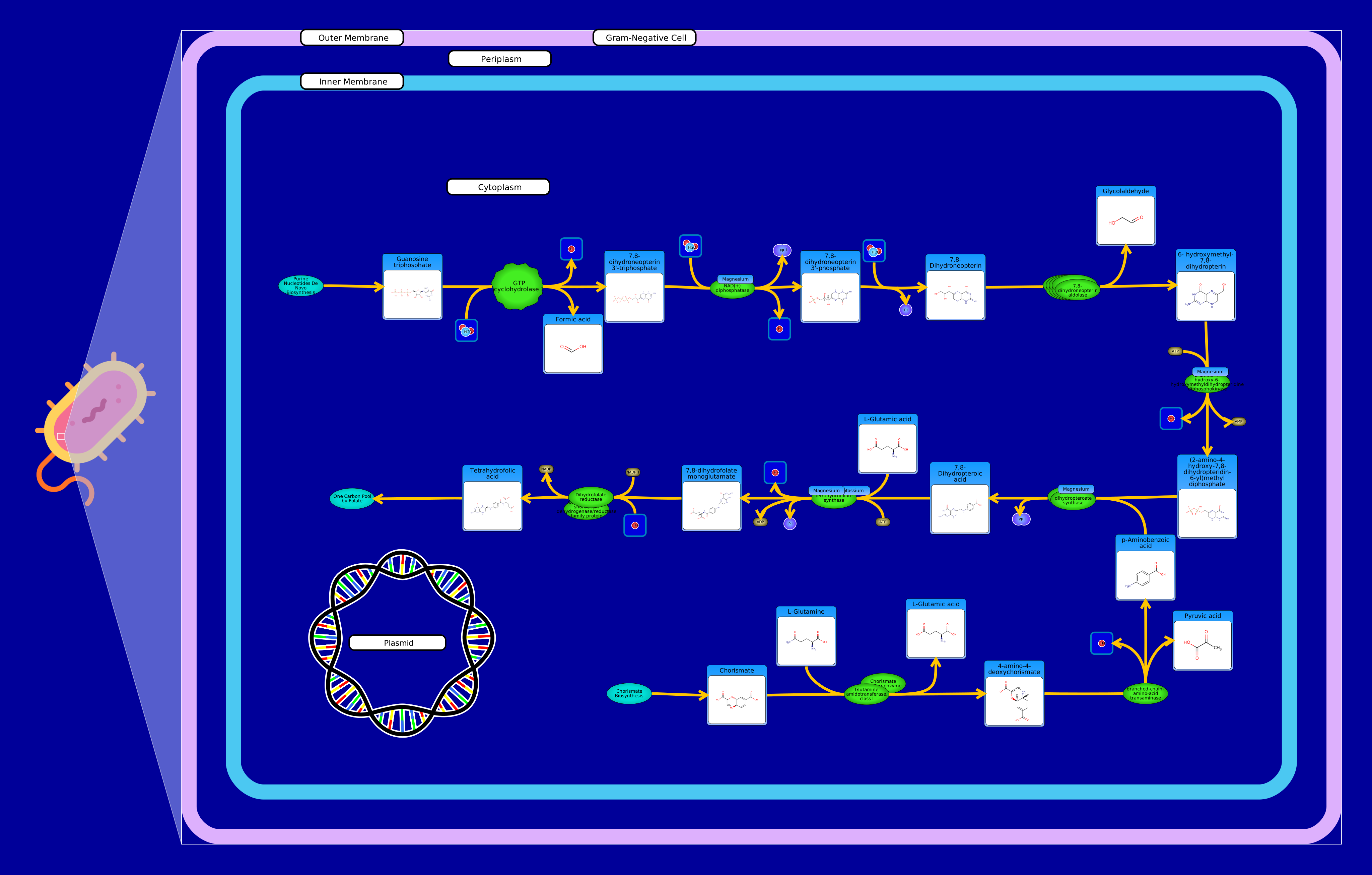 View Pathway
|
Folate BiosynthesisBacteroides fluxus YIT 12057
The biosynthesis of folic acid begins as a product of purine nucleotides de novo biosynthesis pathway. Purine nucleotides are involved in a reaction with water through a GTP cyclohydrolase 1 protein complex, resulting in a hydrogen ion, formic acid and 7,8-dihydroneopterin 3-triphosphate. The latter compound is dephosphorylated through a dihydroneopterin triphosphate pyrophosphohydrolase resulting in the release of a pyrophosphate, hydrogen ion and 7,8-dihydroneopterin 3-phosphate. The latter product reacts with water spontaneously resulting in the release of a phosphate and a 7,8 -dihydroneopterin. 7,8 -dihydroneopterin reacts with a dihydroneopterin aldolase, releasing a glycoaldehyde and 6-hydroxymethyl-7,9-dihydropterin. Continuing, 6-hydroxymethyl-7,9-dihydropterin is phosphorylated with a ATP-driven 6-hydroxymethyl-7,8-dihydropterin pyrophosphokinase resulting in a (2-amino-4-hydroxy-7,8-dihydropteridin-6-yl)methyl diphosphate.
Chorismate is metabolized by reacting with L-glutamine through a 4-amino-4-deoxychorismate synthase resulting in L-glutamic acid and 4-amino-4-deoxychorismate. The latter product is then catalyzed via an aminodeoxychorismate lyase resulting in pyruvic acid, hydrogen ion and p-aminobenzoic acid.
(2-amino-4-hydroxy-7,8-dihydropteridin-6-yl)methyl diphosphate and p-aminobenzoic acid react with the help of a dihydropteroate synthase resulting in pyrophosphate and 7,8-dihydropteroic acid. This compound then reacts with L-glutamic acid through an ATP driven bifunctional folylpolyglutamate synthease / dihydrofolate synthease resulting in a 7,8-dihydrofolate monoglutamate. 7,8-dihydrofolate monoglutamate is then reduced via a NADPH mediated dihydrofolate reductase resulting in a tetrahydrofate which will continue and become a metabolite of the folate pathway
|
Creator: Julia Wakoli Created On: January 15, 2025 at 02:19 Last Updated: January 15, 2025 at 02:19 |
PW452958 View Pathway
|
Folate BiosynthesisParaprevotella xylaniphila YIT 11841
The biosynthesis of folic acid begins as a product of purine nucleotides de novo biosynthesis pathway. Purine nucleotides are involved in a reaction with water through a GTP cyclohydrolase 1 protein complex, resulting in a hydrogen ion, formic acid and 7,8-dihydroneopterin 3-triphosphate. The latter compound is dephosphorylated through a dihydroneopterin triphosphate pyrophosphohydrolase resulting in the release of a pyrophosphate, hydrogen ion and 7,8-dihydroneopterin 3-phosphate. The latter product reacts with water spontaneously resulting in the release of a phosphate and a 7,8 -dihydroneopterin. 7,8 -dihydroneopterin reacts with a dihydroneopterin aldolase, releasing a glycoaldehyde and 6-hydroxymethyl-7,9-dihydropterin. Continuing, 6-hydroxymethyl-7,9-dihydropterin is phosphorylated with a ATP-driven 6-hydroxymethyl-7,8-dihydropterin pyrophosphokinase resulting in a (2-amino-4-hydroxy-7,8-dihydropteridin-6-yl)methyl diphosphate.
Chorismate is metabolized by reacting with L-glutamine through a 4-amino-4-deoxychorismate synthase resulting in L-glutamic acid and 4-amino-4-deoxychorismate. The latter product is then catalyzed via an aminodeoxychorismate lyase resulting in pyruvic acid, hydrogen ion and p-aminobenzoic acid.
(2-amino-4-hydroxy-7,8-dihydropteridin-6-yl)methyl diphosphate and p-aminobenzoic acid react with the help of a dihydropteroate synthase resulting in pyrophosphate and 7,8-dihydropteroic acid. This compound then reacts with L-glutamic acid through an ATP driven bifunctional folylpolyglutamate synthease / dihydrofolate synthease resulting in a 7,8-dihydrofolate monoglutamate. 7,8-dihydrofolate monoglutamate is then reduced via a NADPH mediated dihydrofolate reductase resulting in a tetrahydrofate which will continue and become a metabolite of the folate pathway
|
Creator: Julia Wakoli Created On: January 15, 2025 at 08:33 Last Updated: January 15, 2025 at 08:33 |
PW452871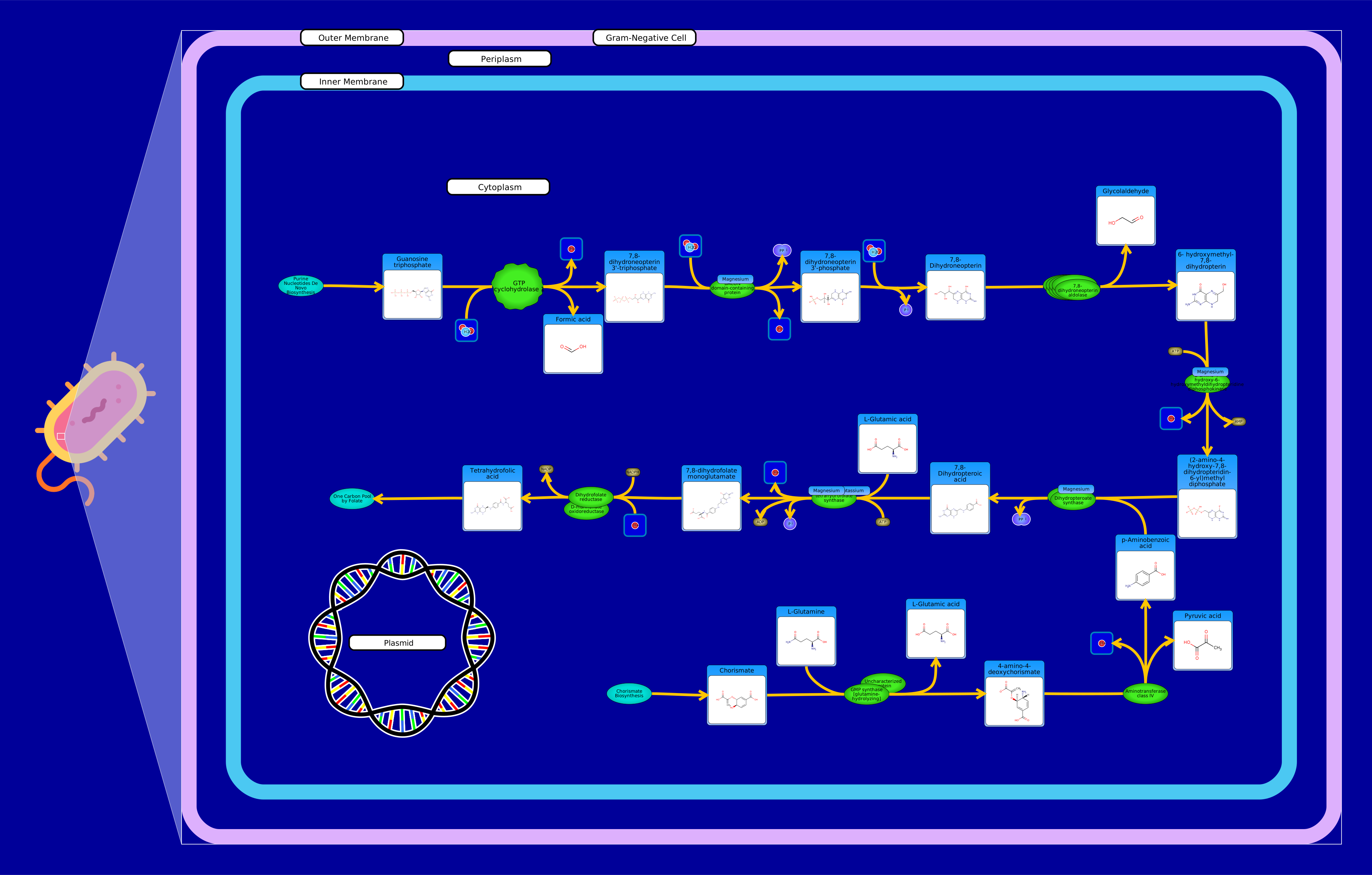 View Pathway
|
Folate BiosynthesisOdoribacter laneus YIT 12061
The biosynthesis of folic acid begins as a product of purine nucleotides de novo biosynthesis pathway. Purine nucleotides are involved in a reaction with water through a GTP cyclohydrolase 1 protein complex, resulting in a hydrogen ion, formic acid and 7,8-dihydroneopterin 3-triphosphate. The latter compound is dephosphorylated through a dihydroneopterin triphosphate pyrophosphohydrolase resulting in the release of a pyrophosphate, hydrogen ion and 7,8-dihydroneopterin 3-phosphate. The latter product reacts with water spontaneously resulting in the release of a phosphate and a 7,8 -dihydroneopterin. 7,8 -dihydroneopterin reacts with a dihydroneopterin aldolase, releasing a glycoaldehyde and 6-hydroxymethyl-7,9-dihydropterin. Continuing, 6-hydroxymethyl-7,9-dihydropterin is phosphorylated with a ATP-driven 6-hydroxymethyl-7,8-dihydropterin pyrophosphokinase resulting in a (2-amino-4-hydroxy-7,8-dihydropteridin-6-yl)methyl diphosphate.
Chorismate is metabolized by reacting with L-glutamine through a 4-amino-4-deoxychorismate synthase resulting in L-glutamic acid and 4-amino-4-deoxychorismate. The latter product is then catalyzed via an aminodeoxychorismate lyase resulting in pyruvic acid, hydrogen ion and p-aminobenzoic acid.
(2-amino-4-hydroxy-7,8-dihydropteridin-6-yl)methyl diphosphate and p-aminobenzoic acid react with the help of a dihydropteroate synthase resulting in pyrophosphate and 7,8-dihydropteroic acid. This compound then reacts with L-glutamic acid through an ATP driven bifunctional folylpolyglutamate synthease / dihydrofolate synthease resulting in a 7,8-dihydrofolate monoglutamate. 7,8-dihydrofolate monoglutamate is then reduced via a NADPH mediated dihydrofolate reductase resulting in a tetrahydrofate which will continue and become a metabolite of the folate pathway
|
Creator: Julia Wakoli Created On: January 15, 2025 at 07:12 Last Updated: January 15, 2025 at 07:12 |
PW454459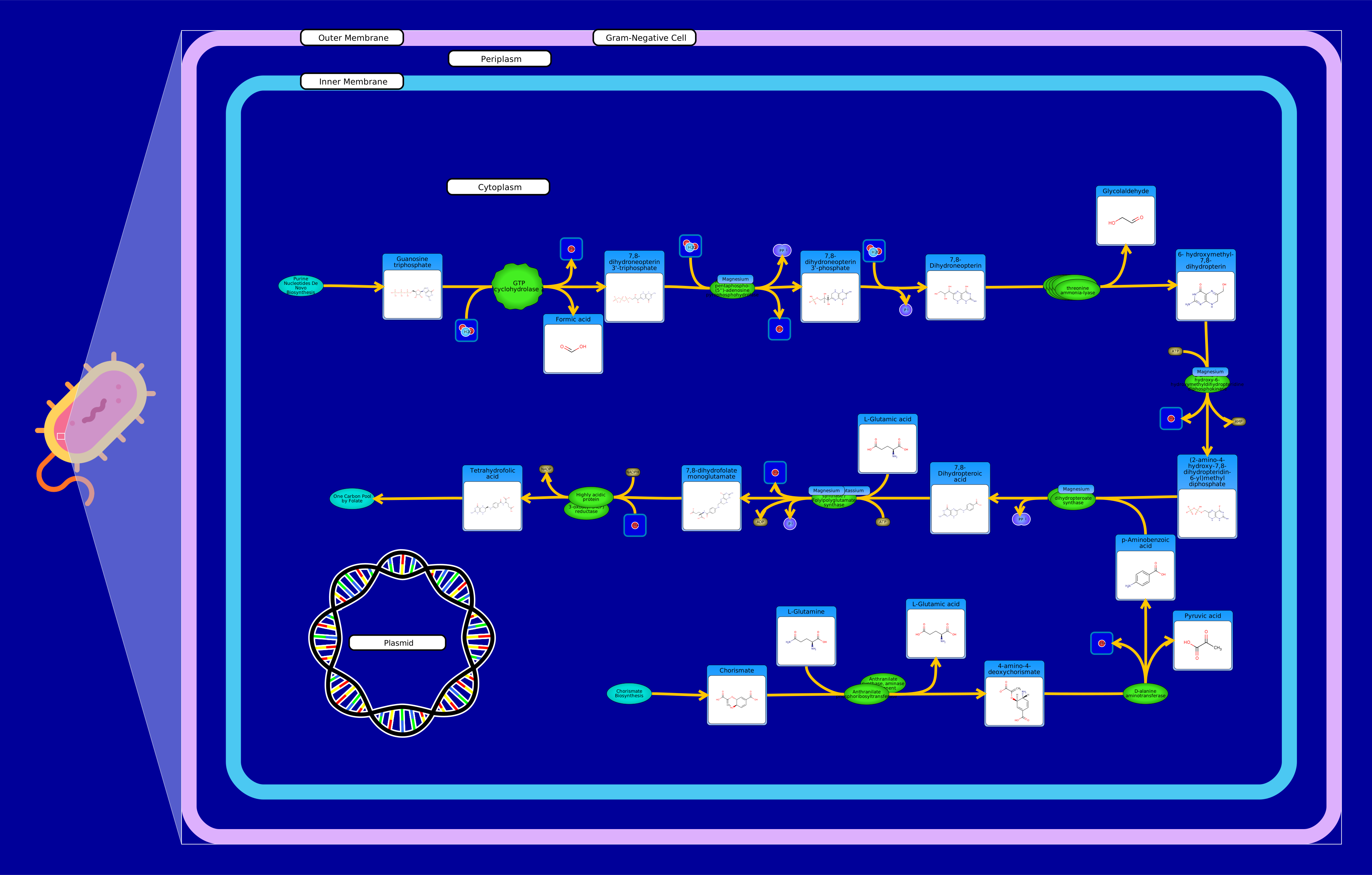 View Pathway
|
Folate BiosynthesisCampylobacter showae CSUNSWCD
The biosynthesis of folic acid begins as a product of purine nucleotides de novo biosynthesis pathway. Purine nucleotides are involved in a reaction with water through a GTP cyclohydrolase 1 protein complex, resulting in a hydrogen ion, formic acid and 7,8-dihydroneopterin 3-triphosphate. The latter compound is dephosphorylated through a dihydroneopterin triphosphate pyrophosphohydrolase resulting in the release of a pyrophosphate, hydrogen ion and 7,8-dihydroneopterin 3-phosphate. The latter product reacts with water spontaneously resulting in the release of a phosphate and a 7,8 -dihydroneopterin. 7,8 -dihydroneopterin reacts with a dihydroneopterin aldolase, releasing a glycoaldehyde and 6-hydroxymethyl-7,9-dihydropterin. Continuing, 6-hydroxymethyl-7,9-dihydropterin is phosphorylated with a ATP-driven 6-hydroxymethyl-7,8-dihydropterin pyrophosphokinase resulting in a (2-amino-4-hydroxy-7,8-dihydropteridin-6-yl)methyl diphosphate.
Chorismate is metabolized by reacting with L-glutamine through a 4-amino-4-deoxychorismate synthase resulting in L-glutamic acid and 4-amino-4-deoxychorismate. The latter product is then catalyzed via an aminodeoxychorismate lyase resulting in pyruvic acid, hydrogen ion and p-aminobenzoic acid.
(2-amino-4-hydroxy-7,8-dihydropteridin-6-yl)methyl diphosphate and p-aminobenzoic acid react with the help of a dihydropteroate synthase resulting in pyrophosphate and 7,8-dihydropteroic acid. This compound then reacts with L-glutamic acid through an ATP driven bifunctional folylpolyglutamate synthease / dihydrofolate synthease resulting in a 7,8-dihydrofolate monoglutamate. 7,8-dihydrofolate monoglutamate is then reduced via a NADPH mediated dihydrofolate reductase resulting in a tetrahydrofate which will continue and become a metabolite of the folate pathway
|
Creator: Julia Wakoli Created On: January 16, 2025 at 00:06 Last Updated: January 16, 2025 at 00:06 |
PW457256 View Pathway
|
Folate BiosynthesisVeillonella dispar ATCC 17748
The biosynthesis of folic acid begins as a product of purine nucleotides de novo biosynthesis pathway. Purine nucleotides are involved in a reaction with water through a GTP cyclohydrolase 1 protein complex, resulting in a hydrogen ion, formic acid and 7,8-dihydroneopterin 3-triphosphate. The latter compound is dephosphorylated through a dihydroneopterin triphosphate pyrophosphohydrolase resulting in the release of a pyrophosphate, hydrogen ion and 7,8-dihydroneopterin 3-phosphate. The latter product reacts with water spontaneously resulting in the release of a phosphate and a 7,8 -dihydroneopterin. 7,8 -dihydroneopterin reacts with a dihydroneopterin aldolase, releasing a glycoaldehyde and 6-hydroxymethyl-7,9-dihydropterin. Continuing, 6-hydroxymethyl-7,9-dihydropterin is phosphorylated with a ATP-driven 6-hydroxymethyl-7,8-dihydropterin pyrophosphokinase resulting in a (2-amino-4-hydroxy-7,8-dihydropteridin-6-yl)methyl diphosphate.
Chorismate is metabolized by reacting with L-glutamine through a 4-amino-4-deoxychorismate synthase resulting in L-glutamic acid and 4-amino-4-deoxychorismate. The latter product is then catalyzed via an aminodeoxychorismate lyase resulting in pyruvic acid, hydrogen ion and p-aminobenzoic acid.
(2-amino-4-hydroxy-7,8-dihydropteridin-6-yl)methyl diphosphate and p-aminobenzoic acid react with the help of a dihydropteroate synthase resulting in pyrophosphate and 7,8-dihydropteroic acid. This compound then reacts with L-glutamic acid through an ATP driven bifunctional folylpolyglutamate synthease / dihydrofolate synthease resulting in a 7,8-dihydrofolate monoglutamate. 7,8-dihydrofolate monoglutamate is then reduced via a NADPH mediated dihydrofolate reductase resulting in a tetrahydrofate which will continue and become a metabolite of the folate pathway
|
Creator: Julia Wakoli Created On: January 17, 2025 at 10:39 Last Updated: January 17, 2025 at 10:39 |
PW451190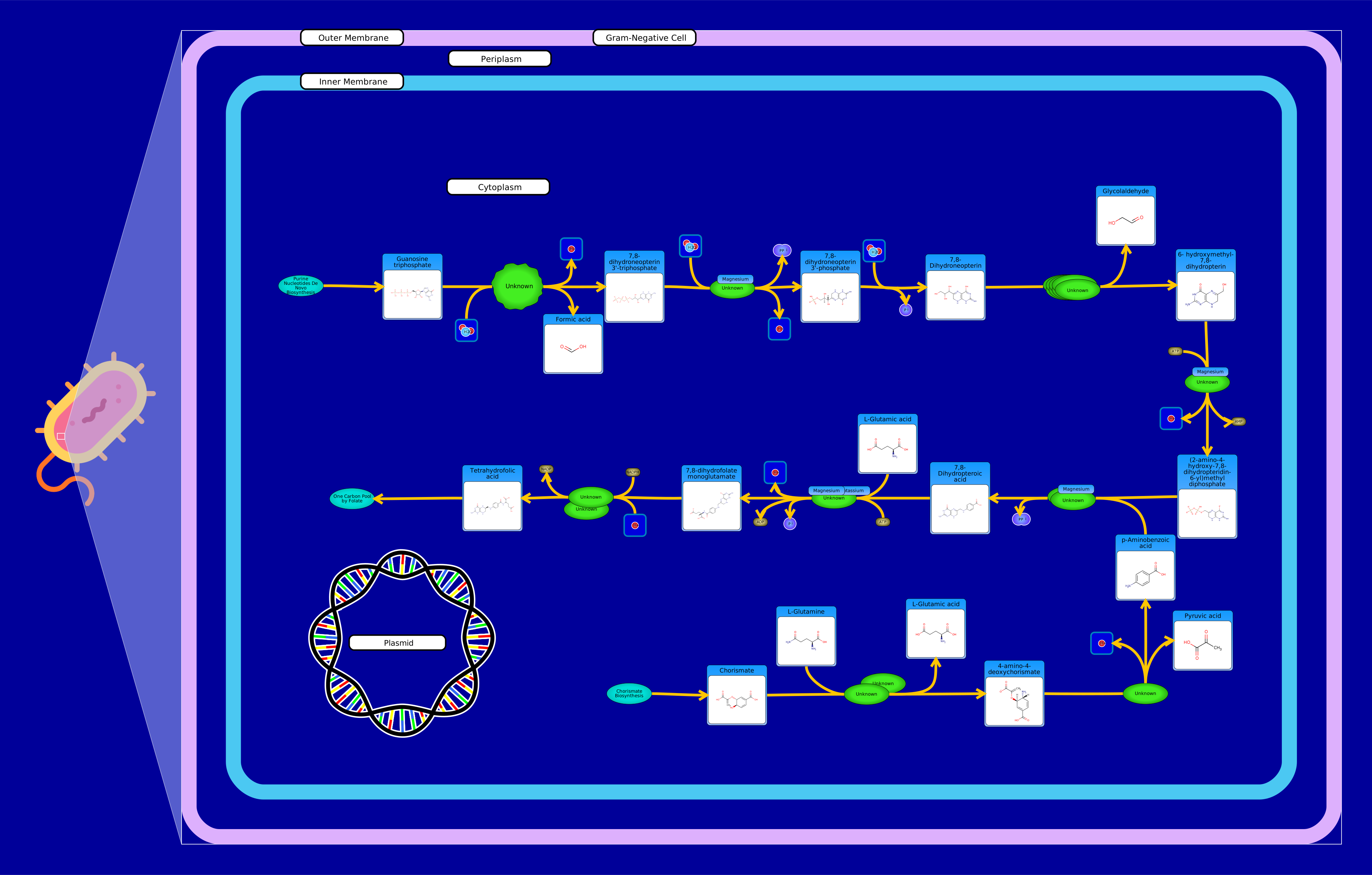 View Pathway
|
Folate BiosynthesisCampylobacter jejuni subsp. jejuni 81-176
The biosynthesis of folic acid begins as a product of purine nucleotides de novo biosynthesis pathway. Purine nucleotides are involved in a reaction with water through a GTP cyclohydrolase 1 protein complex, resulting in a hydrogen ion, formic acid and 7,8-dihydroneopterin 3-triphosphate. The latter compound is dephosphorylated through a dihydroneopterin triphosphate pyrophosphohydrolase resulting in the release of a pyrophosphate, hydrogen ion and 7,8-dihydroneopterin 3-phosphate. The latter product reacts with water spontaneously resulting in the release of a phosphate and a 7,8 -dihydroneopterin. 7,8 -dihydroneopterin reacts with a dihydroneopterin aldolase, releasing a glycoaldehyde and 6-hydroxymethyl-7,9-dihydropterin. Continuing, 6-hydroxymethyl-7,9-dihydropterin is phosphorylated with a ATP-driven 6-hydroxymethyl-7,8-dihydropterin pyrophosphokinase resulting in a (2-amino-4-hydroxy-7,8-dihydropteridin-6-yl)methyl diphosphate.
Chorismate is metabolized by reacting with L-glutamine through a 4-amino-4-deoxychorismate synthase resulting in L-glutamic acid and 4-amino-4-deoxychorismate. The latter product is then catalyzed via an aminodeoxychorismate lyase resulting in pyruvic acid, hydrogen ion and p-aminobenzoic acid.
(2-amino-4-hydroxy-7,8-dihydropteridin-6-yl)methyl diphosphate and p-aminobenzoic acid react with the help of a dihydropteroate synthase resulting in pyrophosphate and 7,8-dihydropteroic acid. This compound then reacts with L-glutamic acid through an ATP driven bifunctional folylpolyglutamate synthease / dihydrofolate synthease resulting in a 7,8-dihydrofolate monoglutamate. 7,8-dihydrofolate monoglutamate is then reduced via a NADPH mediated dihydrofolate reductase resulting in a tetrahydrofate which will continue and become a metabolite of the folate pathway
|
Creator: Julia Wakoli Created On: January 14, 2025 at 12:10 Last Updated: January 14, 2025 at 12:10 |
PW453994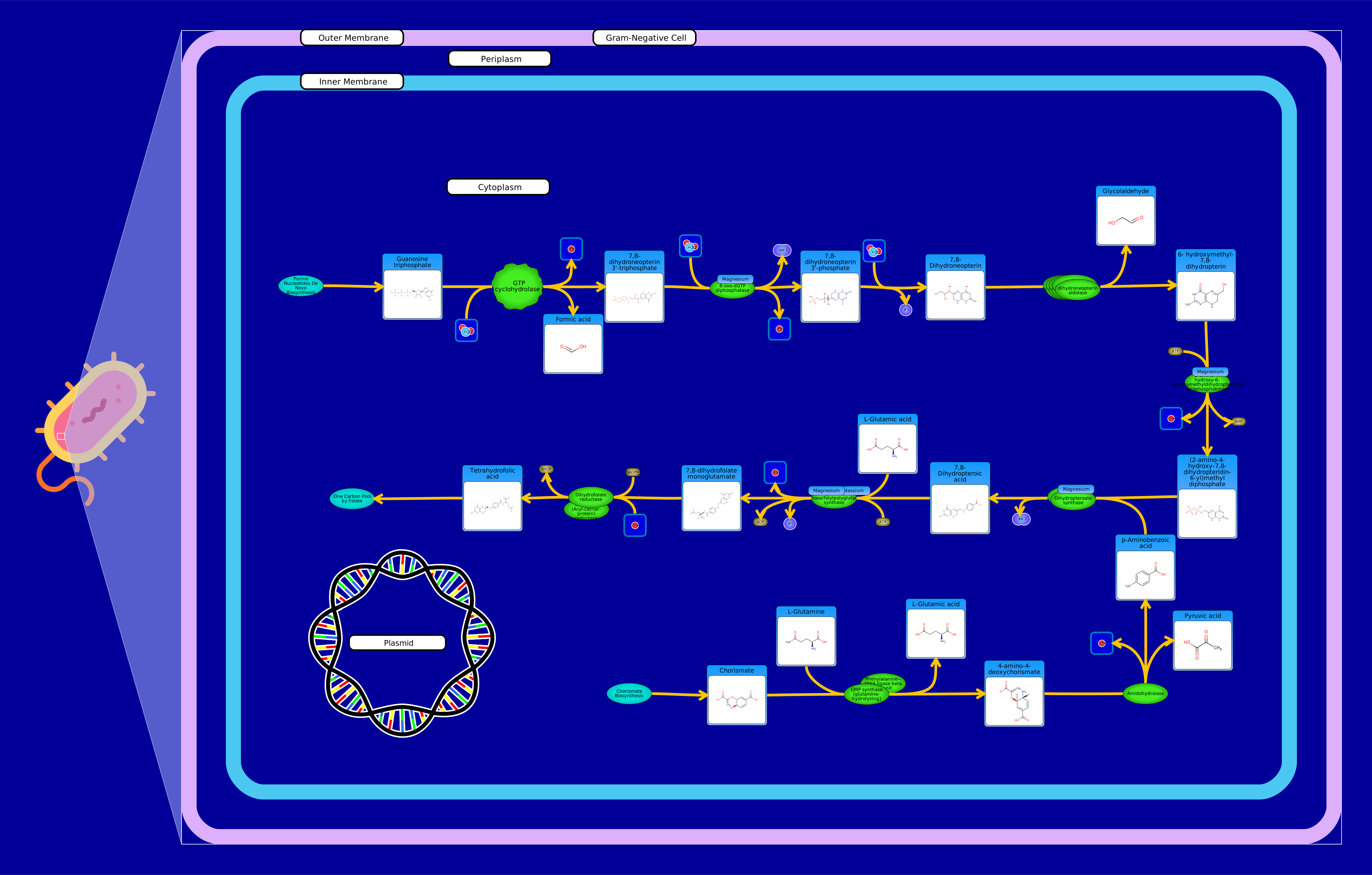 View Pathway
|
Folate BiosynthesisSutterella parvirubra YIT 11816
The biosynthesis of folic acid begins as a product of purine nucleotides de novo biosynthesis pathway. Purine nucleotides are involved in a reaction with water through a GTP cyclohydrolase 1 protein complex, resulting in a hydrogen ion, formic acid and 7,8-dihydroneopterin 3-triphosphate. The latter compound is dephosphorylated through a dihydroneopterin triphosphate pyrophosphohydrolase resulting in the release of a pyrophosphate, hydrogen ion and 7,8-dihydroneopterin 3-phosphate. The latter product reacts with water spontaneously resulting in the release of a phosphate and a 7,8 -dihydroneopterin. 7,8 -dihydroneopterin reacts with a dihydroneopterin aldolase, releasing a glycoaldehyde and 6-hydroxymethyl-7,9-dihydropterin. Continuing, 6-hydroxymethyl-7,9-dihydropterin is phosphorylated with a ATP-driven 6-hydroxymethyl-7,8-dihydropterin pyrophosphokinase resulting in a (2-amino-4-hydroxy-7,8-dihydropteridin-6-yl)methyl diphosphate.
Chorismate is metabolized by reacting with L-glutamine through a 4-amino-4-deoxychorismate synthase resulting in L-glutamic acid and 4-amino-4-deoxychorismate. The latter product is then catalyzed via an aminodeoxychorismate lyase resulting in pyruvic acid, hydrogen ion and p-aminobenzoic acid.
(2-amino-4-hydroxy-7,8-dihydropteridin-6-yl)methyl diphosphate and p-aminobenzoic acid react with the help of a dihydropteroate synthase resulting in pyrophosphate and 7,8-dihydropteroic acid. This compound then reacts with L-glutamic acid through an ATP driven bifunctional folylpolyglutamate synthease / dihydrofolate synthease resulting in a 7,8-dihydrofolate monoglutamate. 7,8-dihydrofolate monoglutamate is then reduced via a NADPH mediated dihydrofolate reductase resulting in a tetrahydrofate which will continue and become a metabolite of the folate pathway
|
Creator: Julia Wakoli Created On: January 15, 2025 at 20:25 Last Updated: January 15, 2025 at 20:25 |
PW454555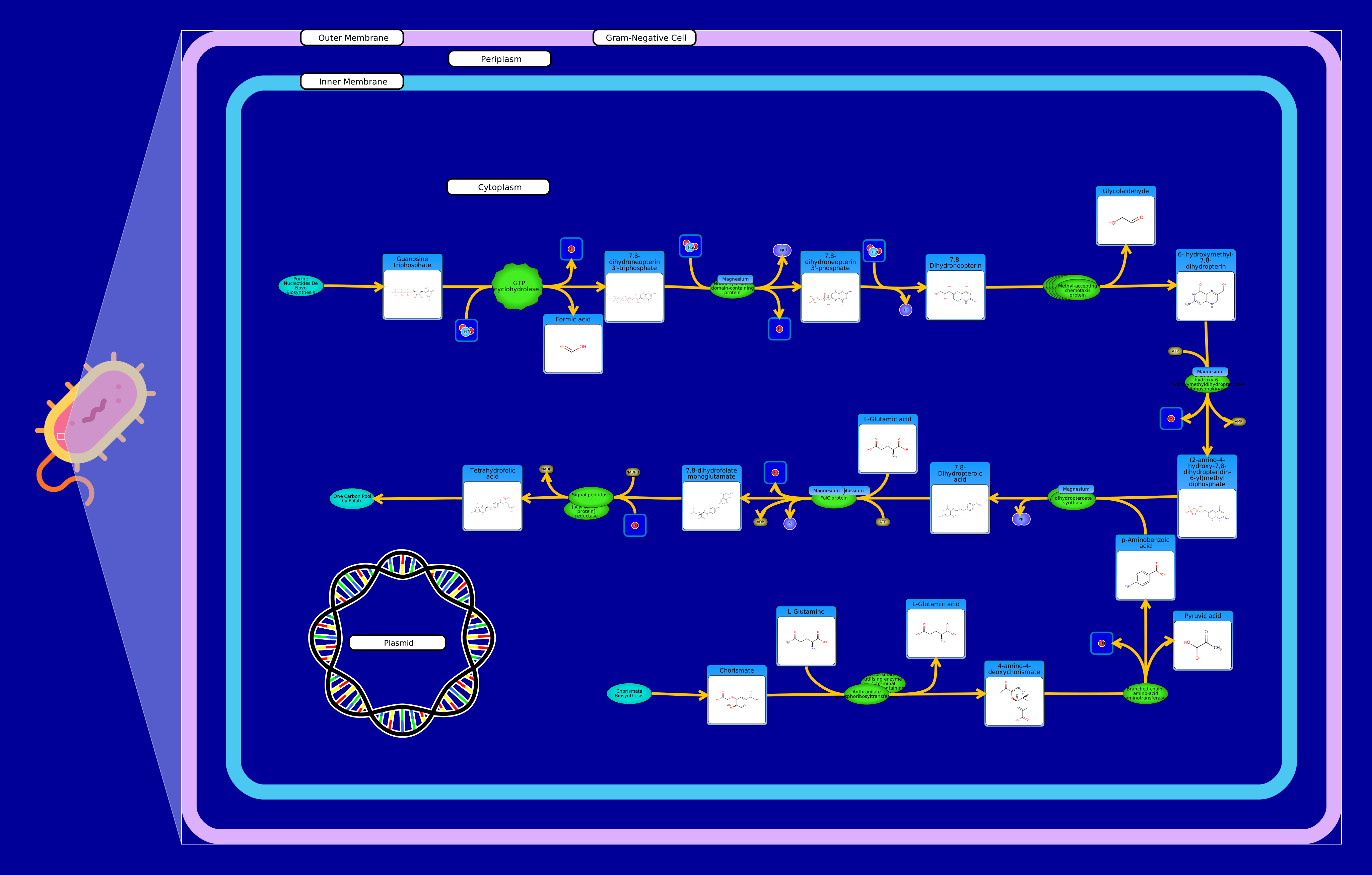 View Pathway
|
Folate BiosynthesisHelicobacter bilis ATCC 43879
The biosynthesis of folic acid begins as a product of purine nucleotides de novo biosynthesis pathway. Purine nucleotides are involved in a reaction with water through a GTP cyclohydrolase 1 protein complex, resulting in a hydrogen ion, formic acid and 7,8-dihydroneopterin 3-triphosphate. The latter compound is dephosphorylated through a dihydroneopterin triphosphate pyrophosphohydrolase resulting in the release of a pyrophosphate, hydrogen ion and 7,8-dihydroneopterin 3-phosphate. The latter product reacts with water spontaneously resulting in the release of a phosphate and a 7,8 -dihydroneopterin. 7,8 -dihydroneopterin reacts with a dihydroneopterin aldolase, releasing a glycoaldehyde and 6-hydroxymethyl-7,9-dihydropterin. Continuing, 6-hydroxymethyl-7,9-dihydropterin is phosphorylated with a ATP-driven 6-hydroxymethyl-7,8-dihydropterin pyrophosphokinase resulting in a (2-amino-4-hydroxy-7,8-dihydropteridin-6-yl)methyl diphosphate.
Chorismate is metabolized by reacting with L-glutamine through a 4-amino-4-deoxychorismate synthase resulting in L-glutamic acid and 4-amino-4-deoxychorismate. The latter product is then catalyzed via an aminodeoxychorismate lyase resulting in pyruvic acid, hydrogen ion and p-aminobenzoic acid.
(2-amino-4-hydroxy-7,8-dihydropteridin-6-yl)methyl diphosphate and p-aminobenzoic acid react with the help of a dihydropteroate synthase resulting in pyrophosphate and 7,8-dihydropteroic acid. This compound then reacts with L-glutamic acid through an ATP driven bifunctional folylpolyglutamate synthease / dihydrofolate synthease resulting in a 7,8-dihydrofolate monoglutamate. 7,8-dihydrofolate monoglutamate is then reduced via a NADPH mediated dihydrofolate reductase resulting in a tetrahydrofate which will continue and become a metabolite of the folate pathway
|
Creator: Julia Wakoli Created On: January 16, 2025 at 00:47 Last Updated: January 16, 2025 at 00:47 |
PW452561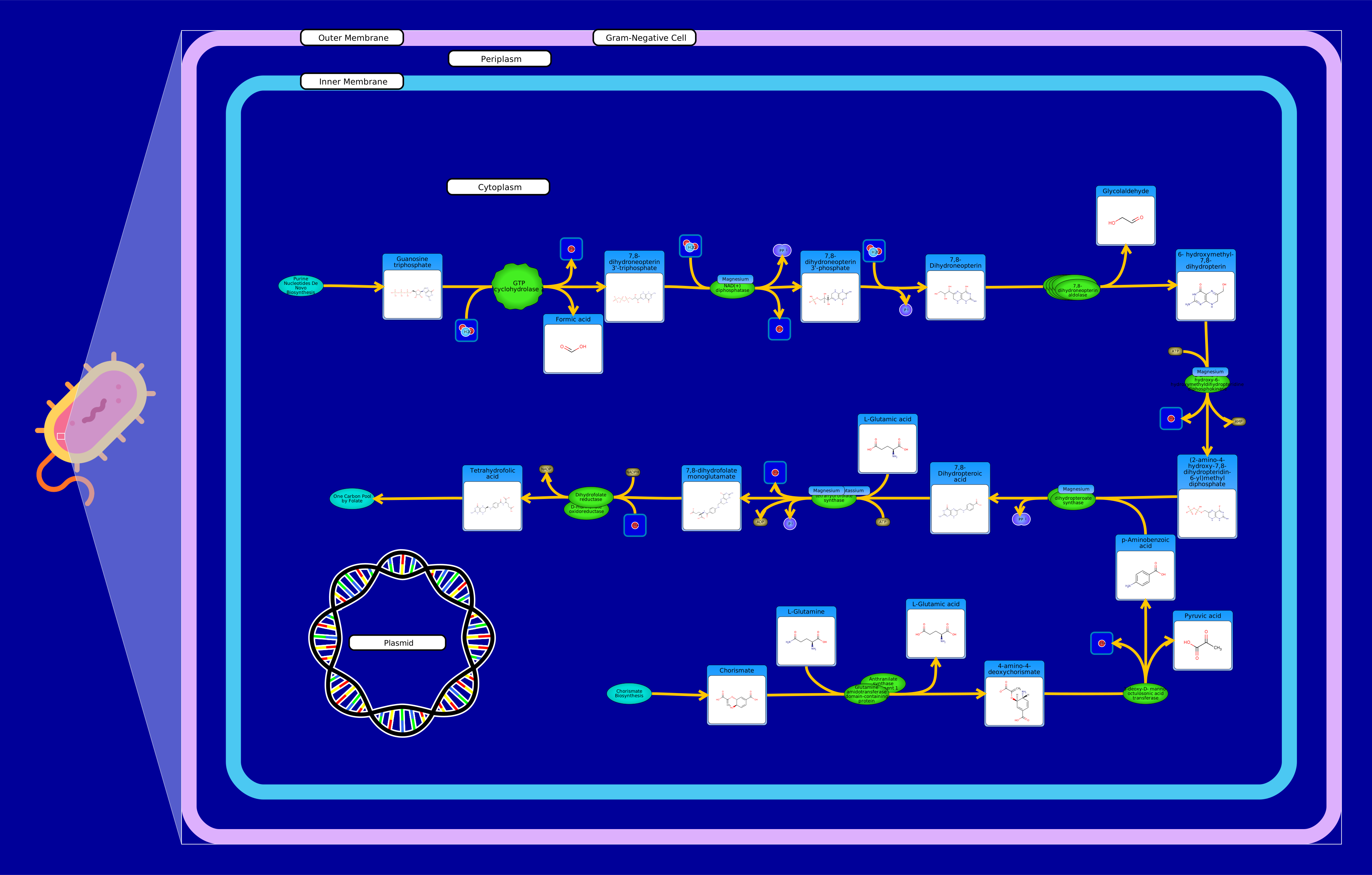 View Pathway
|
Folate BiosynthesisBacteroides nordii CL02T12C05
The biosynthesis of folic acid begins as a product of purine nucleotides de novo biosynthesis pathway. Purine nucleotides are involved in a reaction with water through a GTP cyclohydrolase 1 protein complex, resulting in a hydrogen ion, formic acid and 7,8-dihydroneopterin 3-triphosphate. The latter compound is dephosphorylated through a dihydroneopterin triphosphate pyrophosphohydrolase resulting in the release of a pyrophosphate, hydrogen ion and 7,8-dihydroneopterin 3-phosphate. The latter product reacts with water spontaneously resulting in the release of a phosphate and a 7,8 -dihydroneopterin. 7,8 -dihydroneopterin reacts with a dihydroneopterin aldolase, releasing a glycoaldehyde and 6-hydroxymethyl-7,9-dihydropterin. Continuing, 6-hydroxymethyl-7,9-dihydropterin is phosphorylated with a ATP-driven 6-hydroxymethyl-7,8-dihydropterin pyrophosphokinase resulting in a (2-amino-4-hydroxy-7,8-dihydropteridin-6-yl)methyl diphosphate.
Chorismate is metabolized by reacting with L-glutamine through a 4-amino-4-deoxychorismate synthase resulting in L-glutamic acid and 4-amino-4-deoxychorismate. The latter product is then catalyzed via an aminodeoxychorismate lyase resulting in pyruvic acid, hydrogen ion and p-aminobenzoic acid.
(2-amino-4-hydroxy-7,8-dihydropteridin-6-yl)methyl diphosphate and p-aminobenzoic acid react with the help of a dihydropteroate synthase resulting in pyrophosphate and 7,8-dihydropteroic acid. This compound then reacts with L-glutamic acid through an ATP driven bifunctional folylpolyglutamate synthease / dihydrofolate synthease resulting in a 7,8-dihydrofolate monoglutamate. 7,8-dihydrofolate monoglutamate is then reduced via a NADPH mediated dihydrofolate reductase resulting in a tetrahydrofate which will continue and become a metabolite of the folate pathway
|
Creator: Julia Wakoli Created On: January 15, 2025 at 02:22 Last Updated: January 15, 2025 at 02:22 |