
| PathWhiz ID | Pathway | Meta Data |
|---|---|---|
PW088216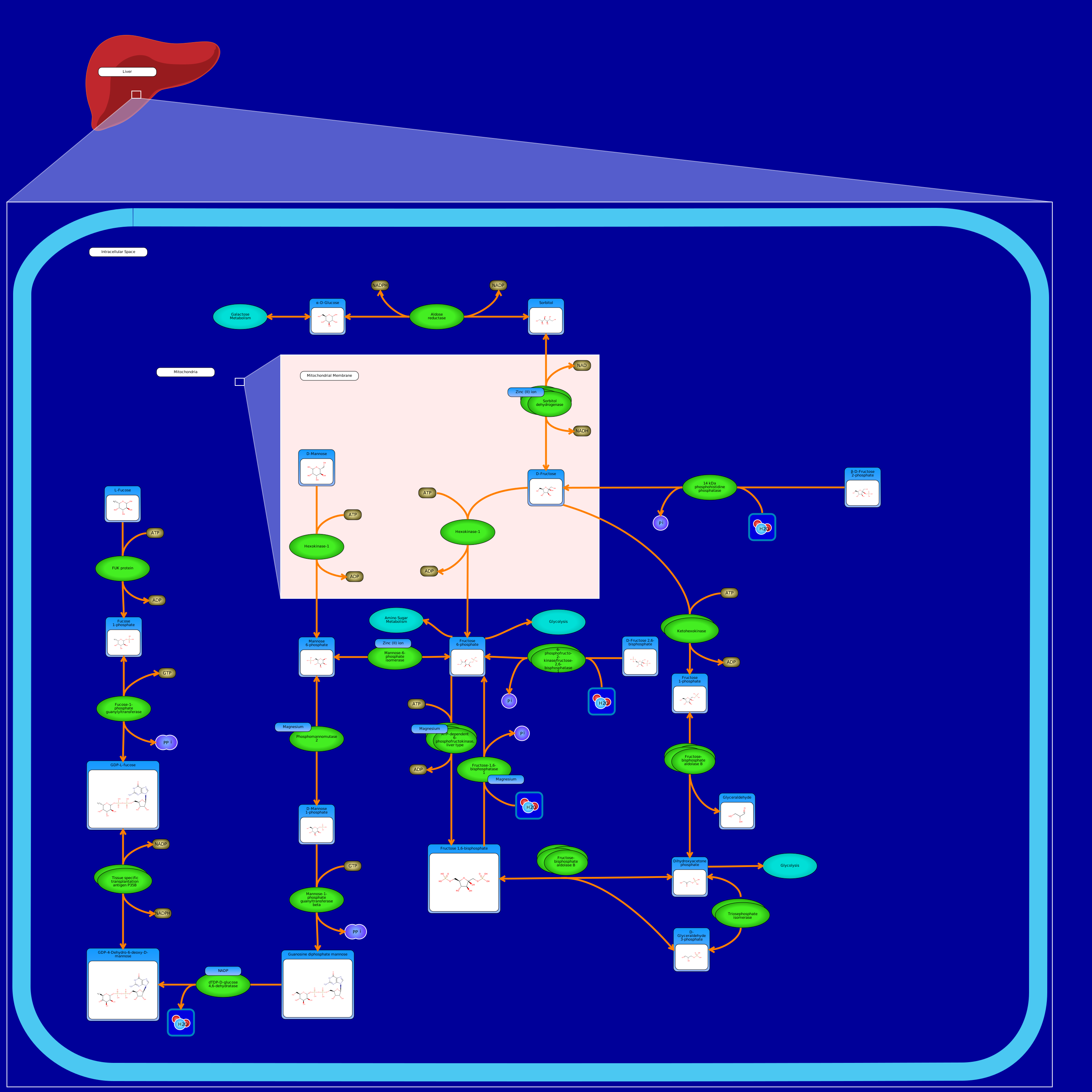 View Pathway
|
Fructose and Mannose DegradationBos taurus
Fructose and mannose are monosaccharides that can be found in many foods. Fructose can join with glucose to form sucrose. Mannose can be converted to glucose. Both may be used as food sweeteners. Fructose is well absorbed, especially in the presence of glucose. Fructose causes less of an insulin response compared to glucose and thus may be a preferred sugar for diabetics. In contrast to fructose, humans do not metabolize mannose well with the majority of it being excreted unchanged. Mannose in the urine can be beneficial in treating urinary tract infections caused be E. coli. However, mannose can be detrimental to humans by causing diabetic complications.
|
Creator: Ana Marcu Created On: August 10, 2018 at 11:18 Last Updated: August 10, 2018 at 11:18 |
PW064590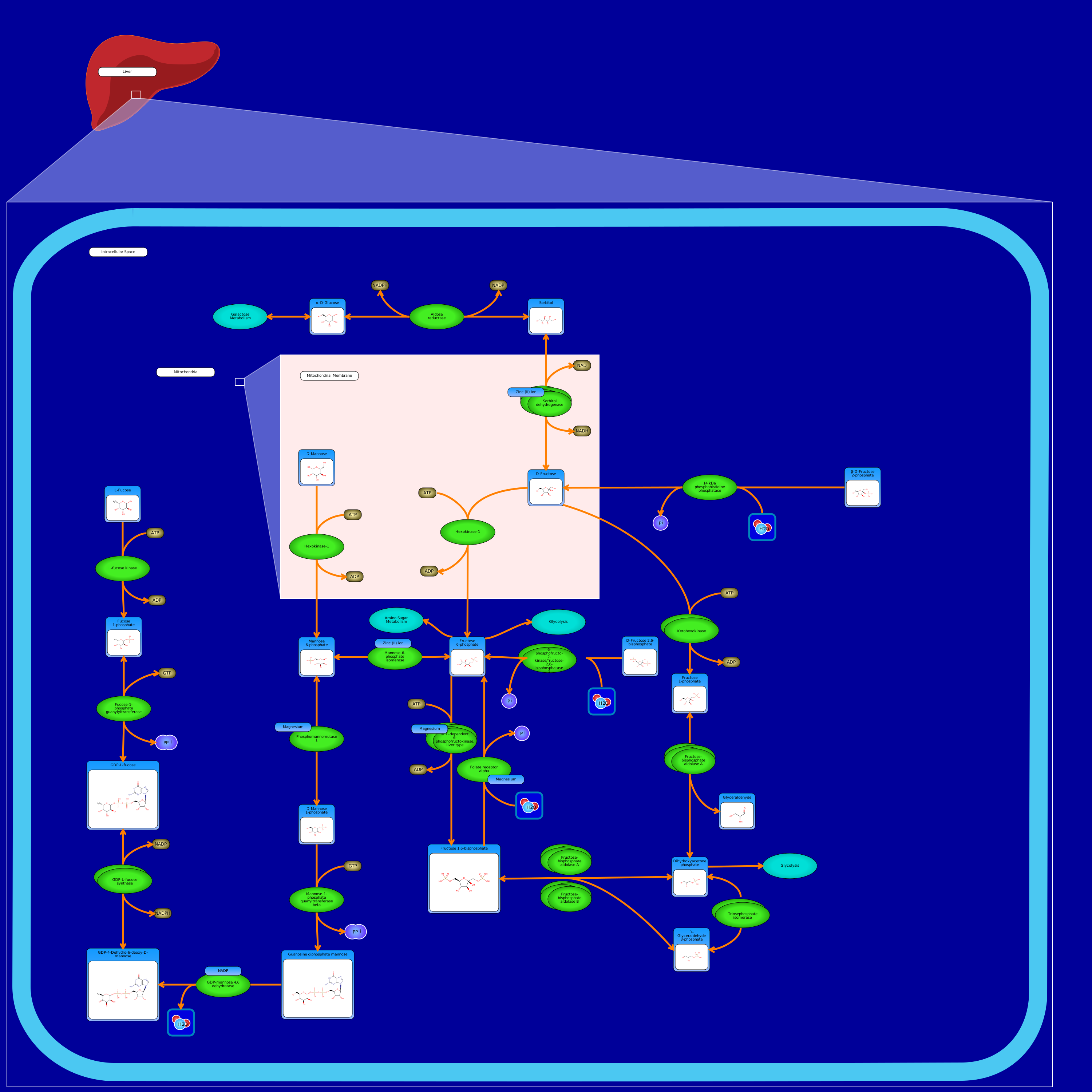 View Pathway
|
Fructose and Mannose DegradationMus musculus
Fructose and mannose are monosaccharides that can be found in many foods. Fructose can join with glucose to form sucrose. Mannose can be converted to glucose. Both may be used as food sweeteners. Fructose is well absorbed, especially in the presence of glucose. Fructose causes less of an insulin response compared to glucose and thus may be a preferred sugar for diabetics. In contrast to fructose, humans do not metabolize mannose well with the majority of it being excreted unchanged. Mannose in the urine can be beneficial in treating urinary tract infections caused be E. coli. However, mannose can be detrimental to humans by causing diabetic complications.
|
Creator: Carin Li Created On: January 21, 2018 at 20:56 Last Updated: January 21, 2018 at 20:56 |
PW123943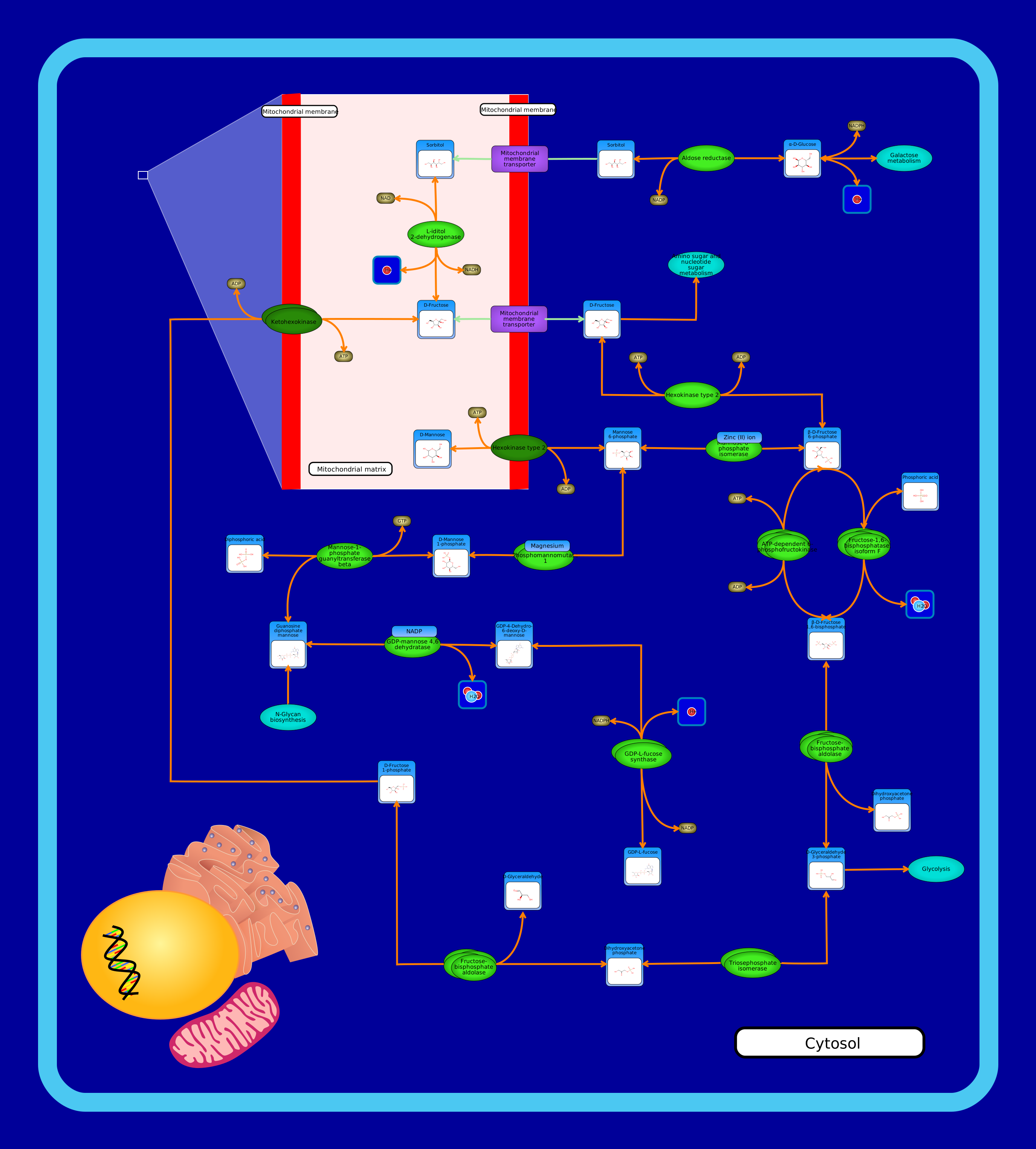 View Pathway
|
Fructose and Mannose MetabolismDrosophila melanogaster
Fructose and mannose are monosaccharides that can be found in a variety of foods, though they are both metabolized and treated differently by the body. For mannose, it begins with the D-form D-mannose which is widely distributed in mannans and hemicelluloses. D-Mannose (which can be found in the mitochondria or outside cells) is first taken up into the intracellular space by a phosphotransferase system (hexokinase) and converted into mannose-6-phosphate. This can then take one of two pathways. In the first it is subsequently converted by mannose-6-phosphate isomerase into β-D-fructose 6-phosphate, an intermediate of glycolysis. The β-D-fructose 6-phosphate is further phosphorylated by fructose-1,6-bisphosphatase to β-D-fructose 1,6-bisphosphate, which can also be converted back via ATP dependent 6-phosphofructokinase. The β-D-fructose 1,6-bisphosphate is then split into two compounds: dihydroxyacetone phosphate and D-glyceraldehyde 3-phosphate, which either continues through glycolysis, or gets catalyzed by triosephosphate isomerase into dihydroxyacetone phosphate in a reversible reaction. The second pathway for mannose-6-phosphate begins with its conversion into D-mannose 1-phosphate by phosphomannomutase 1. D-Mannose 1-phosphate is then converted into diphosphoric acid and guanosine diphosphate mannose (GDP mannose), which is a substrate for dolichol-linked oligosaccharide synthesis. GDP mannose can either continue on into N-glycan biosynthesis, or be converted to GDP-L-fucose via 3 enzymatic reactions carried out by two proteins: GDP-mannose 4,6-dehydratase (which produces the intermediate GDP-4-dehydro-6-deoxy-D-mannose) and GDP-L-fucose synthase, which converts the intermediate into GDP-L-fucose. The metabolism of mannose is interlinked with the metabolism of fructose, which begins with D-fructose also within the mitochondria. Metabolism of fructose is linked up with metabolism of mannose via fructolysis wherein ketohexokinase initially produces D-fructose 1-phosphate, (found in the cytosol). This is then split by fructose bisphosphate aldolase into D-glyceraldehyde and dihydroxyacetone phosphate, linking it to the mannose metabolic pathway. Alternatively, D-fructose can also be converted into β-D-fructose 6-phosphate by hexokinase as it is imported into the cytosol of the cell. β-D-Fructose 6-phosphate then enters the previously outlined pathway shared between fructose and mannose. D-Fructose can also be reversibly converted to sorbitol by a sorbitol dehydrogenase (LD47736p), which is subsequently reversibly converted to α-D-glucose used in the galactose metabolic pathway via an aldose reductase (CG6084, isoform D). Alternatively, D-fructose could also instead go on to take part in the amino sugar and nucleotide sugar metabolic pathway.
|
Creator: Christiana Garros Created On: June 21, 2020 at 23:45 Last Updated: June 21, 2020 at 23:45 |
PW000702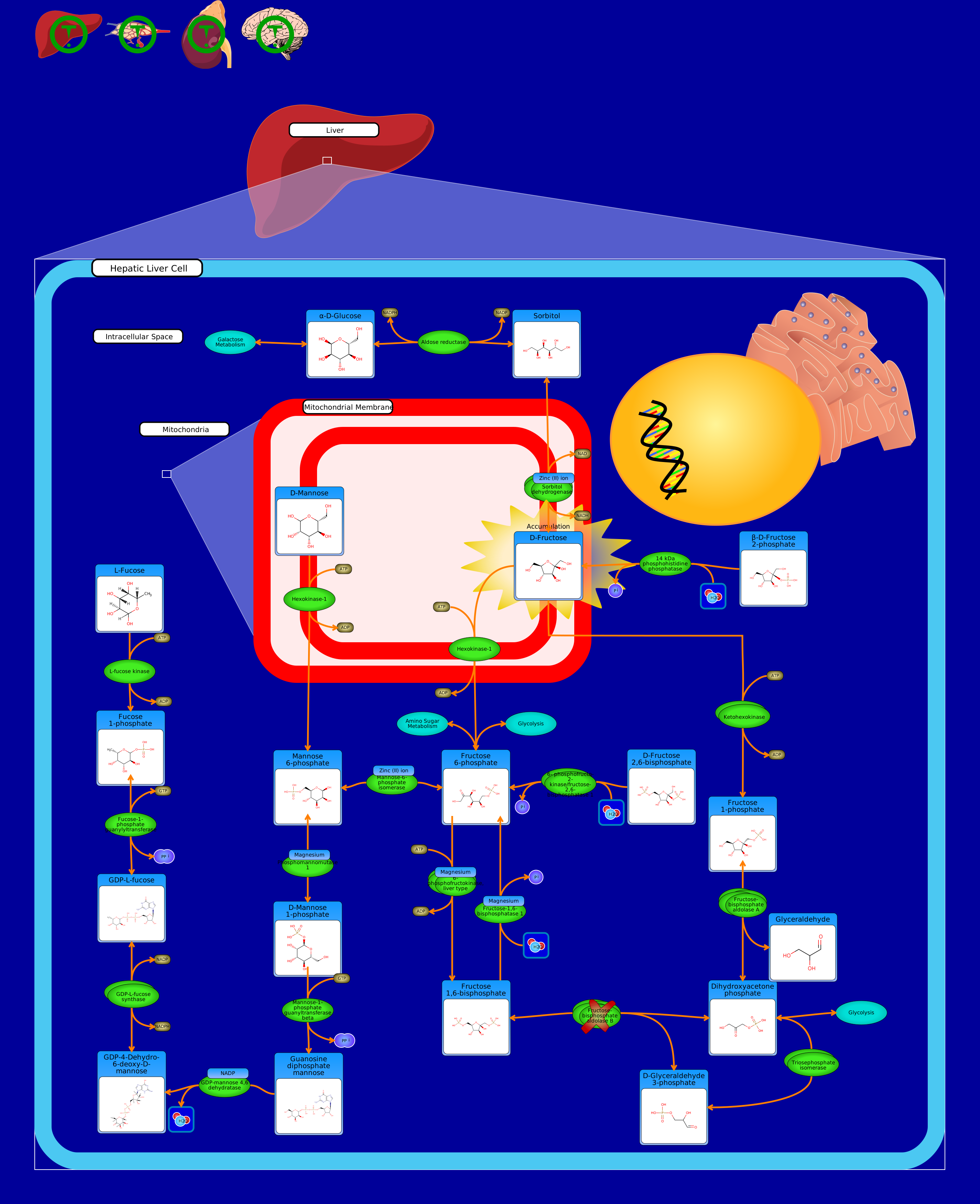 View Pathway
|
disease
Fructose Intolerance, HereditaryHomo sapiens
Hereditary fructose intolerance, also called hereditary fructose-1-phosphate aldolase deficiency or hereditary fructosemia, is rare inborn error of metabolism (IEM) and autosomal recessive disorder of the fructose and mannose degradation pathway. It is caused by a mutation in the ALDOB gene, which encodes fructose-bisphosphatse aldolase B, also known as aldolase B or liver-type aldolase. This enzyme normally cleaves fructose 1,6-bisphosphate into dihydroxyacetone phosphate and D-glyceraldehyde 3-phosphate, isomers of one another that are later used in glycolysis. Hereditary fructose intolerance is characterized by an accumulation of fructose-1-phosphate in the liver, as well as a depletion of ATP due to glycolysis having less input than necessary. Symptoms of this disorder include hypoglycemia, abdominal pain and vomiting as well as other symptoms after ingesting fructose. After repeated ingestion of fructose, liver and kidney damage can occur, as well as growth retardation, seizures, and even death. Hereditary fructose intolerance can be treated by eliminating fructose from the diet, and multivitamins can be prescribed to make up for the lack of fruits, a major source of fructose, in the diet. It is estimated that hereditary fructose intolerance affects 1 in between 20,000 and 30,000 individuals.
|
Creator: WishartLab Created On: June 23, 2014 at 03:22 Last Updated: June 23, 2014 at 03:22 |
PW122137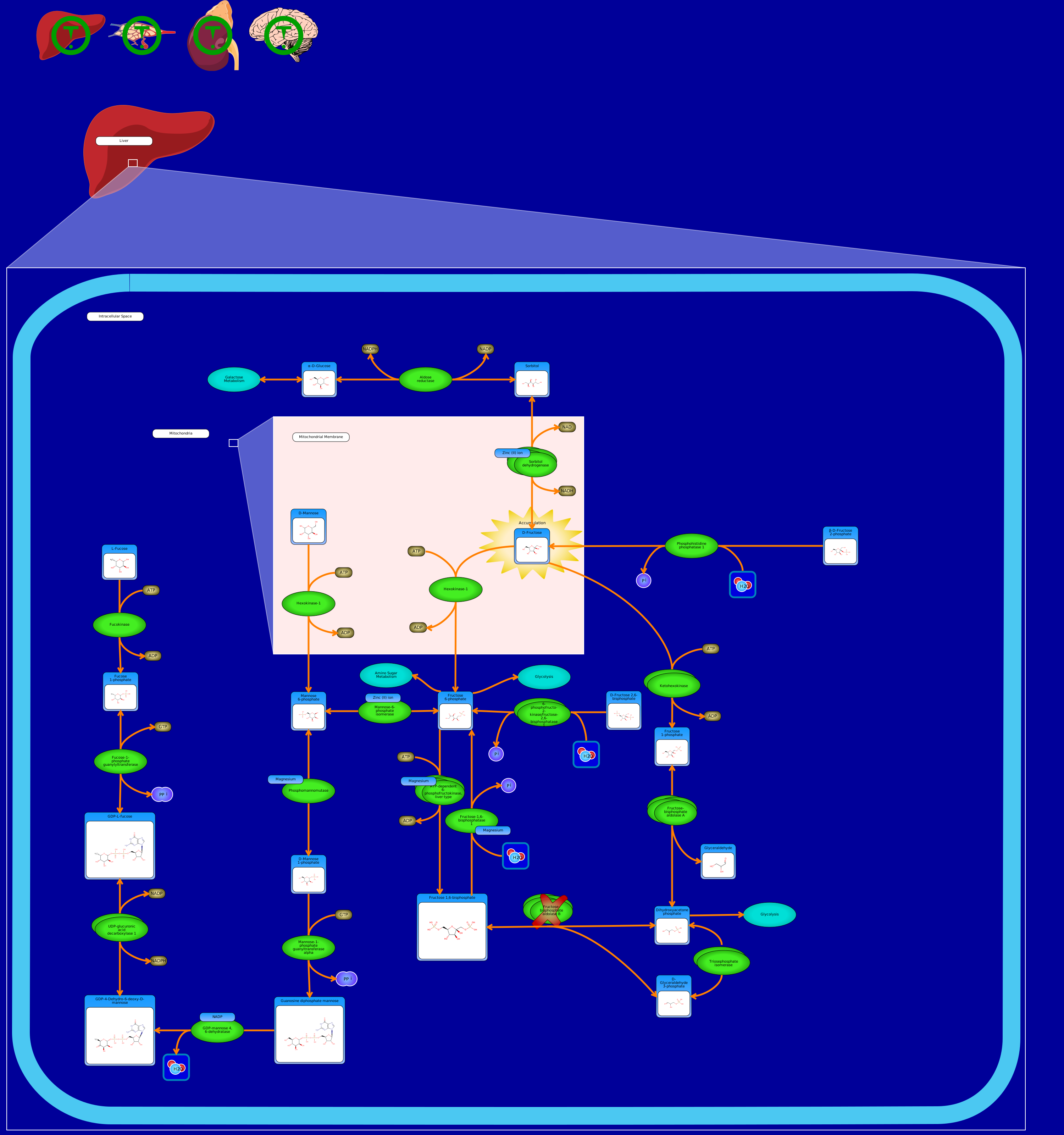 View Pathway
|
disease
Fructose Intolerance, HereditaryRattus norvegicus
Hereditary fructose intolerance, also called hereditary fructose-1-phosphate aldolase deficiency or hereditary fructosemia, is rare inborn error of metabolism (IEM) and autosomal recessive disorder of the fructose and mannose degradation pathway. It is caused by a mutation in the ALDOB gene, which encodes fructose-bisphosphatse aldolase B, also known as aldolase B or liver-type aldolase. This enzyme normally cleaves fructose 1,6-bisphosphate into dihydroxyacetone phosphate and D-glyceraldehyde 3-phosphate, isomers of one another that are later used in glycolysis. Hereditary fructose intolerance is characterized by an accumulation of fructose-1-phosphate in the liver, as well as a depletion of ATP due to glycolysis having less input than necessary. Symptoms of this disorder include hypoglycemia, abdominal pain and vomiting as well as other symptoms after ingesting fructose. After repeated ingestion of fructose, liver and kidney damage can occur, as well as growth retardation, seizures, and even death. Hereditary fructose intolerance can be treated by eliminating fructose from the diet, and multivitamins can be prescribed to make up for the lack of fruits, a major source of fructose, in the diet. It is estimated that hereditary fructose intolerance affects 1 in between 20,000 and 30,000 individuals.
|
Creator: Ana Marcu Created On: September 10, 2018 at 15:52 Last Updated: September 10, 2018 at 15:52 |
PW121913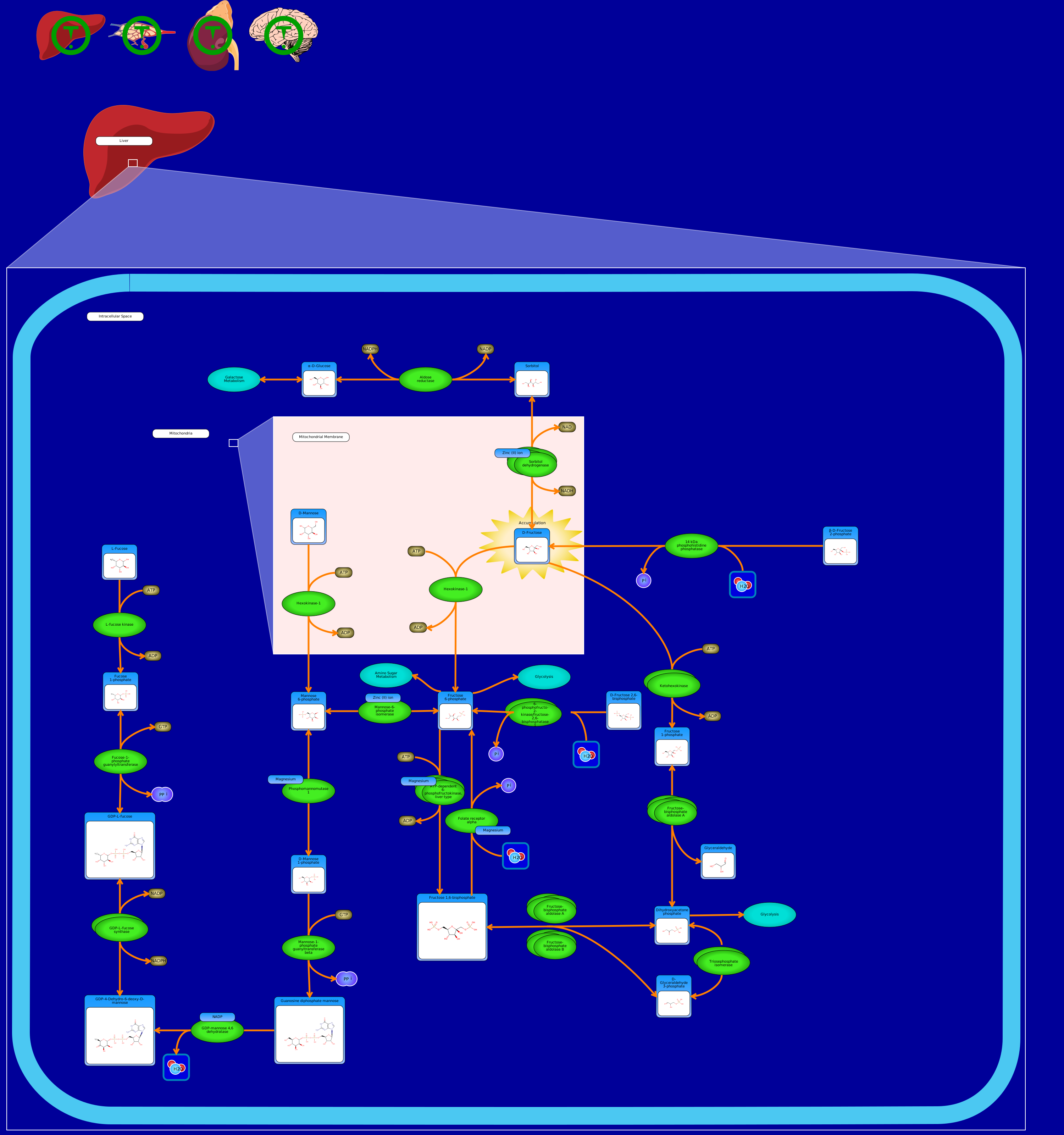 View Pathway
|
disease
Fructose Intolerance, HereditaryMus musculus
Hereditary fructose intolerance, also called hereditary fructose-1-phosphate aldolase deficiency or hereditary fructosemia, is rare inborn error of metabolism (IEM) and autosomal recessive disorder of the fructose and mannose degradation pathway. It is caused by a mutation in the ALDOB gene, which encodes fructose-bisphosphatse aldolase B, also known as aldolase B or liver-type aldolase. This enzyme normally cleaves fructose 1,6-bisphosphate into dihydroxyacetone phosphate and D-glyceraldehyde 3-phosphate, isomers of one another that are later used in glycolysis. Hereditary fructose intolerance is characterized by an accumulation of fructose-1-phosphate in the liver, as well as a depletion of ATP due to glycolysis having less input than necessary. Symptoms of this disorder include hypoglycemia, abdominal pain and vomiting as well as other symptoms after ingesting fructose. After repeated ingestion of fructose, liver and kidney damage can occur, as well as growth retardation, seizures, and even death. Hereditary fructose intolerance can be treated by eliminating fructose from the diet, and multivitamins can be prescribed to make up for the lack of fruits, a major source of fructose, in the diet. It is estimated that hereditary fructose intolerance affects 1 in between 20,000 and 30,000 individuals.
|
Creator: Ana Marcu Created On: September 10, 2018 at 15:50 Last Updated: September 10, 2018 at 15:50 |
PW127343 View Pathway
|
disease
Fructose Intolerance, HereditaryHomo sapiens
Hereditary fructose intolerance, also called hereditary fructose-1-phosphate aldolase deficiency or hereditary fructosemia, is rare inborn error of metabolism (IEM) and autosomal recessive disorder of the fructose and mannose degradation pathway. It is caused by a mutation in the ALDOB gene, which encodes fructose-bisphosphatse aldolase B, also known as aldolase B or liver-type aldolase. This enzyme normally cleaves fructose 1,6-bisphosphate into dihydroxyacetone phosphate and D-glyceraldehyde 3-phosphate, isomers of one another that are later used in glycolysis. Hereditary fructose intolerance is characterized by an accumulation of fructose-1-phosphate in the liver, as well as a depletion of ATP due to glycolysis having less input than necessary. Symptoms of this disorder include hypoglycemia, abdominal pain and vomiting as well as other symptoms after ingesting fructose. After repeated ingestion of fructose, liver and kidney damage can occur, as well as growth retardation, seizures, and even death. Hereditary fructose intolerance can be treated by eliminating fructose from the diet, and multivitamins can be prescribed to make up for the lack of fruits, a major source of fructose, in the diet. It is estimated that hereditary fructose intolerance affects 1 in between 20,000 and 30,000 individuals.
|
Creator: Ray Kruger Created On: December 13, 2022 at 14:35 Last Updated: December 13, 2022 at 14:35 |
PW436044 View Pathway
|
Fructose MetabolismPrevotella bivia DSM 20514
Fructose metabolism begins with the transport of Beta-D-fructofuranose through a fructose PTS permease, resulting in a Beta-D-fructofuranose 1-phosphate. This compound is phosphorylated by an ATP driven 1-phosphofructokinase resulting in a fructose 1,6-biphosphate. This compound can either react with a fructose bisphosphate aldolase class 1 resulting in D-glyceraldehyde 3-phosphate and a dihydroxyacetone phosphate or through a fructose biphosphate aldolase class 2 resulting in a D-glyceraldehyde 3-phosphate. This compound can then either react in a reversible triosephosphate isomerase resulting in a dihydroxyacetone phosphate or react with a phosphate through a NAD dependent Glyceraldehyde 3-phosphate dehydrogenase resulting in a glyceric acid 1,3-biphosphate. This compound is desphosphorylated by a phosphoglycerate kinase resulting in a 3-phosphoglyceric acid.This compound in turn can either react with a 2,3-bisphosphoglycerate-independent phosphoglycerate mutase or a 2,3-bisphosphoglycerate-independent phosphoglycerate mutase resulting in a 2-phospho-D-glyceric acid. This compound interacts with an enolase resulting in a phosphoenolpyruvic acid and water. Phosphoenolpyruvic acid can react either through a AMP driven phosphoenoylpyruvate synthase or a ADP driven pyruvate kinase protein complex resulting in a pyruvic acid.
Pyruvic acid reacts with CoA through a NAD driven pyruvate dehydrogenase complex resulting in a carbon dioxide and a Acetyl-CoA which gets incorporated into the TCA cycle pathway.
|
Creator: Julia Wakoli Created On: January 05, 2025 at 02:26 Last Updated: January 05, 2025 at 02:26 |
PW436544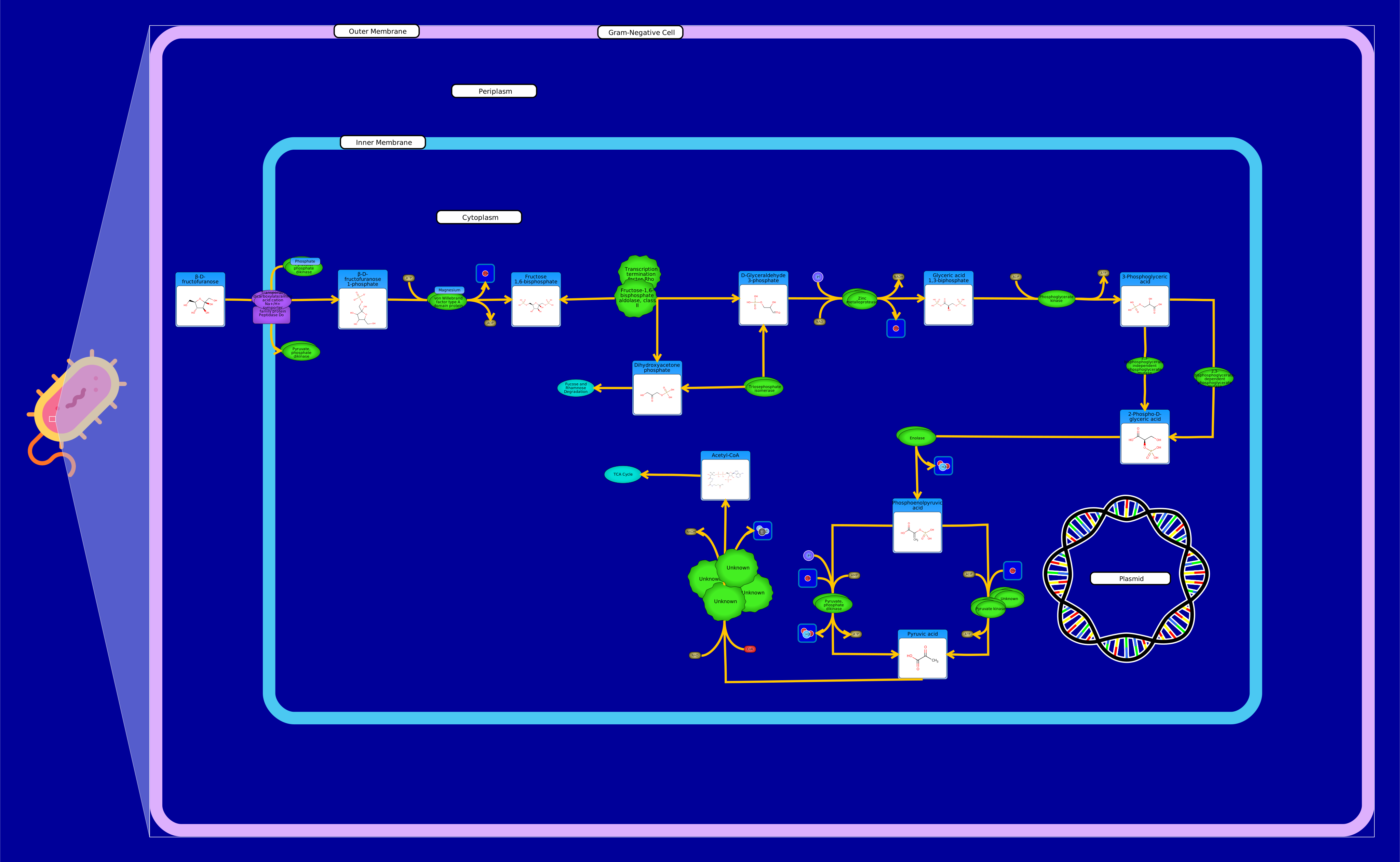 View Pathway
|
Fructose MetabolismAlistipes putredinis DSM 17216
Fructose metabolism begins with the transport of Beta-D-fructofuranose through a fructose PTS permease, resulting in a Beta-D-fructofuranose 1-phosphate. This compound is phosphorylated by an ATP driven 1-phosphofructokinase resulting in a fructose 1,6-biphosphate. This compound can either react with a fructose bisphosphate aldolase class 1 resulting in D-glyceraldehyde 3-phosphate and a dihydroxyacetone phosphate or through a fructose biphosphate aldolase class 2 resulting in a D-glyceraldehyde 3-phosphate. This compound can then either react in a reversible triosephosphate isomerase resulting in a dihydroxyacetone phosphate or react with a phosphate through a NAD dependent Glyceraldehyde 3-phosphate dehydrogenase resulting in a glyceric acid 1,3-biphosphate. This compound is desphosphorylated by a phosphoglycerate kinase resulting in a 3-phosphoglyceric acid.This compound in turn can either react with a 2,3-bisphosphoglycerate-independent phosphoglycerate mutase or a 2,3-bisphosphoglycerate-independent phosphoglycerate mutase resulting in a 2-phospho-D-glyceric acid. This compound interacts with an enolase resulting in a phosphoenolpyruvic acid and water. Phosphoenolpyruvic acid can react either through a AMP driven phosphoenoylpyruvate synthase or a ADP driven pyruvate kinase protein complex resulting in a pyruvic acid.
Pyruvic acid reacts with CoA through a NAD driven pyruvate dehydrogenase complex resulting in a carbon dioxide and a Acetyl-CoA which gets incorporated into the TCA cycle pathway.
|
Creator: Julia Wakoli Created On: January 05, 2025 at 09:44 Last Updated: January 05, 2025 at 09:44 |
PW436474 View Pathway
|
Fructose MetabolismAlistipes indistinctus YIT 12060
Fructose metabolism begins with the transport of Beta-D-fructofuranose through a fructose PTS permease, resulting in a Beta-D-fructofuranose 1-phosphate. This compound is phosphorylated by an ATP driven 1-phosphofructokinase resulting in a fructose 1,6-biphosphate. This compound can either react with a fructose bisphosphate aldolase class 1 resulting in D-glyceraldehyde 3-phosphate and a dihydroxyacetone phosphate or through a fructose biphosphate aldolase class 2 resulting in a D-glyceraldehyde 3-phosphate. This compound can then either react in a reversible triosephosphate isomerase resulting in a dihydroxyacetone phosphate or react with a phosphate through a NAD dependent Glyceraldehyde 3-phosphate dehydrogenase resulting in a glyceric acid 1,3-biphosphate. This compound is desphosphorylated by a phosphoglycerate kinase resulting in a 3-phosphoglyceric acid.This compound in turn can either react with a 2,3-bisphosphoglycerate-independent phosphoglycerate mutase or a 2,3-bisphosphoglycerate-independent phosphoglycerate mutase resulting in a 2-phospho-D-glyceric acid. This compound interacts with an enolase resulting in a phosphoenolpyruvic acid and water. Phosphoenolpyruvic acid can react either through a AMP driven phosphoenoylpyruvate synthase or a ADP driven pyruvate kinase protein complex resulting in a pyruvic acid.
Pyruvic acid reacts with CoA through a NAD driven pyruvate dehydrogenase complex resulting in a carbon dioxide and a Acetyl-CoA which gets incorporated into the TCA cycle pathway.
|
Creator: Julia Wakoli Created On: January 05, 2025 at 08:32 Last Updated: January 05, 2025 at 08:32 |