
| PathWhiz ID | Pathway | Meta Data |
|---|---|---|
PW000826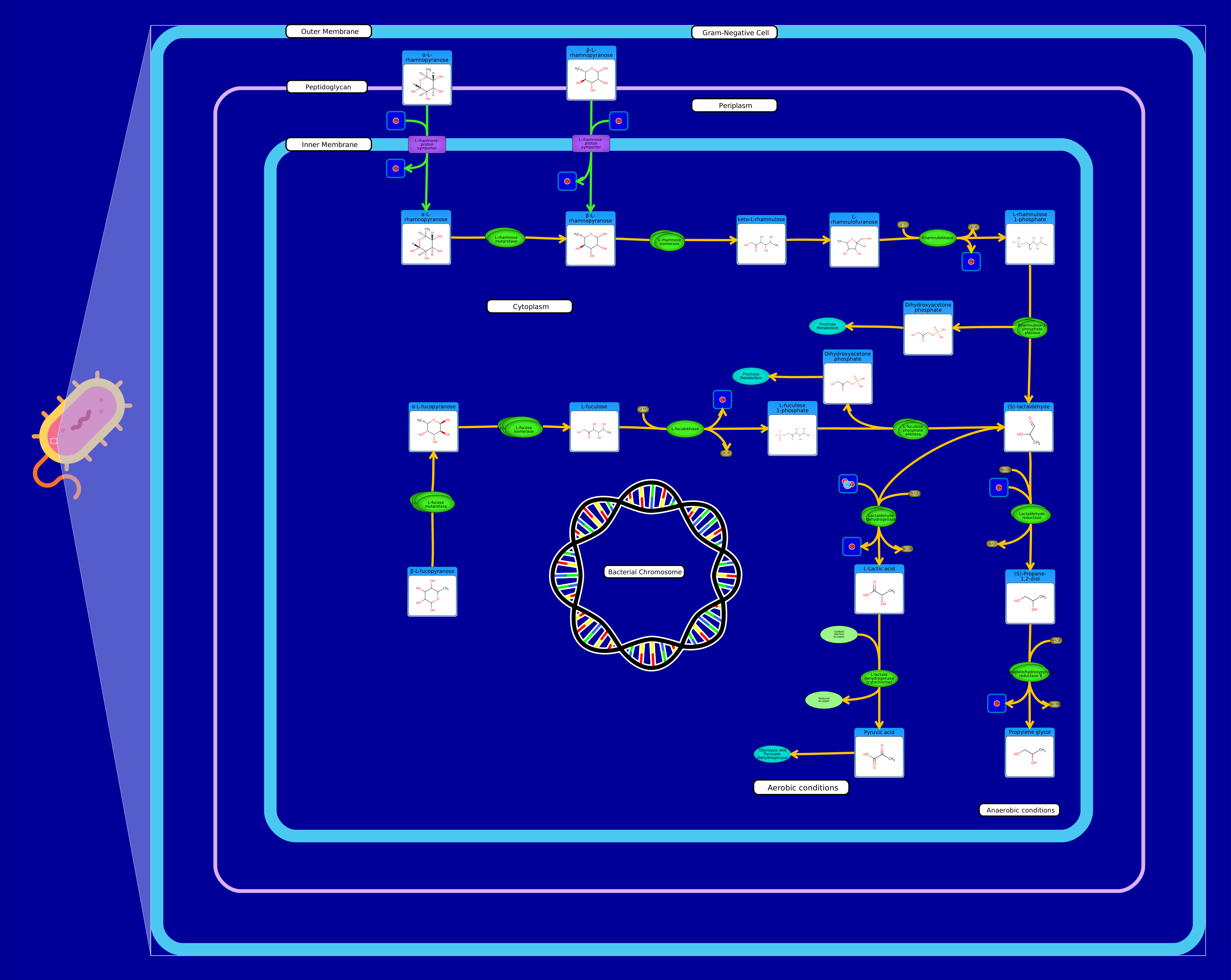 View Pathway
|
Fucose and Rhamnose DegradationEscherichia coli
In E. coli, L-fucose and L-rhamnose are metabolized through parallel pathways. The pathways converge after their corresponding aldolase reactions yielding the same products: lactaldehye. Proton symporter can facilitate the import of alpha-L-rhamnopyranose, methylpentose and beta-L-rhamnopyranose into cell for further metabolism, which allow E.coli to grow with carbon and energy. For alpha-L-rhamnopyranose, it is isomerized by a l-rhamnose mutarotase resulting in a beta-L-rhamnopyranose which is then isomerized into a keto-L-rhamnulose by a l-rhamnose isomerase. The keto-L-rhamnulose spontaneously changes into a L-rhamnulofuranose which is phosphorylated by a rhamnulokinase resulting in a L-rhamnulose 1-phosphate. This compound reacts with a rhamnulose-1-phosphate aldolase resulting in a dihydroxyacetone phosphate and a lactaldehyde. For beta-L-rhamnopyranose, it is isomerized by a L-fucose mutarotase resulting in a alpha-L-fucopyranose. This compound is then isomerized by an L-fucose isomerase resulting in a L-fuculose which in turn gets phosphorylated into an L-fuculose 1-phosphate through an L-fuculokinase. The compound L-fuculose 1-phosphate reacts with an L-fuculose phosphate aldolase through a dihydroxyacetone phosphate and a lactaldehyde. Two pathways can both be used for degrading L-lactaldehyde, which the aerobic pathway facilitates the conversion from L-lactic acid to pyruvic acid via L-lactate dehydrogenase, and the anaerobic pathway facilitates conversion from lactaldehyde to propane-1,2-diol via lactaldehyde reductase. Under aerobic conditions, L-lactaldehyde is oxidized in two steps to pyruvate, thereby channeling all the carbons from fucose or rhamnose into central metabolic pathways. Under anaerobic conditions, L-lactaldehyde is reduced to L-1,2-propanediol, which is secreted into the environment.
|
Creator: miguel ramirez Created On: March 27, 2015 at 20:25 Last Updated: March 27, 2015 at 20:25 |
PW423949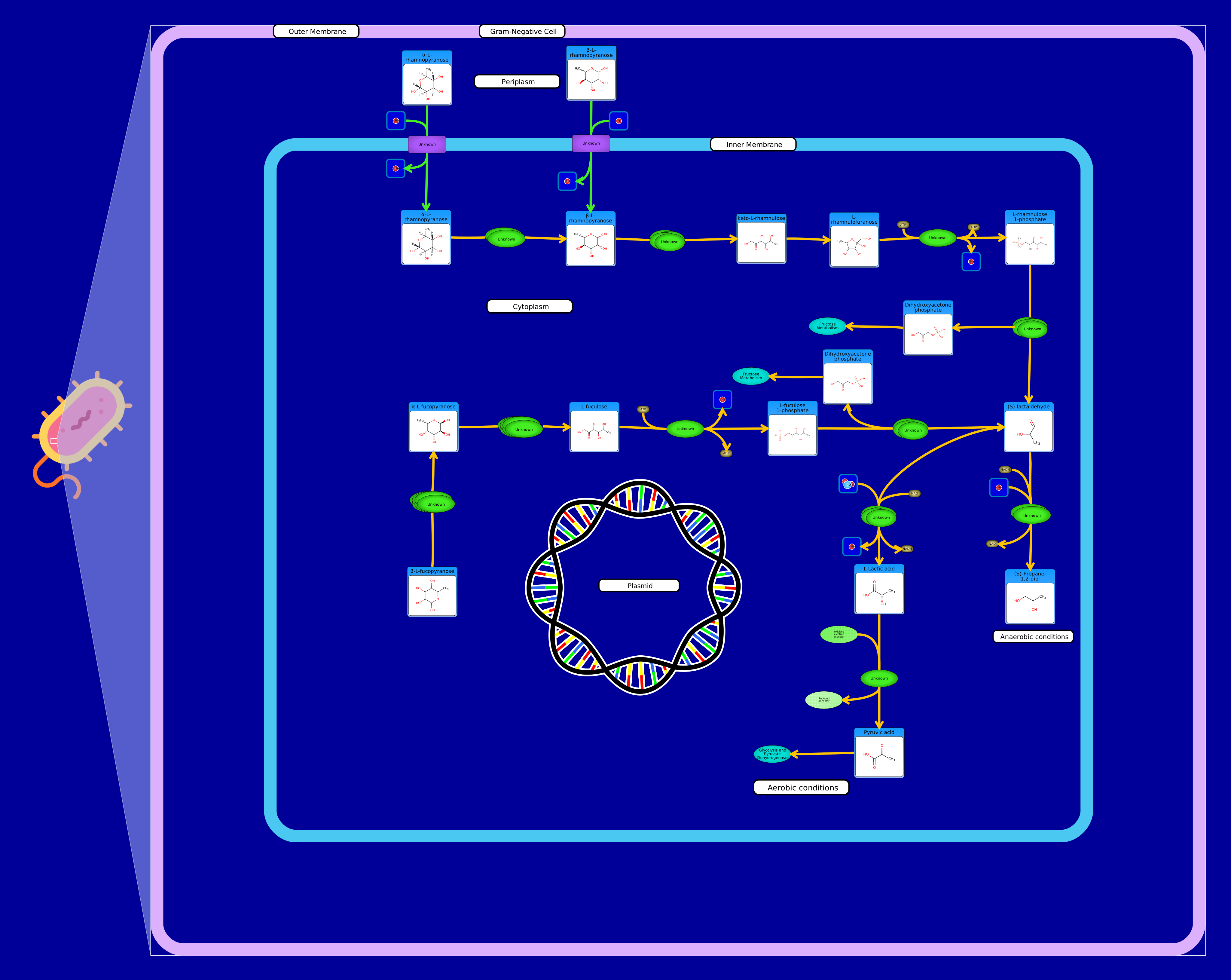 View Pathway
|
Fucose and Rhamnose DegradationBacteroides plebeius
In E. coli, L-fucose and L-rhamnose are metabolized through parallel pathways. The pathways converge after their corresponding aldolase reactions yielding the same products: lactaldehye. Proton symporter can facilitate the import of alpha-L-rhamnopyranose, methylpentose and beta-L-rhamnopyranose into cell for further metabolism, which allow E.coli to grow with carbon and energy. For alpha-L-rhamnopyranose, it is isomerized by a l-rhamnose mutarotase resulting in a beta-L-rhamnopyranose which is then isomerized into a keto-L-rhamnulose by a l-rhamnose isomerase. The keto-L-rhamnulose spontaneously changes into a L-rhamnulofuranose which is phosphorylated by a rhamnulokinase resulting in a L-rhamnulose 1-phosphate. This compound reacts with a rhamnulose-1-phosphate aldolase resulting in a dihydroxyacetone phosphate and a lactaldehyde. For beta-L-rhamnopyranose, it is isomerized by a L-fucose mutarotase resulting in a alpha-L-fucopyranose. This compound is then isomerized by an L-fucose isomerase resulting in a L-fuculose which in turn gets phosphorylated into an L-fuculose 1-phosphate through an L-fuculokinase. The compound L-fuculose 1-phosphate reacts with an L-fuculose phosphate aldolase through a dihydroxyacetone phosphate and a lactaldehyde. Two pathways can both be used for degrading L-lactaldehyde, which the aerobic pathway facilitates the conversion from L-lactic acid to pyruvic acid via L-lactate dehydrogenase, and the anaerobic pathway facilitates conversion from lactaldehyde to propane-1,2-diol via lactaldehyde reductase. Under aerobic conditions, L-lactaldehyde is oxidized in two steps to pyruvate, thereby channeling all the carbons from fucose or rhamnose into central metabolic pathways. Under anaerobic conditions, L-lactaldehyde is reduced to L-1,2-propanediol, which is secreted into the environment.
|
Creator: Julia Wakoli Created On: December 29, 2024 at 20:27 Last Updated: December 29, 2024 at 20:27 |
PW423994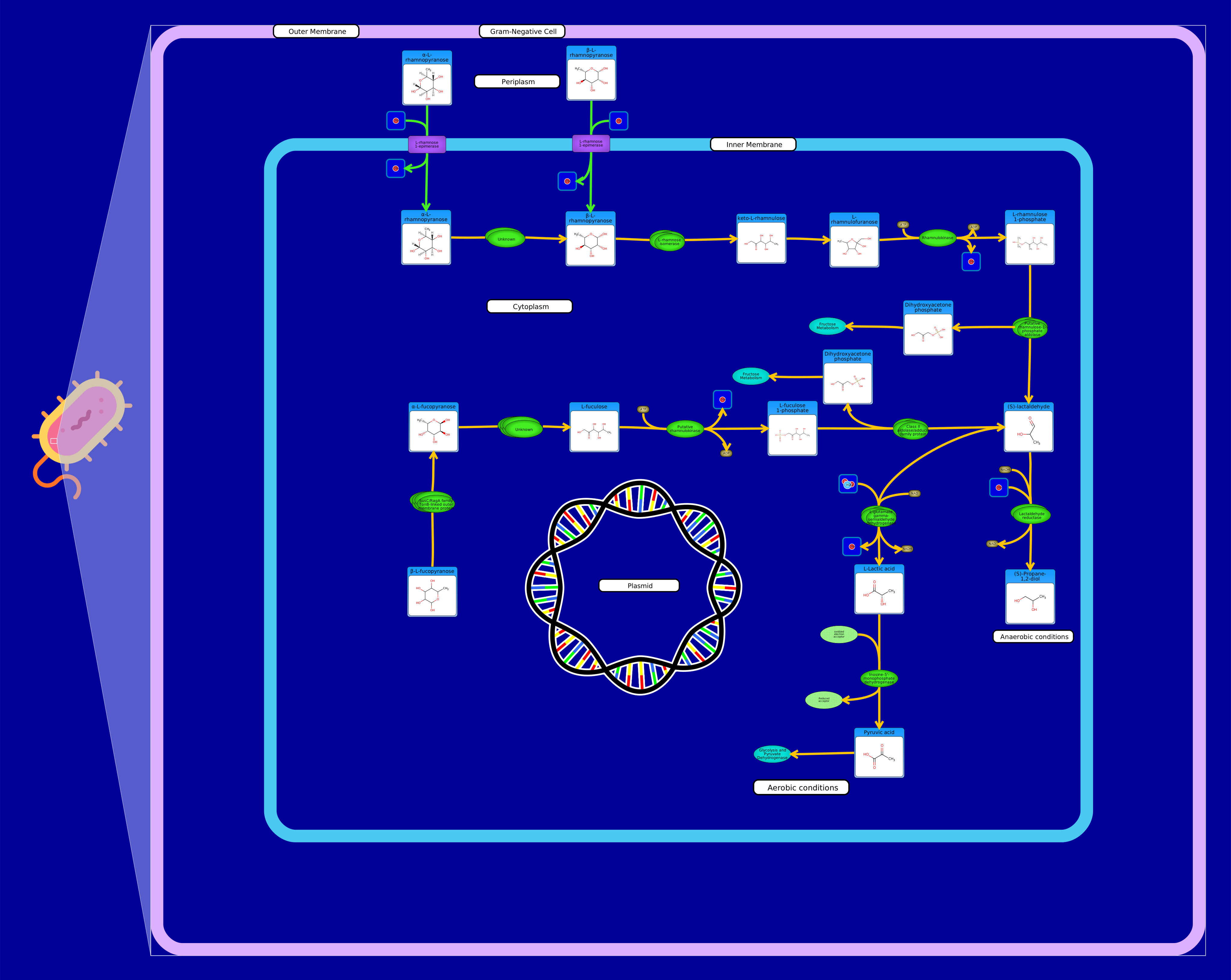 View Pathway
|
Fucose and Rhamnose DegradationBacteroides intestinalis
In E. coli, L-fucose and L-rhamnose are metabolized through parallel pathways. The pathways converge after their corresponding aldolase reactions yielding the same products: lactaldehye. Proton symporter can facilitate the import of alpha-L-rhamnopyranose, methylpentose and beta-L-rhamnopyranose into cell for further metabolism, which allow E.coli to grow with carbon and energy. For alpha-L-rhamnopyranose, it is isomerized by a l-rhamnose mutarotase resulting in a beta-L-rhamnopyranose which is then isomerized into a keto-L-rhamnulose by a l-rhamnose isomerase. The keto-L-rhamnulose spontaneously changes into a L-rhamnulofuranose which is phosphorylated by a rhamnulokinase resulting in a L-rhamnulose 1-phosphate. This compound reacts with a rhamnulose-1-phosphate aldolase resulting in a dihydroxyacetone phosphate and a lactaldehyde. For beta-L-rhamnopyranose, it is isomerized by a L-fucose mutarotase resulting in a alpha-L-fucopyranose. This compound is then isomerized by an L-fucose isomerase resulting in a L-fuculose which in turn gets phosphorylated into an L-fuculose 1-phosphate through an L-fuculokinase. The compound L-fuculose 1-phosphate reacts with an L-fuculose phosphate aldolase through a dihydroxyacetone phosphate and a lactaldehyde. Two pathways can both be used for degrading L-lactaldehyde, which the aerobic pathway facilitates the conversion from L-lactic acid to pyruvic acid via L-lactate dehydrogenase, and the anaerobic pathway facilitates conversion from lactaldehyde to propane-1,2-diol via lactaldehyde reductase. Under aerobic conditions, L-lactaldehyde is oxidized in two steps to pyruvate, thereby channeling all the carbons from fucose or rhamnose into central metabolic pathways. Under anaerobic conditions, L-lactaldehyde is reduced to L-1,2-propanediol, which is secreted into the environment.
|
Creator: Julia Wakoli Created On: December 29, 2024 at 20:46 Last Updated: December 29, 2024 at 20:46 |
PW424973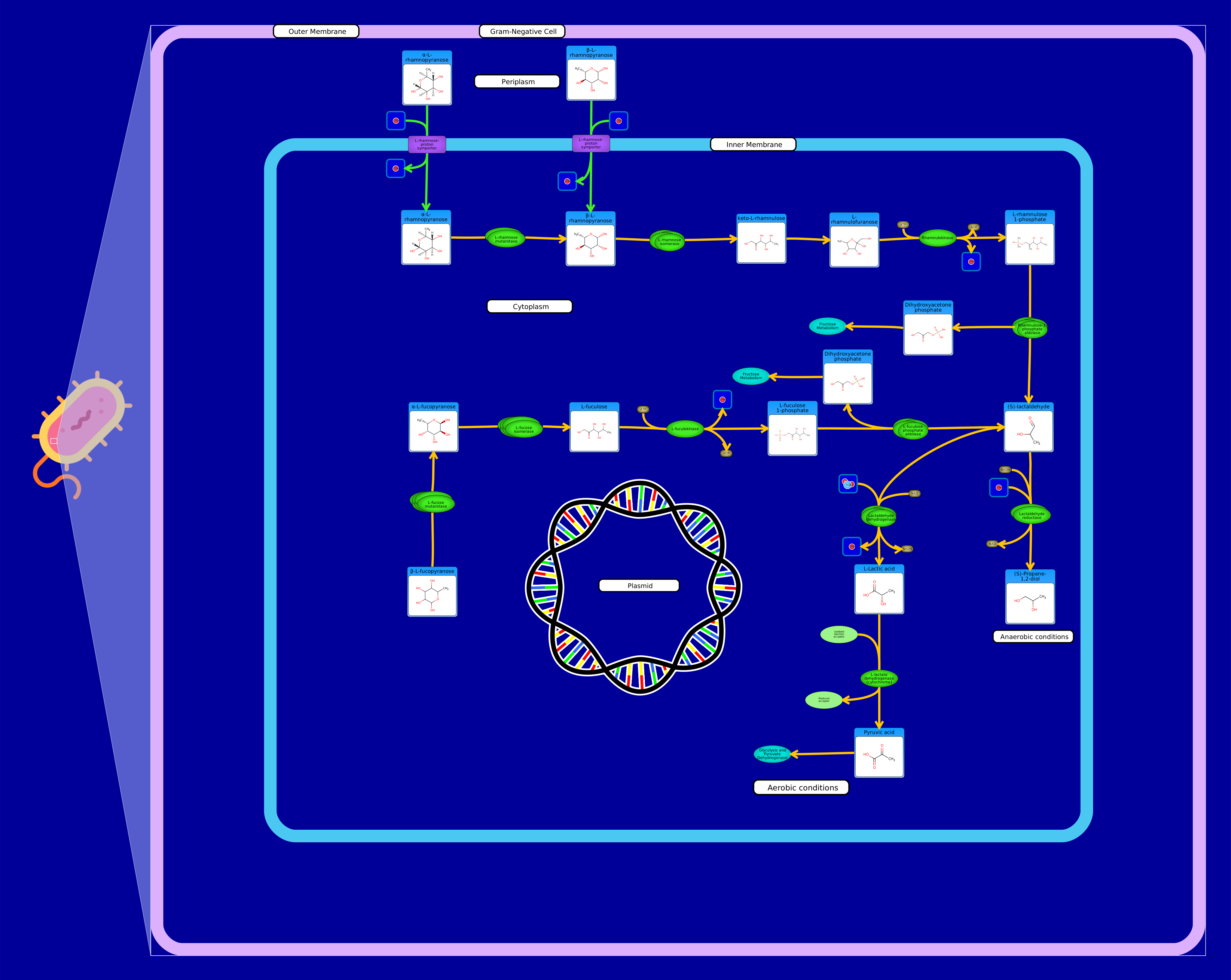 View Pathway
|
Fucose and Rhamnose DegradationEscherichia coli APEC O1
In E. coli, L-fucose and L-rhamnose are metabolized through parallel pathways. The pathways converge after their corresponding aldolase reactions yielding the same products: lactaldehye. Proton symporter can facilitate the import of alpha-L-rhamnopyranose, methylpentose and beta-L-rhamnopyranose into cell for further metabolism, which allow E.coli to grow with carbon and energy. For alpha-L-rhamnopyranose, it is isomerized by a l-rhamnose mutarotase resulting in a beta-L-rhamnopyranose which is then isomerized into a keto-L-rhamnulose by a l-rhamnose isomerase. The keto-L-rhamnulose spontaneously changes into a L-rhamnulofuranose which is phosphorylated by a rhamnulokinase resulting in a L-rhamnulose 1-phosphate. This compound reacts with a rhamnulose-1-phosphate aldolase resulting in a dihydroxyacetone phosphate and a lactaldehyde. For beta-L-rhamnopyranose, it is isomerized by a L-fucose mutarotase resulting in a alpha-L-fucopyranose. This compound is then isomerized by an L-fucose isomerase resulting in a L-fuculose which in turn gets phosphorylated into an L-fuculose 1-phosphate through an L-fuculokinase. The compound L-fuculose 1-phosphate reacts with an L-fuculose phosphate aldolase through a dihydroxyacetone phosphate and a lactaldehyde. Two pathways can both be used for degrading L-lactaldehyde, which the aerobic pathway facilitates the conversion from L-lactic acid to pyruvic acid via L-lactate dehydrogenase, and the anaerobic pathway facilitates conversion from lactaldehyde to propane-1,2-diol via lactaldehyde reductase. Under aerobic conditions, L-lactaldehyde is oxidized in two steps to pyruvate, thereby channeling all the carbons from fucose or rhamnose into central metabolic pathways. Under anaerobic conditions, L-lactaldehyde is reduced to L-1,2-propanediol, which is secreted into the environment.
|
Creator: Julia Wakoli Created On: December 30, 2024 at 03:25 Last Updated: December 30, 2024 at 03:25 |
PW417637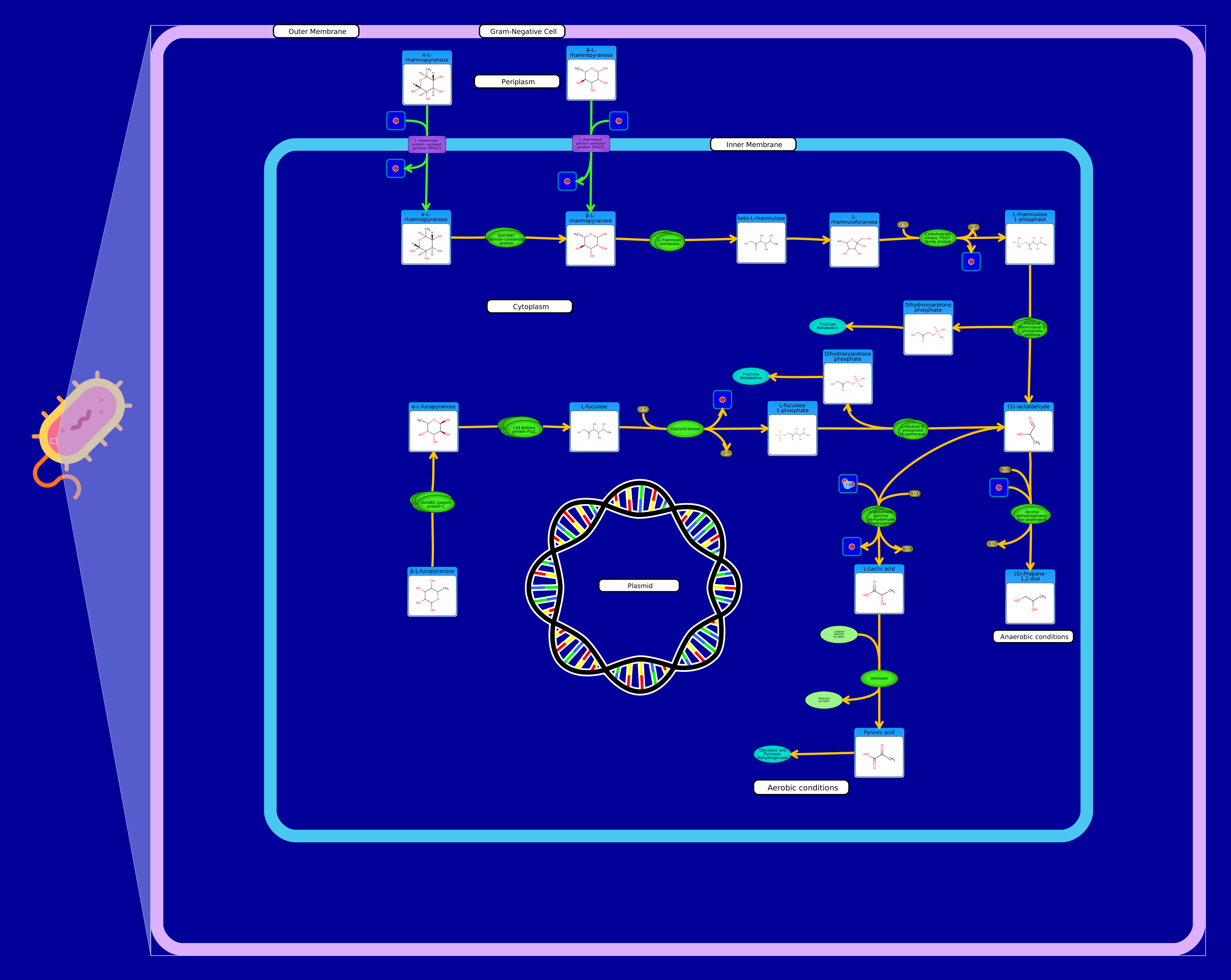 View Pathway
|
Fucose and Rhamnose DegradationParabacteroides johnsonii DSM 18315
In E. coli, L-fucose and L-rhamnose are metabolized through parallel pathways. The pathways converge after their corresponding aldolase reactions yielding the same products: lactaldehye. Proton symporter can facilitate the import of alpha-L-rhamnopyranose, methylpentose and beta-L-rhamnopyranose into cell for further metabolism, which allow E.coli to grow with carbon and energy. For alpha-L-rhamnopyranose, it is isomerized by a l-rhamnose mutarotase resulting in a beta-L-rhamnopyranose which is then isomerized into a keto-L-rhamnulose by a l-rhamnose isomerase. The keto-L-rhamnulose spontaneously changes into a L-rhamnulofuranose which is phosphorylated by a rhamnulokinase resulting in a L-rhamnulose 1-phosphate. This compound reacts with a rhamnulose-1-phosphate aldolase resulting in a dihydroxyacetone phosphate and a lactaldehyde. For beta-L-rhamnopyranose, it is isomerized by a L-fucose mutarotase resulting in a alpha-L-fucopyranose. This compound is then isomerized by an L-fucose isomerase resulting in a L-fuculose which in turn gets phosphorylated into an L-fuculose 1-phosphate through an L-fuculokinase. The compound L-fuculose 1-phosphate reacts with an L-fuculose phosphate aldolase through a dihydroxyacetone phosphate and a lactaldehyde. Two pathways can both be used for degrading L-lactaldehyde, which the aerobic pathway facilitates the conversion from L-lactic acid to pyruvic acid via L-lactate dehydrogenase, and the anaerobic pathway facilitates conversion from lactaldehyde to propane-1,2-diol via lactaldehyde reductase. Under aerobic conditions, L-lactaldehyde is oxidized in two steps to pyruvate, thereby channeling all the carbons from fucose or rhamnose into central metabolic pathways. Under anaerobic conditions, L-lactaldehyde is reduced to L-1,2-propanediol, which is secreted into the environment.
|
Creator: Julia Wakoli Created On: December 26, 2024 at 17:10 Last Updated: December 26, 2024 at 17:10 |
PW419215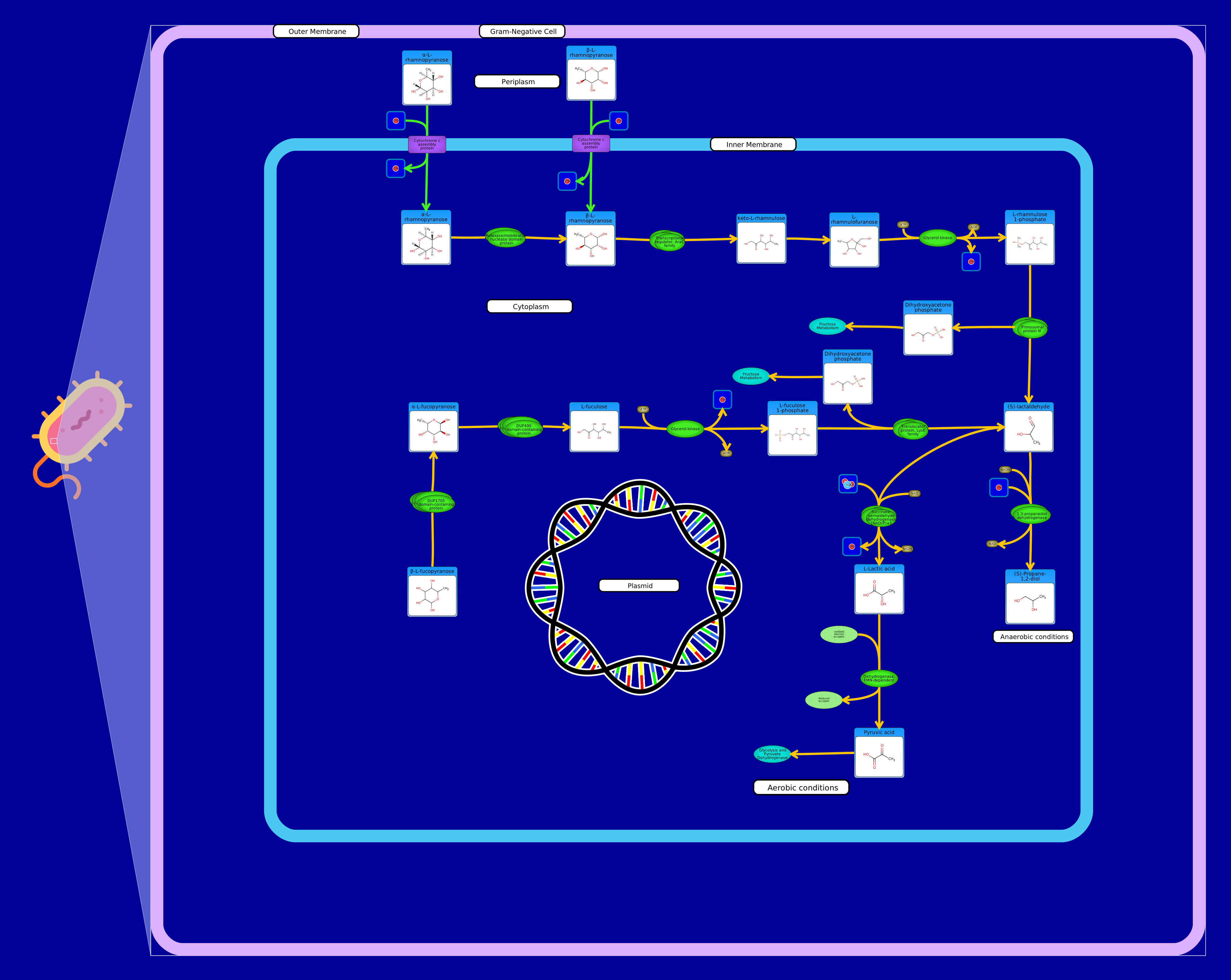 View Pathway
|
Fucose and Rhamnose DegradationAcinetobacter johnsonii SH046
In E. coli, L-fucose and L-rhamnose are metabolized through parallel pathways. The pathways converge after their corresponding aldolase reactions yielding the same products: lactaldehye. Proton symporter can facilitate the import of alpha-L-rhamnopyranose, methylpentose and beta-L-rhamnopyranose into cell for further metabolism, which allow E.coli to grow with carbon and energy. For alpha-L-rhamnopyranose, it is isomerized by a l-rhamnose mutarotase resulting in a beta-L-rhamnopyranose which is then isomerized into a keto-L-rhamnulose by a l-rhamnose isomerase. The keto-L-rhamnulose spontaneously changes into a L-rhamnulofuranose which is phosphorylated by a rhamnulokinase resulting in a L-rhamnulose 1-phosphate. This compound reacts with a rhamnulose-1-phosphate aldolase resulting in a dihydroxyacetone phosphate and a lactaldehyde. For beta-L-rhamnopyranose, it is isomerized by a L-fucose mutarotase resulting in a alpha-L-fucopyranose. This compound is then isomerized by an L-fucose isomerase resulting in a L-fuculose which in turn gets phosphorylated into an L-fuculose 1-phosphate through an L-fuculokinase. The compound L-fuculose 1-phosphate reacts with an L-fuculose phosphate aldolase through a dihydroxyacetone phosphate and a lactaldehyde. Two pathways can both be used for degrading L-lactaldehyde, which the aerobic pathway facilitates the conversion from L-lactic acid to pyruvic acid via L-lactate dehydrogenase, and the anaerobic pathway facilitates conversion from lactaldehyde to propane-1,2-diol via lactaldehyde reductase. Under aerobic conditions, L-lactaldehyde is oxidized in two steps to pyruvate, thereby channeling all the carbons from fucose or rhamnose into central metabolic pathways. Under anaerobic conditions, L-lactaldehyde is reduced to L-1,2-propanediol, which is secreted into the environment.
|
Creator: Julia Wakoli Created On: December 27, 2024 at 14:09 Last Updated: December 27, 2024 at 14:09 |
PW685125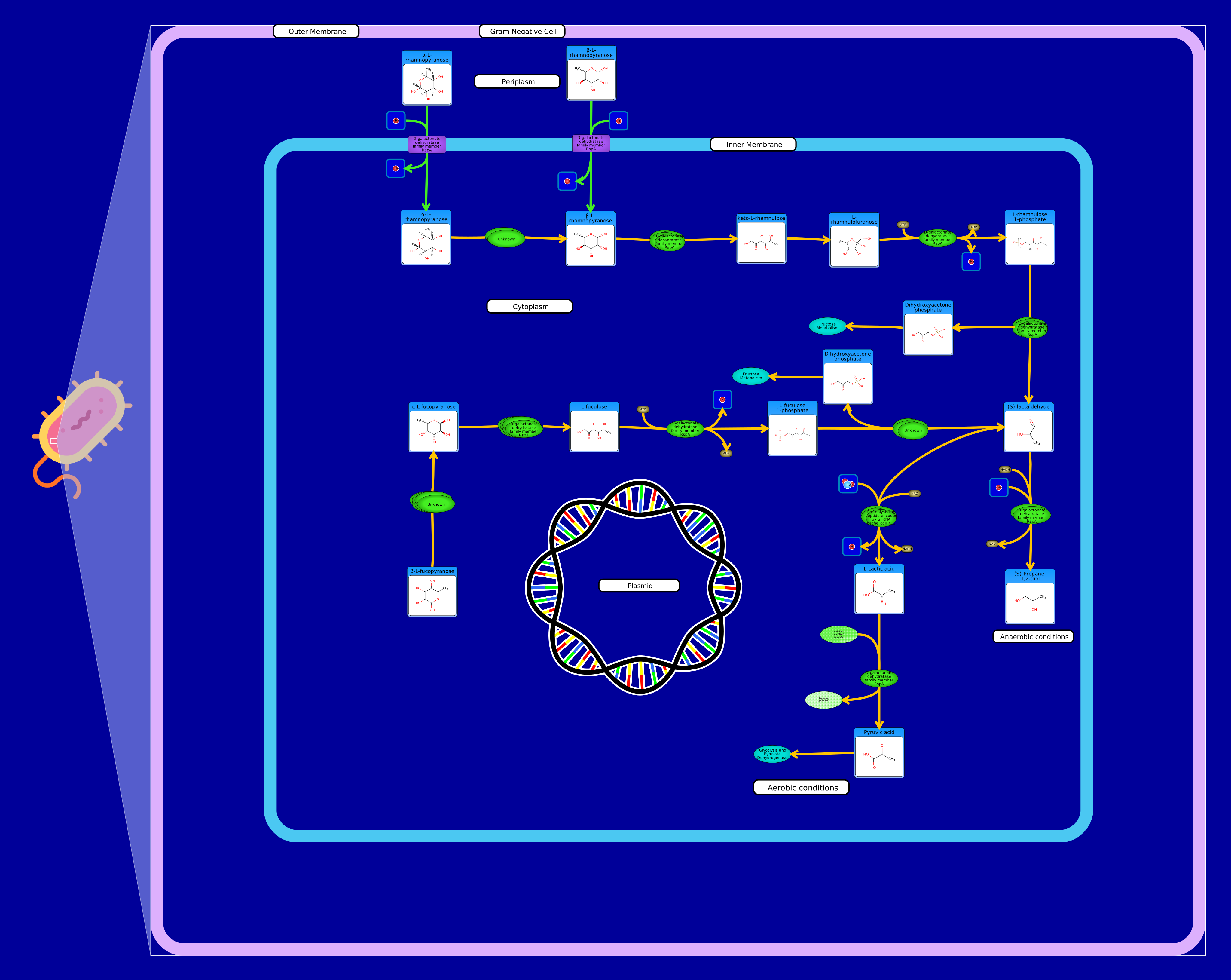 View Pathway
|
Fucose and Rhamnose DegradationEscherichia coli (strain MS 21-1)
In E. coli, L-fucose and L-rhamnose are metabolized through parallel pathways. The pathways converge after their corresponding aldolase reactions yielding the same products: lactaldehye. Proton symporter can facilitate the import of alpha-L-rhamnopyranose, methylpentose and beta-L-rhamnopyranose into cell for further metabolism, which allow E.coli to grow with carbon and energy. For alpha-L-rhamnopyranose, it is isomerized by a l-rhamnose mutarotase resulting in a beta-L-rhamnopyranose which is then isomerized into a keto-L-rhamnulose by a l-rhamnose isomerase. The keto-L-rhamnulose spontaneously changes into a L-rhamnulofuranose which is phosphorylated by a rhamnulokinase resulting in a L-rhamnulose 1-phosphate. This compound reacts with a rhamnulose-1-phosphate aldolase resulting in a dihydroxyacetone phosphate and a lactaldehyde. For beta-L-rhamnopyranose, it is isomerized by a L-fucose mutarotase resulting in a alpha-L-fucopyranose. This compound is then isomerized by an L-fucose isomerase resulting in a L-fuculose which in turn gets phosphorylated into an L-fuculose 1-phosphate through an L-fuculokinase. The compound L-fuculose 1-phosphate reacts with an L-fuculose phosphate aldolase through a dihydroxyacetone phosphate and a lactaldehyde. Two pathways can both be used for degrading L-lactaldehyde, which the aerobic pathway facilitates the conversion from L-lactic acid to pyruvic acid via L-lactate dehydrogenase, and the anaerobic pathway facilitates conversion from lactaldehyde to propane-1,2-diol via lactaldehyde reductase. Under aerobic conditions, L-lactaldehyde is oxidized in two steps to pyruvate, thereby channeling all the carbons from fucose or rhamnose into central metabolic pathways. Under anaerobic conditions, L-lactaldehyde is reduced to L-1,2-propanediol, which is secreted into the environment.
|
Creator: Julia Wakoli Created On: December 24, 2024 at 21:52 Last Updated: December 24, 2024 at 21:52 |
PW412649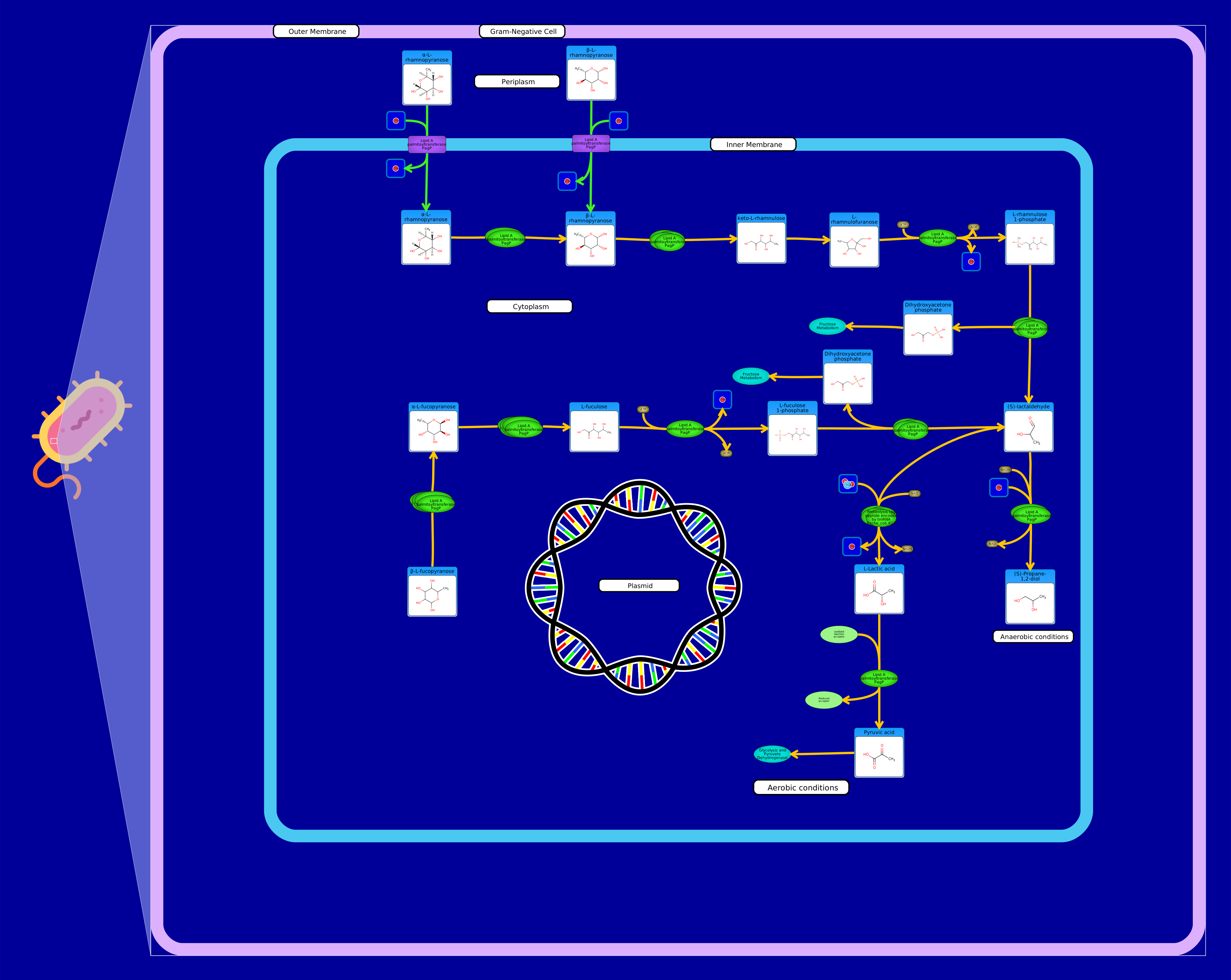 View Pathway
|
Fucose and Rhamnose DegradationEscherichia coli (strain ATCC 55124 / KO11)
In E. coli, L-fucose and L-rhamnose are metabolized through parallel pathways. The pathways converge after their corresponding aldolase reactions yielding the same products: lactaldehye. Proton symporter can facilitate the import of alpha-L-rhamnopyranose, methylpentose and beta-L-rhamnopyranose into cell for further metabolism, which allow E.coli to grow with carbon and energy. For alpha-L-rhamnopyranose, it is isomerized by a l-rhamnose mutarotase resulting in a beta-L-rhamnopyranose which is then isomerized into a keto-L-rhamnulose by a l-rhamnose isomerase. The keto-L-rhamnulose spontaneously changes into a L-rhamnulofuranose which is phosphorylated by a rhamnulokinase resulting in a L-rhamnulose 1-phosphate. This compound reacts with a rhamnulose-1-phosphate aldolase resulting in a dihydroxyacetone phosphate and a lactaldehyde. For beta-L-rhamnopyranose, it is isomerized by a L-fucose mutarotase resulting in a alpha-L-fucopyranose. This compound is then isomerized by an L-fucose isomerase resulting in a L-fuculose which in turn gets phosphorylated into an L-fuculose 1-phosphate through an L-fuculokinase. The compound L-fuculose 1-phosphate reacts with an L-fuculose phosphate aldolase through a dihydroxyacetone phosphate and a lactaldehyde. Two pathways can both be used for degrading L-lactaldehyde, which the aerobic pathway facilitates the conversion from L-lactic acid to pyruvic acid via L-lactate dehydrogenase, and the anaerobic pathway facilitates conversion from lactaldehyde to propane-1,2-diol via lactaldehyde reductase. Under aerobic conditions, L-lactaldehyde is oxidized in two steps to pyruvate, thereby channeling all the carbons from fucose or rhamnose into central metabolic pathways. Under anaerobic conditions, L-lactaldehyde is reduced to L-1,2-propanediol, which is secreted into the environment.
|
Creator: Julia Wakoli Created On: December 24, 2024 at 21:52 Last Updated: December 24, 2024 at 21:52 |
PW417144 View Pathway
|
Fucose and Rhamnose DegradationPorphyromonas uenonis 60-3
In E. coli, L-fucose and L-rhamnose are metabolized through parallel pathways. The pathways converge after their corresponding aldolase reactions yielding the same products: lactaldehye. Proton symporter can facilitate the import of alpha-L-rhamnopyranose, methylpentose and beta-L-rhamnopyranose into cell for further metabolism, which allow E.coli to grow with carbon and energy. For alpha-L-rhamnopyranose, it is isomerized by a l-rhamnose mutarotase resulting in a beta-L-rhamnopyranose which is then isomerized into a keto-L-rhamnulose by a l-rhamnose isomerase. The keto-L-rhamnulose spontaneously changes into a L-rhamnulofuranose which is phosphorylated by a rhamnulokinase resulting in a L-rhamnulose 1-phosphate. This compound reacts with a rhamnulose-1-phosphate aldolase resulting in a dihydroxyacetone phosphate and a lactaldehyde. For beta-L-rhamnopyranose, it is isomerized by a L-fucose mutarotase resulting in a alpha-L-fucopyranose. This compound is then isomerized by an L-fucose isomerase resulting in a L-fuculose which in turn gets phosphorylated into an L-fuculose 1-phosphate through an L-fuculokinase. The compound L-fuculose 1-phosphate reacts with an L-fuculose phosphate aldolase through a dihydroxyacetone phosphate and a lactaldehyde. Two pathways can both be used for degrading L-lactaldehyde, which the aerobic pathway facilitates the conversion from L-lactic acid to pyruvic acid via L-lactate dehydrogenase, and the anaerobic pathway facilitates conversion from lactaldehyde to propane-1,2-diol via lactaldehyde reductase. Under aerobic conditions, L-lactaldehyde is oxidized in two steps to pyruvate, thereby channeling all the carbons from fucose or rhamnose into central metabolic pathways. Under anaerobic conditions, L-lactaldehyde is reduced to L-1,2-propanediol, which is secreted into the environment.
|
Creator: Julia Wakoli Created On: December 26, 2024 at 11:17 Last Updated: December 26, 2024 at 11:17 |
PW417043 View Pathway
|
Fucose and Rhamnose DegradationOdoribacter laneus YIT 12061
In E. coli, L-fucose and L-rhamnose are metabolized through parallel pathways. The pathways converge after their corresponding aldolase reactions yielding the same products: lactaldehye. Proton symporter can facilitate the import of alpha-L-rhamnopyranose, methylpentose and beta-L-rhamnopyranose into cell for further metabolism, which allow E.coli to grow with carbon and energy. For alpha-L-rhamnopyranose, it is isomerized by a l-rhamnose mutarotase resulting in a beta-L-rhamnopyranose which is then isomerized into a keto-L-rhamnulose by a l-rhamnose isomerase. The keto-L-rhamnulose spontaneously changes into a L-rhamnulofuranose which is phosphorylated by a rhamnulokinase resulting in a L-rhamnulose 1-phosphate. This compound reacts with a rhamnulose-1-phosphate aldolase resulting in a dihydroxyacetone phosphate and a lactaldehyde. For beta-L-rhamnopyranose, it is isomerized by a L-fucose mutarotase resulting in a alpha-L-fucopyranose. This compound is then isomerized by an L-fucose isomerase resulting in a L-fuculose which in turn gets phosphorylated into an L-fuculose 1-phosphate through an L-fuculokinase. The compound L-fuculose 1-phosphate reacts with an L-fuculose phosphate aldolase through a dihydroxyacetone phosphate and a lactaldehyde. Two pathways can both be used for degrading L-lactaldehyde, which the aerobic pathway facilitates the conversion from L-lactic acid to pyruvic acid via L-lactate dehydrogenase, and the anaerobic pathway facilitates conversion from lactaldehyde to propane-1,2-diol via lactaldehyde reductase. Under aerobic conditions, L-lactaldehyde is oxidized in two steps to pyruvate, thereby channeling all the carbons from fucose or rhamnose into central metabolic pathways. Under anaerobic conditions, L-lactaldehyde is reduced to L-1,2-propanediol, which is secreted into the environment.
|
Creator: Julia Wakoli Created On: December 26, 2024 at 10:32 Last Updated: December 26, 2024 at 10:32 |