
| PathWhiz ID | Pathway | Meta Data |
|---|---|---|
PW146492 View Pathway
|
drug action
Gadolinium Drug Metabolism Action PathwayHomo sapiens
|
Creator: Ray Kruger Created On: October 07, 2023 at 18:20 Last Updated: October 07, 2023 at 18:20 |
PW128513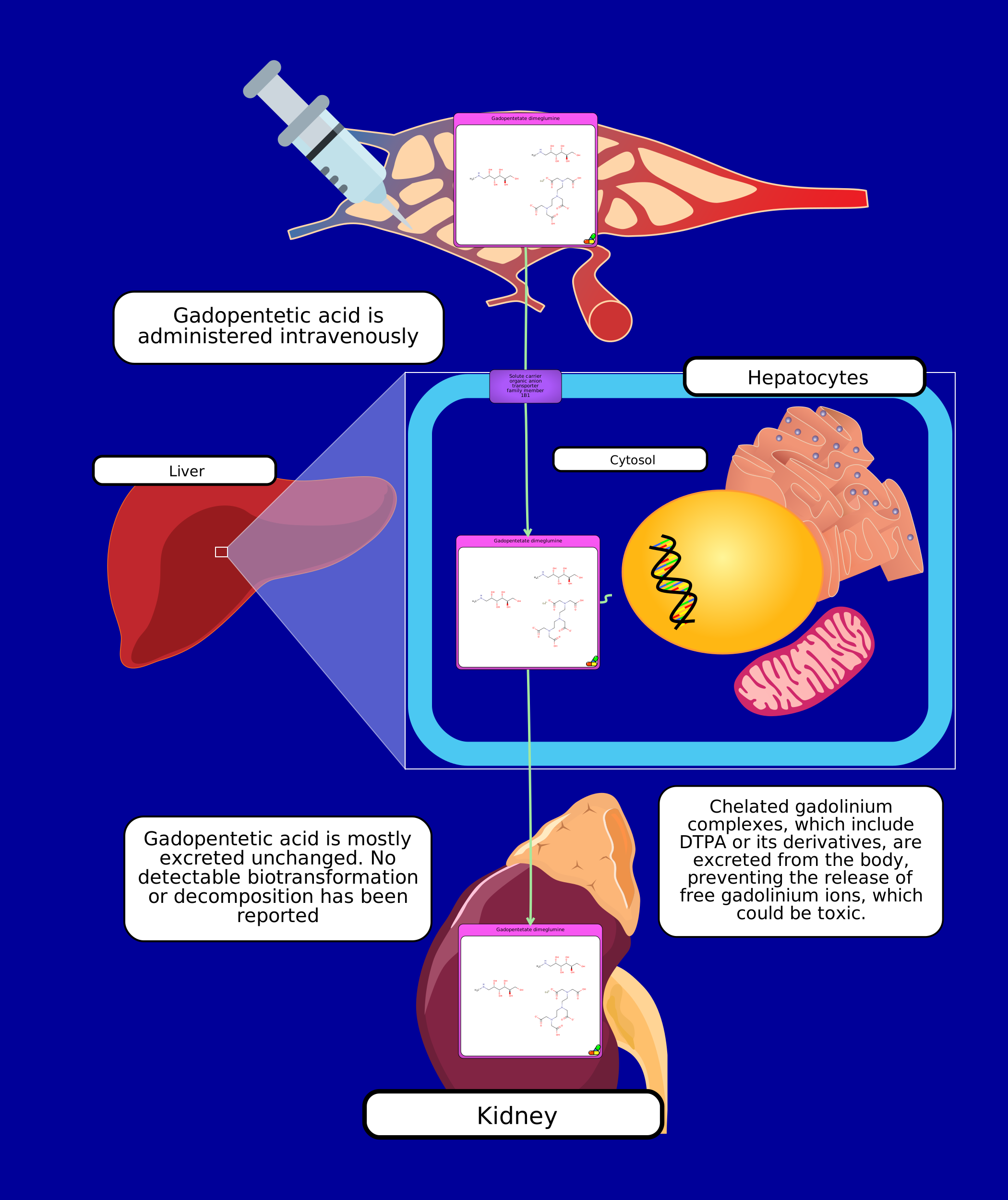 View Pathway
|
Gadopentetic acid MetabolismHomo sapiens
Gadopentetic acid is a gadolinium compound used as a contrast agent in MRIs. It is a complex of gadolinium with a chelating agent, diethylenetriamine penta-acetic acid (DTPA), that is given to enhance the image in cranial and spinal MRIs. It is used with magnetic resonance imaging (MRI) in adults, and pediatric patients (2 years of age and older) to visualize lesions with abnormal vascularity in the brain (intracranial lesions), spine and associated tissues as well as lesions with abnormal vascularity in the head and neck. Also used to facilitate the visualization of lesions with abnormal vascularity in the body (excluding the heart). No detectable biotransformation or decomposition have been reported.
|
Creator: Omolola Created On: September 01, 2023 at 10:31 Last Updated: September 01, 2023 at 10:31 |
PW146001 View Pathway
|
drug action
Gadoteric acid Drug Metabolism Action PathwayHomo sapiens
|
Creator: Ray Kruger Created On: October 07, 2023 at 17:10 Last Updated: October 07, 2023 at 17:10 |
PW128539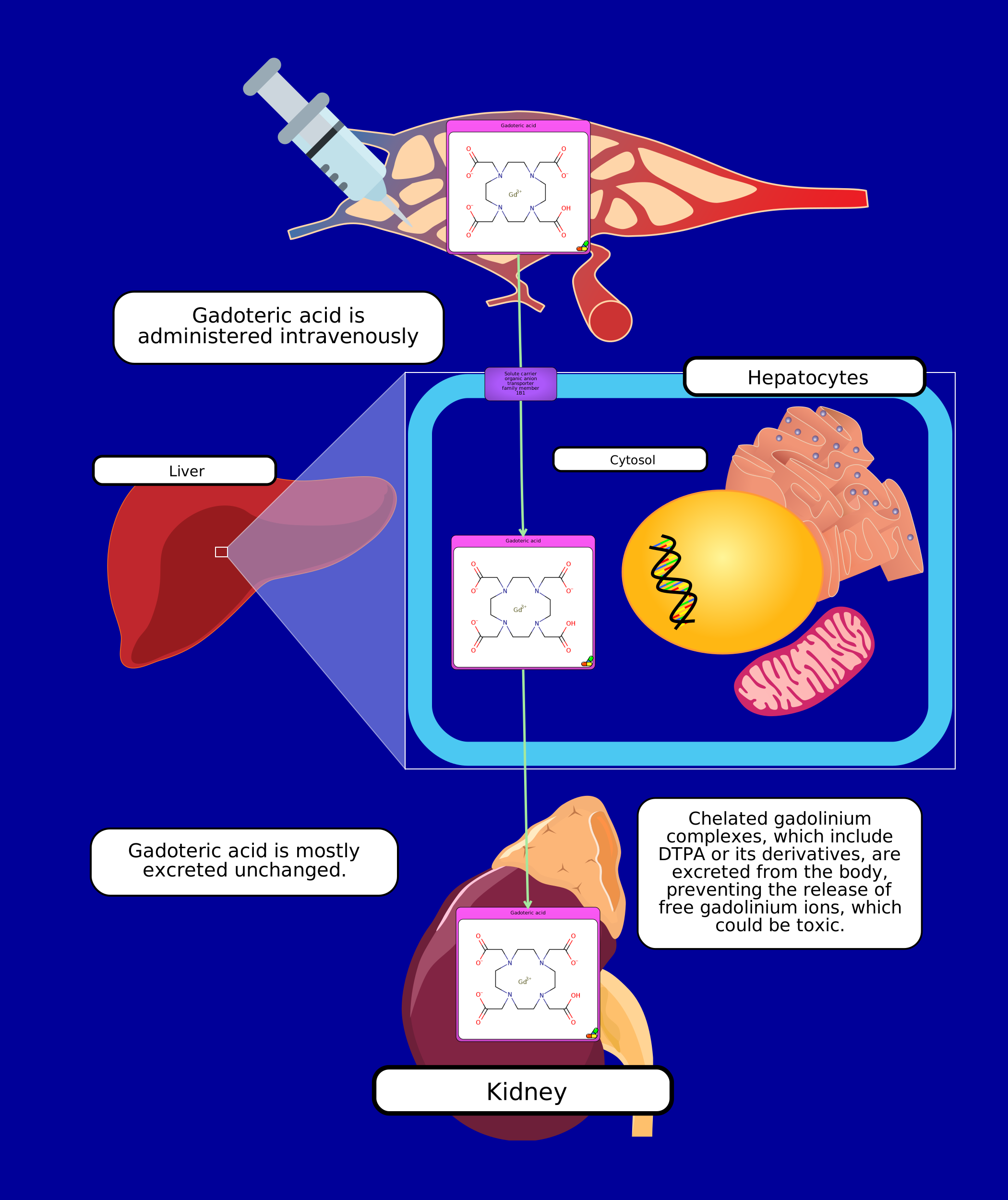 View Pathway
|
Gadoteric acid MetabolismHomo sapiens
Gadoteric acid is a diagnostic contrast agent used with magnetic resonance imaging to provide contrast enhancement for intracranial and spinal lesions with abnormal blood brain barrier or abnormal vascularity, and for whole body imaging.. Gadoteric acid is indicated for intravenous use with magnetic resonance imaging (MRI) in brain (intracranial), spine and associated tissues in adult and pediatric patients (2 years of age and older) to detect and visualize areas with disruption of the blood brain barrier (BBB) and/or abnormal vascularity. Gadoterate is a paramagnetic molecule that develops a magnetic moment when placed in a magnetic field. The magnetic moment enhances the relaxation rates of water protons in its vicinity, leading to an increase in signal intensity (brightness) of tissues. When placed in a magnetic field, gadoterate shortens the T1 and T2 relaxation times in target tissues.
|
Creator: Omolola Created On: September 01, 2023 at 18:11 Last Updated: September 01, 2023 at 18:11 |
PW132231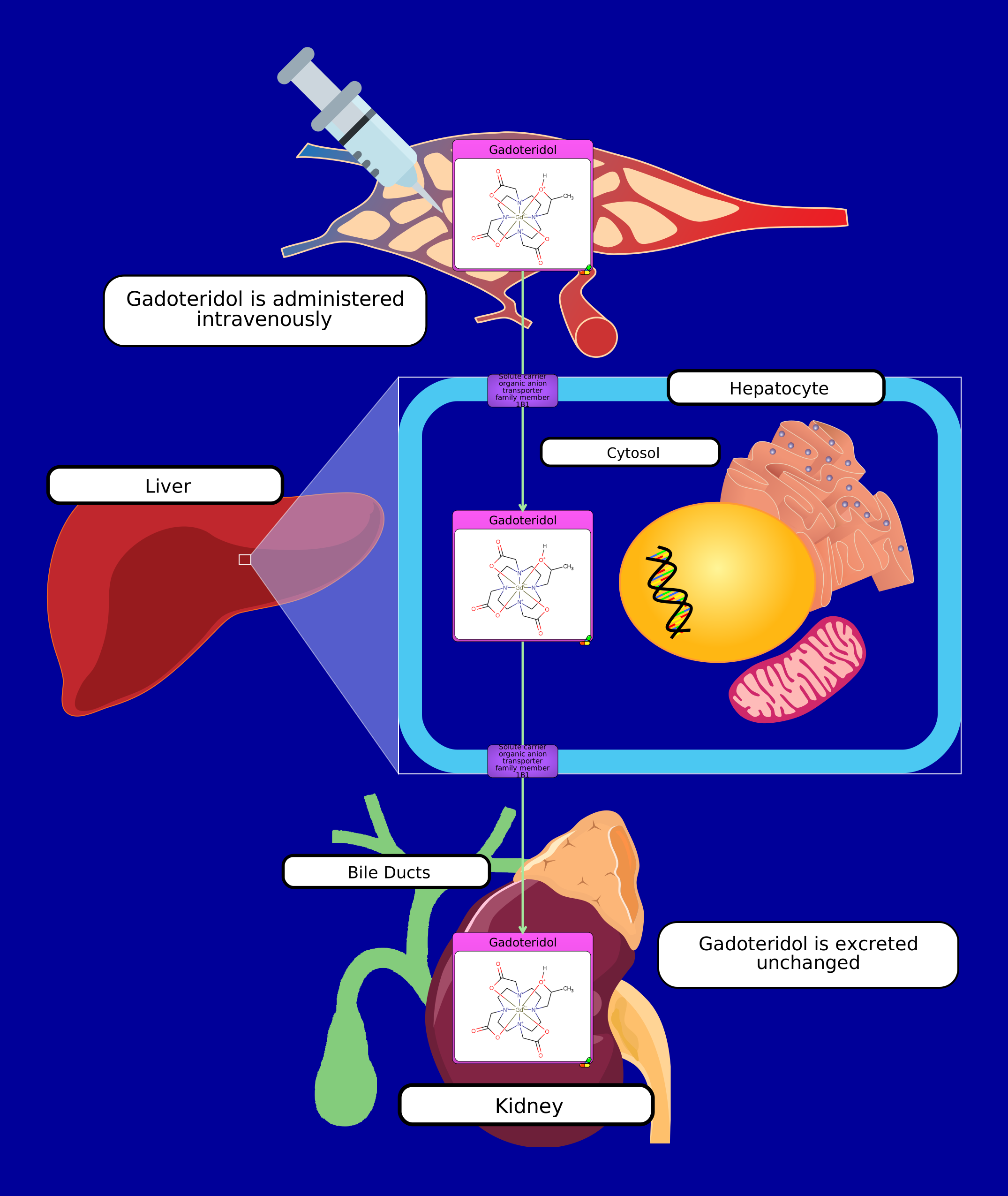 View Pathway
|
Gadoteridol Drug MetabolismHomo sapiens
Gadoteridol is a drug that is not metabolized by the human body as determined by current research and biotransformer analysis. Gadoteridol passes through the liver and is then excreted from the body mainly through the kidney.
|
Creator: Ray Kruger Created On: September 21, 2023 at 20:18 Last Updated: September 21, 2023 at 20:18 |
PW144713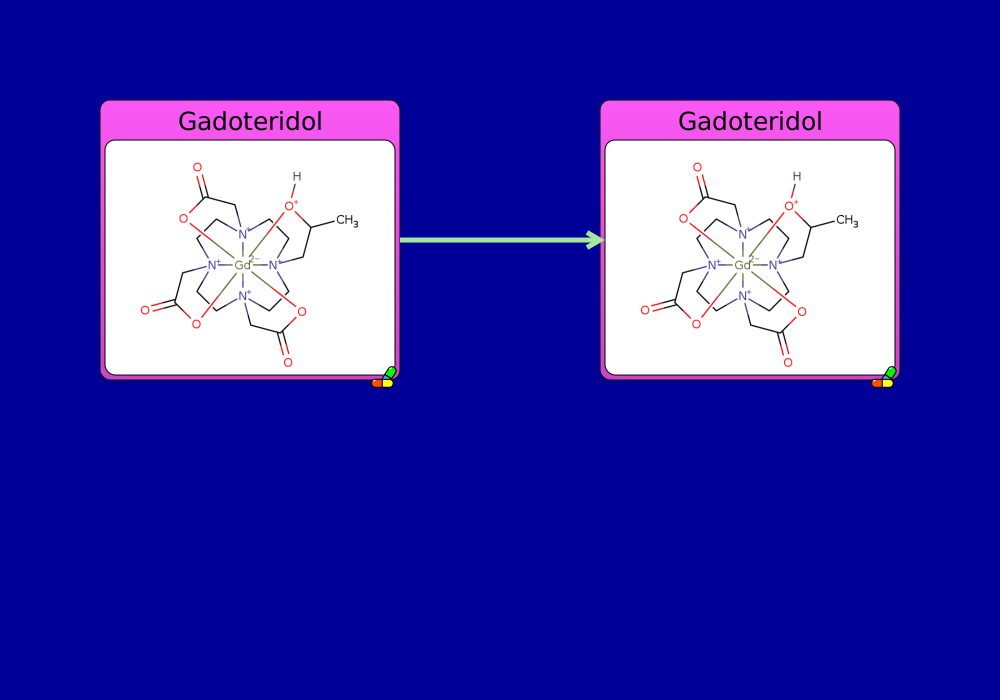 View Pathway
|
drug action
Gadoteridol Drug Metabolism Action PathwayHomo sapiens
|
Creator: Ray Kruger Created On: October 07, 2023 at 14:17 Last Updated: October 07, 2023 at 14:17 |
PW128538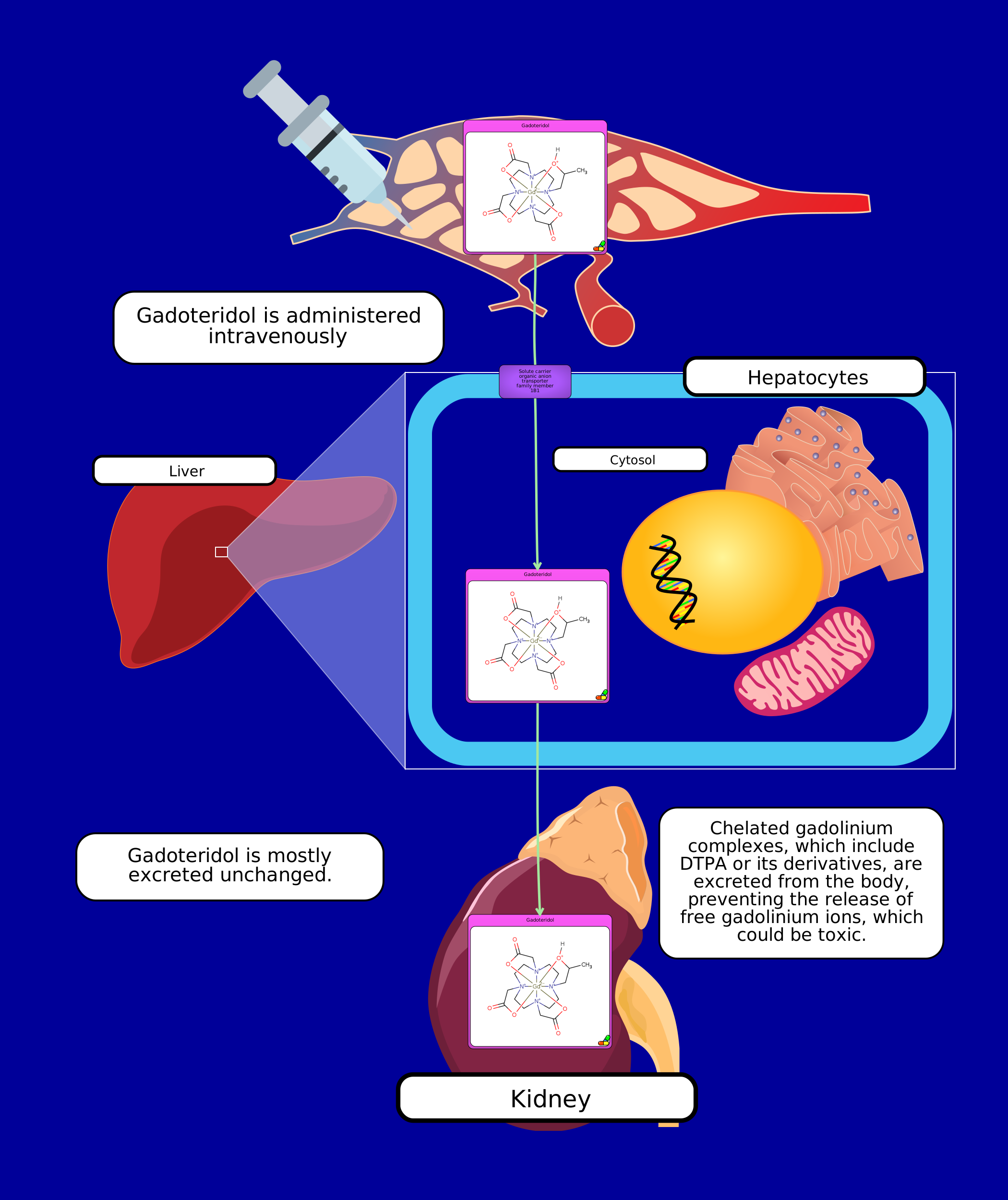 View Pathway
|
Gadoteridol MetabolismHomo sapiens
Gadoteridol is indicated for use with magnetic resonance imaging (MRI) in order to visualize lesions with disrupted blood-brain barrier and/or abnormal vascularity in the brain, spine, and associated tissues in adult and pediatric patients, including term neonates. It is also indicated for visualization of lesions in the head and neck in adult patients. Gadoteridol provides contrast enhancement of the brain, spine and surrounding tissues resulting in improved visualization (compared with unenhanced MRI) of lesions with abnormal vascularity or those thought to cause a disruption of the normal blood brain barrier. Gadoteridol can also be used for whole body contrast enhanced MRI including the head, neck, liver, breast, musculoskeletal system and soft tissue pathologies. n MRI, visualization of normal and pathological brain tissue depends in part on variations in the radiofrequency signal intensity that occur with changes in proton density, alteration of the T1, and variation in T2. When placed in a magnetic field, gadoteridol shortens the T1 relaxation time in tissues where it accumulates. Abnormal vascularity or disruption of the blood-brain barrier allows accumulation of gadoteridol in lesions such as neoplasms, abscesses, and subacute infarcts.
|
Creator: Omolola Created On: September 01, 2023 at 18:10 Last Updated: September 01, 2023 at 18:10 |
PW132204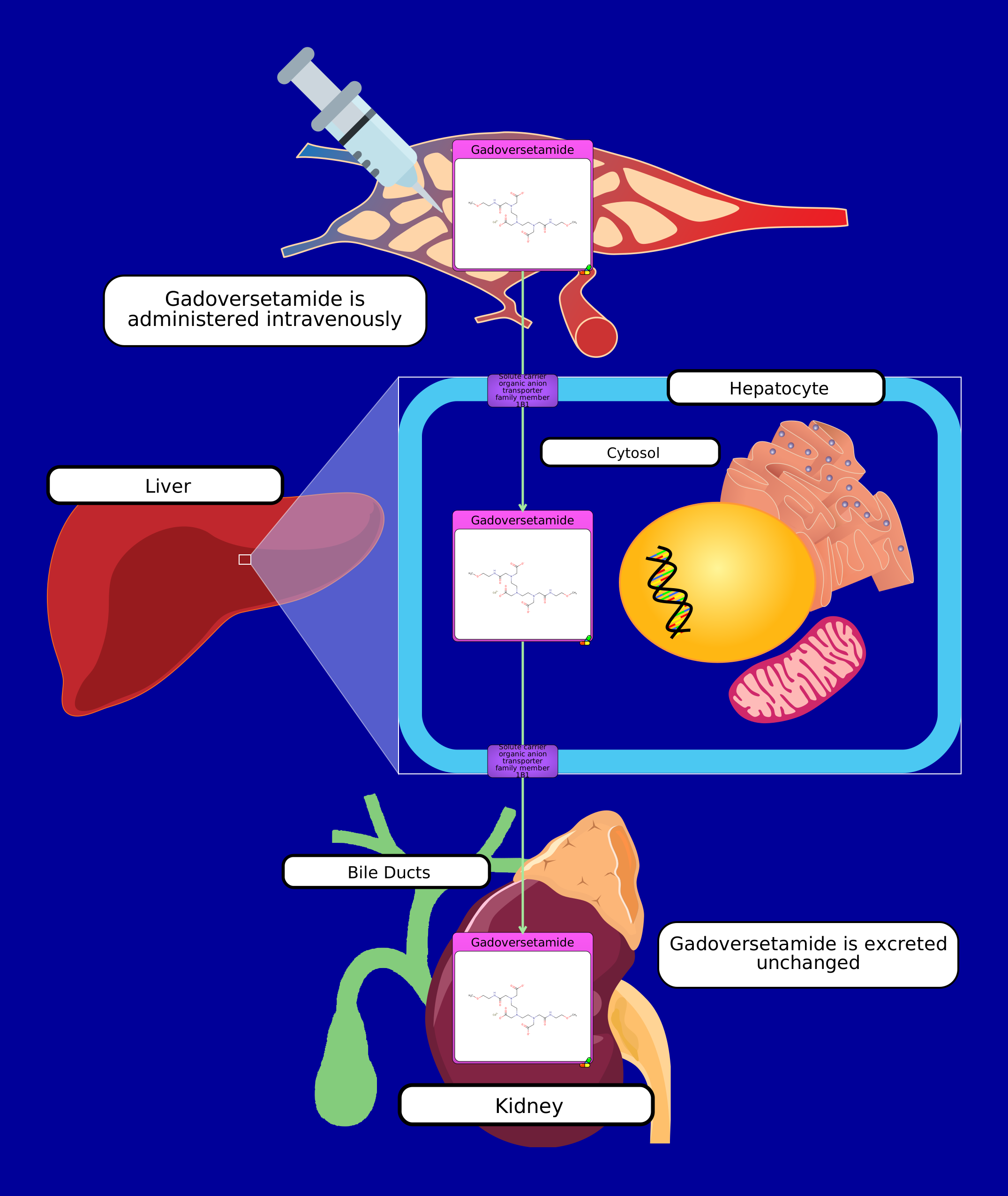 View Pathway
|
Gadoversetamide Drug MetabolismHomo sapiens
Gadoversetamide is a drug that is not metabolized by the human body as determined by current research and biotransformer analysis. Gadoversetamide passes through the liver and is then excreted from the body mainly through the kidney.
|
Creator: Ray Kruger Created On: September 21, 2023 at 20:06 Last Updated: September 21, 2023 at 20:06 |
PW144656 View Pathway
|
drug action
Gadoversetamide Drug Metabolism Action PathwayHomo sapiens
|
Creator: Ray Kruger Created On: October 07, 2023 at 14:08 Last Updated: October 07, 2023 at 14:08 |
PW128499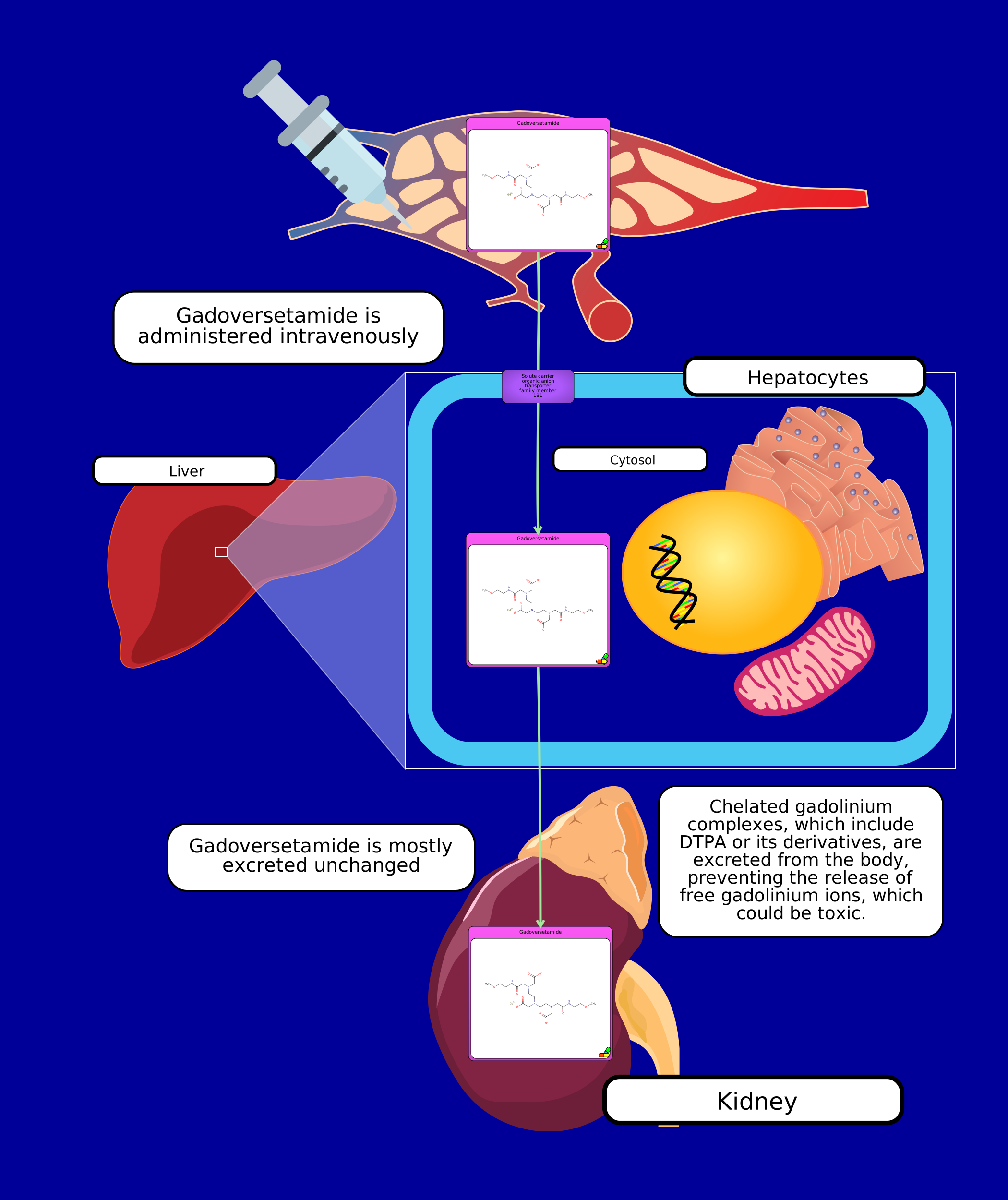 View Pathway
|
Gadoversetamide MetabolismHomo sapiens
Gadoversetamide is an MRI contrast agent used for MRI diagnostic procedures to provide increased enhancement and visualization of lesions of the brain, spine and liver, including tumors.
Based on the behavior of protons when placed in a strong magnetic field, which is interpreted and transformed into images by magnetic resonance (MR) instruments. MR images are based primarily on proton density and proton relaxation dynamics. MR instruments are sensitive to two different relaxation processes, the T1 (spin-lattice or longitudinal relaxation time) and T2 (spin-spin or transverse relaxation time). Paramagnetic agents contain one or more unpaired electrons that enhance the T1 and T2 relaxation rates of protons in their molecular environment. In MRI, visualization of normal and pathological brain, spinal and hepatic tissue depends in part on variations in the radio frequency signal intensity that occur with changes in proton density, alteration of the T1, and variation in T2. When placed in a magnetic field, gadoversetamide shortens the T1 and T2 relaxation times in tissues where it accumulates. At the recommended dose, the effect is primarily on T1 relaxation time, and produces an increase in signal intensity (brightness). Gadoversetamide does not cross the intact blood-brain barrier; therefore, it does not accumulate in normal brain tissue or in CNS lesions that may have a normal blood-brain barrier (e.g., cysts, mature post-operative scars). Abnormal vascularity or disruption of the blood-brain barrier allows accumulation of gadoversetamide in lesions such as neoplasms, abscesses, and subacute infarcts.
Diethylenetriamine pentaacetate (DTPA) and its derivatives, which are commonly used as organic ligands in gadolinium-based contrast agents (GBCAs), are designed to form stable complexes with gadolinium ions (Gd3+). These complexes enhance the contrast in medical imaging, particularly in magnetic resonance imaging (MRI). When these GBCAs are administered for imaging, they are primarily eliminated from the body through renal excretion, and a significant portion of them is excreted largely unchanged.
|
Creator: Omolola Created On: August 31, 2023 at 20:22 Last Updated: August 31, 2023 at 20:22 |