
| PathWhiz ID | Pathway | Meta Data |
|---|---|---|
PW411088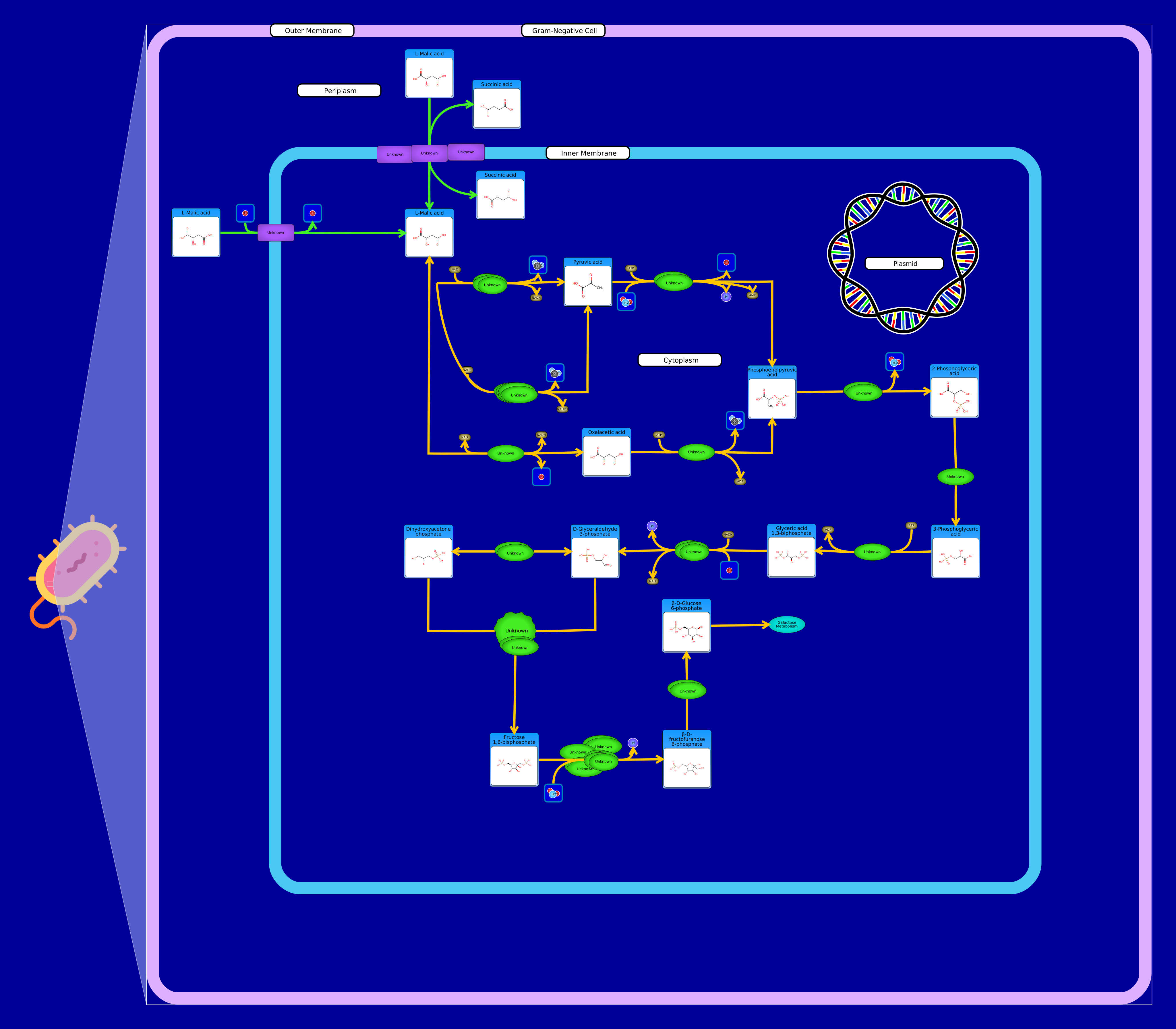 View Pathway
|
Gluconeogenesis from L-Malic AcidPseudobutyrivibrio ruminis AD2017
Gluconeogenesis from L-malic acid starts from the introduction of L-malic acid into cytoplasm either through a C4 dicarboxylate / orotate:H+ symporter or a dicarboxylate transporter (succinic acid antiporter). L-malic acid is then metabolized through 3 possible ways: NAD driven malate dehydrogenase resulting in oxalacetic acid, NADP driven malate dehydrogenase B resulting pyruvic acid or malate dehydrogenase, NAD-requiring resulting in pyruvic acid.
Oxalacetic acid is processed by phosphoenolpyruvate carboxykinase (ATP driven) while pyruvic acid is processed by phosphoenolpyruvate synthetase resulting in phosphoenolpyruvic acid. This compound is dehydrated by enolase resulting in an 2-phosphoglyceric acid which is then isomerized by 2,3-bisphosphoglycerate-independent phosphoglycerate mutase resulting in a 3-phosphoglyceric acid which is phosphorylated by an ATP driven phosphoglycerate kinase resulting in a glyceric acid 1,3-biphosphate. This compound undergoes an NADH driven glyceraldehyde 3-phosphate dehydrogenase reaction resulting in a D-Glyceraldehyde 3-phosphate which is first isomerized into dihydroxyacetone phosphate through an triosephosphate isomerase. D-glyceraldehyde 3-phosphate and Dihydroxyacetone phosphate react through a fructose biphosphate aldolase protein complex resulting in a fructose 1,6-biphosphate. Fructose 1,6-biphosphateis is metabolized by a fructose-1,6-bisphosphatase resulting in a Beta-D-fructofuranose 6-phosphate which is then isomerized into a Beta-D-glucose 6-phosphate through a glucose-6-phosphate isomerase.
|
Creator: Julia Wakoli Created On: December 24, 2024 at 00:57 Last Updated: December 24, 2024 at 00:57 |
PW413522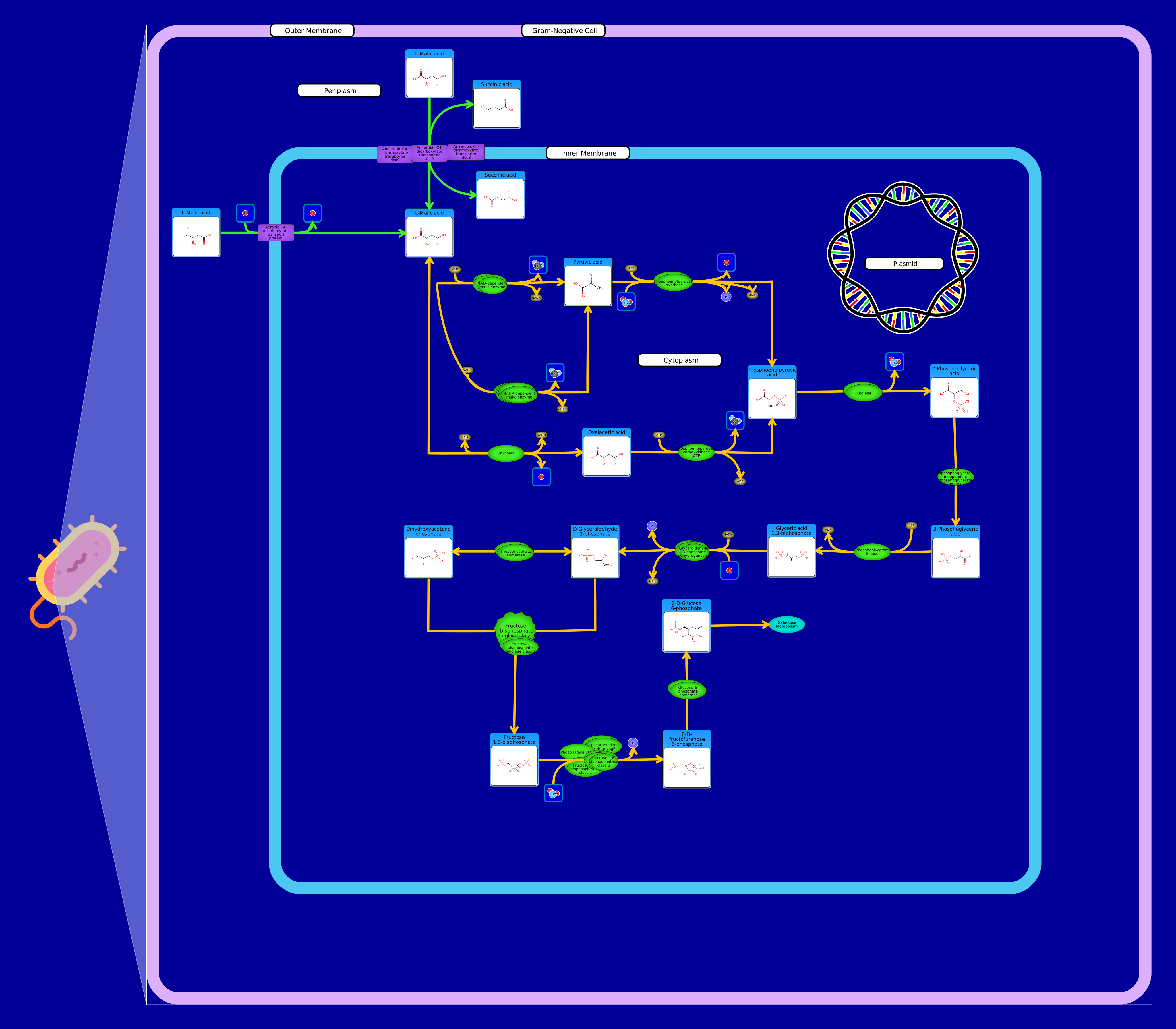 View Pathway
|
Gluconeogenesis from L-Malic AcidEscherichia coli (strain B / BL21-DE3)
Gluconeogenesis from L-malic acid starts from the introduction of L-malic acid into cytoplasm either through a C4 dicarboxylate / orotate:H+ symporter or a dicarboxylate transporter (succinic acid antiporter). L-malic acid is then metabolized through 3 possible ways: NAD driven malate dehydrogenase resulting in oxalacetic acid, NADP driven malate dehydrogenase B resulting pyruvic acid or malate dehydrogenase, NAD-requiring resulting in pyruvic acid.
Oxalacetic acid is processed by phosphoenolpyruvate carboxykinase (ATP driven) while pyruvic acid is processed by phosphoenolpyruvate synthetase resulting in phosphoenolpyruvic acid. This compound is dehydrated by enolase resulting in an 2-phosphoglyceric acid which is then isomerized by 2,3-bisphosphoglycerate-independent phosphoglycerate mutase resulting in a 3-phosphoglyceric acid which is phosphorylated by an ATP driven phosphoglycerate kinase resulting in a glyceric acid 1,3-biphosphate. This compound undergoes an NADH driven glyceraldehyde 3-phosphate dehydrogenase reaction resulting in a D-Glyceraldehyde 3-phosphate which is first isomerized into dihydroxyacetone phosphate through an triosephosphate isomerase. D-glyceraldehyde 3-phosphate and Dihydroxyacetone phosphate react through a fructose biphosphate aldolase protein complex resulting in a fructose 1,6-biphosphate. Fructose 1,6-biphosphateis is metabolized by a fructose-1,6-bisphosphatase resulting in a Beta-D-fructofuranose 6-phosphate which is then isomerized into a Beta-D-glucose 6-phosphate through a glucose-6-phosphate isomerase.
|
Creator: Julia Wakoli Created On: December 25, 2024 at 11:06 Last Updated: December 25, 2024 at 11:06 |
PW684872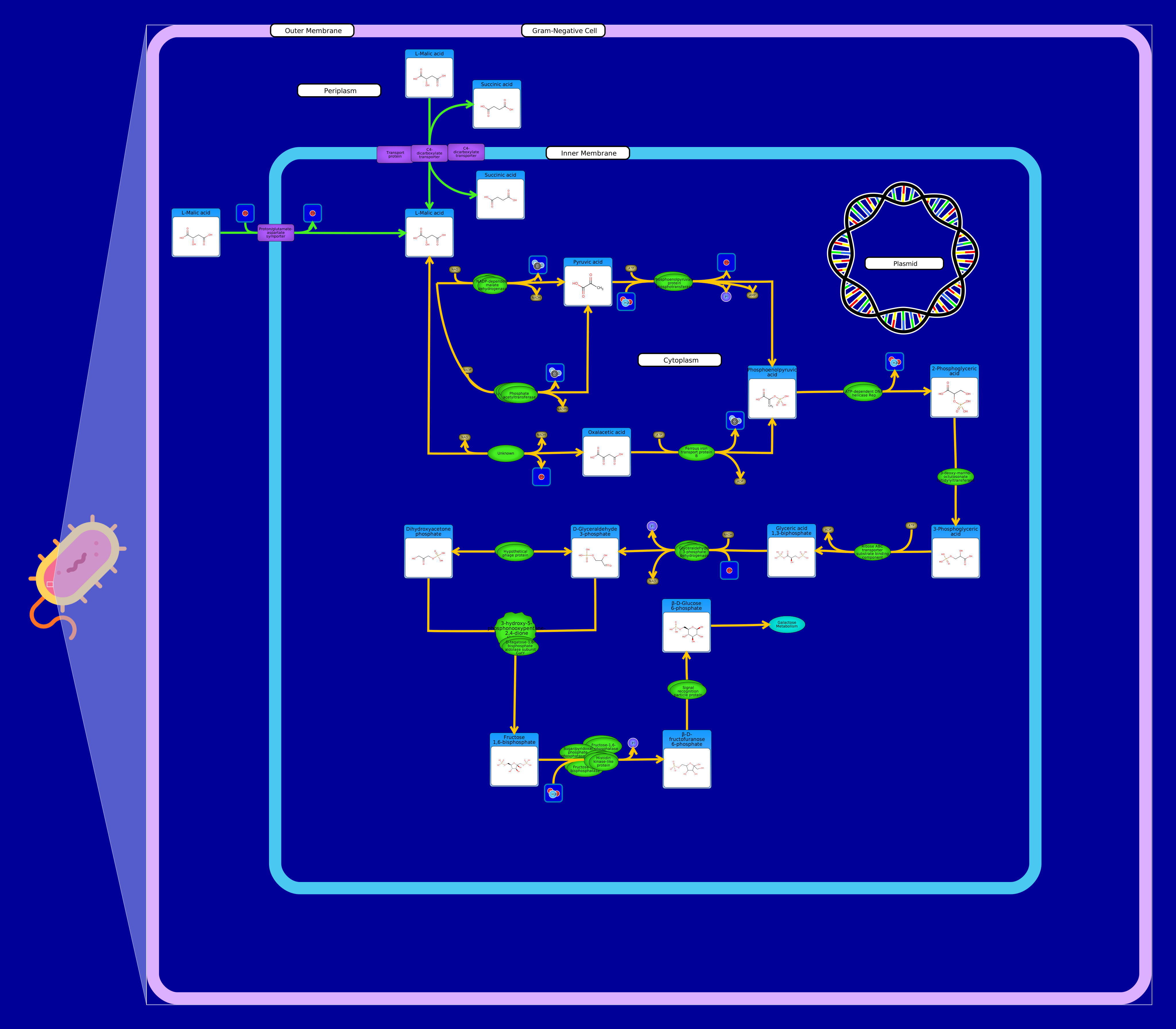 View Pathway
|
Gluconeogenesis from L-Malic AcidEscherichia coli (strain SE11)
Gluconeogenesis from L-malic acid starts from the introduction of L-malic acid into cytoplasm either through a C4 dicarboxylate / orotate:H+ symporter or a dicarboxylate transporter (succinic acid antiporter). L-malic acid is then metabolized through 3 possible ways: NAD driven malate dehydrogenase resulting in oxalacetic acid, NADP driven malate dehydrogenase B resulting pyruvic acid or malate dehydrogenase, NAD-requiring resulting in pyruvic acid.
Oxalacetic acid is processed by phosphoenolpyruvate carboxykinase (ATP driven) while pyruvic acid is processed by phosphoenolpyruvate synthetase resulting in phosphoenolpyruvic acid. This compound is dehydrated by enolase resulting in an 2-phosphoglyceric acid which is then isomerized by 2,3-bisphosphoglycerate-independent phosphoglycerate mutase resulting in a 3-phosphoglyceric acid which is phosphorylated by an ATP driven phosphoglycerate kinase resulting in a glyceric acid 1,3-biphosphate. This compound undergoes an NADH driven glyceraldehyde 3-phosphate dehydrogenase reaction resulting in a D-Glyceraldehyde 3-phosphate which is first isomerized into dihydroxyacetone phosphate through an triosephosphate isomerase. D-glyceraldehyde 3-phosphate and Dihydroxyacetone phosphate react through a fructose biphosphate aldolase protein complex resulting in a fructose 1,6-biphosphate. Fructose 1,6-biphosphateis is metabolized by a fructose-1,6-bisphosphatase resulting in a Beta-D-fructofuranose 6-phosphate which is then isomerized into a Beta-D-glucose 6-phosphate through a glucose-6-phosphate isomerase.
|
Creator: Julia Wakoli Created On: December 22, 2024 at 15:54 Last Updated: December 22, 2024 at 15:54 |
PW406813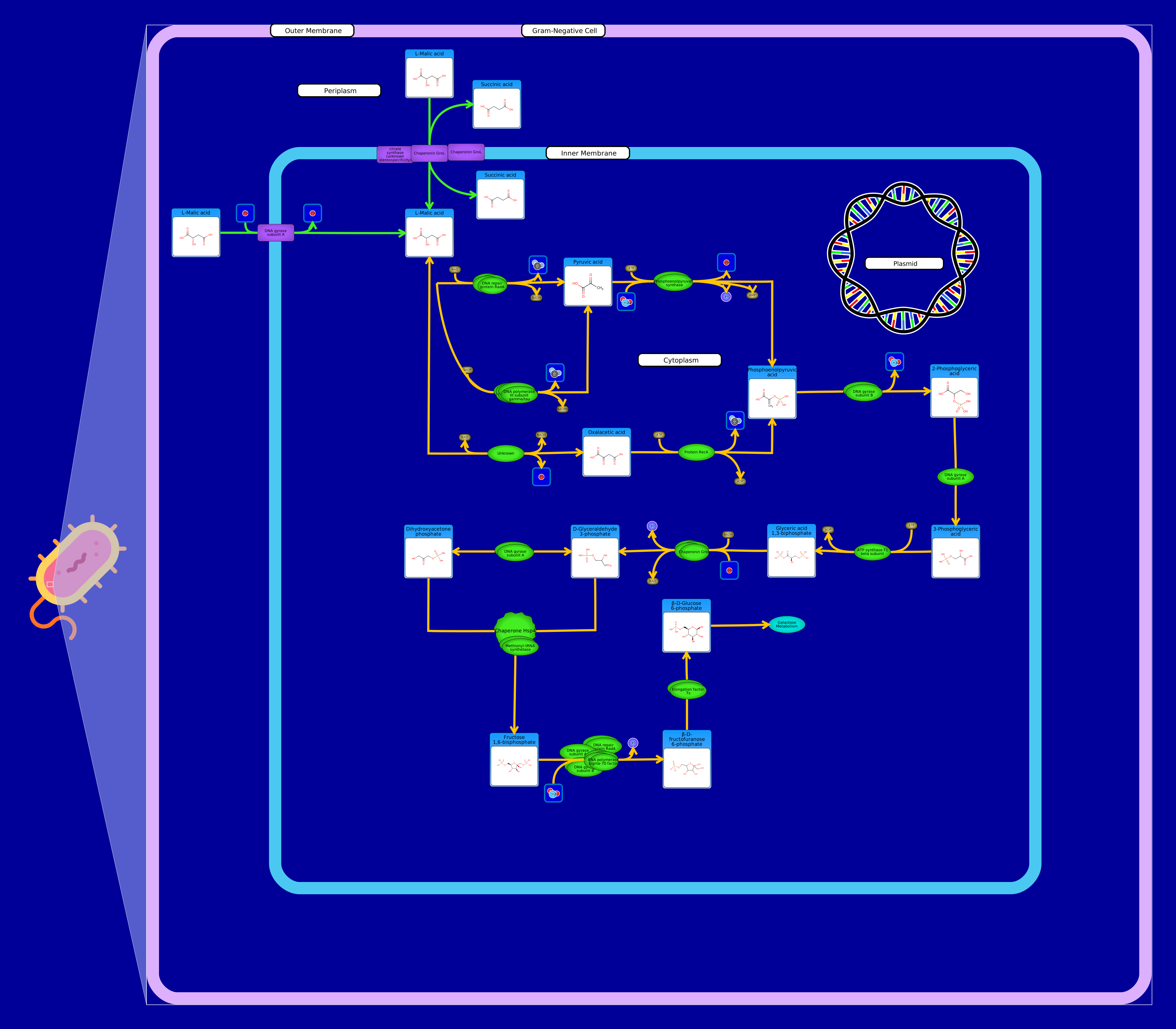 View Pathway
|
Gluconeogenesis from L-Malic AcidAeromonas media WS
Gluconeogenesis from L-malic acid starts from the introduction of L-malic acid into cytoplasm either through a C4 dicarboxylate / orotate:H+ symporter or a dicarboxylate transporter (succinic acid antiporter). L-malic acid is then metabolized through 3 possible ways: NAD driven malate dehydrogenase resulting in oxalacetic acid, NADP driven malate dehydrogenase B resulting pyruvic acid or malate dehydrogenase, NAD-requiring resulting in pyruvic acid.
Oxalacetic acid is processed by phosphoenolpyruvate carboxykinase (ATP driven) while pyruvic acid is processed by phosphoenolpyruvate synthetase resulting in phosphoenolpyruvic acid. This compound is dehydrated by enolase resulting in an 2-phosphoglyceric acid which is then isomerized by 2,3-bisphosphoglycerate-independent phosphoglycerate mutase resulting in a 3-phosphoglyceric acid which is phosphorylated by an ATP driven phosphoglycerate kinase resulting in a glyceric acid 1,3-biphosphate. This compound undergoes an NADH driven glyceraldehyde 3-phosphate dehydrogenase reaction resulting in a D-Glyceraldehyde 3-phosphate which is first isomerized into dihydroxyacetone phosphate through an triosephosphate isomerase. D-glyceraldehyde 3-phosphate and Dihydroxyacetone phosphate react through a fructose biphosphate aldolase protein complex resulting in a fructose 1,6-biphosphate. Fructose 1,6-biphosphateis is metabolized by a fructose-1,6-bisphosphatase resulting in a Beta-D-fructofuranose 6-phosphate which is then isomerized into a Beta-D-glucose 6-phosphate through a glucose-6-phosphate isomerase.
|
Creator: Julia Wakoli Created On: December 22, 2024 at 16:41 Last Updated: December 22, 2024 at 16:41 |
PW406887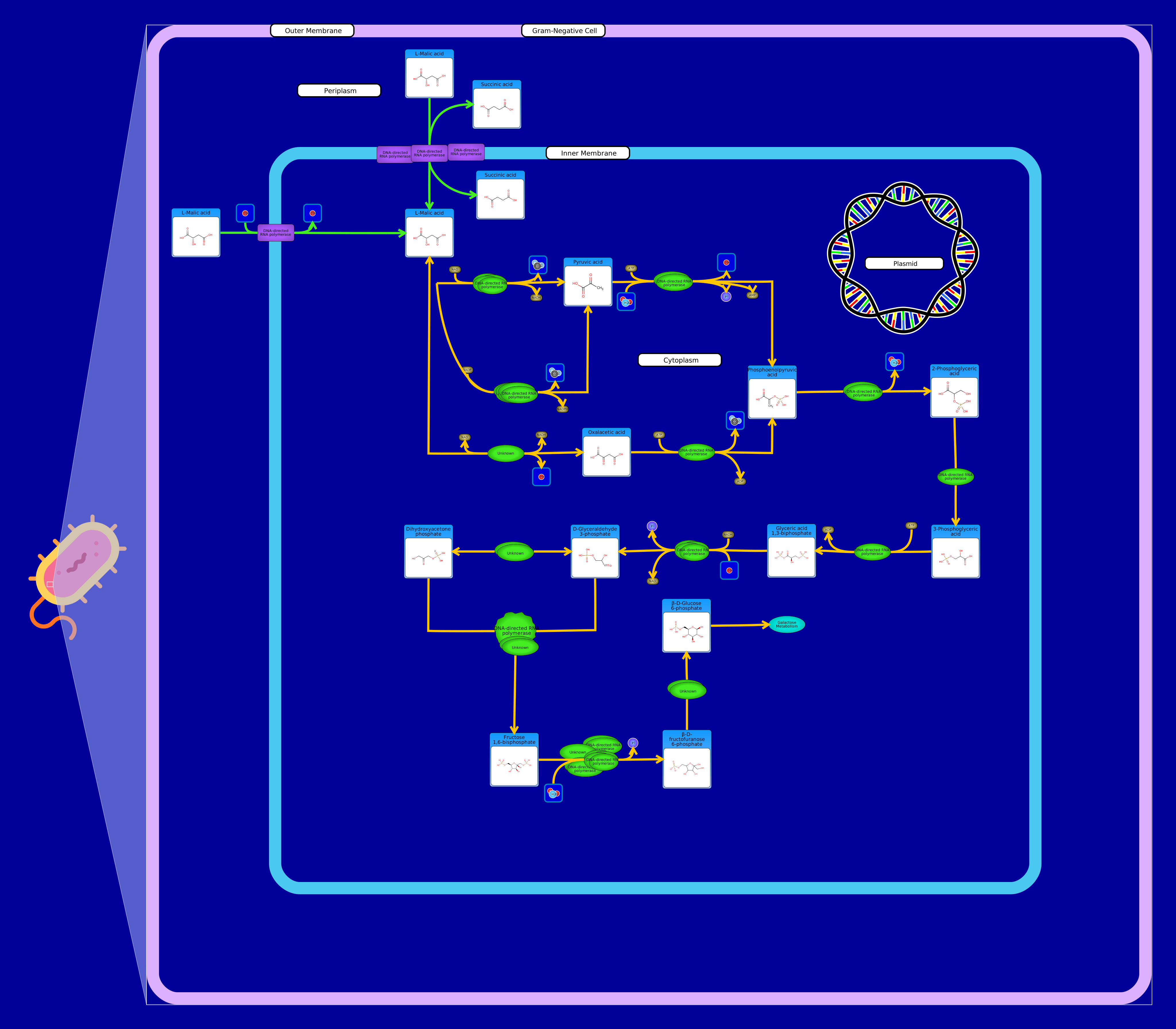 View Pathway
|
Gluconeogenesis from L-Malic AcidAcinetobacter pittii ANC 4052
Gluconeogenesis from L-malic acid starts from the introduction of L-malic acid into cytoplasm either through a C4 dicarboxylate / orotate:H+ symporter or a dicarboxylate transporter (succinic acid antiporter). L-malic acid is then metabolized through 3 possible ways: NAD driven malate dehydrogenase resulting in oxalacetic acid, NADP driven malate dehydrogenase B resulting pyruvic acid or malate dehydrogenase, NAD-requiring resulting in pyruvic acid.
Oxalacetic acid is processed by phosphoenolpyruvate carboxykinase (ATP driven) while pyruvic acid is processed by phosphoenolpyruvate synthetase resulting in phosphoenolpyruvic acid. This compound is dehydrated by enolase resulting in an 2-phosphoglyceric acid which is then isomerized by 2,3-bisphosphoglycerate-independent phosphoglycerate mutase resulting in a 3-phosphoglyceric acid which is phosphorylated by an ATP driven phosphoglycerate kinase resulting in a glyceric acid 1,3-biphosphate. This compound undergoes an NADH driven glyceraldehyde 3-phosphate dehydrogenase reaction resulting in a D-Glyceraldehyde 3-phosphate which is first isomerized into dihydroxyacetone phosphate through an triosephosphate isomerase. D-glyceraldehyde 3-phosphate and Dihydroxyacetone phosphate react through a fructose biphosphate aldolase protein complex resulting in a fructose 1,6-biphosphate. Fructose 1,6-biphosphateis is metabolized by a fructose-1,6-bisphosphatase resulting in a Beta-D-fructofuranose 6-phosphate which is then isomerized into a Beta-D-glucose 6-phosphate through a glucose-6-phosphate isomerase.
|
Creator: Julia Wakoli Created On: December 22, 2024 at 17:25 Last Updated: December 22, 2024 at 17:25 |
PW407380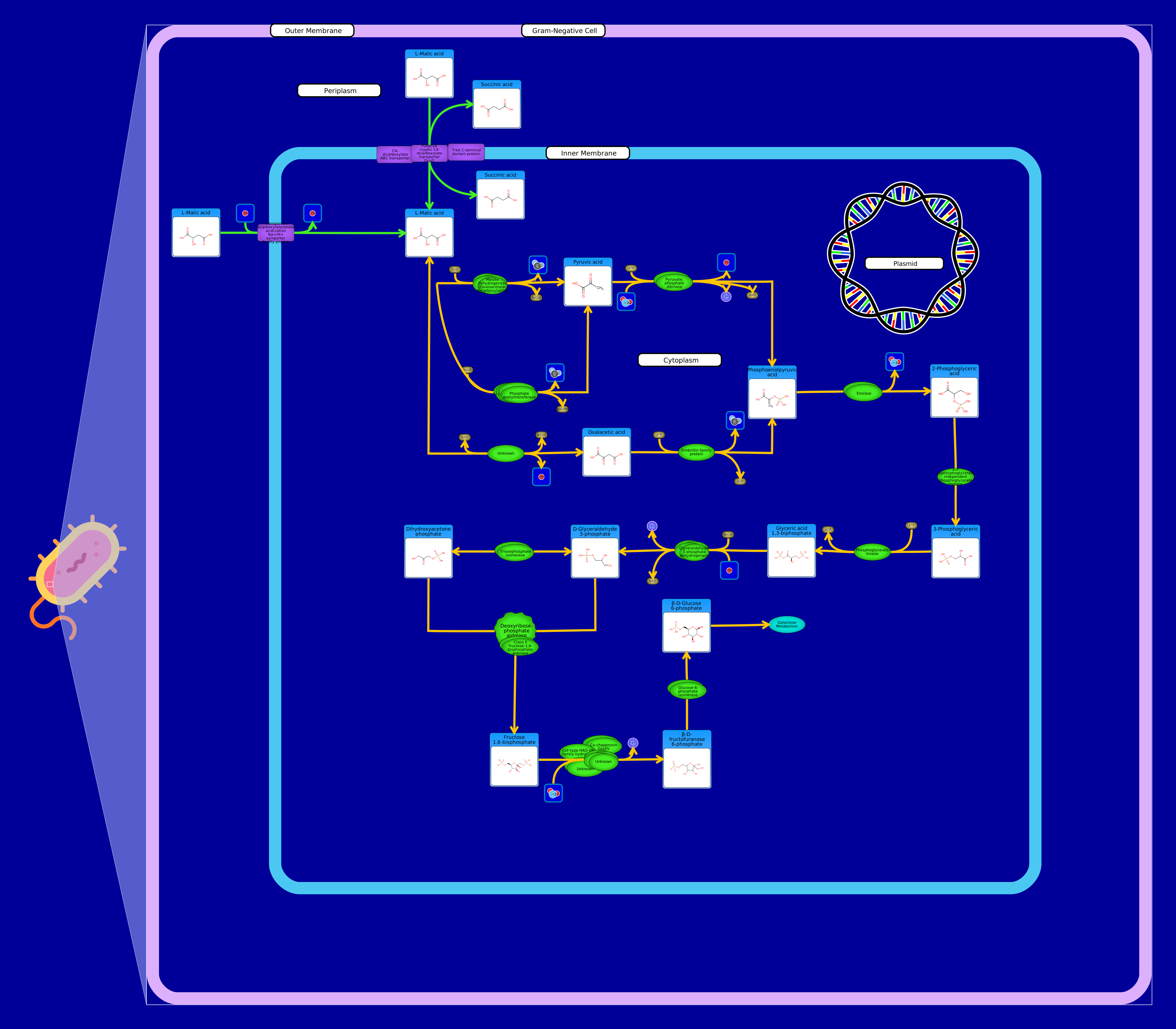 View Pathway
|
Gluconeogenesis from L-Malic AcidBacteroides intestinalis
Gluconeogenesis from L-malic acid starts from the introduction of L-malic acid into cytoplasm either through a C4 dicarboxylate / orotate:H+ symporter or a dicarboxylate transporter (succinic acid antiporter). L-malic acid is then metabolized through 3 possible ways: NAD driven malate dehydrogenase resulting in oxalacetic acid, NADP driven malate dehydrogenase B resulting pyruvic acid or malate dehydrogenase, NAD-requiring resulting in pyruvic acid.
Oxalacetic acid is processed by phosphoenolpyruvate carboxykinase (ATP driven) while pyruvic acid is processed by phosphoenolpyruvate synthetase resulting in phosphoenolpyruvic acid. This compound is dehydrated by enolase resulting in an 2-phosphoglyceric acid which is then isomerized by 2,3-bisphosphoglycerate-independent phosphoglycerate mutase resulting in a 3-phosphoglyceric acid which is phosphorylated by an ATP driven phosphoglycerate kinase resulting in a glyceric acid 1,3-biphosphate. This compound undergoes an NADH driven glyceraldehyde 3-phosphate dehydrogenase reaction resulting in a D-Glyceraldehyde 3-phosphate which is first isomerized into dihydroxyacetone phosphate through an triosephosphate isomerase. D-glyceraldehyde 3-phosphate and Dihydroxyacetone phosphate react through a fructose biphosphate aldolase protein complex resulting in a fructose 1,6-biphosphate. Fructose 1,6-biphosphateis is metabolized by a fructose-1,6-bisphosphatase resulting in a Beta-D-fructofuranose 6-phosphate which is then isomerized into a Beta-D-glucose 6-phosphate through a glucose-6-phosphate isomerase.
|
Creator: Julia Wakoli Created On: December 22, 2024 at 21:44 Last Updated: December 22, 2024 at 21:44 |
PW408939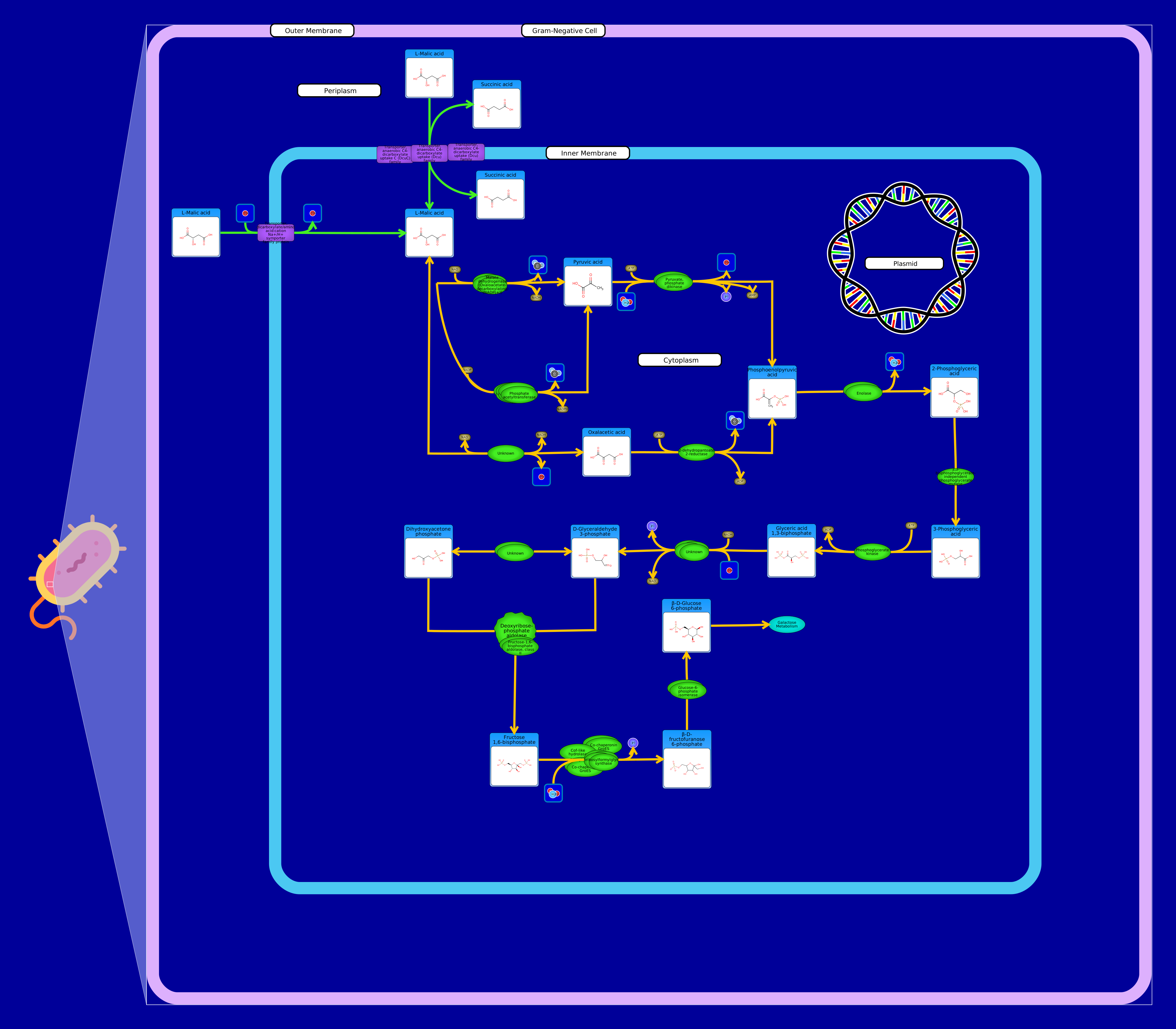 View Pathway
|
Gluconeogenesis from L-Malic AcidBacteroides sp. 2_1_22
Gluconeogenesis from L-malic acid starts from the introduction of L-malic acid into cytoplasm either through a C4 dicarboxylate / orotate:H+ symporter or a dicarboxylate transporter (succinic acid antiporter). L-malic acid is then metabolized through 3 possible ways: NAD driven malate dehydrogenase resulting in oxalacetic acid, NADP driven malate dehydrogenase B resulting pyruvic acid or malate dehydrogenase, NAD-requiring resulting in pyruvic acid.
Oxalacetic acid is processed by phosphoenolpyruvate carboxykinase (ATP driven) while pyruvic acid is processed by phosphoenolpyruvate synthetase resulting in phosphoenolpyruvic acid. This compound is dehydrated by enolase resulting in an 2-phosphoglyceric acid which is then isomerized by 2,3-bisphosphoglycerate-independent phosphoglycerate mutase resulting in a 3-phosphoglyceric acid which is phosphorylated by an ATP driven phosphoglycerate kinase resulting in a glyceric acid 1,3-biphosphate. This compound undergoes an NADH driven glyceraldehyde 3-phosphate dehydrogenase reaction resulting in a D-Glyceraldehyde 3-phosphate which is first isomerized into dihydroxyacetone phosphate through an triosephosphate isomerase. D-glyceraldehyde 3-phosphate and Dihydroxyacetone phosphate react through a fructose biphosphate aldolase protein complex resulting in a fructose 1,6-biphosphate. Fructose 1,6-biphosphateis is metabolized by a fructose-1,6-bisphosphatase resulting in a Beta-D-fructofuranose 6-phosphate which is then isomerized into a Beta-D-glucose 6-phosphate through a glucose-6-phosphate isomerase.
|
Creator: Julia Wakoli Created On: December 23, 2024 at 08:52 Last Updated: December 23, 2024 at 08:52 |
PW409937 View Pathway
|
Gluconeogenesis from L-Malic AcidAchromobacter xylosoxidans NBRC 15126 = ATCC 27061
Gluconeogenesis from L-malic acid starts from the introduction of L-malic acid into cytoplasm either through a C4 dicarboxylate / orotate:H+ symporter or a dicarboxylate transporter (succinic acid antiporter). L-malic acid is then metabolized through 3 possible ways: NAD driven malate dehydrogenase resulting in oxalacetic acid, NADP driven malate dehydrogenase B resulting pyruvic acid or malate dehydrogenase, NAD-requiring resulting in pyruvic acid.
Oxalacetic acid is processed by phosphoenolpyruvate carboxykinase (ATP driven) while pyruvic acid is processed by phosphoenolpyruvate synthetase resulting in phosphoenolpyruvic acid. This compound is dehydrated by enolase resulting in an 2-phosphoglyceric acid which is then isomerized by 2,3-bisphosphoglycerate-independent phosphoglycerate mutase resulting in a 3-phosphoglyceric acid which is phosphorylated by an ATP driven phosphoglycerate kinase resulting in a glyceric acid 1,3-biphosphate. This compound undergoes an NADH driven glyceraldehyde 3-phosphate dehydrogenase reaction resulting in a D-Glyceraldehyde 3-phosphate which is first isomerized into dihydroxyacetone phosphate through an triosephosphate isomerase. D-glyceraldehyde 3-phosphate and Dihydroxyacetone phosphate react through a fructose biphosphate aldolase protein complex resulting in a fructose 1,6-biphosphate. Fructose 1,6-biphosphateis is metabolized by a fructose-1,6-bisphosphatase resulting in a Beta-D-fructofuranose 6-phosphate which is then isomerized into a Beta-D-glucose 6-phosphate through a glucose-6-phosphate isomerase.
|
Creator: Julia Wakoli Created On: December 23, 2024 at 16:13 Last Updated: December 23, 2024 at 16:13 |
PW410504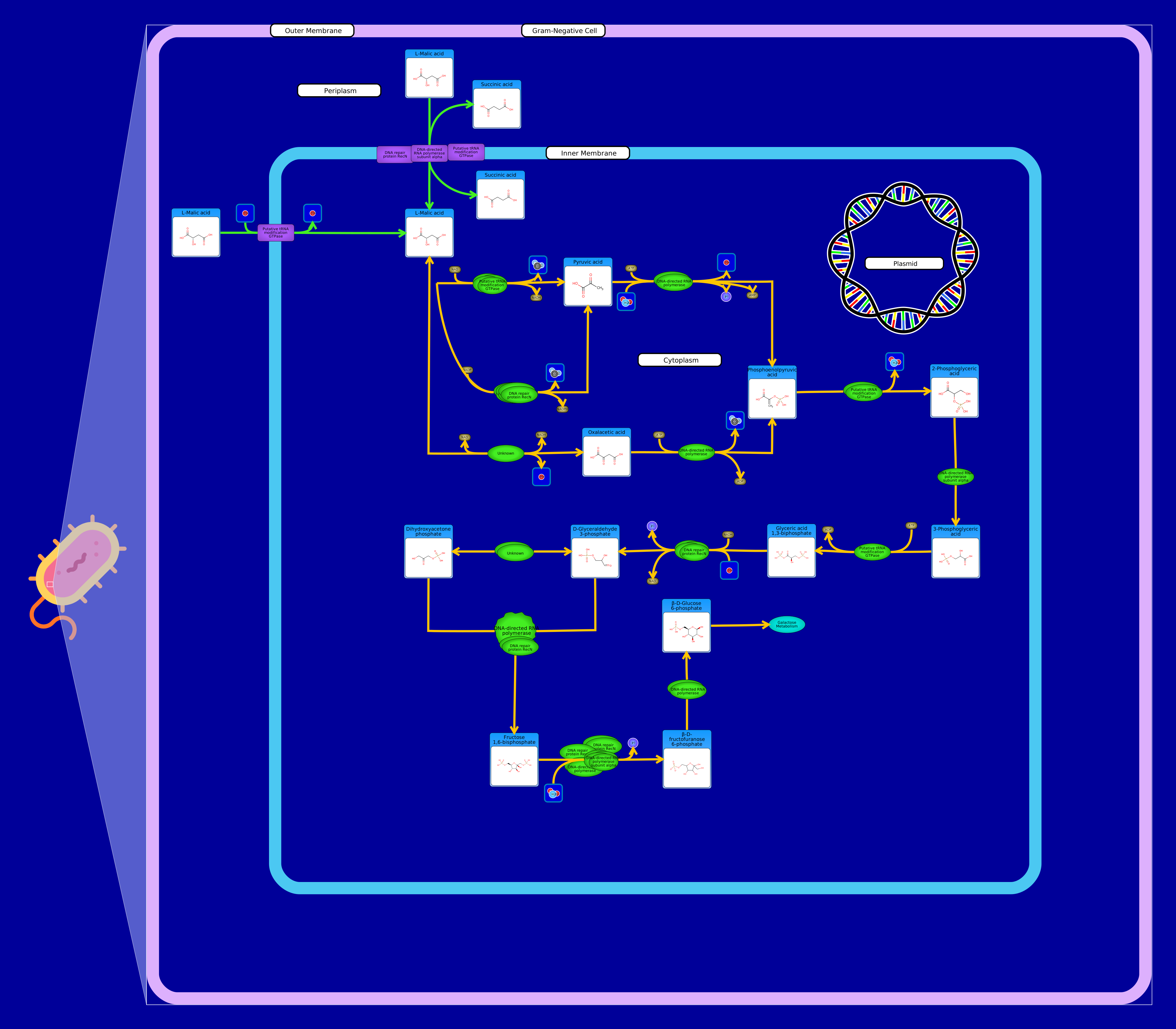 View Pathway
|
Gluconeogenesis from L-Malic AcidKluyvera ascorbata ATCC 33433
Gluconeogenesis from L-malic acid starts from the introduction of L-malic acid into cytoplasm either through a C4 dicarboxylate / orotate:H+ symporter or a dicarboxylate transporter (succinic acid antiporter). L-malic acid is then metabolized through 3 possible ways: NAD driven malate dehydrogenase resulting in oxalacetic acid, NADP driven malate dehydrogenase B resulting pyruvic acid or malate dehydrogenase, NAD-requiring resulting in pyruvic acid.
Oxalacetic acid is processed by phosphoenolpyruvate carboxykinase (ATP driven) while pyruvic acid is processed by phosphoenolpyruvate synthetase resulting in phosphoenolpyruvic acid. This compound is dehydrated by enolase resulting in an 2-phosphoglyceric acid which is then isomerized by 2,3-bisphosphoglycerate-independent phosphoglycerate mutase resulting in a 3-phosphoglyceric acid which is phosphorylated by an ATP driven phosphoglycerate kinase resulting in a glyceric acid 1,3-biphosphate. This compound undergoes an NADH driven glyceraldehyde 3-phosphate dehydrogenase reaction resulting in a D-Glyceraldehyde 3-phosphate which is first isomerized into dihydroxyacetone phosphate through an triosephosphate isomerase. D-glyceraldehyde 3-phosphate and Dihydroxyacetone phosphate react through a fructose biphosphate aldolase protein complex resulting in a fructose 1,6-biphosphate. Fructose 1,6-biphosphateis is metabolized by a fructose-1,6-bisphosphatase resulting in a Beta-D-fructofuranose 6-phosphate which is then isomerized into a Beta-D-glucose 6-phosphate through a glucose-6-phosphate isomerase.
|
Creator: Julia Wakoli Created On: December 23, 2024 at 20:41 Last Updated: December 23, 2024 at 20:41 |
PW414296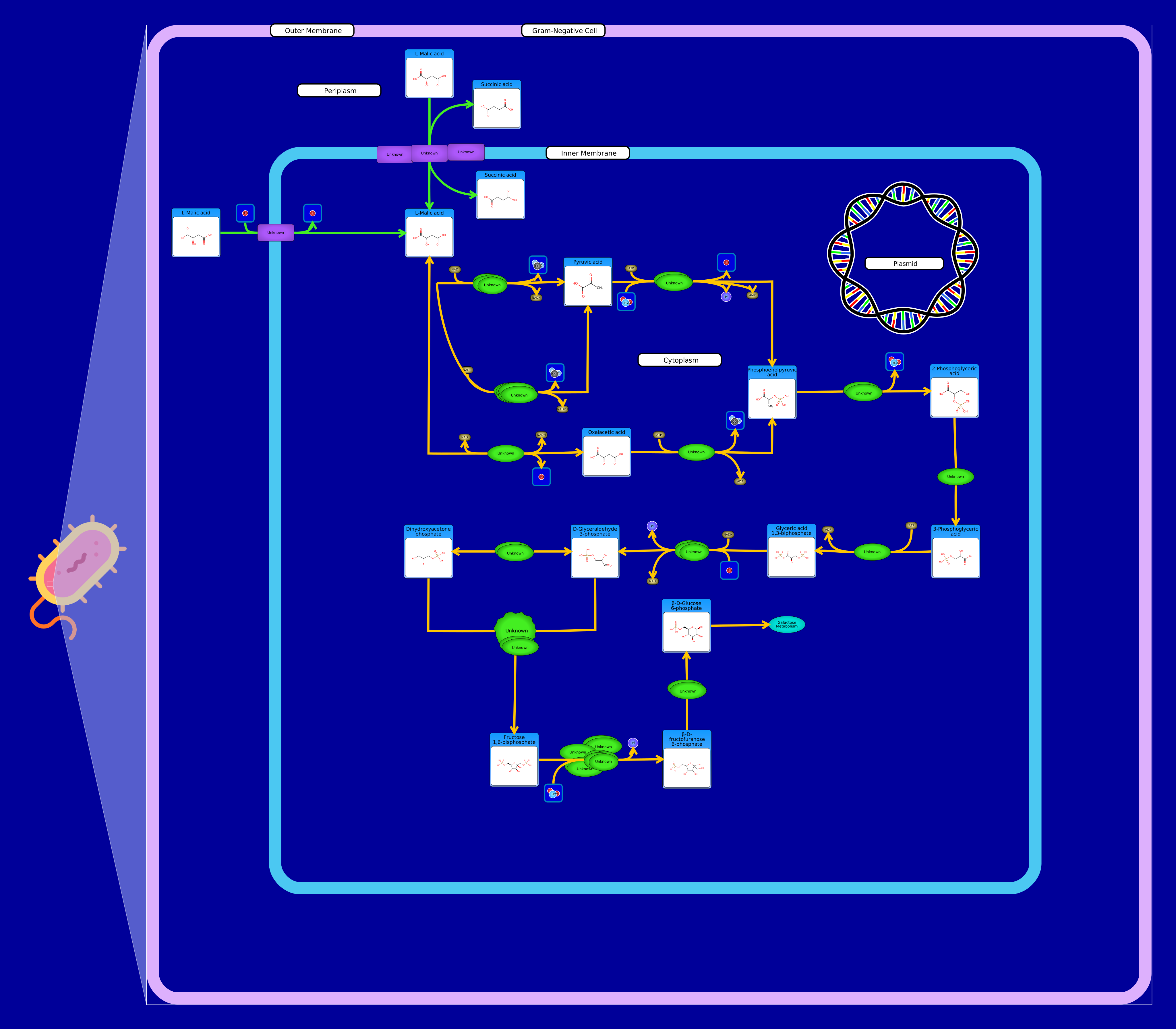 View Pathway
|
Gluconeogenesis from L-Malic AcidBacteroides massiliensis
Gluconeogenesis from L-malic acid starts from the introduction of L-malic acid into cytoplasm either through a C4 dicarboxylate / orotate:H+ symporter or a dicarboxylate transporter (succinic acid antiporter). L-malic acid is then metabolized through 3 possible ways: NAD driven malate dehydrogenase resulting in oxalacetic acid, NADP driven malate dehydrogenase B resulting pyruvic acid or malate dehydrogenase, NAD-requiring resulting in pyruvic acid.
Oxalacetic acid is processed by phosphoenolpyruvate carboxykinase (ATP driven) while pyruvic acid is processed by phosphoenolpyruvate synthetase resulting in phosphoenolpyruvic acid. This compound is dehydrated by enolase resulting in an 2-phosphoglyceric acid which is then isomerized by 2,3-bisphosphoglycerate-independent phosphoglycerate mutase resulting in a 3-phosphoglyceric acid which is phosphorylated by an ATP driven phosphoglycerate kinase resulting in a glyceric acid 1,3-biphosphate. This compound undergoes an NADH driven glyceraldehyde 3-phosphate dehydrogenase reaction resulting in a D-Glyceraldehyde 3-phosphate which is first isomerized into dihydroxyacetone phosphate through an triosephosphate isomerase. D-glyceraldehyde 3-phosphate and Dihydroxyacetone phosphate react through a fructose biphosphate aldolase protein complex resulting in a fructose 1,6-biphosphate. Fructose 1,6-biphosphateis is metabolized by a fructose-1,6-bisphosphatase resulting in a Beta-D-fructofuranose 6-phosphate which is then isomerized into a Beta-D-glucose 6-phosphate through a glucose-6-phosphate isomerase.
|
Creator: Julia Wakoli Created On: December 25, 2024 at 16:06 Last Updated: December 25, 2024 at 16:06 |