
| PathWhiz ID | Pathway | Meta Data |
|---|---|---|
PW560630 View Pathway
|
Glycerol Metabolism IV (Glycerophosphoglycerol)Escherichia coli O157:H7
Glycerol metabolism starts with glycerol is introduced into the cytoplasm through a glycerol channel GlpF Glycerol is then phosphorylated through an ATP mediated glycerol kinase resulting in a Glycerol 3-phosphate. This compound can also be obtained through glycerophosphoglycerol reacting with water through a glycerophosphoryl diester phosphodiesterase producing a benzyl alcohol, a hydrogen ion and a glycerol 3-phosphate or the campound can be introduced into the cytoplasm through a glycerol-3-phosphate:phosphate antiporter. Glycerol 3-phosphate is then metabolized into a dihydroxyacetone phosphate in both aerobic or anaerobic conditions. In anaerobic conditions the metabolism is done through the reaction of glycerol 3-phosphate with a menaquinone mediated by a glycerol-3-phosphate dehydrogenase protein complex. In aerobic conditions, the metabolism is done through the reaction of glycerol 3-phosphate with ubiquinone mediated by a glycerol-3-phosphate dehydrogenase [NAD(P]+]. Dihydroxyacetone phosphate is then introduced into the fructose metabolism by turning a dihydroxyacetone into an isomer through a triosephosphate isomerase resulting in a D-glyceraldehyde 3-phosphate which in turn reacts with a phosphate through a NAD dependent Glyceraldehyde 3-phosphate dehydrogenase resulting in a glyceric acid 1,3-biphosphate. This compound is desphosphorylated by a phosphoglycerate kinase resulting in a 3-phosphoglyceric acid.This compound in turn can either react with a 2,3-bisphosphoglycerate-independent phosphoglycerate mutase or a 2,3-bisphosphoglycerate-independent phosphoglycerate mutase resulting in a 2-phospho-D-glyceric acid. This compound interacts with an enolase resulting in a phosphoenolpyruvic acid and water. Phosphoenolpyruvic acid can react either through a AMP driven phosphoenoylpyruvate synthase or a ADP driven pyruvate kinase protein complex resulting in a pyruvic acid. Pyruvic acid reacts with CoA through a NAD driven pyruvate dehydrogenase complex resulting in a carbon dioxide and a Acetyl-CoA which gets incorporated into the TCA cycle pathway.
|
Creator: Julia Wakoli Created On: March 08, 2025 at 17:42 Last Updated: March 08, 2025 at 17:42 |
PW560419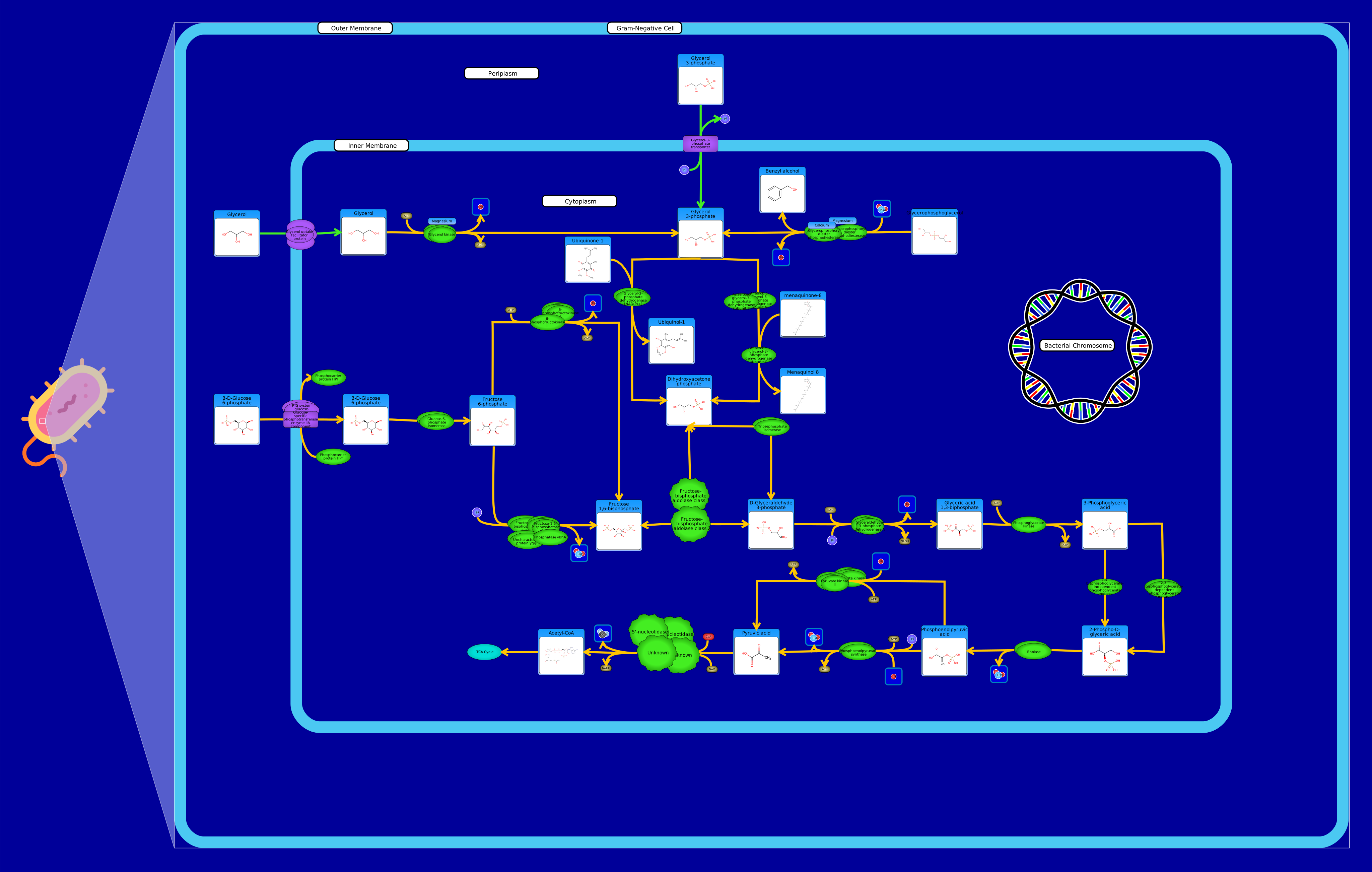 View Pathway
|
Glycerol Metabolism IV (Glycerophosphoglycerol)Escherichia coli (strain B / BL21-DE3)
Glycerol metabolism starts with glycerol is introduced into the cytoplasm through a glycerol channel GlpF Glycerol is then phosphorylated through an ATP mediated glycerol kinase resulting in a Glycerol 3-phosphate. This compound can also be obtained through glycerophosphoglycerol reacting with water through a glycerophosphoryl diester phosphodiesterase producing a benzyl alcohol, a hydrogen ion and a glycerol 3-phosphate or the campound can be introduced into the cytoplasm through a glycerol-3-phosphate:phosphate antiporter. Glycerol 3-phosphate is then metabolized into a dihydroxyacetone phosphate in both aerobic or anaerobic conditions. In anaerobic conditions the metabolism is done through the reaction of glycerol 3-phosphate with a menaquinone mediated by a glycerol-3-phosphate dehydrogenase protein complex. In aerobic conditions, the metabolism is done through the reaction of glycerol 3-phosphate with ubiquinone mediated by a glycerol-3-phosphate dehydrogenase [NAD(P]+]. Dihydroxyacetone phosphate is then introduced into the fructose metabolism by turning a dihydroxyacetone into an isomer through a triosephosphate isomerase resulting in a D-glyceraldehyde 3-phosphate which in turn reacts with a phosphate through a NAD dependent Glyceraldehyde 3-phosphate dehydrogenase resulting in a glyceric acid 1,3-biphosphate. This compound is desphosphorylated by a phosphoglycerate kinase resulting in a 3-phosphoglyceric acid.This compound in turn can either react with a 2,3-bisphosphoglycerate-independent phosphoglycerate mutase or a 2,3-bisphosphoglycerate-independent phosphoglycerate mutase resulting in a 2-phospho-D-glyceric acid. This compound interacts with an enolase resulting in a phosphoenolpyruvic acid and water. Phosphoenolpyruvic acid can react either through a AMP driven phosphoenoylpyruvate synthase or a ADP driven pyruvate kinase protein complex resulting in a pyruvic acid. Pyruvic acid reacts with CoA through a NAD driven pyruvate dehydrogenase complex resulting in a carbon dioxide and a Acetyl-CoA which gets incorporated into the TCA cycle pathway.
|
Creator: Julia Wakoli Created On: March 08, 2025 at 15:37 Last Updated: March 08, 2025 at 15:37 |
PW552016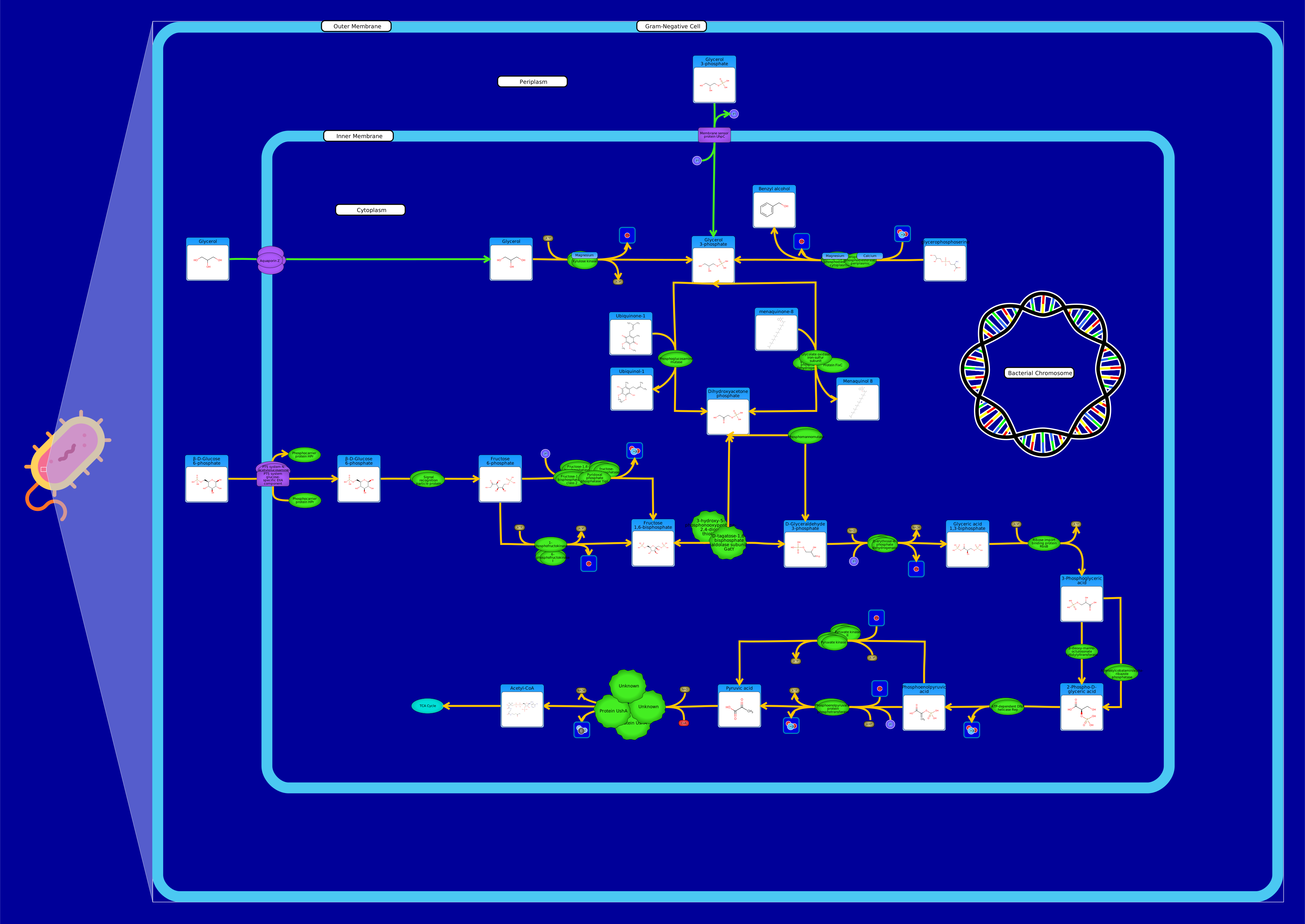 View Pathway
|
Glycerol Metabolism V (Glycerophosphoserine)Escherichia coli (strain K12)
Glycerol metabolism starts with glycerol is introduced into the cytoplasm through a glycerol channel GlpF Glycerol is then phosphorylated through an ATP mediated glycerol kinase resulting in a Glycerol 3-phosphate. This compound can also be obtained through glycerophosphoserine reacting with water through a glycerophosphoryl diester phosphodiesterase producing a benzyl alcohol, a hydrogen ion and a glycerol 3-phosphate or the campound can be introduced into the cytoplasm through a glycerol-3-phosphate:phosphate antiporter. Glycerol 3-phosphate is then metabolized into a dihydroxyacetone phosphate in both aerobic or anaerobic conditions. In anaerobic conditions the metabolism is done through the reaction of glycerol 3-phosphate with a menaquinone mediated by a glycerol-3-phosphate dehydrogenase protein complex. In aerobic conditions, the metabolism is done through the reaction of glycerol 3-phosphate with ubiquinone mediated by a glycerol-3-phosphate dehydrogenase [NAD(P]+]. Dihydroxyacetone phosphate is then introduced into the fructose metabolism by turning a dihydroxyacetone into an isomer through a triosephosphate isomerase resulting in a D-glyceraldehyde 3-phosphate which in turn reacts with a phosphate through a NAD dependent Glyceraldehyde 3-phosphate dehydrogenase resulting in a glyceric acid 1,3-biphosphate. This compound is desphosphorylated by a phosphoglycerate kinase resulting in a 3-phosphoglyceric acid.This compound in turn can either react with a 2,3-bisphosphoglycerate-independent phosphoglycerate mutase or a 2,3-bisphosphoglycerate-independent phosphoglycerate mutase resulting in a 2-phospho-D-glyceric acid. This compound interacts with an enolase resulting in a phosphoenolpyruvic acid and water. Phosphoenolpyruvic acid can react either through a AMP driven phosphoenoylpyruvate synthase or a ADP driven pyruvate kinase protein complex resulting in a pyruvic acid. Pyruvic acid reacts with CoA through a NAD driven pyruvate dehydrogenase complex resulting in a carbon dioxide and a Acetyl-CoA which gets incorporated into the TCA cycle pathway.
|
Creator: Julia Wakoli Created On: March 03, 2025 at 10:16 Last Updated: March 03, 2025 at 10:16 |
PW556753 View Pathway
|
Glycerol Metabolism V (Glycerophosphoserine)Desulfovibrio piger ATCC 29098
Glycerol metabolism starts with glycerol is introduced into the cytoplasm through a glycerol channel GlpF Glycerol is then phosphorylated through an ATP mediated glycerol kinase resulting in a Glycerol 3-phosphate. This compound can also be obtained through glycerophosphoserine reacting with water through a glycerophosphoryl diester phosphodiesterase producing a benzyl alcohol, a hydrogen ion and a glycerol 3-phosphate or the campound can be introduced into the cytoplasm through a glycerol-3-phosphate:phosphate antiporter. Glycerol 3-phosphate is then metabolized into a dihydroxyacetone phosphate in both aerobic or anaerobic conditions. In anaerobic conditions the metabolism is done through the reaction of glycerol 3-phosphate with a menaquinone mediated by a glycerol-3-phosphate dehydrogenase protein complex. In aerobic conditions, the metabolism is done through the reaction of glycerol 3-phosphate with ubiquinone mediated by a glycerol-3-phosphate dehydrogenase [NAD(P]+]. Dihydroxyacetone phosphate is then introduced into the fructose metabolism by turning a dihydroxyacetone into an isomer through a triosephosphate isomerase resulting in a D-glyceraldehyde 3-phosphate which in turn reacts with a phosphate through a NAD dependent Glyceraldehyde 3-phosphate dehydrogenase resulting in a glyceric acid 1,3-biphosphate. This compound is desphosphorylated by a phosphoglycerate kinase resulting in a 3-phosphoglyceric acid.This compound in turn can either react with a 2,3-bisphosphoglycerate-independent phosphoglycerate mutase or a 2,3-bisphosphoglycerate-independent phosphoglycerate mutase resulting in a 2-phospho-D-glyceric acid. This compound interacts with an enolase resulting in a phosphoenolpyruvic acid and water. Phosphoenolpyruvic acid can react either through a AMP driven phosphoenoylpyruvate synthase or a ADP driven pyruvate kinase protein complex resulting in a pyruvic acid. Pyruvic acid reacts with CoA through a NAD driven pyruvate dehydrogenase complex resulting in a carbon dioxide and a Acetyl-CoA which gets incorporated into the TCA cycle pathway.
|
Creator: Julia Wakoli Created On: March 06, 2025 at 06:13 Last Updated: March 06, 2025 at 06:13 |
PW555320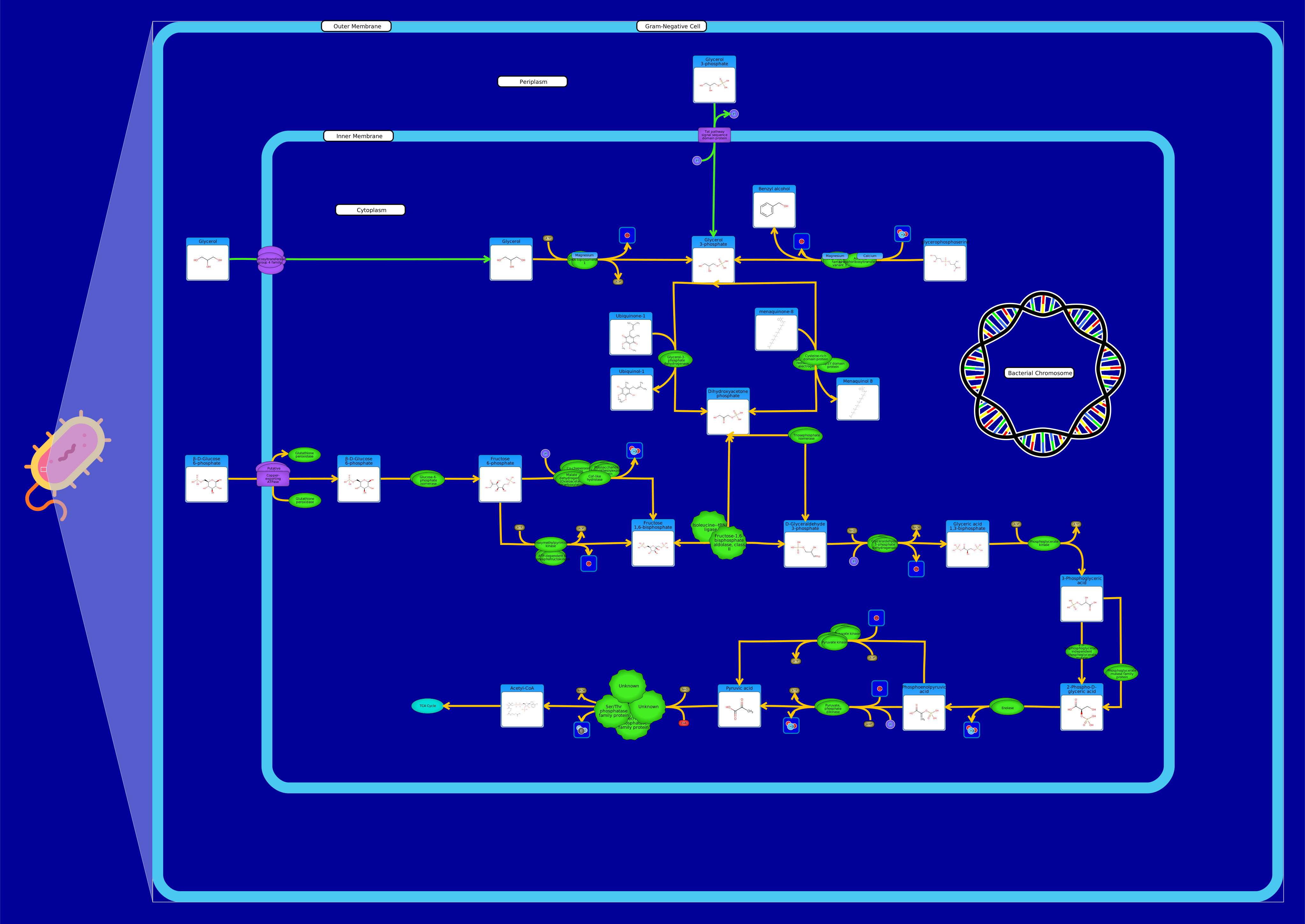 View Pathway
|
Glycerol Metabolism V (Glycerophosphoserine)Prevotella disiens FB035-09AN
Glycerol metabolism starts with glycerol is introduced into the cytoplasm through a glycerol channel GlpF Glycerol is then phosphorylated through an ATP mediated glycerol kinase resulting in a Glycerol 3-phosphate. This compound can also be obtained through glycerophosphoserine reacting with water through a glycerophosphoryl diester phosphodiesterase producing a benzyl alcohol, a hydrogen ion and a glycerol 3-phosphate or the campound can be introduced into the cytoplasm through a glycerol-3-phosphate:phosphate antiporter. Glycerol 3-phosphate is then metabolized into a dihydroxyacetone phosphate in both aerobic or anaerobic conditions. In anaerobic conditions the metabolism is done through the reaction of glycerol 3-phosphate with a menaquinone mediated by a glycerol-3-phosphate dehydrogenase protein complex. In aerobic conditions, the metabolism is done through the reaction of glycerol 3-phosphate with ubiquinone mediated by a glycerol-3-phosphate dehydrogenase [NAD(P]+]. Dihydroxyacetone phosphate is then introduced into the fructose metabolism by turning a dihydroxyacetone into an isomer through a triosephosphate isomerase resulting in a D-glyceraldehyde 3-phosphate which in turn reacts with a phosphate through a NAD dependent Glyceraldehyde 3-phosphate dehydrogenase resulting in a glyceric acid 1,3-biphosphate. This compound is desphosphorylated by a phosphoglycerate kinase resulting in a 3-phosphoglyceric acid.This compound in turn can either react with a 2,3-bisphosphoglycerate-independent phosphoglycerate mutase or a 2,3-bisphosphoglycerate-independent phosphoglycerate mutase resulting in a 2-phospho-D-glyceric acid. This compound interacts with an enolase resulting in a phosphoenolpyruvic acid and water. Phosphoenolpyruvic acid can react either through a AMP driven phosphoenoylpyruvate synthase or a ADP driven pyruvate kinase protein complex resulting in a pyruvic acid. Pyruvic acid reacts with CoA through a NAD driven pyruvate dehydrogenase complex resulting in a carbon dioxide and a Acetyl-CoA which gets incorporated into the TCA cycle pathway.
|
Creator: Julia Wakoli Created On: March 05, 2025 at 19:00 Last Updated: March 05, 2025 at 19:00 |
PW557054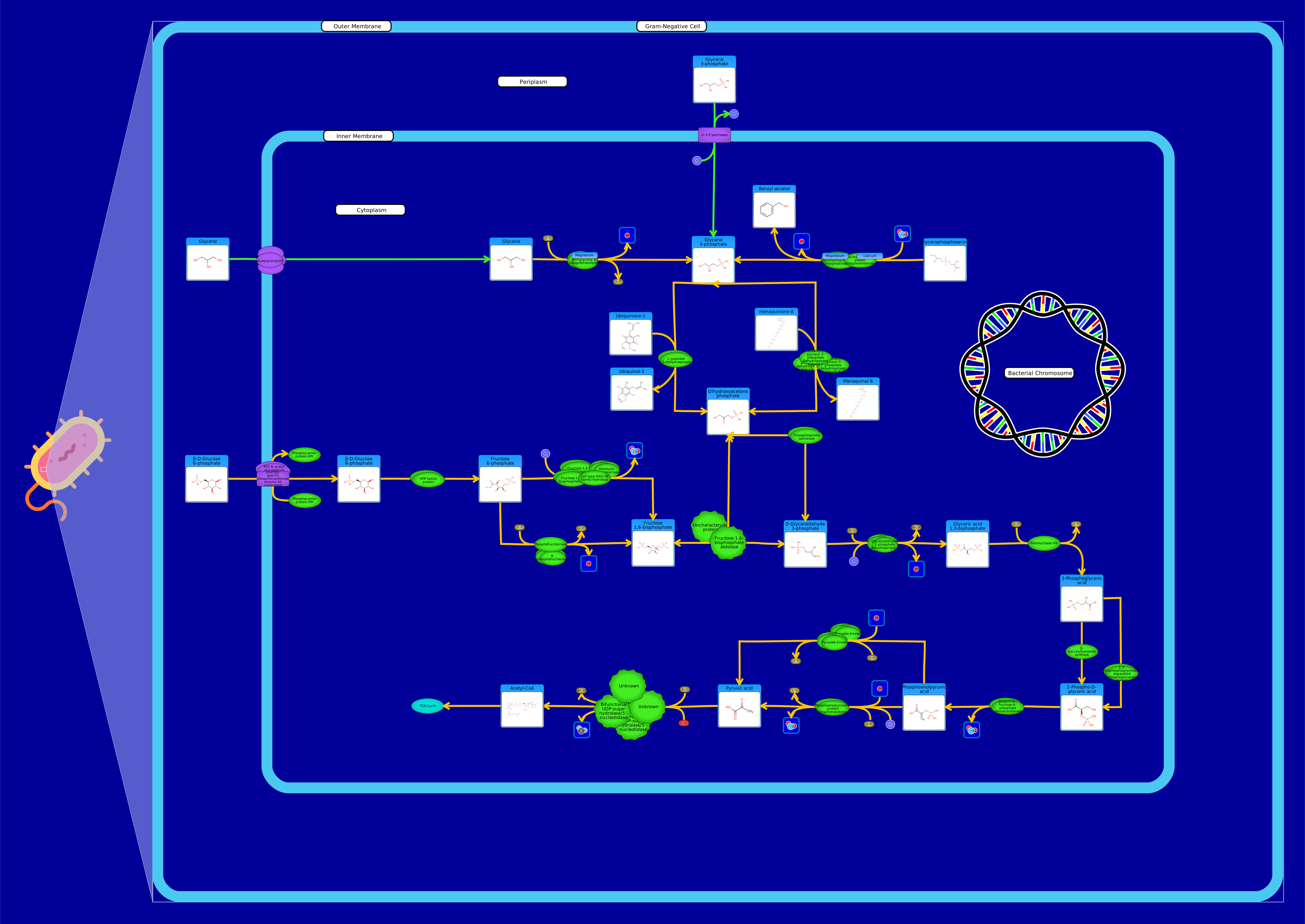 View Pathway
|
Glycerol Metabolism V (Glycerophosphoserine)Raoultella planticola
Glycerol metabolism starts with glycerol is introduced into the cytoplasm through a glycerol channel GlpF Glycerol is then phosphorylated through an ATP mediated glycerol kinase resulting in a Glycerol 3-phosphate. This compound can also be obtained through glycerophosphoserine reacting with water through a glycerophosphoryl diester phosphodiesterase producing a benzyl alcohol, a hydrogen ion and a glycerol 3-phosphate or the campound can be introduced into the cytoplasm through a glycerol-3-phosphate:phosphate antiporter. Glycerol 3-phosphate is then metabolized into a dihydroxyacetone phosphate in both aerobic or anaerobic conditions. In anaerobic conditions the metabolism is done through the reaction of glycerol 3-phosphate with a menaquinone mediated by a glycerol-3-phosphate dehydrogenase protein complex. In aerobic conditions, the metabolism is done through the reaction of glycerol 3-phosphate with ubiquinone mediated by a glycerol-3-phosphate dehydrogenase [NAD(P]+]. Dihydroxyacetone phosphate is then introduced into the fructose metabolism by turning a dihydroxyacetone into an isomer through a triosephosphate isomerase resulting in a D-glyceraldehyde 3-phosphate which in turn reacts with a phosphate through a NAD dependent Glyceraldehyde 3-phosphate dehydrogenase resulting in a glyceric acid 1,3-biphosphate. This compound is desphosphorylated by a phosphoglycerate kinase resulting in a 3-phosphoglyceric acid.This compound in turn can either react with a 2,3-bisphosphoglycerate-independent phosphoglycerate mutase or a 2,3-bisphosphoglycerate-independent phosphoglycerate mutase resulting in a 2-phospho-D-glyceric acid. This compound interacts with an enolase resulting in a phosphoenolpyruvic acid and water. Phosphoenolpyruvic acid can react either through a AMP driven phosphoenoylpyruvate synthase or a ADP driven pyruvate kinase protein complex resulting in a pyruvic acid. Pyruvic acid reacts with CoA through a NAD driven pyruvate dehydrogenase complex resulting in a carbon dioxide and a Acetyl-CoA which gets incorporated into the TCA cycle pathway.
|
Creator: Julia Wakoli Created On: March 06, 2025 at 10:56 Last Updated: March 06, 2025 at 10:56 |
PW561341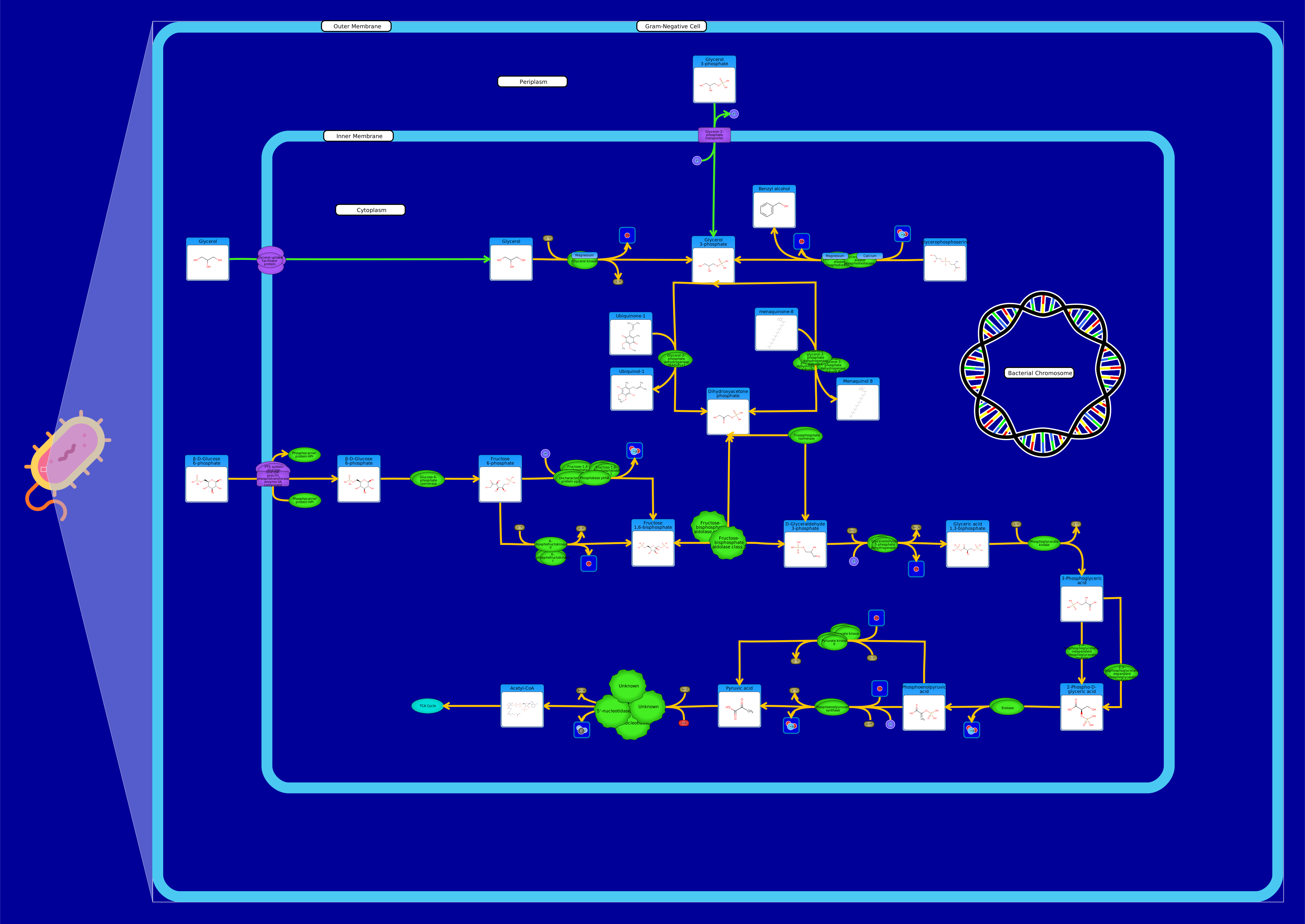 View Pathway
|
Glycerol Metabolism V (Glycerophosphoserine)Escherichia coli SE15
Glycerol metabolism starts with glycerol is introduced into the cytoplasm through a glycerol channel GlpF Glycerol is then phosphorylated through an ATP mediated glycerol kinase resulting in a Glycerol 3-phosphate. This compound can also be obtained through glycerophosphoserine reacting with water through a glycerophosphoryl diester phosphodiesterase producing a benzyl alcohol, a hydrogen ion and a glycerol 3-phosphate or the campound can be introduced into the cytoplasm through a glycerol-3-phosphate:phosphate antiporter. Glycerol 3-phosphate is then metabolized into a dihydroxyacetone phosphate in both aerobic or anaerobic conditions. In anaerobic conditions the metabolism is done through the reaction of glycerol 3-phosphate with a menaquinone mediated by a glycerol-3-phosphate dehydrogenase protein complex. In aerobic conditions, the metabolism is done through the reaction of glycerol 3-phosphate with ubiquinone mediated by a glycerol-3-phosphate dehydrogenase [NAD(P]+]. Dihydroxyacetone phosphate is then introduced into the fructose metabolism by turning a dihydroxyacetone into an isomer through a triosephosphate isomerase resulting in a D-glyceraldehyde 3-phosphate which in turn reacts with a phosphate through a NAD dependent Glyceraldehyde 3-phosphate dehydrogenase resulting in a glyceric acid 1,3-biphosphate. This compound is desphosphorylated by a phosphoglycerate kinase resulting in a 3-phosphoglyceric acid.This compound in turn can either react with a 2,3-bisphosphoglycerate-independent phosphoglycerate mutase or a 2,3-bisphosphoglycerate-independent phosphoglycerate mutase resulting in a 2-phospho-D-glyceric acid. This compound interacts with an enolase resulting in a phosphoenolpyruvic acid and water. Phosphoenolpyruvic acid can react either through a AMP driven phosphoenoylpyruvate synthase or a ADP driven pyruvate kinase protein complex resulting in a pyruvic acid. Pyruvic acid reacts with CoA through a NAD driven pyruvate dehydrogenase complex resulting in a carbon dioxide and a Acetyl-CoA which gets incorporated into the TCA cycle pathway.
|
Creator: Julia Wakoli Created On: March 08, 2025 at 23:06 Last Updated: March 08, 2025 at 23:06 |
PW554309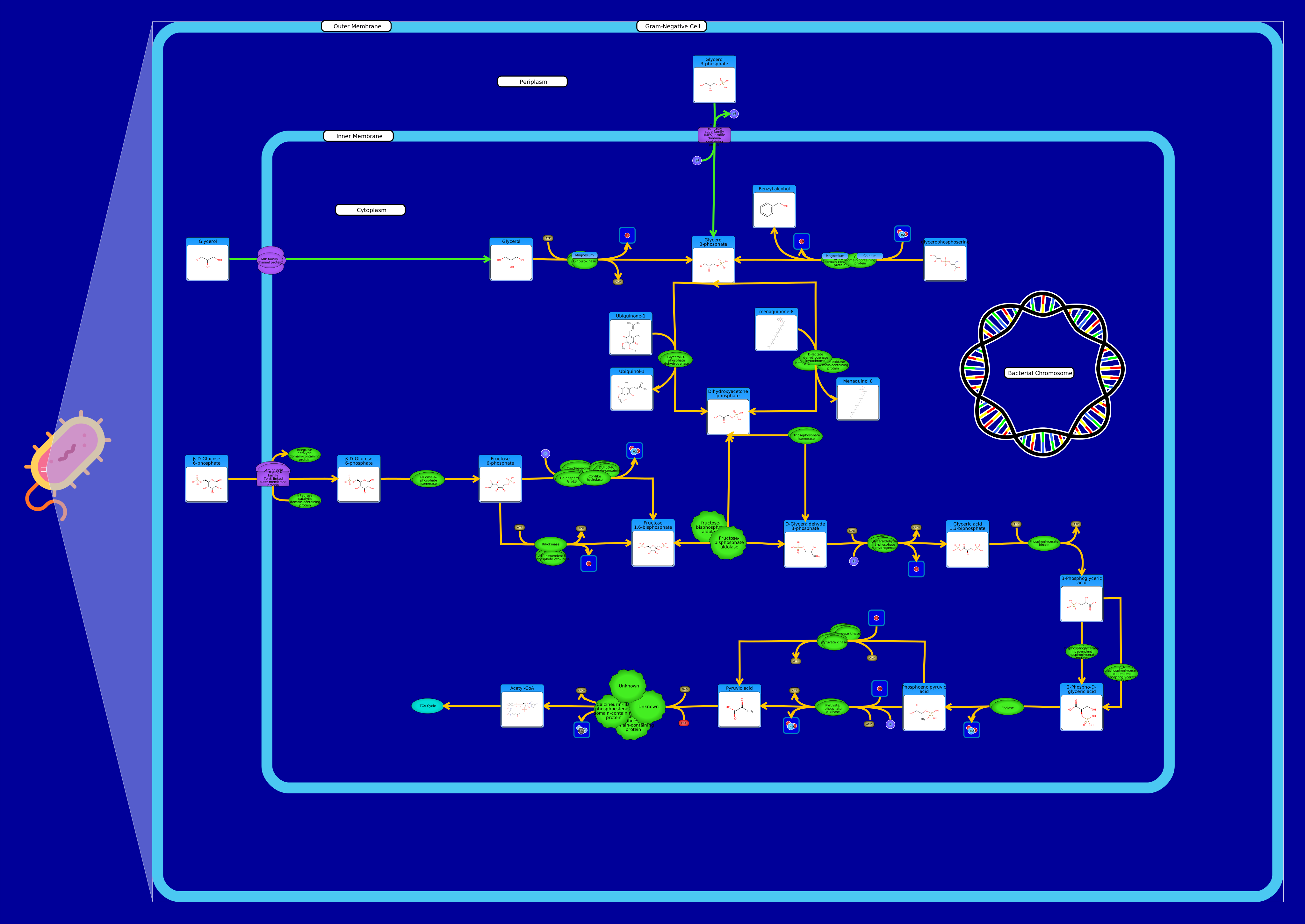 View Pathway
|
Glycerol Metabolism V (Glycerophosphoserine)Bacteroides oleiciplenus YIT 12058
Glycerol metabolism starts with glycerol is introduced into the cytoplasm through a glycerol channel GlpF Glycerol is then phosphorylated through an ATP mediated glycerol kinase resulting in a Glycerol 3-phosphate. This compound can also be obtained through glycerophosphoserine reacting with water through a glycerophosphoryl diester phosphodiesterase producing a benzyl alcohol, a hydrogen ion and a glycerol 3-phosphate or the campound can be introduced into the cytoplasm through a glycerol-3-phosphate:phosphate antiporter. Glycerol 3-phosphate is then metabolized into a dihydroxyacetone phosphate in both aerobic or anaerobic conditions. In anaerobic conditions the metabolism is done through the reaction of glycerol 3-phosphate with a menaquinone mediated by a glycerol-3-phosphate dehydrogenase protein complex. In aerobic conditions, the metabolism is done through the reaction of glycerol 3-phosphate with ubiquinone mediated by a glycerol-3-phosphate dehydrogenase [NAD(P]+]. Dihydroxyacetone phosphate is then introduced into the fructose metabolism by turning a dihydroxyacetone into an isomer through a triosephosphate isomerase resulting in a D-glyceraldehyde 3-phosphate which in turn reacts with a phosphate through a NAD dependent Glyceraldehyde 3-phosphate dehydrogenase resulting in a glyceric acid 1,3-biphosphate. This compound is desphosphorylated by a phosphoglycerate kinase resulting in a 3-phosphoglyceric acid.This compound in turn can either react with a 2,3-bisphosphoglycerate-independent phosphoglycerate mutase or a 2,3-bisphosphoglycerate-independent phosphoglycerate mutase resulting in a 2-phospho-D-glyceric acid. This compound interacts with an enolase resulting in a phosphoenolpyruvic acid and water. Phosphoenolpyruvic acid can react either through a AMP driven phosphoenoylpyruvate synthase or a ADP driven pyruvate kinase protein complex resulting in a pyruvic acid. Pyruvic acid reacts with CoA through a NAD driven pyruvate dehydrogenase complex resulting in a carbon dioxide and a Acetyl-CoA which gets incorporated into the TCA cycle pathway.
|
Creator: Julia Wakoli Created On: March 04, 2025 at 18:26 Last Updated: March 04, 2025 at 18:26 |
PW555635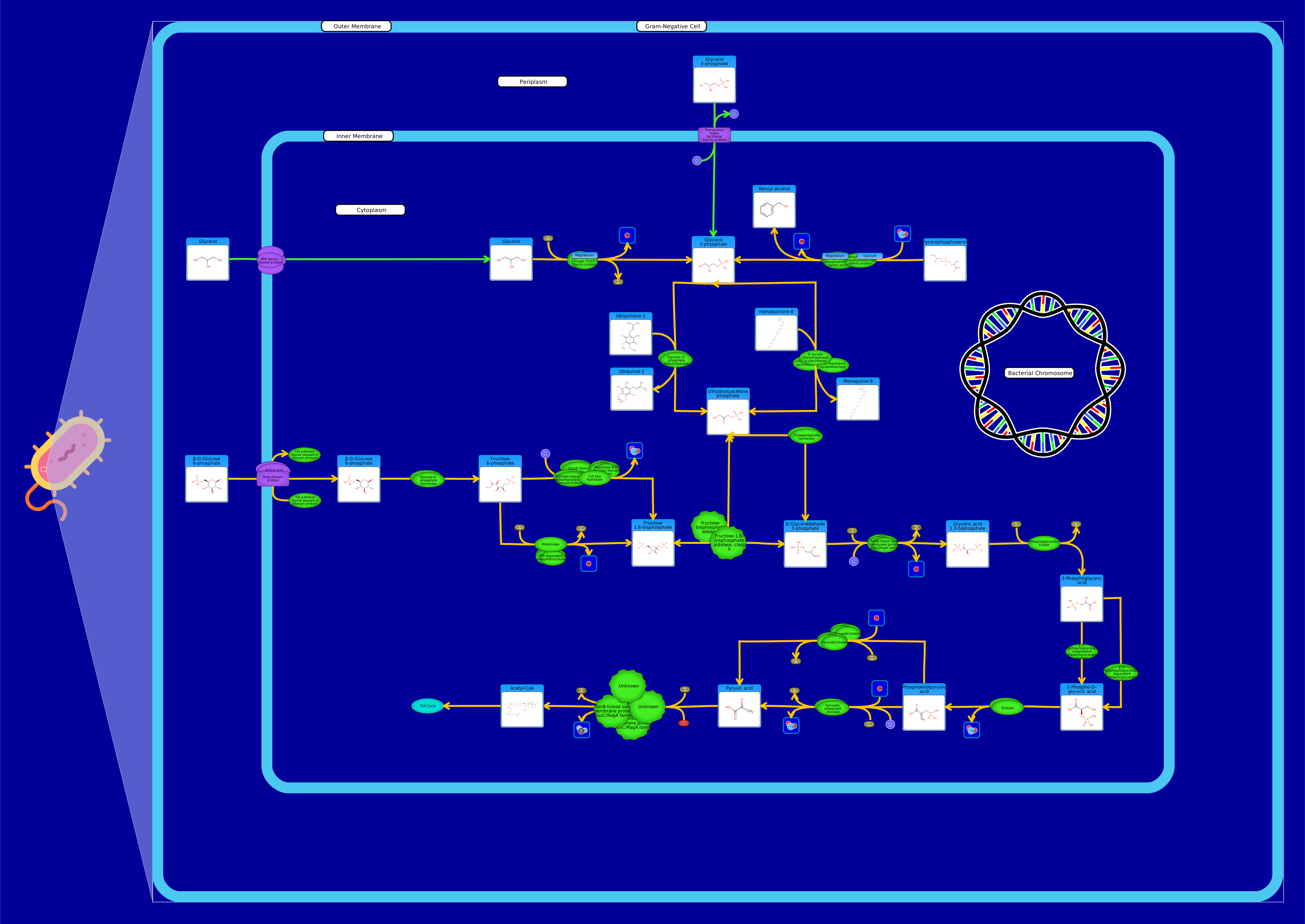 View Pathway
|
Glycerol Metabolism V (Glycerophosphoserine)Parabacteroides johnsonii DSM 18315
Glycerol metabolism starts with glycerol is introduced into the cytoplasm through a glycerol channel GlpF Glycerol is then phosphorylated through an ATP mediated glycerol kinase resulting in a Glycerol 3-phosphate. This compound can also be obtained through glycerophosphoserine reacting with water through a glycerophosphoryl diester phosphodiesterase producing a benzyl alcohol, a hydrogen ion and a glycerol 3-phosphate or the campound can be introduced into the cytoplasm through a glycerol-3-phosphate:phosphate antiporter. Glycerol 3-phosphate is then metabolized into a dihydroxyacetone phosphate in both aerobic or anaerobic conditions. In anaerobic conditions the metabolism is done through the reaction of glycerol 3-phosphate with a menaquinone mediated by a glycerol-3-phosphate dehydrogenase protein complex. In aerobic conditions, the metabolism is done through the reaction of glycerol 3-phosphate with ubiquinone mediated by a glycerol-3-phosphate dehydrogenase [NAD(P]+]. Dihydroxyacetone phosphate is then introduced into the fructose metabolism by turning a dihydroxyacetone into an isomer through a triosephosphate isomerase resulting in a D-glyceraldehyde 3-phosphate which in turn reacts with a phosphate through a NAD dependent Glyceraldehyde 3-phosphate dehydrogenase resulting in a glyceric acid 1,3-biphosphate. This compound is desphosphorylated by a phosphoglycerate kinase resulting in a 3-phosphoglyceric acid.This compound in turn can either react with a 2,3-bisphosphoglycerate-independent phosphoglycerate mutase or a 2,3-bisphosphoglycerate-independent phosphoglycerate mutase resulting in a 2-phospho-D-glyceric acid. This compound interacts with an enolase resulting in a phosphoenolpyruvic acid and water. Phosphoenolpyruvic acid can react either through a AMP driven phosphoenoylpyruvate synthase or a ADP driven pyruvate kinase protein complex resulting in a pyruvic acid. Pyruvic acid reacts with CoA through a NAD driven pyruvate dehydrogenase complex resulting in a carbon dioxide and a Acetyl-CoA which gets incorporated into the TCA cycle pathway.
|
Creator: Julia Wakoli Created On: March 05, 2025 at 21:23 Last Updated: March 05, 2025 at 21:23 |
PW552453 View Pathway
|
Glycerol Metabolism V (Glycerophosphoserine)Dysgonomonas gadei ATCC BAA-286
Glycerol metabolism starts with glycerol is introduced into the cytoplasm through a glycerol channel GlpF Glycerol is then phosphorylated through an ATP mediated glycerol kinase resulting in a Glycerol 3-phosphate. This compound can also be obtained through glycerophosphoserine reacting with water through a glycerophosphoryl diester phosphodiesterase producing a benzyl alcohol, a hydrogen ion and a glycerol 3-phosphate or the campound can be introduced into the cytoplasm through a glycerol-3-phosphate:phosphate antiporter. Glycerol 3-phosphate is then metabolized into a dihydroxyacetone phosphate in both aerobic or anaerobic conditions. In anaerobic conditions the metabolism is done through the reaction of glycerol 3-phosphate with a menaquinone mediated by a glycerol-3-phosphate dehydrogenase protein complex. In aerobic conditions, the metabolism is done through the reaction of glycerol 3-phosphate with ubiquinone mediated by a glycerol-3-phosphate dehydrogenase [NAD(P]+]. Dihydroxyacetone phosphate is then introduced into the fructose metabolism by turning a dihydroxyacetone into an isomer through a triosephosphate isomerase resulting in a D-glyceraldehyde 3-phosphate which in turn reacts with a phosphate through a NAD dependent Glyceraldehyde 3-phosphate dehydrogenase resulting in a glyceric acid 1,3-biphosphate. This compound is desphosphorylated by a phosphoglycerate kinase resulting in a 3-phosphoglyceric acid.This compound in turn can either react with a 2,3-bisphosphoglycerate-independent phosphoglycerate mutase or a 2,3-bisphosphoglycerate-independent phosphoglycerate mutase resulting in a 2-phospho-D-glyceric acid. This compound interacts with an enolase resulting in a phosphoenolpyruvic acid and water. Phosphoenolpyruvic acid can react either through a AMP driven phosphoenoylpyruvate synthase or a ADP driven pyruvate kinase protein complex resulting in a pyruvic acid. Pyruvic acid reacts with CoA through a NAD driven pyruvate dehydrogenase complex resulting in a carbon dioxide and a Acetyl-CoA which gets incorporated into the TCA cycle pathway.
|
Creator: Julia Wakoli Created On: March 03, 2025 at 16:45 Last Updated: March 03, 2025 at 16:45 |