
| PathWhiz ID | Pathway | Meta Data |
|---|---|---|
PW561837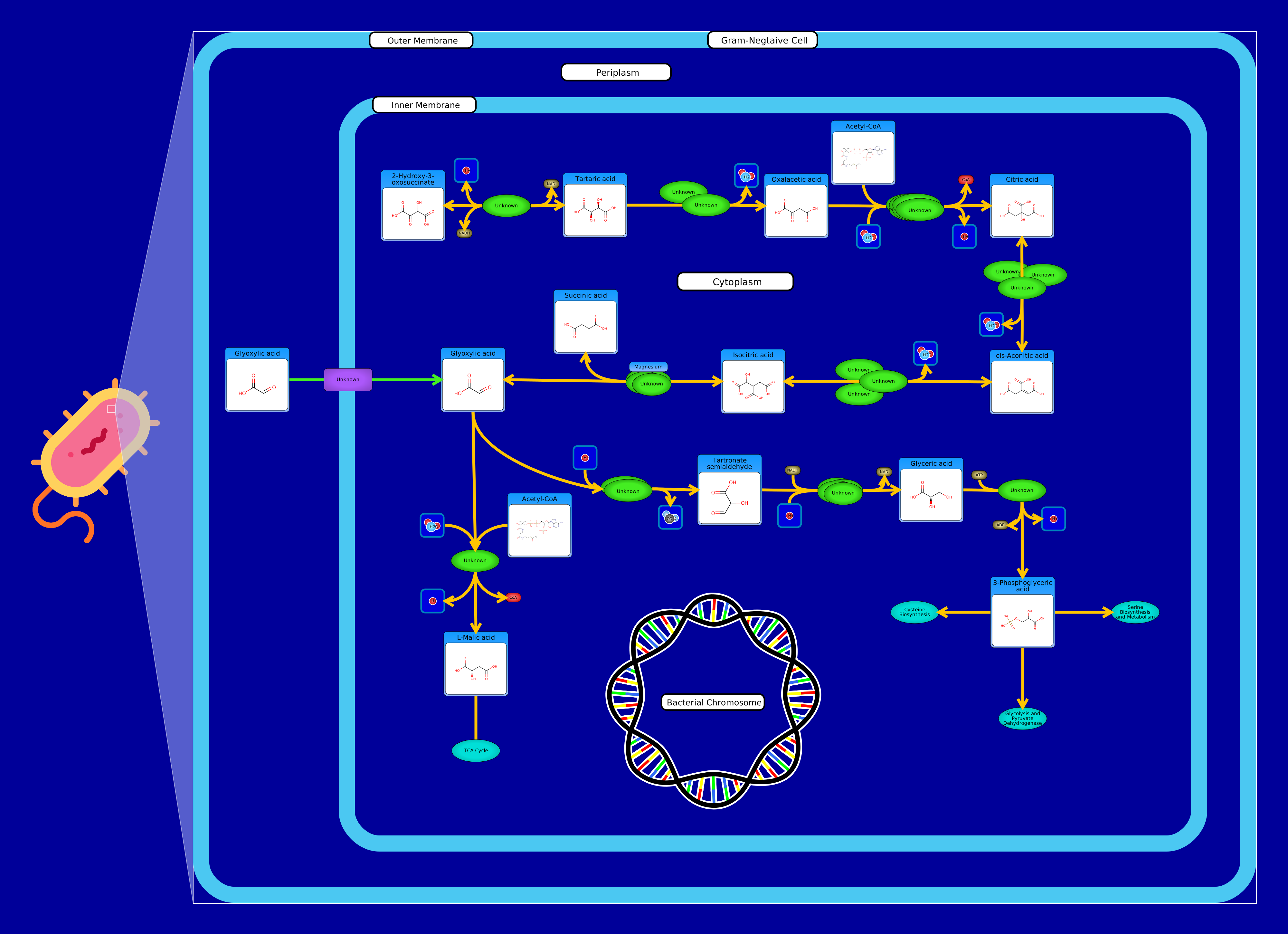 View Pathway
|
Glycolate and Glyoxylate Degradation IIBacteroides coprocola
Oxaloglycolate (2-Hydroxy-3-oxosuccinate) interacts with a tartrate dehydrogenase resulting in a L-tartrate. L-tartrate then interacts with tartrate dehydrogenase resulting in a Oxaloacetate. Oxaloacetate and acetyl-coa interact to result in a citrate which is processed by a aconitate hydratase resulting in a cis-Aconitate and further more into a isocitrate which will eventually be procressed into a glyoxylic acid. Glyoxylic acid can either be metabolized into L-malic acid by a reaction with acetyl-CoA and Water through a malate synthase G which also releases hydrogen ion and Coenzyme A. L-malic acid is then incorporated into the TCA cycle. Glyoxylic acid can also be metabolized by glyoxylate carboligase, releasing a carbon dioxide and tartronate semialdehyde. The latter compound is then reduced by an NADH driven tartronate semialdehyde reductase 2 resulting in glyceric acid. Glyceric acid is phosphorylated by a glycerate kinase 2 resulting in a 3-phosphoglyceric acid. This compound is then integrated into various other pathways: cysteine biosynthesis, serine biosynthesis and glycolysis and pyruvate dehydrogenase.
|
Creator: Julia Wakoli Created On: March 09, 2025 at 03:40 Last Updated: March 09, 2025 at 03:40 |
PW555809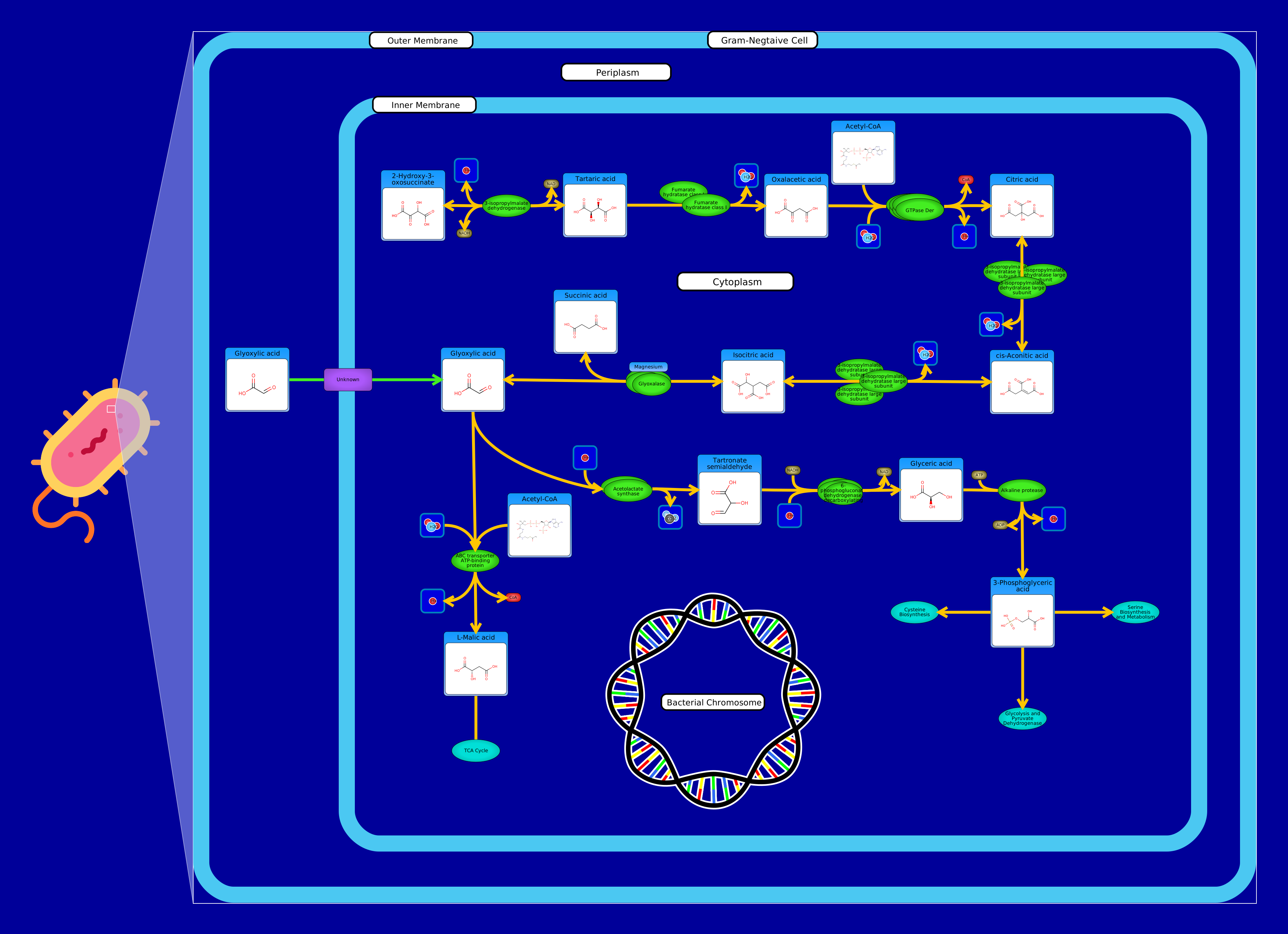 View Pathway
|
Glycolate and Glyoxylate Degradation IITannerella forsythia
Oxaloglycolate (2-Hydroxy-3-oxosuccinate) interacts with a tartrate dehydrogenase resulting in a L-tartrate. L-tartrate then interacts with tartrate dehydrogenase resulting in a Oxaloacetate. Oxaloacetate and acetyl-coa interact to result in a citrate which is processed by a aconitate hydratase resulting in a cis-Aconitate and further more into a isocitrate which will eventually be procressed into a glyoxylic acid. Glyoxylic acid can either be metabolized into L-malic acid by a reaction with acetyl-CoA and Water through a malate synthase G which also releases hydrogen ion and Coenzyme A. L-malic acid is then incorporated into the TCA cycle. Glyoxylic acid can also be metabolized by glyoxylate carboligase, releasing a carbon dioxide and tartronate semialdehyde. The latter compound is then reduced by an NADH driven tartronate semialdehyde reductase 2 resulting in glyceric acid. Glyceric acid is phosphorylated by a glycerate kinase 2 resulting in a 3-phosphoglyceric acid. This compound is then integrated into various other pathways: cysteine biosynthesis, serine biosynthesis and glycolysis and pyruvate dehydrogenase.
|
Creator: Julia Wakoli Created On: March 05, 2025 at 22:44 Last Updated: March 05, 2025 at 22:44 |
PW557684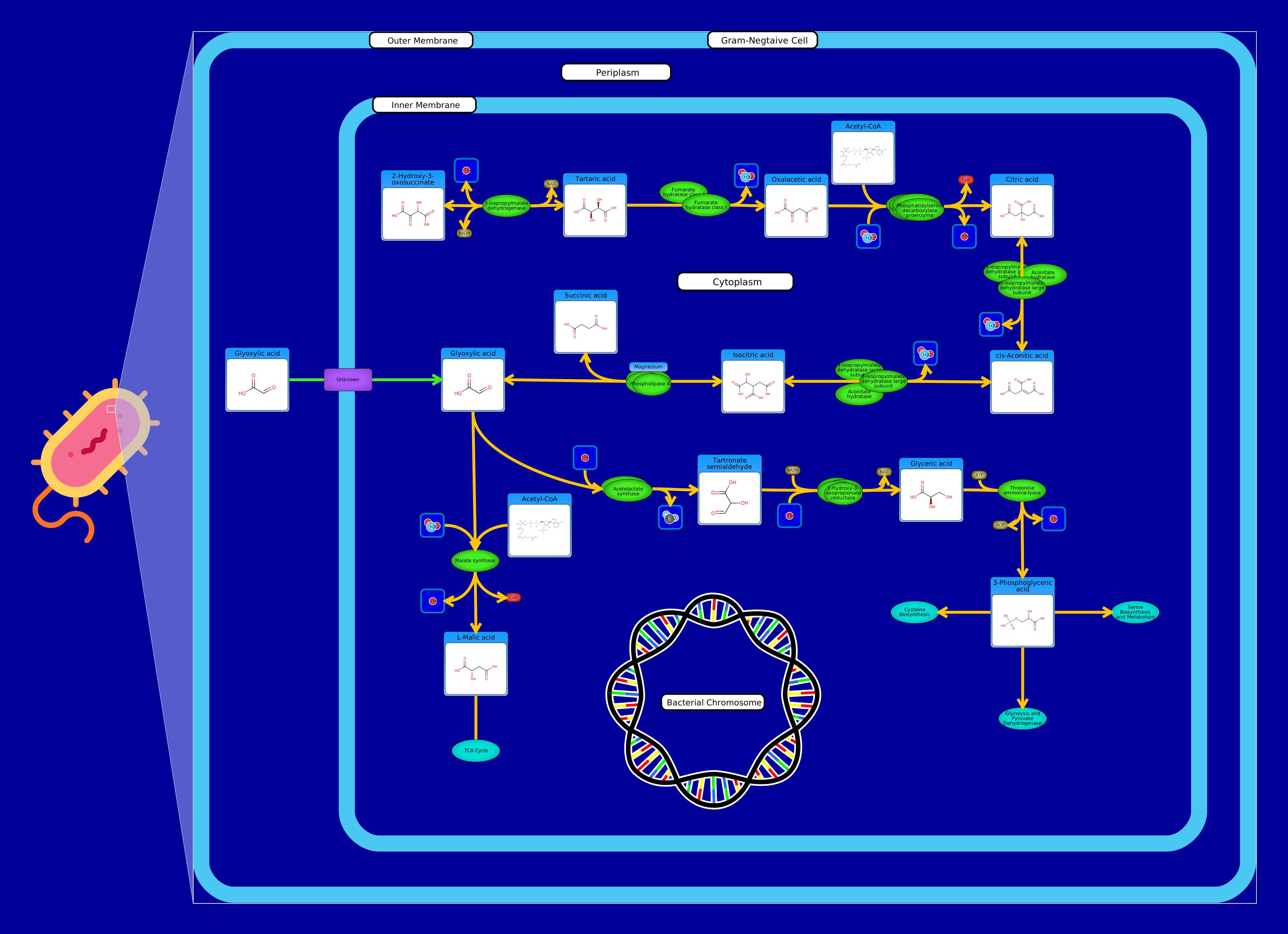 View Pathway
|
Glycolate and Glyoxylate Degradation IIMethylibium sp. Pch-M
Oxaloglycolate (2-Hydroxy-3-oxosuccinate) interacts with a tartrate dehydrogenase resulting in a L-tartrate. L-tartrate then interacts with tartrate dehydrogenase resulting in a Oxaloacetate. Oxaloacetate and acetyl-coa interact to result in a citrate which is processed by a aconitate hydratase resulting in a cis-Aconitate and further more into a isocitrate which will eventually be procressed into a glyoxylic acid. Glyoxylic acid can either be metabolized into L-malic acid by a reaction with acetyl-CoA and Water through a malate synthase G which also releases hydrogen ion and Coenzyme A. L-malic acid is then incorporated into the TCA cycle. Glyoxylic acid can also be metabolized by glyoxylate carboligase, releasing a carbon dioxide and tartronate semialdehyde. The latter compound is then reduced by an NADH driven tartronate semialdehyde reductase 2 resulting in glyceric acid. Glyceric acid is phosphorylated by a glycerate kinase 2 resulting in a 3-phosphoglyceric acid. This compound is then integrated into various other pathways: cysteine biosynthesis, serine biosynthesis and glycolysis and pyruvate dehydrogenase.
|
Creator: Julia Wakoli Created On: March 06, 2025 at 20:27 Last Updated: March 06, 2025 at 20:27 |
PW560404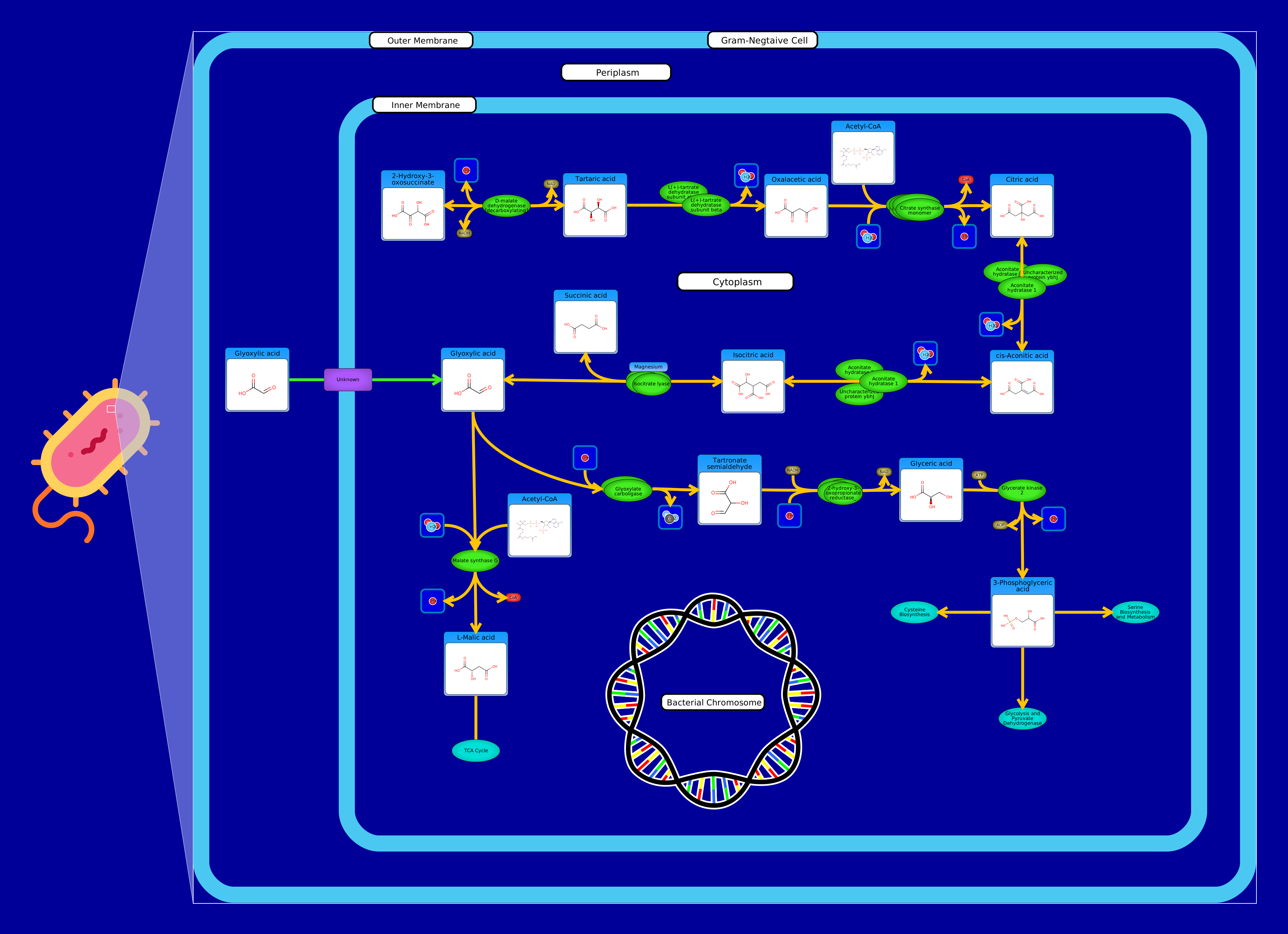 View Pathway
|
Glycolate and Glyoxylate Degradation IIEscherichia coli (strain B / REL606)
Oxaloglycolate (2-Hydroxy-3-oxosuccinate) interacts with a tartrate dehydrogenase resulting in a L-tartrate. L-tartrate then interacts with tartrate dehydrogenase resulting in a Oxaloacetate. Oxaloacetate and acetyl-coa interact to result in a citrate which is processed by a aconitate hydratase resulting in a cis-Aconitate and further more into a isocitrate which will eventually be procressed into a glyoxylic acid. Glyoxylic acid can either be metabolized into L-malic acid by a reaction with acetyl-CoA and Water through a malate synthase G which also releases hydrogen ion and Coenzyme A. L-malic acid is then incorporated into the TCA cycle. Glyoxylic acid can also be metabolized by glyoxylate carboligase, releasing a carbon dioxide and tartronate semialdehyde. The latter compound is then reduced by an NADH driven tartronate semialdehyde reductase 2 resulting in glyceric acid. Glyceric acid is phosphorylated by a glycerate kinase 2 resulting in a 3-phosphoglyceric acid. This compound is then integrated into various other pathways: cysteine biosynthesis, serine biosynthesis and glycolysis and pyruvate dehydrogenase.
|
Creator: Julia Wakoli Created On: March 08, 2025 at 15:26 Last Updated: March 08, 2025 at 15:26 |
PW560687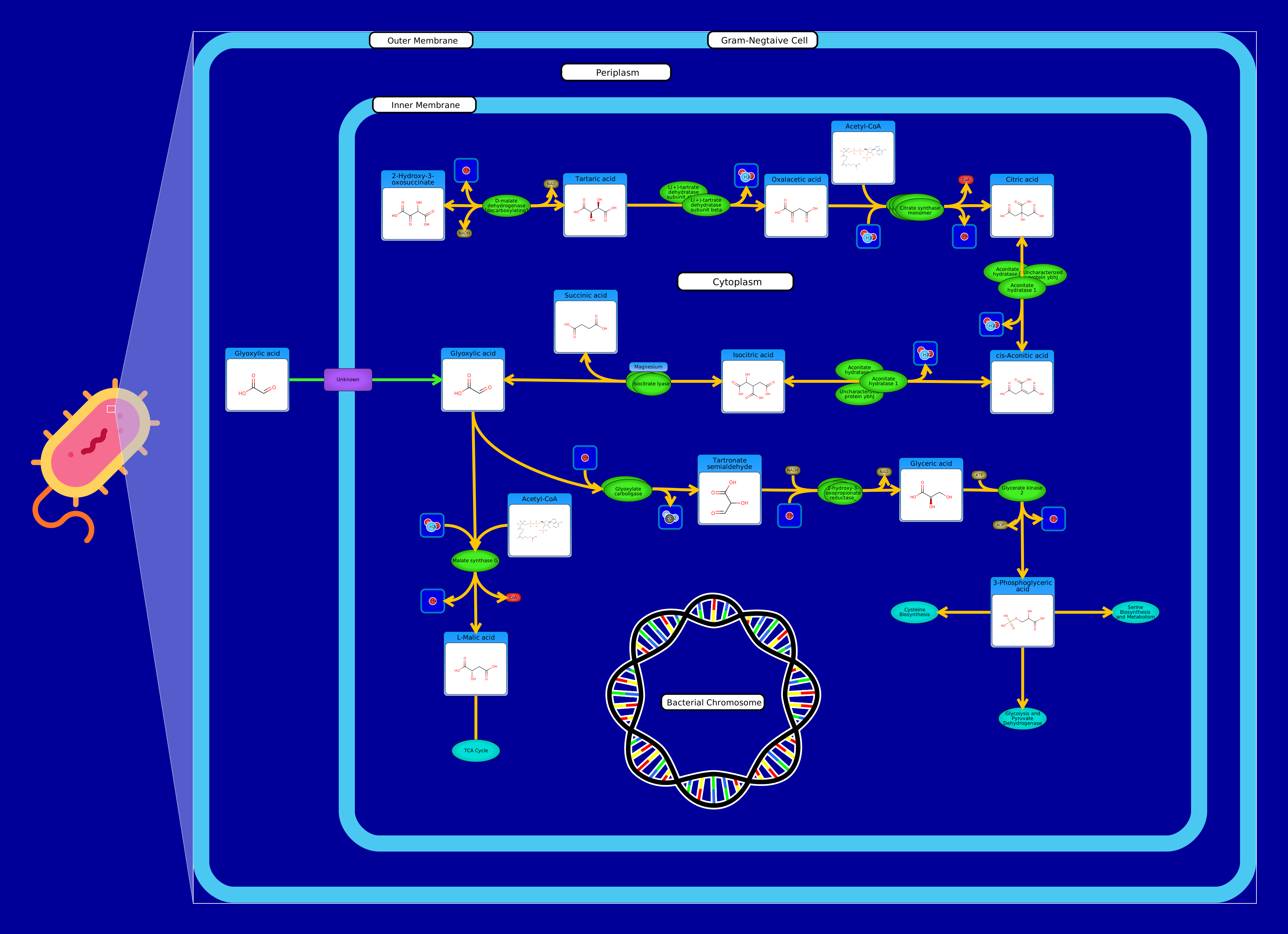 View Pathway
|
Glycolate and Glyoxylate Degradation IIEscherichia coli K-12
Oxaloglycolate (2-Hydroxy-3-oxosuccinate) interacts with a tartrate dehydrogenase resulting in a L-tartrate. L-tartrate then interacts with tartrate dehydrogenase resulting in a Oxaloacetate. Oxaloacetate and acetyl-coa interact to result in a citrate which is processed by a aconitate hydratase resulting in a cis-Aconitate and further more into a isocitrate which will eventually be procressed into a glyoxylic acid. Glyoxylic acid can either be metabolized into L-malic acid by a reaction with acetyl-CoA and Water through a malate synthase G which also releases hydrogen ion and Coenzyme A. L-malic acid is then incorporated into the TCA cycle. Glyoxylic acid can also be metabolized by glyoxylate carboligase, releasing a carbon dioxide and tartronate semialdehyde. The latter compound is then reduced by an NADH driven tartronate semialdehyde reductase 2 resulting in glyceric acid. Glyceric acid is phosphorylated by a glycerate kinase 2 resulting in a 3-phosphoglyceric acid. This compound is then integrated into various other pathways: cysteine biosynthesis, serine biosynthesis and glycolysis and pyruvate dehydrogenase.
|
Creator: Julia Wakoli Created On: March 08, 2025 at 18:14 Last Updated: March 08, 2025 at 18:14 |
PW552507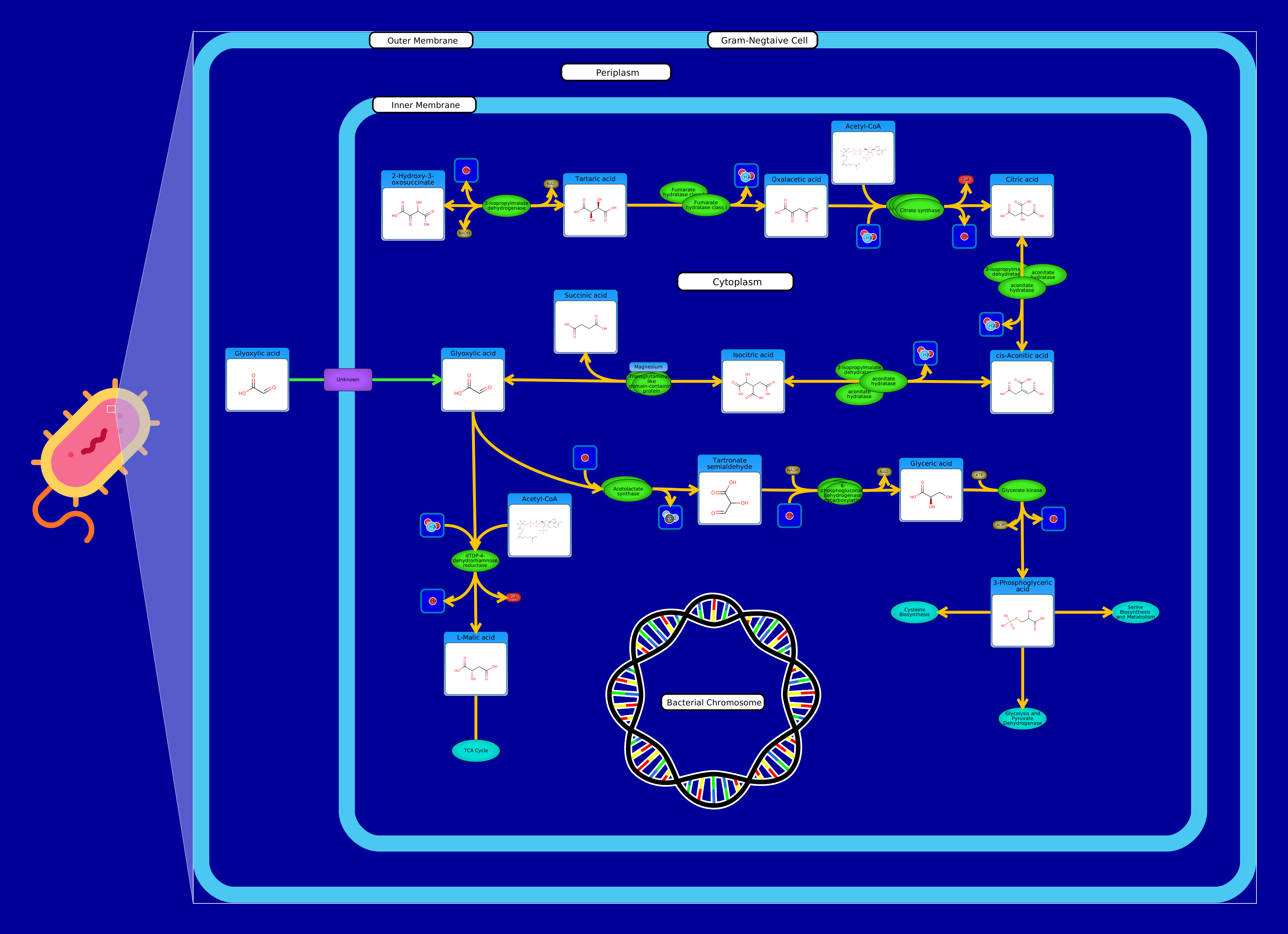 View Pathway
|
Glycolate and Glyoxylate Degradation IIParabacteroides goldsteinii dnLKV18
Oxaloglycolate (2-Hydroxy-3-oxosuccinate) interacts with a tartrate dehydrogenase resulting in a L-tartrate. L-tartrate then interacts with tartrate dehydrogenase resulting in a Oxaloacetate. Oxaloacetate and acetyl-coa interact to result in a citrate which is processed by a aconitate hydratase resulting in a cis-Aconitate and further more into a isocitrate which will eventually be procressed into a glyoxylic acid. Glyoxylic acid can either be metabolized into L-malic acid by a reaction with acetyl-CoA and Water through a malate synthase G which also releases hydrogen ion and Coenzyme A. L-malic acid is then incorporated into the TCA cycle. Glyoxylic acid can also be metabolized by glyoxylate carboligase, releasing a carbon dioxide and tartronate semialdehyde. The latter compound is then reduced by an NADH driven tartronate semialdehyde reductase 2 resulting in glyceric acid. Glyceric acid is phosphorylated by a glycerate kinase 2 resulting in a 3-phosphoglyceric acid. This compound is then integrated into various other pathways: cysteine biosynthesis, serine biosynthesis and glycolysis and pyruvate dehydrogenase.
|
Creator: Julia Wakoli Created On: March 03, 2025 at 21:23 Last Updated: March 03, 2025 at 21:23 |
PW557576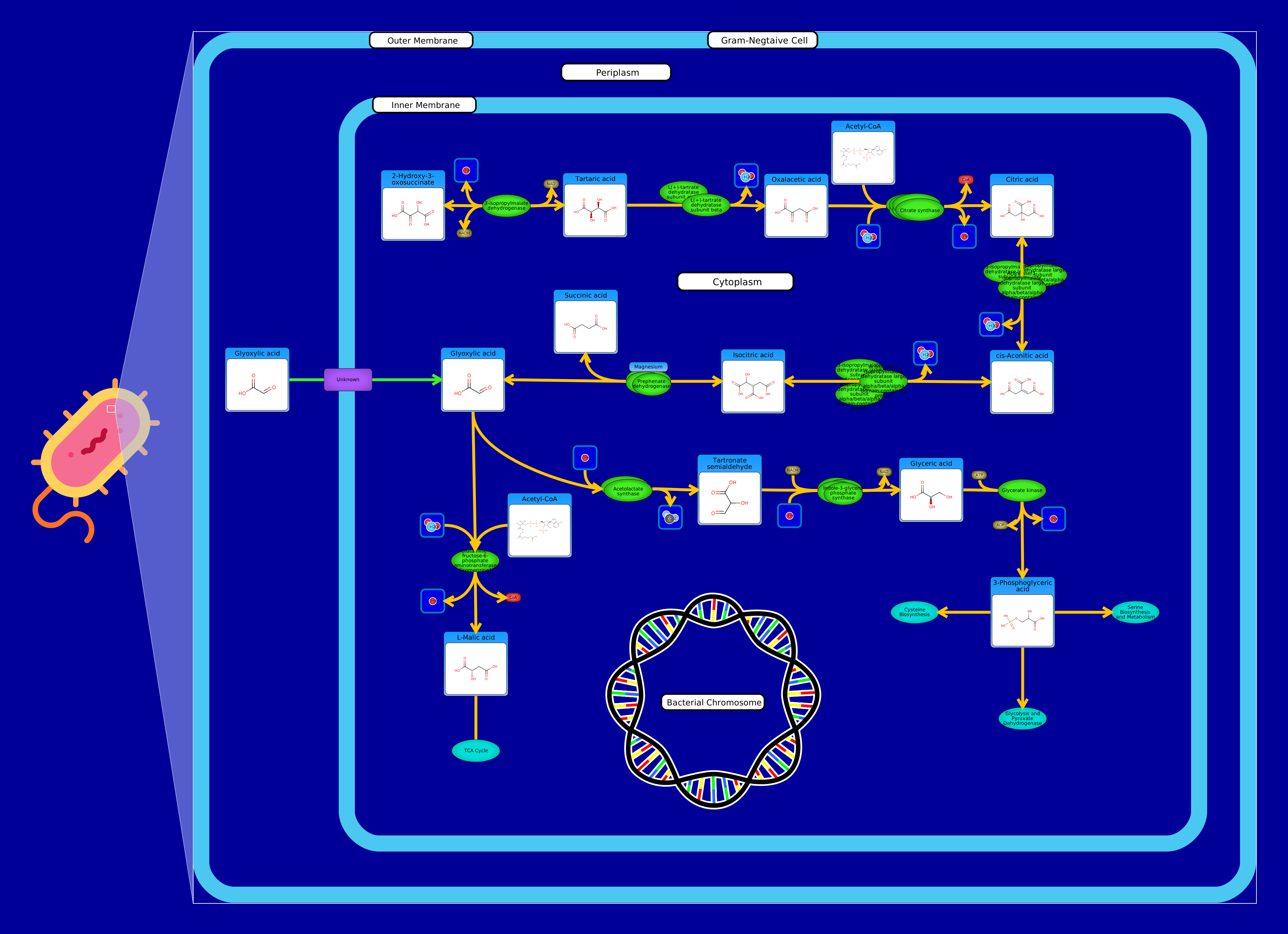 View Pathway
|
Glycolate and Glyoxylate Degradation II[Bacteroides] pectinophilus ATCC 43243
Oxaloglycolate (2-Hydroxy-3-oxosuccinate) interacts with a tartrate dehydrogenase resulting in a L-tartrate. L-tartrate then interacts with tartrate dehydrogenase resulting in a Oxaloacetate. Oxaloacetate and acetyl-coa interact to result in a citrate which is processed by a aconitate hydratase resulting in a cis-Aconitate and further more into a isocitrate which will eventually be procressed into a glyoxylic acid. Glyoxylic acid can either be metabolized into L-malic acid by a reaction with acetyl-CoA and Water through a malate synthase G which also releases hydrogen ion and Coenzyme A. L-malic acid is then incorporated into the TCA cycle. Glyoxylic acid can also be metabolized by glyoxylate carboligase, releasing a carbon dioxide and tartronate semialdehyde. The latter compound is then reduced by an NADH driven tartronate semialdehyde reductase 2 resulting in glyceric acid. Glyceric acid is phosphorylated by a glycerate kinase 2 resulting in a 3-phosphoglyceric acid. This compound is then integrated into various other pathways: cysteine biosynthesis, serine biosynthesis and glycolysis and pyruvate dehydrogenase.
|
Creator: Julia Wakoli Created On: March 06, 2025 at 18:45 Last Updated: March 06, 2025 at 18:45 |
PW552652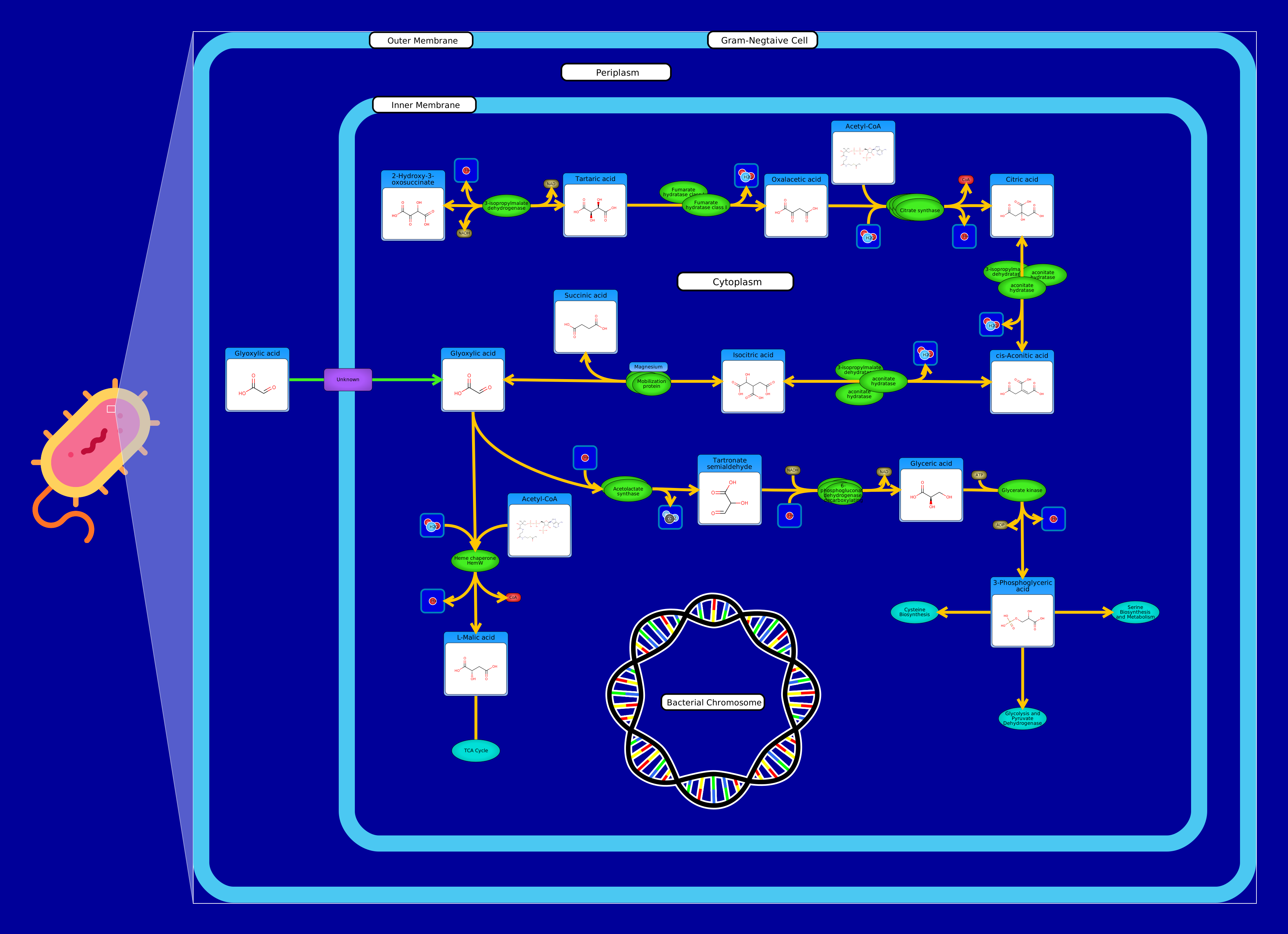 View Pathway
|
Glycolate and Glyoxylate Degradation IIBacteroides intestinalis
Oxaloglycolate (2-Hydroxy-3-oxosuccinate) interacts with a tartrate dehydrogenase resulting in a L-tartrate. L-tartrate then interacts with tartrate dehydrogenase resulting in a Oxaloacetate. Oxaloacetate and acetyl-coa interact to result in a citrate which is processed by a aconitate hydratase resulting in a cis-Aconitate and further more into a isocitrate which will eventually be procressed into a glyoxylic acid. Glyoxylic acid can either be metabolized into L-malic acid by a reaction with acetyl-CoA and Water through a malate synthase G which also releases hydrogen ion and Coenzyme A. L-malic acid is then incorporated into the TCA cycle. Glyoxylic acid can also be metabolized by glyoxylate carboligase, releasing a carbon dioxide and tartronate semialdehyde. The latter compound is then reduced by an NADH driven tartronate semialdehyde reductase 2 resulting in glyceric acid. Glyceric acid is phosphorylated by a glycerate kinase 2 resulting in a 3-phosphoglyceric acid. This compound is then integrated into various other pathways: cysteine biosynthesis, serine biosynthesis and glycolysis and pyruvate dehydrogenase.
|
Creator: Julia Wakoli Created On: March 03, 2025 at 23:33 Last Updated: March 03, 2025 at 23:33 |
PW552385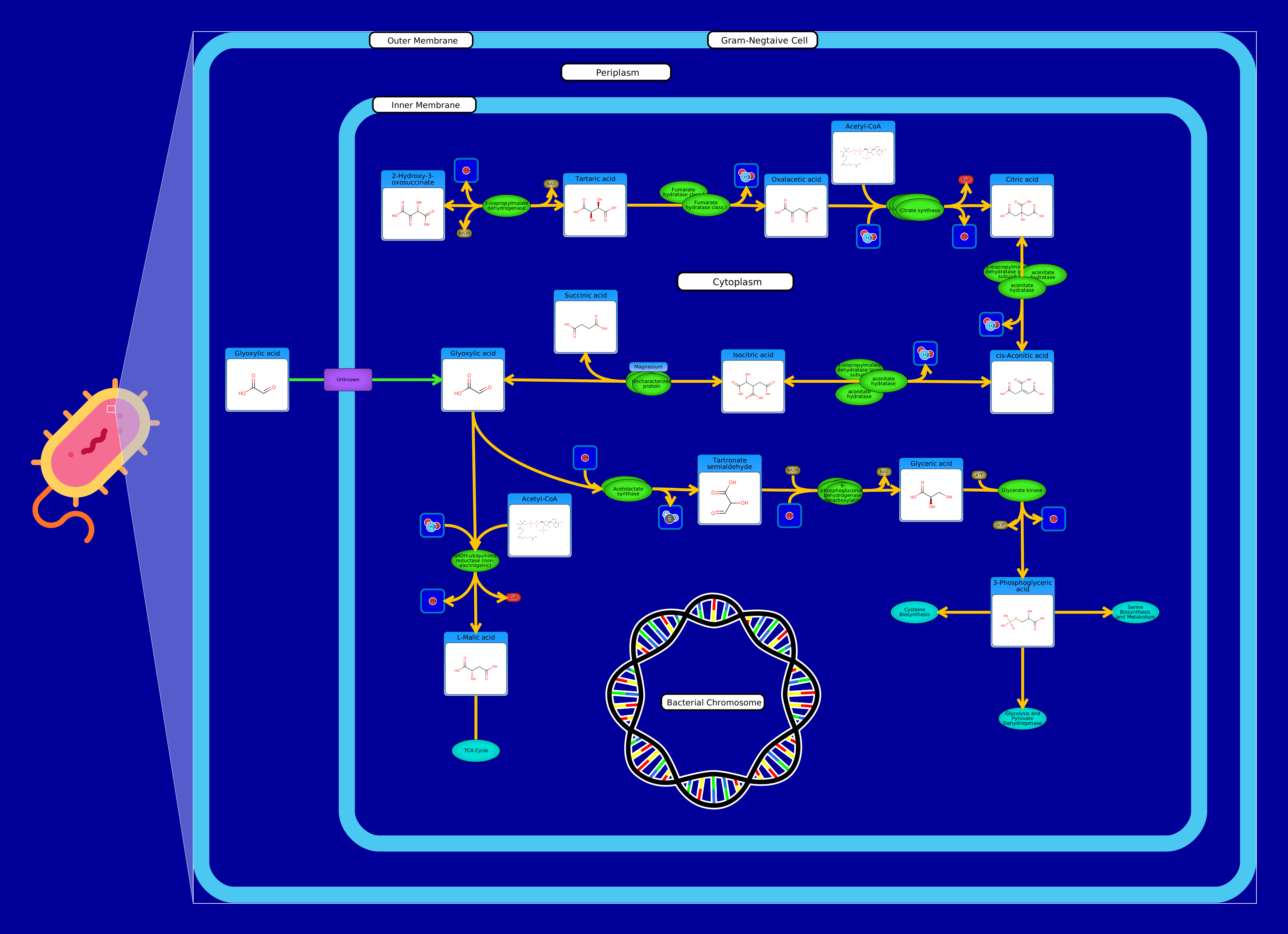 View Pathway
|
Glycolate and Glyoxylate Degradation IIBacteroides xylanisolvens XB1A
Oxaloglycolate (2-Hydroxy-3-oxosuccinate) interacts with a tartrate dehydrogenase resulting in a L-tartrate. L-tartrate then interacts with tartrate dehydrogenase resulting in a Oxaloacetate. Oxaloacetate and acetyl-coa interact to result in a citrate which is processed by a aconitate hydratase resulting in a cis-Aconitate and further more into a isocitrate which will eventually be procressed into a glyoxylic acid. Glyoxylic acid can either be metabolized into L-malic acid by a reaction with acetyl-CoA and Water through a malate synthase G which also releases hydrogen ion and Coenzyme A. L-malic acid is then incorporated into the TCA cycle. Glyoxylic acid can also be metabolized by glyoxylate carboligase, releasing a carbon dioxide and tartronate semialdehyde. The latter compound is then reduced by an NADH driven tartronate semialdehyde reductase 2 resulting in glyceric acid. Glyceric acid is phosphorylated by a glycerate kinase 2 resulting in a 3-phosphoglyceric acid. This compound is then integrated into various other pathways: cysteine biosynthesis, serine biosynthesis and glycolysis and pyruvate dehydrogenase.
|
Creator: Julia Wakoli Created On: March 03, 2025 at 15:46 Last Updated: March 03, 2025 at 15:46 |
PW552070 View Pathway
|
Glycolate and Glyoxylate Degradation IIEscherichia coli (strain SE11)
Oxaloglycolate (2-Hydroxy-3-oxosuccinate) interacts with a tartrate dehydrogenase resulting in a L-tartrate. L-tartrate then interacts with tartrate dehydrogenase resulting in a Oxaloacetate. Oxaloacetate and acetyl-coa interact to result in a citrate which is processed by a aconitate hydratase resulting in a cis-Aconitate and further more into a isocitrate which will eventually be procressed into a glyoxylic acid. Glyoxylic acid can either be metabolized into L-malic acid by a reaction with acetyl-CoA and Water through a malate synthase G which also releases hydrogen ion and Coenzyme A. L-malic acid is then incorporated into the TCA cycle. Glyoxylic acid can also be metabolized by glyoxylate carboligase, releasing a carbon dioxide and tartronate semialdehyde. The latter compound is then reduced by an NADH driven tartronate semialdehyde reductase 2 resulting in glyceric acid. Glyceric acid is phosphorylated by a glycerate kinase 2 resulting in a 3-phosphoglyceric acid. This compound is then integrated into various other pathways: cysteine biosynthesis, serine biosynthesis and glycolysis and pyruvate dehydrogenase.
|
Creator: Julia Wakoli Created On: March 03, 2025 at 11:11 Last Updated: March 03, 2025 at 11:11 |