
| PathWhiz ID | Pathway | Meta Data |
|---|---|---|
PW522273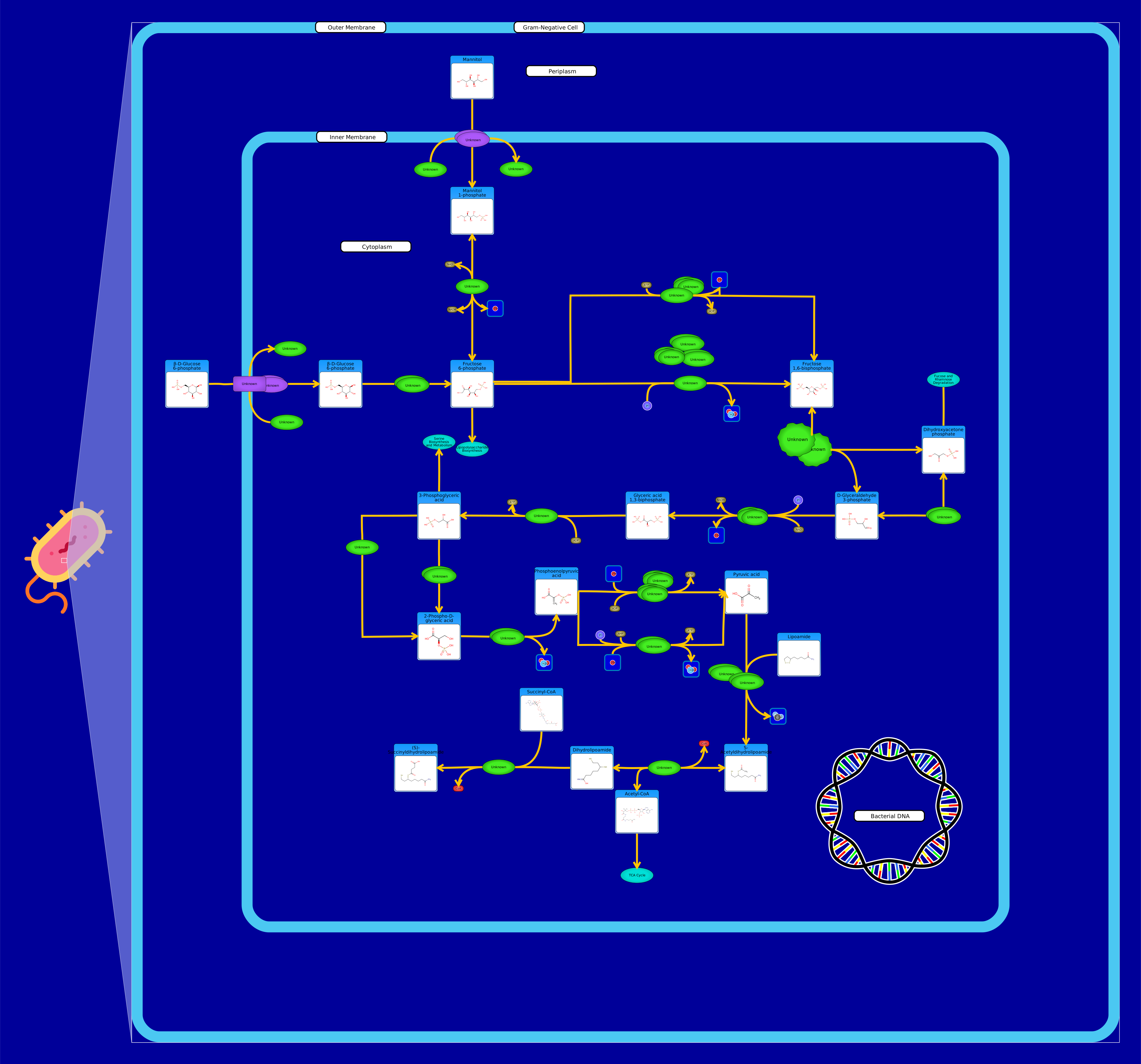 View Pathway
|
Glycolysis and Pyruvate DehydrogenaseSelenomonas ruminantium AC2024
Fructose metabolism begins with the transport of beta-D-glucose 6-phosphate through a glucose PTS permease. This compound is isomerized by a glucose-6-phosphate isomerase resulting in fructose 6-phosphate. This compound can be phosphorylated by two different enzymes: a pyridoxal phosphatase/fructose 1,6-bisphosphatase or an ATP-driven 6-phosphofructokinase-1, resulting in fructose 1,6-biphosphate. This compound can either react with a fructose bisphosphate aldolase class 1 resulting in D-glyceraldehyde 3-phosphate and dihydroxyacetone phosphate or through a fructose biphosphate aldolase class 2 resulting in D-glyceraldehyde 3-phosphate. This compound can then either react in a reversible triosephosphate isomerase resulting in dihydroxyacetone phosphate or react with a phosphate through an NAD-dependent glyceraldehyde 3-phosphate dehydrogenase resulting in glyceric acid 1,3-biphosphate. This compound is dephosphorylated by a phosphoglycerate kinase resulting in 3-phosphoglyceric acid. This compound, in turn, can either react with a 2,3-bisphosphoglycerate-independent phosphoglycerate mutase or a 2,3-bisphosphoglycerate-independent phosphoglycerate mutase resulting in 2-phospho-D-glyceric acid. This compound interacts with an enolase resulting in a phosphoenolpyruvic acid and water. Phosphoenolpyruvic acid can react either through an AMP-driven phosphoenoylpyruvate synthase or an ADP-driven pyruvate kinase protein complex resulting in pyruvic acid. The pyruvic acid reacts with CoA through an NAD-driven pyruvate dehydrogenase complex resulting in carbon dioxide and an acetyl-CoA which gets incorporated into the TCA cycle pathway.
|
Creator: Julia Wakoli Created On: February 15, 2025 at 16:30 Last Updated: February 15, 2025 at 16:30 |
PW514339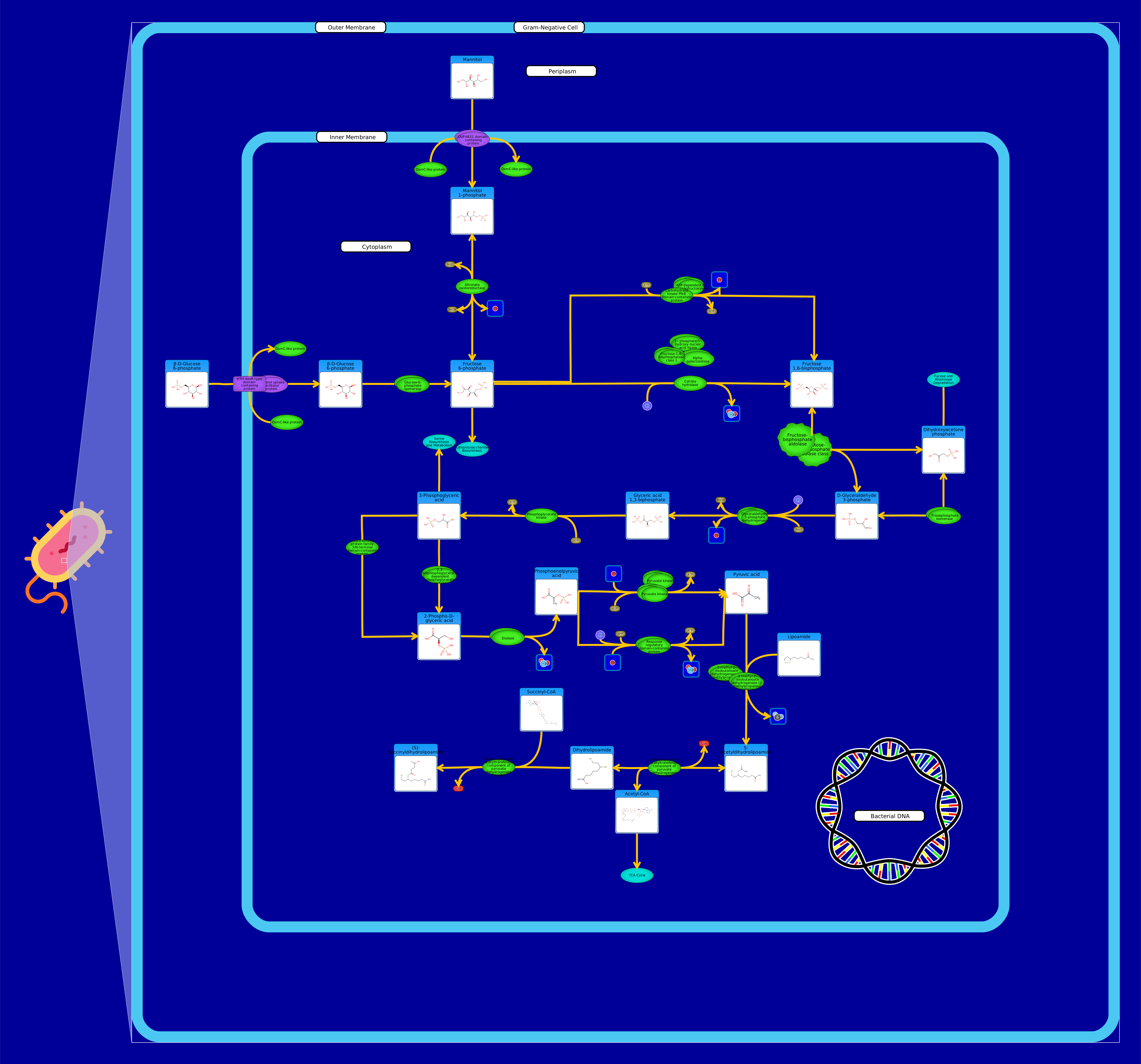 View Pathway
|
Glycolysis and Pyruvate DehydrogenaseDysgonomonas gadei ATCC BAA-286
Fructose metabolism begins with the transport of beta-D-glucose 6-phosphate through a glucose PTS permease. This compound is isomerized by a glucose-6-phosphate isomerase resulting in fructose 6-phosphate. This compound can be phosphorylated by two different enzymes: a pyridoxal phosphatase/fructose 1,6-bisphosphatase or an ATP-driven 6-phosphofructokinase-1, resulting in fructose 1,6-biphosphate. This compound can either react with a fructose bisphosphate aldolase class 1 resulting in D-glyceraldehyde 3-phosphate and dihydroxyacetone phosphate or through a fructose biphosphate aldolase class 2 resulting in D-glyceraldehyde 3-phosphate. This compound can then either react in a reversible triosephosphate isomerase resulting in dihydroxyacetone phosphate or react with a phosphate through an NAD-dependent glyceraldehyde 3-phosphate dehydrogenase resulting in glyceric acid 1,3-biphosphate. This compound is dephosphorylated by a phosphoglycerate kinase resulting in 3-phosphoglyceric acid. This compound, in turn, can either react with a 2,3-bisphosphoglycerate-independent phosphoglycerate mutase or a 2,3-bisphosphoglycerate-independent phosphoglycerate mutase resulting in 2-phospho-D-glyceric acid. This compound interacts with an enolase resulting in a phosphoenolpyruvic acid and water. Phosphoenolpyruvic acid can react either through an AMP-driven phosphoenoylpyruvate synthase or an ADP-driven pyruvate kinase protein complex resulting in pyruvic acid. The pyruvic acid reacts with CoA through an NAD-driven pyruvate dehydrogenase complex resulting in carbon dioxide and an acetyl-CoA which gets incorporated into the TCA cycle pathway.
|
Creator: Julia Wakoli Created On: February 10, 2025 at 21:50 Last Updated: February 10, 2025 at 21:50 |
PW521662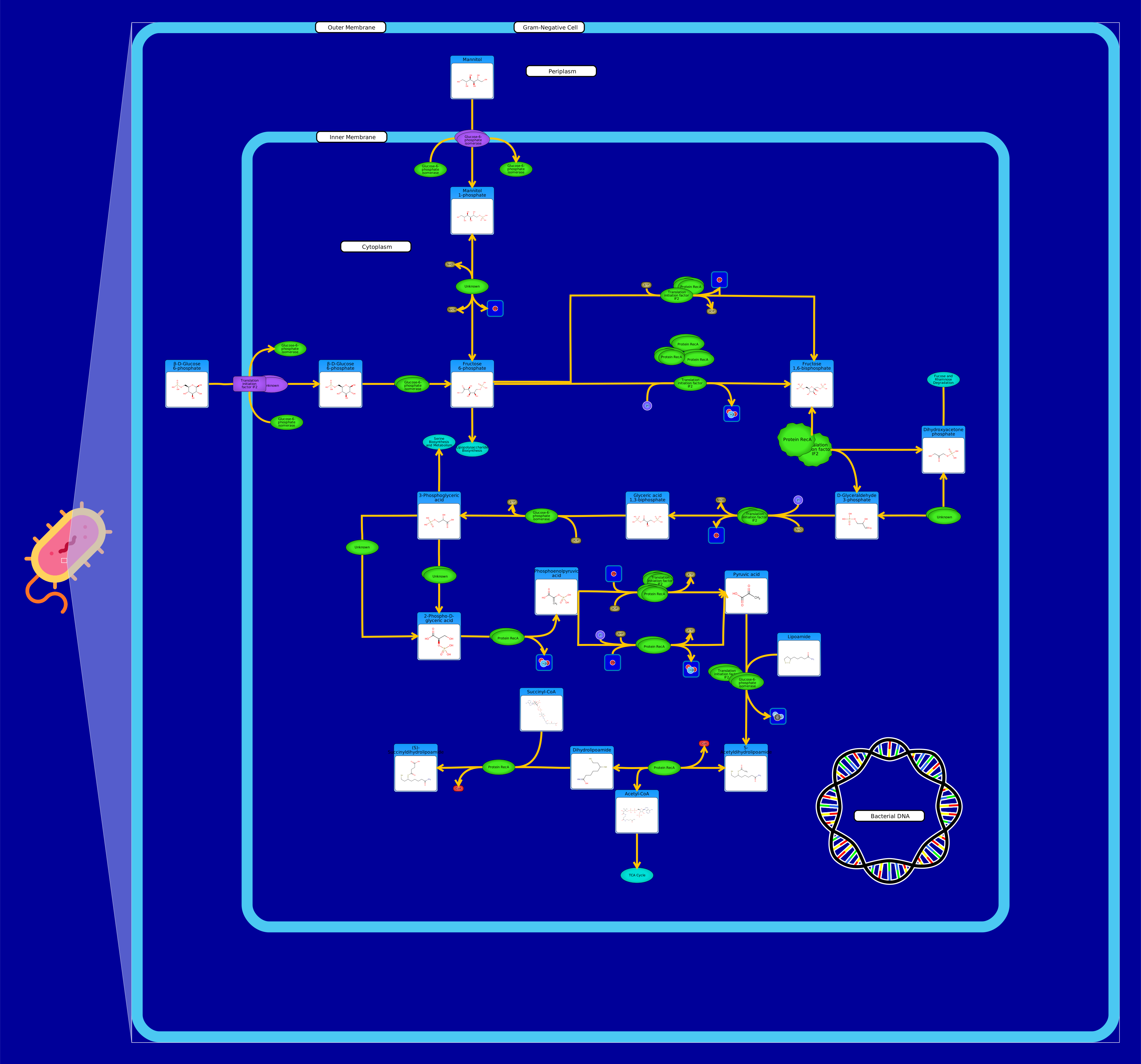 View Pathway
|
Glycolysis and Pyruvate DehydrogenaseHaemophilus sputorum CCUG 13788
Fructose metabolism begins with the transport of beta-D-glucose 6-phosphate through a glucose PTS permease. This compound is isomerized by a glucose-6-phosphate isomerase resulting in fructose 6-phosphate. This compound can be phosphorylated by two different enzymes: a pyridoxal phosphatase/fructose 1,6-bisphosphatase or an ATP-driven 6-phosphofructokinase-1, resulting in fructose 1,6-biphosphate. This compound can either react with a fructose bisphosphate aldolase class 1 resulting in D-glyceraldehyde 3-phosphate and dihydroxyacetone phosphate or through a fructose biphosphate aldolase class 2 resulting in D-glyceraldehyde 3-phosphate. This compound can then either react in a reversible triosephosphate isomerase resulting in dihydroxyacetone phosphate or react with a phosphate through an NAD-dependent glyceraldehyde 3-phosphate dehydrogenase resulting in glyceric acid 1,3-biphosphate. This compound is dephosphorylated by a phosphoglycerate kinase resulting in 3-phosphoglyceric acid. This compound, in turn, can either react with a 2,3-bisphosphoglycerate-independent phosphoglycerate mutase or a 2,3-bisphosphoglycerate-independent phosphoglycerate mutase resulting in 2-phospho-D-glyceric acid. This compound interacts with an enolase resulting in a phosphoenolpyruvic acid and water. Phosphoenolpyruvic acid can react either through an AMP-driven phosphoenoylpyruvate synthase or an ADP-driven pyruvate kinase protein complex resulting in pyruvic acid. The pyruvic acid reacts with CoA through an NAD-driven pyruvate dehydrogenase complex resulting in carbon dioxide and an acetyl-CoA which gets incorporated into the TCA cycle pathway.
|
Creator: Julia Wakoli Created On: February 15, 2025 at 07:53 Last Updated: February 15, 2025 at 07:53 |
PW686436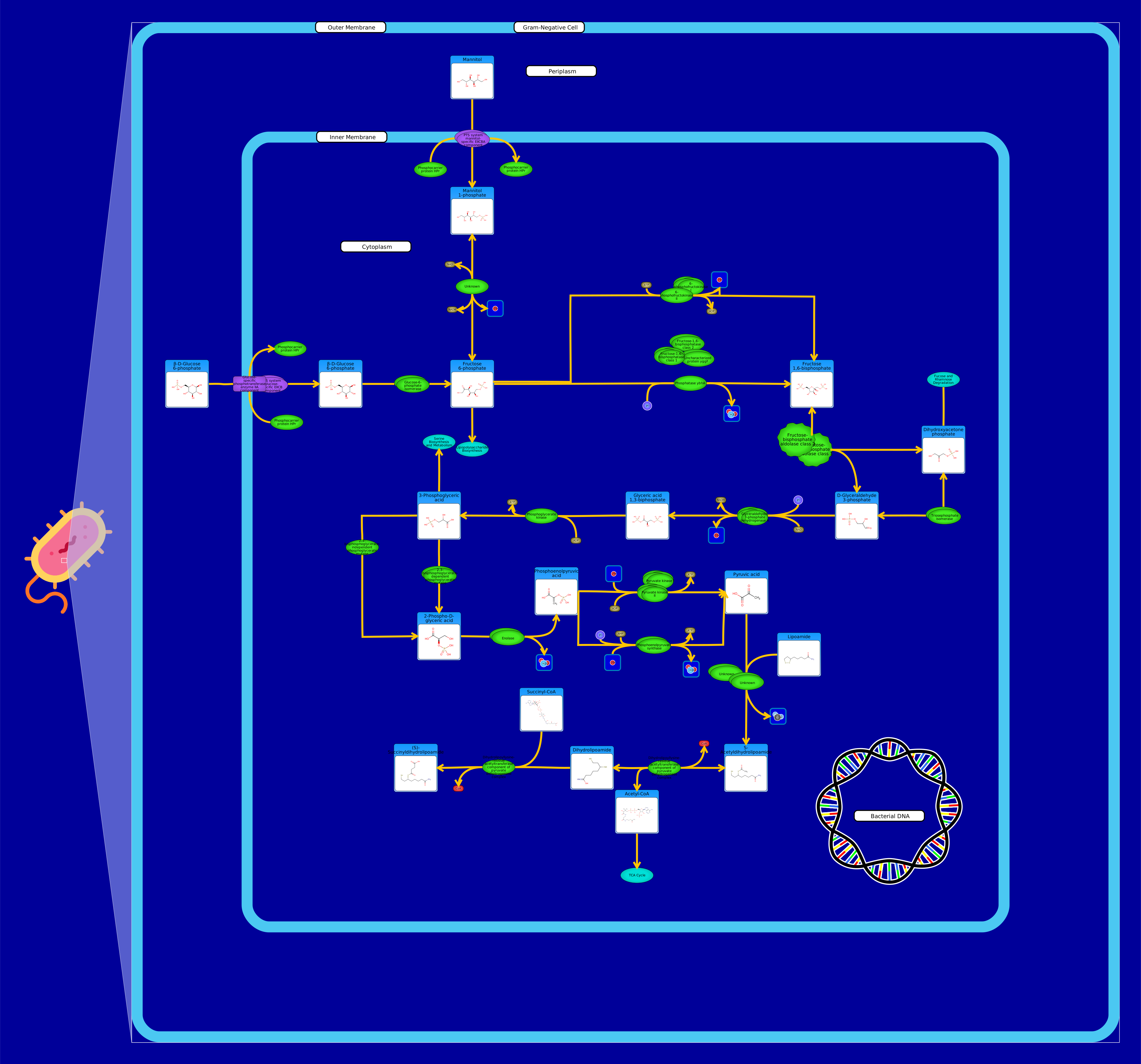 View Pathway
|
Glycolysis and Pyruvate DehydrogenaseEscherichia coli E24377A
Fructose metabolism begins with the transport of beta-D-glucose 6-phosphate through a glucose PTS permease. This compound is isomerized by a glucose-6-phosphate isomerase resulting in fructose 6-phosphate. This compound can be phosphorylated by two different enzymes: a pyridoxal phosphatase/fructose 1,6-bisphosphatase or an ATP-driven 6-phosphofructokinase-1, resulting in fructose 1,6-biphosphate. This compound can either react with a fructose bisphosphate aldolase class 1 resulting in D-glyceraldehyde 3-phosphate and dihydroxyacetone phosphate or through a fructose biphosphate aldolase class 2 resulting in D-glyceraldehyde 3-phosphate. This compound can then either react in a reversible triosephosphate isomerase resulting in dihydroxyacetone phosphate or react with a phosphate through an NAD-dependent glyceraldehyde 3-phosphate dehydrogenase resulting in glyceric acid 1,3-biphosphate. This compound is dephosphorylated by a phosphoglycerate kinase resulting in 3-phosphoglyceric acid. This compound, in turn, can either react with a 2,3-bisphosphoglycerate-independent phosphoglycerate mutase or a 2,3-bisphosphoglycerate-independent phosphoglycerate mutase resulting in 2-phospho-D-glyceric acid. This compound interacts with an enolase resulting in a phosphoenolpyruvic acid and water. Phosphoenolpyruvic acid can react either through an AMP-driven phosphoenoylpyruvate synthase or an ADP-driven pyruvate kinase protein complex resulting in pyruvic acid. The pyruvic acid reacts with CoA through an NAD-driven pyruvate dehydrogenase complex resulting in carbon dioxide and an acetyl-CoA which gets incorporated into the TCA cycle pathway.
|
Creator: Julia Wakoli Created On: February 11, 2025 at 11:49 Last Updated: February 11, 2025 at 11:49 |
PW516214 View Pathway
|
Glycolysis and Pyruvate DehydrogenaseSalmonella paratyphi B (strain ATCC BAA-1250 / SPB7)
Fructose metabolism begins with the transport of beta-D-glucose 6-phosphate through a glucose PTS permease. This compound is isomerized by a glucose-6-phosphate isomerase resulting in fructose 6-phosphate. This compound can be phosphorylated by two different enzymes: a pyridoxal phosphatase/fructose 1,6-bisphosphatase or an ATP-driven 6-phosphofructokinase-1, resulting in fructose 1,6-biphosphate. This compound can either react with a fructose bisphosphate aldolase class 1 resulting in D-glyceraldehyde 3-phosphate and dihydroxyacetone phosphate or through a fructose biphosphate aldolase class 2 resulting in D-glyceraldehyde 3-phosphate. This compound can then either react in a reversible triosephosphate isomerase resulting in dihydroxyacetone phosphate or react with a phosphate through an NAD-dependent glyceraldehyde 3-phosphate dehydrogenase resulting in glyceric acid 1,3-biphosphate. This compound is dephosphorylated by a phosphoglycerate kinase resulting in 3-phosphoglyceric acid. This compound, in turn, can either react with a 2,3-bisphosphoglycerate-independent phosphoglycerate mutase or a 2,3-bisphosphoglycerate-independent phosphoglycerate mutase resulting in 2-phospho-D-glyceric acid. This compound interacts with an enolase resulting in a phosphoenolpyruvic acid and water. Phosphoenolpyruvic acid can react either through an AMP-driven phosphoenoylpyruvate synthase or an ADP-driven pyruvate kinase protein complex resulting in pyruvic acid. The pyruvic acid reacts with CoA through an NAD-driven pyruvate dehydrogenase complex resulting in carbon dioxide and an acetyl-CoA which gets incorporated into the TCA cycle pathway.
|
Creator: Julia Wakoli Created On: February 11, 2025 at 22:14 Last Updated: February 11, 2025 at 22:14 |
PW122415 View Pathway
|
Glycolysis and Pyruvate DehydrogenaseSaccharomyces cerevisiae
Fructose metabolism begins with the transport of Beta-D-glucose 6-phosphate through a glucose PTS permease, resulting in a Beta-D-glucose 6-phosphate. This compound is isomerized by a glucose-6-phosphate isomerase resulting in a fructose 6-phosphate. This compound can be phosphorylated by two different enzymes, a pyridoxal phosphatase/fructose 1,6-bisphosphatase or a ATP driven-6-phosphofructokinase-1 resulting in a fructose 1,6-biphosphate. This compound can either react with a fructose bisphosphate aldolase class 1 resulting in D-glyceraldehyde 3-phosphate and a dihydroxyacetone phosphate or through a fructose biphosphate aldolase class 2 resulting in a D-glyceraldehyde 3-phosphate. This compound can then either react in a reversible triosephosphate isomerase resulting in a dihydroxyacetone phosphate or react with a phosphate through a NAD dependent Glyceraldehyde 3-phosphate dehydrogenase resulting in a glyceric acid 1,3-biphosphate. This compound is desphosphorylated by a phosphoglycerate kinase resulting in a 3-phosphoglyceric acid.This compound in turn can either react with a 2,3-bisphosphoglycerate-independent phosphoglycerate mutase or a 2,3-bisphosphoglycerate-independent phosphoglycerate mutase resulting in a 2-phospho-D-glyceric acid. This compound interacts with an enolase resulting in a phosphoenolpyruvic acid and water. Phosphoenolpyruvic acid can react either through a AMP driven phosphoenoylpyruvate synthase or a ADP driven pyruvate kinase protein complex resulting in a pyruvic acid.
Pyruvic acid reacts with CoA through a NAD driven pyruvate dehydrogenase complex resulting in a carbon dioxide and a Acetyl-CoA which gets incorporated into the TCA cycle pathway.
|
Creator: Debra Lipton Created On: March 27, 2019 at 14:51 Last Updated: March 27, 2019 at 14:51 |
PW536139 View Pathway
|
Glycolysis and Pyruvate DehydrogenaseEscherichia coli (strain B / REL606)
Fructose metabolism begins with the transport of beta-D-glucose 6-phosphate through a glucose PTS permease. This compound is isomerized by a glucose-6-phosphate isomerase resulting in fructose 6-phosphate. This compound can be phosphorylated by two different enzymes: a pyridoxal phosphatase/fructose 1,6-bisphosphatase or an ATP-driven 6-phosphofructokinase-1, resulting in fructose 1,6-biphosphate. This compound can either react with a fructose bisphosphate aldolase class 1 resulting in D-glyceraldehyde 3-phosphate and dihydroxyacetone phosphate or through a fructose biphosphate aldolase class 2 resulting in D-glyceraldehyde 3-phosphate. This compound can then either react in a reversible triosephosphate isomerase resulting in dihydroxyacetone phosphate or react with a phosphate through an NAD-dependent glyceraldehyde 3-phosphate dehydrogenase resulting in glyceric acid 1,3-biphosphate. This compound is dephosphorylated by a phosphoglycerate kinase resulting in 3-phosphoglyceric acid. This compound, in turn, can either react with a 2,3-bisphosphoglycerate-independent phosphoglycerate mutase or a 2,3-bisphosphoglycerate-independent phosphoglycerate mutase resulting in 2-phospho-D-glyceric acid. This compound interacts with an enolase resulting in a phosphoenolpyruvic acid and water. Phosphoenolpyruvic acid can react either through an AMP-driven phosphoenoylpyruvate synthase or an ADP-driven pyruvate kinase protein complex resulting in pyruvic acid. The pyruvic acid reacts with CoA through an NAD-driven pyruvate dehydrogenase complex resulting in carbon dioxide and an acetyl-CoA which gets incorporated into the TCA cycle pathway.
|
Creator: Julia Wakoli Created On: February 21, 2025 at 00:15 Last Updated: February 21, 2025 at 00:15 |
PW536470 View Pathway
|
Glycolysis and Pyruvate DehydrogenaseEscherichia coli O157:H7
Fructose metabolism begins with the transport of beta-D-glucose 6-phosphate through a glucose PTS permease. This compound is isomerized by a glucose-6-phosphate isomerase resulting in fructose 6-phosphate. This compound can be phosphorylated by two different enzymes: a pyridoxal phosphatase/fructose 1,6-bisphosphatase or an ATP-driven 6-phosphofructokinase-1, resulting in fructose 1,6-biphosphate. This compound can either react with a fructose bisphosphate aldolase class 1 resulting in D-glyceraldehyde 3-phosphate and dihydroxyacetone phosphate or through a fructose biphosphate aldolase class 2 resulting in D-glyceraldehyde 3-phosphate. This compound can then either react in a reversible triosephosphate isomerase resulting in dihydroxyacetone phosphate or react with a phosphate through an NAD-dependent glyceraldehyde 3-phosphate dehydrogenase resulting in glyceric acid 1,3-biphosphate. This compound is dephosphorylated by a phosphoglycerate kinase resulting in 3-phosphoglyceric acid. This compound, in turn, can either react with a 2,3-bisphosphoglycerate-independent phosphoglycerate mutase or a 2,3-bisphosphoglycerate-independent phosphoglycerate mutase resulting in 2-phospho-D-glyceric acid. This compound interacts with an enolase resulting in a phosphoenolpyruvic acid and water. Phosphoenolpyruvic acid can react either through an AMP-driven phosphoenoylpyruvate synthase or an ADP-driven pyruvate kinase protein complex resulting in pyruvic acid. The pyruvic acid reacts with CoA through an NAD-driven pyruvate dehydrogenase complex resulting in carbon dioxide and an acetyl-CoA which gets incorporated into the TCA cycle pathway.
|
Creator: Julia Wakoli Created On: February 21, 2025 at 03:48 Last Updated: February 21, 2025 at 03:48 |
PW539025 View Pathway
|
Glycolysis and Pyruvate DehydrogenaseEscherichia coli UMN026
Fructose metabolism begins with the transport of beta-D-glucose 6-phosphate through a glucose PTS permease. This compound is isomerized by a glucose-6-phosphate isomerase resulting in fructose 6-phosphate. This compound can be phosphorylated by two different enzymes: a pyridoxal phosphatase/fructose 1,6-bisphosphatase or an ATP-driven 6-phosphofructokinase-1, resulting in fructose 1,6-biphosphate. This compound can either react with a fructose bisphosphate aldolase class 1 resulting in D-glyceraldehyde 3-phosphate and dihydroxyacetone phosphate or through a fructose biphosphate aldolase class 2 resulting in D-glyceraldehyde 3-phosphate. This compound can then either react in a reversible triosephosphate isomerase resulting in dihydroxyacetone phosphate or react with a phosphate through an NAD-dependent glyceraldehyde 3-phosphate dehydrogenase resulting in glyceric acid 1,3-biphosphate. This compound is dephosphorylated by a phosphoglycerate kinase resulting in 3-phosphoglyceric acid. This compound, in turn, can either react with a 2,3-bisphosphoglycerate-independent phosphoglycerate mutase or a 2,3-bisphosphoglycerate-independent phosphoglycerate mutase resulting in 2-phospho-D-glyceric acid. This compound interacts with an enolase resulting in a phosphoenolpyruvic acid and water. Phosphoenolpyruvic acid can react either through an AMP-driven phosphoenoylpyruvate synthase or an ADP-driven pyruvate kinase protein complex resulting in pyruvic acid. The pyruvic acid reacts with CoA through an NAD-driven pyruvate dehydrogenase complex resulting in carbon dioxide and an acetyl-CoA which gets incorporated into the TCA cycle pathway.
|
Creator: Julia Wakoli Created On: February 22, 2025 at 07:52 Last Updated: February 22, 2025 at 07:52 |
PW536514 View Pathway
|
Glycolysis and Pyruvate DehydrogenaseEscherichia coli K-12
Fructose metabolism begins with the transport of beta-D-glucose 6-phosphate through a glucose PTS permease. This compound is isomerized by a glucose-6-phosphate isomerase resulting in fructose 6-phosphate. This compound can be phosphorylated by two different enzymes: a pyridoxal phosphatase/fructose 1,6-bisphosphatase or an ATP-driven 6-phosphofructokinase-1, resulting in fructose 1,6-biphosphate. This compound can either react with a fructose bisphosphate aldolase class 1 resulting in D-glyceraldehyde 3-phosphate and dihydroxyacetone phosphate or through a fructose biphosphate aldolase class 2 resulting in D-glyceraldehyde 3-phosphate. This compound can then either react in a reversible triosephosphate isomerase resulting in dihydroxyacetone phosphate or react with a phosphate through an NAD-dependent glyceraldehyde 3-phosphate dehydrogenase resulting in glyceric acid 1,3-biphosphate. This compound is dephosphorylated by a phosphoglycerate kinase resulting in 3-phosphoglyceric acid. This compound, in turn, can either react with a 2,3-bisphosphoglycerate-independent phosphoglycerate mutase or a 2,3-bisphosphoglycerate-independent phosphoglycerate mutase resulting in 2-phospho-D-glyceric acid. This compound interacts with an enolase resulting in a phosphoenolpyruvic acid and water. Phosphoenolpyruvic acid can react either through an AMP-driven phosphoenoylpyruvate synthase or an ADP-driven pyruvate kinase protein complex resulting in pyruvic acid. The pyruvic acid reacts with CoA through an NAD-driven pyruvate dehydrogenase complex resulting in carbon dioxide and an acetyl-CoA which gets incorporated into the TCA cycle pathway.
|
Creator: Julia Wakoli Created On: February 21, 2025 at 04:16 Last Updated: February 21, 2025 at 04:16 |