
| PathWhiz ID | Pathway | Meta Data |
|---|---|---|
PW145333 View Pathway
|
drug action
Isocarboxazid Drug Metabolism Action PathwayHomo sapiens
|
Creator: Ray Kruger Created On: October 07, 2023 at 15:35 Last Updated: October 07, 2023 at 15:35 |
PW127387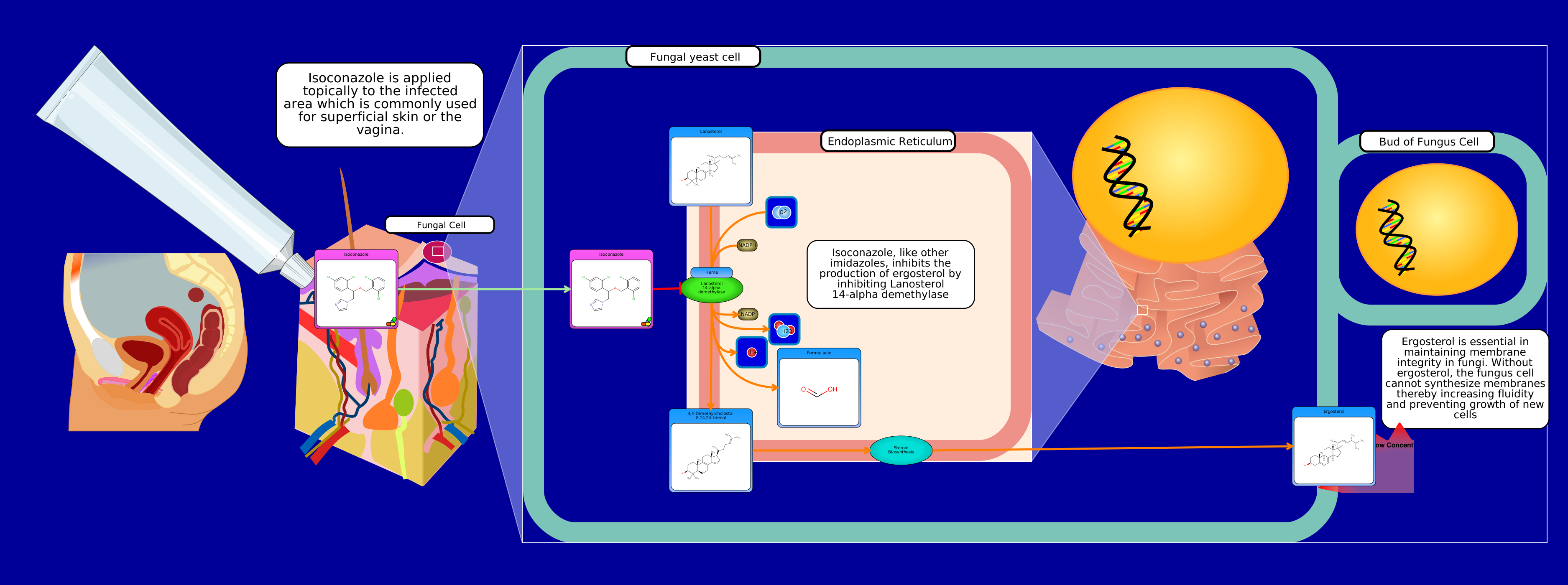 View Pathway
|
drug action
Isoconazole Action PathwayHomo sapiens
Isoconazole is an imidazole antifungal used for superficial skin and vaginal infections.
Isoconazole, like other imidazole antifungals, inhibits lanosterol 14-alpha demethylase in the endoplasmic reticulum of fungal cells. Lanosterol 14-alpha demethylase is the enzyme that catalyzes the synthesis of 4,4'-dimethyl cholesta-8,14,24-triene-3-beta-ol from lanosterol. With this enzyme inhibited ergosterol synthesis cannot occur which causes a significant low concentration of ergosterol in the fungal cell. Ergosterol is essential in maintaining membrane integrity in fungi. Without ergosterol, the fungus cell cannot synthesize membranes thereby increasing fluidity and preventing growth of new cells. This leads to cell lysis which causes it to collapse and die.
|
Creator: Ray Kruger Created On: January 02, 2023 at 13:36 Last Updated: January 02, 2023 at 13:36 |
PW145901 View Pathway
|
drug action
Isoconazole Drug Metabolism Action PathwayHomo sapiens
|
Creator: Ray Kruger Created On: October 07, 2023 at 16:56 Last Updated: October 07, 2023 at 16:56 |
PW127680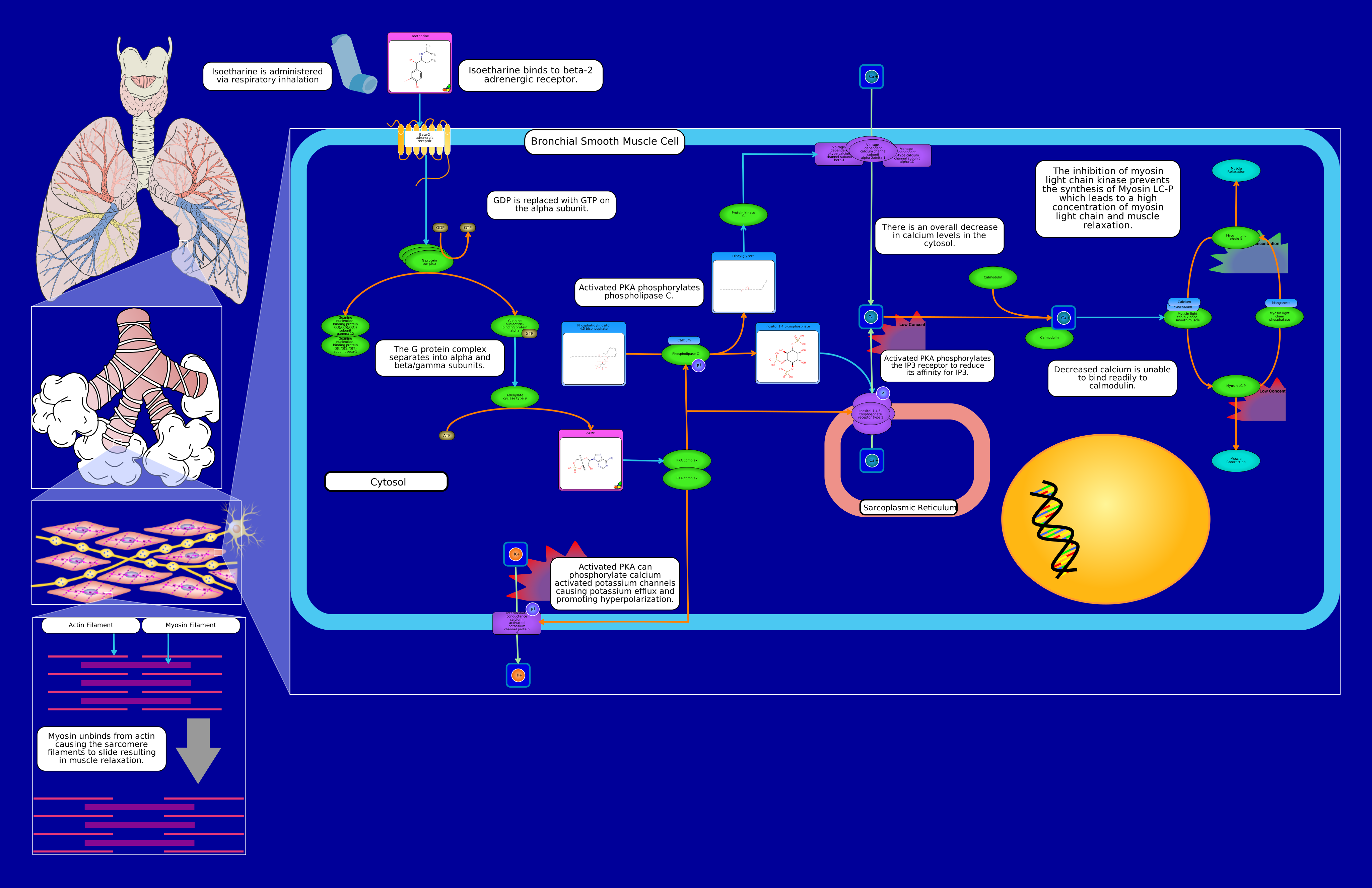 View Pathway
|
drug action
Isoetharine Action PathwayHomo sapiens
Isoetharine is a selective beta-2 adrenergic agonist used as a bronchodilator. This is a fast acting drug offering relief of bronchospasm for the treatment of emphysema, bronchitis, and asthma. Isoetharine is inhaled and acts by activating adenylyl cyclase to increase cAMP levels and subsequently relaxes bronchial smooth muscle. The result of taking this drug is relaxation of the bronchial smooth muscles causing bronchodilaton and increased airflow. Once isoetharine is administered and it binds to the beta-2 adrenergic receptor, the G protein signalling cascade begins. The alpha and beta/gamma subunits of the G protein separate and GDP is replaced with GTP on the alpha subunit. This alpha subunit then activates adenylyl cyclase which converts ATP to cAMP. cAMP then activates protein kinase A (PKA) which in turn phosphorylates targets and inhibits MLCK through decreased calcium levels causing muscle relaxation. PKA can phosphorylate certain Gq-coupled receptors as well as phospholipase C (PLC) and thereby inhibit G protein-coupled receptor (GPCR) -PLC-mediated phosphoinositide (PI) generation, and thus calcium flux. PKA phosphorylates the inositol 1,4,5-trisphosphate (IP3) receptor to reduce its affinity for IP3 and further limit calcium mobilization. PKA phosphorylates myosin light chain kinase (MLCK) and decreases its affinity to calcium calmodulin, thus reducing activity and myosin light chain (MLC) phosphorylation. PKA also phosphorylates KCa++ channels in ASM, increasing their open-state probability (and therefore K+ efflux) and promoting hyperpolarization. Since myosine light chain kinase is not activated, Serine/threonine-protein phosphatase continues to dephosphorylate myosin LC-P, and more cannot be synthesized so myosin remains unbound from actin causing muscle relaxation. This relaxation of the smooth muscles in the lungs causes the bronchial airways to relax which causes bronchodilation, making it easier to breathe. The result of taking this drug is relaxation of the bronchial smooth muscles causing bronchodilaton and increased airflow. Isoetharine has also been shown to stimulate beta-1 receptors in some patients, causing cardiac and CNS side effects. Some side effects of using isoetharine may include dizziness, nervousness, tremor, and headache.
|
Creator: Hayley Created On: May 19, 2023 at 12:26 Last Updated: May 19, 2023 at 12:26 |
PW144351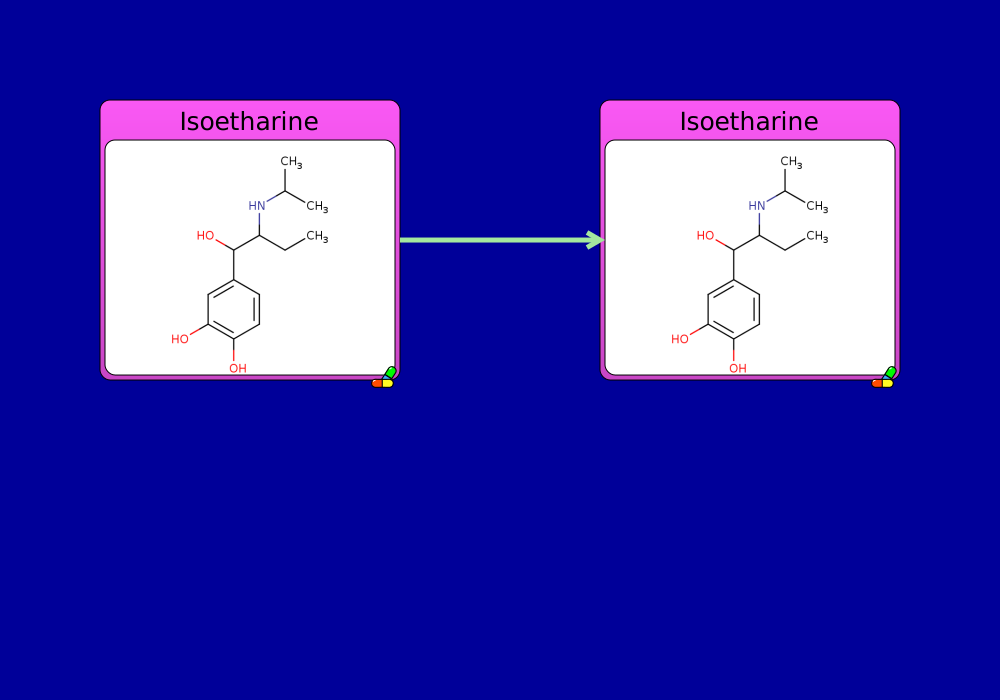 View Pathway
|
drug action
Isoetharine Drug Metabolism Action PathwayHomo sapiens
|
Creator: Ray Kruger Created On: October 07, 2023 at 13:27 Last Updated: October 07, 2023 at 13:27 |
PW176263 View Pathway
|
Isoetharine Predicted Metabolism PathwayHomo sapiens
Metabolites of Isoetharine are predicted with biotransformer.
|
Creator: Omolola Created On: December 04, 2023 at 14:18 Last Updated: December 04, 2023 at 14:18 |
PW146784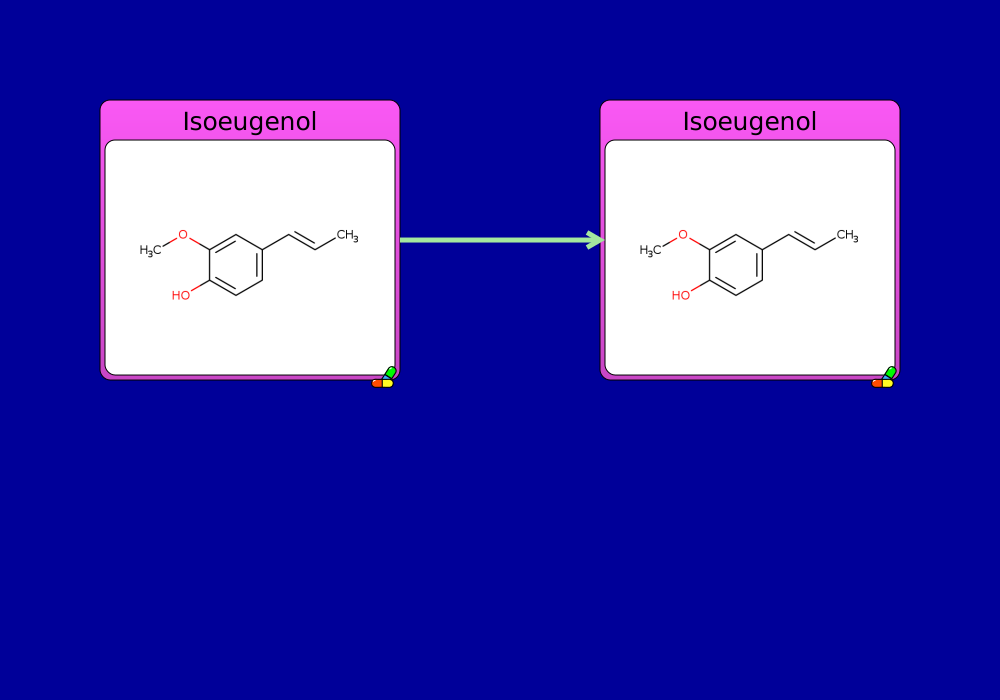 View Pathway
|
drug action
Isoeugenol Drug Metabolism Action PathwayHomo sapiens
|
Creator: Ray Kruger Created On: October 07, 2023 at 19:01 Last Updated: October 07, 2023 at 19:01 |
PW176435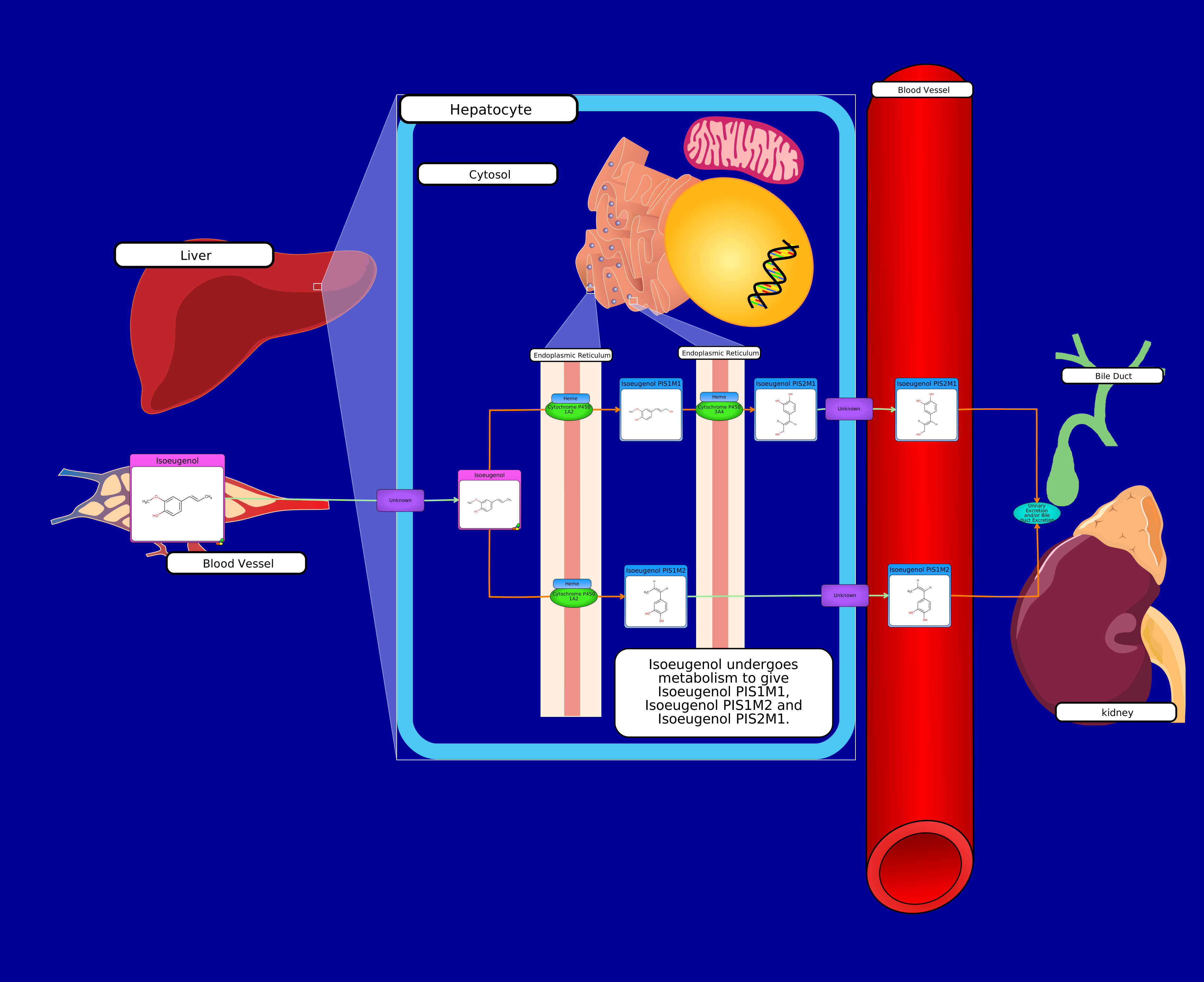 View Pathway
|
Isoeugenol Predicted Metabolism PathwayHomo sapiens
Metabolites of Isoeugenol are predicted with biotransformer.
|
Creator: Omolola Created On: December 12, 2023 at 11:42 Last Updated: December 12, 2023 at 11:42 |
PW144864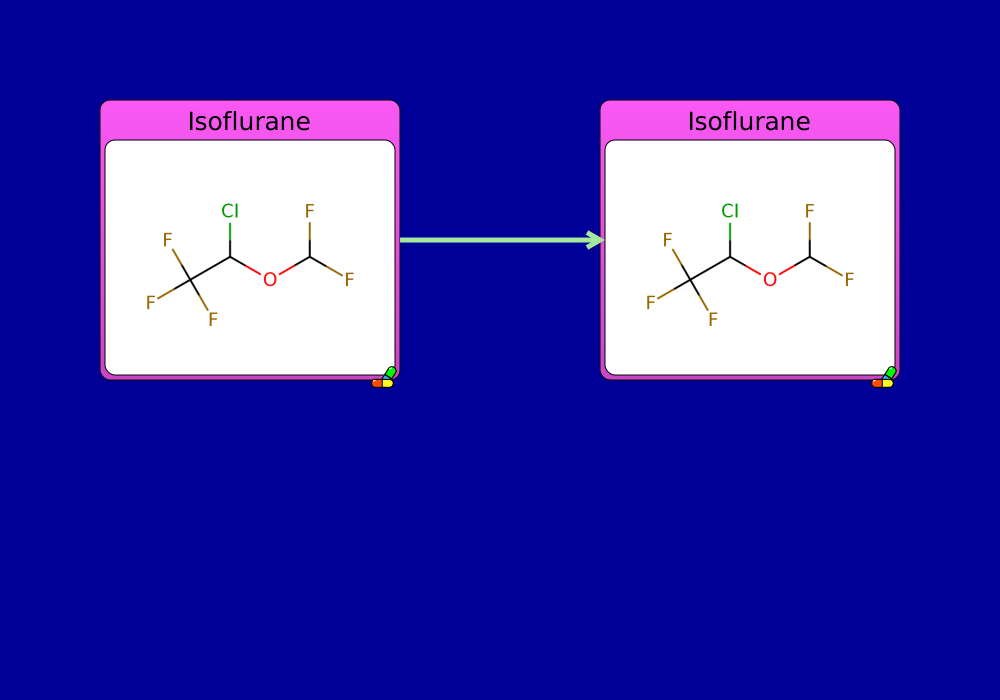 View Pathway
|
drug action
Isoflurane Drug Metabolism Action PathwayHomo sapiens
|
Creator: Ray Kruger Created On: October 07, 2023 at 14:35 Last Updated: October 07, 2023 at 14:35 |
PW127744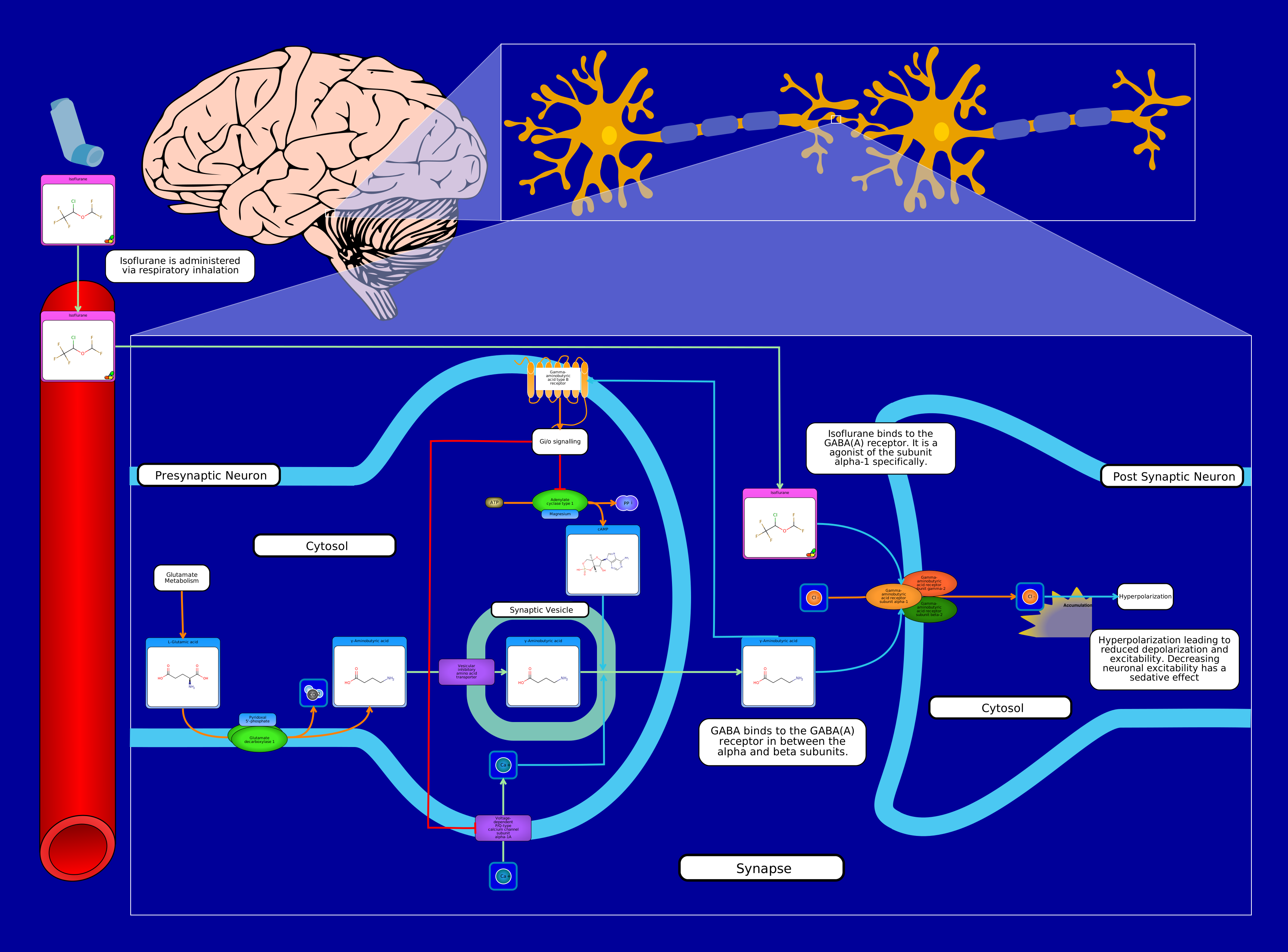 View Pathway
|
drug action
Isoflurane GABA(A) Anesthetic Action PathwayHomo sapiens
Isoflurane is an inhaled general anesthetic used in surgery. It can be found under the brand names Forane and Terrell and is a stable, non-explosive inhalation anesthetic, relatively free from significant side effects. Isoflurane is a general inhalation anesthetic used for induction and maintenance of general anesthesia. It induces muscle relaxation and reduces pains sensitivity by altering tissue excitability. It does so by altering the activity of the channels that underlie the action potential. Isoflurane likely binds to GABA, glutamate and glycine receptors, but has different effects on each receptor. Isoflurane acts as a positive allosteric modulator of the GABAA receptor in electrophysiology studies of neurons and recombinant receptors. GABA-A receptors are predominantly on the post-synaptic membrane, and upon activation, open chloride channels to hyperpolarize the neuron and decreased firing rate. Potentiation of GABAergic neurons produces sedation. Isoflurane binds on the benzodiazepine receptors in the post-synaptic GABA-A ligand-gated chloride channel in different sites of the central nervous system (CNS). This binding will result in an increase on the GABA inhibitory effects which is translated as an increase in the flow of chloride ions into the cell causing hyperpolarization and stabilization of the cellular plasma membrane. Some side effects of using isoflurane may include anxiety, chest tightness, confusion, and shaking.
|
Creator: Hayley Created On: May 30, 2023 at 09:41 Last Updated: May 30, 2023 at 09:41 |