
| PathWhiz ID | Pathway | Meta Data |
|---|---|---|
PW410320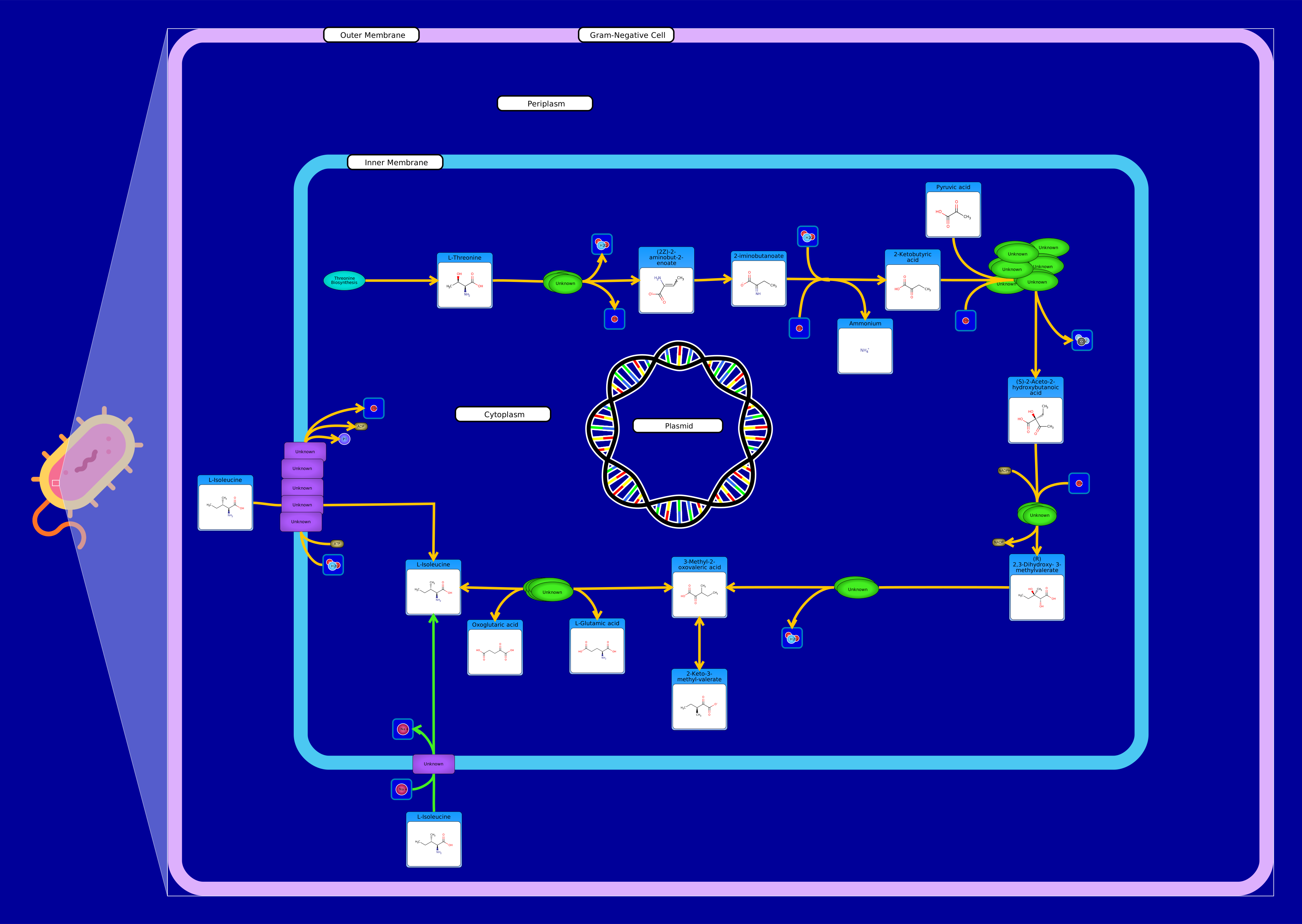 View Pathway
|
Isoleucine BiosynthesisAeromonas caviae Ae398
Isoleucine biosynthesis begins with L-threonine from the threonine biosynthesis pathway. L-threonine interacts with threonine dehydratase biosynthetic releasing water, a hydrogen ion and (2Z)-2-aminobut-2-enoate. The latter is isomerized into a 2-iminobutanoate which interacts with water and a hydrogen ion spontaneously, resulting in the release of ammonium and 2-ketobutyric acid. 2-ketobutyric acid reacts with pyruvic acid and hydrogen ions through an acetohydroxybutanoate synthase / acetolactate synthase 2 resulting in carbon dioxide and (S)-2-Aceto-2-hydroxybutanoic acid. (S)-2-Aceto-2-hydroxybutanoic acid is reduced by an NADPH driven acetohydroxy acid isomeroreductase releasing NADP and acetohydroxy acid isomeroreductase. The latter compound is dehydrated by a dihydroxy acid dehydratase resulting in 3-methyl-2-oxovaleric acid. This compound reacts in a reversible reaction with L-glutamic acid through a Branched-chain-amino-acid aminotransferase resulting in oxoglutaric acid and L-isoleucine.
L-isoleucine can also be transported into the cytoplasm through two different methods: a branched chain amino acid ABC transporter or a branched chain amino acid transporter BrnQy.
|
Creator: Julia Wakoli Created On: December 23, 2024 at 19:13 Last Updated: December 23, 2024 at 19:13 |
PW411146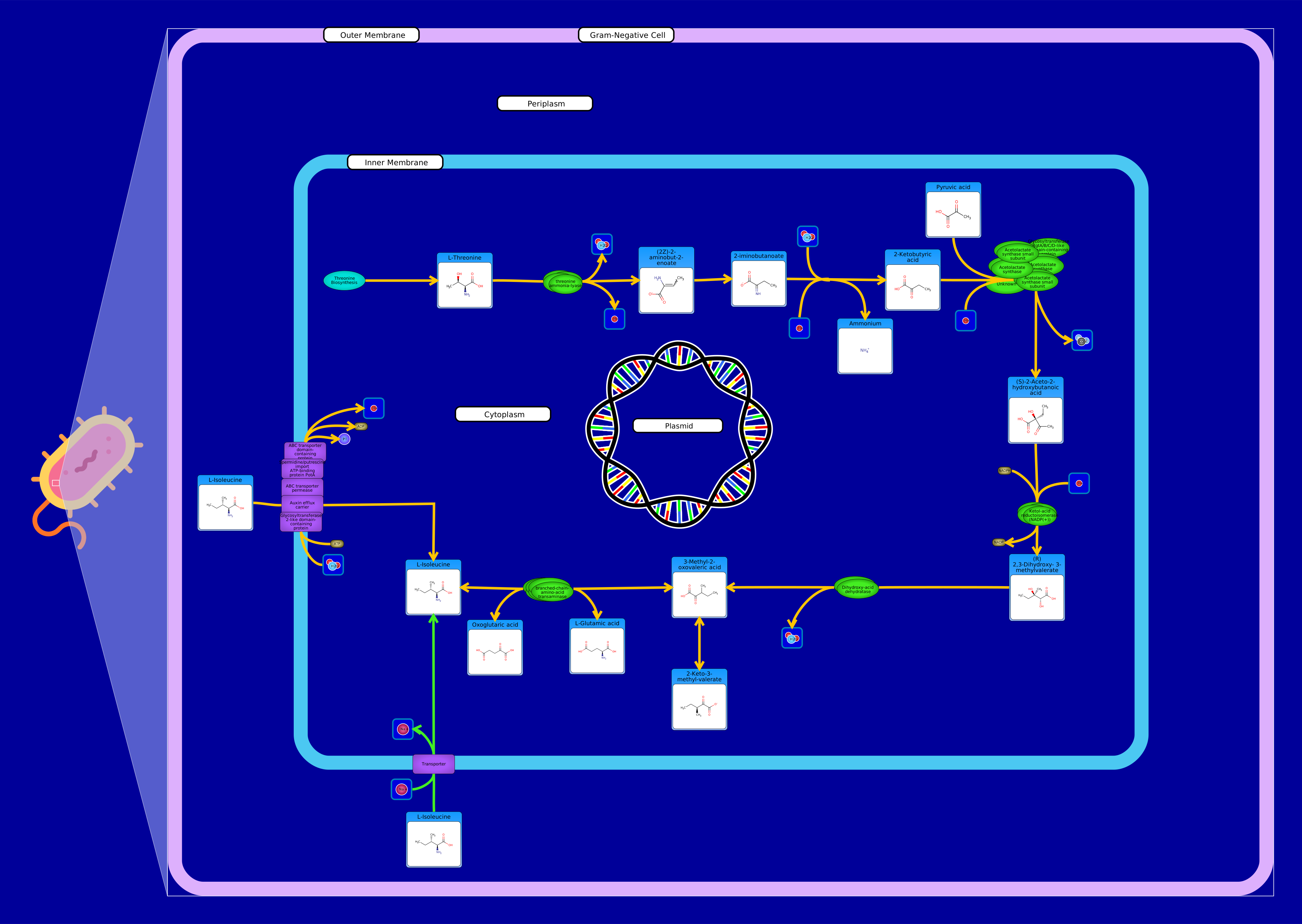 View Pathway
|
Isoleucine Biosynthesis[Bacteroides] pectinophilus ATCC 43243
Isoleucine biosynthesis begins with L-threonine from the threonine biosynthesis pathway. L-threonine interacts with threonine dehydratase biosynthetic releasing water, a hydrogen ion and (2Z)-2-aminobut-2-enoate. The latter is isomerized into a 2-iminobutanoate which interacts with water and a hydrogen ion spontaneously, resulting in the release of ammonium and 2-ketobutyric acid. 2-ketobutyric acid reacts with pyruvic acid and hydrogen ions through an acetohydroxybutanoate synthase / acetolactate synthase 2 resulting in carbon dioxide and (S)-2-Aceto-2-hydroxybutanoic acid. (S)-2-Aceto-2-hydroxybutanoic acid is reduced by an NADPH driven acetohydroxy acid isomeroreductase releasing NADP and acetohydroxy acid isomeroreductase. The latter compound is dehydrated by a dihydroxy acid dehydratase resulting in 3-methyl-2-oxovaleric acid. This compound reacts in a reversible reaction with L-glutamic acid through a Branched-chain-amino-acid aminotransferase resulting in oxoglutaric acid and L-isoleucine.
L-isoleucine can also be transported into the cytoplasm through two different methods: a branched chain amino acid ABC transporter or a branched chain amino acid transporter BrnQy.
|
Creator: Julia Wakoli Created On: December 24, 2024 at 01:21 Last Updated: December 24, 2024 at 01:21 |
PW413584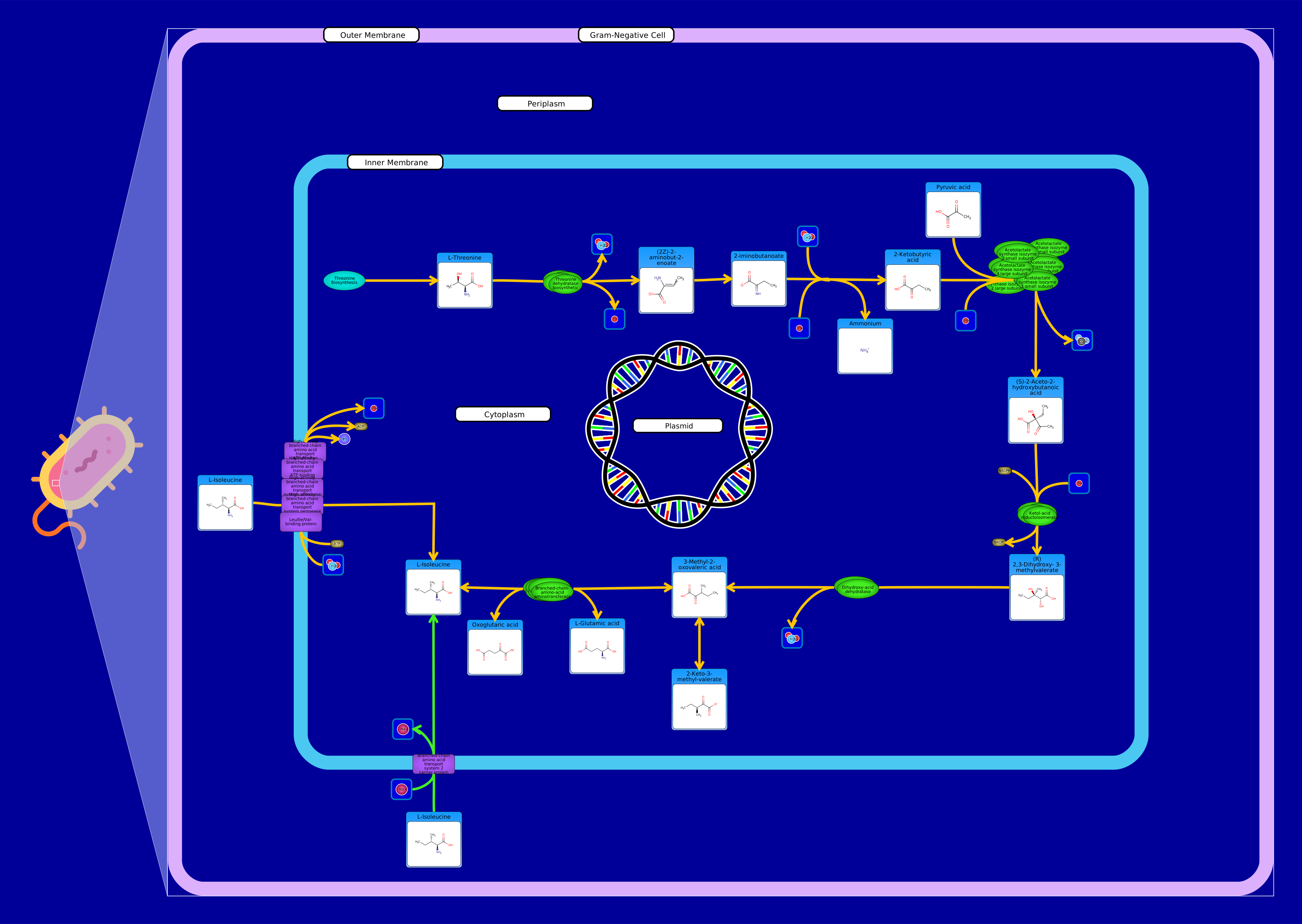 View Pathway
|
Isoleucine BiosynthesisEscherichia coli str. K-12 substr. MG1655
Isoleucine biosynthesis begins with L-threonine from the threonine biosynthesis pathway. L-threonine interacts with threonine dehydratase biosynthetic releasing water, a hydrogen ion and (2Z)-2-aminobut-2-enoate. The latter is isomerized into a 2-iminobutanoate which interacts with water and a hydrogen ion spontaneously, resulting in the release of ammonium and 2-ketobutyric acid. 2-ketobutyric acid reacts with pyruvic acid and hydrogen ions through an acetohydroxybutanoate synthase / acetolactate synthase 2 resulting in carbon dioxide and (S)-2-Aceto-2-hydroxybutanoic acid. (S)-2-Aceto-2-hydroxybutanoic acid is reduced by an NADPH driven acetohydroxy acid isomeroreductase releasing NADP and acetohydroxy acid isomeroreductase. The latter compound is dehydrated by a dihydroxy acid dehydratase resulting in 3-methyl-2-oxovaleric acid. This compound reacts in a reversible reaction with L-glutamic acid through a Branched-chain-amino-acid aminotransferase resulting in oxoglutaric acid and L-isoleucine.
L-isoleucine can also be transported into the cytoplasm through two different methods: a branched chain amino acid ABC transporter or a branched chain amino acid transporter BrnQy.
|
Creator: Julia Wakoli Created On: December 25, 2024 at 11:37 Last Updated: December 25, 2024 at 11:37 |
PW406832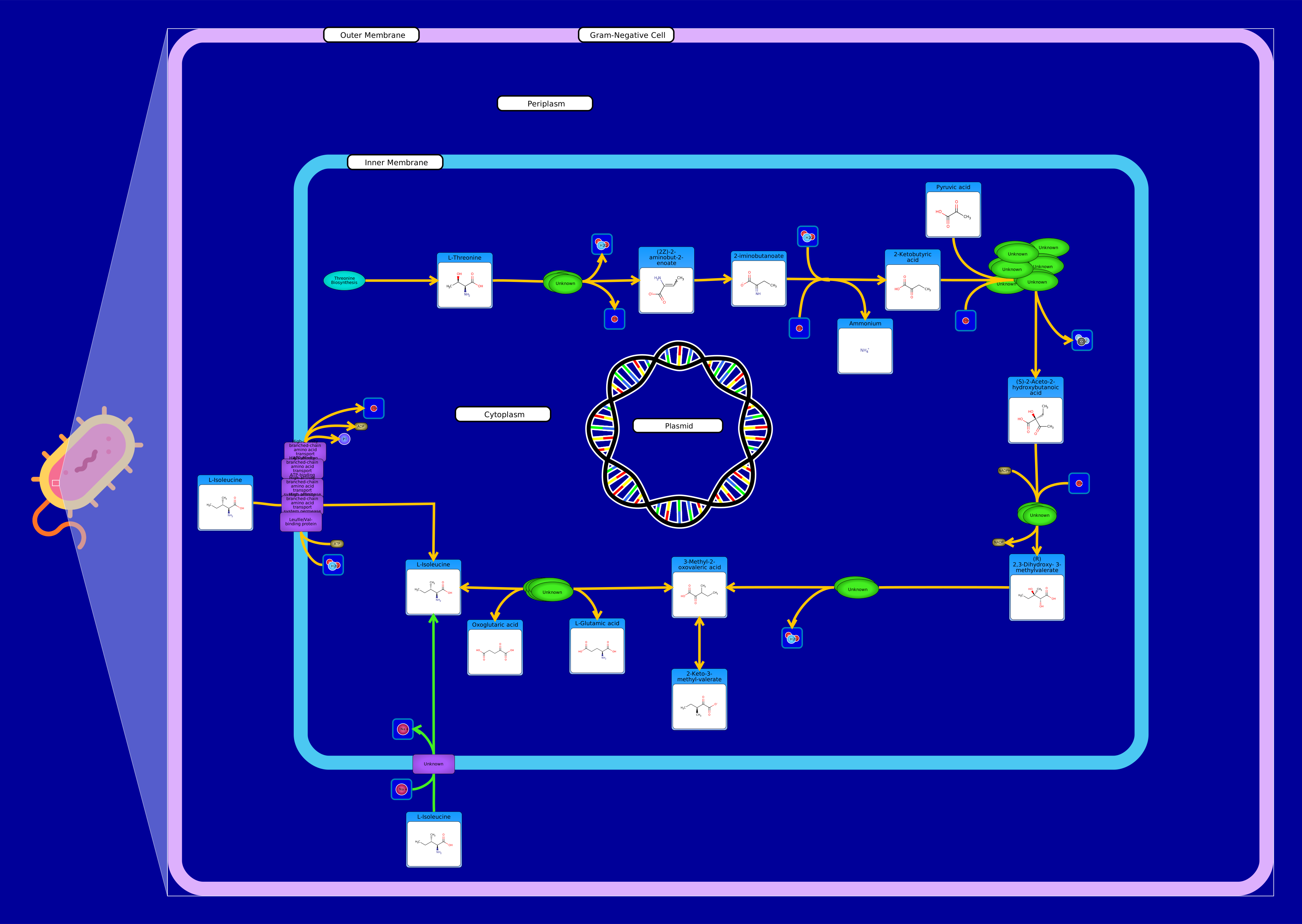 View Pathway
|
Isoleucine BiosynthesisEscherichia coli K-12
Isoleucine biosynthesis begins with L-threonine from the threonine biosynthesis pathway. L-threonine interacts with threonine dehydratase biosynthetic releasing water, a hydrogen ion and (2Z)-2-aminobut-2-enoate. The latter is isomerized into a 2-iminobutanoate which interacts with water and a hydrogen ion spontaneously, resulting in the release of ammonium and 2-ketobutyric acid. 2-ketobutyric acid reacts with pyruvic acid and hydrogen ions through an acetohydroxybutanoate synthase / acetolactate synthase 2 resulting in carbon dioxide and (S)-2-Aceto-2-hydroxybutanoic acid. (S)-2-Aceto-2-hydroxybutanoic acid is reduced by an NADPH driven acetohydroxy acid isomeroreductase releasing NADP and acetohydroxy acid isomeroreductase. The latter compound is dehydrated by a dihydroxy acid dehydratase resulting in 3-methyl-2-oxovaleric acid. This compound reacts in a reversible reaction with L-glutamic acid through a Branched-chain-amino-acid aminotransferase resulting in oxoglutaric acid and L-isoleucine.
L-isoleucine can also be transported into the cytoplasm through two different methods: a branched chain amino acid ABC transporter or a branched chain amino acid transporter BrnQy.
|
Creator: Julia Wakoli Created On: December 22, 2024 at 16:52 Last Updated: December 22, 2024 at 16:52 |
PW408927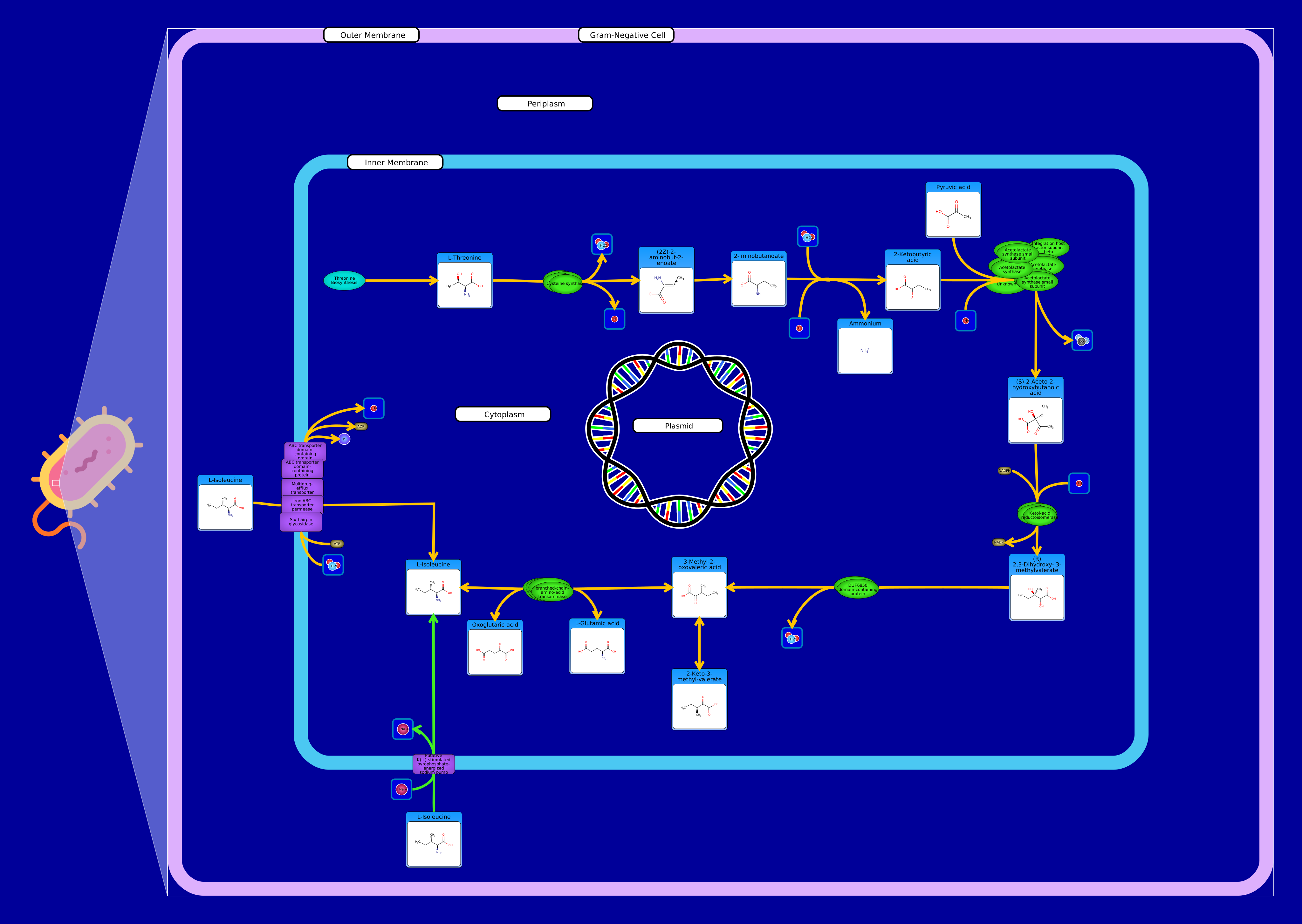 View Pathway
|
Isoleucine BiosynthesisBacteroides sp. 1_1_30
Isoleucine biosynthesis begins with L-threonine from the threonine biosynthesis pathway. L-threonine interacts with threonine dehydratase biosynthetic releasing water, a hydrogen ion and (2Z)-2-aminobut-2-enoate. The latter is isomerized into a 2-iminobutanoate which interacts with water and a hydrogen ion spontaneously, resulting in the release of ammonium and 2-ketobutyric acid. 2-ketobutyric acid reacts with pyruvic acid and hydrogen ions through an acetohydroxybutanoate synthase / acetolactate synthase 2 resulting in carbon dioxide and (S)-2-Aceto-2-hydroxybutanoic acid. (S)-2-Aceto-2-hydroxybutanoic acid is reduced by an NADPH driven acetohydroxy acid isomeroreductase releasing NADP and acetohydroxy acid isomeroreductase. The latter compound is dehydrated by a dihydroxy acid dehydratase resulting in 3-methyl-2-oxovaleric acid. This compound reacts in a reversible reaction with L-glutamic acid through a Branched-chain-amino-acid aminotransferase resulting in oxoglutaric acid and L-isoleucine.
L-isoleucine can also be transported into the cytoplasm through two different methods: a branched chain amino acid ABC transporter or a branched chain amino acid transporter BrnQy.
|
Creator: Julia Wakoli Created On: December 23, 2024 at 08:46 Last Updated: December 23, 2024 at 08:46 |
PW409021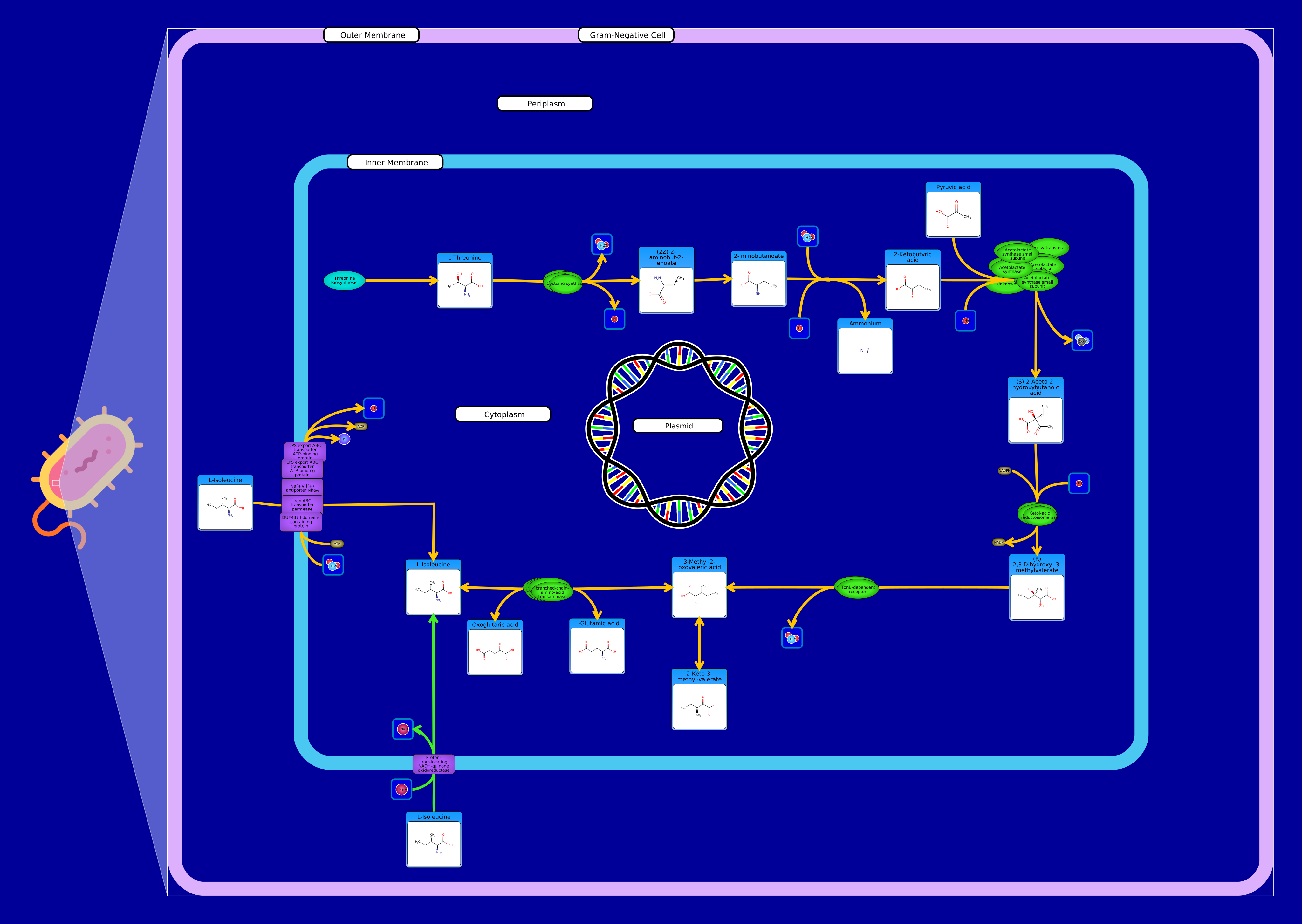 View Pathway
|
Isoleucine BiosynthesisBacteroides sp. 4_1_36
Isoleucine biosynthesis begins with L-threonine from the threonine biosynthesis pathway. L-threonine interacts with threonine dehydratase biosynthetic releasing water, a hydrogen ion and (2Z)-2-aminobut-2-enoate. The latter is isomerized into a 2-iminobutanoate which interacts with water and a hydrogen ion spontaneously, resulting in the release of ammonium and 2-ketobutyric acid. 2-ketobutyric acid reacts with pyruvic acid and hydrogen ions through an acetohydroxybutanoate synthase / acetolactate synthase 2 resulting in carbon dioxide and (S)-2-Aceto-2-hydroxybutanoic acid. (S)-2-Aceto-2-hydroxybutanoic acid is reduced by an NADPH driven acetohydroxy acid isomeroreductase releasing NADP and acetohydroxy acid isomeroreductase. The latter compound is dehydrated by a dihydroxy acid dehydratase resulting in 3-methyl-2-oxovaleric acid. This compound reacts in a reversible reaction with L-glutamic acid through a Branched-chain-amino-acid aminotransferase resulting in oxoglutaric acid and L-isoleucine.
L-isoleucine can also be transported into the cytoplasm through two different methods: a branched chain amino acid ABC transporter or a branched chain amino acid transporter BrnQy.
|
Creator: Julia Wakoli Created On: December 23, 2024 at 09:25 Last Updated: December 23, 2024 at 09:25 |
PW409932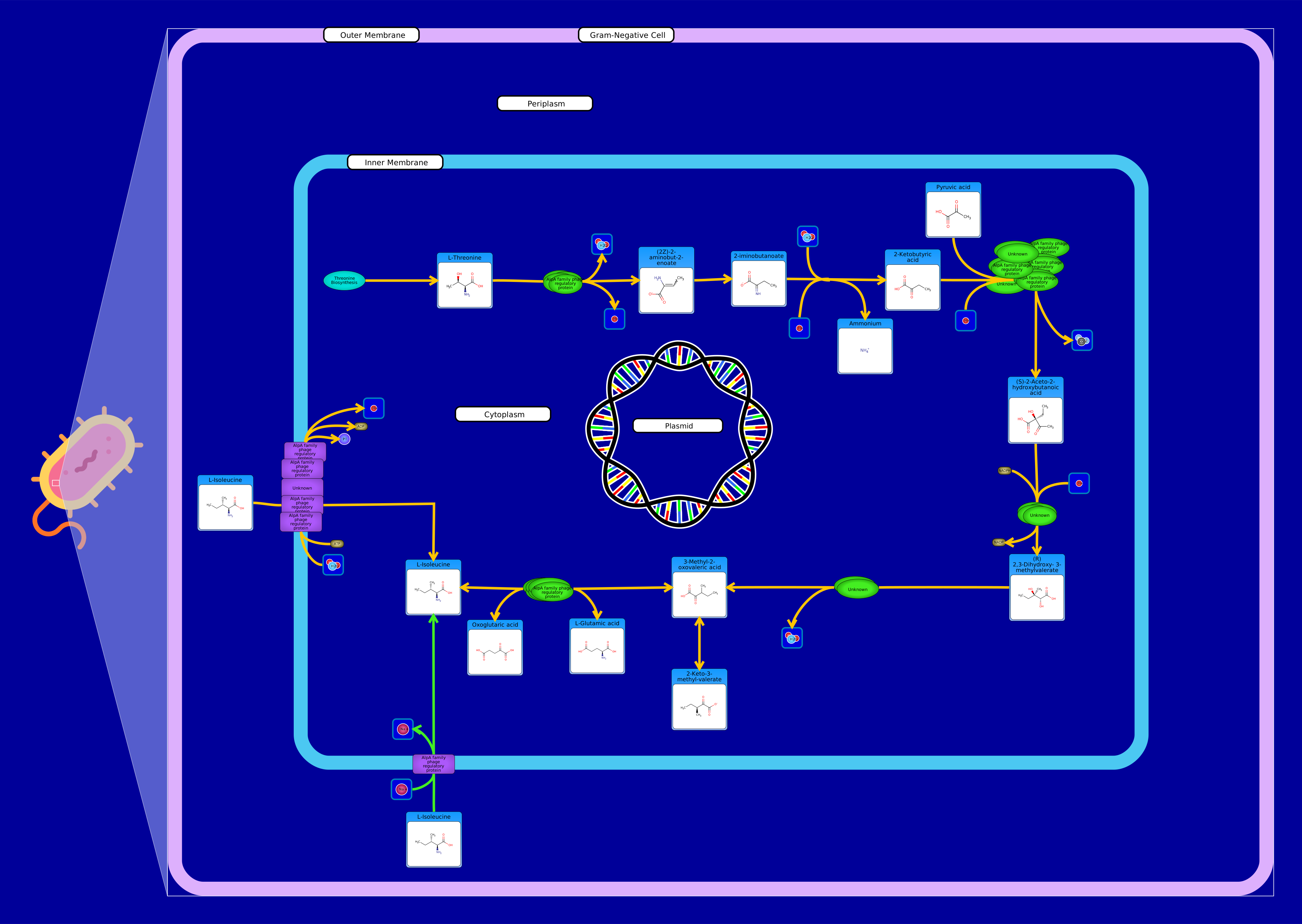 View Pathway
|
Isoleucine BiosynthesisAchromobacter xylosoxidans NBRC 15126 = ATCC 27061
Isoleucine biosynthesis begins with L-threonine from the threonine biosynthesis pathway. L-threonine interacts with threonine dehydratase biosynthetic releasing water, a hydrogen ion and (2Z)-2-aminobut-2-enoate. The latter is isomerized into a 2-iminobutanoate which interacts with water and a hydrogen ion spontaneously, resulting in the release of ammonium and 2-ketobutyric acid. 2-ketobutyric acid reacts with pyruvic acid and hydrogen ions through an acetohydroxybutanoate synthase / acetolactate synthase 2 resulting in carbon dioxide and (S)-2-Aceto-2-hydroxybutanoic acid. (S)-2-Aceto-2-hydroxybutanoic acid is reduced by an NADPH driven acetohydroxy acid isomeroreductase releasing NADP and acetohydroxy acid isomeroreductase. The latter compound is dehydrated by a dihydroxy acid dehydratase resulting in 3-methyl-2-oxovaleric acid. This compound reacts in a reversible reaction with L-glutamic acid through a Branched-chain-amino-acid aminotransferase resulting in oxoglutaric acid and L-isoleucine.
L-isoleucine can also be transported into the cytoplasm through two different methods: a branched chain amino acid ABC transporter or a branched chain amino acid transporter BrnQy.
|
Creator: Julia Wakoli Created On: December 23, 2024 at 16:09 Last Updated: December 23, 2024 at 16:09 |
PW409886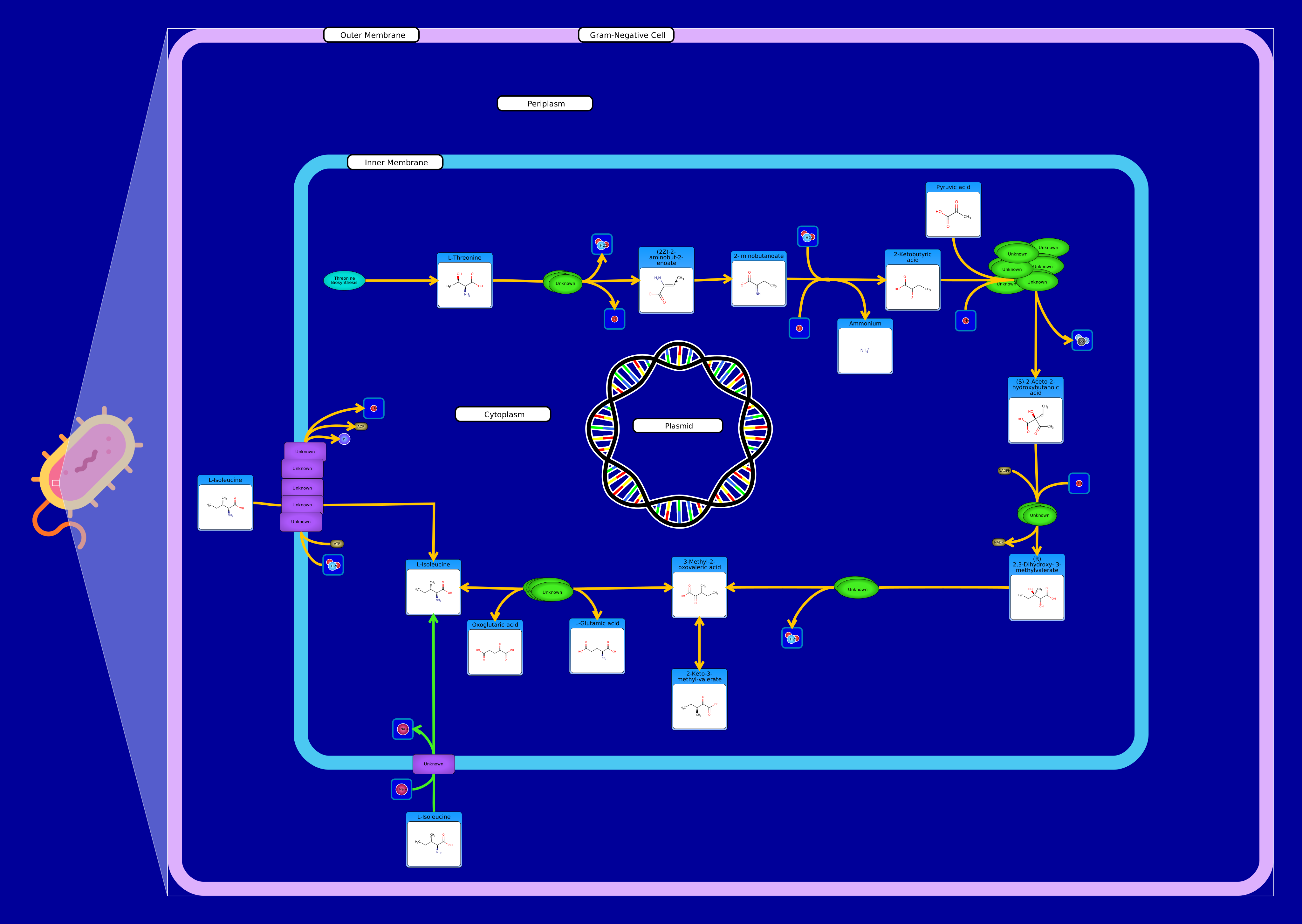 View Pathway
|
Isoleucine BiosynthesisMethylobacterium mesophilicum SR1.6/6
Isoleucine biosynthesis begins with L-threonine from the threonine biosynthesis pathway. L-threonine interacts with threonine dehydratase biosynthetic releasing water, a hydrogen ion and (2Z)-2-aminobut-2-enoate. The latter is isomerized into a 2-iminobutanoate which interacts with water and a hydrogen ion spontaneously, resulting in the release of ammonium and 2-ketobutyric acid. 2-ketobutyric acid reacts with pyruvic acid and hydrogen ions through an acetohydroxybutanoate synthase / acetolactate synthase 2 resulting in carbon dioxide and (S)-2-Aceto-2-hydroxybutanoic acid. (S)-2-Aceto-2-hydroxybutanoic acid is reduced by an NADPH driven acetohydroxy acid isomeroreductase releasing NADP and acetohydroxy acid isomeroreductase. The latter compound is dehydrated by a dihydroxy acid dehydratase resulting in 3-methyl-2-oxovaleric acid. This compound reacts in a reversible reaction with L-glutamic acid through a Branched-chain-amino-acid aminotransferase resulting in oxoglutaric acid and L-isoleucine.
L-isoleucine can also be transported into the cytoplasm through two different methods: a branched chain amino acid ABC transporter or a branched chain amino acid transporter BrnQy.
|
Creator: Julia Wakoli Created On: December 23, 2024 at 15:49 Last Updated: December 23, 2024 at 15:49 |
PW409874 View Pathway
|
Isoleucine BiosynthesisRoseomonas mucosa ATCC BAA-692
Isoleucine biosynthesis begins with L-threonine from the threonine biosynthesis pathway. L-threonine interacts with threonine dehydratase biosynthetic releasing water, a hydrogen ion and (2Z)-2-aminobut-2-enoate. The latter is isomerized into a 2-iminobutanoate which interacts with water and a hydrogen ion spontaneously, resulting in the release of ammonium and 2-ketobutyric acid. 2-ketobutyric acid reacts with pyruvic acid and hydrogen ions through an acetohydroxybutanoate synthase / acetolactate synthase 2 resulting in carbon dioxide and (S)-2-Aceto-2-hydroxybutanoic acid. (S)-2-Aceto-2-hydroxybutanoic acid is reduced by an NADPH driven acetohydroxy acid isomeroreductase releasing NADP and acetohydroxy acid isomeroreductase. The latter compound is dehydrated by a dihydroxy acid dehydratase resulting in 3-methyl-2-oxovaleric acid. This compound reacts in a reversible reaction with L-glutamic acid through a Branched-chain-amino-acid aminotransferase resulting in oxoglutaric acid and L-isoleucine.
L-isoleucine can also be transported into the cytoplasm through two different methods: a branched chain amino acid ABC transporter or a branched chain amino acid transporter BrnQy.
|
Creator: Julia Wakoli Created On: December 23, 2024 at 15:45 Last Updated: December 23, 2024 at 15:45 |
PW409918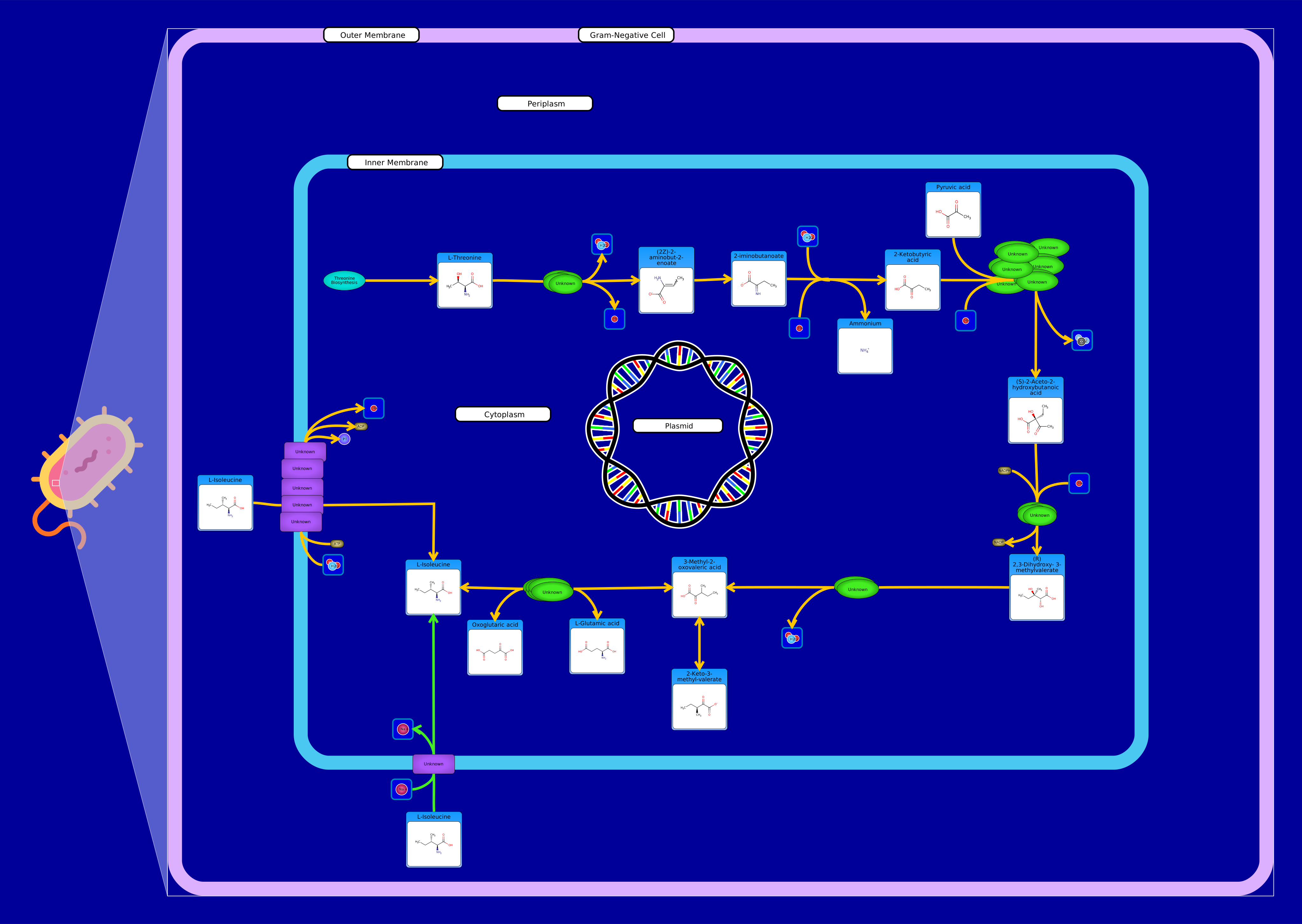 View Pathway
|
Isoleucine BiosynthesisBordetella hinzii OH87 BAL007II
Isoleucine biosynthesis begins with L-threonine from the threonine biosynthesis pathway. L-threonine interacts with threonine dehydratase biosynthetic releasing water, a hydrogen ion and (2Z)-2-aminobut-2-enoate. The latter is isomerized into a 2-iminobutanoate which interacts with water and a hydrogen ion spontaneously, resulting in the release of ammonium and 2-ketobutyric acid. 2-ketobutyric acid reacts with pyruvic acid and hydrogen ions through an acetohydroxybutanoate synthase / acetolactate synthase 2 resulting in carbon dioxide and (S)-2-Aceto-2-hydroxybutanoic acid. (S)-2-Aceto-2-hydroxybutanoic acid is reduced by an NADPH driven acetohydroxy acid isomeroreductase releasing NADP and acetohydroxy acid isomeroreductase. The latter compound is dehydrated by a dihydroxy acid dehydratase resulting in 3-methyl-2-oxovaleric acid. This compound reacts in a reversible reaction with L-glutamic acid through a Branched-chain-amino-acid aminotransferase resulting in oxoglutaric acid and L-isoleucine.
L-isoleucine can also be transported into the cytoplasm through two different methods: a branched chain amino acid ABC transporter or a branched chain amino acid transporter BrnQy.
|
Creator: Julia Wakoli Created On: December 23, 2024 at 16:04 Last Updated: December 23, 2024 at 16:04 |