
| PathWhiz ID | Pathway | Meta Data |
|---|---|---|
PW124068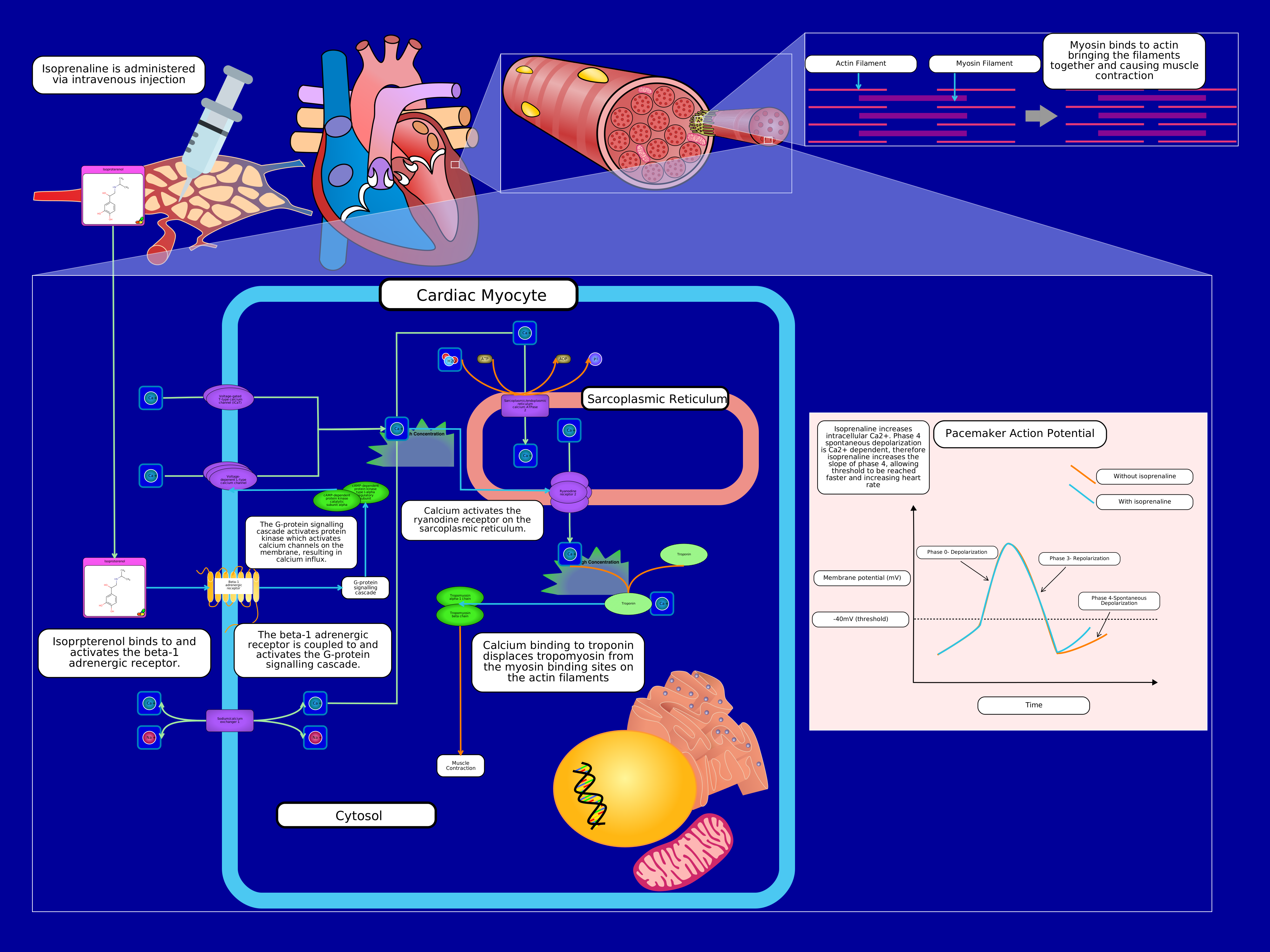 View Pathway
|
drug action
Isoprenaline B1-Adrenergic Cardiac Muscle Contraction Action PathwayHomo sapiens
Isoprenaline (also called isoproterenol) is a non-selective beta-adrenergic agonist. It is administered via IV or oral inhalation and is used to treat conditions including mild or transient episodes of heart block that do not require pacing, serious episodes of heart block and Adams-Stokes attacks (except when caused by ventricular tachycardia or fibrillation), cardiac arrest until electric shock or pacemaker therapy is available, bronchospasm occurring during anesthesia, and as an adjunct to in the treatment of hypovolemic and septic shock, low cardiac output states, congestive heart failure, and cardiogenic shock.
The actions of isoprenaline are mostly observed in heart muscle, where it binds to beta-1 adrenergic receptors, and smooth muscle (bronchi, blood vessel, GI tract and uterus), where it exerts it’s effects via beta-2 adrenergic receptors.
In the heart, isoprenaline binds to and activates the beta-1 adrenergic receptor, which is coupled to the G-protein signaling cascade. Activation of the receptor activates the signaling cascade which leads to activated protein kinase. Protein kinase activates calcium channels in the membrane, causing them to open and allow Ca2+ to enter the cell. Due to this effect, there is high concentration of Ca2+ in the cell. Ca2+ activates the ryanodine receptor on the sarcoplasmic reticulum, which transports Ca2+ from the sarcoplasmic reticulum into the cytosol. the high concentration of Ca2+ in the cytosol binds to troponin to cause muscle contraction. The high concentration of Ca2+ means that more Ca2+ binds to troponin, increasing inotropy.
In non-cardiac myocytes, an increase in intracellular Ca2+ increases the slop of phase 4 of the action potential. The threshold is reached faster, therefore, the heart rate is increased.
In the smooth muscle, Ca2+-calmodulin complex activates myosin-LC kinase which activates myosin-LC. The activated myosin-LC causes contraction.
Isoprenaline binds to and activates beta-2 adrenergic receptor, activating the G-protein signaling cascade. The G-protein signaling cascade produces cAMP, which inhibits myosin-LC kinase. This prevents the activation of myosin-LC and as a result, decreases smooth muscle contraction.
Possible side effects from taking isoprenaline include headache, dizziness, upset stomach, flushing, fatigue, nervousness, angina, hypotension, hypertension, palpitations, ventricular arrhythmia, tachycardia, adams-stokes syndrome, dyspnea, edema, blurred vision, nausea, vomiting, tremor, weakness.
|
Creator: Karxena Harford Created On: August 12, 2020 at 03:57 Last Updated: August 12, 2020 at 03:57 |
PW145156 View Pathway
|
drug action
Isoprenaline Drug Metabolism Action PathwayHomo sapiens
|
Creator: Ray Kruger Created On: October 07, 2023 at 15:11 Last Updated: October 07, 2023 at 15:11 |
PW125903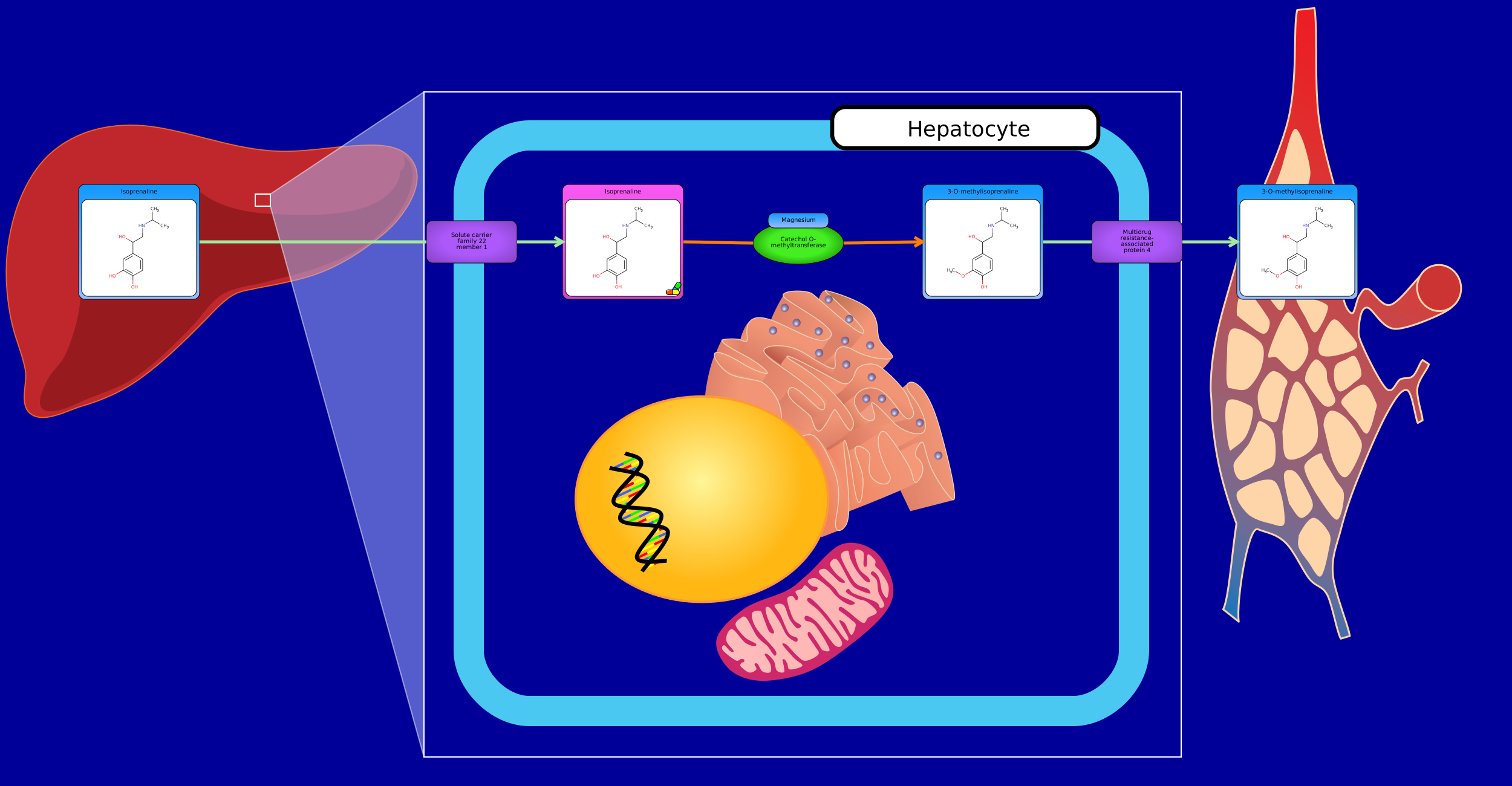 View Pathway
|
Isoprenaline Metabolic pathwayHomo sapiens
Isoprenaline is predominantly metabolized to glucuronide conjugates. Isoprenaline can also be O-methylated by catechol O-methyltransferase to the metabolite 3-O-methylisoprenaline, which can also be further glucuronidated. (DrugBank)
|
Creator: Dorsa Yahya Rayat Created On: April 27, 2021 at 05:45 Last Updated: April 27, 2021 at 05:45 |
PW145488 View Pathway
|
drug action
Isopropamide Drug Metabolism Action PathwayHomo sapiens
|
Creator: Ray Kruger Created On: October 07, 2023 at 15:56 Last Updated: October 07, 2023 at 15:56 |
PW176212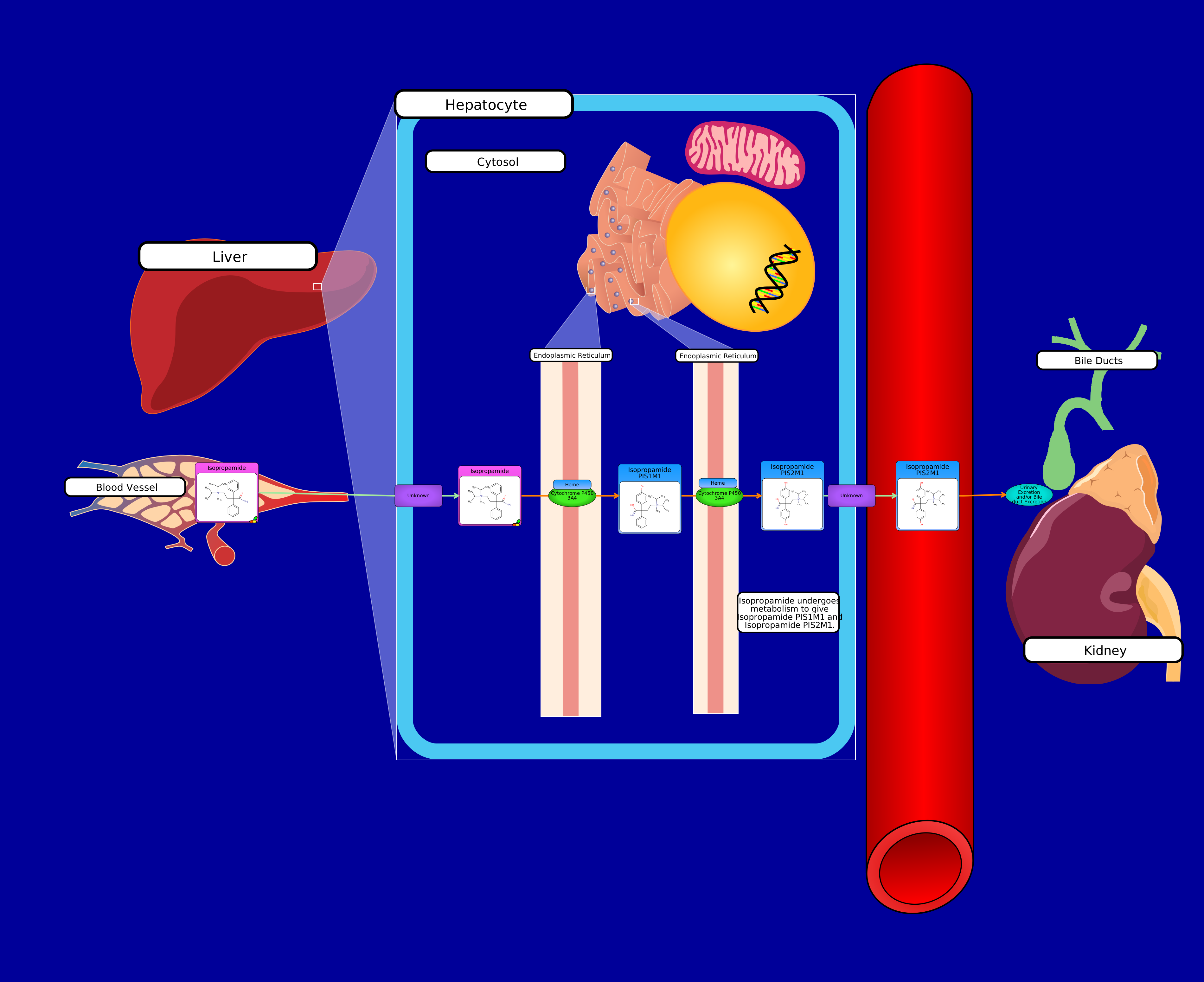 View Pathway
|
Isopropamide Predicted Metabolism PathwayHomo sapiens
Metabolites of Isopropamide are predicted with biotransformer.
|
Creator: Omolola Created On: December 04, 2023 at 12:44 Last Updated: December 04, 2023 at 12:44 |
PW145507 View Pathway
|
drug action
Isopropyl alcohol Drug Metabolism Action PathwayHomo sapiens
|
Creator: Ray Kruger Created On: October 07, 2023 at 15:58 Last Updated: October 07, 2023 at 15:58 |
PW146717 View Pathway
|
drug action
Isopropyl myristate Drug Metabolism Action PathwayHomo sapiens
|
Creator: Ray Kruger Created On: October 07, 2023 at 18:52 Last Updated: October 07, 2023 at 18:52 |
PW064433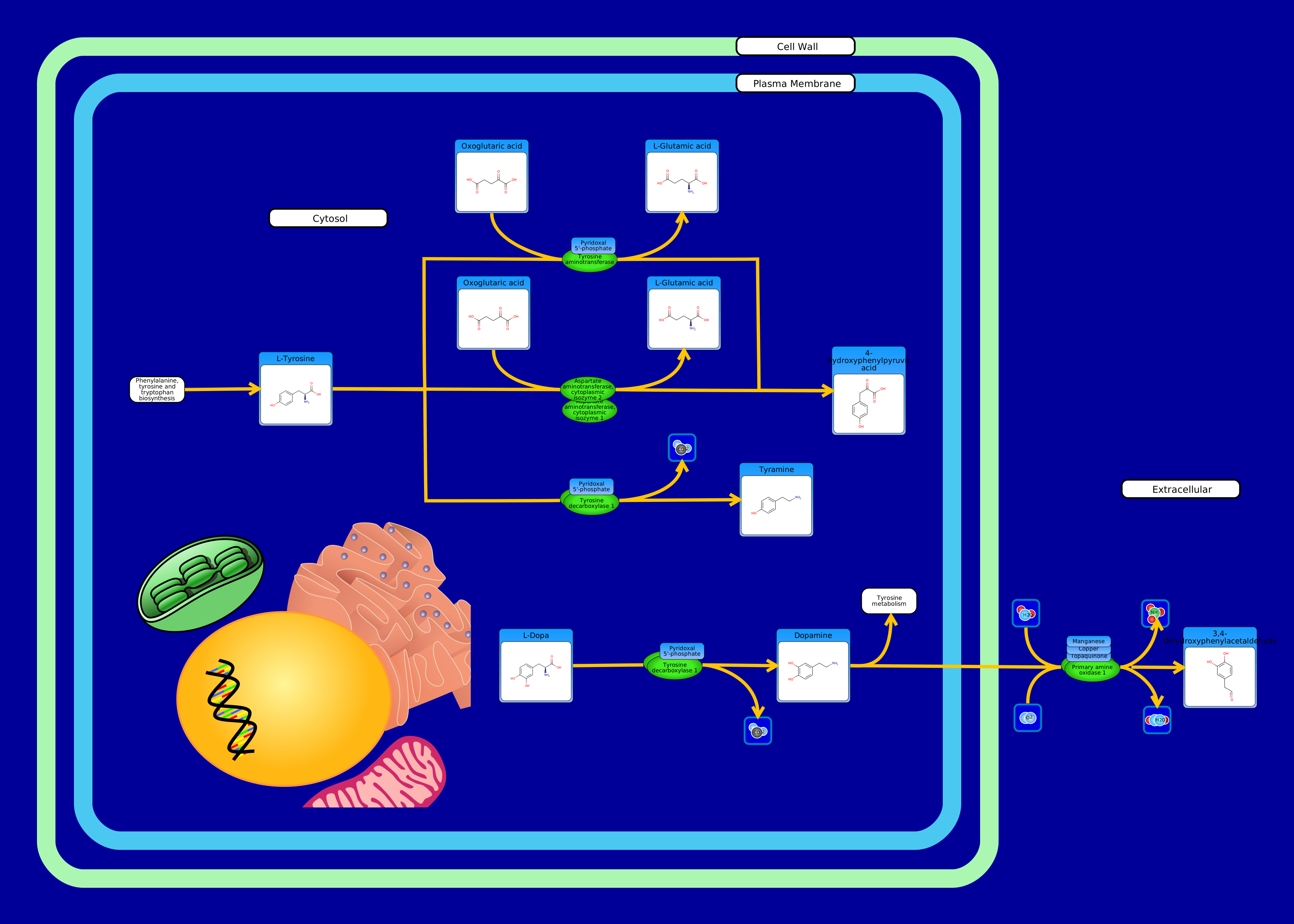 View Pathway
|
Isoquinoline Alkaloid BiosynthesisArabidopsis thaliana
Isoquinoline alkaloids are a group of alkaloids which are derived from from tyrosine, some of which have medical applications (PMID:23666088). Typically, the isoquinoline alkaloid biosynthesis pathway begins with L-tyrosine (PMID:23666088). In Arabidopsis thaliana, there are some known reactions of this pathway. With catalyzation by either tyrosine aminotransferase or aspartate aminotransferase, L-tyrosine is reacted with oxoglutaric acid to produce hydroxyphenylpyruvic acid and L-glutamic acid. Alternatively, L-tyrosine may undergo decarboxylation to become tyramine with catalyzation by tyrosine decarboxylase. The hydroxylated form of L-tyrosine, L-dopa, may also undergo decarboxylation catalyzed by tyrosine decarboxylate, forming dopamine. Dopamine may be then used in other pathways, such as the tyrosine metabolism pathway, or undergo further reaction with catalyzation by amine oxidase to produce 3,4-dihydroxyphenylacetaldehyde.
|
Creator: Elvis Lo Created On: December 05, 2017 at 09:07 Last Updated: December 05, 2017 at 09:07 |
PW126823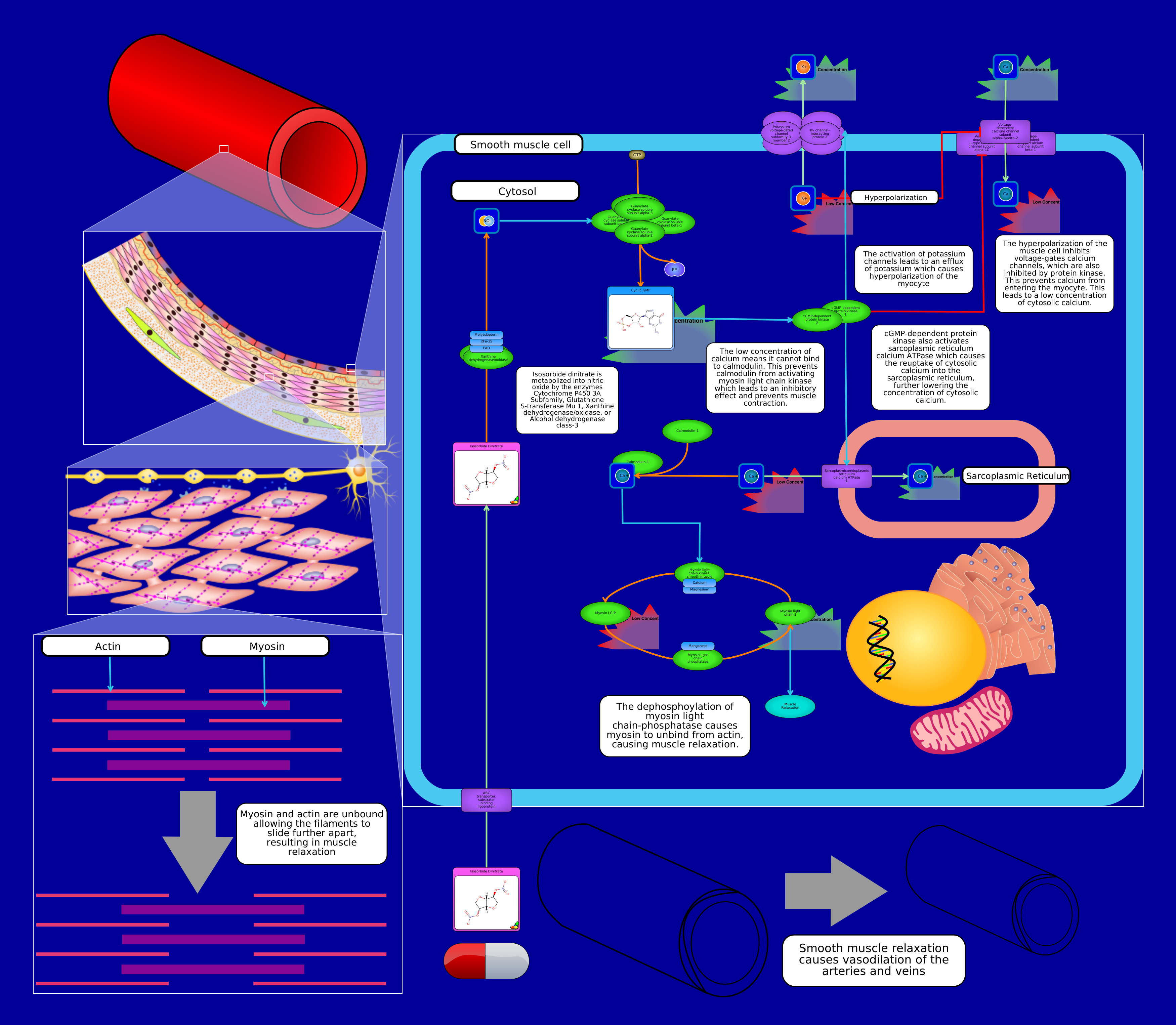 View Pathway
|
drug action
Isosorbide Dinitrate Action PathwayHomo sapiens
Isosorbide dinitrate is an organic nitrate and an antianginal drug used to treat Angina Pectoris through vasodilation. It is an active metabolite of isosorbide dinitrate. As a organic nitrate, it is a prodrug for nitric oxide, which is a gas that is a potent vasodilator. Isosorbide dinitrate works on arteries and veins, but predominately acts on veins to reduce cardiac preload. It has a longer duration of action compared to nitroglycerin.
Isosorbide dinitrate enters the smooth muscle cell or myocyte through an unknown transporter. It is then metabolized in the cytosol into nitric oxide by P450 enzymes, xanthine oxidoreductase (XO), glutathione-S-transferase (GST), or cytosolic aldehyde dehydrogenase isoforms. Nitric oxide activates Guanylate cyclase which catalyzes GTP into cGMP. cGMP activates cGMP-dependent protein kinase. Activated protein kinase has many interactions within the myocyte. Protein kinase activates potassium channels which causes potassium to leave the myocyte. This causes hyperpolarization in the cell. This prevents the voltage-gated calcium channels from opening and allowing calcium into the cell. This is also prevented by protein kinase inhibiting the voltage-gated calcium channels. This along with the activation of calcium pumps out of the cell and into the sarcoplasmic reticulum causes the cytosolic concentration of calcium to be very low. Low concentrations of calcium cannot bind to calmodulin which means calmodulin cannot activate myosin light chain kinase. With myosin light chain kinase unable to activate, myosin light chain cannot be phosphorylated which means that it is dephosphorylated by myosin light chain phosphatase. The accumulation of myosin light chain causes myosin to unbind from actin and the muscle to relax. The relaxation of smooth muscles around blood vessels causes vasodilation. This leads to the effects of decreased cardiac oxygen consumption, redistribution coronary flow toward ischemic areas via collaterals, and the relief of coronary spasms.
|
Creator: Ray Kruger Created On: April 07, 2022 at 11:20 Last Updated: April 07, 2022 at 11:20 |
PW132309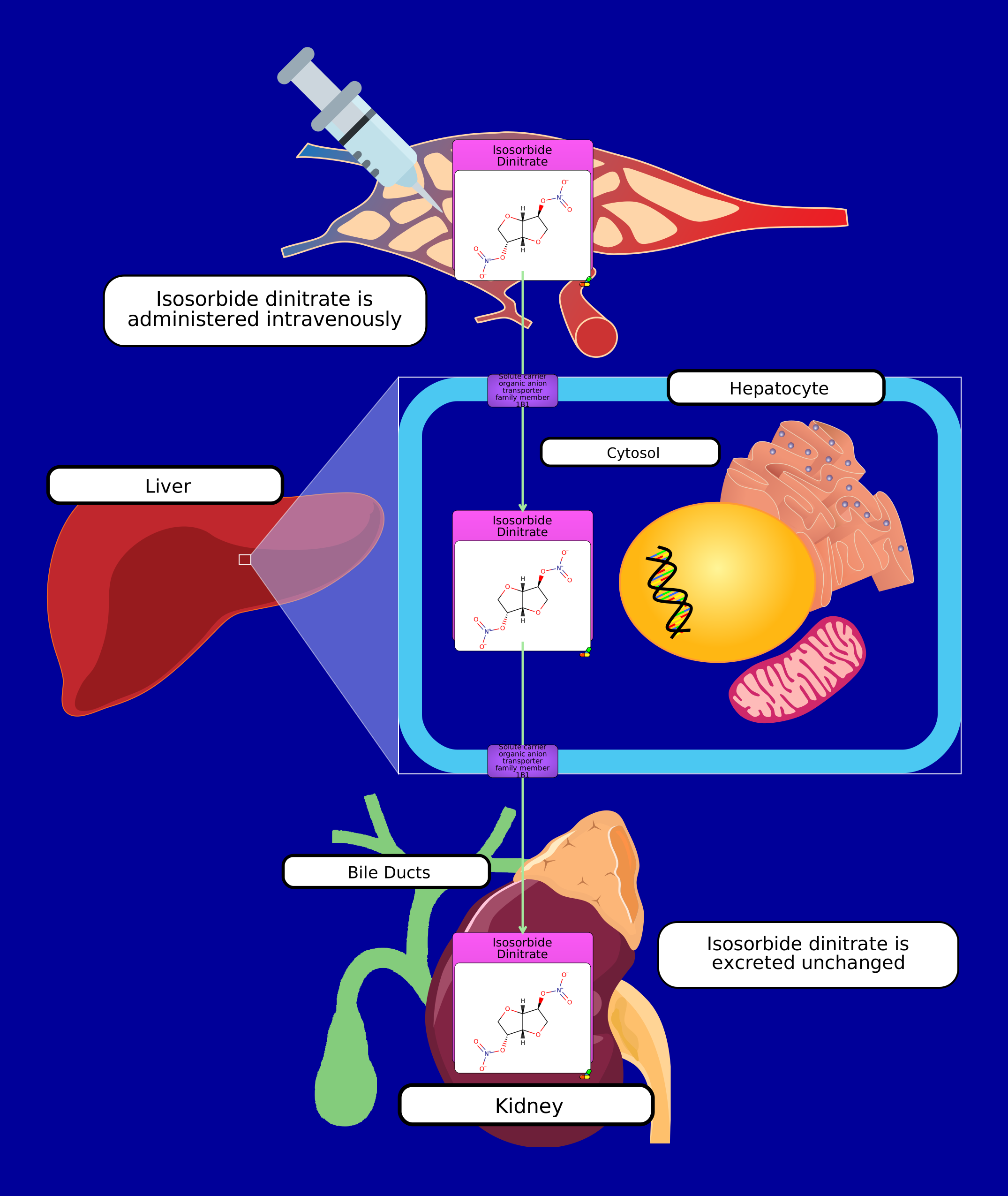 View Pathway
|
Isosorbide dinitrate Drug MetabolismHomo sapiens
Isosorbide dinitrate is a drug that is not metabolized by the human body as determined by current research and biotransformer analysis. Isosorbide dinitrate passes through the liver and is then excreted from the body mainly through the kidney.
|
Creator: Ray Kruger Created On: September 21, 2023 at 20:49 Last Updated: September 21, 2023 at 20:49 |