
| PathWhiz ID | Pathway | Meta Data |
|---|---|---|
PW127241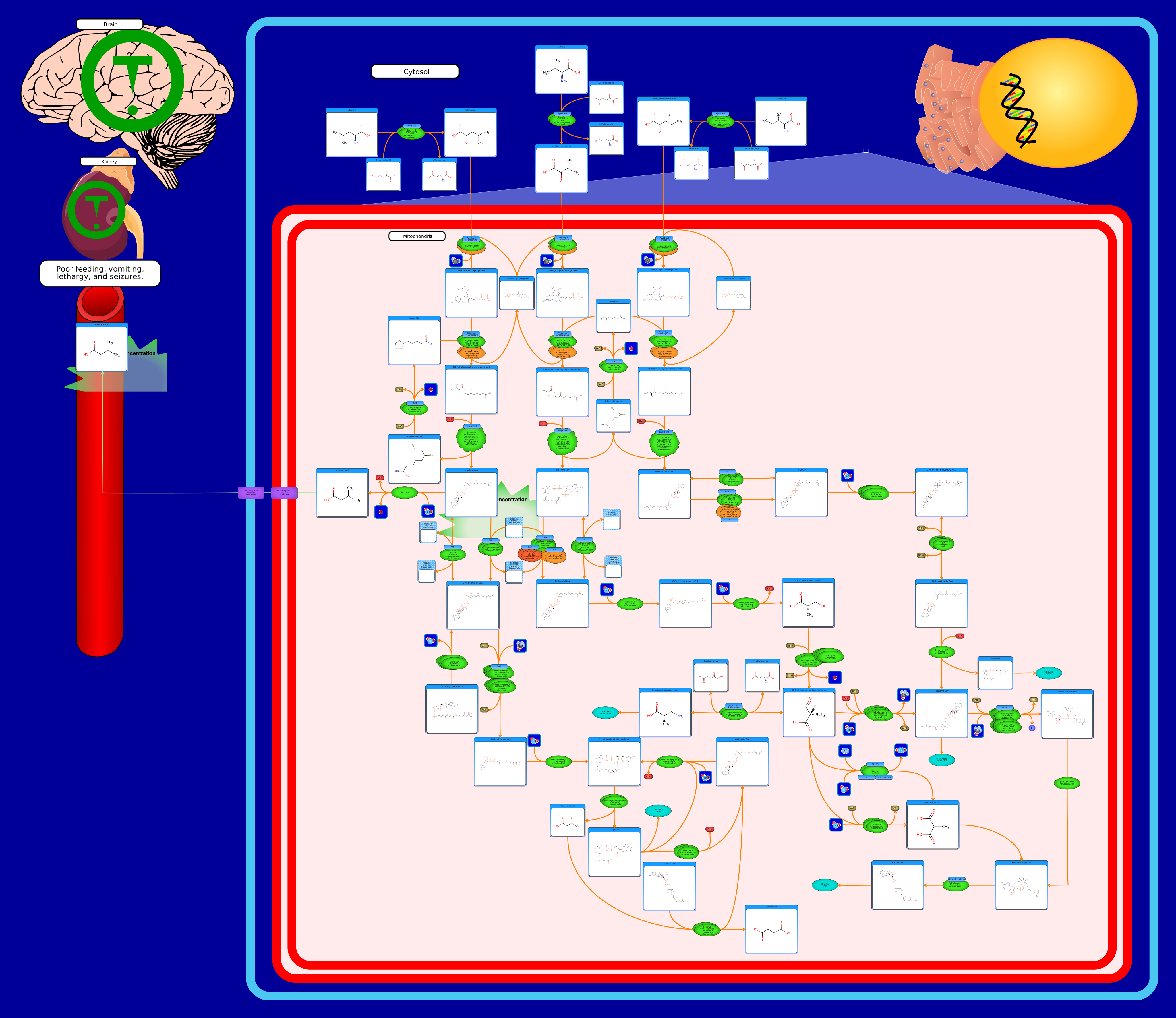 View Pathway
|
disease
Isovaleric AcidemiaHomo sapiens
Isovaleric academia, also called IVA, is an extremely rare inherited inborn error of metabolism (IEM) of leucine metabolism. It is an autosomal recessive disorder that is caused by a deficiency of isovaleryl-CoA dehydrogenase. It is characterized by a build-up of isovaleric acid in the blood and other biofluids. High levels of isovaleric acid lead to a rancid cheese odour. There are two major phenotypes of IVA: (1) an acute form and (2) a late-onset form. The acute form manifests as catastrophic disease in the newborn period and infants become extremely sick in the first week of life. There is usually a history of poor feeding, vomiting, lethargy, and seizures. In the acute form, metabolic acidosis is present, usually with an elevated anion gap and ketosis. There may be secondary hyperammonemia, thrombocytopenia, neutropenia, and sometimes anemia. The late-onset form is characterized by chronic, intermittent episodes of metabolic decompensation. The degree of isovaleryl-CoA dehydrogenase deficiency and the mutations differ between the two extreme presentations. The acute form of IVA is reasonably treatable. Administration of glycine has been shown to reduce isovaleric acidemia in neonates. Glycine is readily conjugated with isovaleric acid, which leads to urinary excretion of the conjugate. A diet that is also restricted in leucine consumption is also useful in treating the disorder.
|
Creator: Ray Kruger Created On: November 18, 2022 at 18:13 Last Updated: November 18, 2022 at 18:13 |
PW121845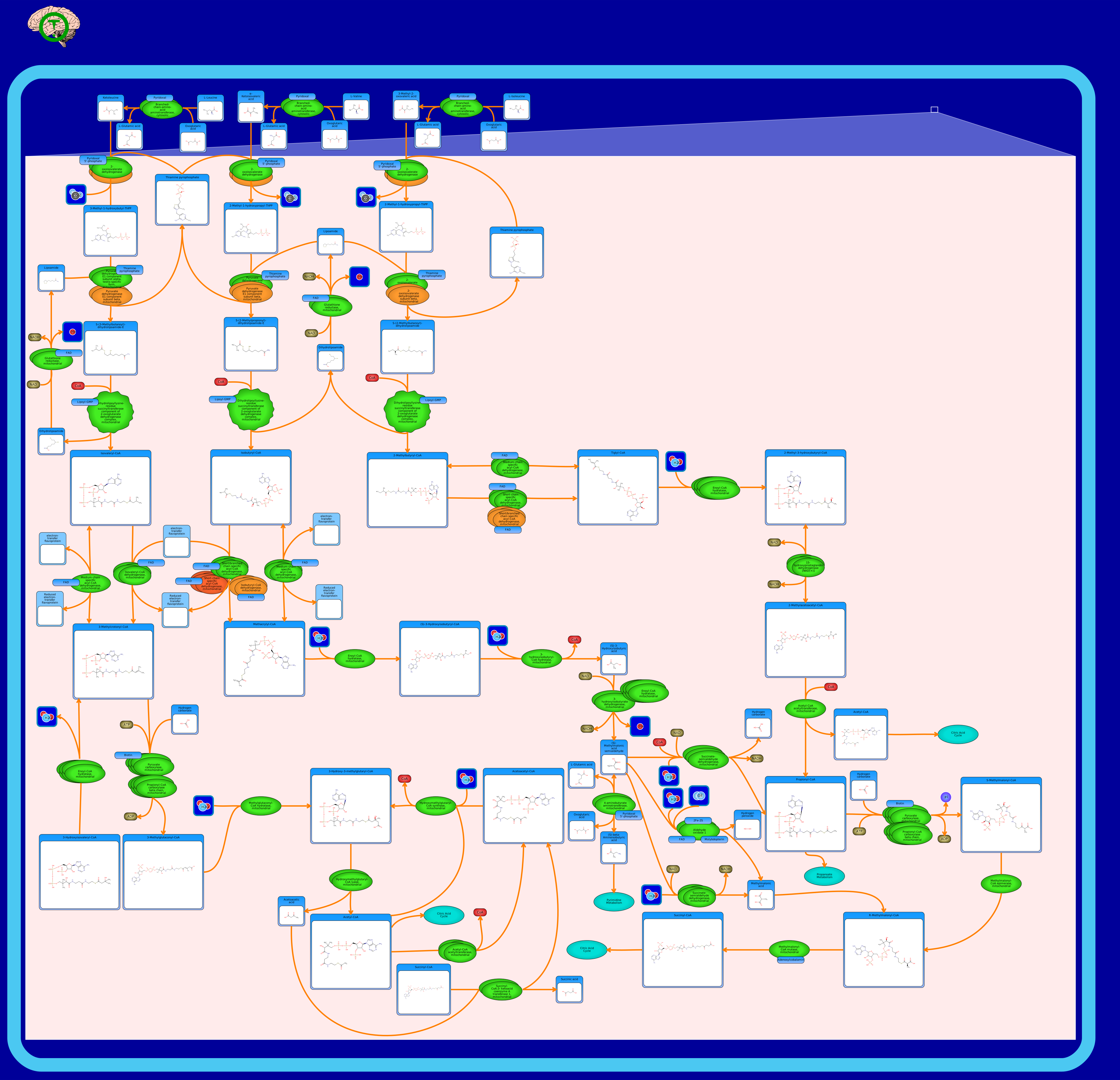 View Pathway
|
disease
Isovaleric AcidemiaMus musculus
Isovaleric academia, also called IVA, is an extremely rare inherited inborn error of metabolism (IEM) of leucine metabolism. It is an autosomal recessive disorder that is caused by a deficiency of isovaleryl-CoA dehydrogenase. It is characterized by a build-up of isovaleric acid in the blood and other biofluids. High levels of isovaleric acid lead to a rancid cheese odour. There are two major phenotypes of IVA: (1) an acute form and (2) a late-onset form. The acute form manifests as catastrophic disease in the newborn period and infants become extremely sick in the first week of life. There is usually a history of poor feeding, vomiting, lethargy, and seizures. In the acute form, metabolic acidosis is present, usually with an elevated anion gap and ketosis. There may be secondary hyperammonemia, thrombocytopenia, neutropenia, and sometimes anemia. The late-onset form is characterized by chronic, intermittent episodes of metabolic decompensation. The degree of isovaleryl-CoA dehydrogenase deficiency and the mutations differ between the two extreme presentations. The acute form of IVA is reasonably treatable. Administration of glycine has been shown to reduce isovaleric acidemia in neonates. Glycine is readily conjugated with isovaleric acid, which leads to urinary excretion of the conjugate. A diet that is also restricted in leucine consumption is also useful in treating the disorder.
|
Creator: Ana Marcu Created On: September 10, 2018 at 15:50 Last Updated: September 10, 2018 at 15:50 |
PW122069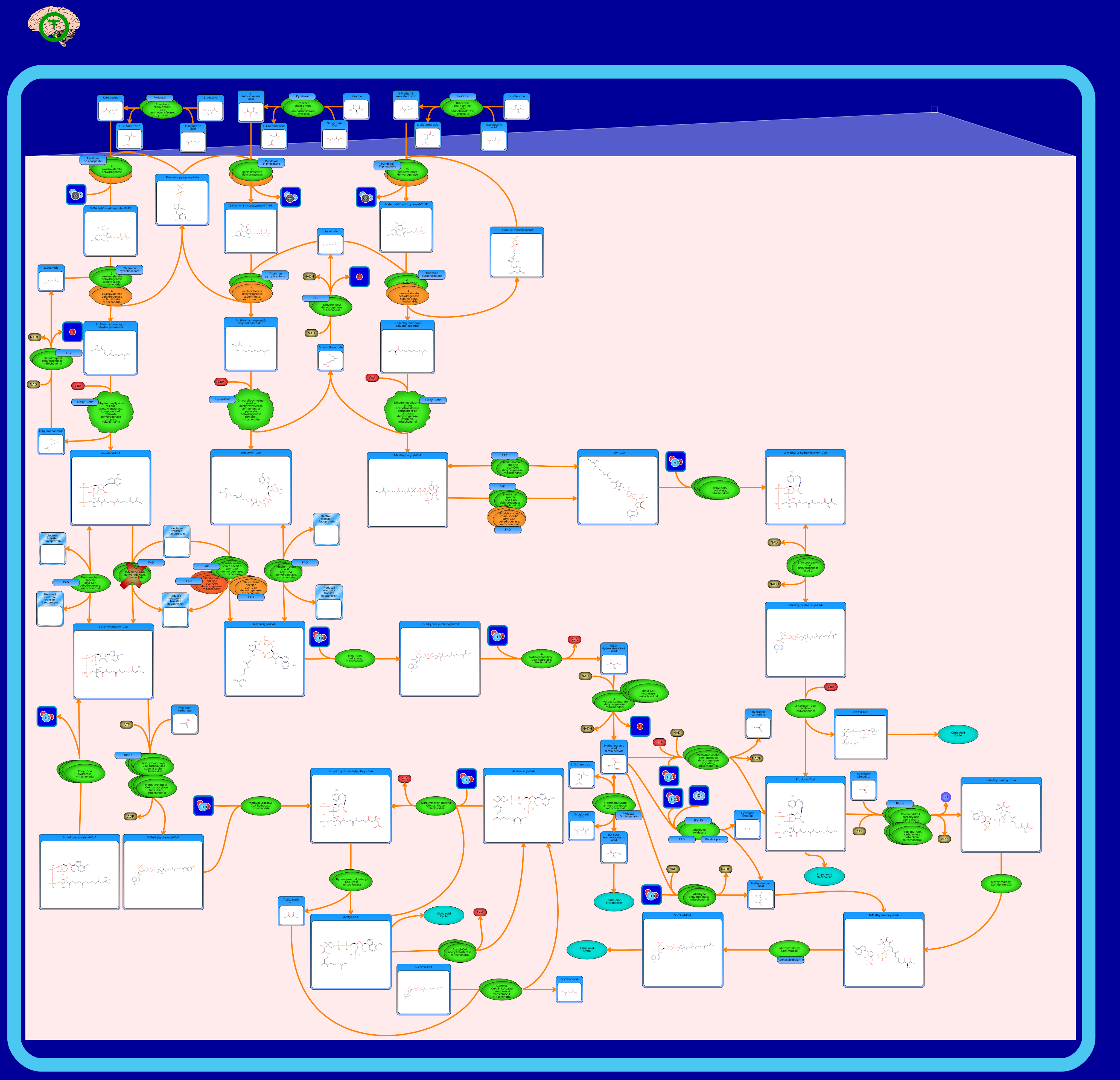 View Pathway
|
disease
Isovaleric AcidemiaRattus norvegicus
Isovaleric academia, also called IVA, is an extremely rare inherited inborn error of metabolism (IEM) of leucine metabolism. It is an autosomal recessive disorder that is caused by a deficiency of isovaleryl-CoA dehydrogenase. It is characterized by a build-up of isovaleric acid in the blood and other biofluids. High levels of isovaleric acid lead to a rancid cheese odour. There are two major phenotypes of IVA: (1) an acute form and (2) a late-onset form. The acute form manifests as catastrophic disease in the newborn period and infants become extremely sick in the first week of life. There is usually a history of poor feeding, vomiting, lethargy, and seizures. In the acute form, metabolic acidosis is present, usually with an elevated anion gap and ketosis. There may be secondary hyperammonemia, thrombocytopenia, neutropenia, and sometimes anemia. The late-onset form is characterized by chronic, intermittent episodes of metabolic decompensation. The degree of isovaleryl-CoA dehydrogenase deficiency and the mutations differ between the two extreme presentations. The acute form of IVA is reasonably treatable. Administration of glycine has been shown to reduce isovaleric acidemia in neonates. Glycine is readily conjugated with isovaleric acid, which leads to urinary excretion of the conjugate. A diet that is also restricted in leucine consumption is also useful in treating the disorder.
|
Creator: Ana Marcu Created On: September 10, 2018 at 15:52 Last Updated: September 10, 2018 at 15:52 |
PW127236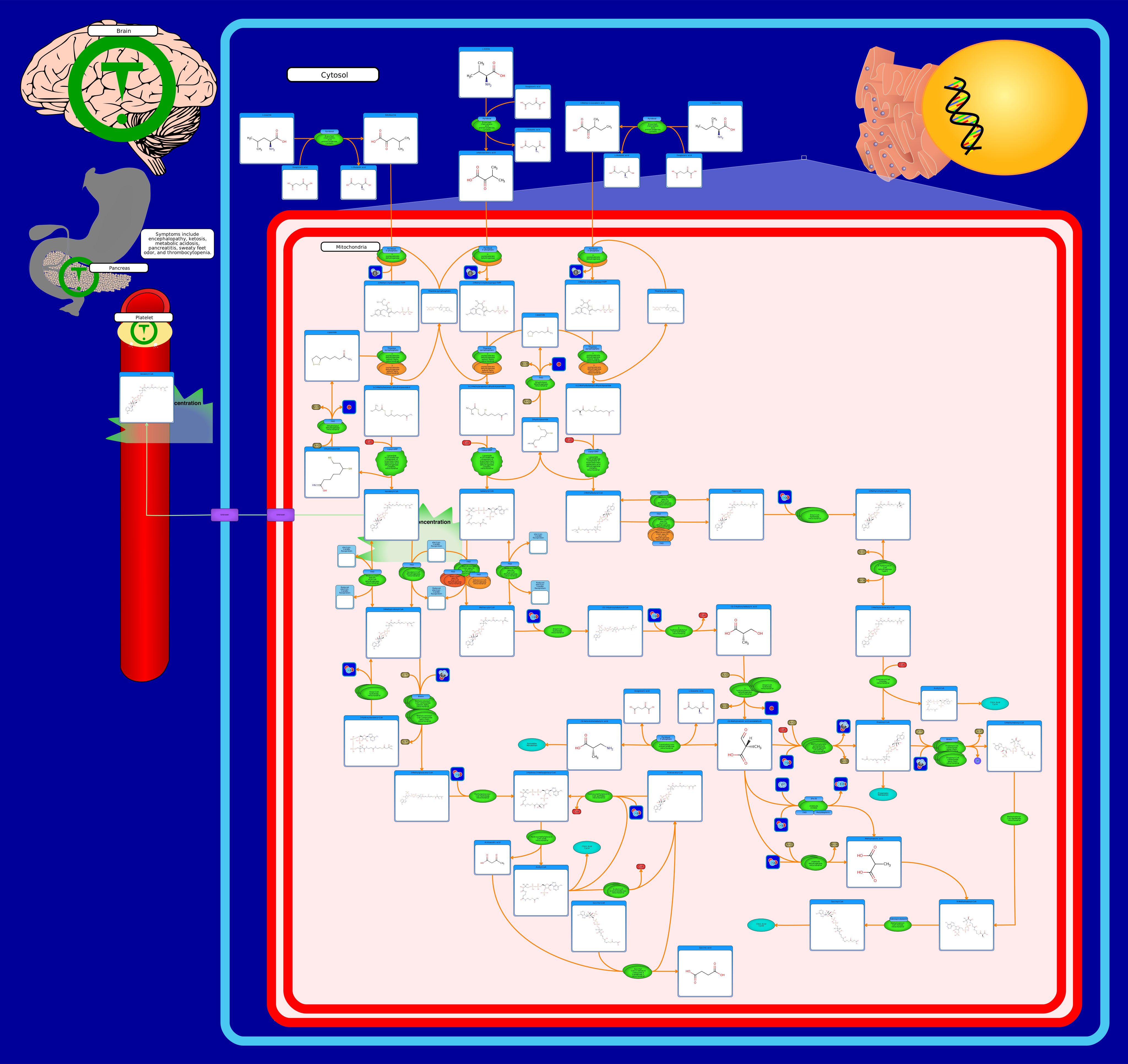 View Pathway
|
disease
Isovaleric AciduriaHomo sapiens
Isovaleric acidemia (IVA) is caused by mutation in the isovaleryl CoA dehydrogenase gene. Isovaleryl CoA dehydrogenase is part of the acyl-CoA dehydrogenase family and is involved in the catabolism of leucine. A defect in this enzyme causes accumulation of ammonia, ketone bodies, Isovaleryl/2-Methylbutyrylcarnitine (C5) in blood; carnitine in plasma; creatinine, and glucose in serum; 3-Hydroxybutyric acid, 3-Hydroxyisovaleric acid, 4-Hydroxyvaleric acid, acetyltryptophan, glycine, acylcarnitin, isovalerylasparagine, isovalerylglycine, isovaleryllysine, isovalerylhistidine and isovaleryltryptophan in urine. Symptoms include encephalopathy, ketosis, metabolic acidosis, pancreatitis, sweaty feet odor, and thrombocytopenia.
|
Creator: Ray Kruger Created On: November 18, 2022 at 10:50 Last Updated: November 18, 2022 at 10:50 |
PW121757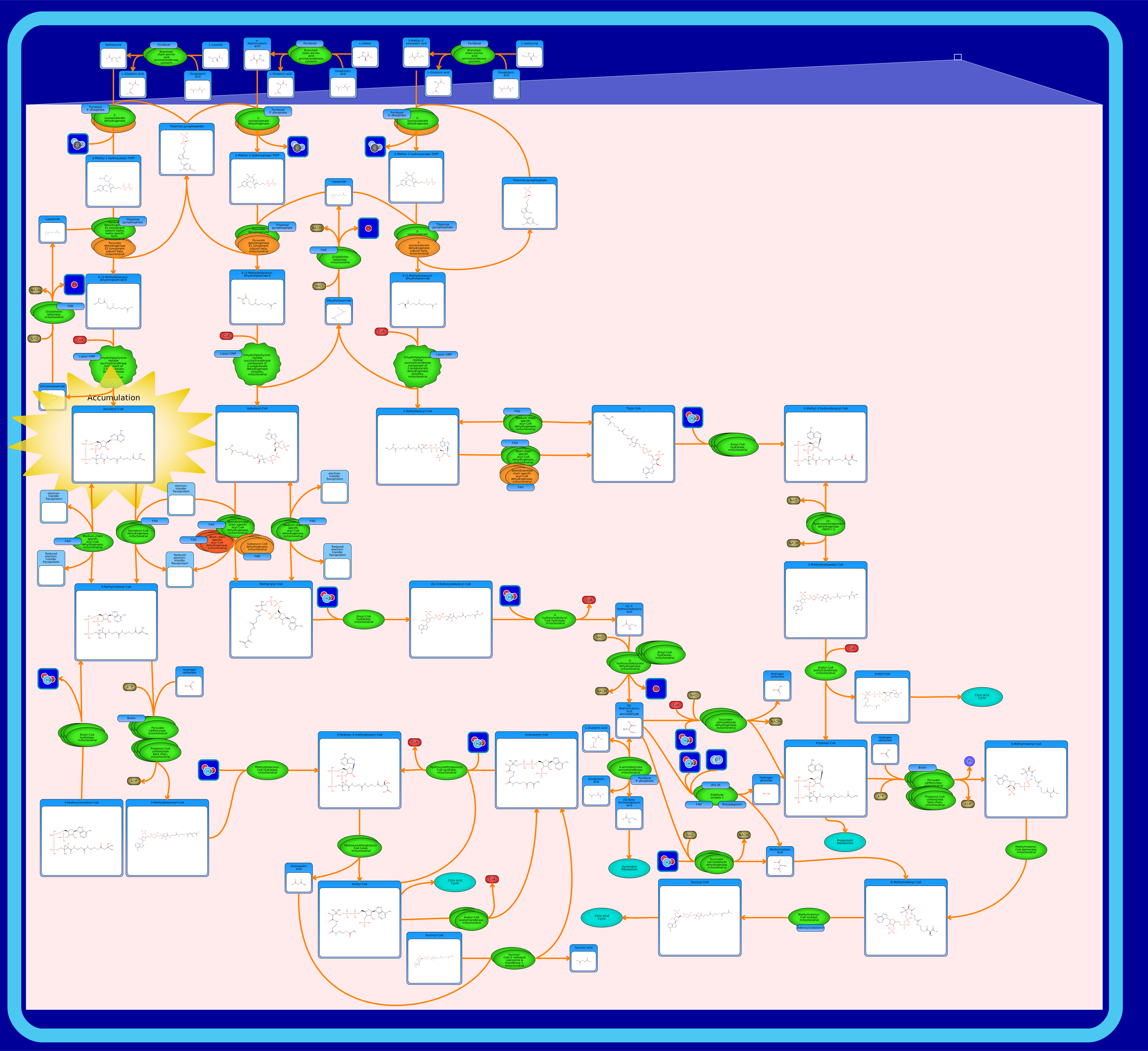 View Pathway
|
disease
Isovaleric AciduriaMus musculus
Isovaleric acidemia (IVA) is caused by mutation in the isovaleryl CoA dehydrogenase gene. Isovaleryl CoA dehydrogenase is part of the acyl-CoA dehydrogenase family and is involved in the catabolism of leucine. A defect in this enzyme causes accumulation of ammonia, ketone bodies, Isovaleryl/2-Methylbutyrylcarnitine (C5) in blood; carnitine in plasma; creatinine, and glucose in serum; 3-Hydroxybutyric acid, 3-Hydroxyisovaleric acid, 4-Hydroxyvaleric acid, acetyltryptophan, glycine, acylcarnitin, isovalerylasparagine, isovalerylglycine, isovaleryllysine, isovalerylhistidine and isovaleryltryptophan in urine. Symptoms include encephalopathy, ketosis, metabolic acidosis, pancreatitis, sweaty feet odor, and thrombocytopenia.
|
Creator: Ana Marcu Created On: September 10, 2018 at 15:49 Last Updated: September 10, 2018 at 15:49 |
PW121982 View Pathway
|
disease
Isovaleric AciduriaRattus norvegicus
Isovaleric acidemia (IVA) is caused by mutation in the isovaleryl CoA dehydrogenase gene. Isovaleryl CoA dehydrogenase is part of the acyl-CoA dehydrogenase family and is involved in the catabolism of leucine. A defect in this enzyme causes accumulation of ammonia, ketone bodies, Isovaleryl/2-Methylbutyrylcarnitine (C5) in blood; carnitine in plasma; creatinine, and glucose in serum; 3-Hydroxybutyric acid, 3-Hydroxyisovaleric acid, 4-Hydroxyvaleric acid, acetyltryptophan, glycine, acylcarnitin, isovalerylasparagine, isovalerylglycine, isovaleryllysine, isovalerylhistidine and isovaleryltryptophan in urine. Symptoms include encephalopathy, ketosis, metabolic acidosis, pancreatitis, sweaty feet odor, and thrombocytopenia.
|
Creator: Ana Marcu Created On: September 10, 2018 at 15:51 Last Updated: September 10, 2018 at 15:51 |
PW000091 View Pathway
|
disease
Isovaleric AciduriaHomo sapiens
Isovaleric acidemia (IVA) is caused by mutation in the isovaleryl CoA dehydrogenase gene. Isovaleryl CoA dehydrogenase is part of the acyl-CoA dehydrogenase family and is involved in the catabolism of leucine. A defect in this enzyme causes accumulation of ammonia, ketone bodies, Isovaleryl/2-Methylbutyrylcarnitine (C5) in blood; carnitine in plasma; creatinine, and glucose in serum; 3-Hydroxybutyric acid, 3-Hydroxyisovaleric acid, 4-Hydroxyvaleric acid, acetyltryptophan, glycine, acylcarnitin, isovalerylasparagine, isovalerylglycine, isovaleryllysine, isovalerylhistidine and isovaleryltryptophan in urine. Symptoms include encephalopathy, ketosis, metabolic acidosis, pancreatitis, sweaty feet odor, and thrombocytopenia.
|
Creator: WishartLab Created On: August 01, 2013 at 15:52 Last Updated: August 01, 2013 at 15:52 |
PW132511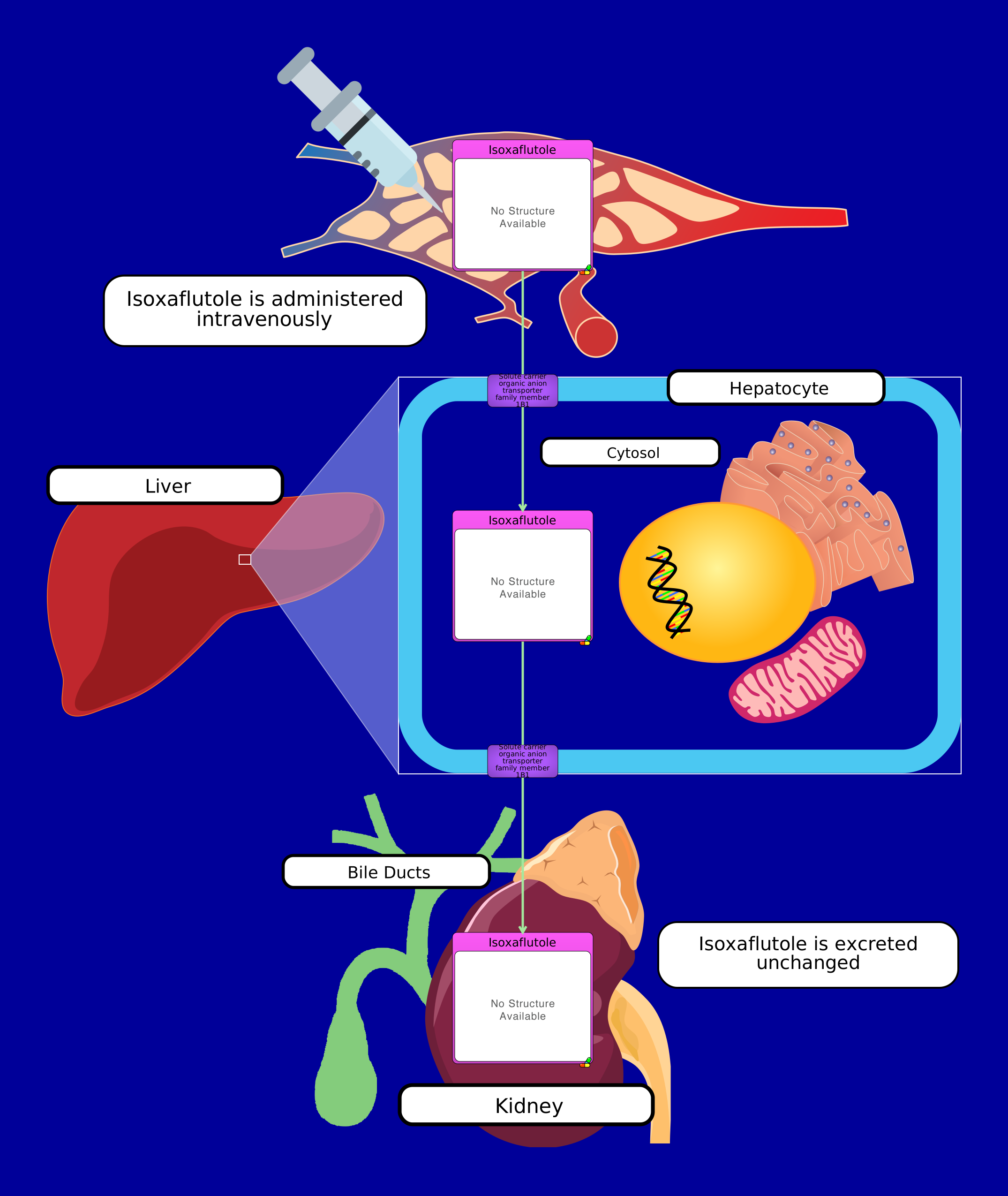 View Pathway
|
Isoxaflutole Drug MetabolismHomo sapiens
Isoxaflutole is a drug that is not metabolized by the human body as determined by current research and biotransformer analysis. Isoxaflutole passes through the liver and is then excreted from the body mainly through the kidney.
|
Creator: Ray Kruger Created On: September 21, 2023 at 22:11 Last Updated: September 21, 2023 at 22:11 |
PW146568 View Pathway
|
drug action
Isoxaflutole Drug Metabolism Action PathwayHomo sapiens
|
Creator: Ray Kruger Created On: October 07, 2023 at 18:32 Last Updated: October 07, 2023 at 18:32 |
PW132609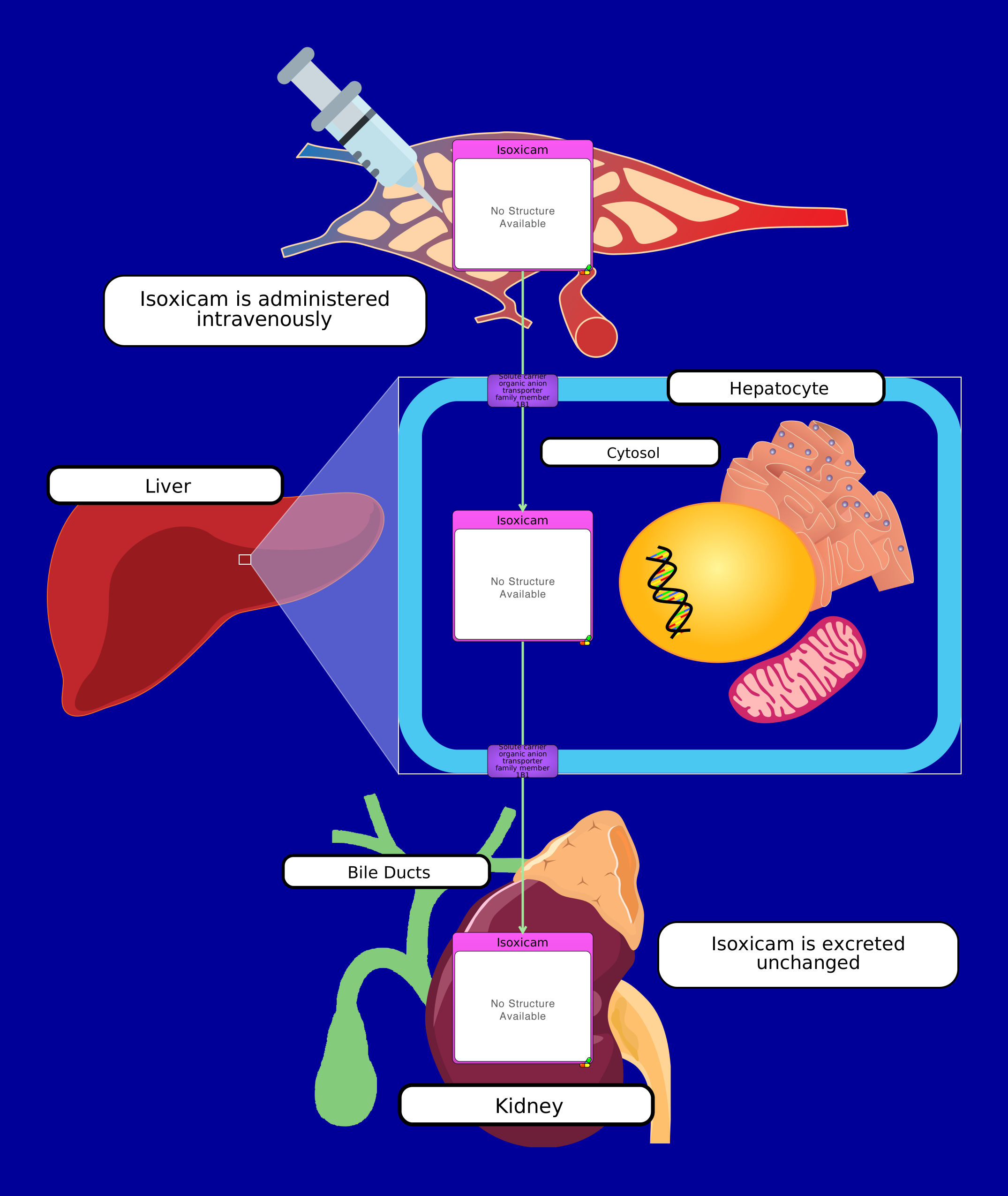 View Pathway
|
Isoxicam Drug MetabolismHomo sapiens
Isoxicam is a drug that is not metabolized by the human body as determined by current research and biotransformer analysis. Isoxicam passes through the liver and is then excreted from the body mainly through the kidney.
|
Creator: Ray Kruger Created On: September 21, 2023 at 22:37 Last Updated: September 21, 2023 at 22:37 |