
| PathWhiz ID | Pathway | Meta Data |
|---|---|---|
PW128324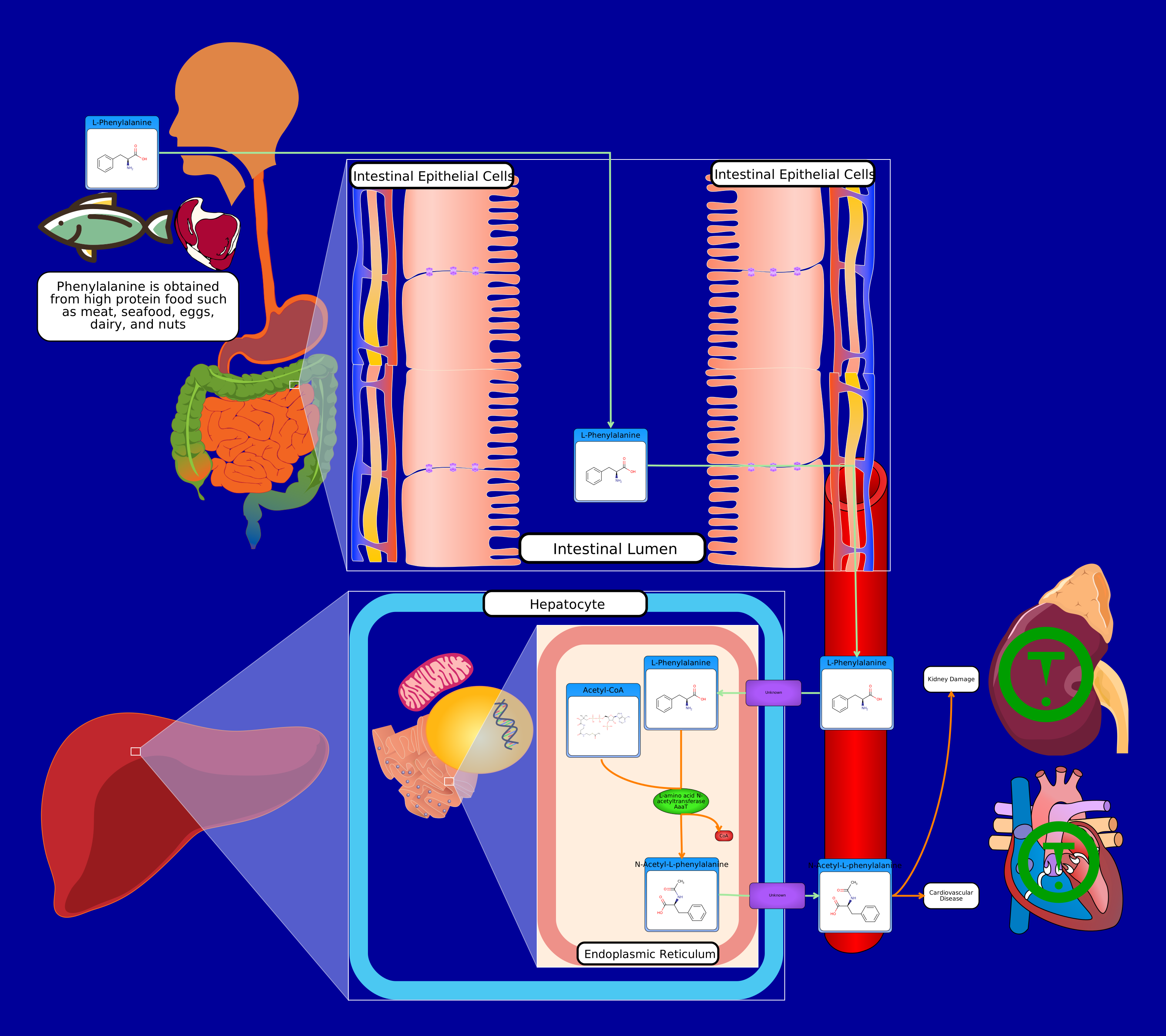 View Pathway
|
Metabolism and Physiological Effects of N-AcetylphenylalanineHomo sapiens
N-Acetyl-L-phenylalanine or N-Acetylphenylalanine, belongs to the class of organic compounds known as N-acyl-alpha amino acids. N-acyl-alpha amino acids are compounds containing an alpha amino acid which bears an acyl group at its terminal nitrogen atom. N-Acetyl-L-phenylalanine can also be classified as an alpha amino acid or a derivatized alpha amino acid. Technically, N-Acetyl-L-phenylalanine is a biologically available N-terminal capped form of the proteinogenic alpha amino acid L-phenylalanine. N-acetyl amino acids can be produced either via direct synthesis of specific N-acetyltransferases or via the proteolytic degradation of N-acetylated proteins by specific hydrolases. N-terminal acetylation of proteins is a widespread and highly conserved process in eukaryotes that is involved in protection and stability of proteins. About 85% of all human proteins and 68% of all yeast proteins are acetylated at their N-terminus. Several proteins from prokaryotes and archaea are also modified by N-terminal acetylation. The majority of eukaryotic N-terminal-acetylation reactions occur through N-acetyltransferase enzymes or NAT. These enzymes consist of three main oligomeric complexes NatA, NatB, and NatC, which are composed of at least a unique catalytic subunit and one unique ribosomal anchor. The substrate specificities of different NAT enzymes are mainly determined by the identities of the first two N-terminal residues of the target protein. The human NatA complex co-translationally acetylates N-termini that bear a small amino acid (A, S, T, C, and occasionally V and G). In addition to the NAT enzymes and protein-based acetylation, N-acetylation of free phenylalanine can also occur. In particular, N-Acetyl-L-phenylalanine can be biosynthesized from L-phenylalanine and acetyl-CoA by the enzyme phenylalanine N-acetyltransferase. N-Acetyl-L-phenylalanine is a potential uremic toxin and is considered as a hazardous amphipathic metabolite of phenylalanine. Many N-acetylamino acids, including N-acetylphenylalanine, are classified as uremic toxins. Uremic toxins are a diverse group of endogenously produced molecules that, if not properly cleared or eliminated by the kidneys, can cause kidney damage, cardiovascular disease and neurological deficits. N-Acetyl-L-phenylalanine appears in large amount in urine of patients with phenylketonuria (PKU), which is a human genetic disorder due to the lack of phenylalanine hydroxylase, the enzyme necessary to metabolize phenylalanine to tyrosine. N-Acetyl-L-phenylalanine is a product of enzyme phenylalanine N-acetyltransferase [EC 2.3.1.53] which is found in the phenylalanine metabolism pathway. N-Acetyl-L-phenylalanine is produced for medical, feed, and nutritional applications such as in the preparation of aspartame. Afalanine (N-Acetyl-DL-phenylalanine) is also approved for use as an antidepressant.
|
Creator: Hayley Created On: August 21, 2023 at 09:19 Last Updated: August 21, 2023 at 09:19 |
PW128263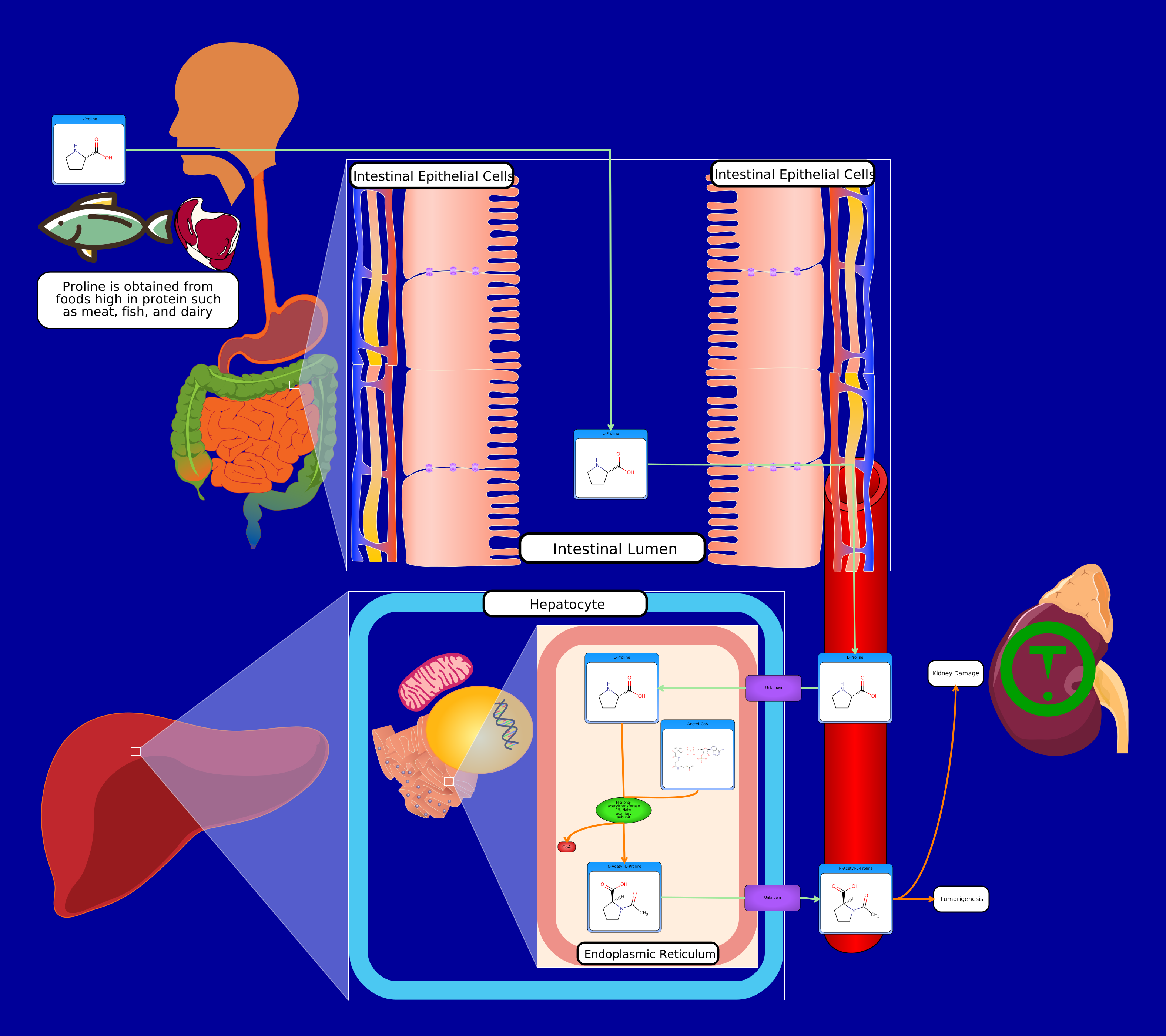 View Pathway
|
Metabolism and Physiological Effects of N-AcetylprolineHomo sapiens
N-Acetyl-L-proline or N-Acetylproline, belongs to the class of organic compounds known as N-acyl-alpha amino acids. N-acyl-alpha amino acids are compounds containing an alpha amino acid which bears an acyl group at its terminal nitrogen atom. N-Acetylproline can also be classified as an alpha amino acid or a derivatized alpha amino acid. Technically, N-Acetylproline is a biologically available N-terminal capped form of the proteinogenic alpha amino acid L-proline. N-acetyl amino acids can be produced either via direct synthesis of specific N-acetyltransferases or via the proteolytic degradation of N-acetylated proteins by specific hydrolases. N-terminal acetylation of proteins is a widespread and highly conserved process in eukaryotes that is involved in protection and stability of proteins. About 85% of all human proteins and 68% of all yeast proteins are acetylated at their N-terminus. The majority of eukaryotic N-terminal-acetylation reactions occur through N-acetyltransferase enzymes or NATs. In addition to the NAT enzymes and protein-based acetylation, N-acetylation of free proline can also occur. Many N-acetylamino acids, including N-acetylproline are classified as uremic toxins if present in high abundance in the serum or plasma. N-acetylproline in the body can cause kidney damage and contribute to tumorigenesis, L-proline can be obtained from the diet from foods that are high in protein such as meat, fish, and dairy. Once ingested, L-proline gets converted to N-acetylproline in the liver via NATs.
|
Creator: Hayley Created On: August 10, 2023 at 15:03 Last Updated: August 10, 2023 at 15:03 |
PW128156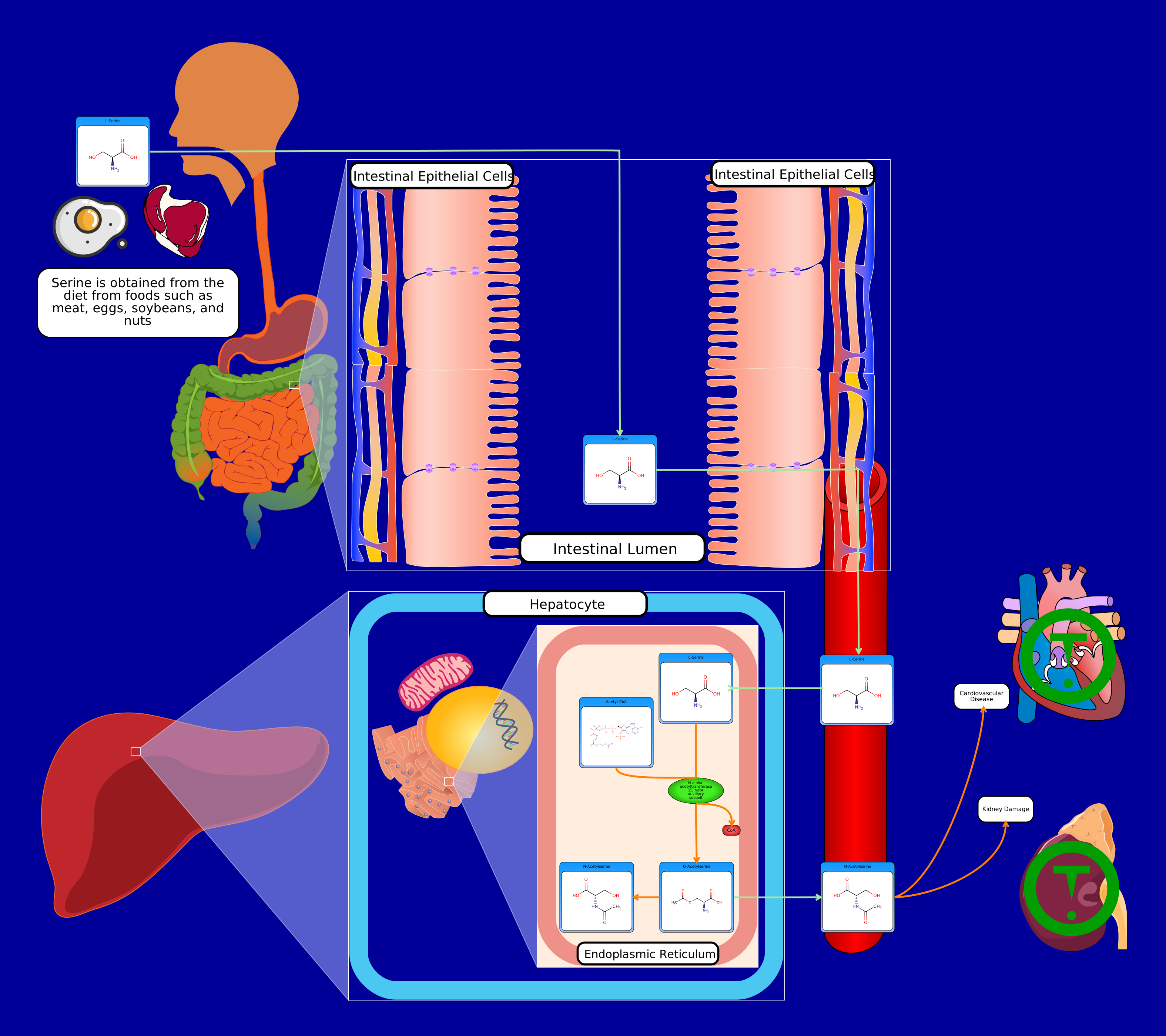 View Pathway
|
Metabolism and Physiological Effects of N-AcetylserineHomo sapiens
N-Acetyl-L-serine or N-Acetylserine, belongs to the class of organic compounds known as N-acyl-alpha amino acids. N-acyl-alpha amino acids are compounds containing an alpha amino acid which bears an acyl group at its terminal nitrogen atom. N-Acetylserine can also be classified as an alpha amino acid or a derivatized alpha amino acid. Technically, N-Acetylserine is a biologically available N-terminal capped form of the proteinogenic alpha amino acid L-serine. N-acetyl amino acids can be produced either via direct synthesis of specific N-acetyltransferases or via the proteolytic degradation of N-acetylated proteins by specific hydrolases. Excessive amounts N-acetyl amino acids including N-acetylserine (as well as N-acetylglycine, N-acetylglutamine, N-acetylmethionine, N-acetylglutamate, N-acetylalanine, N-acetylleucine and smaller amounts of N-acetylthreonine, N-acetylisoleucine, and N-acetylvaline) can be detected in the urine with individuals with acylase I deficiency, a genetic disorder. Many N-acetylamino acids, including N-acetylserine are classified as uremic toxins if present in high abundance in the serum or plasma. Uremic toxins are a diverse group of endogenously produced molecules that, if not properly cleared or eliminated by the kidneys, can cause kidney damage, cardiovascular disease and neurological deficits. Serine can be obtained from the diet from foods high in protein such as soybeans, nuts, eggs, meat, and fish. In the liver, serine is converted to O-acetylserine via serine transacetylase (serine O-acetyltransferase) which then form spontaneously into N-acetylserine.
|
Creator: Hayley Created On: July 26, 2023 at 12:14 Last Updated: July 26, 2023 at 12:14 |
PW128307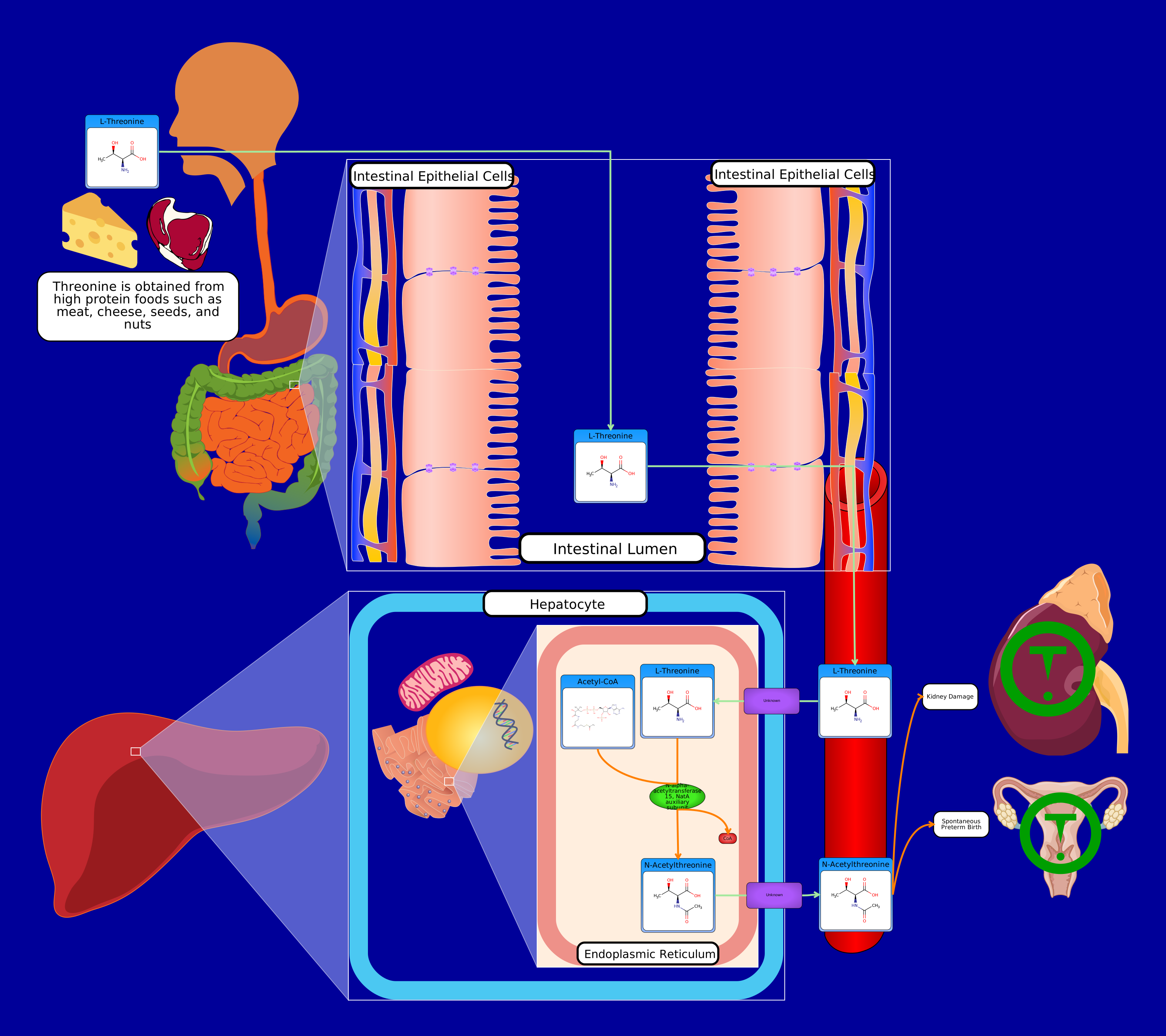 View Pathway
|
Metabolism and Physiological Effects of N-AcetylthreonineHomo sapiens
N-Acetyl-L-threonine (or N-Acetylthreonine, belongs to the class of organic compounds known as N-acyl-alpha amino acids. N-acyl-alpha amino acids are compounds containing an alpha amino acid which bears an acyl group at its terminal nitrogen atom. N-Acetylthreonine can also be classified as an alpha amino acid or a derivatized alpha amino acid. Technically, N-Acetylthreonine is a biologically available N-terminal capped form of the proteinogenic alpha amino acid L-threonine. N-acetyl amino acids can be produced either via direct synthesis of specific N-acetyltransferases or via the proteolytic degradation of N-acetylated proteins by specific hydrolases. N-terminal acetylation of proteins is a widespread and highly conserved process in eukaryotes that is involved in protection and stability of proteins. The majority of eukaryotic N-terminal-acetylation reactions occur through N-acetyltransferase enzymes or NAT. These enzymes consist of three main oligomeric complexes NatA, NatB, and NatC, which are composed of at least a unique catalytic subunit and one unique ribosomal anchor. The substrate specificities of different NAT enzymes are mainly determined by the identities of the first two N-terminal residues of the target protein. The human NatA complex co-translationally acetylates N-termini that bear a small amino acid (A, S, T, C, and occasionally V and G). In addition to the NAT enzymes and protein-based acetylation, N-acetylation of free threonine can also occur. Excessive amounts N-acetyl amino acids including N-acetylthreonine (as well as N-acetylglycine, N-acetylserine, N-acetylmethionine, N-acetylglutamate, N-acetylalanine, N-acetylleucine and smaller amounts of N-acetylglutamine, N-acetylisoleucine, and N-acetylvaline) can be detected in the urine with individuals with acylase I deficiency, a genetic disorder. N-acetyltransferase (NAT) is an enzyme that catalyzes the transfer of acetyl groups from acetyl-CoA to arylamines, arylhydroxylamines and arylhydrazines. N-acetylthreonine are classified as uremic toxins if present in high abundance in the serum or plasma. Uremic toxins are a diverse group of endogenously produced molecules that, if not properly cleared or eliminated by the kidneys, can cause kidney damage, cardiovascular disease and neurological deficits. N-Acetylthreonine has been identified in the human placenta.
|
Creator: Hayley Created On: August 17, 2023 at 12:18 Last Updated: August 17, 2023 at 12:18 |
PW128325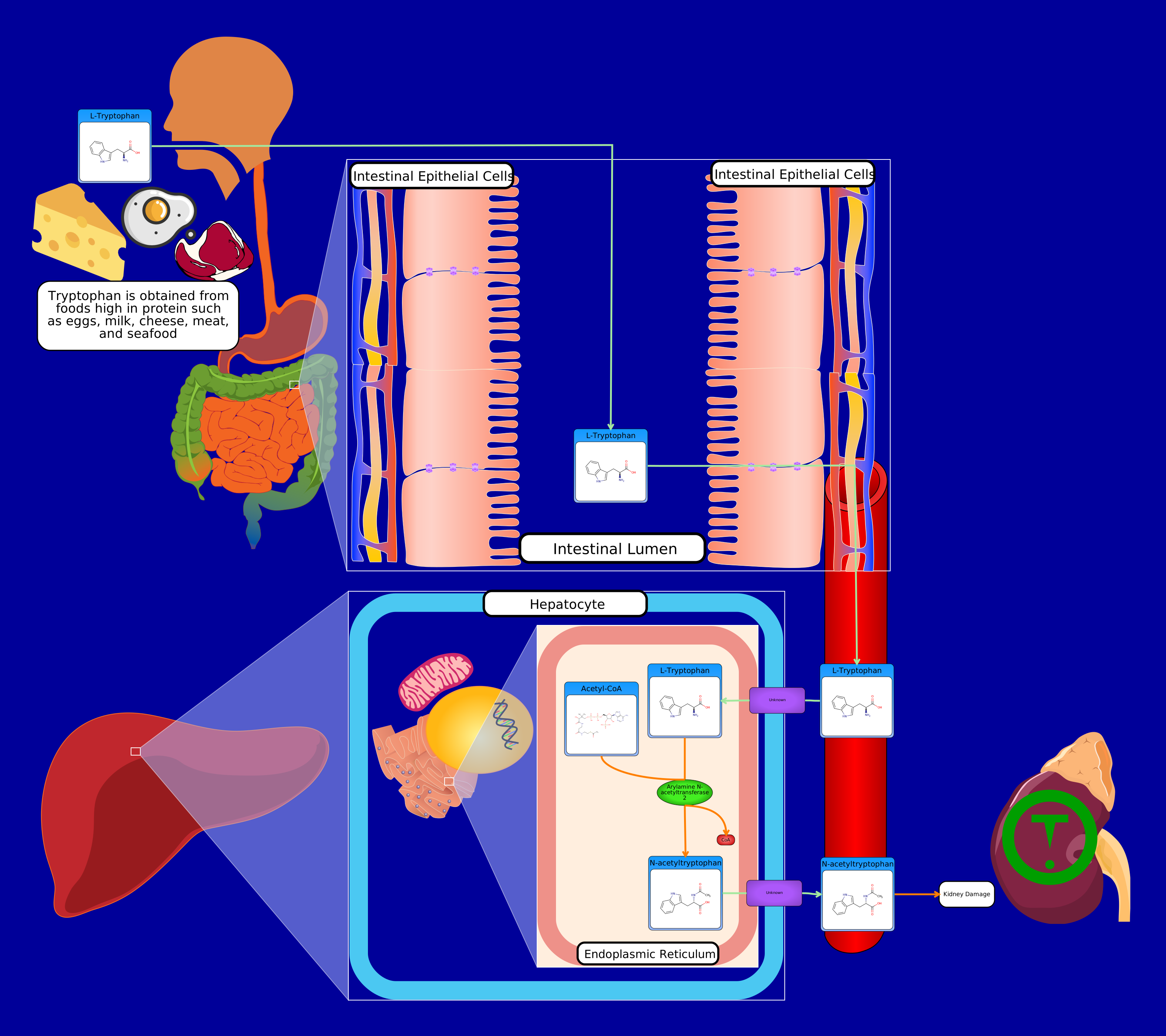 View Pathway
|
Metabolism and Physiological Effects of N-AcetyltryptophanHomo sapiens
N-Acetyl-L-tryptophan or N-Acetyltryptophan, belongs to the class of organic compounds known as N-acyl-alpha amino acids. N-acyl-alpha amino acids are compounds containing an alpha amino acid which bears an acyl group at its terminal nitrogen atom. N-Acetyltryptophan can also be classified as an alpha amino acid or a derivatized alpha amino acid. Technically, N-Acetyltryptophan is a biologically available N-terminal capped form of the proteinogenic alpha amino acid L-tryptophan. N-acetyl amino acids can be produced either via direct synthesis of specific N-acetyltransferases or via the proteolytic degradation of N-acetylated proteins by specific hydrolases. N-terminal acetylation of proteins is a widespread and highly conserved process in eukaryotes that is involved in protection and stability of proteins. About 85% of all human proteins and 68% of all yeast proteins are acetylated at their N-terminus. Several proteins from prokaryotes and archaea are also modified by N-terminal acetylation. The majority of eukaryotic N-terminal-acetylation reactions occur through N-acetyltransferase enzymes or NAT. N-acetylated amino acids, such as N-acetyltryptophan can be released by an N-acylpeptide hydrolase from peptides generated by proteolytic degradation. In addition to the NAT enzymes and protein-based acetylation, N-acetylation of free tryptophan can also occur. Many N-acetylamino acids, including N-acetyltryptophan are classified as uremic toxins if present in high abundance in the serum or plasma. Uremic toxins are a diverse group of endogenously produced molecules that, if not properly cleared or eliminated by the kidneys, can cause kidney damage, cardiovascular disease and neurological deficits. Acetyltryptophan has been identified as a catabolite of tryptophan generated by the gut microbiota. After absorption through the intestinal epithelium, tryptophan catabolites enter the bloodstream and are later excreted in the urine.
|
Creator: Hayley Created On: August 21, 2023 at 13:10 Last Updated: August 21, 2023 at 13:10 |
PW128305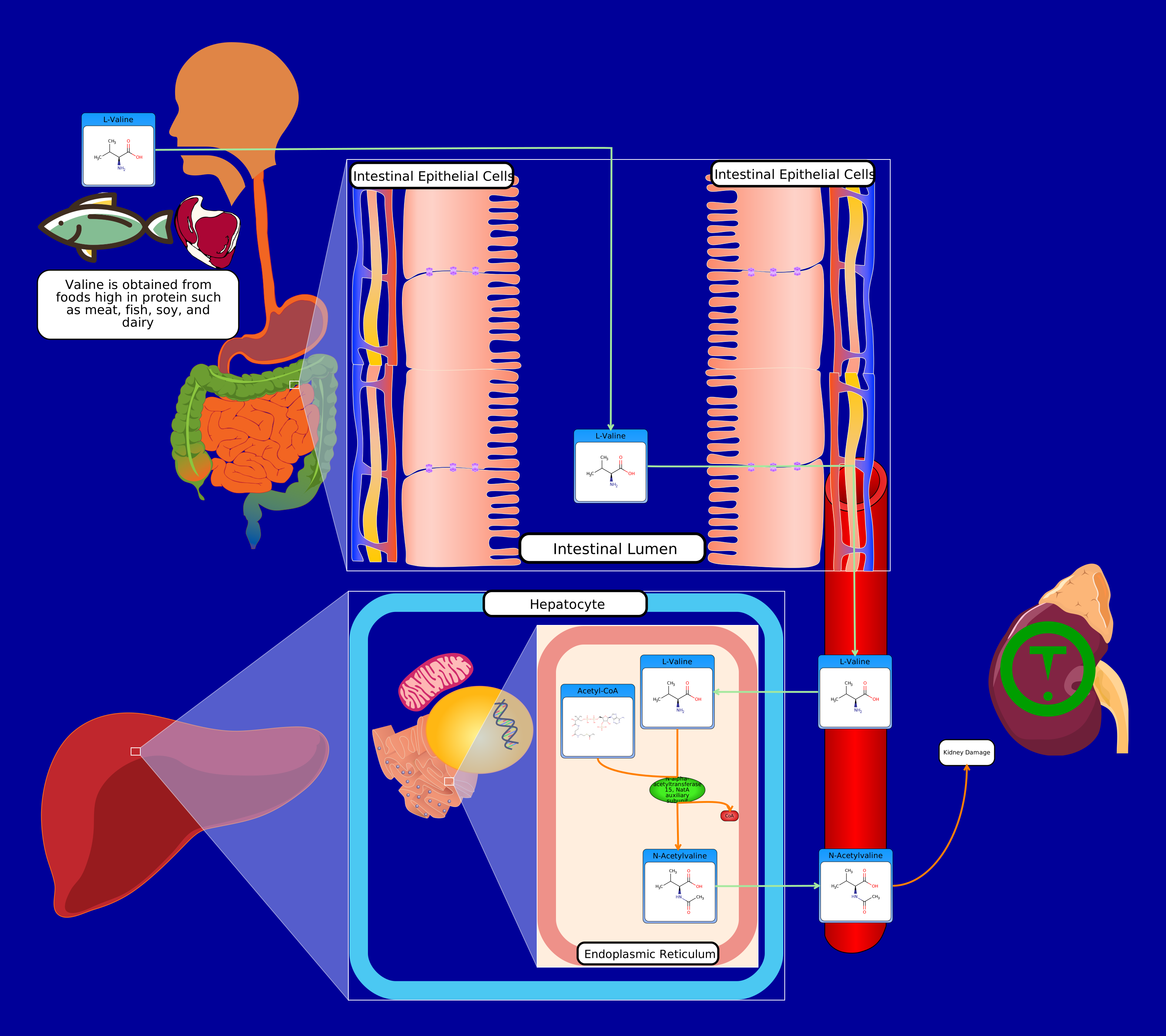 View Pathway
|
Metabolism and Physiological Effects of N-AcetylvalineHomo sapiens
N-Acetyl-L-valine or N-Acetylvaline, belongs to the class of organic compounds known as N-acyl-alpha amino acids. N-acyl-alpha amino acids are compounds containing an alpha amino acid which bears an acyl group at its terminal nitrogen atom. N-Acetylvaline can also be classified as an alpha amino acid or a derivatized alpha amino acid. Technically, N-Acetylvaline is a biologically available N-terminal capped form of the proteinogenic alpha amino acid L-valine. N-acetyl amino acids can be produced either via direct synthesis of specific N-acetyltransferases or via the proteolytic degradation of N-acetylated proteins by specific hydrolases. N-terminal acetylation of proteins is a widespread and highly conserved process in eukaryotes that is involved in protection and stability of proteins. The substrate specificities of different NAT enzymes are mainly determined by the identities of the first two N-terminal residues of the target protein. The human NatA complex co-translationally acetylates N-termini that bear a small amino acid (A, S, T, C, and occasionally V and G). In addition to the NAT enzymes and protein-based acetylation, N-acetylation of free valine can also occur. Excessive amounts N-acetyl amino acids including N-acetylvaline(as well as N-acetylglycine, N-acetylserine, N-acetylmethionine, N-acetylglutamate, N-acetylalanine, N-acetylleucine and smaller amounts of N-acetylglutamine, N-acetylisoleucine, and N-acetylthreonine) can be detected in the urine with individuals with acylase I deficiency, a genetic disorder. Many N-acetylamino acids, including N-acetylthreonine, are classified as uremic toxins if present in high abundance in the serum or plasma. Uremic toxins are a diverse group of endogenously produced molecules that, if not properly cleared or eliminated by the kidneys, can cause kidney damage, cardiovascular disease and neurological deficits. N-acetyltransferase (NAT) is an enzyme that catalyzes the transfer of acetyl groups from acetyl-CoA to arylamines, arylhydroxylamines and arylhydrazines.
|
Creator: Hayley Created On: August 17, 2023 at 11:06 Last Updated: August 17, 2023 at 11:06 |
PW127089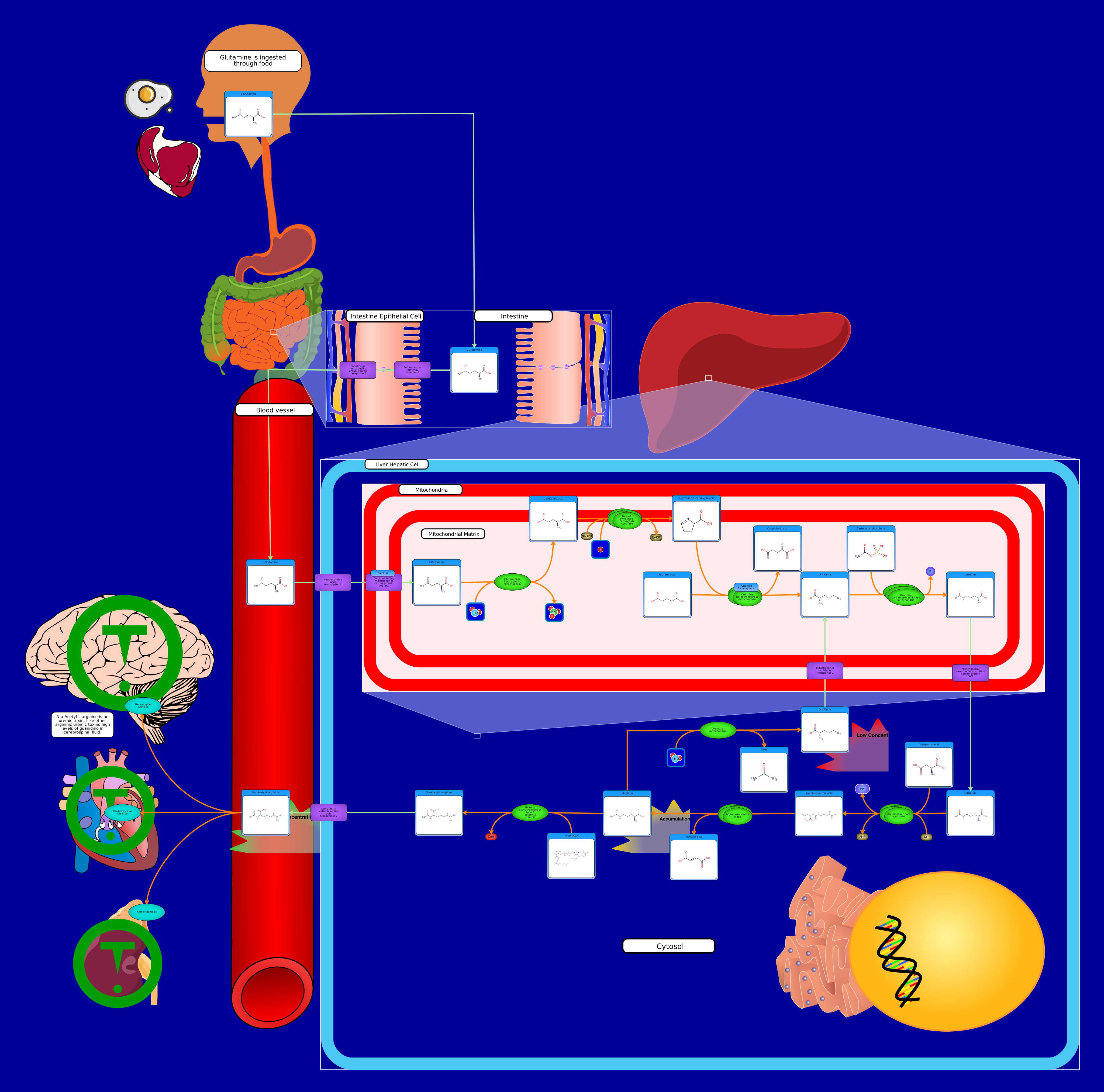 View Pathway
|
Metabolism and Physiological Effects of N-alpha-Acetyl-L-arginineHomo sapiens
N-alpha-Acetyl-L-arginine, also known as N-alpha-acetylarginine is an uremic toxin which is synthesized by acetylation of arginine. The accumulation of N-a-Acetyl-L-arginine in serum happens in hyperargininemic patients. It is caused by a deficit of arginase in the liver. N-acyl-alpha amino acids are compounds containing an alpha amino acid which bears an acyl group at its terminal nitrogen atom. N-Acetylarginine can also be classified as an alpha amino acid or a derivatized alpha amino acid. Many N-acetylamino acids, including N-acetylarginine are classified as uremic toxins if present in high abundance in the serum or plasma. Uremic toxins are a diverse group of endogenously produced molecules that, if not properly cleared or eliminated by the kidneys, can cause kidney damage, cardiovascular disease and neurological deficits. N-alpha-Acetyl-L-arginine serum levels (and other guanidino compounds) were elevated of all the hyperargininemic patients are higher than the normal range. Untreated hyperargininemic patients have the highest guanidino compound levels in cerebrospinal fluid. N-alpha-Acetyl-L-arginine is also increased in the urine of hyperargininemic patients. N-alpha-Acetyl-L-arginine is one of the guanidino compounds found elevated in the serum of hemodialyzed renal insufficient (uremic) pediatric patients.
N-a-Acetyl-L-arginine is synthesized from arginine which is most often synthesized through the uric acid cycle or through the consumption of arginine in protein rich foods. Glutamine is consumed through food and taken into the blood through the intestines. It is transported to the liver where it is transported in via an amino acid transport. Glutamine is then transported into the mitochondria by the transporter glutamate antiporter SLC25A12, mitochondrial. In the mitochondria it is catalyzed by Glutaminase liver isoform, mitochondrial into glutamic acid. Glutamic acid is carboxylated into 1-Pyrroline-5-carboxylic acid by the enzyme Delta-1-pyrroline-5-carboxylate synthase. 1-Pyrroline-5-carboxylic acid with glutaric acid synthesize Oxoglutaric acid and ornithine with the enzyme Ornithine aminotransferase, mitochondrial. Ornithine and Carbamoyl phosphate are catalyzed by the enzyme ornithine carbamoyltransferase, mitochondrial to synthesize citrulline. Citrulline is transported out of the mitochondria into the cytosol by a mitochondrial transporter. Arginnosuccinate is synthesized from citrulline and aspartic acid by the enzyme argininosuccinate synthase. That is catalyzed by argininosuccinate lyase to produce arginine and fumaric acid.
Arginine accumulates because it cannot be catalyzed into Urea and Ornithine. The accumulated arginine is acetylated into N-alpha-Acetyl-L-arginine which is transported into the blood. In the blood it works as a uremic toxin to cause kidney damage, cardiovascular disease and neurological deficits.
|
Creator: Ray Kruger Created On: August 31, 2022 at 13:04 Last Updated: August 31, 2022 at 13:04 |
PW128369 View Pathway
|
Metabolism and Physiological Effects of N-Formyl-L-MethionineHomo sapiens
N-formyl-L-methionine is a L-methionine derivative in which one of the hydrogens attached to the nitrogen is replaced by a formyl group. It has a role as a metabolite. It is a proteinogenic amino acid, a N-formyl amino acid and a L-methionine derivative. It is a conjugate acid of a N-formyl-L-methioninate. N-Formyl-L-methionine belongs to the class of organic compounds known as methionine and derivatives. Methionine and derivatives are compounds containing methionine or a derivative thereof resulting from reaction of methionine at the amino group or the carboxy group, or from the replacement of any hydrogen of glycine by a heteroatom. N-Formyl-L-methionine is effective in the initiation of protein synthesis. The initiating methionine residue enters the ribosome as N-formylmethionyl-tRNA. This process occurs in Escherichia coli and other bacteria as well as in the mitochondria of eukaryotic cells. Polymorphonuclear cells can bind proteins starting with fMet, and use them to initiate the attraction of circulating blood leukocytes and then stimulate microbicidal activities such as phagocytosis. Since fMet is present in proteins made by mitochondria and chloroplasts, more recent theories do not see it as a molecule that the immune system can use to distinguish self from non-self. Instead, fMet-containing oligopeptides and proteins appear to be released by the mitochondria of damaged tissues as well as by damaged bacteria, and can thus qualify as an "alarm" signal, as discussed in the Danger model of immunity. The prototypical fMet-containing oligopeptide is N-formylmethionine-leucyl-phenylalanine (FMLP) which activates leukocytes and other cell types by binding with these cells' formyl peptide receptor 1 (FPR1) and formyl peptide receptor 2 (FPR2) G protein coupled receptors (see also formyl peptide receptor 3). Acting through these receptors, the fMet-containing oligopeptides and proteins are part of the innate immune system; they function to initiate acute inflammation responses but under other conditions function to inhibit and resolve these responses. fMet-containing oligopeptides and proteins also function in other physiological and pathological responses. fMet is a starting residue in the synthesis of proteins in bacteria, and, consequently, is located at the N-terminus of the growing polypeptide. The addition of the formyl group to methionine is catalyzed by the enzyme methionyl-tRNA formyltransferase. This modification is done after methionine has been loaded onto tRNAfMet by aminoacyl-tRNA synthetase. The mitochondria of eukaryotic cells, including those of humans, and the chloroplasts of plant cells also initiate protein synthesis with fMet. Given that mitochondria and chloroplasts have this initial protein synthesis with fMet in common with bacteria, this has been cited as evidence for the endosymbiotic theory. Protein synthesis in mitochondria is initiated by formylmethionyl-tRNAMet (fMet-tRNAMet), which requires the activity of the enzyme MTFMT to formylate the methionyl group. The conversion of methionine to N-N-Formyl-L-Methionine (L-methionyl-tRNAMet) is completed in the mitochondria by Methionine--tRNA ligase (MARS2). This reaction is as follows: ATP + L-methionine + tRNA(Met) = AMP + diphosphate + L-methionyl-tRNA(Met).
|
Creator: Hayley Created On: August 24, 2023 at 13:07 Last Updated: August 24, 2023 at 13:07 |
PW128415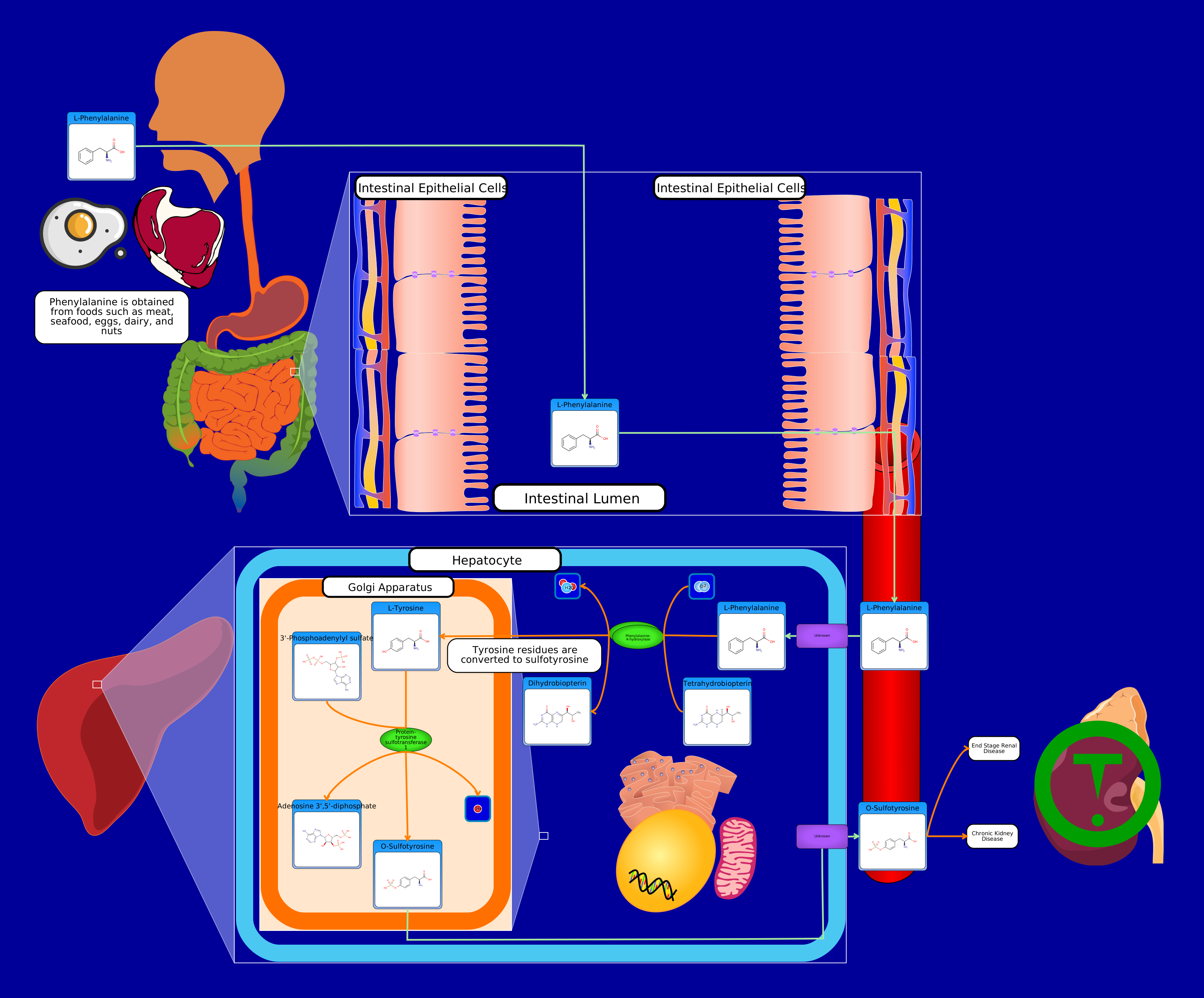 View Pathway
|
Metabolism and Physiological Effects of O-SulfotyrosineHomo sapiens
O-Sulfotyrosine belongs to the class of organic compounds known as phenylalanine and derivatives. Phenylalanine and derivatives are compounds containing phenylalanine or a derivative thereof resulting from a reaction of phenylalanine at the amino group or the carboxy group, or from the replacement of any hydrogen of glycine by a heteroatom. O-Sulfotyrosine has been identified as a potential plasma biomarker of reduced kidney function in early chronic kidney disease (CKD), end stage renal disease (ESRD), and hemodialytic clearance. Human plasma levels of O-sulfotyrosine were reported to be influenced by genetic variants in the gene ARSA which codes for the enzyme arylsulfatase A. Tyrosine sulfation is a posttranslational modification where a sulfate group is added to a tyrosine residue of a protein molecule. Secreted proteins and extracellular parts of membrane proteins that pass through the Golgi apparatus may be sulfated. Sulfation is catalyzed by tyrosylprotein sulfotransferase (TPST) in the Golgi apparatus.
|
Creator: Hayley Created On: August 28, 2023 at 12:44 Last Updated: August 28, 2023 at 12:44 |
PW126373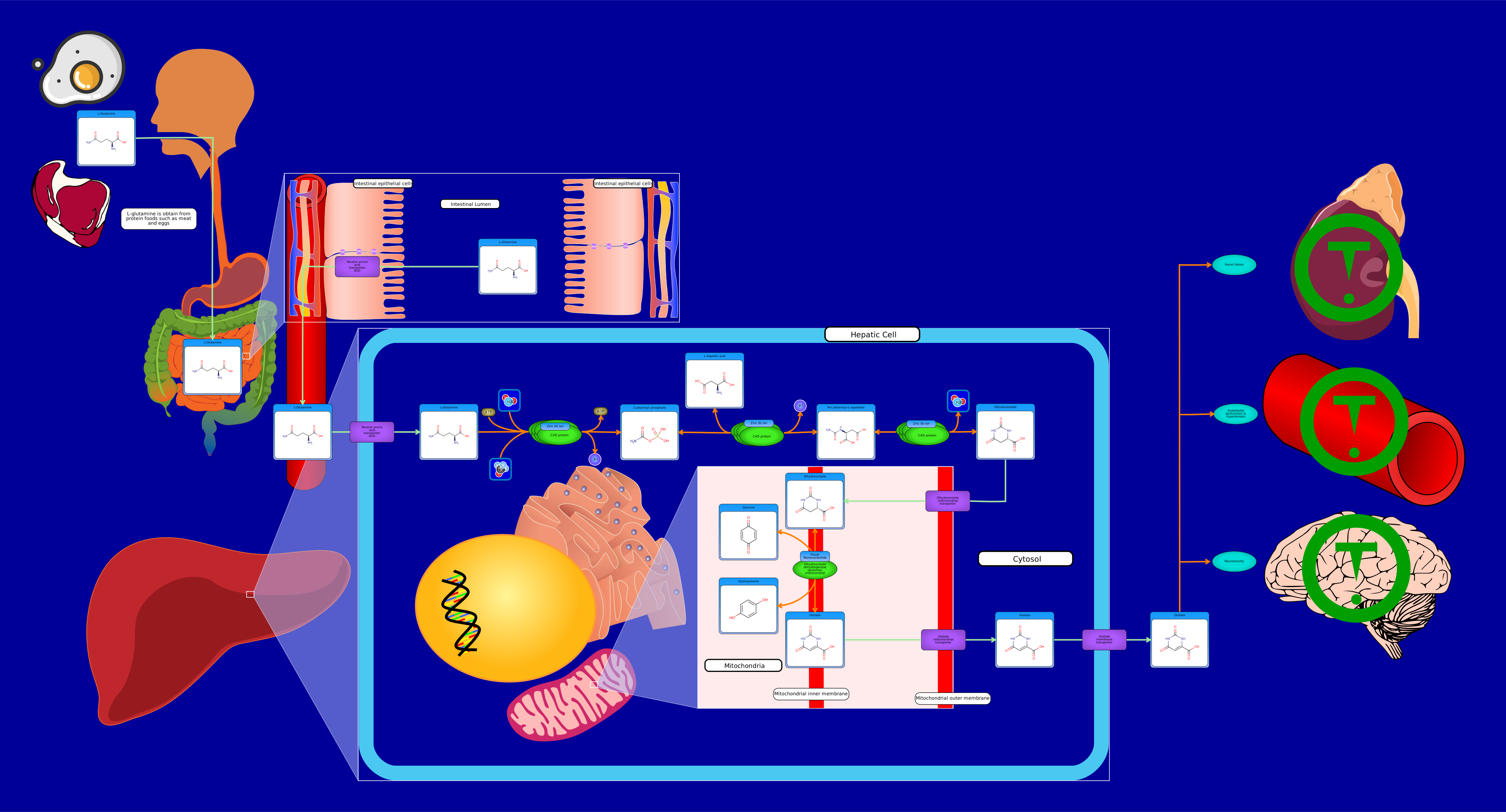 View Pathway
|
Metabolism and Physiological Effects of Orotic acidHomo sapiens
Orotic acid (orotate) is classified as a pyrimidinemonocarboxylic acid. Most urinary orotic acid is synthesized in the body, where it arises as an intermediate in the pathway for the synthesis of pyrimidine nucleotides. It originates from l-glutamine, which is obtained from protein sources such as red meat and eggs in the diet. L-glutamine is metabolized to orotate in the liver. L-glutamine is first converted to carbamoyl phosphate then to N-Carbamoyl-L-aspartate and finally to dihydroorotate by the CAD protein (carbamoyl-phosphate synthetase 2, aspartate transcarbamylase, and dihydroorotase). Dihydroorotate is converted to orotate in the mitochondria of the cell via the enzyme dihydroorotate dehydrogenase. Orotate can enter the bloodstream where it exerts detrimental effects on other systems. A build up of orotate in the body leads to acidosis which can have detrimental effects on other systems in the body causing renal failure, neurotoxicity, endothelial dysfunction and hypertension.
|
Creator: Karxena Harford Created On: October 20, 2021 at 15:33 Last Updated: October 20, 2021 at 15:33 |