
| PathWhiz ID | Pathway | Meta Data |
|---|---|---|
PW176223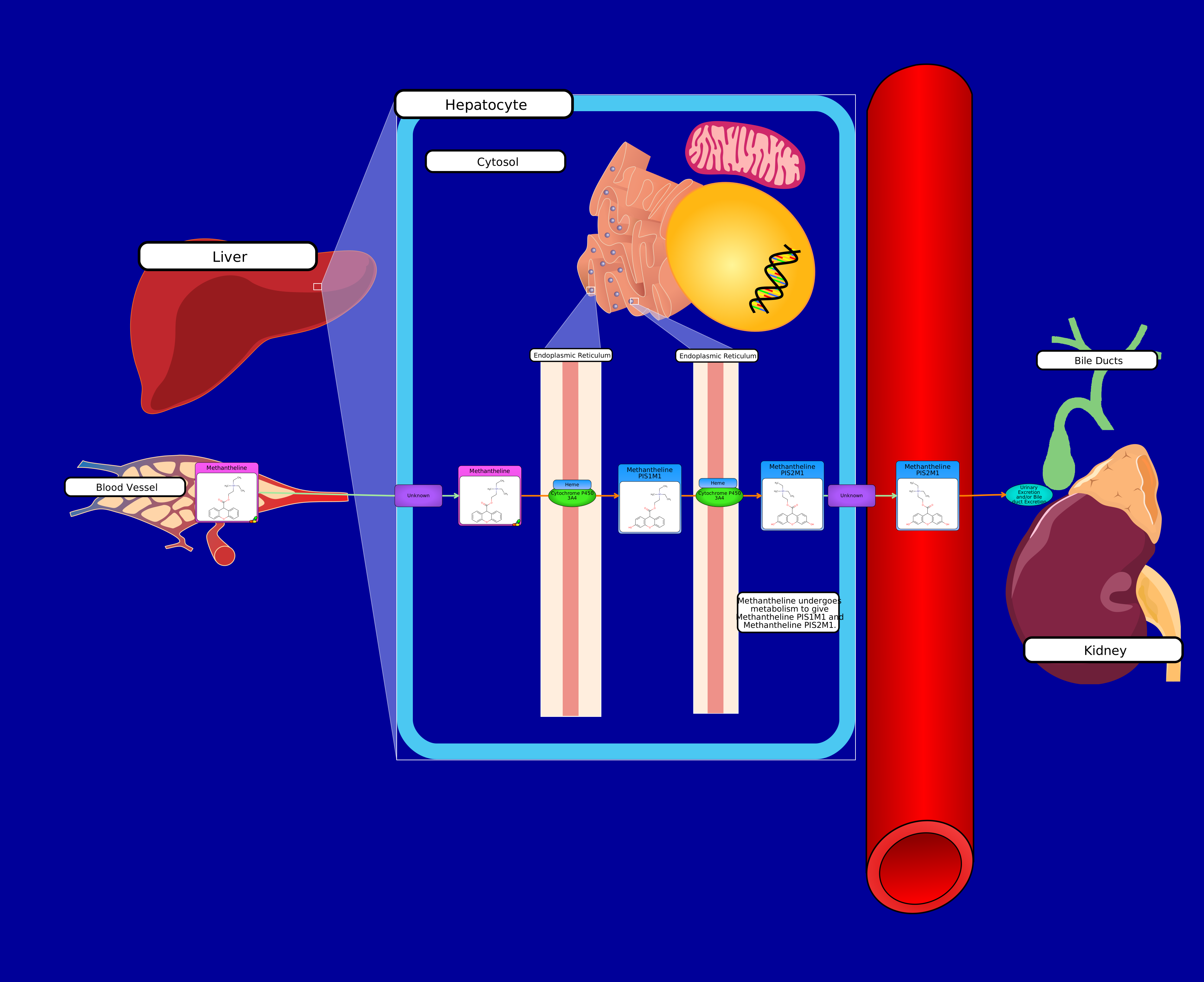 View Pathway
|
Methantheline Predicted Metabolism PathwayHomo sapiens
Metabolites of Methantheline are predicted with biotransformer.
|
Creator: Omolola Created On: December 04, 2023 at 12:53 Last Updated: December 04, 2023 at 12:53 |
PW176594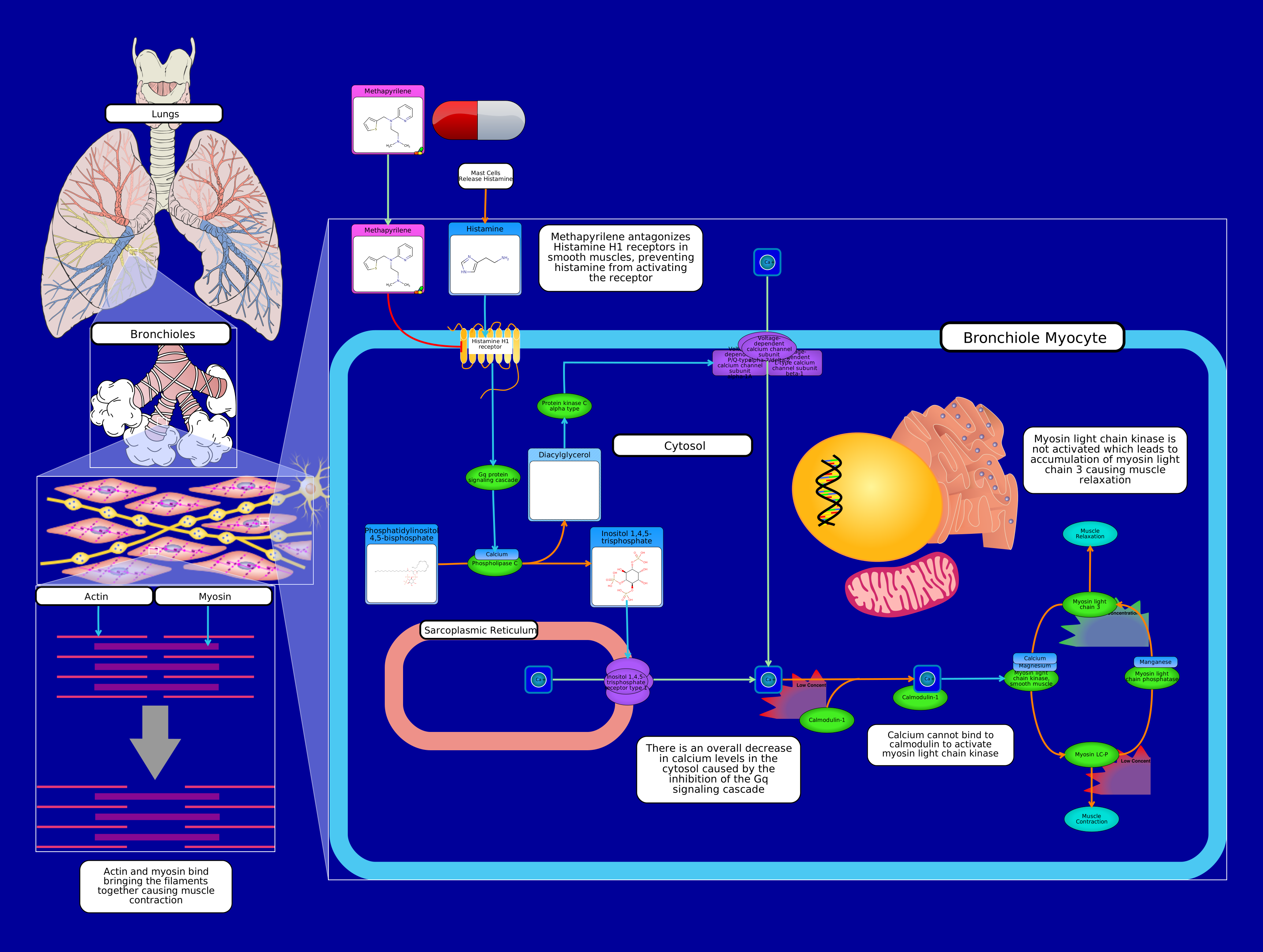 View Pathway
|
drug action
Methapyrilene H1 Antihistamine Smooth Muscle Relaxation Action PathwayHomo sapiens
Methapyrilene is an H1-antihistamine. H1-antihistamines interfere with the agonist action of histamine at the H1 receptor and are administered to attenuate inflammatory process in order to treat conditions such as allergic rhinitis, allergic conjunctivitis, and urticaria. H1-antihistamines act on H1 receptors in T-cells to inhibit the immune response, in blood vessels to constrict dilated blood vessels, and in smooth muscles of lungs and intestines to relax those muscles.
H1-antihistamines interfere with the agonist action of histamine at the H1 receptor and are administered to attenuate inflammatory process in order to treat conditions such as allergic rhinitis, allergic conjunctivitis, and urticaria. H1-antihistamines act on H1 receptors in T-cells to inhibit the immune response, in blood vessels to constrict dilated blood vessels, and in smooth muscles of lungs and intestines to relax those muscles. Allergies causes blood vessel dilation which causes swelling (edema) and fluid leakage. Methapyrilene also inhibits the H1 histamine receptor on bronchiole smooth muscle myocytes. This normally activates the Gq signalling cascade which activates phospholipase C which catalyzes the production of Inositol 1,4,5-trisphosphate (IP3) and Diacylglycerol (DAG). Because of the inhibition, IP3 doesn't activate the release of calcium from the sarcoplasmic reticulum, and DAG doesn't activate the release of calcium into the cytosol of the endothelial cell. This causes a low concentration of calcium in the cytosol, and it, therefore, cannot bind to calmodulin.Calcium bound calmodulin is required for the activation of myosin light chain kinase. This prevents the phosphorylation of myosin light chain 3, causing an accumulation of myosin light chain 3. This causes muscle relaxation, opening up the bronchioles in the lungs, making breathing easier.
|
Creator: Ray Kruger Created On: December 19, 2023 at 12:50 Last Updated: December 19, 2023 at 12:50 |
PW059667 View Pathway
|
drug action
Methapyrilene H1-Antihistamine ActionHomo sapiens
Methapyrilene is a first-generation ethylenediamine H1-antihistamine. H1-antihistamines interfere with the agonist action of histamine at the H1 receptor and are administered to attenuate inflammatory process in order to treat conditions such as allergic rhinitis, allergic conjunctivitis, and urticaria. Reducing the activity of the NF-κB immune response transcription factor through the phospholipase C and the phosphatidylinositol (PIP2) signalling pathways also decreases antigen presentation and the expression of pro-inflammatory cytokines, cell adhesion molecules, and chemotactic factors. Furthermore, lowering calcium ion concentration leads to increased mast cell stability which reduces further histamine release. First-generation antihistamines readily cross the blood-brain barrier and cause sedation and other adverse central nervous system (CNS) effects (e.g. nervousness and insomnia). Second-generation antihistamines are more selective for H1-receptors of the peripheral nervous system (PNS) and do not cross the blood-brain barrier. Consequently, these newer drugs elicit fewer adverse drug reactions. Methapyrilene, formerly marketed in many drug products, was shown to be a potent carcinogen. Manufacturers voluntarily withdrew methapyriline drug products from the market in May and June 1979 (DB04819).
|
Creator: Carin Li Created On: September 18, 2017 at 10:35 Last Updated: September 18, 2017 at 10:35 |
PW176687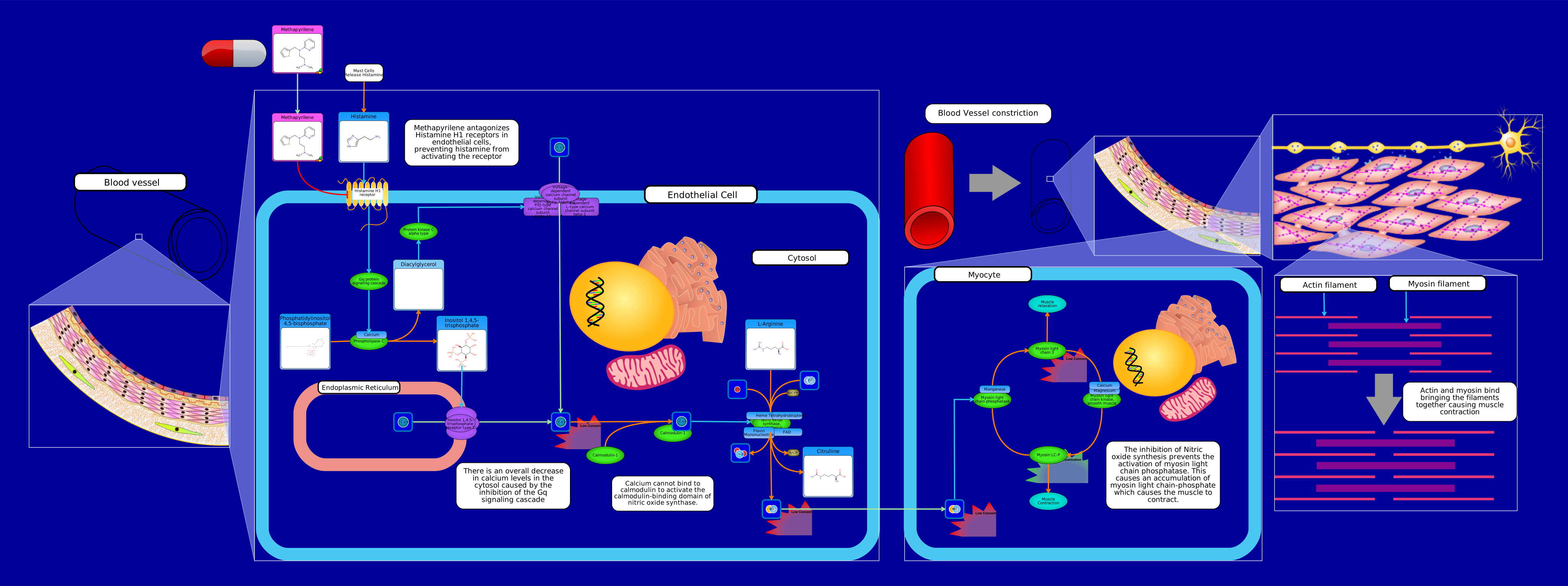 View Pathway
|
drug action
Methapyrilene H1-Antihistamine Blood Vessel Constriction Action PathwayHomo sapiens
Methapyrilene is an H1-antihistamine. H1-antihistamines interfere with the agonist action of histamine at the H1 receptor and are administered to attenuate inflammatory process in order to treat conditions such as allergic rhinitis, allergic conjunctivitis, and urticaria. H1-antihistamines act on H1 receptors in T-cells to inhibit the immune response, in blood vessels to constrict dilated blood vessels, and in smooth muscles of lungs and intestines to relax those muscles.
Allergies causes blood vessel dilation which causes swelling (edema) and fluid leakage. Methapyrilene inhibits the H1 histamine receptor on blood vessel endothelial cells. This normally activates the Gq signalling cascade which activates phospholipase C which catalyzes the production of Inositol 1,4,5-trisphosphate (IP3) and Diacylglycerol (DAG). Because of the inhibition, IP3 doesn't activate the release of calcium from the sarcoplasmic reticulum, and DAG doesn't activate the release of calcium into the cytosol of the endothelial cell. This causes a low concentration of calcium in the cytosol, and it, therefore, cannot bind to calmodulin. Calcium bound calmodulin is required for the activation of the calmodulin-binding domain of nitric oxide synthase. The inhibition of nitric oxide synthesis prevents the activation of myosin light chain phosphatase. This causes an accumulation of myosin light chain-phosphate which causes the muscle to contract and the blood vessel to constrict, decreasing the swelling and fluid leakage from the blood vessels caused by allergens.
|
Creator: Ray Kruger Created On: December 19, 2023 at 13:49 Last Updated: December 19, 2023 at 13:49 |
PW176779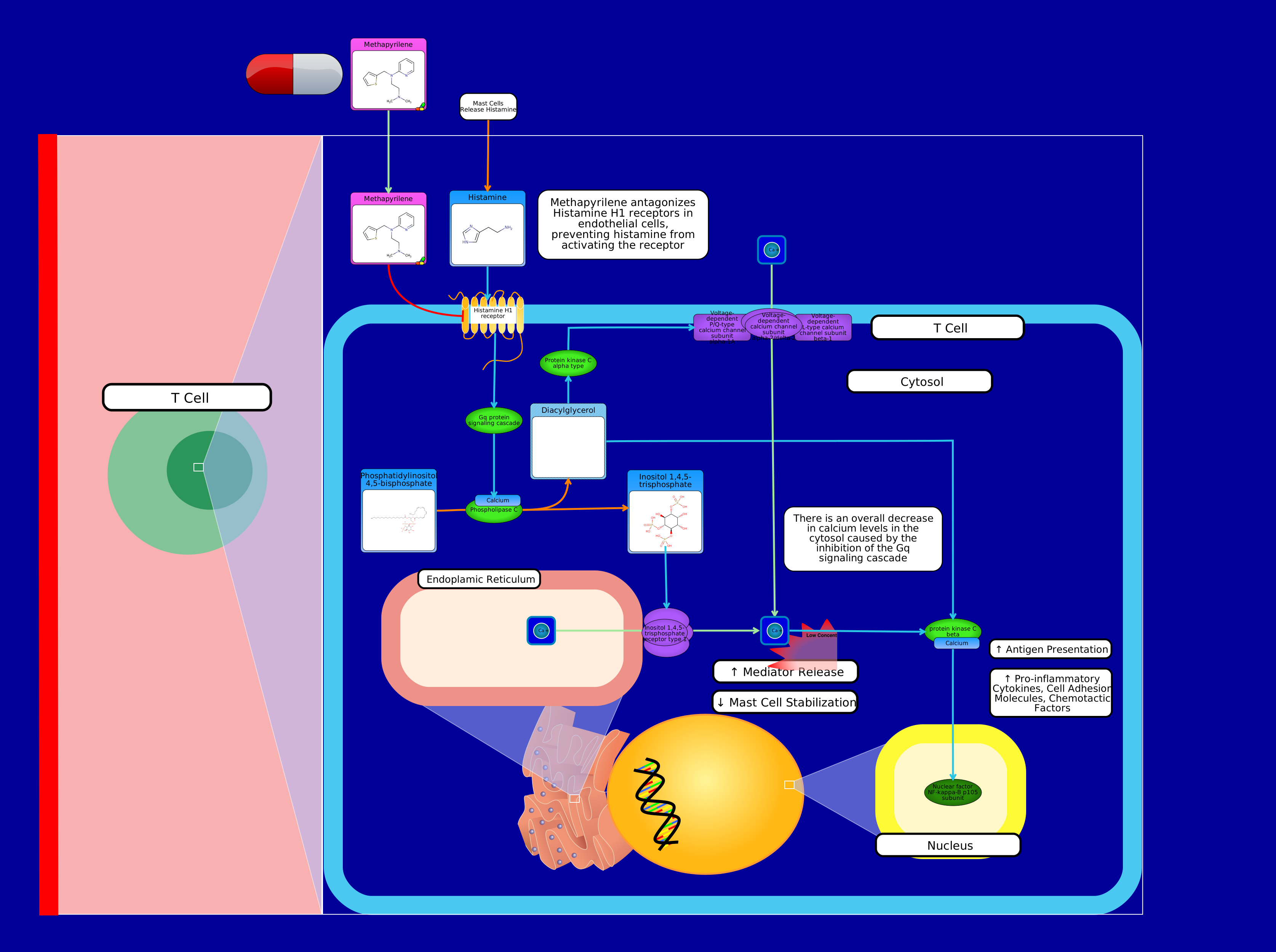 View Pathway
|
drug action
Methapyrilene H1-Antihistamine Immune Response Action PathwayHomo sapiens
Methapyrilene is an H1-antihistamine. H1-antihistamines interfere with the agonist action of histamine at the H1 receptor and are administered to attenuate inflammatory process in order to treat conditions such as allergic rhinitis, allergic conjunctivitis, and urticaria. H1-antihistamines act on H1 receptors in T-cells to inhibit the immune response, in blood vessels to constrict dilated blood vessels, and in smooth muscles of lungs and intestines to relax those muscles.
H1-antihistamines interfere with the agonist action of histamine at the H1 receptor and are administered to attenuate inflammatory process in order to treat conditions such as allergic rhinitis, allergic conjunctivitis, and urticaria. Reducing the activity of the NF-κB immune response transcription factor through the phospholipase C and the phosphatidylinositol (PIP2) signalling pathways also decreases antigen presentation and the expression of pro-inflammatory cytokines, cell adhesion molecules, and chemotactic factors. Furthermore, lowering calcium ion concentration leads to increased mast cell stability which reduces further histamine release. First-generation antihistamines readily cross the blood-brain barrier and cause sedation and other adverse central nervous system (CNS) effects (e.g. nervousness and insomnia). Second-generation antihistamines are more selective for H1-receptors of the peripheral nervous system (PNS) and do not cross the blood-brain barrier. Consequently, these newer drugs elicit fewer adverse drug reactions.
|
Creator: Carin Li Created On: December 19, 2023 at 15:03 Last Updated: December 19, 2023 at 15:03 |
PW144815 View Pathway
|
drug action
Methazolamide Drug Metabolism Action PathwayHomo sapiens
|
Creator: Ray Kruger Created On: October 07, 2023 at 14:29 Last Updated: October 07, 2023 at 14:29 |
PW145003 View Pathway
|
drug action
Methdilazine Drug Metabolism Action PathwayHomo sapiens
|
Creator: Ray Kruger Created On: October 07, 2023 at 14:54 Last Updated: October 07, 2023 at 14:54 |
PW176607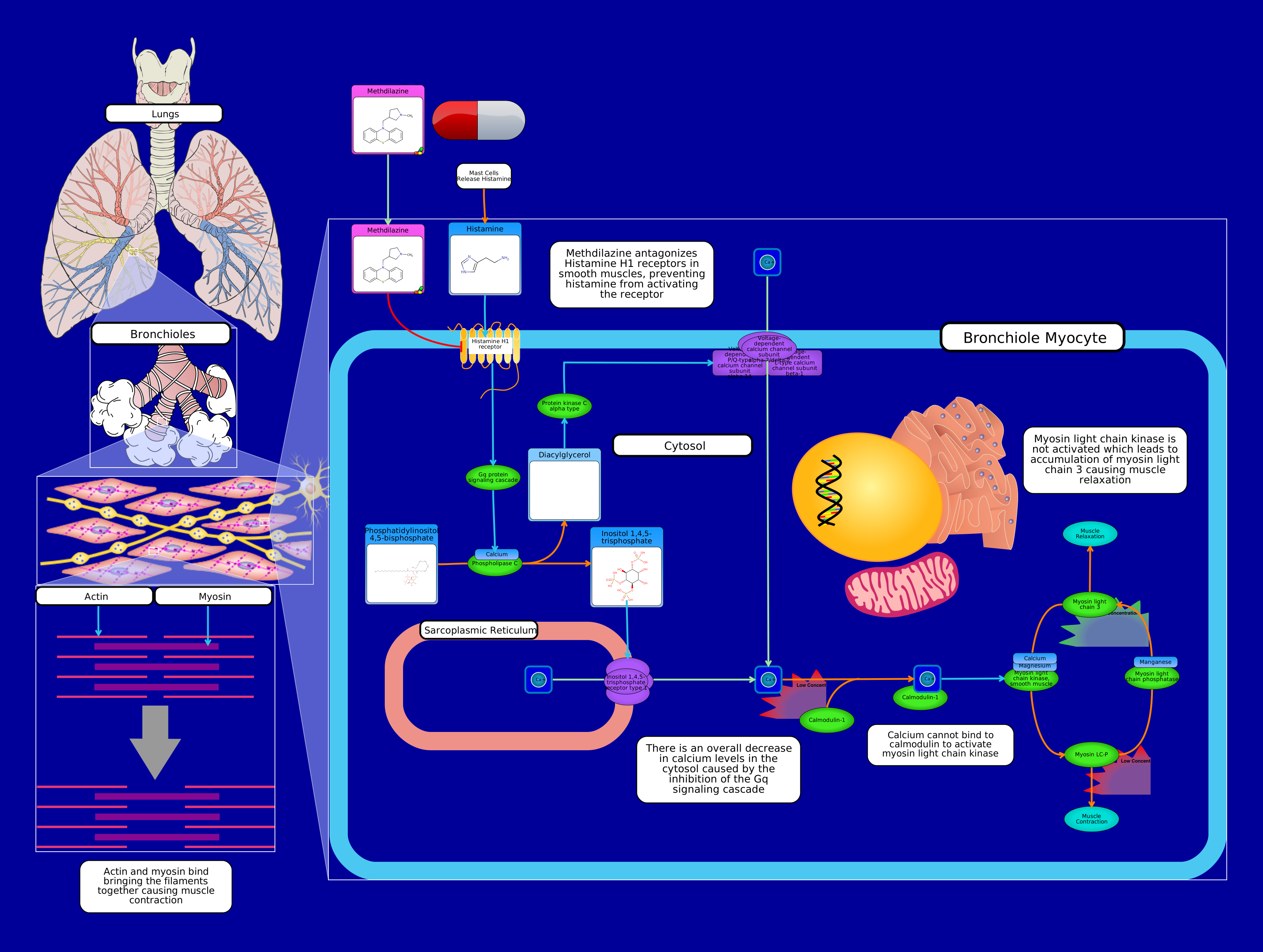 View Pathway
|
drug action
Methdilazine H1 Antihistamine Smooth Muscle Relaxation Action PathwayHomo sapiens
Methdilazine is an H1-antihistamine. H1-antihistamines interfere with the agonist action of histamine at the H1 receptor and are administered to attenuate inflammatory process in order to treat conditions such as allergic rhinitis, allergic conjunctivitis, and urticaria. H1-antihistamines act on H1 receptors in T-cells to inhibit the immune response, in blood vessels to constrict dilated blood vessels, and in smooth muscles of lungs and intestines to relax those muscles.
H1-antihistamines interfere with the agonist action of histamine at the H1 receptor and are administered to attenuate inflammatory process in order to treat conditions such as allergic rhinitis, allergic conjunctivitis, and urticaria. H1-antihistamines act on H1 receptors in T-cells to inhibit the immune response, in blood vessels to constrict dilated blood vessels, and in smooth muscles of lungs and intestines to relax those muscles. Allergies causes blood vessel dilation which causes swelling (edema) and fluid leakage. Methdilazine also inhibits the H1 histamine receptor on bronchiole smooth muscle myocytes. This normally activates the Gq signalling cascade which activates phospholipase C which catalyzes the production of Inositol 1,4,5-trisphosphate (IP3) and Diacylglycerol (DAG). Because of the inhibition, IP3 doesn't activate the release of calcium from the sarcoplasmic reticulum, and DAG doesn't activate the release of calcium into the cytosol of the endothelial cell. This causes a low concentration of calcium in the cytosol, and it, therefore, cannot bind to calmodulin.Calcium bound calmodulin is required for the activation of myosin light chain kinase. This prevents the phosphorylation of myosin light chain 3, causing an accumulation of myosin light chain 3. This causes muscle relaxation, opening up the bronchioles in the lungs, making breathing easier.
|
Creator: Ray Kruger Created On: December 19, 2023 at 12:54 Last Updated: December 19, 2023 at 12:54 |
PW060674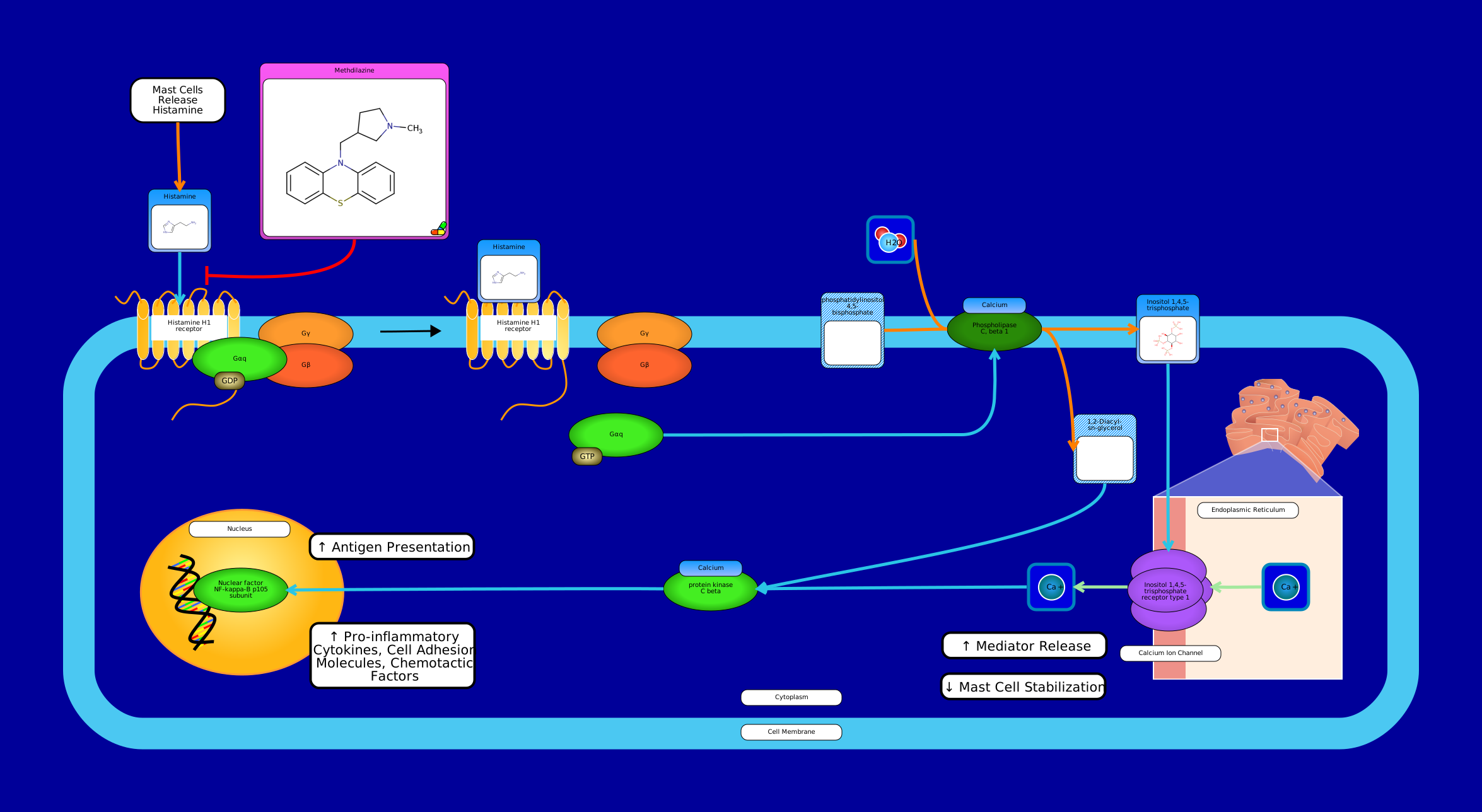 View Pathway
|
drug action
Methdilazine H1-Antihistamine ActionHomo sapiens
Methdilazine is a first-generation phenothiazine H1-antihistamine. H1-antihistamines interfere with the agonist action of histamine at the H1 receptor and are administered to attenuate inflammatory process in order to treat conditions such as allergic rhinitis, allergic conjunctivitis, and urticaria. Reducing the activity of the NF-κB immune response transcription factor through the phospholipase C and the phosphatidylinositol (PIP2) signalling pathways also decreases antigen presentation and the expression of pro-inflammatory cytokines, cell adhesion molecules, and chemotactic factors. Furthermore, lowering calcium ion concentration leads to increased mast cell stability which reduces further histamine release. First-generation antihistamines readily cross the blood-brain barrier and cause sedation and other adverse central nervous system (CNS) effects (e.g. nervousness and insomnia). Second-generation antihistamines are more selective for H1-receptors of the peripheral nervous system (PNS) and do not cross the blood-brain barrier. Consequently, these newer drugs elicit fewer adverse drug reactions.
|
Creator: Carin Li Created On: September 19, 2017 at 10:23 Last Updated: September 19, 2017 at 10:23 |
PW176700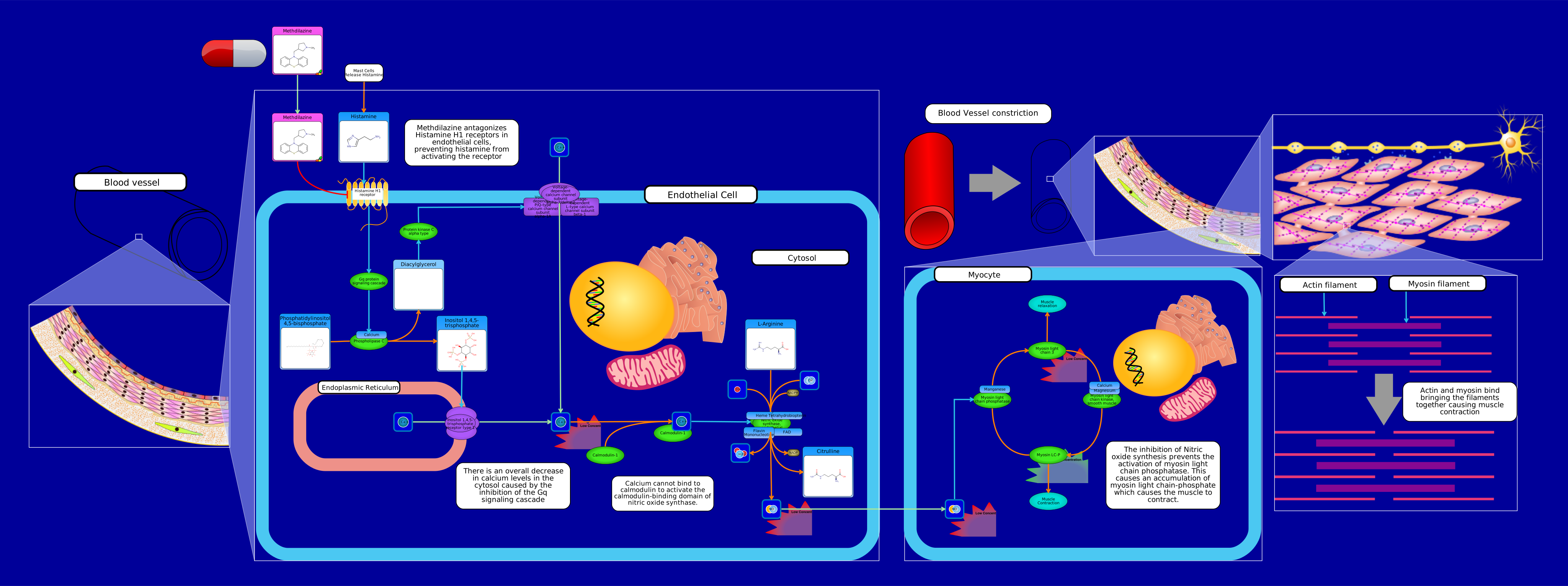 View Pathway
|
drug action
Methdilazine H1-Antihistamine Blood Vessel Constriction Action PathwayHomo sapiens
Methdilazine is an H1-antihistamine. H1-antihistamines interfere with the agonist action of histamine at the H1 receptor and are administered to attenuate inflammatory process in order to treat conditions such as allergic rhinitis, allergic conjunctivitis, and urticaria. H1-antihistamines act on H1 receptors in T-cells to inhibit the immune response, in blood vessels to constrict dilated blood vessels, and in smooth muscles of lungs and intestines to relax those muscles.
Allergies causes blood vessel dilation which causes swelling (edema) and fluid leakage. Methdilazine inhibits the H1 histamine receptor on blood vessel endothelial cells. This normally activates the Gq signalling cascade which activates phospholipase C which catalyzes the production of Inositol 1,4,5-trisphosphate (IP3) and Diacylglycerol (DAG). Because of the inhibition, IP3 doesn't activate the release of calcium from the sarcoplasmic reticulum, and DAG doesn't activate the release of calcium into the cytosol of the endothelial cell. This causes a low concentration of calcium in the cytosol, and it, therefore, cannot bind to calmodulin. Calcium bound calmodulin is required for the activation of the calmodulin-binding domain of nitric oxide synthase. The inhibition of nitric oxide synthesis prevents the activation of myosin light chain phosphatase. This causes an accumulation of myosin light chain-phosphate which causes the muscle to contract and the blood vessel to constrict, decreasing the swelling and fluid leakage from the blood vessels caused by allergens.
|
Creator: Ray Kruger Created On: December 19, 2023 at 13:54 Last Updated: December 19, 2023 at 13:54 |