
| PathWhiz ID | Pathway | Meta Data |
|---|---|---|
PW760098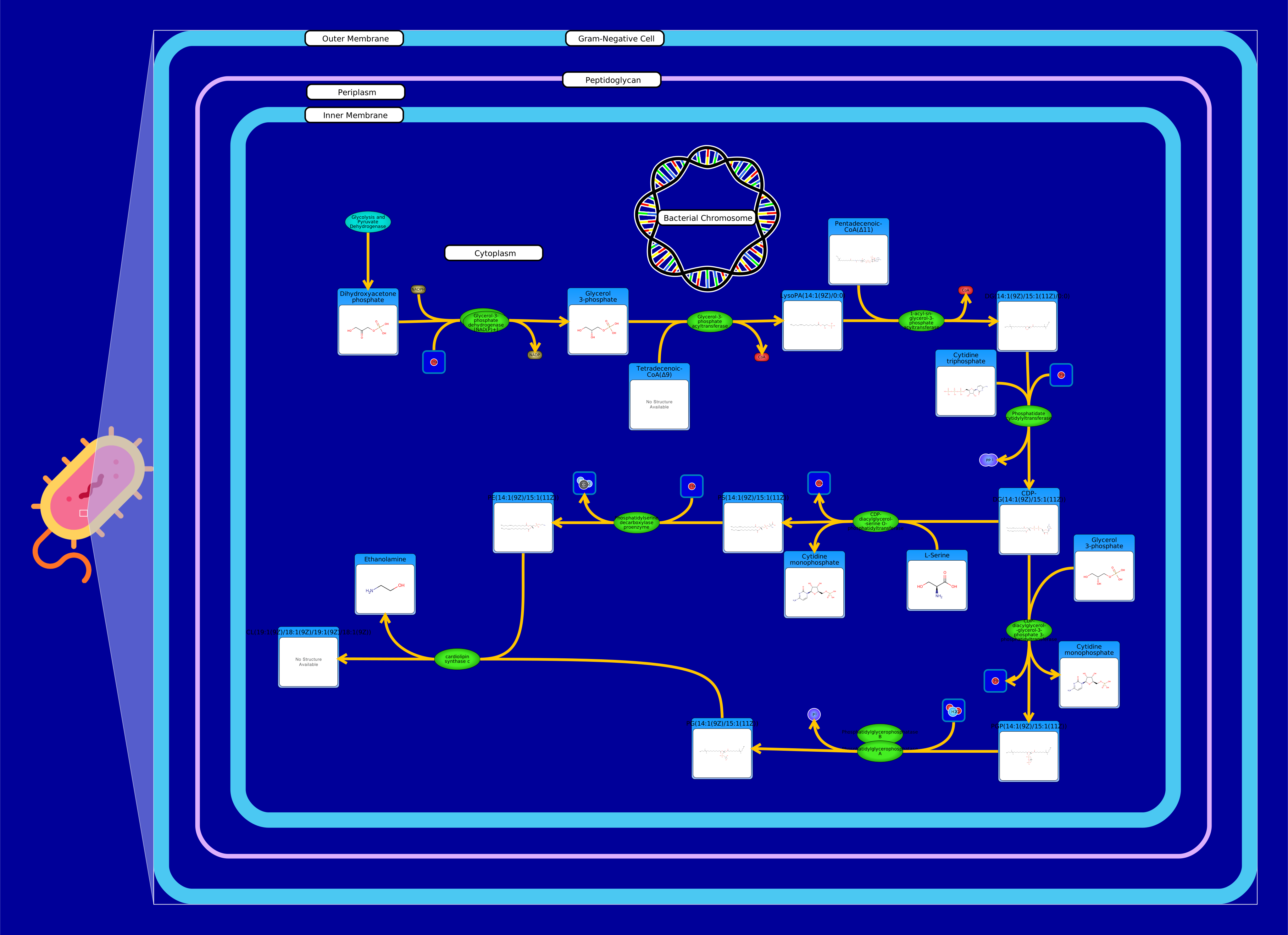 View Pathway
|
Phospholipid Biosynthesis CL(14:1(9Z)/15:1(11Z)/15:1(11Z)/28:1(9Z))Escherichia coli
Phospholipids are membrane components in E. coli. The major phospholipids of E. coli are phosphatidylethanolamine, phosphatidylglycerol and cardiolipin. All phospholipids contain sn-glycerol-3-phosphate esterified with fatty acids at the sn-1 and sn-2 positions. The reaction starts from a glycerone phosphate (dihydroxyacetone phosphate) produced in glycolysis. The glycerone phosphate is transformed to a sn-glycerol 3-phosphate (glycerol 3 phosphate) by NADPH driven glycerol-3-phosphate dehydrogenase. Sn-glycerol 3-phosphate is transformed to a 1-acyl-sn-glycerol 3-phosphate(1-oleyl-2-lyso-phosphatidate , 1-palmitoylglycerol 3-phosphate , 1-stearoyl-sn-glycerol 3-phosphate). This can be achieve by a sn-glycerol-3-phosphate 1-0-acyltransferase that interacts either with a long-chain acyl-CoA or with an acyl-[acp]. The 1-acyl-sn-glycerol 3-phosphate is transformed into a 1,2-diacyl-sn-glycerol 3-phosphate through a 1-acylglycerol-3-phosphate O-acyltransferase. This compound is then converted into a CPD-diacylglycerol through a CTP (phosphatidate cytididyltransferase. CPD-diacylglycerol can be transformed either to a L-1-phosphatidylserine or a L-1-phosphatidylglycerol-phosphate through a phosphatidylserine synthase or a phosphatidylglycerophosphate synthase respectively. The L-1-phosphatidylserine transforms into L-1-phosphatidylethanolamine through a phosphatidylserine decarboxylase, o the other hand L-1-phosphatidylglycerol-phosphate gets transformed into a L-1-phosphatidyl-glycerol through a phosphatidylglycerophosphatase. These 2 products combines produce a cardiolipin and a ethanolamine. The L-1 phosphatidyl-glycerol can also interact with cardiolipin synthase resulting in a glycerol and a cardiolipin.
|
Creator: Julia Wakoli Created On: August 25, 2025 at 22:02 Last Updated: August 25, 2025 at 22:02 |
PW760099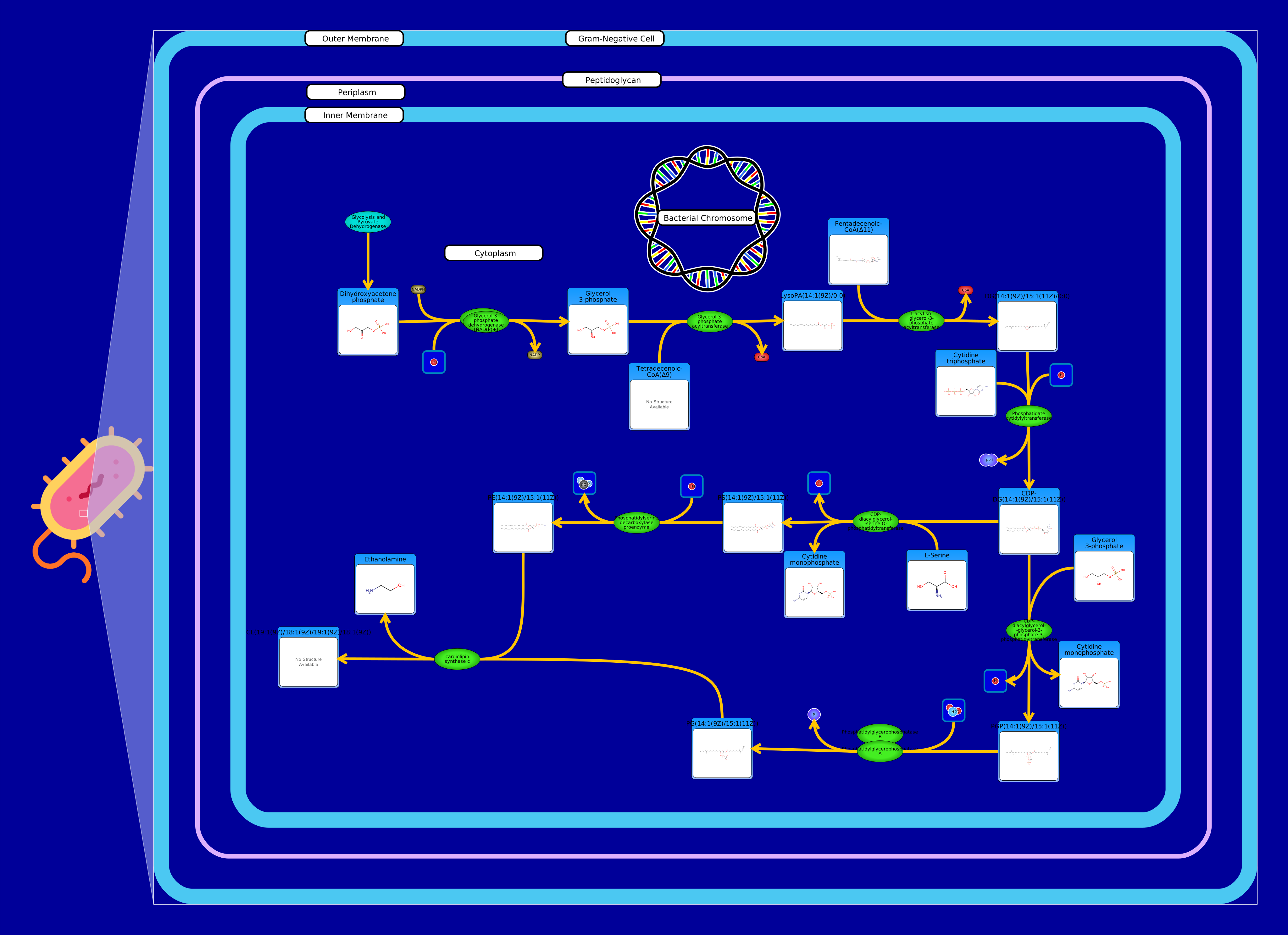 View Pathway
|
Phospholipid Biosynthesis CL(14:1(9Z)/15:1(11Z)/15:1(9Z)/16:0)Escherichia coli
Phospholipids are membrane components in E. coli. The major phospholipids of E. coli are phosphatidylethanolamine, phosphatidylglycerol and cardiolipin. All phospholipids contain sn-glycerol-3-phosphate esterified with fatty acids at the sn-1 and sn-2 positions. The reaction starts from a glycerone phosphate (dihydroxyacetone phosphate) produced in glycolysis. The glycerone phosphate is transformed to a sn-glycerol 3-phosphate (glycerol 3 phosphate) by NADPH driven glycerol-3-phosphate dehydrogenase. Sn-glycerol 3-phosphate is transformed to a 1-acyl-sn-glycerol 3-phosphate(1-oleyl-2-lyso-phosphatidate , 1-palmitoylglycerol 3-phosphate , 1-stearoyl-sn-glycerol 3-phosphate). This can be achieve by a sn-glycerol-3-phosphate 1-0-acyltransferase that interacts either with a long-chain acyl-CoA or with an acyl-[acp]. The 1-acyl-sn-glycerol 3-phosphate is transformed into a 1,2-diacyl-sn-glycerol 3-phosphate through a 1-acylglycerol-3-phosphate O-acyltransferase. This compound is then converted into a CPD-diacylglycerol through a CTP (phosphatidate cytididyltransferase. CPD-diacylglycerol can be transformed either to a L-1-phosphatidylserine or a L-1-phosphatidylglycerol-phosphate through a phosphatidylserine synthase or a phosphatidylglycerophosphate synthase respectively. The L-1-phosphatidylserine transforms into L-1-phosphatidylethanolamine through a phosphatidylserine decarboxylase, o the other hand L-1-phosphatidylglycerol-phosphate gets transformed into a L-1-phosphatidyl-glycerol through a phosphatidylglycerophosphatase. These 2 products combines produce a cardiolipin and a ethanolamine. The L-1 phosphatidyl-glycerol can also interact with cardiolipin synthase resulting in a glycerol and a cardiolipin.
|
Creator: Julia Wakoli Created On: August 25, 2025 at 22:03 Last Updated: August 25, 2025 at 22:03 |
PW760100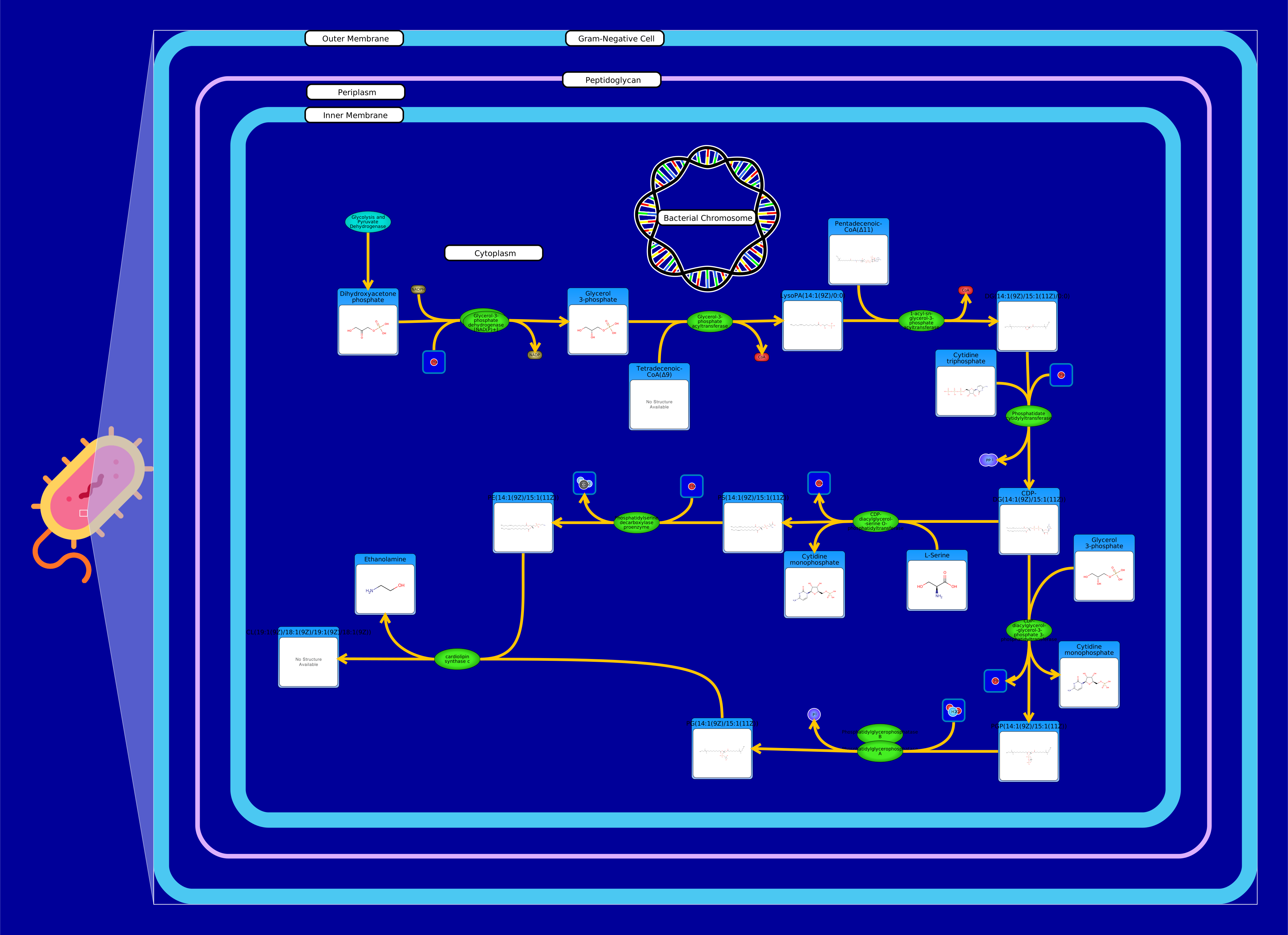 View Pathway
|
Phospholipid Biosynthesis CL(14:1(9Z)/15:1(11Z)/15:1(9Z)/16:1(11Z))Escherichia coli
Phospholipids are membrane components in E. coli. The major phospholipids of E. coli are phosphatidylethanolamine, phosphatidylglycerol and cardiolipin. All phospholipids contain sn-glycerol-3-phosphate esterified with fatty acids at the sn-1 and sn-2 positions. The reaction starts from a glycerone phosphate (dihydroxyacetone phosphate) produced in glycolysis. The glycerone phosphate is transformed to a sn-glycerol 3-phosphate (glycerol 3 phosphate) by NADPH driven glycerol-3-phosphate dehydrogenase. Sn-glycerol 3-phosphate is transformed to a 1-acyl-sn-glycerol 3-phosphate(1-oleyl-2-lyso-phosphatidate , 1-palmitoylglycerol 3-phosphate , 1-stearoyl-sn-glycerol 3-phosphate). This can be achieve by a sn-glycerol-3-phosphate 1-0-acyltransferase that interacts either with a long-chain acyl-CoA or with an acyl-[acp]. The 1-acyl-sn-glycerol 3-phosphate is transformed into a 1,2-diacyl-sn-glycerol 3-phosphate through a 1-acylglycerol-3-phosphate O-acyltransferase. This compound is then converted into a CPD-diacylglycerol through a CTP (phosphatidate cytididyltransferase. CPD-diacylglycerol can be transformed either to a L-1-phosphatidylserine or a L-1-phosphatidylglycerol-phosphate through a phosphatidylserine synthase or a phosphatidylglycerophosphate synthase respectively. The L-1-phosphatidylserine transforms into L-1-phosphatidylethanolamine through a phosphatidylserine decarboxylase, o the other hand L-1-phosphatidylglycerol-phosphate gets transformed into a L-1-phosphatidyl-glycerol through a phosphatidylglycerophosphatase. These 2 products combines produce a cardiolipin and a ethanolamine. The L-1 phosphatidyl-glycerol can also interact with cardiolipin synthase resulting in a glycerol and a cardiolipin.
|
Creator: Julia Wakoli Created On: August 25, 2025 at 22:04 Last Updated: August 25, 2025 at 22:04 |
PW760101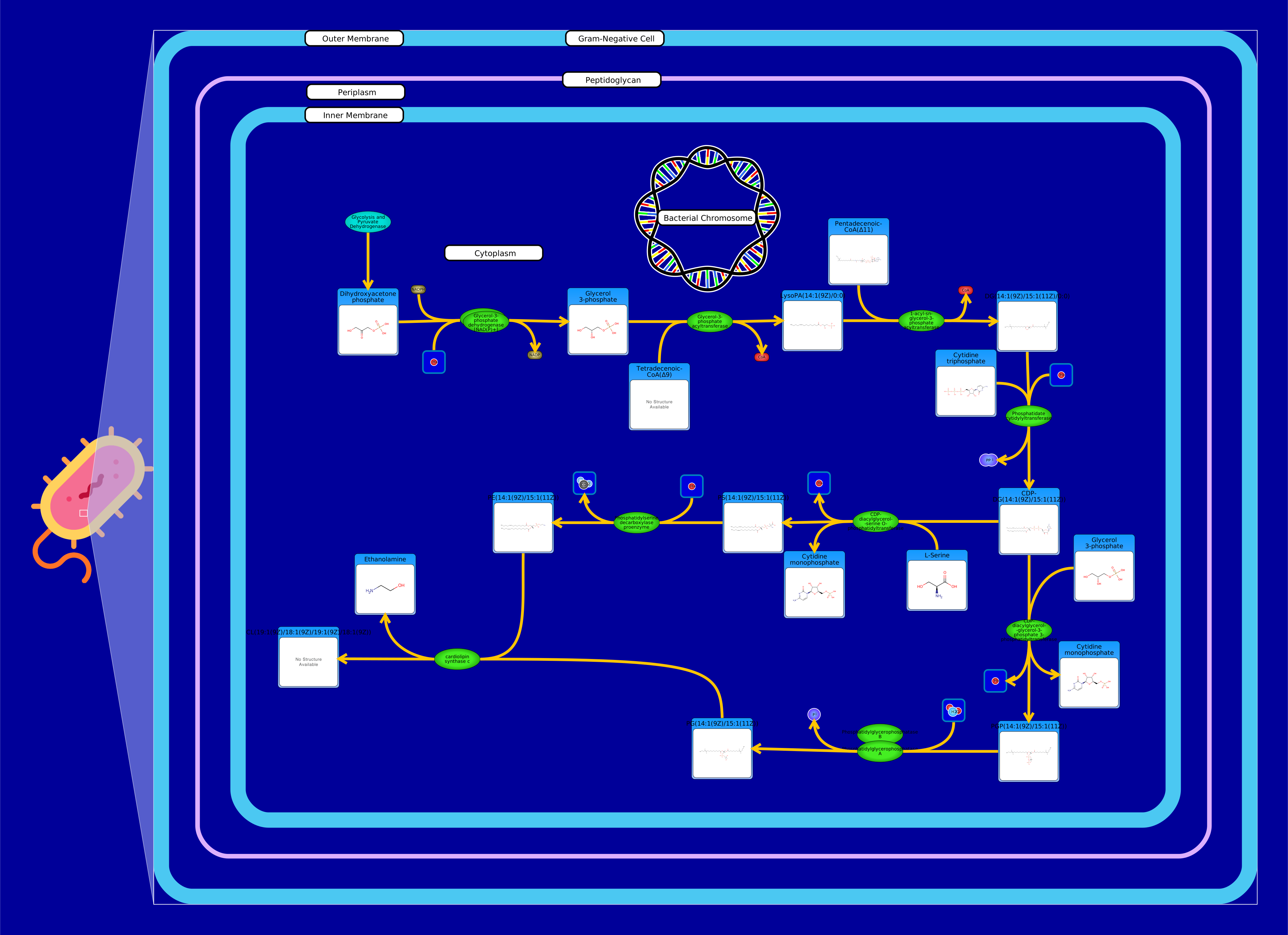 View Pathway
|
Phospholipid Biosynthesis CL(14:1(9Z)/15:1(11Z)/15:1(9Z)/16:1(9Z))Escherichia coli
Phospholipids are membrane components in E. coli. The major phospholipids of E. coli are phosphatidylethanolamine, phosphatidylglycerol and cardiolipin. All phospholipids contain sn-glycerol-3-phosphate esterified with fatty acids at the sn-1 and sn-2 positions. The reaction starts from a glycerone phosphate (dihydroxyacetone phosphate) produced in glycolysis. The glycerone phosphate is transformed to a sn-glycerol 3-phosphate (glycerol 3 phosphate) by NADPH driven glycerol-3-phosphate dehydrogenase. Sn-glycerol 3-phosphate is transformed to a 1-acyl-sn-glycerol 3-phosphate(1-oleyl-2-lyso-phosphatidate , 1-palmitoylglycerol 3-phosphate , 1-stearoyl-sn-glycerol 3-phosphate). This can be achieve by a sn-glycerol-3-phosphate 1-0-acyltransferase that interacts either with a long-chain acyl-CoA or with an acyl-[acp]. The 1-acyl-sn-glycerol 3-phosphate is transformed into a 1,2-diacyl-sn-glycerol 3-phosphate through a 1-acylglycerol-3-phosphate O-acyltransferase. This compound is then converted into a CPD-diacylglycerol through a CTP (phosphatidate cytididyltransferase. CPD-diacylglycerol can be transformed either to a L-1-phosphatidylserine or a L-1-phosphatidylglycerol-phosphate through a phosphatidylserine synthase or a phosphatidylglycerophosphate synthase respectively. The L-1-phosphatidylserine transforms into L-1-phosphatidylethanolamine through a phosphatidylserine decarboxylase, o the other hand L-1-phosphatidylglycerol-phosphate gets transformed into a L-1-phosphatidyl-glycerol through a phosphatidylglycerophosphatase. These 2 products combines produce a cardiolipin and a ethanolamine. The L-1 phosphatidyl-glycerol can also interact with cardiolipin synthase resulting in a glycerol and a cardiolipin.
|
Creator: Julia Wakoli Created On: August 25, 2025 at 22:06 Last Updated: August 25, 2025 at 22:06 |
PW760102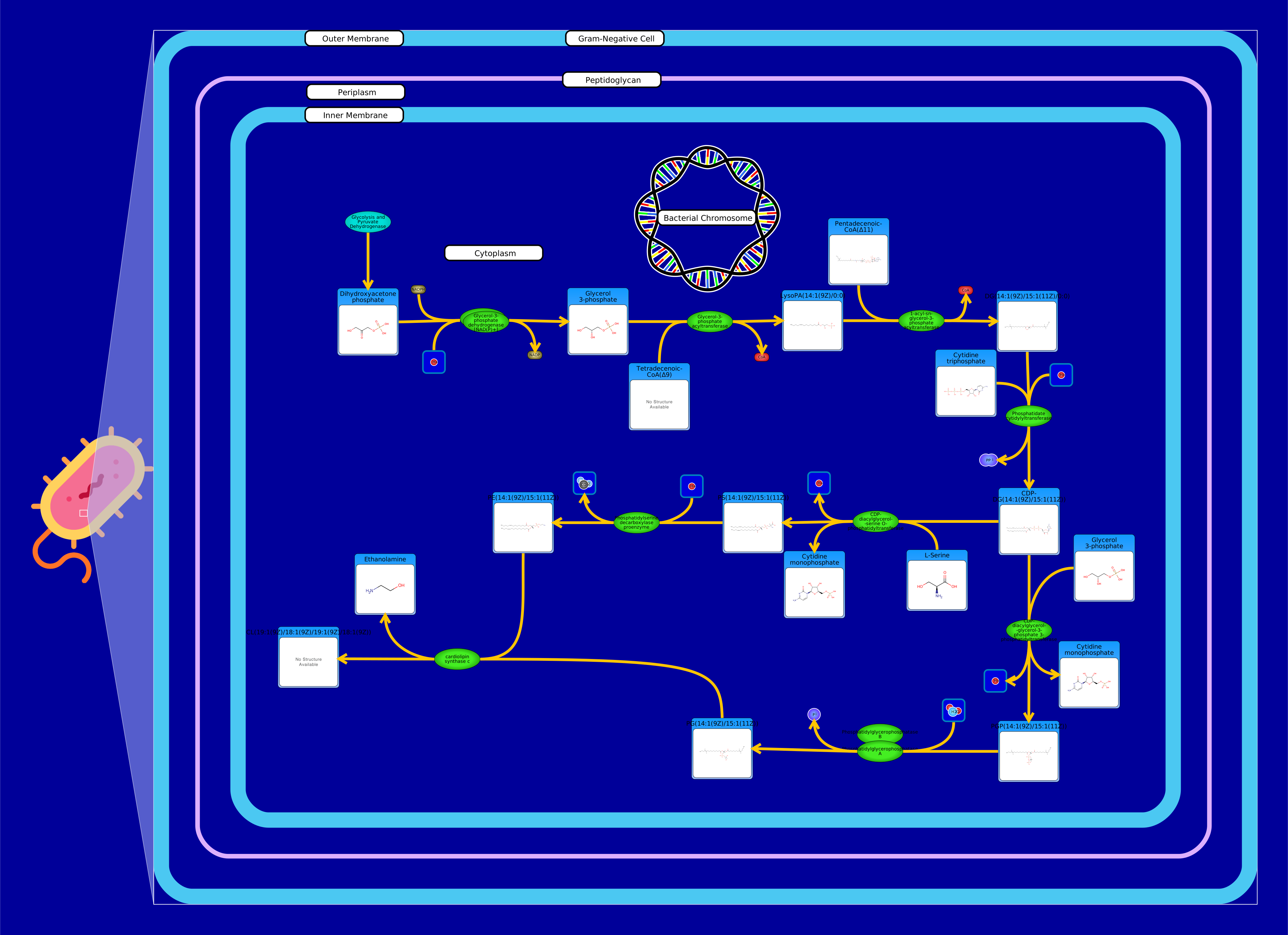 View Pathway
|
Phospholipid Biosynthesis CL(14:1(9Z)/15:1(11Z)/15:1(9Z)/18:0)Escherichia coli
Phospholipids are membrane components in E. coli. The major phospholipids of E. coli are phosphatidylethanolamine, phosphatidylglycerol and cardiolipin. All phospholipids contain sn-glycerol-3-phosphate esterified with fatty acids at the sn-1 and sn-2 positions. The reaction starts from a glycerone phosphate (dihydroxyacetone phosphate) produced in glycolysis. The glycerone phosphate is transformed to a sn-glycerol 3-phosphate (glycerol 3 phosphate) by NADPH driven glycerol-3-phosphate dehydrogenase. Sn-glycerol 3-phosphate is transformed to a 1-acyl-sn-glycerol 3-phosphate(1-oleyl-2-lyso-phosphatidate , 1-palmitoylglycerol 3-phosphate , 1-stearoyl-sn-glycerol 3-phosphate). This can be achieve by a sn-glycerol-3-phosphate 1-0-acyltransferase that interacts either with a long-chain acyl-CoA or with an acyl-[acp]. The 1-acyl-sn-glycerol 3-phosphate is transformed into a 1,2-diacyl-sn-glycerol 3-phosphate through a 1-acylglycerol-3-phosphate O-acyltransferase. This compound is then converted into a CPD-diacylglycerol through a CTP (phosphatidate cytididyltransferase. CPD-diacylglycerol can be transformed either to a L-1-phosphatidylserine or a L-1-phosphatidylglycerol-phosphate through a phosphatidylserine synthase or a phosphatidylglycerophosphate synthase respectively. The L-1-phosphatidylserine transforms into L-1-phosphatidylethanolamine through a phosphatidylserine decarboxylase, o the other hand L-1-phosphatidylglycerol-phosphate gets transformed into a L-1-phosphatidyl-glycerol through a phosphatidylglycerophosphatase. These 2 products combines produce a cardiolipin and a ethanolamine. The L-1 phosphatidyl-glycerol can also interact with cardiolipin synthase resulting in a glycerol and a cardiolipin.
|
Creator: Julia Wakoli Created On: August 25, 2025 at 22:07 Last Updated: August 25, 2025 at 22:07 |
PW760103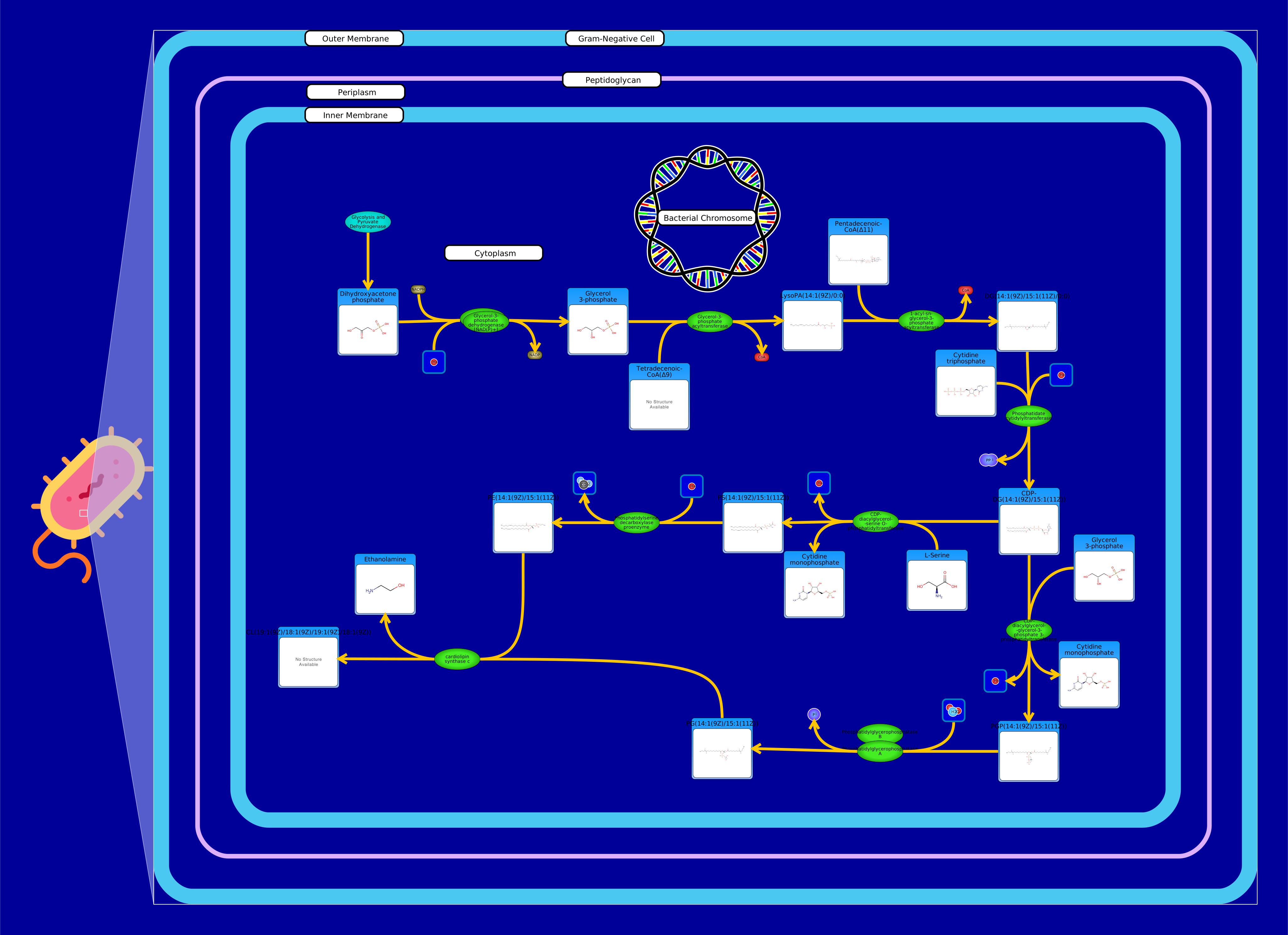 View Pathway
|
Phospholipid Biosynthesis CL(14:1(9Z)/15:1(11Z)/15:1(9Z)/18:1(11Z))Escherichia coli
Phospholipids are membrane components in E. coli. The major phospholipids of E. coli are phosphatidylethanolamine, phosphatidylglycerol and cardiolipin. All phospholipids contain sn-glycerol-3-phosphate esterified with fatty acids at the sn-1 and sn-2 positions. The reaction starts from a glycerone phosphate (dihydroxyacetone phosphate) produced in glycolysis. The glycerone phosphate is transformed to a sn-glycerol 3-phosphate (glycerol 3 phosphate) by NADPH driven glycerol-3-phosphate dehydrogenase. Sn-glycerol 3-phosphate is transformed to a 1-acyl-sn-glycerol 3-phosphate(1-oleyl-2-lyso-phosphatidate , 1-palmitoylglycerol 3-phosphate , 1-stearoyl-sn-glycerol 3-phosphate). This can be achieve by a sn-glycerol-3-phosphate 1-0-acyltransferase that interacts either with a long-chain acyl-CoA or with an acyl-[acp]. The 1-acyl-sn-glycerol 3-phosphate is transformed into a 1,2-diacyl-sn-glycerol 3-phosphate through a 1-acylglycerol-3-phosphate O-acyltransferase. This compound is then converted into a CPD-diacylglycerol through a CTP (phosphatidate cytididyltransferase. CPD-diacylglycerol can be transformed either to a L-1-phosphatidylserine or a L-1-phosphatidylglycerol-phosphate through a phosphatidylserine synthase or a phosphatidylglycerophosphate synthase respectively. The L-1-phosphatidylserine transforms into L-1-phosphatidylethanolamine through a phosphatidylserine decarboxylase, o the other hand L-1-phosphatidylglycerol-phosphate gets transformed into a L-1-phosphatidyl-glycerol through a phosphatidylglycerophosphatase. These 2 products combines produce a cardiolipin and a ethanolamine. The L-1 phosphatidyl-glycerol can also interact with cardiolipin synthase resulting in a glycerol and a cardiolipin.
|
Creator: Julia Wakoli Created On: August 25, 2025 at 22:08 Last Updated: August 25, 2025 at 22:08 |
PW760104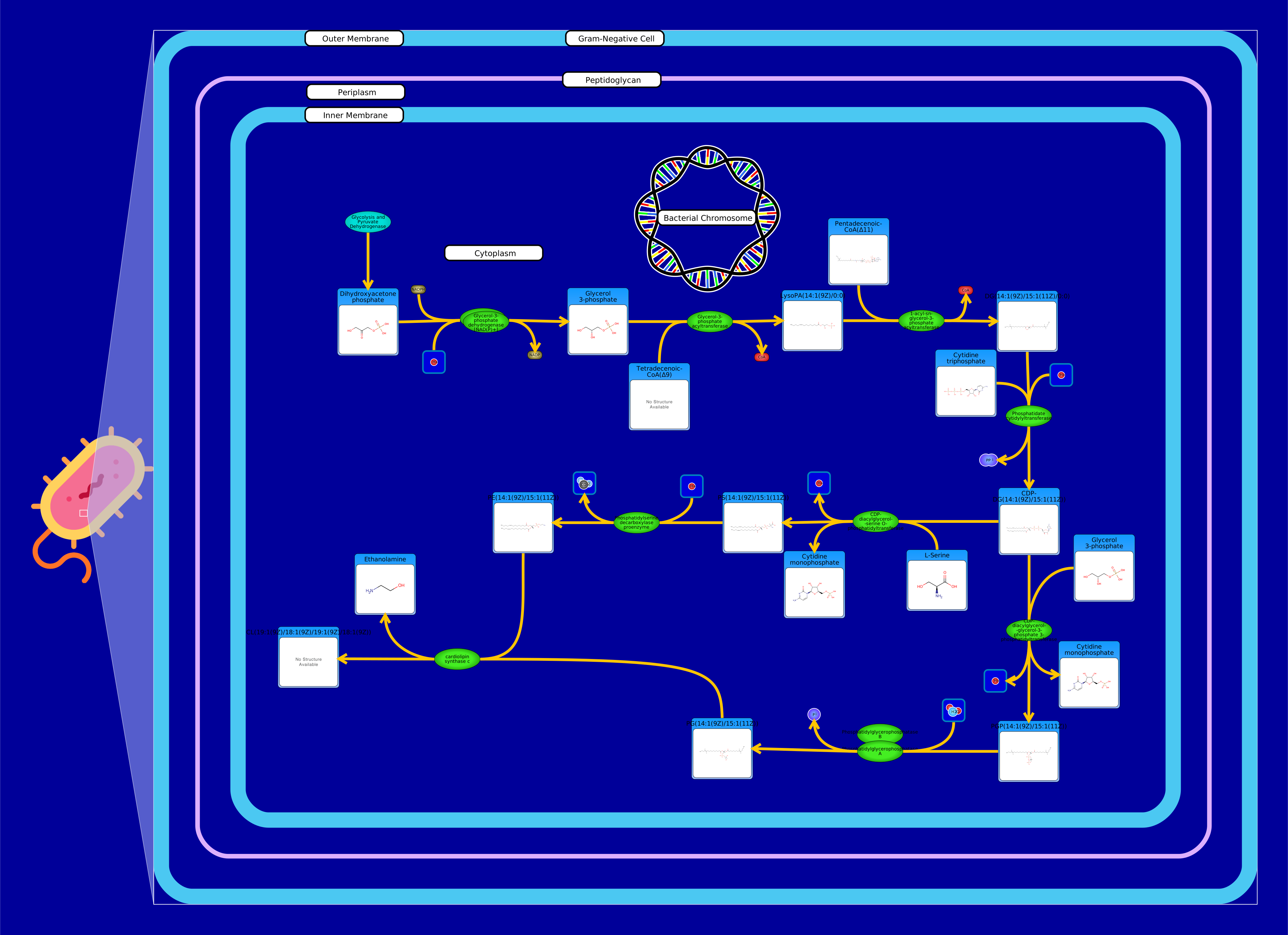 View Pathway
|
Phospholipid Biosynthesis CL(14:1(9Z)/15:1(11Z)/15:1(9Z)/18:1(9Z))Escherichia coli
Phospholipids are membrane components in E. coli. The major phospholipids of E. coli are phosphatidylethanolamine, phosphatidylglycerol and cardiolipin. All phospholipids contain sn-glycerol-3-phosphate esterified with fatty acids at the sn-1 and sn-2 positions. The reaction starts from a glycerone phosphate (dihydroxyacetone phosphate) produced in glycolysis. The glycerone phosphate is transformed to a sn-glycerol 3-phosphate (glycerol 3 phosphate) by NADPH driven glycerol-3-phosphate dehydrogenase. Sn-glycerol 3-phosphate is transformed to a 1-acyl-sn-glycerol 3-phosphate(1-oleyl-2-lyso-phosphatidate , 1-palmitoylglycerol 3-phosphate , 1-stearoyl-sn-glycerol 3-phosphate). This can be achieve by a sn-glycerol-3-phosphate 1-0-acyltransferase that interacts either with a long-chain acyl-CoA or with an acyl-[acp]. The 1-acyl-sn-glycerol 3-phosphate is transformed into a 1,2-diacyl-sn-glycerol 3-phosphate through a 1-acylglycerol-3-phosphate O-acyltransferase. This compound is then converted into a CPD-diacylglycerol through a CTP (phosphatidate cytididyltransferase. CPD-diacylglycerol can be transformed either to a L-1-phosphatidylserine or a L-1-phosphatidylglycerol-phosphate through a phosphatidylserine synthase or a phosphatidylglycerophosphate synthase respectively. The L-1-phosphatidylserine transforms into L-1-phosphatidylethanolamine through a phosphatidylserine decarboxylase, o the other hand L-1-phosphatidylglycerol-phosphate gets transformed into a L-1-phosphatidyl-glycerol through a phosphatidylglycerophosphatase. These 2 products combines produce a cardiolipin and a ethanolamine. The L-1 phosphatidyl-glycerol can also interact with cardiolipin synthase resulting in a glycerol and a cardiolipin.
|
Creator: Julia Wakoli Created On: August 25, 2025 at 22:09 Last Updated: August 25, 2025 at 22:09 |
PW760105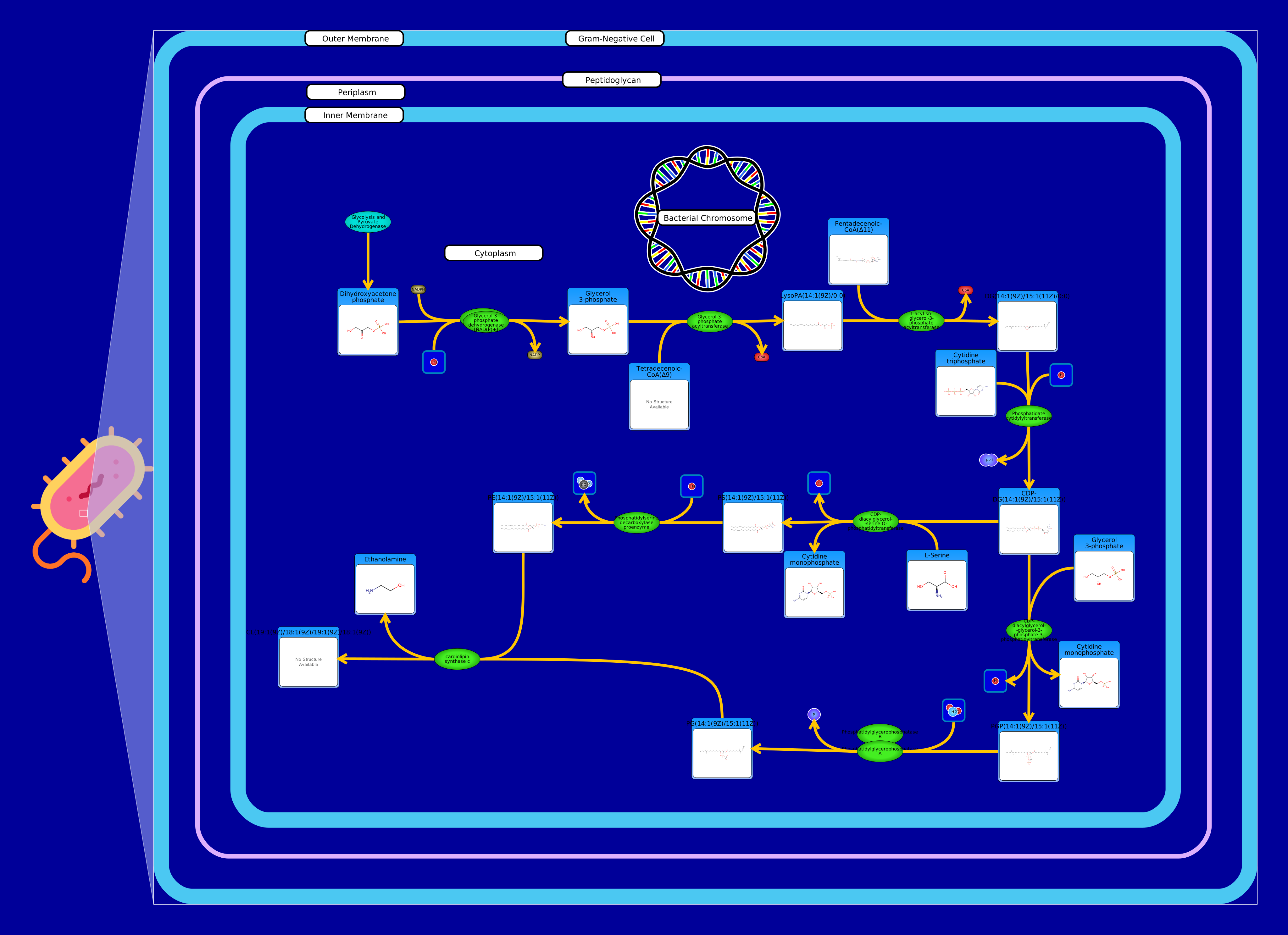 View Pathway
|
Phospholipid Biosynthesis CL(14:1(9Z)/15:1(11Z)/15:1(9Z)/20:0)Escherichia coli
Phospholipids are membrane components in E. coli. The major phospholipids of E. coli are phosphatidylethanolamine, phosphatidylglycerol and cardiolipin. All phospholipids contain sn-glycerol-3-phosphate esterified with fatty acids at the sn-1 and sn-2 positions. The reaction starts from a glycerone phosphate (dihydroxyacetone phosphate) produced in glycolysis. The glycerone phosphate is transformed to a sn-glycerol 3-phosphate (glycerol 3 phosphate) by NADPH driven glycerol-3-phosphate dehydrogenase. Sn-glycerol 3-phosphate is transformed to a 1-acyl-sn-glycerol 3-phosphate(1-oleyl-2-lyso-phosphatidate , 1-palmitoylglycerol 3-phosphate , 1-stearoyl-sn-glycerol 3-phosphate). This can be achieve by a sn-glycerol-3-phosphate 1-0-acyltransferase that interacts either with a long-chain acyl-CoA or with an acyl-[acp]. The 1-acyl-sn-glycerol 3-phosphate is transformed into a 1,2-diacyl-sn-glycerol 3-phosphate through a 1-acylglycerol-3-phosphate O-acyltransferase. This compound is then converted into a CPD-diacylglycerol through a CTP (phosphatidate cytididyltransferase. CPD-diacylglycerol can be transformed either to a L-1-phosphatidylserine or a L-1-phosphatidylglycerol-phosphate through a phosphatidylserine synthase or a phosphatidylglycerophosphate synthase respectively. The L-1-phosphatidylserine transforms into L-1-phosphatidylethanolamine through a phosphatidylserine decarboxylase, o the other hand L-1-phosphatidylglycerol-phosphate gets transformed into a L-1-phosphatidyl-glycerol through a phosphatidylglycerophosphatase. These 2 products combines produce a cardiolipin and a ethanolamine. The L-1 phosphatidyl-glycerol can also interact with cardiolipin synthase resulting in a glycerol and a cardiolipin.
|
Creator: Julia Wakoli Created On: August 25, 2025 at 22:10 Last Updated: August 25, 2025 at 22:10 |
PW760106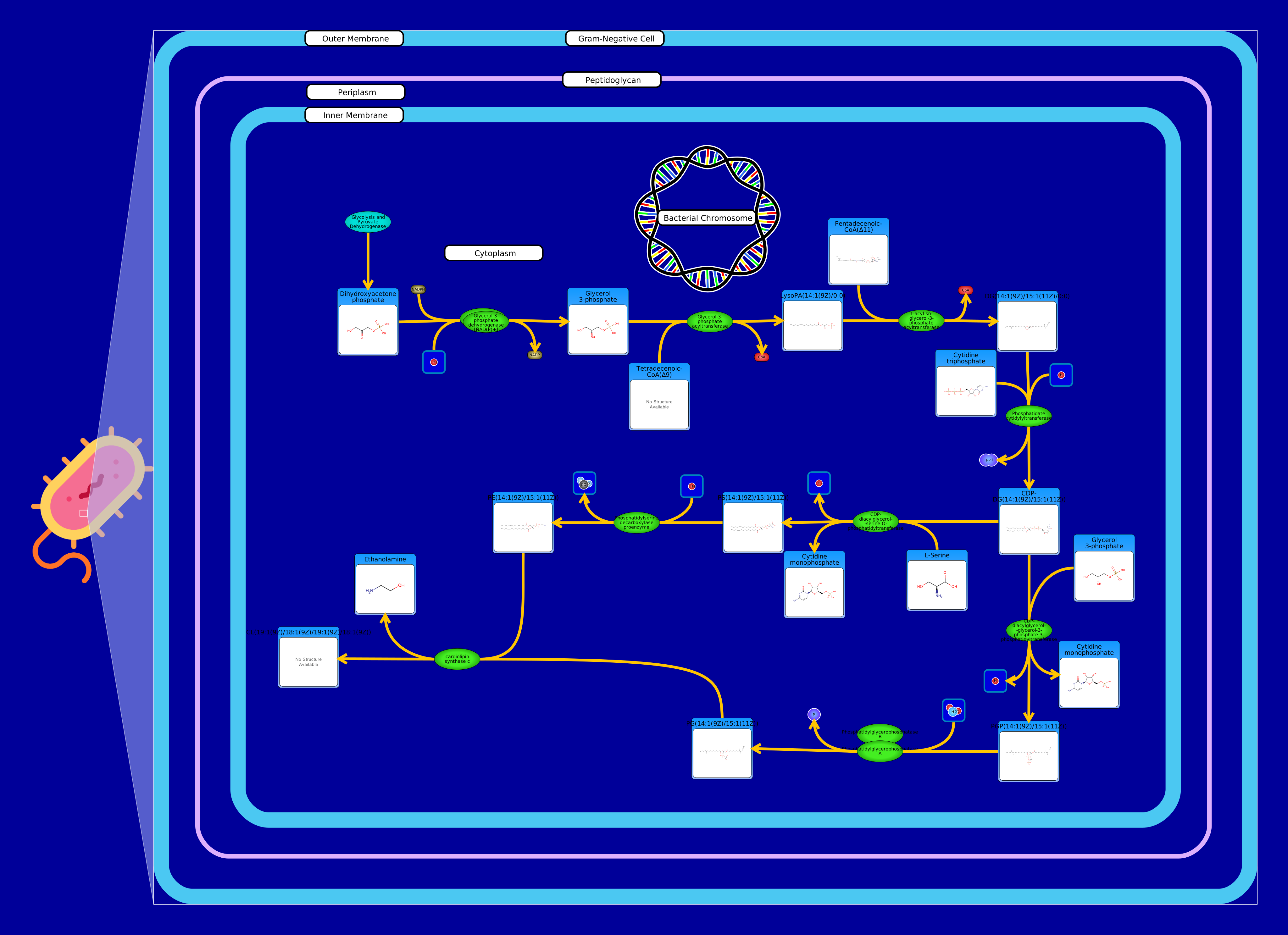 View Pathway
|
Phospholipid Biosynthesis CL(14:1(9Z)/15:1(11Z)/15:1(9Z)/20:1(11Z))Escherichia coli
Phospholipids are membrane components in E. coli. The major phospholipids of E. coli are phosphatidylethanolamine, phosphatidylglycerol and cardiolipin. All phospholipids contain sn-glycerol-3-phosphate esterified with fatty acids at the sn-1 and sn-2 positions. The reaction starts from a glycerone phosphate (dihydroxyacetone phosphate) produced in glycolysis. The glycerone phosphate is transformed to a sn-glycerol 3-phosphate (glycerol 3 phosphate) by NADPH driven glycerol-3-phosphate dehydrogenase. Sn-glycerol 3-phosphate is transformed to a 1-acyl-sn-glycerol 3-phosphate(1-oleyl-2-lyso-phosphatidate , 1-palmitoylglycerol 3-phosphate , 1-stearoyl-sn-glycerol 3-phosphate). This can be achieve by a sn-glycerol-3-phosphate 1-0-acyltransferase that interacts either with a long-chain acyl-CoA or with an acyl-[acp]. The 1-acyl-sn-glycerol 3-phosphate is transformed into a 1,2-diacyl-sn-glycerol 3-phosphate through a 1-acylglycerol-3-phosphate O-acyltransferase. This compound is then converted into a CPD-diacylglycerol through a CTP (phosphatidate cytididyltransferase. CPD-diacylglycerol can be transformed either to a L-1-phosphatidylserine or a L-1-phosphatidylglycerol-phosphate through a phosphatidylserine synthase or a phosphatidylglycerophosphate synthase respectively. The L-1-phosphatidylserine transforms into L-1-phosphatidylethanolamine through a phosphatidylserine decarboxylase, o the other hand L-1-phosphatidylglycerol-phosphate gets transformed into a L-1-phosphatidyl-glycerol through a phosphatidylglycerophosphatase. These 2 products combines produce a cardiolipin and a ethanolamine. The L-1 phosphatidyl-glycerol can also interact with cardiolipin synthase resulting in a glycerol and a cardiolipin.
|
Creator: Julia Wakoli Created On: August 25, 2025 at 22:12 Last Updated: August 25, 2025 at 22:12 |
PW760107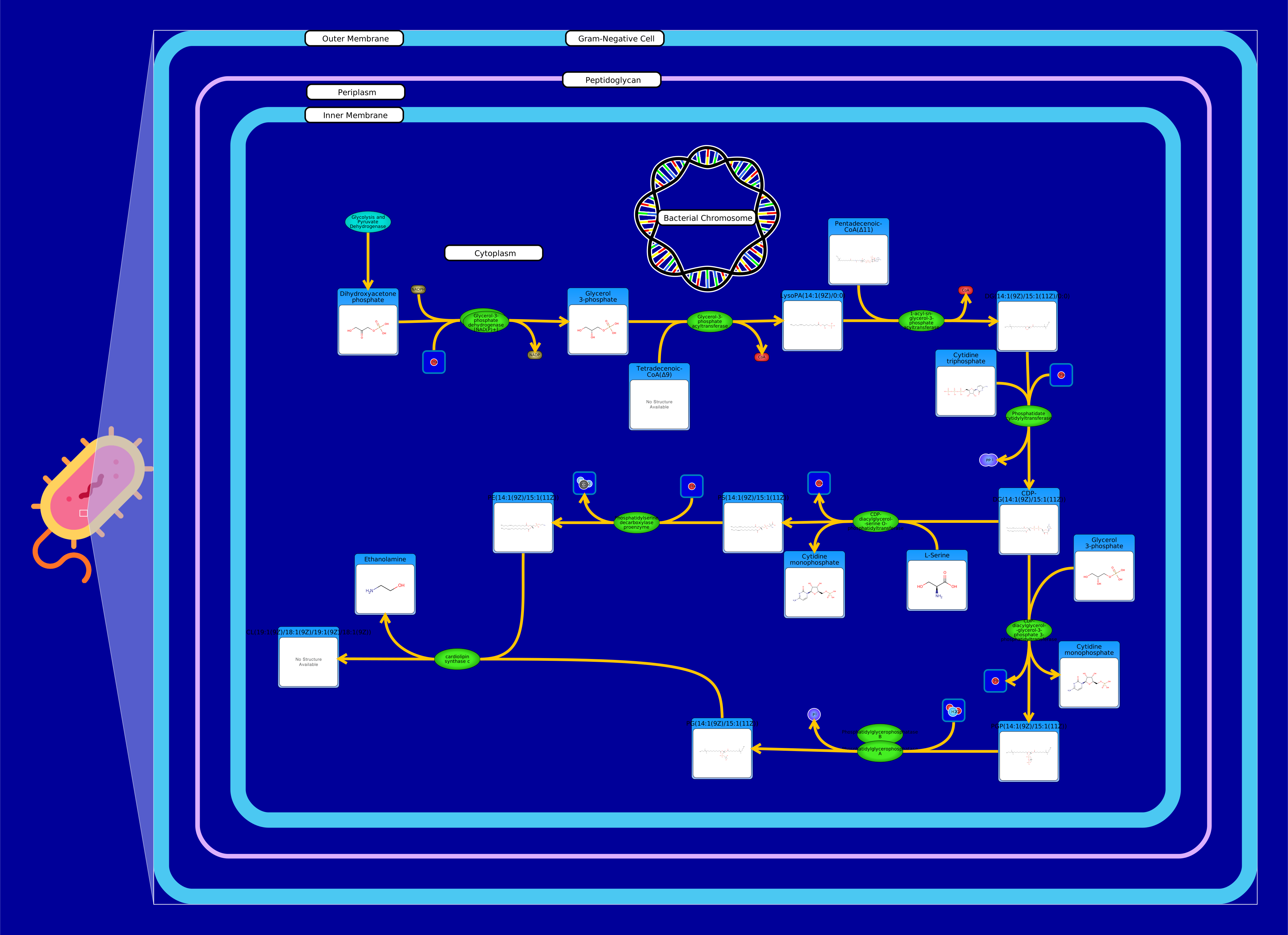 View Pathway
|
Phospholipid Biosynthesis CL(14:1(9Z)/15:1(11Z)/15:1(9Z)/20:1(13Z))Escherichia coli
Phospholipids are membrane components in E. coli. The major phospholipids of E. coli are phosphatidylethanolamine, phosphatidylglycerol and cardiolipin. All phospholipids contain sn-glycerol-3-phosphate esterified with fatty acids at the sn-1 and sn-2 positions. The reaction starts from a glycerone phosphate (dihydroxyacetone phosphate) produced in glycolysis. The glycerone phosphate is transformed to a sn-glycerol 3-phosphate (glycerol 3 phosphate) by NADPH driven glycerol-3-phosphate dehydrogenase. Sn-glycerol 3-phosphate is transformed to a 1-acyl-sn-glycerol 3-phosphate(1-oleyl-2-lyso-phosphatidate , 1-palmitoylglycerol 3-phosphate , 1-stearoyl-sn-glycerol 3-phosphate). This can be achieve by a sn-glycerol-3-phosphate 1-0-acyltransferase that interacts either with a long-chain acyl-CoA or with an acyl-[acp]. The 1-acyl-sn-glycerol 3-phosphate is transformed into a 1,2-diacyl-sn-glycerol 3-phosphate through a 1-acylglycerol-3-phosphate O-acyltransferase. This compound is then converted into a CPD-diacylglycerol through a CTP (phosphatidate cytididyltransferase. CPD-diacylglycerol can be transformed either to a L-1-phosphatidylserine or a L-1-phosphatidylglycerol-phosphate through a phosphatidylserine synthase or a phosphatidylglycerophosphate synthase respectively. The L-1-phosphatidylserine transforms into L-1-phosphatidylethanolamine through a phosphatidylserine decarboxylase, o the other hand L-1-phosphatidylglycerol-phosphate gets transformed into a L-1-phosphatidyl-glycerol through a phosphatidylglycerophosphatase. These 2 products combines produce a cardiolipin and a ethanolamine. The L-1 phosphatidyl-glycerol can also interact with cardiolipin synthase resulting in a glycerol and a cardiolipin.
|
Creator: Julia Wakoli Created On: August 25, 2025 at 22:13 Last Updated: August 25, 2025 at 22:13 |