
| PathWhiz ID | Pathway | Meta Data |
|---|---|---|
PW487011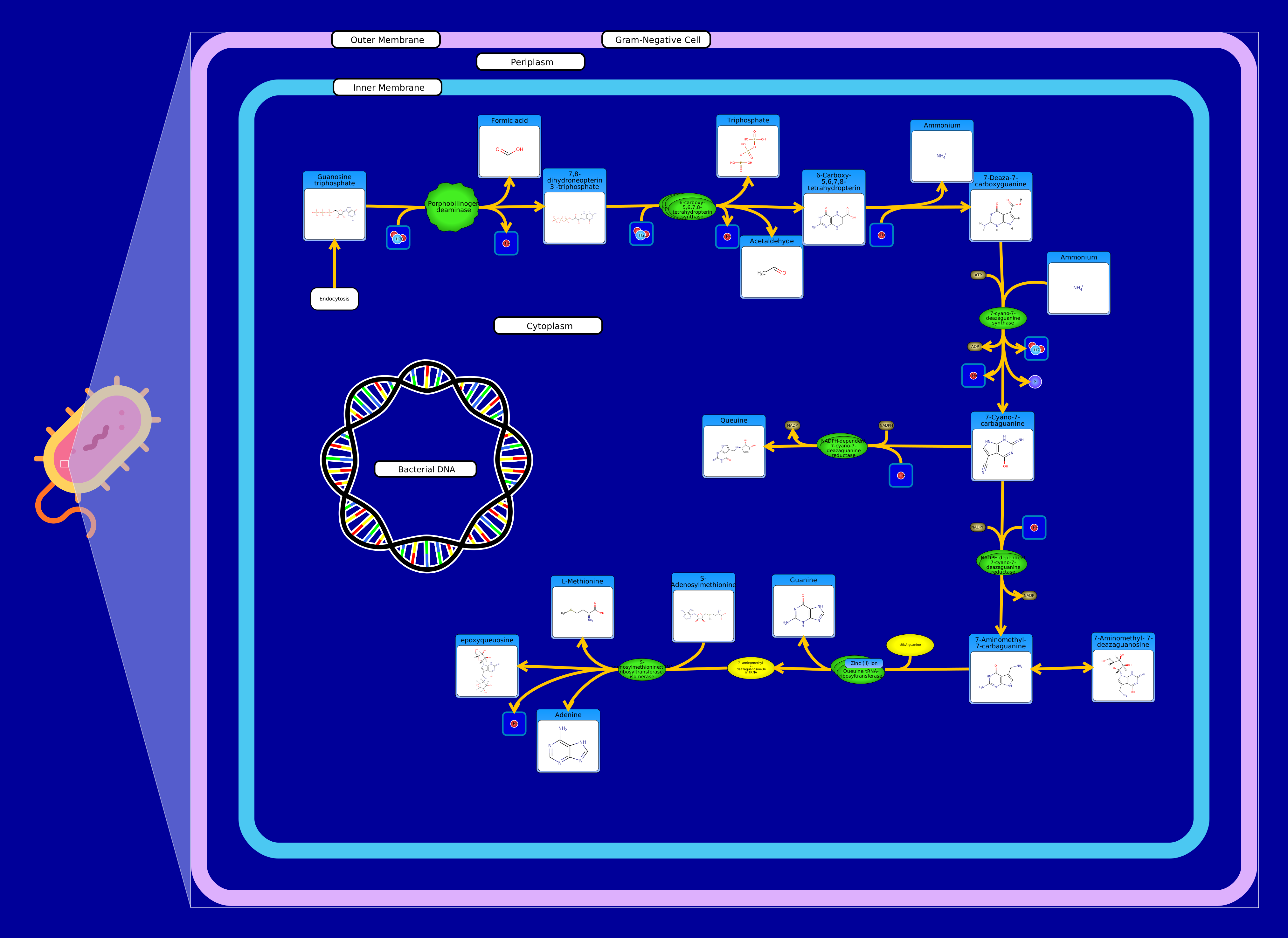 View Pathway
|
PreQ0 MetabolismPhascolarctobacterium succinatutens YIT 12067
PreQ0 or 7-cyano-7-carbaguanine is biosynthesized by degrading GTP.
GTP first interacts with water through a GTP cyclohydrolase resulting in the release of a formate, a hydrogen ion and a 7,8-dihydroneopterin 3'-triphosphate. The latter compound then interacts with water through a 6-carboxy-5,6,7,8-tetrahydropterin synthase resulting in a acetaldehyde, triphosphate, 2 hydrogen ion and 6-carboxy-5,6,7,8-tetrahydropterin. The latter compound then reacts spontaneously with a hydrogen ion resulting in the release of a ammonium molecule and a 7-carboxy-7-deazaguanine. This compound then interacts with ATP and ammonium through 7-cyano-7-deazaguanine synthase resulting in the release of water, phosphate, ADP, hydrogen ion and a 7-cyano-7-carbaguanine.
The degradation of 7-cyano-7-deazaguanine can lead to produce a preQ1 or a queuine by reacting with 3 hydrogen ions and 2 NADPH through a 7-cyano-7-deazaguanine reductase. PreQ1 then interacts with a guanine 34 in tRNA through a tRNA-guanine transglycosylase resulting in a release of a guanine and a 7-aminomethyl-7-deazaguanosine 34 in tRNA. This nucleic acid then interacts with SAM through a S-adenosylmethionine tRNA ribosyltransferase-isomerase resulting in a release of a hydrogen ion, L-methionine, adenine and an epoxyqueuosine
|
Creator: Julia Wakoli Created On: January 30, 2025 at 01:19 Last Updated: January 30, 2025 at 01:19 |
PW494910 View Pathway
|
PreQ0 MetabolismEscherichia coli 042
PreQ0 or 7-cyano-7-carbaguanine is biosynthesized by degrading GTP.
GTP first interacts with water through a GTP cyclohydrolase resulting in the release of a formate, a hydrogen ion and a 7,8-dihydroneopterin 3'-triphosphate. The latter compound then interacts with water through a 6-carboxy-5,6,7,8-tetrahydropterin synthase resulting in a acetaldehyde, triphosphate, 2 hydrogen ion and 6-carboxy-5,6,7,8-tetrahydropterin. The latter compound then reacts spontaneously with a hydrogen ion resulting in the release of a ammonium molecule and a 7-carboxy-7-deazaguanine. This compound then interacts with ATP and ammonium through 7-cyano-7-deazaguanine synthase resulting in the release of water, phosphate, ADP, hydrogen ion and a 7-cyano-7-carbaguanine.
The degradation of 7-cyano-7-deazaguanine can lead to produce a preQ1 or a queuine by reacting with 3 hydrogen ions and 2 NADPH through a 7-cyano-7-deazaguanine reductase. PreQ1 then interacts with a guanine 34 in tRNA through a tRNA-guanine transglycosylase resulting in a release of a guanine and a 7-aminomethyl-7-deazaguanosine 34 in tRNA. This nucleic acid then interacts with SAM through a S-adenosylmethionine tRNA ribosyltransferase-isomerase resulting in a release of a hydrogen ion, L-methionine, adenine and an epoxyqueuosine
|
Creator: Julia Wakoli Created On: February 03, 2025 at 05:32 Last Updated: February 03, 2025 at 05:32 |
PW497630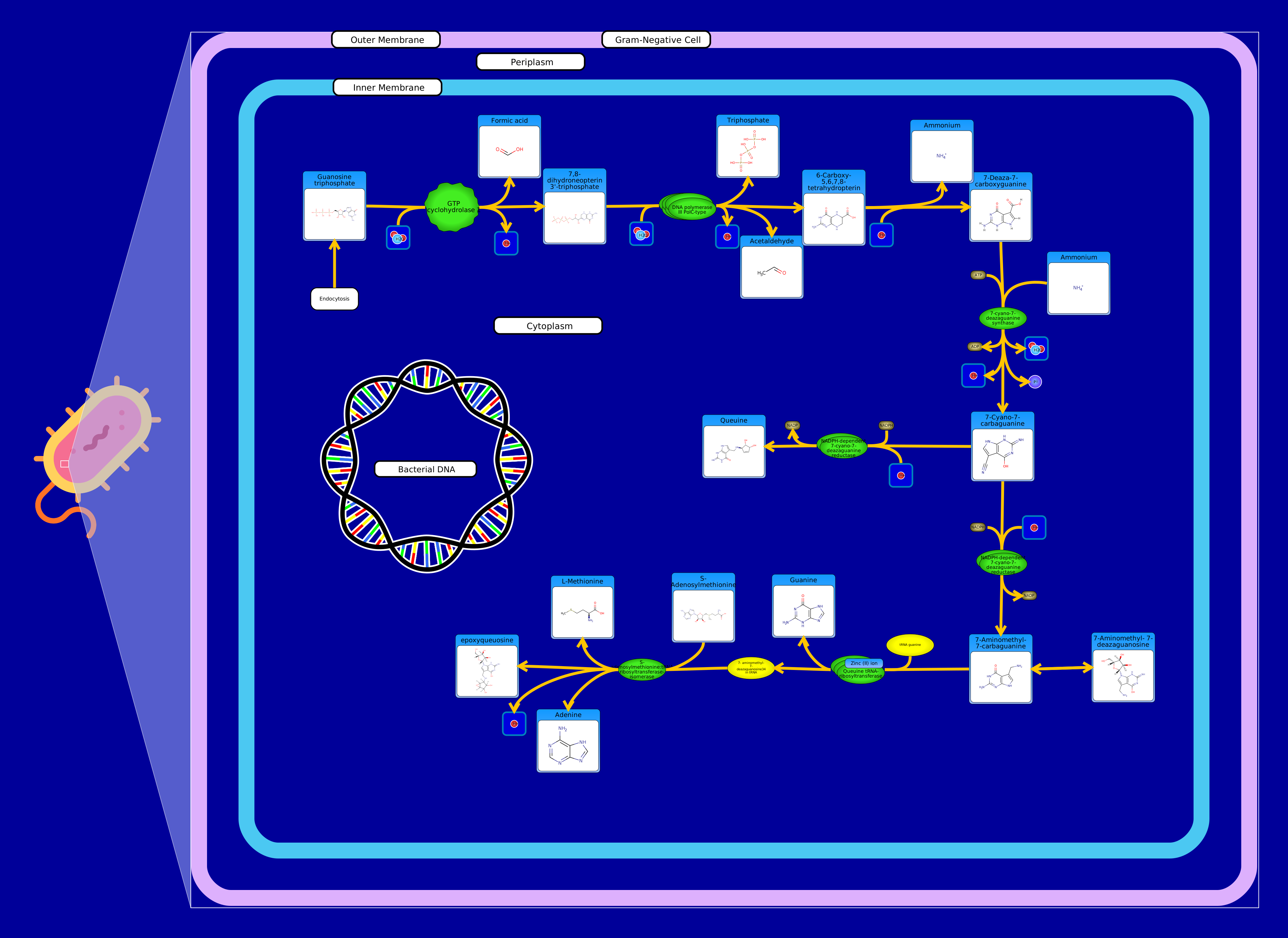 View Pathway
|
PreQ0 MetabolismTannerella forsythia
PreQ0 or 7-cyano-7-carbaguanine is biosynthesized by degrading GTP.
GTP first interacts with water through a GTP cyclohydrolase resulting in the release of a formate, a hydrogen ion and a 7,8-dihydroneopterin 3'-triphosphate. The latter compound then interacts with water through a 6-carboxy-5,6,7,8-tetrahydropterin synthase resulting in a acetaldehyde, triphosphate, 2 hydrogen ion and 6-carboxy-5,6,7,8-tetrahydropterin. The latter compound then reacts spontaneously with a hydrogen ion resulting in the release of a ammonium molecule and a 7-carboxy-7-deazaguanine. This compound then interacts with ATP and ammonium through 7-cyano-7-deazaguanine synthase resulting in the release of water, phosphate, ADP, hydrogen ion and a 7-cyano-7-carbaguanine.
The degradation of 7-cyano-7-deazaguanine can lead to produce a preQ1 or a queuine by reacting with 3 hydrogen ions and 2 NADPH through a 7-cyano-7-deazaguanine reductase. PreQ1 then interacts with a guanine 34 in tRNA through a tRNA-guanine transglycosylase resulting in a release of a guanine and a 7-aminomethyl-7-deazaguanosine 34 in tRNA. This nucleic acid then interacts with SAM through a S-adenosylmethionine tRNA ribosyltransferase-isomerase resulting in a release of a hydrogen ion, L-methionine, adenine and an epoxyqueuosine
|
Creator: Julia Wakoli Created On: February 04, 2025 at 08:25 Last Updated: February 04, 2025 at 08:25 |
PW494530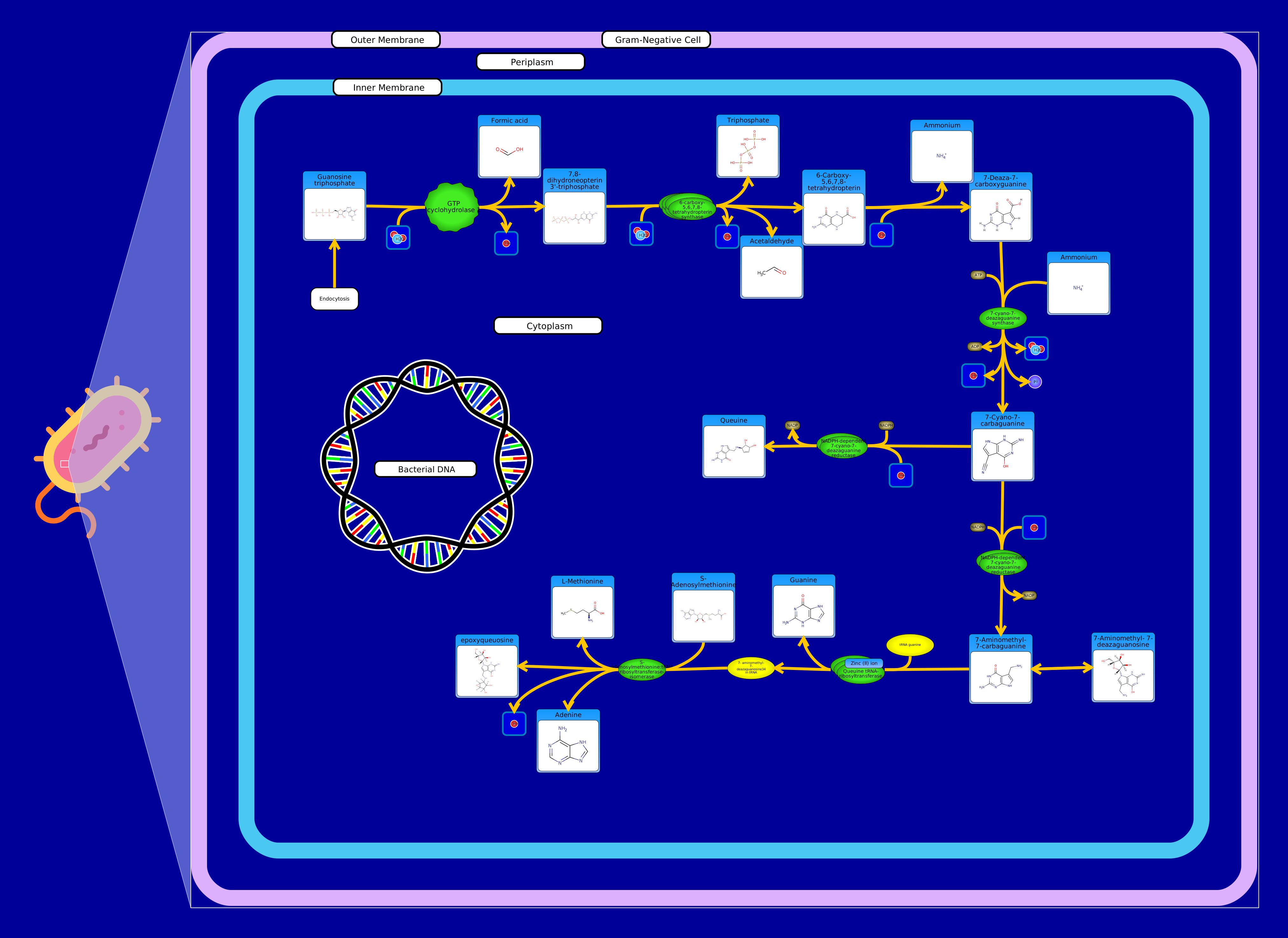 View Pathway
|
PreQ0 MetabolismEscherichia coli str. K-12 substr. DH10B
PreQ0 or 7-cyano-7-carbaguanine is biosynthesized by degrading GTP.
GTP first interacts with water through a GTP cyclohydrolase resulting in the release of a formate, a hydrogen ion and a 7,8-dihydroneopterin 3'-triphosphate. The latter compound then interacts with water through a 6-carboxy-5,6,7,8-tetrahydropterin synthase resulting in a acetaldehyde, triphosphate, 2 hydrogen ion and 6-carboxy-5,6,7,8-tetrahydropterin. The latter compound then reacts spontaneously with a hydrogen ion resulting in the release of a ammonium molecule and a 7-carboxy-7-deazaguanine. This compound then interacts with ATP and ammonium through 7-cyano-7-deazaguanine synthase resulting in the release of water, phosphate, ADP, hydrogen ion and a 7-cyano-7-carbaguanine.
The degradation of 7-cyano-7-deazaguanine can lead to produce a preQ1 or a queuine by reacting with 3 hydrogen ions and 2 NADPH through a 7-cyano-7-deazaguanine reductase. PreQ1 then interacts with a guanine 34 in tRNA through a tRNA-guanine transglycosylase resulting in a release of a guanine and a 7-aminomethyl-7-deazaguanosine 34 in tRNA. This nucleic acid then interacts with SAM through a S-adenosylmethionine tRNA ribosyltransferase-isomerase resulting in a release of a hydrogen ion, L-methionine, adenine and an epoxyqueuosine
|
Creator: Julia Wakoli Created On: February 03, 2025 at 01:37 Last Updated: February 03, 2025 at 01:37 |
PW481676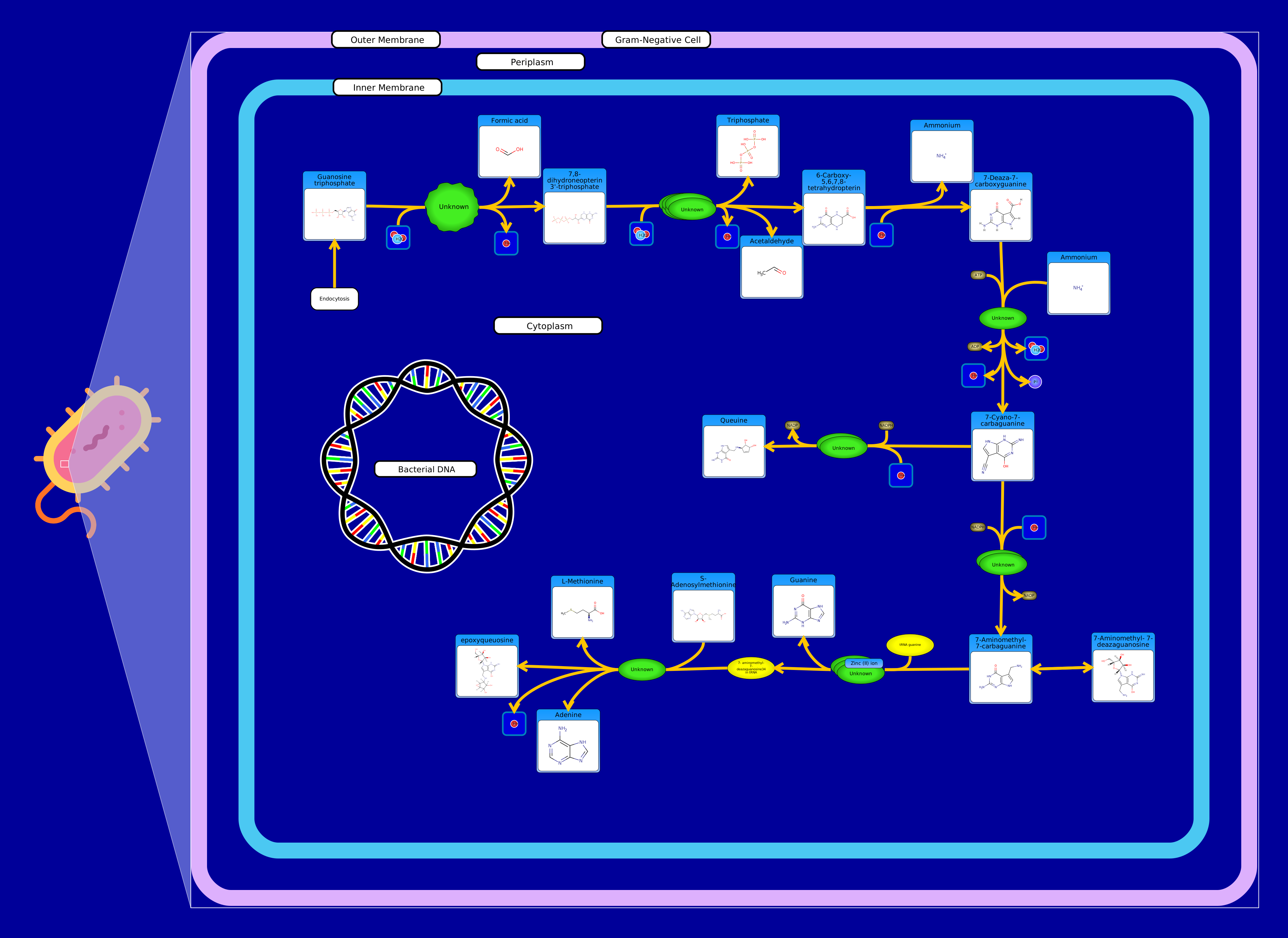 View Pathway
|
PreQ0 MetabolismShigella flexneri 5 str. 8401
PreQ0 or 7-cyano-7-carbaguanine is biosynthesized by degrading GTP.
GTP first interacts with water through a GTP cyclohydrolase resulting in the release of a formate, a hydrogen ion and a 7,8-dihydroneopterin 3'-triphosphate. The latter compound then interacts with water through a 6-carboxy-5,6,7,8-tetrahydropterin synthase resulting in a acetaldehyde, triphosphate, 2 hydrogen ion and 6-carboxy-5,6,7,8-tetrahydropterin. The latter compound then reacts spontaneously with a hydrogen ion resulting in the release of a ammonium molecule and a 7-carboxy-7-deazaguanine. This compound then interacts with ATP and ammonium through 7-cyano-7-deazaguanine synthase resulting in the release of water, phosphate, ADP, hydrogen ion and a 7-cyano-7-carbaguanine.
The degradation of 7-cyano-7-deazaguanine can lead to produce a preQ1 or a queuine by reacting with 3 hydrogen ions and 2 NADPH through a 7-cyano-7-deazaguanine reductase. PreQ1 then interacts with a guanine 34 in tRNA through a tRNA-guanine transglycosylase resulting in a release of a guanine and a 7-aminomethyl-7-deazaguanosine 34 in tRNA. This nucleic acid then interacts with SAM through a S-adenosylmethionine tRNA ribosyltransferase-isomerase resulting in a release of a hydrogen ion, L-methionine, adenine and an epoxyqueuosine
|
Creator: Julia Wakoli Created On: January 28, 2025 at 11:54 Last Updated: January 28, 2025 at 11:54 |
PW482371 View Pathway
|
PreQ0 MetabolismBacteroides sp. 1_1_14
PreQ0 or 7-cyano-7-carbaguanine is biosynthesized by degrading GTP.
GTP first interacts with water through a GTP cyclohydrolase resulting in the release of a formate, a hydrogen ion and a 7,8-dihydroneopterin 3'-triphosphate. The latter compound then interacts with water through a 6-carboxy-5,6,7,8-tetrahydropterin synthase resulting in a acetaldehyde, triphosphate, 2 hydrogen ion and 6-carboxy-5,6,7,8-tetrahydropterin. The latter compound then reacts spontaneously with a hydrogen ion resulting in the release of a ammonium molecule and a 7-carboxy-7-deazaguanine. This compound then interacts with ATP and ammonium through 7-cyano-7-deazaguanine synthase resulting in the release of water, phosphate, ADP, hydrogen ion and a 7-cyano-7-carbaguanine.
The degradation of 7-cyano-7-deazaguanine can lead to produce a preQ1 or a queuine by reacting with 3 hydrogen ions and 2 NADPH through a 7-cyano-7-deazaguanine reductase. PreQ1 then interacts with a guanine 34 in tRNA through a tRNA-guanine transglycosylase resulting in a release of a guanine and a 7-aminomethyl-7-deazaguanosine 34 in tRNA. This nucleic acid then interacts with SAM through a S-adenosylmethionine tRNA ribosyltransferase-isomerase resulting in a release of a hydrogen ion, L-methionine, adenine and an epoxyqueuosine
|
Creator: Julia Wakoli Created On: January 28, 2025 at 17:24 Last Updated: January 28, 2025 at 17:24 |
PW482376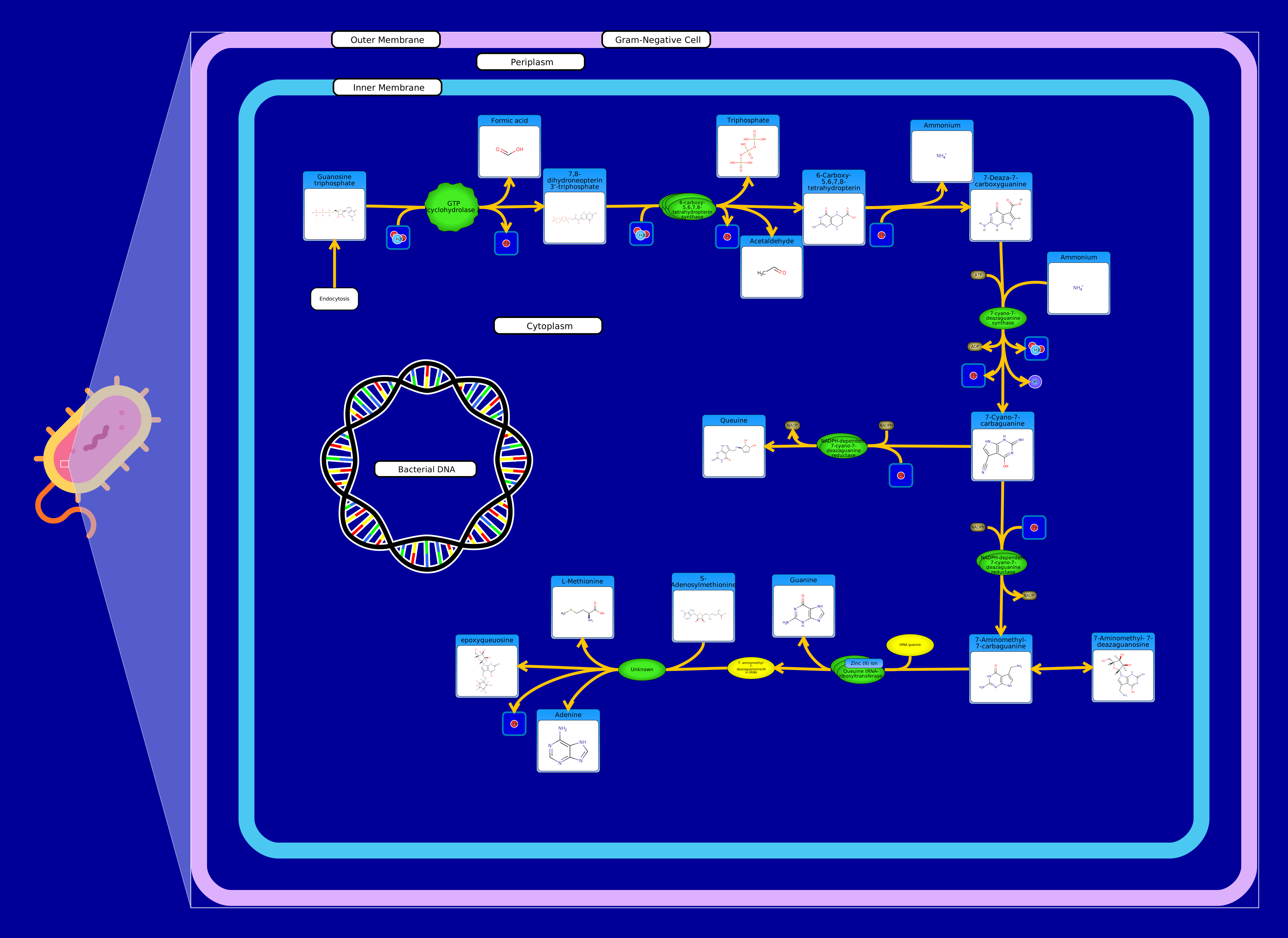 View Pathway
|
PreQ0 MetabolismBacteroides sp. 2_1_22
PreQ0 or 7-cyano-7-carbaguanine is biosynthesized by degrading GTP.
GTP first interacts with water through a GTP cyclohydrolase resulting in the release of a formate, a hydrogen ion and a 7,8-dihydroneopterin 3'-triphosphate. The latter compound then interacts with water through a 6-carboxy-5,6,7,8-tetrahydropterin synthase resulting in a acetaldehyde, triphosphate, 2 hydrogen ion and 6-carboxy-5,6,7,8-tetrahydropterin. The latter compound then reacts spontaneously with a hydrogen ion resulting in the release of a ammonium molecule and a 7-carboxy-7-deazaguanine. This compound then interacts with ATP and ammonium through 7-cyano-7-deazaguanine synthase resulting in the release of water, phosphate, ADP, hydrogen ion and a 7-cyano-7-carbaguanine.
The degradation of 7-cyano-7-deazaguanine can lead to produce a preQ1 or a queuine by reacting with 3 hydrogen ions and 2 NADPH through a 7-cyano-7-deazaguanine reductase. PreQ1 then interacts with a guanine 34 in tRNA through a tRNA-guanine transglycosylase resulting in a release of a guanine and a 7-aminomethyl-7-deazaguanosine 34 in tRNA. This nucleic acid then interacts with SAM through a S-adenosylmethionine tRNA ribosyltransferase-isomerase resulting in a release of a hydrogen ion, L-methionine, adenine and an epoxyqueuosine
|
Creator: Julia Wakoli Created On: January 28, 2025 at 17:26 Last Updated: January 28, 2025 at 17:26 |
PW479272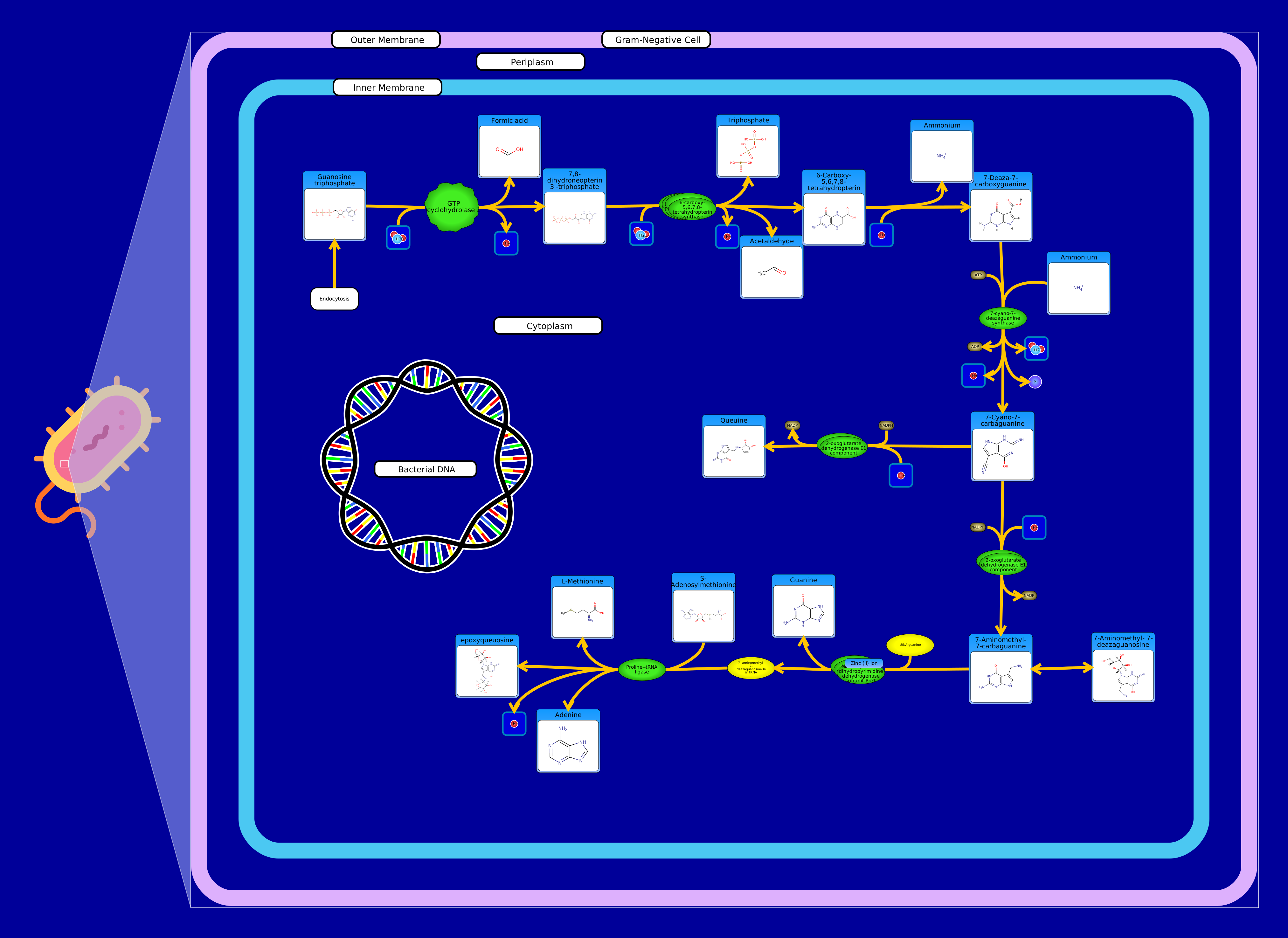 View Pathway
|
PreQ0 MetabolismEscherichia coli (strain K12)
PreQ0 or 7-cyano-7-carbaguanine is biosynthesized by degrading GTP.
GTP first interacts with water through a GTP cyclohydrolase resulting in the release of a formate, a hydrogen ion and a 7,8-dihydroneopterin 3'-triphosphate. The latter compound then interacts with water through a 6-carboxy-5,6,7,8-tetrahydropterin synthase resulting in a acetaldehyde, triphosphate, 2 hydrogen ion and 6-carboxy-5,6,7,8-tetrahydropterin. The latter compound then reacts spontaneously with a hydrogen ion resulting in the release of a ammonium molecule and a 7-carboxy-7-deazaguanine. This compound then interacts with ATP and ammonium through 7-cyano-7-deazaguanine synthase resulting in the release of water, phosphate, ADP, hydrogen ion and a 7-cyano-7-carbaguanine.
The degradation of 7-cyano-7-deazaguanine can lead to produce a preQ1 or a queuine by reacting with 3 hydrogen ions and 2 NADPH through a 7-cyano-7-deazaguanine reductase. PreQ1 then interacts with a guanine 34 in tRNA through a tRNA-guanine transglycosylase resulting in a release of a guanine and a 7-aminomethyl-7-deazaguanosine 34 in tRNA. This nucleic acid then interacts with SAM through a S-adenosylmethionine tRNA ribosyltransferase-isomerase resulting in a release of a hydrogen ion, L-methionine, adenine and an epoxyqueuosine
|
Creator: Julia Wakoli Created On: January 27, 2025 at 09:40 Last Updated: January 27, 2025 at 09:40 |
PW481835 View Pathway
|
PreQ0 MetabolismWolinella succinogenes DSM 1740
PreQ0 or 7-cyano-7-carbaguanine is biosynthesized by degrading GTP.
GTP first interacts with water through a GTP cyclohydrolase resulting in the release of a formate, a hydrogen ion and a 7,8-dihydroneopterin 3'-triphosphate. The latter compound then interacts with water through a 6-carboxy-5,6,7,8-tetrahydropterin synthase resulting in a acetaldehyde, triphosphate, 2 hydrogen ion and 6-carboxy-5,6,7,8-tetrahydropterin. The latter compound then reacts spontaneously with a hydrogen ion resulting in the release of a ammonium molecule and a 7-carboxy-7-deazaguanine. This compound then interacts with ATP and ammonium through 7-cyano-7-deazaguanine synthase resulting in the release of water, phosphate, ADP, hydrogen ion and a 7-cyano-7-carbaguanine.
The degradation of 7-cyano-7-deazaguanine can lead to produce a preQ1 or a queuine by reacting with 3 hydrogen ions and 2 NADPH through a 7-cyano-7-deazaguanine reductase. PreQ1 then interacts with a guanine 34 in tRNA through a tRNA-guanine transglycosylase resulting in a release of a guanine and a 7-aminomethyl-7-deazaguanosine 34 in tRNA. This nucleic acid then interacts with SAM through a S-adenosylmethionine tRNA ribosyltransferase-isomerase resulting in a release of a hydrogen ion, L-methionine, adenine and an epoxyqueuosine
|
Creator: Julia Wakoli Created On: January 28, 2025 at 13:06 Last Updated: January 28, 2025 at 13:06 |
PW479316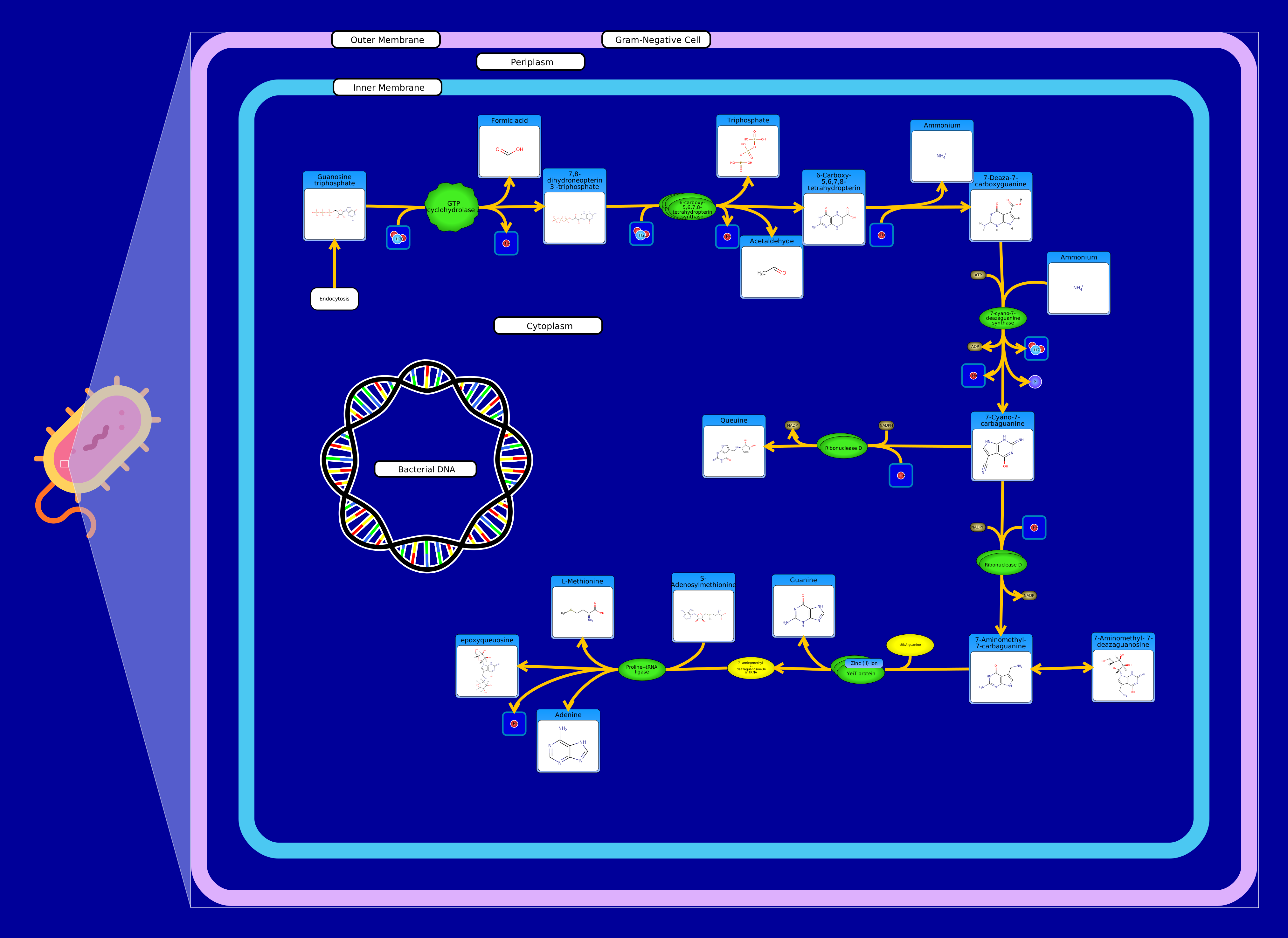 View Pathway
|
PreQ0 MetabolismEscherichia coli (strain 55989 / EAEC)
PreQ0 or 7-cyano-7-carbaguanine is biosynthesized by degrading GTP.
GTP first interacts with water through a GTP cyclohydrolase resulting in the release of a formate, a hydrogen ion and a 7,8-dihydroneopterin 3'-triphosphate. The latter compound then interacts with water through a 6-carboxy-5,6,7,8-tetrahydropterin synthase resulting in a acetaldehyde, triphosphate, 2 hydrogen ion and 6-carboxy-5,6,7,8-tetrahydropterin. The latter compound then reacts spontaneously with a hydrogen ion resulting in the release of a ammonium molecule and a 7-carboxy-7-deazaguanine. This compound then interacts with ATP and ammonium through 7-cyano-7-deazaguanine synthase resulting in the release of water, phosphate, ADP, hydrogen ion and a 7-cyano-7-carbaguanine.
The degradation of 7-cyano-7-deazaguanine can lead to produce a preQ1 or a queuine by reacting with 3 hydrogen ions and 2 NADPH through a 7-cyano-7-deazaguanine reductase. PreQ1 then interacts with a guanine 34 in tRNA through a tRNA-guanine transglycosylase resulting in a release of a guanine and a 7-aminomethyl-7-deazaguanosine 34 in tRNA. This nucleic acid then interacts with SAM through a S-adenosylmethionine tRNA ribosyltransferase-isomerase resulting in a release of a hydrogen ion, L-methionine, adenine and an epoxyqueuosine
|
Creator: Julia Wakoli Created On: January 27, 2025 at 10:20 Last Updated: January 27, 2025 at 10:20 |