
| PathWhiz ID | Pathway | Meta Data |
|---|---|---|
PW005602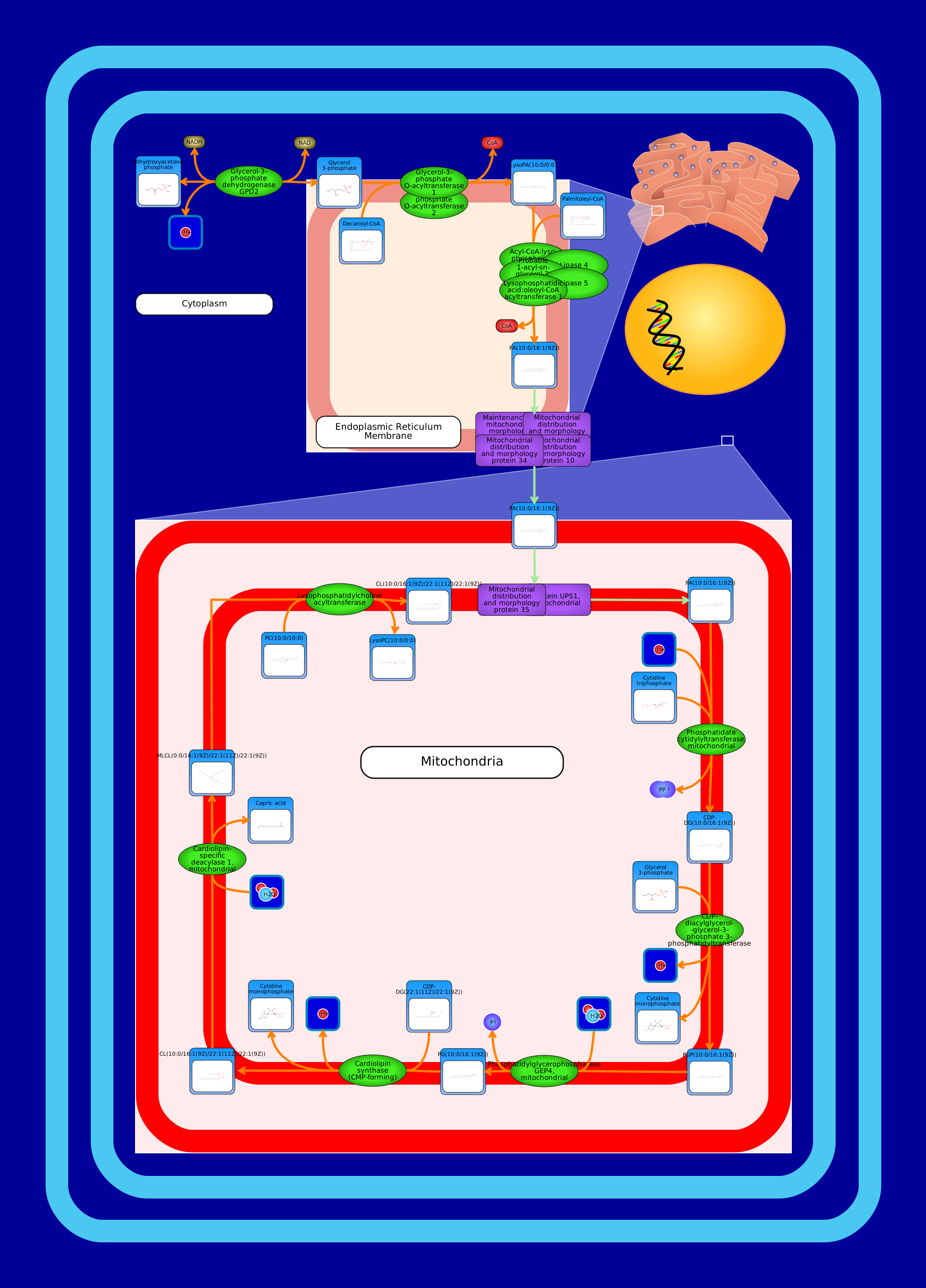 View Pathway
|
Cardiolipin Biosynthesis CL(10:0/16:1(9Z)/22:1(11Z)/22:1(9Z))Saccharomyces cerevisiae
The biosynthesis of cardiolipin (CL) begins in the endoplasmic reticulum. Glycerone phosphate interacts with an NADPH resulting in the release of NADP and glycerol 3-phosphate. Glycerol 3-phosphate reacts with glycerol-3-phosphate O-acyltransferase resulting in the release of 1-acyl-sn-glycerol 3-phosphate (lysophosphatidic acid or LysoPA). The resulting compound reacts with an acyl-CoA via lysophosphatidate acyltransferase, resulting in the release of a phosphatidic acid (PA or 1,2-diacyl-sn-glycerol 3-phosphate). Phosphatidic acid is transported to the mitochondrial outer membrane. Once in, it gets transported into the mitochondrial inner membrane. The phosphatidic acid reacts with cytidine triphosphate through a phosphatidate cytidyltransferase resulting in the release of a CDP-diacylglycerol (CDP-DG). The resulting compound reacts with a glycerol 3-phosphate through a CDP-diacylglycerol-glycerol-3-phosphate 3-phosphatidyltransferase resulting in the release of cytidine monophosphate and phosphatidylglycerophosphate (PGP). PGP reacts with phosphatidylglycerophosphatase GEP4 resulting in the release of phosphatidylglycerol (PG). PG reacts with a CDP-DG through a cardiolipin synthase resulting in the release of CL and cytidine monophosphate. Cardiolipin remodelling begins with the removal of an acyl chain to form 1-monolysocardiolipin (1-MLCL) via the lipase Cld1p. This is followed by the enzyme Taz1p transferring an acyl chain from a phospholipid (e.g. phosphatidylcholine) to reform cardiolipin.
|
Creator: Ana Marcu Created On: August 03, 2016 at 14:43 Last Updated: August 03, 2016 at 14:43 |
PW005601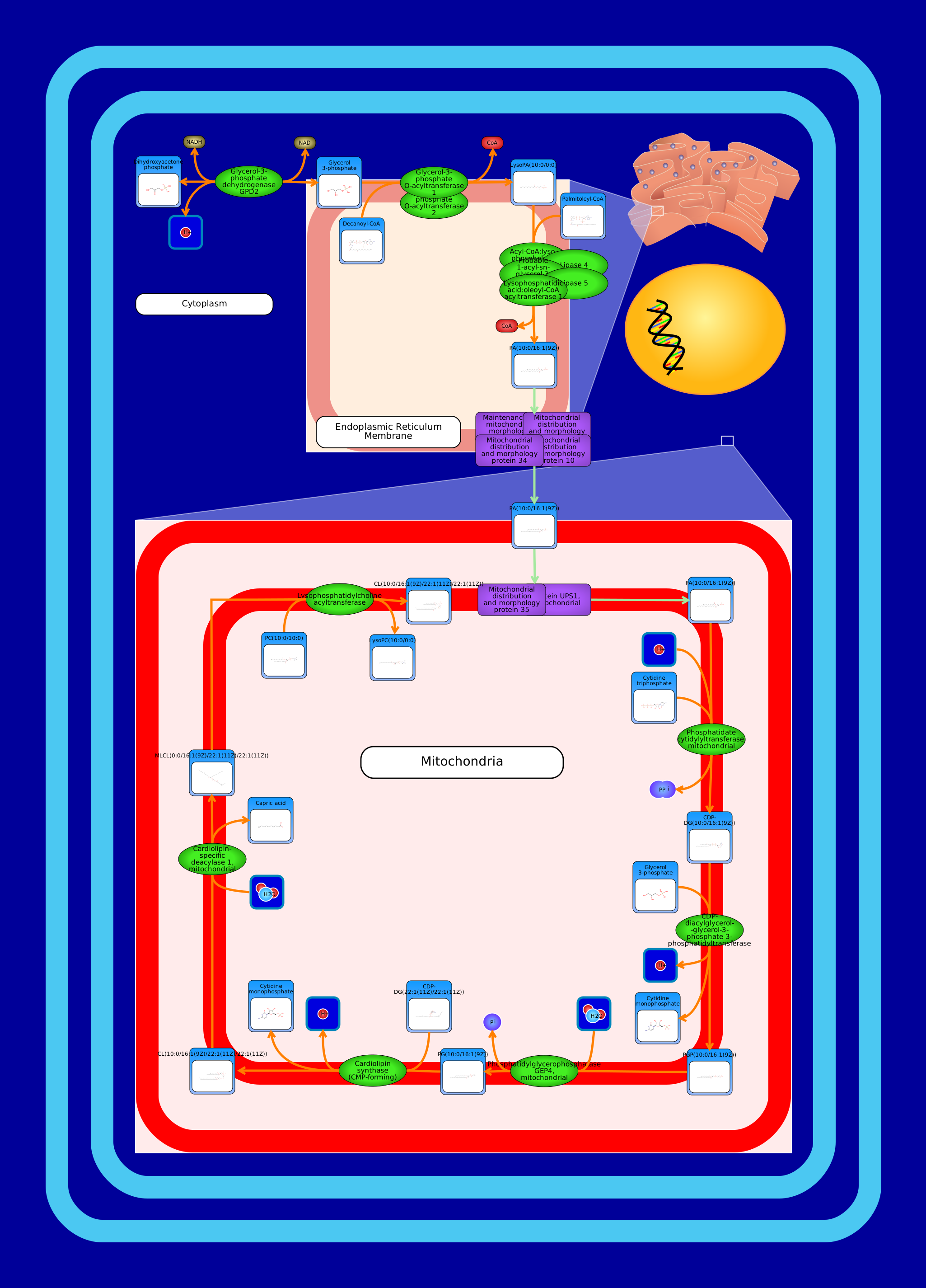 View Pathway
|
Cardiolipin Biosynthesis CL(10:0/16:1(9Z)/22:1(11Z)/22:1(11Z))Saccharomyces cerevisiae
The biosynthesis of cardiolipin (CL) begins in the endoplasmic reticulum. Glycerone phosphate interacts with an NADPH resulting in the release of NADP and glycerol 3-phosphate. Glycerol 3-phosphate reacts with glycerol-3-phosphate O-acyltransferase resulting in the release of 1-acyl-sn-glycerol 3-phosphate (lysophosphatidic acid or LysoPA). The resulting compound reacts with an acyl-CoA via lysophosphatidate acyltransferase, resulting in the release of a phosphatidic acid (PA or 1,2-diacyl-sn-glycerol 3-phosphate). Phosphatidic acid is transported to the mitochondrial outer membrane. Once in, it gets transported into the mitochondrial inner membrane. The phosphatidic acid reacts with cytidine triphosphate through a phosphatidate cytidyltransferase resulting in the release of a CDP-diacylglycerol (CDP-DG). The resulting compound reacts with a glycerol 3-phosphate through a CDP-diacylglycerol-glycerol-3-phosphate 3-phosphatidyltransferase resulting in the release of cytidine monophosphate and phosphatidylglycerophosphate (PGP). PGP reacts with phosphatidylglycerophosphatase GEP4 resulting in the release of phosphatidylglycerol (PG). PG reacts with a CDP-DG through a cardiolipin synthase resulting in the release of CL and cytidine monophosphate. Cardiolipin remodelling begins with the removal of an acyl chain to form 1-monolysocardiolipin (1-MLCL) via the lipase Cld1p. This is followed by the enzyme Taz1p transferring an acyl chain from a phospholipid (e.g. phosphatidylcholine) to reform cardiolipin.
|
Creator: Ana Marcu Created On: August 03, 2016 at 14:43 Last Updated: August 03, 2016 at 14:43 |
PW005600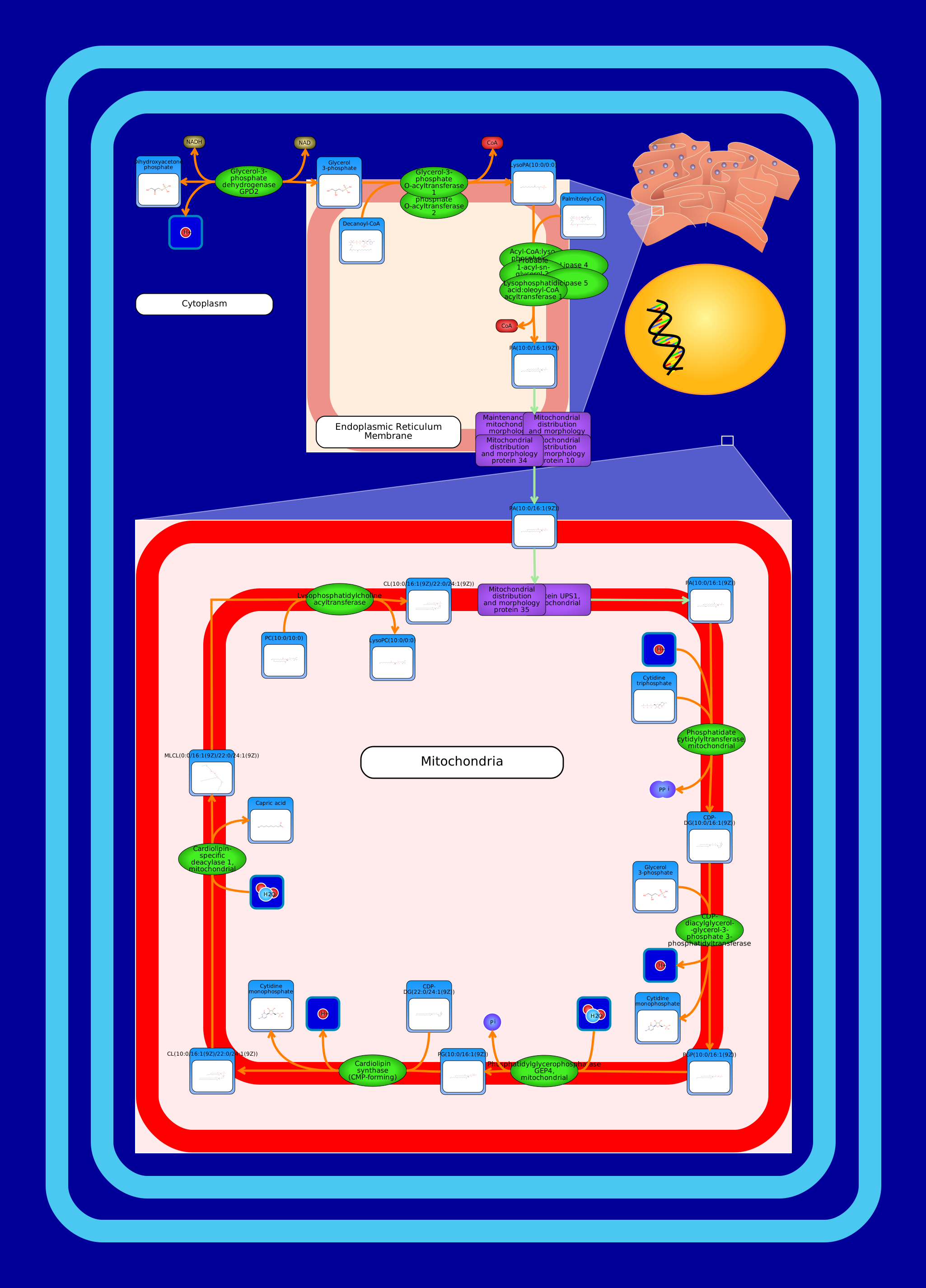 View Pathway
|
Cardiolipin Biosynthesis CL(10:0/16:1(9Z)/22:0/24:1(9Z))Saccharomyces cerevisiae
The biosynthesis of cardiolipin (CL) begins in the endoplasmic reticulum. Glycerone phosphate interacts with an NADPH resulting in the release of NADP and glycerol 3-phosphate. Glycerol 3-phosphate reacts with glycerol-3-phosphate O-acyltransferase resulting in the release of 1-acyl-sn-glycerol 3-phosphate (lysophosphatidic acid or LysoPA). The resulting compound reacts with an acyl-CoA via lysophosphatidate acyltransferase, resulting in the release of a phosphatidic acid (PA or 1,2-diacyl-sn-glycerol 3-phosphate). Phosphatidic acid is transported to the mitochondrial outer membrane. Once in, it gets transported into the mitochondrial inner membrane. The phosphatidic acid reacts with cytidine triphosphate through a phosphatidate cytidyltransferase resulting in the release of a CDP-diacylglycerol (CDP-DG). The resulting compound reacts with a glycerol 3-phosphate through a CDP-diacylglycerol-glycerol-3-phosphate 3-phosphatidyltransferase resulting in the release of cytidine monophosphate and phosphatidylglycerophosphate (PGP). PGP reacts with phosphatidylglycerophosphatase GEP4 resulting in the release of phosphatidylglycerol (PG). PG reacts with a CDP-DG through a cardiolipin synthase resulting in the release of CL and cytidine monophosphate. Cardiolipin remodelling begins with the removal of an acyl chain to form 1-monolysocardiolipin (1-MLCL) via the lipase Cld1p. This is followed by the enzyme Taz1p transferring an acyl chain from a phospholipid (e.g. phosphatidylcholine) to reform cardiolipin.
|
Creator: Ana Marcu Created On: August 03, 2016 at 14:42 Last Updated: August 03, 2016 at 14:42 |
PW005599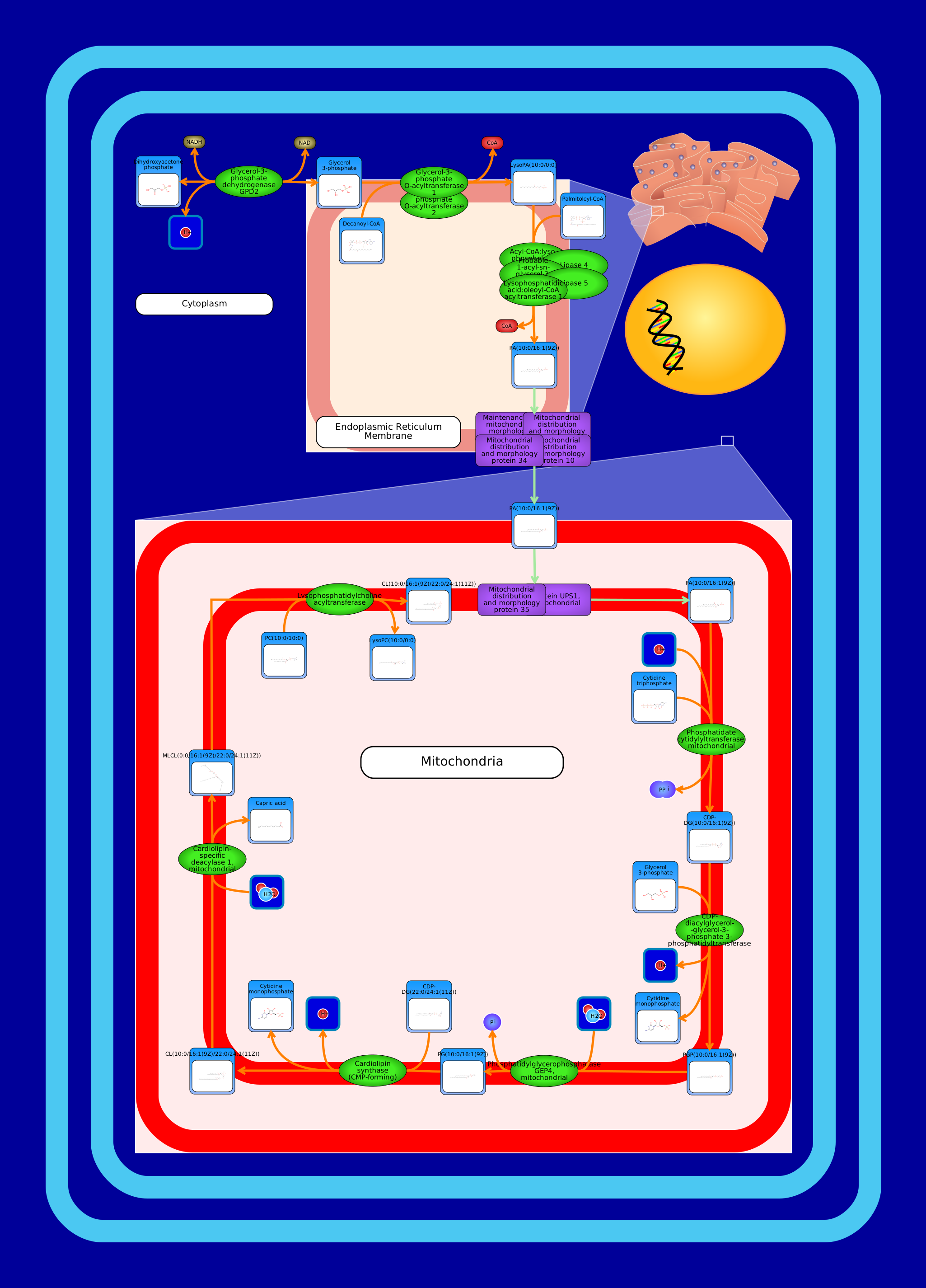 View Pathway
|
Cardiolipin Biosynthesis CL(10:0/16:1(9Z)/22:0/24:1(11Z))Saccharomyces cerevisiae
The biosynthesis of cardiolipin (CL) begins in the endoplasmic reticulum. Glycerone phosphate interacts with an NADPH resulting in the release of NADP and glycerol 3-phosphate. Glycerol 3-phosphate reacts with glycerol-3-phosphate O-acyltransferase resulting in the release of 1-acyl-sn-glycerol 3-phosphate (lysophosphatidic acid or LysoPA). The resulting compound reacts with an acyl-CoA via lysophosphatidate acyltransferase, resulting in the release of a phosphatidic acid (PA or 1,2-diacyl-sn-glycerol 3-phosphate). Phosphatidic acid is transported to the mitochondrial outer membrane. Once in, it gets transported into the mitochondrial inner membrane. The phosphatidic acid reacts with cytidine triphosphate through a phosphatidate cytidyltransferase resulting in the release of a CDP-diacylglycerol (CDP-DG). The resulting compound reacts with a glycerol 3-phosphate through a CDP-diacylglycerol-glycerol-3-phosphate 3-phosphatidyltransferase resulting in the release of cytidine monophosphate and phosphatidylglycerophosphate (PGP). PGP reacts with phosphatidylglycerophosphatase GEP4 resulting in the release of phosphatidylglycerol (PG). PG reacts with a CDP-DG through a cardiolipin synthase resulting in the release of CL and cytidine monophosphate. Cardiolipin remodelling begins with the removal of an acyl chain to form 1-monolysocardiolipin (1-MLCL) via the lipase Cld1p. This is followed by the enzyme Taz1p transferring an acyl chain from a phospholipid (e.g. phosphatidylcholine) to reform cardiolipin.
|
Creator: Ana Marcu Created On: August 03, 2016 at 14:42 Last Updated: August 03, 2016 at 14:42 |
PW005598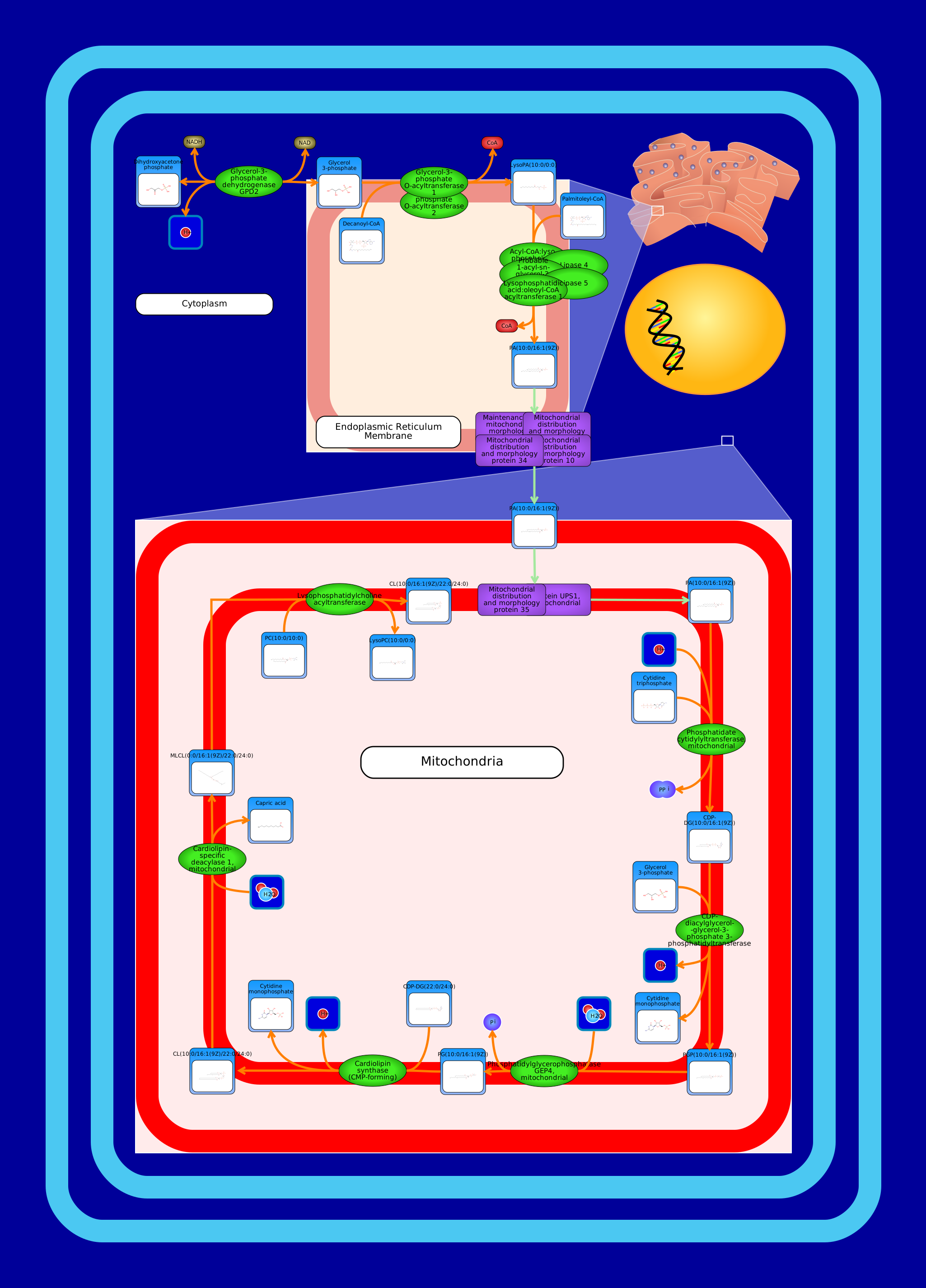 View Pathway
|
Cardiolipin Biosynthesis CL(10:0/16:1(9Z)/22:0/24:0)Saccharomyces cerevisiae
The biosynthesis of cardiolipin (CL) begins in the endoplasmic reticulum. Glycerone phosphate interacts with an NADPH resulting in the release of NADP and glycerol 3-phosphate. Glycerol 3-phosphate reacts with glycerol-3-phosphate O-acyltransferase resulting in the release of 1-acyl-sn-glycerol 3-phosphate (lysophosphatidic acid or LysoPA). The resulting compound reacts with an acyl-CoA via lysophosphatidate acyltransferase, resulting in the release of a phosphatidic acid (PA or 1,2-diacyl-sn-glycerol 3-phosphate). Phosphatidic acid is transported to the mitochondrial outer membrane. Once in, it gets transported into the mitochondrial inner membrane. The phosphatidic acid reacts with cytidine triphosphate through a phosphatidate cytidyltransferase resulting in the release of a CDP-diacylglycerol (CDP-DG). The resulting compound reacts with a glycerol 3-phosphate through a CDP-diacylglycerol-glycerol-3-phosphate 3-phosphatidyltransferase resulting in the release of cytidine monophosphate and phosphatidylglycerophosphate (PGP). PGP reacts with phosphatidylglycerophosphatase GEP4 resulting in the release of phosphatidylglycerol (PG). PG reacts with a CDP-DG through a cardiolipin synthase resulting in the release of CL and cytidine monophosphate. Cardiolipin remodelling begins with the removal of an acyl chain to form 1-monolysocardiolipin (1-MLCL) via the lipase Cld1p. This is followed by the enzyme Taz1p transferring an acyl chain from a phospholipid (e.g. phosphatidylcholine) to reform cardiolipin.
|
Creator: Ana Marcu Created On: August 03, 2016 at 14:42 Last Updated: August 03, 2016 at 14:42 |
PW005597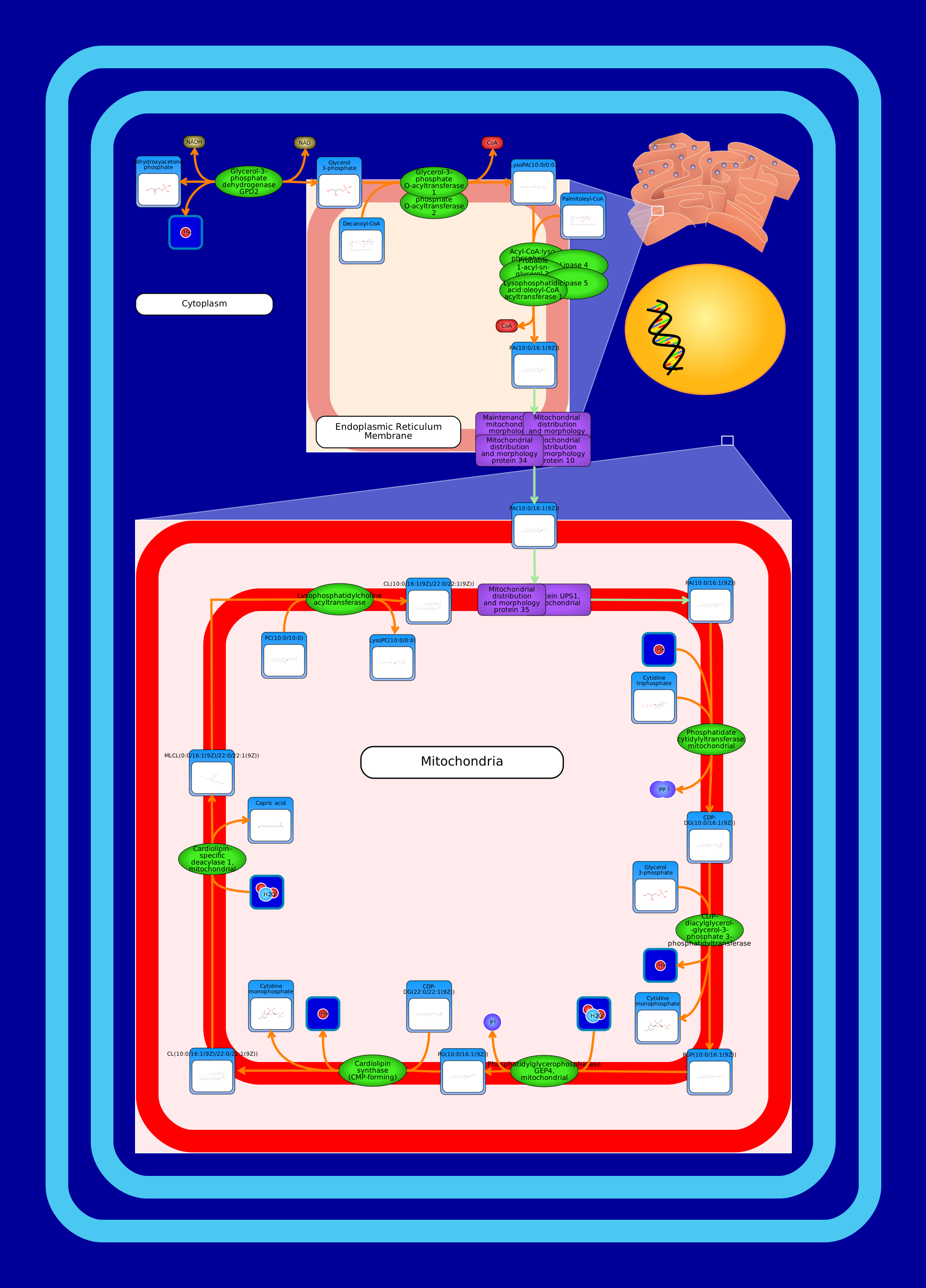 View Pathway
|
Cardiolipin Biosynthesis CL(10:0/16:1(9Z)/22:0/22:1(9Z))Saccharomyces cerevisiae
The biosynthesis of cardiolipin (CL) begins in the endoplasmic reticulum. Glycerone phosphate interacts with an NADPH resulting in the release of NADP and glycerol 3-phosphate. Glycerol 3-phosphate reacts with glycerol-3-phosphate O-acyltransferase resulting in the release of 1-acyl-sn-glycerol 3-phosphate (lysophosphatidic acid or LysoPA). The resulting compound reacts with an acyl-CoA via lysophosphatidate acyltransferase, resulting in the release of a phosphatidic acid (PA or 1,2-diacyl-sn-glycerol 3-phosphate). Phosphatidic acid is transported to the mitochondrial outer membrane. Once in, it gets transported into the mitochondrial inner membrane. The phosphatidic acid reacts with cytidine triphosphate through a phosphatidate cytidyltransferase resulting in the release of a CDP-diacylglycerol (CDP-DG). The resulting compound reacts with a glycerol 3-phosphate through a CDP-diacylglycerol-glycerol-3-phosphate 3-phosphatidyltransferase resulting in the release of cytidine monophosphate and phosphatidylglycerophosphate (PGP). PGP reacts with phosphatidylglycerophosphatase GEP4 resulting in the release of phosphatidylglycerol (PG). PG reacts with a CDP-DG through a cardiolipin synthase resulting in the release of CL and cytidine monophosphate. Cardiolipin remodelling begins with the removal of an acyl chain to form 1-monolysocardiolipin (1-MLCL) via the lipase Cld1p. This is followed by the enzyme Taz1p transferring an acyl chain from a phospholipid (e.g. phosphatidylcholine) to reform cardiolipin.
|
Creator: Ana Marcu Created On: August 03, 2016 at 14:41 Last Updated: August 03, 2016 at 14:41 |
PW005596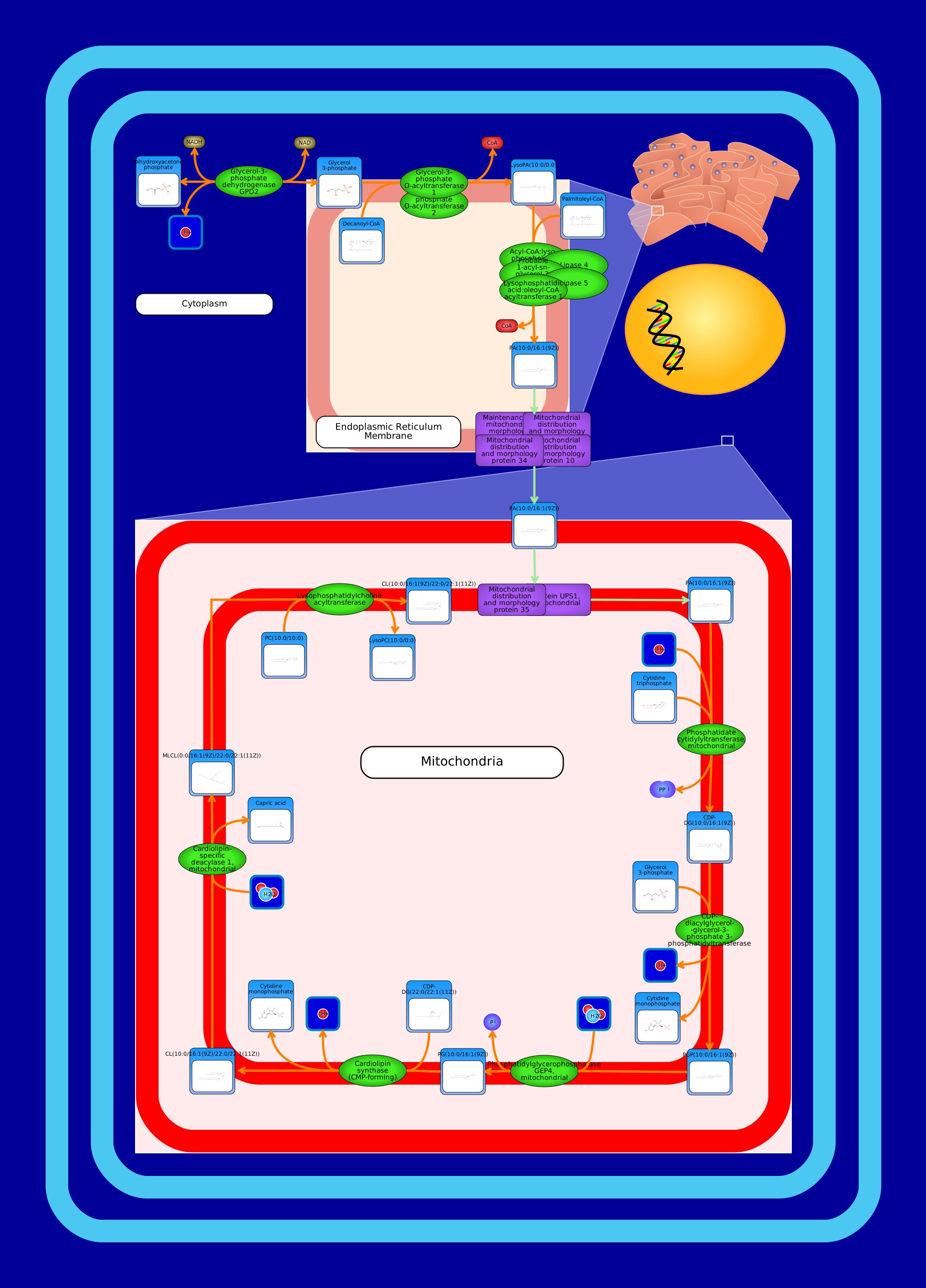 View Pathway
|
Cardiolipin Biosynthesis CL(10:0/16:1(9Z)/22:0/22:1(11Z))Saccharomyces cerevisiae
The biosynthesis of cardiolipin (CL) begins in the endoplasmic reticulum. Glycerone phosphate interacts with an NADPH resulting in the release of NADP and glycerol 3-phosphate. Glycerol 3-phosphate reacts with glycerol-3-phosphate O-acyltransferase resulting in the release of 1-acyl-sn-glycerol 3-phosphate (lysophosphatidic acid or LysoPA). The resulting compound reacts with an acyl-CoA via lysophosphatidate acyltransferase, resulting in the release of a phosphatidic acid (PA or 1,2-diacyl-sn-glycerol 3-phosphate). Phosphatidic acid is transported to the mitochondrial outer membrane. Once in, it gets transported into the mitochondrial inner membrane. The phosphatidic acid reacts with cytidine triphosphate through a phosphatidate cytidyltransferase resulting in the release of a CDP-diacylglycerol (CDP-DG). The resulting compound reacts with a glycerol 3-phosphate through a CDP-diacylglycerol-glycerol-3-phosphate 3-phosphatidyltransferase resulting in the release of cytidine monophosphate and phosphatidylglycerophosphate (PGP). PGP reacts with phosphatidylglycerophosphatase GEP4 resulting in the release of phosphatidylglycerol (PG). PG reacts with a CDP-DG through a cardiolipin synthase resulting in the release of CL and cytidine monophosphate. Cardiolipin remodelling begins with the removal of an acyl chain to form 1-monolysocardiolipin (1-MLCL) via the lipase Cld1p. This is followed by the enzyme Taz1p transferring an acyl chain from a phospholipid (e.g. phosphatidylcholine) to reform cardiolipin.
|
Creator: Ana Marcu Created On: August 03, 2016 at 14:41 Last Updated: August 03, 2016 at 14:41 |
PW005595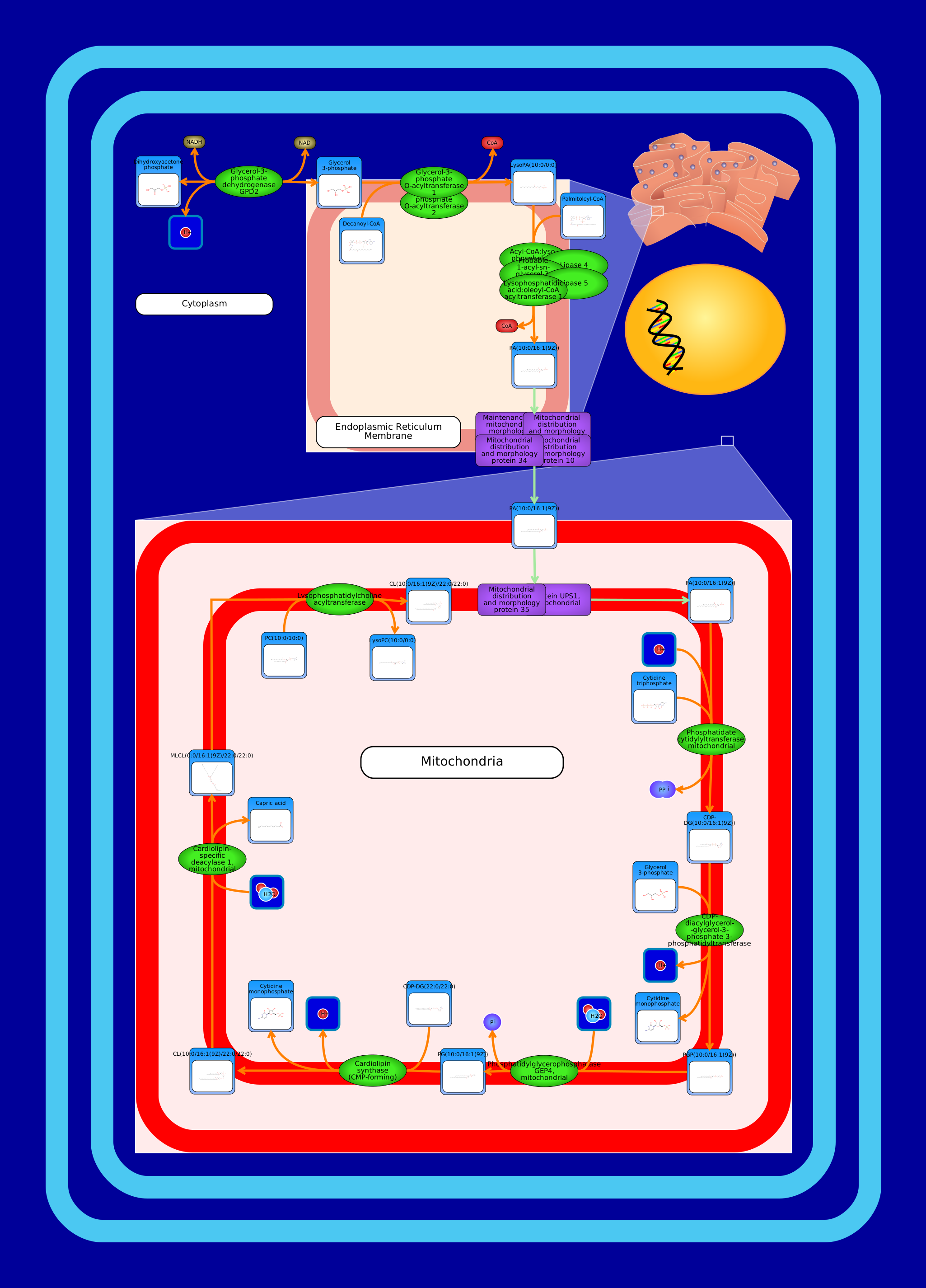 View Pathway
|
Cardiolipin Biosynthesis CL(10:0/16:1(9Z)/22:0/22:0)Saccharomyces cerevisiae
The biosynthesis of cardiolipin (CL) begins in the endoplasmic reticulum. Glycerone phosphate interacts with an NADPH resulting in the release of NADP and glycerol 3-phosphate. Glycerol 3-phosphate reacts with glycerol-3-phosphate O-acyltransferase resulting in the release of 1-acyl-sn-glycerol 3-phosphate (lysophosphatidic acid or LysoPA). The resulting compound reacts with an acyl-CoA via lysophosphatidate acyltransferase, resulting in the release of a phosphatidic acid (PA or 1,2-diacyl-sn-glycerol 3-phosphate). Phosphatidic acid is transported to the mitochondrial outer membrane. Once in, it gets transported into the mitochondrial inner membrane. The phosphatidic acid reacts with cytidine triphosphate through a phosphatidate cytidyltransferase resulting in the release of a CDP-diacylglycerol (CDP-DG). The resulting compound reacts with a glycerol 3-phosphate through a CDP-diacylglycerol-glycerol-3-phosphate 3-phosphatidyltransferase resulting in the release of cytidine monophosphate and phosphatidylglycerophosphate (PGP). PGP reacts with phosphatidylglycerophosphatase GEP4 resulting in the release of phosphatidylglycerol (PG). PG reacts with a CDP-DG through a cardiolipin synthase resulting in the release of CL and cytidine monophosphate. Cardiolipin remodelling begins with the removal of an acyl chain to form 1-monolysocardiolipin (1-MLCL) via the lipase Cld1p. This is followed by the enzyme Taz1p transferring an acyl chain from a phospholipid (e.g. phosphatidylcholine) to reform cardiolipin.
|
Creator: Ana Marcu Created On: August 03, 2016 at 14:40 Last Updated: August 03, 2016 at 14:40 |
PW005594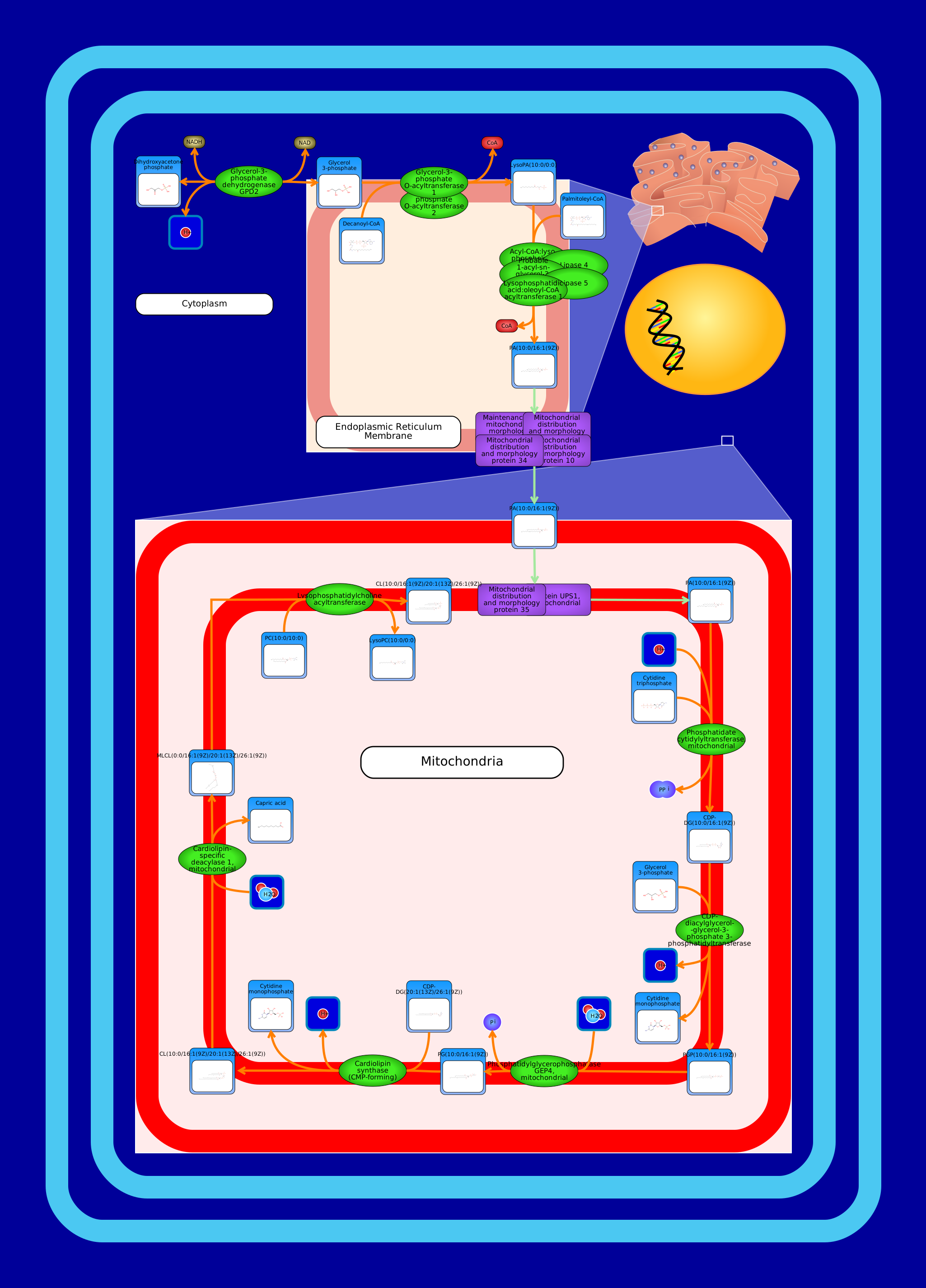 View Pathway
|
Cardiolipin Biosynthesis CL(10:0/16:1(9Z)/20:1(13Z)/26:1(9Z))Saccharomyces cerevisiae
The biosynthesis of cardiolipin (CL) begins in the endoplasmic reticulum. Glycerone phosphate interacts with an NADPH resulting in the release of NADP and glycerol 3-phosphate. Glycerol 3-phosphate reacts with glycerol-3-phosphate O-acyltransferase resulting in the release of 1-acyl-sn-glycerol 3-phosphate (lysophosphatidic acid or LysoPA). The resulting compound reacts with an acyl-CoA via lysophosphatidate acyltransferase, resulting in the release of a phosphatidic acid (PA or 1,2-diacyl-sn-glycerol 3-phosphate). Phosphatidic acid is transported to the mitochondrial outer membrane. Once in, it gets transported into the mitochondrial inner membrane. The phosphatidic acid reacts with cytidine triphosphate through a phosphatidate cytidyltransferase resulting in the release of a CDP-diacylglycerol (CDP-DG). The resulting compound reacts with a glycerol 3-phosphate through a CDP-diacylglycerol-glycerol-3-phosphate 3-phosphatidyltransferase resulting in the release of cytidine monophosphate and phosphatidylglycerophosphate (PGP). PGP reacts with phosphatidylglycerophosphatase GEP4 resulting in the release of phosphatidylglycerol (PG). PG reacts with a CDP-DG through a cardiolipin synthase resulting in the release of CL and cytidine monophosphate. Cardiolipin remodelling begins with the removal of an acyl chain to form 1-monolysocardiolipin (1-MLCL) via the lipase Cld1p. This is followed by the enzyme Taz1p transferring an acyl chain from a phospholipid (e.g. phosphatidylcholine) to reform cardiolipin.
|
Creator: Ana Marcu Created On: August 03, 2016 at 14:40 Last Updated: August 03, 2016 at 14:40 |
PW005593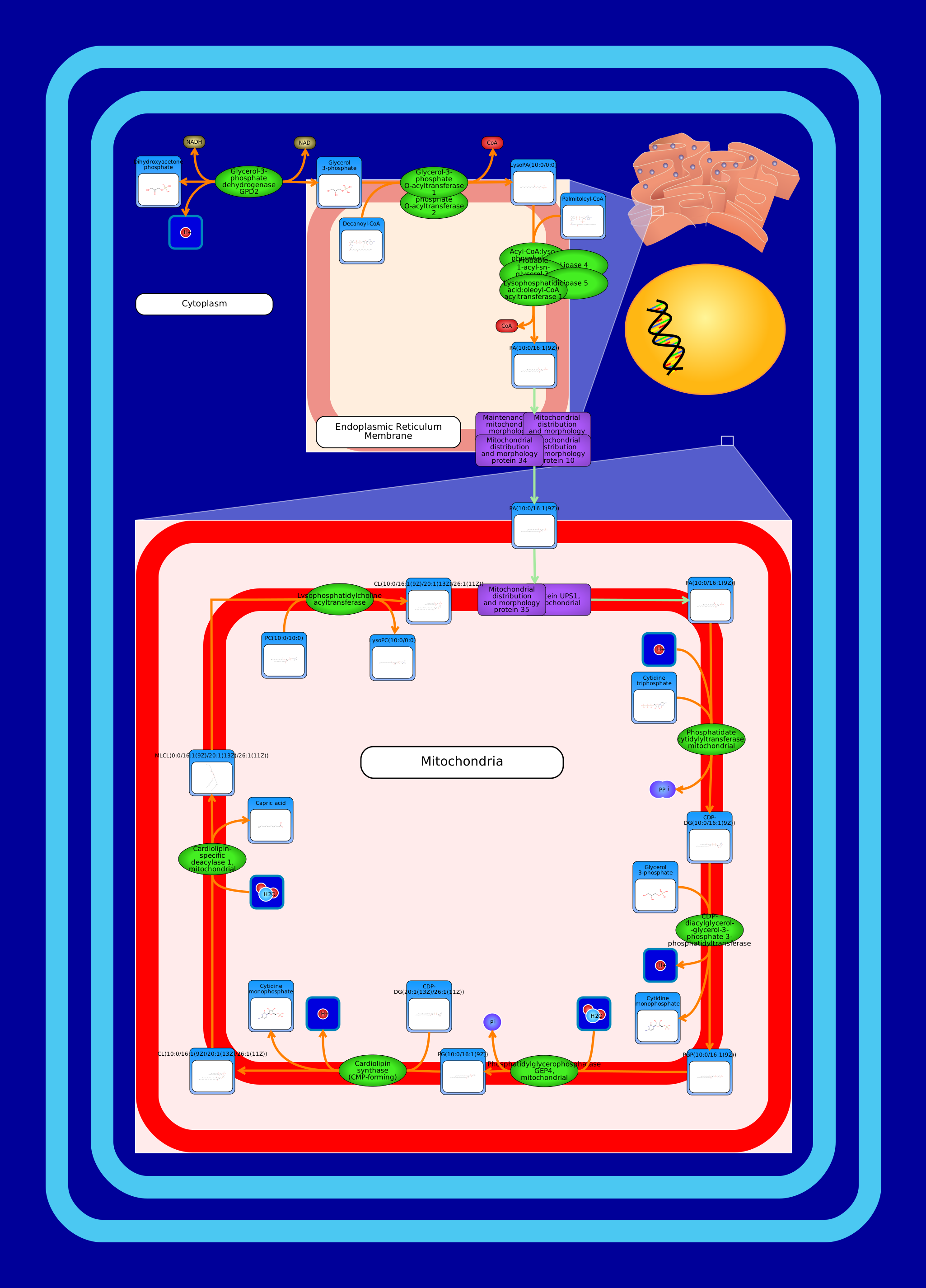 View Pathway
|
Cardiolipin Biosynthesis CL(10:0/16:1(9Z)/20:1(13Z)/26:1(11Z))Saccharomyces cerevisiae
The biosynthesis of cardiolipin (CL) begins in the endoplasmic reticulum. Glycerone phosphate interacts with an NADPH resulting in the release of NADP and glycerol 3-phosphate. Glycerol 3-phosphate reacts with glycerol-3-phosphate O-acyltransferase resulting in the release of 1-acyl-sn-glycerol 3-phosphate (lysophosphatidic acid or LysoPA). The resulting compound reacts with an acyl-CoA via lysophosphatidate acyltransferase, resulting in the release of a phosphatidic acid (PA or 1,2-diacyl-sn-glycerol 3-phosphate). Phosphatidic acid is transported to the mitochondrial outer membrane. Once in, it gets transported into the mitochondrial inner membrane. The phosphatidic acid reacts with cytidine triphosphate through a phosphatidate cytidyltransferase resulting in the release of a CDP-diacylglycerol (CDP-DG). The resulting compound reacts with a glycerol 3-phosphate through a CDP-diacylglycerol-glycerol-3-phosphate 3-phosphatidyltransferase resulting in the release of cytidine monophosphate and phosphatidylglycerophosphate (PGP). PGP reacts with phosphatidylglycerophosphatase GEP4 resulting in the release of phosphatidylglycerol (PG). PG reacts with a CDP-DG through a cardiolipin synthase resulting in the release of CL and cytidine monophosphate. Cardiolipin remodelling begins with the removal of an acyl chain to form 1-monolysocardiolipin (1-MLCL) via the lipase Cld1p. This is followed by the enzyme Taz1p transferring an acyl chain from a phospholipid (e.g. phosphatidylcholine) to reform cardiolipin.
|
Creator: Ana Marcu Created On: August 03, 2016 at 14:40 Last Updated: August 03, 2016 at 14:40 |