
| PathWhiz ID | Pathway | Meta Data |
|---|---|---|
PW685351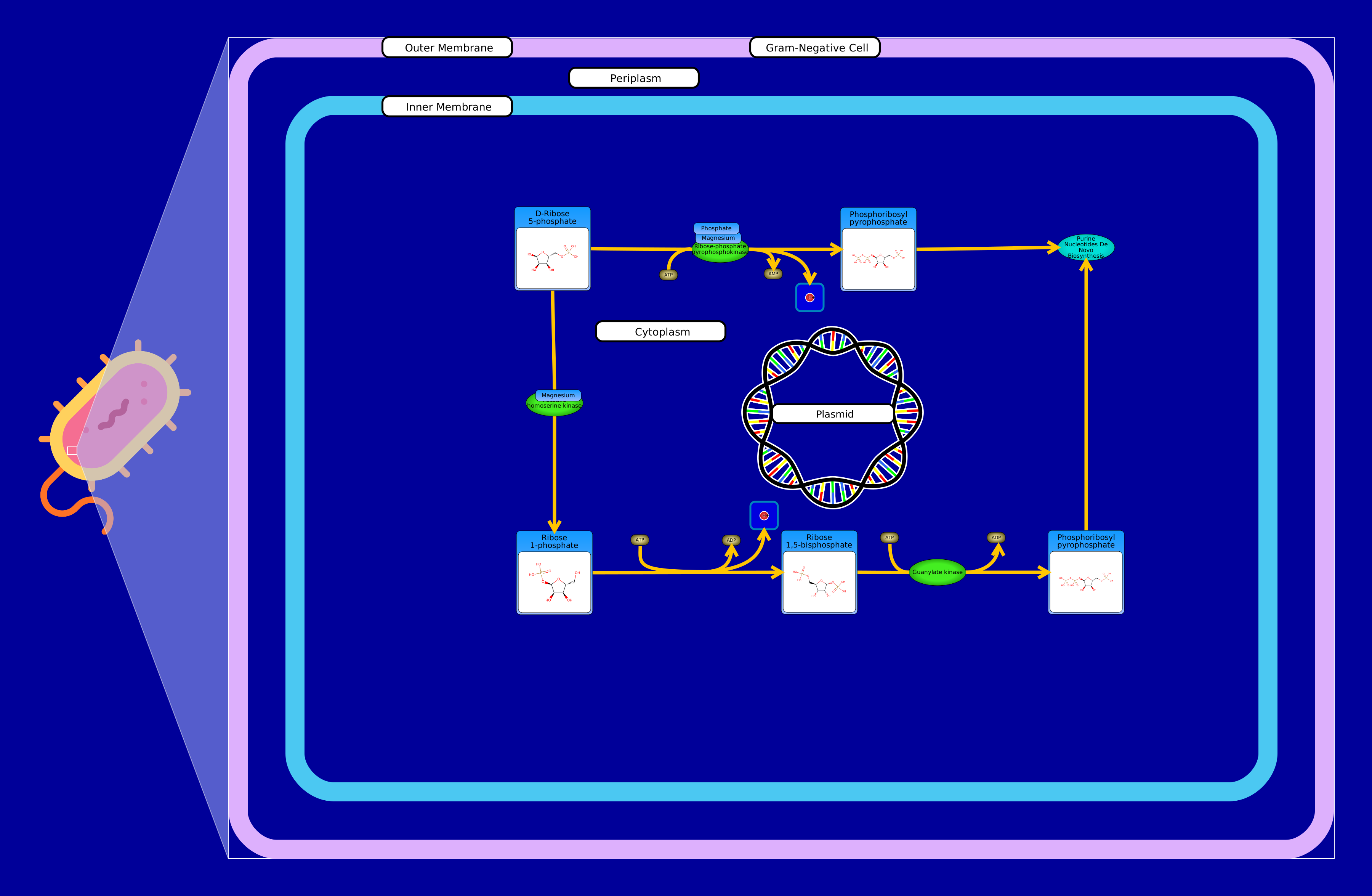 View Pathway
|
PRPP BiosynthesisBarnesiella intestinihominis YIT 11860
The biosynthesis of phosphoribosyl pyrophosphate begins as a product of the pentose phosphate and D-ribose 5-phosphate interaction. When catalyzed with a phosphopentomutase, the product is a ribose 1-phosphate. Ribose 1-phosphate can interact spontaneously with ATP resulting in a release of hydrogen ion, ADP and a ribose 1,5-biphosphate. Ribose 1,5-biphosphate is then phosphorylated through a ribose 1,5-bisphosphokinase resulting in the release of ADP and phosphoribosyl pyrophosphate. Phosphoribosyl pyrophosphate will then participate in the purine nucleotides de novo biosynthesis pathway. Alternatively pentose phosphate and D-ribose 5-phosphate's interaction can be phosphorylated through an ATP driven ribose-phosphate diphosphokinase resulting in a release of a hydrogen ion, an AMP and a phosphoribosyl pyrophosphate which will again participate in the purine nucleotides de novo biosynthesis pathway.
|
Creator: Julia Wakoli Created On: January 15, 2025 at 07:15 Last Updated: January 15, 2025 at 07:15 |
PW452696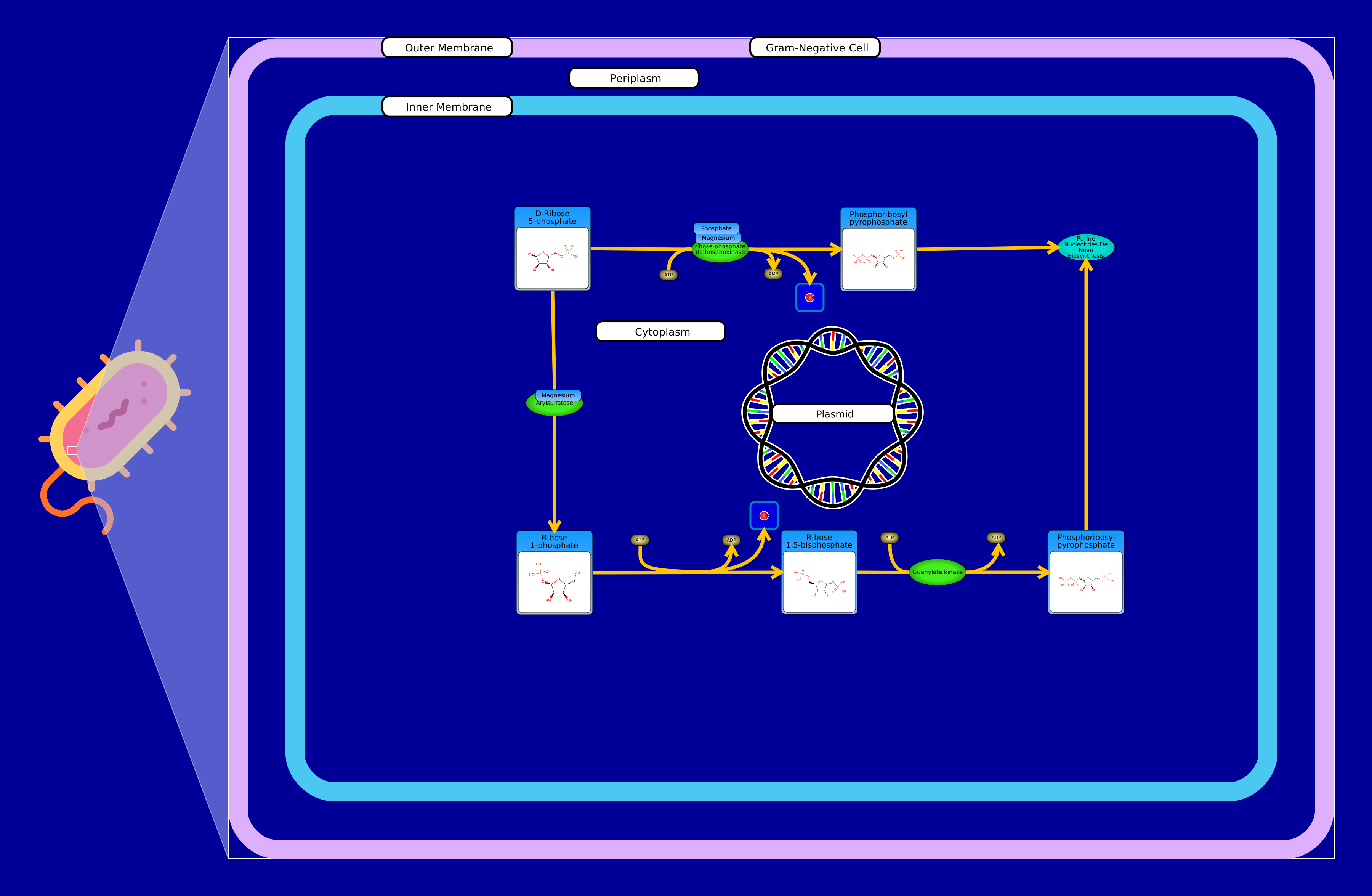 View Pathway
|
PRPP BiosynthesisBacteroides sp. 2_2_4
The biosynthesis of phosphoribosyl pyrophosphate begins as a product of the pentose phosphate and D-ribose 5-phosphate interaction. When catalyzed with a phosphopentomutase, the product is a ribose 1-phosphate. Ribose 1-phosphate can interact spontaneously with ATP resulting in a release of hydrogen ion, ADP and a ribose 1,5-biphosphate. Ribose 1,5-biphosphate is then phosphorylated through a ribose 1,5-bisphosphokinase resulting in the release of ADP and phosphoribosyl pyrophosphate. Phosphoribosyl pyrophosphate will then participate in the purine nucleotides de novo biosynthesis pathway. Alternatively pentose phosphate and D-ribose 5-phosphate's interaction can be phosphorylated through an ATP driven ribose-phosphate diphosphokinase resulting in a release of a hydrogen ion, an AMP and a phosphoribosyl pyrophosphate which will again participate in the purine nucleotides de novo biosynthesis pathway.
|
Creator: Julia Wakoli Created On: January 15, 2025 at 04:29 Last Updated: January 15, 2025 at 04:29 |
PW456201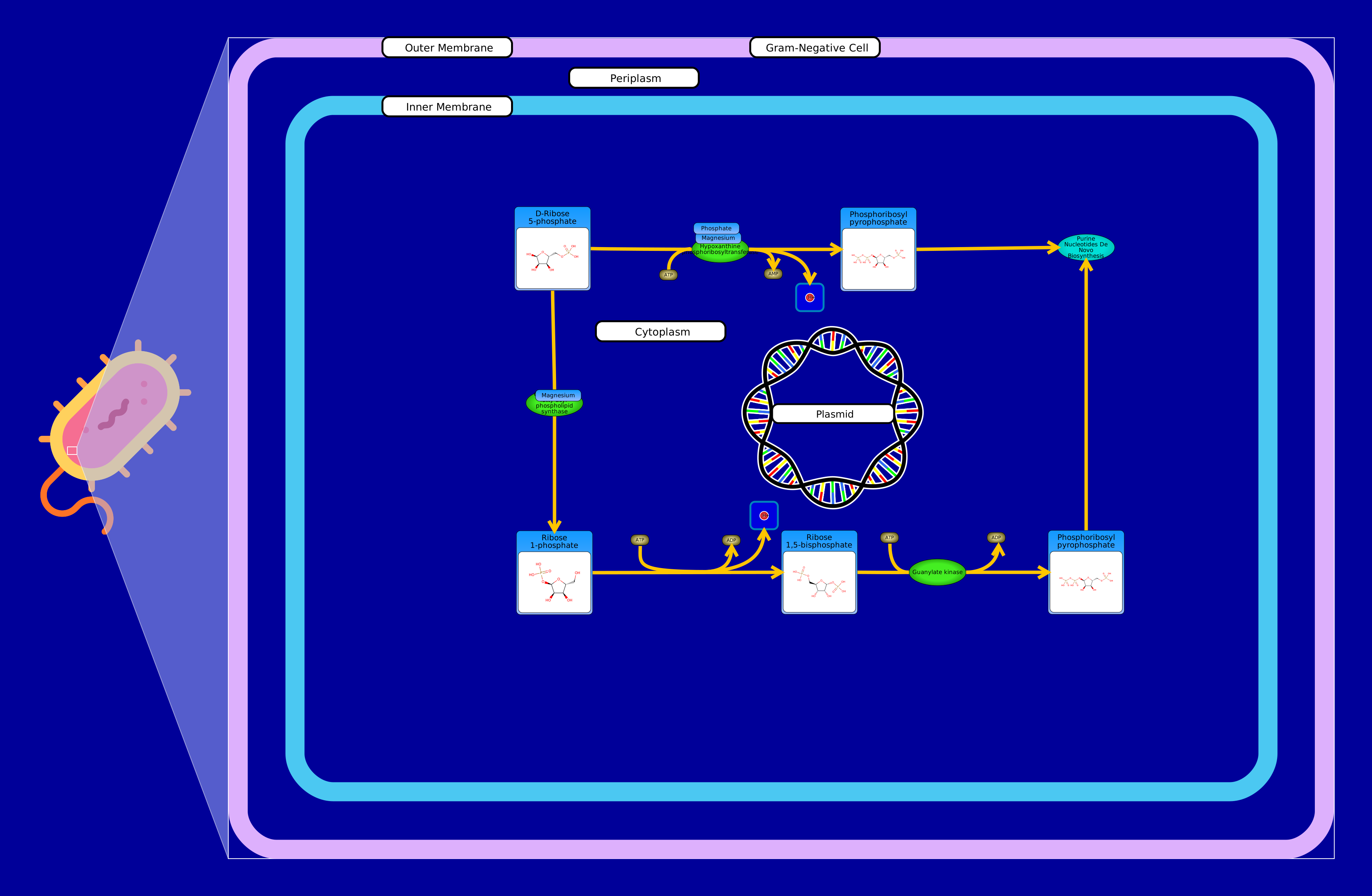 View Pathway
|
PRPP BiosynthesisSalmonella paratyphi B (strain ATCC BAA-1250 / SPB7)
The biosynthesis of phosphoribosyl pyrophosphate begins as a product of the pentose phosphate and D-ribose 5-phosphate interaction. When catalyzed with a phosphopentomutase, the product is a ribose 1-phosphate. Ribose 1-phosphate can interact spontaneously with ATP resulting in a release of hydrogen ion, ADP and a ribose 1,5-biphosphate. Ribose 1,5-biphosphate is then phosphorylated through a ribose 1,5-bisphosphokinase resulting in the release of ADP and phosphoribosyl pyrophosphate. Phosphoribosyl pyrophosphate will then participate in the purine nucleotides de novo biosynthesis pathway. Alternatively pentose phosphate and D-ribose 5-phosphate's interaction can be phosphorylated through an ATP driven ribose-phosphate diphosphokinase resulting in a release of a hydrogen ion, an AMP and a phosphoribosyl pyrophosphate which will again participate in the purine nucleotides de novo biosynthesis pathway.
|
Creator: Julia Wakoli Created On: January 16, 2025 at 22:15 Last Updated: January 16, 2025 at 22:15 |
PW453295 View Pathway
|
PRPP BiosynthesisAlistipes indistinctus YIT 12060
The biosynthesis of phosphoribosyl pyrophosphate begins as a product of the pentose phosphate and D-ribose 5-phosphate interaction. When catalyzed with a phosphopentomutase, the product is a ribose 1-phosphate. Ribose 1-phosphate can interact spontaneously with ATP resulting in a release of hydrogen ion, ADP and a ribose 1,5-biphosphate. Ribose 1,5-biphosphate is then phosphorylated through a ribose 1,5-bisphosphokinase resulting in the release of ADP and phosphoribosyl pyrophosphate. Phosphoribosyl pyrophosphate will then participate in the purine nucleotides de novo biosynthesis pathway. Alternatively pentose phosphate and D-ribose 5-phosphate's interaction can be phosphorylated through an ATP driven ribose-phosphate diphosphokinase resulting in a release of a hydrogen ion, an AMP and a phosphoribosyl pyrophosphate which will again participate in the purine nucleotides de novo biosynthesis pathway.
|
Creator: Julia Wakoli Created On: January 15, 2025 at 12:24 Last Updated: January 15, 2025 at 12:24 |
PW453353 View Pathway
|
PRPP BiosynthesisAlistipes putredinis DSM 17216
The biosynthesis of phosphoribosyl pyrophosphate begins as a product of the pentose phosphate and D-ribose 5-phosphate interaction. When catalyzed with a phosphopentomutase, the product is a ribose 1-phosphate. Ribose 1-phosphate can interact spontaneously with ATP resulting in a release of hydrogen ion, ADP and a ribose 1,5-biphosphate. Ribose 1,5-biphosphate is then phosphorylated through a ribose 1,5-bisphosphokinase resulting in the release of ADP and phosphoribosyl pyrophosphate. Phosphoribosyl pyrophosphate will then participate in the purine nucleotides de novo biosynthesis pathway. Alternatively pentose phosphate and D-ribose 5-phosphate's interaction can be phosphorylated through an ATP driven ribose-phosphate diphosphokinase resulting in a release of a hydrogen ion, an AMP and a phosphoribosyl pyrophosphate which will again participate in the purine nucleotides de novo biosynthesis pathway.
|
Creator: Julia Wakoli Created On: January 15, 2025 at 13:07 Last Updated: January 15, 2025 at 13:07 |
PW453360 View Pathway
|
PRPP BiosynthesisParabacteroides johnsonii DSM 18315
The biosynthesis of phosphoribosyl pyrophosphate begins as a product of the pentose phosphate and D-ribose 5-phosphate interaction. When catalyzed with a phosphopentomutase, the product is a ribose 1-phosphate. Ribose 1-phosphate can interact spontaneously with ATP resulting in a release of hydrogen ion, ADP and a ribose 1,5-biphosphate. Ribose 1,5-biphosphate is then phosphorylated through a ribose 1,5-bisphosphokinase resulting in the release of ADP and phosphoribosyl pyrophosphate. Phosphoribosyl pyrophosphate will then participate in the purine nucleotides de novo biosynthesis pathway. Alternatively pentose phosphate and D-ribose 5-phosphate's interaction can be phosphorylated through an ATP driven ribose-phosphate diphosphokinase resulting in a release of a hydrogen ion, an AMP and a phosphoribosyl pyrophosphate which will again participate in the purine nucleotides de novo biosynthesis pathway.
|
Creator: Julia Wakoli Created On: January 15, 2025 at 13:18 Last Updated: January 15, 2025 at 13:18 |
PW454469 View Pathway
|
PRPP BiosynthesisCampylobacter showae CSUNSWCD
The biosynthesis of phosphoribosyl pyrophosphate begins as a product of the pentose phosphate and D-ribose 5-phosphate interaction. When catalyzed with a phosphopentomutase, the product is a ribose 1-phosphate. Ribose 1-phosphate can interact spontaneously with ATP resulting in a release of hydrogen ion, ADP and a ribose 1,5-biphosphate. Ribose 1,5-biphosphate is then phosphorylated through a ribose 1,5-bisphosphokinase resulting in the release of ADP and phosphoribosyl pyrophosphate. Phosphoribosyl pyrophosphate will then participate in the purine nucleotides de novo biosynthesis pathway. Alternatively pentose phosphate and D-ribose 5-phosphate's interaction can be phosphorylated through an ATP driven ribose-phosphate diphosphokinase resulting in a release of a hydrogen ion, an AMP and a phosphoribosyl pyrophosphate which will again participate in the purine nucleotides de novo biosynthesis pathway.
|
Creator: Julia Wakoli Created On: January 16, 2025 at 00:10 Last Updated: January 16, 2025 at 00:10 |
PW452564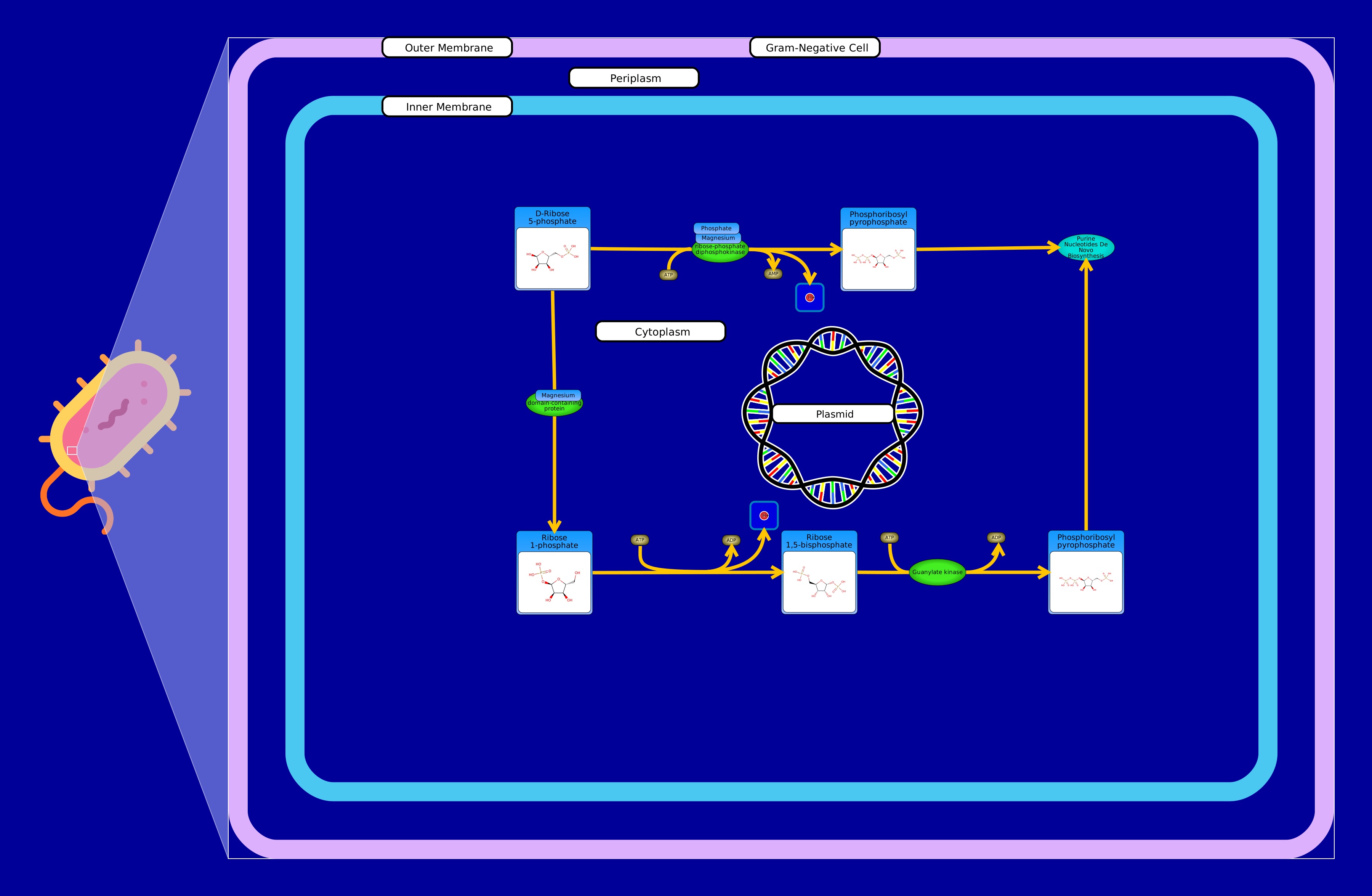 View Pathway
|
PRPP BiosynthesisBacteroides oleiciplenus YIT 12058
The biosynthesis of phosphoribosyl pyrophosphate begins as a product of the pentose phosphate and D-ribose 5-phosphate interaction. When catalyzed with a phosphopentomutase, the product is a ribose 1-phosphate. Ribose 1-phosphate can interact spontaneously with ATP resulting in a release of hydrogen ion, ADP and a ribose 1,5-biphosphate. Ribose 1,5-biphosphate is then phosphorylated through a ribose 1,5-bisphosphokinase resulting in the release of ADP and phosphoribosyl pyrophosphate. Phosphoribosyl pyrophosphate will then participate in the purine nucleotides de novo biosynthesis pathway. Alternatively pentose phosphate and D-ribose 5-phosphate's interaction can be phosphorylated through an ATP driven ribose-phosphate diphosphokinase resulting in a release of a hydrogen ion, an AMP and a phosphoribosyl pyrophosphate which will again participate in the purine nucleotides de novo biosynthesis pathway.
|
Creator: Julia Wakoli Created On: January 15, 2025 at 02:24 Last Updated: January 15, 2025 at 02:24 |
PW452521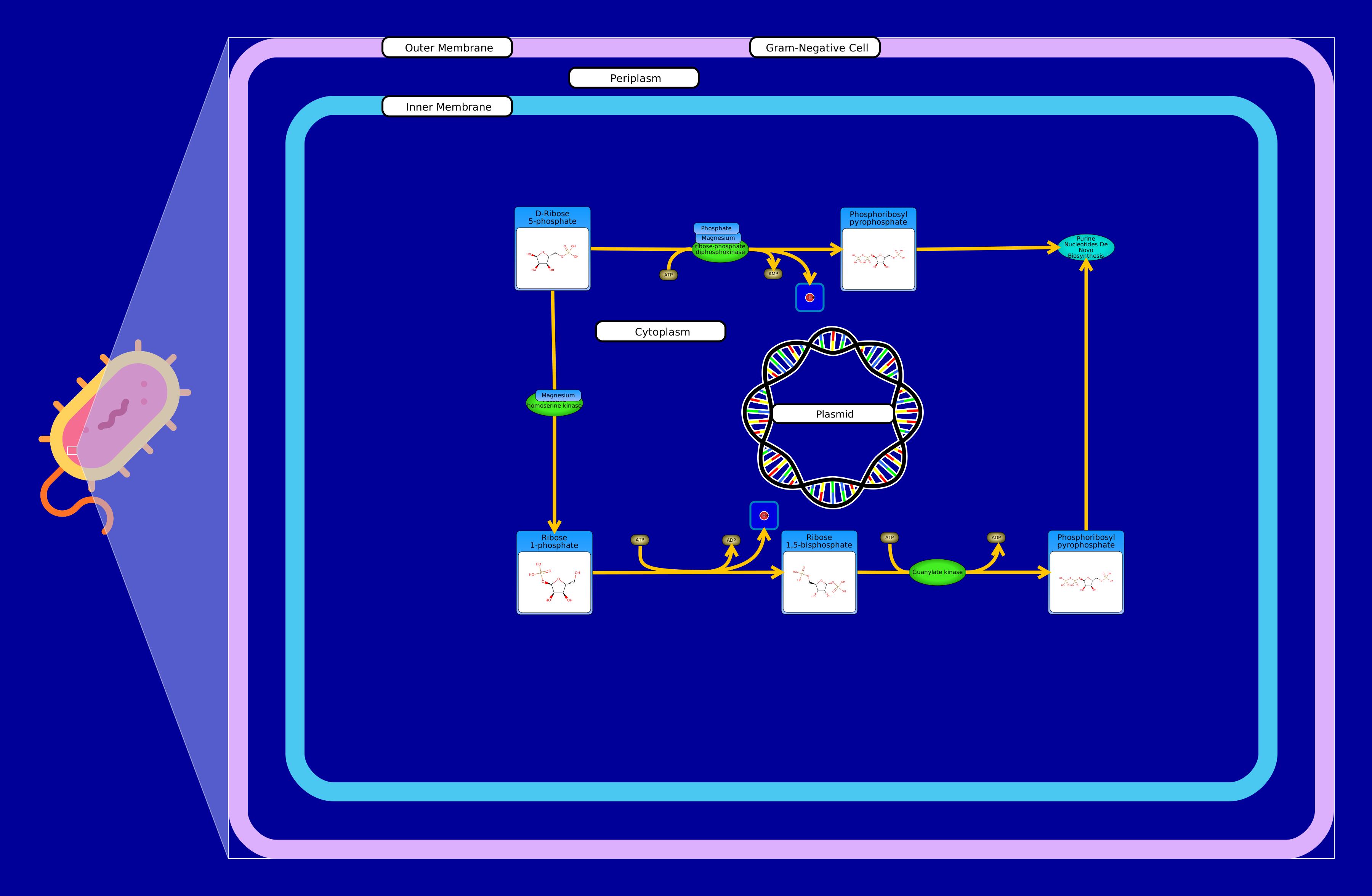 View Pathway
|
PRPP BiosynthesisBacteroides finegoldii DSM 17565
The biosynthesis of phosphoribosyl pyrophosphate begins as a product of the pentose phosphate and D-ribose 5-phosphate interaction. When catalyzed with a phosphopentomutase, the product is a ribose 1-phosphate. Ribose 1-phosphate can interact spontaneously with ATP resulting in a release of hydrogen ion, ADP and a ribose 1,5-biphosphate. Ribose 1,5-biphosphate is then phosphorylated through a ribose 1,5-bisphosphokinase resulting in the release of ADP and phosphoribosyl pyrophosphate. Phosphoribosyl pyrophosphate will then participate in the purine nucleotides de novo biosynthesis pathway. Alternatively pentose phosphate and D-ribose 5-phosphate's interaction can be phosphorylated through an ATP driven ribose-phosphate diphosphokinase resulting in a release of a hydrogen ion, an AMP and a phosphoribosyl pyrophosphate which will again participate in the purine nucleotides de novo biosynthesis pathway.
|
Creator: Julia Wakoli Created On: January 15, 2025 at 01:46 Last Updated: January 15, 2025 at 01:46 |
PW452610 View Pathway
|
PRPP BiosynthesisBacteroides pyogenes DSM 20611 = JCM 6294
The biosynthesis of phosphoribosyl pyrophosphate begins as a product of the pentose phosphate and D-ribose 5-phosphate interaction. When catalyzed with a phosphopentomutase, the product is a ribose 1-phosphate. Ribose 1-phosphate can interact spontaneously with ATP resulting in a release of hydrogen ion, ADP and a ribose 1,5-biphosphate. Ribose 1,5-biphosphate is then phosphorylated through a ribose 1,5-bisphosphokinase resulting in the release of ADP and phosphoribosyl pyrophosphate. Phosphoribosyl pyrophosphate will then participate in the purine nucleotides de novo biosynthesis pathway. Alternatively pentose phosphate and D-ribose 5-phosphate's interaction can be phosphorylated through an ATP driven ribose-phosphate diphosphokinase resulting in a release of a hydrogen ion, an AMP and a phosphoribosyl pyrophosphate which will again participate in the purine nucleotides de novo biosynthesis pathway.
|
Creator: Julia Wakoli Created On: January 15, 2025 at 03:09 Last Updated: January 15, 2025 at 03:09 |