
| PathWhiz ID | Pathway | Meta Data |
|---|---|---|
PW144260 View Pathway
|
drug action
Cyclosporine Drug Metabolism Action PathwayHomo sapiens
|
Creator: Ray Kruger Created On: October 07, 2023 at 13:03 Last Updated: October 07, 2023 at 13:03 |
PW000333 View Pathway
|
drug action
Cyclothiazide Action PathwayHomo sapiens
Cyclothiazide (also known as Anhydron or Acquirel) is an organic compound that used for diuretic. It can inhibit the solute carrier family 12 member 3 (also known as sodium-chloride symporter) in the nephron to prevent water reabsorption. Solute carrier family 12 member 3 is also used for sodium reabsorption that count for 5% of total amount. Solute carrier family 12 member 3 transports chloride and sodium from lumen to epithelial cell, and sodium/potassium ATPases facilitate the export of sodium to basolateral interstitium to provide sodium gradient that will increase the osmolarity in interstitium, which lead to establishment of osmotic gradient for water reabsorption.
|
Creator: WishartLab Created On: August 22, 2013 at 10:45 Last Updated: August 22, 2013 at 10:45 |
PW124491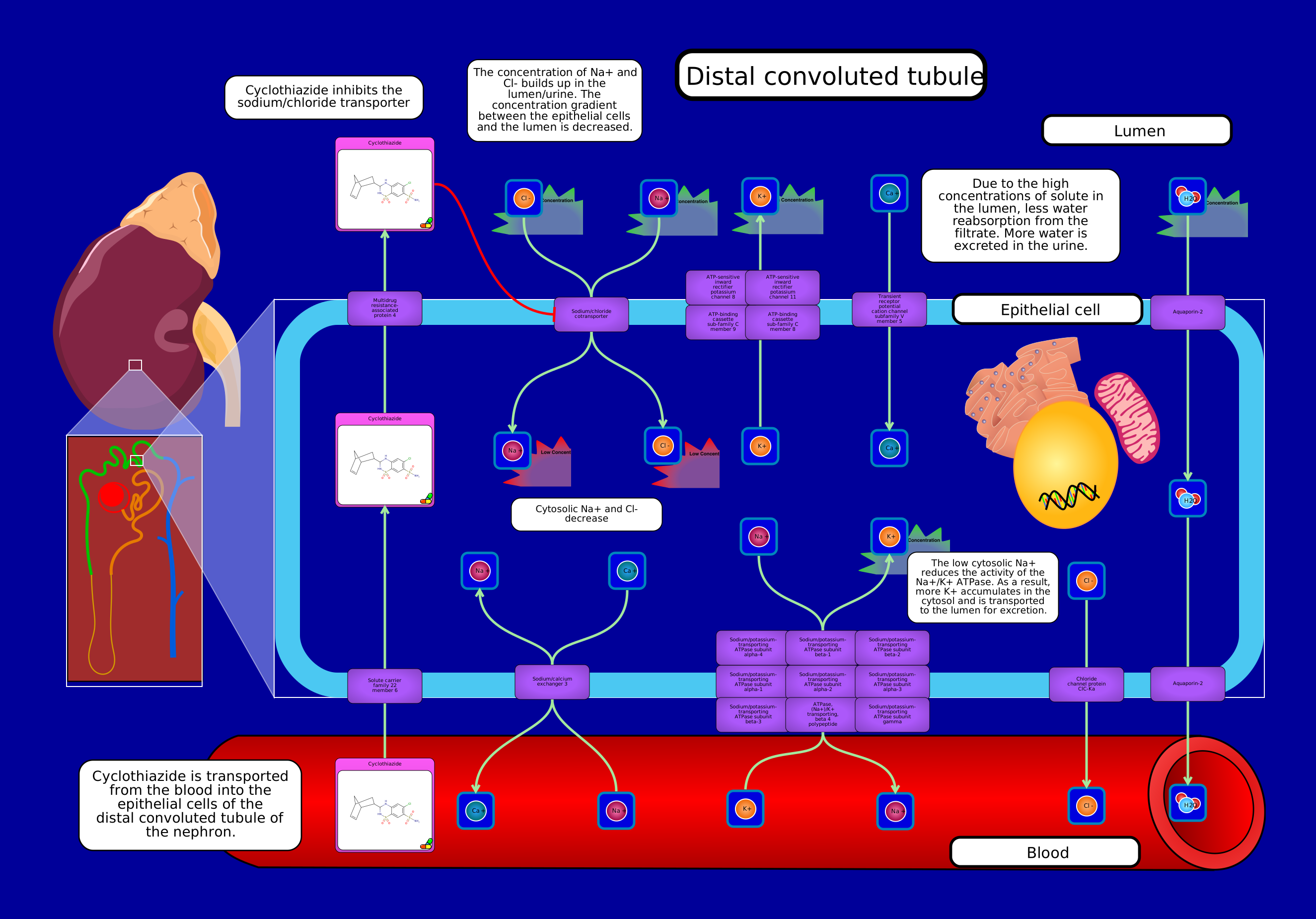 View Pathway
|
drug action
Cyclothiazide Diuretic Action PathwayHomo sapiens
Cyclothiazide is an oral diuretic drug which acts in the kidney, specifically in the distal convoluted tubule of the nephron. Cyclothiazide is indicated as adjunctive therapy in edema associated with congestive heart failure, hepatic cirrhosis, and corticosteroid and estrogen therapy. It is also indicated in the management of hypertension either as the sole therapeutic agent or to enhance the effectiveness of other antihypertensive drugs in the more severe forms of hypertension. In the distal convoluted tubule (DCT), the regulation of ions such as sodium, potassium, calcium, chloride and magnesium occur. In epithelial cells of the DCT, the basolateral membrane consists of the Na+/K+ ATPase, which pumps Na+ into the interstitium-blood area and K+ into the epithelial cell; the Na+/Ca2+ exchanger, which pumps Na+ into the cell and Ca2+ into the interstitium-blood; and the chloride transporter which transports chloride into the interstitium-blood. The apical membrane contains a calcium channel which transports calcium from the lumen into the epithelial cell, a potassium channel which transports K+ out of the epithelial cell and a Na+/Cl- cotransporter which transports Na+ and Cl- into the epithelial cell.
Cyclothiazide targets this Na+/Cl- cotransporter.
Cyclothiazide is transported from the blood into the epithelial cells, then is transported into the urine through the multidrug resistant associated protein-4. In the lumen in has access to the Na+/Cl- transporter and inhibits it preventing Na+ reabsorption. The inhibition of Na+ reabsorption results in a low cytosolic concentration of Na+ and increases the solute concentration of the lumen. This decreases the lumen-epithelial cell concentration gradient and as a result, less water would be reabsorbed from the urine. This effect is valued in conditions such as hypertension because it allows more water to be excreted in urine rather than be absorbed in the blood where it increases blood volume.
Side effects such as hypokalemia, hyponatremia, metabolic alkalosis, hypercalcemia, hyperglycemia, hyperuricemia, hyperlipidemia and sulfonamide allergy are possible from taking thiazide diuretics and can occur from taking cyclothiazide.
|
Creator: Karxena Harford Created On: January 30, 2021 at 14:50 Last Updated: January 30, 2021 at 14:50 |
PW132437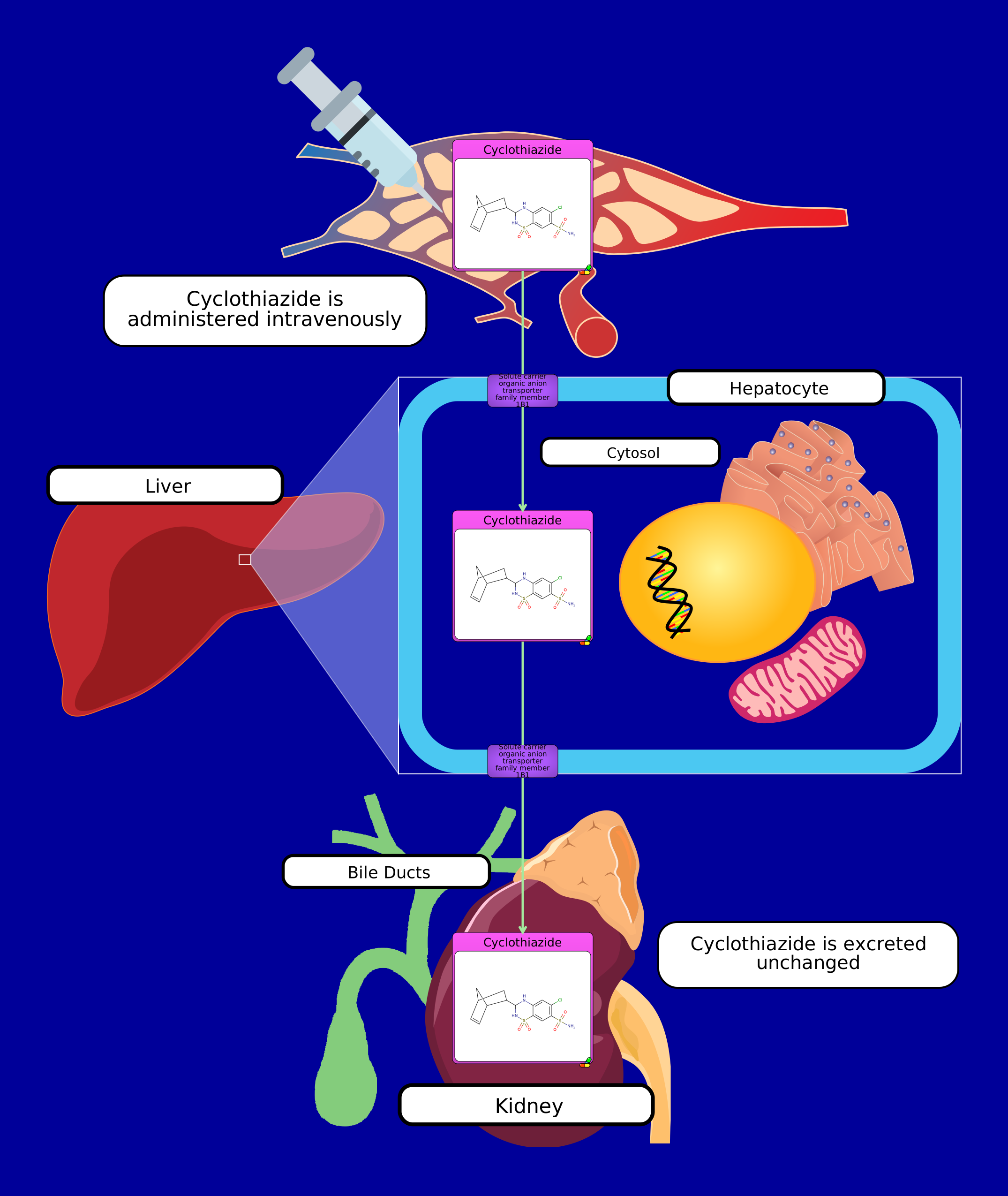 View Pathway
|
Cyclothiazide Drug MetabolismHomo sapiens
Cyclothiazide is a drug that is not metabolized by the human body as determined by current research and biotransformer analysis. Cyclothiazide passes through the liver and is then excreted from the body mainly through the kidney.
|
Creator: Ray Kruger Created On: September 21, 2023 at 21:46 Last Updated: September 21, 2023 at 21:46 |
PW144722 View Pathway
|
drug action
Cyclothiazide Drug Metabolism Action PathwayHomo sapiens
|
Creator: Ray Kruger Created On: October 07, 2023 at 14:18 Last Updated: October 07, 2023 at 14:18 |
PW145042 View Pathway
|
drug action
Cycrimine Drug Metabolism Action PathwayHomo sapiens
|
Creator: Ray Kruger Created On: October 07, 2023 at 14:58 Last Updated: October 07, 2023 at 14:58 |
PW250718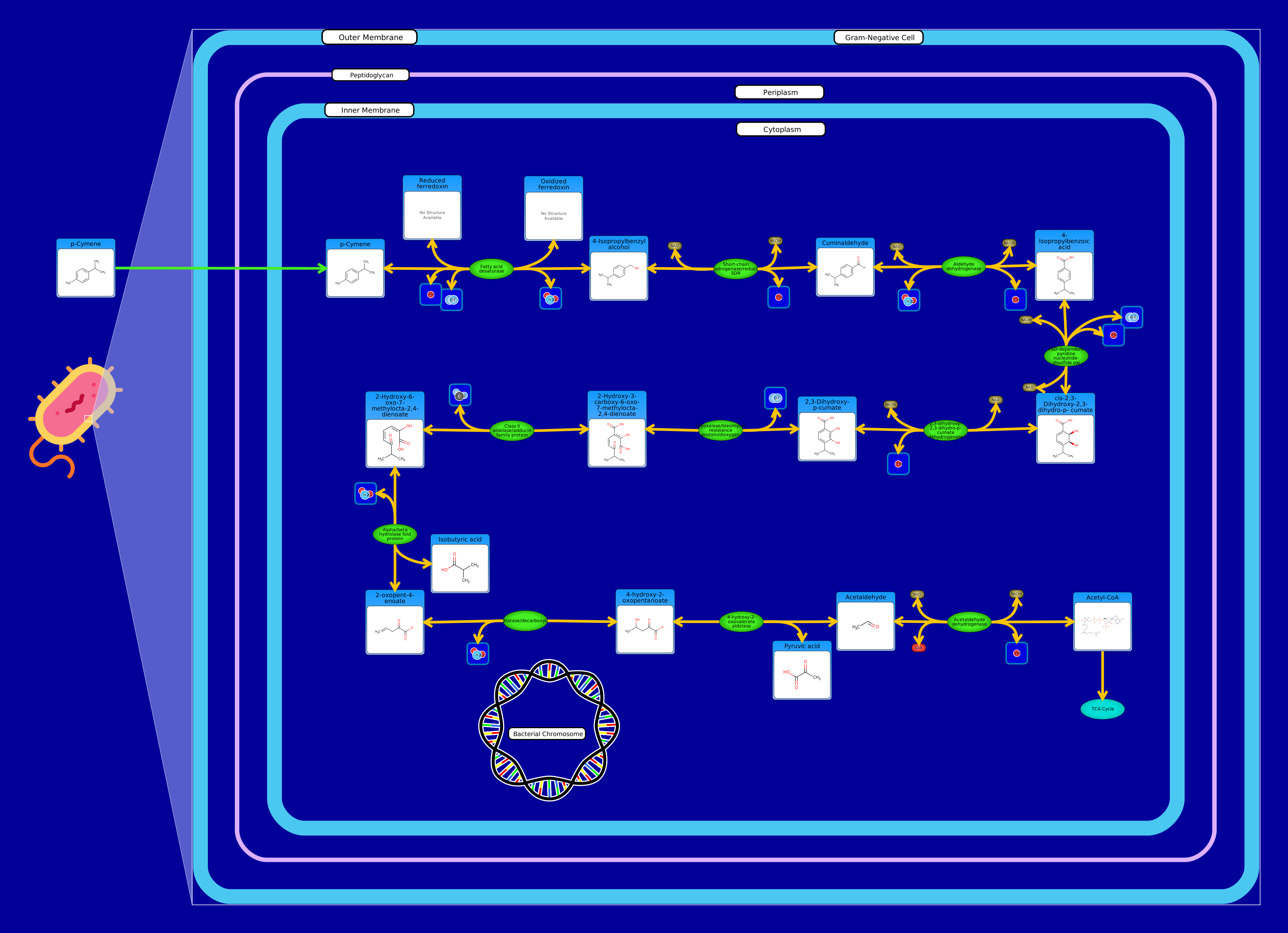 View Pathway
|
Cymene and Cumate degradationPseudomonas putida DOT-T1E
Cymene and Cumate degradation is a carbon and energy source. Cymene and cumate are typically derived from various environmental sources, e.g., petroleum products and enter the cell via diffusion due to their hydrophobic nature. Once inside the cell, cymene is oxidized by p-cymene methyl-monooxygenase, which introduces a hydroxyl group to the cymene molecule, converting it to 4-isopropylbenzyl alcohol. Further oxidation converts this intermediate to cumate. Cumate is further converted to cis-2,3-Dihydroxy-2,3-dihydro-p-cumate by p-cumate 2,3-dioxygenase. Subsequent enzymatic reactions convert cis-2,3-Dihydroxy-2,3-dihydro-p-cumate into Oxopent-4-enoate that is further converted to intermediates such as pyruvate and acetyl-CoA. These intermediates enter the citrate cycle and glycolysis.
|
Creator: Julia Wakoli Created On: May 21, 2024 at 13:05 Last Updated: May 21, 2024 at 13:05 |
PW144559 View Pathway
|
drug action
Cyproheptadine Drug Metabolism Action PathwayHomo sapiens
|
Creator: Ray Kruger Created On: October 07, 2023 at 13:54 Last Updated: October 07, 2023 at 13:54 |
PW147082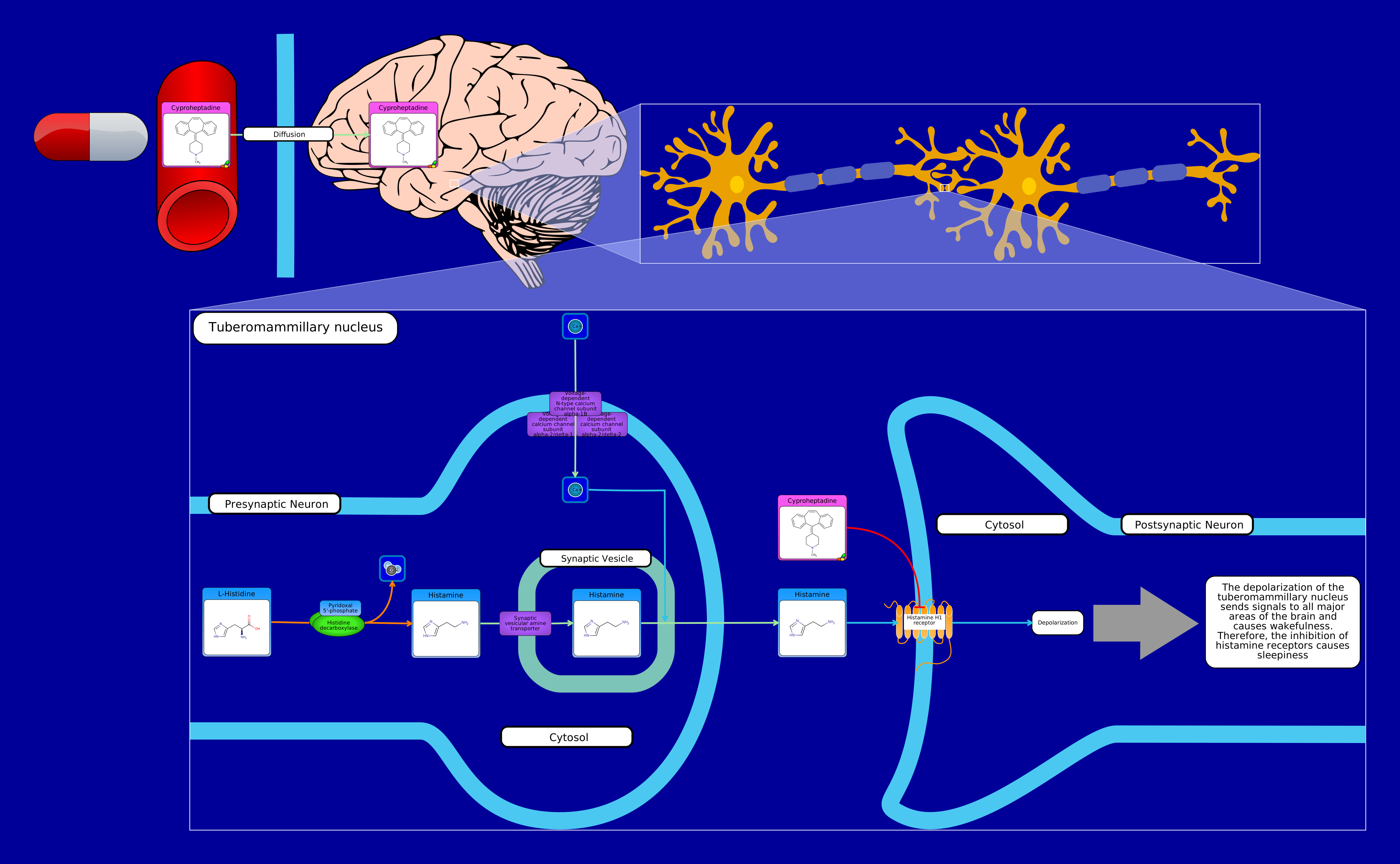 View Pathway
|
drug action
Cyproheptadine H1 Antihistamine Neurological Sleep Action PathwayHomo sapiens
Cyproheptadine is an ethanolamine class H1 antihistamine used to treat insomnia and allergy symptoms such as hay fever and hives. It is also used with pyridoxine in the treatment of nausea and vomiting in pregnancy. H1-antihistamines interfere with the agonist action of histamine at the H1 receptor and are administered to attenuate inflammatory process in order to treat conditions such as allergic rhinitis, allergic conjunctivitis, and urticaria.
Wakefulness is regulated by histamine in the tuberomammillary nucleus, a part of the hypothalamus. Histidine is decarboxylated into histamine in the neuron. Histamine is transported into synaptic vesicles by a monoamine transporter then released into the synapse. Normally histamine would activate the H1 histamine receptor on the post-synaptic neuron in the tuberomammillary nucleus. Cyproheptadine inhibits the H1 histamine receptor, preventing the depolarization of the post-synaptic neuron. This prevents the wakefulness signal from being sent to the major areas of the brain, causing sleepiness.
|
Creator: Ray Kruger Created On: October 10, 2023 at 14:37 Last Updated: October 10, 2023 at 14:37 |
PW176577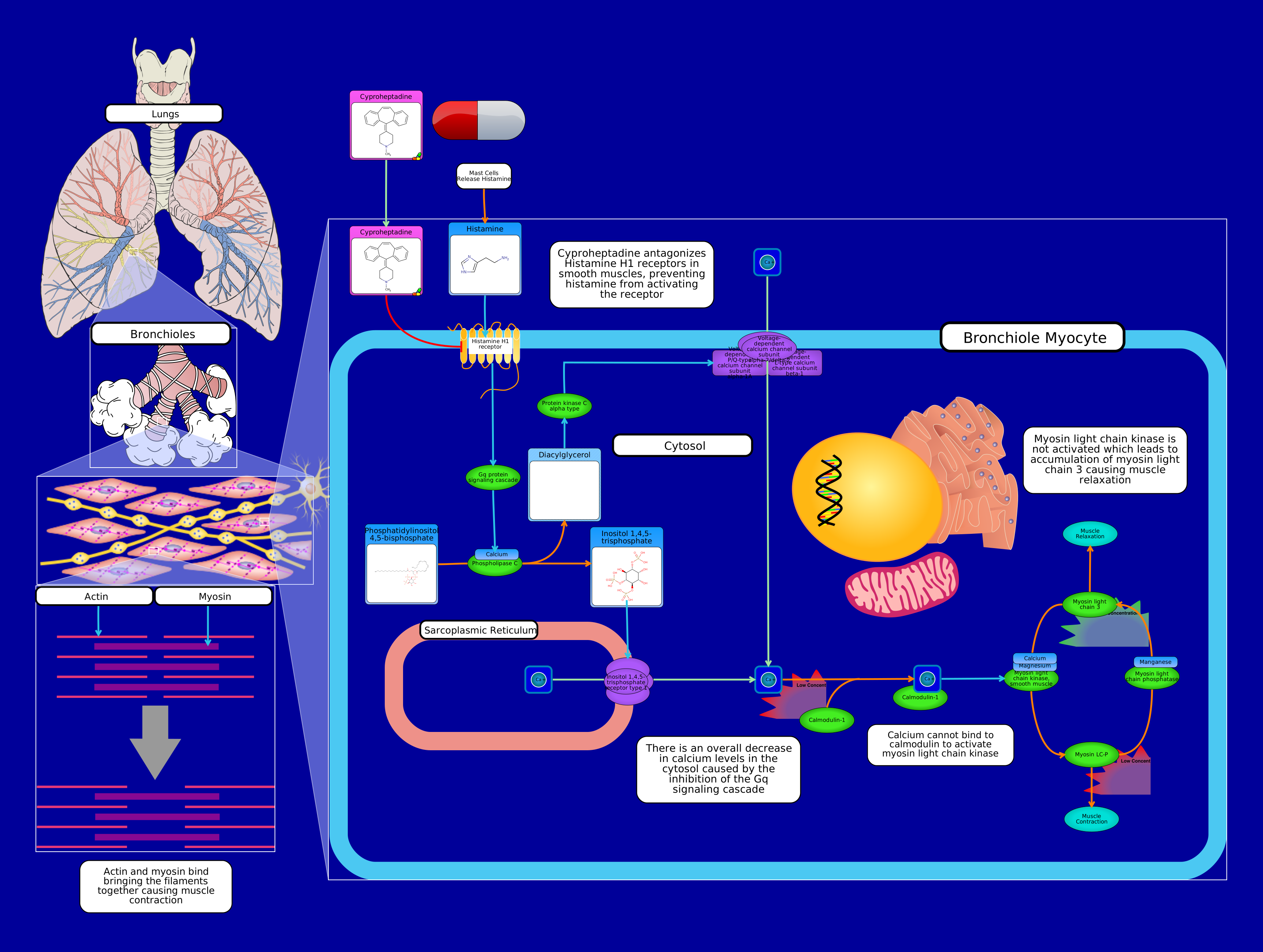 View Pathway
|
drug action
Cyproheptadine H1 Antihistamine Smooth Muscle Relaxation Action PathwayHomo sapiens
Cyproheptadine is an ethanolamine class H1 antihistamine used to treat insomnia and allergy symptoms such as hay fever and hives. It is also used with pyridoxine in the treatment of nausea and vomiting in pregnancy.
H1-antihistamines interfere with the agonist action of histamine at the H1 receptor and are administered to attenuate inflammatory process in order to treat conditions such as allergic rhinitis, allergic conjunctivitis, and urticaria. H1-antihistamines act on H1 receptors in T-cells to inhibit the immune response, in blood vessels to constrict dilated blood vessels, and in smooth muscles of lungs and intestines to relax those muscles. Allergies causes blood vessel dilation which causes swelling (edema) and fluid leakage. Cyproheptadine also inhibits the H1 histamine receptor on bronchiole smooth muscle myocytes. This normally activates the Gq signalling cascade which activates phospholipase C which catalyzes the production of Inositol 1,4,5-trisphosphate (IP3) and Diacylglycerol (DAG). Because of the inhibition, IP3 doesn't activate the release of calcium from the sarcoplasmic reticulum, and DAG doesn't activate the release of calcium into the cytosol of the endothelial cell. This causes a low concentration of calcium in the cytosol, and it, therefore, cannot bind to calmodulin.Calcium bound calmodulin is required for the activation of myosin light chain kinase. This prevents the phosphorylation of myosin light chain 3, causing an accumulation of myosin light chain 3. This causes muscle relaxation, opening up the bronchioles in the lungs, making breathing easier.
|
Creator: Ray Kruger Created On: December 19, 2023 at 12:45 Last Updated: December 19, 2023 at 12:45 |