
| PathWhiz ID | Pathway | Meta Data |
|---|---|---|
PW393843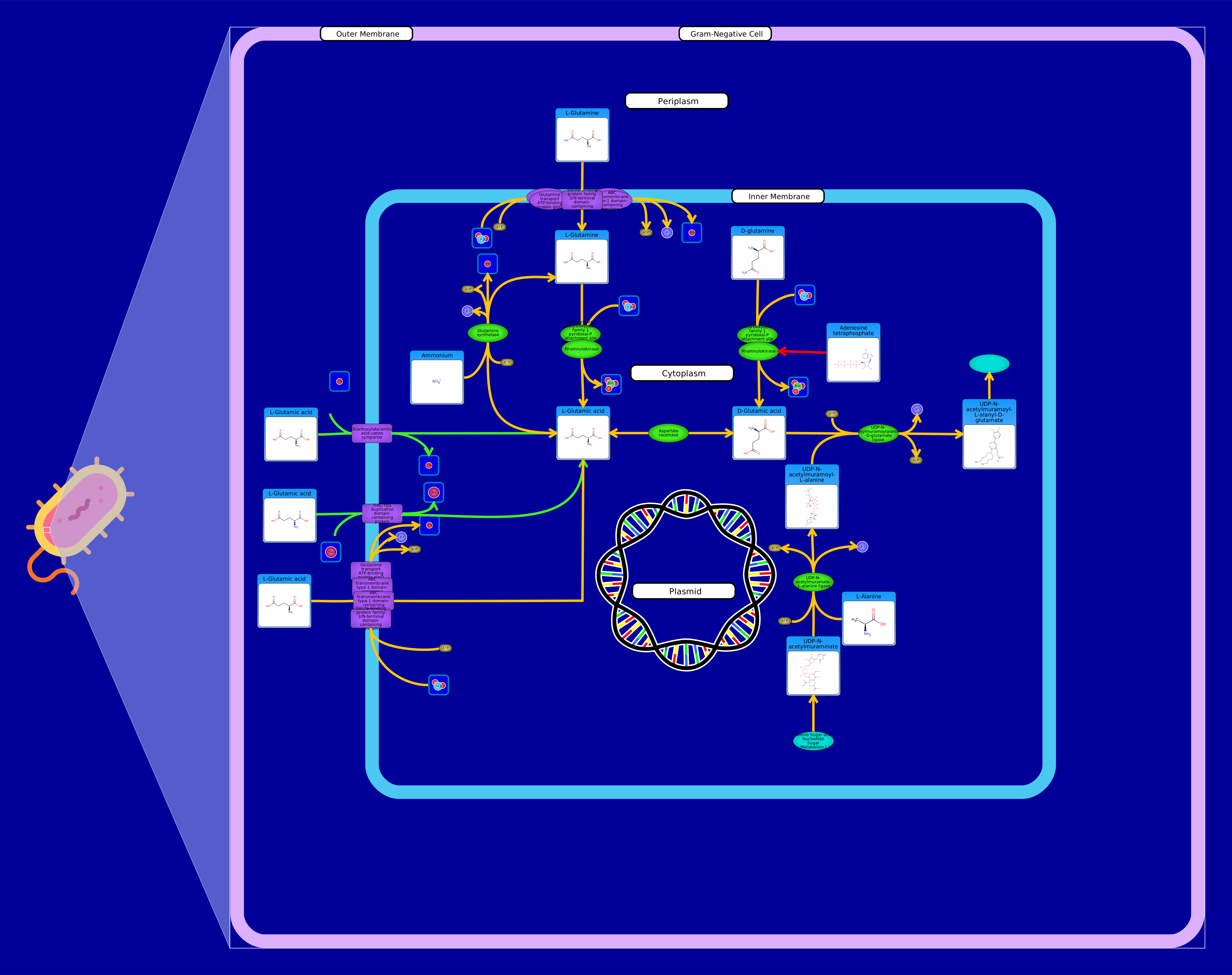 View Pathway
|
D-Glutamine and D-Glutamate Metabolism[Clostridium] citroniae WAL-17108
L-Glutamine is transported into the cytoplasm through a glutamine ABC transporter. Once inside, L-glutamine is metabolized with glutaminase to produce an L-glutamic acid. This process can be reversed through a glutamine synthetase resulting in L-glutamine. L-glutamic acid can also be transported into the cytoplasm through various methods: a glutamate/aspartate:H+ symporter GltP, a glutamate:sodium symporter, or a glutamate/aspartate ABC transporter. L-Glutamic acid can proceed to L-glutamate metabolism or it can undergo a reversible reaction through a glutamate racemase resulting in D-glutamic acid. This compound can also be obtained from D-glutamine interacting with a glutaminase. D-Glutamic acid reacts with UDP-N-acetylmuramoyl-L-alanine through an ATP-driven UDP-N-acetylmuramoylalanine-D-glutamate ligase resulting in a UDP-N-acetylmuramoyl-L-alanyl-D-glutamate which is then integrated into peptidoglycan biosynthesis. UDP-N-acetylmuramoyl-L-alanine comes from the amino sugar and nucleotide sugar metabolism product, UDP-N-acetylmuraminate which reacts with L-alanine through an ATP-driven UDP-N-acetylmuramate-L-alanine ligase.
|
Creator: Julia Wakoli Created On: December 14, 2024 at 07:32 Last Updated: December 14, 2024 at 07:32 |
PW393812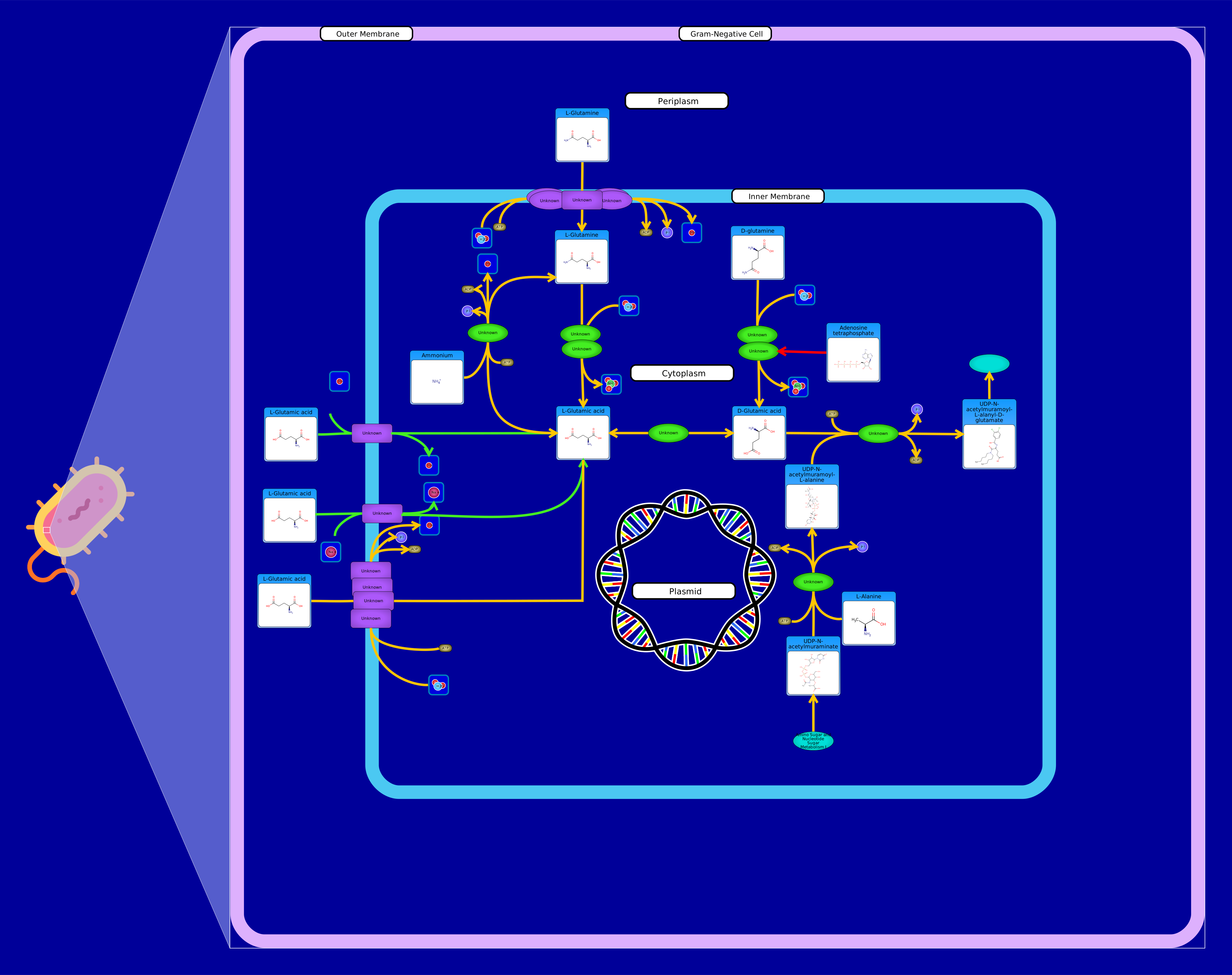 View Pathway
|
D-Glutamine and D-Glutamate MetabolismPyramidobacter piscolens W5455
L-Glutamine is transported into the cytoplasm through a glutamine ABC transporter. Once inside, L-glutamine is metabolized with glutaminase to produce an L-glutamic acid. This process can be reversed through a glutamine synthetase resulting in L-glutamine. L-glutamic acid can also be transported into the cytoplasm through various methods: a glutamate/aspartate:H+ symporter GltP, a glutamate:sodium symporter, or a glutamate/aspartate ABC transporter. L-Glutamic acid can proceed to L-glutamate metabolism or it can undergo a reversible reaction through a glutamate racemase resulting in D-glutamic acid. This compound can also be obtained from D-glutamine interacting with a glutaminase. D-Glutamic acid reacts with UDP-N-acetylmuramoyl-L-alanine through an ATP-driven UDP-N-acetylmuramoylalanine-D-glutamate ligase resulting in a UDP-N-acetylmuramoyl-L-alanyl-D-glutamate which is then integrated into peptidoglycan biosynthesis. UDP-N-acetylmuramoyl-L-alanine comes from the amino sugar and nucleotide sugar metabolism product, UDP-N-acetylmuraminate which reacts with L-alanine through an ATP-driven UDP-N-acetylmuramate-L-alanine ligase.
|
Creator: Julia Wakoli Created On: December 14, 2024 at 07:21 Last Updated: December 14, 2024 at 07:21 |
PW393829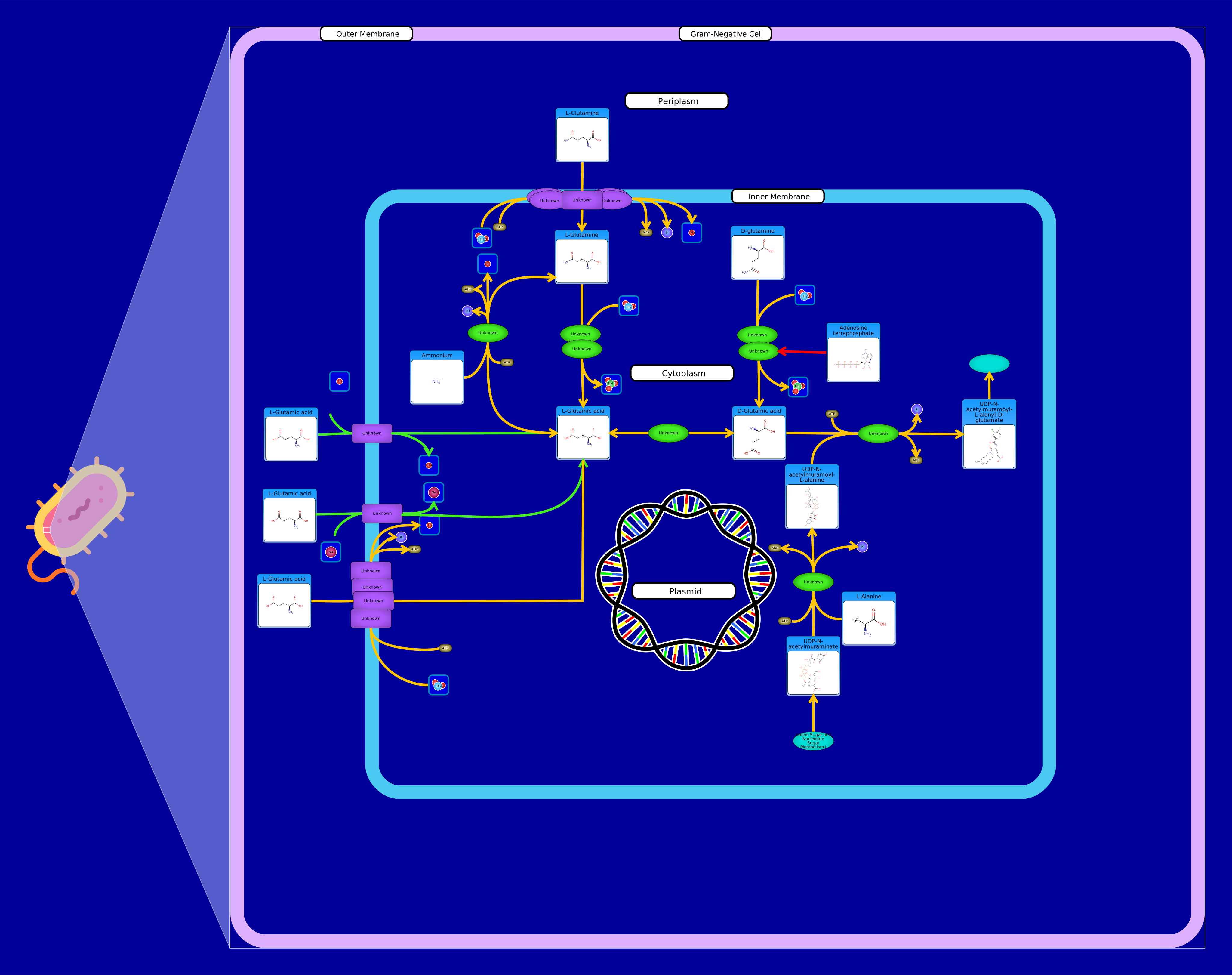 View Pathway
|
D-Glutamine and D-Glutamate MetabolismWeissella cibaria KACC 11862
L-Glutamine is transported into the cytoplasm through a glutamine ABC transporter. Once inside, L-glutamine is metabolized with glutaminase to produce an L-glutamic acid. This process can be reversed through a glutamine synthetase resulting in L-glutamine. L-glutamic acid can also be transported into the cytoplasm through various methods: a glutamate/aspartate:H+ symporter GltP, a glutamate:sodium symporter, or a glutamate/aspartate ABC transporter. L-Glutamic acid can proceed to L-glutamate metabolism or it can undergo a reversible reaction through a glutamate racemase resulting in D-glutamic acid. This compound can also be obtained from D-glutamine interacting with a glutaminase. D-Glutamic acid reacts with UDP-N-acetylmuramoyl-L-alanine through an ATP-driven UDP-N-acetylmuramoylalanine-D-glutamate ligase resulting in a UDP-N-acetylmuramoyl-L-alanyl-D-glutamate which is then integrated into peptidoglycan biosynthesis. UDP-N-acetylmuramoyl-L-alanine comes from the amino sugar and nucleotide sugar metabolism product, UDP-N-acetylmuraminate which reacts with L-alanine through an ATP-driven UDP-N-acetylmuramate-L-alanine ligase.
|
Creator: Julia Wakoli Created On: December 14, 2024 at 07:27 Last Updated: December 14, 2024 at 07:27 |
PW684424 View Pathway
|
D-Glutamine and D-Glutamate MetabolismCitrobacter youngae ATCC 29220
L-Glutamine is transported into the cytoplasm through a glutamine ABC transporter. Once inside, L-glutamine is metabolized with glutaminase to produce an L-glutamic acid. This process can be reversed through a glutamine synthetase resulting in L-glutamine. L-glutamic acid can also be transported into the cytoplasm through various methods: a glutamate/aspartate:H+ symporter GltP, a glutamate:sodium symporter, or a glutamate/aspartate ABC transporter. L-Glutamic acid can proceed to L-glutamate metabolism or it can undergo a reversible reaction through a glutamate racemase resulting in D-glutamic acid. This compound can also be obtained from D-glutamine interacting with a glutaminase. D-Glutamic acid reacts with UDP-N-acetylmuramoyl-L-alanine through an ATP-driven UDP-N-acetylmuramoylalanine-D-glutamate ligase resulting in a UDP-N-acetylmuramoyl-L-alanyl-D-glutamate which is then integrated into peptidoglycan biosynthesis. UDP-N-acetylmuramoyl-L-alanine comes from the amino sugar and nucleotide sugar metabolism product, UDP-N-acetylmuraminate which reacts with L-alanine through an ATP-driven UDP-N-acetylmuramate-L-alanine ligase.
|
Creator: Julia Wakoli Created On: December 12, 2024 at 09:13 Last Updated: December 12, 2024 at 09:13 |
PW392333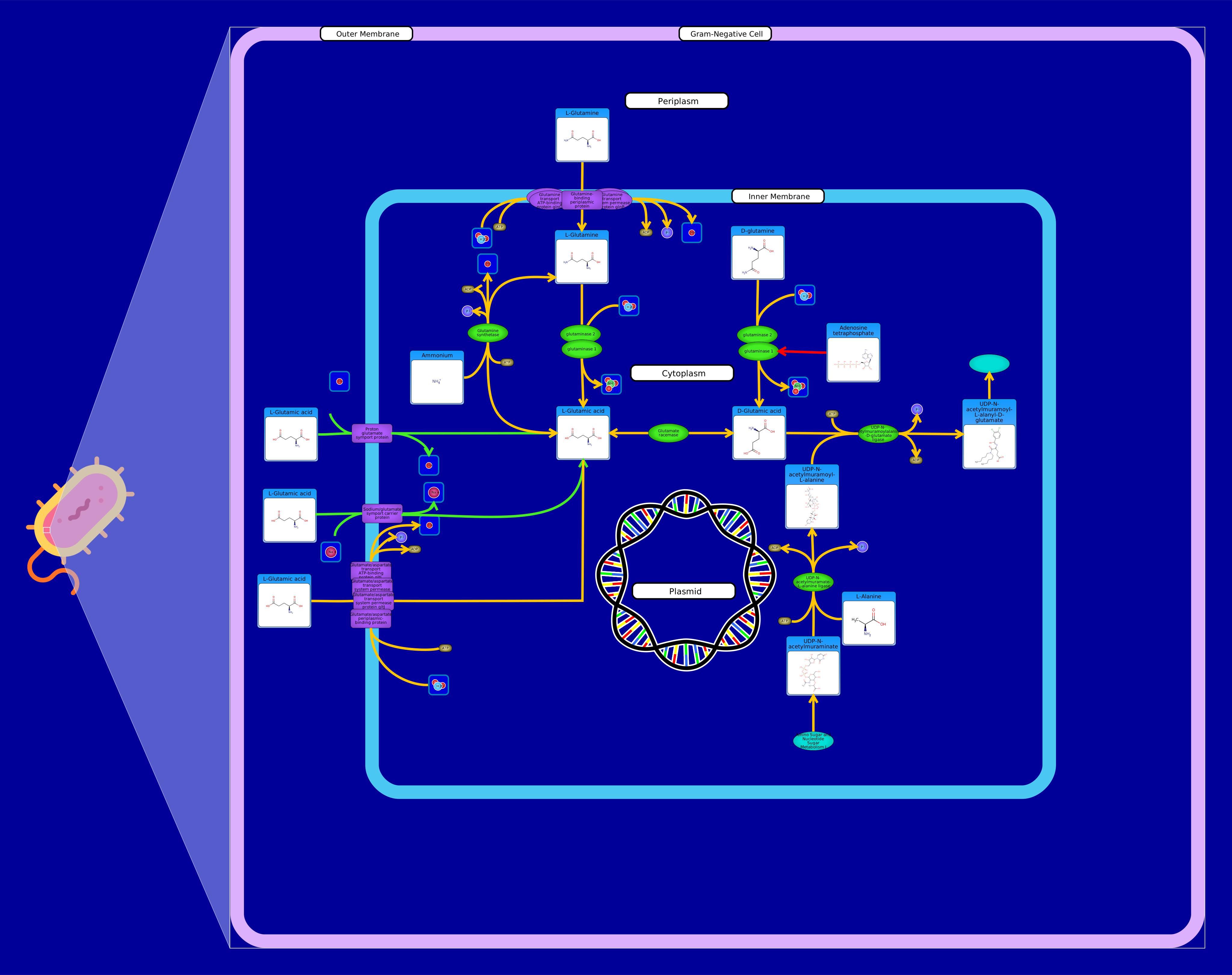 View Pathway
|
D-Glutamine and D-Glutamate MetabolismEscherichia coli O157:H7 str. TW14359
L-Glutamine is transported into the cytoplasm through a glutamine ABC transporter. Once inside, L-glutamine is metabolized with glutaminase to produce an L-glutamic acid. This process can be reversed through a glutamine synthetase resulting in L-glutamine. L-glutamic acid can also be transported into the cytoplasm through various methods: a glutamate/aspartate:H+ symporter GltP, a glutamate:sodium symporter, or a glutamate/aspartate ABC transporter. L-Glutamic acid can proceed to L-glutamate metabolism or it can undergo a reversible reaction through a glutamate racemase resulting in D-glutamic acid. This compound can also be obtained from D-glutamine interacting with a glutaminase. D-Glutamic acid reacts with UDP-N-acetylmuramoyl-L-alanine through an ATP-driven UDP-N-acetylmuramoylalanine-D-glutamate ligase resulting in a UDP-N-acetylmuramoyl-L-alanyl-D-glutamate which is then integrated into peptidoglycan biosynthesis. UDP-N-acetylmuramoyl-L-alanine comes from the amino sugar and nucleotide sugar metabolism product, UDP-N-acetylmuraminate which reacts with L-alanine through an ATP-driven UDP-N-acetylmuramate-L-alanine ligase.
|
Creator: Julia Wakoli Created On: December 13, 2024 at 22:53 Last Updated: December 13, 2024 at 22:53 |
PW392338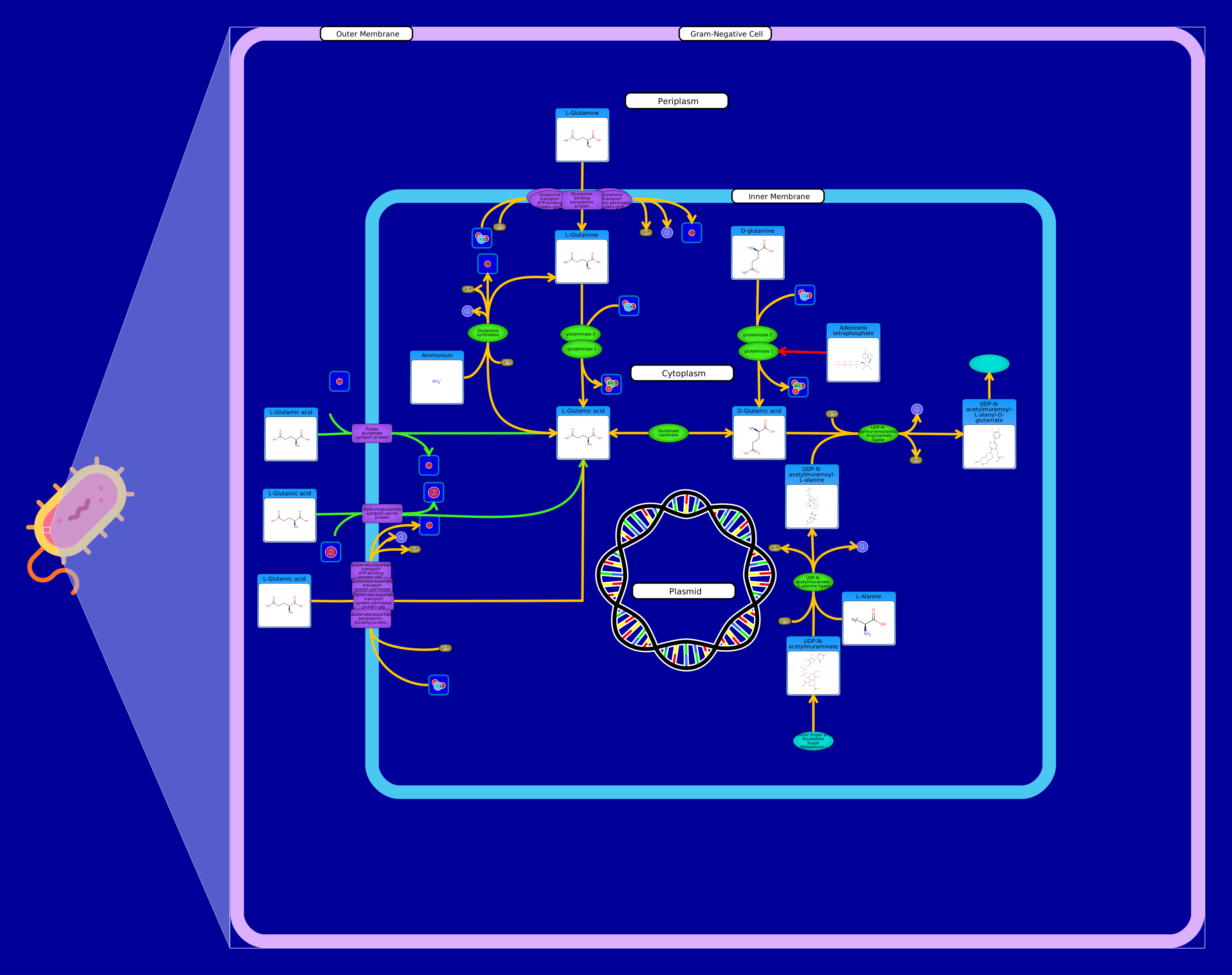 View Pathway
|
D-Glutamine and D-Glutamate MetabolismEscherichia coli O103:H2 str. 12009
L-Glutamine is transported into the cytoplasm through a glutamine ABC transporter. Once inside, L-glutamine is metabolized with glutaminase to produce an L-glutamic acid. This process can be reversed through a glutamine synthetase resulting in L-glutamine. L-glutamic acid can also be transported into the cytoplasm through various methods: a glutamate/aspartate:H+ symporter GltP, a glutamate:sodium symporter, or a glutamate/aspartate ABC transporter. L-Glutamic acid can proceed to L-glutamate metabolism or it can undergo a reversible reaction through a glutamate racemase resulting in D-glutamic acid. This compound can also be obtained from D-glutamine interacting with a glutaminase. D-Glutamic acid reacts with UDP-N-acetylmuramoyl-L-alanine through an ATP-driven UDP-N-acetylmuramoylalanine-D-glutamate ligase resulting in a UDP-N-acetylmuramoyl-L-alanyl-D-glutamate which is then integrated into peptidoglycan biosynthesis. UDP-N-acetylmuramoyl-L-alanine comes from the amino sugar and nucleotide sugar metabolism product, UDP-N-acetylmuraminate which reacts with L-alanine through an ATP-driven UDP-N-acetylmuramate-L-alanine ligase.
|
Creator: Julia Wakoli Created On: December 13, 2024 at 22:56 Last Updated: December 13, 2024 at 22:56 |
PW393723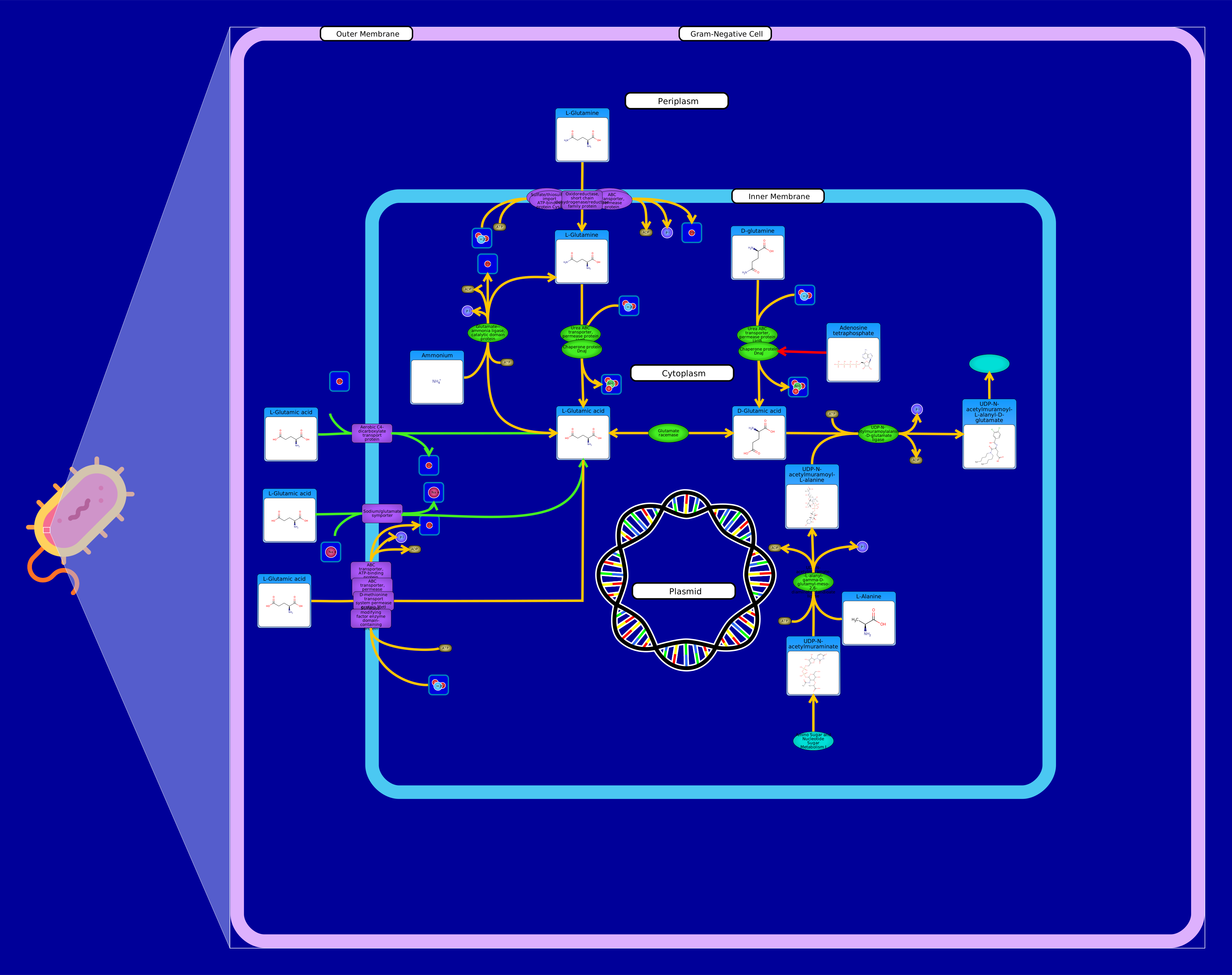 View Pathway
|
D-Glutamine and D-Glutamate MetabolismAcinetobacter junii SH205
L-Glutamine is transported into the cytoplasm through a glutamine ABC transporter. Once inside, L-glutamine is metabolized with glutaminase to produce an L-glutamic acid. This process can be reversed through a glutamine synthetase resulting in L-glutamine. L-glutamic acid can also be transported into the cytoplasm through various methods: a glutamate/aspartate:H+ symporter GltP, a glutamate:sodium symporter, or a glutamate/aspartate ABC transporter. L-Glutamic acid can proceed to L-glutamate metabolism or it can undergo a reversible reaction through a glutamate racemase resulting in D-glutamic acid. This compound can also be obtained from D-glutamine interacting with a glutaminase. D-Glutamic acid reacts with UDP-N-acetylmuramoyl-L-alanine through an ATP-driven UDP-N-acetylmuramoylalanine-D-glutamate ligase resulting in a UDP-N-acetylmuramoyl-L-alanyl-D-glutamate which is then integrated into peptidoglycan biosynthesis. UDP-N-acetylmuramoyl-L-alanine comes from the amino sugar and nucleotide sugar metabolism product, UDP-N-acetylmuraminate which reacts with L-alanine through an ATP-driven UDP-N-acetylmuramate-L-alanine ligase.
|
Creator: Julia Wakoli Created On: December 14, 2024 at 06:49 Last Updated: December 14, 2024 at 06:49 |
PW393761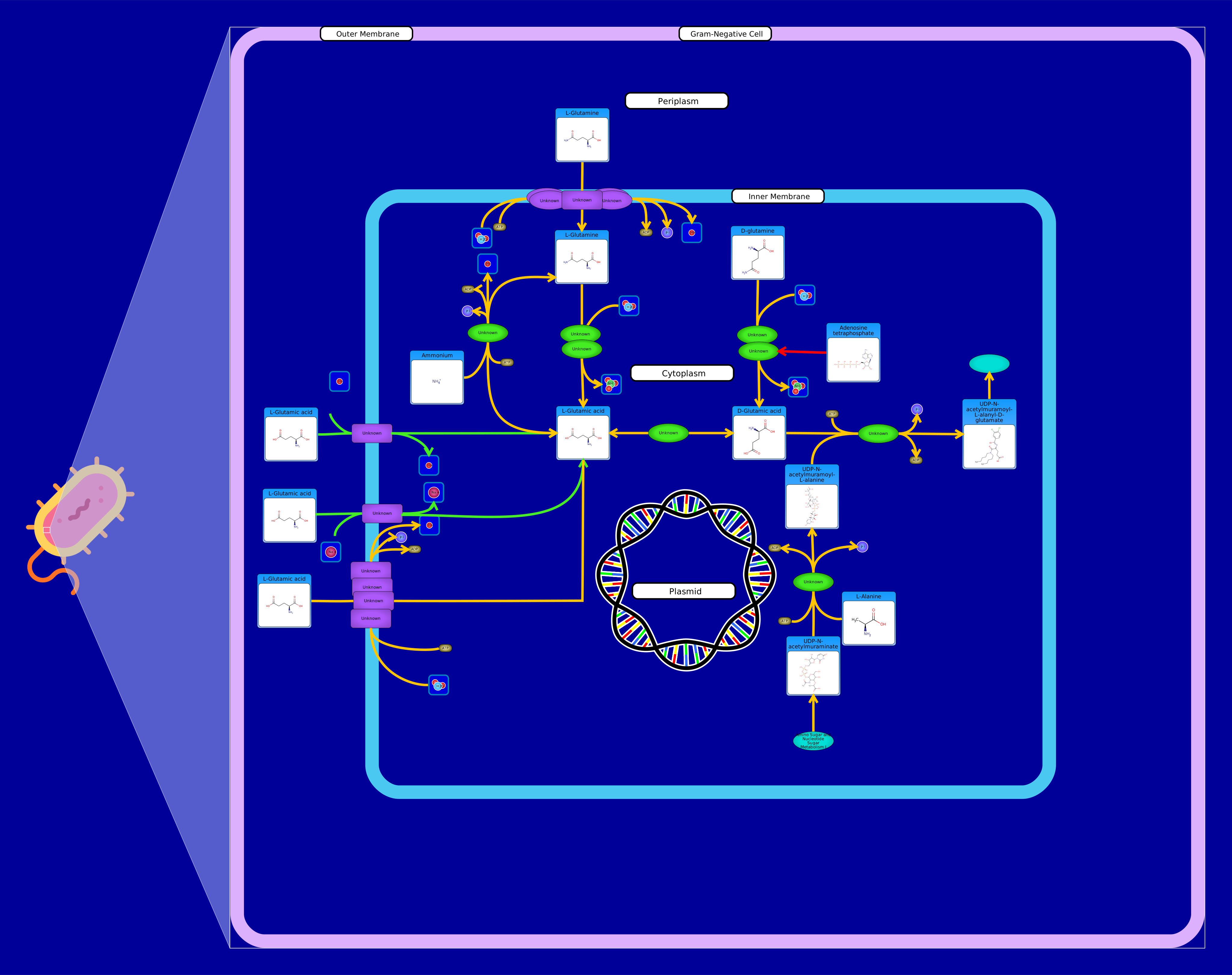 View Pathway
|
D-Glutamine and D-Glutamate MetabolismPseudomonas alcaliphila 34
L-Glutamine is transported into the cytoplasm through a glutamine ABC transporter. Once inside, L-glutamine is metabolized with glutaminase to produce an L-glutamic acid. This process can be reversed through a glutamine synthetase resulting in L-glutamine. L-glutamic acid can also be transported into the cytoplasm through various methods: a glutamate/aspartate:H+ symporter GltP, a glutamate:sodium symporter, or a glutamate/aspartate ABC transporter. L-Glutamic acid can proceed to L-glutamate metabolism or it can undergo a reversible reaction through a glutamate racemase resulting in D-glutamic acid. This compound can also be obtained from D-glutamine interacting with a glutaminase. D-Glutamic acid reacts with UDP-N-acetylmuramoyl-L-alanine through an ATP-driven UDP-N-acetylmuramoylalanine-D-glutamate ligase resulting in a UDP-N-acetylmuramoyl-L-alanyl-D-glutamate which is then integrated into peptidoglycan biosynthesis. UDP-N-acetylmuramoyl-L-alanine comes from the amino sugar and nucleotide sugar metabolism product, UDP-N-acetylmuraminate which reacts with L-alanine through an ATP-driven UDP-N-acetylmuramate-L-alanine ligase.
|
Creator: Julia Wakoli Created On: December 14, 2024 at 07:02 Last Updated: December 14, 2024 at 07:02 |
PW389483 View Pathway
|
D-Glutamine and D-Glutamate MetabolismFusobacterium periodonticum 1_1_41FAA
L-Glutamine is transported into the cytoplasm through a glutamine ABC transporter. Once inside, L-glutamine is metabolized with glutaminase to produce an L-glutamic acid. This process can be reversed through a glutamine synthetase resulting in L-glutamine. L-glutamic acid can also be transported into the cytoplasm through various methods: a glutamate/aspartate:H+ symporter GltP, a glutamate:sodium symporter, or a glutamate/aspartate ABC transporter. L-Glutamic acid can proceed to L-glutamate metabolism or it can undergo a reversible reaction through a glutamate racemase resulting in D-glutamic acid. This compound can also be obtained from D-glutamine interacting with a glutaminase. D-Glutamic acid reacts with UDP-N-acetylmuramoyl-L-alanine through an ATP-driven UDP-N-acetylmuramoylalanine-D-glutamate ligase resulting in a UDP-N-acetylmuramoyl-L-alanyl-D-glutamate which is then integrated into peptidoglycan biosynthesis. UDP-N-acetylmuramoyl-L-alanine comes from the amino sugar and nucleotide sugar metabolism product, UDP-N-acetylmuraminate which reacts with L-alanine through an ATP-driven UDP-N-acetylmuramate-L-alanine ligase.
|
Creator: Julia Wakoli Created On: December 12, 2024 at 05:48 Last Updated: December 12, 2024 at 05:48 |
PW391859 View Pathway
|
D-Glutamine and D-Glutamate MetabolismBacteroides coprocola
L-Glutamine is transported into the cytoplasm through a glutamine ABC transporter. Once inside, L-glutamine is metabolized with glutaminase to produce an L-glutamic acid. This process can be reversed through a glutamine synthetase resulting in L-glutamine. L-glutamic acid can also be transported into the cytoplasm through various methods: a glutamate/aspartate:H+ symporter GltP, a glutamate:sodium symporter, or a glutamate/aspartate ABC transporter. L-Glutamic acid can proceed to L-glutamate metabolism or it can undergo a reversible reaction through a glutamate racemase resulting in D-glutamic acid. This compound can also be obtained from D-glutamine interacting with a glutaminase. D-Glutamic acid reacts with UDP-N-acetylmuramoyl-L-alanine through an ATP-driven UDP-N-acetylmuramoylalanine-D-glutamate ligase resulting in a UDP-N-acetylmuramoyl-L-alanyl-D-glutamate which is then integrated into peptidoglycan biosynthesis. UDP-N-acetylmuramoyl-L-alanine comes from the amino sugar and nucleotide sugar metabolism product, UDP-N-acetylmuraminate which reacts with L-alanine through an ATP-driven UDP-N-acetylmuramate-L-alanine ligase.
|
Creator: Julia Wakoli Created On: December 13, 2024 at 20:26 Last Updated: December 13, 2024 at 20:26 |