
| PathWhiz ID | Pathway | Meta Data |
|---|---|---|
PW000379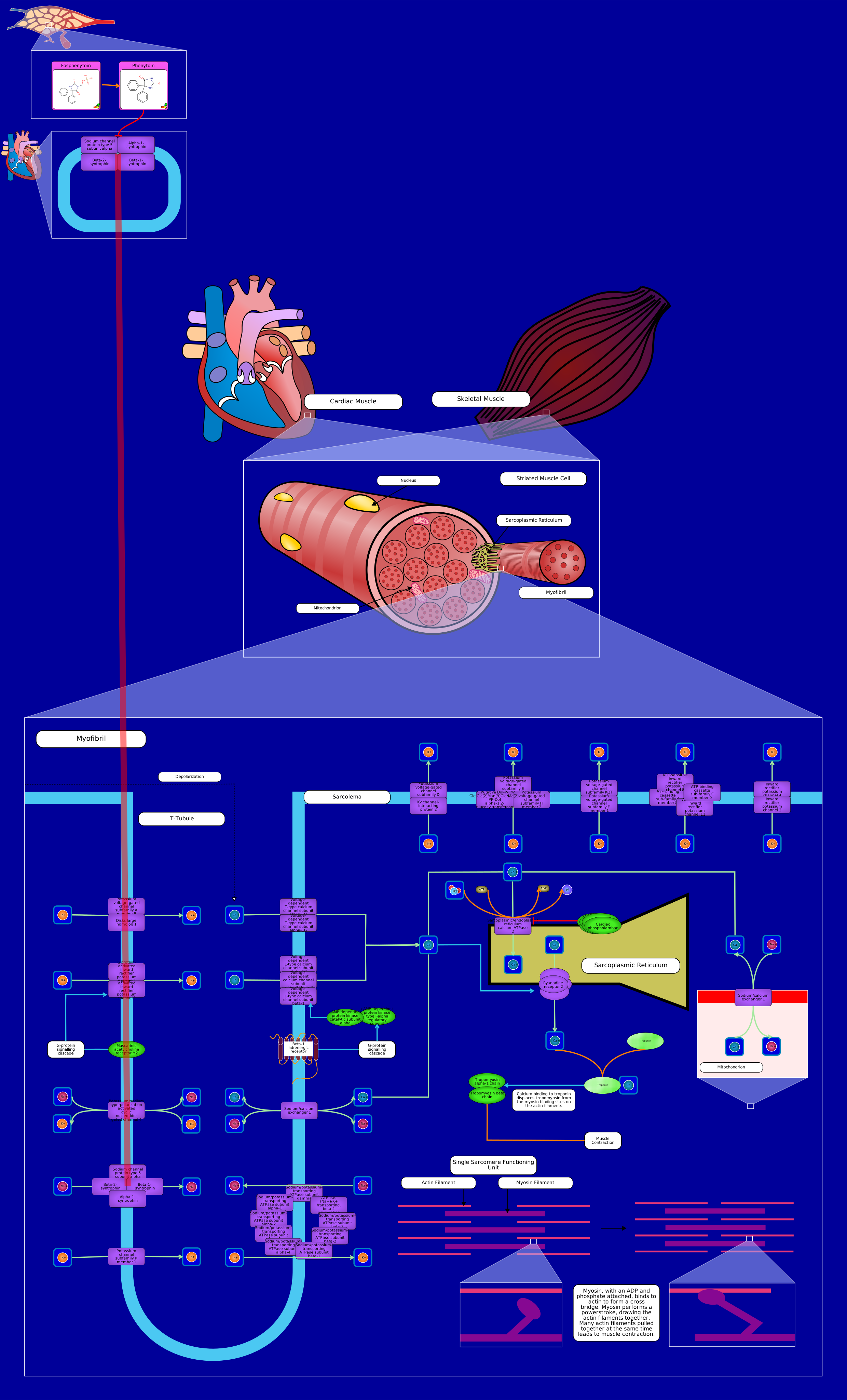 View Pathway
|
drug action
Fosphenytoin (Antiarrhythmic) Action PathwayHomo sapiens
This pathway illustrates the fosphenytoin targets involved in antiarrhythmic therapy. Contractile activity of cardiac myocytes is elicited via action potentials mediated by a number of ion channel proteins. During rest, or diastole, cells maintain a negative membrane potential; i.e. the inside the cell is negatively charged relative to the cells’ extracellular environment. Membrane ion pumps, such as the sodium-potassium ATPase and sodium-calcium exchanger (NCX), maintain low intracellular sodium (5 mM) and calcium (100 nM) concentrations and high intracellular potassium (140 mM) concentrations. Conversely, extracellular concentrations of sodium (140 mM) and calcium (1.8 mM) are relatively high and extracellular potassium concentrations are low (5 mM). At rest, the cardiac cell membrane is impermeable to sodium and calcium ions, but is permeable to potassium ions via inward rectifier potassium channels (I-K1), which allow an outward flow of potassium ions down their concentration gradient. The positive outflow of potassium ions aids in maintaining the negative intracellular electric potential. When cells reach a critical threshold potential, voltage-gated sodium channels (I-Na) open and the rapid influx of positive sodium ions into the cell occurs as the ions travel down their electrochemical gradient. This is known as the rapid depolarization or upstroke phase of the cardiac action potential. Sodium channels then close and rapidly activated potassium channels such as the voltage-gated transient outward delayed rectifying potassium channel (I-Kto) and the voltage-gated ultra rapid delayed rectifying potassium channel (I-Kur) open. These events make up the early repolarization phase during which potassium ions flow out of the cell and sodium ions are continually pumped out. During the next phase, known as the plateau phase, calcium L-type channels (I-CaL) open and the resulting influx of calcium ions roughly balances the outward flow of potassium channels. During the final repolarization phase, the voltage-gated rapid (I-Kr) and slow (I-Ks) delayed rectifying potassium channels open increasing the outflow of potassium ions and repolarizing the cell. The extra sodium and calcium ions that entered the cell during the action potential are extruded via sodium-potassium ATPases and NCX and intra- and extracellular ion concentrations are restored. In specialized pacemaker cells, gradual depolarization to threshold occurs via funny channels (I-f).
Fosphenytoin, an antiepileptic drug that exhibits Class 1B antiarrhythmic effects, is a soluble pro-drug phosphate ester. It is rapidly absorbed intramuscularly and rapidly metabolized in the blood stream by plasma esterases to the active drug, phenytoin. Fosphenytoin was developed to replace parenteral phenytoin sodium for the treatment of epileptic seizures. Parenteral phenytoin sodium was originally prepared in 40% propylene glycol and 10% ethanol at pH 12. This formulation exhibited a range of toxic effects from severe irritation and pain at the injection site to occasional death from rapid injections. Although fosphenytoin is used to treat epileptic seizures, antiarrhythmic effects have also been observed. The active metabolite, phenytoin, preferentially binds to sodium channels (I-Na) in their inactive state. This causes a slight delay in the rapid depolarization phase of cardiac myocyte action potentials. In contrast to Class 1A antiarrhythmic drugs (e.g. quinidine) which prolong action potential duration, fosphenytoin and other Class 1B antiarrhythmics reduce the refractory period or action potential duration due to their membrane stabilizing effects. Phenytoin has been found to be beneficial in the treatment of atrial and ventricular arrhythmias.
|
Creator: WishartLab Created On: August 22, 2013 at 10:45 Last Updated: August 22, 2013 at 10:45 |
PW000594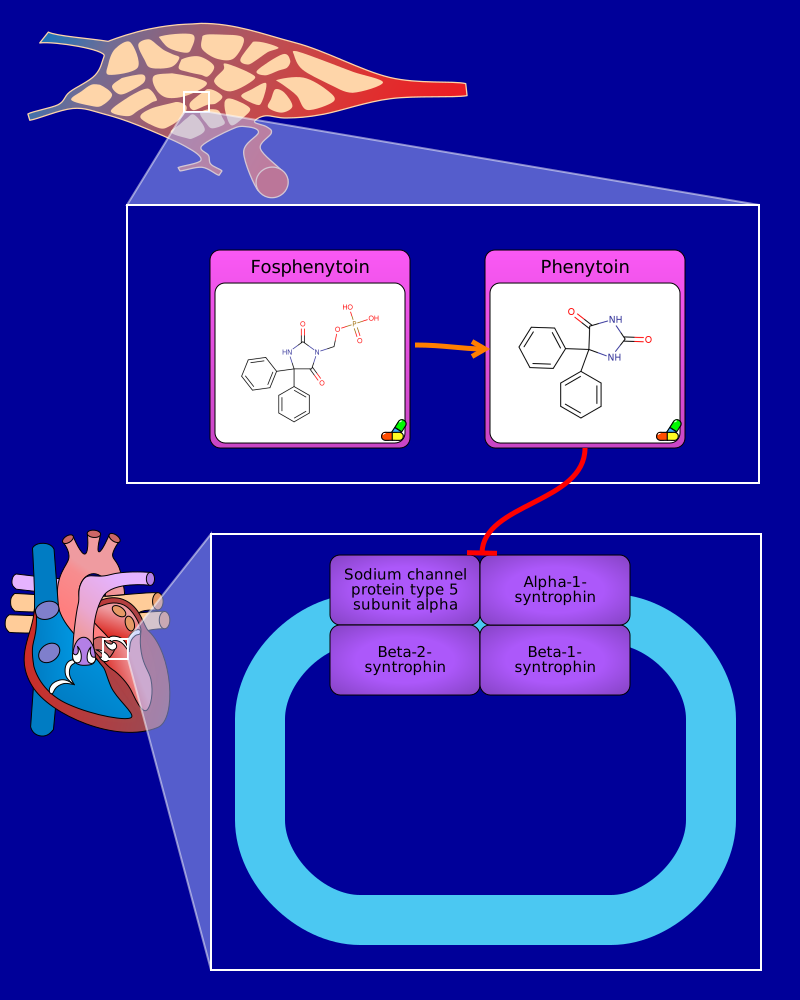 View Pathway
|
Fosphenytoin (Antiarrhythmic) Metabolism PathwayHomo sapiens
This pathway illustrates the fosphenytoin targets involved in antiarrhythmic therapy. Contractile activity of cardiac myocytes is elicited via action potentials mediated by a number of ion channel proteins. During rest, or diastole, cells maintain a negative membrane potential; i.e. the inside the cell is negatively charged relative to the cells’ extracellular environment. Membrane ion pumps, such as the sodium-potassium ATPase and sodium-calcium exchanger (NCX), maintain low intracellular sodium (5 mM) and calcium (100 nM) concentrations and high intracellular potassium (140 mM) concentrations. Conversely, extracellular concentrations of sodium (140 mM) and calcium (1.8 mM) are relatively high and extracellular potassium concentrations are low (5 mM). At rest, the cardiac cell membrane is impermeable to sodium and calcium ions, but is permeable to potassium ions via inward rectifier potassium channels (I-K1), which allow an outward flow of potassium ions down their concentration gradient. The positive outflow of potassium ions aids in maintaining the negative intracellular electric potential. When cells reach a critical threshold potential, voltage-gated sodium channels (I-Na) open and the rapid influx of positive sodium ions into the cell occurs as the ions travel down their electrochemical gradient. This is known as the rapid depolarization or upstroke phase of the cardiac action potential. Sodium channels then close and rapidly activated potassium channels such as the voltage-gated transient outward delayed rectifying potassium channel (I-Kto) and the voltage-gated ultra rapid delayed rectifying potassium channel (I-Kur) open. These events make up the early repolarization phase during which potassium ions flow out of the cell and sodium ions are continually pumped out. During the next phase, known as the plateau phase, calcium L-type channels (I-CaL) open and the resulting influx of calcium ions roughly balances the outward flow of potassium channels. During the final repolarization phase, the voltage-gated rapid (I-Kr) and slow (I-Ks) delayed rectifying potassium channels open increasing the outflow of potassium ions and repolarizing the cell. The extra sodium and calcium ions that entered the cell during the action potential are extruded via sodium-potassium ATPases and NCX and intra- and extracellular ion concentrations are restored. In specialized pacemaker cells, gradual depolarization to threshold occurs via funny channels (I-f).
Fosphenytoin, an antiepileptic drug that exhibits Class 1B antiarrhythmic effects, is a soluble pro-drug phosphate ester. It is rapidly absorbed intramuscularly and rapidly metabolized in the blood stream by plasma esterases to the active drug, phenytoin. Fosphenytoin was developed to replace parenteral phenytoin sodium for the treatment of epileptic seizures. Parenteral phenytoin sodium was originally prepared in 40% propylene glycol and 10% ethanol at pH 12. This formulation exhibited a range of toxic effects from severe irritation and pain at the injection site to occasional death from rapid injections. Although fosphenytoin is used to treat epileptic seizures, antiarrhythmic effects have also been observed. The active metabolite, phenytoin, preferentially binds to sodium channels (I-Na) in their inactive state. This causes a slight delay in the rapid depolarization phase of cardiac myocyte action potentials. In contrast to Class 1A antiarrhythmic drugs (e.g. quinidine) which prolong action potential duration, fosphenytoin and other Class 1B antiarrhythmics reduce the refractory period or action potential duration due to their membrane stabilizing effects. Phenytoin has been found to be beneficial in the treatment of atrial and ventricular arrhythmias.
|
Creator: WishartLab Created On: September 11, 2013 at 22:33 Last Updated: September 11, 2013 at 22:33 |
PW127846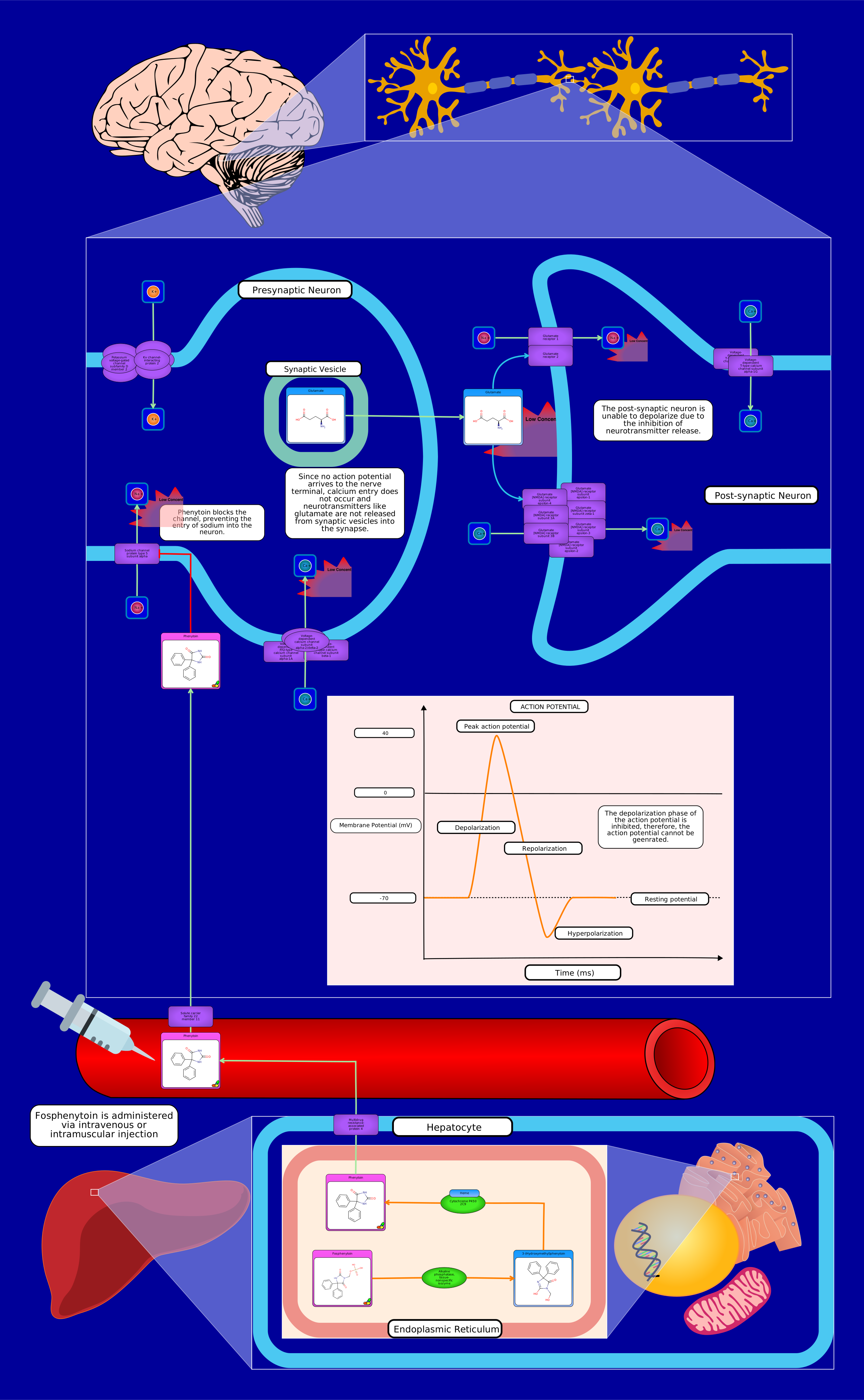 View Pathway
|
drug action
Fosphenytoin Action Pathway (New)Homo sapiens
Fosphenytoin is an antiepileptic agent used for the management of generalized convulsive status epilepticus and prevention and treatment of seizures occurring during neurosurgery. It can be found under the brand names Cerebyx and Sesquient. Fosphenytoin is a water-soluble phenytoin prodrug used only in hospitals for the treatment of epileptic seizures. It works by slowing down impulses in the brain that cause seizures. Its main mechanism is to block frequency-dependent, use-dependent and voltage-dependent neuronal sodium channels, and therefore limit repetitive firing of action potentials. Fosphenytoin is a prodrug of phenytoin and accordingly, its anticonvulsant effects are attributable to phenytoin. Fosphenytion is metabolized in the liver by CYP 2C9 enzymes. Phenytoin acts on sodium channels on the neuronal cell membrane, limiting the spread of seizure activity and reducing seizure propagation. By promoting sodium efflux from neurons, phenytoin tends to stabilize the threshold against hyperexcitability caused by excessive stimulation or environmental changes capable of reducing membrane sodium gradient. This includes the reduction of post-tetanic potentiation at synapses. Loss of post-tetanic potentiation prevents cortical seizure foci from detonating adjacent cortical areas. Some side effects of using fosphenytoin may include itching, burning, confusion, and loss of coordination.
|
Creator: Hayley Created On: June 08, 2023 at 13:29 Last Updated: June 08, 2023 at 13:29 |
PW145370 View Pathway
|
drug action
Fosphenytoin Drug Metabolism Action PathwayHomo sapiens
|
Creator: Ray Kruger Created On: October 07, 2023 at 15:40 Last Updated: October 07, 2023 at 15:40 |
PW176210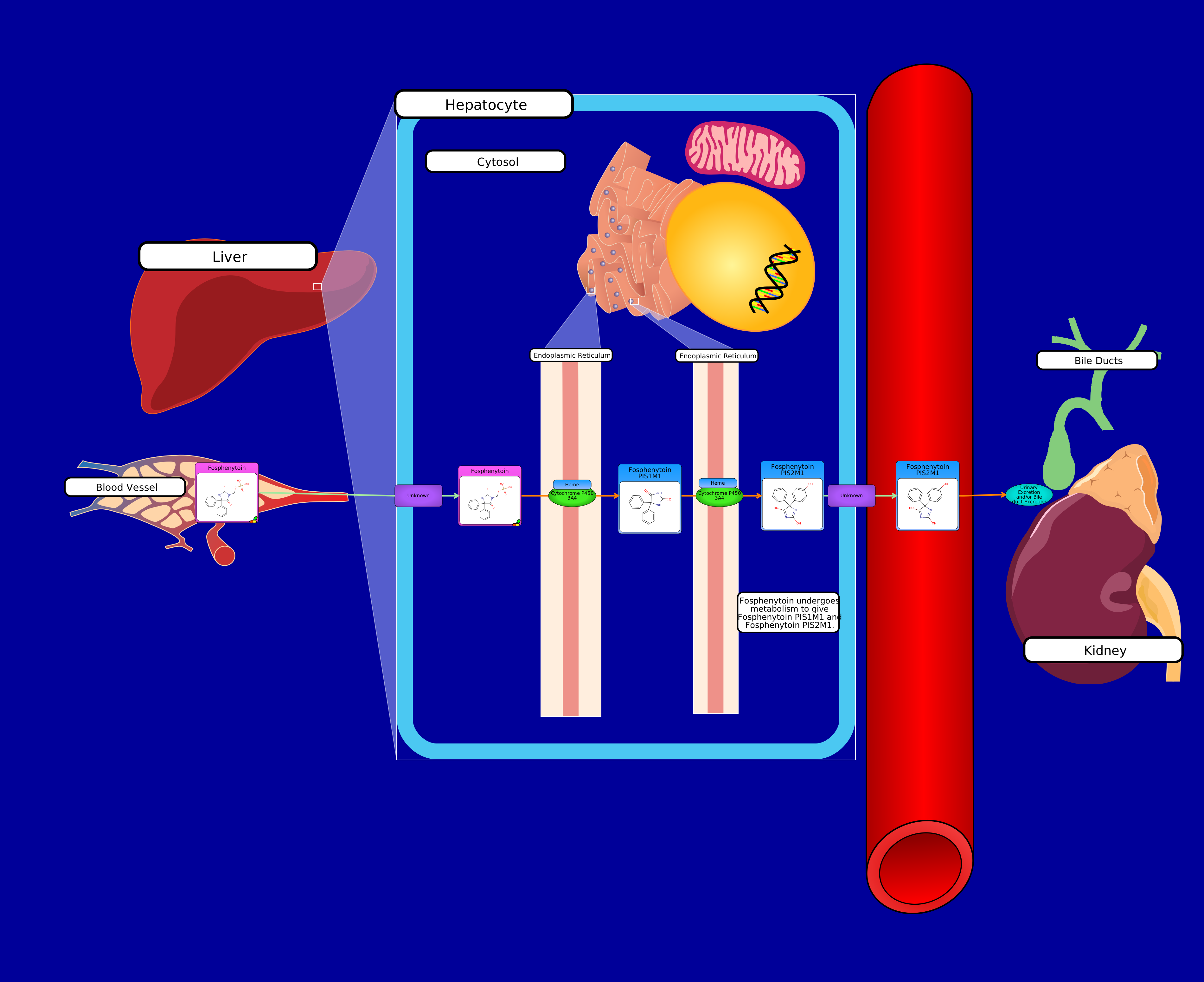 View Pathway
|
Fosphenytoin Predicted Metabolism PathwayHomo sapiens
Metabolites of Fosphenytoin are predicted with biotransformer.
|
Creator: Omolola Created On: December 04, 2023 at 12:43 Last Updated: December 04, 2023 at 12:43 |
PW128441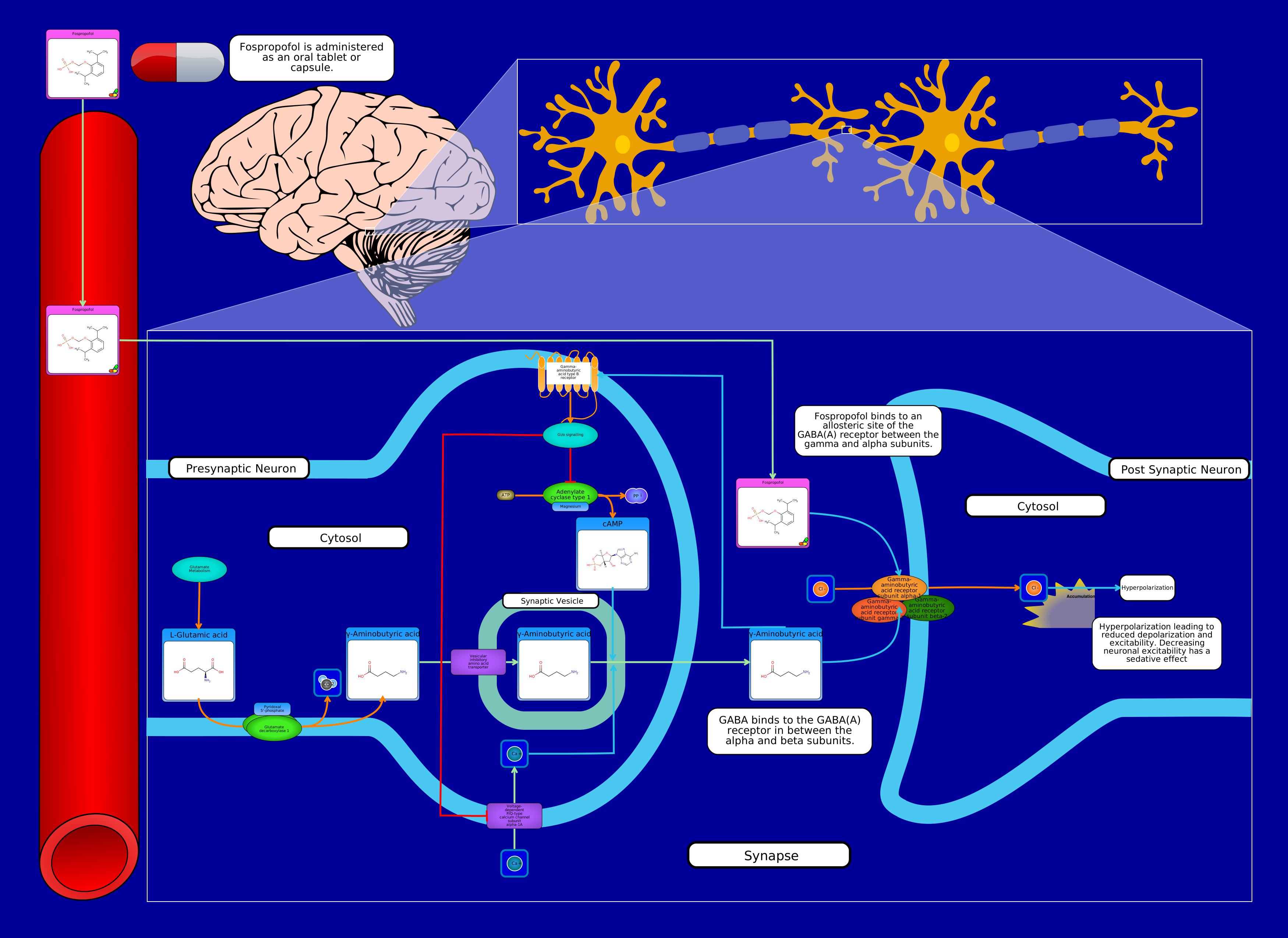 View Pathway
|
drug action
Fospropofol Action PathwayHomo sapiens
Fospropofol, a sedative-hypnotic agent, serves as a solution for monitored anesthesia care (MAC) sedation in adults undergoing diagnostic or therapeutic procedures. As a water-soluble prodrug, it transforms into propofol within the liver. This short-acting agent is employed for hypnotic, sedative, and anesthetic purposes. It notably lacks the propensity to induce injection-site pain, unlike propofol, due to its inability to activate TRPA1. FDA-approved in December 2008, it is classified as a Schedule IV controlled substance under the Controlled Substances Act in the United States. Specifically designed for monitored anesthesia care sedation during procedures such as bronchoscopy, colonoscopy, and minor surgeries like arthroscopy and bunionectomy, fospropofol offers a suitable solution. As a prodrug of propofol, fospropofol differs in its water solubility, allowing administration in aqueous solutions. 1.86 mg of fospropofol is equivalent to 1 mg of propofol in terms of molar equivalence. Following its conversion into propofol by endothelial alkaline phosphatase in vivo, propofol traverses the blood-brain barrier, binding to GABA-A receptors and acting as an agonist. This binding increases chloride conductance, leading to the inhibition of post-synaptic neuron firing. Sufficient sedation is achieved approximately 7 minutes after a 10 mg/kg IV bolus dose. Recovery from fospropofol-induced sedation takes between 21 to 45 minutes. After an intravenous bolus of 6 mg/kg in a healthy subject, fospropofol's pharmacokinetic parameters include: Cmax = 78.7 μg/mL; Tmax = 4 minutes; AUC(0-∞) = 19.0 μg ⋅ h/mL.
|
Creator: Dorsa Yahya Rayat Created On: August 28, 2023 at 21:37 Last Updated: August 28, 2023 at 21:37 |
PW145757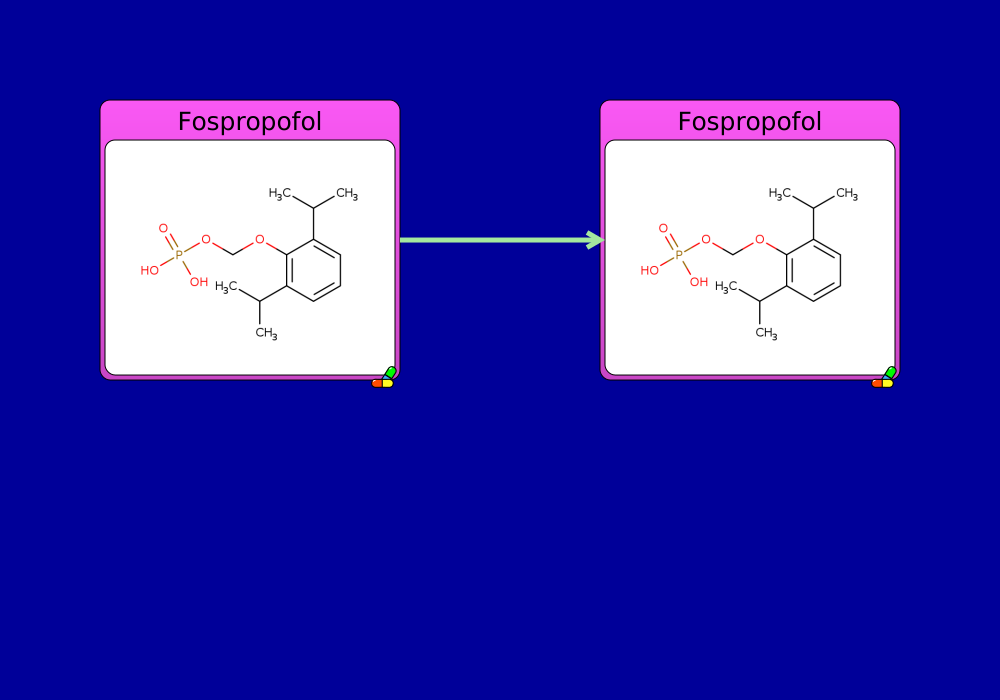 View Pathway
|
drug action
Fospropofol Drug Metabolism Action PathwayHomo sapiens
|
Creator: Ray Kruger Created On: October 07, 2023 at 16:34 Last Updated: October 07, 2023 at 16:34 |
PW176421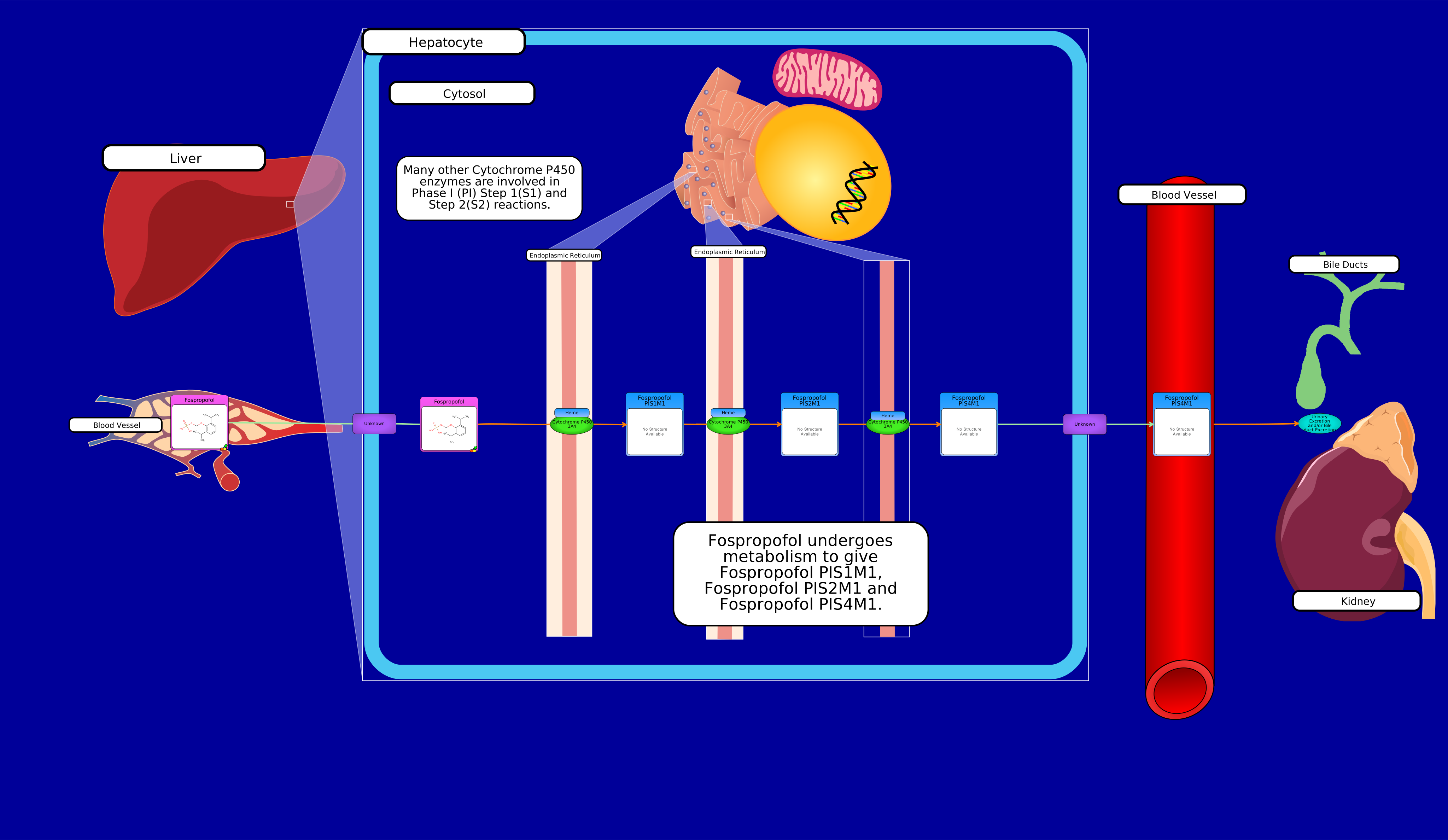 View Pathway
|
Fospropofol Predicted Metabolism PathwayHomo sapiens
Metabolites of Fospropofol are predicted with biotransformer.
|
Creator: Omolola Created On: December 08, 2023 at 13:49 Last Updated: December 08, 2023 at 13:49 |
PW146485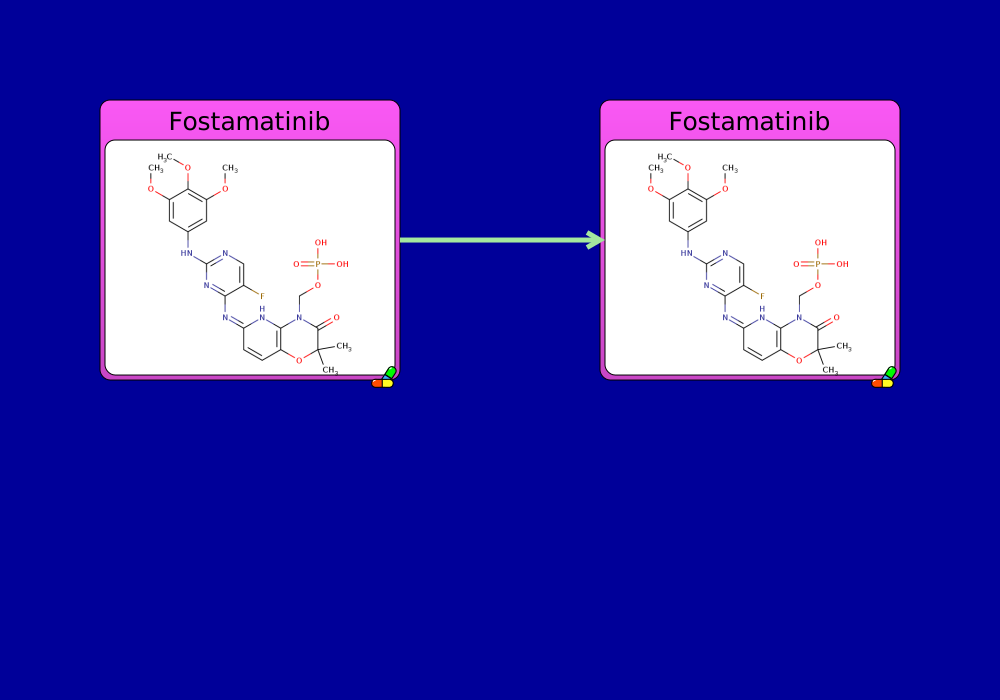 View Pathway
|
drug action
Fostamatinib Drug Metabolism Action PathwayHomo sapiens
|
Creator: Ray Kruger Created On: October 07, 2023 at 18:19 Last Updated: October 07, 2023 at 18:19 |
PW176422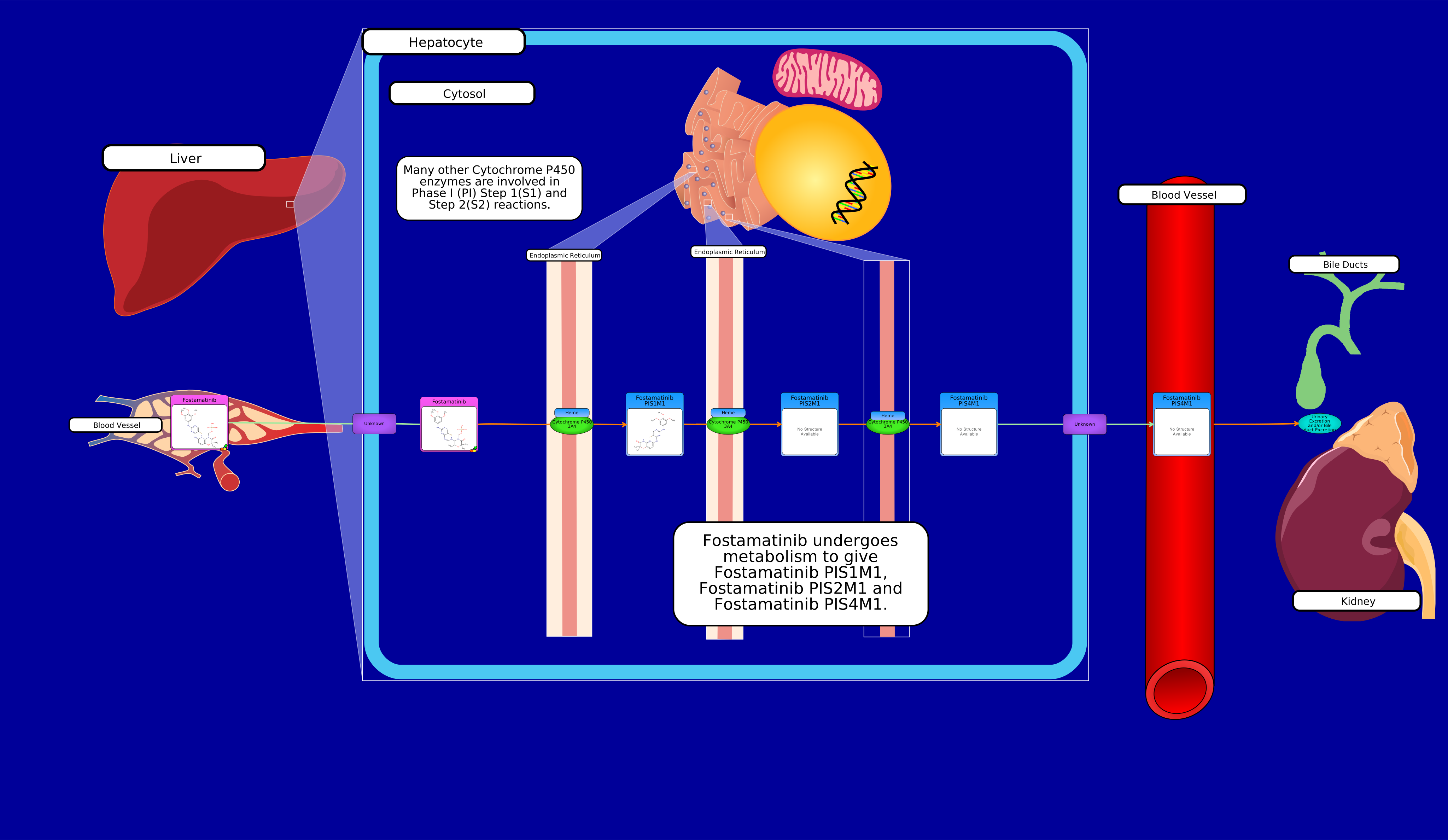 View Pathway
|
Fostamatinib Predicted Metabolism PathwayHomo sapiens
Metabolites of Fostamatinib are predicted with biotransformer.
|
Creator: Omolola Created On: December 08, 2023 at 13:49 Last Updated: December 08, 2023 at 13:49 |