
| PathWhiz ID | Pathway | Meta Data |
|---|---|---|
PW000247 View Pathway
|
drug action
Gemcitabine Action Pathway (old)Homo sapiens
Gemcitabine is a cytidine analogue used in the treatment of certain cancers. Gemcitabine enters the cell via sodium nucleoside co-transporters (SLC29A1, SLC28A1, and SLC28A3), where it acts through multiple mechanisms to produce a cytotoxic effect. Gemcitabine is phosphorylated into gemcitabine monophosphate by deoxycytidine kinase, which is then subsequently phosphorylated into the diphosphate and triphosphate nucleotides by UMP-CMP kinase and nucleoside diphosphate kinase respectively. Gemcitabine diphosphate inhibits ribonucleoside-diphosphate reductase, a crucial enzyme in the conversion of ribonucleotides into deoxyribonucleotides for DNA synthesis. Gemcitabine triphosphate on the other hand can be incorporated into DNA, causing chain termination. Furthermore, gemcitabine monophosphate can be deaminated into difluoro-deoxyuridine monophosphate, which inhibits thymidylate synthase, an enzyme involved in the production of dTTP for DNA synthesis.
|
Creator: WishartLab Created On: August 22, 2013 at 10:45 Last Updated: August 22, 2013 at 10:45 |
PW144566 View Pathway
|
drug action
Gemcitabine Drug Metabolism Action PathwayHomo sapiens
|
Creator: Ray Kruger Created On: October 07, 2023 at 13:55 Last Updated: October 07, 2023 at 13:55 |
PW126910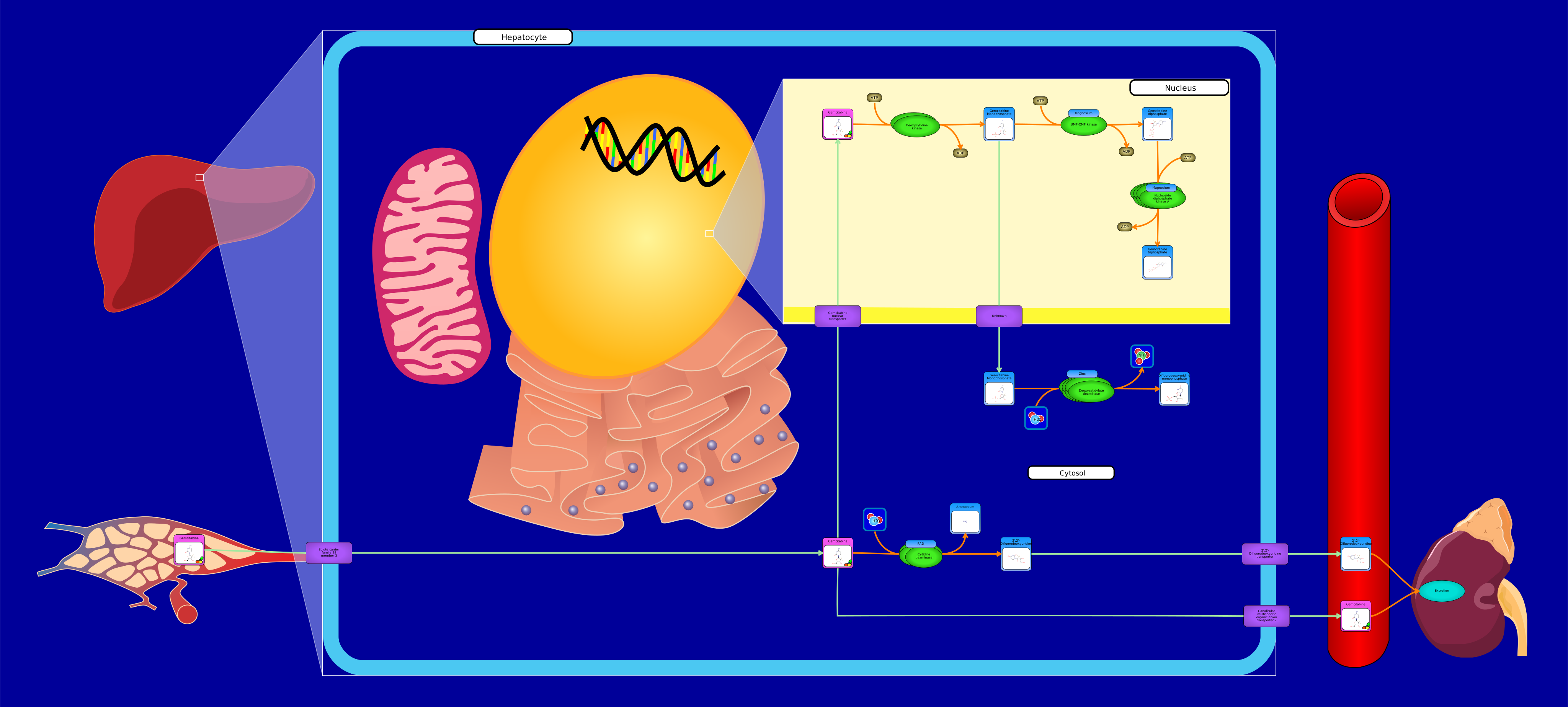 View Pathway
|
Gemcitabine Metabolism PathwayHomo sapiens
|
Creator: Karxena Harford Created On: May 10, 2022 at 16:37 Last Updated: May 10, 2022 at 16:37 |
PW000579 View Pathway
|
Gemcitabine Metabolism Pathway (old)Homo sapiens
Gemcitabine is a cytidine analogue used in the treatment of certain cancers. Gemcitabine enters the cell via sodium nucleoside co-transporters (SLC29A1, SLC28A1, and SLC28A3), where it acts through multiple mechanisms to produce a cytotoxic effect. Gemcitabine is phosphorylated into gemcitabine monophosphate by deoxycytidine kinase, which is then subsequently phosphorylated into the diphosphate and triphosphate nucleotides by UMP-CMP kinase and nucleoside diphosphate kinase respectively. Gemcitabine diphosphate inhibits ribonucleoside-diphosphate reductase, a crucial enzyme in the conversion of ribonucleotides into deoxyribonucleotides for DNA synthesis. Gemcitabine triphosphate on the other hand can be incorporated into DNA, causing chain termination. Furthermore, gemcitabine monophosphate can be deaminated into difluoro-deoxyuridine monophosphate, which inhibits thymidylate synthase, an enzyme involved in the production of dTTP for DNA synthesis.
|
Creator: WishartLab Created On: September 11, 2013 at 22:32 Last Updated: September 11, 2013 at 22:32 |
PW145908 View Pathway
|
drug action
Gemeprost Drug Metabolism Action PathwayHomo sapiens
|
Creator: Ray Kruger Created On: October 07, 2023 at 16:57 Last Updated: October 07, 2023 at 16:57 |
PW126834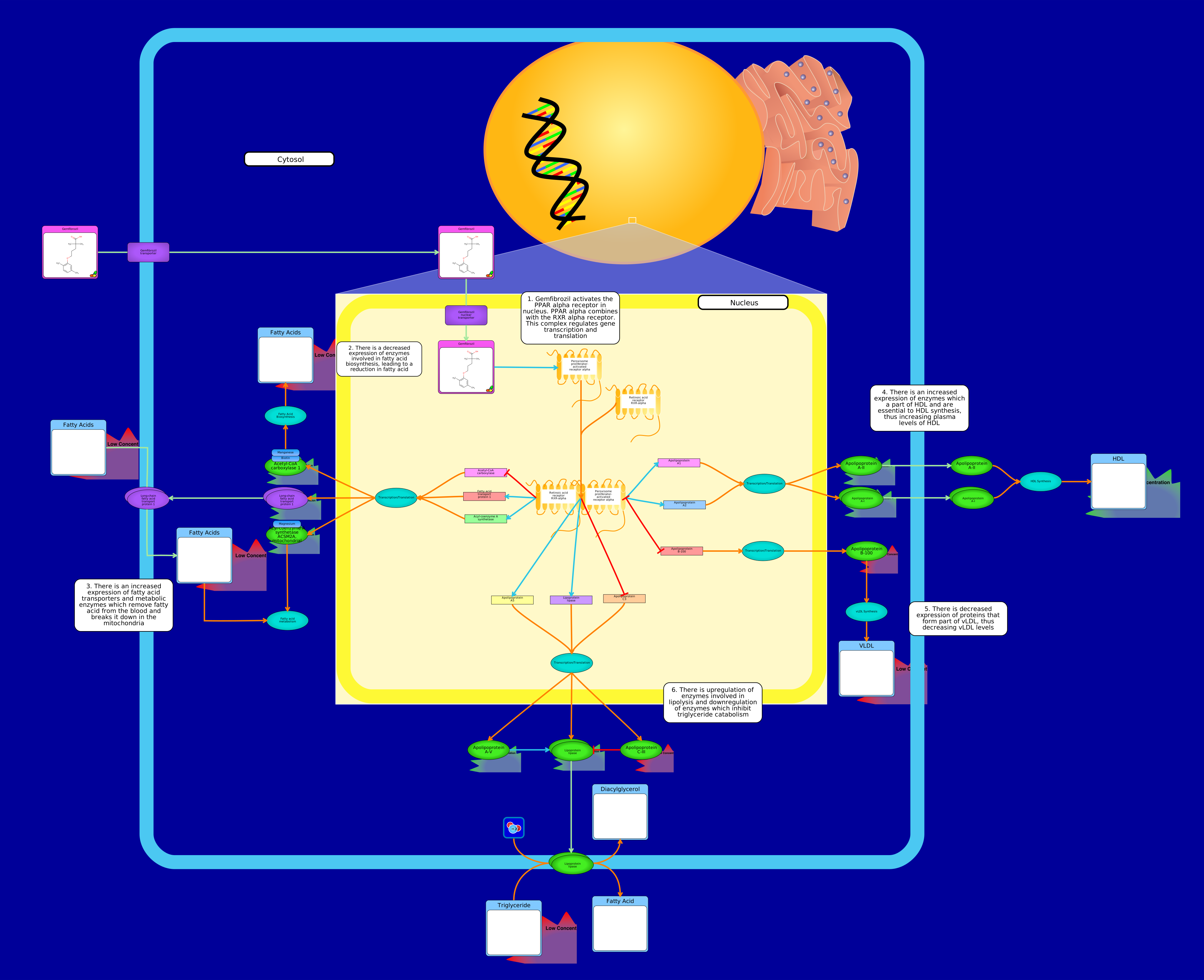 View Pathway
|
drug action
Gemfibrozil Action PathwayHomo sapiens
Gemfibrozil is an FDA-approved fibric acid agent (fibrate) to manage hypertriglyceridemia (particularly in type IV and V hyperlipidemia).
Gemfibrozil is available in 600 mg oral tablets. The recommended dose for hypertriglyceridemia is 600 mg orally every 12 hours. It is recommended to take the medication 30 minutes before morning and evening meals.
Gemfibrozil acts in the nucleus where is activates the peroxisome proliferator-activated receptor alpha (PPARα). PPARα binds to the retinoic acid receptor alpha (RXRα). This PPARα-RXRα complex regulate gene transcription/translation of proteins and enzymes involved lipolysis, fatty acid transport and biosynthesis, vLDL and HDL synthesis. Fatty acid biosynthesis is decreased due to the decrease expression of the enzyme acetyl-coA carboxylase. This enzyme is involved in one of the first steps in fatty acid synthesis by converting acetyl-coA to malonyl coA. Fatty acid uptake from the plasma into the liver is increased. This is because there is an upregulation of the fatty acid transporter. This decreases the amount of circulating fatty acids. Fatty acid metabolism is also increased due to upregulation of acyl coA synthase, an enzyme involved in fatty acid oxidation. These 3 alterations ultimately decrease fatty acids in the body, making less fatty acids available for triglyceride synthesis. Gemfibrozil also increases HDL synthesis by upregulating apolipoprotein A1 (APOA1) and apolipoproteins A2 (APOA2), which forms part of HDL. HDL is considered good cholesterol. VLDL and LDL are considered bad cholesterol. These levels are decreased due to downregulation of APOB which forms part of triglyceride-rich vLDL and LDL. Finally, triglyceride levels are decreased by 30%-60% via upregulation of lipoprotein lipase (LPL). LPL hydrolyses triglyceride, thus breaking it down. Other proteins that affect LPL are also altered. For instance, APOA5 activates LPL and it’s expression is increased with gemfibrozil. APOC3 inhibits lipolysis by inhibiting LPL, therefore, gemfibrozil decreases the expression of APOC3. Overall, gemfibrozil lowers LDL-C, total-C, triglycerides, and Apo B, while increasing HDL-C.
Dyspepsia was reported in approximately 20 percent of patients on gemfibrozil. The most common reported adverse effects are fatigue, rash, atrial fibrillation, eczema, abdominal pain, nausea, vomiting, diarrhea, vertigo, constipation, and headache.
|
Creator: Karxena Harford Created On: April 12, 2022 at 16:09 Last Updated: April 12, 2022 at 16:09 |
PW145327 View Pathway
|
drug action
Gemfibrozil Drug Metabolism Action PathwayHomo sapiens
|
Creator: Ray Kruger Created On: October 07, 2023 at 15:34 Last Updated: October 07, 2023 at 15:34 |
PW128534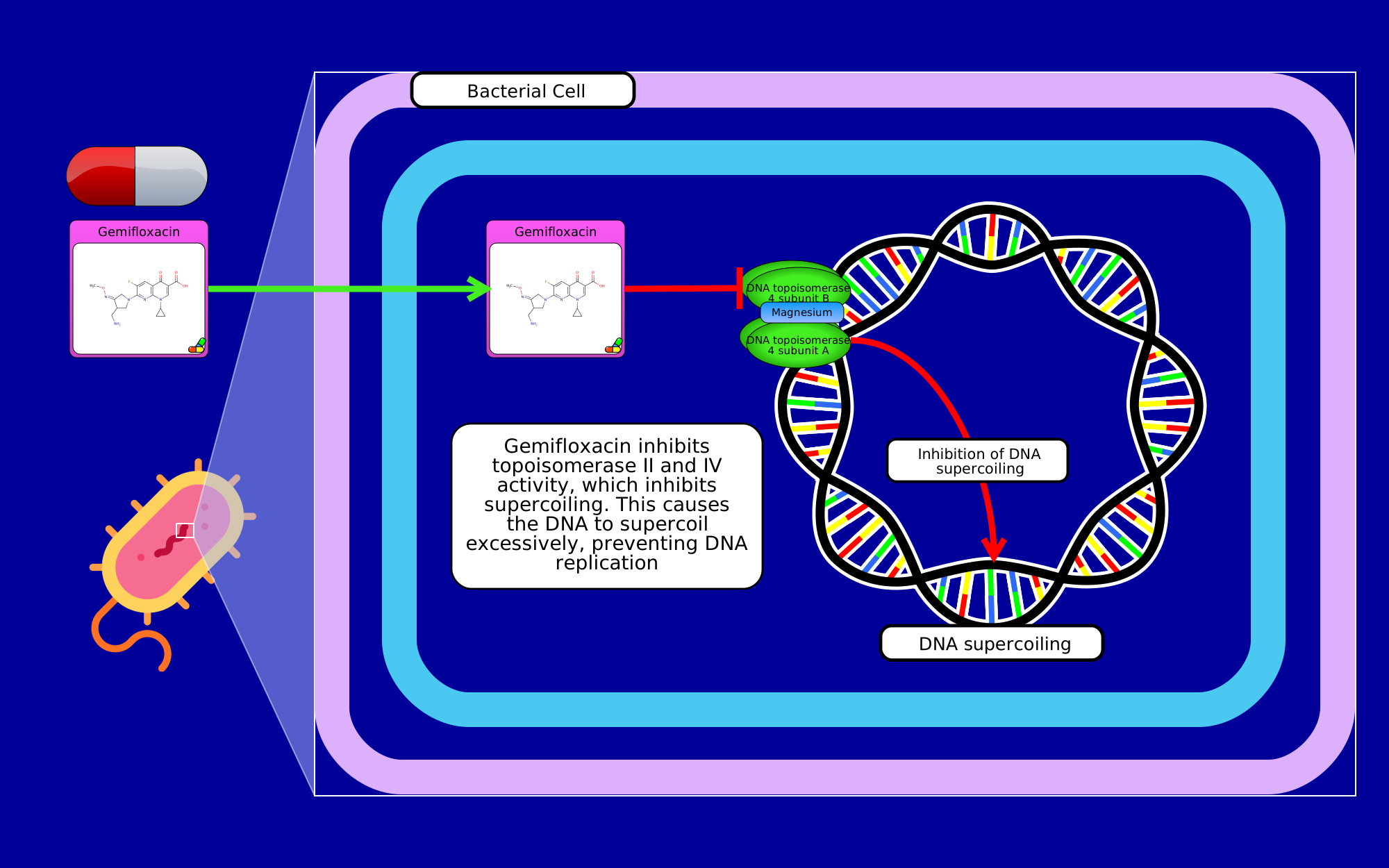 View Pathway
|
drug action
Gemifloxacin Action PathwayHaemophilus influenzae
Gemifloxacin is a fluoroquinolone antibiotic agent used to treat acute bacterial exacerbation of chronic bronchitis and mild to moderate community-acquired pneumonia caused by susceptible bacteria. Gemifloxacin inhibits DNA gyrase (topoisomerase II) and topoisomerase IV. These proteins prevent supercoiling in bacterial DNA. The inhibition of DNA gyrase (topoisomerase II) and topoisomerase IV causes supercoiling of the bacterial DNA. This prevents DNA replication.
|
Creator: Ray Kruger Created On: September 01, 2023 at 15:35 Last Updated: September 01, 2023 at 15:35 |
PW145243 View Pathway
|
drug action
Gemifloxacin Drug Metabolism Action PathwayHomo sapiens
|
Creator: Ray Kruger Created On: October 07, 2023 at 15:23 Last Updated: October 07, 2023 at 15:23 |
PW767471 View Pathway
|
Generated Pathway 1779306773Homo sapiens
|
Creator: WishartLab Created On: May 20, 2026 at 13:53 Last Updated: May 20, 2026 at 13:53 |