
| PathWhiz ID | Pathway | Meta Data |
|---|---|---|
PW176333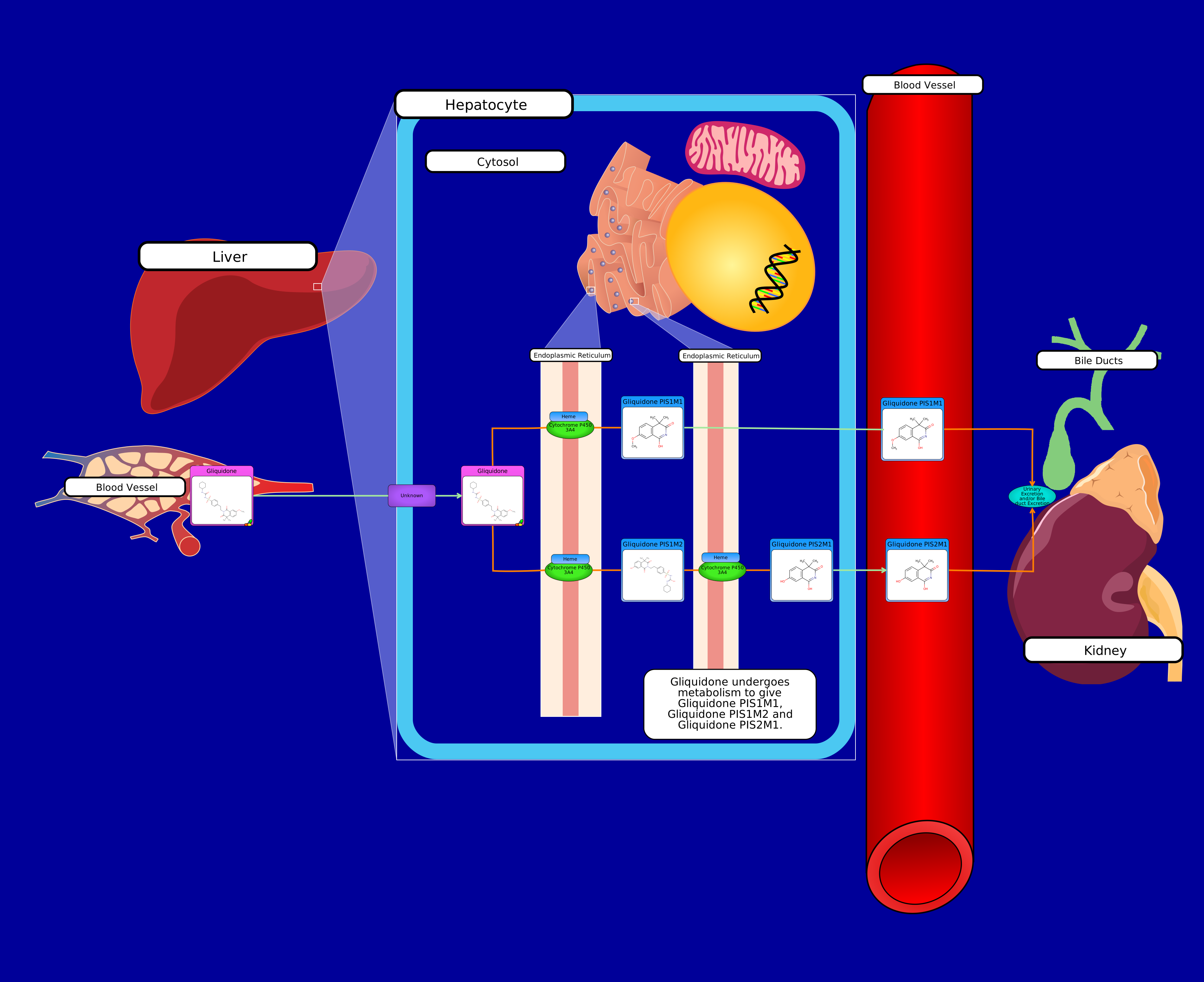 View Pathway
|
Gliquidone Predicted Metabolism PathwayHomo sapiens
Metabolites of sildenafil are predicted with biotransformer.
|
Creator: Omolola Created On: December 07, 2023 at 15:11 Last Updated: December 07, 2023 at 15:11 |
PW121959 View Pathway
|
disease
Globoid Cell LeukodystrophyRattus norvegicus
Globoid Cell Leukodistrophy (GLD), also called Krabbe disease and galactosylceramide lipidosis, is an extremely rare inherited inborn error of metabolism (IEM). It is a degenerative disorder that affects the nervous system. It has an estimated prevalence of 1/100,000 in the Northern European population and a worldwide incidence of 1/100,000-1/250,000 live births. GLD is an autosomal recessive disorder that is caused by a deficiency of an enzyme called galactosylceramidase. Galactosylceramidase is a lysosomal protein that hydrolyzes the galactose ester bonds of ceramides and ceramide derivatives including galactocerebroside, galactosylsphingosine (psychosine), lactosylceramide, and monogalactosyldiglyceride. More specifically, galactosylceramidase is an enzyme that is involved in the catabolism (via the removal of galactose) of galactosylceramide, a major lipid in myelin, kidney, and epithelial cells of the small intestine and colon. Defects in galactosylceramidase lead to the accumulation of cytotoxic psychosine, which ultimately leads to apoptosis of oligodendrocytes and demyelination. As a result, this enzyme deficiency impairs the growth and maintenance of myelin, the protective sheath around nerve cell axons that ensures that electrical impulses are rapidly transmitted. GLD is part of a group of disorders known as leukodystrophies, which result from the loss of myelin (demyelination). GLD is also characterized by the abnormal presence of globoid cells, which are globe-shaped cells that often have multiple nuclei. There are three different phenotypes for GLD: infantile, juvenile, and late-onset. Neurodegeneration and early death (at age 2-3) occur in most infantile cases. In juvenile patients, the disease is often fatal 2-7 years after the symptoms begin. Adult-onset patients can survive many years after symptoms first manifest. The symptoms of infantile GLD usually begin during the first year of life. Typically, the initial signs and symptoms include feeding difficulties, episodes of fever without any sign of infection, irritability, stiff posture, muscle weakness, and slowed mental and physical development. Muscles continue to weaken as the disease progresses which decreases the infant's ability to move, chew, swallow, and breathe. It is also common for affected infants to experience vision loss and seizures. Treatment is limited to hematopoietic stem cell transplantation in pre-symptomatic infantile patients and mildly affected late-onset patients. Stem cell transplants have been shown to slow the progression of the disease.
|
Creator: Ana Marcu Created On: September 10, 2018 at 15:51 Last Updated: September 10, 2018 at 15:51 |
PW000202 View Pathway
|
disease
Globoid Cell LeukodystrophyHomo sapiens
Globoid Cell Leukodistrophy (GLD), also called Krabbe disease and galactosylceramide lipidosis, is an extremely rare inherited inborn error of metabolism (IEM). It is a degenerative disorder that affects the nervous system. It has an estimated prevalence of 1/100,000 in the Northern European population and a worldwide incidence of 1/100,000-1/250,000 live births. GLD is an autosomal recessive disorder that is caused by a deficiency of an enzyme called galactosylceramidase. Galactosylceramidase is a lysosomal protein that hydrolyzes the galactose ester bonds of ceramides and ceramide derivatives including galactocerebroside, galactosylsphingosine (psychosine), lactosylceramide, and monogalactosyldiglyceride. More specifically, galactosylceramidase is an enzyme that is involved in the catabolism (via the removal of galactose) of galactosylceramide, a major lipid in myelin, kidney, and epithelial cells of the small intestine and colon. Defects in galactosylceramidase lead to the accumulation of cytotoxic psychosine, which ultimately leads to apoptosis of oligodendrocytes and demyelination. As a result, this enzyme deficiency impairs the growth and maintenance of myelin, the protective sheath around nerve cell axons that ensures that electrical impulses are rapidly transmitted. GLD is part of a group of disorders known as leukodystrophies, which result from the loss of myelin (demyelination). GLD is also characterized by the abnormal presence of globoid cells, which are globe-shaped cells that often have multiple nuclei. There are three different phenotypes for GLD: infantile, juvenile, and late-onset. Neurodegeneration and early death (at age 2-3) occur in most infantile cases. In juvenile patients, the disease is often fatal 2-7 years after the symptoms begin. Adult-onset patients can survive many years after symptoms first manifest. The symptoms of infantile GLD usually begin during the first year of life. Typically, the initial signs and symptoms include feeding difficulties, episodes of fever without any sign of infection, irritability, stiff posture, muscle weakness, and slowed mental and physical development. Muscles continue to weaken as the disease progresses which decreases the infant's ability to move, chew, swallow, and breathe. It is also common for affected infants to experience vision loss and seizures. Treatment is limited to hematopoietic stem cell transplantation in pre-symptomatic infantile patients and mildly affected late-onset patients. Stem cell transplants have been shown to slow the progression of the disease.
|
Creator: WishartLab Created On: August 19, 2013 at 12:05 Last Updated: August 19, 2013 at 12:05 |
PW121734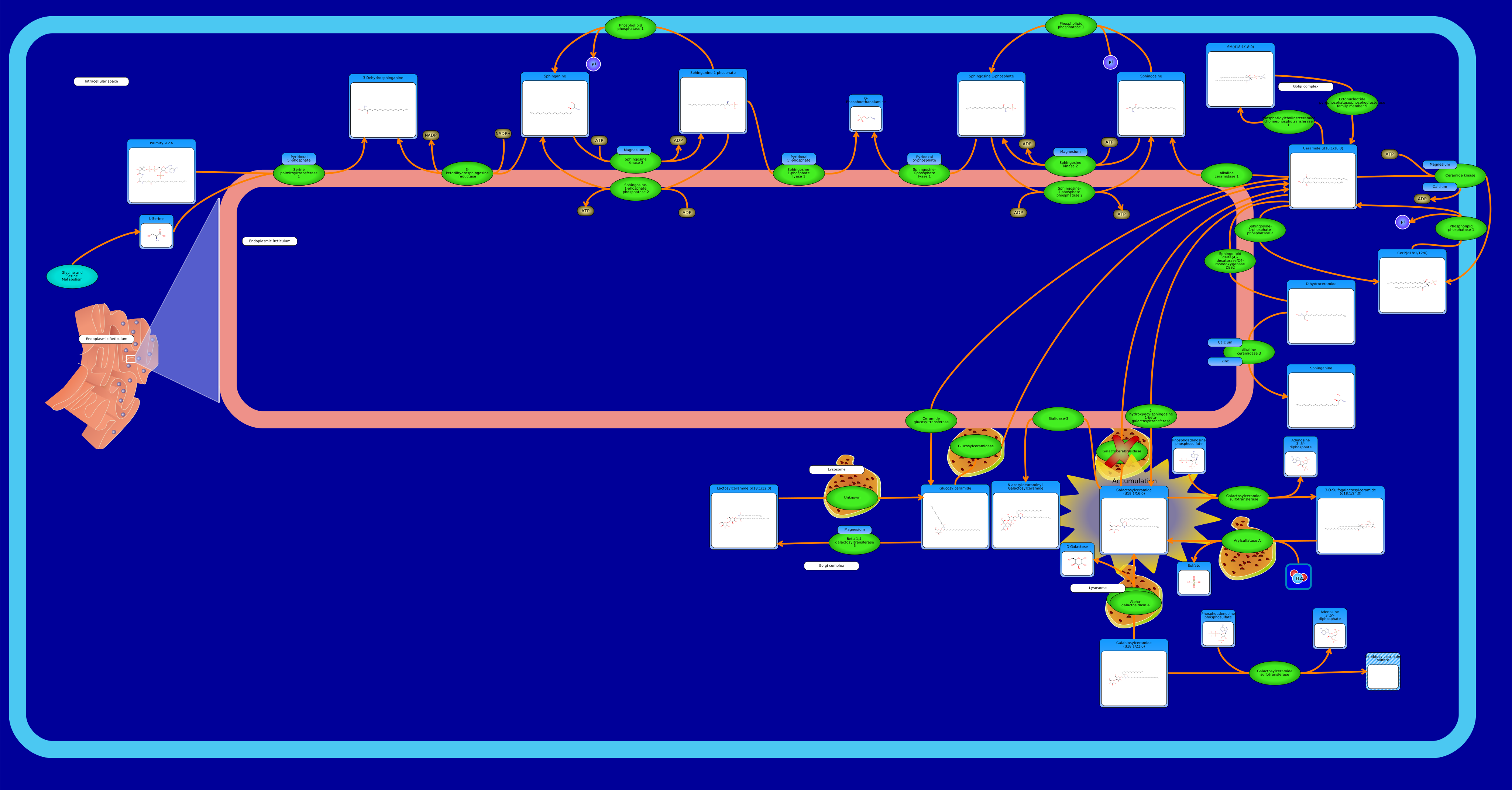 View Pathway
|
disease
Globoid Cell LeukodystrophyMus musculus
Globoid Cell Leukodistrophy (GLD), also called Krabbe disease and galactosylceramide lipidosis, is an extremely rare inherited inborn error of metabolism (IEM). It is a degenerative disorder that affects the nervous system. It has an estimated prevalence of 1/100,000 in the Northern European population and a worldwide incidence of 1/100,000-1/250,000 live births. GLD is an autosomal recessive disorder that is caused by a deficiency of an enzyme called galactosylceramidase. Galactosylceramidase is a lysosomal protein that hydrolyzes the galactose ester bonds of ceramides and ceramide derivatives including galactocerebroside, galactosylsphingosine (psychosine), lactosylceramide, and monogalactosyldiglyceride. More specifically, galactosylceramidase is an enzyme that is involved in the catabolism (via the removal of galactose) of galactosylceramide, a major lipid in myelin, kidney, and epithelial cells of the small intestine and colon. Defects in galactosylceramidase lead to the accumulation of cytotoxic psychosine, which ultimately leads to apoptosis of oligodendrocytes and demyelination. As a result, this enzyme deficiency impairs the growth and maintenance of myelin, the protective sheath around nerve cell axons that ensures that electrical impulses are rapidly transmitted. GLD is part of a group of disorders known as leukodystrophies, which result from the loss of myelin (demyelination). GLD is also characterized by the abnormal presence of globoid cells, which are globe-shaped cells that often have multiple nuclei. There are three different phenotypes for GLD: infantile, juvenile, and late-onset. Neurodegeneration and early death (at age 2-3) occur in most infantile cases. In juvenile patients, the disease is often fatal 2-7 years after the symptoms begin. Adult-onset patients can survive many years after symptoms first manifest. The symptoms of infantile GLD usually begin during the first year of life. Typically, the initial signs and symptoms include feeding difficulties, episodes of fever without any sign of infection, irritability, stiff posture, muscle weakness, and slowed mental and physical development. Muscles continue to weaken as the disease progresses which decreases the infant's ability to move, chew, swallow, and breathe. It is also common for affected infants to experience vision loss and seizures. Treatment is limited to hematopoietic stem cell transplantation in pre-symptomatic infantile patients and mildly affected late-onset patients. Stem cell transplants have been shown to slow the progression of the disease.
|
Creator: Ana Marcu Created On: September 10, 2018 at 15:49 Last Updated: September 10, 2018 at 15:49 |
PW127251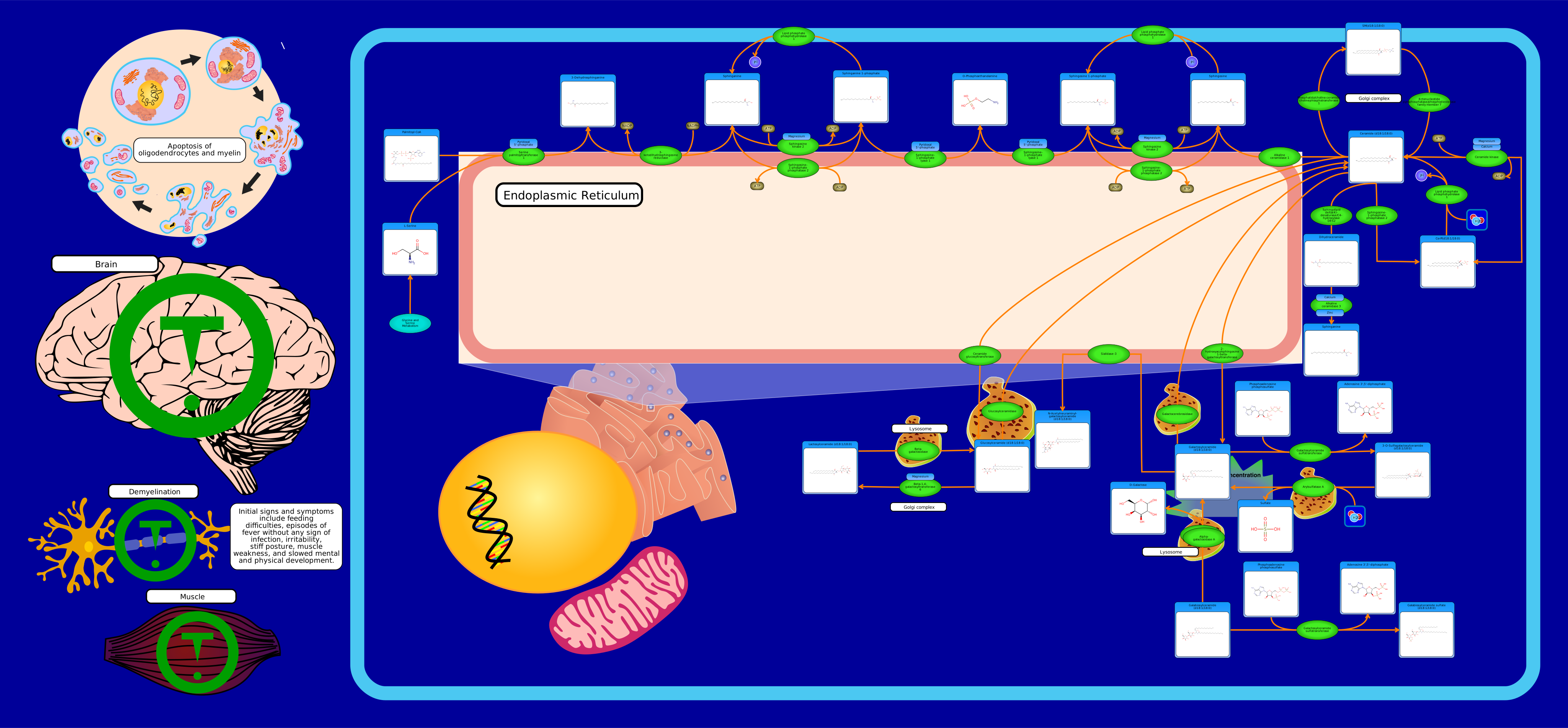 View Pathway
|
disease
Globoid Cell LeukodystrophyHomo sapiens
Globoid Cell Leukodistrophy (GLD), also called Krabbe disease and galactosylceramide lipidosis, is an extremely rare inherited inborn error of metabolism (IEM). It is a degenerative disorder that affects the nervous system. It has an estimated prevalence of 1/100,000 in the Northern European population and a worldwide incidence of 1/100,000-1/250,000 live births. GLD is an autosomal recessive disorder that is caused by a deficiency of an enzyme called galactosylceramidase. Galactosylceramidase is a lysosomal protein that hydrolyzes the galactose ester bonds of ceramides and ceramide derivatives including galactocerebroside, galactosylsphingosine (psychosine), lactosylceramide, and monogalactosyldiglyceride. More specifically, galactosylceramidase is an enzyme that is involved in the catabolism (via the removal of galactose) of galactosylceramide, a major lipid in myelin, kidney, and epithelial cells of the small intestine and colon. Defects in galactosylceramidase lead to the accumulation of cytotoxic psychosine, which ultimately leads to apoptosis of oligodendrocytes and demyelination. As a result, this enzyme deficiency impairs the growth and maintenance of myelin, the protective sheath around nerve cell axons that ensures that electrical impulses are rapidly transmitted. GLD is part of a group of disorders known as leukodystrophies, which result from the loss of myelin (demyelination). GLD is also characterized by the abnormal presence of globoid cells, which are globe-shaped cells that often have multiple nuclei. There are three different phenotypes for GLD: infantile, juvenile, and late-onset. Neurodegeneration and early death (at age 2-3) occur in most infantile cases. In juvenile patients, the disease is often fatal 2-7 years after the symptoms begin. Adult-onset patients can survive many years after symptoms first manifest. The symptoms of infantile GLD usually begin during the first year of life. Typically, the initial signs and symptoms include feeding difficulties, episodes of fever without any sign of infection, irritability, stiff posture, muscle weakness, and slowed mental and physical development. Muscles continue to weaken as the disease progresses which decreases the infant's ability to move, chew, swallow, and breathe. It is also common for affected infants to experience vision loss and seizures. Treatment is limited to hematopoietic stem cell transplantation in pre-symptomatic infantile patients and mildly affected late-onset patients. Stem cell transplants have been shown to slow the progression of the disease.
|
Creator: Ray Kruger Created On: November 22, 2022 at 14:14 Last Updated: November 22, 2022 at 14:14 |
PW002971 View Pathway
|
Glu 1Homo sapiens
|
Creator: Guest: Anonymous Created On: July 27, 2016 at 15:49 Last Updated: July 27, 2016 at 15:49 |
PW124111 View Pathway
|
Gluc27122Homo sapiens
|
Creator: Belén Created On: August 24, 2020 at 01:16 Last Updated: August 24, 2020 at 01:16 |
PW002962 View Pathway
|
GlucoHomo sapiens
|
Creator: Guest: Anonymous Created On: July 26, 2016 at 09:01 Last Updated: July 26, 2016 at 09:01 |
PW002973 View Pathway
|
Gluco imp pntHomo sapiens
|
Created On: July 27, 2016 at 21:43 Last Updated: July 27, 2016 at 21:43 |
PW128640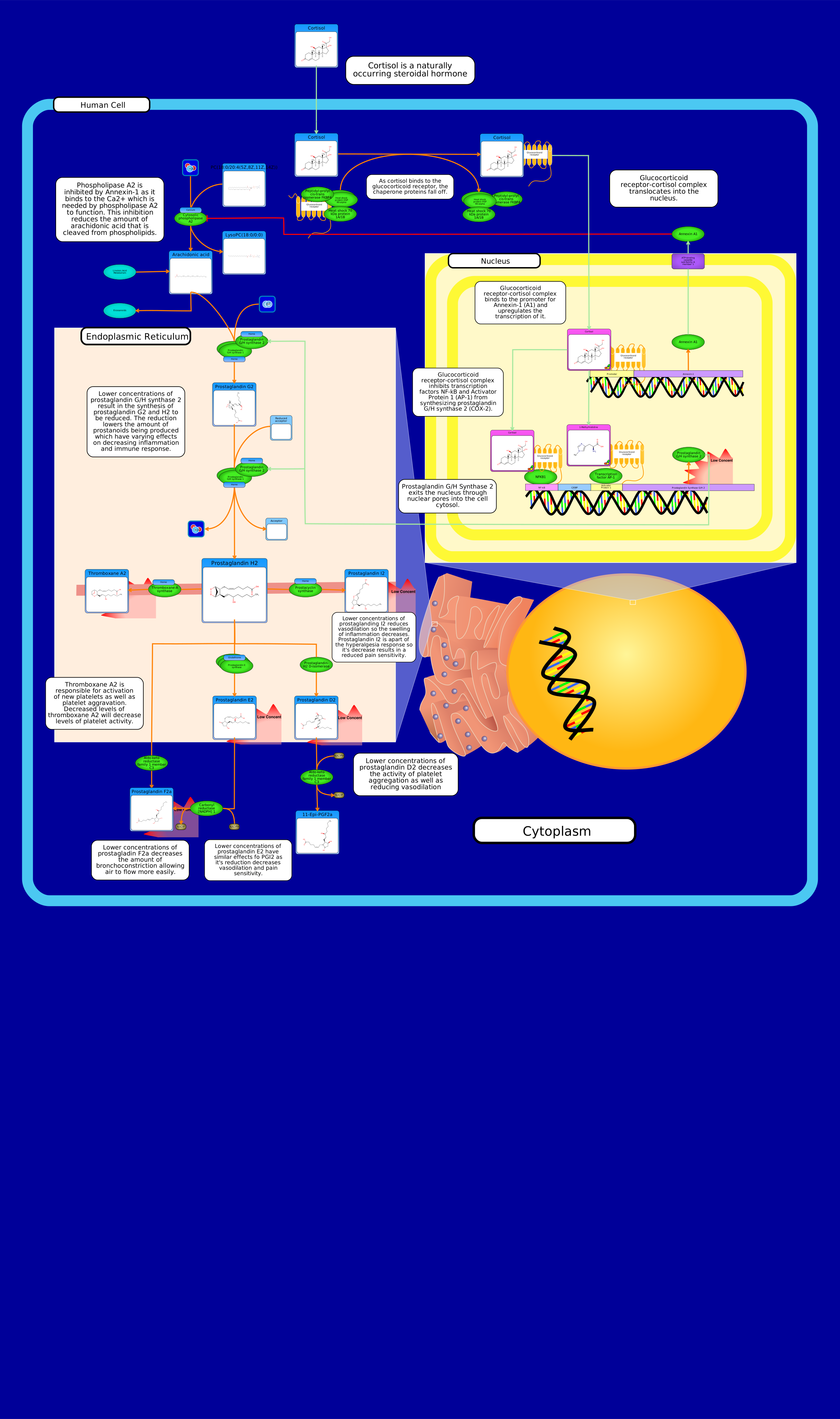 View Pathway
|
physiological
Glucocorticoid PathwayHomo sapiens
Glucocorticoids are a class of steroid hormones that includes cortisol. These hormones bind to specific receptors in cells, called glucocorticoid receptors, which are present in various tissues throughout the body. When cortisol or other glucocorticoids bind to these receptors, they can exert their effects on metabolism, immune function, inflammation, and other physiological processes. The glucocorticoid pathway is essential for regulating these functions and maintaining homeostasis in the body.
Cortisol, a steroid hormone, is synthesized from cholesterol. It is synthesized in the zona fasciculata layer of the adrenal cortex. Adrenocorticotropic hormone (ACTH), released from the anterior pituitary, functions to increase LDL receptors and increase the activity of cholesterol desmolase, which converts cholesterol to pregnenolone and is the rate-limiting step of cortisol synthesis. The majority of glucocorticoids circulate in an inactive form, bound to either corticosteroid-binding globulin (CBG) or albumin.[2] The inactive form is converted to its active form by 11-beta-hydroxysteroid dehydrogenase 1 (11-beta-HSD1) in most tissues, while 11-beta-HSD2 inactivates cortisol back to cortisone in the kidney and pancreas. When cortisol binds to the glucocorticoid receptors in the body, it elicits a wide range of physiological and metabolic effects. These effects are part of the body's response to stress and play essential roles in maintaining homeostasis. Major effects that occur naturally are metabolism regulation, wherein Cortisol promotes the breakdown of fats and proteins to provide energy for the body. It also stimulates gluconeogenesis, which is the production of glucose from non-carbohydrate sources, such as amino acids and glycerol. This helps maintain blood glucose levels; anti-inflammatory response wherein cortisol suppresses the immune system's inflammatory response by inhibiting the production of pro-inflammatory cytokines and other mediators of inflammation, immunosuppression wherein cortisol inhibits the activity of immune cells, such as lymphocytes and leukocytes, which can help reduce immune responses. This effect is beneficial in controlling autoimmune reactions but can also make the body more susceptible to infections. Others are stress response and blood pressure regulation, anti-allergic response, tissue repair and modulation of mood and cognitive functions.
|
Creator: Omolola Created On: September 07, 2023 at 17:54 Last Updated: September 07, 2023 at 17:54 |