
| PathWhiz ID | Pathway | Meta Data |
|---|---|---|
PW145393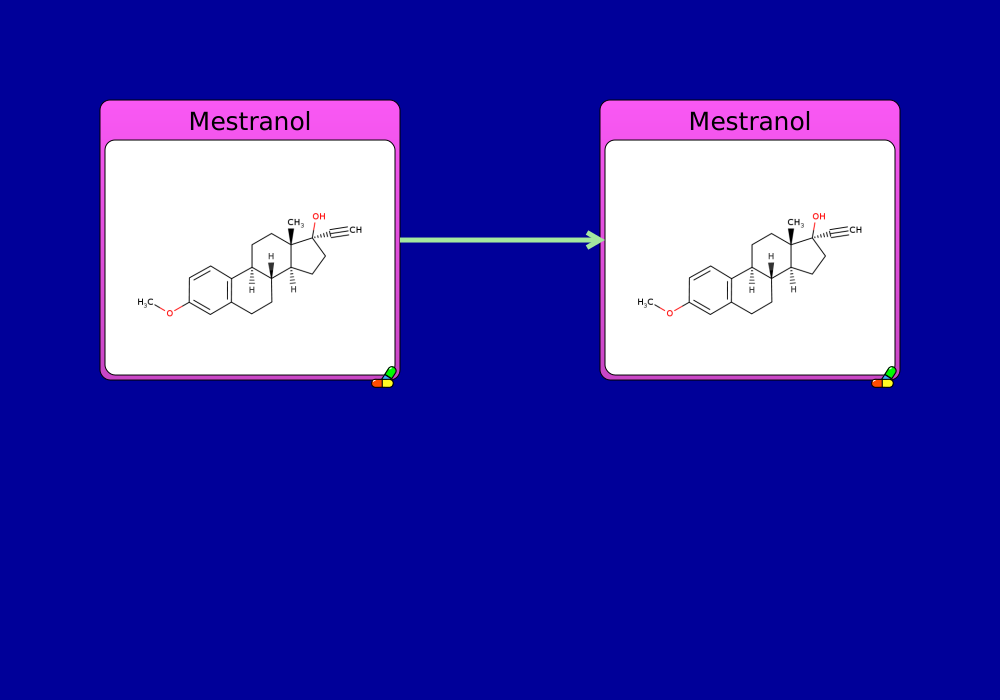 View Pathway
|
drug action
Mestranol Drug Metabolism Action PathwayHomo sapiens
|
Creator: Ray Kruger Created On: October 07, 2023 at 15:44 Last Updated: October 07, 2023 at 15:44 |
PW123884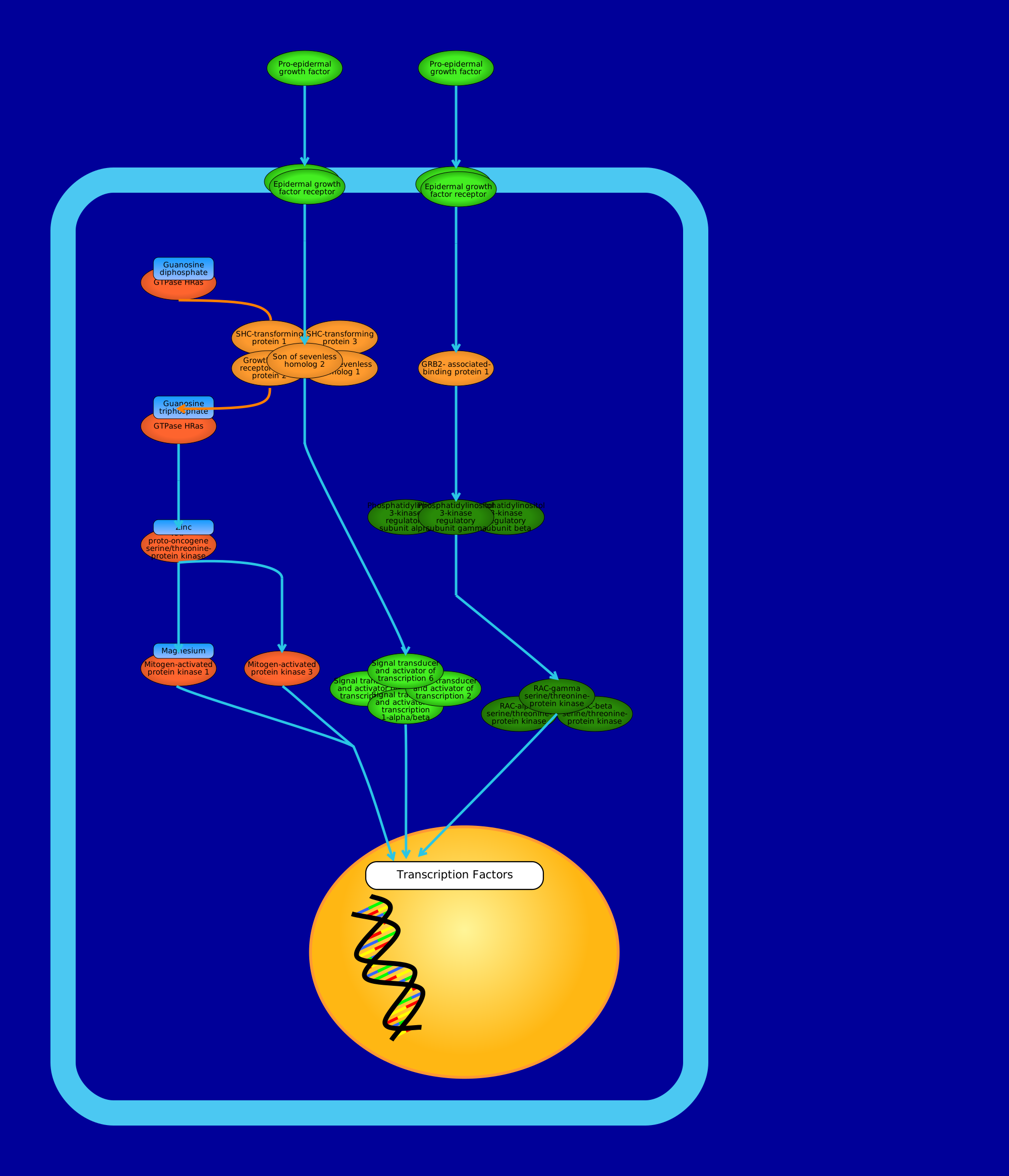 View Pathway
|
physiological
METHomo sapiens
|
Creator: Guest: Anonymous Created On: May 09, 2020 at 04:07 Last Updated: May 09, 2020 at 04:07 |
PW123885 View Pathway
|
signaling
MET 1589019340Homo sapiens
|
Creator: sara Created On: May 09, 2020 at 04:16 Last Updated: May 09, 2020 at 04:16 |
PW124379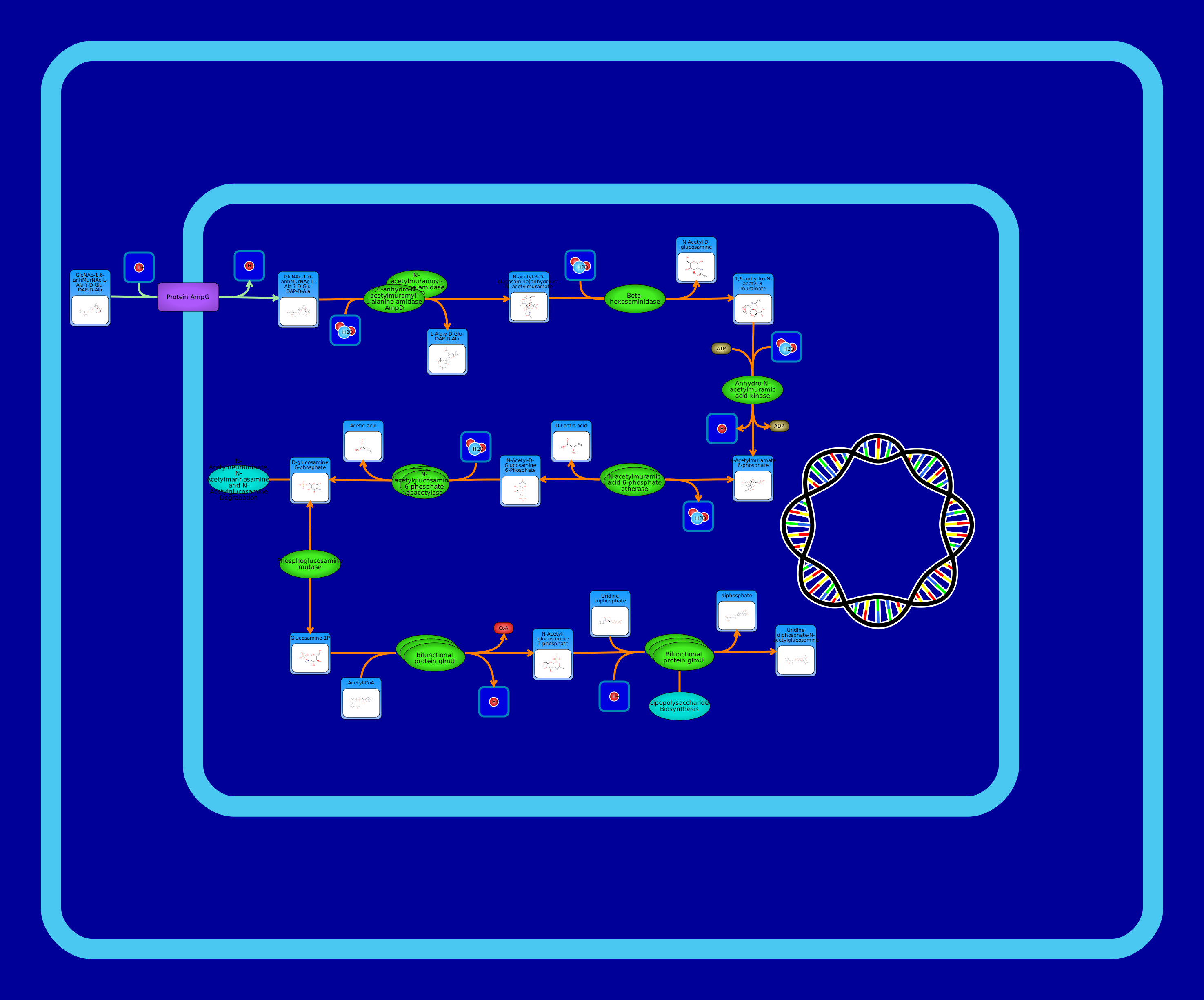 View Pathway
|
Metabolic pathwaysHomo sapiens
The major pathways made by the animal cells for energy production from carbohidrates and lipids catalysis.
|
Creator: Aldair Created On: December 02, 2020 at 18:14 Last Updated: December 02, 2020 at 18:14 |
PW124186 View Pathway
|
drug action
Metabolic syndrome 1601278042Homo sapiens
|
Creator: fabiola Created On: September 28, 2020 at 01:27 Last Updated: September 28, 2020 at 01:27 |
PW126235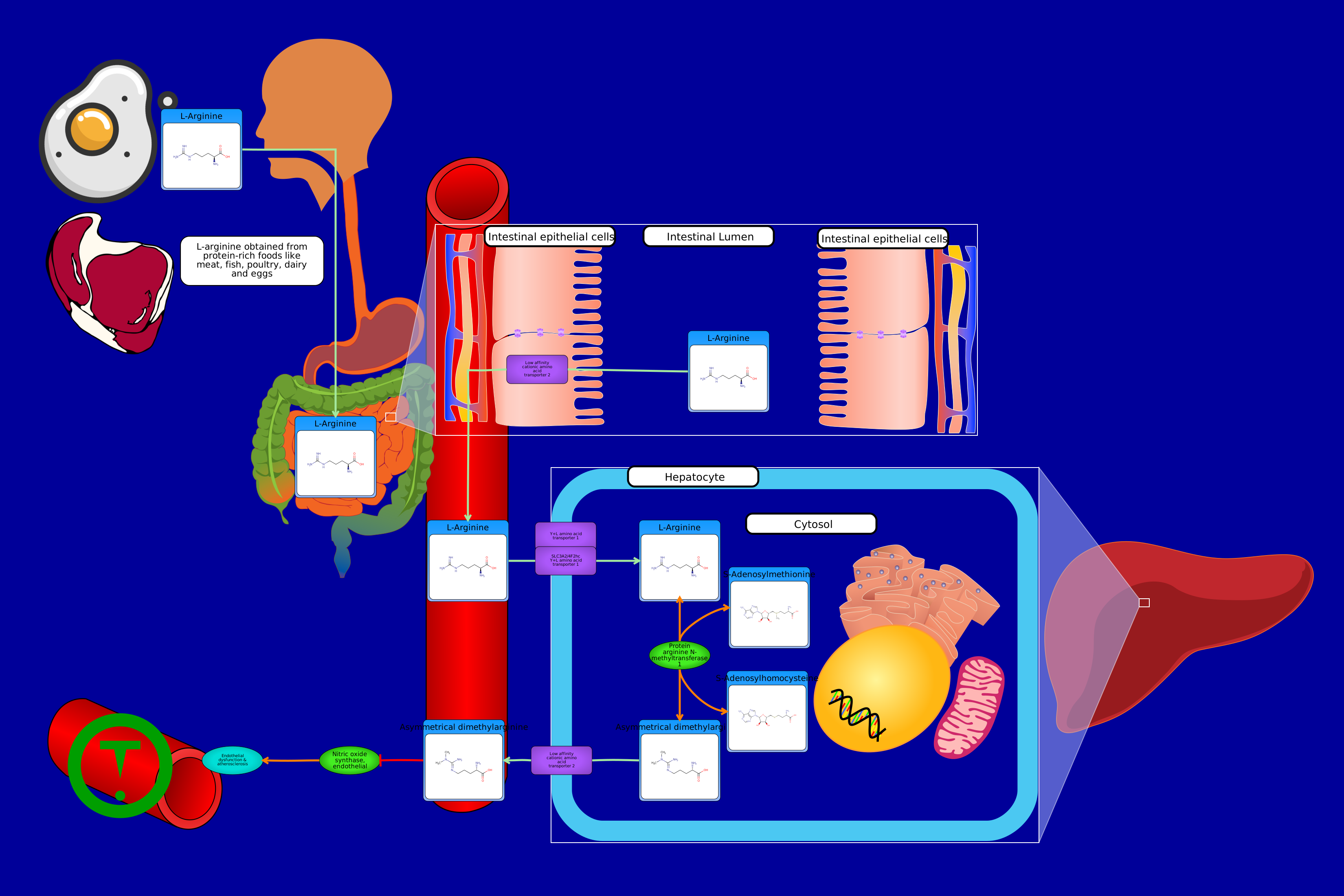 View Pathway
|
Metabolism and Phsyiological Effects of Asymmetric dimethylarginine (ADMA)Homo sapiens
Asymmetrical dimethylarginine (ADMA) is produced from L-arginine. L-arginine is obtained from protein-rich foods like red meat, poultry, dairy and eggs. It is absorbed in the intestine to the blood. It enters cells in the body and is metabolized to ADMA via the enzyme protein arginine methyltransferase-1. ADMA inhibits nitric oxide synthase, preventing the formation of nitric oxide. This elevates blood pressure, causes vasoconstriction, impairs endothelium-dependent relaxation, and increases endothelial cell adhesiveness.
|
Creator: Karxena Harford Created On: September 16, 2021 at 15:36 Last Updated: September 16, 2021 at 15:36 |
PW128364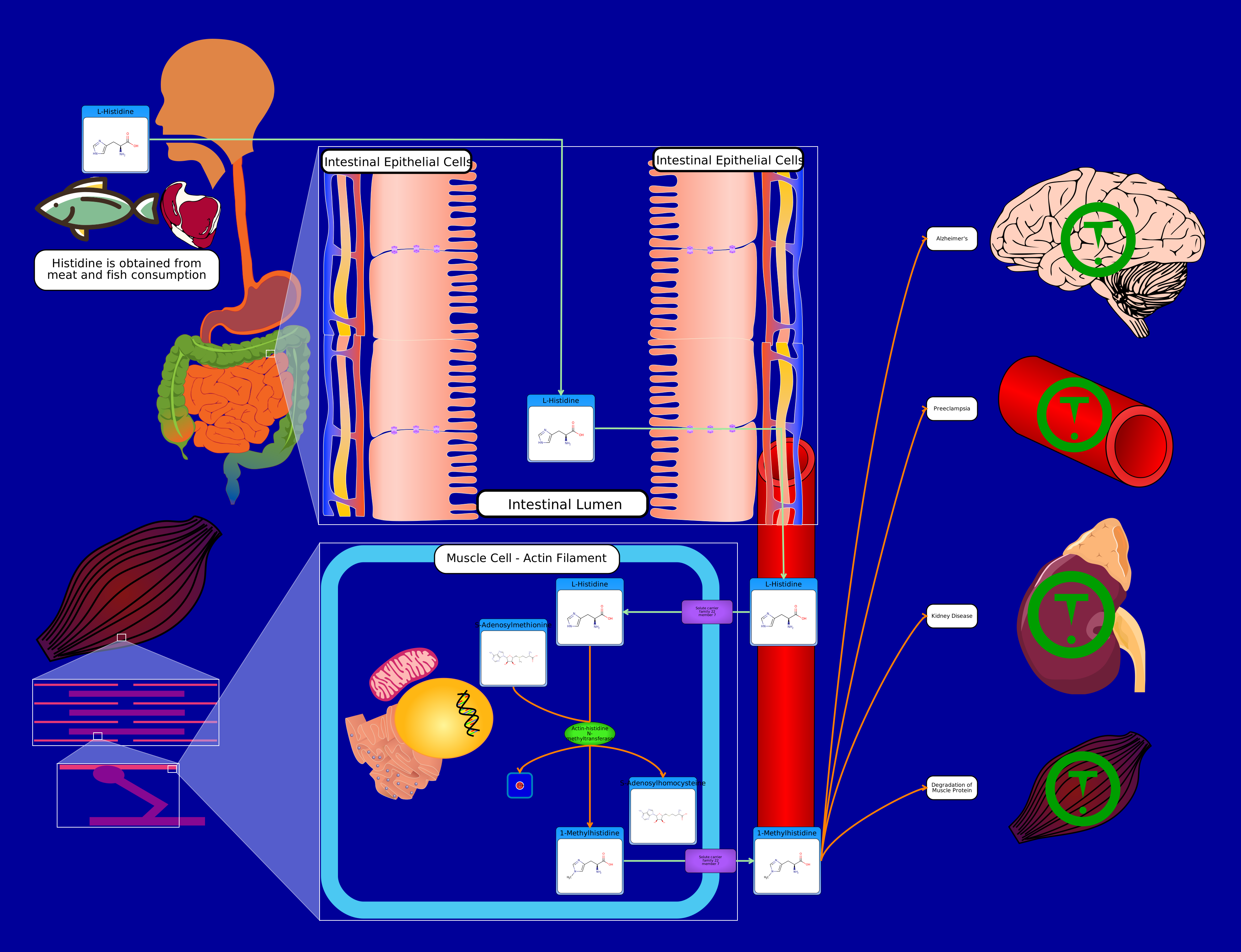 View Pathway
|
Metabolism and Physiological Effects of 1-MethylhistidineHomo sapiens
1-Methylhistidine, also known as 1-MHis, 1MH, tau-methylhistidine or tele-methylhistidine, belongs to the class of organic compounds known as histidine and derivatives. 1MH is also classified as a methylamino acid. Methylamino acids are primarily proteogenic amino acids (found in proteins) which have been methylated (in situ) on their side chains by various methyltransferase enzymes. Histidine can be methylated at either the N1 or N3 position of its imidazole ring, yielding the isomers 1-methylhistidine (1MH; also referred to as tau-methylhistidine, according to IUPAC) or 3-methylhistidine (3MH; pi-methylhistidine, according to IUPAC), respectively. There is considerable confusion with regard to the nomenclature of the methylated nitrogen atoms on the imidazole ring of histidine in histidine-containing proteins (such as actin and myosin) as well as histidine-containing peptides (such as anserine and ophidine/balenine). In particular, older literature (mostly prior to the year 2000) as well as most biochemists and nutrition scientists incorrectly number the imidazole nitrogen atom most proximal to the side chain beta-carbon as 1 or N1, while organic chemists correctly designate it as 3 or N3. As a result, biochemists and nutrition scientists historically designated anserine (Npi-methylated) as beta-alanyl-N1-methylhistidine (or beta-alanyl-1-methylhistidine), whereas according to standard IUPAC nomenclature, anserine is correctly named as beta-alanyl-N3-methylhistidine. As a result, for several decades, many papers incorrectly identified 1MH as a specific marker for dietary consumption or various pathophysiological effects when they really are referring to 3MH – and vice versa. 1MH can only be generated from histidine residues through the action of methyltransferases as a protein post-translational modification event. Histidine methylation on the 1- or tau site of histidine-containing proteins is mediated by at least two enzymes: SETD3 and METTL18. SETD3, or SET domain-containing protein 3, is a protein-histidine N-methyltransferase that specifically mediates 1-methylhistidine (tau-methylhistidine) methylation of actin at 'His-73'. SETD3 is a methyltransferase that uses S-adenosyl-L-methionine to transfer the methyl group to histidine at the tau position. Histidine methylation of actin His-73 is required for smooth muscle contraction of the laboring uterus during delivery. It also reduces the nucleotide exchange rate on actin monomers and modestly accelerates actin filament assembly. SETD3-mediated histidine methylation appears to occur in all higher eukaryotes with actin, from plants to insects to vertebrates. Within cells, SETD3 is found in the cytoplasm and nucleus. Other proteins that are known to have 1MH modifications include myosin and myosin kinase. In addition to these tau-His-methylated proteins, a specialized dipeptide called ophidine (balenine) that consists of beta-alanine and 1MH is also known. Because 1MH is so abundant in skeletal muscle tissues (being found in the main myofibrillar proteins actin and myosin), the urinary concentrations of 1-methylhistidine can be used as a biomarker for skeletal muscle protein breakdown, especially for those who have been subject to muscle injury. During protein catabolism, 1-methylhistidine is released but cannot be reutilized. Therefore, the plasma concentration and urine excretion of 1-methylhistidine serve as sensitive markers of myofibrillar protein degradation. Approximately 75% of 1-methylhistidine in the human body is estimated to originate from skeletal muscle (3MH/1MH switch - PMID: 32235743 ). In addition to the degradation of muscle proteins, the 1-methylhistidine level can be moderately affected by the degradation of intestinal proteins and meat intake. 1-Methylhistidine has been found to be associated with several diseases such as Alzheimer's disease, preeclampsia, obesity, kidney disease. The normal concentration of 1-methylhistidine in the urine of healthy adult humans has been detected and quantified in a range of 17.7-153.8 micromoles per millimole (umol/mmol) of creatinine, with most studies reporting the average urinary concentration between 25-40 umol/mmol of creatinine. The average concentration of 1-methylhistidine in human blood plasma has been detected and quantified at 12.7 micromolar (uM) with a range of 9.8-15.6 uM. As a general rule, urinary 3MH is associated with white meat intake (p< 0.001), whereas urinary 1MH is associated with red meat intake (p< 0.001).
|
Creator: Hayley Created On: August 24, 2023 at 12:02 Last Updated: August 24, 2023 at 12:02 |
PW128480 View Pathway
|
disease
Metabolism and Physiological Effects of 2-Aminobenzoic acidHomo sapiens
2-Aminobenzoic acid, also known as anthranilic acid or O-aminobenzoate, belongs to the class of organic compounds known as aminobenzoic acids. These are benzoic acids containing an amine group attached to the benzene moiety. Within humans, 2-aminobenzoic acid participates in a number of enzymatic reactions. In particular, 2-aminobenzoic acid and formic acid can be biosynthesized from formylanthranilic acid through its interaction with the enzyme kynurenine formamidase. In addition, 2-aminobenzoic acid and L-alanine can be biosynthesized from L-kynurenine through its interaction with the enzyme kynureninase. It is a substrate of enzyme 2-Aminobenzoic acid hydroxylase in benzoate degradation via hydroxylation pathway (KEGG). In humans, 2-aminobenzoic acid is involved in tryptophan metabolism. Outside of the human body, 2-Aminobenzoic acid has been detected, but not quantified in several different foods, such as mamey sapotes, prairie turnips, rowals, natal plums, and hyacinth beans. This could make 2-aminobenzoic acid a potential biomarker for the consumption of these foods. 2-Aminobenzoic acid is a is a tryptophan-derived uremic toxin with multidirectional properties that can affect the hemostatic system. Uremic syndrome may affect any part of the body and can cause nausea, vomiting, loss of appetite, and weight loss. Chronic exposure of uremic toxins can lead to a number of conditions including renal damage, chronic kidney disease and cardiovascular disease. It can also cause changes in mental status, such as confusion, reduced awareness, agitation, psychosis, seizures, and coma. Kynureninase catalyzes the cleavage of L-kynurenine (L-Kyn) and L-3-hydroxykynurenine (L-3OHKyn) into anthranilic acid (AA) (which is also known as 2-Aminobenzoic acid) and 3-hydroxyanthranilic acid (3-OHAA), respectively. Has a preference for the L-3-hydroxy form. Also has cysteine-conjugate-beta-lyase activity.
|
Creator: Hayley Created On: August 30, 2023 at 17:25 Last Updated: August 30, 2023 at 17:25 |
PW127073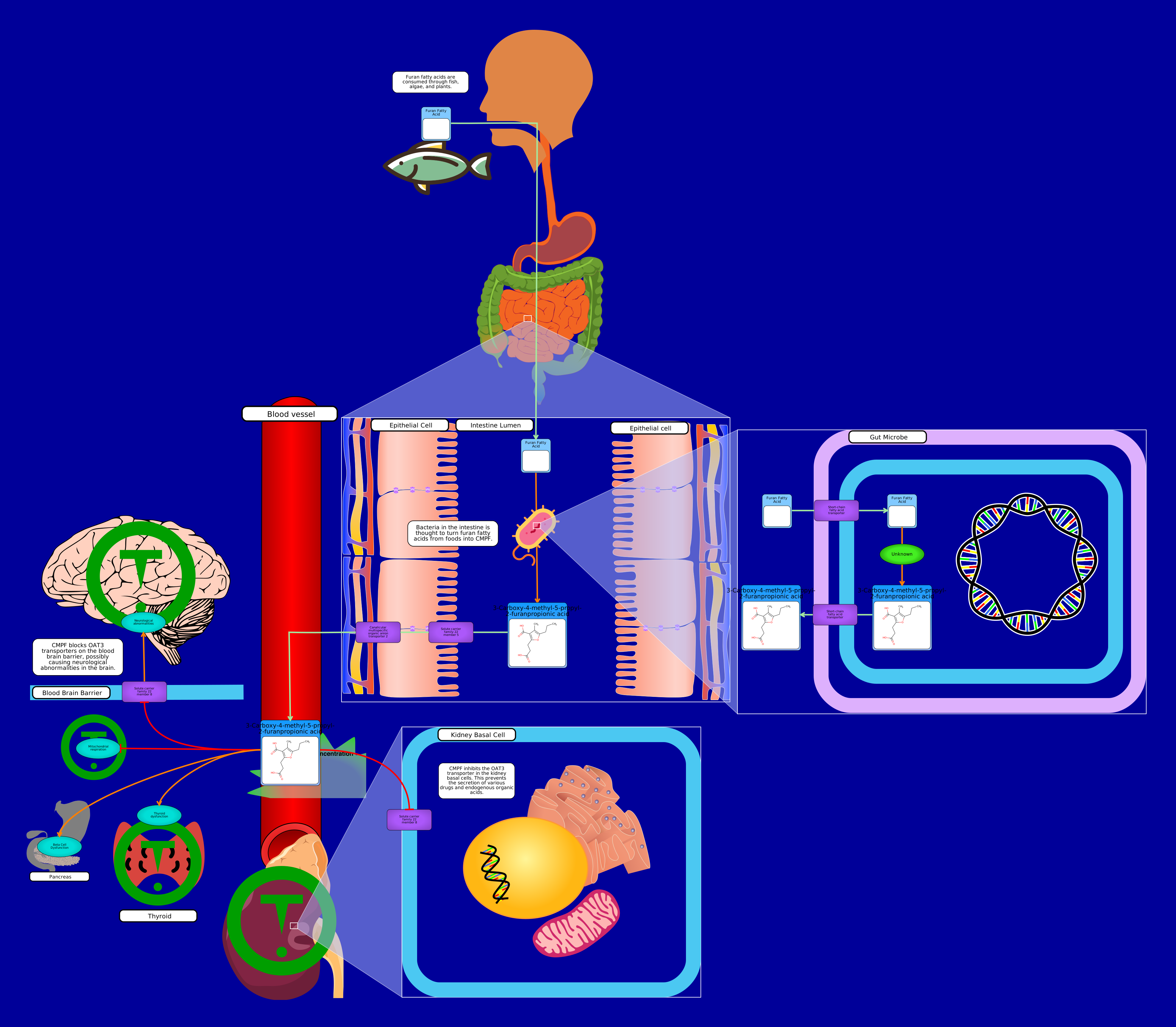 View Pathway
|
Metabolism and Physiological Effects of 3-Carboxy-4-methyl-5-propyl-2-furanpropionic acid (CMPF)Homo sapiens
3-Carboxy-4-methyl-5-propyl-2-furanpropionic acid (CMPF), also known as 2-(2-carboxyethyl)-4-methyl-4-propylfuran-3-carboxylic acid or 3-carboxy-4-methyl-5-propyl-2-furanpropanoic acid is a potent uremic toxin which significantly accumulates in the serum of chronic kidney disease patients. CMPF is believed to be formed from the consumption of furan fatty acids in fish, fruits, and vegetables. The furan fatty acids are probably converted to CMPF by microbes in the gut through unknown means. CMPF then enters the blood where in large concentrations such as cases of chronic kidney disease. CMPF is a strong inhibitor of mitochondrial respiration and causes thyroid dysfunction. CMPF also competitively inhibits the OAT3 transporters in the kidneys which inhibits renal secretion of various drugs and endogenous organic acids. CMPF also competively inhibits organic anion transports (OATs) at the blood-brain barrier, which is thought to cause neurological abnormalities. CMPF is elevated in diabetes and has been found to induce beta cell dysfunction.
|
Creator: Ray Kruger Created On: August 15, 2022 at 11:14 Last Updated: August 15, 2022 at 11:14 |
PW127074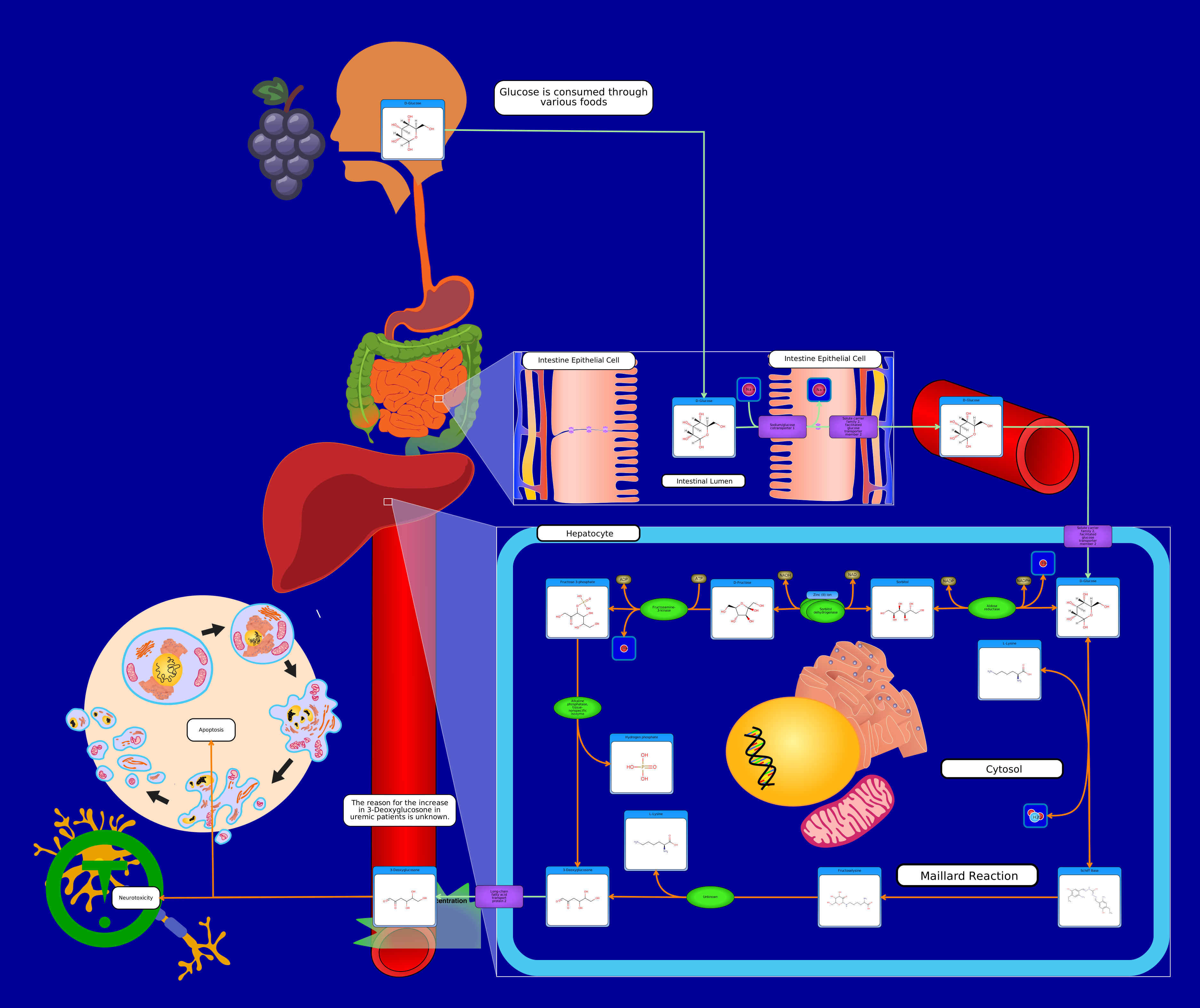 View Pathway
|
Metabolism and Physiological Effects of 3-DeoxyglucosoneHomo sapiens
3-deoxyglucosone is a uremic toxin with unknown causes in uremia. It is commonly found in diabetic patients due to high levels of glucose. Glucose enters the liver through GLUT1 transporter. In the liver it goes through two possible reactions which could cause the accumulation of 3-deoxyglucosone as a uremic toxin. There are two pathways to synthesize 3-deoxyglucosone: The polyol pathway or the maillard reaction pathway. The polyol pathway is where glucose is catalyzed into sorbitol by aldose reductase then sorbitol is catalyzed into Fructose by sorbitol dehydrogenase. Fructose then is synthesized into fructose-3-phosphate by a fructosamine enzyme. 3-Deoxyglucosone is then synthesized by fructose-3-phosphate through the biotransformer expected enzyme Alkaline phosphatase, tissue-nonspecific isozyme.
The maillard reaction pathway is a non-enzymatic reaction which outside the body happens through heating. An amino acid like arginine or lysine are combined with glucose to make a schiff base and water. The schiff base is unstable so it becomes the stable amadori product. The stable amadori product loses the amino acid to synthesize a 3-deoxyglucosone. 3-deoxyglucosone is transported into the blood where it accumulates.
It is unknown why 3-deoxyglucosone is synthesized in uremia patients, since it is not present in the urine of healthy people. It normally is synthesized and accumulates with high serum glucose due to diabetes. 3-deoxyglucosone causes cell apoptosis and neurotoxicity.
|
Creator: Ray Kruger Created On: August 18, 2022 at 14:22 Last Updated: August 18, 2022 at 14:22 |