
| PathWhiz ID | Pathway | Meta Data |
|---|---|---|
PW128480 View Pathway
|
disease
Metabolism and Physiological Effects of 2-Aminobenzoic acidHomo sapiens
2-Aminobenzoic acid, also known as anthranilic acid or O-aminobenzoate, belongs to the class of organic compounds known as aminobenzoic acids. These are benzoic acids containing an amine group attached to the benzene moiety. Within humans, 2-aminobenzoic acid participates in a number of enzymatic reactions. In particular, 2-aminobenzoic acid and formic acid can be biosynthesized from formylanthranilic acid through its interaction with the enzyme kynurenine formamidase. In addition, 2-aminobenzoic acid and L-alanine can be biosynthesized from L-kynurenine through its interaction with the enzyme kynureninase. It is a substrate of enzyme 2-Aminobenzoic acid hydroxylase in benzoate degradation via hydroxylation pathway (KEGG). In humans, 2-aminobenzoic acid is involved in tryptophan metabolism. Outside of the human body, 2-Aminobenzoic acid has been detected, but not quantified in several different foods, such as mamey sapotes, prairie turnips, rowals, natal plums, and hyacinth beans. This could make 2-aminobenzoic acid a potential biomarker for the consumption of these foods. 2-Aminobenzoic acid is a is a tryptophan-derived uremic toxin with multidirectional properties that can affect the hemostatic system. Uremic syndrome may affect any part of the body and can cause nausea, vomiting, loss of appetite, and weight loss. Chronic exposure of uremic toxins can lead to a number of conditions including renal damage, chronic kidney disease and cardiovascular disease. It can also cause changes in mental status, such as confusion, reduced awareness, agitation, psychosis, seizures, and coma. Kynureninase catalyzes the cleavage of L-kynurenine (L-Kyn) and L-3-hydroxykynurenine (L-3OHKyn) into anthranilic acid (AA) (which is also known as 2-Aminobenzoic acid) and 3-hydroxyanthranilic acid (3-OHAA), respectively. Has a preference for the L-3-hydroxy form. Also has cysteine-conjugate-beta-lyase activity.
|
Creator: Hayley Created On: August 30, 2023 at 17:25 Last Updated: August 30, 2023 at 17:25 |
PW127073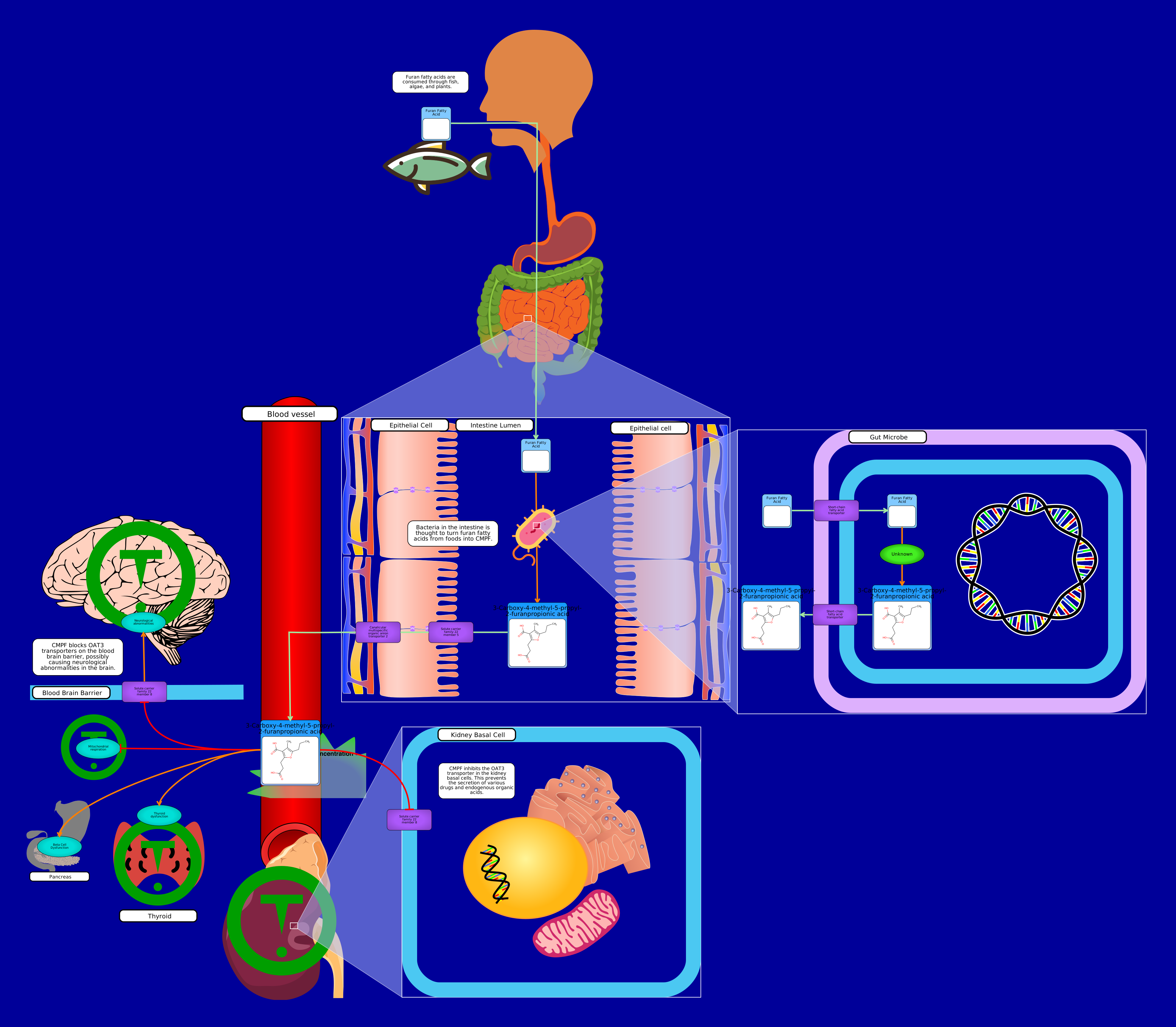 View Pathway
|
Metabolism and Physiological Effects of 3-Carboxy-4-methyl-5-propyl-2-furanpropionic acid (CMPF)Homo sapiens
3-Carboxy-4-methyl-5-propyl-2-furanpropionic acid (CMPF), also known as 2-(2-carboxyethyl)-4-methyl-4-propylfuran-3-carboxylic acid or 3-carboxy-4-methyl-5-propyl-2-furanpropanoic acid is a potent uremic toxin which significantly accumulates in the serum of chronic kidney disease patients. CMPF is believed to be formed from the consumption of furan fatty acids in fish, fruits, and vegetables. The furan fatty acids are probably converted to CMPF by microbes in the gut through unknown means. CMPF then enters the blood where in large concentrations such as cases of chronic kidney disease. CMPF is a strong inhibitor of mitochondrial respiration and causes thyroid dysfunction. CMPF also competitively inhibits the OAT3 transporters in the kidneys which inhibits renal secretion of various drugs and endogenous organic acids. CMPF also competively inhibits organic anion transports (OATs) at the blood-brain barrier, which is thought to cause neurological abnormalities. CMPF is elevated in diabetes and has been found to induce beta cell dysfunction.
|
Creator: Ray Kruger Created On: August 15, 2022 at 11:14 Last Updated: August 15, 2022 at 11:14 |
PW127074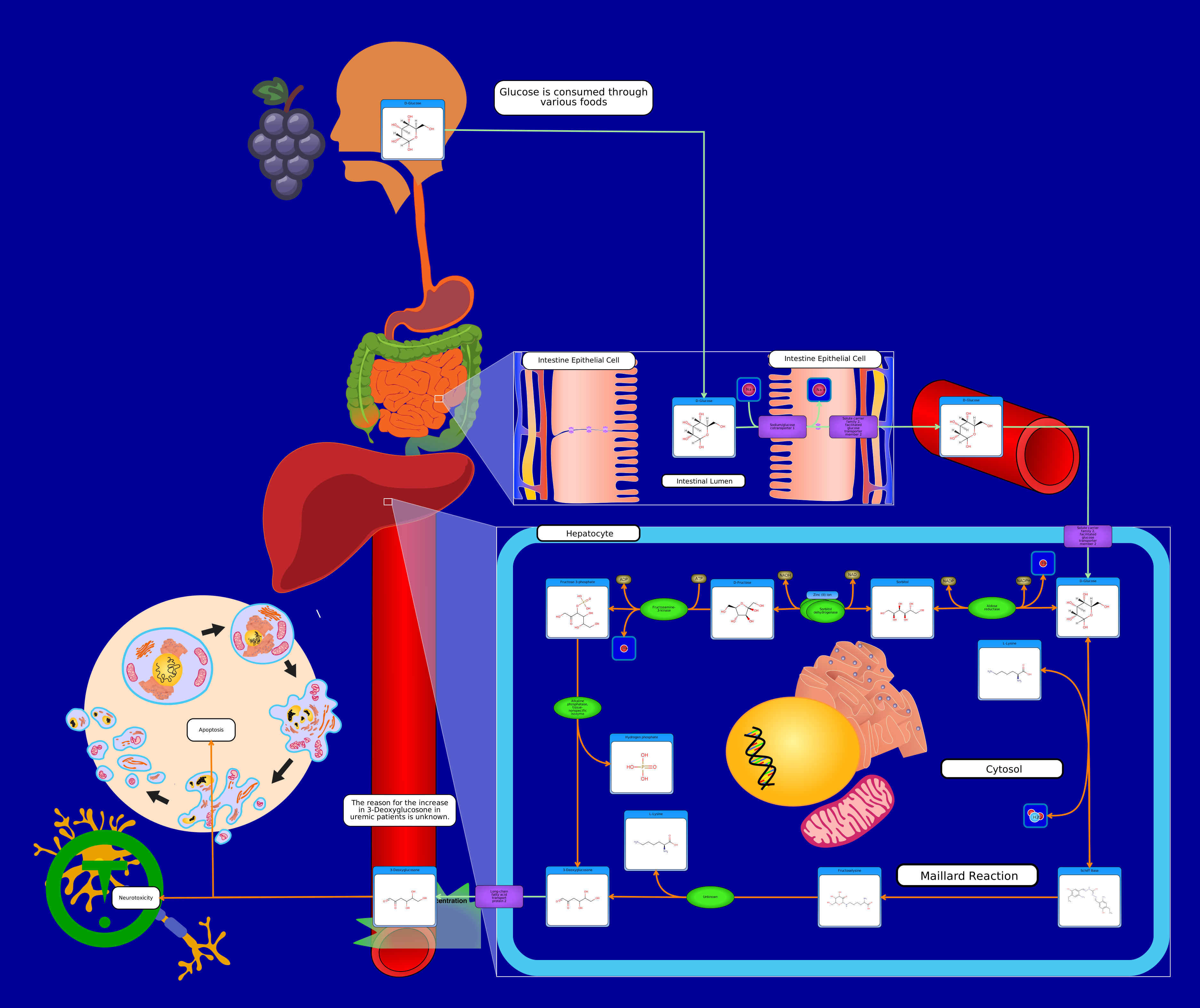 View Pathway
|
Metabolism and Physiological Effects of 3-DeoxyglucosoneHomo sapiens
3-deoxyglucosone is a uremic toxin with unknown causes in uremia. It is commonly found in diabetic patients due to high levels of glucose. Glucose enters the liver through GLUT1 transporter. In the liver it goes through two possible reactions which could cause the accumulation of 3-deoxyglucosone as a uremic toxin. There are two pathways to synthesize 3-deoxyglucosone: The polyol pathway or the maillard reaction pathway. The polyol pathway is where glucose is catalyzed into sorbitol by aldose reductase then sorbitol is catalyzed into Fructose by sorbitol dehydrogenase. Fructose then is synthesized into fructose-3-phosphate by a fructosamine enzyme. 3-Deoxyglucosone is then synthesized by fructose-3-phosphate through the biotransformer expected enzyme Alkaline phosphatase, tissue-nonspecific isozyme.
The maillard reaction pathway is a non-enzymatic reaction which outside the body happens through heating. An amino acid like arginine or lysine are combined with glucose to make a schiff base and water. The schiff base is unstable so it becomes the stable amadori product. The stable amadori product loses the amino acid to synthesize a 3-deoxyglucosone. 3-deoxyglucosone is transported into the blood where it accumulates.
It is unknown why 3-deoxyglucosone is synthesized in uremia patients, since it is not present in the urine of healthy people. It normally is synthesized and accumulates with high serum glucose due to diabetes. 3-deoxyglucosone causes cell apoptosis and neurotoxicity.
|
Creator: Ray Kruger Created On: August 18, 2022 at 14:22 Last Updated: August 18, 2022 at 14:22 |
PW128361 View Pathway
|
Metabolism and Physiological Effects of 3-MethylhistidineHomo sapiens
3-Methylhistidine, also known as 3-MHis, 3MH, pi-methylhistidine or pros-methylhistidine, belongs to the class of organic compounds known as histidine and derivatives. 3MH is also classified as a methylamino acid. Methylamino acids are primarily proteogenic amino acids (found in proteins) which have been methylated (in situ) on their side chains by various methyltransferase enzymes. Histidine can be methylated at either the N1 or N3 position of its imidazole ring, yielding the isomers 1-methylhistidine (1MH; also referred to as tau-methylhistidine, according to IUPAC) or 3-methylhistidine (3MH; pi-methylhistidine, according to IUPAC), respectively. There is considerable confusion with regard to the nomenclature of the methylated nitrogen atoms on the imidazole ring of histidine in histidine-containing proteins (such as actin and myosin) as well as histidine-containing peptides (such as anserine and ophidine/balenine). In particular, older literature (mostly prior to the year 2000) as well as most biochemists and nutrition scientists incorrectly number the imidazole nitrogen atom most proximal to the side chain beta-carbon as 1 or N1, while organic chemists correctly designate it as 3 or N3. As a result, biochemists and nutrition scientists historically designated anserine (Npi-methylated) as beta-alanyl-N1-methylhistidine (or beta-alanyl-1-methylhistidine), whereas according to standard IUPAC nomenclature, anserine is correctly named as beta-alanyl-N3-methylhistidine. As a result, for several decades, many papers incorrectly identified 1MH as a specific marker for dietary consumption or various pathophysiological effects when they really are referring to 3MH – and vice versa. 3MH can only be generated from histidine residues through the action of methyltransferases as a protein post-translational modification event. Histidine methylation on the 3- or pi site of histidine-containing proteins is mediated by only one known enzyme – METTL9. Recent discoveries have shown that 3MH is produced in essentially all vertebrates via the methyltransferase enzyme known as METTL9. METTL9 is a broad-specificity S-adenosylmethionine-mediated methyltransferase that mediates the formation of the majority of 3MH present in mammalian and other vertebrate proteomes. Because of its abundance in some muscle-related proteins but especially because of the high abundance of anserine found in poultry and fish, 3MH has been found to be a good biomarker for the consumption of meat. Dietary studies have shown that general poultry consumption (p-trend = 0.0006) and especially chicken consumption (p-trend = 0.0003) are associated with increased levels of 3MH in human plasma. 3‐MH is synthesized only in the muscle by the methylation of one histidine residue in actin and in varying amounts in myosin depending on the type of muscle. Thus, muscle protein degradation is the only endogenous source of 3‐MH in human plasma. 3‐MH might be a helpful biomarker in the assessment of muscle protein turnover, which is important in the diagnosis of frailty and sarcopenia.
|
Creator: Hayley Created On: August 24, 2023 at 10:32 Last Updated: August 24, 2023 at 10:32 |
PW127096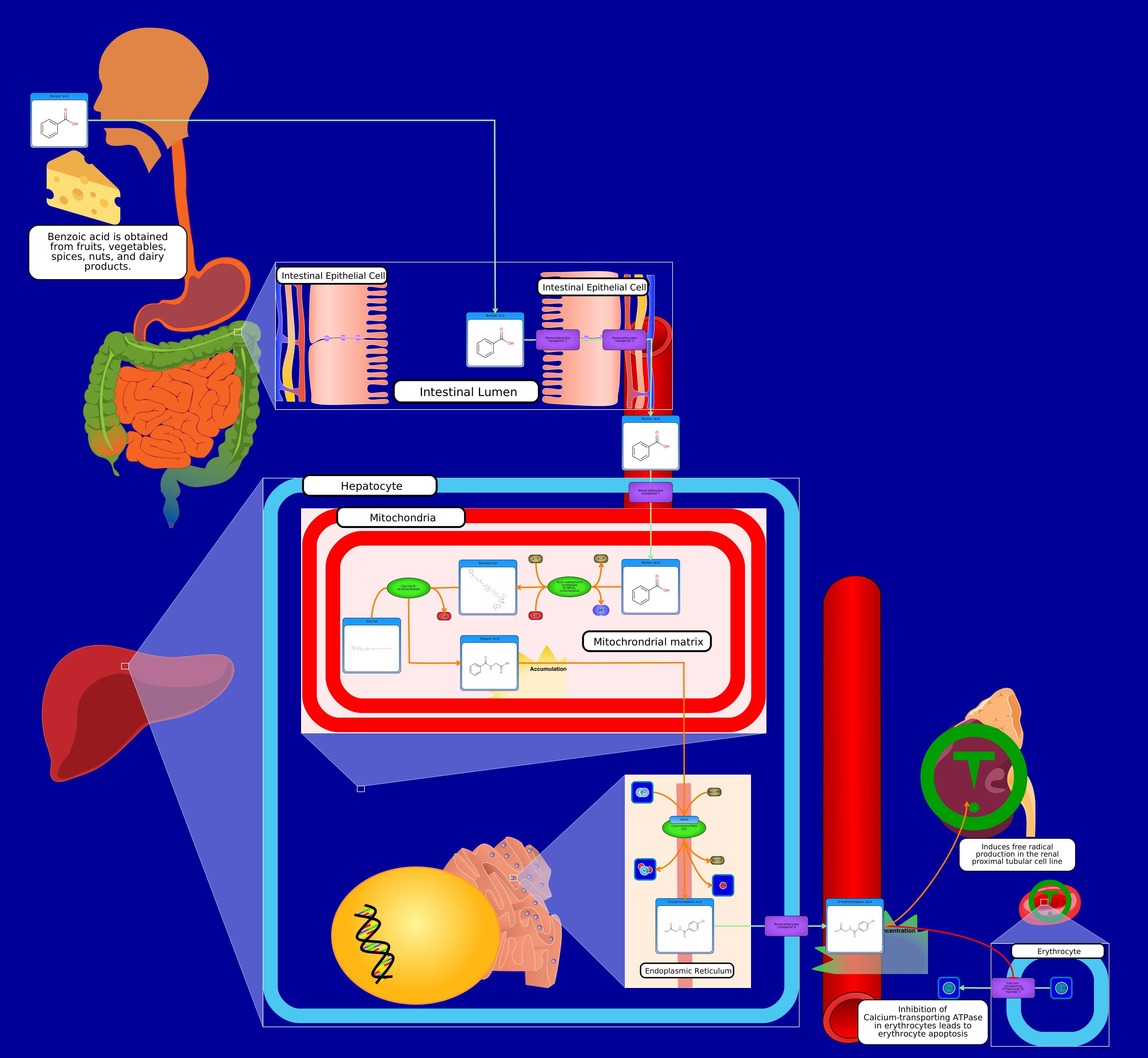 View Pathway
|
Metabolism and Physiological Effects of 4-Hydroxyhippuric AcidHomo sapiens
4-Hydroxyhippuric, also known as 4-hydroxybenzoylglycine or 4-hydroxyhippate acid, is a metabolite of hippuric acid, and a uremic toxin.
Benzoic acid is present in many fruits, such as apricots, prunes, and berries; many vegetables such as mushrooms (fungus), snap peas, cucumbers, and radishes; spices such as cinnamon, cloves, and allspice; nuts such as cashews, almonds, pistachios; and dairy products such as yogurt, milk, and cheese. Benzoic acid can also be synthesized by gut microbes through phenylalanine, however the exact mechanisms of synthesis in microbes is not well studied. Benzoic acid is transported out of the intestine via a monocarboxylate transporter into the blood. Then it is transported into the liver via another monocarboxylate transporter. In the mitochondira of the liver benzoic acid is catalyzed by the enzyme acyl-coenzyme A synthetase ACSM2A, mitochondrial, with ATP and coenzyme A into the metabolite Benzoyl-CoA. Benzoyl-CoA is then catalyzed by the enzyme glycine N-acyltransferase and a glycine, which produces hippuric acid. Hippuric acid leaves the mitochondria and is metabolized in the membrane of the endoplasmic reticulum by the enzyme cytochrome P450 1A2 to produce 4-Hydroxyhippuric. 4-Hydroxyhippuric is transported into the blood by a monocarboxylate transporter.
4-Hydroxyhippuric inhibits the Ca2+-ATPase on the plasma membrane of erythrocytes. This leads to apoptosis of the erythrocytes. It also induces free radical production in the renal proximal tubular cell line.
|
Creator: Ray Kruger Created On: September 06, 2022 at 10:31 Last Updated: September 06, 2022 at 10:31 |
PW128490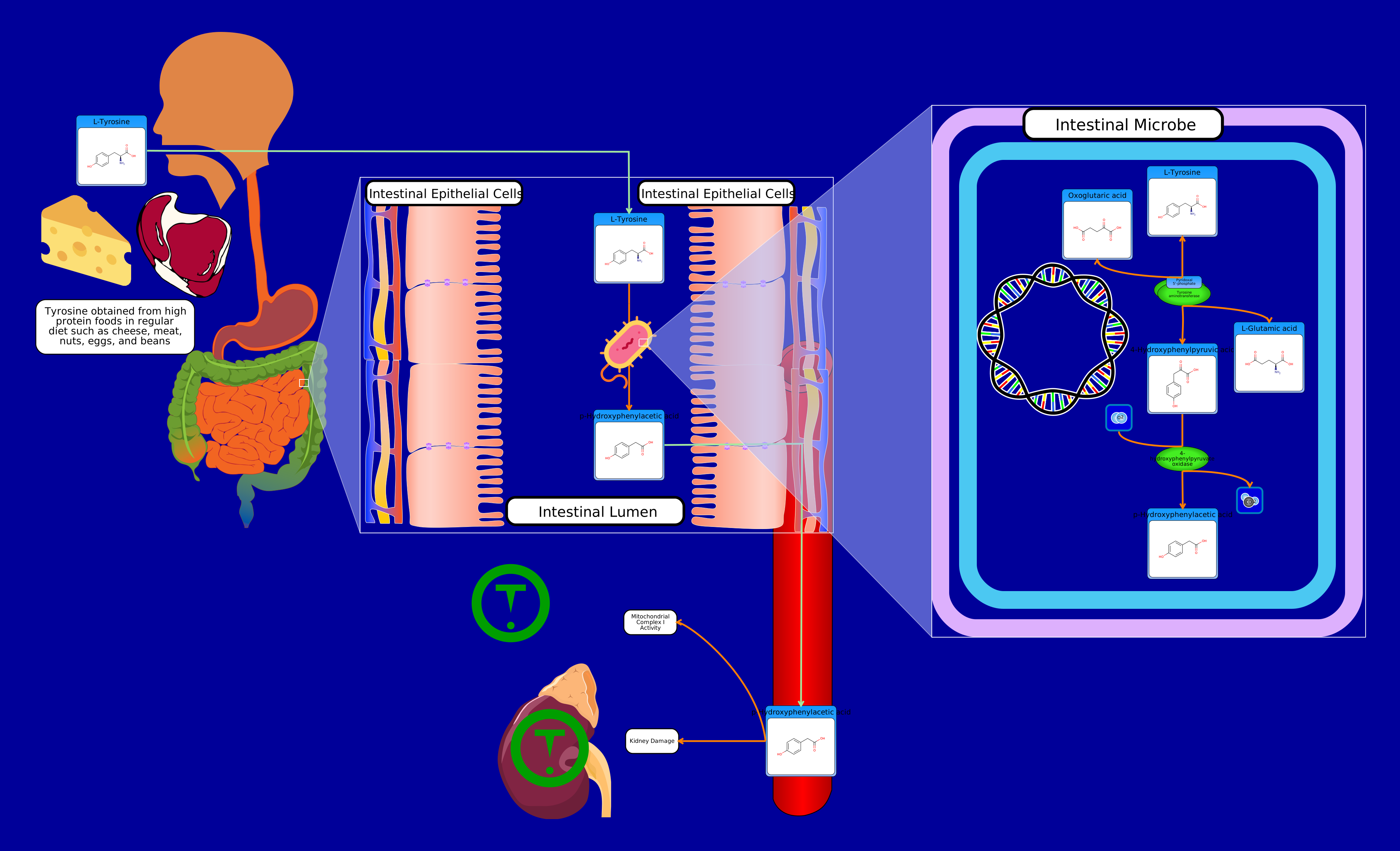 View Pathway
|
Metabolism and Physiological Effects of 4-Hydroxyphenylacetic acidHomo sapiens
p-Hydroxyphenylacetic acid, also known as 4-hydroxybenzeneacetate, is classified as a member of the 1-hydroxy-2-unsubstituted benzenoids. 1-Hydroxy-2-unsubstituted benzenoids are phenols that are unsubstituted at the 2-position. p-Hydroxyphenylacetic acid is considered to be slightly soluble (in water) and acidic. p-Hydroxyphenylacetic acid can be synthesized from acetic acid. It is also a parent compound for other transformation products, including but not limited to, methyl 2-(4-hydroxyphenyl)acetate, ixerochinolide, and lactucopicrin 15-oxalate. p-Hydroxyphenylacetic acid can be found in numerous foods such as olives, cocoa beans, oats, and mushrooms. p-Hydroxyphenylacetic acid can be found throughout all human tissues and in all biofluids. Within a cell, p-hydroxyphenylacetic acid is primarily located in the cytoplasm and in the extracellular space. p-Hydroxyphenylacetic acid is also a microbial metabolite produced by Acinetobacter, Clostridium, Klebsiella, Pseudomonas, and Proteus. Higher levels of this metabolite are associated with an overgrowth of small intestinal bacteria from Clostridia species including C. difficile, C. stricklandii, C. lituseburense, C. subterminale, C. putrefaciens, and C. propionicum. l-tyrosine, derived from diet and endogenous proteins and peptides, can be converted to phenol and 4-hydroxyphenylpyruvate. Tyrosine phenol-lyase (EC 4.1.99.2.), previously named β–tyrosinase, is responsible for the reversible deamination of l-tyrosine, requiring pyridoxyl phosphate as a cofactor, into phenol ammonia and pyruvate. This reaction is also reversible by the same enzyme using l-serine and phenol as substrates. In addition, the reversible reaction of l-tyrosine with 2-oxoglutarate in 4-hydroxyphenylpyruvate and L-glutamate is catalysed by tyrosine transaminase (EC 2.6.1.5.) or by aromatic-amino-acid transaminase (EC 2.6.1.57.). To a small extent, 4-hydroxyphenylpyruvate and ammonia can also be formed by the enzyme phenylalanine dehydrogenase (EC 1.4.1.20.) from l-tyrosine. -Hydroxyphenylpyruvate is the precursor of 4-hydroxyphenylacetate, catalysed by p-hydroxyphenylpyruvate oxidase (EC 1.2.3.13.).
|
Creator: Hayley Created On: August 31, 2023 at 10:51 Last Updated: August 31, 2023 at 10:51 |
PW129315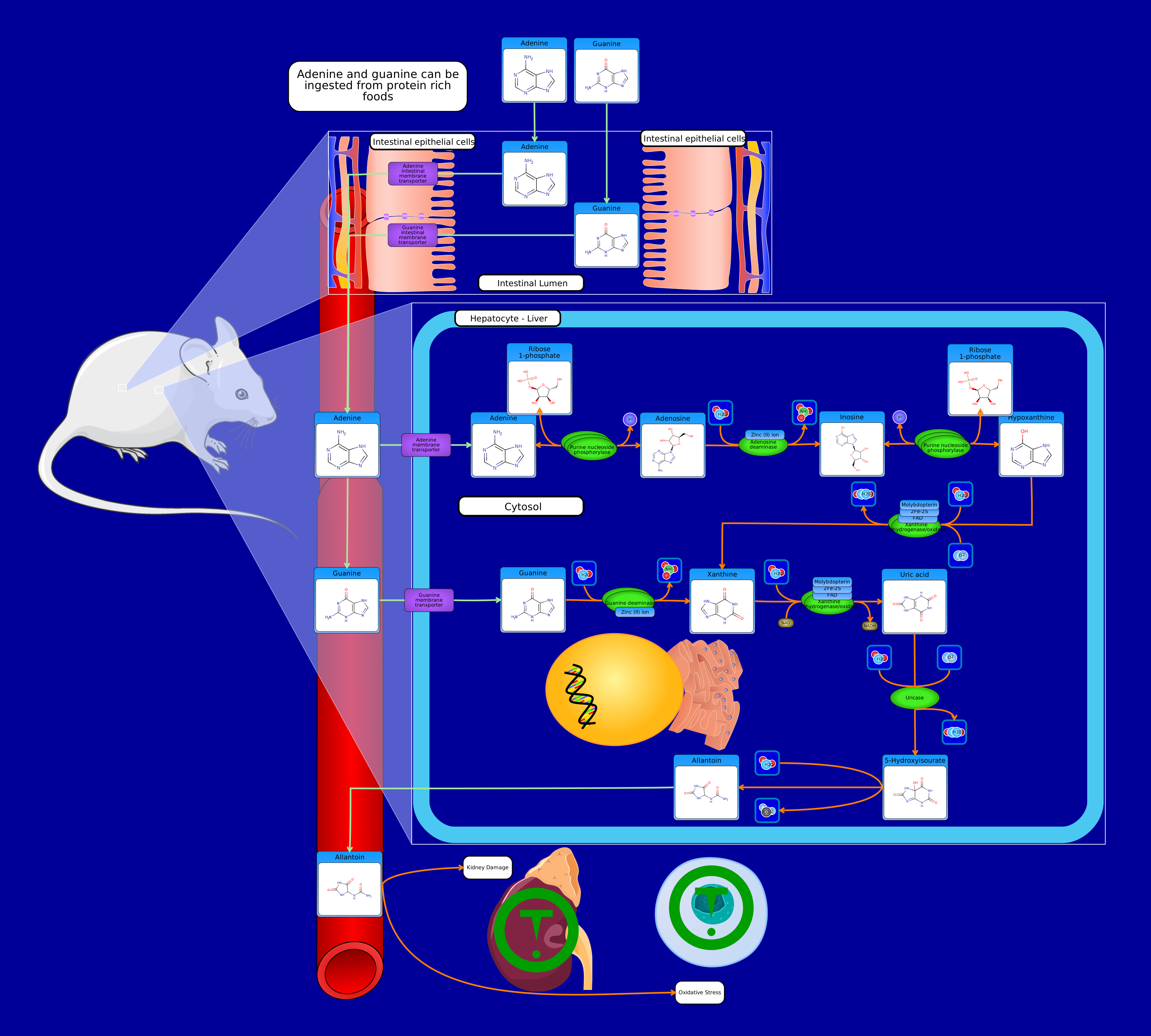 View Pathway
|
Metabolism and Physiological Effects of AllantoinMus musculus
Uric acid is formed from purine catabolism. Purines can be made endogenously in the body or can be obtained exogenously from foods such as red meat. The purines are guanine and adenine. These undergo metabolism in the liver to form uric acid.
Adenine forms adenosine through the enzyme purine nucleoside phosphorylase. Adenosine then reacts with water to form inosine and ammonia using the enzyme adenosine deaminase. Inosine goes on to form hypoxanthine through the enzyme purine nucleoside phosphorylase. Xanthine is formed from hypoxanthine using the enzyme xanthine dehydrogenase/ oxidase. Xanthine can also be formed from the purine guanine via guanine deaminase. Uric acid is produced from xanthine in the presence of xanthine dehydrogenase/ oxidase. Uric acid is the final oxidation product of purine (adenine and guanine) metabolism in humans and higher primates, and is removed from renal and gastrointestinal routes. In lower animals such as rats and mice, the enzyme uricase (urate oxidase) further oxidizes uric acid to allantoin for more efficient removal from the urine. Humans and higher primates lack a functional uricase gene. The enzyme urate oxidase (UO), uricase or factor-independent urate hydroxylase, absent in humans, catalyzes the oxidation of uric acid to 5-hydroxyisourate. Urate oxidase is the first enzyme in a pathway of three enzymes to convert uric acid to S-(+)-allantoin. After uric acid is converted to 5-hydroxyisourate by urate oxidase, 5-hydroxyisourate (HIU) is converted to 2-oxo-4-hydroxy-4-carboxy-5-ureidoimidazoline (OHCU) by HIU hydrolase, and then to S-(+)-allantoin by 2-oxo-4-hydroxy-4-carboxy-5-ureidoimidazoline decarboxylase (OHCU decarboxylase). Without HIU hydrolase and OHCU decarboxylase, HIU will spontaneously decompose into racemic allantoin. Urate oxidase is found in nearly all organisms, from bacteria to mammals, but is inactive in humans and several other great apes, having been lost in primate evolution.
|
Creator: Hayley Created On: September 14, 2023 at 13:13 Last Updated: September 14, 2023 at 13:13 |
PW129316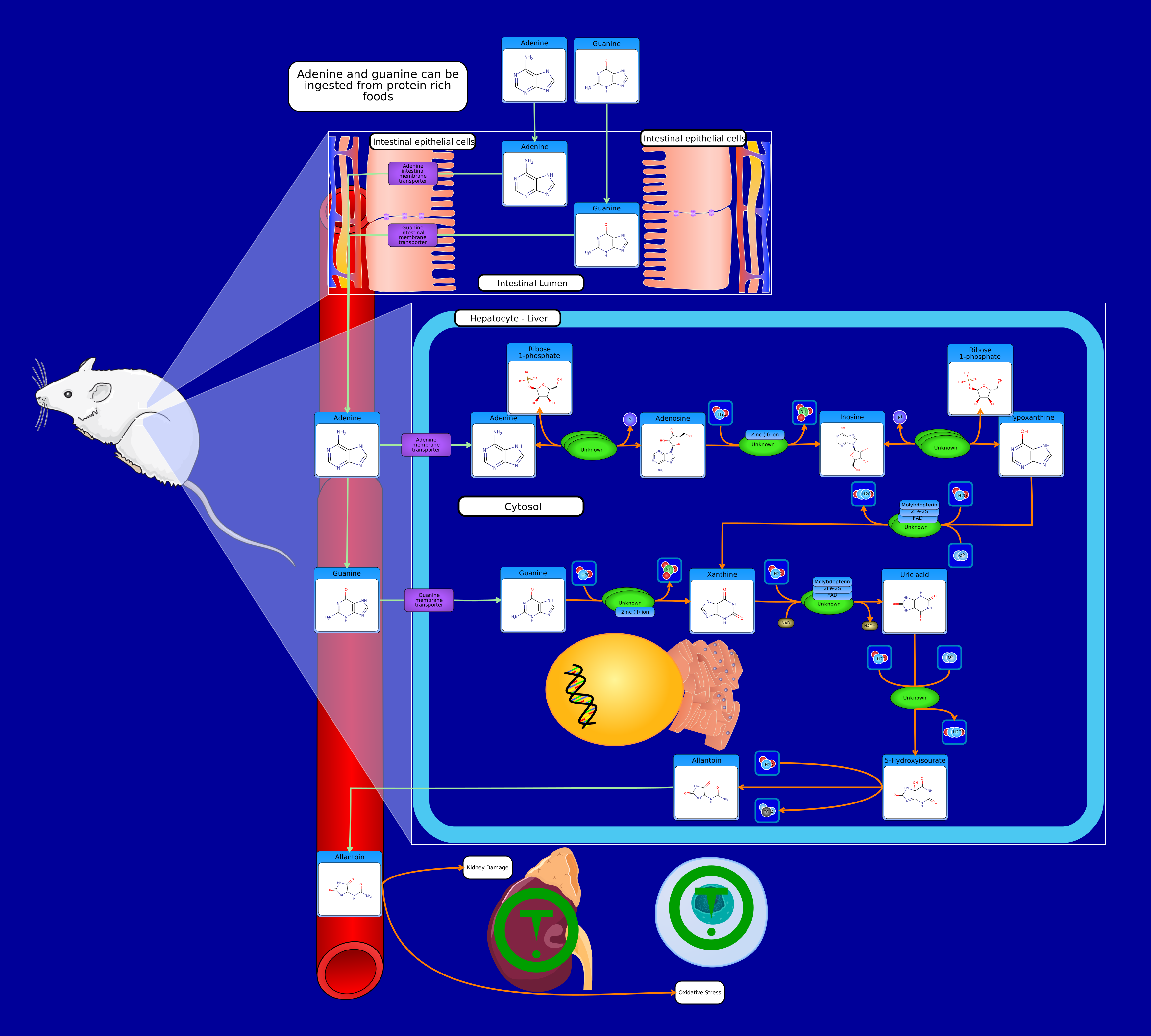 View Pathway
|
Metabolism and Physiological Effects of AllantoinRattus norvegicus
Uric acid is formed from purine catabolism. Purines can be made endogenously in the body or can be obtained exogenously from foods such as red meat. The purines are guanine and adenine. These undergo metabolism in the liver to form uric acid.
Adenine forms adenosine through the enzyme purine nucleoside phosphorylase. Adenosine then reacts with water to form inosine and ammonia using the enzyme adenosine deaminase. Inosine goes on to form hypoxanthine through the enzyme purine nucleoside phosphorylase. Xanthine is formed from hypoxanthine using the enzyme xanthine dehydrogenase/ oxidase. Xanthine can also be formed from the purine guanine via guanine deaminase. Uric acid is produced from xanthine in the presence of xanthine dehydrogenase/ oxidase. Uric acid is the final oxidation product of purine (adenine and guanine) metabolism in humans and higher primates, and is removed from renal and gastrointestinal routes. In lower animals such as rats and mice, the enzyme uricase (urate oxidase) further oxidizes uric acid to allantoin for more efficient removal from the urine. Humans and higher primates lack a functional uricase gene. The enzyme urate oxidase (UO), uricase or factor-independent urate hydroxylase, absent in humans, catalyzes the oxidation of uric acid to 5-hydroxyisourate. Urate oxidase is the first enzyme in a pathway of three enzymes to convert uric acid to S-(+)-allantoin. After uric acid is converted to 5-hydroxyisourate by urate oxidase, 5-hydroxyisourate (HIU) is converted to 2-oxo-4-hydroxy-4-carboxy-5-ureidoimidazoline (OHCU) by HIU hydrolase, and then to S-(+)-allantoin by 2-oxo-4-hydroxy-4-carboxy-5-ureidoimidazoline decarboxylase (OHCU decarboxylase). Without HIU hydrolase and OHCU decarboxylase, HIU will spontaneously decompose into racemic allantoin. Urate oxidase is found in nearly all organisms, from bacteria to mammals, but is inactive in humans and several other great apes, having been lost in primate evolution.
|
Creator: Hayley Created On: September 14, 2023 at 14:50 Last Updated: September 14, 2023 at 14:50 |
PW129317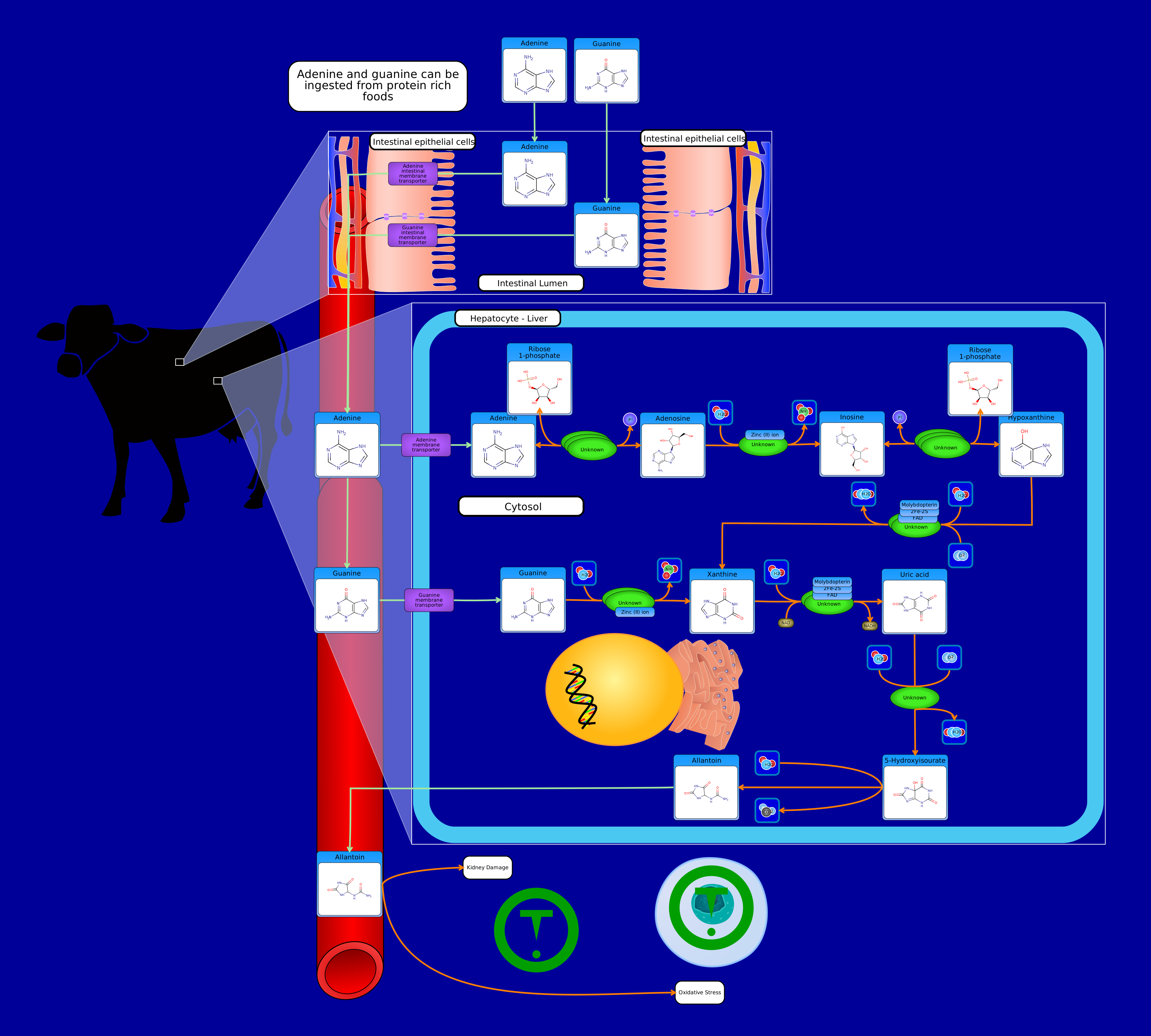 View Pathway
|
Metabolism and Physiological Effects of AllantoinBos taurus
Uric acid is formed from purine catabolism. Purines can be made endogenously in the body or can be obtained exogenously from foods such as red meat. The purines are guanine and adenine. These undergo metabolism in the liver to form uric acid.
Adenine forms adenosine through the enzyme purine nucleoside phosphorylase. Adenosine then reacts with water to form inosine and ammonia using the enzyme adenosine deaminase. Inosine goes on to form hypoxanthine through the enzyme purine nucleoside phosphorylase. Xanthine is formed from hypoxanthine using the enzyme xanthine dehydrogenase/ oxidase. Xanthine can also be formed from the purine guanine via guanine deaminase. Uric acid is produced from xanthine in the presence of xanthine dehydrogenase/ oxidase. Uric acid is the final oxidation product of purine (adenine and guanine) metabolism in humans and higher primates, and is removed from renal and gastrointestinal routes. In lower animals such as rats and mice, the enzyme uricase (urate oxidase) further oxidizes uric acid to allantoin for more efficient removal from the urine. Humans and higher primates lack a functional uricase gene. The enzyme urate oxidase (UO), uricase or factor-independent urate hydroxylase, absent in humans, catalyzes the oxidation of uric acid to 5-hydroxyisourate. Urate oxidase is the first enzyme in a pathway of three enzymes to convert uric acid to S-(+)-allantoin. After uric acid is converted to 5-hydroxyisourate by urate oxidase, 5-hydroxyisourate (HIU) is converted to 2-oxo-4-hydroxy-4-carboxy-5-ureidoimidazoline (OHCU) by HIU hydrolase, and then to S-(+)-allantoin by 2-oxo-4-hydroxy-4-carboxy-5-ureidoimidazoline decarboxylase (OHCU decarboxylase). Without HIU hydrolase and OHCU decarboxylase, HIU will spontaneously decompose into racemic allantoin. Urate oxidase is found in nearly all organisms, from bacteria to mammals, but is inactive in humans and several other great apes, having been lost in primate evolution.
|
Creator: Hayley Created On: September 14, 2023 at 14:50 Last Updated: September 14, 2023 at 14:50 |
PW128631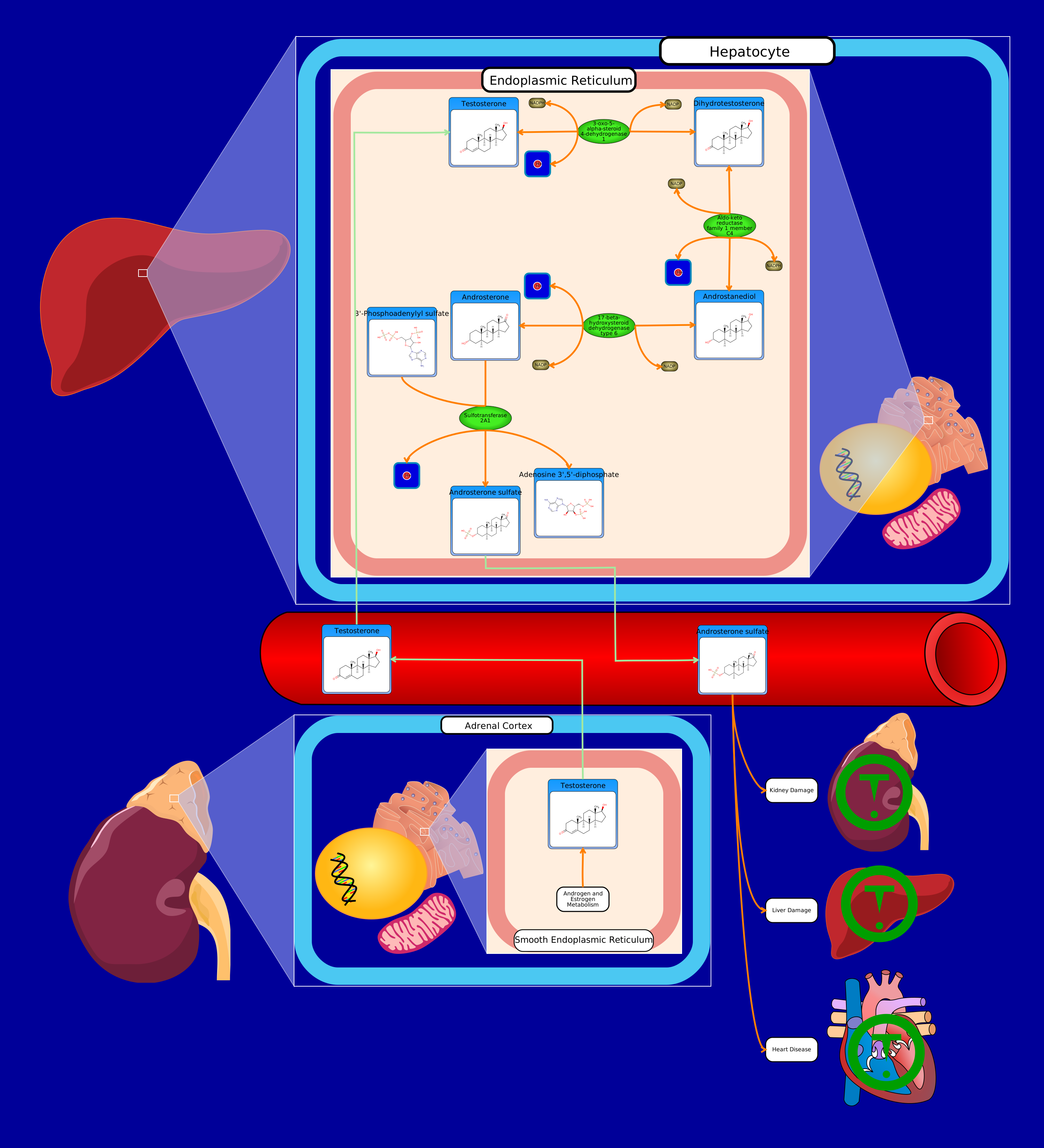 View Pathway
|
Metabolism and Physiological Effects of Androsterone sulfateHomo sapiens
Androsterone sulfate (Andros-S) is the most abundant 5-alpha-reduced androgen metabolite in serum. Androsterone sulfate is clinically recognized as one of the major androgen metabolites found in urine. It is a cognate substrate for human dehydroepiandrosterone sulfotransferase, which catalyzes the transfer of the sulfonate group from 3'-phosphoadenosine-5'-phosphosulfate to dehydroepiandrosterone (DHEA). Androsterone sulfate has been identified in the human placenta. Testosterone is the primary male sex hormone and anabolic steroid in males. Like other steroid hormones, testosterone is derived from cholesterol. The largest amounts of testosterone (>95%) are produced by the testes in men, while the adrenal glands account for most of the remainder. Both testosterone and 5α-DHT are metabolized mainly in the liver. Approximately 50% of testosterone is metabolized via conjugation into testosterone glucuronide and to a lesser extent testosterone sulfate by glucuronosyltransferases and sulfotransferases, respectively. In the hepatic 17-ketosteroid pathway of testosterone metabolism, testosterone is converted in the liver by 5α-reductase and 5β-reductase into 5α-DHT and the inactive 5β-DHT, respectively. Then, 5α-DHT and 5β-DHT are converted by 3α-HSD into 3α-androstanediol and 3α-etiocholanediol, respectively. Subsequently, 3α-androstanediol and 3α-etiocholanediol are converted by 17β-HSD into androsterone and etiocholanolone, which is followed by their conjugation and excretion. Androsterone has generally been considered to be an inactive metabolite of testosterone, which when conjugated by glucuronidation and sulfation allows testosterone to be removed from the body. Androsterone is sulfated into androsterone sulfate. Androsterone sulfate, also known as 3α-hydroxy-5α-androstan-17-one 3α-sulfate, is an endogenous, naturally occurring steroid and one of the major urinary metabolites of androgens. It is a steroid sulfate which is formed from sulfation of androsterone by the steroid sulfotransferase SULT2A1 and can be desulfated back into androsterone by steroid sulfatase.
|
Creator: Hayley Created On: September 07, 2023 at 09:42 Last Updated: September 07, 2023 at 09:42 |