
| PathWhiz ID | Pathway | Meta Data |
|---|---|---|
PW124589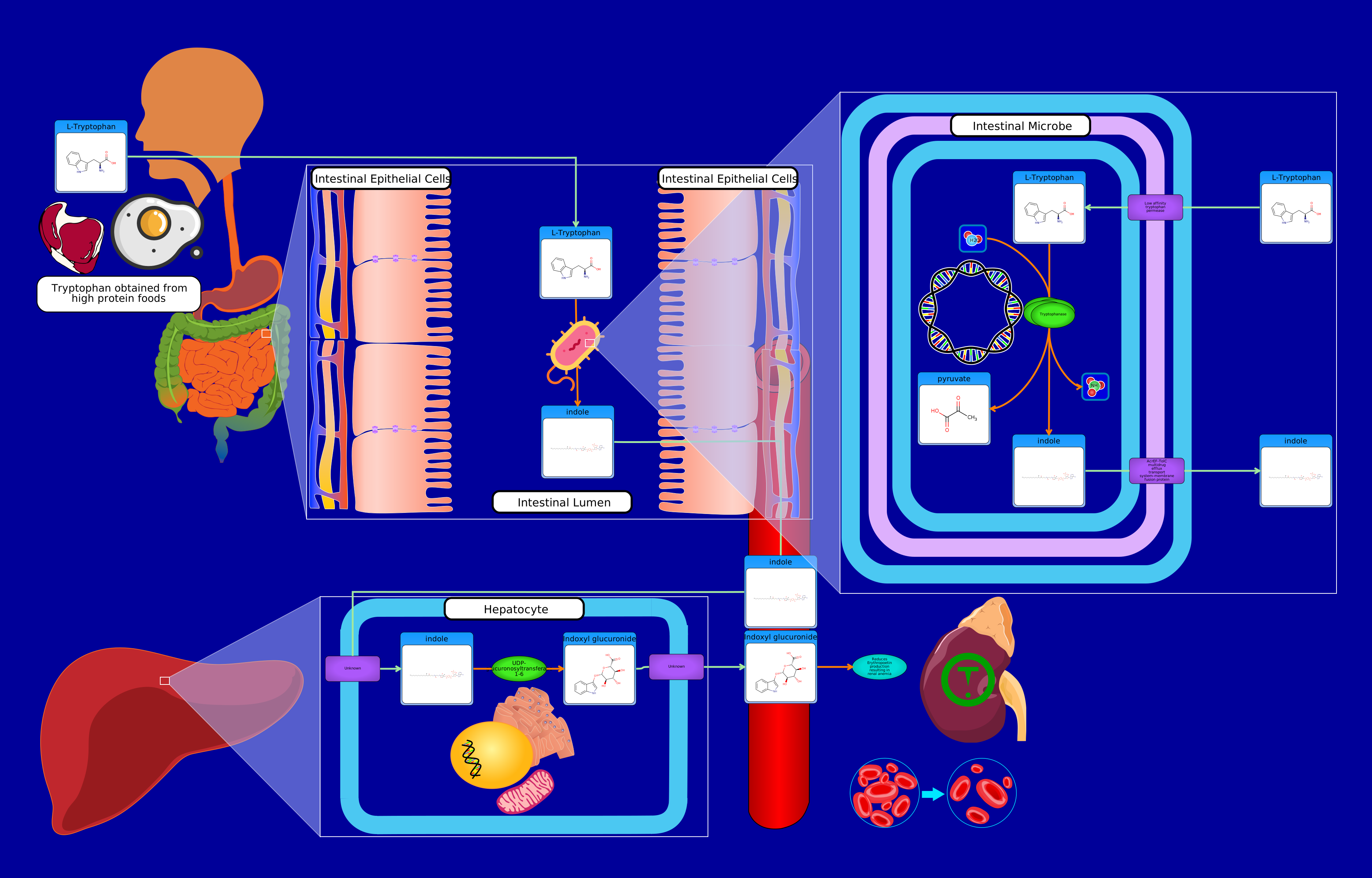 View Pathway
|
Metabolism and Physiological Effects of Indoxyl glucuronideHomo sapiens
Indoxyl glucuronide is an indole compound that is formed through gut microbial metabolism from dietary tryptophan and a glucuronidation reaction in liver hepatic cells. After being transported into gut microbes, tryptophan undergoes a reaction with the enzyme tryptophanase to form indole. Indole that is produced from the gut microbes then enters systemic circulation. Ultimately it undergoes a reaction in a liver hepatocyte through a glucuronosyltransferase enzyme to form Indoxyl glucuronide. When this compound returns back into systemic circulation it is shown to be a major uremic toxin through high levels of retention. Indoxyl glucuronide is shown to cause a reduction in Erythropoetin production which ultimately results in renal anemia.
|
Creator: Rahil Doshi Created On: March 18, 2021 at 18:03 Last Updated: March 18, 2021 at 18:03 |
PW124587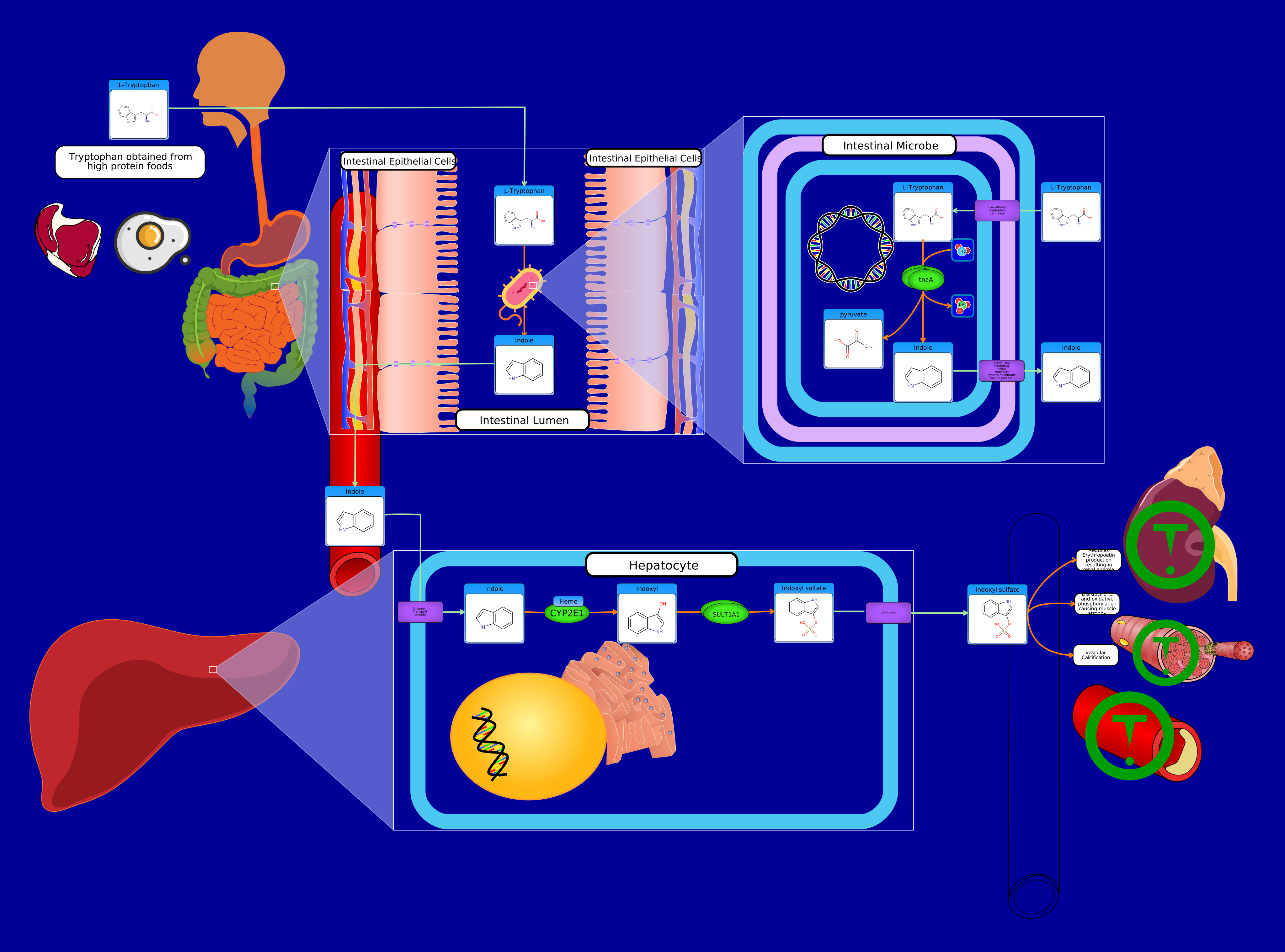 View Pathway
|
Metabolism and Physiological Effects of Indoxyl SulfateHomo sapiens
Indoxyl sulfate is an indole compound that is formed through gut microbial metabolism from dietary tryptophan and a sulfation reaction in liver hepatic cells. After being transported into gut microbes, tryptophan undergoes a reaction with the enzyme tryptophanase to form indole. Indole that is produced from the gut microbes then enters systemic circulation. Ultimately this compound undergoes a sulfation reaction in a liver hepatocyte through a sulfotransferase enzyme to form Indoxyl sulfate. When this compound returns back into systemic circulation it is shown to be a major uremic toxin through high levels of retention. Indoxyl sulfate, like indoxyl glucuronide, is shown to cause a reduction in Erythropoetin production which ultimately results in renal anemia. It is also shown to cause vascular calcification and disrupt the electron transport chain and oxidative phosphorylation causing muscle atrophy
|
Creator: Rahil Doshi Created On: March 18, 2021 at 01:50 Last Updated: March 18, 2021 at 01:50 |
PW128352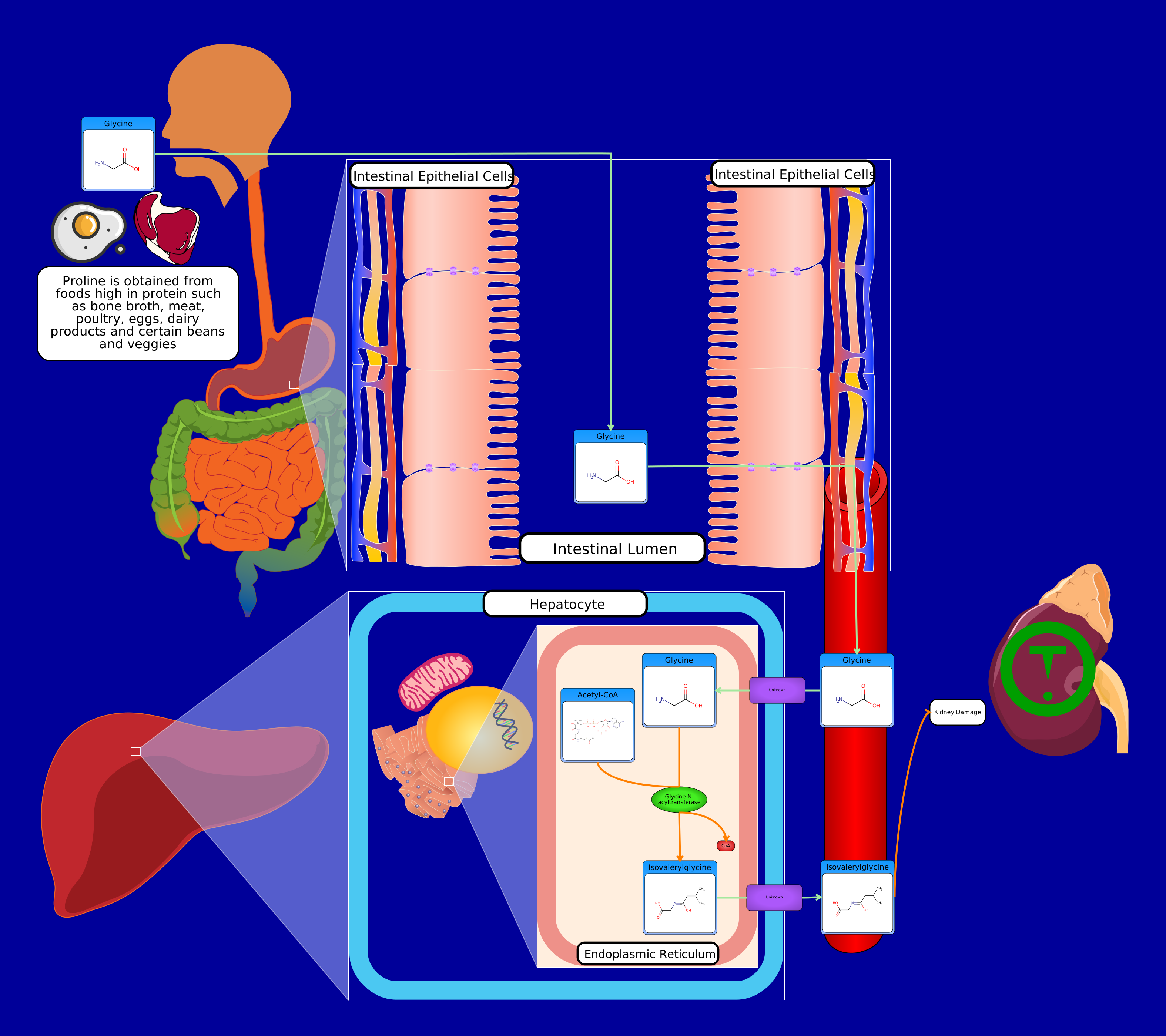 View Pathway
|
Metabolism and Physiological Effects of IsovalerylglycineHomo sapiens
Isovalerylglycine (IVG) is an acyl glycine. Acyl glycines are normally minor metabolites of fatty acids. However, the excretion of certain acyl glycines is increased in several inborn errors of metabolism. In certain cases the measurement of these metabolites in body fluids can be used to diagnose disorders associated with mitochondrial fatty acid beta-oxidation. Acyl glycines are produced through the action of glycine N-acyltransferase (EC 2.3.1.13) which is an enzyme that catalyzes the chemical reaction: acyl-CoA + glycine < -- > CoA + N-acylglycine. Isovalerylglycine is a byproduct of the catabolism of the aminoacid leucine. Accumulation of isovalerylglycine occurs in Isovaleric Acidemia (IVA). IVA (OMIM/ McKusick 243500) is an autosomal recessive disorder caused by mutations in the isovaleryl-CoA dehydrogenase (EC 1.3.99.10) gene. The deficiency of this enzyme in the metabolism of leucine leads to the accumulation of a series of isovaleryl-CoA metabolites, such as isovalerylglycine. It is very important to caution for false positive results when screening for isovaleric acidemia by tandem mass spectrometry based on dried blood-spot levels of C5-acylcarnitines, including isovalerylcarnitine and its isomer, pivaloylcarnitine; pivaloylcarnitine is derived from pivalate-generating antibiotics, and has caused many false-positive results. Isovalerylglycine is a biomarker for the consumption of cheese.
|
Creator: Hayley Created On: August 23, 2023 at 14:32 Last Updated: August 23, 2023 at 14:32 |
PW124674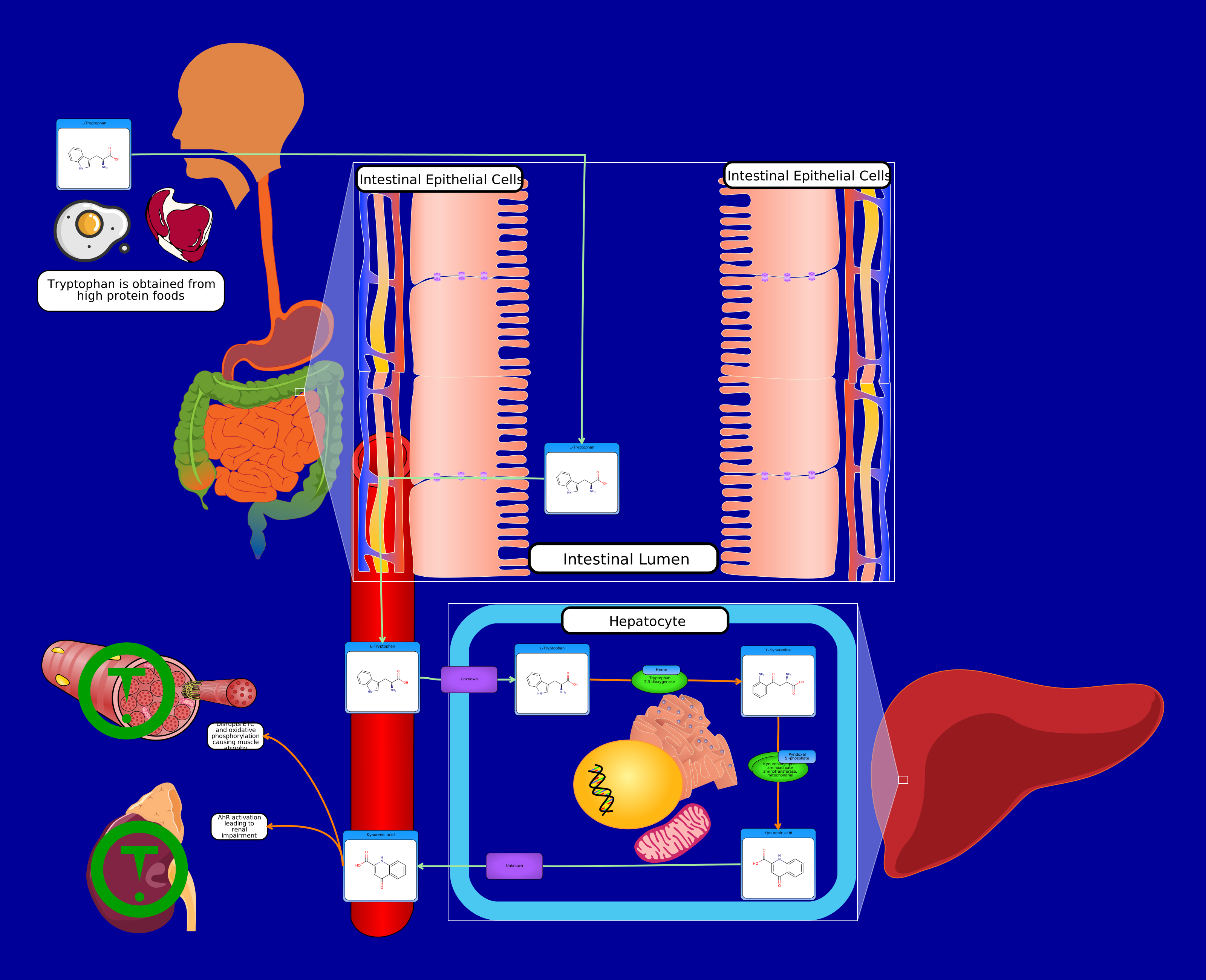 View Pathway
|
Metabolism and Physiological Effects of Kynurenic AcidHomo sapiens
Kynurenic acid is an indole uremic toxin compound that is formed through metabolism from dietary tryptophan in liver hepatic cells. After being transported into a hepatocyte from portal circulation tryptophan undergoes a reaction with the enzyme tryptophan-2,3-dioxygenase to initially form kynurenine and then with a kynurenine aminotransferase enzyme to ultimately form kynurenic acid. When this compound enters into systemic circulation it is shown to be a major uremic toxin through high levels of retention. Kynurenic acid is shown to activate aryl hydrocarbon receptors that can lead to renal impairment, and it also disrupts the electron transport chain and oxidative phosphorylation causing muscle atrophy.
|
Creator: Rahil Doshi Created On: April 12, 2021 at 17:45 Last Updated: April 12, 2021 at 17:45 |
PW127083 View Pathway
|
disease
Metabolism and Physiological Effects of KynurenineHomo sapiens
Kynurenine is a uremic toxin that is produced when a person has uremia or renal failure. Kynurenine is naturally synthesized in the body from tryptophan. Tryptophan is consumed through foods such as milk, eggs, chicken, turkey, and oats. Tryptophan is then transported from the small intestine into the blood by an amino acid transport. In the blood it travels to the liver and is transported into a hepatocyte by an amino acid transporter.
The kynurenine pathway becomes dysregulated, potentially through over-stimulation by interferon gamma (IFNG). This hyperstimulation leads to large reductions in tryptophan levels as the indole dioxygenase (IDO) enzyme becomes more active. IDO activation results in the generation (from tryptophan) of large amounts of kynurenine (and its other metabolites) through a self-stimulating autocrine process. Kynurenine binds to the arylhydrocarbon receptor (AhR) found in most immune cells [5-7]. In addition to increased kynurenine production via IDO mediated synthesis, hyopalbuminemia can also lead to the release of bound kynurenine (and other immunosuppressive LysoPCs) into the bloodstream to fuel this kynurenine-mediated process. Regardless of the source of kynurenine, the kynurenine-bound AhR will migrate to the nucleus to bind to NF-kB which leads to more production of the IDO enzyme, which leads to more production of kynureneine and more loss of tryptophan. Kynurenine then enters the blood via a liver organic anion transporter such as solute carrier family 22 member 9. Kynurenine is shown to activate aryl hydrocarbon receptors that can lead to renal impairment, apoptosis, and kynurenine has also been found to disrupt the electron transport chain and oxidative phosphorylation causing muscle atrophy.
|
Creator: Ray Kruger Created On: August 26, 2022 at 11:05 Last Updated: August 26, 2022 at 11:05 |
PW128406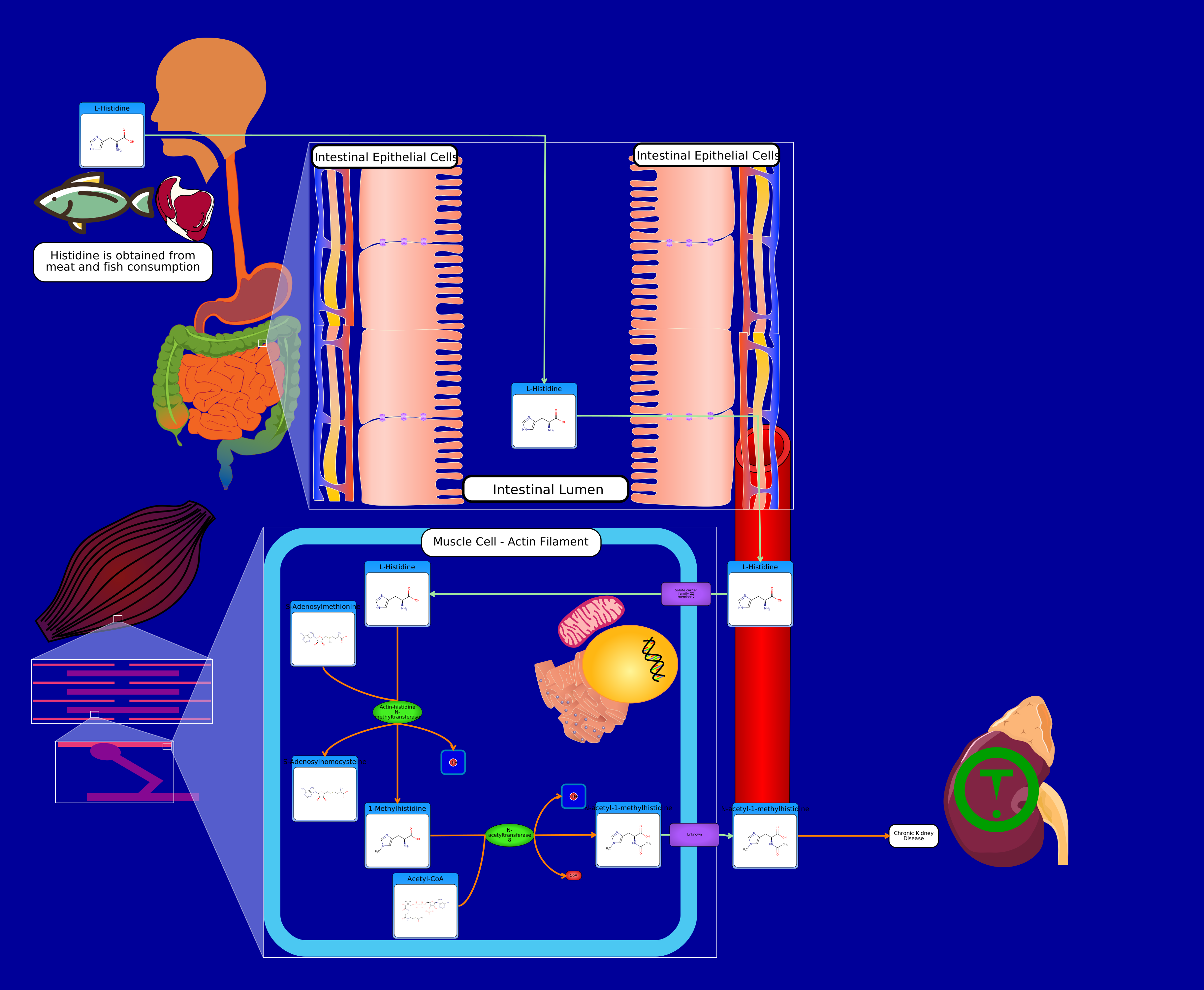 View Pathway
|
Metabolism and Physiological Effects of N-Acetyl-1-MethylhistidineHomo sapiens
N-Acetyl-1-methylhistidine belongs to the class of organic compounds known as histidine and derivatives. Histidine and derivatives are compounds containing histidine or a derivative thereof resulting from a reaction of histidine at the amino group or the carboxy group, or from the replacement of any hydrogen of glycine by a heteroatom. N-Acetyl-1-methylhistidine is an acetylated derivative of 1-methylhistidine and a very strong basic compound (based on its pKa). It has been found to be associated with chronic kidney disease: the higher the N-acetyl-1-methylhistidine levels, the lower the estimated glomerular filtration rate. This could make N-acetyl-1-methylhistidine a biomarker for chronic kidney disease. Higher circulating levels of five of these N-acetylated amino acids, namely, N-δ-acetylornithine, N-acetyl-1-methylhistidine, N-acetyl-3-methylhistidine, N-acetylhistidine, and N2,N5-diacetylornithine, were associated with kidney failure. The NAT8 gene has been associated with 14 N-acetylated amino acids, including N-Acetyl-3-methylhistidine.
|
Creator: Hayley Created On: August 28, 2023 at 10:57 Last Updated: August 28, 2023 at 10:57 |
PW128399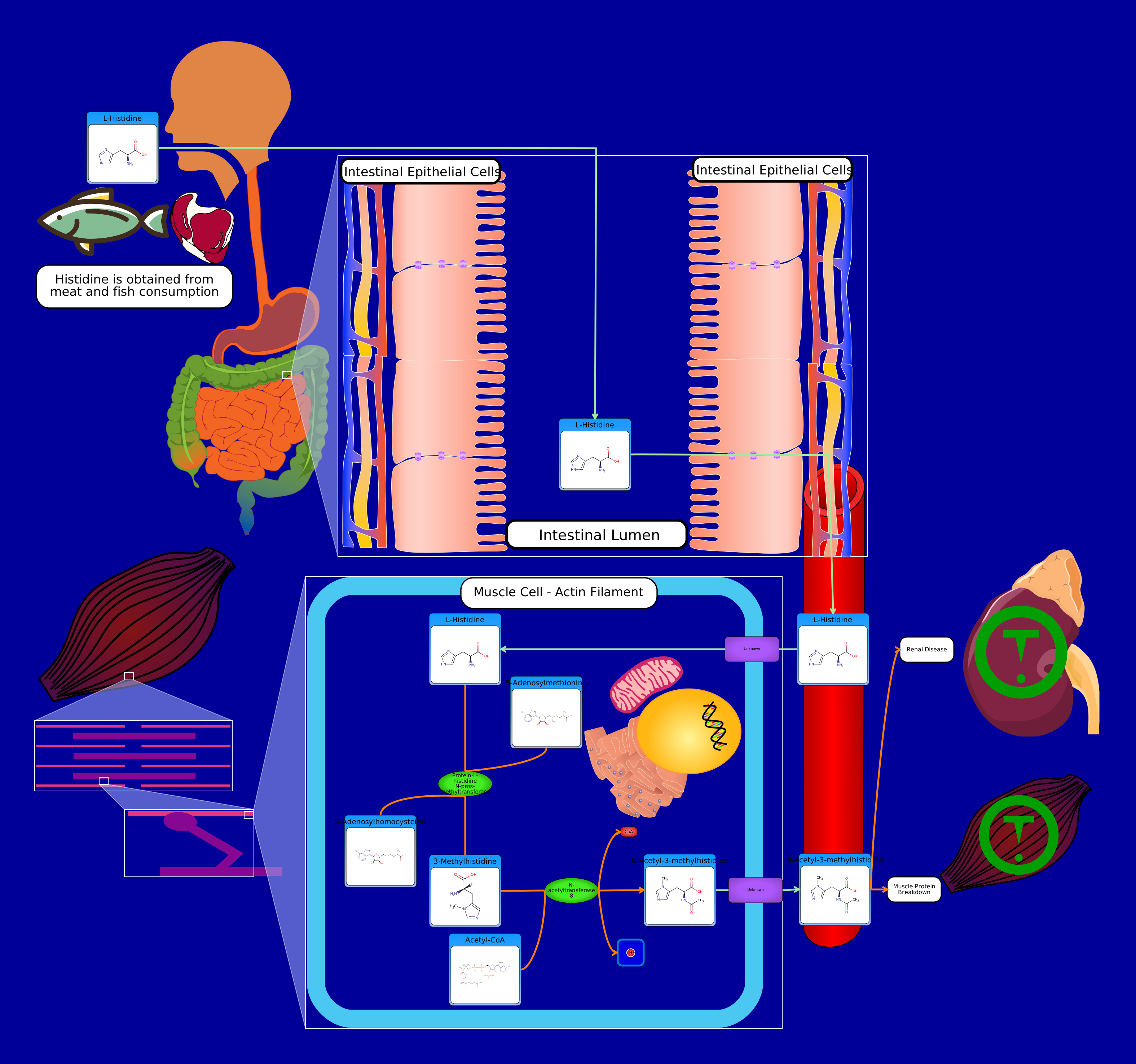 View Pathway
|
Metabolism and Physiological Effects of N-Acetyl-3-MethylhistidineHomo sapiens
N-Acetyl-3-methylhistidine, an N-acetyl-L-amino acid, belongs to the class of organic compounds known as histidine and derivatives. Histidine and derivatives are compounds containing histidine or a derivative thereof resulting from a reaction of histidine at the amino group or the carboxy group, or from the replacement of any hydrogen of glycine by a heteroatom. N-Acetyl-3-methylhistidine is an acetylated derivative of 3-methylhistidine and a very strong basic compound (based on its pKa). N-Acetyl-3-methylhistidine has been found to be associated with prostate cancer. Higher circulating levels of five of these N-acetylated amino acids, namely, N-δ-acetylornithine, N-acetyl-1-methylhistidine, N-acetyl-3-methylhistidine, N-acetylhistidine, and N2,N5-diacetylornithine, were associated with kidney failure. The NAT8 gene has been associated with 14 N-acetylated amino acids, including N-Acetyl-3-methylhistidine.
|
Creator: Hayley Created On: August 28, 2023 at 10:05 Last Updated: August 28, 2023 at 10:05 |
PW128154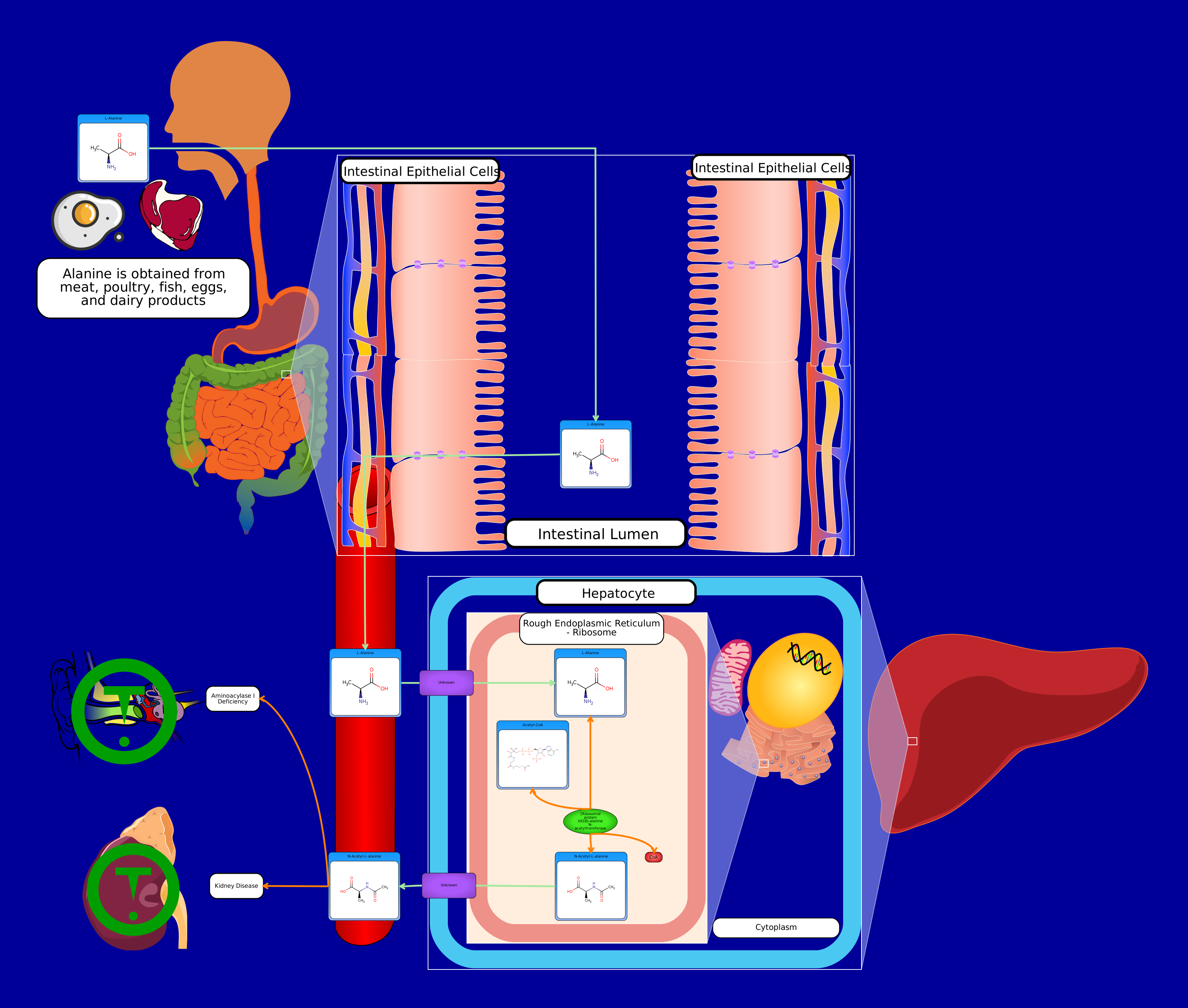 View Pathway
|
Metabolism and Physiological Effects of N-Acetyl-L-AlanineHomo sapiens
N-Acetyl-L-alanine or N-Acetylalanine, belongs to the class of organic compounds known as N-acyl-alpha amino acids. N-acyl-alpha amino acids are compounds containing an alpha amino acid which bears an acyl group at its terminal nitrogen atom. N-Acetyl-L-alanine can also be classified as an alpha amino acid or a derivatized alpha amino acid. Technically, N-alpha-Acetyl-L-alanine is a biologically available N-terminal capped form of the proteinogenic alpha amino acid L-alanine. N-acetyl amino acids can be produced either via direct synthesis of specific N-acetyltransferases or via the proteolytic degradation of N-acetylated proteins by specific hydrolases. N-terminal acetylation of proteins is a widespread and highly conserved process in eukaryotes that is involved in protection and stability of proteins. N-Acetyl-L-alanine is a product of the enzyme known as ribosomal alanine N-acetyltransferase (EC 2.3.1.128) which catalyzes the transfer of the acetyl group of acetyl CoA to proteins bearing an N-terminal alanine. Excessive amounts N-acetyl amino acids can be detected in the urine with individuals with aminoacylase I deficiency, a genetic disorder. Individuals with aminoacylase I deficiency will experience convulsions, hearing loss and difficulty feeding. Many N-acetylamino acids, including N-acetylalanine, are classified as uremic toxins. Uremic toxins are a diverse group of endogenously produced molecules that, if not properly cleared or eliminated by the kidneys, can cause kidney damage, cardiovascular disease and neurological deficits.
|
Creator: Hayley Created On: July 26, 2023 at 09:51 Last Updated: July 26, 2023 at 09:51 |
PW128315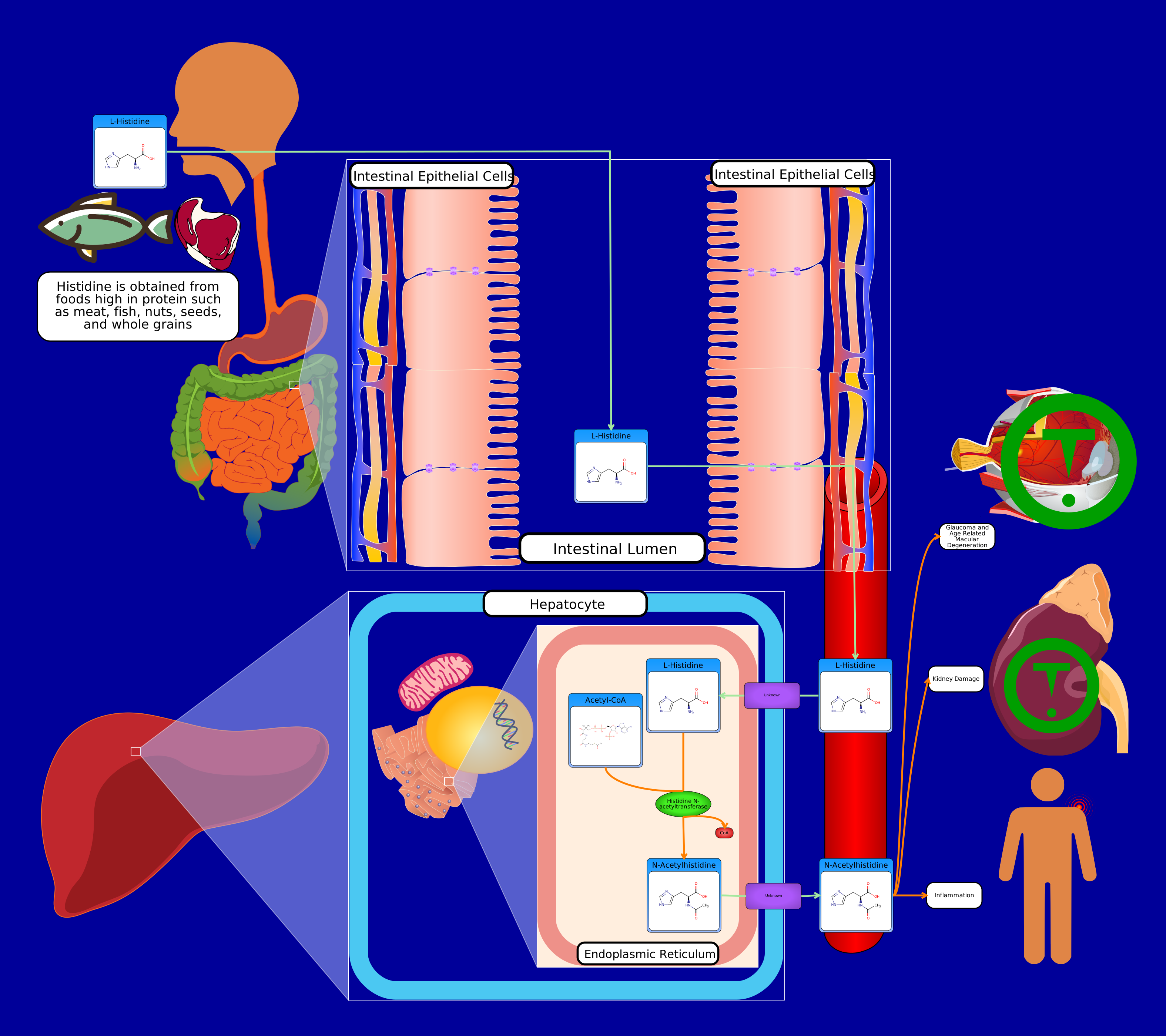 View Pathway
|
Metabolism and Physiological Effects of N-AcetylhistidineHomo sapiens
N-Acetyl-L-histidine or N-Acetylhistidine, belongs to the class of organic compounds known as N-acyl-alpha amino acids. N-acyl-alpha amino acids are compounds containing an alpha amino acid which bears an acyl group at its terminal nitrogen atom. N-Acetylhistidine can also be classified as an alpha amino acid or a derivatized alpha amino acid. Technically, N-Acetylhistidine is a biologically available N-terminal capped form of the proteinogenic alpha amino acid L-histidine. N-acetyl amino acids can be produced either via direct synthesis of specific N-acetyltransferases or via the proteolytic degradation of N-acetylated proteins by specific hydrolases. N-terminal acetylation of proteins is a widespread and highly conserved process in eukaryotes that is involved in protection and stability of proteins. Several proteins from prokaryotes and archaea are also modified by N-terminal acetylation. The majority of eukaryotic N-terminal-acetylation reactions occur through N-acetyltransferase enzymes or NAT. The substrate specificities of different NAT enzymes are mainly determined by the identities of the first two N-terminal residues of the target protein. The human NatA complex co-translationally acetylates N-termini that bear a small amino acid (A, S, T, C, and occasionally V and G). N-acetylated amino acids, such as N-acetylhistidine can be released by an N-acylpeptide hydrolase from peptides generated by proteolytic degradation. In addition to the NAT enzymes and protein-based acetylation, N-acetylation of free histidine can also occur. In particular, N-Acetylhistidine can be biosynthesized from L-histidine and acetyl-CoA by the enzyme histidine N-acetyltransferase (EC 2.3.1.33). Many N-acetylamino acids are classified as uremic toxins if present in high abundance in the serum or plasma. Uremic toxins are a diverse group of endogenously produced molecules that, if not properly cleared or eliminated by the kidneys, can cause kidney damage, cardiovascular disease and neurological deficits. In scientific studies, N-Acetyl-L-histidine has been examined for its potential neuroprotective effects in conditions such as age-related macular degeneration (AMD), retinitis pigmentosa, and glaucoma. It has also been investigated for its role in supporting retinal function and visual health. Additionally, it may modulate cellular signaling pathways involved in inflammation and cell survival.
|
Creator: Hayley Created On: August 18, 2023 at 10:11 Last Updated: August 18, 2023 at 10:11 |
PW128311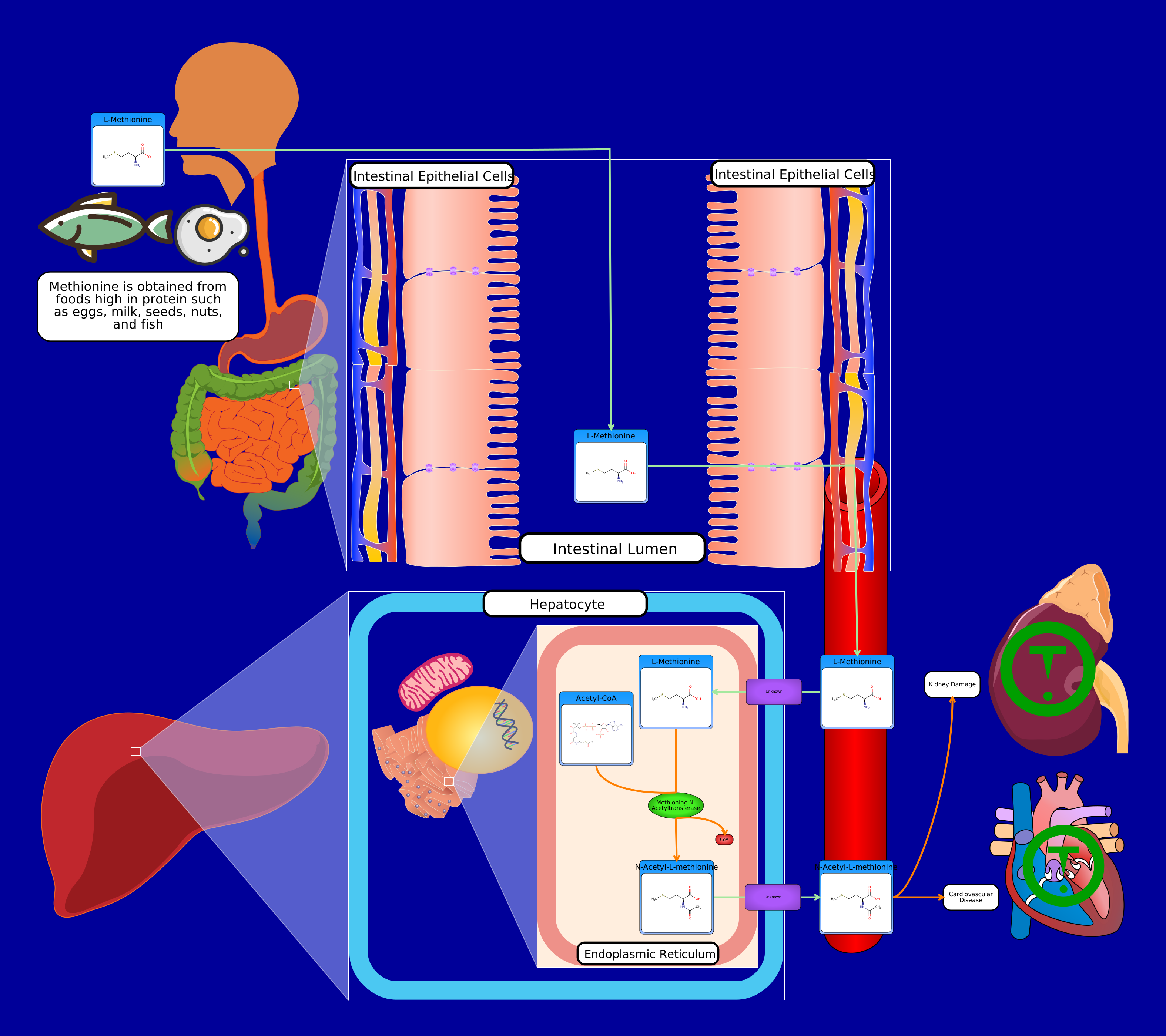 View Pathway
|
Metabolism and Physiological Effects of N-AcetylmethionineHomo sapiens
N-Acetyl-L-methionine or N-Acetylmethionine, belongs to the class of organic compounds known as N-acyl-alpha amino acids. N-acyl-alpha amino acids are compounds containing an alpha amino acid which bears an acyl group at its terminal nitrogen atom. N-Acetylmethionine can also be classified as an alpha amino acid or a derivatized alpha amino acid. Technically, N-Acetylmethionine is a biologically available N-terminal capped form of the proteinogenic alpha amino acid L-methionine. N-acetyl amino acids can be produced either via direct synthesis of specific N-acetyltransferases or via the proteolytic degradation of N-acetylated proteins by specific hydrolases. N-terminal acetylation of proteins is a widespread and highly conserved process in eukaryotes that is involved in protection and stability of proteins. About 85% of all human proteins and 68% of all yeast proteins are acetylated at their N-terminus. The majority of eukaryotic N-terminal-acetylation reactions occur through N-acetyltransferase enzymes or NAT. he substrate specificities of different NAT enzymes are mainly determined by the identities of the first two N-terminal residues of the target protein. The human NatA complex co-translationally acetylates N-termini that bear a small amino acid (A, S, T, C, and occasionally V and G). NatA also exists in a monomeric state and can post-translationally acetylate acidic N-termini residues (D-, E-). NatB and NatC acetylate N-terminal methionine with further specificity determined by the identity of the second amino acid. N-acetylated amino acids, such as N-acetylmethionine can be released by an N-acylpeptide hydrolase from peptides generated by proteolytic degradation. In addition to the NAT enzymes and protein-based acetylation, N-acetylation of free methionine can also occur. In particular, N-Acetylmethionine can be biosynthesized from L-methionine and acetyl-CoA by the enzyme methionine N-acetyltransferase. Many N-acetylamino acids, including N-acetylmethionine are classified as uremic toxins if present in high abundance in the serum or plasma. Uremic toxins are a diverse group of endogenously produced molecules that, if not properly cleared or eliminated by the kidneys, can cause kidney damage, cardiovascular disease and neurological deficits.
|
Creator: Hayley Created On: August 17, 2023 at 13:21 Last Updated: August 17, 2023 at 13:21 |