
| PathWhiz ID | Pathway | Meta Data |
|---|---|---|
PW127060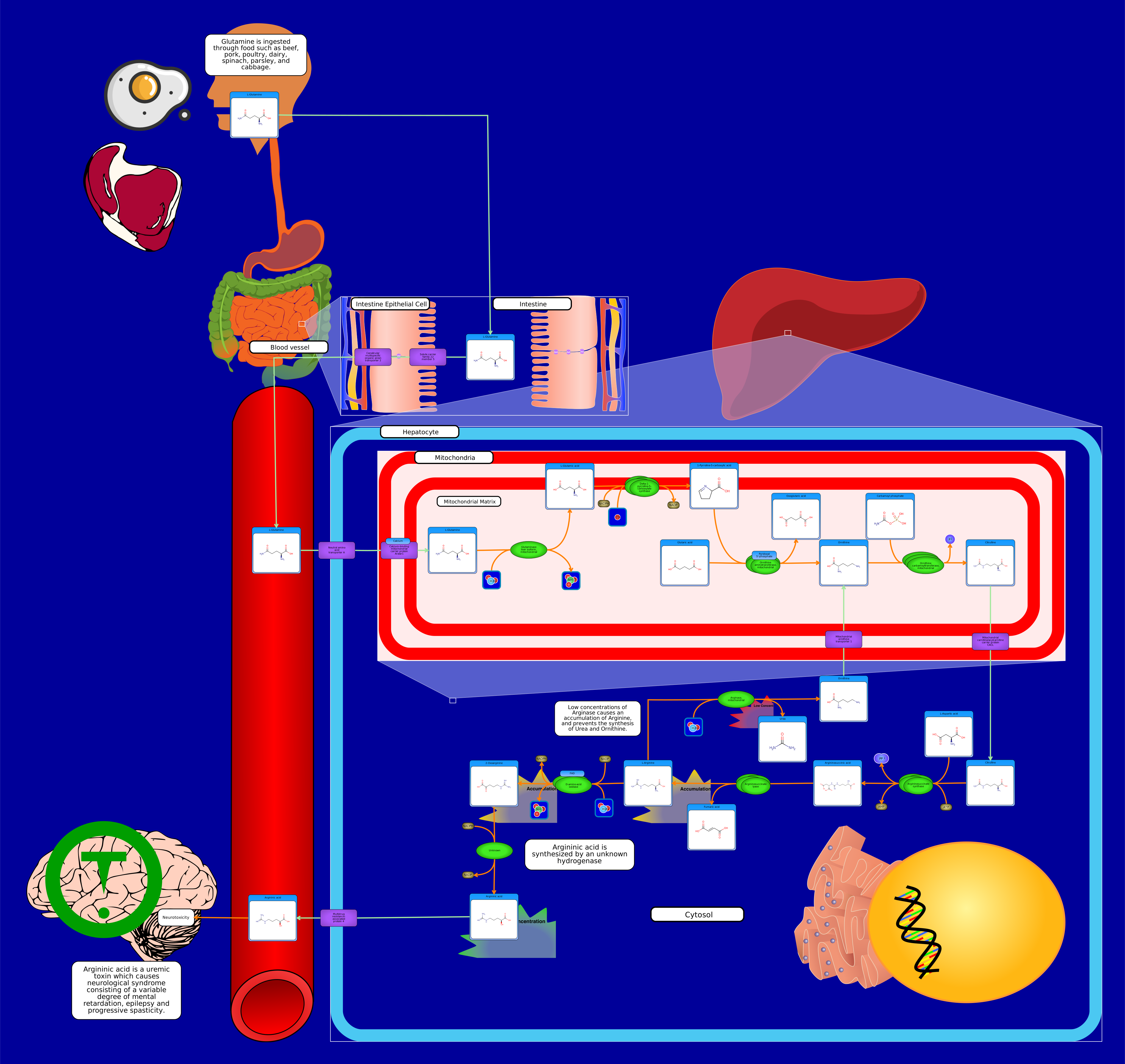 View Pathway
|
Metabolsim and Physiological Effects of Argininic acidHomo sapiens
Argininic acid is an uremic toxin produced in people with hyperargininemia. Hyperargininemia is an inborn problem in the urea cycle caused by a deficiency in liver arginase. Glutamine is consumed through food and taken into the blood through the intestines. It is transported to the liver where it is transported in via an amino acid transport. Glutamine is then transported into the mitochondria by the transporter glutamate antiporter SLC25A12, mitochondrial. In the mitochondria it is catalyzed by Glutaminase liver isoform, mitochondrial into glutamic acid. Glutamic acid is carboxylated into 1-Pyrroline-5-carboxylic acid by the enzyme Delta-1-pyrroline-5-carboxylate synthase. 1-Pyrroline-5-carboxylic acid with glutaric acid synthesize Oxoglutaric acid and ornithine with the enzyme Ornithine aminotransferase, mitochondrial. Ornithine and Carbamoyl phosphate are catalyzed by the enzyme ornithine carbamoyltransferase, mitochondrial to synthesize citrulline. Citrulline is transported out of the mitochondria into the cytosol by a mitochondrial transporter. Arginnosuccinate is synthesized from citrulline and aspartic acid by the enzyme argininosuccinate synthase. That is catalyzed by argininosuccinate lyase to produce arginine and fumaric acid.
In a healthy individual arginine would then continue in the urea cycle to synthesize urea and ornithine, however, due to the deficiency in arginase, arginine is accumulates in the liver, causing hyperargininemia. This accumulation causes arginine to instead be converted into α-keto-δ-guanidinovaleric acid by transamination. α-Keto-δ-guanidinovaleric acid is then hydrogenated to form argininic acid. Due to the accumulation of arginine, argininic acid is present in high concentrations. Argininic acid is a uremic toxin that is toxic to the nervous system, and it causes various neurlogical disorders such as variable degree of mental retardation, epilepsy and progressive spasticity.
|
Creator: Ray Kruger Created On: August 02, 2022 at 11:24 Last Updated: August 02, 2022 at 11:24 |
PW121998 View Pathway
|
disease
Metachromatic Leukodystrophy (MLD)Rattus norvegicus
Metachromatic leukodystrophy also known as MLD, is a rare inborn error of metabolism (IEM) which arises from a defective gene called ARSA. The ARSA gene which codes for arylsulfatase. An improperly function arylsulfatase enzyme can lead to the build up of 3-O-sulfogalactosylceramide in urine, neural and non neural tissues like kidney and gallbladder.
MLD like many conditions comes in a slew of different shapes and sizes. The most common these is known as the late infantile form. This form affects children after their first year of age and manifests itself with children having difficulty walking. Of the many other symptoms which present themselves some of them include developmental delays, muscle weakness, rigidity and wasting, convulsions, and dementia, just to name a few. In extreme cases a comatose state may arise in affected children and without treatment, the majority of those affected by late infantile MLD will perish by/or before the age of 5. Another form of MLD is juvenile MLD. Characterized by an age of onset between 3 and 10. It is typically discovered when affected children start to show detiorating school performance, and mental faculties, as well as with the onset of dementia. Progression is slower though very much the same as in the former form of MLD discussed above. Most individuals die 10 to 15 years after the first symptoms manifest. The final form of MLD is adult onset MLD. Defined as occurring after the age of 16 and characterized by progressive dementia or by some psychiatric disorder. The progression of this form is the slowest of the three, and affected individuals may survive a decade or more.
|
Creator: Ana Marcu Created On: September 10, 2018 at 15:51 Last Updated: September 10, 2018 at 15:51 |
PW000203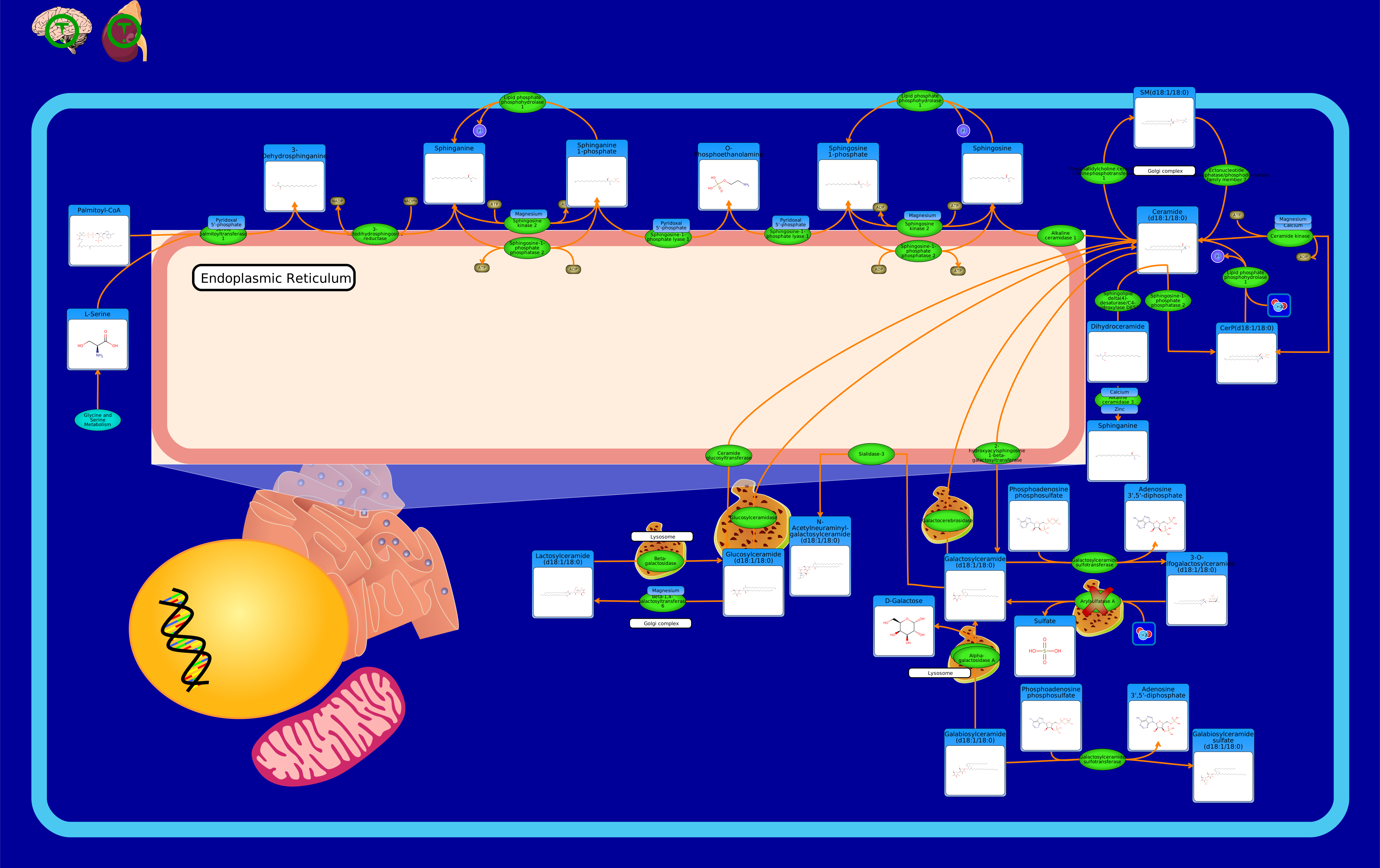 View Pathway
|
disease
Metachromatic Leukodystrophy (MLD)Homo sapiens
Metachromatic leukodystrophy also known as MLD, is a rare inborn error of metabolism (IEM) which arises from a defective gene called ARSA. The ARSA gene which codes for arylsulfatase. An improperly function arylsulfatase enzyme can lead to the build up of 3-O-sulfogalactosylceramide in urine, neural and non neural tissues like kidney and gallbladder.
MLD like many conditions comes in a slew of different shapes and sizes. The most common these is known as the late infantile form. This form affects children after their first year of age and manifests itself with children having difficulty walking. Of the many other symptoms which present themselves some of them include developmental delays, muscle weakness, rigidity and wasting, convulsions, and dementia, just to name a few. In extreme cases a comatose state may arise in affected children and without treatment, the majority of those affected by late infantile MLD will perish by/or before the age of 5. Another form of MLD is juvenile MLD. Characterized by an age of onset between 3 and 10. It is typically discovered when affected children start to show detiorating school performance, and mental faculties, as well as with the onset of dementia. Progression is slower though very much the same as in the former form of MLD discussed above. Most individuals die 10 to 15 years after the first symptoms manifest. The final form of MLD is adult onset MLD. Defined as occurring after the age of 16 and characterized by progressive dementia or by some psychiatric disorder. The progression of this form is the slowest of the three, and affected individuals may survive a decade or more.
|
Creator: WishartLab Created On: August 19, 2013 at 12:05 Last Updated: August 19, 2013 at 12:05 |
PW121773 View Pathway
|
disease
Metachromatic Leukodystrophy (MLD)Mus musculus
Metachromatic leukodystrophy also known as MLD, is a rare inborn error of metabolism (IEM) which arises from a defective gene called ARSA. The ARSA gene which codes for arylsulfatase. An improperly function arylsulfatase enzyme can lead to the build up of 3-O-sulfogalactosylceramide in urine, neural and non neural tissues like kidney and gallbladder.
MLD like many conditions comes in a slew of different shapes and sizes. The most common these is known as the late infantile form. This form affects children after their first year of age and manifests itself with children having difficulty walking. Of the many other symptoms which present themselves some of them include developmental delays, muscle weakness, rigidity and wasting, convulsions, and dementia, just to name a few. In extreme cases a comatose state may arise in affected children and without treatment, the majority of those affected by late infantile MLD will perish by/or before the age of 5. Another form of MLD is juvenile MLD. Characterized by an age of onset between 3 and 10. It is typically discovered when affected children start to show detiorating school performance, and mental faculties, as well as with the onset of dementia. Progression is slower though very much the same as in the former form of MLD discussed above. Most individuals die 10 to 15 years after the first symptoms manifest. The final form of MLD is adult onset MLD. Defined as occurring after the age of 16 and characterized by progressive dementia or by some psychiatric disorder. The progression of this form is the slowest of the three, and affected individuals may survive a decade or more.
|
Creator: Ana Marcu Created On: September 10, 2018 at 15:49 Last Updated: September 10, 2018 at 15:49 |
PW127252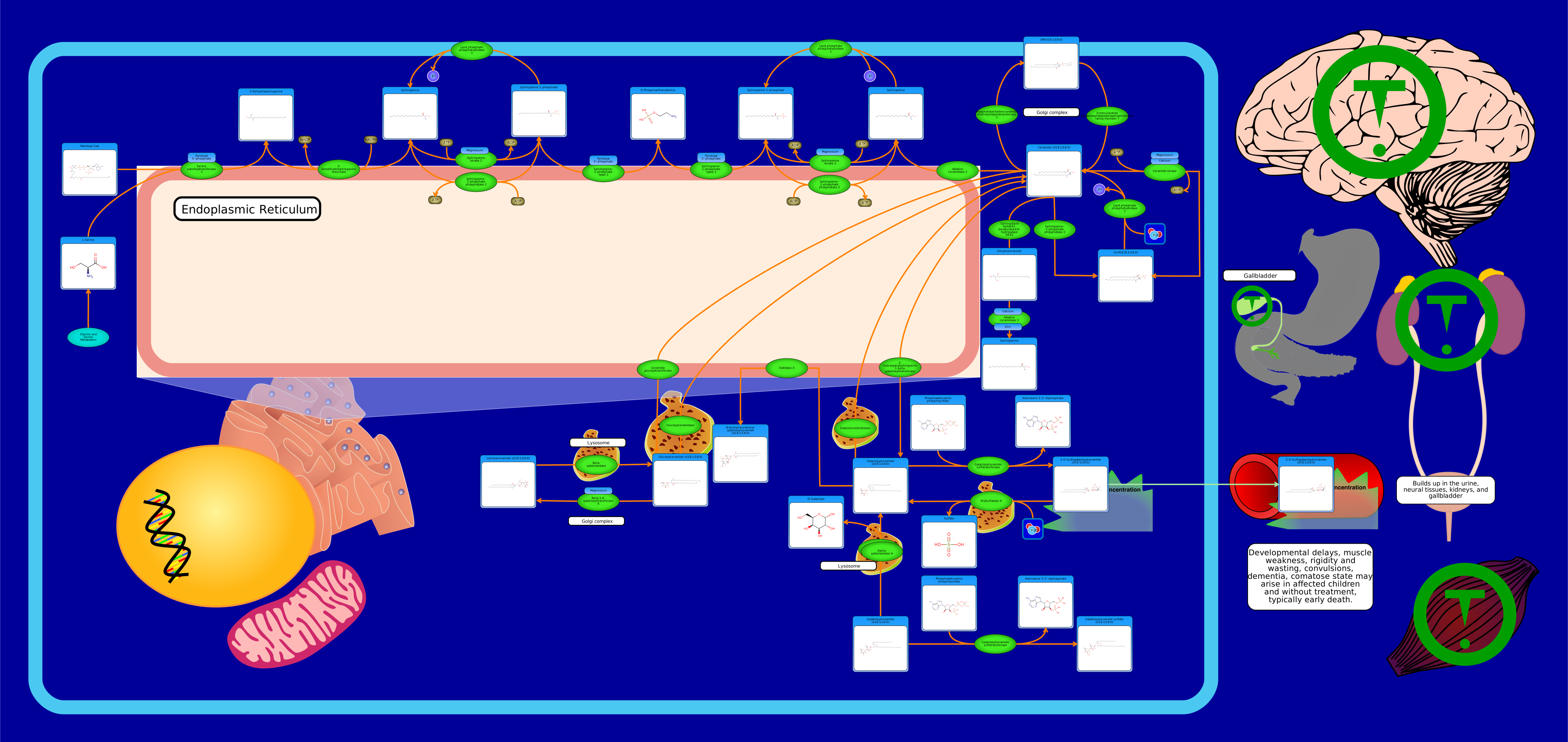 View Pathway
|
disease
Metachromatic Leukodystrophy (MLD)Homo sapiens
Metachromatic leukodystrophy also known as MLD, is a rare inborn error of metabolism (IEM) which arises from a defective gene called ARSA. The ARSA gene which codes for arylsulfatase. An improperly function arylsulfatase enzyme can lead to the build up of 3-O-sulfogalactosylceramide in urine, neural and non neural tissues like kidney and gallbladder. MLD like many conditions comes in a slew of different shapes and sizes. The most common these is known as the late infantile form. This form affects children after their first year of age and manifests itself with children having difficulty walking. Of the many other symptoms which present themselves some of them include developmental delays, muscle weakness, rigidity and wasting, convulsions, and dementia, just to name a few. In extreme cases a comatose state may arise in affected children and without treatment, the majority of those affected by late infantile MLD will perish by/or before the age of 5. Another form of MLD is juvenile MLD. Characterized by an age of onset between 3 and 10. It is typically discovered when affected children start to show detiorating school performance, and mental faculties, as well as with the onset of dementia. Progression is slower though very much the same as in the former form of MLD discussed above. Most individuals die 10 to 15 years after the first symptoms manifest. The final form of MLD is adult onset MLD. Defined as occurring after the age of 16 and characterized by progressive dementia or by some psychiatric disorder. The progression of this form is the slowest of the three, and affected individuals may survive a decade or more.
|
Creator: Ray Kruger Created On: November 22, 2022 at 16:25 Last Updated: November 22, 2022 at 16:25 |
PW128365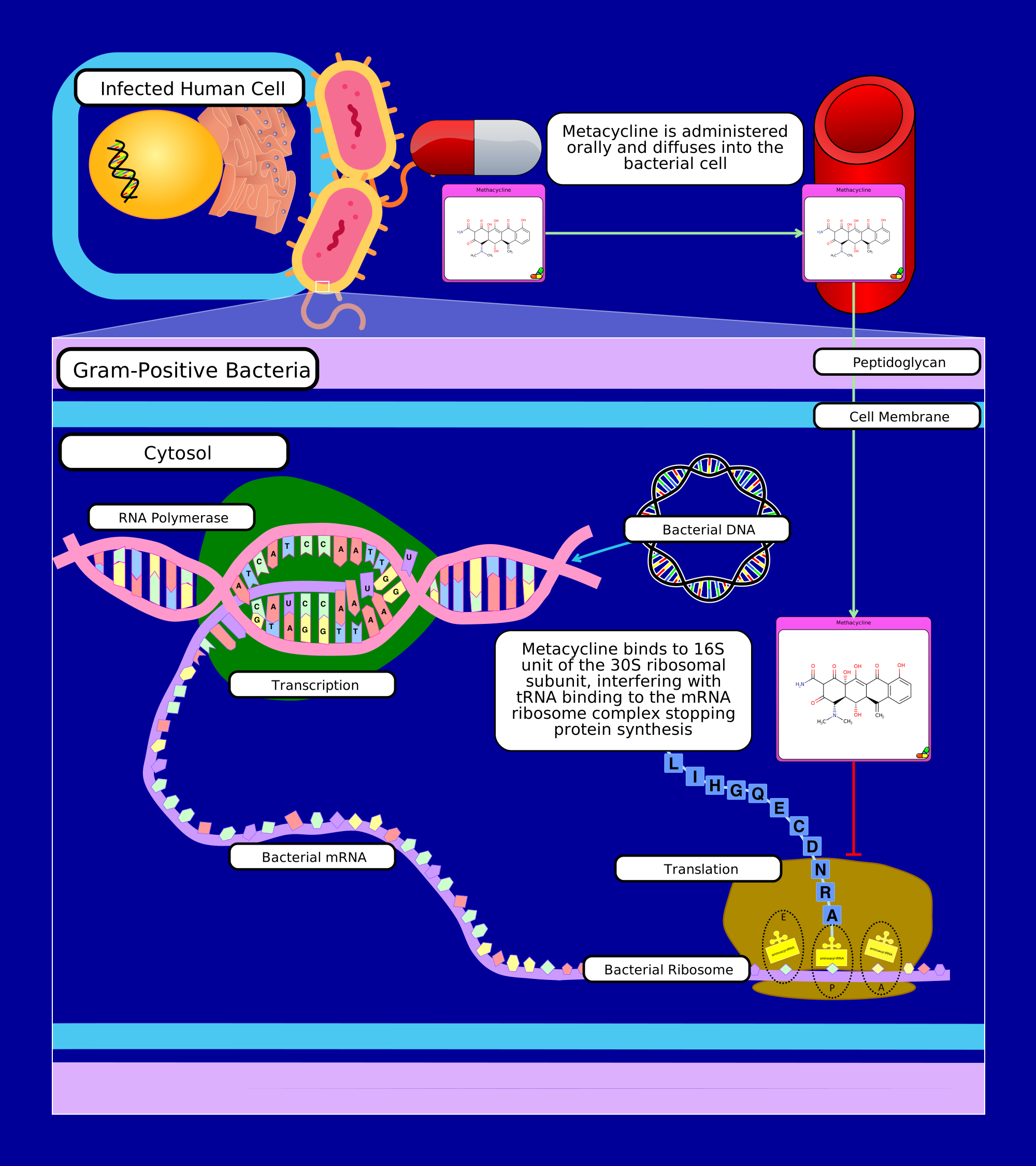 View Pathway
|
drug action
Metacycline Action PathwayHomo sapiens
Metacycline is a broad-spectrum antibiotic from the tetracycline family that differs as it is excreted more slowly and maintains a more effective concentration within the blood for an extended period of time. It binds to the 16S unit of the 30S ribosomal subunit which prevents tRNA from binding to the A site of the ribosome, preventing cell growth and translation from occurring.
|
Creator: Selena Created On: August 24, 2023 at 12:23 Last Updated: August 24, 2023 at 12:23 |
PW176220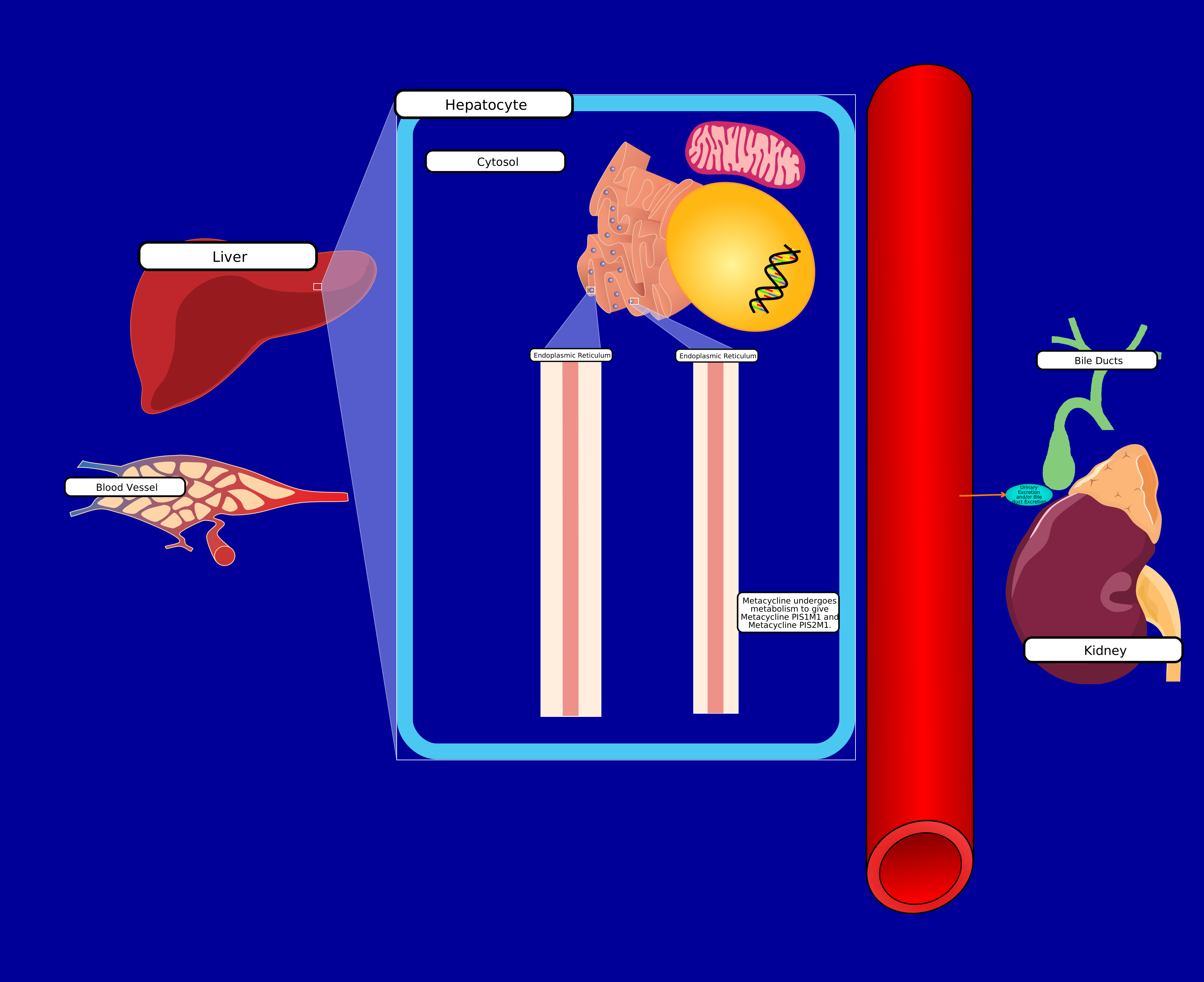 View Pathway
|
Metacycline Predicted Metabolism PathwayHomo sapiens
Metabolites of Metacycline are predicted with biotransformer.
|
Creator: Omolola Created On: December 04, 2023 at 12:52 Last Updated: December 04, 2023 at 12:52 |
PW132608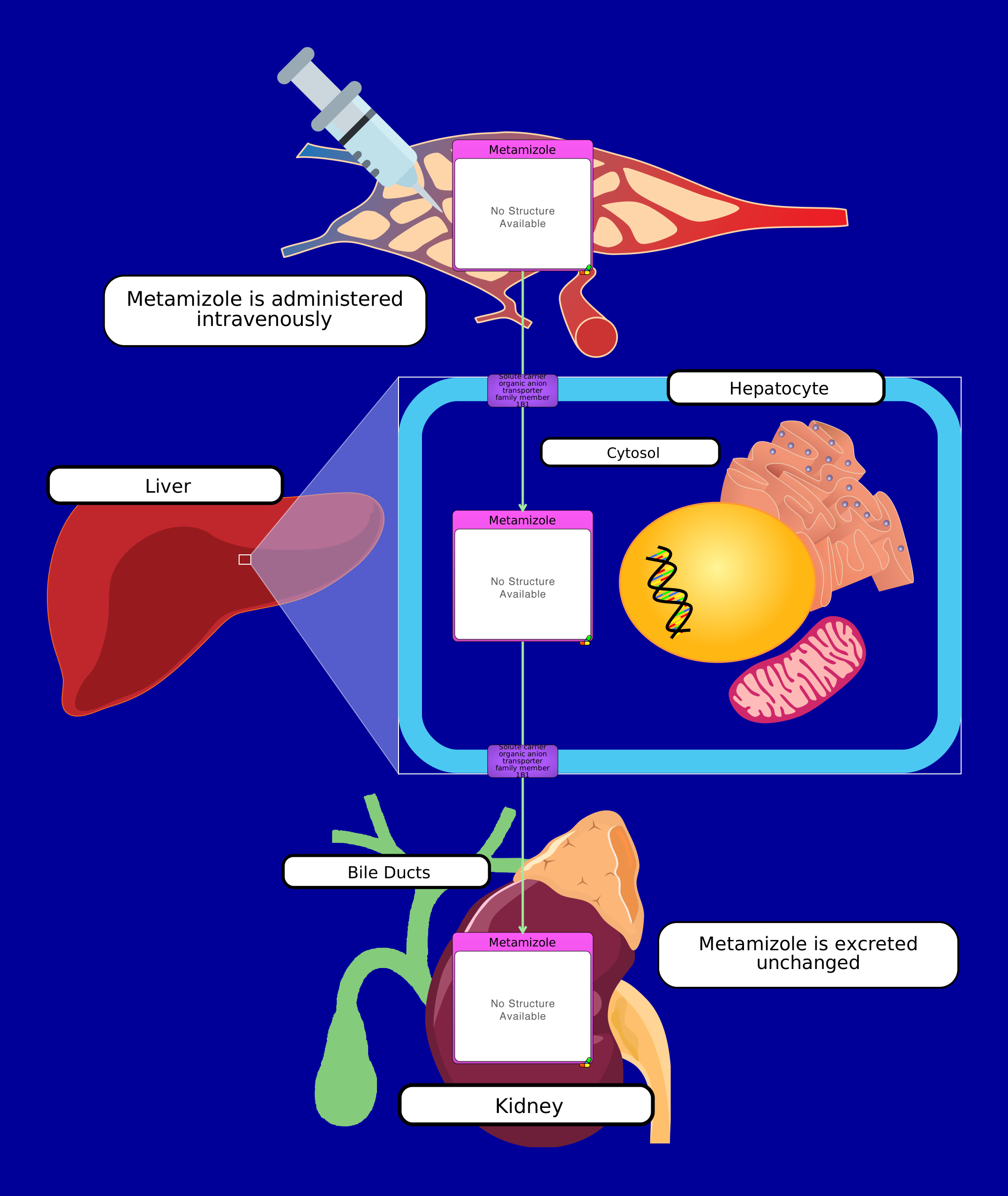 View Pathway
|
Metamizole Drug MetabolismHomo sapiens
Metamizole is a drug that is not metabolized by the human body as determined by current research and biotransformer analysis. Metamizole passes through the liver and is then excreted from the body mainly through the kidney.
|
Creator: Ray Kruger Created On: September 21, 2023 at 22:37 Last Updated: September 21, 2023 at 22:37 |
PW145576 View Pathway
|
drug action
Metamizole Drug Metabolism Action PathwayHomo sapiens
|
Creator: Ray Kruger Created On: October 07, 2023 at 16:07 Last Updated: October 07, 2023 at 16:07 |
PW144726 View Pathway
|
drug action
Metaraminol Drug Metabolism Action PathwayHomo sapiens
|
Creator: Ray Kruger Created On: October 07, 2023 at 14:18 Last Updated: October 07, 2023 at 14:18 |