
| PathWhiz ID | Pathway | Meta Data |
|---|---|---|
PW132091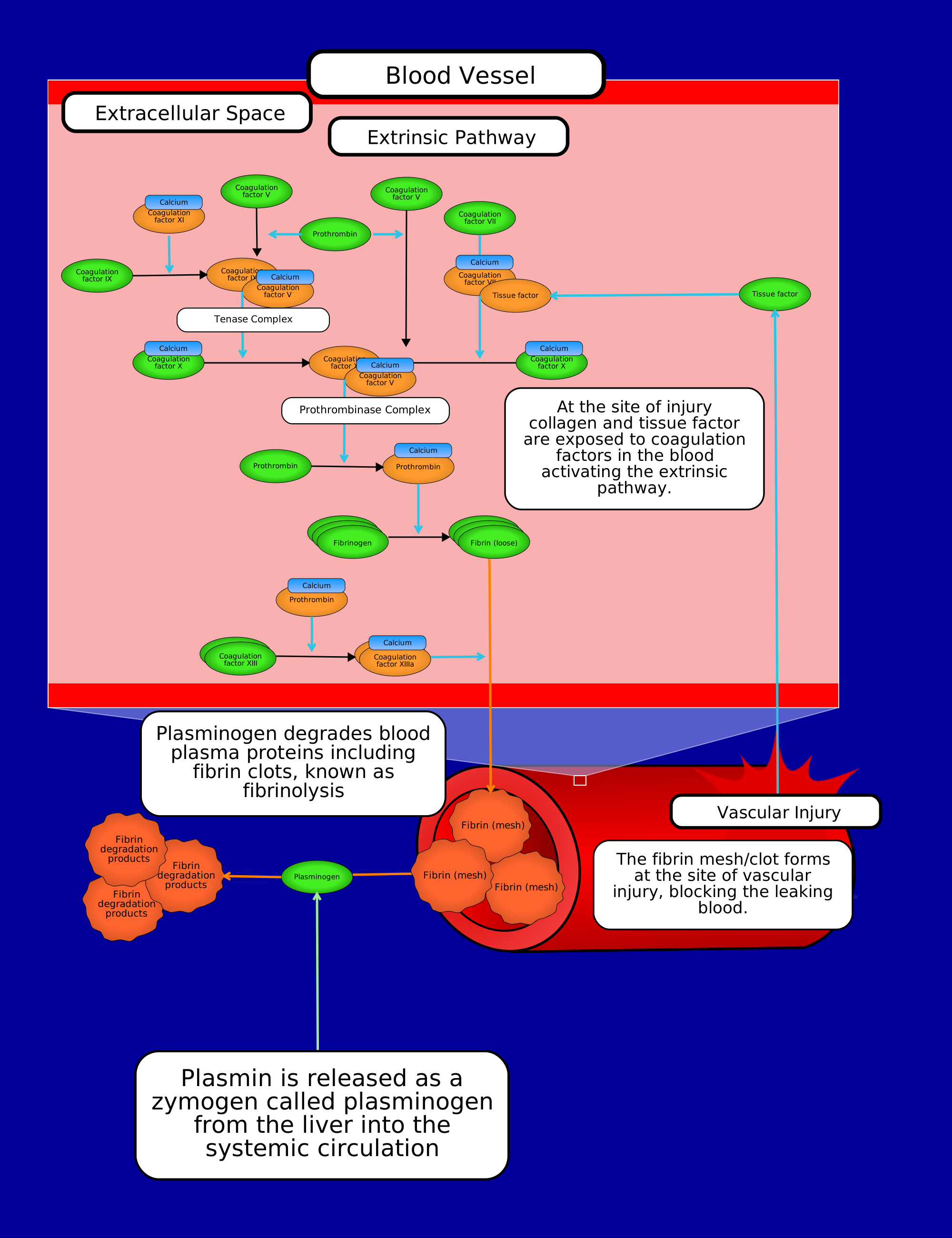 View Pathway
|
physiological
PlasminogenBos taurus
Plasminogen is a plasma glycoprotein. Plasminogen (PLG) is the zymogen of plasmin, the major enzyme that degrades fibrin clots. In addition to its binding and activation on fibrin clots, PLG also specifically interacts with cell surfaces where it is more efficiently activated by PLG activators, compared with the reaction in solution. This results in association of the broad-spectrum proteolytic activity of plasmin with cell surfaces that functions to promote cell migration. Plasmin is an important enzyme (EC 3.4.21.7) present in blood that degrades many blood plasma proteins, including fibrin clots. The degradation of fibrin is termed fibrinolysis. In humans, the plasmin protein (in the zymogen form of plasminogen) is encoded by the PLG gene. Plasmin is released as a zymogen called plasminogen (PLG) from the liver into the systemic circulation. Two major glycoforms of plasminogen are present in humans - type I plasminogen contains two glycosylation moieties (N-linked to N289 and O-linked to T346), whereas type II plasminogen contains only a single O-linked sugar (O-linked to T346). Type II plasminogen is preferentially recruited to the cell surface over the type I glycoform. Conversely, type I plasminogen appears more readily recruited to blood clots. n circulation, plasminogen adopts a closed, activation-resistant conformation. Upon binding to clots, or to the cell surface, plasminogen adopts an open form that can be converted into active plasmin by a variety of enzymes, including tissue plasminogen activator (tPA), urokinase plasminogen activator (uPA), kallikrein, and factor XII (Hageman factor). Fibrin is a cofactor for plasminogen activation by tissue plasminogen activator. Urokinase plasminogen activator receptor (uPAR) is a cofactor for plasminogen activation by urokinase plasminogen activator. The conversion of plasminogen to plasmin involves the cleavage of the peptide bond between Arg-561 and Val-562.
|
Creator: Hayley Created On: September 20, 2023 at 11:00 Last Updated: September 20, 2023 at 11:00 |
PW012904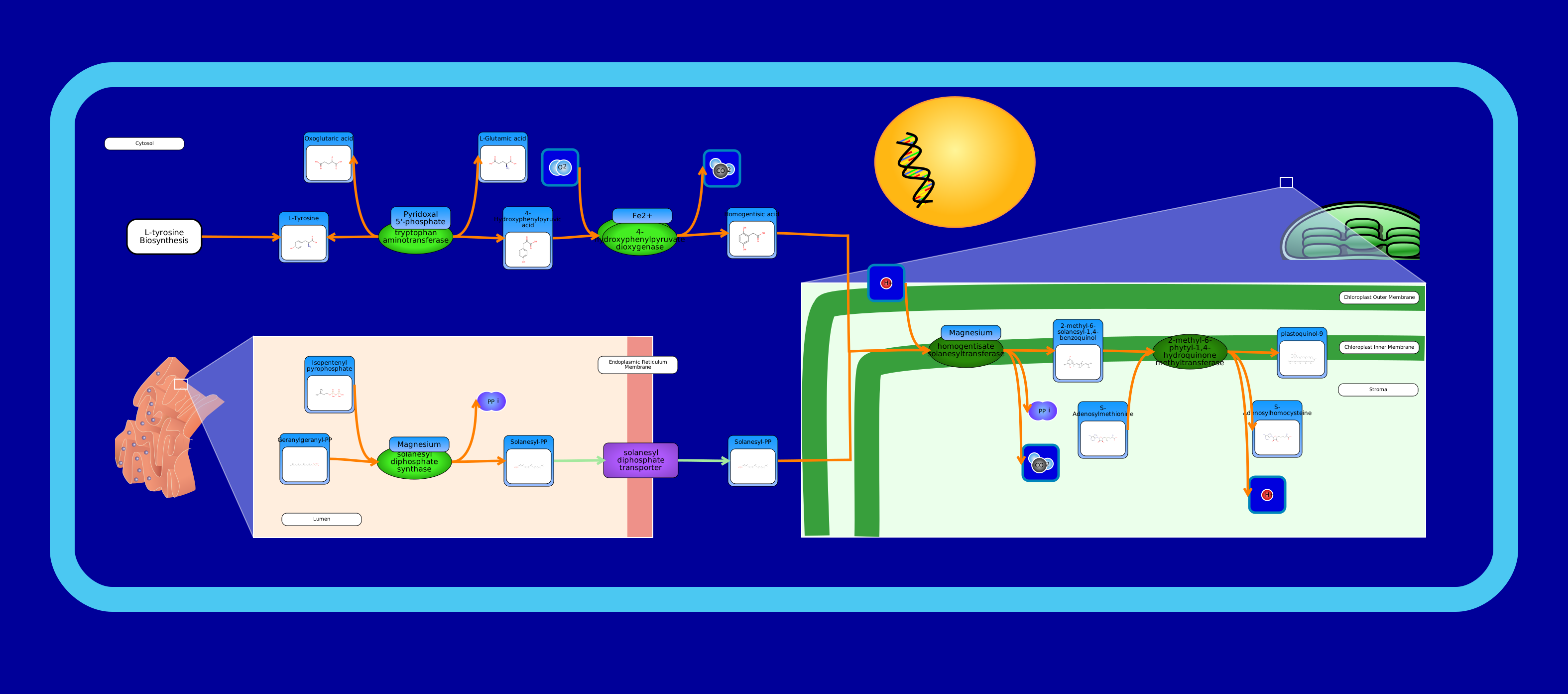 View Pathway
|
Plastoquinol-9 BiosynthesisArabidopsis thaliana
Plastoquinol-9 biosynthesis is a pathway that begins in the cytosol and endoplasmic reticulum and ends in the chloroplast by which L-tyrosine and geranylgeranyl diphosphate become plastoquinol-9, ubiquinone analogs and benzoquinone electron carriers. The subpathway that synthesizes homogentisate from L-tryptophan occurs in the cytosol. First, tryptophan aminotransferase uses a pyridoxal 5'-phosphate as a cofactor to convert L-tryptophan into 4-hydroxyphenylpyruvate. Second, 4-hydroxyphenylpyruvate dioxygenase uses Fe2+ as a cofactor to convert 4-hydroxyphenylpyruvate into homogentisate. The subpathway that synthesizes solanesyl diphosphate from geranylgeranyl diphosphate occurs in the endoplasmic reticulum and the single reaction is catalyzed by solanesyl diphosphate which requires a magnesium ion as a cofactor. Solanesyl diphosphate must then be transported out of the endoplasmic reticulum into the cytosol by a yet undiscovered solanesyl diphosphate transporter. The last two reactions are localized to the chloroplast inner membrane (coloured dark green in the image). First, homogentisate solanesyltransferase catalyzes the conversion of solanesyl diphosphate and homogentisate into 2-methyl-6-solanesyl-1,4-benzoquinol, requiring magnesium ion as a cofactor. Second, 2-methyl-6-phytyl-1,4-hydroquinone methyltransferase catalyzes the conversion of 2-methyl-6-solanesyl-1,4-benzoquinol into plastoquinol-9.
|
Creator: Carin Li Created On: February 23, 2017 at 02:18 Last Updated: February 23, 2017 at 02:18 |
PW120519 View Pathway
|
protein
Platelet Amyloid Precursor Protein PathwayHomo sapiens
Platelets are the first peripheral source of amyloid precursor protein (APP). They possess the proteolytic machinery to produce Aβ and fragments similar to those produced in neurons, and thus offer an ex-vivo model to study APP processing and changes associated with Alzheimer’s disease (AD). Platelet process APP mostly through the α-secretase pathway to release soluble APP (sAPP). They produce small amounts of Aβ, predominantly Aβ40 over Aβ42. sAPP and Aβ are stored in α-granules and are released upon platelet activation by thrombin and collagen, and agents inducing platelet degranulation.
|
Creator: Aidin Foroutannaddafi Created On: September 07, 2018 at 19:47 Last Updated: September 07, 2018 at 19:47 |
PW127876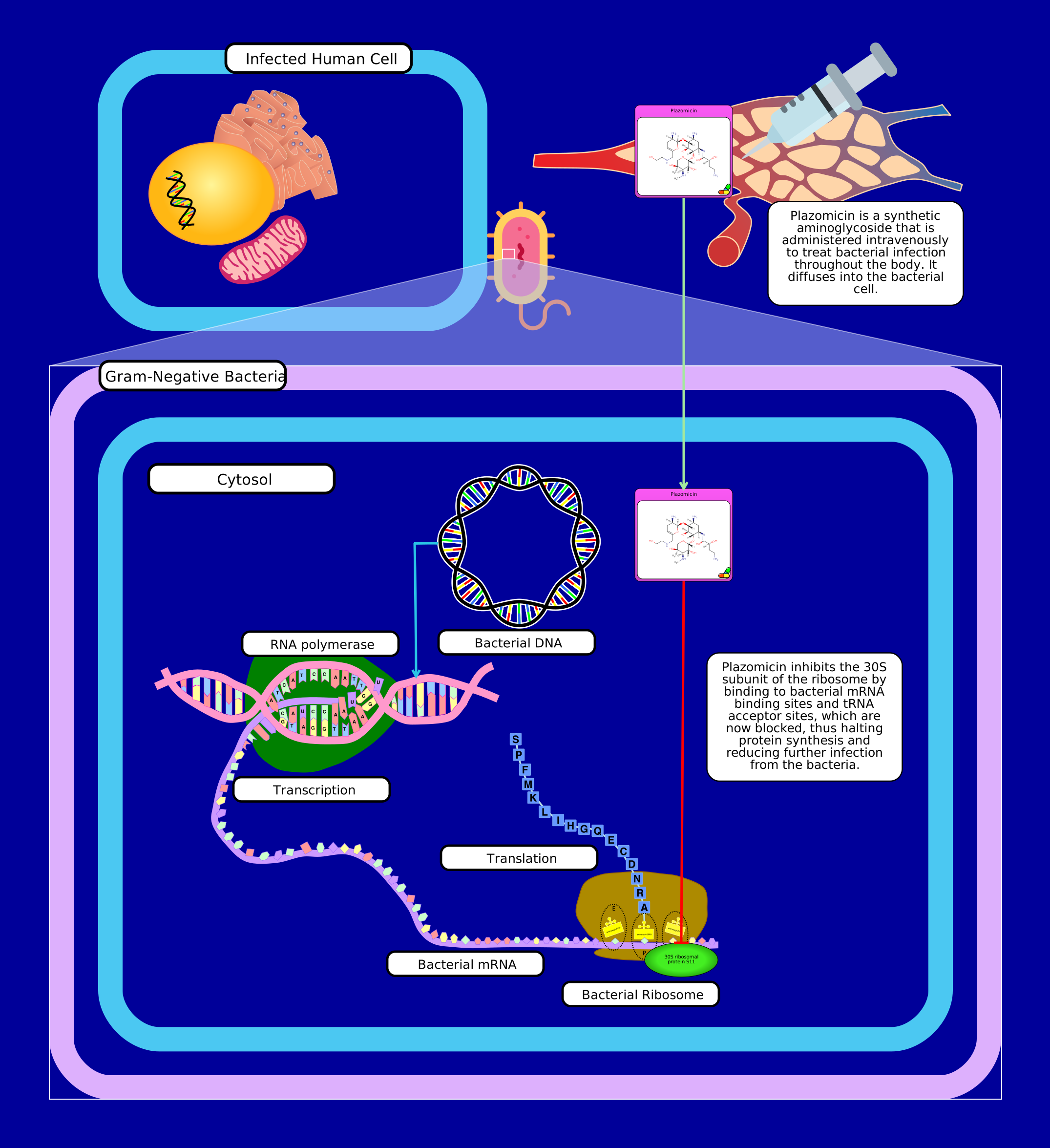 View Pathway
|
drug action
Plazomicin Action PathwayHomo sapiens
Plazomicin, also known as Zemdri, is an antibiotic from the aminoglycoside family. This drug is mainly used to treat complicated urinary tract infections. This drug is a next-generation aminoglycoside, it is synthetically derived from Sisomicin. It was designed to evade all clinically relevant aminoglycoside-modifying enzymes, which contribute to the resistance mechanism for aminoglycoside therapy in many bacteria. This drug binds to bacterial 30S ribosomal subunit and inhibits protein synthesis. Aminoglycosides typically bind to the ribosomal aminoacyl-tRNA site (A-site) and induce a conformational change to further facilitate the binding between the rRNA and the antibiotic. This leads to codon misreading and mistranslation of mRNA during bacterial protein synthesis. Plazomicin actually binds and inhibits the 30S ribosomal protein S11. It is administered via an intravenous injection.
|
Creator: Daphnee Created On: June 14, 2023 at 11:26 Last Updated: June 14, 2023 at 11:26 |
PW146547 View Pathway
|
drug action
Plazomicin Drug Metabolism Action PathwayHomo sapiens
|
Creator: Ray Kruger Created On: October 07, 2023 at 18:28 Last Updated: October 07, 2023 at 18:28 |
PW176513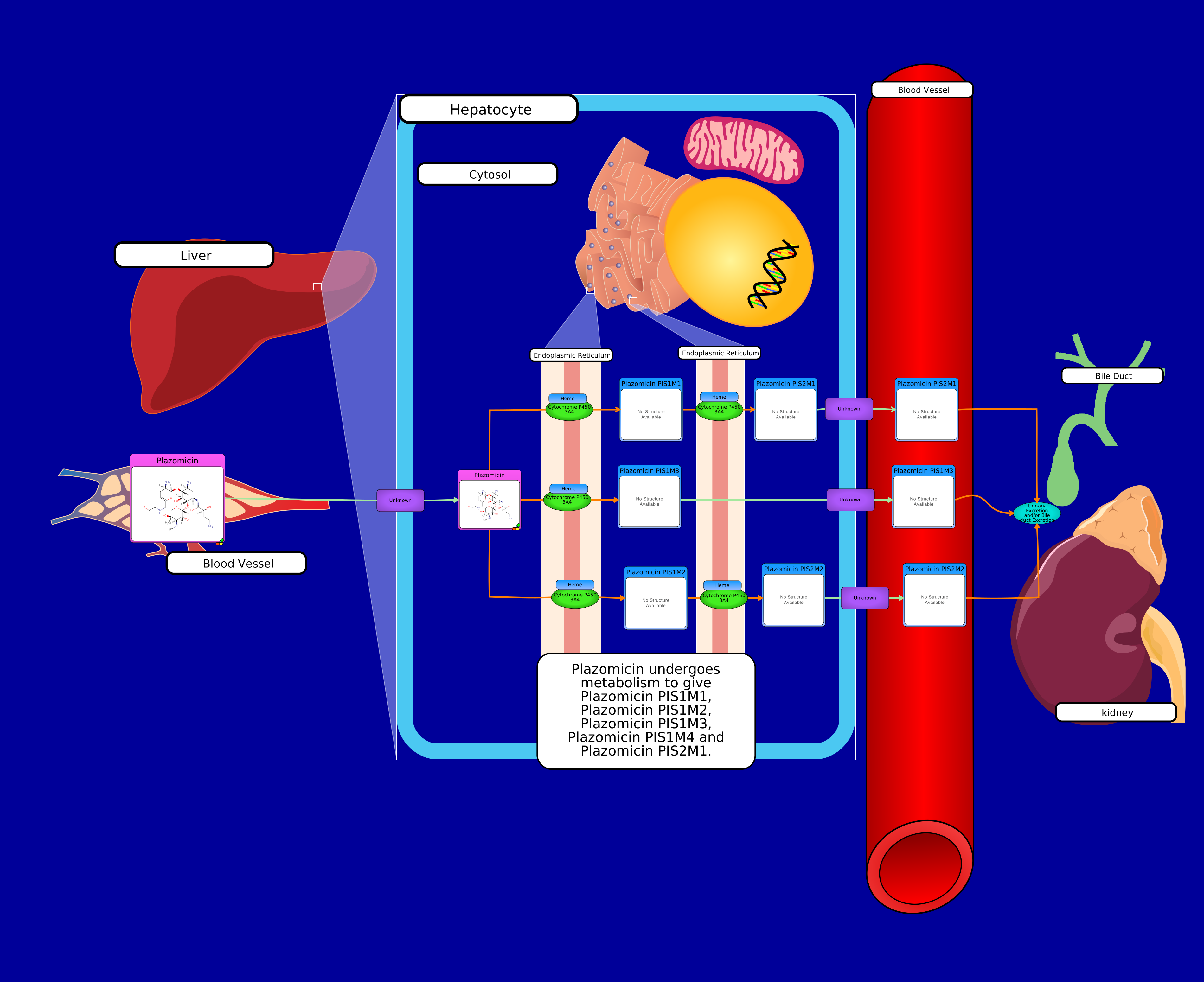 View Pathway
|
Plazomicin Predicted Metabolism PathwayHomo sapiens
Metabolites of Plazomicin are predicted with biotransformer.
|
Creator: Omolola Created On: December 13, 2023 at 13:25 Last Updated: December 13, 2023 at 13:25 |
PW127121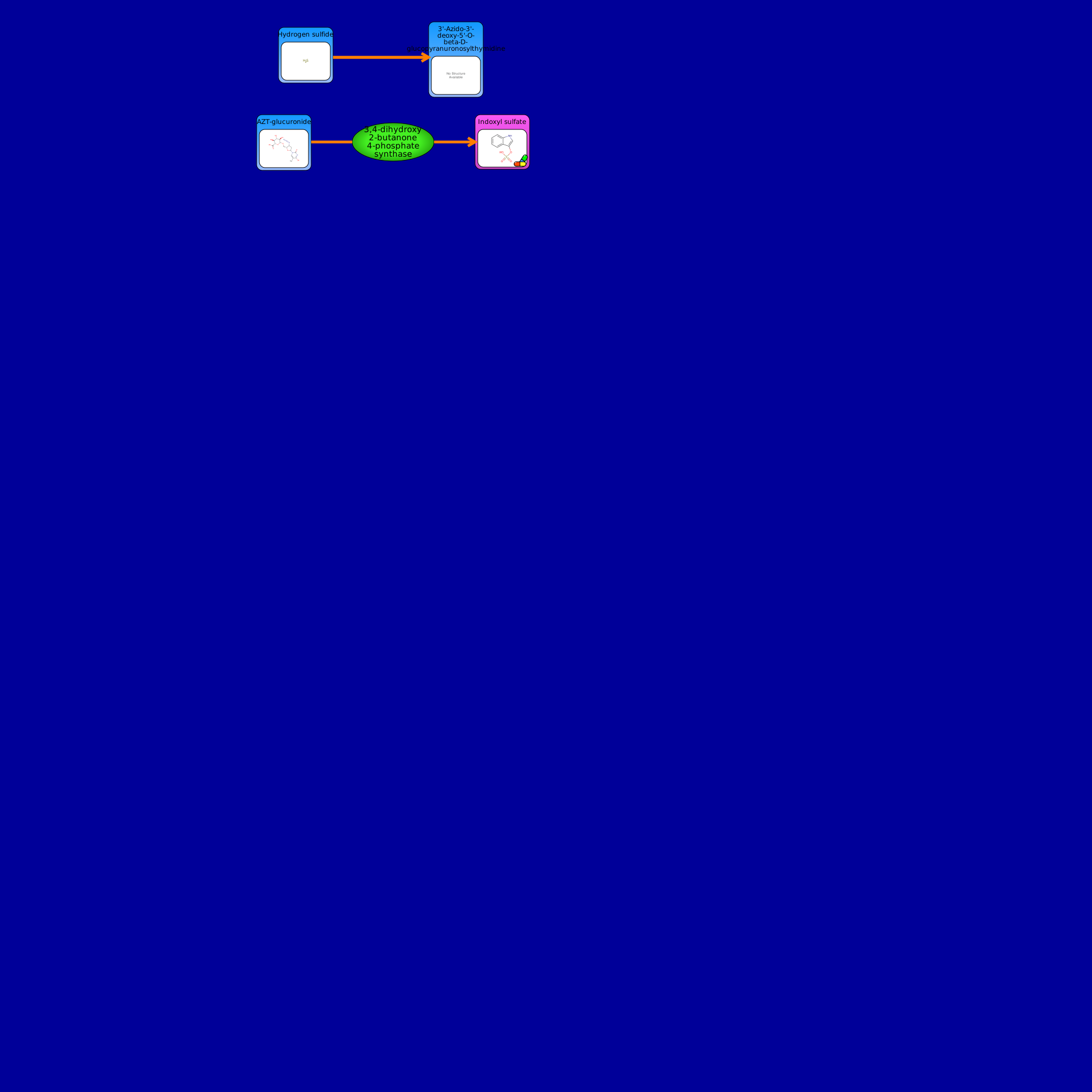 View Pathway
|
please workHomo sapiens
|
Creator: Eponine Oler Created On: September 29, 2022 at 14:28 Last Updated: September 29, 2022 at 14:28 |
PW146601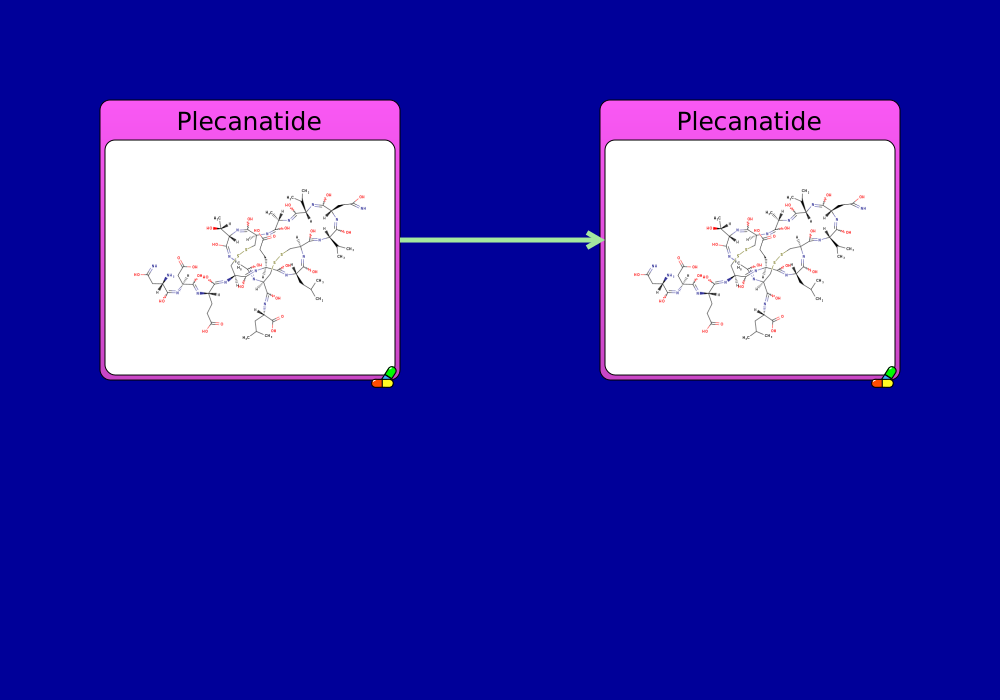 View Pathway
|
drug action
Plecanatide Drug Metabolism Action PathwayHomo sapiens
|
Creator: Ray Kruger Created On: October 07, 2023 at 18:36 Last Updated: October 07, 2023 at 18:36 |
PW132562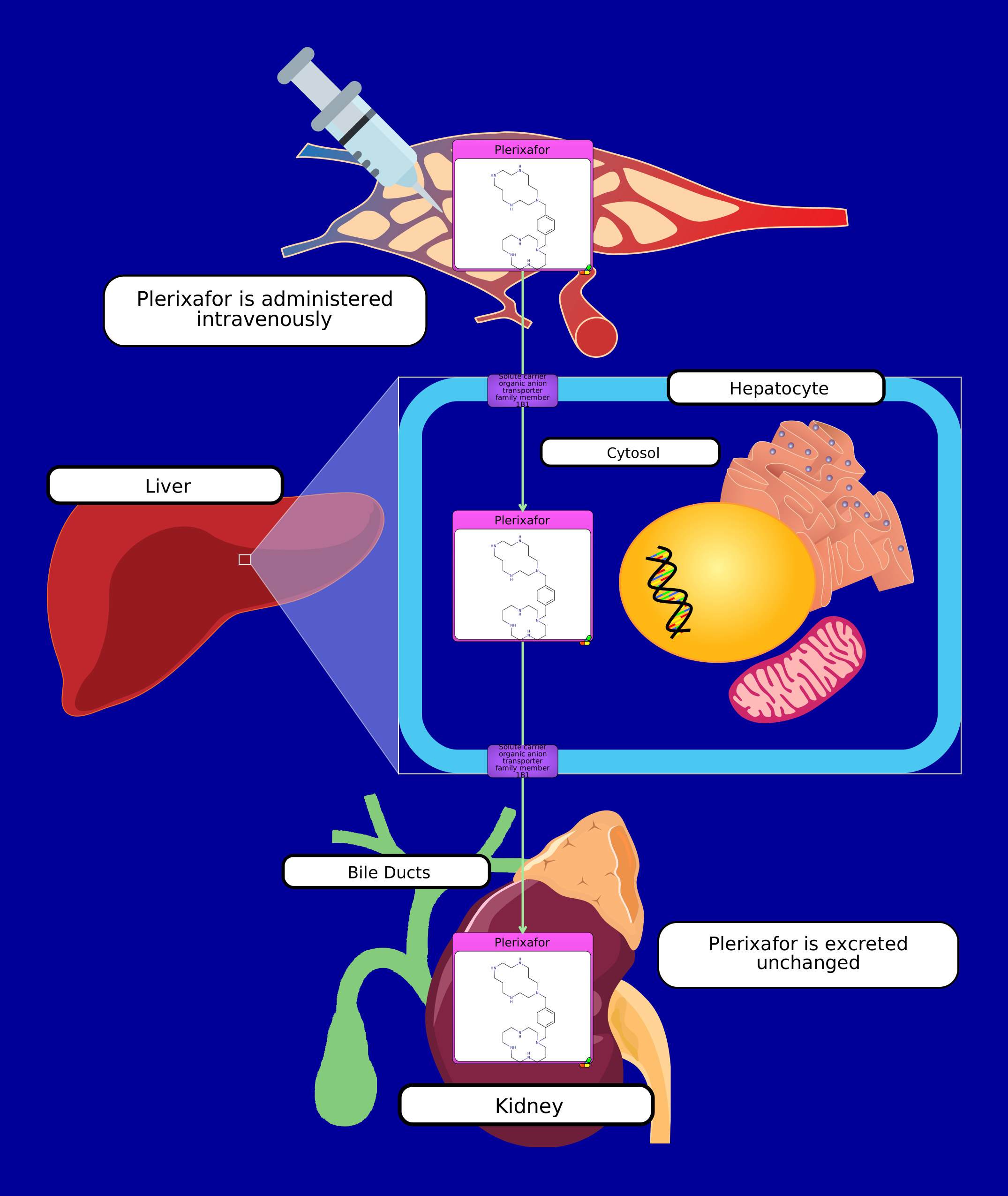 View Pathway
|
Plerixafor Drug MetabolismHomo sapiens
Plerixafor is a drug that is not metabolized by the human body as determined by current research and biotransformer analysis. Plerixafor passes through the liver and is then excreted from the body mainly through the kidney.
|
Creator: Ray Kruger Created On: September 21, 2023 at 22:25 Last Updated: September 21, 2023 at 22:25 |
PW145810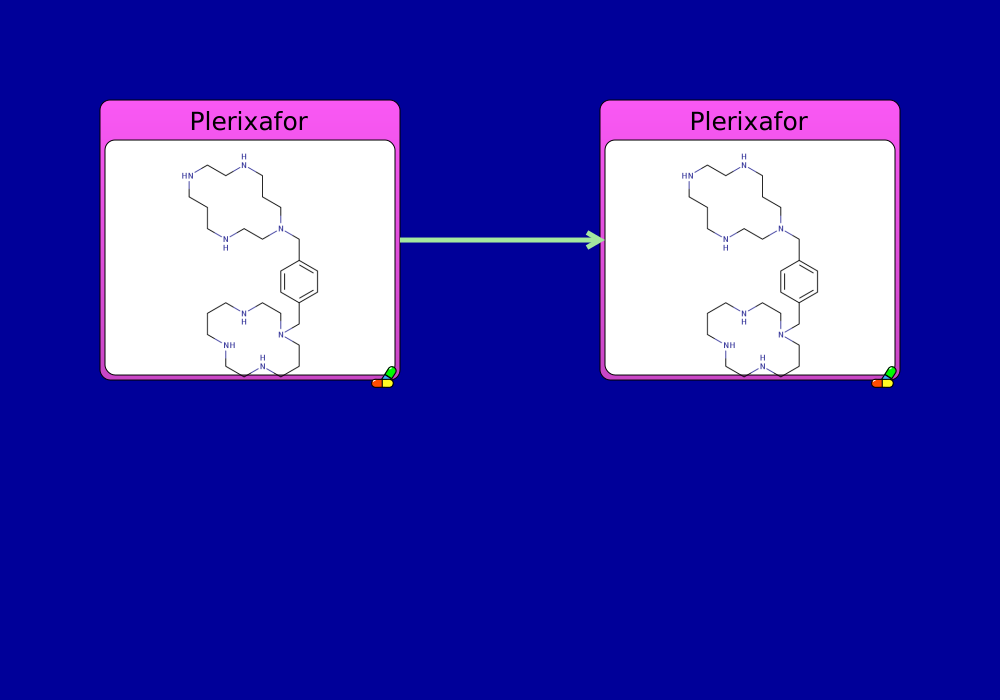 View Pathway
|
drug action
Plerixafor Drug Metabolism Action PathwayHomo sapiens
|
Creator: Ray Kruger Created On: October 07, 2023 at 16:43 Last Updated: October 07, 2023 at 16:43 |