
| PathWhiz ID | Pathway | Meta Data |
|---|---|---|
PW483441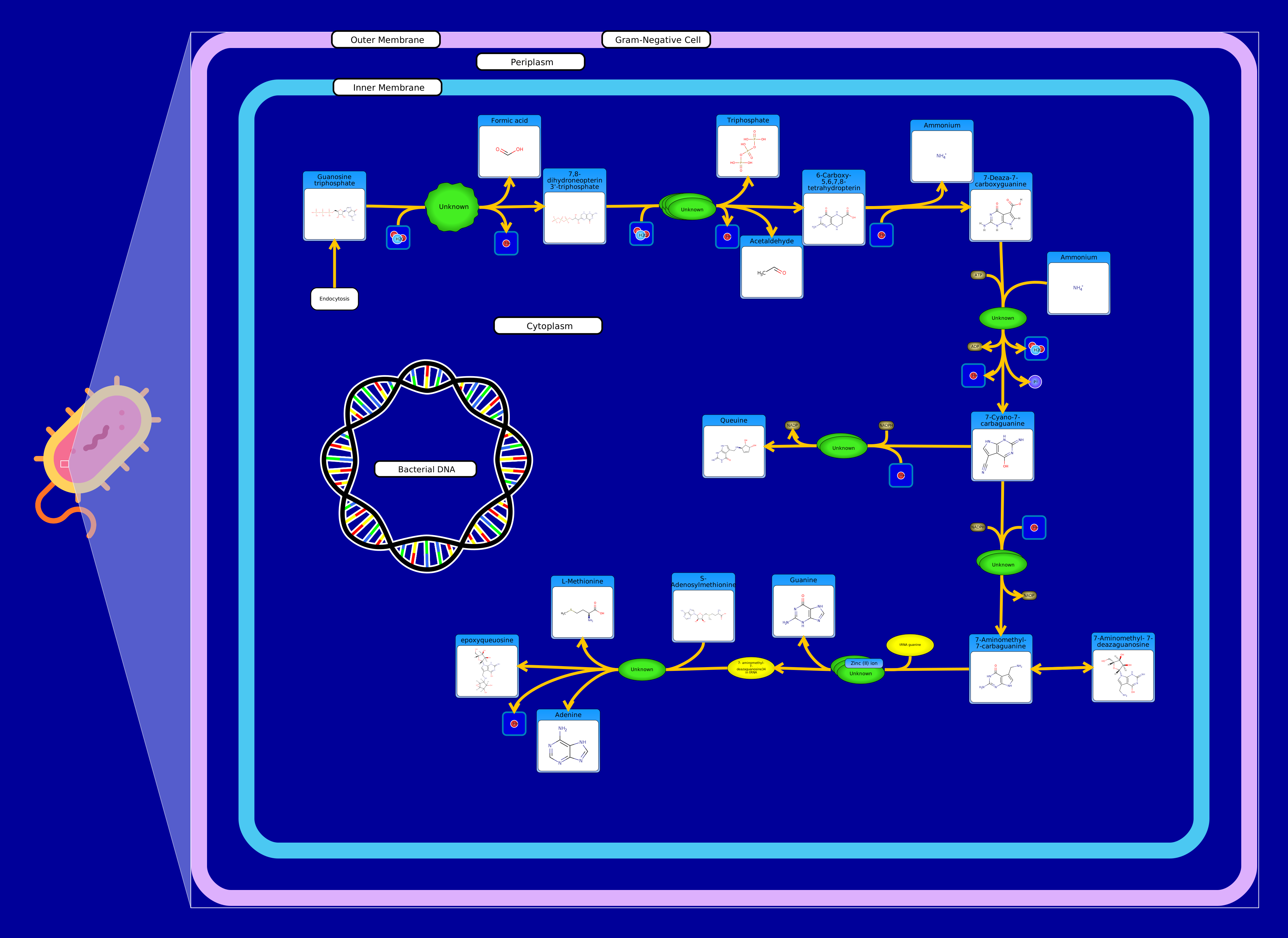 View Pathway
|
PreQ0 MetabolismPrevotella timonensis CRIS 5C-B1
PreQ0 or 7-cyano-7-carbaguanine is biosynthesized by degrading GTP.
GTP first interacts with water through a GTP cyclohydrolase resulting in the release of a formate, a hydrogen ion and a 7,8-dihydroneopterin 3'-triphosphate. The latter compound then interacts with water through a 6-carboxy-5,6,7,8-tetrahydropterin synthase resulting in a acetaldehyde, triphosphate, 2 hydrogen ion and 6-carboxy-5,6,7,8-tetrahydropterin. The latter compound then reacts spontaneously with a hydrogen ion resulting in the release of a ammonium molecule and a 7-carboxy-7-deazaguanine. This compound then interacts with ATP and ammonium through 7-cyano-7-deazaguanine synthase resulting in the release of water, phosphate, ADP, hydrogen ion and a 7-cyano-7-carbaguanine.
The degradation of 7-cyano-7-deazaguanine can lead to produce a preQ1 or a queuine by reacting with 3 hydrogen ions and 2 NADPH through a 7-cyano-7-deazaguanine reductase. PreQ1 then interacts with a guanine 34 in tRNA through a tRNA-guanine transglycosylase resulting in a release of a guanine and a 7-aminomethyl-7-deazaguanosine 34 in tRNA. This nucleic acid then interacts with SAM through a S-adenosylmethionine tRNA ribosyltransferase-isomerase resulting in a release of a hydrogen ion, L-methionine, adenine and an epoxyqueuosine
|
Creator: Julia Wakoli Created On: January 29, 2025 at 01:21 Last Updated: January 29, 2025 at 01:21 |
PW485308 View Pathway
|
PreQ0 MetabolismCedecea davisae DSM 4568
PreQ0 or 7-cyano-7-carbaguanine is biosynthesized by degrading GTP.
GTP first interacts with water through a GTP cyclohydrolase resulting in the release of a formate, a hydrogen ion and a 7,8-dihydroneopterin 3'-triphosphate. The latter compound then interacts with water through a 6-carboxy-5,6,7,8-tetrahydropterin synthase resulting in a acetaldehyde, triphosphate, 2 hydrogen ion and 6-carboxy-5,6,7,8-tetrahydropterin. The latter compound then reacts spontaneously with a hydrogen ion resulting in the release of a ammonium molecule and a 7-carboxy-7-deazaguanine. This compound then interacts with ATP and ammonium through 7-cyano-7-deazaguanine synthase resulting in the release of water, phosphate, ADP, hydrogen ion and a 7-cyano-7-carbaguanine.
The degradation of 7-cyano-7-deazaguanine can lead to produce a preQ1 or a queuine by reacting with 3 hydrogen ions and 2 NADPH through a 7-cyano-7-deazaguanine reductase. PreQ1 then interacts with a guanine 34 in tRNA through a tRNA-guanine transglycosylase resulting in a release of a guanine and a 7-aminomethyl-7-deazaguanosine 34 in tRNA. This nucleic acid then interacts with SAM through a S-adenosylmethionine tRNA ribosyltransferase-isomerase resulting in a release of a hydrogen ion, L-methionine, adenine and an epoxyqueuosine
|
Creator: Julia Wakoli Created On: January 29, 2025 at 14:14 Last Updated: January 29, 2025 at 14:14 |
PW482210 View Pathway
|
PreQ0 MetabolismBacteroides pyogenes DSM 20611 = JCM 6294
PreQ0 or 7-cyano-7-carbaguanine is biosynthesized by degrading GTP.
GTP first interacts with water through a GTP cyclohydrolase resulting in the release of a formate, a hydrogen ion and a 7,8-dihydroneopterin 3'-triphosphate. The latter compound then interacts with water through a 6-carboxy-5,6,7,8-tetrahydropterin synthase resulting in a acetaldehyde, triphosphate, 2 hydrogen ion and 6-carboxy-5,6,7,8-tetrahydropterin. The latter compound then reacts spontaneously with a hydrogen ion resulting in the release of a ammonium molecule and a 7-carboxy-7-deazaguanine. This compound then interacts with ATP and ammonium through 7-cyano-7-deazaguanine synthase resulting in the release of water, phosphate, ADP, hydrogen ion and a 7-cyano-7-carbaguanine.
The degradation of 7-cyano-7-deazaguanine can lead to produce a preQ1 or a queuine by reacting with 3 hydrogen ions and 2 NADPH through a 7-cyano-7-deazaguanine reductase. PreQ1 then interacts with a guanine 34 in tRNA through a tRNA-guanine transglycosylase resulting in a release of a guanine and a 7-aminomethyl-7-deazaguanosine 34 in tRNA. This nucleic acid then interacts with SAM through a S-adenosylmethionine tRNA ribosyltransferase-isomerase resulting in a release of a hydrogen ion, L-methionine, adenine and an epoxyqueuosine
|
Creator: Julia Wakoli Created On: January 28, 2025 at 16:01 Last Updated: January 28, 2025 at 16:01 |
PW482741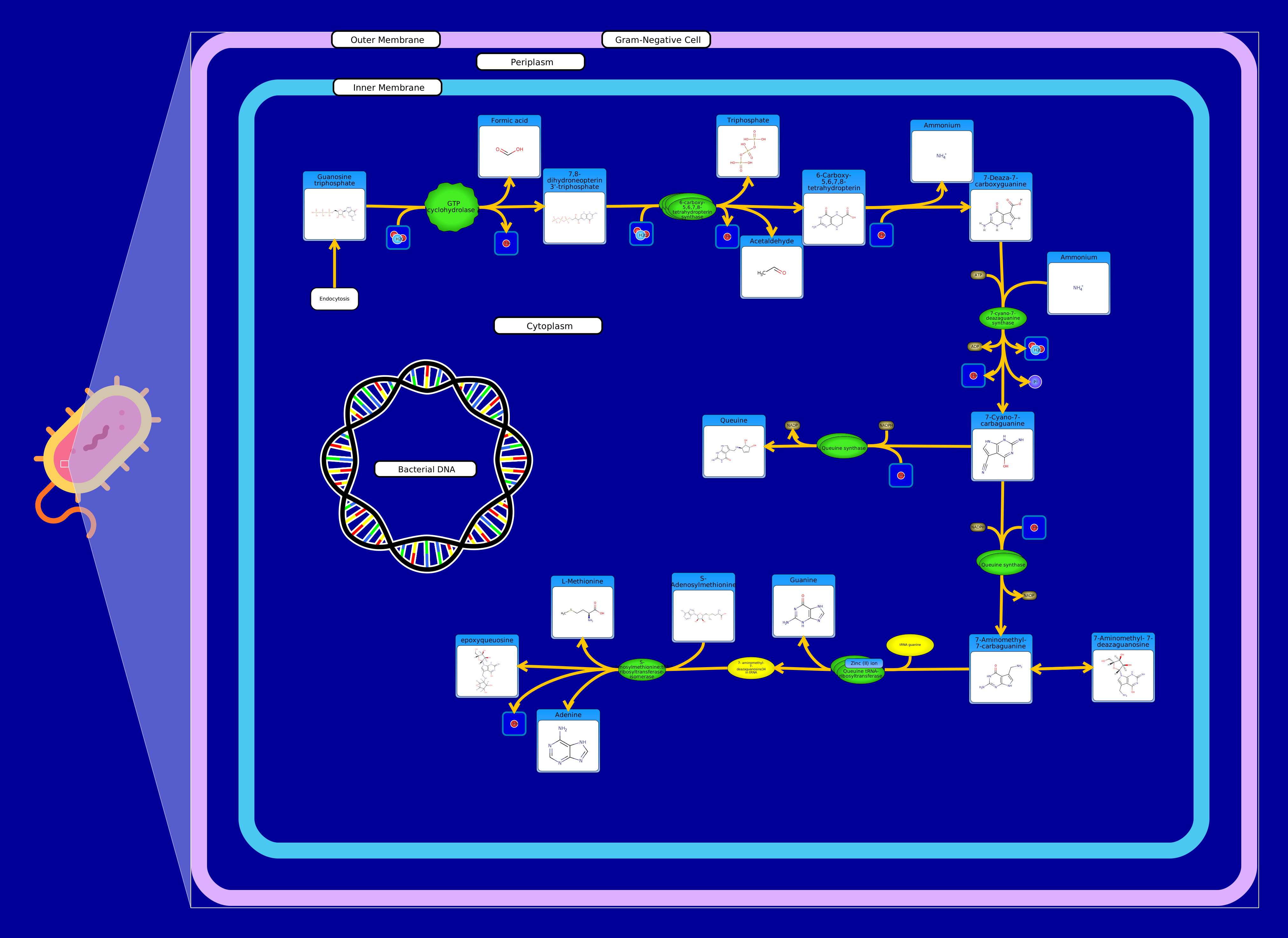 View Pathway
|
PreQ0 MetabolismOdoribacter laneus YIT 12061
PreQ0 or 7-cyano-7-carbaguanine is biosynthesized by degrading GTP.
GTP first interacts with water through a GTP cyclohydrolase resulting in the release of a formate, a hydrogen ion and a 7,8-dihydroneopterin 3'-triphosphate. The latter compound then interacts with water through a 6-carboxy-5,6,7,8-tetrahydropterin synthase resulting in a acetaldehyde, triphosphate, 2 hydrogen ion and 6-carboxy-5,6,7,8-tetrahydropterin. The latter compound then reacts spontaneously with a hydrogen ion resulting in the release of a ammonium molecule and a 7-carboxy-7-deazaguanine. This compound then interacts with ATP and ammonium through 7-cyano-7-deazaguanine synthase resulting in the release of water, phosphate, ADP, hydrogen ion and a 7-cyano-7-carbaguanine.
The degradation of 7-cyano-7-deazaguanine can lead to produce a preQ1 or a queuine by reacting with 3 hydrogen ions and 2 NADPH through a 7-cyano-7-deazaguanine reductase. PreQ1 then interacts with a guanine 34 in tRNA through a tRNA-guanine transglycosylase resulting in a release of a guanine and a 7-aminomethyl-7-deazaguanosine 34 in tRNA. This nucleic acid then interacts with SAM through a S-adenosylmethionine tRNA ribosyltransferase-isomerase resulting in a release of a hydrogen ion, L-methionine, adenine and an epoxyqueuosine
|
Creator: Julia Wakoli Created On: January 28, 2025 at 20:09 Last Updated: January 28, 2025 at 20:09 |
PW685783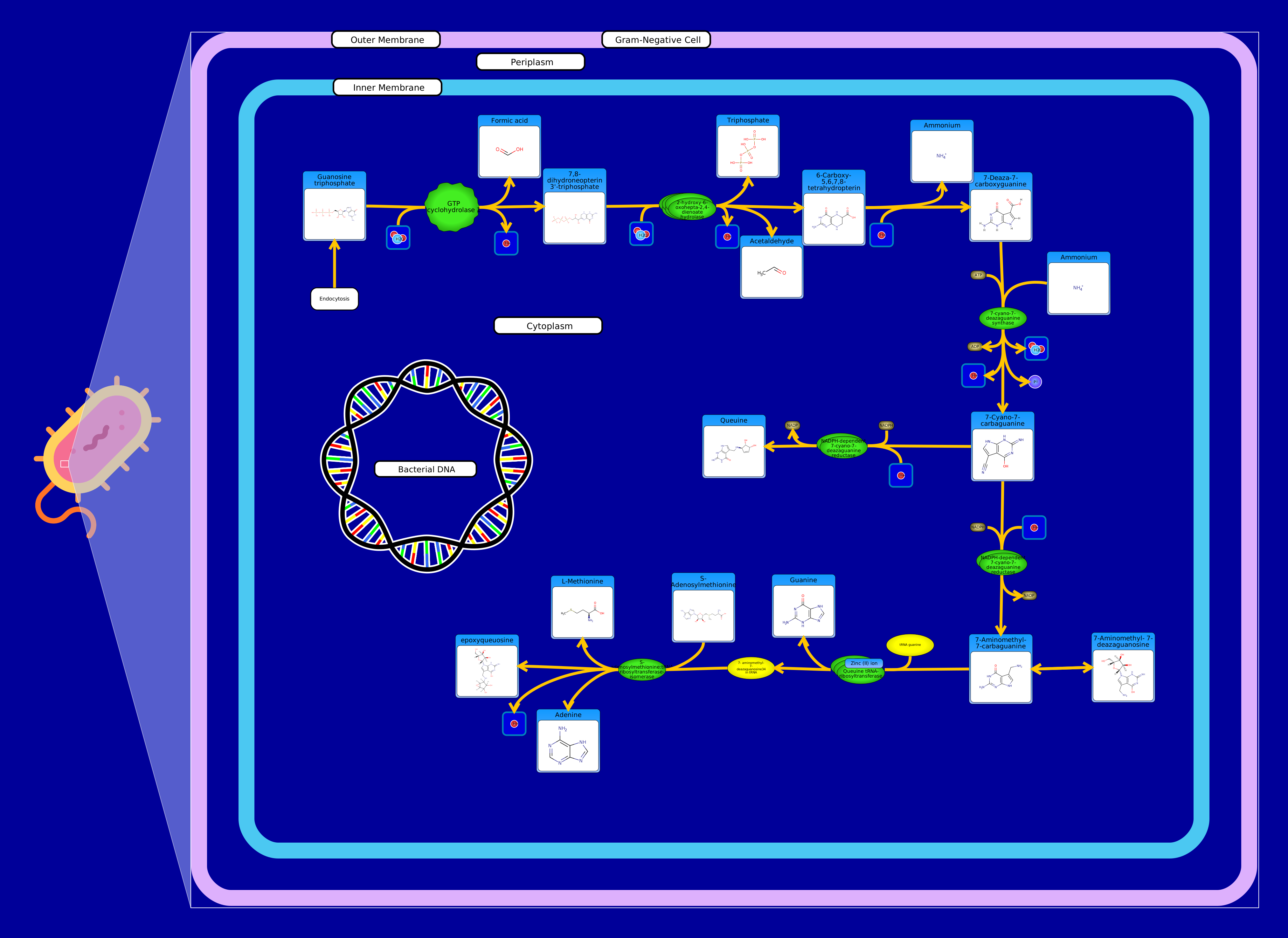 View Pathway
|
PreQ0 MetabolismHelicobacter canadensis MIT 98-5491
PreQ0 or 7-cyano-7-carbaguanine is biosynthesized by degrading GTP.
GTP first interacts with water through a GTP cyclohydrolase resulting in the release of a formate, a hydrogen ion and a 7,8-dihydroneopterin 3'-triphosphate. The latter compound then interacts with water through a 6-carboxy-5,6,7,8-tetrahydropterin synthase resulting in a acetaldehyde, triphosphate, 2 hydrogen ion and 6-carboxy-5,6,7,8-tetrahydropterin. The latter compound then reacts spontaneously with a hydrogen ion resulting in the release of a ammonium molecule and a 7-carboxy-7-deazaguanine. This compound then interacts with ATP and ammonium through 7-cyano-7-deazaguanine synthase resulting in the release of water, phosphate, ADP, hydrogen ion and a 7-cyano-7-carbaguanine.
The degradation of 7-cyano-7-deazaguanine can lead to produce a preQ1 or a queuine by reacting with 3 hydrogen ions and 2 NADPH through a 7-cyano-7-deazaguanine reductase. PreQ1 then interacts with a guanine 34 in tRNA through a tRNA-guanine transglycosylase resulting in a release of a guanine and a 7-aminomethyl-7-deazaguanosine 34 in tRNA. This nucleic acid then interacts with SAM through a S-adenosylmethionine tRNA ribosyltransferase-isomerase resulting in a release of a hydrogen ion, L-methionine, adenine and an epoxyqueuosine
|
Creator: Julia Wakoli Created On: January 29, 2025 at 12:50 Last Updated: January 29, 2025 at 12:50 |
PW486545 View Pathway
|
PreQ0 MetabolismVibrio fluvialis PG41
PreQ0 or 7-cyano-7-carbaguanine is biosynthesized by degrading GTP.
GTP first interacts with water through a GTP cyclohydrolase resulting in the release of a formate, a hydrogen ion and a 7,8-dihydroneopterin 3'-triphosphate. The latter compound then interacts with water through a 6-carboxy-5,6,7,8-tetrahydropterin synthase resulting in a acetaldehyde, triphosphate, 2 hydrogen ion and 6-carboxy-5,6,7,8-tetrahydropterin. The latter compound then reacts spontaneously with a hydrogen ion resulting in the release of a ammonium molecule and a 7-carboxy-7-deazaguanine. This compound then interacts with ATP and ammonium through 7-cyano-7-deazaguanine synthase resulting in the release of water, phosphate, ADP, hydrogen ion and a 7-cyano-7-carbaguanine.
The degradation of 7-cyano-7-deazaguanine can lead to produce a preQ1 or a queuine by reacting with 3 hydrogen ions and 2 NADPH through a 7-cyano-7-deazaguanine reductase. PreQ1 then interacts with a guanine 34 in tRNA through a tRNA-guanine transglycosylase resulting in a release of a guanine and a 7-aminomethyl-7-deazaguanosine 34 in tRNA. This nucleic acid then interacts with SAM through a S-adenosylmethionine tRNA ribosyltransferase-isomerase resulting in a release of a hydrogen ion, L-methionine, adenine and an epoxyqueuosine
|
Creator: Julia Wakoli Created On: January 29, 2025 at 22:13 Last Updated: January 29, 2025 at 22:13 |
PW486641 View Pathway
|
PreQ0 MetabolismAcetomicrobium hydrogeniformans
PreQ0 or 7-cyano-7-carbaguanine is biosynthesized by degrading GTP.
GTP first interacts with water through a GTP cyclohydrolase resulting in the release of a formate, a hydrogen ion and a 7,8-dihydroneopterin 3'-triphosphate. The latter compound then interacts with water through a 6-carboxy-5,6,7,8-tetrahydropterin synthase resulting in a acetaldehyde, triphosphate, 2 hydrogen ion and 6-carboxy-5,6,7,8-tetrahydropterin. The latter compound then reacts spontaneously with a hydrogen ion resulting in the release of a ammonium molecule and a 7-carboxy-7-deazaguanine. This compound then interacts with ATP and ammonium through 7-cyano-7-deazaguanine synthase resulting in the release of water, phosphate, ADP, hydrogen ion and a 7-cyano-7-carbaguanine.
The degradation of 7-cyano-7-deazaguanine can lead to produce a preQ1 or a queuine by reacting with 3 hydrogen ions and 2 NADPH through a 7-cyano-7-deazaguanine reductase. PreQ1 then interacts with a guanine 34 in tRNA through a tRNA-guanine transglycosylase resulting in a release of a guanine and a 7-aminomethyl-7-deazaguanosine 34 in tRNA. This nucleic acid then interacts with SAM through a S-adenosylmethionine tRNA ribosyltransferase-isomerase resulting in a release of a hydrogen ion, L-methionine, adenine and an epoxyqueuosine
|
Creator: Julia Wakoli Created On: January 29, 2025 at 22:54 Last Updated: January 29, 2025 at 22:54 |
PW486634 View Pathway
|
PreQ0 MetabolismPaenibacillus lactis 154
PreQ0 or 7-cyano-7-carbaguanine is biosynthesized by degrading GTP.
GTP first interacts with water through a GTP cyclohydrolase resulting in the release of a formate, a hydrogen ion and a 7,8-dihydroneopterin 3'-triphosphate. The latter compound then interacts with water through a 6-carboxy-5,6,7,8-tetrahydropterin synthase resulting in a acetaldehyde, triphosphate, 2 hydrogen ion and 6-carboxy-5,6,7,8-tetrahydropterin. The latter compound then reacts spontaneously with a hydrogen ion resulting in the release of a ammonium molecule and a 7-carboxy-7-deazaguanine. This compound then interacts with ATP and ammonium through 7-cyano-7-deazaguanine synthase resulting in the release of water, phosphate, ADP, hydrogen ion and a 7-cyano-7-carbaguanine.
The degradation of 7-cyano-7-deazaguanine can lead to produce a preQ1 or a queuine by reacting with 3 hydrogen ions and 2 NADPH through a 7-cyano-7-deazaguanine reductase. PreQ1 then interacts with a guanine 34 in tRNA through a tRNA-guanine transglycosylase resulting in a release of a guanine and a 7-aminomethyl-7-deazaguanosine 34 in tRNA. This nucleic acid then interacts with SAM through a S-adenosylmethionine tRNA ribosyltransferase-isomerase resulting in a release of a hydrogen ion, L-methionine, adenine and an epoxyqueuosine
|
Creator: Julia Wakoli Created On: January 29, 2025 at 22:51 Last Updated: January 29, 2025 at 22:51 |
PW486906 View Pathway
|
PreQ0 MetabolismSubdoligranulum variabile DSM 15176
PreQ0 or 7-cyano-7-carbaguanine is biosynthesized by degrading GTP.
GTP first interacts with water through a GTP cyclohydrolase resulting in the release of a formate, a hydrogen ion and a 7,8-dihydroneopterin 3'-triphosphate. The latter compound then interacts with water through a 6-carboxy-5,6,7,8-tetrahydropterin synthase resulting in a acetaldehyde, triphosphate, 2 hydrogen ion and 6-carboxy-5,6,7,8-tetrahydropterin. The latter compound then reacts spontaneously with a hydrogen ion resulting in the release of a ammonium molecule and a 7-carboxy-7-deazaguanine. This compound then interacts with ATP and ammonium through 7-cyano-7-deazaguanine synthase resulting in the release of water, phosphate, ADP, hydrogen ion and a 7-cyano-7-carbaguanine.
The degradation of 7-cyano-7-deazaguanine can lead to produce a preQ1 or a queuine by reacting with 3 hydrogen ions and 2 NADPH through a 7-cyano-7-deazaguanine reductase. PreQ1 then interacts with a guanine 34 in tRNA through a tRNA-guanine transglycosylase resulting in a release of a guanine and a 7-aminomethyl-7-deazaguanosine 34 in tRNA. This nucleic acid then interacts with SAM through a S-adenosylmethionine tRNA ribosyltransferase-isomerase resulting in a release of a hydrogen ion, L-methionine, adenine and an epoxyqueuosine
|
Creator: Julia Wakoli Created On: January 30, 2025 at 00:41 Last Updated: January 30, 2025 at 00:41 |
PW500054 View Pathway
|
PreQ0 MetabolismEscherichia coli O113:H21
PreQ0 or 7-cyano-7-carbaguanine is biosynthesized by degrading GTP.
GTP first interacts with water through a GTP cyclohydrolase resulting in the release of a formate, a hydrogen ion and a 7,8-dihydroneopterin 3'-triphosphate. The latter compound then interacts with water through a 6-carboxy-5,6,7,8-tetrahydropterin synthase resulting in a acetaldehyde, triphosphate, 2 hydrogen ion and 6-carboxy-5,6,7,8-tetrahydropterin. The latter compound then reacts spontaneously with a hydrogen ion resulting in the release of a ammonium molecule and a 7-carboxy-7-deazaguanine. This compound then interacts with ATP and ammonium through 7-cyano-7-deazaguanine synthase resulting in the release of water, phosphate, ADP, hydrogen ion and a 7-cyano-7-carbaguanine.
The degradation of 7-cyano-7-deazaguanine can lead to produce a preQ1 or a queuine by reacting with 3 hydrogen ions and 2 NADPH through a 7-cyano-7-deazaguanine reductase. PreQ1 then interacts with a guanine 34 in tRNA through a tRNA-guanine transglycosylase resulting in a release of a guanine and a 7-aminomethyl-7-deazaguanosine 34 in tRNA. This nucleic acid then interacts with SAM through a S-adenosylmethionine tRNA ribosyltransferase-isomerase resulting in a release of a hydrogen ion, L-methionine, adenine and an epoxyqueuosine
|
Creator: Julia Wakoli Created On: February 04, 2025 at 23:41 Last Updated: February 04, 2025 at 23:41 |