
| PathWhiz ID | Pathway | Meta Data |
|---|---|---|
PW128113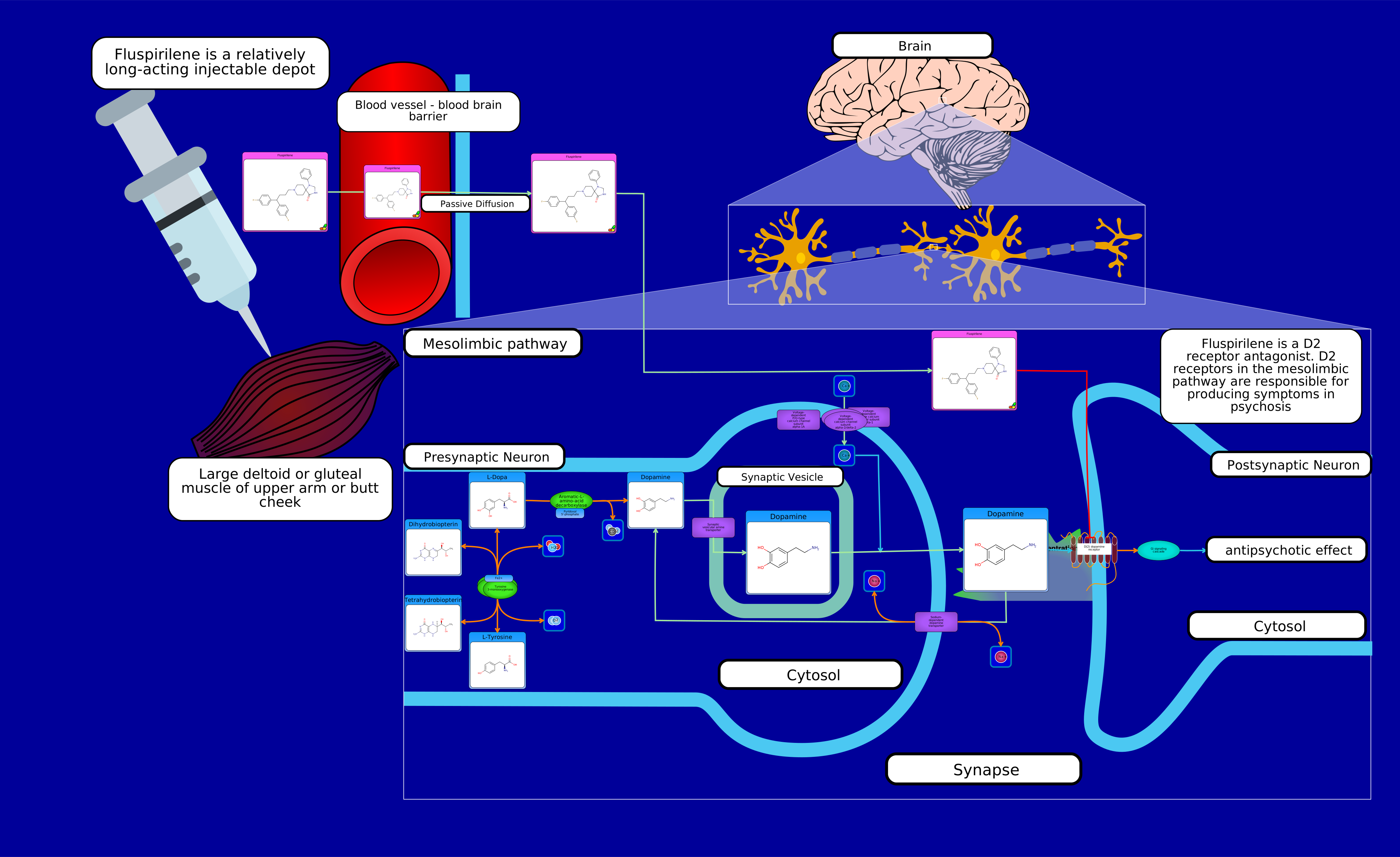 View Pathway
|
drug action
Fluspirilene Mechanism of Action Action PathwayHomo sapiens
Fluspirilene is an antipsychotic agent used in the treatment of schizophrenia. Fluspirilene is a relatively long-acting injectable depot antipsychotic drug used for schizophrenia. Fluspirilene does not differ greatly from other depot antipsychotics (fluphenazine decanoate, fluphenazine enathate, perphenazine onanthat, pipotiazine undecylenate) with respect to treatment efficacy, response or tolerability.
|
Creator: Omolola Created On: July 19, 2023 at 09:37 Last Updated: July 19, 2023 at 09:37 |
PW144621 View Pathway
|
drug action
Flutamide Drug Metabolism Action PathwayHomo sapiens
|
Creator: Ray Kruger Created On: October 07, 2023 at 14:03 Last Updated: October 07, 2023 at 14:03 |
PW176051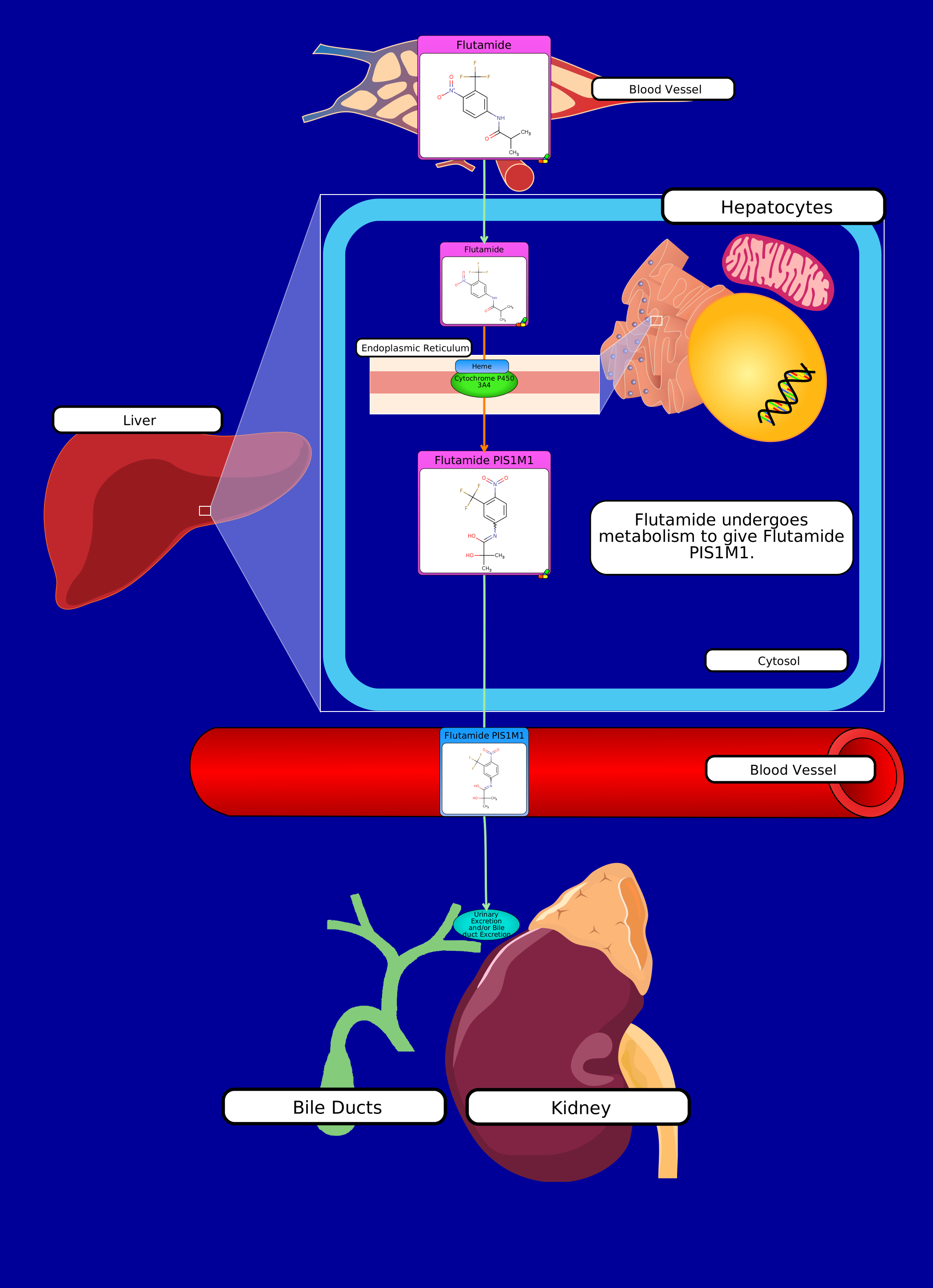 View Pathway
|
Flutamide Predicted Metabolism Pathway newHomo sapiens
Metabolites of Flutamide are predicted with biotransformer.
|
Creator: Omolola Created On: November 29, 2023 at 13:34 Last Updated: November 29, 2023 at 13:34 |
PW146017 View Pathway
|
drug action
Flutemetamol (18F) Drug Metabolism Action PathwayHomo sapiens
|
Creator: Ray Kruger Created On: October 07, 2023 at 17:12 Last Updated: October 07, 2023 at 17:12 |
PW127830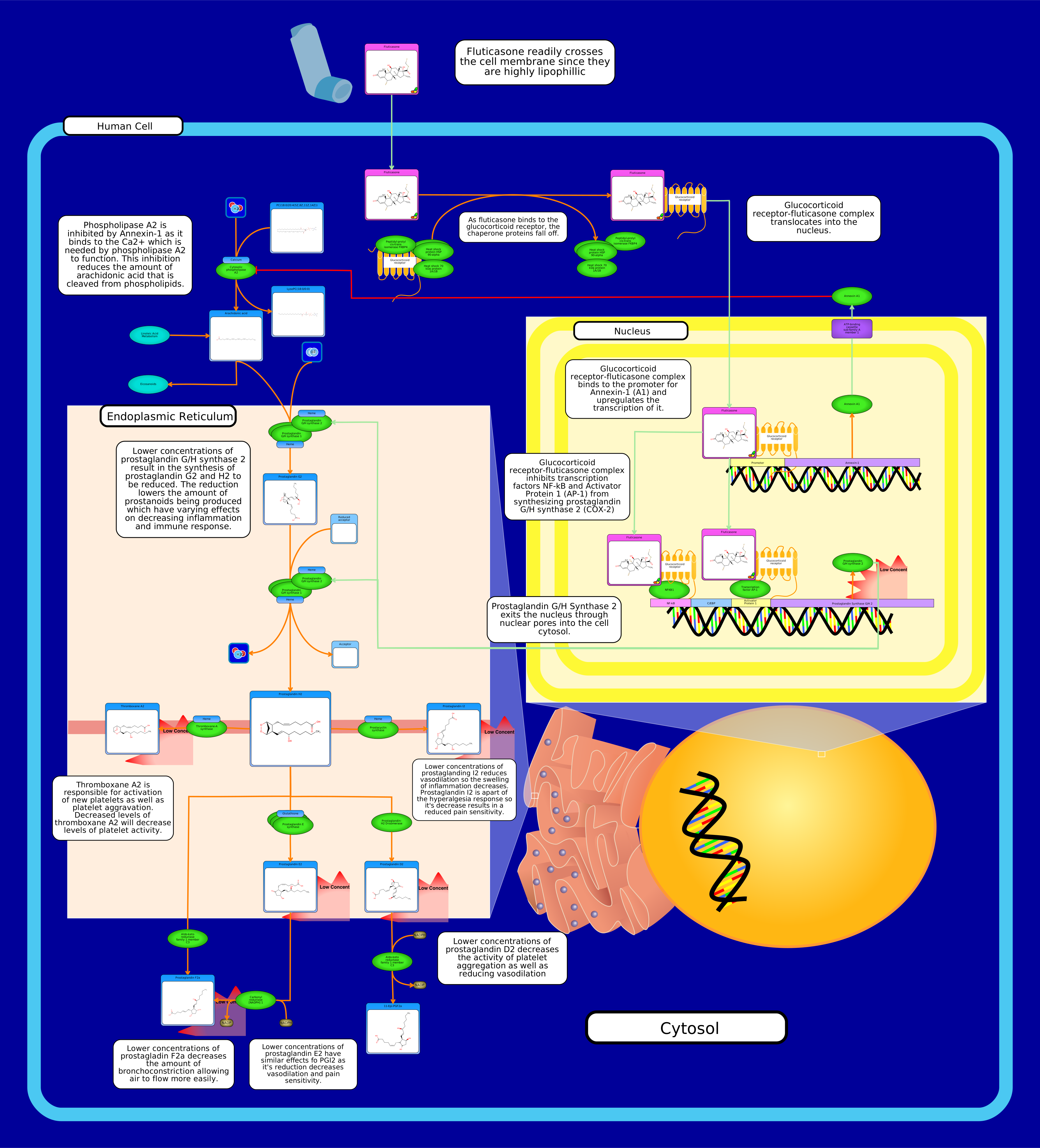 View Pathway
|
drug action
Fluticasone Action PathwayHomo sapiens
Fluticasone is a corticosteroid used in the treatment of corticosteroid-responsive dermatoses, asthma, and moderate to severe Chronic Obstructive Pulmonary Disease (COPD). Fluticasone is a synthetic glucocorticoid available as 2 esters, Fluticasone furoate, and Fluticasone propionate. It is available as an inhaler, nasal spray, and topical cream. As this molecule is a glucocorticoid, its mechanism of action is that of the glucocorticoid response element (GRE) of influencing COX-2/prostaglandin G/H synthase 2 suppression and lipocortin/annexin induction. By binding to the glucocorticoid receptor, it influences transcription factors AP-1 and NF-kB to block the transcription of COX-2/prostaglandin G/H synthase 2 which reduces the amount of prostanoids being produced from arachidonic acid. Prostanoids such as PGI2 and thromboxane A2 influence the effects of inflammation through vasoconstriction/dilation, pain sensitivity, and platelet aggregation. Fluticasone also affects the promoter of annexin-1, an important inflammatory protein as it affects leukocytes and blocks phospholipase A2 which reduces the amount of arachidonic acid being cleaved from the phospholipid bilayer. Reducing the amount of arachidonic acid formed further decreases the concentrations of prostanoids mentioned calming inflammation.
|
Creator: Daphnee Created On: June 07, 2023 at 09:44 Last Updated: June 07, 2023 at 09:44 |
PW132543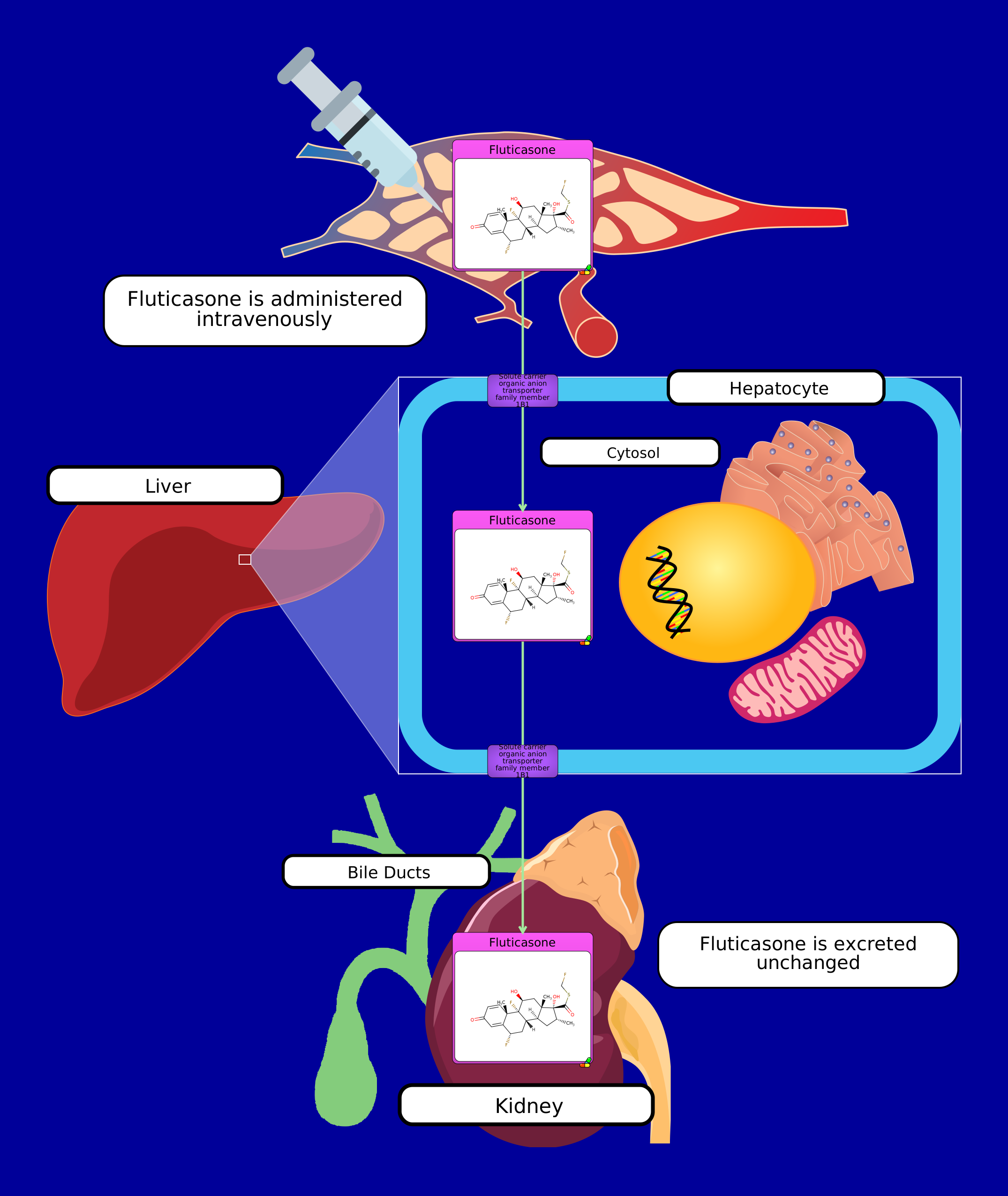 View Pathway
|
Fluticasone Drug MetabolismHomo sapiens
Fluticasone is a drug that is not metabolized by the human body as determined by current research and biotransformer analysis. Fluticasone passes through the liver and is then excreted from the body mainly through the kidney.
|
Creator: Ray Kruger Created On: September 21, 2023 at 22:21 Last Updated: September 21, 2023 at 22:21 |
PW146688 View Pathway
|
drug action
Fluticasone Drug Metabolism Action PathwayHomo sapiens
|
Creator: Ray Kruger Created On: October 07, 2023 at 18:48 Last Updated: October 07, 2023 at 18:48 |
PW127836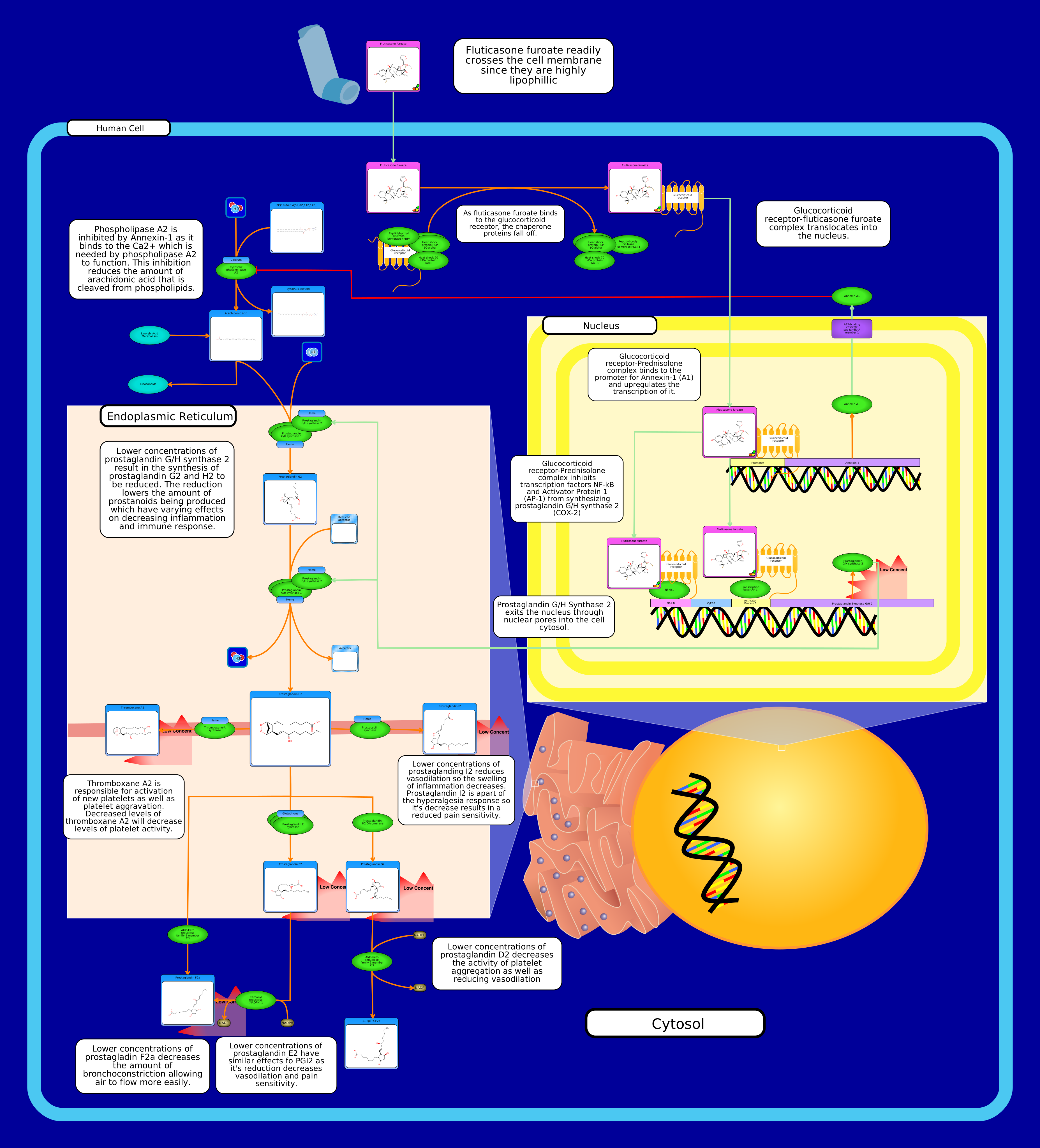 View Pathway
|
drug action
Fluticasone furoate Action PathwayHomo sapiens
Fluticasone furoate is a synthetic trifluorinated corticosteroid that can be used as maintenance treatment for asthma and/or chronic obstructive pulmonary disease (COPD). This drug is also available as a nasal spray to manage the symptoms of allergic rhinitis. Fluticasone furoate has been shown in vitro to exhibit a binding affinity for the human glucocorticoid receptor that is approximately 29.9 times that of dexamethasone and 1.7 times that of fluticasone propionate. As this molecule is a glucocorticoid, its mechanism of action is that of the glucocorticoid response element (GRE) of influencing COX-2/prostaglandin G/H synthase 2 suppression and lipocortin/annexin induction. By binding to the glucocorticoid receptor, it influences transcription factors AP-1 and NF-kB to block the transcription of COX-2/prostaglandin G/H synthase 2 which reduces the amount of prostanoids being produced from arachidonic acid. Prostanoids such as PGI2 and thromboxane A2 influence the effects of inflammation through vasoconstriction/dilation, pain sensitivity, and platelet aggregation. Fluticasone furoate also affects the promoter of annexin-1, an important inflammatory protein as it affects leukocytes and blocks phospholipase A2 which reduces the amount of arachidonic acid being cleaved from the phospholipid bilayer. Reducing the amount of arachidonic acid formed further decreases the concentrations of prostanoids mentioned calming inflammation.
|
Creator: Daphnee Created On: June 07, 2023 at 10:53 Last Updated: June 07, 2023 at 10:53 |
PW145881 View Pathway
|
drug action
Fluticasone furoate Drug Metabolism Action PathwayHomo sapiens
|
Creator: Ray Kruger Created On: October 07, 2023 at 16:53 Last Updated: October 07, 2023 at 16:53 |
PW127837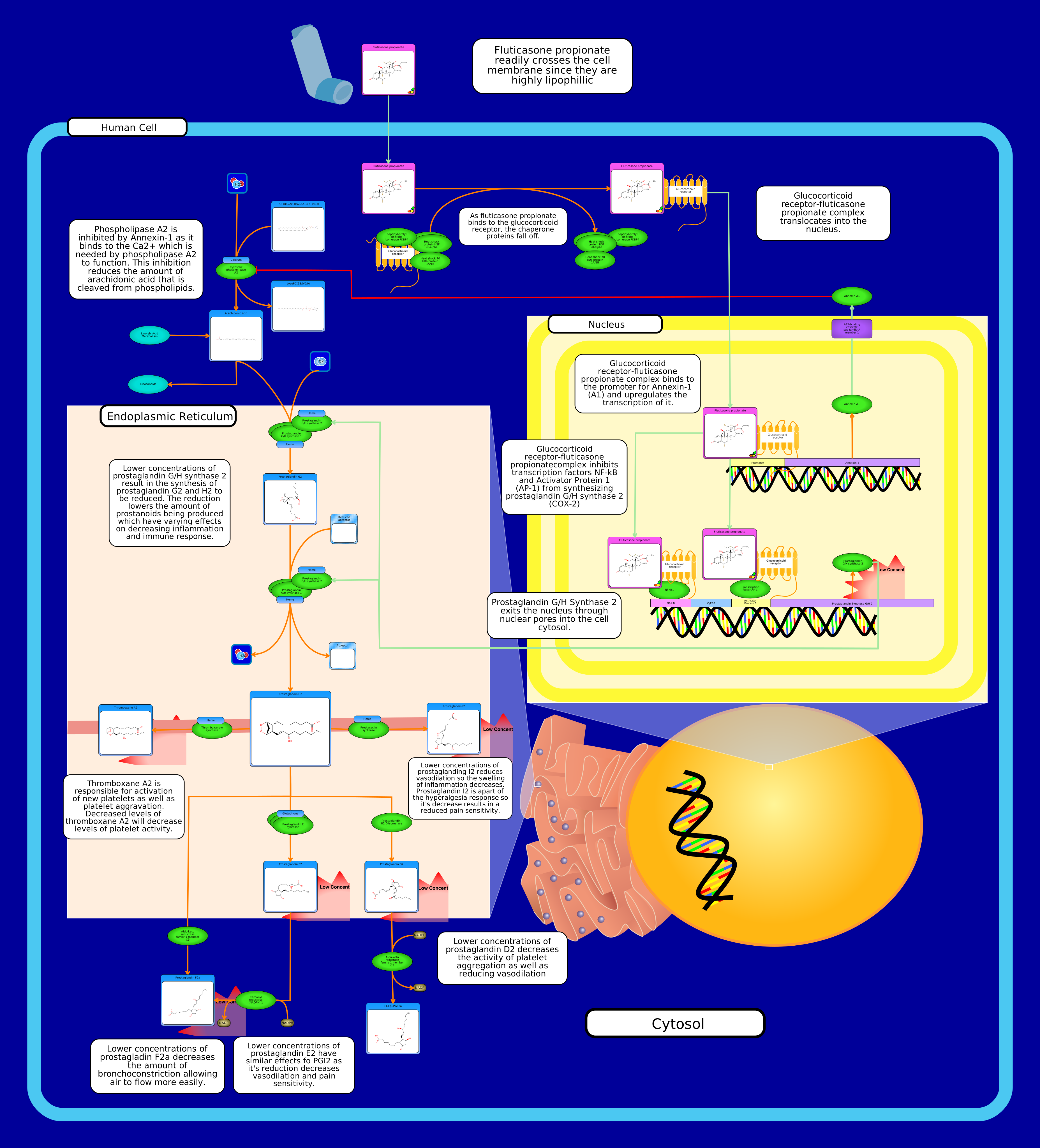 View Pathway
|
drug action
Fluticasone propionate Action PathwayHomo sapiens
Fluticasone propionate is a synthetic glucocorticoid used to treat asthma, as well as inflammatory and pruritic dermatoses. This molecule can also besused as a nasal spray to treat allergic and nonallergic rhinitis. As this molecule is a glucocorticoid, its mechanism of action is that of the glucocorticoid response element (GRE) of influencing COX-2/prostaglandin G/H synthase 2 suppression and lipocortin/annexin induction. By binding to the glucocorticoid receptor, it influences transcription factors AP-1 and NF-kB to block the transcription of COX-2/prostaglandin G/H synthase 2 which reduces the amount of prostanoids being produced from arachidonic acid. Prostanoids such as PGI2 and thromboxane A2 influence the effects of inflammation through vasoconstriction/dilation, pain sensitivity, and platelet aggregation. This drug also affects the promoter of annexin-1, an important inflammatory protein as it affects leukocytes and blocks phospholipase A2 which reduces the amount of arachidonic acid being cleaved from the phospholipid bilayer. Reducing the amount of arachidonic acid formed further decreases the concentrations of prostanoids mentioned calming inflammation. Fluticasone propionate is administered as an inhaler, a nasal spray or as a topical ointment.
|
Creator: Daphnee Created On: June 07, 2023 at 11:36 Last Updated: June 07, 2023 at 11:36 |