
| PathWhiz ID | Pathway | Meta Data |
|---|---|---|
PW751656 View Pathway
|
disease
GHHomo sapiens
1. Central Hepatocyte Cell
Shape & Color: Large oval, light yellow background (cytoplasm).
Inside: Multiple clustered purple glycogen granules scattered mostly in the cytoplasm, showing glycogen accumulation.
Annotation: Label "Hepatocyte with glycogen overload (GH)".
2. Glucose Uptake
On Cell Membrane (Left Side):
GLUT2 transporter depicted as a vertical oval/rectangle.
Red arrow pointing from extracellular space into hepatocyte through GLUT2.
Label: "Glucose enters via GLUT2".
3. Glucose Metabolism Inside Hepatocyte
Glucokinase Enzyme:
Circle/oval labeled "Glucokinase" near the inward glucose arrow.
Convert glucose → glucose-6-phosphate (G6P).
Small red arrows from glucokinase to G6P pool.
Glucose-6-Phosphate (G6P):
Small circle labeled "G6P".
Red arrow from G6P pointing toward glycogen synthase.
4. Key Enzymes & Actions
Glycogen Synthase (GYS2):
Large, green-highlighted enzyme labeled "Glycogen Synthase (GYS2)".
Green arrows pointing from G6P and PP1 towards GYS2 indicating activation.
Function note: "Converts glucose-1-phosphate to glycogen. Activated by G6P and insulin signaling."
Glycogen Phosphorylase:
Enzyme icon with red blunt-ended inhibition line directed to it.
Label: "Breaks down glycogen; relatively inactive in GH."
Glycogen Synthase Kinase-3 (GSK-3):
Enzyme icon positioned near glycogen synthase.
Red blunt inhibitory arrow from GSK-3 to glycogen synthase.
Label: "Normally inhibits glycogen synthase, inhibited by insulin."
Protein Phosphatase 1 (PP1):
Labeled component with blue circle.
Blue arrow from insulin signaling to PP1 (activation).
Green arrow from PP1 activating glycogen synthase.
Label: "Dephosphorylates and activates glycogen synthase."
5. Insulin Signaling Cascade (Right Side of Cell)
Insulin Molecule:
Blue hexagon or symbol binding to Insulin Receptor on cell membrane.
Arrows showing signaling cascade inside cell:
Blue arrow inhibiting GSK-3 (red blunt arrow crossing).
Blue arrow activating PP1.
Label for signaling area: "Insulin signaling promotes glycogen synthesis by inhibiting GSK-3 and activating PP1."
6. Glycogen Accumulation
Visual of swollen hepatocyte due to glycogen accumulation.
Annotation near cell: "Excess glycogen causes hepatocyte swelling → hepatomegaly."
7. Color Legend
Red: Glucose and substrate flow.
Blue: Insulin signaling pathway.
Green: Activation steps.
Red blunt arrows: Inhibition / blockade.
8. Additional Inset Box (Optional)
Showing "Reversibility of GH with good glycemic control".
Insulin therapy → glycogen mobilization → normalization of liver size.
Step-by-Step Instructions to Create the Image
Start with a large oval in light yellow to represent a single hepatocyte.
Add multiple purple circles inside the cell scattered as glycogen granules.
On the left edge, draw GLUT2 transporter with a red arrow showing glucose entry.
Inside the cell near entry point, place glucokinase enzyme; show glucose → G6P conversion with red arrows.
Show G6P as a small circle in the cytoplasm with a red arrow targeting glycogen synthase.
Place glycogen synthase enzyme centrally right in green highlight.
Add green arrows from G6P and PP1 pointing to glycogen synthase.
Add text label for the enzyme role.
Nearby, place glycogen phosphorylase with a red blunt arrow indicating inhibition.
Place GSK-3 enzyme close to glycogen synthase.
Add a red blunt inhibitory arrow pointing from GSK-3 to glycogen synthase.
Add protein phosphatase 1 (PP1) enzyme activated by insulin (blue arrow).
Connect PP1 to glycogen synthase with a green arrow (activation).
On the right membrane, add insulin molecule binding receptor.
Draw blue arrows for insulin signaling: one inhibiting GSK-3, another activating PP1.
Show hepatocyte swelling via cell expansion or annotation.
Add color-coded arrows and label each arrow type in a legend.
Optionally, add an inset box showing the reversibility with insulin therapy.
|
Creator: Guest: Anonymous Created On: August 13, 2025 at 02:56 Last Updated: August 13, 2025 at 02:56 |
PW128532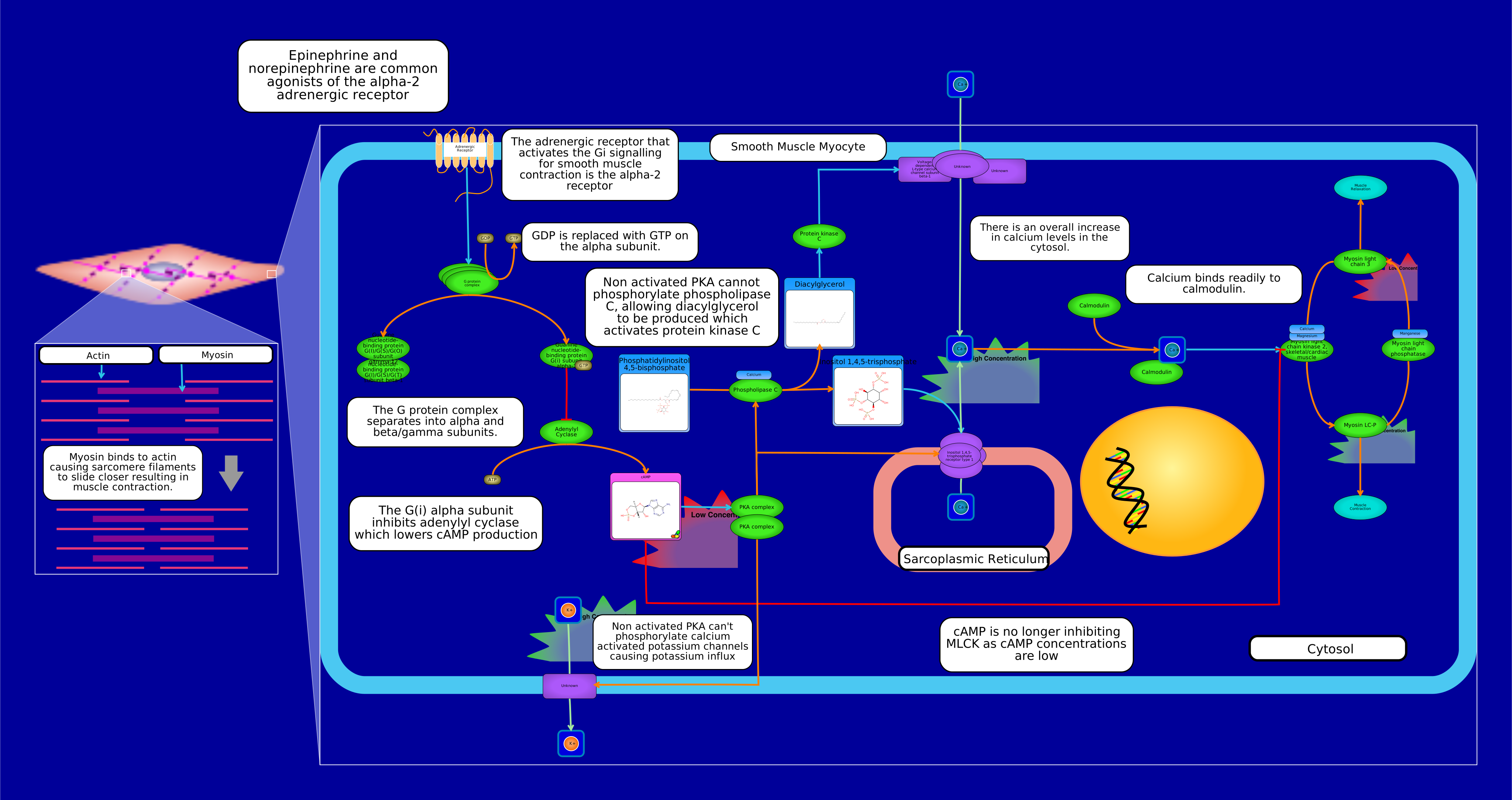 View Pathway
|
physiological
Gi Adrenergic Smooth Muscle ContractionRattus norvegicus
The adrenergic receptors or adrenoceptors are a class of G protein-coupled receptors that are targets of many catecholamines like norepinephrine (noradrenaline) and epinephrine (adrenaline) produced by the body, but also many medications like beta blockers, beta-2 (β2) agonists and alpha-2 (α2) agonists, which are used to treat high blood pressure and asthma, for example. The α2, on the other hand, couples to Gi, which causes a decrease in neurotransmitter release, as well as a decrease of cAMP activity resulting in smooth muscle contraction. Gi protein alpha subunit is a family of heterotrimeric G protein alpha subunits. This family is also commonly called the Gi/o (Gi /Go ) family or Gi/o/z/t family to include closely related family members. G alpha subunits may be referred to as Gi alpha, Gαi, or Giα. The general function of Gi/o/z/t is to activate intracellular signaling pathways in response to activation of cell surface G protein-coupled receptors (GPCRs). GPCRs function as part of a three-component system of receptor-transducer-effector. The transducer in this system is a heterotrimeric G protein, composed of three subunits: a Gα protein such as Giα, and a complex of two tightly linked proteins called Gβ and Gγ in a Gβγ complex. When not stimulated by a receptor, Gα is bound to GDP and to Gβγ to form the inactive G protein trimer. When the receptor binds an activating ligand outside the cell (such as a hormone or neurotransmitter), the activated receptor acts as a guanine nucleotide exchange factor to promote GDP release from and GTP binding to Gα, which drives dissociation of GTP-bound Gα from Gβγ. GTP-bound Gα and Gβγ are then freed to activate their respective downstream signaling enzymes. Gi proteins primarily inhibit the cAMP dependent pathway by inhibiting adenylyl cyclase activity, decreasing the production of cAMP from ATP, which, in turn, results in decreased activity of cAMP-dependent protein kinase. Therefore, the ultimate effect of Gi is the inhibition of the cAMP-dependent protein kinase. The Gβγ liberated by activation of Gi and Go proteins is particularly able to activate downstream signaling to effectors such as G protein-coupled inwardly-rectifying potassium channels (GIRKs). Contraction of smooth muscle is initiated by a Ca2+-mediated change in the thick filaments, whereas in striated muscle Ca2+ mediates contraction by changes in the thin filaments. In response to specific stimuli in smooth muscle, the intracellular concentration of Ca2+ increases, and this activator Ca2+ combines with the acidic protein calmodulin. This complex activates MLC kinase to phosphorylate the light chain of myosin (Fig. 1). Cytosolic Ca2+ is increased through Ca2+ release from intracellular stores (sarcoplasmic reticulum) as well as entry from the extracellular space through Ca2+ channels (receptor-operated Ca2+ channels). Agonists (norepinephrine, angiotensin II, endothelin, etc.) binding to serpentine receptors, coupled to a heterotrimeric G protein, stimulate phospholipase C activity. This enzyme is specific for the membrane lipid phosphatidylinositol 4,5-bisphosphate to catalyze the formation of two potent second messengers: inositol trisphosphate (IP3) and diacylglycerol (DG). The binding of IP3 to receptors on the sarcoplasmic reticulum results in the release of Ca2+ into the cytosol. DG, along with Ca2+, activates protein kinase C (PKC), which phosphorylates specific target proteins. There are several isozymes of PKC in smooth muscle, and each has a tissue-specific role (e.g., vascular, uterine, intestinal, etc.). In many cases, PKC has contraction-promoting effects such as phosphorylation of L-type Ca2+ channels or other proteins that regulate cross-bridge cycling.
|
Creator: Hayley Created On: September 01, 2023 at 15:20 Last Updated: September 01, 2023 at 15:20 |
PW128533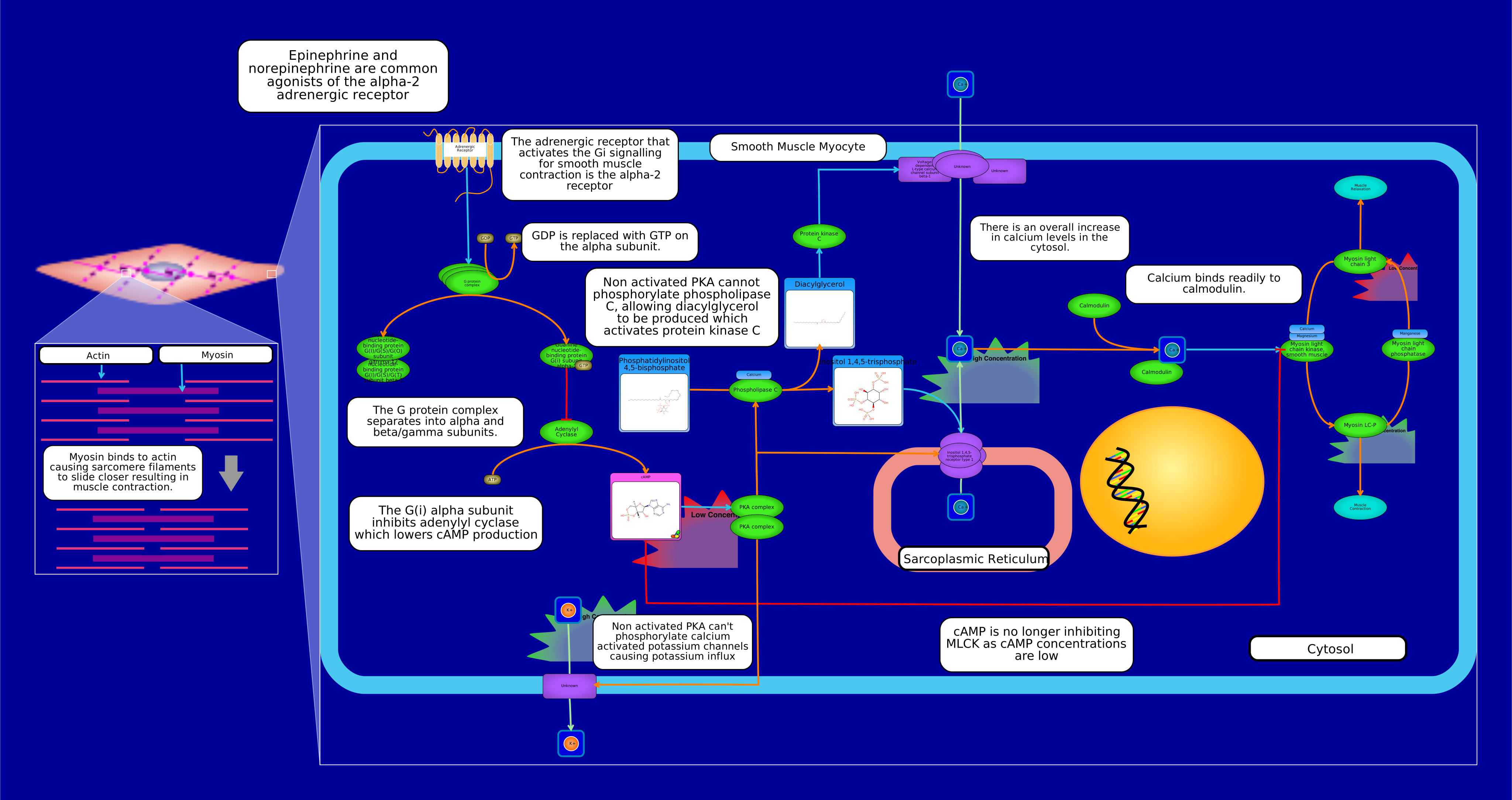 View Pathway
|
physiological
Gi Adrenergic Smooth Muscle ContractionBos taurus
The adrenergic receptors or adrenoceptors are a class of G protein-coupled receptors that are targets of many catecholamines like norepinephrine (noradrenaline) and epinephrine (adrenaline) produced by the body, but also many medications like beta blockers, beta-2 (β2) agonists and alpha-2 (α2) agonists, which are used to treat high blood pressure and asthma, for example. The α2, on the other hand, couples to Gi, which causes a decrease in neurotransmitter release, as well as a decrease of cAMP activity resulting in smooth muscle contraction. Gi protein alpha subunit is a family of heterotrimeric G protein alpha subunits. This family is also commonly called the Gi/o (Gi /Go ) family or Gi/o/z/t family to include closely related family members. G alpha subunits may be referred to as Gi alpha, Gαi, or Giα. The general function of Gi/o/z/t is to activate intracellular signaling pathways in response to activation of cell surface G protein-coupled receptors (GPCRs). GPCRs function as part of a three-component system of receptor-transducer-effector. The transducer in this system is a heterotrimeric G protein, composed of three subunits: a Gα protein such as Giα, and a complex of two tightly linked proteins called Gβ and Gγ in a Gβγ complex. When not stimulated by a receptor, Gα is bound to GDP and to Gβγ to form the inactive G protein trimer. When the receptor binds an activating ligand outside the cell (such as a hormone or neurotransmitter), the activated receptor acts as a guanine nucleotide exchange factor to promote GDP release from and GTP binding to Gα, which drives dissociation of GTP-bound Gα from Gβγ. GTP-bound Gα and Gβγ are then freed to activate their respective downstream signaling enzymes. Gi proteins primarily inhibit the cAMP dependent pathway by inhibiting adenylyl cyclase activity, decreasing the production of cAMP from ATP, which, in turn, results in decreased activity of cAMP-dependent protein kinase. Therefore, the ultimate effect of Gi is the inhibition of the cAMP-dependent protein kinase. The Gβγ liberated by activation of Gi and Go proteins is particularly able to activate downstream signaling to effectors such as G protein-coupled inwardly-rectifying potassium channels (GIRKs). Contraction of smooth muscle is initiated by a Ca2+-mediated change in the thick filaments, whereas in striated muscle Ca2+ mediates contraction by changes in the thin filaments. In response to specific stimuli in smooth muscle, the intracellular concentration of Ca2+ increases, and this activator Ca2+ combines with the acidic protein calmodulin. This complex activates MLC kinase to phosphorylate the light chain of myosin (Fig. 1). Cytosolic Ca2+ is increased through Ca2+ release from intracellular stores (sarcoplasmic reticulum) as well as entry from the extracellular space through Ca2+ channels (receptor-operated Ca2+ channels). Agonists (norepinephrine, angiotensin II, endothelin, etc.) binding to serpentine receptors, coupled to a heterotrimeric G protein, stimulate phospholipase C activity. This enzyme is specific for the membrane lipid phosphatidylinositol 4,5-bisphosphate to catalyze the formation of two potent second messengers: inositol trisphosphate (IP3) and diacylglycerol (DG). The binding of IP3 to receptors on the sarcoplasmic reticulum results in the release of Ca2+ into the cytosol. DG, along with Ca2+, activates protein kinase C (PKC), which phosphorylates specific target proteins. There are several isozymes of PKC in smooth muscle, and each has a tissue-specific role (e.g., vascular, uterine, intestinal, etc.). In many cases, PKC has contraction-promoting effects such as phosphorylation of L-type Ca2+ channels or other proteins that regulate cross-bridge cycling.
|
Creator: Hayley Created On: September 01, 2023 at 15:20 Last Updated: September 01, 2023 at 15:20 |
PW128509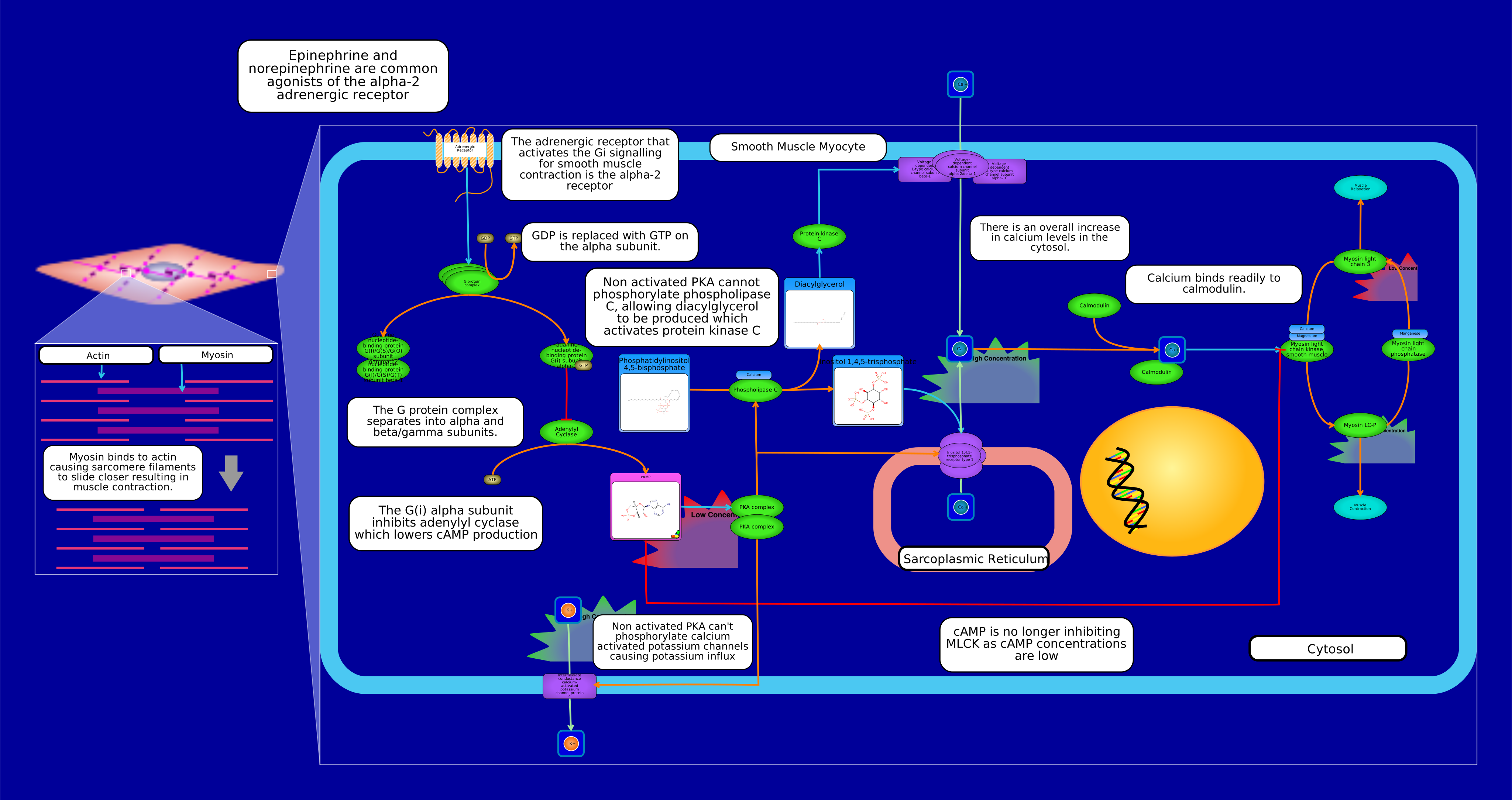 View Pathway
|
physiological
Gi Adrenergic Smooth Muscle ContractionHomo sapiens
The adrenergic receptors or adrenoceptors are a class of G protein-coupled receptors that are targets of many catecholamines like norepinephrine (noradrenaline) and epinephrine (adrenaline) produced by the body, but also many medications like beta blockers, beta-2 (β2) agonists and alpha-2 (α2) agonists, which are used to treat high blood pressure and asthma, for example. The α2, on the other hand, couples to Gi, which causes a decrease in neurotransmitter release, as well as a decrease of cAMP activity resulting in smooth muscle contraction. Gi protein alpha subunit is a family of heterotrimeric G protein alpha subunits. This family is also commonly called the Gi/o (Gi /Go ) family or Gi/o/z/t family to include closely related family members. G alpha subunits may be referred to as Gi alpha, Gαi, or Giα. The general function of Gi/o/z/t is to activate intracellular signaling pathways in response to activation of cell surface G protein-coupled receptors (GPCRs). GPCRs function as part of a three-component system of receptor-transducer-effector. The transducer in this system is a heterotrimeric G protein, composed of three subunits: a Gα protein such as Giα, and a complex of two tightly linked proteins called Gβ and Gγ in a Gβγ complex. When not stimulated by a receptor, Gα is bound to GDP and to Gβγ to form the inactive G protein trimer. When the receptor binds an activating ligand outside the cell (such as a hormone or neurotransmitter), the activated receptor acts as a guanine nucleotide exchange factor to promote GDP release from and GTP binding to Gα, which drives dissociation of GTP-bound Gα from Gβγ. GTP-bound Gα and Gβγ are then freed to activate their respective downstream signaling enzymes. Gi proteins primarily inhibit the cAMP dependent pathway by inhibiting adenylyl cyclase activity, decreasing the production of cAMP from ATP, which, in turn, results in decreased activity of cAMP-dependent protein kinase. Therefore, the ultimate effect of Gi is the inhibition of the cAMP-dependent protein kinase. The Gβγ liberated by activation of Gi and Go proteins is particularly able to activate downstream signaling to effectors such as G protein-coupled inwardly-rectifying potassium channels (GIRKs). Contraction of smooth muscle is initiated by a Ca2+-mediated change in the thick filaments, whereas in striated muscle Ca2+ mediates contraction by changes in the thin filaments. In response to specific stimuli in smooth muscle, the intracellular concentration of Ca2+ increases, and this activator Ca2+ combines with the acidic protein calmodulin. This complex activates MLC kinase to phosphorylate the light chain of myosin (Fig. 1). Cytosolic Ca2+ is increased through Ca2+ release from intracellular stores (sarcoplasmic reticulum) as well as entry from the extracellular space through Ca2+ channels (receptor-operated Ca2+ channels). Agonists (norepinephrine, angiotensin II, endothelin, etc.) binding to serpentine receptors, coupled to a heterotrimeric G protein, stimulate phospholipase C activity. This enzyme is specific for the membrane lipid phosphatidylinositol 4,5-bisphosphate to catalyze the formation of two potent second messengers: inositol trisphosphate (IP3) and diacylglycerol (DG). The binding of IP3 to receptors on the sarcoplasmic reticulum results in the release of Ca2+ into the cytosol. DG, along with Ca2+, activates protein kinase C (PKC), which phosphorylates specific target proteins. There are several isozymes of PKC in smooth muscle, and each has a tissue-specific role (e.g., vascular, uterine, intestinal, etc.). In many cases, PKC has contraction-promoting effects such as phosphorylation of L-type Ca2+ channels or other proteins that regulate cross-bridge cycling.
|
Creator: Hayley Created On: September 01, 2023 at 09:21 Last Updated: September 01, 2023 at 09:21 |
PW128531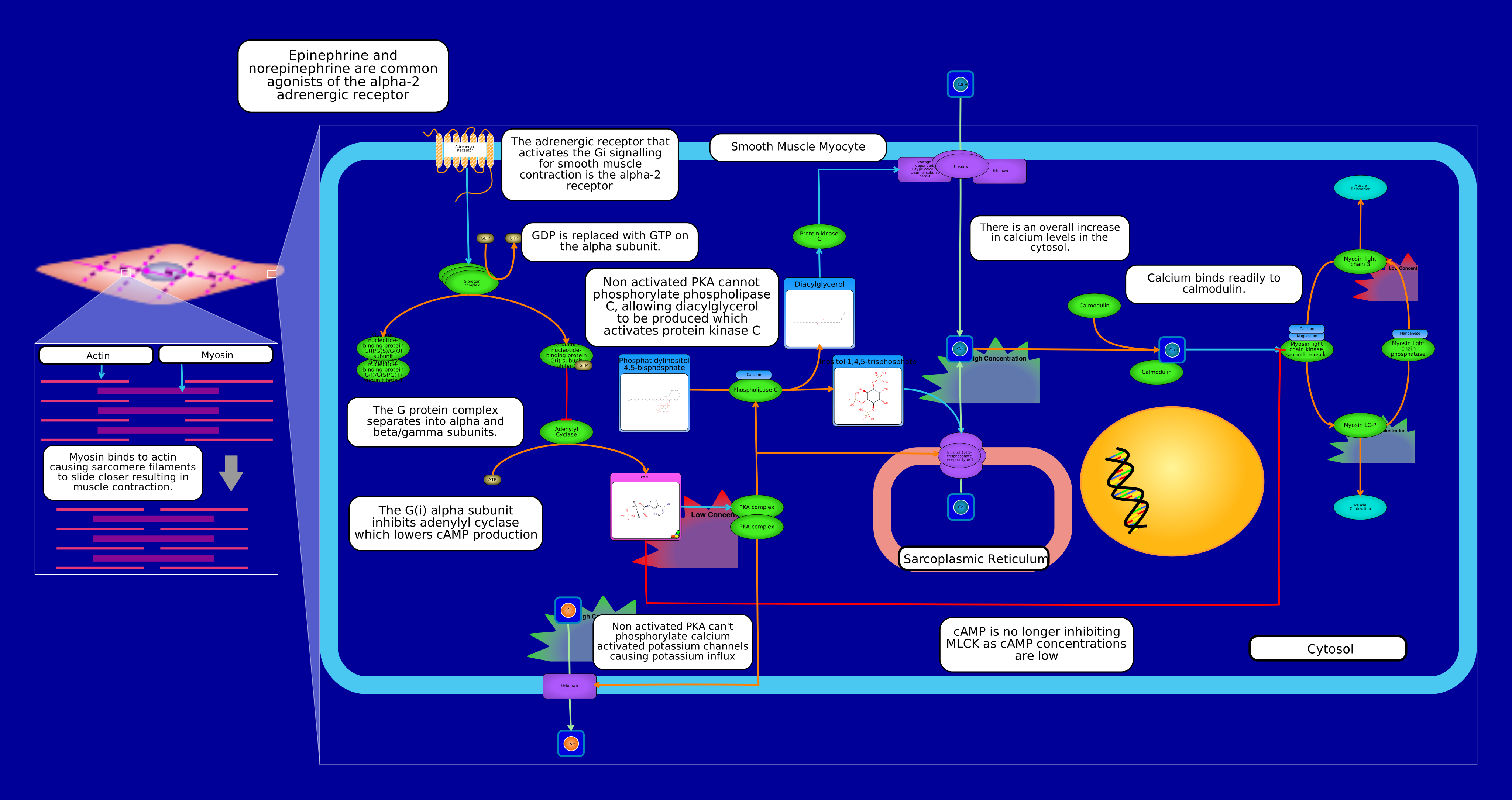 View Pathway
|
physiological
Gi Adrenergic Smooth Muscle ContractionMus musculus
The adrenergic receptors or adrenoceptors are a class of G protein-coupled receptors that are targets of many catecholamines like norepinephrine (noradrenaline) and epinephrine (adrenaline) produced by the body, but also many medications like beta blockers, beta-2 (β2) agonists and alpha-2 (α2) agonists, which are used to treat high blood pressure and asthma, for example. The α2, on the other hand, couples to Gi, which causes a decrease in neurotransmitter release, as well as a decrease of cAMP activity resulting in smooth muscle contraction. Gi protein alpha subunit is a family of heterotrimeric G protein alpha subunits. This family is also commonly called the Gi/o (Gi /Go ) family or Gi/o/z/t family to include closely related family members. G alpha subunits may be referred to as Gi alpha, Gαi, or Giα. The general function of Gi/o/z/t is to activate intracellular signaling pathways in response to activation of cell surface G protein-coupled receptors (GPCRs). GPCRs function as part of a three-component system of receptor-transducer-effector. The transducer in this system is a heterotrimeric G protein, composed of three subunits: a Gα protein such as Giα, and a complex of two tightly linked proteins called Gβ and Gγ in a Gβγ complex. When not stimulated by a receptor, Gα is bound to GDP and to Gβγ to form the inactive G protein trimer. When the receptor binds an activating ligand outside the cell (such as a hormone or neurotransmitter), the activated receptor acts as a guanine nucleotide exchange factor to promote GDP release from and GTP binding to Gα, which drives dissociation of GTP-bound Gα from Gβγ. GTP-bound Gα and Gβγ are then freed to activate their respective downstream signaling enzymes. Gi proteins primarily inhibit the cAMP dependent pathway by inhibiting adenylyl cyclase activity, decreasing the production of cAMP from ATP, which, in turn, results in decreased activity of cAMP-dependent protein kinase. Therefore, the ultimate effect of Gi is the inhibition of the cAMP-dependent protein kinase. The Gβγ liberated by activation of Gi and Go proteins is particularly able to activate downstream signaling to effectors such as G protein-coupled inwardly-rectifying potassium channels (GIRKs). Contraction of smooth muscle is initiated by a Ca2+-mediated change in the thick filaments, whereas in striated muscle Ca2+ mediates contraction by changes in the thin filaments. In response to specific stimuli in smooth muscle, the intracellular concentration of Ca2+ increases, and this activator Ca2+ combines with the acidic protein calmodulin. This complex activates MLC kinase to phosphorylate the light chain of myosin (Fig. 1). Cytosolic Ca2+ is increased through Ca2+ release from intracellular stores (sarcoplasmic reticulum) as well as entry from the extracellular space through Ca2+ channels (receptor-operated Ca2+ channels). Agonists (norepinephrine, angiotensin II, endothelin, etc.) binding to serpentine receptors, coupled to a heterotrimeric G protein, stimulate phospholipase C activity. This enzyme is specific for the membrane lipid phosphatidylinositol 4,5-bisphosphate to catalyze the formation of two potent second messengers: inositol trisphosphate (IP3) and diacylglycerol (DG). The binding of IP3 to receptors on the sarcoplasmic reticulum results in the release of Ca2+ into the cytosol. DG, along with Ca2+, activates protein kinase C (PKC), which phosphorylates specific target proteins. There are several isozymes of PKC in smooth muscle, and each has a tissue-specific role (e.g., vascular, uterine, intestinal, etc.). In many cases, PKC has contraction-promoting effects such as phosphorylation of L-type Ca2+ channels or other proteins that regulate cross-bridge cycling.
|
Creator: Hayley Created On: September 01, 2023 at 15:20 Last Updated: September 01, 2023 at 15:20 |
PW128569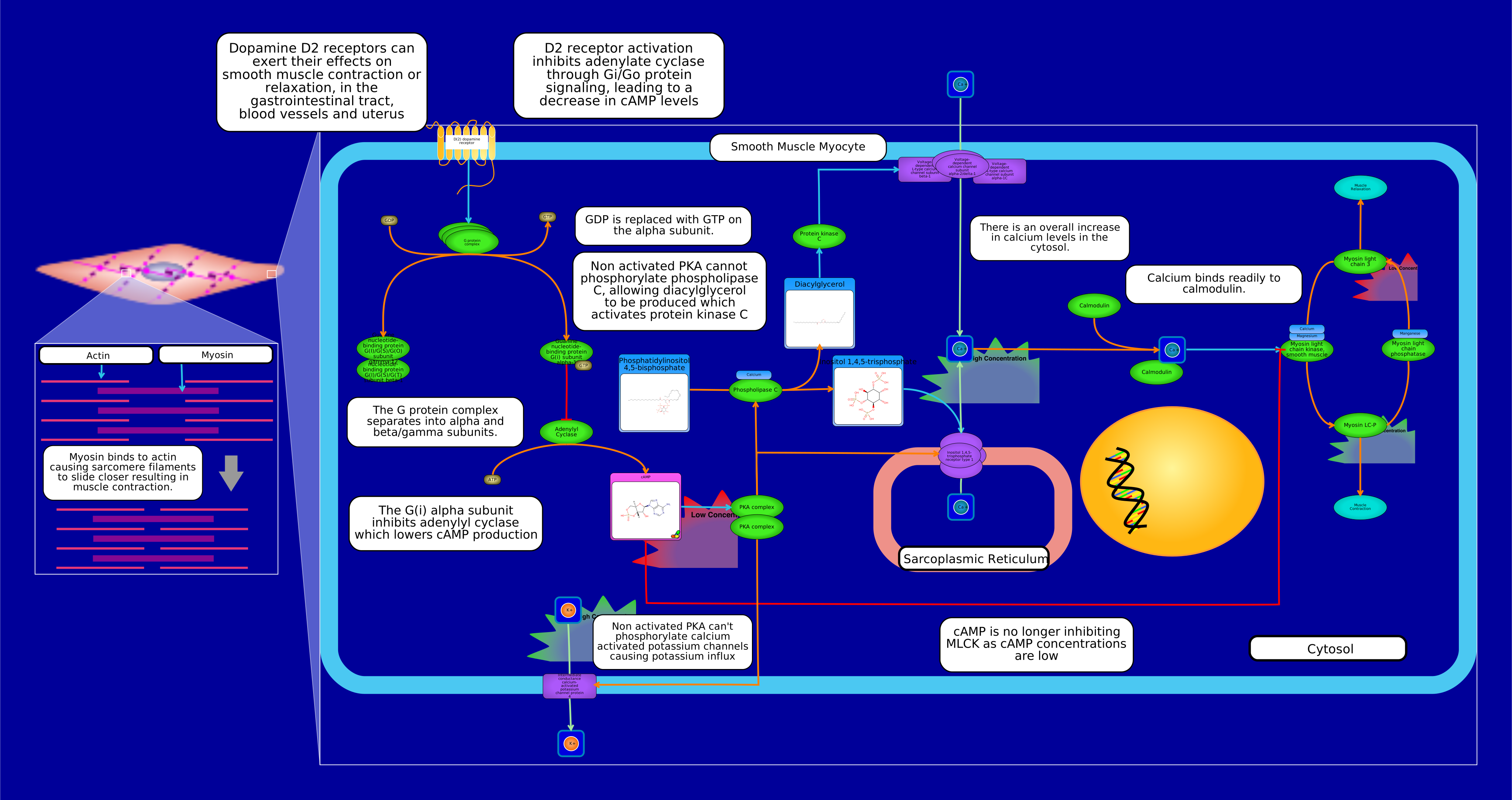 View Pathway
|
physiological
Gi Dopamergic Smooth Muscle ContractionHomo sapiens
Dopamine agonists are chemical agents that bind to the dopamine receptors and activate cellular singling pathways. Dopamine receptors classify into two families based on their pharmacological, biochemical, and genetic properties: the D1-like dopamine receptor family includes D1 and D5 receptors, whereas the D2-like dopamine receptor family includes D2, D3, and D4 receptors. All dopamine receptors couple to G proteins. The D1 and D5 receptors couple to the Gs family of G proteins, and therefore an agonist binding to these receptors activate adenylyl cyclase and thus stimulates cAMP synthesis. The D2, D3, and D4 receptors couple to the Gi/o family of G proteins, and agonists inhibit adenylyl cyclase and thus cAMP synthesis. Increased intracellular cAMP activates protein kinase A, which phosphorylates many downstream protein targets, including 32-kDa dopamine and cAMP-regulated phosphoprotein (DARPP-32), ionotropic glutamate receptor, and GABA receptors. Because the DARPP-32 inhibits protein phosphatase 1, this phosphoprotein regulates the phosphorylation state and thus activity of various protein kinase A target proteins and neuronal activity. The D1 receptors are present on the smooth muscle of the renal, mesenteric, and coronary arteries and peripheral blood vessels in the skeletal muscle. Dopamine action on these receptors produces decreased blood pressure by reducing peripheral vascular resistance due to vasodilation. Dopamine agonists used to treat hypertensive emergencies do not show an affinity for D2 receptors.
|
Creator: Omolola Created On: September 04, 2023 at 13:46 Last Updated: September 04, 2023 at 13:46 |
PW128572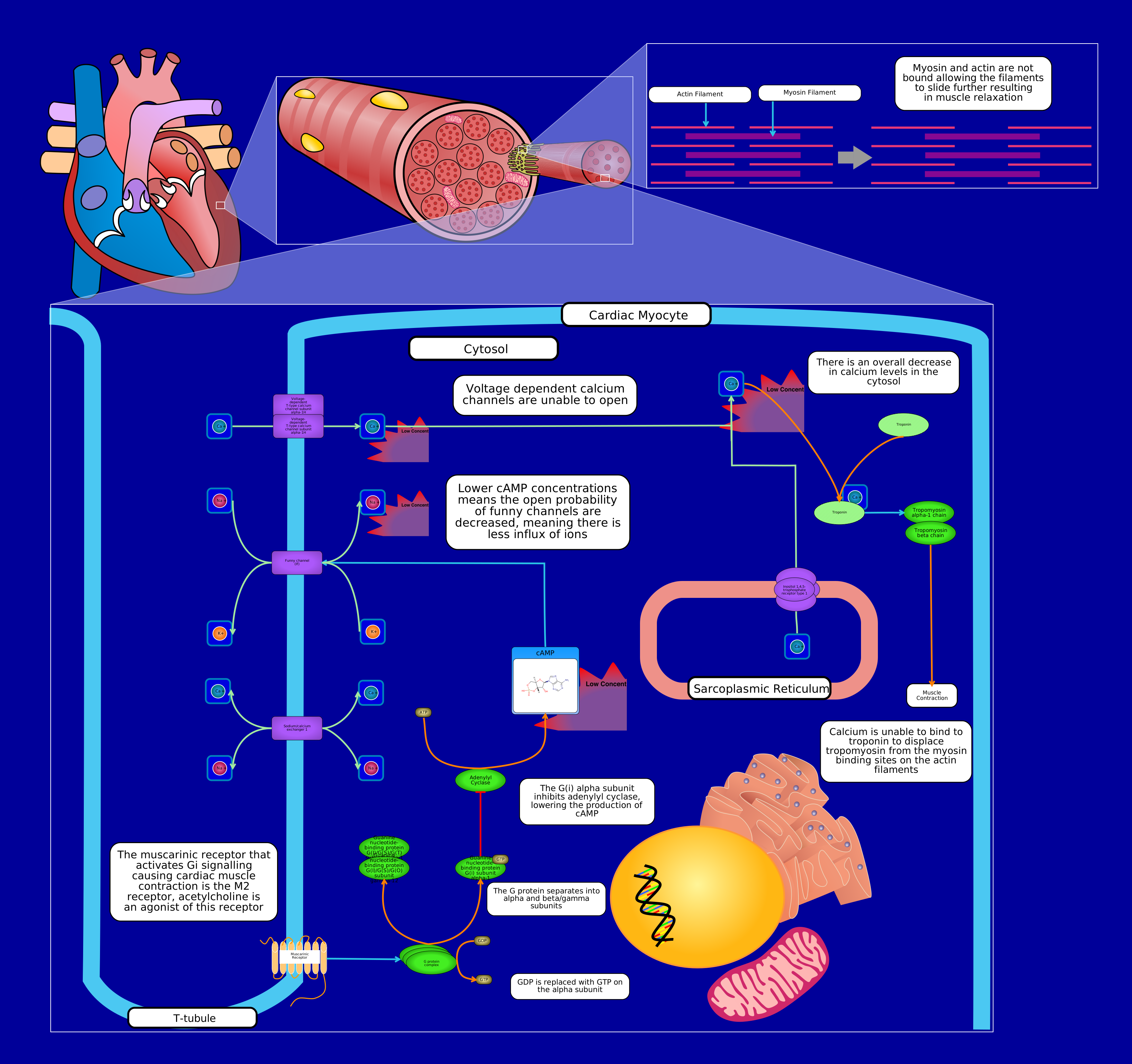 View Pathway
|
physiological
Gi Muscarinic Cardiac Muscle ContractionMus musculus
The M2 muscarinic receptors are located in the heart, where they act to slow the heart rate down to normal sinus rhythm after negative stimulatory actions of the parasympathetic nervous system, by slowing the speed of depolarization. They also reduce contractile forces of the atrial cardiac muscle, and reduce conduction velocity of the atrioventricular node (AV node). However, they have little effect on the contractile forces of the ventricular muscle, slightly decreasing force. Gi protein alpha subunit is a family of heterotrimeric G protein alpha subunits. This family is also commonly called the Gi/o (Gi /Go ) family or Gi/o/z/t family to include closely related family members. G alpha subunits may be referred to as Gi alpha, Gαi, or Giα. The general function of Gi/o/z/t is to activate intracellular signaling pathways in response to activation of cell surface G protein-coupled receptors (GPCRs). GPCRs function as part of a three-component system of receptor-transducer-effector. The transducer in this system is a heterotrimeric G protein, composed of three subunits: a Gα protein such as Giα, and a complex of two tightly linked proteins called Gβ and Gγ in a Gβγ complex. When not stimulated by a receptor, Gα is bound to GDP and to Gβγ to form the inactive G protein trimer.When the receptor binds an activating ligand outside the cell (such as a hormone or neurotransmitter), the activated receptor acts as a guanine nucleotide exchange factor to promote GDP release from and GTP binding to Gα, which drives dissociation of GTP-bound Gα from Gβγ. GTP-bound Gα and Gβγ are then freed to activate their respective downstream signaling enzymes. Gi proteins primarily inhibit the cAMP dependent pathway by inhibiting adenylyl cyclase activity, decreasing the production of cAMP from ATP, which, in turn, results in decreased activity of cAMP-dependent protein kinase. Inhibition of adenylyl cyclase leads to a decrease in intracellular cAMP levels. In SA node cells, cAMP normally activates protein kinase A (PKA), which phosphorylates If channels, increasing their activity and thereby promoting depolarization. With reduced cAMP levels and decreased PKA activity, If channels become less active. This results in slower and less frequent spontaneous depolarization of SA node cells. Slower depolarization leads to a longer time for the membrane potential to reach the threshold for firing an action potential. In summary, the Gi protein-mediated mechanism in cardiac muscle primarily involves the inhibition of adenylyl cyclase, leading to reduced cAMP levels and decreased PKA activity. This, in turn, inhibits the activity of If channels, which control the rate of spontaneous depolarization in SA node cells. As a result, the heart rate is reduced, allowing the parasympathetic nervous system to exert control over heart rate regulation.
|
Creator: Hayley Created On: September 04, 2023 at 17:22 Last Updated: September 04, 2023 at 17:22 |
PW128573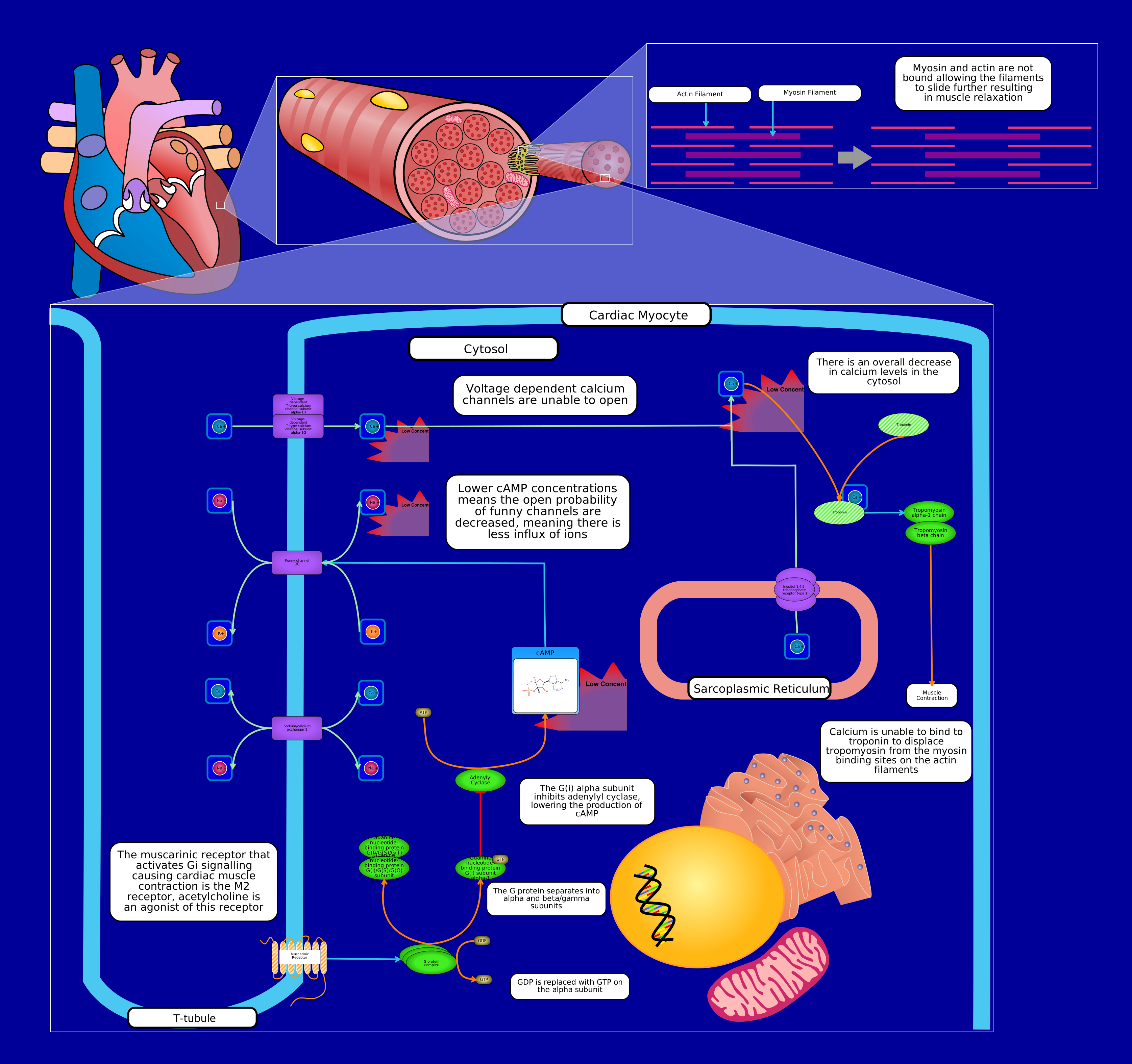 View Pathway
|
physiological
Gi Muscarinic Cardiac Muscle ContractionRattus norvegicus
The M2 muscarinic receptors are located in the heart, where they act to slow the heart rate down to normal sinus rhythm after negative stimulatory actions of the parasympathetic nervous system, by slowing the speed of depolarization. They also reduce contractile forces of the atrial cardiac muscle, and reduce conduction velocity of the atrioventricular node (AV node). However, they have little effect on the contractile forces of the ventricular muscle, slightly decreasing force. Gi protein alpha subunit is a family of heterotrimeric G protein alpha subunits. This family is also commonly called the Gi/o (Gi /Go ) family or Gi/o/z/t family to include closely related family members. G alpha subunits may be referred to as Gi alpha, Gαi, or Giα. The general function of Gi/o/z/t is to activate intracellular signaling pathways in response to activation of cell surface G protein-coupled receptors (GPCRs). GPCRs function as part of a three-component system of receptor-transducer-effector. The transducer in this system is a heterotrimeric G protein, composed of three subunits: a Gα protein such as Giα, and a complex of two tightly linked proteins called Gβ and Gγ in a Gβγ complex. When not stimulated by a receptor, Gα is bound to GDP and to Gβγ to form the inactive G protein trimer.When the receptor binds an activating ligand outside the cell (such as a hormone or neurotransmitter), the activated receptor acts as a guanine nucleotide exchange factor to promote GDP release from and GTP binding to Gα, which drives dissociation of GTP-bound Gα from Gβγ. GTP-bound Gα and Gβγ are then freed to activate their respective downstream signaling enzymes. Gi proteins primarily inhibit the cAMP dependent pathway by inhibiting adenylyl cyclase activity, decreasing the production of cAMP from ATP, which, in turn, results in decreased activity of cAMP-dependent protein kinase. Inhibition of adenylyl cyclase leads to a decrease in intracellular cAMP levels. In SA node cells, cAMP normally activates protein kinase A (PKA), which phosphorylates If channels, increasing their activity and thereby promoting depolarization. With reduced cAMP levels and decreased PKA activity, If channels become less active. This results in slower and less frequent spontaneous depolarization of SA node cells. Slower depolarization leads to a longer time for the membrane potential to reach the threshold for firing an action potential. In summary, the Gi protein-mediated mechanism in cardiac muscle primarily involves the inhibition of adenylyl cyclase, leading to reduced cAMP levels and decreased PKA activity. This, in turn, inhibits the activity of If channels, which control the rate of spontaneous depolarization in SA node cells. As a result, the heart rate is reduced, allowing the parasympathetic nervous system to exert control over heart rate regulation.
|
Creator: Hayley Created On: September 04, 2023 at 17:22 Last Updated: September 04, 2023 at 17:22 |
PW128567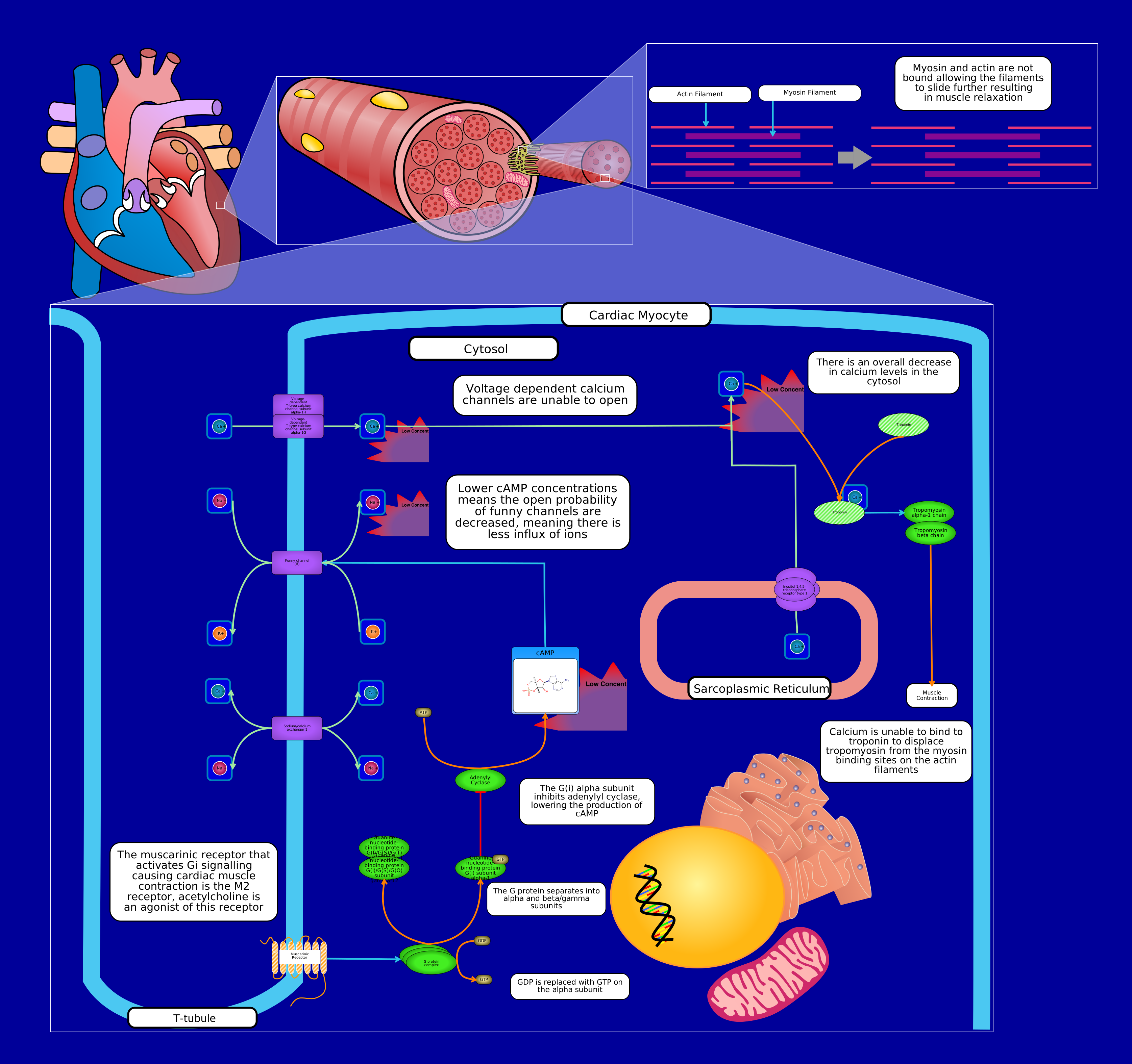 View Pathway
|
physiological
Gi Muscarinic Cardiac Muscle ContractionHomo sapiens
The M2 muscarinic receptors are located in the heart, where they act to slow the heart rate down to normal sinus rhythm after negative stimulatory actions of the parasympathetic nervous system, by slowing the speed of depolarization. They also reduce contractile forces of the atrial cardiac muscle, and reduce conduction velocity of the atrioventricular node (AV node). However, they have little effect on the contractile forces of the ventricular muscle, slightly decreasing force. Gi protein alpha subunit is a family of heterotrimeric G protein alpha subunits. This family is also commonly called the Gi/o (Gi /Go ) family or Gi/o/z/t family to include closely related family members. G alpha subunits may be referred to as Gi alpha, Gαi, or Giα. The general function of Gi/o/z/t is to activate intracellular signaling pathways in response to activation of cell surface G protein-coupled receptors (GPCRs). GPCRs function as part of a three-component system of receptor-transducer-effector. The transducer in this system is a heterotrimeric G protein, composed of three subunits: a Gα protein such as Giα, and a complex of two tightly linked proteins called Gβ and Gγ in a Gβγ complex. When not stimulated by a receptor, Gα is bound to GDP and to Gβγ to form the inactive G protein trimer.When the receptor binds an activating ligand outside the cell (such as a hormone or neurotransmitter), the activated receptor acts as a guanine nucleotide exchange factor to promote GDP release from and GTP binding to Gα, which drives dissociation of GTP-bound Gα from Gβγ. GTP-bound Gα and Gβγ are then freed to activate their respective downstream signaling enzymes. Gi proteins primarily inhibit the cAMP dependent pathway by inhibiting adenylyl cyclase activity, decreasing the production of cAMP from ATP, which, in turn, results in decreased activity of cAMP-dependent protein kinase. Inhibition of adenylyl cyclase leads to a decrease in intracellular cAMP levels. In SA node cells, cAMP normally activates protein kinase A (PKA), which phosphorylates If channels, increasing their activity and thereby promoting depolarization. With reduced cAMP levels and decreased PKA activity, If channels become less active. This results in slower and less frequent spontaneous depolarization of SA node cells. Slower depolarization leads to a longer time for the membrane potential to reach the threshold for firing an action potential. In summary, the Gi protein-mediated mechanism in cardiac muscle primarily involves the inhibition of adenylyl cyclase, leading to reduced cAMP levels and decreased PKA activity. This, in turn, inhibits the activity of If channels, which control the rate of spontaneous depolarization in SA node cells. As a result, the heart rate is reduced, allowing the parasympathetic nervous system to exert control over heart rate regulation.
|
Creator: Hayley Created On: September 04, 2023 at 13:01 Last Updated: September 04, 2023 at 13:01 |
PW128574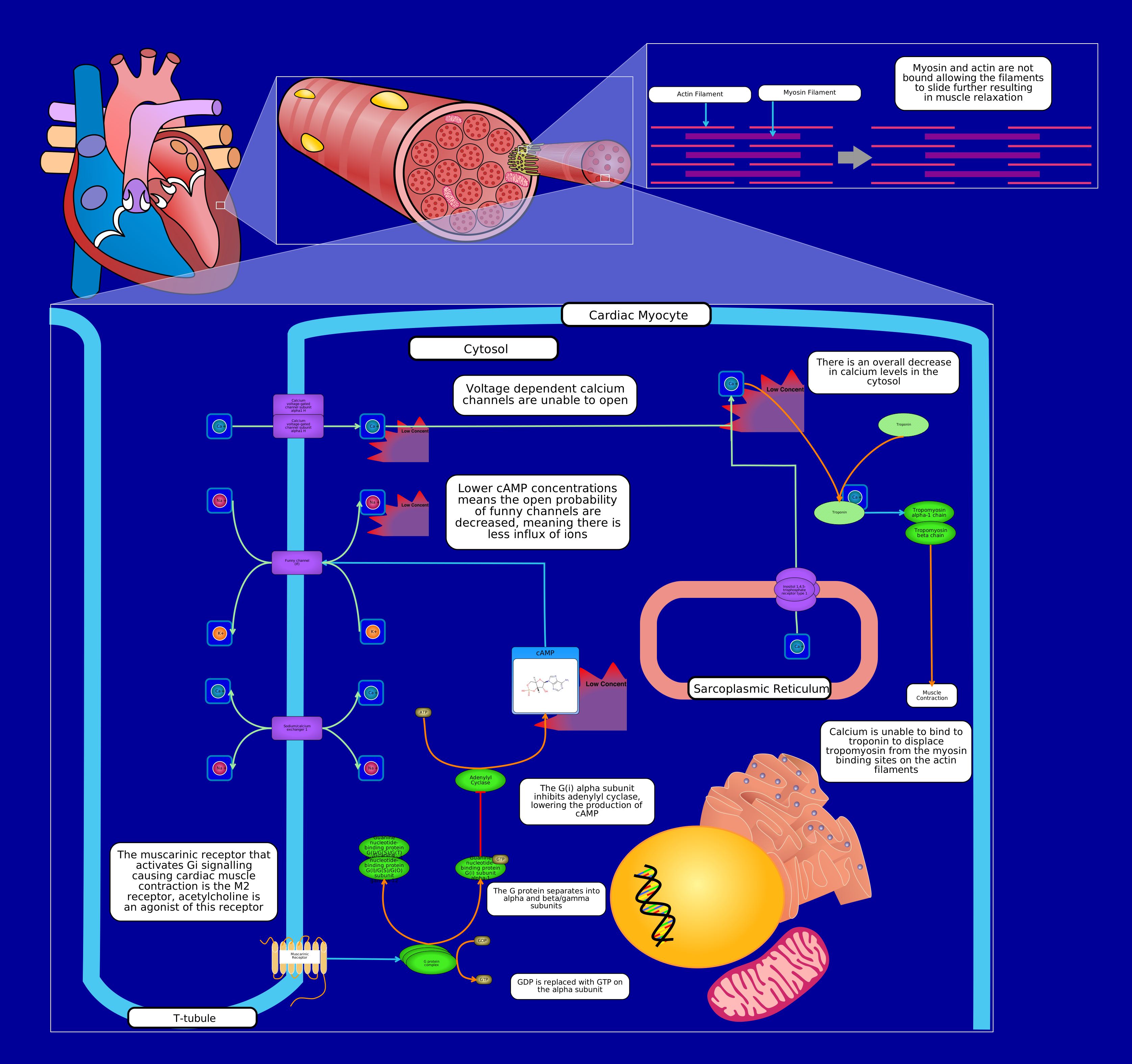 View Pathway
|
physiological
Gi Muscarinic Cardiac Muscle ContractionBos taurus
The M2 muscarinic receptors are located in the heart, where they act to slow the heart rate down to normal sinus rhythm after negative stimulatory actions of the parasympathetic nervous system, by slowing the speed of depolarization. They also reduce contractile forces of the atrial cardiac muscle, and reduce conduction velocity of the atrioventricular node (AV node). However, they have little effect on the contractile forces of the ventricular muscle, slightly decreasing force. Gi protein alpha subunit is a family of heterotrimeric G protein alpha subunits. This family is also commonly called the Gi/o (Gi /Go ) family or Gi/o/z/t family to include closely related family members. G alpha subunits may be referred to as Gi alpha, Gαi, or Giα. The general function of Gi/o/z/t is to activate intracellular signaling pathways in response to activation of cell surface G protein-coupled receptors (GPCRs). GPCRs function as part of a three-component system of receptor-transducer-effector. The transducer in this system is a heterotrimeric G protein, composed of three subunits: a Gα protein such as Giα, and a complex of two tightly linked proteins called Gβ and Gγ in a Gβγ complex. When not stimulated by a receptor, Gα is bound to GDP and to Gβγ to form the inactive G protein trimer.When the receptor binds an activating ligand outside the cell (such as a hormone or neurotransmitter), the activated receptor acts as a guanine nucleotide exchange factor to promote GDP release from and GTP binding to Gα, which drives dissociation of GTP-bound Gα from Gβγ. GTP-bound Gα and Gβγ are then freed to activate their respective downstream signaling enzymes. Gi proteins primarily inhibit the cAMP dependent pathway by inhibiting adenylyl cyclase activity, decreasing the production of cAMP from ATP, which, in turn, results in decreased activity of cAMP-dependent protein kinase. Inhibition of adenylyl cyclase leads to a decrease in intracellular cAMP levels. In SA node cells, cAMP normally activates protein kinase A (PKA), which phosphorylates If channels, increasing their activity and thereby promoting depolarization. With reduced cAMP levels and decreased PKA activity, If channels become less active. This results in slower and less frequent spontaneous depolarization of SA node cells. Slower depolarization leads to a longer time for the membrane potential to reach the threshold for firing an action potential. In summary, the Gi protein-mediated mechanism in cardiac muscle primarily involves the inhibition of adenylyl cyclase, leading to reduced cAMP levels and decreased PKA activity. This, in turn, inhibits the activity of If channels, which control the rate of spontaneous depolarization in SA node cells. As a result, the heart rate is reduced, allowing the parasympathetic nervous system to exert control over heart rate regulation.
|
Creator: Hayley Created On: September 04, 2023 at 17:22 Last Updated: September 04, 2023 at 17:22 |