
| PathWhiz ID | Pathway | Meta Data |
|---|---|---|
PW000818 View Pathway
|
Isoleucine BiosynthesisEscherichia coli
Isoleucine biosynthesis begins with L-threonine from the threonine biosynthesis pathway. L-threonine interacts with threonine dehydratase biosynthetic releasing water, a hydrogen ion and (2Z)-2-aminobut-2-enoate. The latter is isomerized into a 2-iminobutanoate which interacts with water and a hydrogen ion spontaneously, resulting in the release of ammonium and 2-ketobutyric acid. 2-ketobutyric acid reacts with pyruvic acid and hydrogen ions through an acetohydroxybutanoate synthase / acetolactate synthase 2 resulting in carbon dioxide and (S)-2-Aceto-2-hydroxybutanoic acid. (S)-2-Aceto-2-hydroxybutanoic acid is reduced by an NADPH driven acetohydroxy acid isomeroreductase releasing NADP and acetohydroxy acid isomeroreductase. The latter compound is dehydrated by a dihydroxy acid dehydratase resulting in 3-methyl-2-oxovaleric acid. This compound reacts in a reversible reaction with L-glutamic acid through a Branched-chain-amino-acid aminotransferase resulting in oxoglutaric acid and L-isoleucine.
L-isoleucine can also be transported into the cytoplasm through two different methods: a branched chain amino acid ABC transporter or a branched chain amino acid transporter BrnQy.
|
Creator: miguel ramirez Created On: March 23, 2015 at 22:41 Last Updated: March 23, 2015 at 22:41 |
PW002537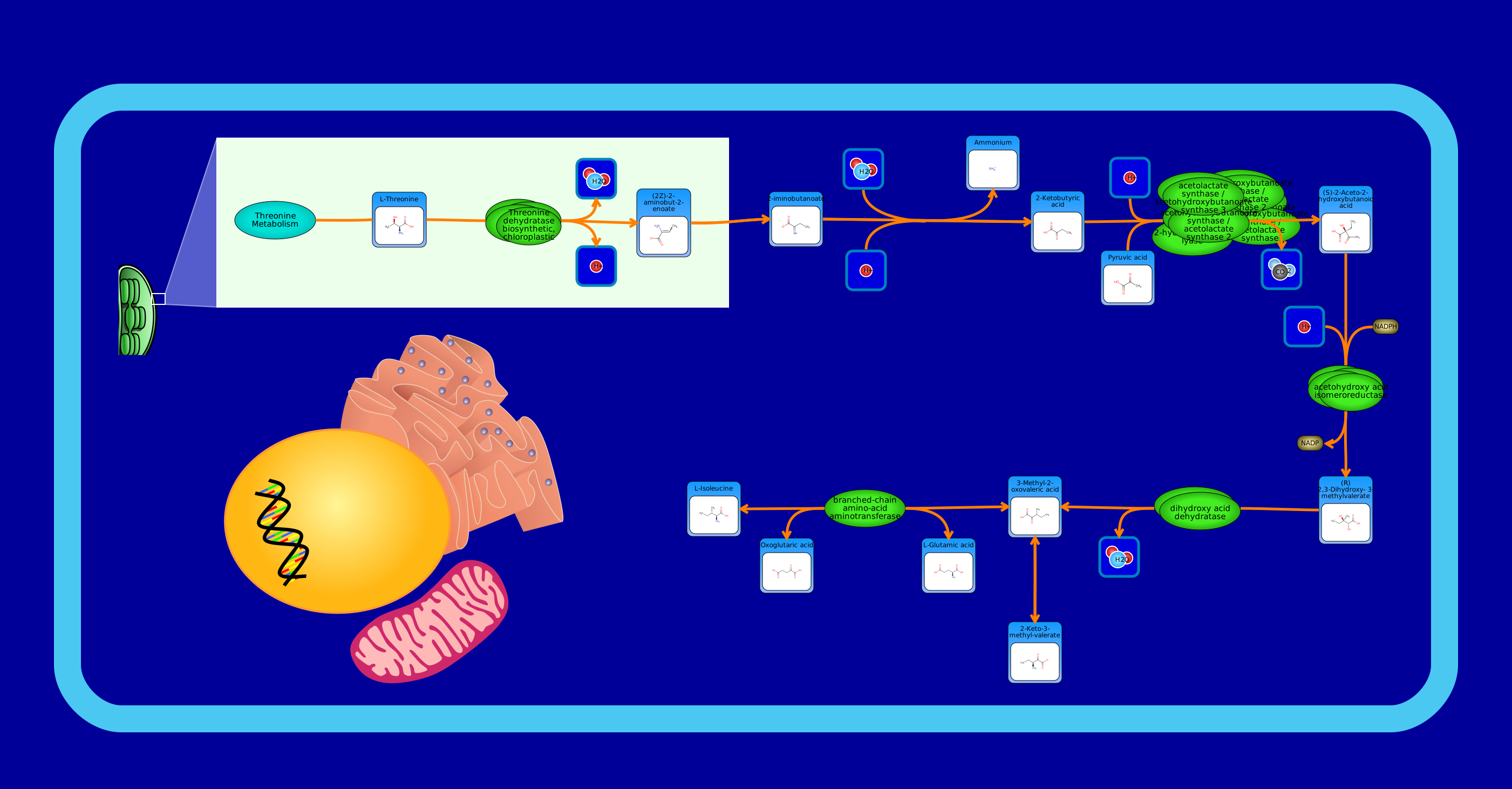 View Pathway
|
Isoleucine BiosynthesisArabidopsis thaliana
Isoleucine biosynthesis begins with L-threonine from the threonine biosynthesis pathway. L-threonine interacts with a threonine dehydratase biosynthetic releasing water, a hydrogen ion and (2Z)-2-aminobut-2-enoate. This compound is isomerized into a 2-iminobutanoate which interacts with water and a hydrogen ion spontaneously, resulting in the release of ammonium and 2-ketobutyric acid. This compound reacts with pyruvic acid and hydrogen ion through an acetohydroxybutanoate synthase / acetolactate synthase 2 resulting in carbon dioxide and (S)-2-Aceto-2-hydroxybutanoic acid. The latter compound is reduced by an NADPH driven acetohydroxy acid isomeroreductase releasing NADP and acetohydroxy acid isomeroreductase. The latter compound is dehydrated by a dihydroxy acid dehydratase resulting in 3-methyl-2-oxovaleric acid.This compound reacts in a reversible reaction with L-glutamic acid through a Branched-chain-amino-acid aminotransferase resulting in oxoglutaric acid and L-isoleucine.
|
Creator: miguel ramirez Created On: May 04, 2016 at 17:09 Last Updated: May 04, 2016 at 17:09 |
PW002476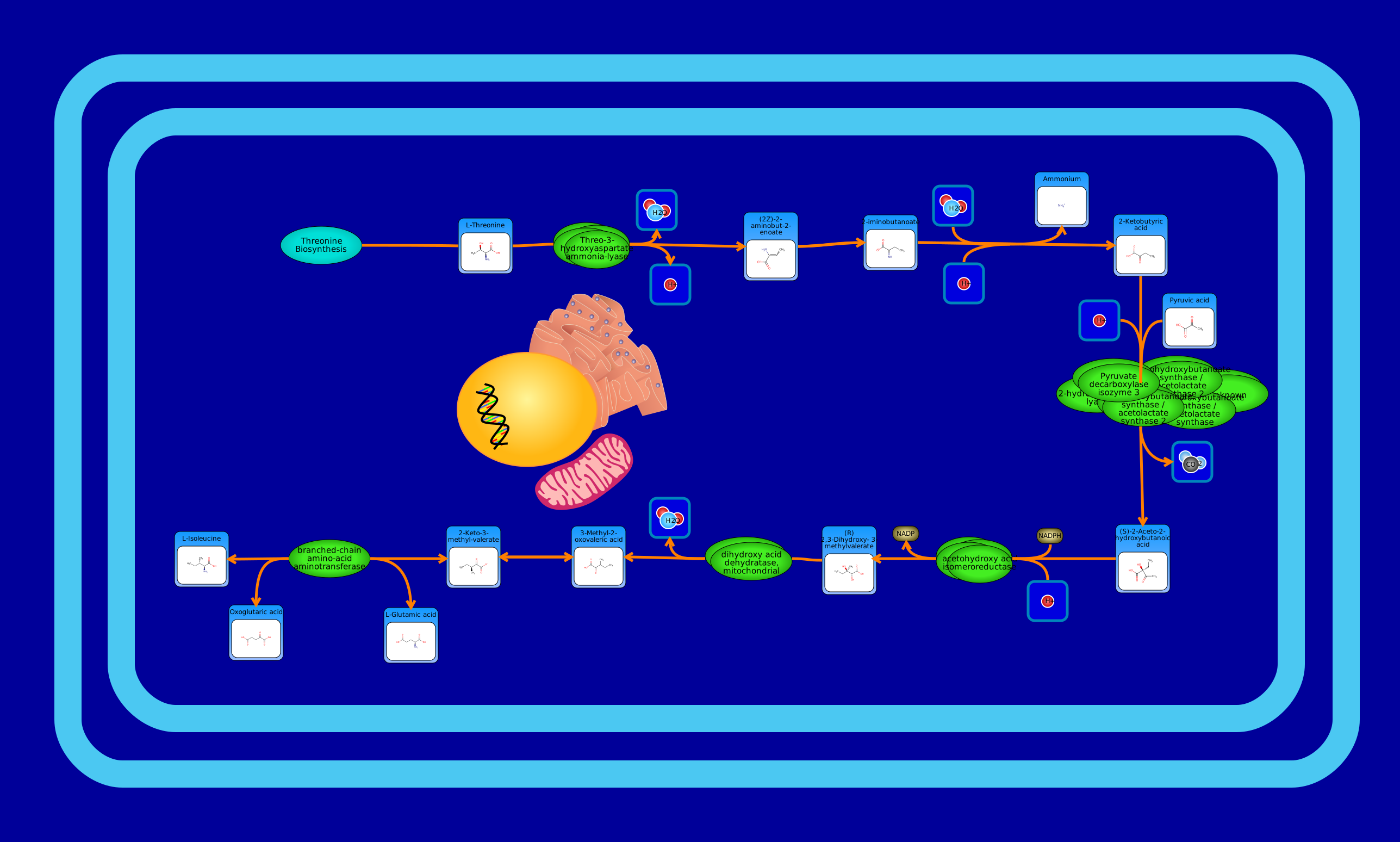 View Pathway
|
Isoleucine BiosynthesisSaccharomyces cerevisiae
Isoleucine biosynthesis begins with L-threonine from the threonine biosynthesis pathway. L-threonine interacts with a threonine dehydratase biosynthetic releasing water, a hydrogen ion and (2Z)-2-aminobut-2-enoate. This compound is isomerized into a 2-iminobutanoate which interacts with water and a hydrogen ion spontaneously, resulting in the release of ammonium and 2-ketobutyric acid. This compound reacts with pyruvic acid and hydrogen ion through an acetohydroxybutanoate synthase / acetolactate synthase 2 resulting in carbon dioxide and (S)-2-Aceto-2-hydroxybutanoic acid. The latter compound is reduced by an NADPH driven acetohydroxy acid isomeroreductase releasing NADP and acetohydroxy acid isomeroreductase. The latter compound is dehydrated by a dihydroxy acid dehydratase resulting in 3-methyl-2-oxovaleric acid.This compound reacts in a reversible reaction with L-glutamic acid through a Branched-chain-amino-acid aminotransferase resulting in oxoglutaric acid and L-isoleucine.
|
Creator: miguel ramirez Created On: February 19, 2016 at 13:44 Last Updated: February 19, 2016 at 13:44 |
PW273333 View Pathway
|
Isoleucine DegradationStreptomyces avermitilis
Isoleucine degradation is a vital metabolic process that breaks down the essential amino acid isoleucine into intermediates that feed into the tricarboxylic acid (TCA) cycle, facilitating energy production and various biosynthetic pathways. This pathway involves multiple enzymatic steps that convert isoleucine into acetyl-CoA and propionyl-CoA, key molecules for cellular metabolism. These reactions help in generating energy and providing building blocks for the synthesis of other important compounds.
|
Creator: Julia Wakoli Created On: June 11, 2024 at 15:35 Last Updated: June 11, 2024 at 15:35 |
PW002538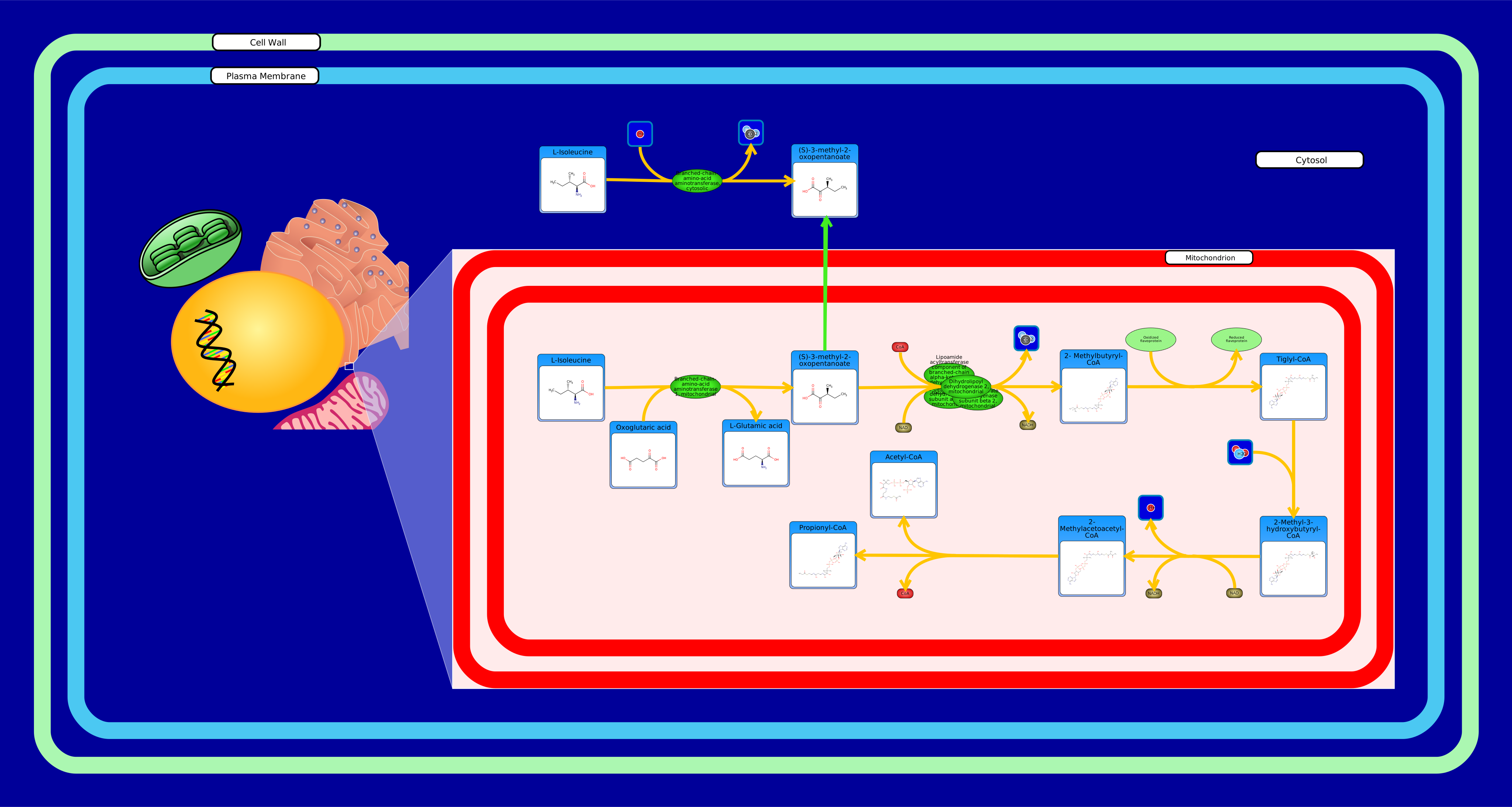 View Pathway
|
Isoleucine DegradationArabidopsis thaliana
The degradation of isoleucine starts either in the mitochondria or the cytosol. L-isoleucine reacts with 2-oxoglutarate through a branch-chain amino acid aminotransferase resulting in the release of L-glutamate and 3-methyl-2-oxopentanoate. The latter compound reacts with 2-oxoisovalerate carboxy-lyase resulting in the release of carbon dioxide and methylbutanoyl. Methylbutanol reacts with oxidized flavoproteins resulting in the release of a reduced flavoprotein and tiglyl-CoA. The latter then reacts with water resulting in the release of 2-methyl-3-hydroxybutyryl-CoA. The latter compound reacts with NAD resulting in the release of NADH, hydrogen ion and 2-methylacetoacetyl-CoA. The latter then reacts with a Coenzyme A resulting in the release of propanoyl-CoA and acetyl-CoA. This degradation pathways may be an important detoxification mechanism to prevent the build up of branched chain aminoacids and their derived alpha-keto acids which are cytotoxic.
|
Creator: miguel ramirez Created On: May 05, 2016 at 09:58 Last Updated: May 05, 2016 at 09:58 |
PW002491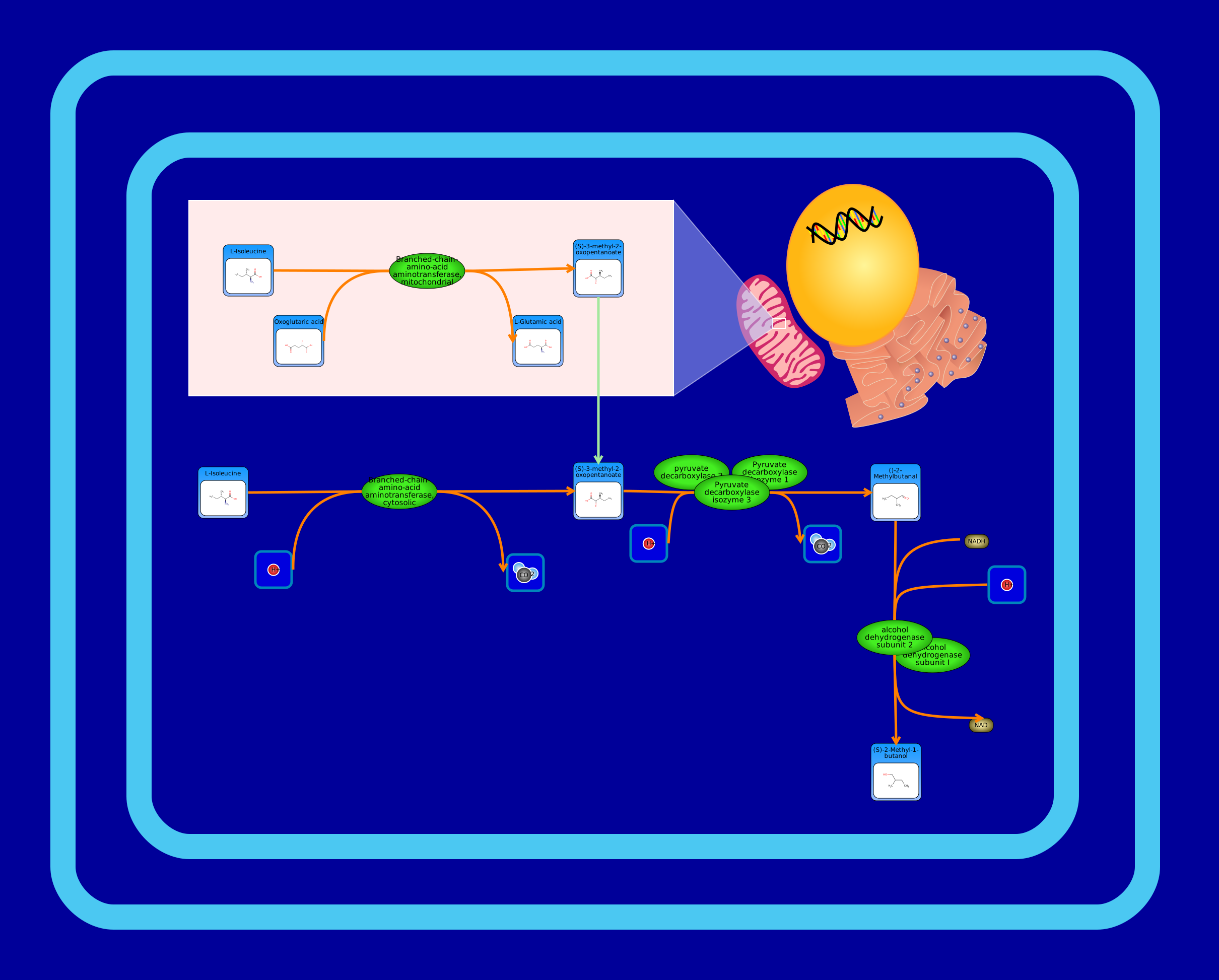 View Pathway
|
Isoleucine DegradationSaccharomyces cerevisiae
The degradation of isoleucine starts either in the mitochondria or the cytosol. L-isoleucine reacts with 2-oxoglutarate through a branch-chain amino acid aminotransferase resulting in the release of L-glutamate and 3-methyl-2-oxopentanoate. The latter compound reacts with 2-oxoisovalerate carboxy-lyase resulting in the release of carbon dioxide and methylbutanal. Methylbutanal can then be turned into methylbutanol through a alcohol dehydrogenase
|
Creator: miguel ramirez Created On: February 29, 2016 at 15:27 Last Updated: February 29, 2016 at 15:27 |
PW145747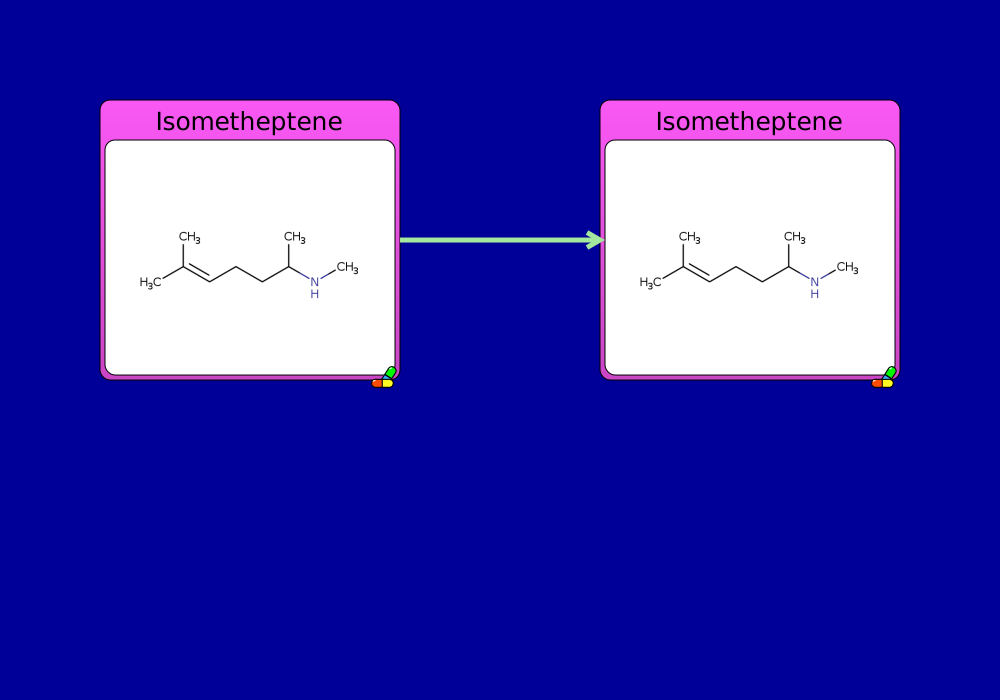 View Pathway
|
drug action
Isometheptene Drug Metabolism Action PathwayHomo sapiens
|
Creator: Ray Kruger Created On: October 07, 2023 at 16:32 Last Updated: October 07, 2023 at 16:32 |
PW176485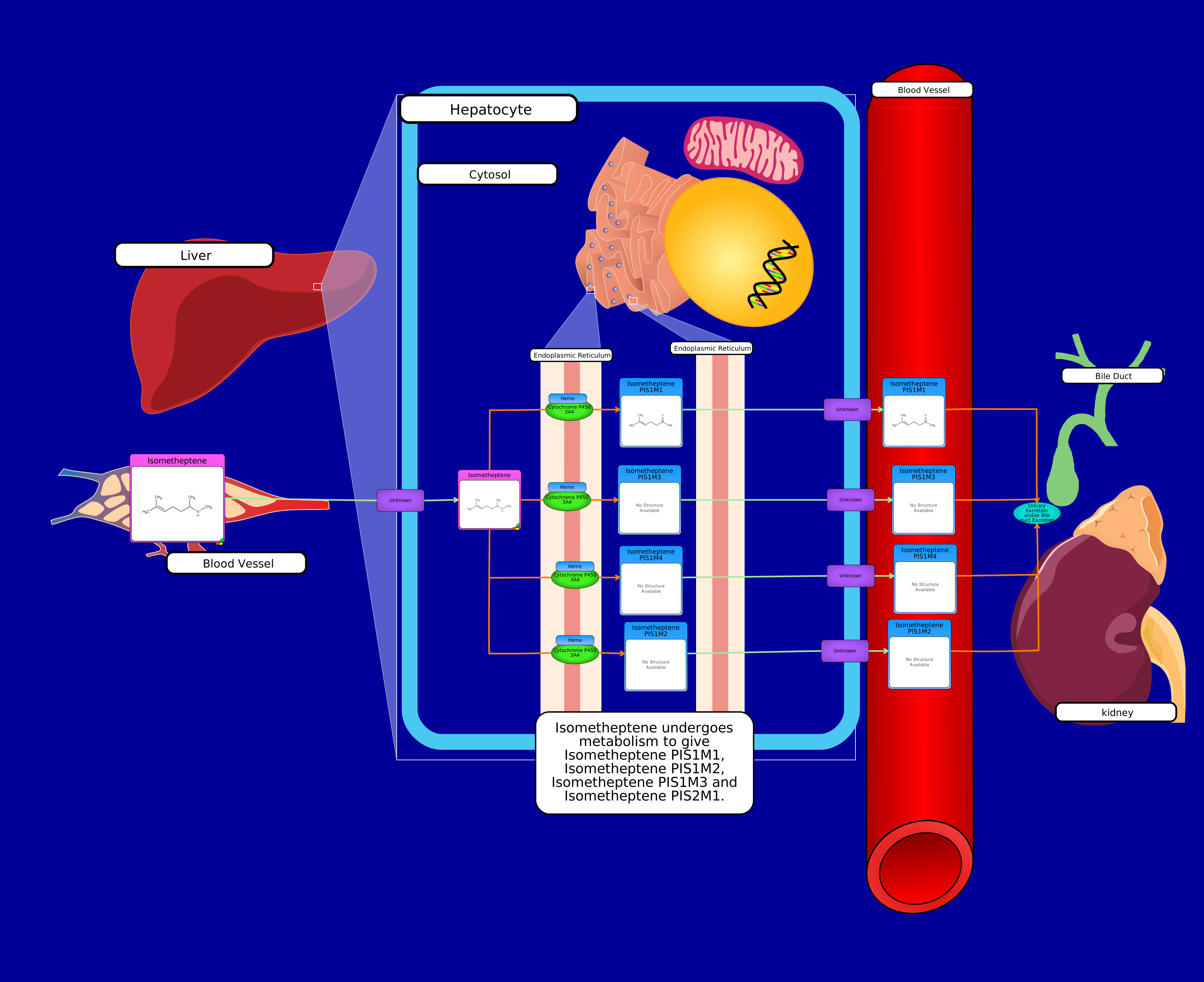 View Pathway
|
Isometheptene Predicted Metabolism PathwayHomo sapiens
Metabolites of Isometheptene are predicted with biotransformer.
|
Creator: Omolola Created On: December 13, 2023 at 10:29 Last Updated: December 13, 2023 at 10:29 |
PW132346 View Pathway
|
Isoniazid Drug MetabolismHomo sapiens
Isoniazid is a drug that is not metabolized by the human body as determined by current research and biotransformer analysis. Isoniazid passes through the liver and is then excreted from the body mainly through the kidney.
|
Creator: Ray Kruger Created On: September 21, 2023 at 21:03 Last Updated: September 21, 2023 at 21:03 |
PW145050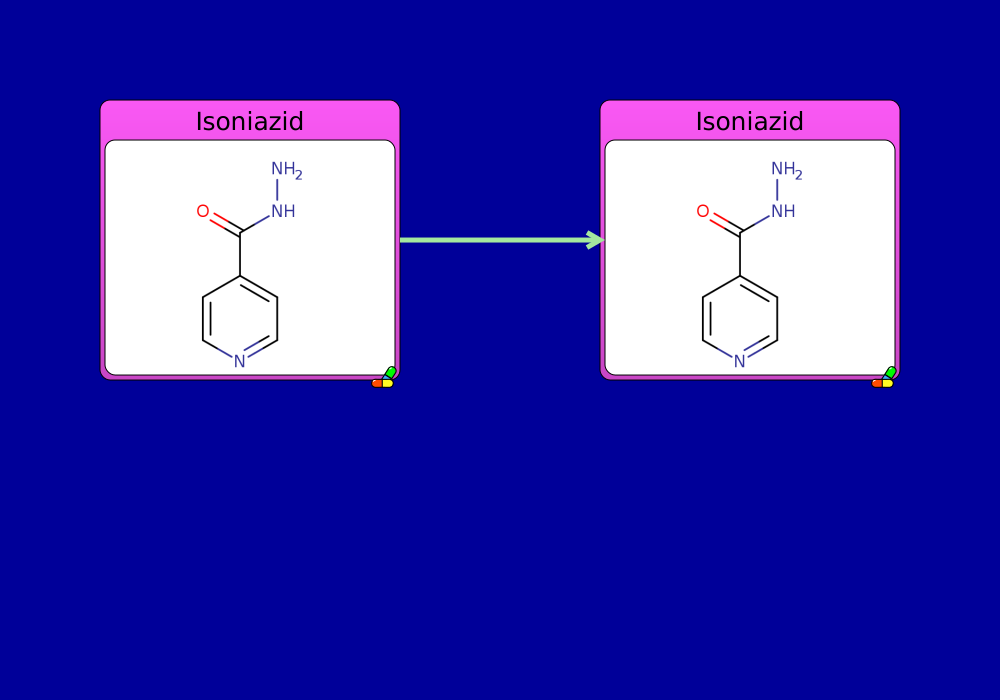 View Pathway
|
drug action
Isoniazid Drug Metabolism Action PathwayHomo sapiens
|
Creator: Ray Kruger Created On: October 07, 2023 at 14:59 Last Updated: October 07, 2023 at 14:59 |