
| PathWhiz ID | Pathway | Meta Data |
|---|---|---|
PW000708 View Pathway
|
drug action
Josamycin Action PathwayHomo sapiens
Josamycin is a macrolide antibiotic that is synthesized from Streptomyces narbonensis which can against various pathogens. Josamycin inhibits protein biosynthesis of bacteria by binding to ribosomal 50S subunit reversibly, which lead to inhibition of translocation of peptidyl tRNA. This action is mainly bacteriostatic, but can also be bactericidal in high concentrations. Macrolides can be accumulated within leukocytes, and transport into infection site later on.
|
Creator: WishartLab Created On: June 23, 2014 at 04:07 Last Updated: June 23, 2014 at 04:07 |
PW124189 View Pathway
|
josefinaaaatHomo sapiens
|
Creator: Guest: Anonymous Created On: September 30, 2020 at 16:50 Last Updated: September 30, 2020 at 16:50 |
PW127377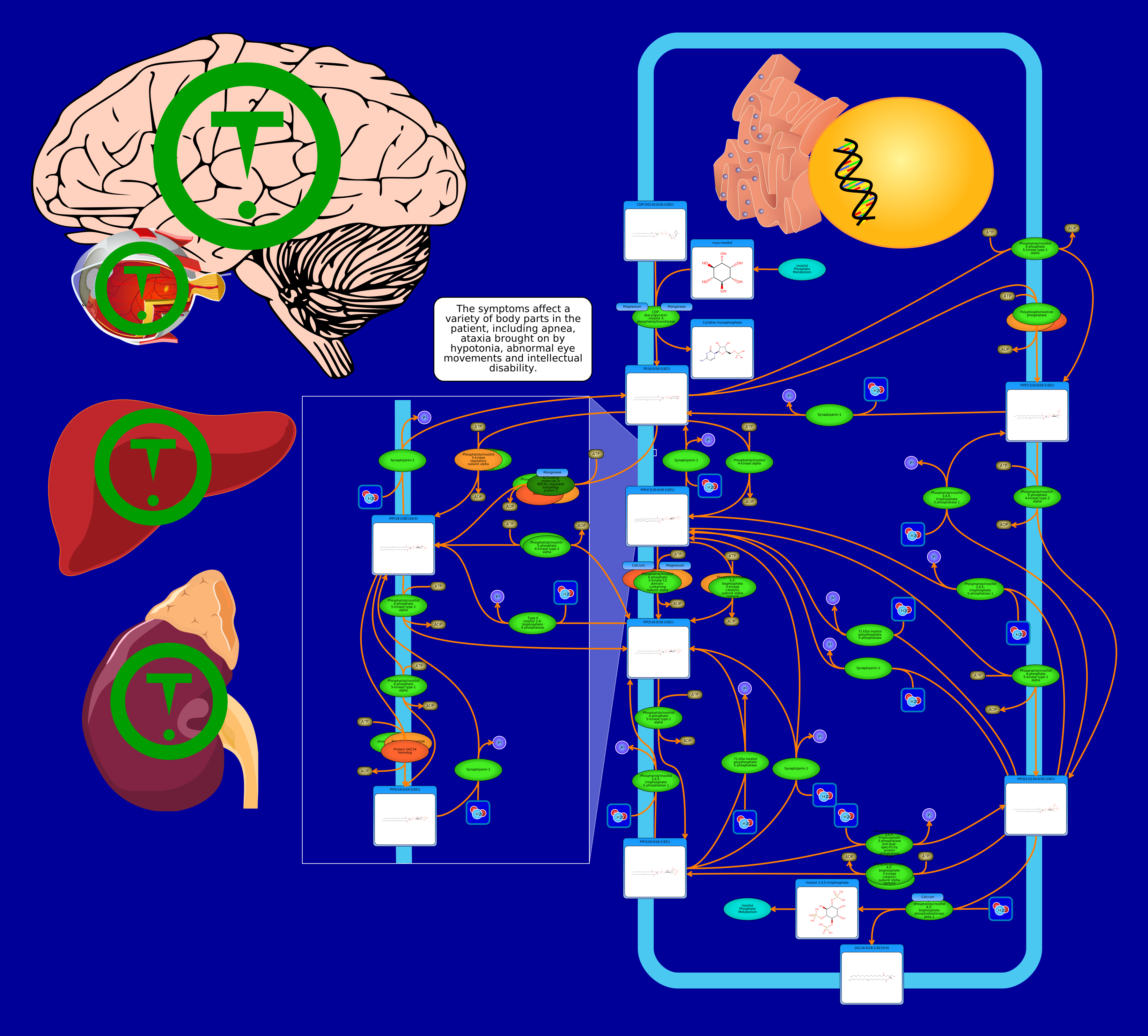 View Pathway
|
disease
Joubert SyndromeHomo sapiens
Joubert syndrome is a condition in which brain development is not completed as it should be, including the lack or underdevelopment of the part of the brain that regulates balance and coordination and an abnormal brain stem. The symptoms affect a variety of body parts in the patient, including apnea, ataxia brought on by hypotonia, abnormal eye movements and intellectual disability. Many different gene mutations are responsible for Joubert syndrome, all of the proteins created from these genes affecting the cilia that are found on the cell surface. It can be confirmed through its hallmark molar tooth imprint that shows up on brain scans of the patient, a visualization of the malformed brain stem and cerebellar vermis.
|
Creator: Ray Kruger Created On: December 20, 2022 at 11:15 Last Updated: December 20, 2022 at 11:15 |
PW122126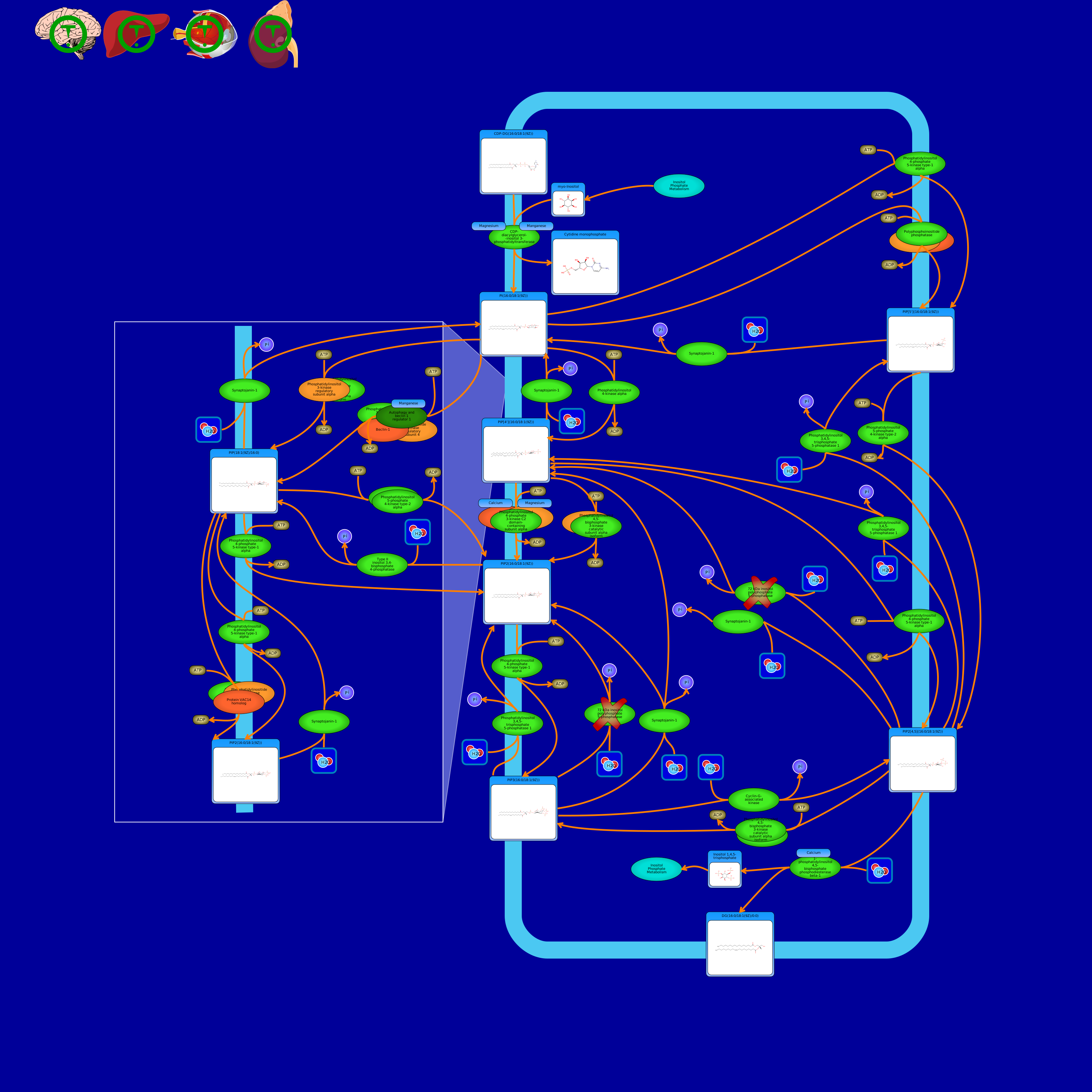 View Pathway
|
disease
Joubert SyndromeRattus norvegicus
Joubert syndrome is a condition in which brain development is not completed as it should be, including the lack or underdevelopment of the part of the brain that regulates balance and coordination and an abnormal brain stem. The symptoms affect a variety of body parts in the patient, including apnea, ataxia brought on by hypotonia, abnormal eye movements and intellectual disability. Many different gene mutations are responsible for Joubert syndrome, all of the proteins created from these genes affecting the cilia that are found on the cell surface. It can be confirmed through its hallmark molar tooth imprint that shows up on brain scans of the patient, a visualization of the malformed brain stem and cerebellar vermis.
|
Creator: Ana Marcu Created On: September 10, 2018 at 15:52 Last Updated: September 10, 2018 at 15:52 |
PW121902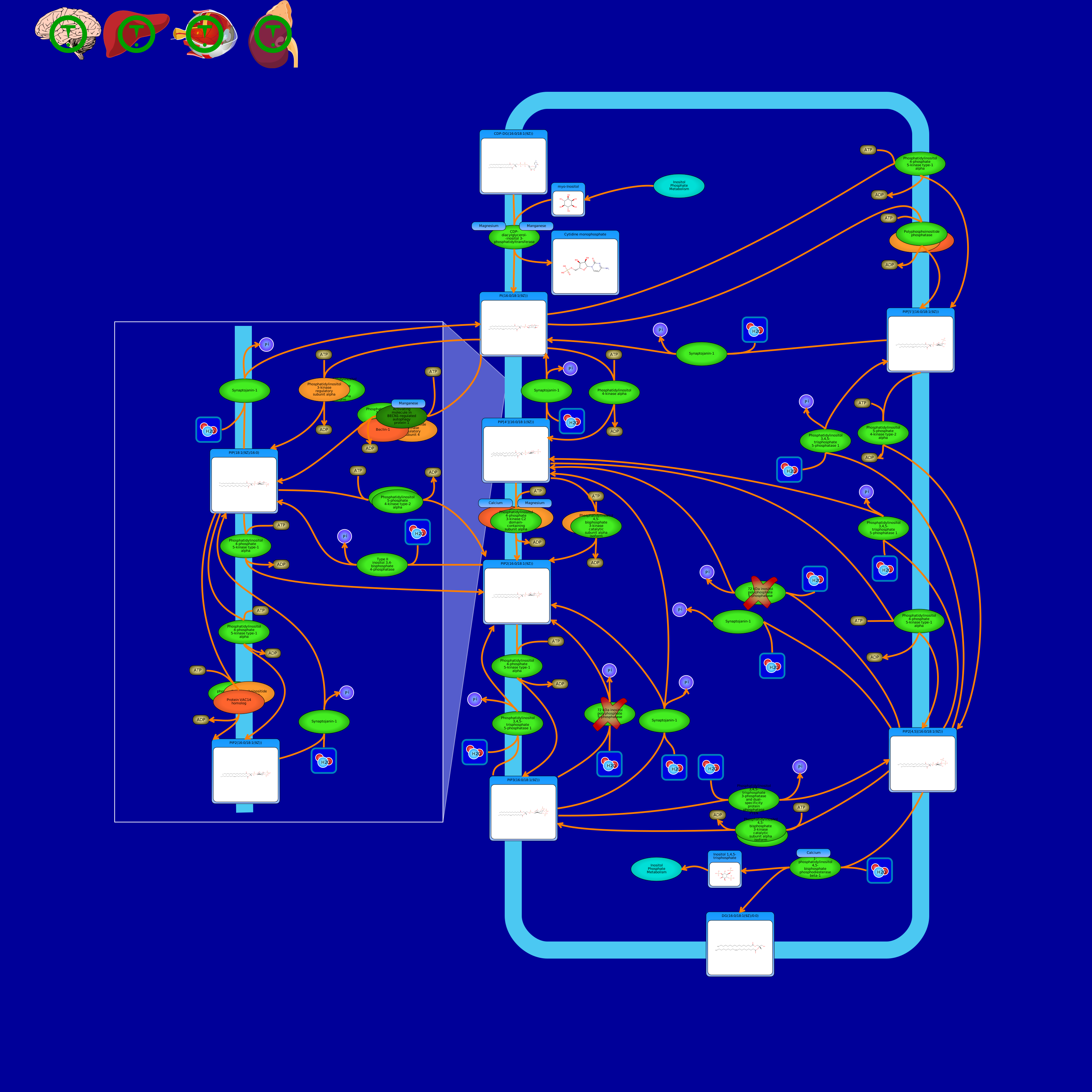 View Pathway
|
disease
Joubert SyndromeMus musculus
Joubert syndrome is a condition in which brain development is not completed as it should be, including the lack or underdevelopment of the part of the brain that regulates balance and coordination and an abnormal brain stem. The symptoms affect a variety of body parts in the patient, including apnea, ataxia brought on by hypotonia, abnormal eye movements and intellectual disability. Many different gene mutations are responsible for Joubert syndrome, all of the proteins created from these genes affecting the cilia that are found on the cell surface. It can be confirmed through its hallmark molar tooth imprint that shows up on brain scans of the patient, a visualization of the malformed brain stem and cerebellar vermis.
|
Creator: Ana Marcu Created On: September 10, 2018 at 15:50 Last Updated: September 10, 2018 at 15:50 |
PW000558 View Pathway
|
disease
Joubert SyndromeHomo sapiens
Joubert syndrome is a condition in which brain development is not completed as it should be, including the lack or underdevelopment of the part of the brain that regulates balance and coordination and an abnormal brain stem. The symptoms affect a variety of body parts in the patient, including apnea, ataxia brought on by hypotonia, abnormal eye movements and intellectual disability. Many different gene mutations are responsible for Joubert syndrome, all of the proteins created from these genes affecting the cilia that are found on the cell surface. It can be confirmed through its hallmark molar tooth imprint that shows up on brain scans of the patient, a visualization of the malformed brain stem and cerebellar vermis.
|
Creator: WishartLab Created On: August 29, 2013 at 10:39 Last Updated: August 29, 2013 at 10:39 |
PW122332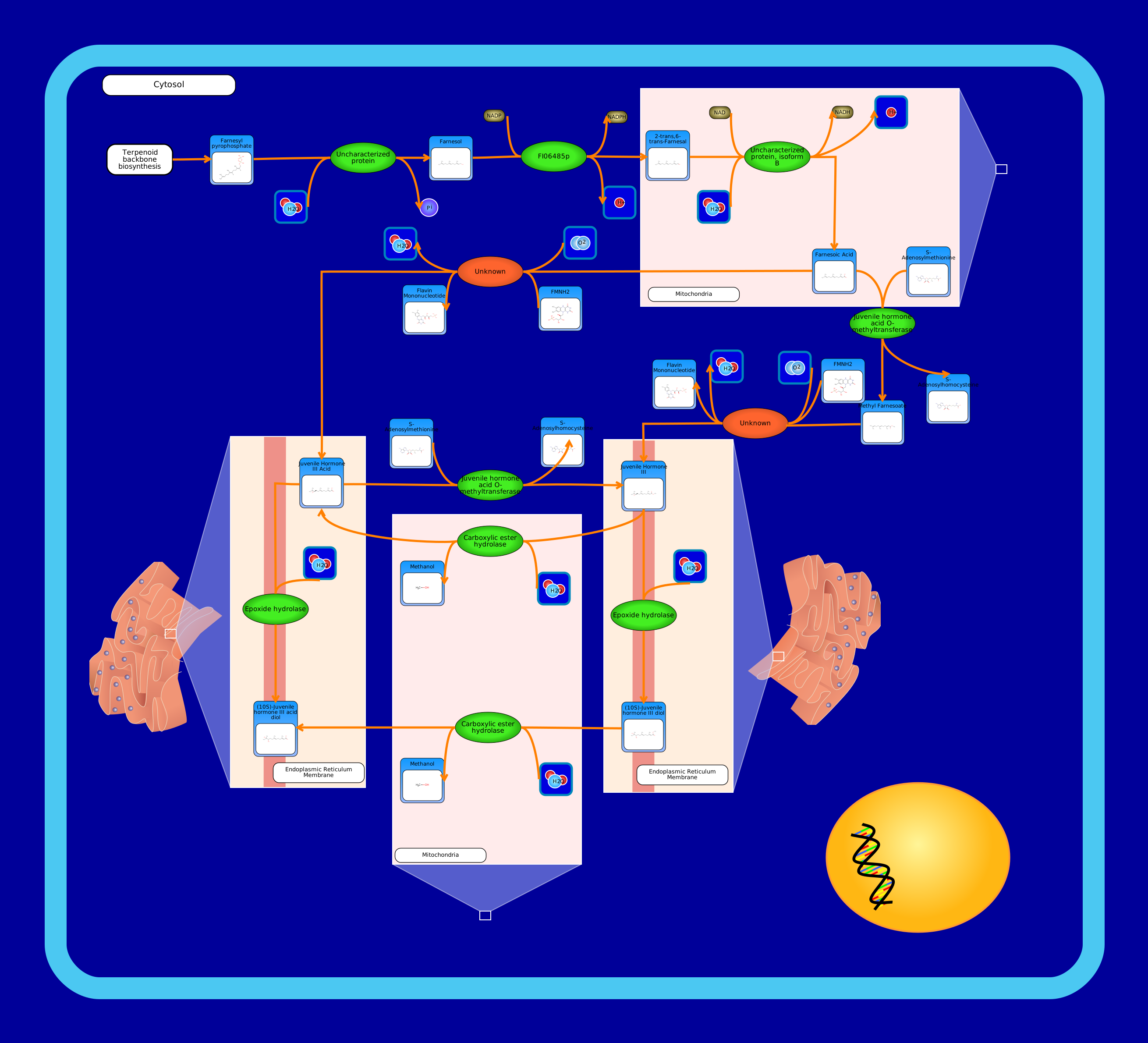 View Pathway
|
Juvenile Hormone SynthesisDrosophila melanogaster
Juvenile hormones in insects are important for their growth before their adulthood, preventing metamorphosis if they undergo one. In Drosophila, only juvenile hormone III has been identified, while others exist in butterflies and moths.
Synthesis of various forms of juvenile hormone III (JH III) start with farnesyl diphosphate interacting with an uncharacterized phosphatase protein, forming farnesol. Farnesol then interacts with NADP+ dependent farensol dehydrogenase, which removes a hydrogen ion from the hydroxyl group in order to form farnesal. Farnesal then enters the mitochondria and interacts with another uncharacterized aldehyde dehydrogenase which allows it to form farnesoic acid. Farnesoic acid can then interact with an unknown protein, similar to farnesoate epoxidase in Bombyx mori, in order to form juvenile hormone III acid (JH III acid). JH III acid can then interact with epoxide hydrolase in the membrane of the endoplasmic reticulum, forming the final product of this pathway, juvenile hormone III acid diol (JH III acid diol). It can also interact with juvenile hormone acid O-methyltransferase in order to form JH III, which is used in another set of reactions in this pathway.
If farnesoic acid does not interact with the unknown protein, it may interact with juvenile hormone acid O-methyltransferase to form methyl farnesoate. Methyl farnesoate can then interact with a different unknown protein similar, to methyl farnesoate epoxidase in Diploptera punctata, in order to form JH III. In the mitochondria, JH III can interact with carboxylic ester hydrolase in order to form JH III acid, which then can form the final product, or form JH III again. Alternately, JH III can interact with epoxide hydrolase in the membrane of the endoplasmic reticulum, forming juvenile hormone III diol. This product then interacts with carboxylic ester hydrolase in the mitochondria, forming JH III acid diol, again, the end product of this pathway.
|
Creator: Eponine Oler Created On: January 27, 2019 at 10:31 Last Updated: January 27, 2019 at 10:31 |
PW124139 View Pathway
|
drug action
jzl184Cannabis sativa
|
Creator: Guest: Anonymous Created On: September 01, 2020 at 02:28 Last Updated: September 01, 2020 at 02:28 |
PW000353 View Pathway
|
drug action
Kanamycin Action PathwayHomo sapiens
Kanamycin is an aminoglycoside antibiotic that can used for inhibiting protein synthesis of bacteria, which can be used for treating bacterial infections and tuberculosis. Kanamycin can bind to bacterial 30S ribosomal subunit protein and four nucleotides of 16S rRNA irreversibly to inhibit the formation of mRNA. Binding of kanamycin can interfere the vicinity of nucleotide 1400 in 16S rRNA that can interact with wobble base of the anticodon of tRNA, which lead to misreading of mRNA and wrong insertion of amino acids. The result is the nonfunctional or toxic peptides that is generated from the ribosome. Aminoglycosides can be used for treating bacterial infections from aerobic, Gram-negative bacteria and also Gram-postive bacteria. However, aminoglycosides may cause more damage to the host than other antibiotics for Gram-positive bacterial infection. Aminoglycosides are mostly ineffective against anaerobic bacteria, fungi and viruses.
|
Creator: WishartLab Created On: August 22, 2013 at 10:45 Last Updated: August 22, 2013 at 10:45 |
PW128357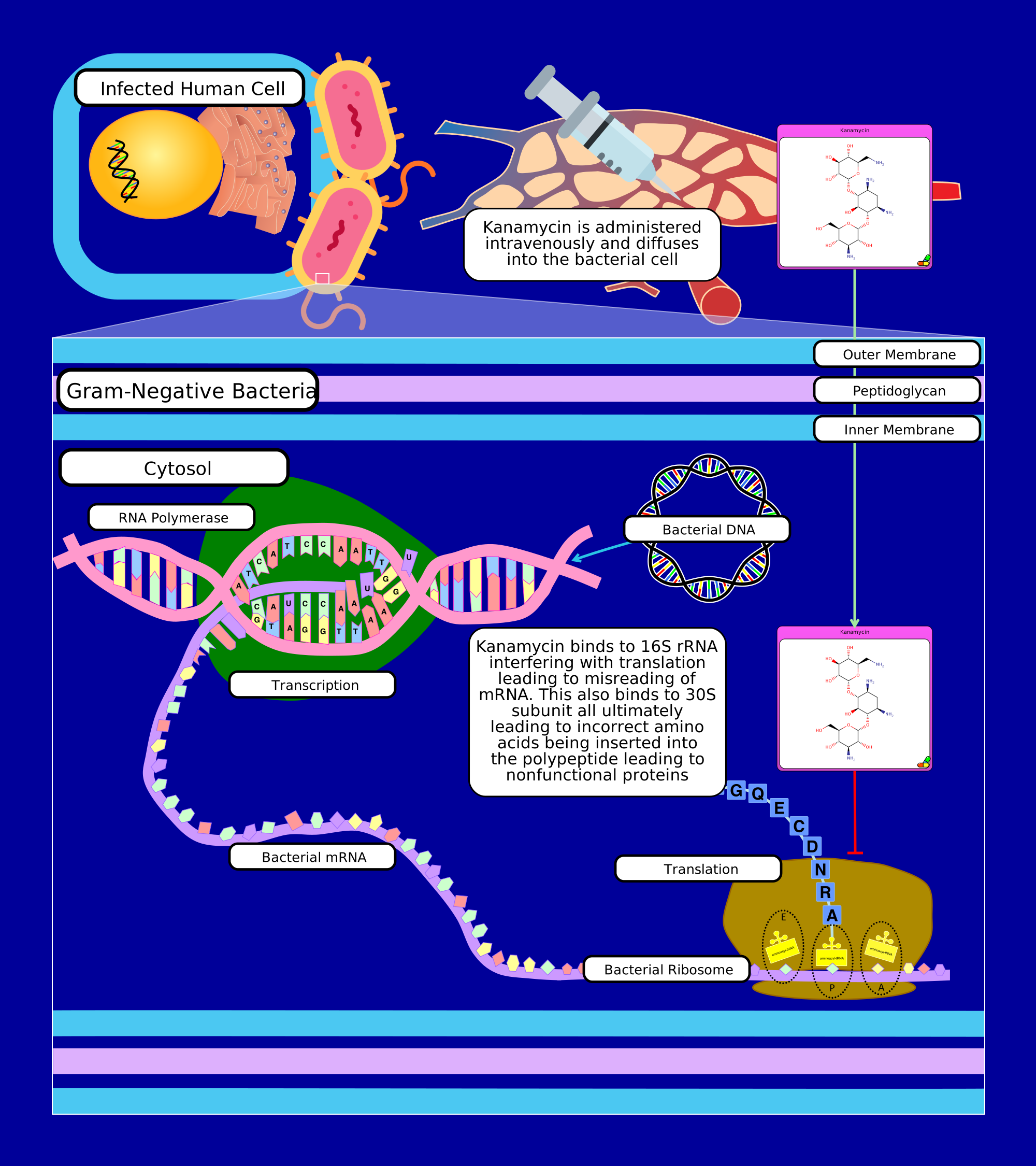 View Pathway
|
drug action
Kanamycin Action Pathway (new)Homo sapiens
Kanamycin is an antibiotic from the aminoglycoside family. It is used to treat a variety of infections caused by different bacteria. This drug is administered orally, intravenously, or by an intramuscular injection. Kanamycin is derived from Streptomyces kanamyceticus. It acts by binding irreversibly to the 30S subunit of the ribosome and 16S rRNA as it interferes with protein synthesis and wobble base pairing in tRNA. Specifically, this drug binds four nucleotides of the 16S rRNA and a single amino acid of the S12 protein. Interference in protein synthesis causes misreading leading to non-functional and toxic peptides, leading to the death of the bacteria. Like most aminoglycosides, it is associated with nephrotoxicity and ototoxicity.
|
Creator: Selena Created On: August 24, 2023 at 09:15 Last Updated: August 24, 2023 at 09:15 |