Page not found.

Browsing Pathways
Showing 368061 -
368070 of 605359 pathways
| PathBank ID | Pathway Name and Description | Pathway Class | Chemical Compounds | Proteins |
|---|---|---|---|---|
SMP0123023 View Pathway
|
Metabolismo de CarbohidratosHomo sapiens
|
Metabolite
Metabolic
|
|
|
SMP0123034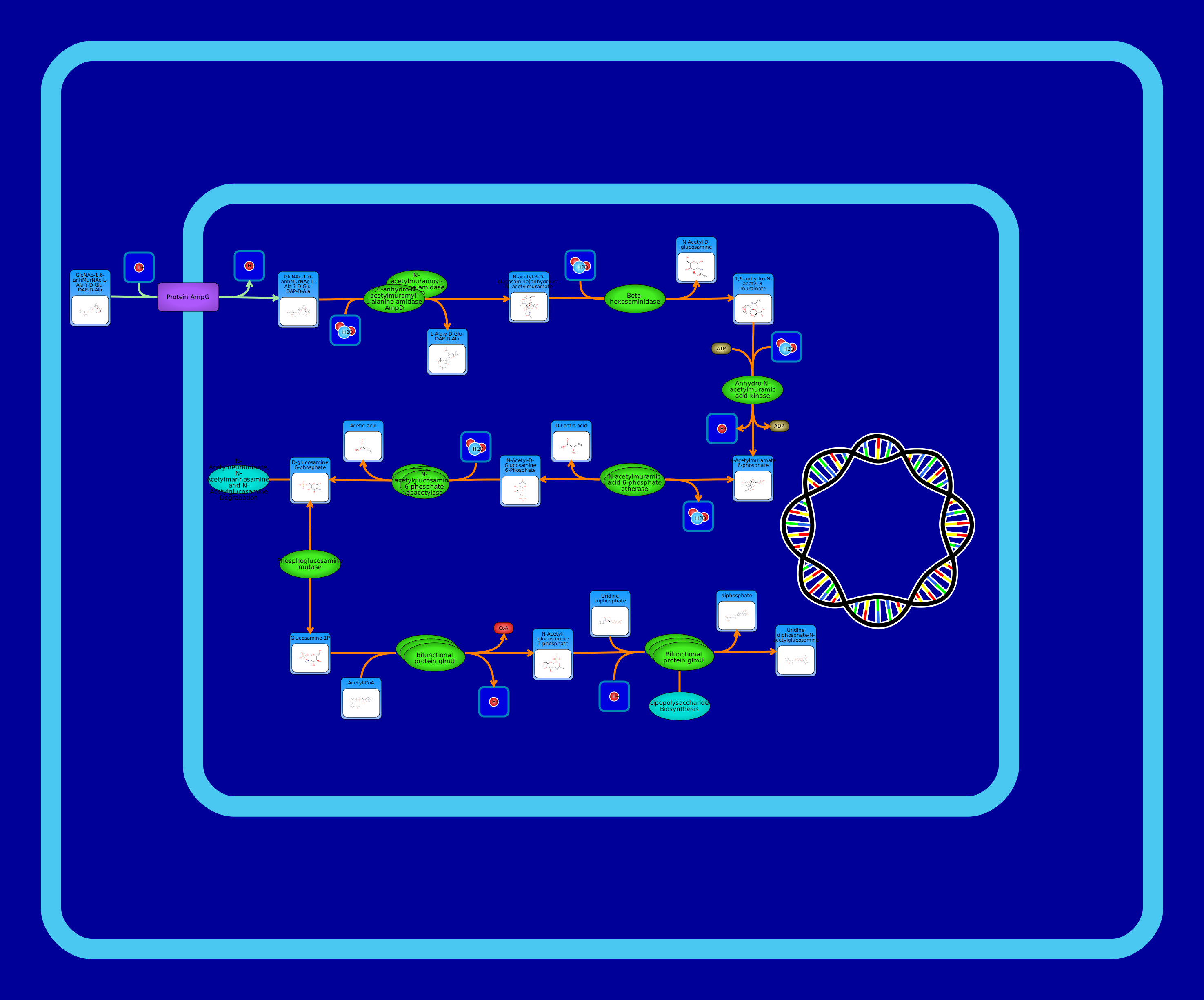 View Pathway
|
Metabolic pathwaysHomo sapiens
The major pathways made by the animal cells for energy production from carbohidrates and lipids catalysis.
|
Metabolite
Metabolic
|
|
|
SMP0123036 View Pathway
|
Vinblastine Drug Action NewHomo sapiens
|
Metabolite
Drug Action
|
||
SMP0123041 View Pathway
|
Sox2 activationMus musculus
|
Metabolite
Signaling
|
|
|
SMP0123048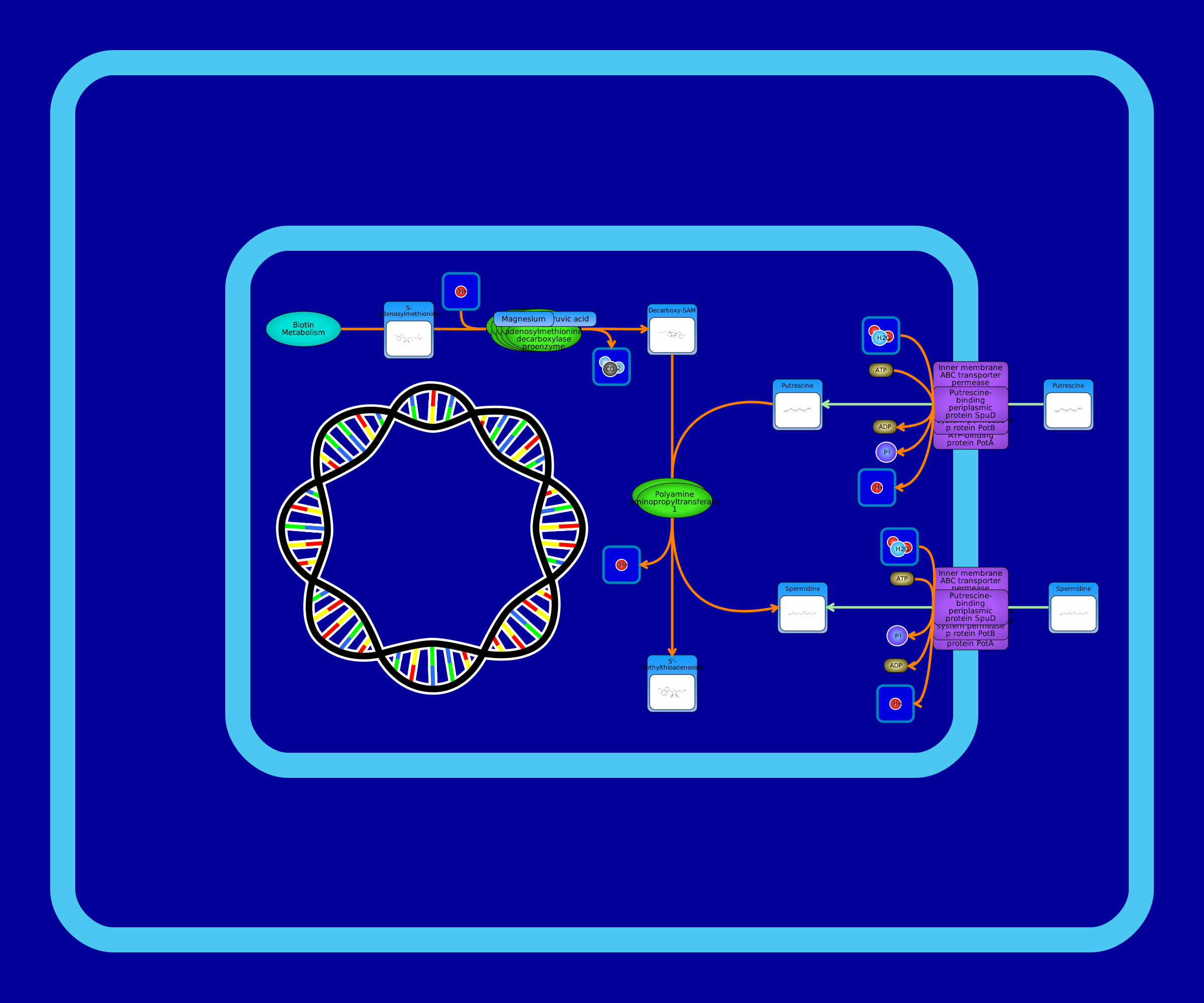 View Pathway
|
Polyamine metabolism in bacteraBacteria
|
Metabolite
Metabolic
|
||
SMP0123053 View Pathway
|
DR1Homo sapiens
|
Protein
|
|
|
SMP0123056 View Pathway
|
biosynthesis novo 1608583249Homo sapiens
|
Metabolite
Metabolic
|
||
SMP0123061 View Pathway
|
HDHomo sapiens
|
Metabolite
Disease
|
|
|
SMP0123068 View Pathway
|
GlucolisisHomosapiens
|
Metabolite
Metabolic
|
|
|
SMP0123075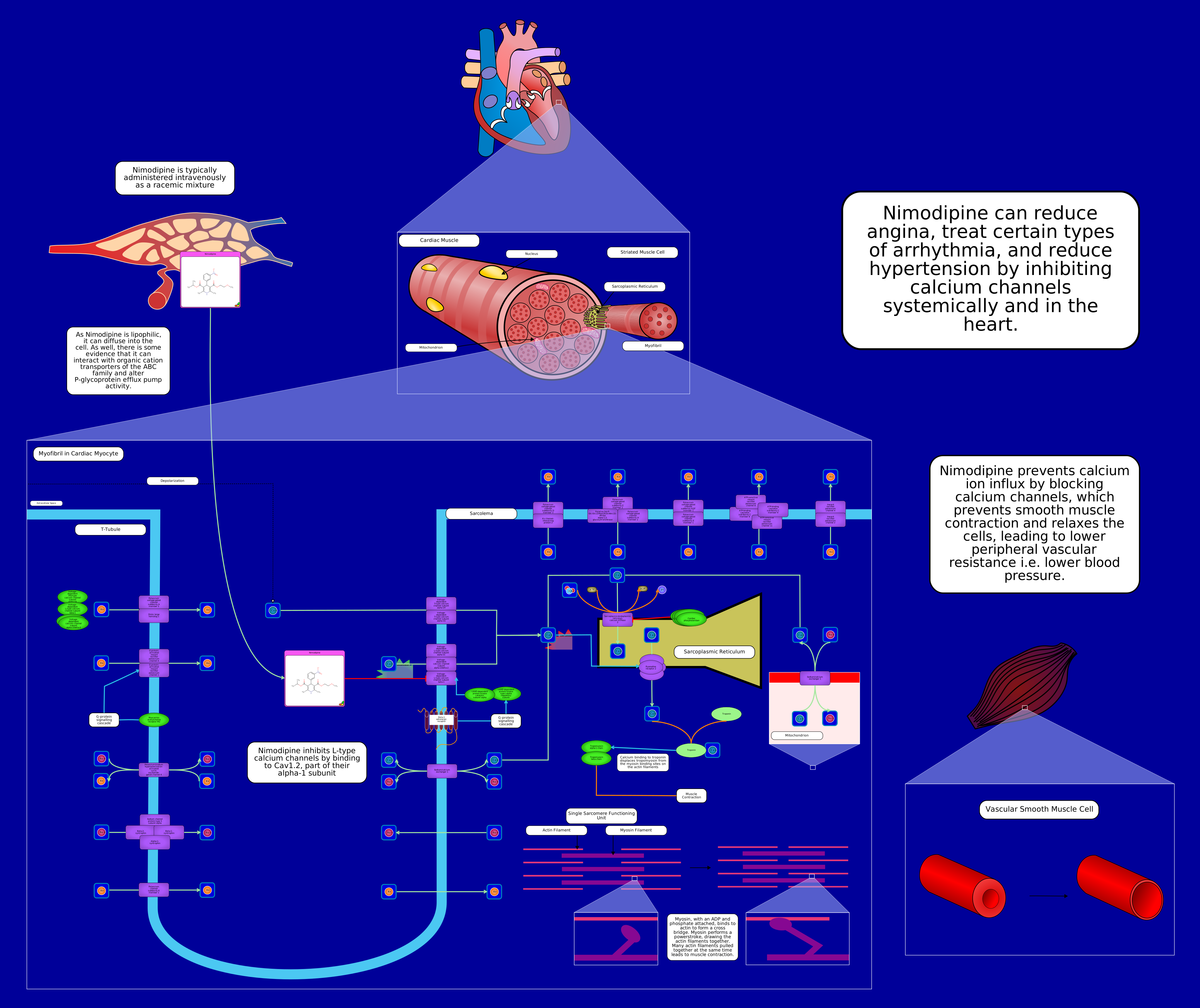 View Pathway
|
NimodipineHomo sapiens
Nimodipine is a 1,4-dihydropyridine calcium channel blocker. It acts primarily on vascular smooth muscle cells by stabilizing voltage-gated L-type calcium channels in their inactive conformation. By inhibiting the influx of calcium in smooth muscle cells, nimodipine prevents calcium-dependent smooth muscle contraction and subsequent vasoconstriction. Compared to other calcium channel blocking agents, nimodipine exhibits greater effects on cerebral circulation than on peripheral circulation. Nimodipine is used to as an adjunct to improve the neurologic outcome following subarachnoid hemorrhage from ruptured intracranial aneurysm. (DrugBank)
Although the precise mechanism of action is not known, nimodipine blocks intracellular influx of calcium through voltage-dependent and receptor-operated slow calcium channels across the membranes of myocardial, vascular smooth muscle, and neuronal cells. By specifically binding to L-type voltage-gated calcium channels, nimodipine inhibits the calcium ion transfer, resulting in the inhibition of vascular smooth muscle contraction. Evidence suggests that the dilation of small cerebral resistance vessels, with a resultant increase in collateral circulation, and/or a direct effect involving the prevention of calcium overload in neurons may be responsible for nimodipine's clinical effect in patients with subarachnoid hemorrhage. (DrugBank)
|
Metabolite
Drug Action
|
|
Showing 368061 -
368070 of 540746 pathways