
Browsing Pathways
Showing 483911 -
483920 of 605359 pathways
| PathBank ID | Pathway Name and Description | Pathway Class | Chemical Compounds | Proteins |
|---|---|---|---|---|
SMP0152715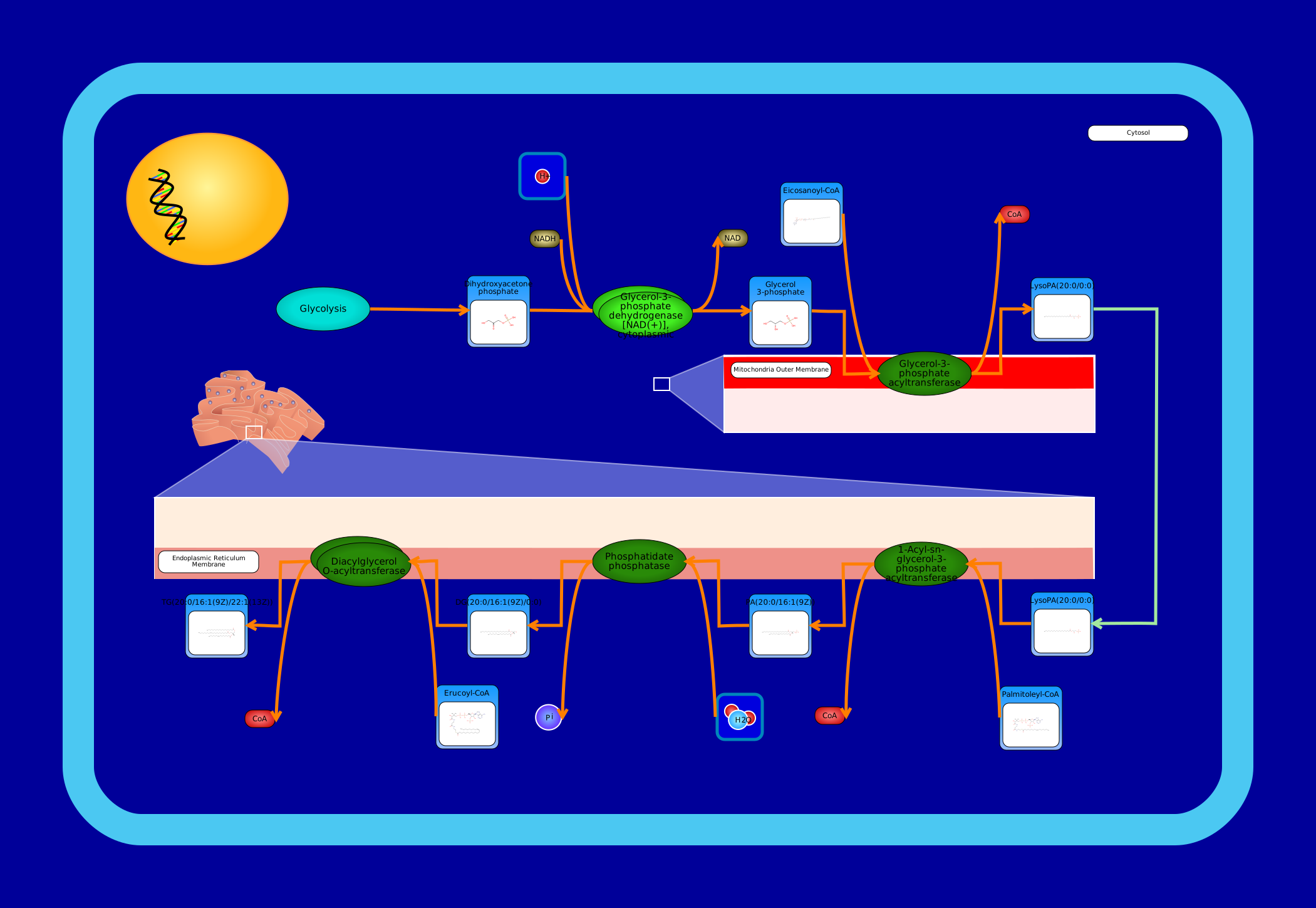 View Pathway
|
De Novo Triacylglycerol Biosynthesis TG(20:0/16:1(9Z)/22:1(13Z))Bos taurus
A triglyceride (TG, triacylglycerol, TAG, or triacylglyceride) is an ester derived from glycerol and three fatty acids. Triglycerides are the main constituents of body fat in humans and other animals, as well as vegetable fat. They are also present in the blood to enable the bidirectional transference of adipose fat and blood glucose from the liver, and are a major component of human skin oils. (Wikipedia) De novo biosynthesis of triglycerides is also known as the phosphatidic acid pathway, and it is mainly associated with the liver and adipose tissue. All membrane-localized enzymes are coloured dark green in the image. First, dihydroxyacetone phosphate (or glycerone phosphate) from glycolysis is used by the cytosolic enzyme glycerol-3-phosphate dehydrogenase [NAD(+)] to synthesize sn-glycerol 3-phosphate. Second, the mitochondrial outer membrane enzyme glycerol-3-phosphate acyltransferase esterifies an acyl-group to the sn-1 position of sn-glycerol 3-phosphate to form 1-acyl-sn-glycerol 3-phosphate (lysophosphatidic acid or LPA). The next three steps are localized to the endoplasmic reticulum membrane. The enzyme 1-acyl-sn-glycerol-3-phosphate acyltransferase converts LPA into phosphatidic acid (1,2-diacyl-sn-glycerol 3-phosphate) by esterifying an acyl-group to the sn-2 position of the glycerol backbone. Next, magnesium-dependent phosphatidate phosphatase catalyzes the conversion of phosphatidic acid into diacylglycerol. Last, the enzyme diacylglycerol O-acyltransferase synthesizes triacylglycerol from diacylglycerol and a fatty acyl-CoA.
|
Metabolite
Metabolic
|
||
SMP0152720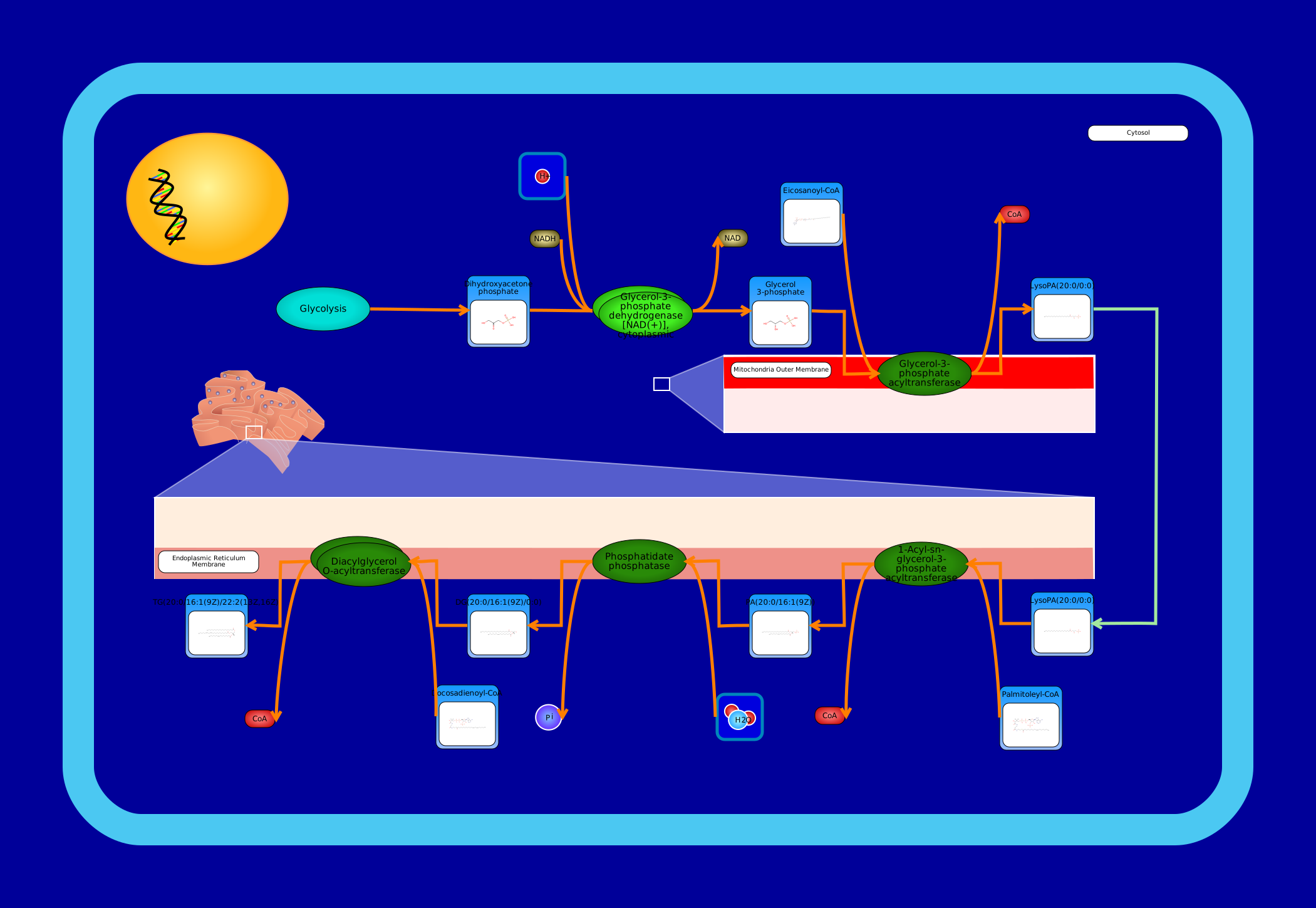 View Pathway
|
De Novo Triacylglycerol Biosynthesis TG(20:0/16:1(9Z)/22:2(13Z,16Z))Bos taurus
A triglyceride (TG, triacylglycerol, TAG, or triacylglyceride) is an ester derived from glycerol and three fatty acids. Triglycerides are the main constituents of body fat in humans and other animals, as well as vegetable fat. They are also present in the blood to enable the bidirectional transference of adipose fat and blood glucose from the liver, and are a major component of human skin oils. (Wikipedia) De novo biosynthesis of triglycerides is also known as the phosphatidic acid pathway, and it is mainly associated with the liver and adipose tissue. All membrane-localized enzymes are coloured dark green in the image. First, dihydroxyacetone phosphate (or glycerone phosphate) from glycolysis is used by the cytosolic enzyme glycerol-3-phosphate dehydrogenase [NAD(+)] to synthesize sn-glycerol 3-phosphate. Second, the mitochondrial outer membrane enzyme glycerol-3-phosphate acyltransferase esterifies an acyl-group to the sn-1 position of sn-glycerol 3-phosphate to form 1-acyl-sn-glycerol 3-phosphate (lysophosphatidic acid or LPA). The next three steps are localized to the endoplasmic reticulum membrane. The enzyme 1-acyl-sn-glycerol-3-phosphate acyltransferase converts LPA into phosphatidic acid (1,2-diacyl-sn-glycerol 3-phosphate) by esterifying an acyl-group to the sn-2 position of the glycerol backbone. Next, magnesium-dependent phosphatidate phosphatase catalyzes the conversion of phosphatidic acid into diacylglycerol. Last, the enzyme diacylglycerol O-acyltransferase synthesizes triacylglycerol from diacylglycerol and a fatty acyl-CoA.
|
Metabolite
Metabolic
|
||
SMP0152722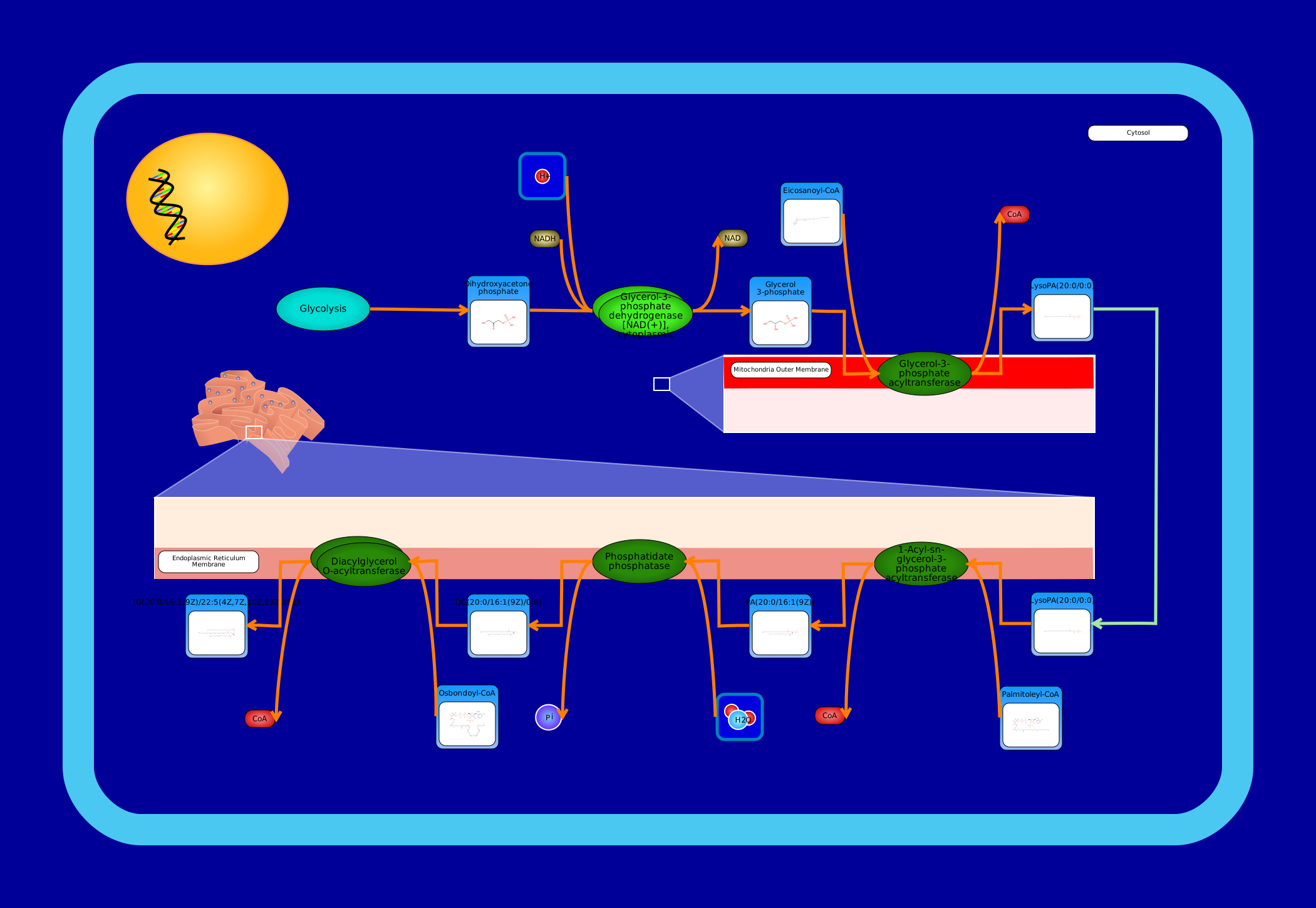 View Pathway
|
De Novo Triacylglycerol Biosynthesis TG(20:0/16:1(9Z)/22:5(4Z,7Z,10Z,13Z,16Z))Bos taurus
A triglyceride (TG, triacylglycerol, TAG, or triacylglyceride) is an ester derived from glycerol and three fatty acids. Triglycerides are the main constituents of body fat in humans and other animals, as well as vegetable fat. They are also present in the blood to enable the bidirectional transference of adipose fat and blood glucose from the liver, and are a major component of human skin oils. (Wikipedia) De novo biosynthesis of triglycerides is also known as the phosphatidic acid pathway, and it is mainly associated with the liver and adipose tissue. All membrane-localized enzymes are coloured dark green in the image. First, dihydroxyacetone phosphate (or glycerone phosphate) from glycolysis is used by the cytosolic enzyme glycerol-3-phosphate dehydrogenase [NAD(+)] to synthesize sn-glycerol 3-phosphate. Second, the mitochondrial outer membrane enzyme glycerol-3-phosphate acyltransferase esterifies an acyl-group to the sn-1 position of sn-glycerol 3-phosphate to form 1-acyl-sn-glycerol 3-phosphate (lysophosphatidic acid or LPA). The next three steps are localized to the endoplasmic reticulum membrane. The enzyme 1-acyl-sn-glycerol-3-phosphate acyltransferase converts LPA into phosphatidic acid (1,2-diacyl-sn-glycerol 3-phosphate) by esterifying an acyl-group to the sn-2 position of the glycerol backbone. Next, magnesium-dependent phosphatidate phosphatase catalyzes the conversion of phosphatidic acid into diacylglycerol. Last, the enzyme diacylglycerol O-acyltransferase synthesizes triacylglycerol from diacylglycerol and a fatty acyl-CoA.
|
Metabolite
Metabolic
|
||
SMP0152727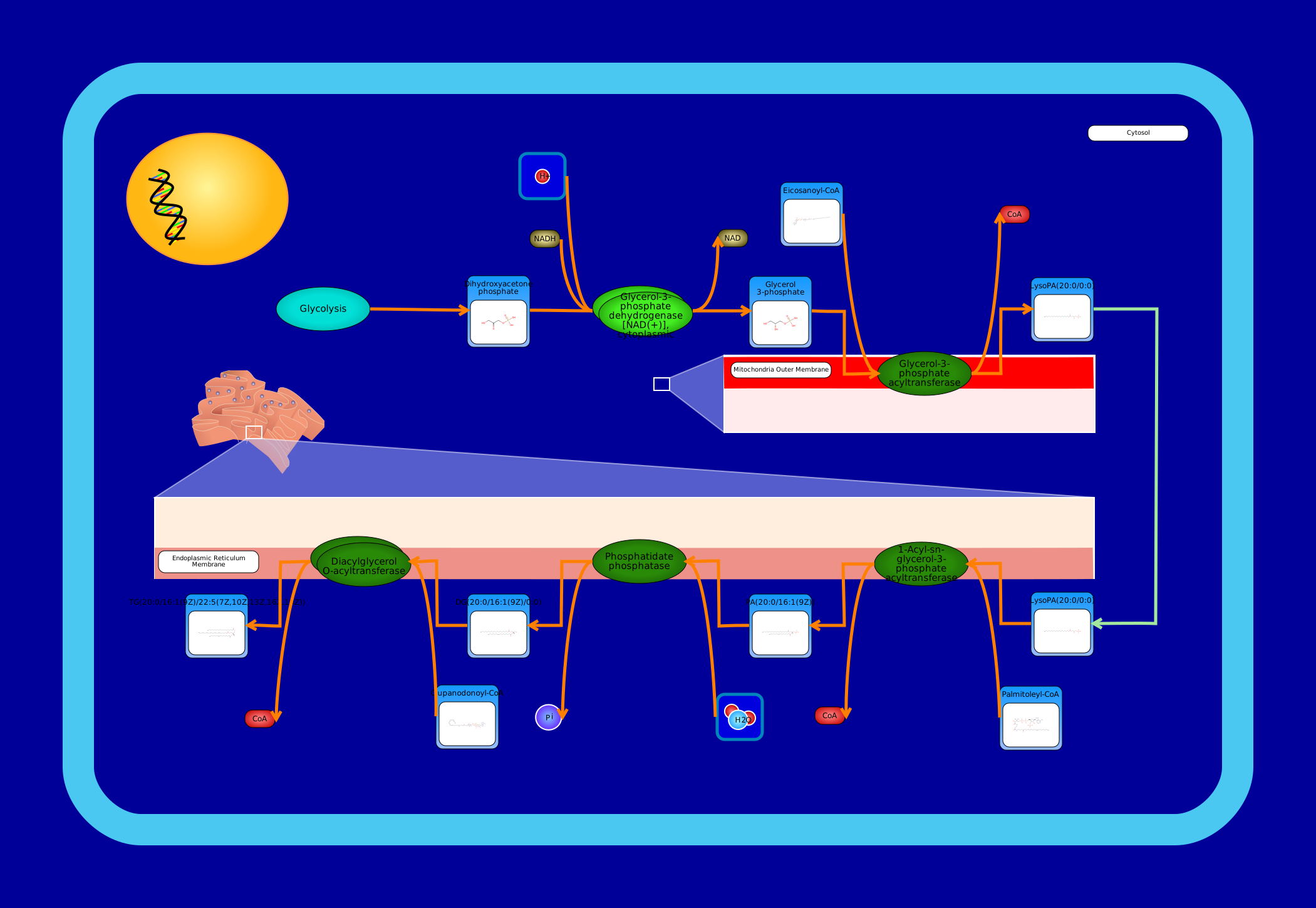 View Pathway
|
De Novo Triacylglycerol Biosynthesis TG(20:0/16:1(9Z)/22:5(7Z,10Z,13Z,16Z,19Z))Bos taurus
A triglyceride (TG, triacylglycerol, TAG, or triacylglyceride) is an ester derived from glycerol and three fatty acids. Triglycerides are the main constituents of body fat in humans and other animals, as well as vegetable fat. They are also present in the blood to enable the bidirectional transference of adipose fat and blood glucose from the liver, and are a major component of human skin oils. (Wikipedia) De novo biosynthesis of triglycerides is also known as the phosphatidic acid pathway, and it is mainly associated with the liver and adipose tissue. All membrane-localized enzymes are coloured dark green in the image. First, dihydroxyacetone phosphate (or glycerone phosphate) from glycolysis is used by the cytosolic enzyme glycerol-3-phosphate dehydrogenase [NAD(+)] to synthesize sn-glycerol 3-phosphate. Second, the mitochondrial outer membrane enzyme glycerol-3-phosphate acyltransferase esterifies an acyl-group to the sn-1 position of sn-glycerol 3-phosphate to form 1-acyl-sn-glycerol 3-phosphate (lysophosphatidic acid or LPA). The next three steps are localized to the endoplasmic reticulum membrane. The enzyme 1-acyl-sn-glycerol-3-phosphate acyltransferase converts LPA into phosphatidic acid (1,2-diacyl-sn-glycerol 3-phosphate) by esterifying an acyl-group to the sn-2 position of the glycerol backbone. Next, magnesium-dependent phosphatidate phosphatase catalyzes the conversion of phosphatidic acid into diacylglycerol. Last, the enzyme diacylglycerol O-acyltransferase synthesizes triacylglycerol from diacylglycerol and a fatty acyl-CoA.
|
Metabolite
Metabolic
|
||
SMP0152735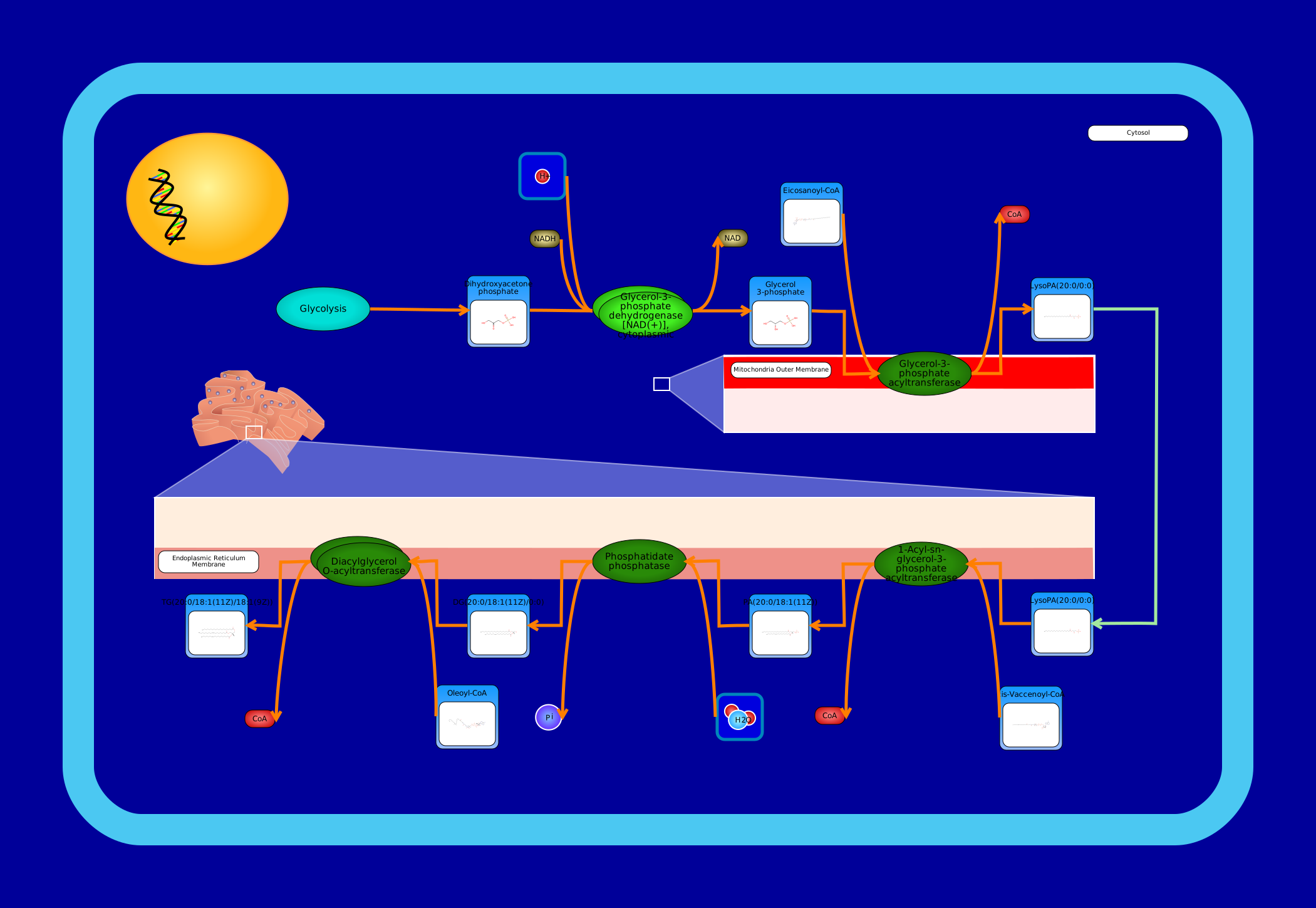 View Pathway
|
De Novo Triacylglycerol Biosynthesis TG(20:0/18:1(11Z)/18:1(9Z))Bos taurus
A triglyceride (TG, triacylglycerol, TAG, or triacylglyceride) is an ester derived from glycerol and three fatty acids. Triglycerides are the main constituents of body fat in humans and other animals, as well as vegetable fat. They are also present in the blood to enable the bidirectional transference of adipose fat and blood glucose from the liver, and are a major component of human skin oils. (Wikipedia) De novo biosynthesis of triglycerides is also known as the phosphatidic acid pathway, and it is mainly associated with the liver and adipose tissue. All membrane-localized enzymes are coloured dark green in the image. First, dihydroxyacetone phosphate (or glycerone phosphate) from glycolysis is used by the cytosolic enzyme glycerol-3-phosphate dehydrogenase [NAD(+)] to synthesize sn-glycerol 3-phosphate. Second, the mitochondrial outer membrane enzyme glycerol-3-phosphate acyltransferase esterifies an acyl-group to the sn-1 position of sn-glycerol 3-phosphate to form 1-acyl-sn-glycerol 3-phosphate (lysophosphatidic acid or LPA). The next three steps are localized to the endoplasmic reticulum membrane. The enzyme 1-acyl-sn-glycerol-3-phosphate acyltransferase converts LPA into phosphatidic acid (1,2-diacyl-sn-glycerol 3-phosphate) by esterifying an acyl-group to the sn-2 position of the glycerol backbone. Next, magnesium-dependent phosphatidate phosphatase catalyzes the conversion of phosphatidic acid into diacylglycerol. Last, the enzyme diacylglycerol O-acyltransferase synthesizes triacylglycerol from diacylglycerol and a fatty acyl-CoA.
|
Metabolite
Metabolic
|
||
SMP0152740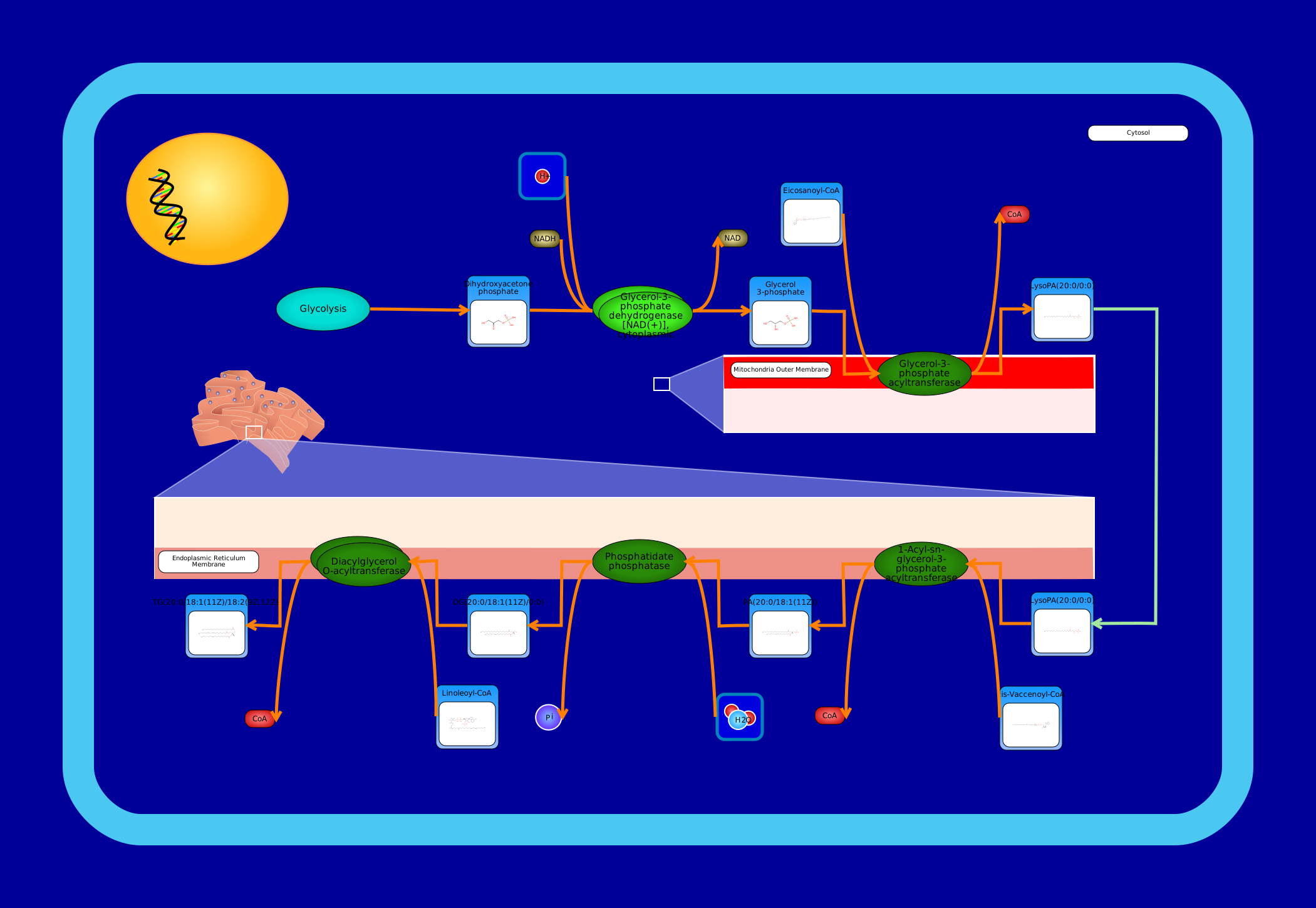 View Pathway
|
De Novo Triacylglycerol Biosynthesis TG(20:0/18:1(11Z)/18:2(9Z,12Z))Bos taurus
A triglyceride (TG, triacylglycerol, TAG, or triacylglyceride) is an ester derived from glycerol and three fatty acids. Triglycerides are the main constituents of body fat in humans and other animals, as well as vegetable fat. They are also present in the blood to enable the bidirectional transference of adipose fat and blood glucose from the liver, and are a major component of human skin oils. (Wikipedia) De novo biosynthesis of triglycerides is also known as the phosphatidic acid pathway, and it is mainly associated with the liver and adipose tissue. All membrane-localized enzymes are coloured dark green in the image. First, dihydroxyacetone phosphate (or glycerone phosphate) from glycolysis is used by the cytosolic enzyme glycerol-3-phosphate dehydrogenase [NAD(+)] to synthesize sn-glycerol 3-phosphate. Second, the mitochondrial outer membrane enzyme glycerol-3-phosphate acyltransferase esterifies an acyl-group to the sn-1 position of sn-glycerol 3-phosphate to form 1-acyl-sn-glycerol 3-phosphate (lysophosphatidic acid or LPA). The next three steps are localized to the endoplasmic reticulum membrane. The enzyme 1-acyl-sn-glycerol-3-phosphate acyltransferase converts LPA into phosphatidic acid (1,2-diacyl-sn-glycerol 3-phosphate) by esterifying an acyl-group to the sn-2 position of the glycerol backbone. Next, magnesium-dependent phosphatidate phosphatase catalyzes the conversion of phosphatidic acid into diacylglycerol. Last, the enzyme diacylglycerol O-acyltransferase synthesizes triacylglycerol from diacylglycerol and a fatty acyl-CoA.
|
Metabolite
Metabolic
|
||
SMP0152742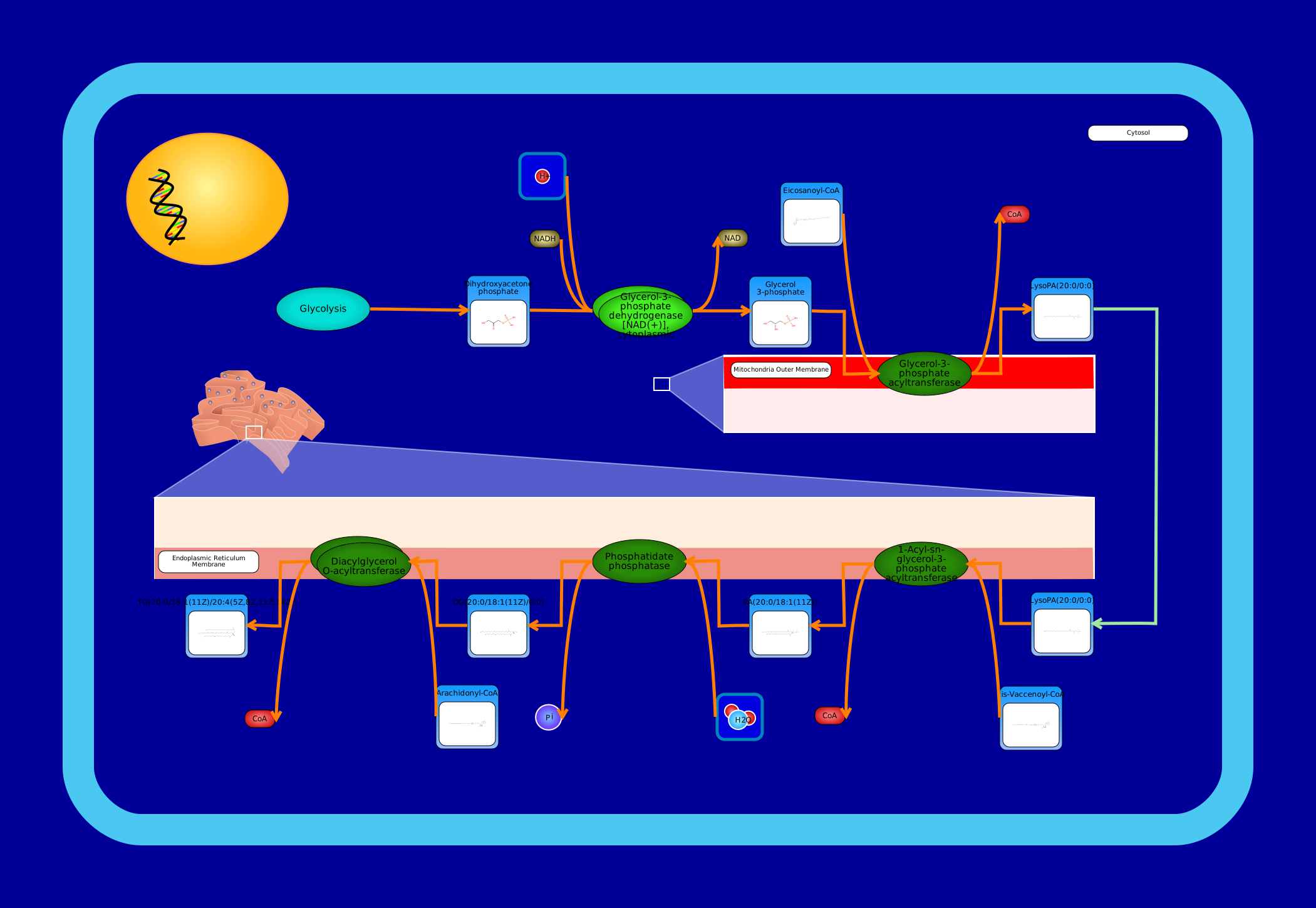 View Pathway
|
De Novo Triacylglycerol Biosynthesis TG(20:0/18:1(11Z)/20:4(5Z,8Z,11Z,14Z))Bos taurus
A triglyceride (TG, triacylglycerol, TAG, or triacylglyceride) is an ester derived from glycerol and three fatty acids. Triglycerides are the main constituents of body fat in humans and other animals, as well as vegetable fat. They are also present in the blood to enable the bidirectional transference of adipose fat and blood glucose from the liver, and are a major component of human skin oils. (Wikipedia) De novo biosynthesis of triglycerides is also known as the phosphatidic acid pathway, and it is mainly associated with the liver and adipose tissue. All membrane-localized enzymes are coloured dark green in the image. First, dihydroxyacetone phosphate (or glycerone phosphate) from glycolysis is used by the cytosolic enzyme glycerol-3-phosphate dehydrogenase [NAD(+)] to synthesize sn-glycerol 3-phosphate. Second, the mitochondrial outer membrane enzyme glycerol-3-phosphate acyltransferase esterifies an acyl-group to the sn-1 position of sn-glycerol 3-phosphate to form 1-acyl-sn-glycerol 3-phosphate (lysophosphatidic acid or LPA). The next three steps are localized to the endoplasmic reticulum membrane. The enzyme 1-acyl-sn-glycerol-3-phosphate acyltransferase converts LPA into phosphatidic acid (1,2-diacyl-sn-glycerol 3-phosphate) by esterifying an acyl-group to the sn-2 position of the glycerol backbone. Next, magnesium-dependent phosphatidate phosphatase catalyzes the conversion of phosphatidic acid into diacylglycerol. Last, the enzyme diacylglycerol O-acyltransferase synthesizes triacylglycerol from diacylglycerol and a fatty acyl-CoA.
|
Metabolite
Metabolic
|
||
SMP0152747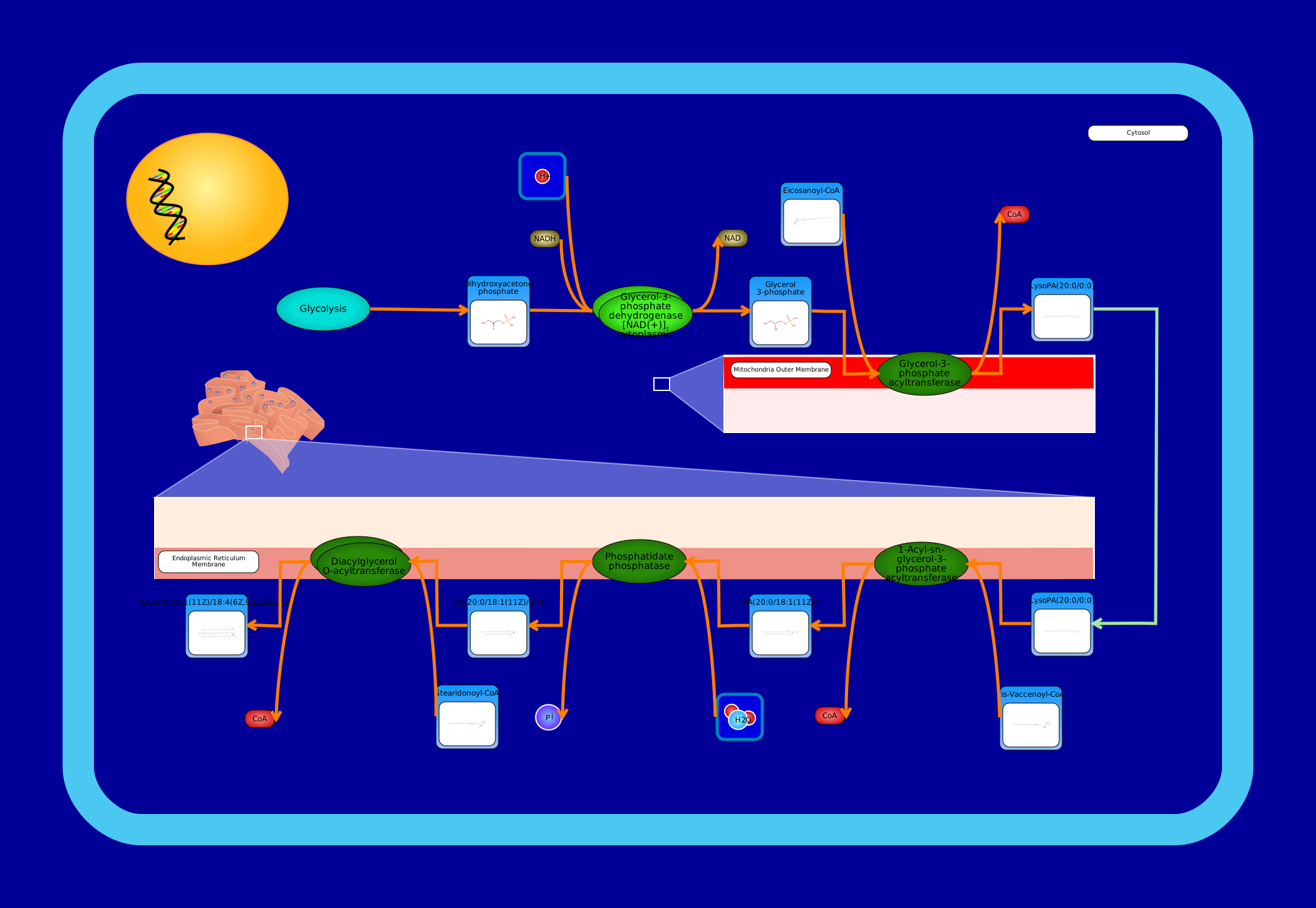 View Pathway
|
De Novo Triacylglycerol Biosynthesis TG(20:0/18:1(11Z)/18:4(6Z,9Z,12Z,15Z))Bos taurus
A triglyceride (TG, triacylglycerol, TAG, or triacylglyceride) is an ester derived from glycerol and three fatty acids. Triglycerides are the main constituents of body fat in humans and other animals, as well as vegetable fat. They are also present in the blood to enable the bidirectional transference of adipose fat and blood glucose from the liver, and are a major component of human skin oils. (Wikipedia) De novo biosynthesis of triglycerides is also known as the phosphatidic acid pathway, and it is mainly associated with the liver and adipose tissue. All membrane-localized enzymes are coloured dark green in the image. First, dihydroxyacetone phosphate (or glycerone phosphate) from glycolysis is used by the cytosolic enzyme glycerol-3-phosphate dehydrogenase [NAD(+)] to synthesize sn-glycerol 3-phosphate. Second, the mitochondrial outer membrane enzyme glycerol-3-phosphate acyltransferase esterifies an acyl-group to the sn-1 position of sn-glycerol 3-phosphate to form 1-acyl-sn-glycerol 3-phosphate (lysophosphatidic acid or LPA). The next three steps are localized to the endoplasmic reticulum membrane. The enzyme 1-acyl-sn-glycerol-3-phosphate acyltransferase converts LPA into phosphatidic acid (1,2-diacyl-sn-glycerol 3-phosphate) by esterifying an acyl-group to the sn-2 position of the glycerol backbone. Next, magnesium-dependent phosphatidate phosphatase catalyzes the conversion of phosphatidic acid into diacylglycerol. Last, the enzyme diacylglycerol O-acyltransferase synthesizes triacylglycerol from diacylglycerol and a fatty acyl-CoA.
|
Metabolite
Metabolic
|
||
SMP0152754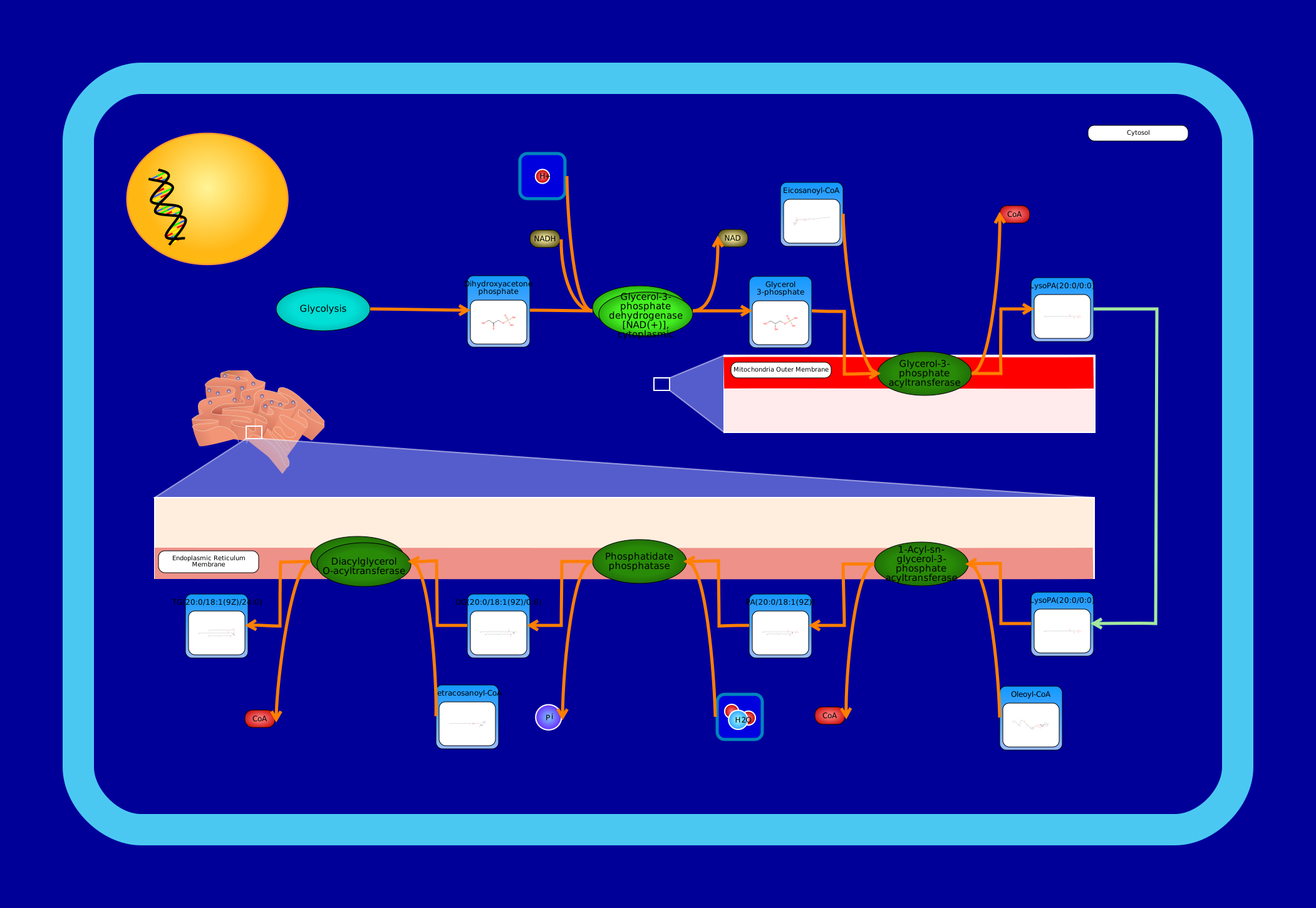 View Pathway
|
De Novo Triacylglycerol Biosynthesis TG(20:0/18:1(9Z)/24:0)Bos taurus
A triglyceride (TG, triacylglycerol, TAG, or triacylglyceride) is an ester derived from glycerol and three fatty acids. Triglycerides are the main constituents of body fat in humans and other animals, as well as vegetable fat. They are also present in the blood to enable the bidirectional transference of adipose fat and blood glucose from the liver, and are a major component of human skin oils. (Wikipedia) De novo biosynthesis of triglycerides is also known as the phosphatidic acid pathway, and it is mainly associated with the liver and adipose tissue. All membrane-localized enzymes are coloured dark green in the image. First, dihydroxyacetone phosphate (or glycerone phosphate) from glycolysis is used by the cytosolic enzyme glycerol-3-phosphate dehydrogenase [NAD(+)] to synthesize sn-glycerol 3-phosphate. Second, the mitochondrial outer membrane enzyme glycerol-3-phosphate acyltransferase esterifies an acyl-group to the sn-1 position of sn-glycerol 3-phosphate to form 1-acyl-sn-glycerol 3-phosphate (lysophosphatidic acid or LPA). The next three steps are localized to the endoplasmic reticulum membrane. The enzyme 1-acyl-sn-glycerol-3-phosphate acyltransferase converts LPA into phosphatidic acid (1,2-diacyl-sn-glycerol 3-phosphate) by esterifying an acyl-group to the sn-2 position of the glycerol backbone. Next, magnesium-dependent phosphatidate phosphatase catalyzes the conversion of phosphatidic acid into diacylglycerol. Last, the enzyme diacylglycerol O-acyltransferase synthesizes triacylglycerol from diacylglycerol and a fatty acyl-CoA.
|
Metabolite
Metabolic
|
||
SMP0152759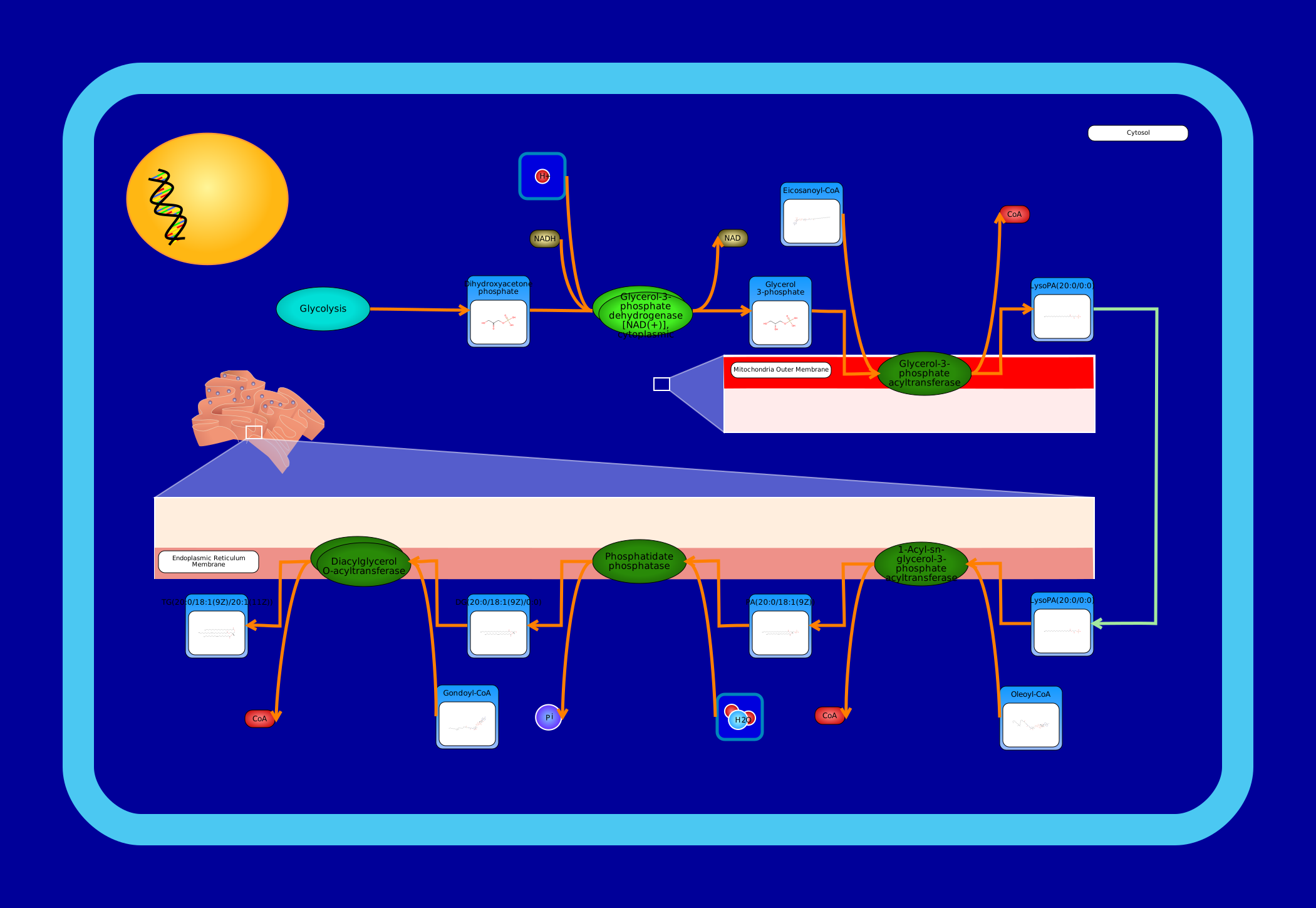 View Pathway
|
De Novo Triacylglycerol Biosynthesis TG(20:0/18:1(9Z)/20:1(11Z))Bos taurus
A triglyceride (TG, triacylglycerol, TAG, or triacylglyceride) is an ester derived from glycerol and three fatty acids. Triglycerides are the main constituents of body fat in humans and other animals, as well as vegetable fat. They are also present in the blood to enable the bidirectional transference of adipose fat and blood glucose from the liver, and are a major component of human skin oils. (Wikipedia) De novo biosynthesis of triglycerides is also known as the phosphatidic acid pathway, and it is mainly associated with the liver and adipose tissue. All membrane-localized enzymes are coloured dark green in the image. First, dihydroxyacetone phosphate (or glycerone phosphate) from glycolysis is used by the cytosolic enzyme glycerol-3-phosphate dehydrogenase [NAD(+)] to synthesize sn-glycerol 3-phosphate. Second, the mitochondrial outer membrane enzyme glycerol-3-phosphate acyltransferase esterifies an acyl-group to the sn-1 position of sn-glycerol 3-phosphate to form 1-acyl-sn-glycerol 3-phosphate (lysophosphatidic acid or LPA). The next three steps are localized to the endoplasmic reticulum membrane. The enzyme 1-acyl-sn-glycerol-3-phosphate acyltransferase converts LPA into phosphatidic acid (1,2-diacyl-sn-glycerol 3-phosphate) by esterifying an acyl-group to the sn-2 position of the glycerol backbone. Next, magnesium-dependent phosphatidate phosphatase catalyzes the conversion of phosphatidic acid into diacylglycerol. Last, the enzyme diacylglycerol O-acyltransferase synthesizes triacylglycerol from diacylglycerol and a fatty acyl-CoA.
|
Metabolite
Metabolic
|
Showing 483911 -
483920 of 540798 pathways