
Browsing Pathways
Showing 484261 -
484270 of 605359 pathways
| PathBank ID | Pathway Name and Description | Pathway Class | Chemical Compounds | Proteins |
|---|---|---|---|---|
SMP0145380 View Pathway
|
Povidone Drug Metabolism PathwayHomo sapiens
|
Metabolite
Metabolic
|
|
|
SMP0145382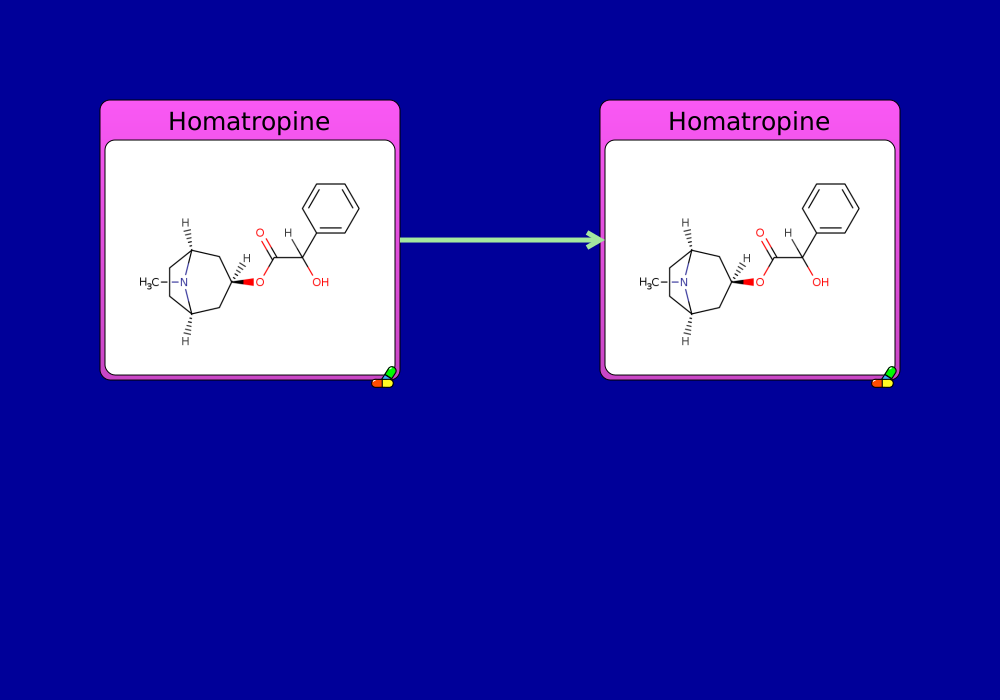 View Pathway
|
Homatropine Drug Metabolism PathwayHomo sapiens
|
Metabolite
Metabolic
|
|
|
SMP0145387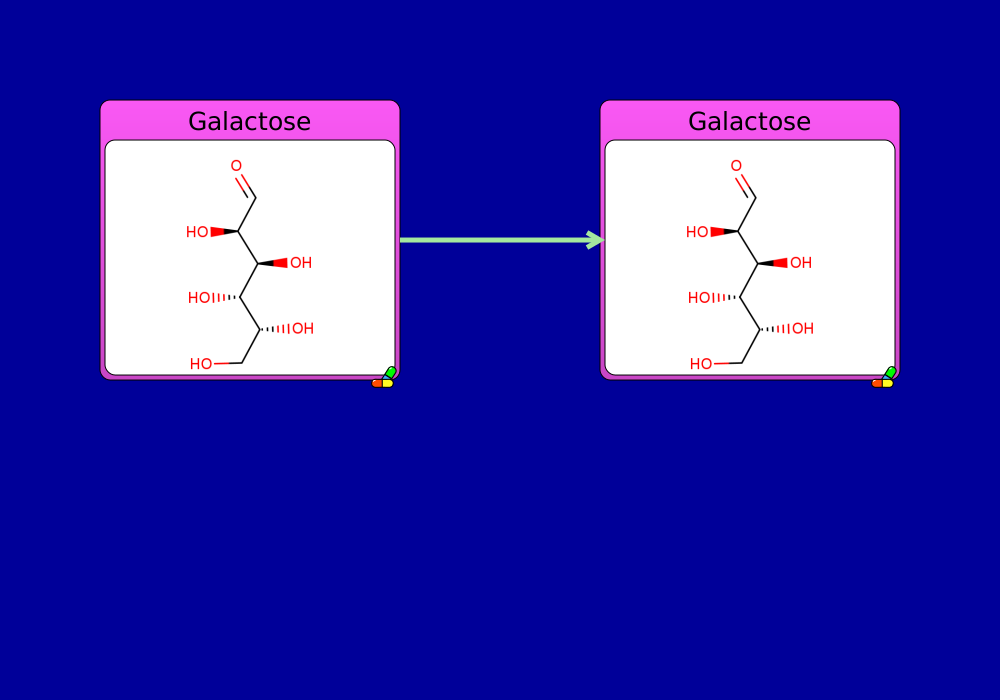 View Pathway
|
Galactose Drug Metabolism PathwayHomo sapiens
|
Metabolite
Metabolic
|
|
|
SMP0145412 View Pathway
|
Triprolidine H1 Antihistamine Neurological Sleep Action PathwayHomo sapiens
Triprolidine is an ethanolamine class H1 antihistamine used to treat insomnia and allergy symptoms such as hay fever and hives. It is also used with pyridoxine in the treatment of nausea and vomiting in pregnancy. H1-antihistamines interfere with the agonist action of histamine at the H1 receptor and are administered to attenuate inflammatory process in order to treat conditions such as allergic rhinitis, allergic conjunctivitis, and urticaria.
Wakefulness is regulated by histamine in the tuberomammillary nucleus, a part of the hypothalamus. Histidine is decarboxylated into histamine in the neuron. Histamine is transported into synaptic vesicles by a monoamine transporter then released into the synapse. Normally histamine would activate the H1 histamine receptor on the post-synaptic neuron in the tuberomammillary nucleus. Triprolidine inhibits the H1 histamine receptor, preventing the depolarization of the post-synaptic neuron. This prevents the wakefulness signal from being sent to the major areas of the brain, causing sleepiness.
|
Metabolite
Drug Action
|
||
SMP0145417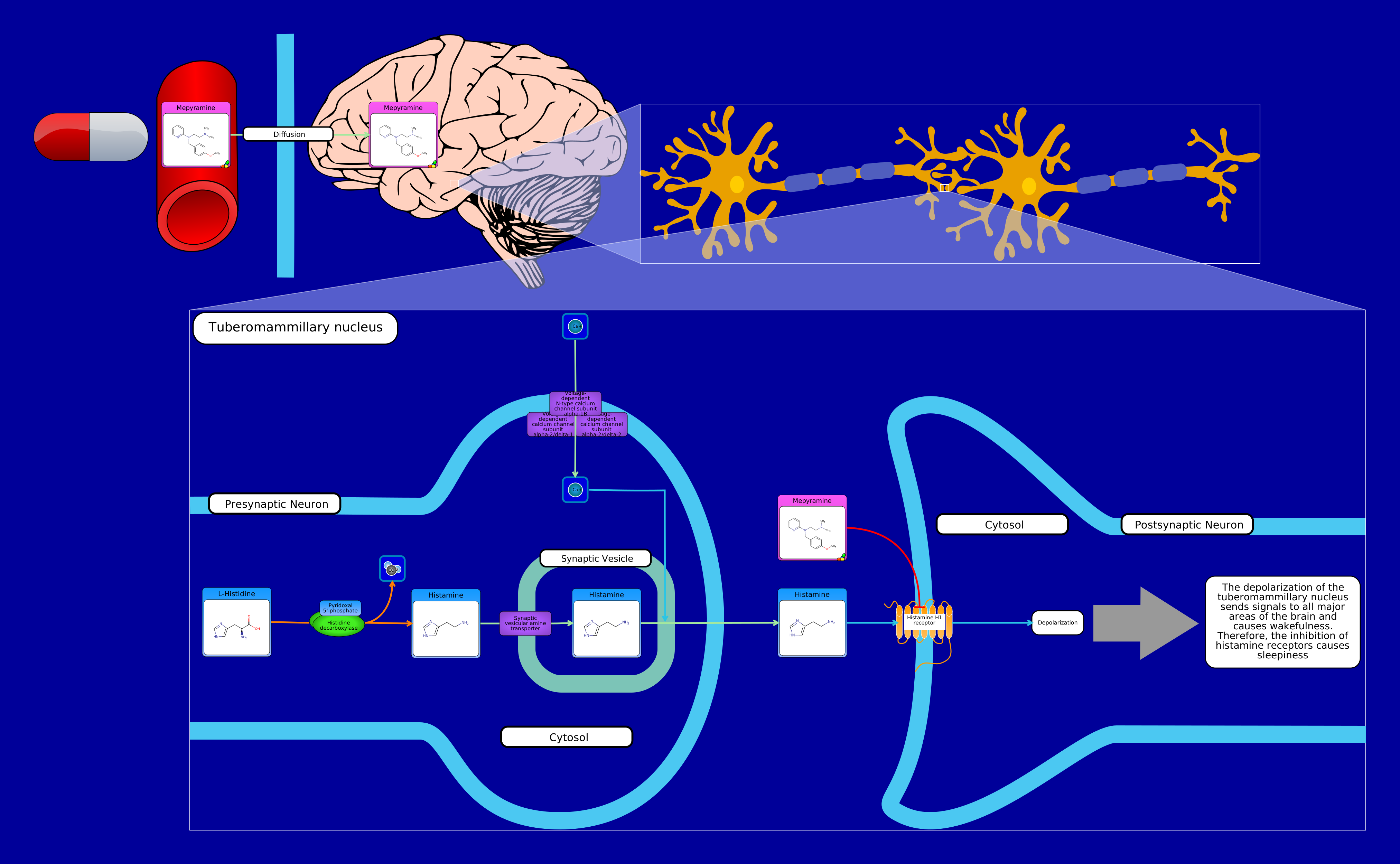 View Pathway
|
Mepyramine H1 Antihistamine Neurological Sleep Action PathwayHomo sapiens
Mepyramine is an ethanolamine class H1 antihistamine used to treat insomnia and allergy symptoms such as hay fever and hives. It is also used with pyridoxine in the treatment of nausea and vomiting in pregnancy. H1-antihistamines interfere with the agonist action of histamine at the H1 receptor and are administered to attenuate inflammatory process in order to treat conditions such as allergic rhinitis, allergic conjunctivitis, and urticaria.
Wakefulness is regulated by histamine in the tuberomammillary nucleus, a part of the hypothalamus. Histidine is decarboxylated into histamine in the neuron. Histamine is transported into synaptic vesicles by a monoamine transporter then released into the synapse. Normally histamine would activate the H1 histamine receptor on the post-synaptic neuron in the tuberomammillary nucleus. Mepyramine inhibits the H1 histamine receptor, preventing the depolarization of the post-synaptic neuron. This prevents the wakefulness signal from being sent to the major areas of the brain, causing sleepiness.
|
Metabolite
Drug Action
|
||
SMP0145424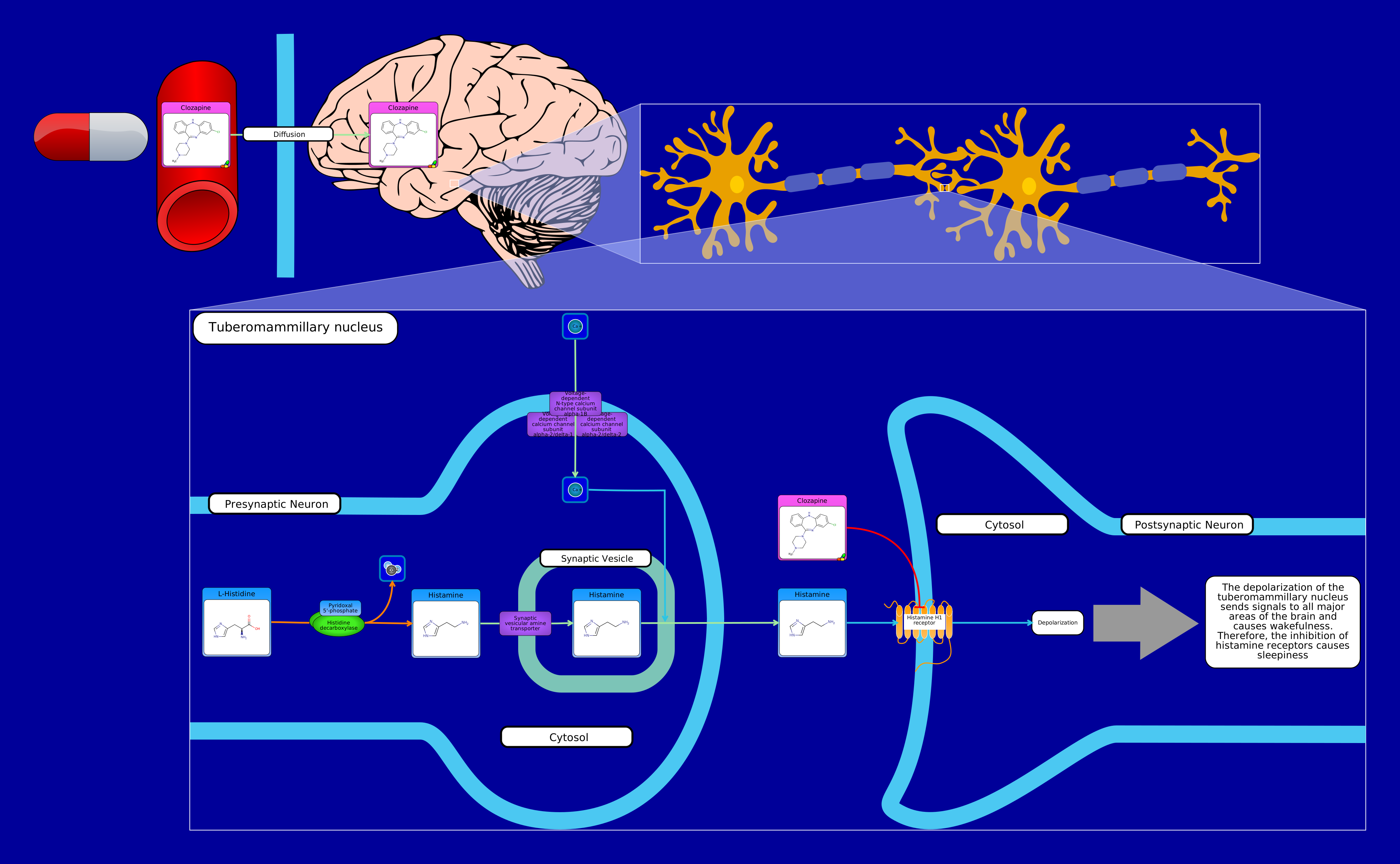 View Pathway
|
Clozapine H1 Antihistamine Neurological Sleep Action PathwayHomo sapiens
Clozapine is an ethanolamine class H1 antihistamine used to treat insomnia and allergy symptoms such as hay fever and hives. It is also used with pyridoxine in the treatment of nausea and vomiting in pregnancy. H1-antihistamines interfere with the agonist action of histamine at the H1 receptor and are administered to attenuate inflammatory process in order to treat conditions such as allergic rhinitis, allergic conjunctivitis, and urticaria.
Wakefulness is regulated by histamine in the tuberomammillary nucleus, a part of the hypothalamus. Histidine is decarboxylated into histamine in the neuron. Histamine is transported into synaptic vesicles by a monoamine transporter then released into the synapse. Normally histamine would activate the H1 histamine receptor on the post-synaptic neuron in the tuberomammillary nucleus. Clozapine inhibits the H1 histamine receptor, preventing the depolarization of the post-synaptic neuron. This prevents the wakefulness signal from being sent to the major areas of the brain, causing sleepiness.
|
Metabolite
Drug Action
|
||
SMP0145429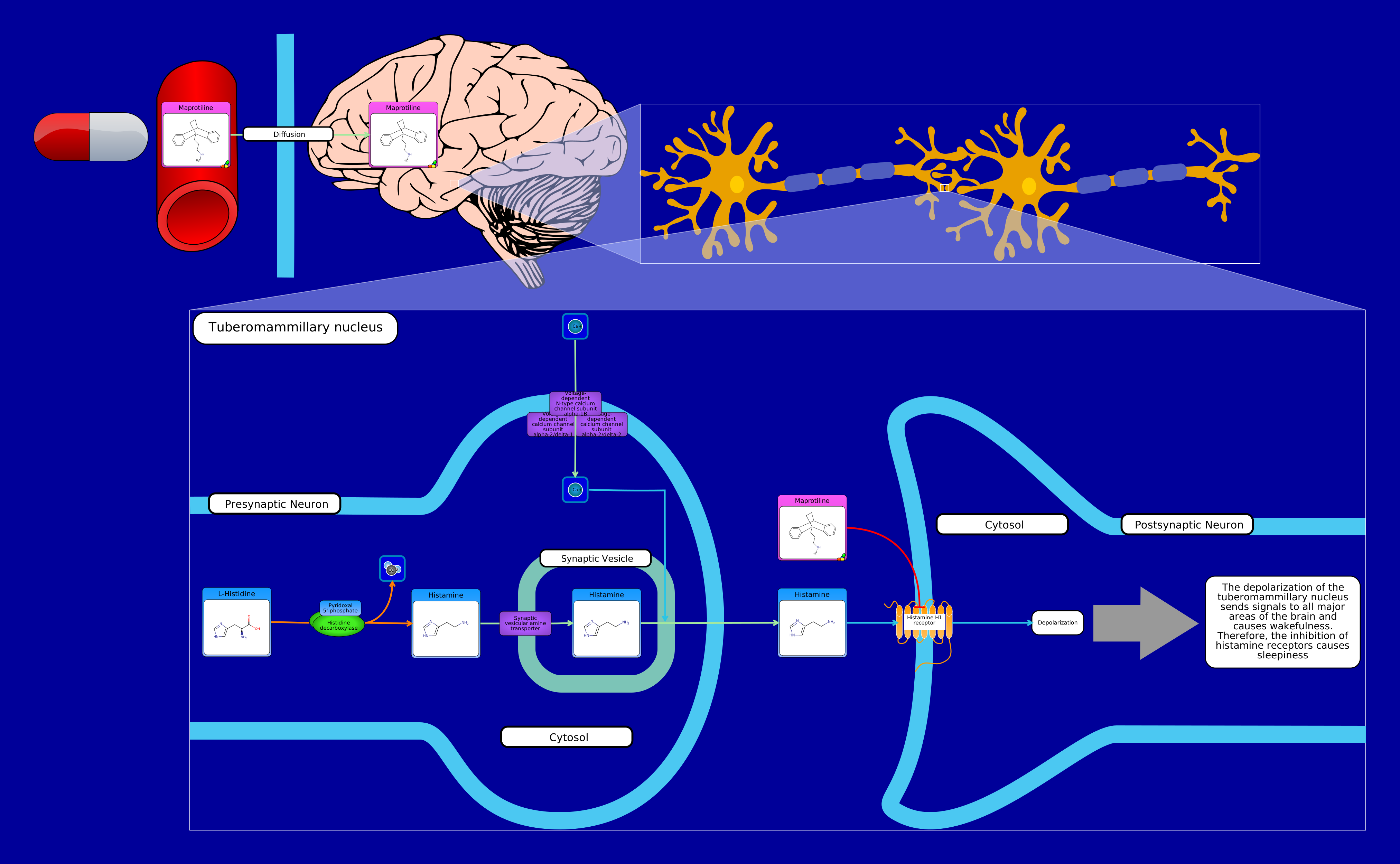 View Pathway
|
Maprotiline H1 Antihistamine Neurological Sleep Action PathwayHomo sapiens
Maprotiline is an ethanolamine class H1 antihistamine used to treat insomnia and allergy symptoms such as hay fever and hives. It is also used with pyridoxine in the treatment of nausea and vomiting in pregnancy. H1-antihistamines interfere with the agonist action of histamine at the H1 receptor and are administered to attenuate inflammatory process in order to treat conditions such as allergic rhinitis, allergic conjunctivitis, and urticaria.
Wakefulness is regulated by histamine in the tuberomammillary nucleus, a part of the hypothalamus. Histidine is decarboxylated into histamine in the neuron. Histamine is transported into synaptic vesicles by a monoamine transporter then released into the synapse. Normally histamine would activate the H1 histamine receptor on the post-synaptic neuron in the tuberomammillary nucleus. Maprotiline inhibits the H1 histamine receptor, preventing the depolarization of the post-synaptic neuron. This prevents the wakefulness signal from being sent to the major areas of the brain, causing sleepiness.
|
Metabolite
Drug Action
|
||
SMP0145432 View Pathway
|
Chlorpromazine H1 Antihistamine Neurological Sleep Action PathwayHomo sapiens
Chlorpromazine is an ethanolamine class H1 antihistamine used to treat insomnia and allergy symptoms such as hay fever and hives. It is also used with pyridoxine in the treatment of nausea and vomiting in pregnancy. H1-antihistamines interfere with the agonist action of histamine at the H1 receptor and are administered to attenuate inflammatory process in order to treat conditions such as allergic rhinitis, allergic conjunctivitis, and urticaria.
Wakefulness is regulated by histamine in the tuberomammillary nucleus, a part of the hypothalamus. Histidine is decarboxylated into histamine in the neuron. Histamine is transported into synaptic vesicles by a monoamine transporter then released into the synapse. Normally histamine would activate the H1 histamine receptor on the post-synaptic neuron in the tuberomammillary nucleus. Chlorpromazine inhibits the H1 histamine receptor, preventing the depolarization of the post-synaptic neuron. This prevents the wakefulness signal from being sent to the major areas of the brain, causing sleepiness.
|
Metabolite
Drug Action
|
||
SMP0145437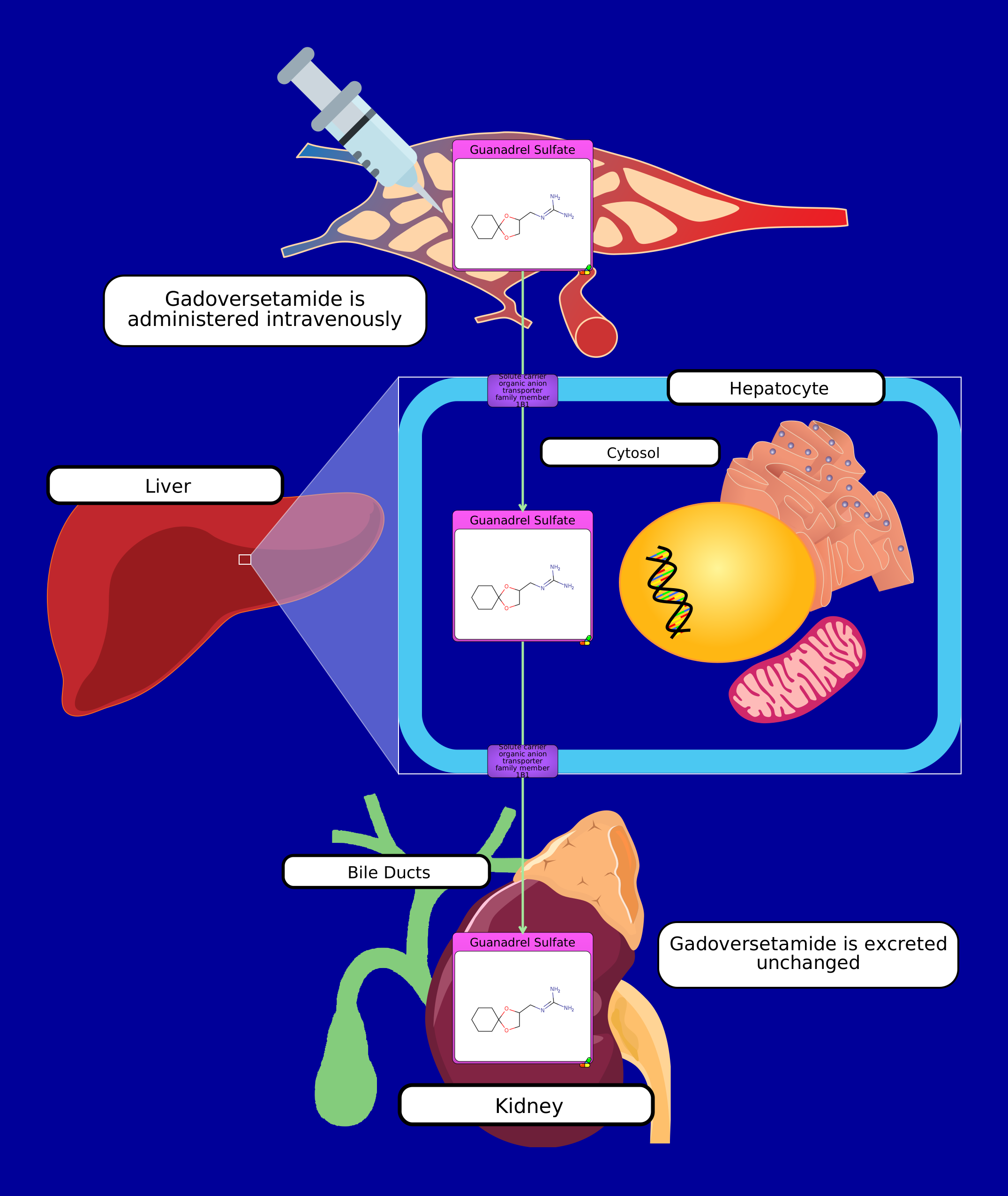 View Pathway
|
Guanadrel Sulfate Drug Metabolism PathwayHomo sapiens
Gadoversetamide is a drug that is not metabolized by the human body as determined by current research and biotransformer analysis. Gadoversetamide passes through the liver and is then excreted from the body mainly through the kidney.
|
Metabolite
Metabolic
|
||
SMP0145444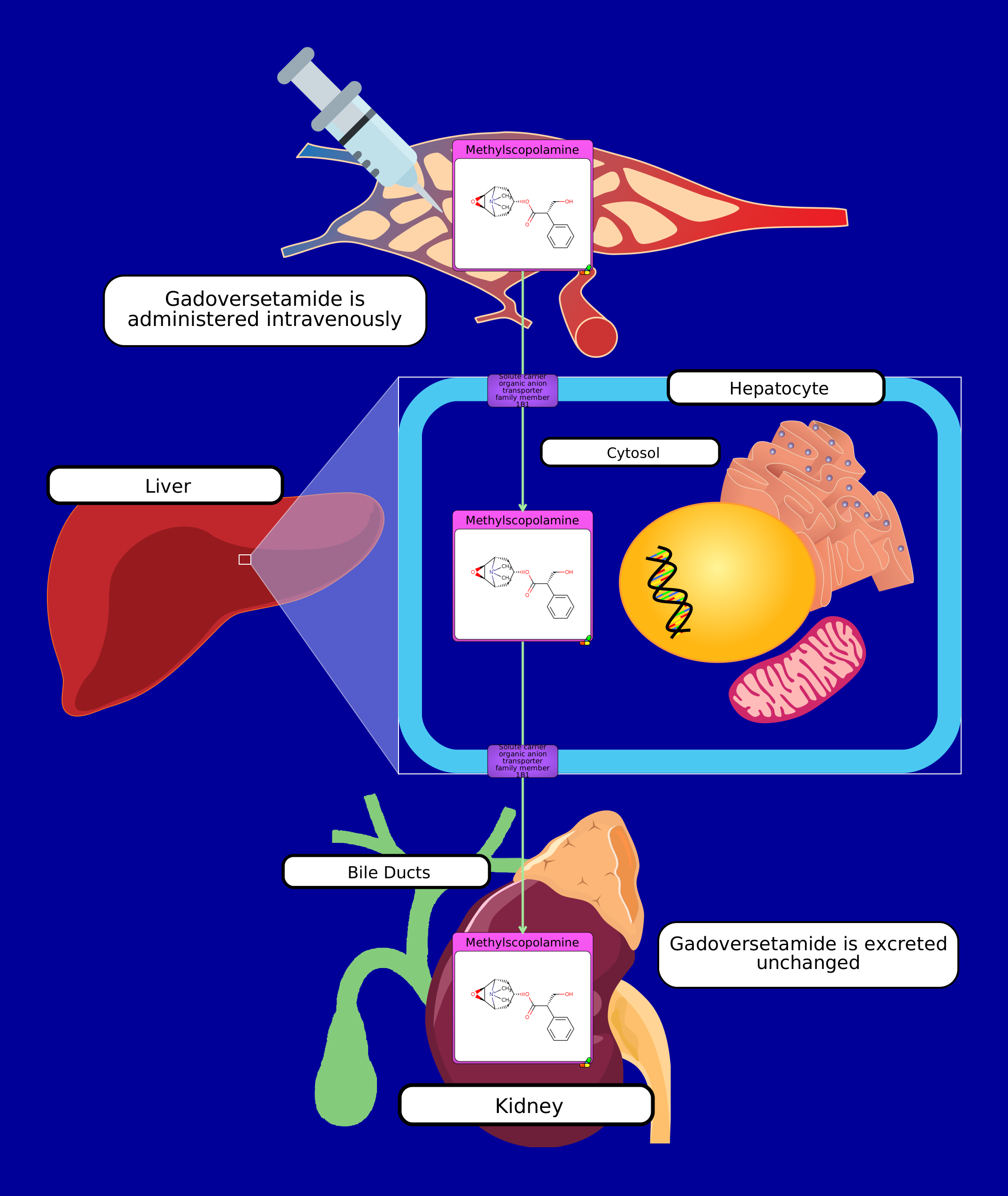 View Pathway
|
Methylscopolamine Drug Metabolism PathwayHomo sapiens
Gadoversetamide is a drug that is not metabolized by the human body as determined by current research and biotransformer analysis. Gadoversetamide passes through the liver and is then excreted from the body mainly through the kidney.
|
Metabolite
Metabolic
|
Showing 484261 -
484270 of 540797 pathways