
Browsing Pathways
Showing 540961 -
540970 of 605359 pathways
| PathBank ID | Pathway Name and Description | Pathway Class | Chemical Compounds | Proteins |
|---|---|---|---|---|
SMP0726140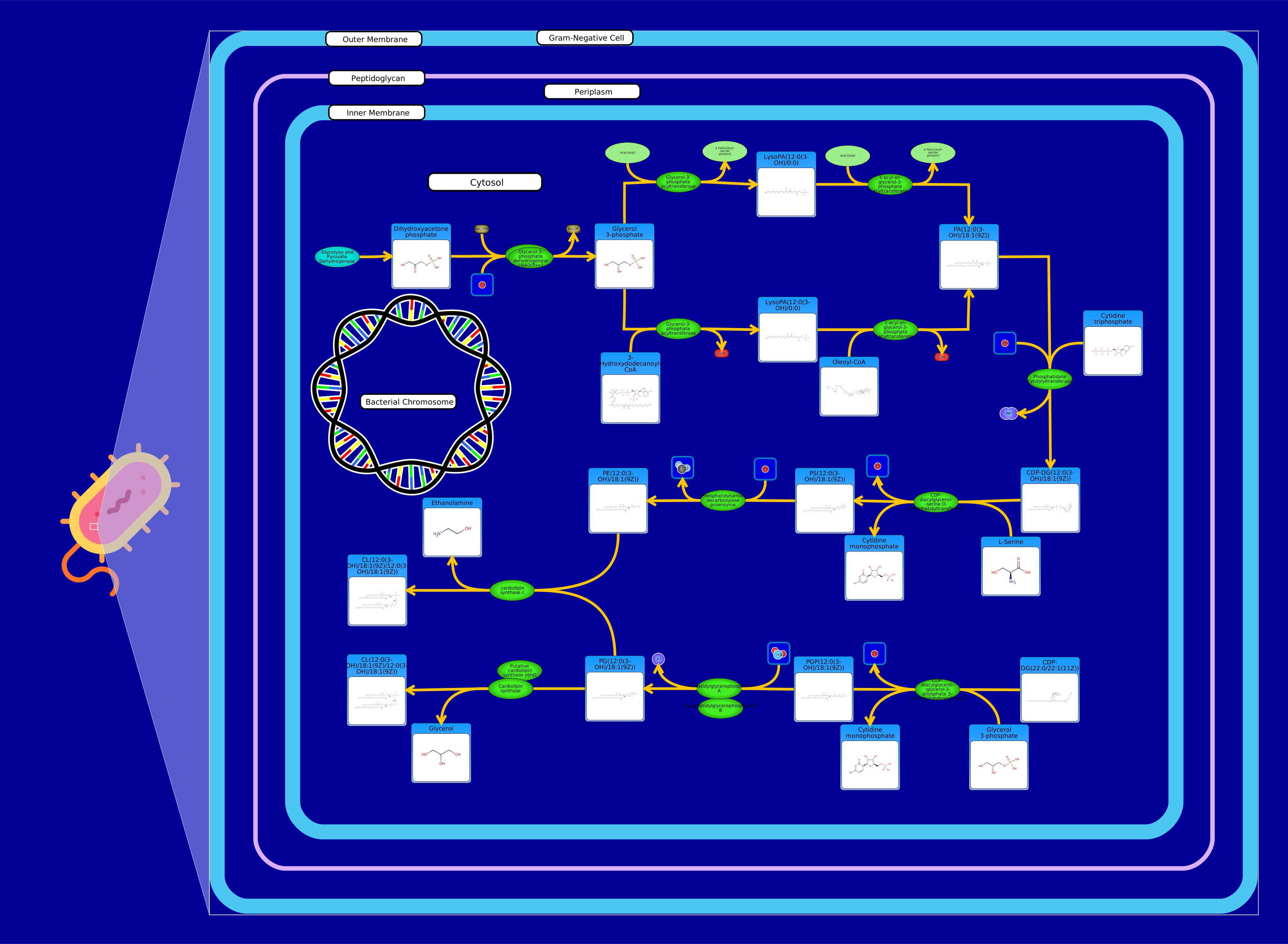 View Pathway
|
Cardiolipin Biosynthesis CL(18:1(9Z)/16:1(9Z)/18:0/16:0)Escherichia coli
Phospholipids are membrane components in E. coli. The major phospholipids of E. coli are phosphatidylethanolamine, phosphatidylglycerol, and cardiolipin. All phospholipids contain sn-glycerol-3-phosphate esterified with fatty acids at the sn-1 and sn-2 positions. The reaction starts from a glycerone phosphate (dihydroxyacetone phosphate) produced in glycolysis. The glycerone phosphate is transformed into an sn-glycerol 3-phosphate (glycerol 3 phosphate) by NADPH-driven glycerol-3-phosphate dehydrogenase. sn-Glycerol 3-phosphate is transformed to a 1-acyl-sn-glycerol 3-phosphate (lysophosphatidic acid). This can be achieved by an sn-glycerol-3-phosphate acyltransferase that interacts either with a long-chain acyl-CoA or with an acyl-[acp]. The 1-acyl-sn-glycerol 3-phosphate is transformed into a 1,2-diacyl-sn-glycerol 3-phosphate (phosphatidic acid) through a 1-acylglycerol-3-phosphate O-acyltransferase. This compound is then converted into a CPD-diacylglycerol through a CTP phosphatidate cytididyltransferase. CPD-diacylglycerol can be transformed either into an L-1-phosphatidylserine or an L-1-phosphatidylglycerol-phosphate through a phosphatidylserine synthase or a phosphatidylglycerophosphate synthase, respectively. The L-1-phosphatidylserine transforms into L-1-phosphatidylethanolamine through a phosphatidylserine decarboxylase. On the other hand, L-1-phosphatidylglycerol-phosphate gets transformed into an L-1-phosphatidyl-glycerol through a phosphatidylglycerophosphatase. These 2 products combine to produce a cardiolipin and an ethanolamine. The L-1 phosphatidyl-glycerol can also interact with cardiolipin synthase resulting in a glycerol and a cardiolipin.
|
Metabolite
Metabolic
|
|
|
SMP0729175 View Pathway
|
Lysyl-PG(14:0/18:1(9z)) BiosynthesisBacillus subtilis
Lysyl-phosphatidylglycerol (LPG) is a key membrane lipid modification found primarily in Gram-positive bacteria such as Staphylococcus aureus, Bacillus subtilis, and Enterococcus faecalis, and more rarely in certain Gram-negative species including Rhizobium tropici and Sinorhizobium medicae. It is synthesized through a sequence of reactions beginning with the formation of phosphatidylglycerol (PG) from glycerol 3-phosphate and fatty acyl donors such as palmitoyl-CoA or acyl-[acp], leading to intermediates like lysoPA(16:0/0:0), PA(16:0/16:0), CDP-DG(16:0/16:0), and PGP(16:0/16:0), which are subsequently converted into PG(16:0/16:0). The final step involves the enzyme multiple peptide resistance factor (MprF), which transfers a lysine residue from L-lysyl-tRNA onto PG to form 16:0 lysyl-phosphatidylglycerol, and then flips the modified lipid from the inner to the outer leaflet of the cytoplasmic membrane. This lysinylation of PG introduces positive charges that reduce the net anionic surface potential of the bacterial membrane, thereby diminishing electrostatic attraction to cationic antimicrobial peptides such as colistin, nisin, polymyxin B, and human β-defensin 3. The presence of LPG is thus a crucial adaptive mechanism conferring resistance to these peptides, contributing to virulence and environmental resilience. While LPG formation in S. aureus and B. subtilis occurs constitutively or under stress conditions, in some Gram-negative bacteria such as R. tropici, LPG synthesis is pH-dependent, being strongly induced under acidic conditions via the lpiA gene, a homolog of mprF. Overall, LPG biosynthesis represents an evolutionarily conserved membrane modification pathway that fine-tunes bacterial surface charge, enhances resistance to host defenses, and may vary in intensity depending on environmental and physiological cues.
|
Metabolite
Metabolic
|
|
|
SMP0729182
View Pathway
|
Lysyl-PG(15:0/18:1(9z)) BiosynthesisBacillus subtilis
Lysyl-phosphatidylglycerol (LPG) is a key membrane lipid modification found primarily in Gram-positive bacteria such as Staphylococcus aureus, Bacillus subtilis, and Enterococcus faecalis, and more rarely in certain Gram-negative species including Rhizobium tropici and Sinorhizobium medicae. It is synthesized through a sequence of reactions beginning with the formation of phosphatidylglycerol (PG) from glycerol 3-phosphate and fatty acyl donors such as palmitoyl-CoA or acyl-[acp], leading to intermediates like lysoPA(16:0/0:0), PA(16:0/16:0), CDP-DG(16:0/16:0), and PGP(16:0/16:0), which are subsequently converted into PG(16:0/16:0). The final step involves the enzyme multiple peptide resistance factor (MprF), which transfers a lysine residue from L-lysyl-tRNA onto PG to form 16:0 lysyl-phosphatidylglycerol, and then flips the modified lipid from the inner to the outer leaflet of the cytoplasmic membrane. This lysinylation of PG introduces positive charges that reduce the net anionic surface potential of the bacterial membrane, thereby diminishing electrostatic attraction to cationic antimicrobial peptides such as colistin, nisin, polymyxin B, and human β-defensin 3. The presence of LPG is thus a crucial adaptive mechanism conferring resistance to these peptides, contributing to virulence and environmental resilience. While LPG formation in S. aureus and B. subtilis occurs constitutively or under stress conditions, in some Gram-negative bacteria such as R. tropici, LPG synthesis is pH-dependent, being strongly induced under acidic conditions via the lpiA gene, a homolog of mprF. Overall, LPG biosynthesis represents an evolutionarily conserved membrane modification pathway that fine-tunes bacterial surface charge, enhances resistance to host defenses, and may vary in intensity depending on environmental and physiological cues.
|
Metabolite
Metabolic
|
|
|
SMP0727551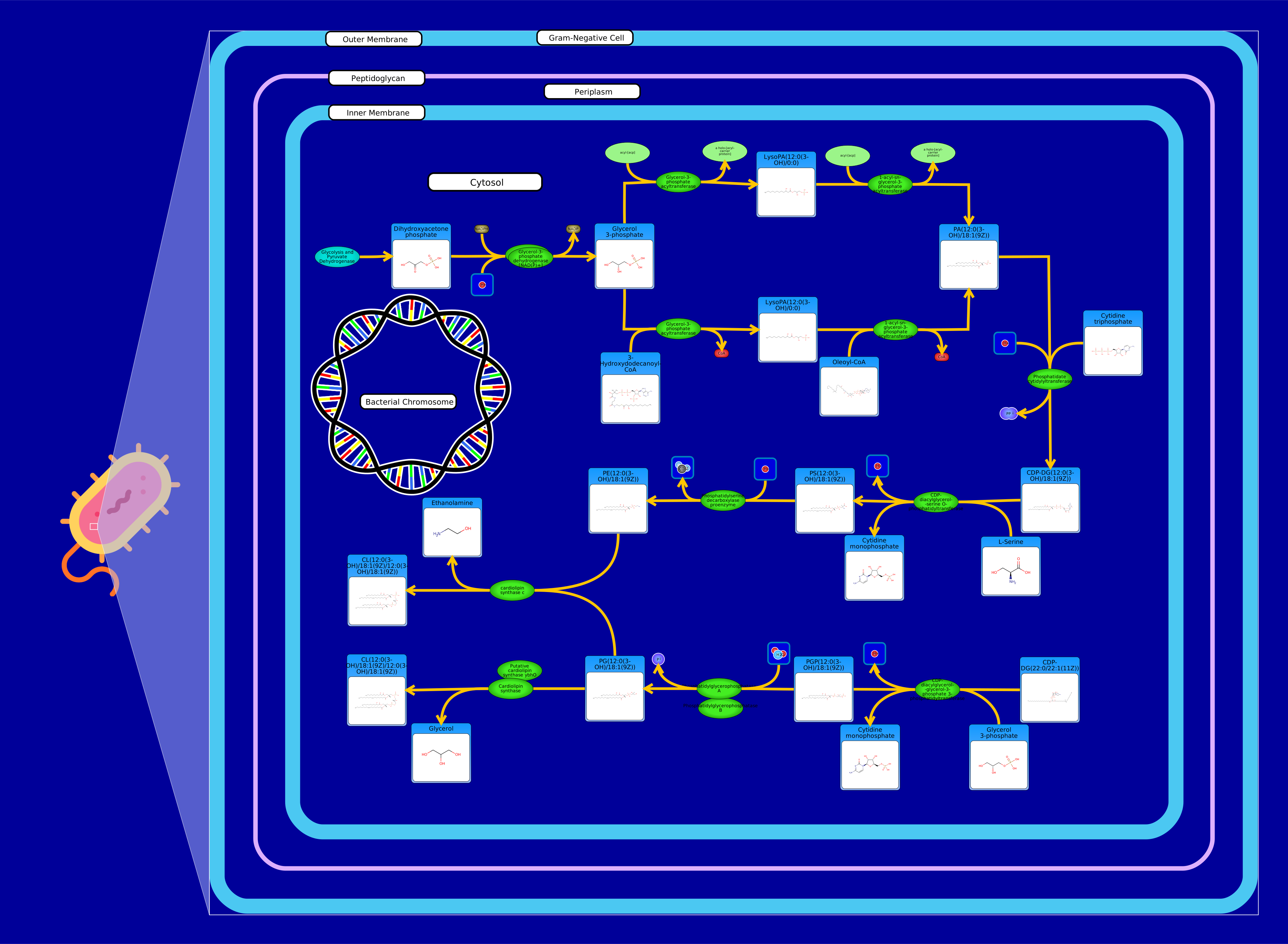 View Pathway
|
Cardiolipin Biosynthesis CL(16:1(9Z)/18:2(9Z,12Z)/14:0/18:4(6Z,9Z,12Z,15Z))Escherichia coli
Phospholipids are membrane components in E. coli. The major phospholipids of E. coli are phosphatidylethanolamine, phosphatidylglycerol, and cardiolipin. All phospholipids contain sn-glycerol-3-phosphate esterified with fatty acids at the sn-1 and sn-2 positions. The reaction starts from a glycerone phosphate (dihydroxyacetone phosphate) produced in glycolysis. The glycerone phosphate is transformed into an sn-glycerol 3-phosphate (glycerol 3 phosphate) by NADPH-driven glycerol-3-phosphate dehydrogenase. sn-Glycerol 3-phosphate is transformed to a 1-acyl-sn-glycerol 3-phosphate (lysophosphatidic acid). This can be achieved by an sn-glycerol-3-phosphate acyltransferase that interacts either with a long-chain acyl-CoA or with an acyl-[acp]. The 1-acyl-sn-glycerol 3-phosphate is transformed into a 1,2-diacyl-sn-glycerol 3-phosphate (phosphatidic acid) through a 1-acylglycerol-3-phosphate O-acyltransferase. This compound is then converted into a CPD-diacylglycerol through a CTP phosphatidate cytididyltransferase. CPD-diacylglycerol can be transformed either into an L-1-phosphatidylserine or an L-1-phosphatidylglycerol-phosphate through a phosphatidylserine synthase or a phosphatidylglycerophosphate synthase, respectively. The L-1-phosphatidylserine transforms into L-1-phosphatidylethanolamine through a phosphatidylserine decarboxylase. On the other hand, L-1-phosphatidylglycerol-phosphate gets transformed into an L-1-phosphatidyl-glycerol through a phosphatidylglycerophosphatase. These 2 products combine to produce a cardiolipin and an ethanolamine. The L-1 phosphatidyl-glycerol can also interact with cardiolipin synthase resulting in a glycerol and a cardiolipin.
|
Metabolite
Metabolic
|
|
|
SMP0727532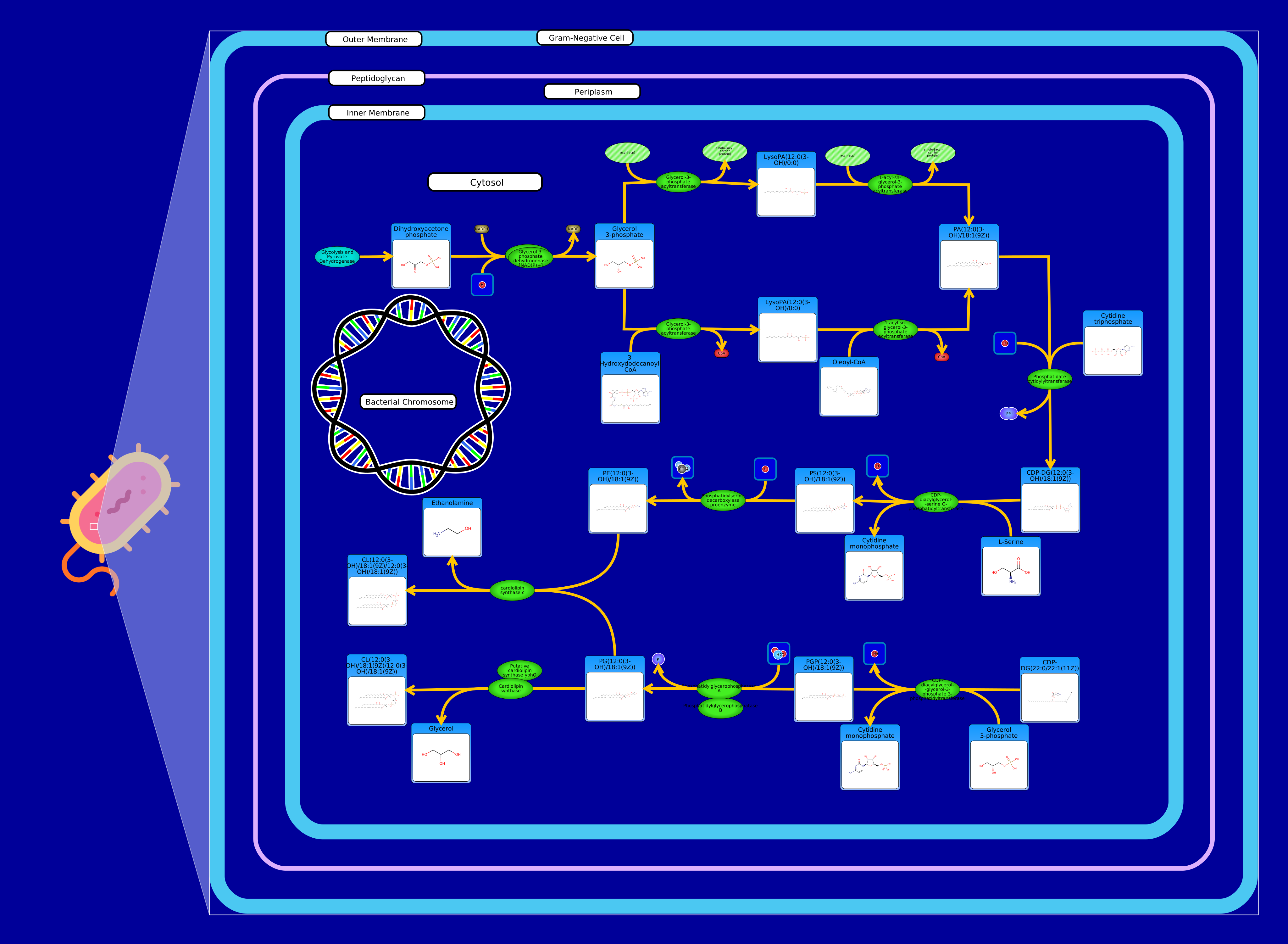 View Pathway
|
Cardiolipin Biosynthesis CL(16:0/18:2(9Z,12Z)/18:4(6Z,9Z,12Z,15Z)/18:0)Escherichia coli
Phospholipids are membrane components in E. coli. The major phospholipids of E. coli are phosphatidylethanolamine, phosphatidylglycerol, and cardiolipin. All phospholipids contain sn-glycerol-3-phosphate esterified with fatty acids at the sn-1 and sn-2 positions. The reaction starts from a glycerone phosphate (dihydroxyacetone phosphate) produced in glycolysis. The glycerone phosphate is transformed into an sn-glycerol 3-phosphate (glycerol 3 phosphate) by NADPH-driven glycerol-3-phosphate dehydrogenase. sn-Glycerol 3-phosphate is transformed to a 1-acyl-sn-glycerol 3-phosphate (lysophosphatidic acid). This can be achieved by an sn-glycerol-3-phosphate acyltransferase that interacts either with a long-chain acyl-CoA or with an acyl-[acp]. The 1-acyl-sn-glycerol 3-phosphate is transformed into a 1,2-diacyl-sn-glycerol 3-phosphate (phosphatidic acid) through a 1-acylglycerol-3-phosphate O-acyltransferase. This compound is then converted into a CPD-diacylglycerol through a CTP phosphatidate cytididyltransferase. CPD-diacylglycerol can be transformed either into an L-1-phosphatidylserine or an L-1-phosphatidylglycerol-phosphate through a phosphatidylserine synthase or a phosphatidylglycerophosphate synthase, respectively. The L-1-phosphatidylserine transforms into L-1-phosphatidylethanolamine through a phosphatidylserine decarboxylase. On the other hand, L-1-phosphatidylglycerol-phosphate gets transformed into an L-1-phosphatidyl-glycerol through a phosphatidylglycerophosphatase. These 2 products combine to produce a cardiolipin and an ethanolamine. The L-1 phosphatidyl-glycerol can also interact with cardiolipin synthase resulting in a glycerol and a cardiolipin.
|
Metabolite
Metabolic
|
|
|
SMP0727544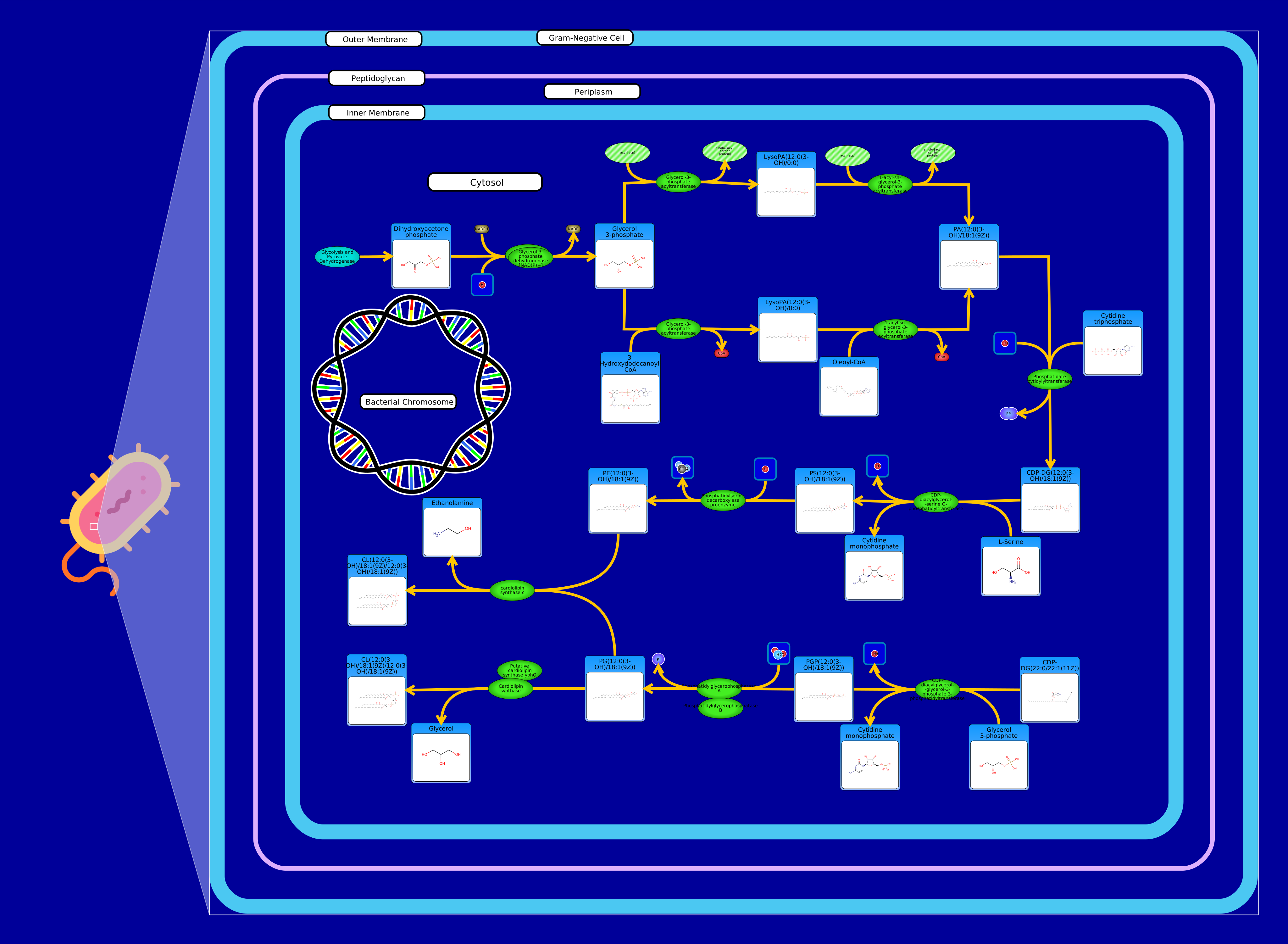 View Pathway
|
Cardiolipin Biosynthesis CL(16:1(8Z)/18:2(9Z,12Z)/18:2(9Z,12Z)/18:2(9Z,12Z))Escherichia coli
Phospholipids are membrane components in E. coli. The major phospholipids of E. coli are phosphatidylethanolamine, phosphatidylglycerol, and cardiolipin. All phospholipids contain sn-glycerol-3-phosphate esterified with fatty acids at the sn-1 and sn-2 positions. The reaction starts from a glycerone phosphate (dihydroxyacetone phosphate) produced in glycolysis. The glycerone phosphate is transformed into an sn-glycerol 3-phosphate (glycerol 3 phosphate) by NADPH-driven glycerol-3-phosphate dehydrogenase. sn-Glycerol 3-phosphate is transformed to a 1-acyl-sn-glycerol 3-phosphate (lysophosphatidic acid). This can be achieved by an sn-glycerol-3-phosphate acyltransferase that interacts either with a long-chain acyl-CoA or with an acyl-[acp]. The 1-acyl-sn-glycerol 3-phosphate is transformed into a 1,2-diacyl-sn-glycerol 3-phosphate (phosphatidic acid) through a 1-acylglycerol-3-phosphate O-acyltransferase. This compound is then converted into a CPD-diacylglycerol through a CTP phosphatidate cytididyltransferase. CPD-diacylglycerol can be transformed either into an L-1-phosphatidylserine or an L-1-phosphatidylglycerol-phosphate through a phosphatidylserine synthase or a phosphatidylglycerophosphate synthase, respectively. The L-1-phosphatidylserine transforms into L-1-phosphatidylethanolamine through a phosphatidylserine decarboxylase. On the other hand, L-1-phosphatidylglycerol-phosphate gets transformed into an L-1-phosphatidyl-glycerol through a phosphatidylglycerophosphatase. These 2 products combine to produce a cardiolipin and an ethanolamine. The L-1 phosphatidyl-glycerol can also interact with cardiolipin synthase resulting in a glycerol and a cardiolipin.
|
Metabolite
Metabolic
|
|
|
SMP0727539
View Pathway
|
Cardiolipin Biosynthesis CL(16:1(8Z)/18:2(9Z,12Z)/18:1(8Z)/18:2(9Z,12Z))Escherichia coli
Phospholipids are membrane components in E. coli. The major phospholipids of E. coli are phosphatidylethanolamine, phosphatidylglycerol, and cardiolipin. All phospholipids contain sn-glycerol-3-phosphate esterified with fatty acids at the sn-1 and sn-2 positions. The reaction starts from a glycerone phosphate (dihydroxyacetone phosphate) produced in glycolysis. The glycerone phosphate is transformed into an sn-glycerol 3-phosphate (glycerol 3 phosphate) by NADPH-driven glycerol-3-phosphate dehydrogenase. sn-Glycerol 3-phosphate is transformed to a 1-acyl-sn-glycerol 3-phosphate (lysophosphatidic acid). This can be achieved by an sn-glycerol-3-phosphate acyltransferase that interacts either with a long-chain acyl-CoA or with an acyl-[acp]. The 1-acyl-sn-glycerol 3-phosphate is transformed into a 1,2-diacyl-sn-glycerol 3-phosphate (phosphatidic acid) through a 1-acylglycerol-3-phosphate O-acyltransferase. This compound is then converted into a CPD-diacylglycerol through a CTP phosphatidate cytididyltransferase. CPD-diacylglycerol can be transformed either into an L-1-phosphatidylserine or an L-1-phosphatidylglycerol-phosphate through a phosphatidylserine synthase or a phosphatidylglycerophosphate synthase, respectively. The L-1-phosphatidylserine transforms into L-1-phosphatidylethanolamine through a phosphatidylserine decarboxylase. On the other hand, L-1-phosphatidylglycerol-phosphate gets transformed into an L-1-phosphatidyl-glycerol through a phosphatidylglycerophosphatase. These 2 products combine to produce a cardiolipin and an ethanolamine. The L-1 phosphatidyl-glycerol can also interact with cardiolipin synthase resulting in a glycerol and a cardiolipin.
|
Metabolite
Metabolic
|
|
|
SMP0727527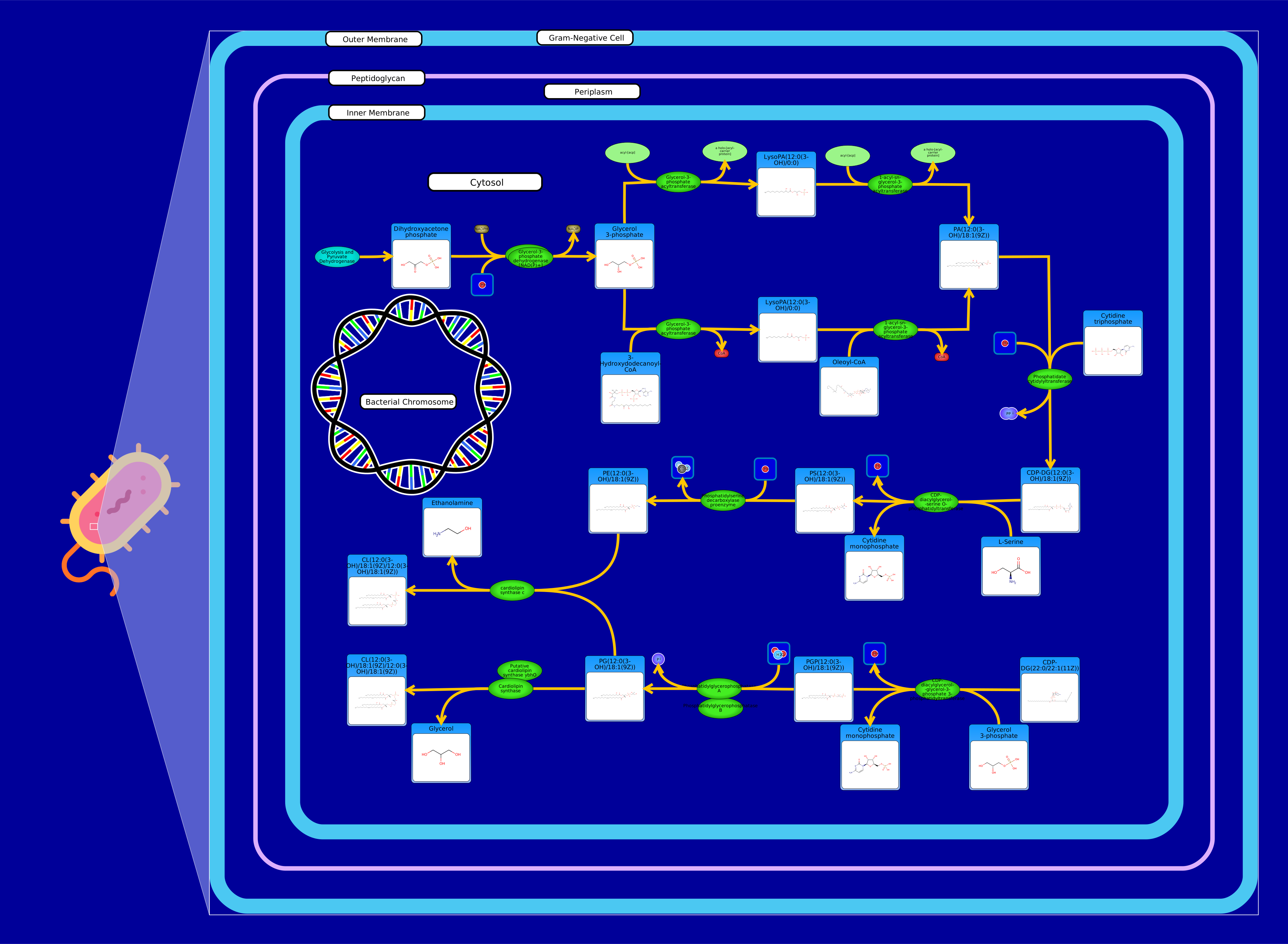 View Pathway
|
Cardiolipin Biosynthesis CL(16:0/18:2(9Z,12Z)/18:2(9Z,12Z)/18:2(9Z,12Z))Escherichia coli
Phospholipids are membrane components in E. coli. The major phospholipids of E. coli are phosphatidylethanolamine, phosphatidylglycerol, and cardiolipin. All phospholipids contain sn-glycerol-3-phosphate esterified with fatty acids at the sn-1 and sn-2 positions. The reaction starts from a glycerone phosphate (dihydroxyacetone phosphate) produced in glycolysis. The glycerone phosphate is transformed into an sn-glycerol 3-phosphate (glycerol 3 phosphate) by NADPH-driven glycerol-3-phosphate dehydrogenase. sn-Glycerol 3-phosphate is transformed to a 1-acyl-sn-glycerol 3-phosphate (lysophosphatidic acid). This can be achieved by an sn-glycerol-3-phosphate acyltransferase that interacts either with a long-chain acyl-CoA or with an acyl-[acp]. The 1-acyl-sn-glycerol 3-phosphate is transformed into a 1,2-diacyl-sn-glycerol 3-phosphate (phosphatidic acid) through a 1-acylglycerol-3-phosphate O-acyltransferase. This compound is then converted into a CPD-diacylglycerol through a CTP phosphatidate cytididyltransferase. CPD-diacylglycerol can be transformed either into an L-1-phosphatidylserine or an L-1-phosphatidylglycerol-phosphate through a phosphatidylserine synthase or a phosphatidylglycerophosphate synthase, respectively. The L-1-phosphatidylserine transforms into L-1-phosphatidylethanolamine through a phosphatidylserine decarboxylase. On the other hand, L-1-phosphatidylglycerol-phosphate gets transformed into an L-1-phosphatidyl-glycerol through a phosphatidylglycerophosphatase. These 2 products combine to produce a cardiolipin and an ethanolamine. The L-1 phosphatidyl-glycerol can also interact with cardiolipin synthase resulting in a glycerol and a cardiolipin.
|
Metabolite
Metabolic
|
|
|
SMP0727563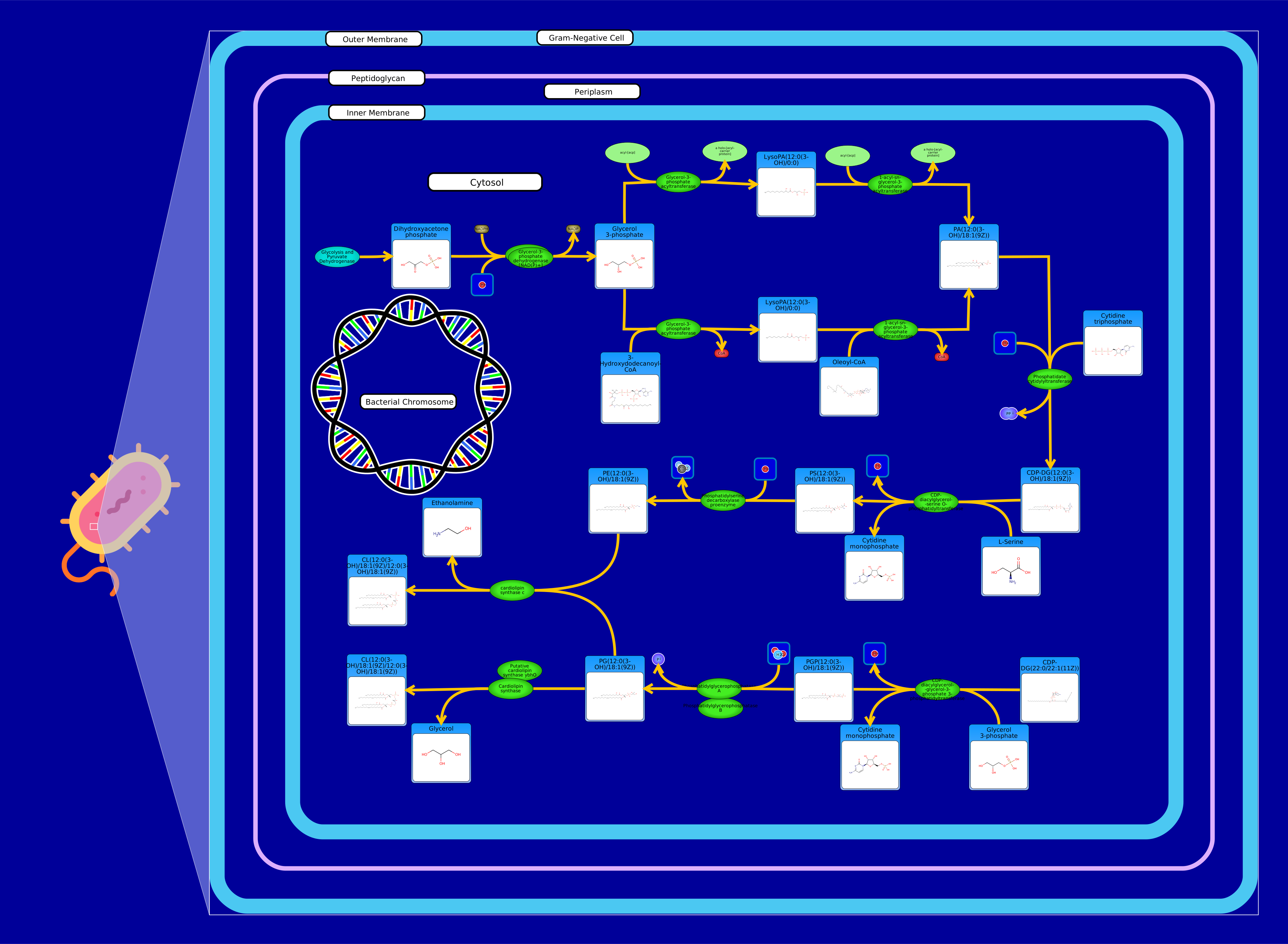 View Pathway
|
Cardiolipin Biosynthesis CL(16:1(9Z)/18:2(9Z,12Z)/16:1(9Z)/18:0)Escherichia coli
Phospholipids are membrane components in E. coli. The major phospholipids of E. coli are phosphatidylethanolamine, phosphatidylglycerol, and cardiolipin. All phospholipids contain sn-glycerol-3-phosphate esterified with fatty acids at the sn-1 and sn-2 positions. The reaction starts from a glycerone phosphate (dihydroxyacetone phosphate) produced in glycolysis. The glycerone phosphate is transformed into an sn-glycerol 3-phosphate (glycerol 3 phosphate) by NADPH-driven glycerol-3-phosphate dehydrogenase. sn-Glycerol 3-phosphate is transformed to a 1-acyl-sn-glycerol 3-phosphate (lysophosphatidic acid). This can be achieved by an sn-glycerol-3-phosphate acyltransferase that interacts either with a long-chain acyl-CoA or with an acyl-[acp]. The 1-acyl-sn-glycerol 3-phosphate is transformed into a 1,2-diacyl-sn-glycerol 3-phosphate (phosphatidic acid) through a 1-acylglycerol-3-phosphate O-acyltransferase. This compound is then converted into a CPD-diacylglycerol through a CTP phosphatidate cytididyltransferase. CPD-diacylglycerol can be transformed either into an L-1-phosphatidylserine or an L-1-phosphatidylglycerol-phosphate through a phosphatidylserine synthase or a phosphatidylglycerophosphate synthase, respectively. The L-1-phosphatidylserine transforms into L-1-phosphatidylethanolamine through a phosphatidylserine decarboxylase. On the other hand, L-1-phosphatidylglycerol-phosphate gets transformed into an L-1-phosphatidyl-glycerol through a phosphatidylglycerophosphatase. These 2 products combine to produce a cardiolipin and an ethanolamine. The L-1 phosphatidyl-glycerol can also interact with cardiolipin synthase resulting in a glycerol and a cardiolipin.
|
Metabolite
Metabolic
|
|
|
SMP0727558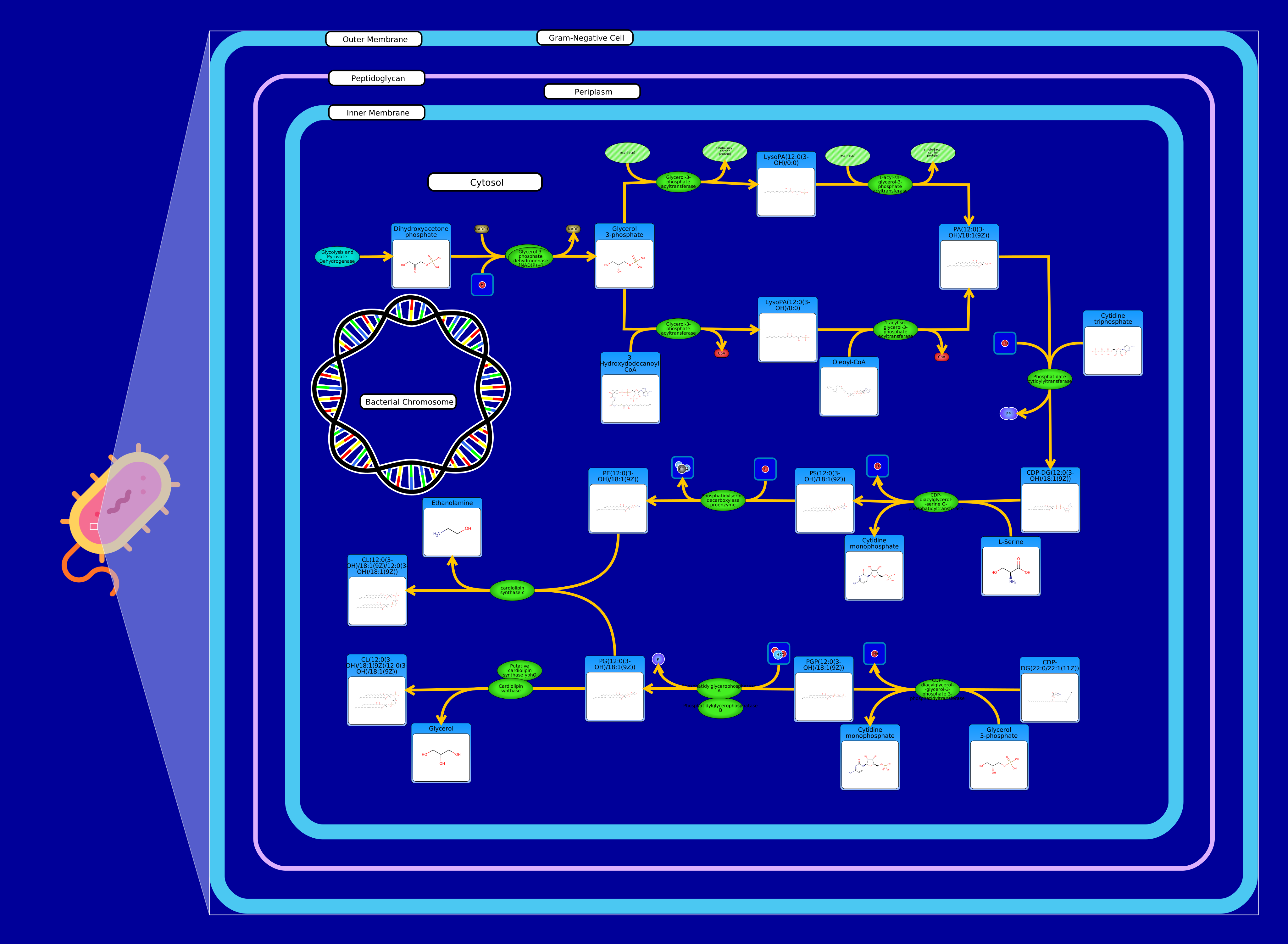 View Pathway
|
Cardiolipin Biosynthesis CL(16:1(9Z)/18:2(9Z,12Z)/16:0/18:2(9Z,12Z))Escherichia coli
Phospholipids are membrane components in E. coli. The major phospholipids of E. coli are phosphatidylethanolamine, phosphatidylglycerol, and cardiolipin. All phospholipids contain sn-glycerol-3-phosphate esterified with fatty acids at the sn-1 and sn-2 positions. The reaction starts from a glycerone phosphate (dihydroxyacetone phosphate) produced in glycolysis. The glycerone phosphate is transformed into an sn-glycerol 3-phosphate (glycerol 3 phosphate) by NADPH-driven glycerol-3-phosphate dehydrogenase. sn-Glycerol 3-phosphate is transformed to a 1-acyl-sn-glycerol 3-phosphate (lysophosphatidic acid). This can be achieved by an sn-glycerol-3-phosphate acyltransferase that interacts either with a long-chain acyl-CoA or with an acyl-[acp]. The 1-acyl-sn-glycerol 3-phosphate is transformed into a 1,2-diacyl-sn-glycerol 3-phosphate (phosphatidic acid) through a 1-acylglycerol-3-phosphate O-acyltransferase. This compound is then converted into a CPD-diacylglycerol through a CTP phosphatidate cytididyltransferase. CPD-diacylglycerol can be transformed either into an L-1-phosphatidylserine or an L-1-phosphatidylglycerol-phosphate through a phosphatidylserine synthase or a phosphatidylglycerophosphate synthase, respectively. The L-1-phosphatidylserine transforms into L-1-phosphatidylethanolamine through a phosphatidylserine decarboxylase. On the other hand, L-1-phosphatidylglycerol-phosphate gets transformed into an L-1-phosphatidyl-glycerol through a phosphatidylglycerophosphatase. These 2 products combine to produce a cardiolipin and an ethanolamine. The L-1 phosphatidyl-glycerol can also interact with cardiolipin synthase resulting in a glycerol and a cardiolipin.
|
Metabolite
Metabolic
|
|
|
Showing 540961 -
540970 of 541225 pathways